
The allure of open-air motoring is undeniable there’s something magical about feeling the wind in your hair while cruising down a scenic highway with the top down.
However, the convertible market presents a fascinating dichotomy between models that age gracefully, continuing to deliver joy and reliability years after purchase, and those that become expensive headaches plagued with mechanical gremlins, water leaks, and structural creaks.
The complexity of convertible mechanisms introduces unique challenges that traditional hardtop vehicles simply don’t face. Motorized soft tops, retractable hardtops, weathersealing systems, and reinforced chassis all represent potential failure points that can turn your dream car into a maintenance nightmare.
The difference between a well-engineered convertible and a poorly executed one becomes starkly apparent after just a few years of ownership.
Understanding which convertibles maintain their charm and functionality over time versus those that deteriorate rapidly is crucial for any enthusiast considering this body style.
The best convertibles combine robust engineering with quality materials, resulting in vehicles that remain leak-free, rattle-free, and mechanically sound even after years of use. These exceptional models prove that compromising reliability isn’t necessary when choosing open-air motoring.
Conversely, problematic convertibles often suffer from rushed development, cost-cutting measures, or fundamental design flaws that manifest as persistent issues.
Common problems include hydraulic roof failures, chronic water leaks, electrical gremlins, structural flex leading to rattles and creaks, and premature wear of critical components. These issues not only diminish the driving experience but can also result in substantial repair costs that far exceed the vehicle’s depreciated value.
This comprehensive analysis examines ten convertibles that represent both ends of this reliability spectrum, providing insights into what makes certain models enduring classics while others become cautionary tales in automotive ownership.
5 Convertibles That Leave You Smiling After Years
These exceptionally engineered open-air machines feature precision-manufactured soft-top mechanisms with heavy-duty hydraulic systems and reinforced fabric materials that maintain weatherproof sealing through countless opening cycles and seasonal storage periods.
Their sophisticated structural design includes strategically placed bracing, reinforced A-pillars, and advanced chassis stiffening that prevent the flex and twist typically associated with convertible body styles while preserving the exhilarating driving dynamics that make top-down motoring so compelling.
From torrential downpours that test every seal and gasket to extreme temperature variations that cause material expansion and contraction, these remarkable convertibles continue providing leak-free protection and whisper-quiet operation without developing rattles, wind noise, or mechanical binding.
The meticulous manufacturing process includes multi-layer fabric construction, stainless steel frame components, and precision-adjusted tension systems that maintain proper fit throughout decades of use.
Owners report that these legendary drop-tops actually become more cherished with age often delivering their most satisfying driving experiences after 100,000+ miles as owners develop deep appreciation for their reliable open-air freedom and timeless styling.
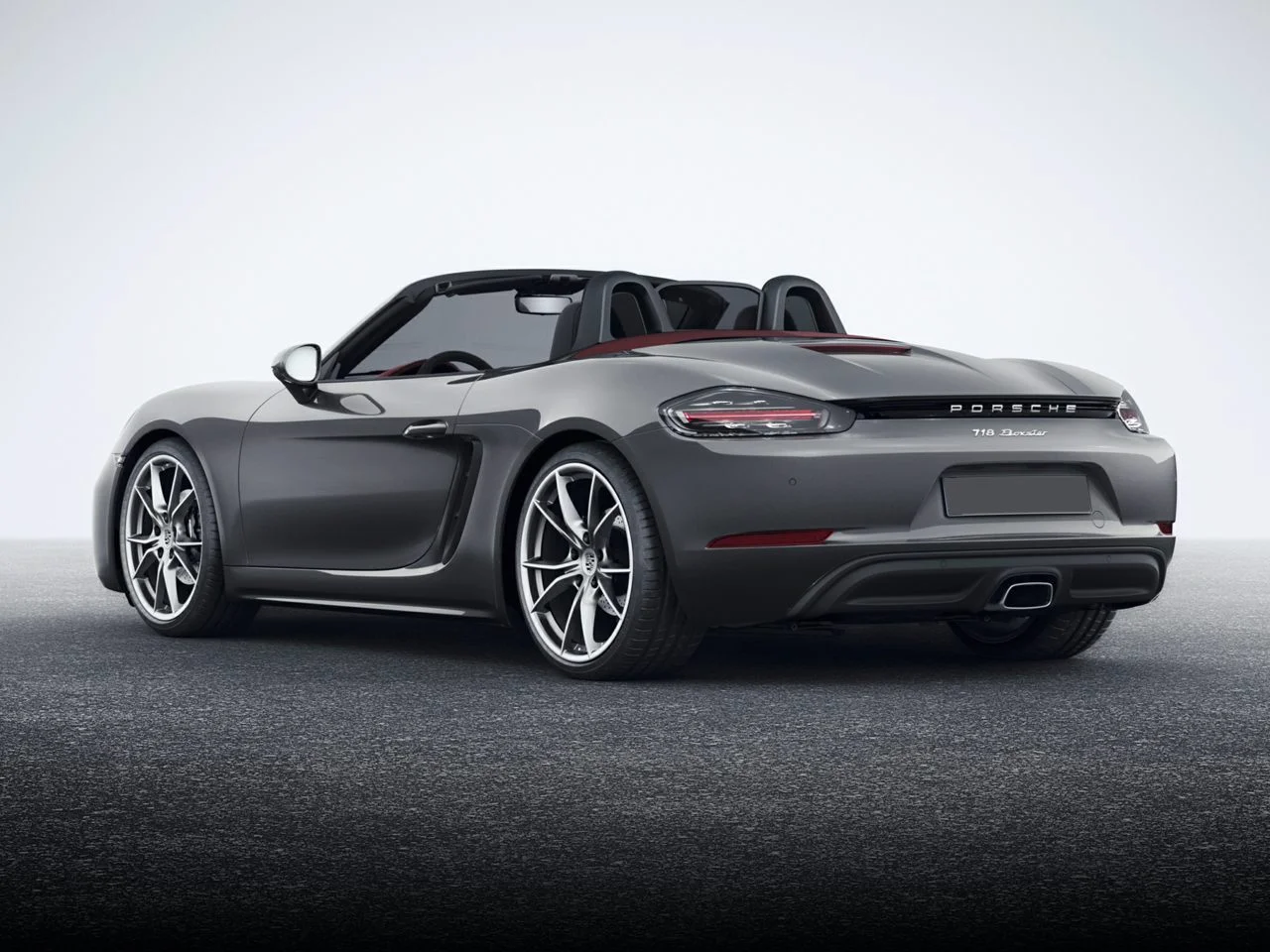
1. Porsche 718 Boxster/Cayman (2016-Present)
The Porsche 718 Boxster represents the pinnacle of convertible reliability, earning its reputation through meticulous German engineering and decades of continuous refinement.
Only 6% of Porsche’s mid-engined roadsters and its coupé went wrong, making it the most dependable convertible in its class according to recent reliability surveys.
What sets the 718 Boxster apart is Porsche’s unwavering commitment to build quality and their conservative approach to new technologies. The soft-top mechanism, while seemingly complex, utilizes time-tested hydraulic systems that Porsche has perfected over multiple generations.
The fabric roof features multiple layers of insulation and weatherproofing, with precise engineering ensuring long-term durability without compromising the sleek profile when raised.
The mid-mounted turbocharged four-cylinder engines, while initially controversial among purists, have proven remarkably reliable in real-world use.
These units benefit from Porsche’s extensive experience with forced induction, featuring robust internals and sophisticated cooling systems that prevent the overheating issues common in other turbocharged sports cars.
The six-speed manual and seven-speed PDK transmissions are both proven units shared across Porsche’s lineup, offering exceptional longevity when properly maintained.
Interior quality remains exceptional even after years of exposure to the elements. Porsche’s attention to detail extends to using UV-resistant materials, high-quality leather treatments, and robust switchgear that maintains its tactile feel over time.
The climate control system effectively manages cabin temperature regardless of roof position, while the infotainment system receives regular over-the-air updates that keep it current.
Owners consistently report minimal unscheduled maintenance beyond routine services, with many examples reaching six-figure mileages without major mechanical issues.
The strong resale values reflect market confidence in long-term reliability, making the 718 Boxster not just a joy to own but also a sound financial decision for those seeking dependable open-air motoring.
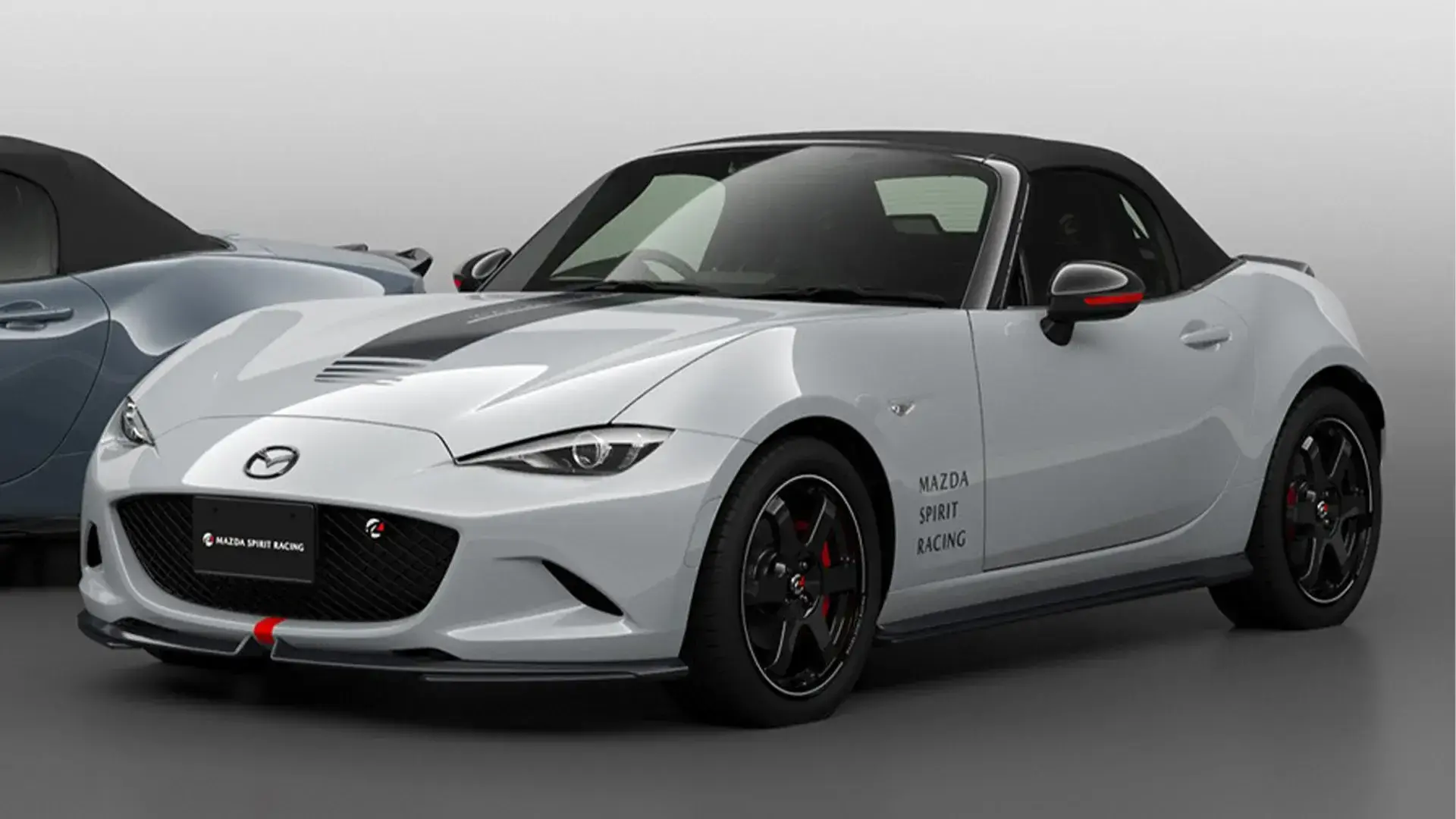
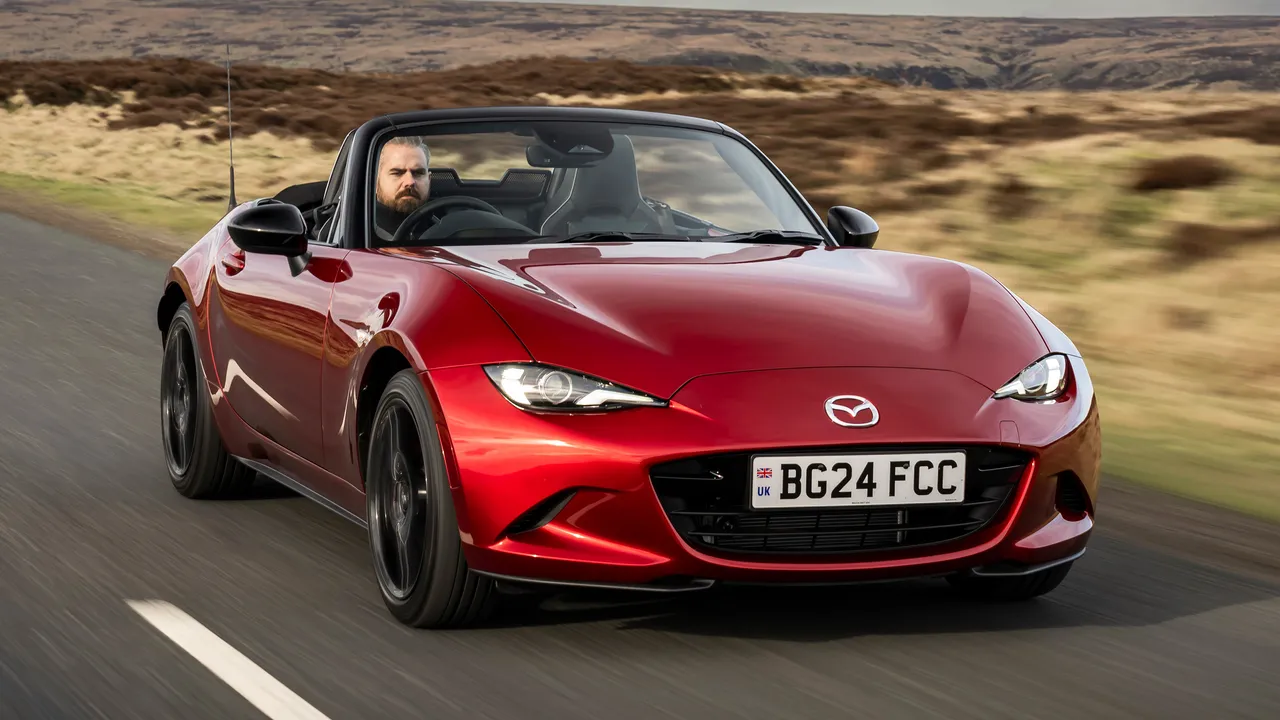
2. Mazda MX-5 Miata (2016-Present)
The fourth-generation Mazda MX-5 Miata continues the model’s legendary reputation for bulletproof reliability while delivering pure driving enjoyment.
Mazda’s “gram strategy” philosophy resulted in a lightweight, focused sports car that prioritizes simplicity and durability over unnecessary complexity, creating a convertible that remains trouble-free for years.
The manually operated soft top exemplifies the Miata’s philosophy perfectly it’s a beautifully engineered piece that can be operated single-handedly in under four seconds, with no motors, pumps, or complex mechanisms to fail.
The lightweight fabric roof features excellent weatherproofing and wind noise suppression, while the manual operation ensures owners never face the expensive hydraulic failures that plague more complex systems.
Mazda’s naturally aspirated 2.0-liter Skyactiv-G engine represents decades of refinement, offering impressive reliability through conservative tuning and robust construction.
The engine features direct injection with port injection backup, preventing the carbon buildup issues common in pure direct-injection systems. The six-speed manual transmission is a joy to use, with precise shift action that maintains its quality over hundreds of thousands of miles.
The chassis, while lightweight, demonstrates remarkable rigidity for a convertible. Mazda’s engineers carefully reinforced critical stress points without adding unnecessary weight, resulting in a structure that remains squeak and rattle-free even after years of spirited driving.
The suspension components are simple, robust, and easily serviceable, with replacement parts readily available at reasonable costs. Interior materials, while not luxurious, are chosen for durability rather than initial impression.
The strong enthusiast community ensures excellent parts availability and technical support, while the car’s straightforward design makes it accessible to home mechanics. This combination of reliability, simplicity, and pure driving joy explains why the MX-5 continues to be the world’s best-selling roadster.
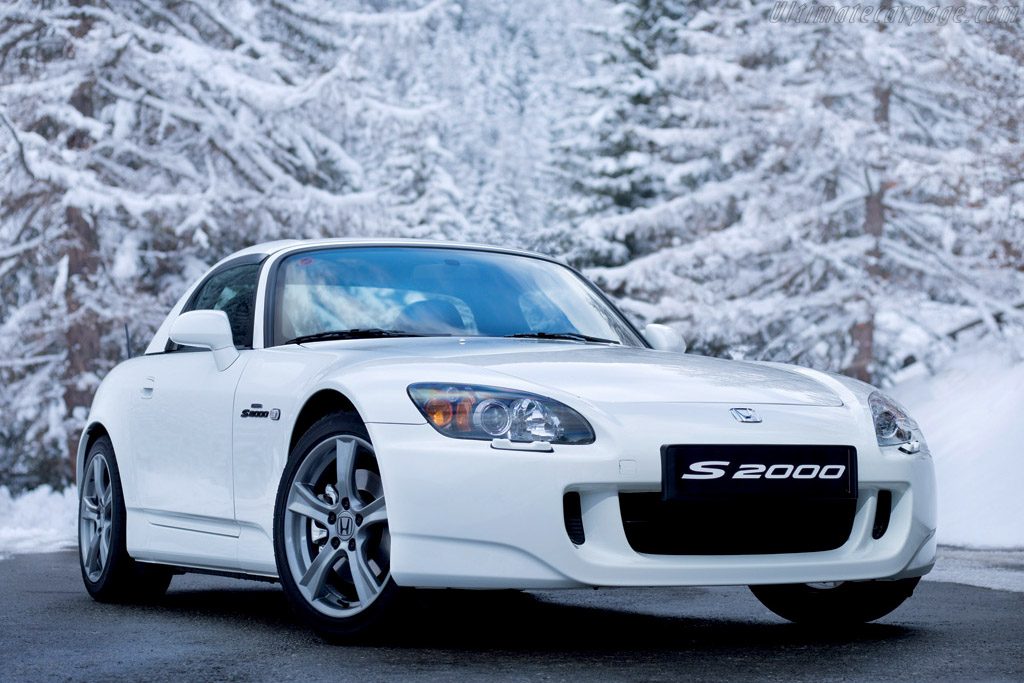
3. Honda S2000 (1999-2009)
Despite ending production over a decade ago, the Honda S2000 remains the benchmark for reliable high-performance convertibles, with well-maintained examples continuing to deliver exhilarating performance without significant mechanical issues.
Honda’s legendary build quality and conservative engineering approach created a roadster that has aged gracefully while maintaining its edge as a driver’s car.
The S2000’s soft-top mechanism represents Japanese engineering at its finest simple, robust, and utterly reliable. The manual operation takes seconds to complete and eliminates any potential for hydraulic or electrical failures.
The fabric roof itself features excellent materials and construction, with proper care ensuring weather-tight operation for decades. The hard tonneau cover provides additional security and weather protection when the roof is down.
Honda’s naturally aspirated VTEC engines are the stuff of legend, with the F20C and F22C units delivering incredible specific output while maintaining exceptional reliability.
These high-revving powerplants feature forged internals, sophisticated lubrication systems, and conservative cooling margins that allow them to withstand track use without drama.
The six-speed manual transmission offers precise shift action and bulletproof reliability, with many examples exceeding 200,000 miles without major mechanical intervention.
The aluminum space frame construction provides exceptional rigidity for an open-top car, resulting in precise handling characteristics that remain unchanged over time.
The sophisticated double-wishbone suspension at all four corners uses high-quality components that wear gradually rather than failing suddenly, making maintenance predictable and affordable. Interior quality reflects Honda’s attention to detail, with materials chosen for longevity rather than luxury.
Enthusiast communities provide extensive technical support and parts availability, ensuring that well-maintained examples can continue delivering their unique brand of high-revving excitement for years to come.
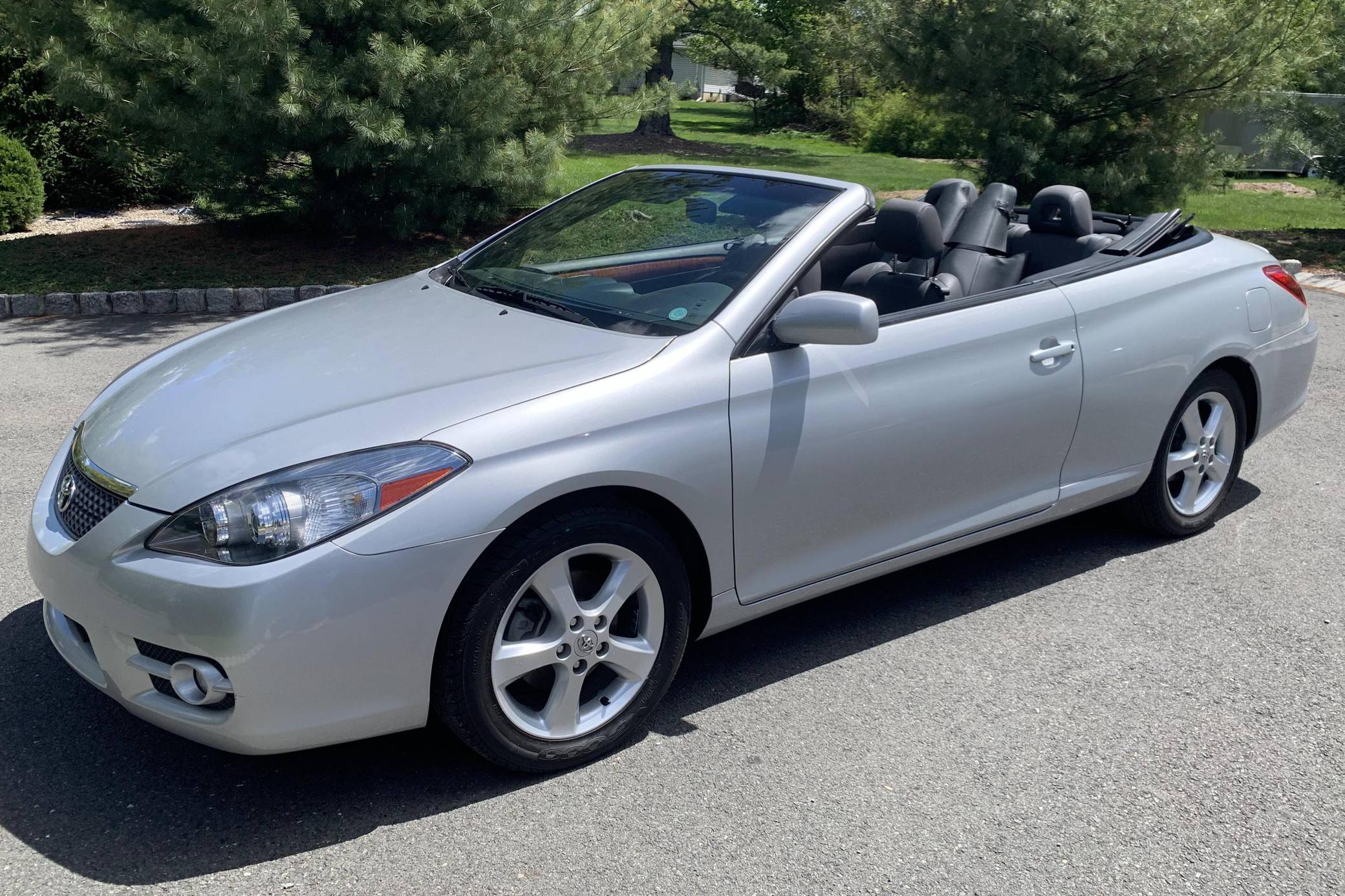
4. Toyota Solara Convertible (2004-2008)
While perhaps not the most exciting convertible on this list, the Toyota Solara Convertible earned its place through uncompromising reliability and practical everyday usability.
Built during Toyota’s peak reliability period, the Solara demonstrates how proper engineering and quality control can create a convertible that functions flawlessly for hundreds of thousands of miles.
The power-operated soft top represents one of the most reliable motorized convertible systems ever produced. Toyota’s conservative approach resulted in a well-engineered mechanism that operates smoothly and quietly, with multiple redundant systems preventing failures.
The roof system requires minimal maintenance beyond periodic lubrication, and failures are exceptionally rare even in high-mileage examples. Under the hood, the available engines represent Toyota’s proven powertrains at their most reliable.
The 2.4-liter four-cylinder and 3.3-liter V6 engines are both naturally aspirated units with decades of proven service across Toyota’s lineup. These engines feature conservative tuning, robust construction, and excellent thermal management that prevents the overheating issues common in other convertibles.
The four-speed automatic transmission, while not sophisticated by modern standards, offers smooth operation and exceptional longevity. The unibody construction benefits from extensive reinforcement to maintain structural rigidity with the roof removed.
Toyota’s engineers carefully addressed potential flex points, resulting in a convertible that remains tight and rattle-free throughout its service life. The suspension components are robust and easily serviceable, with replacement parts readily available at reasonable costs.
Interior quality reflects Toyota’s practical approach, with materials chosen for durability and ease of maintenance rather than luxury appeal. The controls are intuitive and built to Toyota’s exacting standards, ensuring reliable operation for decades.
The rear seats actually accommodate adults, the trunk provides useful space even with the top down, and the package offers genuine four-season capability. Maintenance costs remain minimal, with routine services being the primary expense throughout the ownership experience.
Also Read: 5 Automatics Known For Lasting Decades Vs. 5 That Need Rebuild Fast
5. BMW Z4 (E89 Generation, 2009-2016)
The second-generation BMW Z4 represents a significant departure from its predecessor, featuring a power-retractable hardtop that combines the security and refinement of a coupe with true convertible versatility.
Despite the complexity of its roof mechanism, the E89 Z4 has proven remarkably reliable, offering luxury grand touring capabilities with minimal long-term issues.
The retractable hardtop system showcases BMW’s engineering expertise, featuring a sophisticated mechanism that operates smoothly and reliably through hundreds of cycles.
Unlike soft-top systems prone to wear and weather damage, the metal roof provides excellent insulation, security, and weather protection while maintaining structural integrity over time.
The system includes multiple sensors and safety mechanisms that prevent operation under adverse conditions, protecting both the mechanism and occupants.
BMW’s naturally aspirated inline-six engines in the Z4 represent some of the manufacturer’s most reliable powertrains. The N52 and N55 units feature advanced technologies like variable valve timing and sophisticated engine management, yet maintain excellent long-term reliability through conservative tuning and robust construction.
These engines deliver smooth power delivery and distinctive BMW character while requiring only routine maintenance to maintain peak performance. The chassis engineering reflects BMW’s expertise in creating rigid convertible structures.
Extensive use of high-strength steel and strategic reinforcement points ensure that the Z4 maintains precise handling characteristics throughout its service life without developing the rattles and squeaks that plague lesser convertibles.
This conservative approach, combined with excellent build quality and comprehensive dealer support networks, results in a luxury convertible that provides years of trouble-free open-air motoring. Maintenance costs remain reasonable for the luxury segment, with most issues being minor and easily addressed through routine service.
5 That Leak And Creak
These unfortunately designed convertibles suffer from fundamental engineering compromises including inadequate sealing systems, flimsy top mechanisms, and insufficient structural reinforcement that allow water intrusion, excessive body flex, and premature component failure under normal operating conditions.
Their cost-cutting construction features lightweight hydraulic pumps that fail under load, cheap fabric materials that shrink and tear, and poorly designed drainage systems that allow moisture to accumulate in critical areas and cause extensive electrical damage.
From simple rain showers that reveal inadequate weatherproofing to routine top operations that stress undersized motors beyond their design limits, these problematic convertibles begin showing major defects within the first few years and progress to complete system breakdowns.
The manufacturing shortcuts include plastic components in high-stress applications, inadequate corrosion protection on exposed mechanisms, and elimination of redundant sealing layers that ensure dry cabin conditions.
Owners frequently report catastrophic failures during adverse weather often experiencing complete top mechanism failures, extensive water damage to electronics, and structural problems that make the vehicles unsafe and nearly worthless, destroying both the open-air driving experience and long-term ownership satisfaction.
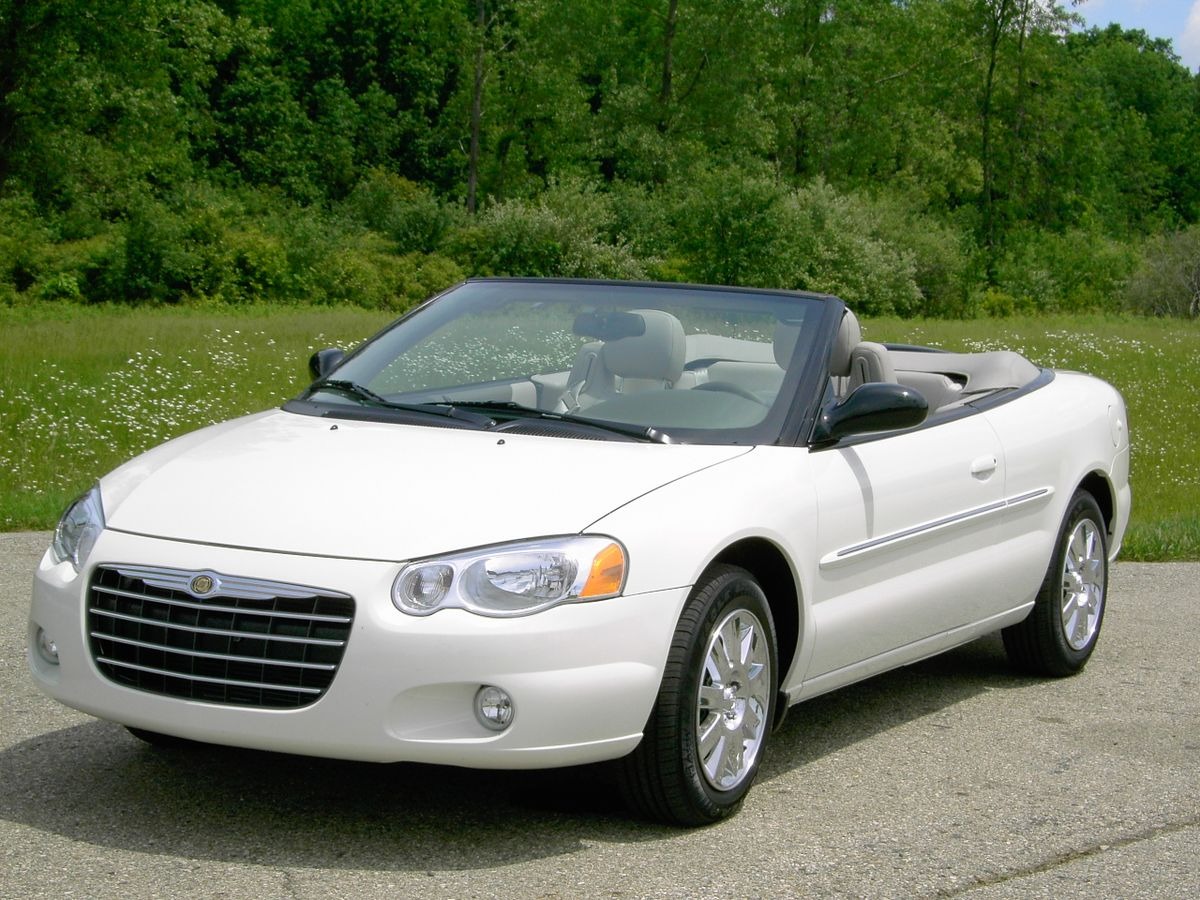
1. Chrysler Sebring Convertible (2007-2010)
The third-generation Chrysler Sebring Convertible stands as a cautionary tale in convertible engineering, demonstrating how cost-cutting measures and rushed development can create a vehicle plagued with persistent reliability issues.
Built during Chrysler’s troubled period under Cerberus ownership, the Sebring suffered from fundamental design flaws that manifested as chronic problems throughout its ownership lifecycle.
The power-operated soft top represents one of the most problematic convertible mechanisms ever produced, with failures occurring frequently and often catastrophically.
The hydraulic system suffers from inadequate pressure relief valves, causing pumps to burn out prematurely and hydraulic lines to burst under excessive pressure. The roof frame itself is poorly designed, with insufficient support causing fabric tears and frame distortion that make proper sealing impossible.
Water leaks are endemic in the Sebring Convertible, occurring not just through the compromised roof seals but also through poorly designed drainage systems.
The door seals deteriorate rapidly, while inadequate weatherstripping around windows allows water infiltration during even light precipitation. The resulting moisture intrusion causes extensive electrical problems, interior damage, and corrosion that can render the vehicle unsafe or uneconomical to repair.
The available engines, including the 2.4-liter four-cylinder and 2.7-liter V6, both suffer from significant reliability issues. The 2.7-liter engine is particularly notorious for oil sludging problems that cause catastrophic bearing failures, often requiring complete engine replacement.
The CVT transmission option proves equally problematic, with premature failures and expensive repairs that often exceed the vehicle’s depreciated value. Structural integrity problems manifest as persistent rattles, squeaks, and panel misalignment that worsen over time.
The unibody lacks sufficient reinforcement to compensate for the removed roof structure, resulting in chassis flex that causes door alignment issues, window seal failures, and an loose, unsafe feel during operation. These structural problems are progressive and cannot be effectively repaired.
The combination of poor reliability, expensive repairs, and rapid depreciation makes the Sebring Convertible one of the worst automotive investments possible.
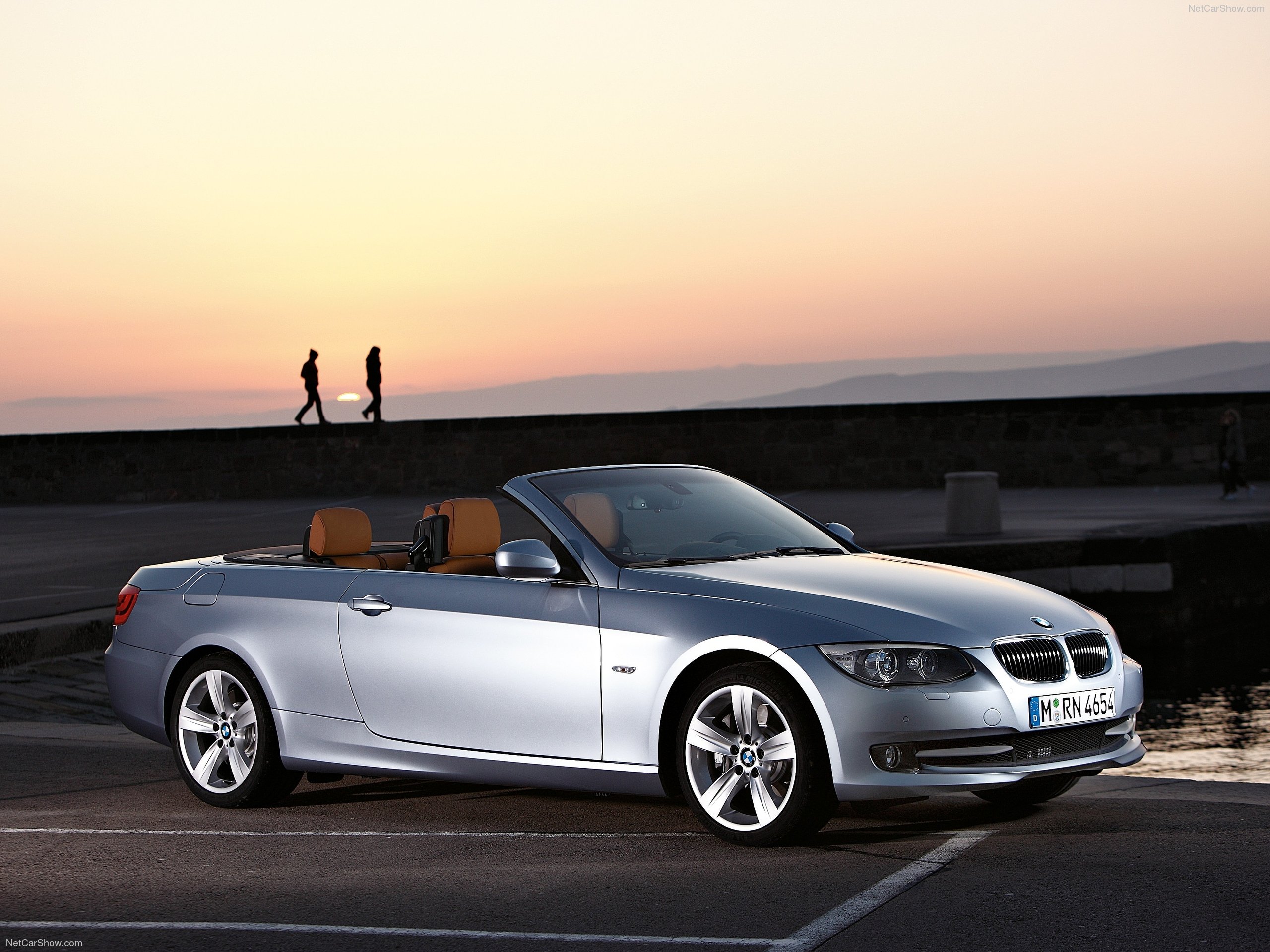
2. BMW 3 Series Convertible (E93, 2007-2013)
The E93 BMW 3 Series Convertible, despite wearing the prestigious BMW badge, represents a significant reliability disappointment that demonstrates how complexity without adequate engineering can create persistent ownership headaches.
According to owners, 46% of 3 Series coupes and convertibles went wrong, with a large proportion of them suffering with issues with the electrics, engine, gearbox/clutch and suspension, making it one of the least reliable convertibles in its segment.
The power-retractable hardtop system, while impressive in operation, suffers from numerous design flaws that manifest as expensive failures. The complex mechanism involves dozens of sensors, motors, and hydraulic components that must work in perfect synchronization.
When failures occur, which they frequently do, the repair process often requires complete roof removal and can cost thousands of dollars. Common issues include motor failures, sensor malfunctions, and hydraulic leaks that leave the roof stuck in partially open positions.
The electrical systems in the E93 are notoriously problematic, with the complex roof mechanism placing enormous strain on the vehicle’s electrical architecture.
Battery drain issues are common, often requiring expensive battery replacement and charging system repairs. The numerous electronic modules required for roof operation frequently fail, causing cascade failures that can disable multiple vehicle systems simultaneously.
Engine reliability varies significantly depending on the specific powerplant, but many suffer from serious long-term issues. The turbocharged engines are prone to wastegate rattle, high-pressure fuel pump failures, and carbon buildup that requires expensive cleaning procedures.
The naturally aspirated engines, while more reliable, still suffer from cooling system problems and valve cover gasket leaks that can cause significant damage if not addressed promptly.
The automatic transmissions, particularly in higher-performance variants, suffer from premature failure of complex mechatronic units that combine hydraulic and electronic control systems.
The combination of complex systems, inadequate reliability testing, and expensive repair costs makes the E93 3 Series Convertible a particularly poor choice for long-term ownership. Even well-maintained examples frequently require major repairs that can cost more than the vehicle’s market value.
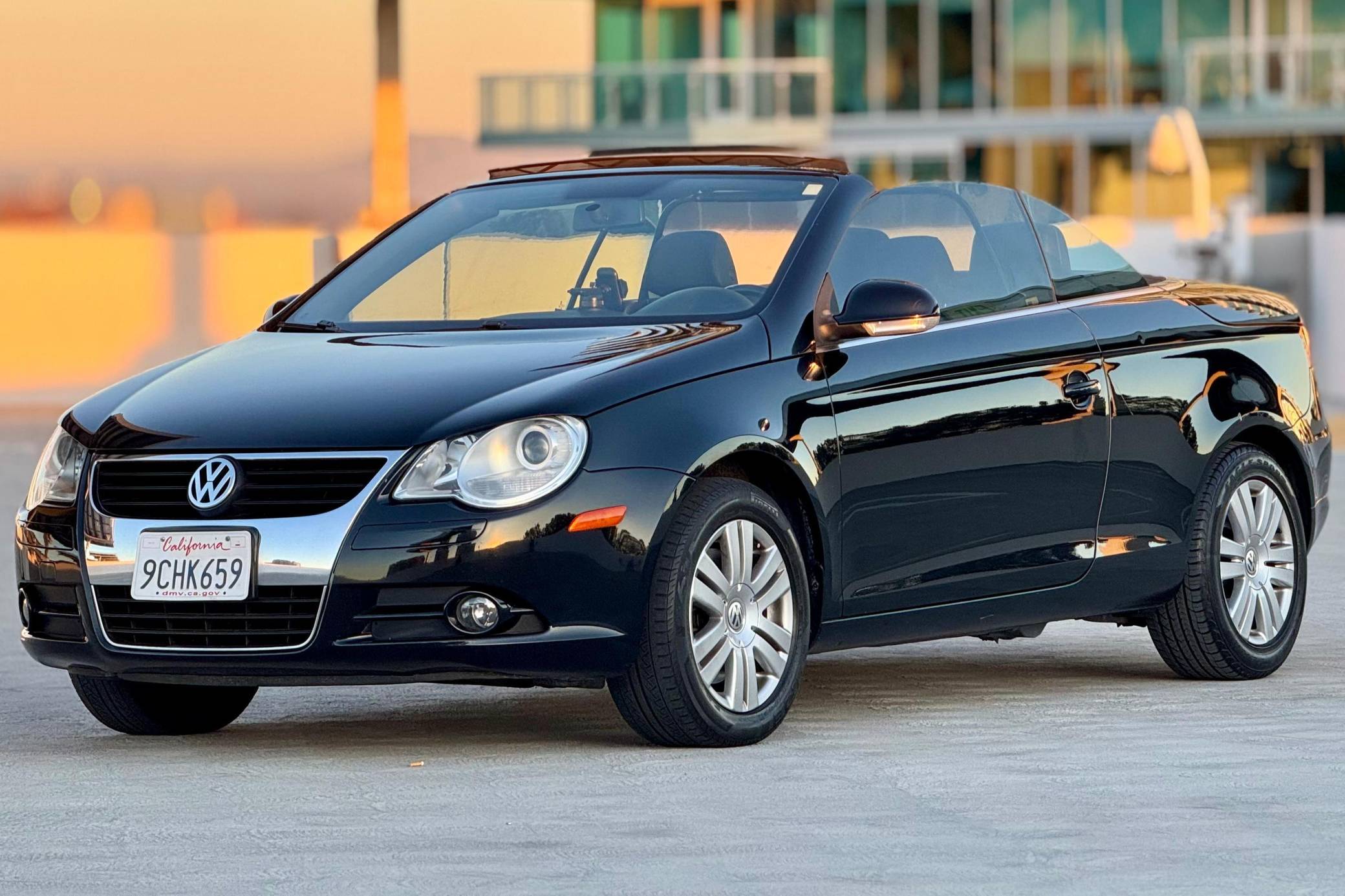
3. Volkswagen Eos (2007-2016)
The Volkswagen Eos promised to revolutionize the convertible market with its innovative five-piece folding glass roof, but this complexity proved to be its downfall, creating one of the most problematic convertibles ever produced.
The ambitious engineering resulted in a vehicle plagued with persistent mechanical failures, electrical issues, and structural problems that made long-term ownership a expensive nightmare.
The signature five-piece retractable hardtop represents both the Eos’s greatest achievement and its fatal flaw. While impressive in operation, the system requires over 50 sensors, multiple motors, and complex control modules to function properly.
This complexity creates numerous failure points, with any single component failure potentially disabling the entire system. Common problems include motor failures, sensor malfunctions, track misalignment, and control module failures that can cost thousands of dollars to repair.
Water infiltration is a persistent problem despite the hardtop configuration, with poorly designed drainage systems allowing water to accumulate in critical areas.
The complex roof mechanism creates numerous potential leak points, while inadequate sealing around the glass panels allows water intrusion during even moderate precipitation. This moisture intrusion causes extensive electrical problems and corrosion damage that can render the vehicle unsafe or uneconomical to repair.
The available engines, including the 2.0-liter turbocharged four-cylinder and 3.2-liter VR6, both suffer from significant reliability issues that become apparent after the warranty period expires.
The turbocharged engine is prone to carbon buildup, timing chain stretch, and intake manifold failures that require expensive repairs. The VR6 engine, while more reliable, suffers from cooling system problems and oil consumption issues that can lead to catastrophic failure if not addressed.
Electrical system reliability is particularly poor, with the complex roof control systems placing enormous strain on the vehicle’s electrical architecture.
Interior quality is inconsistent, with materials that deteriorate rapidly under normal use and electrical components that frequently fail due to moisture intrusion and excessive complexity.
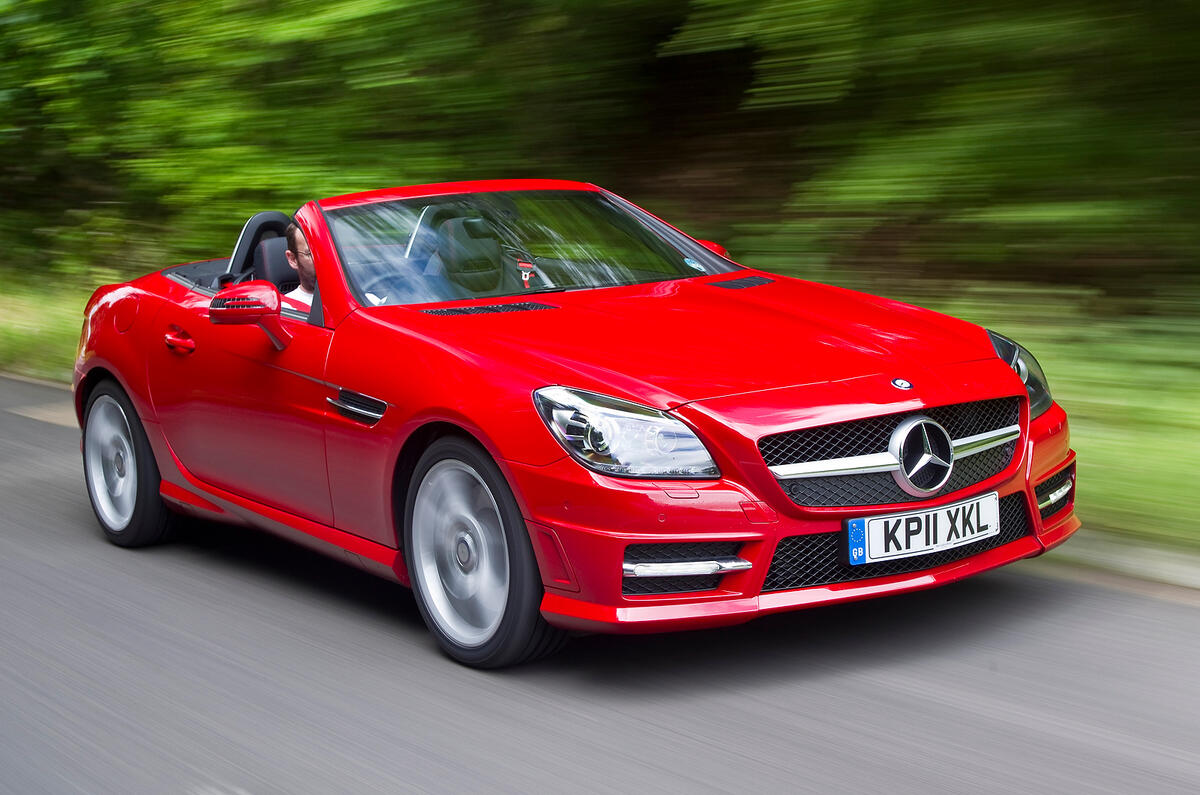
4. Mercedes-Benz SLK (R171 Generation, 2005-2011)
The second-generation Mercedes-Benz SLK, despite its luxury positioning and sophisticated engineering, suffers from numerous reliability issues that make long-term ownership challenging and expensive.
The complex systems and cost-cutting measures implemented during this generation’s development resulted in a convertible that fails to live up to Mercedes-Benz’s reputation for quality and durability.
The signature retractable hardtop system, while mechanically impressive, suffers from numerous design flaws that manifest as expensive failures over time.
The complex hydraulic and electrical systems required for operation are prone to sensor failures, pump burnouts, and control module malfunctions that can leave the roof stuck in any position. Repair procedures often require complete disassembly of interior panels and can cost thousands of dollars to complete properly.
The electrical systems throughout the R171 SLK are notoriously unreliable, with the complex roof control systems creating cascade failures that affect multiple vehicle systems.
The SBC (Sensotronic Brake Control) system, unique to this generation, suffers from expensive pump failures that require immediate attention to maintain safe braking performance. These repairs often cost more than the vehicle’s depreciated value and must be performed by specialists familiar with the complex system.
Engine reliability varies significantly depending on the specific powerplant chosen, but many suffer from serious design flaws that manifest as expensive failures.
The supercharged engines are prone to intercooler pump failures, supercharger bearing problems, and complex cooling system issues that can cause catastrophic damage if not addressed promptly.
The naturally aspirated engines, while more reliable, still suffer from balance shaft problems and oil consumption issues that require expensive repairs.
The seven-speed automatic transmission, while smooth in operation when functioning properly, suffers from expensive valve body failures and complex electronic control issues that can cause erratic shifting behavior and eventual failure.
Repair procedures are complex and expensive, often requiring specialized diagnostic equipment and extensive disassembly to access failed components.
These problems combine to create a ownership experience characterized by frequent, expensive repairs that often exceed the vehicle’s depreciated value.
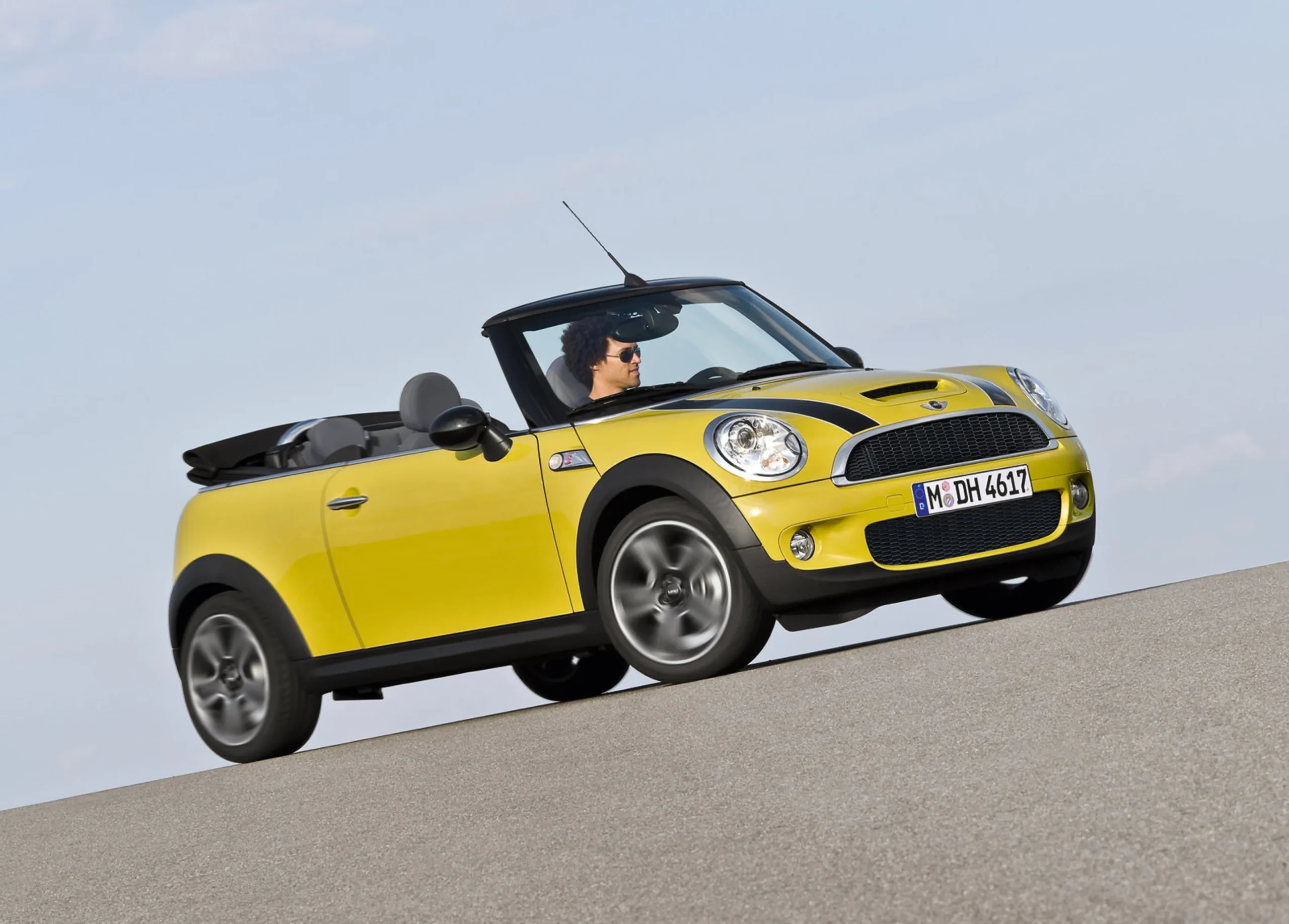
5. Mini Cooper Convertible (R57 Generation, 2009-2015)
The first-generation Mini Cooper Convertible promised to combine iconic British charm with modern German engineering, but the reality proved far more problematic.
Built during BMW’s early stewardship of the Mini brand, the R57 suffers from numerous design flaws and quality control issues that make it one of the least reliable convertibles in its segment.
The power-operated soft top, while appearing simple compared to complex hardtop systems, suffers from numerous reliability issues that manifest as expensive failures over time.
Make sure it folds correctly and that there are no rips on seams or any loose stitching, as these problems are endemic to the design. The hydraulic system is prone to pump failures and pressure loss, while the fabric roof deteriorates rapidly under normal use, often requiring complete replacement within five years of ownership.
Water infiltration is a persistent problem despite the soft-top configuration, with poorly designed drainage systems allowing water to accumulate in critical areas of the vehicle structure.
The door seals deteriorate rapidly, while inadequate weatherstripping around windows creates numerous leak points that allow moisture intrusion during even light precipitation. This water damage causes extensive electrical problems and corrosion that can render the vehicle unsafe or uneconomical to repair.
The available engines, including the naturally aspirated 1.6-liter four-cylinder and turbocharged variants, both suffer from significant reliability issues that become apparent after the warranty period expires.
The naturally aspirated engine is prone to timing chain stretch and carbon buildup issues that can cause catastrophic failure, while the turbocharged engines suffer from wastegate problems, intercooler failures, and expensive direct injection system issues.
Electrical system reliability is particularly poor throughout the R57 generation, with numerous control modules suffering from moisture intrusion and poor connections that cause intermittent failures.
The complex roof control systems frequently malfunction, leaving owners with expensive diagnostic procedures and replacement costs that often exceed the vehicle’s depreciated value.
The automatic transmission options, including both traditional automatics and CVT variants, suffer from premature failures that require expensive repairs or complete replacement.
The combination of poor build quality, inadequate reliability testing, and expensive repair costs makes the R57 Mini Cooper Convertible a particularly poor choice for anyone seeking dependable open-air motoring.
Even well-maintained examples frequently require major repairs that can cost more than the vehicle’s market value, making long-term ownership financially unviable for most consumers.
Also Read: 5 Paint Finishes That Stay Vibrant For Years Vs. 5 Prone To Peeling
