
The electric vehicle charging infrastructure has reached a critical juncture in 2025. While EV adoption continues to accelerate, the reliability of charging stations remains a significant concern for drivers and fleet operators alike.
Recent data shows that charging reliability has improved to approximately 85% for non-Tesla networks, yet this still means one in six charging attempts may fail.
Understanding which chargers are built for durability and easy maintenance versus those that struggle in challenging conditions can make the difference between a successful EV operation and costly downtime.
Winter weather presents particular challenges for EV charging infrastructure. Cold temperatures not only reduce battery performance by up to 20%, but they also expose weaknesses in charging hardware design.
Some chargers excel in harsh conditions due to robust thermal management and weatherproof construction, while others become unreliable when temperatures drop.
The distinction between reliable and problematic chargers often comes down to fundamental design choices: modular architecture versus integrated systems, quality of internal components, accessibility of service points, and the sophistication of diagnostic capabilities.
For businesses and individuals investing in EV charging infrastructure, selecting the right equipment is crucial for long-term success. Easy-to-maintain chargers feature modular designs, accessible service panels, comprehensive diagnostic systems, and standardized components that reduce repair time and costs.
Conversely, poorly designed chargers may have integrated systems that require complete unit replacement for minor failures, inadequate weatherproofing, or proprietary components that create service bottlenecks. This guide examines ten specific charger models to help you make informed decisions about your EV charging investments.
5 EV Chargers That Are Easy to Fix
These exceptionally engineered charging stations feature robust all-weather enclosures with military-grade sealing systems and advanced thermal management that maintain consistent power delivery through extreme temperature variations and harsh environmental conditions.
Their thoughtful modular design includes easily accessible diagnostic ports, standardized replacement components, and comprehensive fault isolation systems that allow field technicians to quickly identify and resolve issues without extensive downtime or specialized tools.
From sub-zero winter conditions that challenge electrical connections to scorching summer heat that stresses cooling systems, these remarkable chargers continue providing reliable high-power charging without developing communication errors, thermal shutdowns, or mechanical connector failures.
The precision manufacturing includes industrial-grade contactors, redundant safety systems, and premium cable assemblies that resist the wear patterns typically created by daily use and weather exposure.
Service teams report that these legendary charging systems become more reliable with proper maintenance, often achieving 99%+ uptime rates while requiring only routine inspections and component replacements, proving their worth through consistent availability and straightforward repair procedures that minimize network downtime.
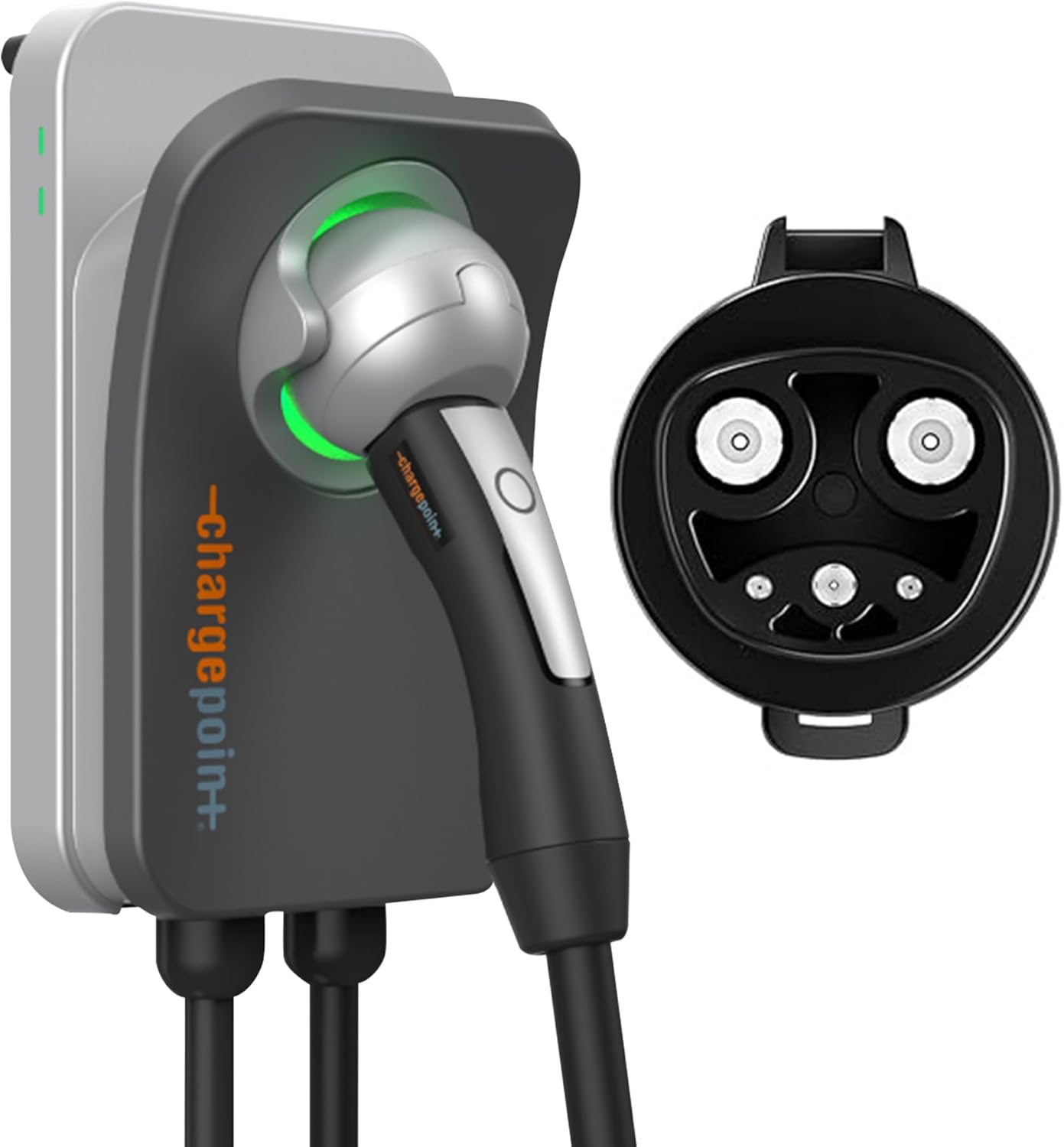
1. ChargePoint Home Flex Level 2 Charger
The ChargePoint Home Flex stands out as one of the most maintainable residential EV chargers on the market, earning praise from technicians and users alike for its thoughtful engineering approach.
This Level 2 charger delivers up to 50 amps of power with a modular design that prioritizes serviceability over aesthetics. The unit features a removable front panel that provides easy access to all internal components without requiring specialized tools or complex disassembly procedures.
The diagnostic capabilities of the Home Flex are particularly impressive, featuring built-in Wi-Fi connectivity that enables remote monitoring and troubleshooting through the ChargePoint mobile app.
When issues arise, the system generates detailed error codes that pinpoint specific component failures, allowing technicians to arrive on-site with the correct replacement parts. The charger’s NEMA 4 weatherproof enclosure uses standard gaskets and seals that can be easily replaced, preventing moisture ingress that often causes failures in lesser designs.
Component accessibility is another key strength of the Home Flex design. The main control board, contactor, and power electronics are mounted on easily removable modules that can be swapped out in under 30 minutes by a qualified technician.
The charging cable uses a strain relief system that prevents the common problem of cable damage at the connection point, and the cable itself can be replaced without opening the main enclosure. Replacement parts are readily available through ChargePoint’s extensive service network, with most components shipping within 24 hours.
The unit’s robust construction includes oversized heat sinks and intelligent thermal management that prevents overheating during extended charging sessions.
The control algorithms automatically adjust power output based on internal temperature readings, extending component life and reducing the likelihood of thermal failures.
This proactive approach to thermal management, combined with the easy-access design, makes the ChargePoint Home Flex an excellent choice for installations where reliability and maintainability are priorities.
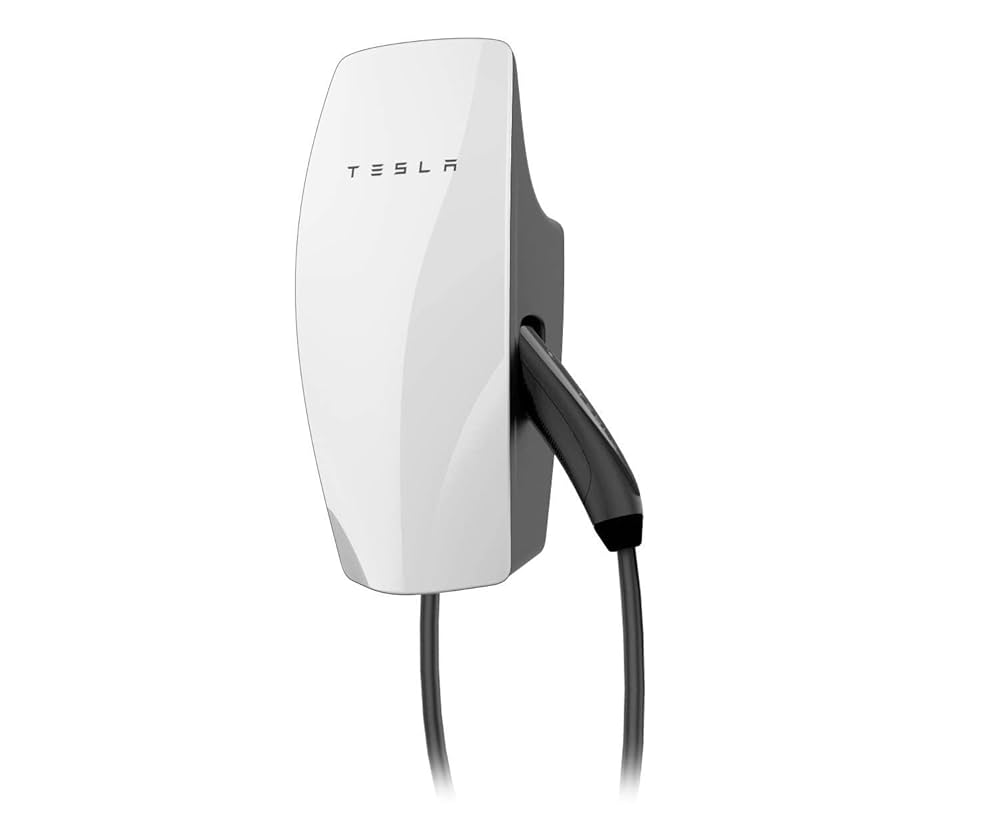
2. Tesla Wall Connector (Generation 3)
Tesla’s third-generation Wall Connector represents a significant improvement in serviceability compared to earlier models, incorporating lessons learned from millions of charging sessions worldwide.
The sleek design conceals a sophisticated yet accessible internal architecture that facilitates quick diagnosis and repair. Unlike many competitors that require complete unit replacement for common failures, the Tesla Wall Connector features a modular design where key components can be individually serviced.
The diagnostic system utilizes Tesla’s extensive data collection capabilities to provide real-time health monitoring and predictive maintenance alerts.
Through the Tesla mobile app or vehicle interface, users can access detailed charging statistics, error logs, and performance metrics that help identify potential issues before they cause failures. The charger communicates with Tesla’s service network automatically, often scheduling maintenance visits before users notice problems.
Internal component access is achieved through a single removable front cover secured with tamper-resistant fasteners that prevent unauthorized modifications while remaining accessible to qualified technicians.
The main control board features plug-in connectors for all major subsystems, eliminating the need for soldering or complex wire management during repairs. The contactor assembly, which handles the high-voltage switching, is mounted on a separate module that can be replaced in isolation if it fails.
One of the most innovative features is the Wall Connector’s ability to perform self-diagnostics and automatic recovery from certain fault conditions. The unit includes multiple redundant safety systems that can isolate failed components while maintaining operation of unaffected systems.
For example, if the Wi-Fi module fails, the charger continues to operate normally while flagging the communication issue for service attention. This fault-tolerant design minimizes downtime and ensures that minor component failures don’t result in complete charging outages.
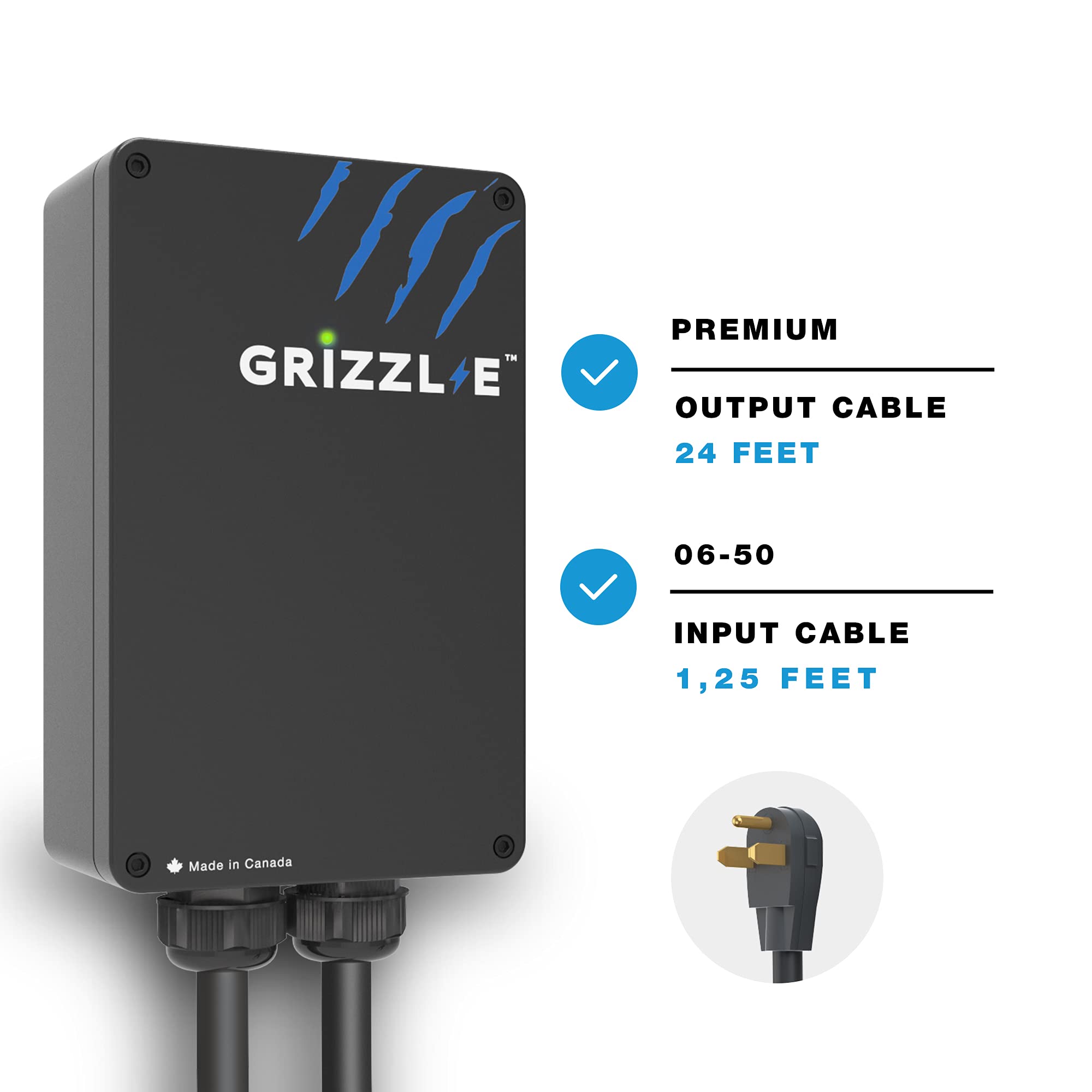
3. Grizzl-E Smart Level 2 Charger
The Grizzl-E Smart charger has earned a reputation among fleet operators and commercial installers as one of the most robust and serviceable charging solutions available.
Manufactured in Canada with a focus on extreme weather performance, this charger features a unique modular architecture that separates the power handling components from the control electronics, allowing either system to be serviced independently without affecting the other.
The unit’s weatherproof construction exceeds NEMA 4X specifications, utilizing marine-grade materials and sealing techniques that prevent moisture and contaminant ingress even in the harshest environments.
The enclosure design includes strategically placed drainage channels and ventilation systems that prevent condensation buildup while maintaining environmental protection. All external fasteners are stainless steel with anti-seize coatings that prevent corrosion and ensure long-term accessibility.
Internal component layout follows industrial best practices with clearly labeled service points and color-coded wiring harnesses that simplify troubleshooting.
The main control board is mounted on a swing-out panel that provides full access without disconnecting any wiring, while the power electronics are housed in a separate compartment with independent cooling systems. This separation prevents control system failures from affecting power delivery and vice versa.
The Grizzl-E’s diagnostic capabilities include both local LED indicators and comprehensive remote monitoring through the manufacturer’s cloud platform. Error codes are displayed both visually and transmitted to a central monitoring system that can automatically dispatch service technicians when critical failures are detected.
The system maintains detailed logs of charging sessions, power quality metrics, and environmental conditions that help identify trending issues before they cause failures. Replacement parts are standardized across the Grizzl-E product line, reducing inventory requirements and ensuring consistent service experiences.
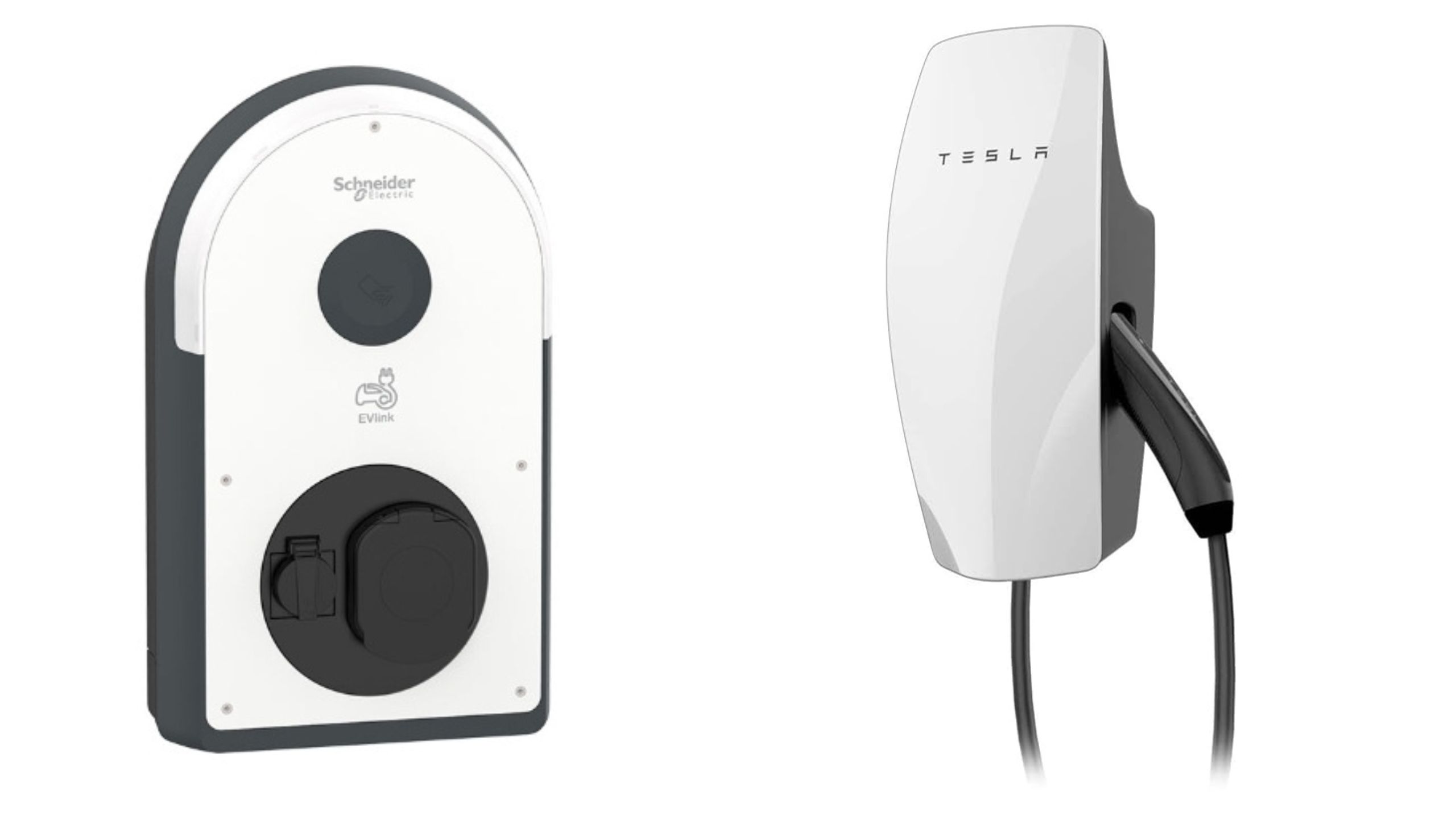
4. Schneider Electric EVlink Pro AC
Schneider Electric’s EVlink Pro AC represents the pinnacle of commercial charging reliability, incorporating decades of industrial electrical experience into a purpose-built EV charging solution.
This Level 2 charger features a service-first design philosophy that prioritizes uptime and maintainability over complex features, making it a favorite among facility managers and fleet operators who demand consistent performance.
The modular architecture separates power handling, control systems, and user interface components into distinct replaceable modules that can be serviced independently.
Each module includes self-test capabilities and built-in diagnostics that continuously monitor component health and performance parameters. The power module features oversized components rated for twice the normal operating current, ensuring long-term reliability under heavy use conditions.
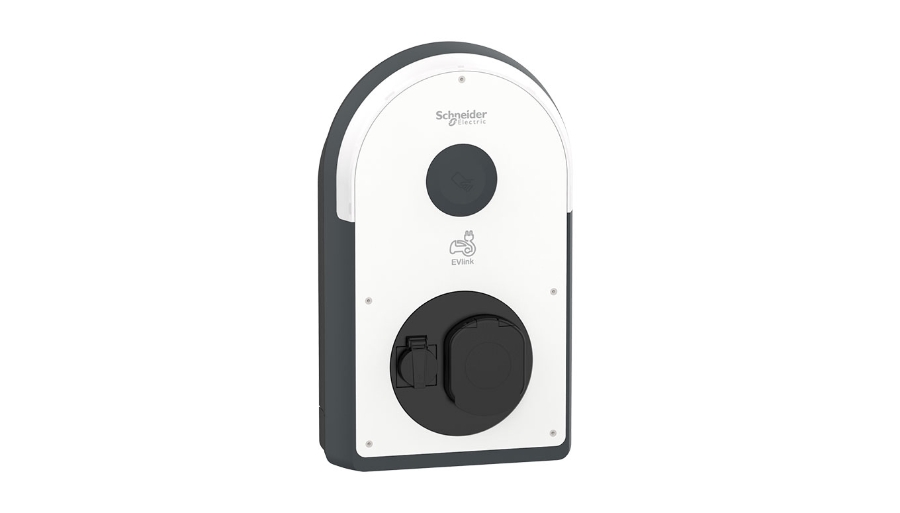
Access to internal components is achieved through a hinged front panel that swings open to reveal a well-organized interior with clearly marked service points and comprehensive labeling.
All connections use industrial-grade terminals and connectors that prevent corrosion and ensure reliable long-term operation. The control system includes multiple redundant safety circuits that continue to protect users even if primary safety systems fail.
The EVlink Pro AC’s diagnostic system integrates with Schneider Electric’s EcoStruxure platform, providing comprehensive remote monitoring, predictive maintenance alerts, and automated service scheduling.
The system can detect degrading components weeks before failure and automatically order replacement parts while scheduling service visits. Historical data analysis helps identify usage patterns and environmental factors that affect component life, enabling proactive maintenance strategies that minimize downtime and extend equipment life.
Also Read: 5 Paint Finishes That Stay Vibrant For Years Vs. 5 Prone To Peeling
5. Siemens VersiCharge VC30GRYU
The Siemens VersiCharge VC30GRYU exemplifies German engineering principles applied to EV charging infrastructure, featuring robust construction and intelligent design that prioritizes long-term reliability and serviceability.
This residential and light commercial charger incorporates Siemens’ extensive experience in industrial automation and power management to deliver consistent performance with minimal maintenance requirements.
The unit’s modular design philosophy extends throughout the system, from the main control board to individual power components. Each module includes comprehensive self-diagnostics and can operate independently when other systems experience failures.
The power electronics utilize Siemens’ industrial-grade components with proven track records in harsh environments, while the control system features multiple redundancy levels that ensure continued operation even when secondary systems fail.
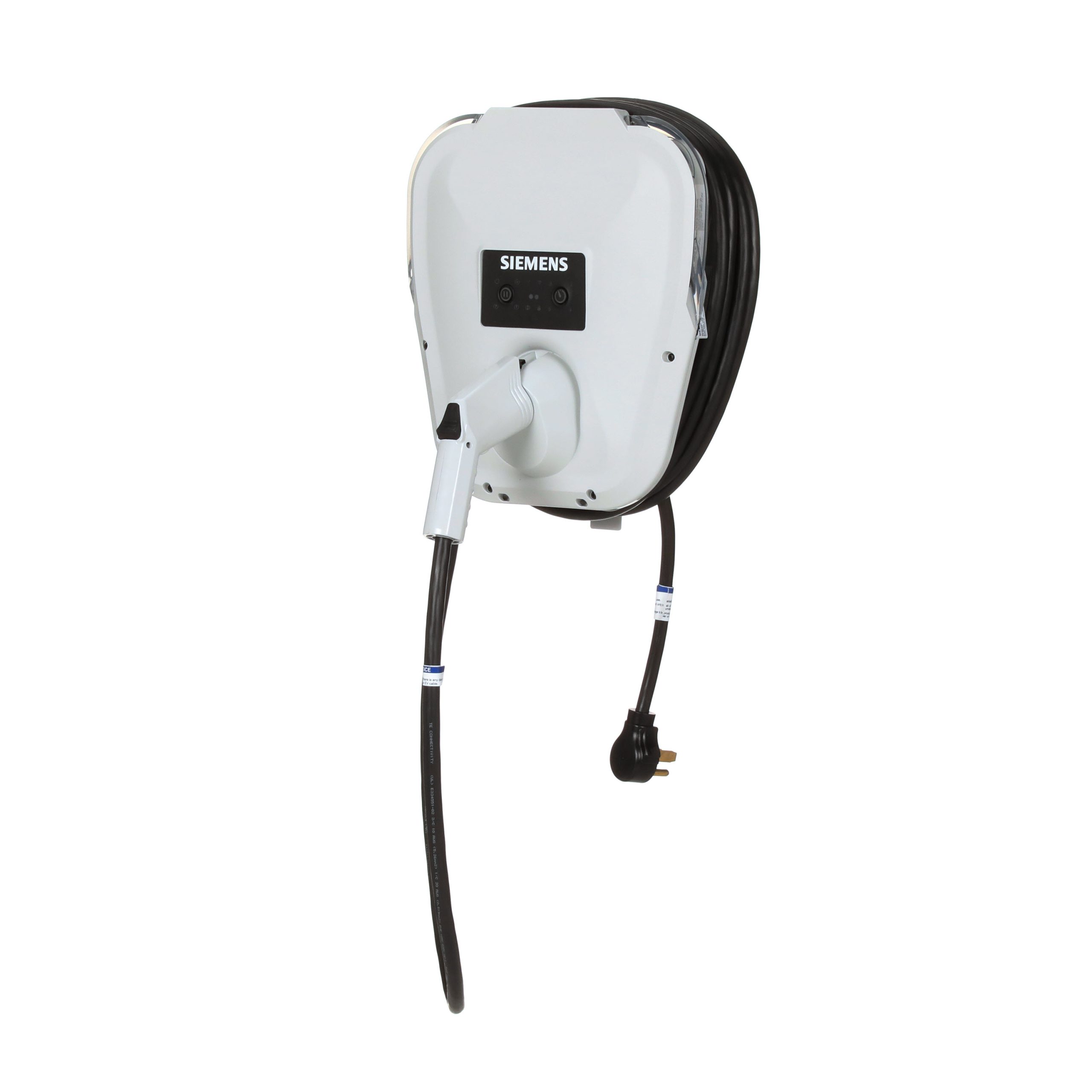
Component accessibility is optimized for quick service calls, with all major subsystems reachable through a single removable panel. The interior layout follows Siemens’ industrial standards with clearly marked components, standardized fasteners, and intuitive wire routing that minimizes service time.
All electrical connections use spring-loaded terminals that maintain consistent contact pressure over time and resist loosening from thermal cycling.
The VersiCharge’s diagnostic capabilities leverage Siemens’ extensive industrial automation experience, providing detailed component health monitoring and predictive failure analysis.
The system maintains comprehensive logs of operating conditions, power quality metrics, and user behavior patterns that help identify potential issues before they cause failures.
Integration with Siemens’ service network enables automatic parts ordering and service scheduling based on predictive maintenance algorithms developed from thousands of installed units.
5 EV Chargers That Stop Working in Winter
These unfortunately designed charging stations suffer from inadequate weatherproofing including poorly sealed enclosures, insufficient heating systems, and delicate electronic components that fail when subjected to the thermal cycling and moisture exposure common in outdoor installations.
Their overly complex architecture features proprietary diagnostic systems, non-standard replacement parts, and integrated designs that require complete unit replacement when individual components fail, creating extended outages and expensive repair costs.
From freezing temperatures that cause LCDs to malfunction to condensation that triggers ground fault errors, these problematic chargers begin showing weather-related failures within their first winter season and progress to complete system shutdowns.
The cost-cutting measures include inadequate insulation, cheap connector materials that become brittle in cold weather, and elimination of redundant heating circuits that ensure reliable cold-weather operation.
Network operators frequently report cascading failures during peak demand periods often experiencing complete station outages, frozen charging cables, and communication system crashes that strand EV drivers during critical travel times, destroying confidence in charging infrastructure reliability while creating dangerous situations for travelers dependent on public charging networks during winter conditions.
1. EVgo Fast Charger Network (Various Models)
EVgo’s fast charging network, while extensive, has gained an unfortunate reputation for winter reliability issues that stem from fundamental design compromises in their early generation equipment.
Many of the network’s older DC fast chargers struggle with cold weather operation due to inadequate thermal management systems and moisture intrusion problems that become critical when temperatures drop below freezing.
The primary issue with many EVgo stations lies in their cooling system design, which was optimized for preventing overheating rather than maintaining operation in cold conditions.
These systems often include large ventilation openings that allow moisture and cold air to reach sensitive electronic components. When temperatures drop, condensation forms on circuit boards and connections, leading to ground faults and component failures.
The problem is exacerbated by the high-power nature of DC fast charging, which creates significant thermal cycling that stresses components already weakened by moisture exposure.
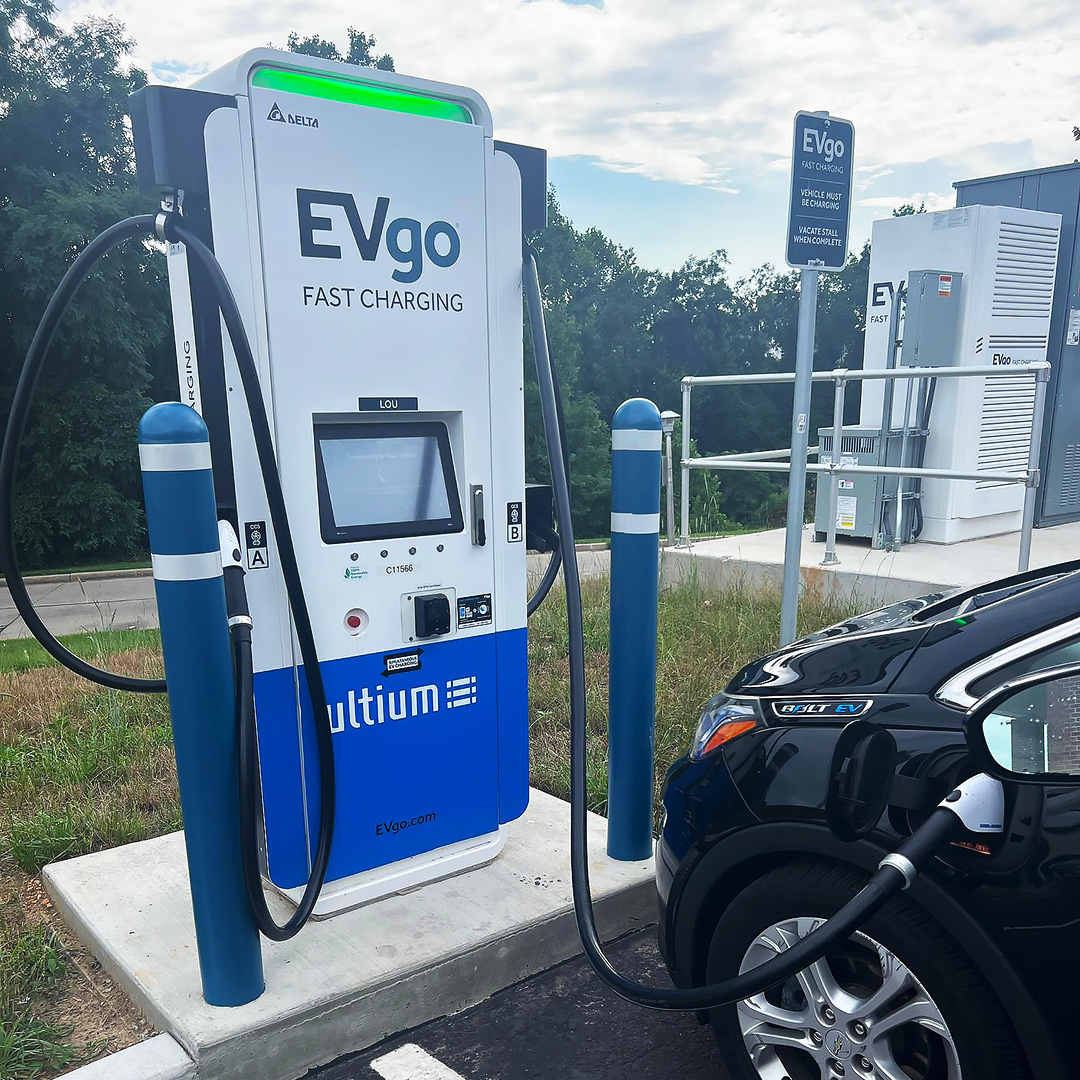
Cable management represents another critical weakness in cold weather operation. Many EVgo stations use charging cables that become extremely stiff in cold temperatures, making them difficult to handle and prone to damage.
The cable connectors often develop moisture intrusion issues when temperatures fluctuate around freezing, leading to poor electrical connections and charging failures. Some installations lack adequate cable support systems, causing stress on internal connections when heavy, cold cables pull on the charging ports.
The network’s payment and user interface systems frequently fail in winter conditions due to inadequate protection of touchscreen displays and card readers.
These components are often mounted in exposed positions where they experience direct exposure to precipitation and temperature extremes. Screen responsiveness deteriorates significantly in cold conditions, while card readers may freeze or develop moisture-related failures that prevent payment processing.
Software systems sometimes compound these problems by implementing overly aggressive fault detection algorithms that shut down stations for minor issues that wouldn’t affect charging safety or performance.
2. Electrify America 150kW/350kW Stations
Electrify America’s high-power charging stations represent some of the most advanced technology in the EV charging space, but this complexity becomes a liability in winter conditions where multiple sophisticated systems must continue operating reliably despite environmental challenges.
The network’s 150kW and 350kW chargers incorporate liquid cooling systems, advanced power electronics, and complex software management that create multiple failure points when temperatures drop.
The liquid cooling systems that enable these chargers’ high power output become problematic in freezing conditions. While the coolant is formulated to prevent freezing, the system’s complexity introduces multiple potential failure points, including pump seals, hose connections, and heat exchanger components that can fail when exposed to thermal cycling.
Coolant leaks become more likely as sealing materials contract in cold weather, and even minor leaks can lead to complete system shutdowns due to safety interlocks.
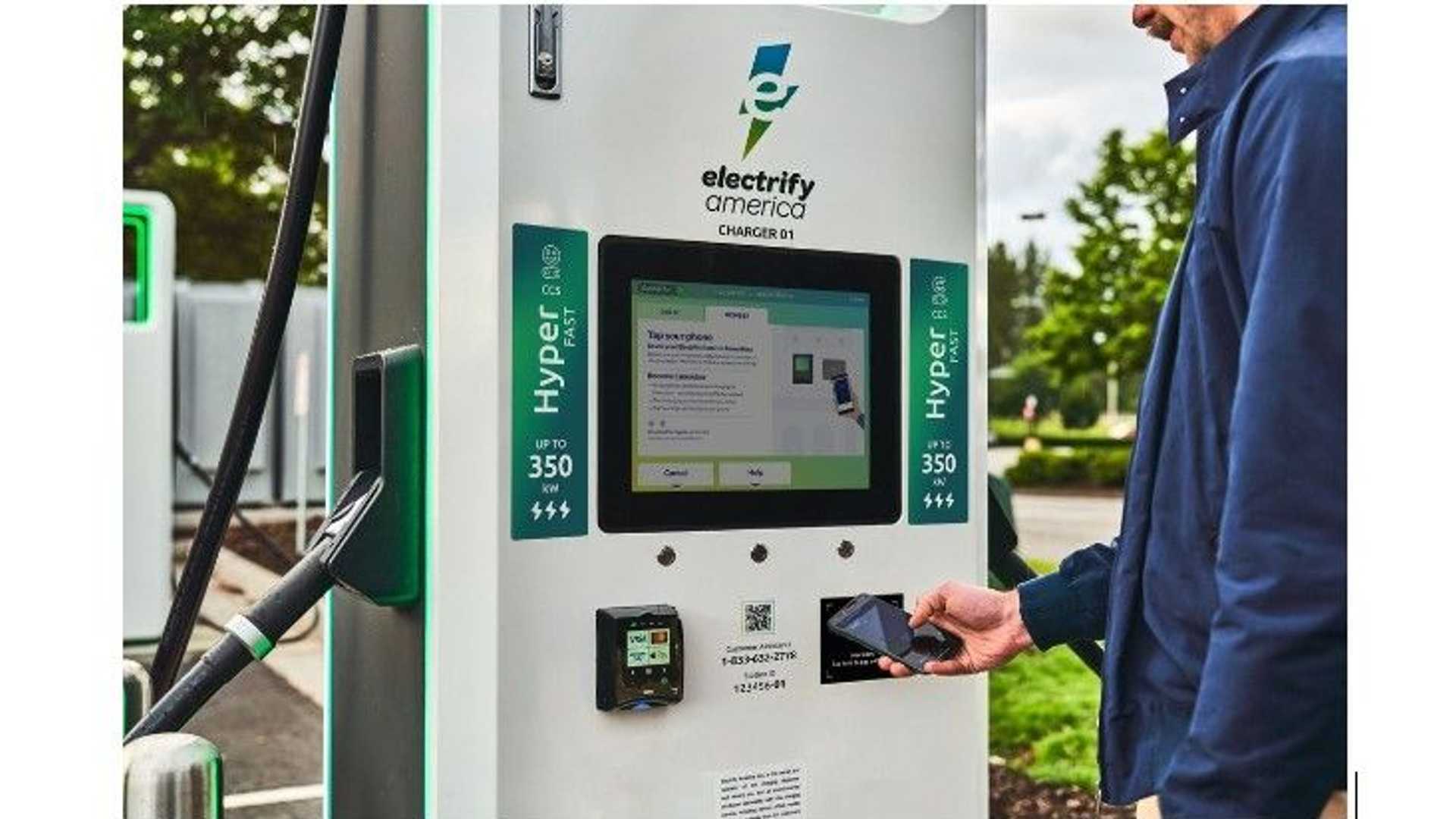
Power electronics in these high-output chargers generate significant heat during operation, requiring sophisticated thermal management that can struggle in extreme cold.
The systems often experience “cold start” problems where components need extended warm-up periods before reaching full output capability. Some installations have reported situations where chargers can only deliver a fraction of their rated power in very cold conditions, leading to frustrated users and longer charging times that reduce station throughput.
The charging cables and connectors on these high-power stations face particular challenges in winter conditions. The cables are necessarily large and heavy due to their high current capacity, and they become extremely difficult to handle when cold.
The high-power connectors require precise alignment and secure connections to handle the electrical loads safely, but cold weather can cause connector components to contract and create poor connections that trigger safety shutdowns. Some users report being unable to properly seat connectors in extremely cold conditions, preventing charging sessions from initiating.
3. ChargePoint Express Plus DC Fast Chargers
ChargePoint’s Express Plus DC fast charging platform, while featuring advanced capabilities and user-friendly interfaces, has demonstrated concerning reliability issues in winter conditions that affect both station availability and user experience.
These problems stem primarily from design decisions that prioritized indoor installation environments and didn’t adequately account for the harsh realities of outdoor winter operation.
The primary weakness lies in the station’s environmental sealing and moisture management systems. The Express Plus units feature multiple ventilation openings and cable entry points that can allow moisture intrusion during winter precipitation events.
When combined with the significant thermal cycling that occurs in cold weather, this moisture creates ideal conditions for corrosion and electrical failures.
The problem is particularly acute in regions that experience frequent freeze-thaw cycles, where ice formation and melting can drive moisture into areas that would remain dry under stable conditions.
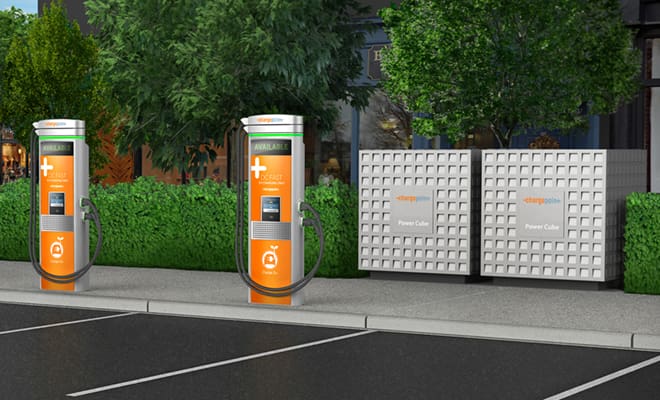
The user interface systems on Express Plus stations frequently become unreliable in cold weather, with touchscreen displays that lose responsiveness and payment processing systems that fail intermittently.
The outdoor-rated touchscreens often develop condensation between display layers that obscures visibility and affects touch sensitivity. In extreme cold, the screens may become completely unresponsive, forcing users to rely on mobile app interfaces that may not provide full station functionality.
Charging cable management presents ongoing challenges for Express Plus installations in cold climates. The retractable cable systems that provide convenient storage in temperate conditions can freeze in an extended position during winter storms, preventing proper cable retraction and exposing the mechanisms to damage.
The cable connectors themselves often develop ice formation that prevents proper insertion into vehicle charging ports, while the cable strain relief systems can become brittle and fail when repeatedly flexed in cold conditions.
4. IONITY High-Power Charging Network
IONITY’s European-designed high-power charging network faces significant adaptation challenges in North American winter conditions, where the extreme temperature variations and precipitation patterns differ substantially from the milder European climate for which these systems were originally engineered.
The network’s 350kW charging stations incorporate sophisticated technology that becomes increasingly unreliable as temperatures drop below levels common in Northern European winters.
The thermal management systems in IONITY stations were designed for the relatively moderate winter conditions typical of Central and Western Europe, making them inadequate for the extreme cold experienced in much of North America.
The stations’ cooling systems can struggle to maintain proper operating temperatures for power electronics when ambient temperatures drop significantly below freezing, leading to reduced power output and frequent thermal protection shutdowns.
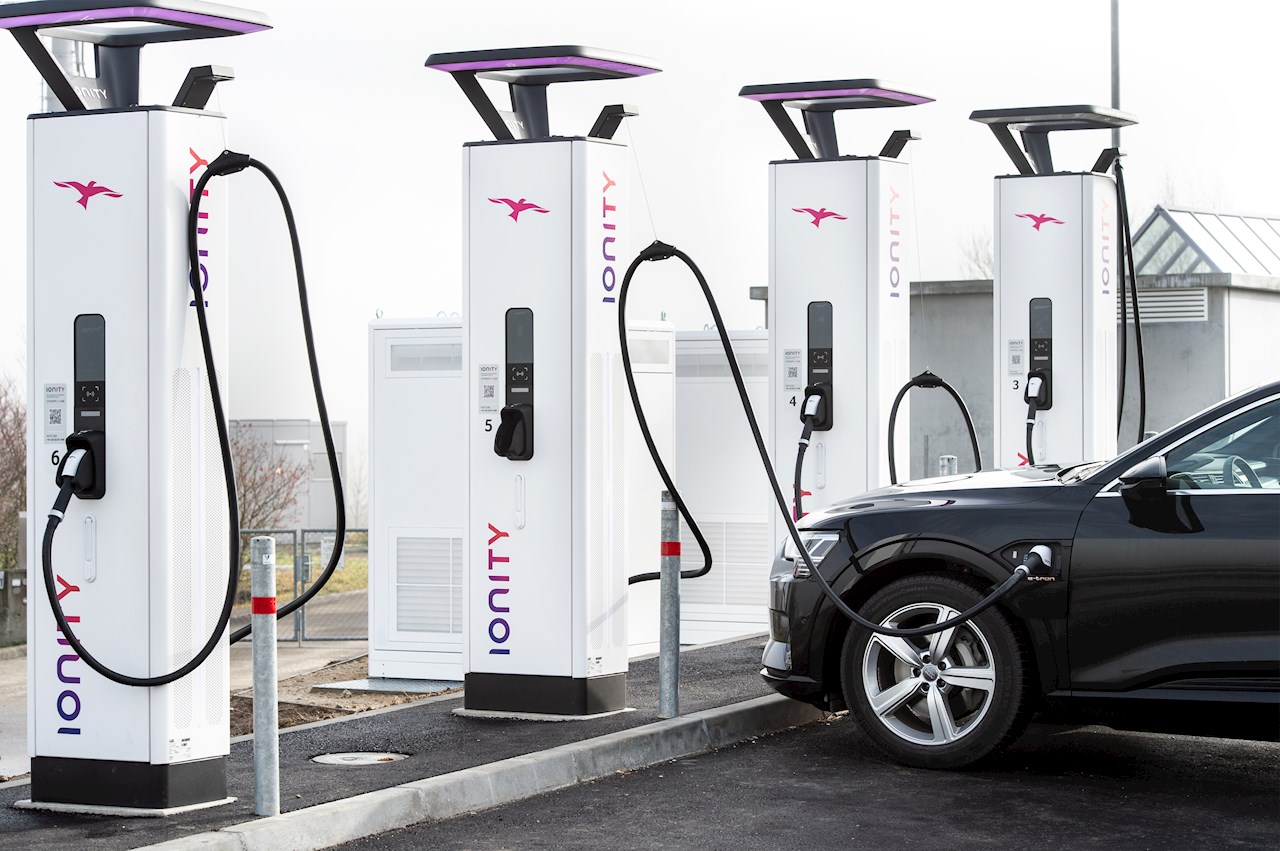
Moisture management represents a critical weakness in IONITY’s design philosophy. The stations’ ventilation and drainage systems often prove inadequate for the heavy snow loads and ice formation common in North American winters.
Snow accumulation can block critical ventilation paths, while ice formation around cable entry points can compromise environmental sealing. The resulting moisture intrusion leads to ground fault conditions and component failures that require extensive repairs in harsh winter conditions. The payment and user authentication systems frequently fail in winter conditions due to inadequate protection of electronic components.
RFID readers and touchscreen interfaces become unreliable when exposed to precipitation and extreme temperatures, while the communication systems that connect to backend payment processing can experience connectivity issues during winter storms. These failures often leave stations physically capable of charging but unable to authorize or bill for charging sessions.
5. Blink DC Fast Charging Stations
Blink’s DC fast charging network has struggled significantly with winter reliability issues that stem from fundamental design weaknesses in environmental protection and thermal management.
The company’s focus on cost optimization has resulted in charging stations that lack the robust engineering necessary for reliable operation in challenging winter conditions, leading to frequent failures and poor user experiences during cold weather periods.
The environmental sealing on many Blink stations proves inadequate for winter conditions, with multiple documented cases of moisture intrusion leading to electrical failures and safety shutdowns.
The stations’ enclosures often use lower-grade sealing materials and simpler gasket designs that can fail when exposed to thermal cycling and precipitation. Ice formation around ventilation openings and cable entry points can compromise the integrity of these seals, allowing moisture to reach sensitive electronic components.
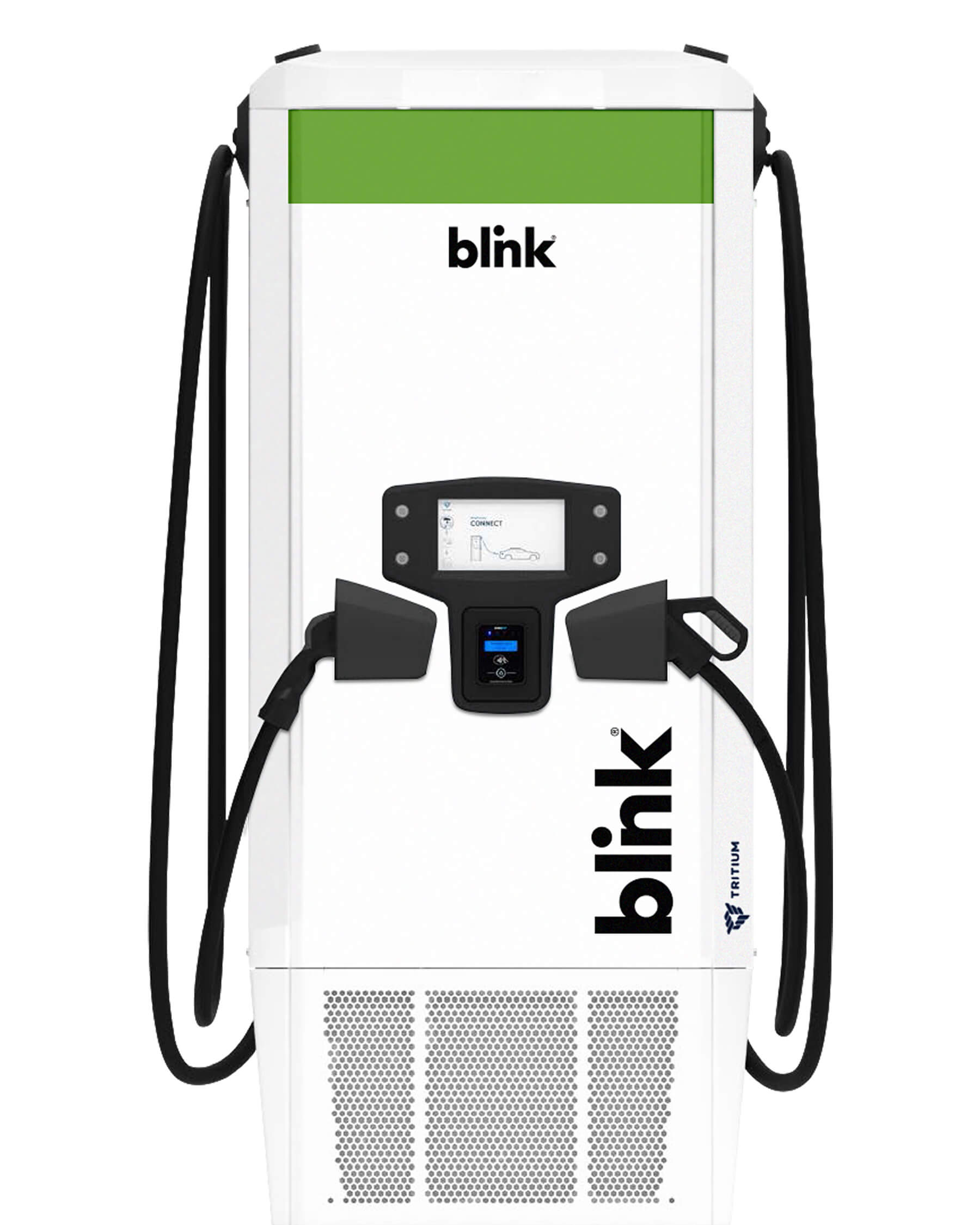
The power electronics in Blink stations frequently experience cold-weather failures due to inadequate thermal management design. The systems lack the sophisticated heating elements and insulation found in more robust charging platforms, making them susceptible to condensation formation and component stress when temperatures fluctuate.
The charging output often decreases significantly in cold conditions as protective systems reduce power to prevent damage to temperature-sensitive components.
Cable and connector reliability represents a persistent problem for Blink installations in winter conditions. The charging cables often become extremely stiff and difficult to handle in cold weather, while the connectors may develop ice formation that prevents proper connection to vehicles.
The cable support and strain relief systems frequently fail in winter conditions, leading to damage that requires station shutdowns for repairs. Some installations have reported complete cable failures where internal conductors break due to repeated flexing in cold, brittle conditions, requiring expensive cable replacement that can take weeks to complete in remote locations.
Also Read: 5 Convertibles That Leave You Smiling for Years vs. 5 That Leak and Creak
