
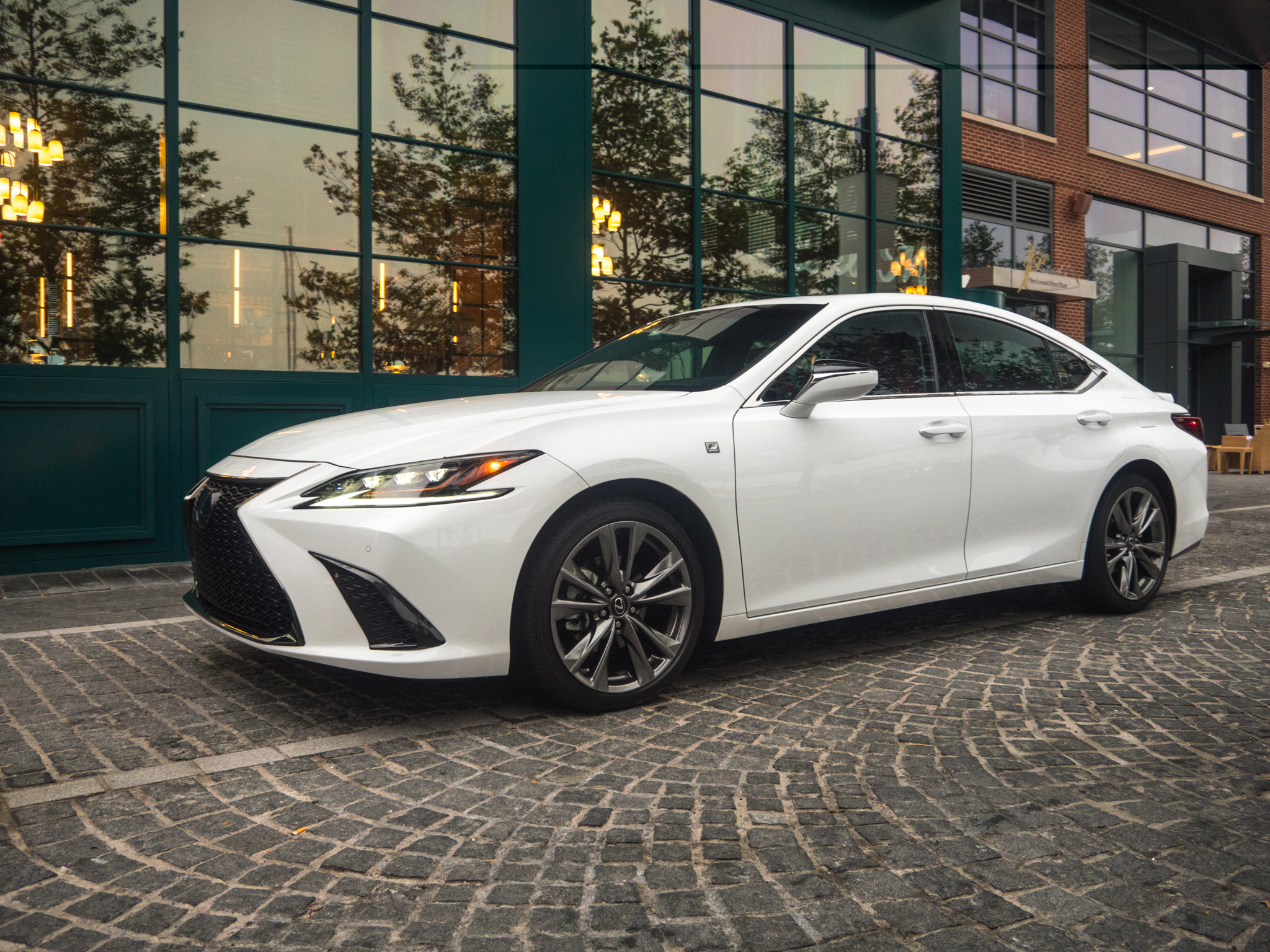
Lexus has built a formidable reputation as Toyota’s luxury division, inheriting the parent company’s legendary reliability while offering premium comfort and refinement.
This reputation stems largely from their exceptional engine engineering, with many models achieving hundreds of thousands of miles with minimal issues when properly maintained.
However, like any automotive manufacturer, Lexus has experienced some challenges with specific powertrains and model years that developed premature oil consumption problems.
The most recommended models for extended lifespan include the Lexus LS 430, GX 460, and LX 570, which deliver comfort and performance while outlasting their luxury peers by decades when appropriately maintained.
Some Lexus engines, particularly the 1UR-FE used in vehicles like the GS 460, LS 460, and GX 460, have proven dependable with examples reaching upwards of 250,000 to 300,000 miles with routine maintenance.
This comprehensive analysis examines both sides of the Lexus ownership experience, highlighting five models celebrated for their exceptional engine longevity alongside five models that have experienced early oil consumption challenges, providing current and prospective owners with the knowledge needed to make informed decisions about these luxury vehicles.
5 Lexus Models with Exceptional Engine Life
These exceptionally engineered Lexus powertrains feature naturally aspirated V6 and V8 engines with forged internal components and precision-honed cylinder walls that maintain perfect compression sealing through hundreds of thousands of miles of varied driving conditions.
Their sophisticated lubrication systems include oversized oil pumps, advanced filtration circuits, and premium bearing materials that prevent the wear patterns typically associated with high-mileage operation and extended service intervals.
From stop-and-go city traffic that subjects engines to thermal cycling stress to sustained highway cruising that tests long-term durability, these remarkable powertrains continue delivering factory-smooth operation without developing oil consumption, timing chain stretch, or carbon buildup issues.
The meticulous manufacturing process includes computer-controlled machining tolerances, multi-stage quality inspections, and premium gasket materials that maintain perfect sealing throughout extended service life.
Owners report that these legendary engines become more refined with age often achieving their smoothest operation and best fuel economy between 150,000-300,000 miles as tolerances settle and engine management systems adapt, proving their worth through consistent performance and preserved luxury driving experience throughout ownership.
1. Lexus LS 430 (2001-2006)
The Lexus LS 430 stands as perhaps the most celebrated example of Japanese automotive engineering excellence, representing the pinnacle of luxury sedan reliability.
Built during Lexus’s golden era of engineering, this flagship sedan features the legendary 3UZ-FE 4.3-liter V8 engine, which has earned an almost mythical reputation among automotive enthusiasts for its exceptional durability and longevity.
The 3UZ-FE engine in the LS 430 was engineered with meticulous attention to detail, featuring forged internals, robust bearings, and conservative tuning that prioritized longevity over outright performance.
This naturally aspirated V8 produces 290 horsepower and 320 lb-ft of torque, providing smooth, refined power delivery that complements the car’s luxury mission while maintaining exceptional reliability standards.
Owners regularly report achieving 300,000 to 500,000 miles with minimal major repairs, often requiring only routine maintenance such as oil changes, timing belt replacements, and periodic fluid services.

The engine’s design incorporates high-quality materials throughout, including aluminum construction for weight reduction and improved heat dissipation, while maintaining iron cylinder liners for durability.
The LS 430’s transmission, a five-speed automatic unit, perfectly complements the engine’s characteristics. This transmission was over-engineered for the application, featuring robust internals and sophisticated electronics that ensure smooth operation even after hundreds of thousands of miles.
The combination of conservative power output and robust construction means that both engine and transmission operate well within their stress limits during normal driving conditions.
Beyond mechanical excellence, the LS 430 benefits from extensive corrosion protection and high-quality assembly processes that contribute to its legendary durability.
The vehicle’s sophisticated air suspension system, while more complex than conventional springs and shocks, was designed with redundancy and serviceability in mind, allowing owners to maintain the car’s exceptional ride quality even as mileage accumulates.
Regular maintenance requirements are straightforward and well-documented, with most services falling within reasonable cost parameters for a luxury vehicle.
The availability of parts remains excellent, and the car’s popularity among enthusiasts ensures that knowledge and expertise for maintenance and repair are widely available.
This combination of engineering excellence, robust construction, and maintainability makes the LS 430 a standout choice for those seeking maximum longevity from their luxury sedan investment.
2. Lexus GX 460 (2010-Present)
The Lexus GX 460 represents the perfect marriage of luxury comfort and Toyota’s legendary off-road engineering heritage, built on the proven Land Cruiser Prado platform with modifications specifically tailored for the North American luxury market.
At its heart lies the bulletproof 1UR-FE 4.6-liter V8 engine, which has established itself as one of the most reliable powerplants in the modern automotive.
The 1UR-FE features a forged steel crankshaft with six balance weights and forged connecting rods, contributing to its reputation for reaching upwards of 250,000 to 300,000 miles with routine maintenance.
This engine produces 301 horsepower and 329 lb-ft of torque, providing ample power for both highway cruising and serious off-road adventures while maintaining the conservative engineering approach that characterizes Toyota’s most durable engines.
The GX 460’s construction emphasizes durability over weight savings, utilizing a robust body-on-frame design that can withstand the stresses of serious off-road use while providing exceptional longevity.
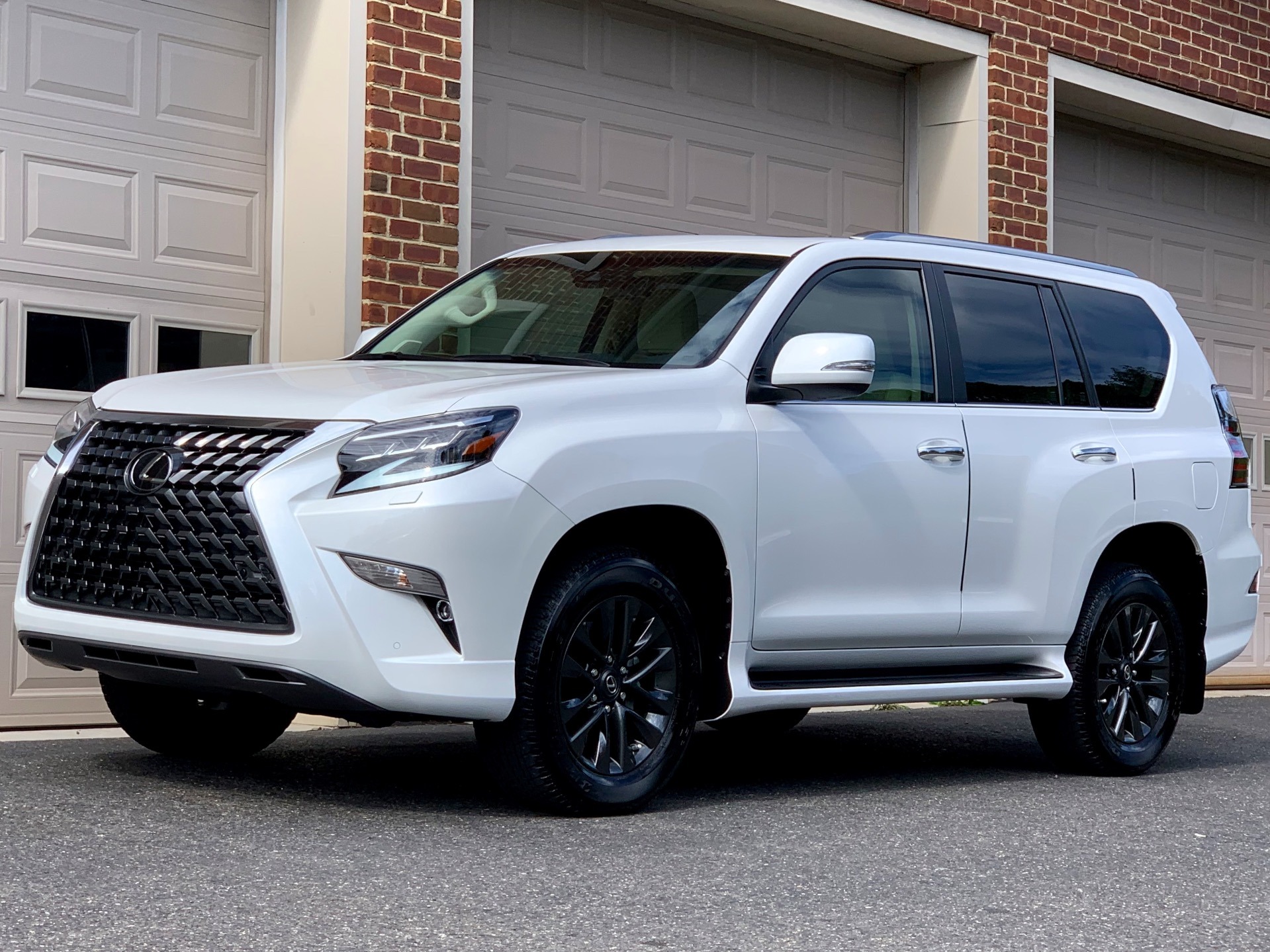
The truck’s suspension system, featuring a sophisticated four-wheel independent setup with adaptive dampers, is designed to handle extreme conditions while maintaining luxury car comfort levels during normal driving.
One of the key factors contributing to the GX 460’s exceptional longevity is its comprehensive cooling system design. The vehicle features multiple heat exchangers, including transmission, transfer case, and differential coolers, ensuring that all critical components operate within optimal temperature ranges even under extreme conditions.
This thermal management capability significantly extends component life and reduces the likelihood of premature failures. The transmission in the GX 460 is a six-speed automatic unit that was specifically calibrated for the torque characteristics of the 1UR-FE engine.
This transmission features robust internals designed to handle both the engine’s output and the additional stresses of towing and off-road driving. The unit includes sophisticated electronics that adapt shift patterns based on driving conditions, helping to preserve both engine and transmission longevity.
Regular maintenance intervals are well-established and reasonable for a vehicle of this capability and complexity. The GX 460 benefits from Toyota’s global parts network, ensuring excellent parts availability even for older models.
The vehicle’s popularity among outdoor enthusiasts and its reputation for reliability mean that expertise for maintenance and modification is widely available, supporting long-term ownership satisfaction.
The combination of proven engineering, robust construction, excellent thermal management, and comprehensive support infrastructure makes the GX 460 an exceptional choice for buyers seeking a luxury SUV capable of providing decades of reliable service in both urban and wilderness environments.
3. Lexus LX 570 (2008-2021)
The Lexus LX 570 represents the absolute pinnacle of luxury SUV engineering, built on Toyota’s legendary Land Cruiser 200 Series platform and powered by the exceptional 3UR-FE 5.7-liter V8 engine.
This combination of Toyota’s most robust SUV architecture with Lexus’s luxury refinements creates a vehicle capable of extraordinary longevity while providing uncompromising comfort and capability.
The 3UR-FE engine is a masterpiece of modern automotive engineering, featuring dual VVT-i (Variable Valve Timing with intelligence) on both intake and exhaust camshafts, aluminum construction for weight reduction, and iron cylinder liners for maximum durability.
Producing 383 horsepower and 403 lb-ft of torque, this engine provides exceptional performance while maintaining the conservative engineering principles that ensure long-term reliability.
Internal engine components are built to aircraft-quality standards, with forged pistons, robust connecting rods, and a crankshaft designed to withstand extreme loads.
The engine’s sophisticated lubrication system ensures adequate oil flow to all critical components even during extreme off-road angles, while the advanced cooling system manages temperatures effectively under all operating conditions.
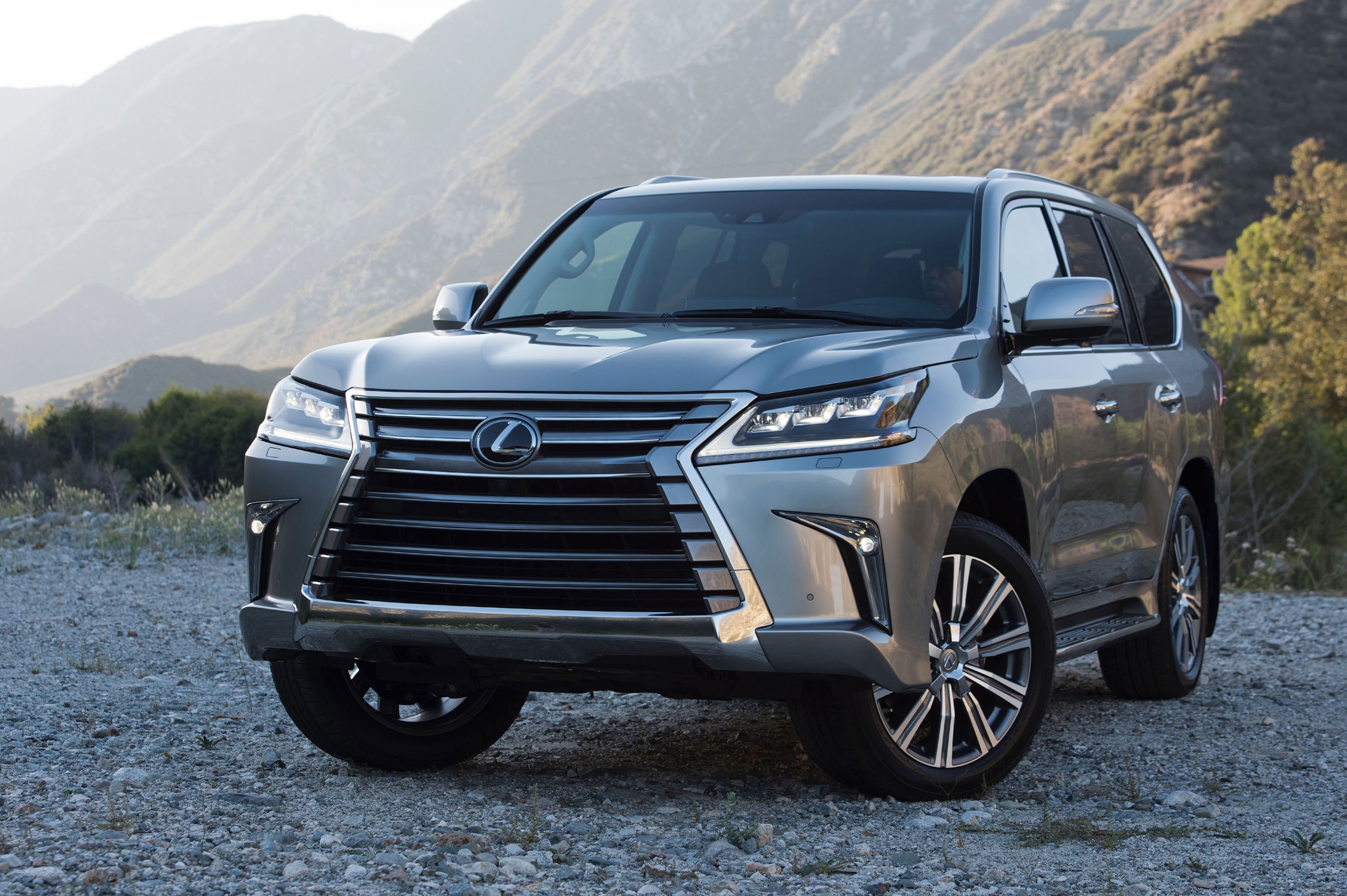
The LX 570’s eight-speed automatic transmission represents one of the most advanced and durable units ever installed in a production SUV. This transmission features numerous planetary gearsets, sophisticated electronics, and robust internals designed to handle the substantial torque output of the 3UR-FE engine while providing smooth, efficient operation.
The transmission’s adaptive learning capability ensures optimal shift patterns throughout the vehicle’s life, contributing to both performance and longevity.
Advanced electronic systems in the LX 570 are designed with redundancy and fail-safe operation in mind, ensuring that even if individual components fail, the vehicle remains operational and safe.
This philosophy extends throughout the vehicle’s design, creating a luxury SUV that can provide reliable service for decades while maintaining its impressive capability and comfort levels.
4. Lexus ES 350 (2007-2012, 2013-2018)
The Lexus ES 350 represents the brand’s most successful attempt at creating an accessible luxury sedan that maintains the reliability and longevity characteristics that define the Lexus ownership experience.
Built on Toyota’s proven Camry platform and powered by various iterations of Toyota’s legendary V6 engines, the ES 350 offers an ideal combination of luxury comfort, refined performance, and exceptional durability.
During its most successful generations, particularly the 2007-2012 and 2013-2018 model years, the ES 350 featured well-proven powertrains that had been thoroughly tested and refined through years of development and real-world application.
The vehicle’s front-wheel-drive configuration, while perhaps less prestigious than rear-wheel-drive alternatives, contributes significantly to its reliability by eliminating the complexity and potential failure points associated with more sophisticated drivetrain arrangements.
The ES 350’s engine bay is designed with serviceability in mind, allowing for straightforward maintenance procedures that help ensure long-term reliability.
Critical components such as the alternator, starter, and various sensors are easily accessible, reducing labor costs for routine maintenance and encouraging owners to stay current with service requirements.
This accessibility factor plays a crucial role in the vehicle’s long-term durability, as deferred maintenance is one of the primary causes of premature automotive failures.
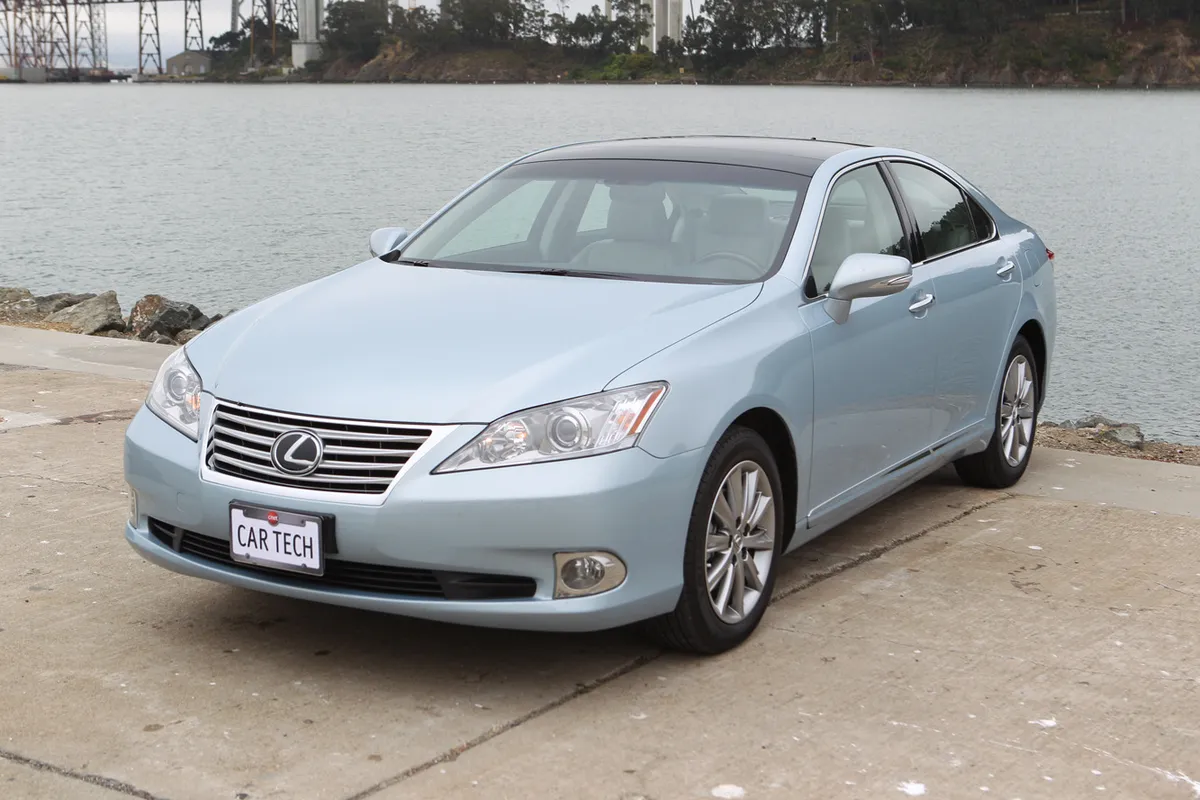
One of the key strengths of the ES 350 is its sophisticated yet robust transmission system. The six-speed automatic transmission used in most ES 350 models was extensively tested and refined before production, featuring adaptive shift logic that learns driver preferences while protecting drivetrain components from excessive stress.
The transmission’s conservative calibration prioritizes smoothness and longevity over sporting performance, contributing significantly to the vehicle’s reputation for reliability.
The ES 350’s suspension system strikes an excellent balance between comfort and durability, utilizing conventional MacPherson struts in front and a multi-link arrangement in the rear.
Regular maintenance requirements for the ES 350 are straightforward and cost-effective, particularly when compared to European luxury competitors.
The vehicle benefits from Toyota’s extensive parts network and widespread service expertise, ensuring that maintenance and repair needs can be addressed efficiently and affordably throughout the vehicle’s operational life.
Also Read: 5 Hondas With Legendary Reliability Vs 5 That Faced Major Issues
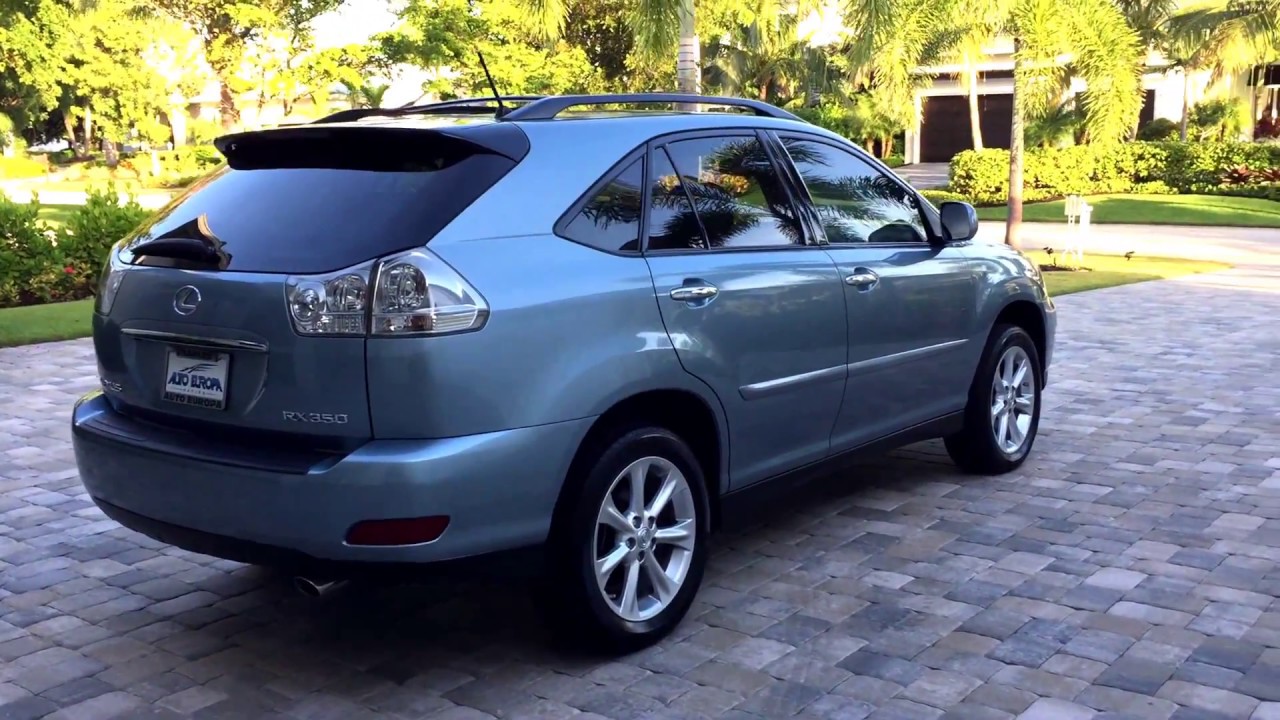
5. Lexus RX 330/350 (2004-2009)
The Lexus RX series, particularly the RX 330 and early RX 350 models produced between 2004 and 2009, established the template for the modern luxury crossover while maintaining the reliability and durability characteristics that define the Lexus brand.
These vehicles represent a crucial period in automotive history when manufacturers were learning to balance luxury expectations with the practicality and capability that crossover buyers demanded.
The RX 330, powered by a 3.3-liter V6 engine, and the early RX 350, featuring a 3.5-liter V6, both utilized well-proven powertrains that had been extensively tested in other Toyota and Lexus applications.
These engines featured aluminum construction for weight reduction and improved thermal characteristics, while incorporating design elements specifically intended to ensure long-term reliability and performance consistency.
One of the key factors contributing to the RX series’s exceptional longevity during this period was Toyota’s conservative approach to power output and stress levels.
Maintenance requirements for the 2004-2009 RX models are reasonable and well-documented, with most services falling within expected parameters for luxury vehicles. The availability of parts and service expertise remains excellent, supported by Toyota’s global network and the vehicle’s popularity among luxury crossover buyers. This combination of engineering excellence, conservative design philosophy, and comprehensive support infrastructure makes the early RX series an outstanding choice for buyers seeking long-term luxury crossover ownership satisfaction.
5 Lexus Models with Early Engine Issues
These unfortunately designed Lexus engines suffer from fundamental piston ring design flaws, including inadequate ring tension, poor cylinder wall surface treatments, and defective PCV systems that allow excessive oil consumption to develop within the first 100,000 miles of operation.
Their complex direct injection systems create carbon buildup patterns that interfere with proper ring sealing, while advanced variable valve timing mechanisms develop oil leakage that compounds consumption problems and creates expensive repair scenarios.
Owners frequently report oil consumption rates exceeding one quart per 1,000 mile,s often experiencing complete engine replacement requirements, catalytic converter damage from oil burning, and ongoing maintenance costs that destroy the luxury ownership experience while creating environmental concerns and potential safety hazards from unexpected oil starvation during normal operation.
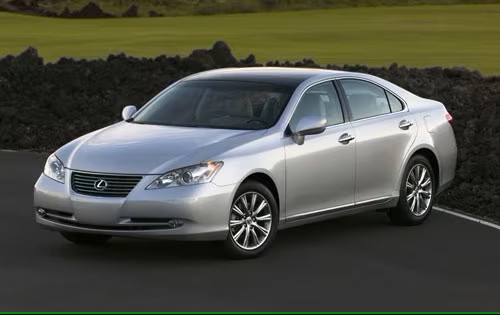
1. Lexus ES 350 (2007-2012)
The 2007-2012 Lexus ES 350, while generally regarded as a reliable luxury sedan, became unfortunately associated with one of the most significant oil consumption issues in modern Lexus history.
The 2GR-FE 3.5L V6 engines, while generally reliable and long-lasting, experienced issues with front timing cover oil leaks. This generation of the ES 350, powered by the 2GR-FE engine, developed a reputation for excessive oil consumption that affected thousands of owners and led to numerous warranty claims and customer complaints.
The oil consumption issue typically manifested between 60,000 and 120,000 miles, with many owners reporting consumption rates of one quart per 1,000-2,000 miles of driving.
Some owners were told by Lexus that burning 1 quart of oil per 2,000 miles traveled was within “normal factory Lexus limit standards,” a position that many customers found unacceptable for a premium luxury vehicle. This excessive consumption often occurred without visible external leaks, indicating internal engine wear or design issues.
The root causes of the oil consumption problem in the 2GR-FE engine appeared to be multifaceted, involving piston ring design, cylinder bore finishing, and valve stem seal quality.
The engine’s direct injection system, while providing improved fuel economy and emissions performance, created operating conditions that exacerbated existing design weaknesses.
Carbon buildup on intake valves, a common issue with direct injection engines, required additional maintenance attention and could contribute to oil consumption problems.
Many affected owners discovered the issue when dashboard warning lights illuminated, indicating low oil levels or pressure. In some cases, engines suffered significant damage due to oil starvation before owners became aware of the consumption problem.
The lack of an oil life monitoring system that accounted for consumption rates meant that owners following standard maintenance intervals could unknowingly operate their vehicles with inadequate lubrication.
Lexus eventually acknowledged the issue and extended warranties for some affected vehicles, offering engine replacements or rebuilds for qualifying cases.
However, the warranty extension was limited in scope and duration, leaving many owners to address the problem at their own expense. Repair costs for oil consumption issues often exceeded $5,000-8,000, representing a significant financial burden for affected owners.
Many owners have found success using higher-viscosity oils or oil additives designed to reduce consumption, though these measures typically provide only temporary relief. The experience serves as a reminder that even manufacturers with strong reliability reputations can encounter significant issues with new engine designs.
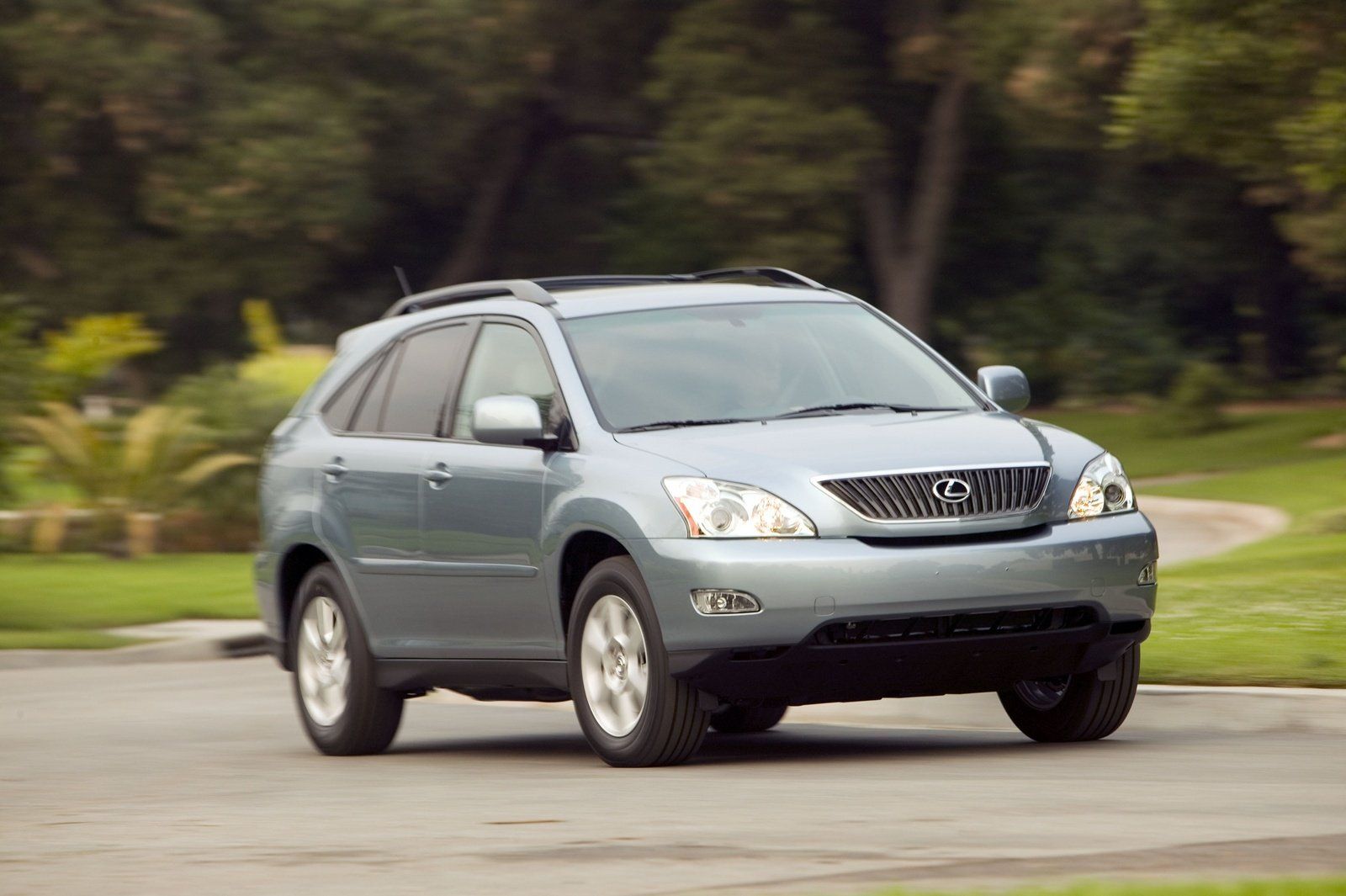
2. Lexus RX 350 (2007-2009)
The first-generation Lexus RX 350, introduced for the 2007 model year, represented a significant advancement in luxury crossover design and performance.
However, this generation also became one of the most problematic in terms of oil consumption issues, sharing the troublesome 2GR-FE engine with other affected Lexus models of the same era.
The RX 350’s oil consumption problems were particularly frustrating for owners who had chosen the vehicle specifically for Lexus’s reputation for reliability and low maintenance requirements.
The 2007-2015 Lexus RX350 featured the 3.5L 2GR-FE 6-cylinder engine, which during its early production years suffered from the same fundamental design and manufacturing issues that affected other vehicles in the Lexus lineup.
The oil consumption typically became apparent between 50,000 and 100,000 miles, often coinciding with the expiration of the original warranty period, leaving owners to address expensive repairs independently.
The RX 350’s oil consumption manifested in several ways, including excessive burning through the combustion chambers and external leaks from various engine seals and gaskets.
The front timing cover oil leak became particularly notorious among RX 350 owners, requiring expensive repair procedures that often involved significant engine disassembly. Some owners reported that dealer repair estimates for timing chain cover leaks reached $4,000, requiring engine removal.
The all-wheel-drive system in affected RX 350 models added complexity to oil consumption diagnosis and repair procedures. The additional drivetrain components and their proximity to the engine made it more difficult to identify the exact source of oil leaks, often leading to misdiagnosis and repeated repair attempts.
The AWD system’s additional heat generation also potentially exacerbated existing oil consumption issues by increasing operating temperatures. Many RX 350 owners discovered oil consumption issues during routine maintenance visits, when technicians found significantly low oil levels despite recent service intervals.
The RX 350 oil consumption experience influenced subsequent engine development and quality control processes at Toyota and Lexus. Later iterations of the 2GR-FE engine incorporated design improvements and manufacturing process changes intended to eliminate the consumption problems that plagued early production examples.
3. Lexus IS 350 (2006-2013)
The second-generation Lexus IS 350, produced from 2006 to 2013, represented the brand’s most serious attempt at creating a true sports sedan competitor to German luxury offerings.
Powered by the same 2GR-FE 3.5-liter V6 engine that caused problems in other Lexus models, the IS 350 combined exciting performance characteristics with the reliability concerns that affected this engine family during its early production years.
Some owners reported that their IS 350 vehicles experienced significant oil consumption, with examples burning oil at concerning rates. The IS 350’s sporting mission and more aggressive tuning potentially exacerbated the underlying oil consumption issues present in the 2GR-FE engine, as higher RPM operation and more demanding driving conditions placed additional stress on already vulnerable components.
The IS 350’s rear-wheel-drive configuration and performance-oriented calibration meant that the engine often operated under more demanding conditions than in front-wheel-drive applications.
The vehicle’s sophisticated transmission programming encouraged higher RPM operation and more frequent gear changes, potentially accelerating wear on components already susceptible to oil consumption problems. This more aggressive operating environment contributed to earlier onset and more severe manifestation of consumption issues.

Oil consumption in the IS 350 typically became apparent through several warning signs, including blue exhaust smoke during startup or acceleration, declining oil levels between service intervals, and eventually, low oil pressure warnings.
The vehicle’s performance-oriented nature meant that many owners drove their cars more aggressively than typical luxury sedan buyers, potentially accelerating the development of consumption problems and making early detection more critical.
The repair process for IS 350 oil consumption issues proved particularly challenging due to the engine’s installation in the rear-wheel-drive chassis.
Access to critical components was more limited than in front-wheel-drive applications, increasing labor costs and repair complexity. Engine removal for major repairs required specialized equipment and expertise, limiting repair options and increasing costs for affected owners.
The IS 350 experience highlighted the challenges of applying new engine technology to performance applications where operating conditions are more demanding than typical passenger car usage.
While the 2GR-FE engine eventually matured into a reliable powerplant, its early application in the IS 350 created significant ownership challenges for many buyers who had specifically chosen Lexus for reliability reasons.
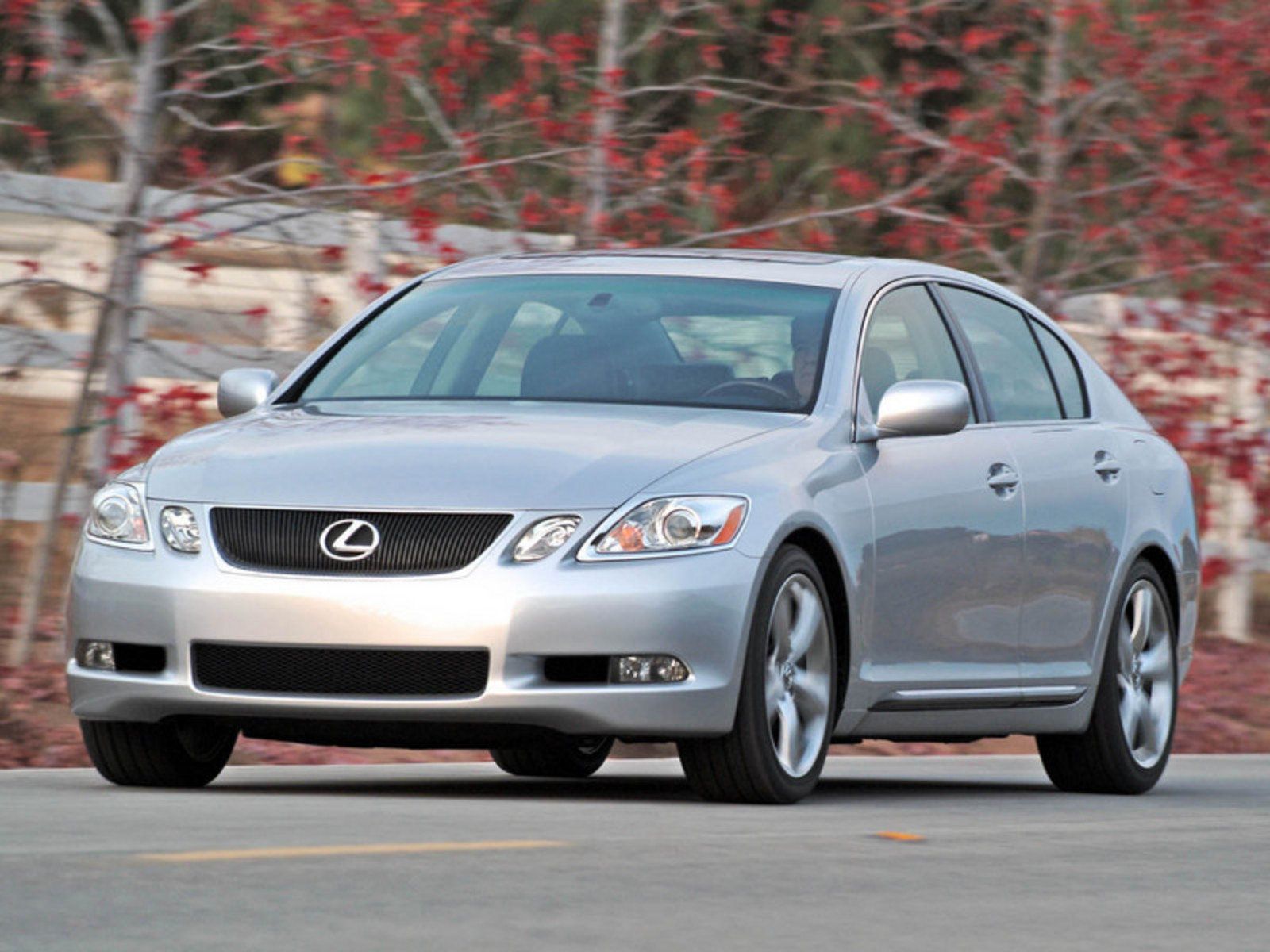
4. Lexus GS 350 (2007-2011)
The fourth-generation Lexus GS 350, introduced for the 2007 model year, represented a significant evolution in the brand’s luxury sedan offerings, featuring more aggressive styling, improved performance, and enhanced technology.
However, like other Lexus models of this era, the GS 350 was affected by the oil consumption issues that plagued early production 2GR-FE engines, creating significant ownership challenges for buyers who had specifically chosen Lexus for its reliability reputation.
The GS 350’s oil consumption problems typically developed between 60,000 and 120,000 miles, often manifesting as excessive oil burning without visible external leaks.
Owners frequently discovered the issue when dashboard warning lights illuminated or during routine maintenance when technicians found dramatically low oil levels.
The luxury sedan’s sophisticated engine management systems provided minimal early warning about developing consumption problems, leaving owners vulnerable to potential engine damage.
The GS platform during this era experienced oil consumption issues, with some owners reporting that Lexus considered burning 1 quart of oil per 2,000 miles as within normal factory standards.
This consumption rate, while perhaps technically acceptable to the manufacturer, represented a significant departure from traditional Lexus reliability standards and created substantial inconvenience and expense for affected owners.
The GS 350’s rear-wheel-drive architecture and performance-oriented mission meant that affected engines often operated under more demanding conditions than those in front-wheel-drive applications.
The vehicle’s sophisticated transmission programming and available sport modes encouraged more aggressive driving, potentially accelerating wear on components already susceptible to consumption issues.
This operating environment contributed to earlier onset and more severe manifestation of oil consumption problems. Repair procedures for GS 350 oil consumption issues proved complex and expensive, often requiring extensive engine disassembly to address internal wear or seal failures.
The vehicle’s sophisticated packaging and rear-wheel-drive configuration limited access to critical components, increasing labor requirements and costs. Many owners faced repair estimates exceeding $6,000-8,000 for comprehensive solutions to consumption problems.
The GS 350 oil consumption experience influenced subsequent engine development and quality control processes at Lexus. Later production examples of the 2GR-FE engine incorporated design improvements intended to eliminate consumption problems, while new engine families were subjected to more rigorous testing protocols to prevent similar issues from reaching production.
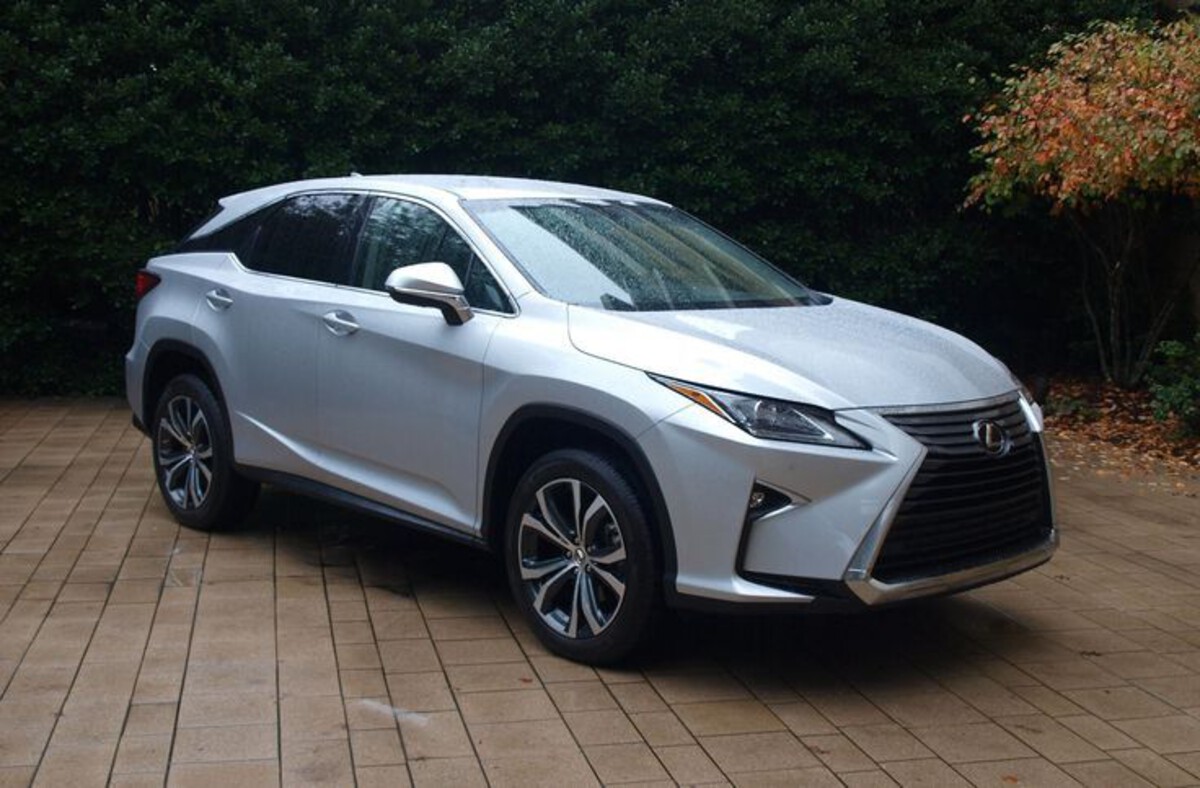
5. Lexus RX 350 (2010-2015)
Despite improvements made to address earlier oil consumption issues, the 2010-2015 Lexus RX 350 continued to experience problems with the 2GR-FE engine, though typically at reduced frequency and severity compared to earlier model years.
This generation represented Lexus’s ongoing efforts to resolve the fundamental design and manufacturing issues that had affected the engine family while maintaining the performance and efficiency characteristics that customers expected.
The 2GR engine remained notorious for oil leaks from the timing chain cover, representing a very expensive problem to fix that Toyota had not adequately addressed.
While some improvements were implemented during this production period, many fundamental issues persisted, continuing to affect owner satisfaction and long-term reliability expectations.
The 2010-2015 RX 350’s oil consumption issues typically manifested as a combination of internal burning and external leaks, with the timing cover oil leak remaining a persistent problem throughout this generation.
Owners often reported discovering oil spots in driveways or parking spaces, followed by declining oil levels and eventual low oil pressure warnings if the issue was not promptly addressed.
Manufacturing improvements implemented during this period included revised piston ring designs, improved cylinder bore finishing processes, and enhanced quality control procedures.
However, these changes were implemented gradually and not all production examples benefited from the full range of improvements. This resulted in inconsistent reliability experiences among owners, with some vehicles performing flawlessly while others continued to experience significant consumption problems.
The 2010-2015 RX 350’s sophisticated infotainment and driver assistance systems represented significant advances over earlier generations, but these improvements were sometimes overshadowed by continued engine reliability concerns.
Owners who had chosen the RX 350 for its combination of luxury features and expected reliability often found themselves dealing with expensive oil consumption repairs that detracted from the ownership experience.
The persistence of oil consumption issues in the 2010-2015 RX 350 demonstrated the challenges faced by manufacturers in completely resolving complex engine problems once they reach production.
While improvements were made throughout this generation, complete elimination of consumption issues required more fundamental design changes that were eventually implemented in subsequent engine families and model generations.
Also Read: 5 High-mileage Luxury Sedans That Stay Smooth Vs. 5 That Lose Their Sparkle Quickly
