
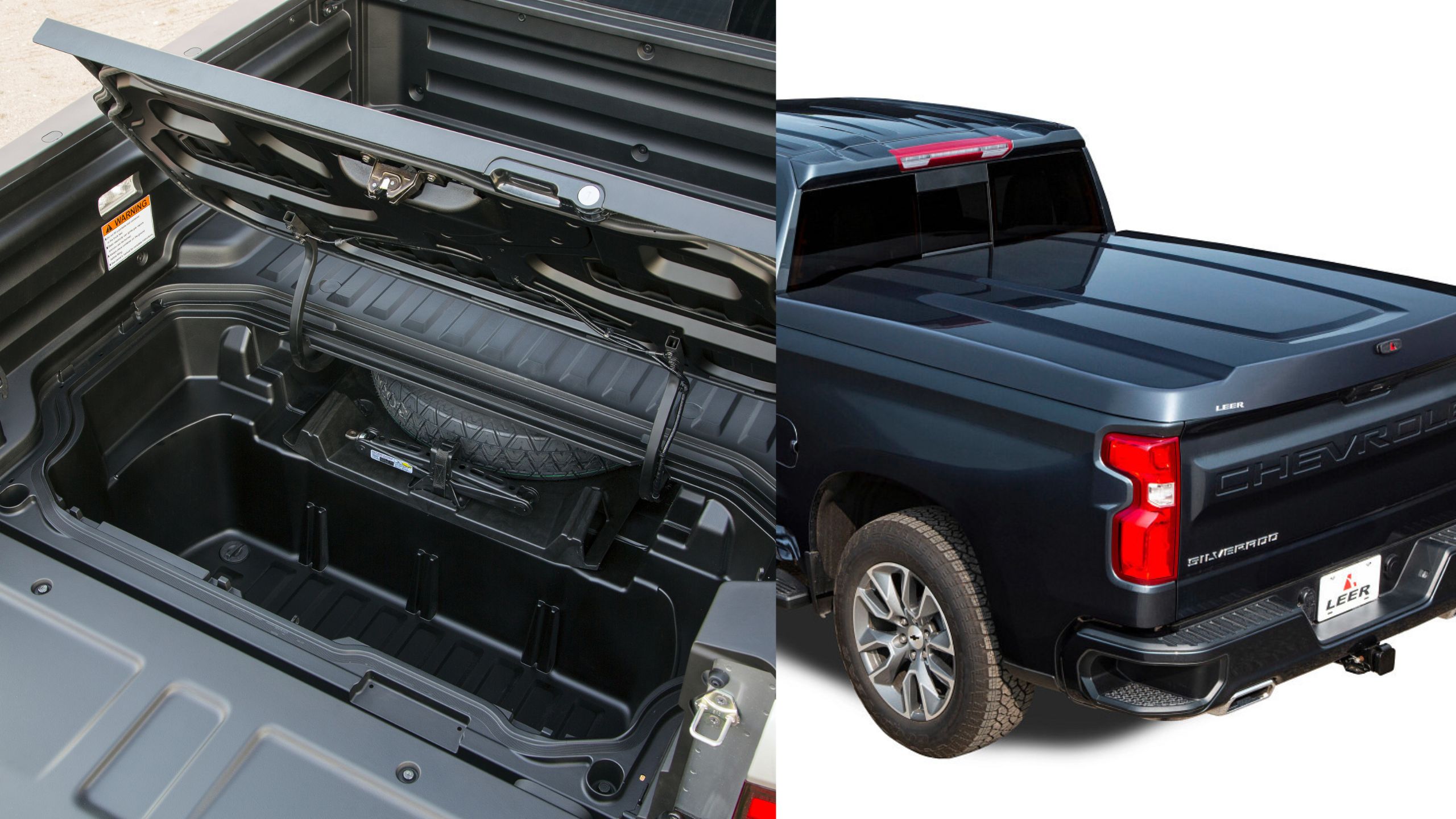
The automotive pickup truck bed represents one of the most critical functional elements distinguishing trucks from conventional passenger cars, serving as the primary utility workspace that defines the vehicle’s core purpose.
Unlike standard automotive body panels designed primarily for aesthetics and aerodynamics, pickup truck beds must withstand constant abuse from heavy cargo, tools, construction materials, and environmental elements while maintaining structural integrity and dimensional accuracy.
The choice of bed material, construction methodology, and manufacturing quality significantly impacts not only the truck’s immediate functionality but also its long-term durability, maintenance requirements, and resale value in the competitive automotive marketplace.
Modern automotive engineering has introduced diverse pickup bed construction approaches, ranging from traditional stamped steel to advanced carbon fiber composites, each offering distinct advantages and limitations.
General Motors touts it as “The most corrosion, dent and scratch resistant bed in the industry” for their CarbonPro bed, while Honda’s Ridgeline features a scratch-resistant truck bed designed for durability.
However, not all automotive manufacturers prioritize bed durability equally, with some focusing on initial cost reduction or weight savings at the expense of long-term structural stability.
The distinction between dent-resistant and warp-prone beds extends beyond material selection to encompass manufacturing precision, quality control standards, and engineering philosophy.
Some automotive companies invest heavily in advanced materials and sophisticated manufacturing processes, while others prioritize cost competitiveness in increasingly price-sensitive market segments.
Understanding these differences becomes crucial for automotive consumers who rely on their pickup trucks for demanding applications where bed integrity directly impacts productivity and safety.
5 Pickup Beds That Resist Dents
These exceptionally engineered pickup beds feature thick-gauge steel construction and strategic reinforcement ribs that maintain structural integrity through years of demanding commercial use.
Their thoughtful engineering includes heavy-duty floor panels with deep corrugations and robust sidewall construction that resists the stress concentrations typically created by sliding heavy equipment and dropped construction materials.
From repeated impacts of concrete blocks and steel beams to the constant loading cycles of landscaping equipment, these remarkable cargo areas continue looking pristine without developing the unsightly dents and warping that plague thinner competitors.
Advanced stamping techniques create natural stress distribution patterns that channel impact forces through reinforced mounting points rather than allowing localized deformation. Owners report hauling tons of gravel, concrete mix, and heavy machinery without permanent damage to these bulletproof beds.
The combination of premium steel alloys and time-tested forming processes creates cargo areas that prove their worth through consistent structural integrity and maintained load-carrying capacity even under the most punishing work truck conditions.
1. GMC Sierra CarbonPro Automotive Bed
The GMC Sierra CarbonPro bed represents a revolutionary advancement in automotive pickup truck engineering, utilizing carbon fiber composite construction that fundamentally transforms how truck beds handle impact and abuse in real-world automotive applications.
This automotive-grade carbon fiber composite bed delivers immense durability and strength arguably stronger than its metal counterparts through advanced materials science originally developed for aerospace and racing applications but adapted for mainstream automotive use.
The carbon fiber weave construction creates an incredibly strong yet lightweight automotive structure that distributes impact forces across the entire bed surface rather than concentrating them at single failure points like traditional automotive steel beds.
When struck by heavy automotive tools, construction equipment, or cargo typical in truck applications, the carbon fiber composite absorbs impact energy and returns to its original shape, eliminating the small dents and dings that plague conventional automotive pickup beds throughout their service life.
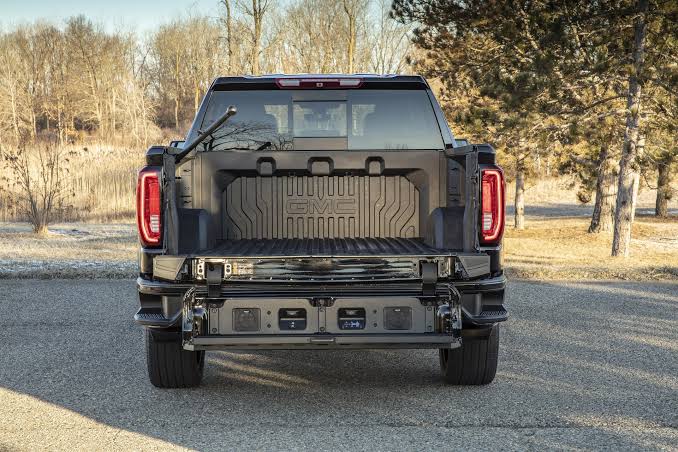
Manufacturing of the CarbonPro bed involves precision automotive-grade molding processes that layer carbon fiber sheets in engineered orientations, creating a structure that weighs significantly less than steel while providing superior strength characteristics.
This weight reduction directly improves the truck’s automotive performance metrics, including fuel economy, acceleration, and handling while increasing payload capacity within the vehicle’s gross vehicle weight rating. The composite construction also eliminates corrosion concerns, as carbon fiber doesn’t rust or oxidize like traditional automotive metals.
The automotive integration advantages extend to thermal management, as the composite material stays cooler in summer heat and doesn’t conduct cold as readily in winter conditions, improving operator comfort during loading and unloading operations.
Installation of traditional automotive bed liners becomes optional rather than mandatory, as the surface naturally resists damage that would typically require protective coatings in conventional automotive applications.
The bed floor features integrated texture that prevents cargo from sliding while protecting the surface from abrasion, eliminating the need for aftermarket automotive bed protection systems.
2. Ford F-150 Aluminum Automotive Bed Construction
Ford’s F-150 aluminum automotive bed construction represents a significant departure from traditional automotive steel beds, utilizing military-specification aluminum alloys that provide exceptional dent resistance through advanced metallurgy specifically adapted for automotive applications.
The aluminum used in F-150 automotive beds undergoes specialized heat treatment processes that increase strength while maintaining the material’s natural corrosion resistance, creating a bed surface capable of withstanding significant impacts without permanent deformation.
The automotive aluminum alloy composition utilizes high-strength materials originally developed for military vehicle applications where weight reduction and durability are equally critical for automotive performance.
These alloys demonstrate superior elastic properties compared to traditional automotive steel, meaning they can absorb impacts and return to their original shape rather than creating permanent dents that plague conventional automotive pickup beds.
The bed construction features strategic thickness variations that optimize strength in high-stress automotive applications while minimizing weight.
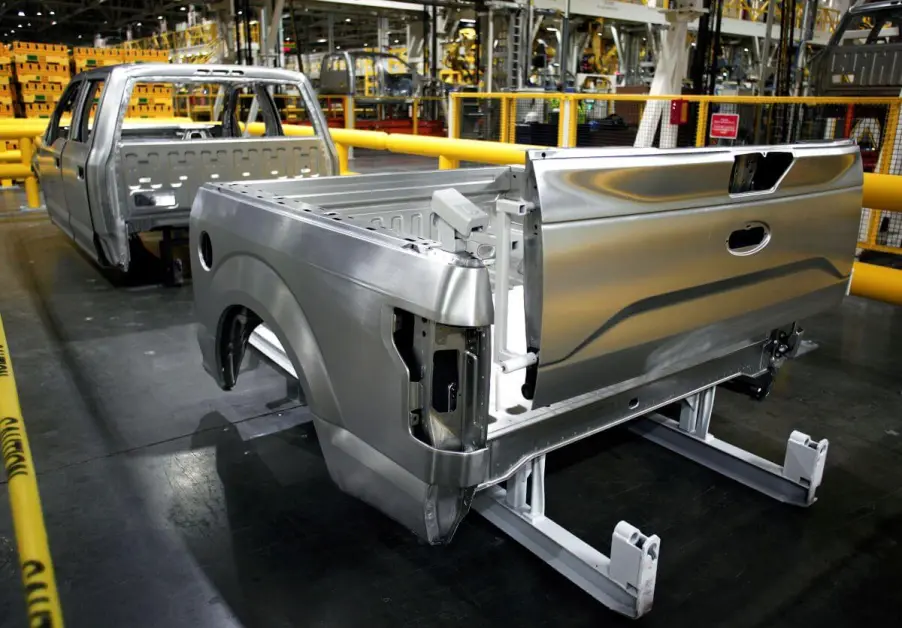
Ford’s automotive manufacturing techniques involve precision stamping and forming processes that create subtle reinforcement patterns invisible to casual observation but crucial for automotive structural integrity.
These reinforcements help distribute automotive loads evenly across the bed surface, preventing localized stress concentrations that typically lead to denting in conventional automotive steel beds.
The aluminum’s natural properties also provide excellent resistance to scratches and gouges from automotive tools and equipment. The practical automotive benefits extend beyond mere dent resistance to include superior corrosion resistance that eliminates rust concerns common in automotive steel applications.
Save on gas, tires, and wear compared to steel & wood beds represents a significant automotive advantage, as the weight reduction improves fuel economy, reduces tire wear, and allows for increased payload capacity within the truck’s automotive specifications.
Additionally, aluminum’s thermal properties mean the bed surface stays cooler to the touch in hot weather, improving safety and comfort during automotive cargo handling operations.
3. Honda Ridgeline Composite Automotive Bed Floor
Honda’s Ridgeline features an innovative automotive composite bed floor that demonstrates exceptional resistance to dents and damage through a unique construction methodology specifically designed for automotive applications.
Unlike traditional single-layer automotive steel or aluminum beds, the Ridgeline employs automotive-grade composite sandwich construction that combines multiple materials to create a surface virtually immune to denting from automotive tools, cargo, or impact damage typical in truck applications.
The automotive composite construction utilizes a honeycomb core structure sandwiched between durable outer skins, creating an automotive bed floor that distributes impact forces across wide areas rather than allowing localized deformation common in conventional automotive beds.
This design principle, borrowed from aerospace applications but adapted for automotive use, ensures that even heavy impacts from automotive equipment create minimal surface damage while maintaining the bed’s structural integrity throughout the vehicle’s service life.
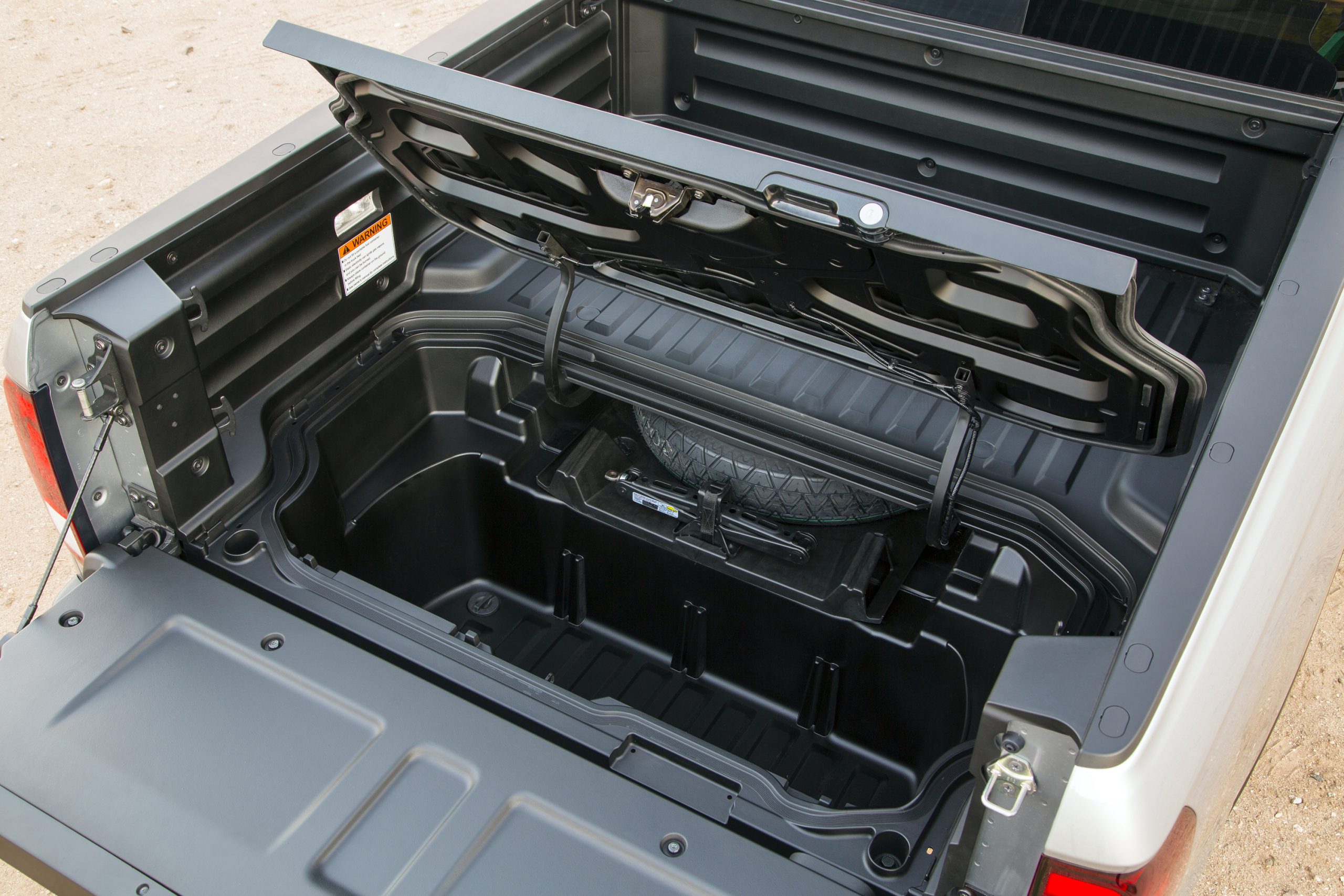
Honda’s automotive manufacturing process involves precision molding operations that create consistent thickness and structural properties throughout the composite bed floor, ensuring reliable automotive performance.
The composite material incorporates reinforcing fibers that provide directional strength optimized for automotive loading patterns, ensuring the bed can handle both point loads from heavy automotive equipment and distributed loads from bulk cargo typical in automotive applications.
The automotive advantages of Honda’s composite bed floor extend to maintenance and longevity considerations critical in automotive applications.
The non-porous surface resists staining from automotive fluids, paint, or other materials commonly spilled during automotive use, requiring only simple cleaning for maintenance.
The composite material doesn’t conduct electricity, providing safety benefits when transporting automotive electrical equipment or working around power sources common in automotive applications.
Additionally, the material’s acoustic properties help reduce road noise transmission into the automotive cabin, contributing to a quieter automotive driving experience.
4. Toyota Tundra High-Strength Automotive Steel Bed
Toyota’s Tundra features specially engineered automotive steel bed construction that incorporates advanced metallurgy and structural design to provide exceptional dent resistance while maintaining the repairability advantages of traditional automotive steel construction.
The automotive steel utilizes high-tensile strength specifications with carefully engineered thickness variations that optimize durability in critical automotive applications while managing weight and cost considerations important in automotive manufacturing.
The automotive steel used in Tundra beds undergoes sophisticated heat treatment processes that increase hardness and strength without making the material brittle, creating an automotive surface that resists denting from typical automotive cargo impacts while maintaining flexibility to prevent cracking under extreme automotive loading conditions.
The automotive bed floor features engineered ribbing patterns that provide structural reinforcement while creating natural automotive cargo retention channels.
Toyota’s automotive manufacturing process incorporates precision stamping techniques that create consistent material thickness and eliminate weak points that could lead to premature denting or damage in automotive applications.
The automotive bed corners and high-stress areas feature additional reinforcement through strategic material placement and forming techniques specifically designed for automotive loading patterns. The integrated deck rail system provides automotive tie-down points without compromising automotive bed integrity.
The practical automotive benefits include excellent repairability using standard automotive body repair techniques and widely available automotive materials.
Unlike composite or aluminum automotive beds that require specialized automotive repair procedures, damaged steel automotive beds can be repaired at any qualified automotive body shop using conventional automotive tools and techniques.
The automotive steel construction also provides excellent value, offering dent resistance and durability at a lower initial cost than exotic material alternatives while maintaining long-term automotive serviceability.
Also Read: 5 Steering Racks That Stay Tight vs 5 That Loosen Quickly
5. Fiberglass Structural Automotive Bed Systems
Advanced fiberglass automotive bed systems represent cutting-edge automotive engineering that provides exceptional dent resistance through sophisticated composite construction specifically designed for demanding automotive applications.
Built to LAST Ballistic Series Structural Fiberglass truck bodies will never rust or dent and demonstrate superior automotive durability compared to traditional automotive materials through advanced polymer matrix construction and reinforcement techniques.
The automotive fiberglass construction utilizes high-strength glass fiber reinforcement embedded in specialized resin systems that create automotive-grade composite structures capable of withstanding extreme automotive loading conditions without permanent deformation.
The automotive manufacturing process involves precise molding operations that create complex automotive shapes while maintaining consistent structural properties throughout the automotive bed construction.
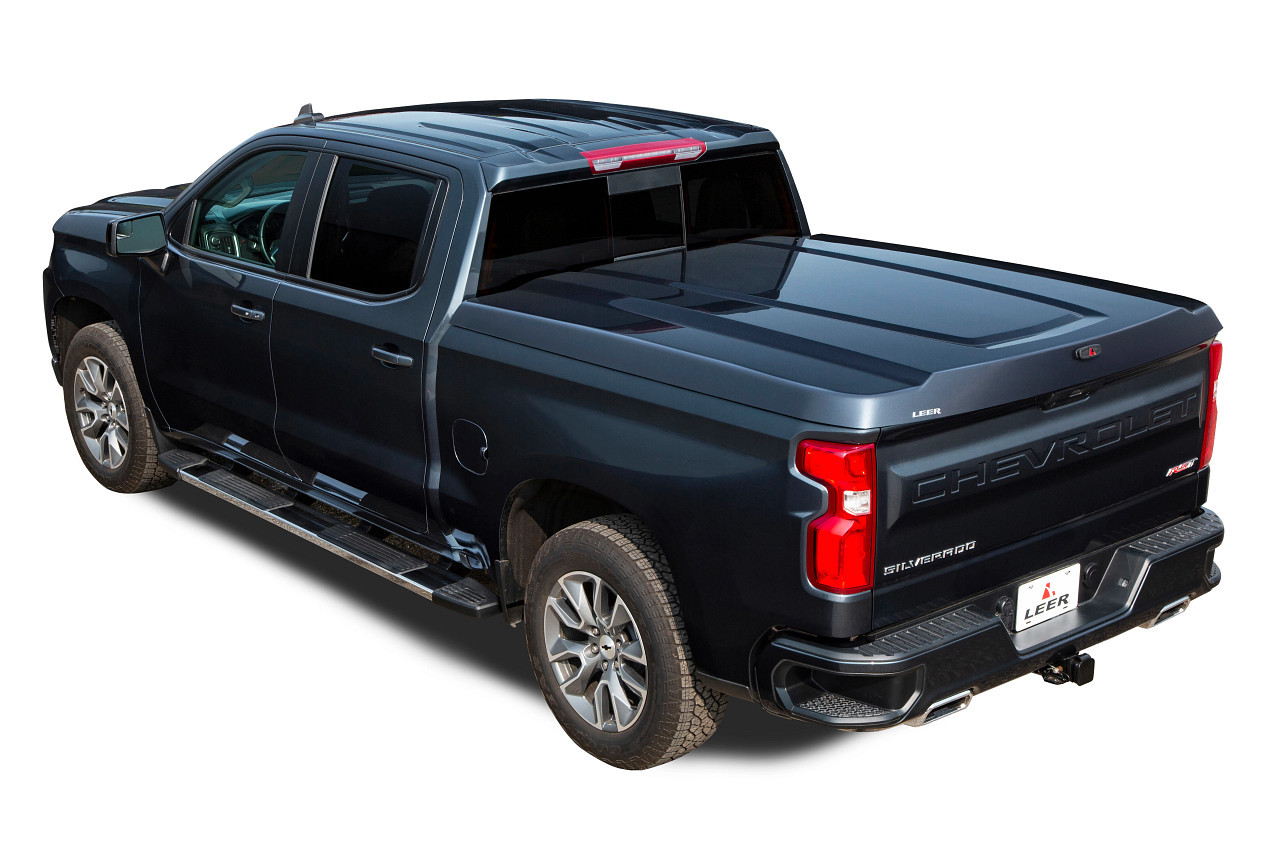
Automotive fiberglass beds offer unique advantages, including complete immunity to automotive corrosion, as the composite materials don’t rust or oxidize like traditional automotive metals.
The automotive surface naturally resists scratching and gouging from automotive tools and equipment, maintaining a professional appearance throughout the vehicle’s automotive service life.
The automotive composite construction also provides excellent impact absorption, distributing automotive loads across wide areas to prevent localized automotive damage.
The practical automotive applications include excellent customization potential, as fiberglass automotive beds can be molded to accommodate specific automotive equipment mounting requirements or specialized automotive cargo configurations.
The automotive composite material also provides superior chemical resistance, making it ideal for automotive applications involving exposure to fuels, oils, or other automotive fluids that might damage conventional automotive bed materials.
Additionally, automotive fiberglass beds offer excellent thermal insulation properties that help protect temperature-sensitive automotive cargo from environmental extremes.
5 Pickup Beds That Warp Easily
These problematic pickup beds suffer from fundamental cost-cutting measures, including thin-gauge steel and minimal reinforcement, which create perfect conditions for rapid structural deterioration under normal work conditions.
Their penny-pinching construction shows in lightweight floor panels that flex excessively under load and sidewalls so thin they develop permanent creases from routine cargo contact.
Poor forming techniques leave these beds vulnerable to stress concentration at panel joints and mounting points, causing premature cracking and separation that compromises structural integrity.
The bargain-basement steel alloys used in these beds lack the strength and ductility needed for commercial duty, resulting in permanent deformation from impacts that wouldn’t even mark properly constructed alternatives.
Owners frequently report significant denting and warping within the first year of normal use, with some beds requiring expensive repair or replacement after relatively minor loading incidents.
These beds represent the unfortunate trend toward lightweight construction that prioritizes fuel economy over durability, leaving contractors and serious truck users with cargo areas that look battle-worn after minimal actual work, destroying resale value and professional appearance.
1. Economy Automotive Steel Beds
Many budget-oriented automotive pickup trucks utilize lightweight steel beds that prioritize initial automotive cost savings over long-term durability, resulting in automotive structures prone to warping and deformation under normal automotive use conditions.
These automotive beds typically employ thinner gauge steel than premium automotive alternatives, creating cost advantages during automotive manufacturing but significant automotive disadvantages during service life.
The reduced automotive material thickness makes these beds particularly susceptible to heat warping from automotive exhaust systems, engine heat, and environmental temperature fluctuations common in automotive applications.
The automotive steel used in economy beds often lacks specialized alloying elements found in premium automotive applications, resulting in lower strength-to-weight ratios and reduced resistance to deformation under automotive loading conditions.
When subjected to uneven automotive loading conditions typical in real-world automotive use, these beds tend to develop permanent warping that affects automotive cargo retention and creates automotive alignment issues with tailgates and tonneau covers critical for automotive functionality.
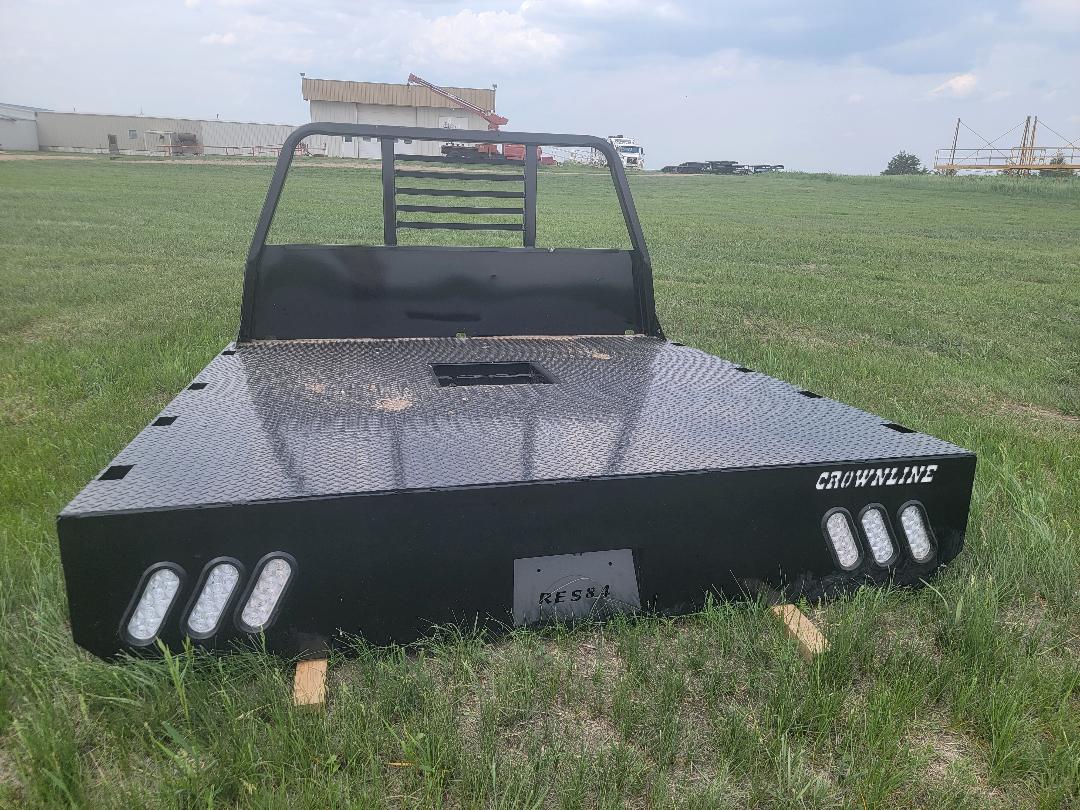
Automotive manufacturing processes for economy steel beds frequently involve simplified automotive forming operations that create basic shapes without the reinforcement patterns found in higher-quality automotive applications.
This automotive approach reduces production costs but eliminates structural features that help distribute automotive loads and prevent localized stress concentrations that lead to automotive warping problems.
The resulting automotive beds may appear adequate when new, but they develop warping issues as they accumulate automotive loading cycles and environmental exposure.
The long-term automotive consequences of bed warping extend beyond aesthetic concerns to include functional problems that affect automotive truck utility and potentially create automotive safety hazards.
Warped automotive beds create uneven surfaces that allow cargo to shift during automotive transport, potentially causing damage to both cargo and automotive vehicle systems.
Automotive tailgate alignment problems result from bed warping, leading to automotive sealing issues, increased automotive wind noise, and potential automotive security concerns that compromise the vehicle’s functionality and owner satisfaction.
2. Thin Aluminum Recreational Automotive Beds
Some automotive manufacturers produce pickup beds using thin aluminum alloys that prioritize automotive weight reduction and fuel economy over structural integrity, resulting in automotive beds prone to warping under moderate automotive loading conditions.
These automotive aluminum beds may perform adequately for light recreational automotive use, but demonstrate significant automotive limitations when subjected to commercial automotive loading or heavy automotive cargo transport typical in demanding automotive applications.
The automotive aluminum alloys used in these applications often represent lower-strength specifications designed to minimize automotive material costs rather than maximize automotive durability and long-term automotive performance.
When subjected to automotive temperature fluctuations, these thin aluminum automotive beds expand and contract at different rates than the truck’s steel automotive frame, creating automotive stress concentrations that can lead to permanent automotive warping and structural automotive problems.
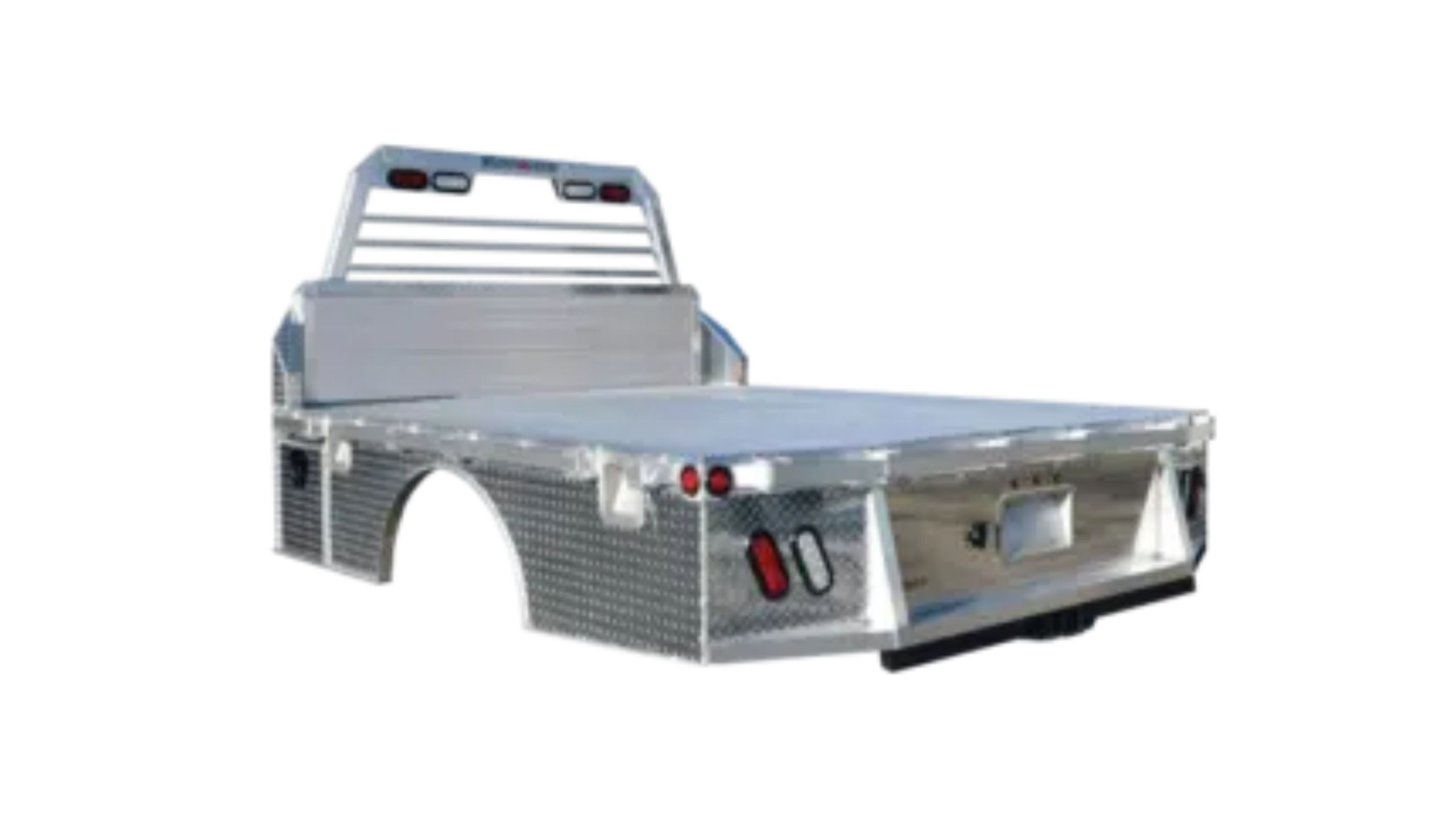
Automotive manufacturing techniques for thin aluminum beds typically involve minimal automotive forming operations that create basic automotive shapes without sophisticated automotive reinforcement patterns.
This automotive approach reduces automotive production complexity and cost but eliminates automotive structural features that help maintain dimensional stability under automotive loading conditions.
The resulting automotive beds may meet basic automotive functional requirements when new but develop automotive warping issues relatively quickly when subjected to real-world automotive use conditions.
The practical automotive consequences of aluminum bed warping include automotive cargo retention problems, automotive accessory mounting difficulties, and automotive aesthetic degradation that affects automotive resale value and owner satisfaction.
Warped automotive aluminum beds create uneven automotive surfaces that prevent proper automotive cargo distribution and may cause automotive shifting during transport, potentially creating automotive safety hazards.
The automotive warping also affects the fit and function of automotive bed accessories, potentially voiding automotive warranties for tonneau covers, bed liners, and automotive cargo management systems.
3. Basic Composite Automotive Construction Beds
While advanced automotive composite beds offer exceptional durability, basic composite automotive beds used in some automotive applications demonstrate susceptibility to warping when exposed to automotive heat, UV radiation, and structural automotive loading typical in real-world automotive use.
These automotive beds typically utilize lower-cost automotive composite materials and simplified automotive construction techniques that reduce initial automotive costs but compromise long-term automotive dimensional stability and automotive performance.
The automotive resin systems used in basic composite beds often lack thermal stability and structural properties found in aerospace-grade automotive applications, resulting in automotive materials that soften and deform when exposed to raised automotive temperatures from exhaust systems or environmental automotive conditions.
This creates particular automotive problems in hot climates or when beds are subjected to automotive heat from performance modifications or intensive automotive use patterns.
Automotive manufacturing processes for basic composite beds frequently involve simplified automotive molding techniques that create adequate initial automotive shapes but may incorporate internal automotive stresses that contribute to long-term automotive dimensional instability.
The automotive curing processes may not achieve complete cross-linking of the polymer matrix, leaving residual automotive stresses that manifest as warping when the automotive bed is subjected to service automotive loads and environmental automotive conditions.
The long-term automotive implications include functional automotive degradation that affects automotive truck utility and potentially creates automotive safety concerns for operators and cargo.
Warped automotive composite beds may develop automotive stress concentrations that lead to cracking or delamination, potentially resulting in sudden automotive structural failure during loading automotive operations.
The automotive warping also affects the integration of automotive bed accessories and may create automotive water retention areas that contribute to corrosion of adjacent automotive metal components.
4. Stamped Automotive Steel with Minimal Reinforcement
Many mid-range automotive pickup trucks utilize stamped steel beds with minimal automotive reinforcement patterns, creating automotive structures that appear robust but demonstrate warping tendencies when subjected to uneven automotive loading or temperature cycling typical in automotive applications.
These automotive beds represent a compromise between automotive cost and automotive performance that may prove inadequate for automotive users who demand maximum automotive durability and dimensional automotive stability.
The automotive steel specifications often represent standard automotive grades rather than specialized automotive alloys designed for structural automotive applications requiring maximum automotive durability.
When subjected to repeated automotive loading cycles, particularly with concentrated automotive loads or uneven automotive weight distribution, these automotive beds develop permanent automotive deformation that affects both automotive function and automotive appearance, compromising the vehicle’s automotive utility and market automotive value.
Automotive manufacturing limitations include automotive forming operations that create adequate automotive shapes but may not eliminate all internal automotive stresses introduced during the automotive stamping process.
These residual automotive stresses contribute to automotive dimensional instability over time, particularly when automotive beds are subjected to automotive temperature cycling or automotive vibration during highway automotive operation, typical in automotive use patterns.
The practical automotive consequences include automotive cargo retention problems, automotive tailgate alignment issues, and premature automotive wear of bed accessories that rely on precise automotive dimensional accuracy.
Warped automotive beds create uneven automotive surfaces that allow cargo to shift during automotive transport, potentially causing automotive damage and automotive safety concerns.
The automotive dimensional changes also affect the fit of automotive tonneau covers, automotive bed liners, and automotive cargo management systems, potentially voiding automotive warranties and requiring expensive automotive replacements or modifications.
5. Flexible Polymer Automotive Bed Systems
Some automotive pickup truck applications utilize flexible polymer or plastic automotive bed inserts that provide excellent automotive chemical resistance and light automotive weight but demonstrate significant automotive warping tendencies when subjected to automotive temperature variations and structural automotive loading typical in demanding automotive applications.
These automotive materials offer advantages in specific automotive applications but may not provide the dimensional automotive stability required for general-purpose automotive truck bed use.
The automotive polymer materials typically demonstrate high coefficients of thermal expansion, meaning they experience significant automotive dimensional changes with automotive temperature variations common in automotive environments.
This creates particular automotive problems in climates with extreme automotive temperature swings or when automotive beds are loaded with materials that generate or retain automotive heat from various automotive sources and automotive applications.
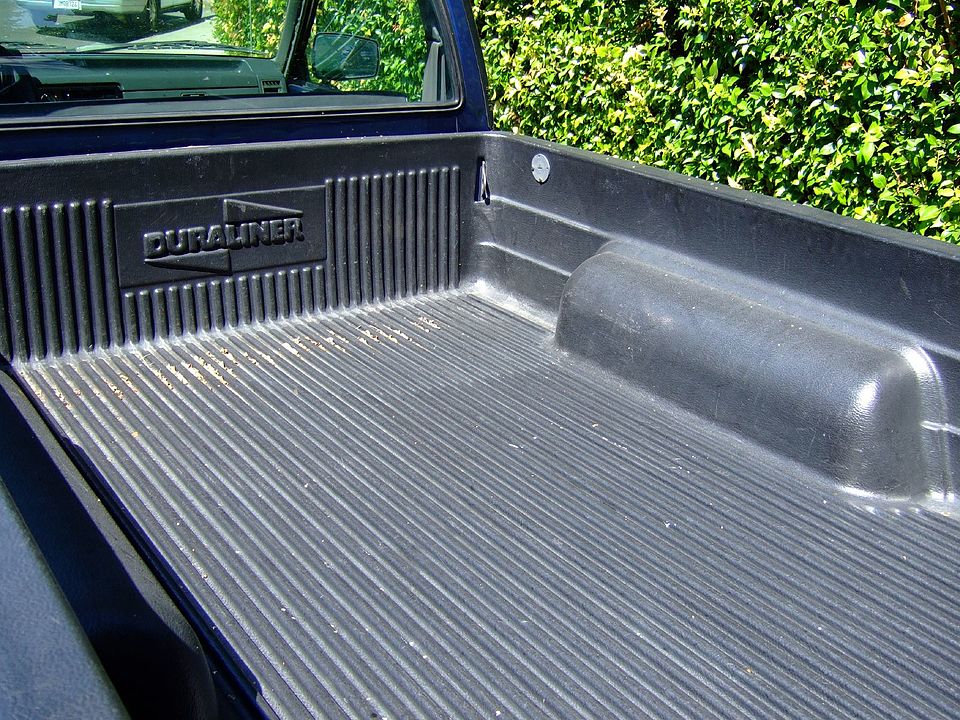
Automotive manufacturing processes for polymer bed inserts often involve automotive injection molding techniques that create precise initial automotive dimensions but may incorporate internal automotive stresses that contribute to long-term automotive dimensional instability under automotive service conditions.
The automotive polymer materials may also demonstrate automotive creep characteristics, meaning they continue to deform slowly when subjected to constant automotive loads, even if those automotive loads are within the material’s specified automotive capacity.
The long-term automotive implications include functional automotive degradation that affects automotive cargo management and automotive truck utility in demanding automotive applications.
Warped automotive polymer beds may create uneven automotive surfaces that prevent proper automotive cargo distribution and contribute to automotive shifting during transport, potentially creating automotive safety hazards.
The automotive dimensional changes also affect integration of standard automotive truck bed accessories, potentially requiring custom automotive modifications or complete automotive replacement with more dimensionally stable automotive alternatives that meet demanding automotive performance requirements.
Also Read: 5 Infotainment Units With Reliable Software vs. 5 That Are Glitchy
