

The Toyota Matrix, produced from 2003 to 2014, represents one of Toyota’s most practical and reliable compact wagons. Built on the same platform as the Toyota Corolla, this versatile vehicle combines the fuel efficiency of a sedan with the cargo space of an SUV, making it an ideal choice for families, students, and professionals alike.
While Toyota has built a reputation for manufacturing vehicles that can easily surpass 200,000 miles with proper care, achieving two decades of smooth operation requires more than just basic maintenance.
The Matrix’s 1.8-liter 4-cylinder engine, paired with either a 5-speed manual or 4-speed automatic transmission, is inherently robust. However, like any mechanical system, it thrives on consistent attention and preventive care.
The key to longevity lies not just in following the manufacturer’s maintenance schedule, but in understanding the specific needs and common vulnerabilities of this particular model.
From addressing the notorious carbon buildup issues in the intake system to maintaining the often-overlooked cabin air filter, each component plays a crucial role in the health of your vehicle.
Whether you’re driving a first-generation Matrix with the legendary 1ZZ-FE engine or a later model with updated features, these maintenance strategies will help ensure your Toyota continues to deliver the dependable performance that made it a favorite among practical car buyers worldwide.
Hack 1: Master the Art of Oil Change Intervals and Quality Selection
The foundation of any long-lasting engine begins with proper oil maintenance, and the Toyota Matrix is no exception. While Toyota’s official recommendation suggests oil changes every 10,000 miles under normal conditions, real-world experience with high-mileage Matrix vehicles reveals that more frequent changes significantly extend engine life.
The optimal interval for maximum longevity falls between 5,000 to 7,500 miles, depending on your driving conditions and oil quality. The choice of oil viscosity plays a crucial role in engine protection.
For most Matrix models, 5W-30 conventional or synthetic oil provides the best balance of protection and fuel economy. However, as your Matrix accumulates miles beyond 150,000, consider switching to a high-mileage formula specifically designed for older engines.
Full synthetic oils maintain their protective properties longer than conventional oils, making them worth the additional cost for serious longevity seekers. However, if you’re diligent about frequent changes, high-quality conventional oil can provide adequate protection at a lower cost.
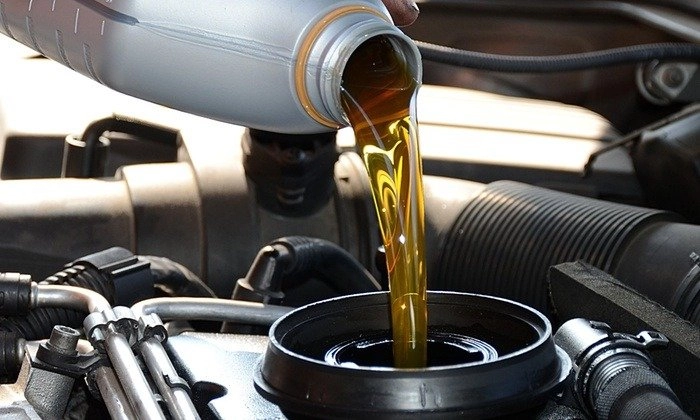
The oil filter deserves equal attention to the oil itself. Always use a quality filter from reputable manufacturers like Toyota OEM, Fram, or Wix. Cheap filters may fail prematurely, allowing contaminants to circulate through your engine.
When changing oil, always inspect the drain plug and replace the crush washer to prevent slow leaks that can lead to catastrophic engine damage.
Pay attention to oil consumption patterns as your Matrix ages. The 1.8L engine may develop a slight oil consumption habit after 200,000 miles, which is normal.
Many long-term Matrix owners swear by changing oil every 5,000 miles religiously, and their engines often exceed 400,000 miles with minimal internal wear.
Consider sending oil samples to a laboratory for analysis every 50,000 miles. This relatively inexpensive test can reveal early signs of engine wear, contamination, or other issues long before they become serious problems, allowing for proactive intervention that can add years to your Matrix’s life.
Hack 2: Prevent Carbon Buildup in the Intake System
One of the most significant threats to long-term Matrix performance is carbon buildup in the intake manifold and valves. The 1.8L engine, while generally reliable, is susceptible to carbon accumulation over time, which can cause rough idling, reduced power, poor fuel economy, and eventual valve damage.
Understanding and preventing this issue is crucial for achieving 20 years of smooth operation. Carbon buildup occurs when fuel vapors and oil residues accumulate on intake valves and manifold surfaces.
Unlike direct-injection engines, the Matrix’s port fuel injection system provides some natural cleaning action, but it’s not sufficient for complete prevention.
The problem becomes more pronounced as the engine ages and internal seals begin to allow more crankcase vapors into the intake system. Italian tuneups, occasionally driving at highway speeds for extended periods, help burn off carbon deposits naturally.
The higher engine temperatures and increased airflow during sustained highway driving help clean internal components more effectively than constant city driving. Plan monthly highway drives of at least 20 minutes to maximize this natural cleaning effect.
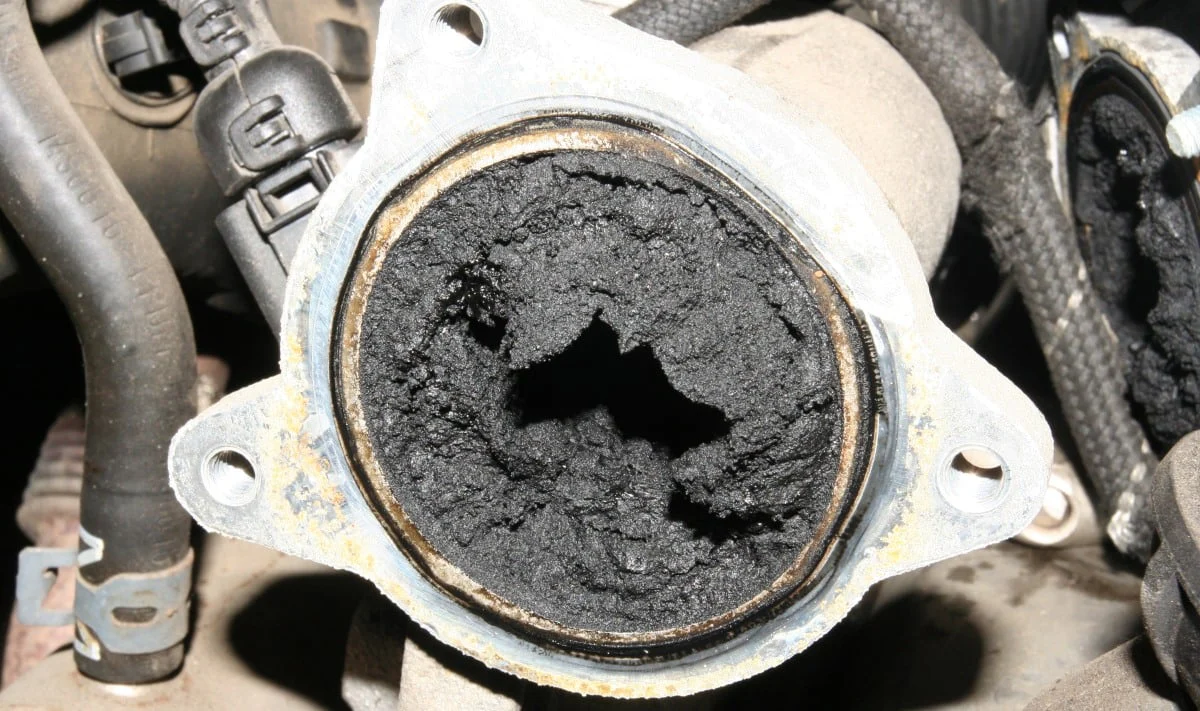
For Matrix vehicles with over 100,000 miles, consider professional intake cleaning every 60,000 miles. This service involves removing the intake manifold and manually cleaning carbon deposits from valves and intake ports.
While expensive, this preventive measure can restore lost performance and prevent valve damage that could require costly engine repairs. Monitor your Matrix for early signs of carbon buildup, including rough idle, hesitation during acceleration, decreased fuel economy, or unusual engine noises.
Addressing these symptoms early through cleaning treatments can prevent more serious problems from developing. The positive crankcase ventilation (PCV) system plays a crucial role in preventing carbon buildup.
Replace the air filter every 15,000 to 20,000 miles or more frequently in dusty conditions. Consider upgrading to a high-flow, washable air filter for improved filtration and airflow.
Hack 3: Transmission Fluid Service Beyond the Manual
Toyota’s “lifetime” transmission fluid claim has confused Matrix owners, leading to premature transmission failures that could have been prevented with proper fluid service.
The reality is that transmission fluid degrades over time and mileage, regardless of manufacturer claims. Implementing a comprehensive transmission maintenance program can double or triple the life of your Matrix’s transmission.
For automatic transmissions, change the fluid and filter every 60,000 miles, regardless of Toyota’s recommendations. Use only genuine Toyota Type T-IV or WS transmission fluid, as substitutes can cause shifting problems and internal damage.
When servicing automatic transmissions, avoid complete flush services that force new fluid through the system under pressure. Instead, opt for a drain-and-fill service that replaces about half the fluid, followed by a second service 1,000 miles later. This gentler approach prevents dislodging debris that could clog internal passages while ensuring complete fluid replacement.
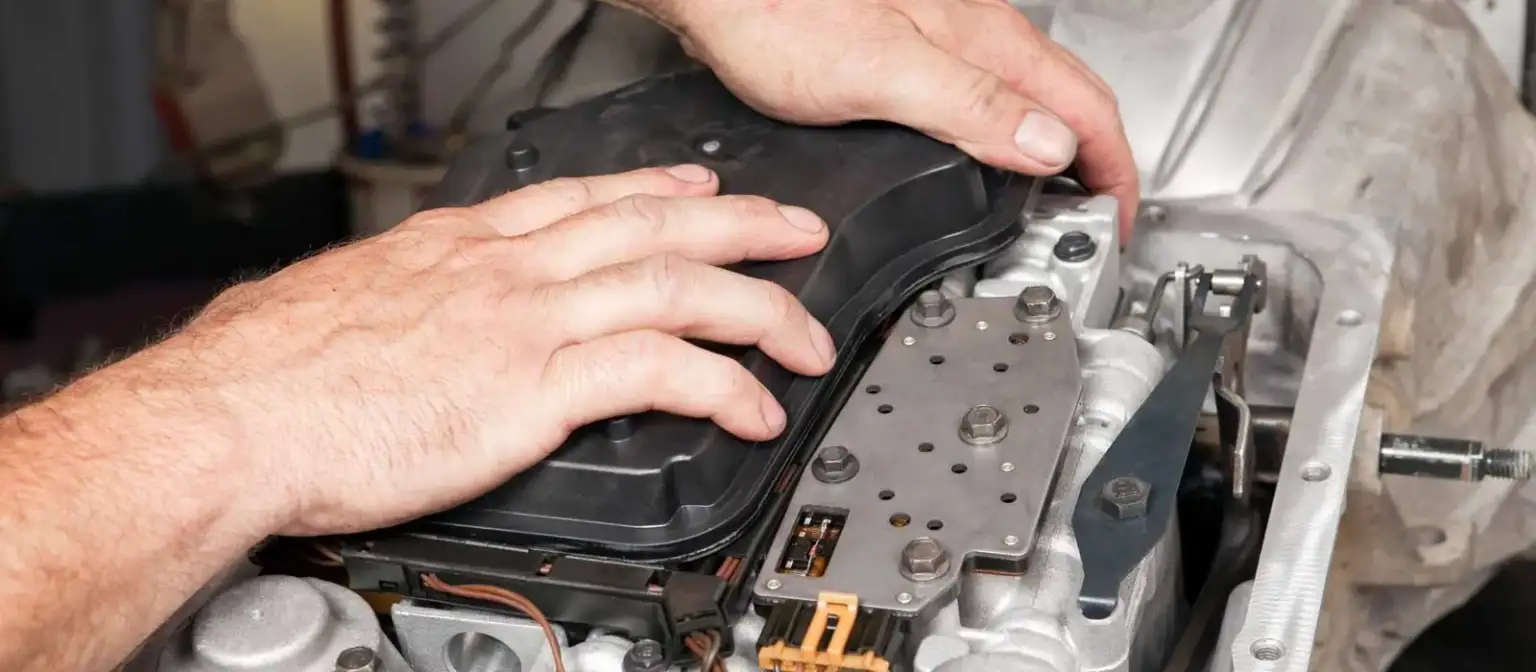
Pay attention to transmission behavior during the service interval. Harsh shifts, delayed engagement, or unusual noises indicate potential problems that fluid service might help address if caught early.
However, if the transmission already shows signs of internal damage, fluid changes might temporarily worsen symptoms as new detergents clean away deposits that were helping worn parts function.
Check transmission fluid level and condition monthly on automatic transmissions. The fluid should be bright red and free of burnt odors. Dark, burnt-smelling fluid indicates overheating or internal damage requiring immediate attention. Low fluid levels can cause catastrophic damage within minutes of driving, making regular checks essential.
For high-mileage Matrix vehicles, consider using high-mileage transmission fluid formulated for older transmissions. These fluids contain seal conditioners that help prevent leaks and may improve shifting in worn transmissions. However, never mix different fluid types, as this can cause compatibility issues and damage.
Hack 4: Cooling System Maintenance for Longevity
The cooling system in your Toyota Matrix is a complex network of components working together to maintain optimal engine temperature. Proper cooling system maintenance is absolutely critical for achieving 20 years of reliable service, as overheating can destroy an engine in minutes while gradual coolant degradation can cause internal corrosion that shortens engine life significantly.
Coolant replacement schedules vary depending on the type of coolant used. Toyota’s red long-life coolant is designed to last 100,000 miles or 10 years for the first change, then every 50,000 miles afterward.
However, many experienced Matrix owners prefer more conservative intervals of 60,000 miles for the first change and 30,000 miles thereafter, especially in harsh climates or severe driving conditions.
The specific inhibitor package in Toyota coolant is formulated for the mixed-metal construction of modern engines and cannot be properly replaced with generic alternatives.
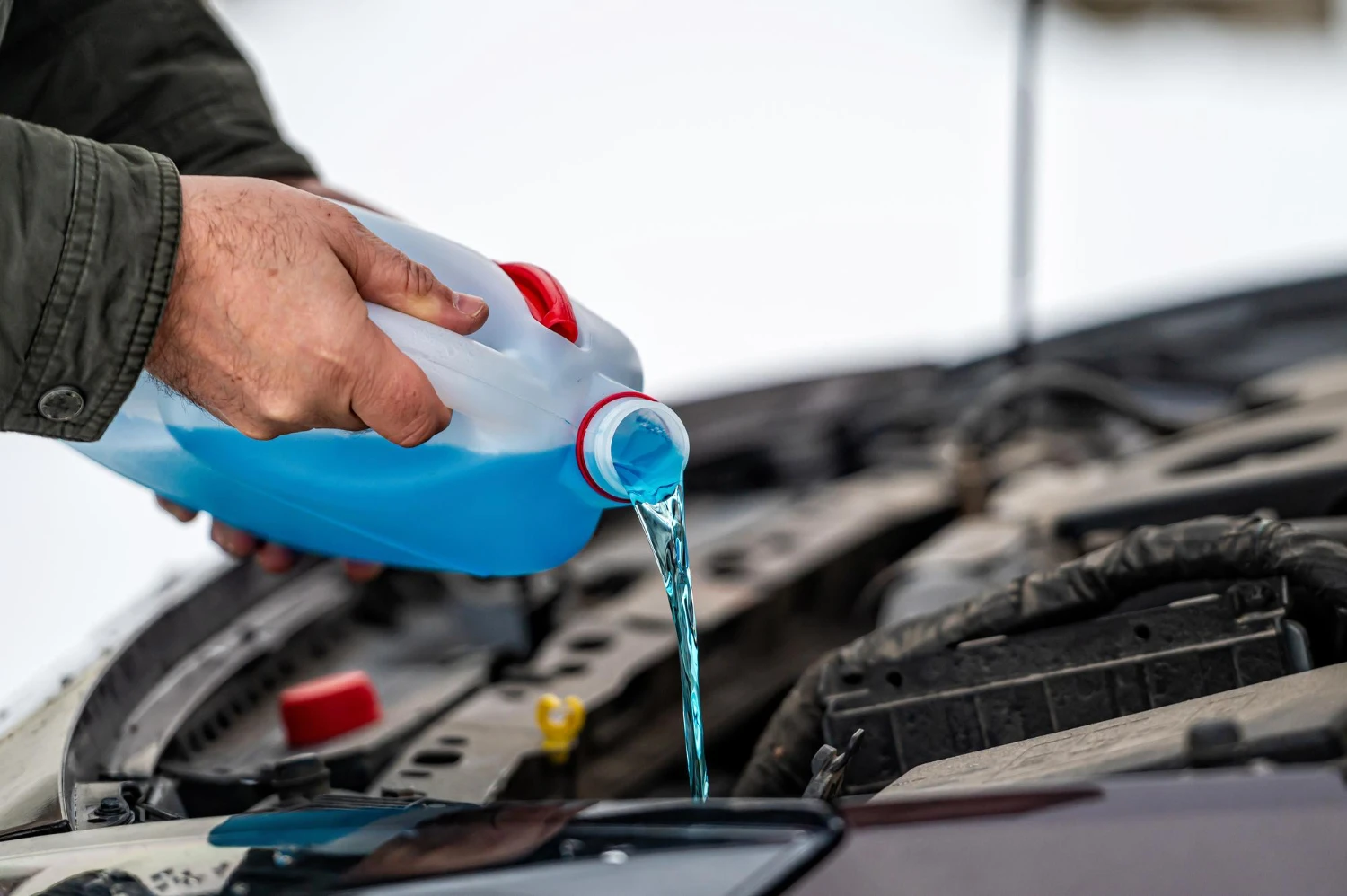
The cooling system flush procedure is critical for long-term reliability. Never simply drain and refill the coolant without proper flushing. Use a quality cooling system flush product to remove scale, rust, and old coolant residues that can cause hot spots and corrosion.
Follow up with a thorough water rinse before adding new coolant to prevent chemical reactions between old and new products. Thermostat replacement should coincide with every major coolant service.
The thermostat is an inexpensive component that regulates engine temperature, and failure can cause overheating or poor fuel economy due to extended warm-up periods.
Always use OEM or equivalent quality thermostats, as cheaper alternatives may have incorrect opening temperatures that affect engine performance and longevity.
Cooling system pressure testing annually can identify small leaks before they become major problems. A simple pressure test reveals leaks in hoses, gaskets, or internal components that might not be visible during normal operation. Early detection allows for preventive repairs that cost far less than emergency roadside assistance or engine replacement.
Also Read: 10 Hacks That Help a Toyota Paseo Survive Another Decade
Hack 5: Timing Belt and Chain Maintenance Strategies
The timing belt system in many Toyota Matrix engines requires careful attention to prevent catastrophic engine damage. The 1.8L engine uses a timing chain that is generally more durable than belts, but proper maintenance is still essential for longevity.
Understanding your specific engine’s timing system and maintenance requirements can prevent expensive repairs and ensure decades of reliable operation.
For Matrix models equipped with timing belts, replacement intervals are absolutely critical. Toyota recommends replacement every 90,000 to 100,000 miles, but many experienced mechanics suggest 80,000-mile intervals for maximum safety, especially in harsh climates or severe driving conditions.
Belt failure on interference engines can cause thousands of dollars in valve and piston damage, making preventive replacement a wise investment. When replacing timing belts, always replace the entire kit, including the belt, tensioner, idler pulleys, and water pump if accessible.
Timing chain maintenance focuses on proper lubrication and tensioner operation. Change engine oil regularly using the correct viscosity to ensure adequate chain lubrication.

Listen for chain noise, especially during cold startup, which may indicate worn tensioners or excessive chain stretch. Modern timing chains can last 200,000+ miles with proper care, but neglecting oil changes can cause premature failure.
Timing chain tensioners are hydraulically operated and depend on proper oil pressure for operation. Low oil levels or degraded oil can cause tensioner failure, leading to chain skip and potential engine damage.
Monitor oil level carefully and investigate any unusual timing-related noises immediately, as chain problems often progress rapidly once symptoms appear.
Valve clearance adjustment on some Matrix engines should coincide with timing belt replacement. Proper valve clearances ensure optimal performance and prevent premature valve wear.
While not all Matrix engines require periodic valve adjustment, those that do benefit from this service every 90,000 miles to maintain peak performance and longevity.
Hack 6: Suspension Component Care and Replacement
The suspension system in your Toyota Matrix endures constant stress from road impacts, weight transfer during acceleration and braking, and the gradual effects of age and mileage.
Proper suspension maintenance not only ensures a comfortable ride quality but also protects other vehicle components from excessive stress while maintaining safe handling characteristics essential for longevity.
Struts and shocks are the primary wear items in most suspension systems. Matrix struts typically last 80,000 to 120,000 miles, depending on road conditions and driving habits.
These inexpensive components should be inspected annually and replaced at the first sign of wear or damage. Worn sway bar components cause clunking noises over bumps and can lead to unpredictable handling in emergencies.
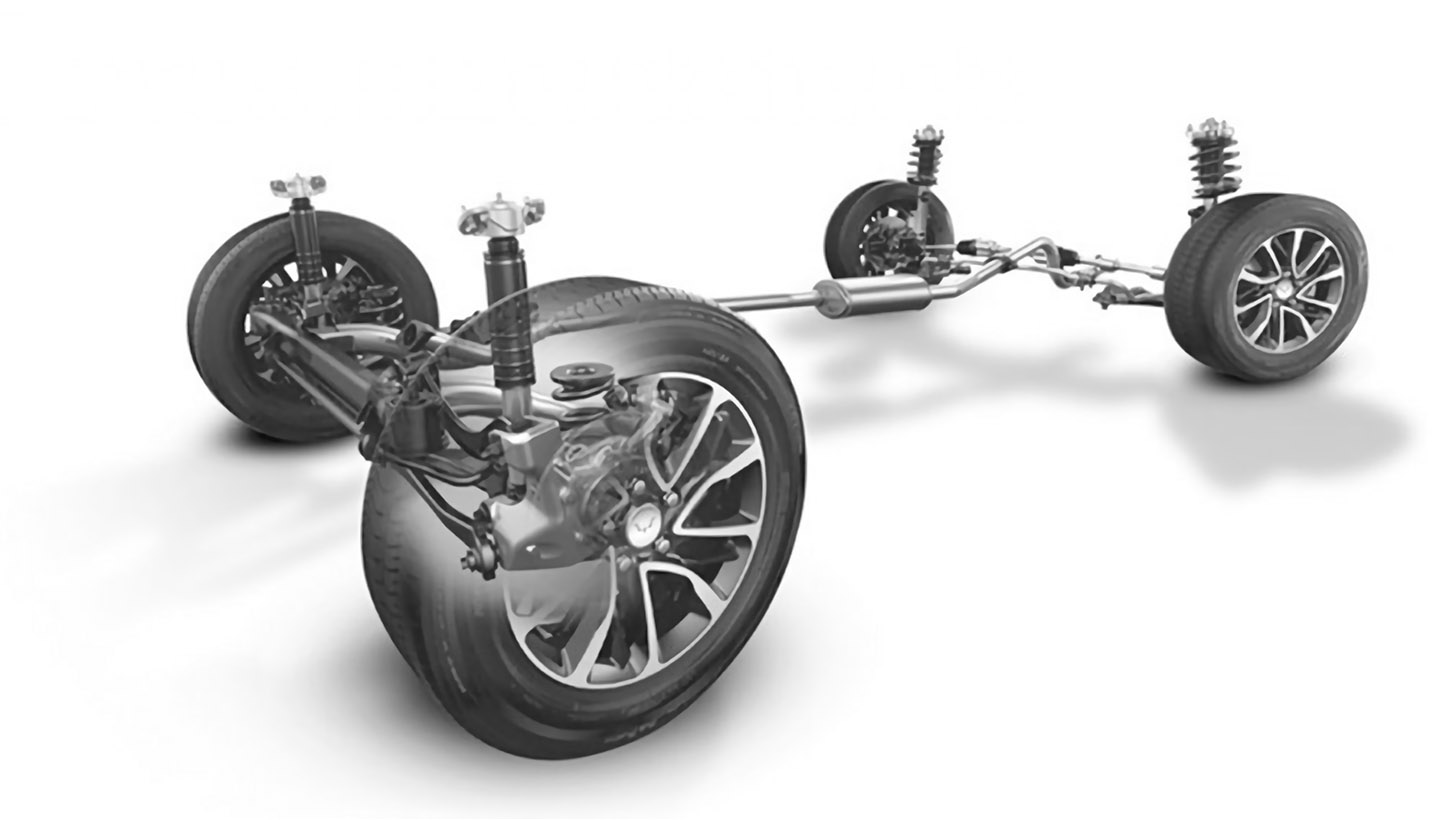
Control arm bushings require special attention in high-mileage Matrix vehicles. These rubber components isolate road vibration and allow controlled suspension movement, but they gradually deteriorate with age and mileage.
Worn control arm bushings cause poor wheel alignment, excessive tire wear, and reduced ride quality. Replacement typically coincides with major suspension overhauls around 150,000 miles.
Ball joints bear significant loads and require periodic inspection and eventual replacement. Lower ball joints typically wear faster than upper joints due to load distribution in the Matrix’s suspension design.
Check ball joints during every alignment service and replace them at the first sign of wear to prevent dangerous suspension failure that could cause loss of vehicle control.
Suspension component lubrication, where applicable, should be performed during routine service intervals. Some Matrix models have greaseable suspension components that benefit from periodic lubrication with appropriate chassis grease.
Proper lubrication prevents premature wear and extends component life significantly, making this simple maintenance step worthwhile for long-term ownership.
Hack 7: Brake System Optimization for Extended Life
The braking system in your Toyota Matrix is not only critical for safety but also impacts the longevity of related components throughout the vehicle.
Proper brake maintenance prevents expensive repairs, ensures consistent stopping performance, and protects other drivetrain components from excessive stress caused by brake system failures or poor performance.
Brake fluid replacement is often overlooked but absolutely essential for long-term brake system health. Brake fluid is hygroscopic, meaning it absorbs moisture from the atmosphere over time.
This moisture causes internal corrosion of brake components and lowers the boiling point of the fluid, potentially causing brake fade in extreme conditions. Replace brake fluid every 30,000 miles or 3 years, whichever comes first, using DOT 3 or DOT 4 fluid as specified by Toyota.
Rotor maintenance involves more than just replacement when worn. Have rotors turned or resurfaced when replacing pads if they’re within minimum thickness specifications and show no signs of cracking or excessive wear.

This service restores a smooth surface for new pads and can significantly extend rotor life. However, never attempt to resurface rotors that are at or near minimum thickness, as this creates a safety hazard.
Brake caliper maintenance prevents expensive repairs and ensures even pad wear. Clean and lubricate caliper slides during every brake service using appropriate high-temperature grease.
Inspect caliper pistons for corrosion or damage that could cause binding or uneven pad wear. Replace calipers at the first sign of internal leakage or binding to prevent damage to other brake components.
The brake booster and master cylinder require periodic inspection for proper operation. Test brake booster operation by pumping the brake pedal several times with the engine off, then starting the engine while maintaining pedal pressure.
The pedal should drop slightly when the engine starts, indicating proper booster operation. The master cylinder fluid level should be checked monthly and any significant drops should be investigated immediately.
ABS maintenance involves keeping the system clean and ensuring proper sensor operation. Clean ABS sensors during brake service to prevent erratic system operation caused by metallic debris accumulation.
Test ABS operation periodically in a safe environment to ensure the system activates properly, and address any warning lights immediately to maintain this critical safety system.
Hack 8: Interior and Exterior Protection Methods
Protecting your Toyota Matrix from the elements and normal wear extends its useful life far beyond mechanical longevity. A well-maintained interior and exterior not only preserve resale value but also prevent deterioration that can lead to more serious problems like rust, electrical issues, or structural damage that could shorten your vehicle’s lifespan.
Paint protection begins with regular washing and waxing using proper techniques and quality products. Wash your Matrix every two weeks using the two-bucket method to prevent scratching, and apply a quality car wax or paint sealant every 3-4 months.
Consider professional paint correction and ceramic coating for maximum protection, especially if you plan to keep the vehicle for decades. These treatments create a durable barrier against UV rays, acid rain, and environmental contaminants.
Interior protection focuses on preventing sun damage, wear, and moisture intrusion. Use window tinting or sunshades to protect plastic trim and upholstery from UV degradation.
Apply appropriate protectants to vinyl and leather surfaces every few months, and consider seat covers for high-wear areas. Regular vacuuming and prompt cleanup of spills prevent staining and odor development that can make a vehicle unpleasant to drive.

Undercarriage protection is crucial for preventing rust and corrosion, especially in salt-exposed areas. Have your Matrix undercoated professionally or apply DIY rust prevention treatments to exposed metal surfaces.
Wash the undercarriage regularly during the winter months to remove salt and road chemicals that accelerate corrosion. Pay special attention to areas where road debris might have damaged protective coatings.
Rubber and plastic component protection prevents premature cracking and deterioration. Apply appropriate protectants to weather stripping, trim pieces, and rubber hoses to prevent UV damage and maintain flexibility.
Replace worn weather stripping promptly to prevent water intrusion that can cause electrical problems or interior damage. Glass maintenance involves more than just keeping windows clean. Inspect windshields for chips or cracks that could expand and require expensive replacement.
Repair small chips promptly using professional services or quality DIY kits. Replace worn wiper blades regularly and keep washer fluid reservoirs filled with appropriate solutions for your climate.
Climate control system maintenance preserves interior comfort and prevents expensive repairs. Replace cabin air filters regularly to maintain air quality and system efficiency.
Have the air conditioning system serviced every few years to ensure proper refrigerant levels and prevent compressor damage. Clean drainage systems to prevent water damage and musty odors.
Hack 9: Fuel System Maintenance and Optimization
The fuel system in your Toyota Matrix requires consistent attention to prevent contamination, maintain proper pressure, and ensure clean fuel delivery to the engine.
Proper fuel system maintenance not only prevents expensive repairs but also maintains optimal performance and fuel economy throughout your vehicle’s extended service life.
Fuel filter replacement is critical for preventing contamination from reaching fuel injectors and other sensitive components. Replace the fuel filter every 30,000 to 40,000 miles, or more frequently if you frequently purchase fuel from questionable sources or notice performance issues.
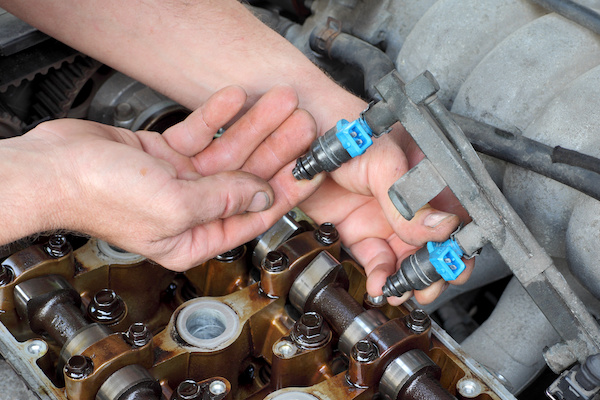
A clogged fuel filter can cause poor acceleration, rough idling, and potential damage to fuel pumps and injectors. Fuel injector cleaning should be performed preventively rather than waiting for problems to develop.
Professional fuel injector cleaning every 60,000 miles removes deposits that can cause poor fuel distribution, rough idling, and reduced power output. While fuel additives can help maintain cleanliness, professional cleaning provides more thorough results for high-mileage vehicles. Fuel pump maintenance focuses on preventing contamination and maintaining proper pressure.
Keep fuel tanks at least a quarter-full to prevent fuel pumps from overheating, and avoid running completely empty as this can damage the pump and allow debris to enter the system. Replace fuel pumps at the first sign of pressure loss or unusual noise to prevent being stranded with a non-running vehicle.
Fuel quality significantly impacts system cleanliness and engine performance. Use top-tier gasoline brands that contain enhanced detergent packages, and avoid discount stations with questionable fuel quality.
Water contamination is particularly damaging to modern fuel systems, so be cautious when purchasing fuel during or immediately after heavy rain or flooding. Carbon canister and emissions system maintenance prevents poor performance and potential emissions test failures.
Replace the carbon canister every 150,000 miles or when contaminated, and ensure all vacuum lines are properly connected and free from cracks. Emissions system problems can cause poor fuel economy, rough running, and expensive diagnostic procedures.
Ethanol fuel considerations become important for long-term vehicle storage or infrequent driving. Ethanol blends can cause fuel system corrosion and fuel degradation over time.
Use ethanol-free fuel when possible for storage, or add appropriate fuel stabilizers to prevent gum formation and system damage during extended storage periods.
Hack 10: Electrical System Preservation Techniques
The electrical system in your Toyota Matrix becomes increasingly important as the vehicle ages and accumulates miles. Modern vehicles depend heavily on electronic systems for engine management, safety, and convenience features.
Proper electrical system maintenance prevents expensive diagnostic procedures and ensures reliable operation throughout your vehicle’s extended service life.
Battery maintenance begins with regular testing and proper charging system operation. Test battery condition annually after the third year of service, and replace batteries proactively rather than waiting for failure.
Clean battery terminals monthly to prevent corrosion that can cause starting problems and charging system stress. Use appropriate terminal protectants to prevent future corrosion and ensure reliable electrical connections.
Alternator and charging system maintenance prevents expensive electrical component damage and ensures reliable operation. Have the charging system tested annually to verify proper voltage output and current capacity.
Address unusual noises or warning lights immediately, as alternator failure can damage other electrical components and leave you stranded with a non-running vehicle.
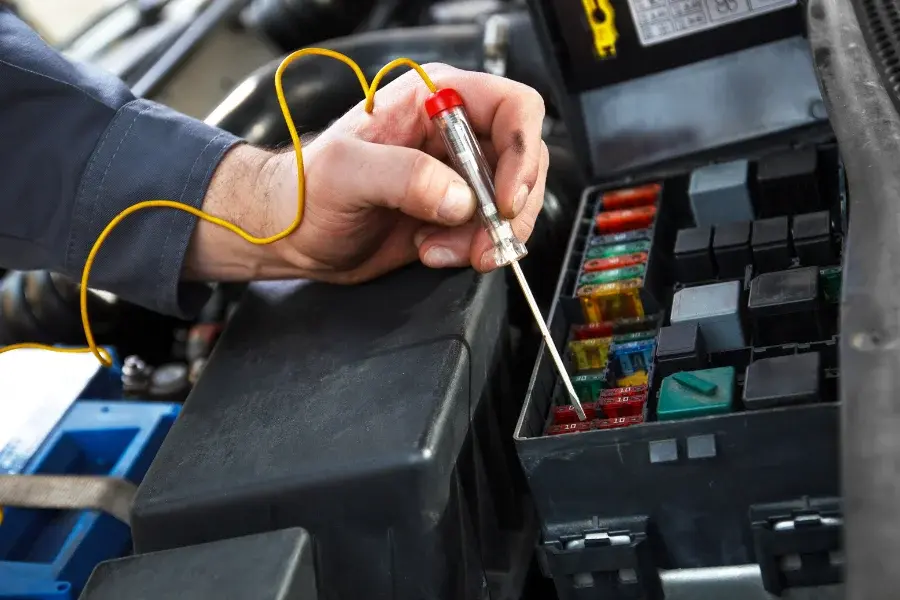
Ground connections throughout the vehicle require periodic inspection and maintenance. Clean and tighten ground connections during major service intervals, paying special attention to engine grounds and body grounds that can corrode over time.
Poor ground connections cause erratic electrical operation and can damage sensitive electronic components. Wiring harness protection prevents expensive repairs and diagnostic procedures.
Inspect wiring for signs of rodent damage, chafing, or corrosion during routine service. Protect exposed wiring with appropriate covers or conduits, and address any damaged wiring promptly to prevent electrical fires or system failures.
Accessory electrical system maintenance prevents problems with aftermarket installations and factory equipment. Ensure all electrical modifications are properly installed with appropriate fusing and wiring to prevent damage to factory systems.
Service electrical accessories like power windows, locks, and mirrors regularly to prevent expensive repairs and maintain convenience features that make long-term ownership more pleasant.
