
When purchasing a vehicle, understanding depreciation patterns can save you thousands of dollars and inform smarter buying decisions. While all cars lose value over time, the rate and extent of this depreciation varies dramatically between different makes, models, and vehicle categories.
Some cars maintain their worth like precious investments, holding onto 60-70% of their original value after five years, while others plummet to less than 30% of their purchase price in the same timeframe.
The factors determining value retention are complex and multifaceted. Reliability stands as the cornerstone of value preservation vehicles with proven track records of dependability command higher resale prices.
Brand reputation plays an equally crucial role, as manufacturers known for quality engineering maintain stronger market confidence. Market demand significantly influences depreciation rates, with popular segments like SUVs and trucks often outperforming sedans in today’s marketplace.
Luxury vehicles face unique challenges, as their high initial prices and expensive maintenance requirements accelerate depreciation. Conversely, practical vehicles with broad appeal, reasonable maintenance costs, and strong reliability ratings tend to weather the depreciation storm more effectively.
Understanding these patterns helps buyers make informed decisions, whether seeking a vehicle that preserves investment value or finding maximum luxury for minimum long-term cost.
5 Cars That Keep Their Value
These exceptionally engineered vehicles feature bulletproof drivetrains and timeless styling that maintain strong market demand through decades of ownership cycles.
Their thoughtful construction includes premium interior materials, proven mechanical components, and conservative engineering approaches that resist the depreciation patterns typically created by frequent model changes and reliability issues.
From luxury sedans with hand-stitched leather that develops beautiful patina to sports cars with naturally aspirated engines that become increasingly rare, these remarkable vehicles continue appreciating in value without experiencing the rapid obsolescence that destroys lesser alternatives.
The combination of proven durability, iconic status, and limited availability creates automotive investments that prove their worth through consistent appreciation and maintained desirability even as newer technology renders contemporary competitors obsolete.
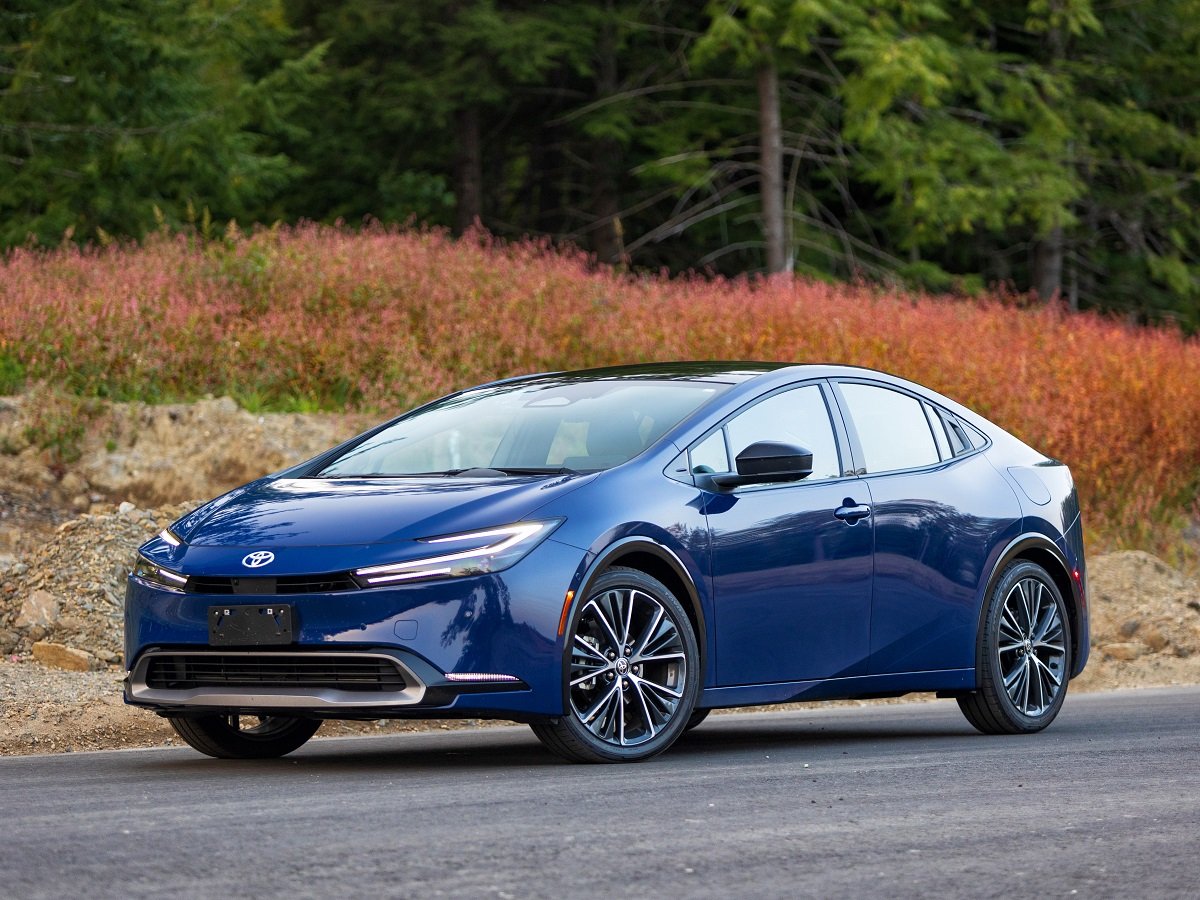
1. Toyota Prius (2020-2024)
The Toyota Prius stands as a remarkable example of value retention in the automotive world, consistently ranking among the top vehicles for resale value preservation.
This hybrid pioneer has maintained its market position through a combination of exceptional fuel efficiency, proven reliability, and a strong brand reputation that spans over two decades of hybrid technology leadership.
The Prius achieves its impressive value retention through several key factors. First and foremost is its legendary fuel economy, regularly achieving over 50 miles per gallon in real-world driving conditions.
With fluctuating gas prices and increasing environmental consciousness, this efficiency translates directly into sustained market demand. The vehicle’s hybrid powertrain, while initially viewed with skepticism, has proven remarkably durable, with many first-generation models still operating reliably after 200,000+ miles.
Toyota’s reputation for reliability extends throughout the Prius lineup, with the brand consistently ranking at the top of dependability studies. The hybrid system, once considered complex and potentially problematic, has demonstrated exceptional longevity.
Battery replacement concerns, initially a significant worry for potential buyers, have largely been alleviated by Toyota’s robust warranty coverage and the proven durability of its hybrid batteries, lasting well beyond 150,000 miles in most cases.
Market demand remains consistently strong for the Prius, particularly in urban markets where fuel efficiency and environmental considerations drive purchasing decisions.
The vehicle’s distinctive styling, while polarizing, has created a recognizable brand identity that appeals to environmentally conscious consumers willing to pay premium prices for proven hybrid technology.
This performance significantly outpaces most conventional vehicles in similar price ranges, making the Prius an excellent choice for buyers prioritizing long-term value preservation while achieving exceptional fuel economy and environmental benefits.
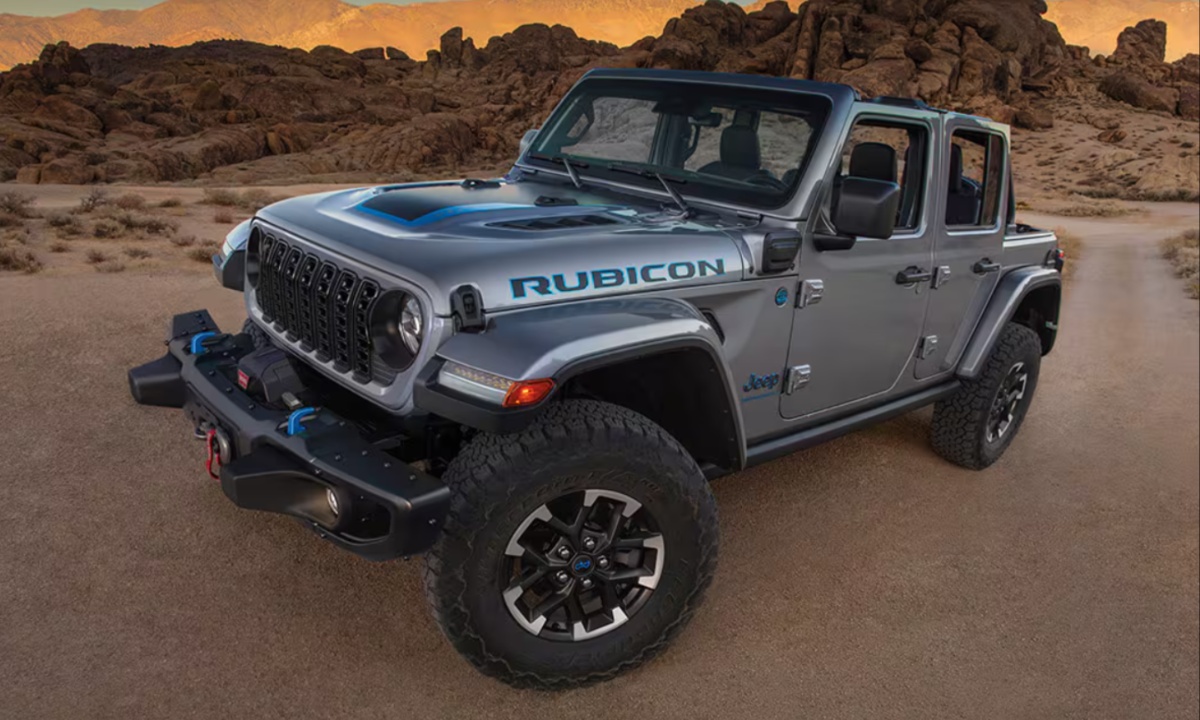
2. Jeep Wrangler (2018-2024)
The Jeep Wrangler represents a unique phenomenon in automotive depreciation, maintaining exceptional resale values through unwavering brand loyalty, distinctive capability, and a design philosophy that prioritizes function over fleeting fashion trends.
Unlike most vehicles that suffer significant depreciation, the Wrangler has consistently demonstrated remarkable value retention, often maintaining 70-80% of its original value after three years.
The Wrangler’s value preservation stems from its uncompromising approach to off-road capability. In an automotive world increasingly dominated by car-based crossovers, the Wrangler remains a body-on-frame SUV with solid axles, removable doors, and a fold-down windshield.
These features create a unique market position that no competitor can truly match, resulting in sustained demand from outdoor enthusiasts, off-road adventurers, and buyers seeking authentic utility vehicle capabilities.
Brand loyalty plays a crucial role in the Wrangler’s strong resale performance. Jeep has cultivated a passionate community of owners who often view their vehicles as lifestyle statements rather than mere transportation.
This emotional connection translates into strong used car demand, as buyers specifically seek Wranglers rather than shopping across multiple brands.
The vehicle’s iconic seven-slot grille and instantly recognizable silhouette have remained largely unchanged for decades, creating timeless appeal that doesn’t suffer from styling obsolescence.
The Wrangler’s modular design contributes significantly to its value retention. The removable hardtop, soft top, and doors allow owners to customize their driving experience, while an extensive aftermarket support system provides endless modification possibilities.
This flexibility appeals to enthusiasts who view Wranglers as platforms for personalization rather than finished products, maintaining strong demand across various model years.
The 2018-2024 model years have shown particularly strong value retention, benefiting from updated powertrains, improved interior materials, and enhanced safety features while maintaining the fundamental characteristics that define Wrangler ownership.
This combination of modern amenities with traditional capability continues to drive strong resale values in an increasingly competitive SUV market.
3. Toyota Tacoma (2016-2024)
The Toyota Tacoma has established itself as the gold standard for value retention in the mid-size pickup truck segment, consistently outperforming competitors and maintaining resale values that often surprise even automotive industry experts.
This exceptional performance stems from Toyota’s reputation for building virtually indestructible trucks, combined with strong market demand for reliable, capable pickup trucks.
Toyota’s legendary reliability forms the foundation of the Tacoma’s impressive value retention. The truck’s powertrain options, including both four-cylinder and V6 engines, have proven exceptionally durable with proper maintenance.
Many Tacomas continue operating reliably well beyond 200,000 miles, with some reaching 300,000+ miles with original major components intact. This longevity reputation creates strong demand in the used truck market, where buyers specifically seek Tacomas, knowing they’re purchasing proven reliability.
The Tacoma’s off-road capabilities significantly contribute to its value preservation. Models equipped with the TRD Off-Road or TRD Pro packages command particularly strong resale values due to their enhanced capability and distinctive appearance.
Features like crawl control, multi-terrain select systems, and Bilstein shocks appeal to outdoor enthusiasts willing to pay premium prices for proven performance. The truck’s relatively compact size makes it more maneuverable on tight trails compared to full-size alternatives while still providing substantial utility.

Market positioning plays a crucial role in Tacoma’s success. As one of only a few mid-size pickup options available, the Tacoma faces limited direct competition.
While other manufacturers have entered this segment, none have matched Toyota’s combination of reliability, reputation, and capability. This market dynamic sustains demand and supports strong pricing throughout the vehicle’s depreciation curve.
The Tacoma benefits from Toyota’s conservative design philosophy, avoiding radical styling changes that might date the vehicle prematurely. While some criticize this approach as overly cautious, it results in timeless designs that age gracefully.
Recent model years have incorporated modern technology and safety features while maintaining the rugged aesthetic that appeals to truck buyers.
The 2016-2024 model years represent the third generation of the modern Tacoma, incorporating lessons learned from previous generations while maintaining the fundamental characteristics that drive strong resale values. These trucks consistently retain 65-75% of their original value after three years, significantly outperforming most vehicles in any category.
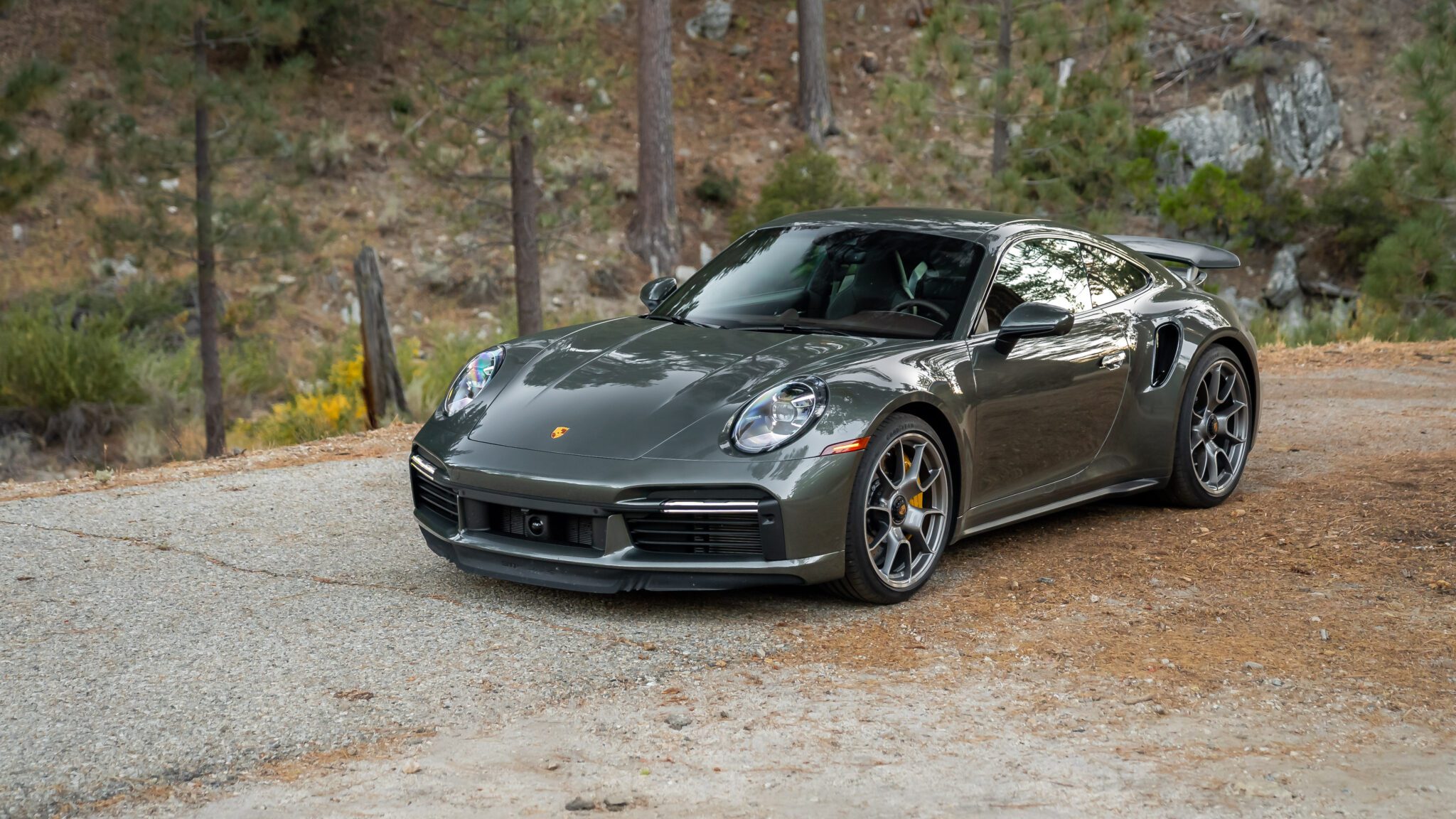
4. Porsche 911 (2019-2024)
The Porsche 911 stands as an exceptional example of luxury vehicle value retention, defying the typical depreciation patterns that plague most high-end automobiles.
While luxury cars generally experience rapid value loss, the 911 maintains remarkable resale strength through its combination of timeless design, exceptional performance, limited production numbers, and an almost cult-like following among automotive enthusiasts.
The 911’s design philosophy contributes significantly to its value preservation. Porsche has maintained the basic silhouette and proportions of the 911 for over 50 years, creating an evolutionary rather than revolutionary design approach.
This consistency means that newer models don’t dramatically date older ones, allowing previous generation vehicles to maintain their aesthetic appeal and desirability. The iconic shape is instantly recognizable and has achieved true classic status that transcends typical automotive fashion cycles.
Performance capabilities set the 911 apart from other luxury vehicles and contribute directly to its strong resale values. The rear-engine layout, while seemingly anachronistic, provides unique handling characteristics that no other manufacturer truly replicates.
This distinctiveness creates a dedicated customer base that specifically seeks 911s rather than shopping across multiple luxury brands. The vehicle’s track-day capability, combined with daily drivability, appeals to serious driving enthusiasts willing to pay premium prices for authentic sports car performance.
Production numbers and model variations also support strong 911 values. Porsche carefully manages production volumes to maintain exclusivity while offering numerous variants that appeal to different buyer preferences.
Special editions like GT3, GT2, and Turbo S models often appreciate rather than depreciate, particularly those with manual transmissions or unique specifications. This creates a halo effect that supports values across the entire 911 lineup.
The 911’s reputation for reliability, unusual among high-performance vehicles, contributes to its value retention. While maintenance costs are higher than mainstream vehicles, the 911’s fundamental durability and parts availability support long-term ownership.
Many examples exceed 100,000 miles while maintaining their performance characteristics, creating confidence among used car buyers. Recent model years (2019-2024) have shown particularly strong value retention as Porsche has refined the 911 formula while maintaining its essential character.
Advanced technology integration, improved fuel efficiency, and enhanced safety features have broadened appeal while preserving the driving experience that defines 911 ownership. These vehicles consistently maintain 70-80% of their original value after three years, an exceptional performance for any luxury vehicle.
Also Read: 10 Smart Fixes That Keep a GMC Sierra Pro Long-Lasting
5. Honda Pilot (2016-2024)
The Honda Pilot has emerged as a standout performer in three-row SUV value retention, consistently ranking among the top vehicles in its segment for resale value preservation.
This impressive performance reflects Honda’s reputation for reliability, the vehicle’s practical design, and strong market demand for dependable family transportation that can handle both daily commuting and recreational adventures.
Unlike some three-row SUVs that prioritize styling over functionality, the Pilot focuses on maximizing interior space, cargo capacity, and ease of use.
The second-row captain’s chairs (available on higher trims) provide easy third-row access, while the spacious cargo area accommodates everything from grocery runs to camping equipment. This functionality remains relevant regardless of the vehicle’s age, maintaining appeal among family-focused buyers.
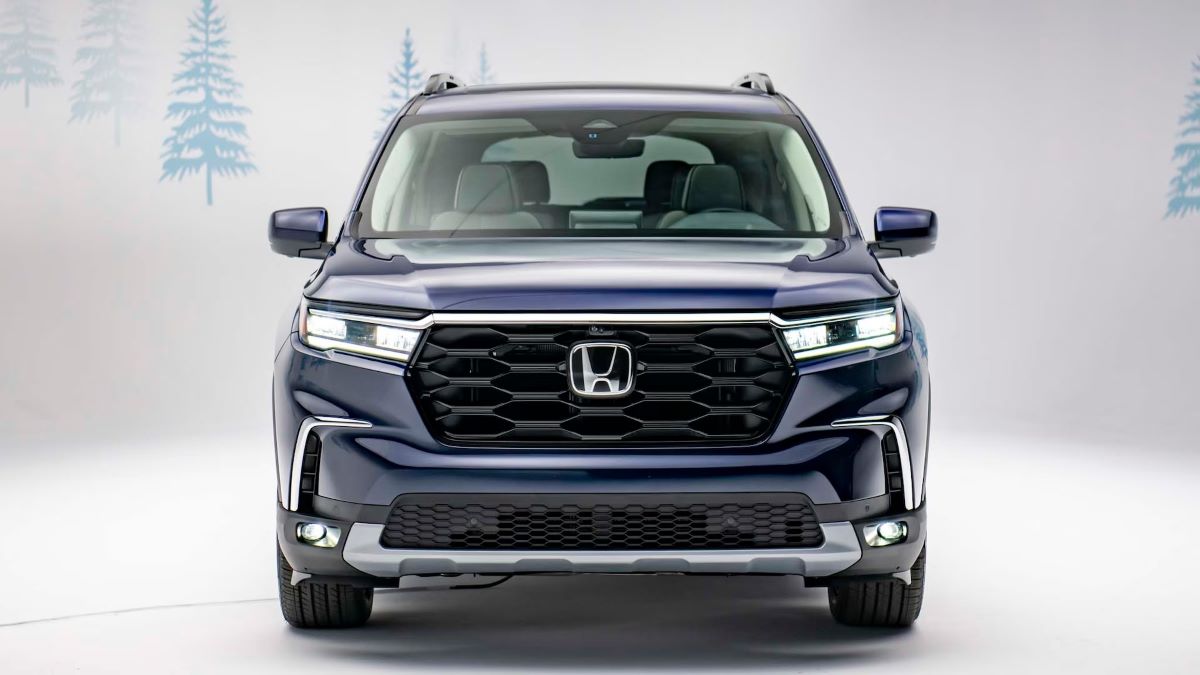
Market positioning plays a crucial role in the Pilot’s success. As Honda’s largest SUV, it occupies a sweet spot between smaller two-row crossovers and full-size truck-based SUVs.
The Pilot provides three-row seating capability with better fuel economy than truck-based alternatives while offering more space than compact crossovers. This positioning appeals to families who need space but don’t want the size, complexity, or fuel consumption of full-size SUVs.
Safety ratings significantly impact the Pilot’s value retention. Honda Sensing suite of safety features comes standard across all trim levels, providing peace of mind for family buyers.
Strong crash test ratings and proven real-world safety performance create confidence among parents shopping for used family vehicles. The Pilot’s reputation for protecting occupants translates directly into sustained demand and strong resale values.
The 2016-2024 model years represent the third generation of the modern Pilot, incorporating refined styling, improved interior materials, and enhanced technology while maintaining the practical focus that drives strong demand.
These vehicles consistently retain 60-70% of their original value after three years, significantly outperforming most three-row SUVs and rivaling much more expensive luxury alternatives.
5 Cars That Become Worthless Fast
These problematic vehicles suffer from fundamental market perception issues, including poor reliability records and rapidly outdated technology that creates perfect conditions for catastrophic depreciation in resale markets.
Their cost-cutting construction shows in cheap interior materials that age poorly, problematic powertrains with expensive maintenance requirements, and styling that quickly becomes unfashionable as design trends evolve.
Poor brand reputation and frequent recalls create buyer hesitation that drives down used car values, while complex electronic systems become obsolete as newer infotainment and safety technologies emerge.
These cars represent the unfortunate intersection of overambitious pricing, unproven technology, and poor execution that leaves early adopters facing massive financial losses while savvy buyers wait for dramatic price reductions before considering ownership of these depreciation disasters.
1. BMW 7 Series (2016-2022)
The BMW 7 Series represents one of the most dramatic examples of luxury vehicle depreciation, often losing 60-70% of its original value within just five years.
This flagship sedan, which can cost well over $100,000 when new, becomes surprisingly affordable in the used car market due to a combination of factors that accelerate its value decline beyond typical luxury vehicle depreciation patterns.
The primary driver of the 7 Series’ rapid depreciation is its extremely high initial purchase price, combined with equally expensive maintenance and repair costs.
Features that seemed revolutionary when new, such as gesture controls, advanced driver assistance systems, and complex infotainment interfaces, can appear dated within just a few years as technology advances rapidly.
This technological aging makes older 7 Series models feel antiquated compared to newer luxury vehicles, reducing their appeal to status-conscious buyers.
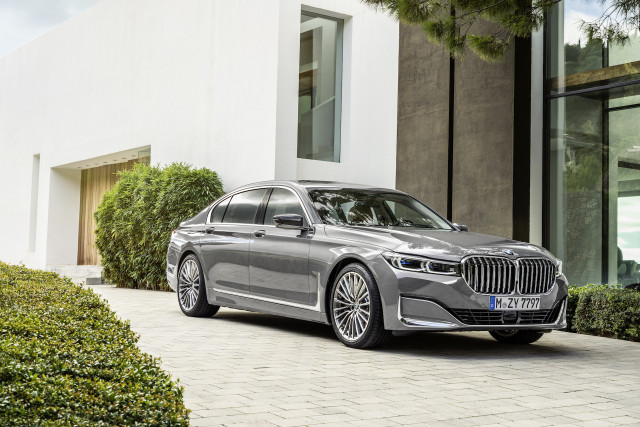
The complexity of modern 7 Series vehicles contributes to their depreciation through reliability concerns. These cars feature incredibly sophisticated systems for everything from adaptive suspension to climate control to lighting.
While impressive when functioning properly, the interconnected nature of these systems creates multiple potential failure points. As vehicles age beyond warranty coverage, the cost and complexity of diagnosing and repairing these systems become significant concerns for potential buyers.
The 2016-2022 model years are particularly affected by these factors, with the added challenge of rapid styling changes that make older models appear dated quickly.
BMW’s frequent updates to exterior and interior design mean that a five-year-old 7 Series can look significantly older than its actual age, further reducing its appeal to image-conscious luxury buyers.
Despite these depreciation challenges, the 7 Series’ rapid value decline creates opportunities for buyers seeking luxury features at more affordable prices, provided they’re prepared for the associated ownership costs and complexity.
2. Maserati Ghibli (2014-2023)
The Maserati Ghibli stands as one of the most extreme examples of automotive depreciation, routinely losing 70-80% of its original value within six years.
This Italian luxury sedan, despite its exotic badge and attractive styling, has become synonymous with rapid value decline due to reliability concerns, high maintenance costs, and market positioning challenges that have plagued the model throughout its production run.
Reliability issues form the foundation of the Ghibli’s depreciation problems. Unlike established luxury brands with proven track records, Maserati has struggled with build quality and component reliability throughout the Ghibli’s production.
Maintenance and repair costs accelerate the Ghibli’s depreciation beyond even typical luxury vehicle levels. As a relatively low-volume Italian exotic, parts availability can be problematic and expensive.
Routine maintenance requires specialized knowledge and tools, limiting service options to Maserati dealers or exotic car specialists who charge premium prices. Simple repairs that might cost hundreds of dollars on mainstream luxury vehicles can easily reach thousands on the Ghibli.
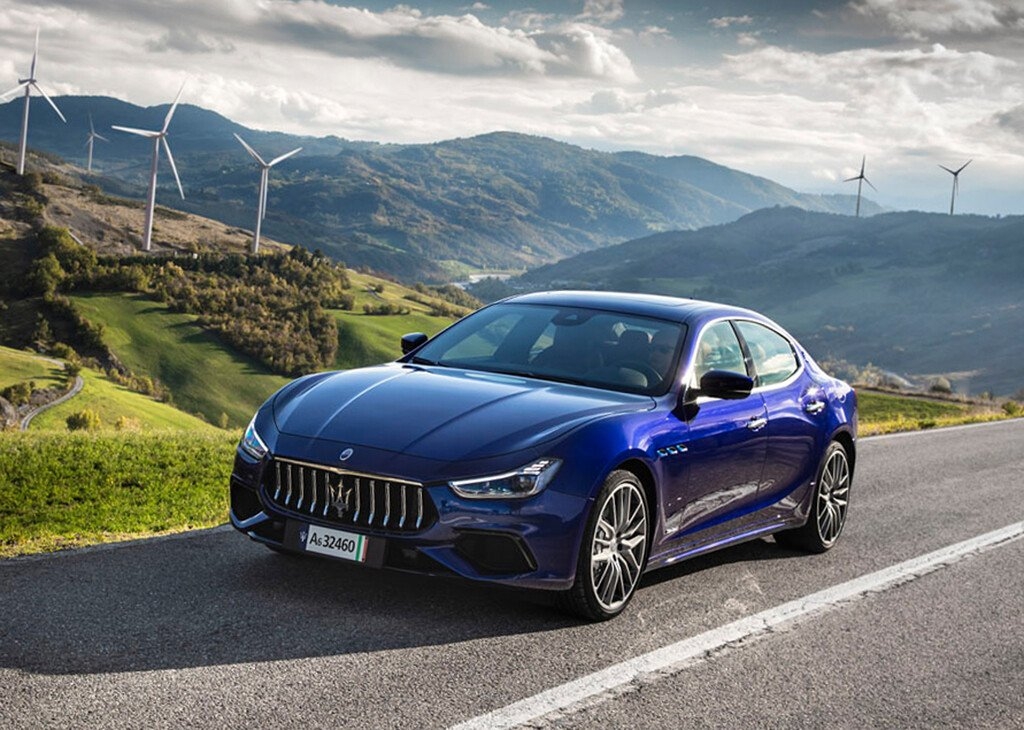
Market positioning has worked against the Ghibli since its introduction. Positioned as a more accessible entry point into the Maserati brand, the Ghibli was priced to compete with established luxury sedans from BMW, Mercedes-Benz, and Audi.
However, the German competitors offered superior build quality, better dealer networks, and proven reliability, making the Ghibli a difficult value proposition even when new.
This positioning challenge becomes amplified in the used car market, where buyers can purchase proven alternatives for similar or lower prices. Model year updates have been inconsistent, with some years showing minor improvements while others introduce new problems.
The 2014-2023 production run encompasses multiple facelifts and powertrain changes, but none have successfully addressed the fundamental issues that drive rapid depreciation.
Even the most recent models show concerning depreciation rates that suggest ongoing market skepticism about Maserati’s ability to deliver competitive luxury sedans.
3. Land Rover Range Rover Evoque (2012-2023)
The Land Rover Range Rover Evoque presents a particularly interesting case study in automotive depreciation, as a vehicle that generated significant initial excitement but has suffered from reliability issues and market saturation that accelerate its value decline.
Despite its distinctive styling and Land Rover’s premium brand positioning, the Evoque routinely loses 65-75% of its original value within six years, making it one of the worst performers in luxury SUV value retention.
Reliability concerns dominate discussions about Evoque ownership and significantly impact its resale value. The vehicle has consistently ranked poorly in reliability studies, with common issues including electrical system failures, transmission problems, and suspension component failures.
The nine-speed automatic transmission, in particular, has been problematic across multiple model years, exhibiting harsh shifting, premature wear, and complete failure in some cases. These reliability issues create significant hesitation among used car buyers who must factor potential repair costs into their purchasing decisions.
The Evoque’s unique styling, while initially a major selling point, has contributed to its depreciation challenges over time. The dramatic roofline and small windows that create the vehicle’s distinctive appearance also result in compromised visibility and limited interior space compared to more conventional luxury SUVs.
As the novelty of the design has worn off, buyers have gravitated toward more practical alternatives that offer better space utilization and visibility without sacrificing luxury appointments.
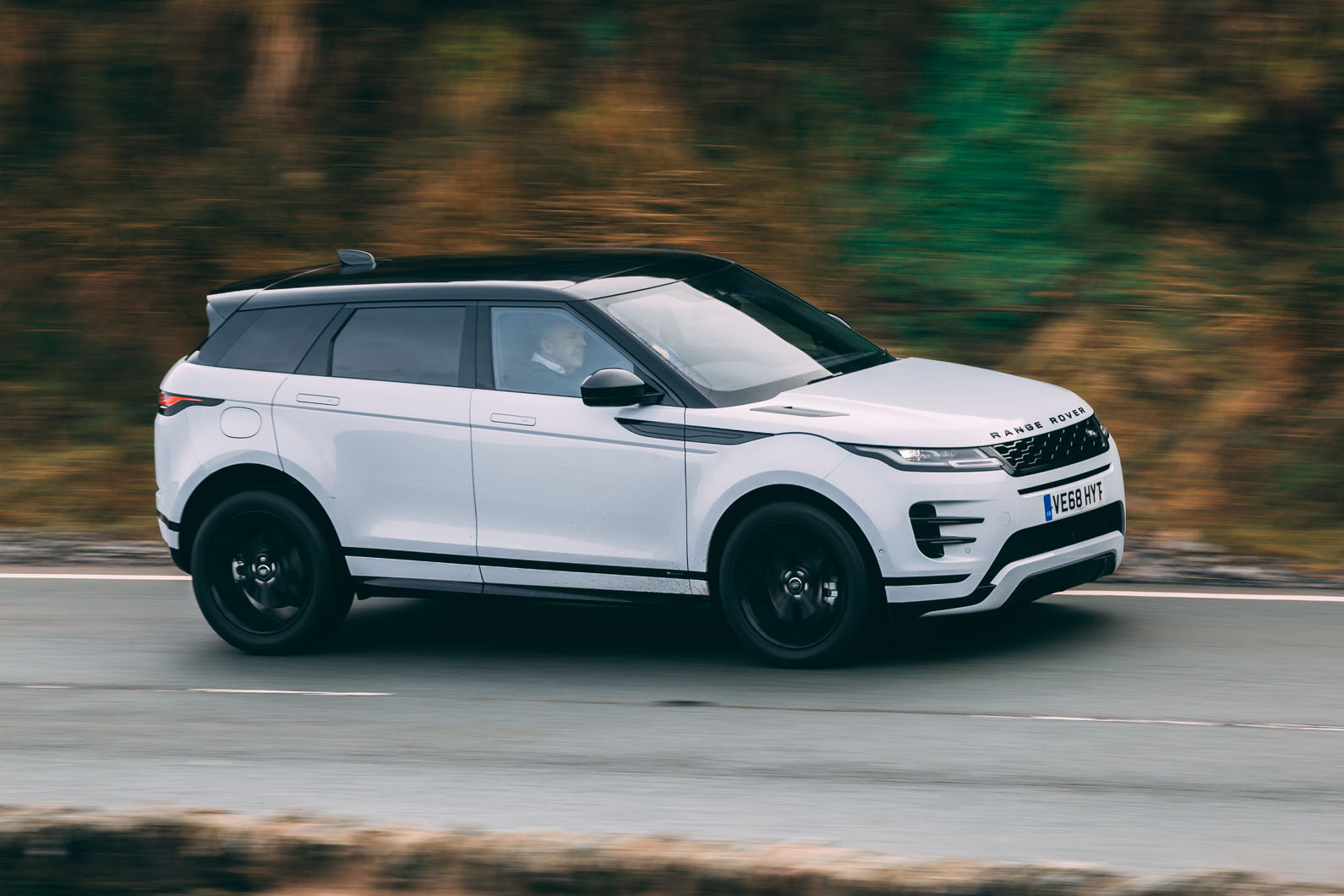
Maintenance and repair costs for the Evoque significantly exceed those of mainstream luxury vehicles. As a Land Rover product, the Evoque requires specialized service and uses expensive proprietary parts.
Simple maintenance items carry premium prices, while more complex repairs can cost thousands of dollars. The vehicle’s sophisticated air suspension system, while providing excellent ride quality when functioning properly, becomes an expensive liability as the vehicle ages and components begin to fail.
The 2012-2023 production run encompasses multiple updates and refreshes, but none have successfully addressed the fundamental reliability and practicality issues that drive rapid depreciation.
Even the second-generation model, introduced in 2019 with promises of improved quality and reliability, continues to show concerning depreciation patterns that suggest ongoing market skepticism about Land Rover’s ability to deliver reliable luxury vehicles.
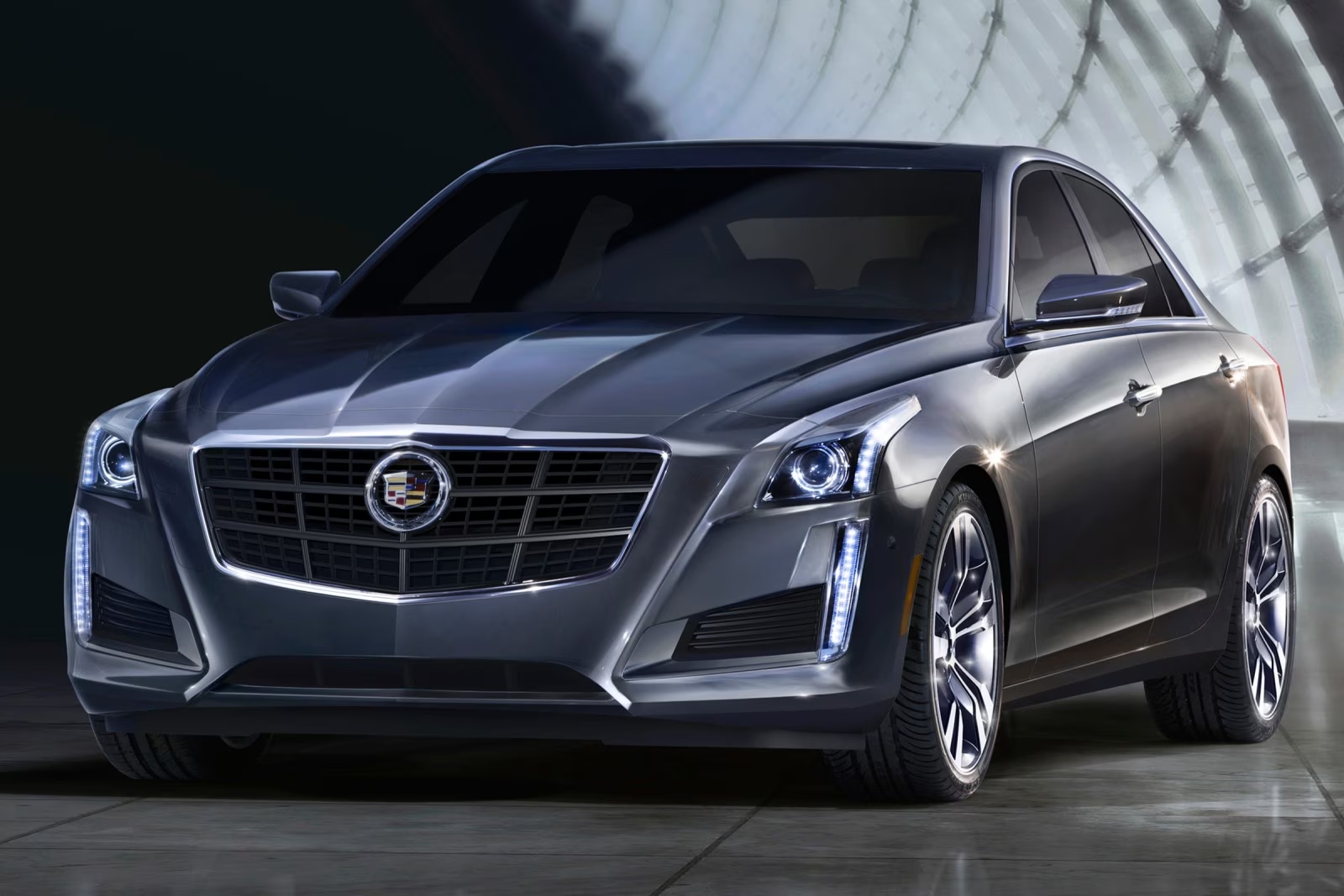
4. Cadillac CTS (2014-2019)
The Cadillac CTS represents a disappointing example of American luxury vehicle depreciation, losing approximately 70% of its original value within five years despite significant investments in design, technology, and performance.
This mid-size luxury sedan was positioned as Cadillac’s answer to the BMW 3 Series and Mercedes-Benz C-Class, but various factors have conspired to create a rapid value decline that makes it one of the worst performing vehicles in its segment.
Brand perception challenges have significantly impacted the CTS’s value retention. While Cadillac has made substantial improvements in build quality and design sophistication, the brand continues to struggle against negative perceptions rooted in previous decades of quality issues.
Many luxury car buyers, particularly in key coastal markets, still view Cadillac as inferior to German alternatives despite objective improvements in the product. This perception gap translates directly into reduced demand for used Cadillacs and accelerated depreciation.
Market positioning difficulties have plagued the CTS throughout its production run. Cadillac attempted to position the CTS as a direct competitor to established German luxury sedans, but the vehicle never achieved the market acceptance necessary to sustain strong resale values.
The CTS offered competitive performance and features, but buyers continued to gravitate toward BMW and Mercedes-Benz alternatives that carried greater prestige and better resale value reputations.
The luxury sedan segment’s decline has particularly affected American luxury brands like Cadillac. As consumers increasingly prefer SUVs and crossovers, demand for luxury sedans has decreased significantly.
This trend has disproportionately impacted brands like Cadillac that lack the heritage and market position of German alternatives, accelerating depreciation as fewer buyers compete for available vehicles.
The 2014-2019 production run represented the third generation of the modern CTS, incorporating significant improvements in build quality, technology, and performance.
However, these improvements failed to overcome the fundamental brand and market positioning challenges that drive rapid depreciation. Even well-equipped, low-mileage examples suffer from poor resale values that reflect broader challenges facing American luxury brands in competitive global markets.
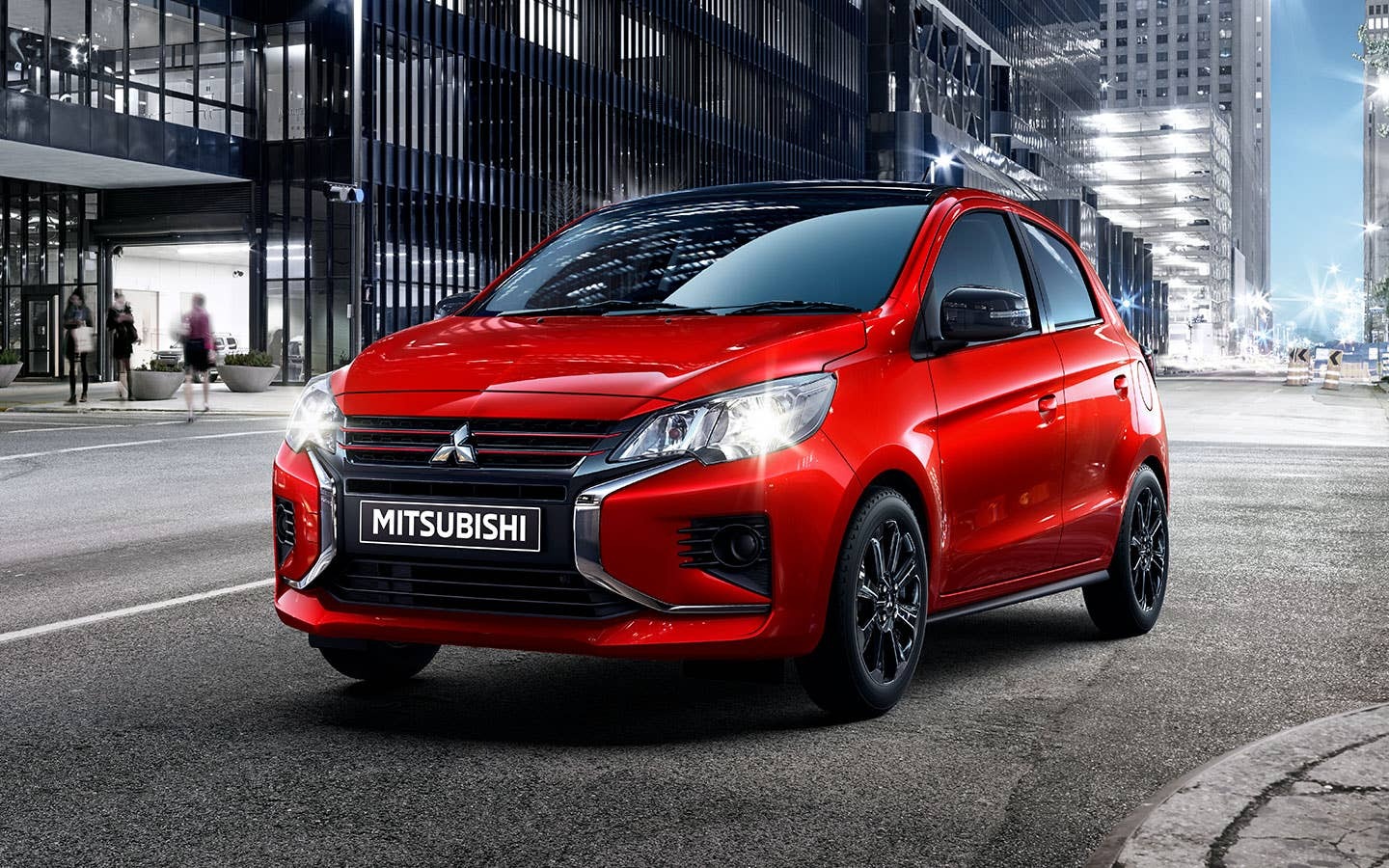
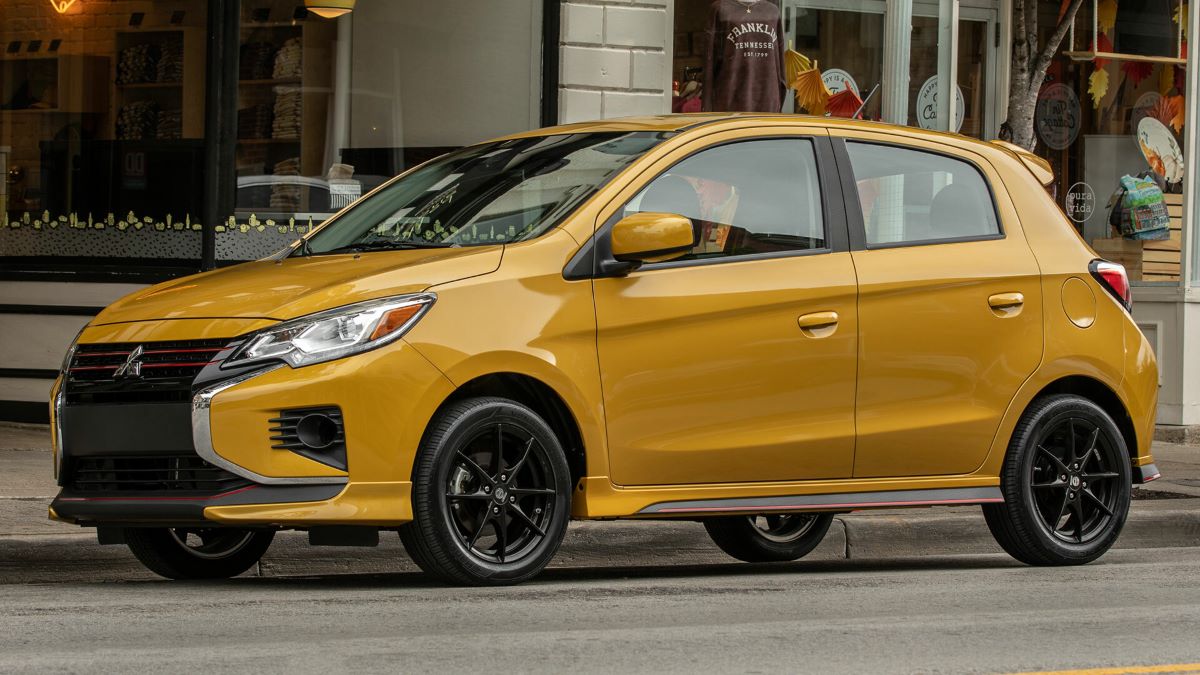
5. Mitsubishi Mirage (2014-2024)
The Mitsubishi Mirage stands as perhaps the most extreme example of rapid automotive depreciation in the mainstream market, routinely losing 75-80% of its original value within just five years.
This subcompact car, positioned as an ultra-affordable transportation option, suffers from a combination of factors that accelerate its value decline beyond even typical economy car depreciation patterns, making it one of the worst automotive investments possible.
Build quality and refinement issues dominate the Mirage’s depreciation story. Even when new, the Mirage feels significantly behind competitors in terms of materials quality, fit and finish, and refinement.
Interior plastics are hard and cheap-feeling, while exterior panels often exhibit poor alignment and thin paint. These quality issues become more apparent as the vehicle ages, creating an ownership experience that feels increasingly inferior compared to slightly used alternatives from more established brands.
Performance deficiencies contribute significantly to the Mirage’s poor value retention. The 1.2-liter three-cylinder engine, while fuel-efficient, provides inadequate power for many driving situations.
Acceleration is painfully slow, highway merging requires careful planning, and passing maneuvers become exercises in patience. The continuously variable transmission (CVT) exacerbates these performance issues with sluggish responses and unrefined operation.
These limitations make the Mirage feel obsolete compared to competing vehicles that offer better performance without significant fuel economy penalties.
Market positioning has worked against the Mirage from its introduction. While positioned as an ultra-affordable new car option, the Mirage competes directly with used vehicles from more established brands that offer superior quality, features, and refinement.
A three-year-old Mirage must compete against five-year-old vehicles from Honda, Toyota, and Nissan that provide better ownership experiences at similar price points, creating constant downward pressure on Mirage values.
The 2014-2024 production run encompasses multiple minor updates, but none have addressed the fundamental issues that drive rapid depreciation.
Even the most recent models show concerning resale values that reflect ongoing market rejection of Mitsubishi’s ultra-budget approach to automotive manufacturing.
The Mirage’s rapid depreciation, while creating opportunities for budget-conscious buyers seeking basic transportation, represents one of the worst automotive investments possible for buyers concerned with long-term value retention.
Also Read: 8 Habits That Ruin a Jeep Liberty Renegade Too Soon
