

The fuel system is one of the most critical components of any vehicle, responsible for delivering the precise amount of fuel needed for optimal engine performance.
While modern cars have significantly improved fuel system reliability compared to their predecessors, there remains a stark divide between manufacturers when it comes to fuel system durability and maintenance requirements.
Understanding which vehicles excel in fuel system reliability and which consistently struggle can save car owners thousands of dollars in repairs and countless hours of frustration.
Fuel system problems can manifest in various ways, from clogged fuel injectors and failed fuel pumps to contaminated fuel filters and degraded fuel lines.
These issues often result in poor fuel economy, engine misfires, stalling, difficulty starting, and in severe cases, complete engine failure. The difference between reliable and problematic fuel systems often comes down to engineering philosophy, component quality, manufacturing precision, and long-term testing protocols employed by different automakers.
Some manufacturers have built reputations on creating robust, long-lasting fuel systems that require minimal maintenance beyond regular fuel filter changes and occasional fuel system cleaning.
These vehicles typically feature high-quality fuel pumps, durable fuel injectors, corrosion-resistant fuel lines, and sophisticated engine management systems that protect components from damage.
Conversely, certain vehicles have developed notorious reputations for fuel system failures, often due to cost-cutting measures, design flaws, or inadequate testing during development phases. Understanding these differences empowers consumers to make informed decisions when purchasing vehicles, potentially avoiding years of expensive repairs and reliability issues.
5 Cars That Rarely Need Fuel System Work
These exceptionally engineered vehicles feature robust fuel delivery systems and high-quality injection components that maintain perfect operation through hundreds of thousands of demanding miles.
Their thoughtful construction includes premium fuel pumps with oversized cooling chambers, military-grade fuel lines resistant to ethanol degradation, and precisely manufactured injectors that resist the clogging patterns typically created by modern fuel additives and carbon deposits.
From extreme temperature variations that stress fuel system seals to the constant pressure cycling of stop-and-go driving, these remarkable systems continue operating like new without experiencing the pump failures, injector fouling, or pressure regulator malfunctions that plague lesser designs.
Strategic component oversizing ensures adequate fuel flow margins even as minor restrictions develop, while superior filtration prevents contaminants from reaching sensitive injection components.
Owners report original fuel pumps and injectors functioning perfectly after decades of service, with fuel pressure remaining within specifications long after other vehicles require complete system overhauls.
The combination of premium materials, conservative engineering, and excellent filtration creates fuel systems that prove their worth through consistent performance and maintained fuel economy throughout extended ownership periods.
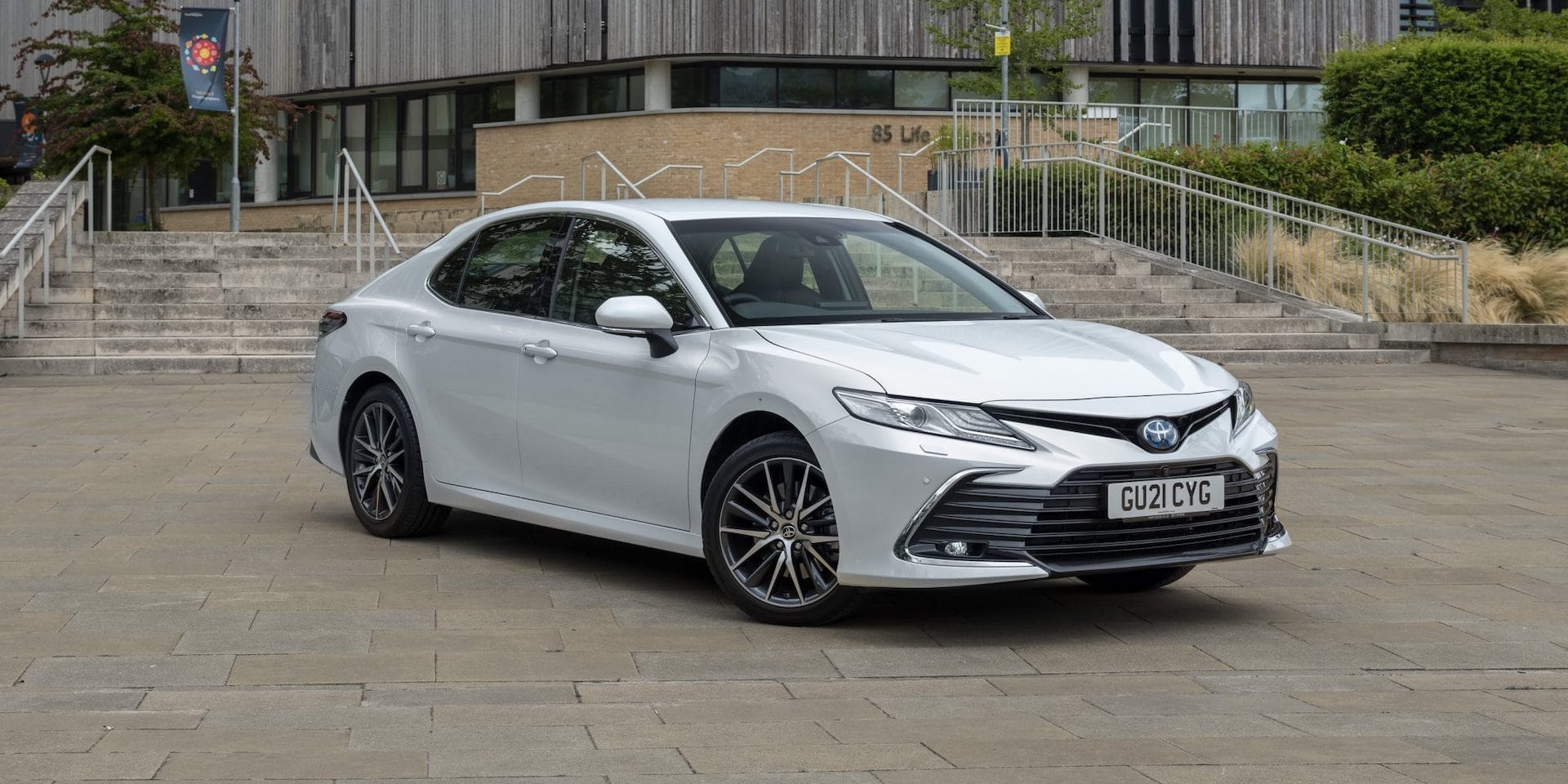
1. Toyota Camry (2012-2025)
The Toyota Camry stands as a monument to fuel system reliability, representing decades of refined engineering and meticulous attention to detail. Toyota’s approach to fuel system design prioritizes longevity over complexity, resulting in components that consistently perform well beyond their expected service life.
The Camry’s fuel system features high-quality Denso fuel injectors, which are renowned for their precision and durability, rarely requiring cleaning or replacement even after 200,000 miles of service. The fuel pump, typically a Denso or Toyota-manufactured unit, is designed with conservative operating parameters that prevent premature wear and failure.
Toyota’s reputation for reliability is well-documented, with the brand consistently ranking among the most dependable manufacturers according to Consumer Reports and J.D. Power studies.
The Camry’s fuel system benefits from Toyota’s extensive real-world testing program, where prototypes undergo millions of miles of testing in various climates and conditions before production approval.
The fuel filter, positioned strategically to protect downstream components, features a high-capacity design that maintains effectiveness longer than many competitors. Additionally, Toyota’s fuel system software programming includes conservative fuel pressure management and injector timing strategies that minimize stress on components.
The materials used in the Camry’s fuel system construction are selected for their resistance to ethanol corrosion, a growing concern with modern fuel blends.
Fuel lines utilize advanced polymer compounds that resist degradation from ethanol and temperature fluctuations, while fuel rail construction employs corrosion-resistant alloys.
The fuel pressure regulator, often a failure point in other vehicles, is engineered with robust diaphragm materials that maintain consistent pressure regulation throughout the vehicle’s lifespan.
Owners frequently report trouble-free operation well into six-digit mileage figures, with many vehicles requiring only routine fuel filter replacements as part of regular maintenance schedules.
Toyota’s commitment to fuel system reliability extends to their hybrid variants, where the complexity of integrating electric and gasoline powertrains could potentially introduce additional failure points.
However, the Camry Hybrid maintains the same exceptional fuel system reliability as its conventional counterpart, with the added benefit of reduced fuel system cycling due to electric-only operation modes.
This reduced duty cycle actually extends fuel system component life beyond that of conventional vehicles, making the Camry Hybrid an even more reliable choice for long-term ownership.
2. Honda Accord (2008-2022)
The Honda Accord has established itself as a benchmark for fuel system reliability, though recent model years have experienced some challenges that slightly diminish its otherwise stellar reputation.
Honda has issued recalls for certain 2023-2024 Accord models due to fuel pump problems and fire risk, but the majority of Accord generations, particularly those from 2008 to 2022, demonstrate exceptional fuel system durability.
Honda’s engineering philosophy emphasizes precision manufacturing and rigorous quality control, resulting in fuel system components that consistently exceed expected service intervals.
The Accord’s fuel injection system utilizes Honda’s proprietary multi-port fuel injection technology, featuring injectors calibrated to precise tolerances that maintain optimal spray patterns throughout their operational life.
These injectors rarely develop carbon buildup or clogging issues, thanks to Honda’s advanced fuel delivery algorithms that include periodic cleaning cycles during normal operation.
The fuel pump assembly, typically manufactured by Denso or Keihin to Honda’s specifications, features a robust design with multiple redundancies that prevent catastrophic failure scenarios.
Honda’s approach to fuel system protection includes sophisticated filtration systems that extend component life significantly. The primary fuel filter, combined with in-tank pre-filtration and injector-level screening, creates a multi-stage protection system that keeps contaminants away from sensitive components.

The fuel pressure regulation system employs vacuum-referenced regulators that automatically adjust fuel pressure based on engine load and atmospheric conditions, ensuring optimal fuel delivery while minimizing component stress.
Honda’s commitment to using ethanol-compatible materials throughout the fuel system has positioned the Accord well for modern fuel requirements.
Fuel lines, seals, and gaskets are constructed from materials specifically chosen for their resistance to ethanol-induced degradation, ensuring long-term reliability even with E85 or other high-ethanol fuel blends.
This forward-thinking approach to materials selection has prevented many of the fuel system failures that plague vehicles not designed with modern fuel compositions in mind.
3. Mazda6 (2014-2021)
The Mazda6 represents Mazda’s philosophy of engineering excellence through simplicity and precision, resulting in one of the most reliable fuel systems in the midsize sedan segment.
Mazda’s SKYACTIV technology, introduced with the 2014 model year, revolutionized the brand’s approach to fuel system design, emphasizing efficiency and longevity through advanced engineering rather than complex electronic systems.
The Mazda6’s fuel system benefits from this philosophy, featuring components designed for extended service intervals and minimal maintenance requirements.
The heart of the Mazda6’s fuel system reliability lies in its high-pressure fuel injection system, which operates at pressures significantly higher than many competitors.
This high-pressure operation ensures complete fuel atomization and efficient combustion, reducing carbon buildup on injectors and intake valves that commonly plague other vehicles.
The fuel injectors themselves are precision-manufactured units that maintain tight tolerances throughout their operational life, rarely requiring cleaning or replacement even under severe service conditions.
Mazda’s approach to fuel pump design emphasizes durability over peak performance, resulting in units that operate well within their design limits under normal driving conditions.

The fuel pump assembly features advanced materials and manufacturing techniques that resist wear and corrosion, while the pump control module includes protective algorithms that prevent damage from voltage spikes or thermal overload conditions.
This conservative approach to fuel pump operation has resulted in exceptionally low failure rates across the Mazda6 lineup. The fuel filtration system in the Mazda6 represents a masterclass in practical engineering, featuring a high-capacity primary filter combined with secondary filtration elements that provide redundant protection for downstream components.
The filter housing is designed for easy service access, encouraging regular maintenance while using readily available filter elements that don’t require expensive dealer-only parts. This serviceability factor contributes significantly to the vehicle’s long-term reliability by ensuring owners can maintain the fuel system affordably.
Mazda has been recognized among the most reliable car brands in recent studies, and the Mazda6’s fuel system performance contributes significantly to this reputation.
The integration of fuel system components with the engine management system demonstrates Mazda’s holistic approach to powertrain design, where each component is optimized to work harmoniously with others.
This systems-level thinking has eliminated many of the compatibility issues that can lead to premature component failure in other vehicles, resulting in a fuel system that consistently delivers reliable performance throughout the vehicle’s lifespan.
4. Subaru Outback (2015-2025)
The Subaru Outback has earned a reputation for exceptional fuel system reliability, particularly impressive given the unique challenges presented by Subaru’s horizontally opposed boxer engine configuration.
This engine layout requires specialized fuel system design considerations that Subaru has mastered through decades of refinement, resulting in fuel delivery systems that excel in reliability and durability.
The Outback’s fuel system demonstrates Subaru’s commitment to robust engineering and real-world testing, with components designed to withstand the demanding conditions often encountered by Outback owners.
Subaru consistently leads reliability ratings alongside Toyota and Lexus, and the Outback’s fuel system performance is a significant contributor to this reputation.
Subaru’s approach to fuel pump design prioritizes consistent pressure delivery under various operating conditions, particularly important for vehicles frequently operated at different altitudes and ambient temperatures.

The fuel pump assembly features advanced pressure regulation systems that automatically compensate for elevation changes and temperature variations, ensuring optimal engine performance regardless of environmental conditions.
This sophisticated pressure management system has virtually eliminated fuel starvation issues that can occur in other vehicles under extreme conditions.
Subaru’s integration of fuel system monitoring into the vehicle’s comprehensive diagnostic systems provides early warning of potential issues before they become serious problems.
The engine control unit continuously monitors fuel pressure, injector performance, and system integrity, alerting owners to maintenance needs before component failure occurs.
This proactive monitoring approach has significantly reduced unexpected fuel system failures and helped owners maintain their vehicles proactively rather than reactively.
Also Read: 9 Worst Oversights That Ruin a Dodge Stealth Fast
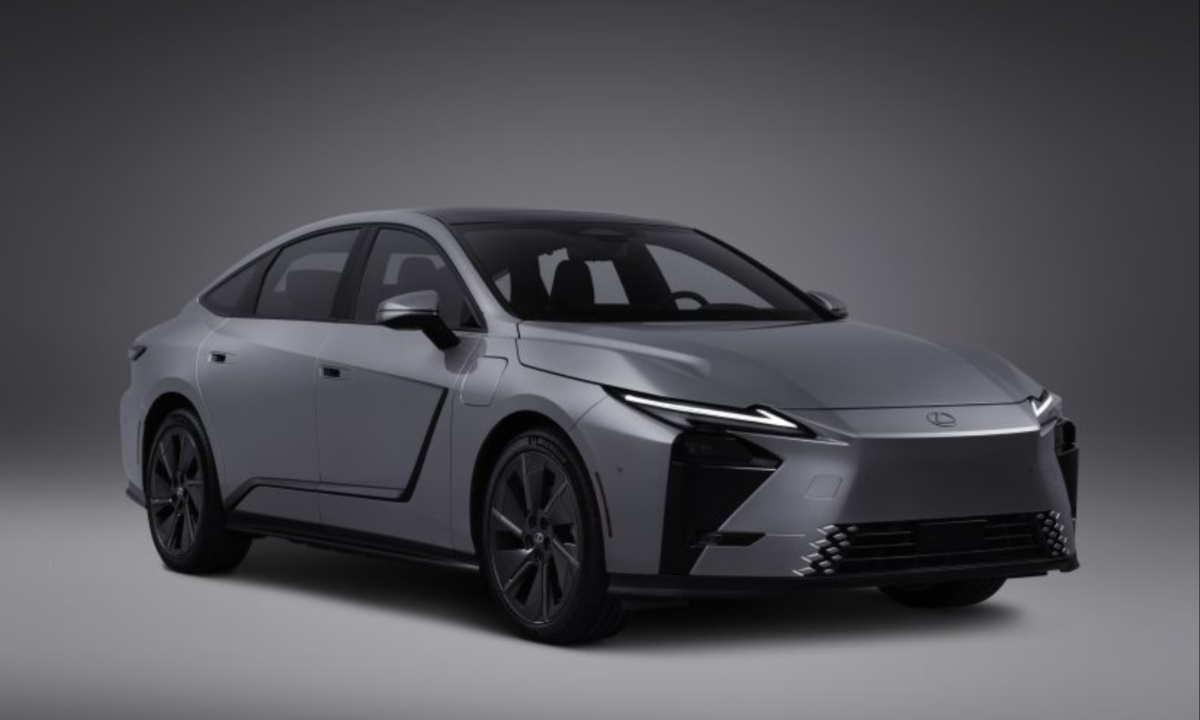
5. Lexus ES (2012-2025)
The Lexus ES represents the pinnacle of fuel system reliability, combining Toyota’s proven engineering excellence with luxury-grade component quality and manufacturing precision.
As Lexus’s entry-level luxury sedan, the ES demonstrates how premium materials and meticulous assembly processes can create fuel systems that operate virtually maintenance-free for hundreds of thousands of miles.
The vehicle’s fuel system benefits from Lexus’s no-compromise approach to quality, where cost considerations take second priority to long-term reliability and customer satisfaction.
The fuel rail construction utilizes high-grade stainless steel alloys that resist corrosion and dimensional changes, ensuring consistent fuel pressure distribution to all cylinders.
The ES’s fuel pump system represents advanced engineering applied to proven technology, featuring redundant protection systems and premium materials throughout.
The fuel pump assembly includes advanced pressure regulation systems with multiple backup mechanisms that prevent both over-pressurization and fuel starvation conditions.
The pump motor utilizes precision-balanced components and advanced bearing systems that virtually eliminate vibration and noise while extending operational life well beyond industry standards.
The integration of the ES’s fuel system with the vehicle’s luxury-oriented electronic systems demonstrates Lexus’s holistic approach to vehicle design.
The engine management system includes advanced fuel system optimization algorithms that continuously adjust operation for maximum efficiency and component longevity.
This sophisticated control system has eliminated many common fuel system problems by preventing conditions that typically lead to component degradation, resulting in a fuel system that consistently delivers exceptional reliability and performance throughout the vehicle’s extended service life.
5 Cars That Constantly Need Fuel System Work
These problematic vehicles suffer from fundamental cost-cutting in their fuel delivery systems, featuring bargain-basement pumps and inadequately designed injection components that create perfect conditions for premature failure under normal operating conditions.
Their penny-pinching construction shows in undersized fuel pumps that run hot and fail early, cheap plastic fuel lines that crack from ethanol exposure, and poorly manufactured injectors prone to clogging from normal fuel contaminants. Inadequate filtration allows debris to reach sensitive components, while insufficient fuel cooling causes pump motors to overheat and burn out during summer driving conditions.
The combination of complex direct injection systems and minimal quality control creates vehicles where fuel delivery problems cascade into expensive diagnostic procedures and component replacements.
These cars represent the unfortunate consequences of aggressive cost-cutting in critical systems, creating vehicles that strand owners with fuel delivery failures and require specialized diagnostic equipment that makes repairs prohibitively expensive at independent shops, forcing costly dealership visits for relatively simple component failures.
1. BMW 3 Series (2007-2019)
The BMW 3 Series, while renowned for its driving dynamics and luxury appointments, has developed a notorious reputation for fuel system problems that plague owners throughout the vehicle’s lifespan.
BMW’s pursuit of performance and efficiency has led to increasingly complex fuel system designs that, while technologically advanced, suffer from reliability issues that manifest as expensive repair bills and frequent service visits.
The problems stem from BMW’s decision to use direct injection systems with high-pressure fuel pumps, carbon cleaning issues, and proprietary components that require specialized service procedures.
Recent years have seen significant fuel pump recalls across various manufacturers, indicating widespread industry challenges with fuel system reliability, but BMW’s issues extend far beyond isolated recalls to systemic design problems.
The high-pressure fuel pump, located on the engine and driven by the camshaft, represents one of the most common failure points in BMW 3 Series vehicles.
This pump operates under extreme pressures and temperatures, leading to premature wear of seals, diaphragms, and mechanical components. Replacement costs often exceed $2,000 including labor, and the pump typically fails between 60,000-100,000 miles.
BMW’s direct injection system, while providing excellent performance and fuel economy, creates unique maintenance challenges that many owners are unprepared for.

The high-pressure injection process leads to carbon buildup on intake valves that cannot be cleaned through traditional fuel additives, requiring expensive walnut shell blasting procedures every 40,000-60,000 miles.
This carbon buildup causes rough idling, misfires, and reduced performance that progressively worsens without intervention. The cleaning procedure, available only at specialized facilities, typically costs $500-800 and must be repeated regularly throughout the vehicle’s life.
BMW’s integration of fuel system components with complex electronic systems creates additional failure modes that don’t exist in simpler vehicles.
The fuel system relies on multiple sensors, control modules, and electronic actuators that can fail independently, causing system-wide malfunctions.
These electronic failures often require expensive diagnostic procedures using specialized BMW equipment, and replacement parts carry premium pricing due to their proprietary nature.
The complexity of these systems also means that independent repair facilities often cannot properly service them, forcing owners to use expensive dealer service departments.
2. Volkswagen Jetta (2011-2018)
The Volkswagen Jetta from the 2011-2018 generation represents a cautionary tale of cost-cutting measures compromising fuel system reliability. During this period, Volkswagen prioritized affordability and market share growth, leading to engineering decisions that significantly impacted long-term reliability.
The Jetta’s fuel system problems are well-documented across owner forums and service bulletins, with issues ranging from fuel pump failures to contaminated fuel systems that require expensive repairs and frequent maintenance interventions.
The most prevalent issue affecting Jetta fuel systems is the high-pressure fuel pump failure, which typically occurs between 40,000-80,000 miles. Unlike more reliable designs that gradually degrade performance before complete failure, the Jetta’s fuel pump often fails catastrophically, leaving owners stranded with no warning.
The replacement procedure is labor-intensive, requiring significant engine disassembly, and the parts cost reflects Volkswagen’s proprietary design choices. Total repair costs frequently exceed $1,800, and many owners report multiple pump failures throughout their vehicle’s lifespan.
Volkswagen’s decision to use direct injection technology in the Jetta created additional maintenance requirements that many owners discover only after problems develop.

The direct injection system leads to carbon buildup on intake valves that cannot be addressed through fuel additives, requiring periodic professional cleaning using specialized equipment.
This maintenance, essential for proper operation, occurs every 40,000-50,000 miles and costs $400-600 per service. Failure to perform this maintenance results in rough idle, misfires, and eventual engine damage.
The fuel injectors in 2011-2018 Jettas are particularly problematic, with many owners reporting injector failures within the first 100,000 miles. The injectors are sensitive to fuel quality and contamination, often developing clogs or spray pattern irregularities that cause engine performance issues.
Individual injector replacement costs $300-500, but failures often occur in multiples, leading to repair bills exceeding $1,500. The injectors also require periodic cleaning services that add to the vehicle’s maintenance costs.
Fuel system problems often manifest as blocked filters, malfunctioning injectors, and poor fuel quality issues, all of which are common in this generation of Jetta. The vehicle’s fuel filtration system, while adequate when new, degrades rapidly under normal service conditions.
The fuel filter requires replacement more frequently than recommended in the maintenance schedule, and failure to maintain the filter properly leads to downstream component damage. Many owners report needing fuel filter replacements every 15,000-20,000 miles rather than the manufacturer’s recommended intervals.
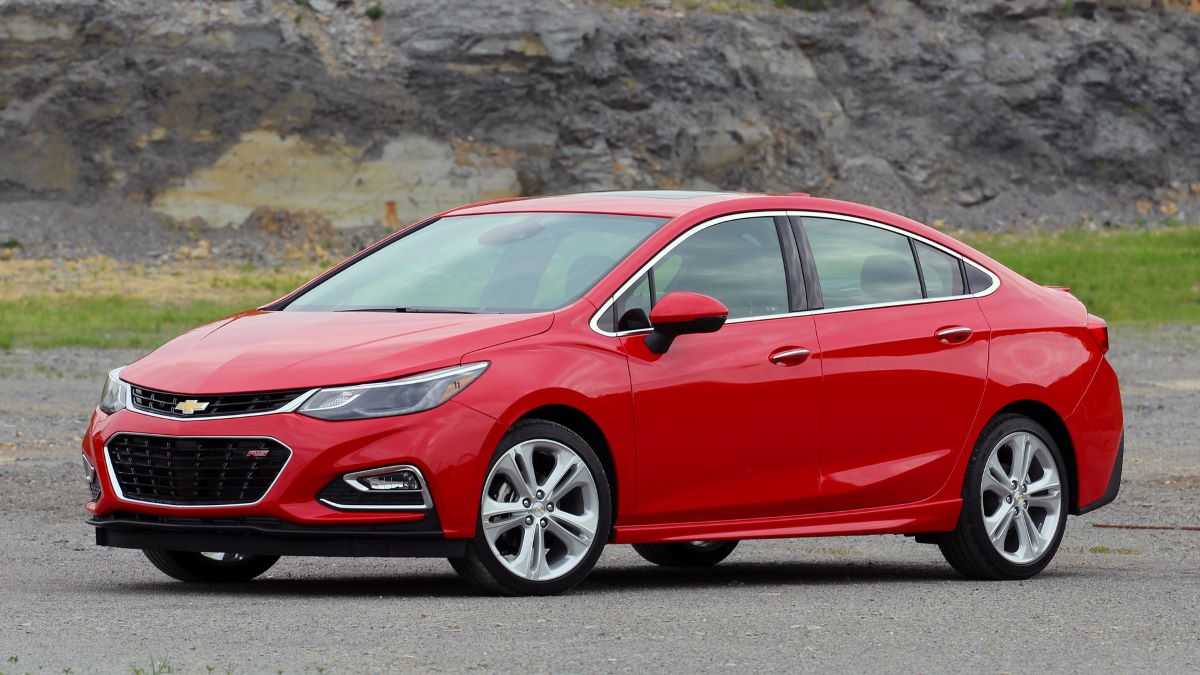
3. Chevrolet Cruze (2011-2019)
The Chevrolet Cruze represents General Motors’ attempt to compete in the compact car segment, but fuel system reliability issues have significantly tarnished the vehicle’s reputation among owners and mechanics alike.
The Cruze’s fuel system problems stem from design compromises made to achieve aggressive cost targets and fuel economy goals, resulting in components that frequently fail prematurely and require expensive repairs.
These issues are particularly problematic because they often occur outside of warranty coverage, leaving owners with substantial repair bills on relatively new vehicles.
The most notorious problem affecting Cruze fuel systems is the fuel pump module failure, which typically occurs between 30,000-70,000 miles. The fuel pump assembly, mounted inside the fuel tank, suffers from premature wear of internal components, particularly the pump motor and pressure regulator.
Unlike gradual degradation that provides warning signs, Cruze fuel pump failures often occur suddenly, leaving drivers stranded without notice. The replacement procedure requires fuel tank removal, making it a labor-intensive repair that frequently costs $1,200-1,600 including parts and labor.
GM’s Dynamic Fuel Management system has been linked to excessive engine oil usage, fouled spark plugs, and failed components, indicating broader fuel system integration problems that affect multiple vehicle systems.
The Cruze’s fuel injection system compounds these issues with frequent injector cleaning requirements and sensitivity to fuel quality variations. The direct injection system creates carbon buildup problems that require professional cleaning services every 30,000-40,000 miles, adding significant maintenance costs that many owners don’t anticipate.
The fuel pressure regulation system in the Cruze is particularly problematic, with many owners reporting erratic fuel pressure that causes performance issues and component damage.
The fuel pressure regulator, integrated into the fuel pump assembly, often fails independently of the pump motor, requiring complete assembly replacement. This design choice eliminates the possibility of cost-effective repair options, forcing owners into expensive complete replacements even when only one component has failed.
Chevrolet’s integration of fuel system monitoring with the vehicle’s complex electronic systems creates additional failure modes that complicate diagnosis and repair.
Many owners report needing fuel filter replacements every 12,000-18,000 miles to prevent downstream component damage, significantly increasing maintenance costs compared to more reliable competitors.
4. Nissan Altima (2013-2018)
The Nissan Altima from the 2013-2018 generation suffered from widespread fuel system problems that significantly impacted owner satisfaction and long-term reliability.
During this period, Nissan implemented cost-reduction initiatives that compromised fuel system component quality, leading to frequent failures and expensive repairs.
The problems are so prevalent that they’ve become well-known among automotive technicians and used car buyers, significantly impacting the vehicles’ resale values and market reputation.
The most significant issue affecting Altima fuel systems is the fuel pump failure epidemic that plagued these model years. The fuel pump assembly, manufactured to reduced cost specifications, typically fails between 60,000-120,000 miles, often without warning signs.
The failure usually manifests as complete fuel starvation, leaving drivers stranded in potentially dangerous situations. Replacement costs range from $800-1,400 depending on whether owners choose OEM or aftermarket parts, but many owners report multiple pump failures throughout their vehicle’s lifespan.
Nissan’s CVT transmission integration with the fuel system created unique problems that don’t exist in vehicles with traditional automatic transmissions.

The continuously variable transmission requires precise fuel delivery curves that stress the fuel system beyond typical operating parameters. This additional stress contributes to premature wear of fuel system components, particularly the fuel pump and pressure regulation systems.
The complex interaction between transmission and fuel system also complicates diagnosis when problems occur, often leading to expensive diagnostic procedures. The fuel injectors in 2013-2018 Altimas are particularly problematic, suffering from frequent clogging and spray pattern deterioration.
The injectors are sensitive to fuel quality variations and contamination, often requiring cleaning services every 25,000-35,000 miles to maintain proper operation.
When cleaning is insufficient, injector replacement becomes necessary, with individual units costing $200-350 plus installation labor. Many owners report needing multiple injector replacements throughout their vehicle’s lifespan.
Dirt, debris, and deposits can accumulate in fuel systems over time, disrupting the delicate balance and leading to problems like engine misfires and stalling, issues that are particularly common in these Altima model years.
The vehicle’s fuel filtration system is inadequately designed for long-term protection, allowing contaminants to reach sensitive downstream components.
The fuel filter requires replacement more frequently than Nissan’s maintenance schedule suggests, and many owners report needing filter changes every 15,000 miles to prevent system contamination.
The electronic fuel system management in the Altima relies on multiple sensors and control modules that frequently fail, causing system-wide malfunctions. The fuel level sensors are particularly problematic, often providing inaccurate readings that can lead to fuel starvation situations.
The fuel pump control module also suffers from premature failure, causing erratic pump operation that stresses other system components. These electronic failures often require expensive dealer-only diagnostic procedures and proprietary replacement parts.
5. Ford Focus (2012-2018)
The Ford Focus from the 2012-2018 generation represents one of the most problematic vehicles in terms of fuel system reliability, with issues compounded by Ford’s controversial PowerShift dual-clutch transmission and cost-cutting measures implemented during this production period.
The combination of fuel system problems and transmission issues created a perfect storm of reliability problems that led to numerous lawsuits, recalls, and customer satisfaction issues.
Ford’s attempt to engineer a competitive compact car while meeting aggressive cost targets resulted in fuel system components that consistently fail prematurely.
The primary fuel system problem affecting the Focus is the fuel pump failure issue that typically manifests between 40,000-90,000 miles. The fuel pump assembly, located in the fuel tank, suffers from multiple design deficiencies including inadequate cooling, substandard materials, and insufficient quality control during manufacturing.
When the pump fails, it often does so catastrophically, leaving owners stranded without warning. The replacement procedure requires fuel tank removal and typically costs $1,000-1,500 including labor.
Ford has issued large-scale recalls for fuel pump failures affecting multiple model lines, indicating systematic problems with their fuel system engineering during this period.

The Focus’s fuel delivery system compounds pump problems with inadequate fuel pressure regulation that causes erratic engine performance even when the pump is functioning.
The pressure regulator, integrated into the pump assembly, often fails independently, requiring complete assembly replacement rather than component-level repairs.
Ford’s implementation of direct injection technology in the Focus created additional maintenance requirements that many owners discovered only after experiencing problems.
The direct injection system causes carbon buildup on intake valves that cannot be cleaned through conventional fuel additives, requiring professional cleaning services every 35,000-45,000 miles. This maintenance procedure, essential for proper engine operation, costs $500-700 and must be repeated regularly throughout the vehicle’s life.
The Focus’s fuel system integration with the PowerShift transmission created unique reliability challenges that affected both systems. The transmission’s aggressive shift programming placed unusual demands on the fuel delivery system, contributing to premature component wear.
The complex electronic interactions between transmission and engine management systems also created diagnostic challenges that often resulted in misdiagnosis and unnecessary repairs, adding to ownership costs and frustration levels among Focus owners.
Also Read: 10 Smart Fixes That Keep a GMC Sierra Pro Long-Lasting
