
When it comes to vehicle ownership, the initial purchase price is just the beginning of your financial journey. The true cost of owning a car extends far beyond the sticker price, encompassing maintenance, repairs, fuel consumption, insurance premiums, and depreciation over time.
Some vehicles are engineered to be workhorses that keep running with minimal intervention for decades, while others seem designed to separate owners from their hard-earned money through constant repairs and premium service requirements.
Understanding which vehicles fall into each category can save you tens of thousands of dollars over your ownership period. The automobiles that “run cheap forever” typically share common characteristics: they’re built with proven, reliable powertrains, use readily available parts, have extensive service networks, and maintain strong resale values.
These vehicles often come from manufacturers with reputations for durability and have been refined through multiple generations to eliminate common failure points. Conversely, wallet-draining vehicles often feature complex systems, expensive proprietary parts, limited service networks, and rapid depreciation.
They might offer cutting-edge technology or luxury appointments, but these benefits come at a steep ongoing cost. This comprehensive guide will examine five vehicles from each category, providing a detailed analysis of ownership costs, common issues, and long-term value propositions to help you make an informed decision for your next vehicle purchase.
5 VEHICLES THAT RUN CHEAP FOREVER
These exceptionally economical vehicles feature simple, proven drivetrains and readily available components that maintain reliable operation without the expensive maintenance requirements that bankrupt other owners.
Their thoughtful engineering includes naturally aspirated engines with basic fuel injection, conventional automatic transmissions, and straightforward electrical systems that resist the complexity-driven failures typically created by over-engineered luxury features.
From brake pads that cost under fifty dollars to oil changes using standard petroleum products, these remarkable vehicles continue operating efficiently without requiring the premium fluids, specialized tools, or dealer-only service procedures that inflate ownership costs elsewhere.
The combination of bulletproof reliability, simple construction, and widespread parts distribution creates transportation solutions that prove their worth through minimal financial impact over extended ownership periods, delivering dependable mobility without the financial stress of premium vehicle ownership.
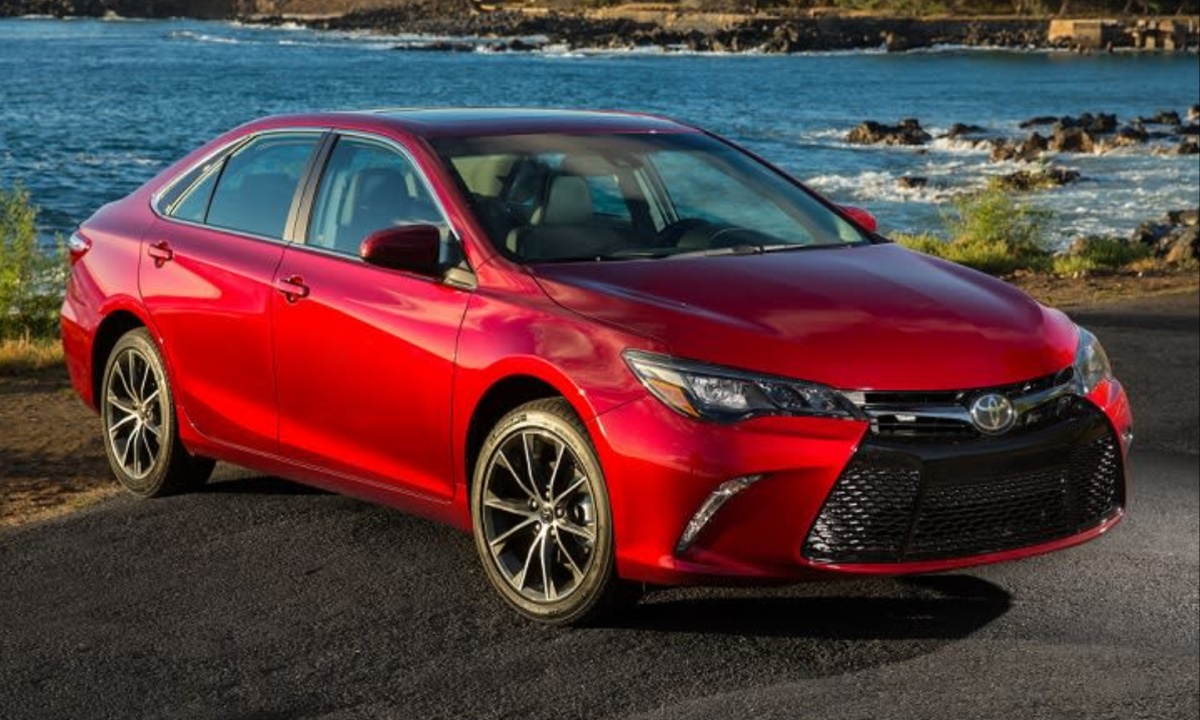
1. Toyota Camry (2012-2017)
The Toyota Camry from the seventh generation represents the pinnacle of reliable, affordable transportation. This sedan has earned its reputation through decades of refinement, with the 2012-2017 model years offering an optimal balance of modern features and proven reliability.
The Camry’s secret weapon lies in its powertrain options, particularly the naturally aspirated 2.5-liter four-cylinder engine that produces adequate power while maintaining exceptional fuel economy and longevity.
What makes the Camry exceptionally cost-effective is its predictable maintenance schedule and widely available parts. Oil changes every 10,000 miles with conventional oil, brake pads that last 60,000-80,000 miles, and a timing chain that rarely requires replacement make routine maintenance both affordable and straightforward.
The transmission, whether the six-speed automatic or manual, is engineered for longevity with proper fluid changes every 60,000 miles costing around $150-200.
Parts availability is another crucial factor in the Camry’s low ownership costs. With millions sold worldwide, aftermarket support is extensive, driving down repair costs significantly.
A replacement alternator might cost $300 installed, compared to $800+ for luxury vehicles. The Camry’s suspension components, brakes, and electrical systems use common designs that any competent mechanic can service without specialized tools or training.
Insurance costs remain reasonable due to the Camry’s excellent safety ratings and low theft rates. Fuel economy averages 28-32 mpg in mixed driving, and the vehicle maintains strong resale value, typically retaining 60-65% of its original value after five years.
Common issues are minor and inexpensive to address, such as occasional carbon buildup on direct-injection engines (preventable with quality fuel and regular maintenance) and minor interior trim wear.
The Camry’s reputation for reaching 200,000+ miles with basic maintenance makes it an ideal choice for budget-conscious buyers seeking long-term transportation reliability.
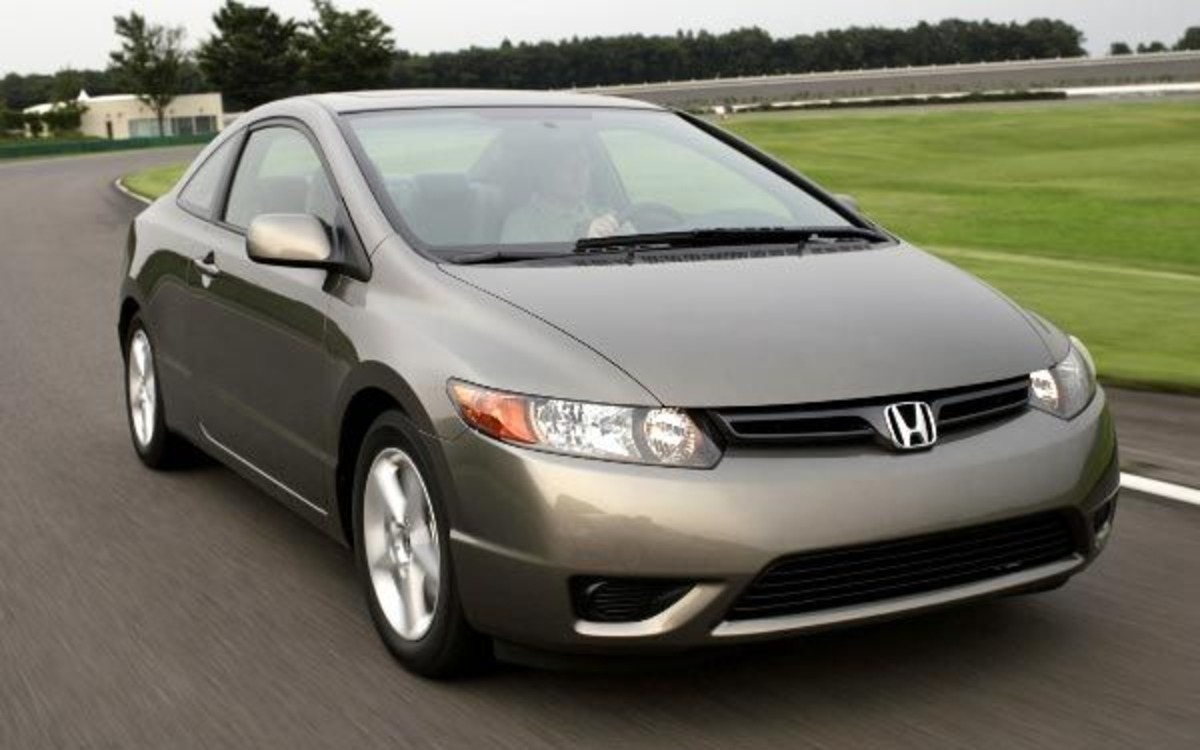
2. Honda Civic (2006-2011)
The eighth-generation Honda Civic stands as a masterclass in economical vehicle engineering, offering exceptional reliability at an affordable price point.
This generation marked Honda’s commitment to fuel efficiency without sacrificing build quality, resulting in a vehicle that consistently delivers 30+ mpg while maintaining the durability Honda is renowned for.
The Civic’s 1.8-liter SOHC i-VTEC engine is particularly noteworthy for its simplicity and longevity, featuring a timing chain instead of a belt and requiring minimal maintenance beyond regular oil changes.
Maintenance costs for the Civic remain remarkably low throughout its ownership cycle. The engine uses conventional oil with 5,000-7,500 mile change intervals costing $30-40.
Major service intervals at 30,000, 60,000, and 90,000 miles involve relatively inexpensive procedures like spark plug replacement ($80-120), transmission fluid changes ($100-150), and coolant system flushes ($80-120).
The Civic’s brake system is particularly economical, with front pads lasting 50,000-70,000 miles and costing $150-200 for quality aftermarket replacements. Parts availability for the Civic is exceptional, thanks to Honda’s global presence and the model’s popularity.
Aftermarket support is extensive, with companies like Dorman, Beck Arnley, and Aisin providing OEM-quality parts at a fraction of dealer prices. A replacement starter motor costs $120-180 installed, while a water pump replacement runs $250-350, significantly less than comparable repairs on European vehicles.
The Civic’s fuel economy averages 30-36 mpg, providing substantial savings at the pump. Insurance rates remain low due to excellent safety scores and minimal theft risk.
Depreciation is gradual, with well-maintained examples retaining 50-55% of their original value after eight years. Common issues are generally minor, including occasional premature brake pad wear in stop-and-go traffic and potential clear coat fading on certain paint colors. The Civic’s proven ability to exceed 250,000 miles with proper care makes it an outstanding long-term investment for economical transportation.
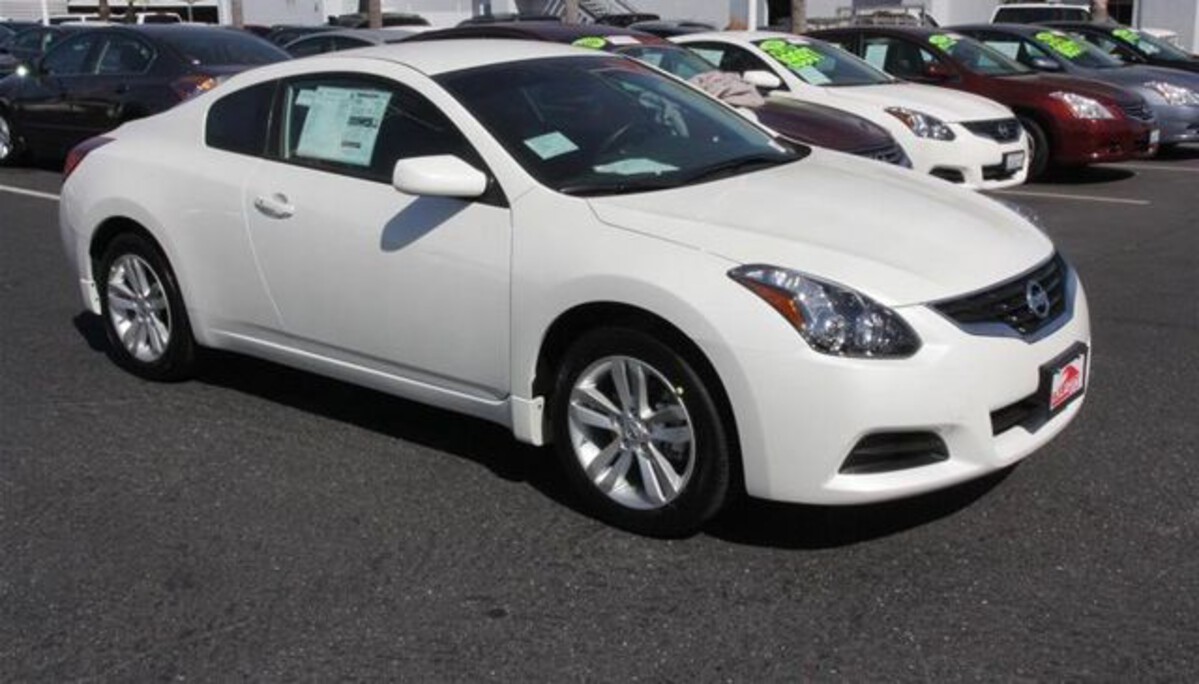
3. Nissan Altima (2013-2018)
The Nissan Altima from this generation represents exceptional value in the midsize sedan segment, combining modern amenities with time-tested mechanical components.
The standout feature is the naturally aspirated 2.5-liter four-cylinder engine, which delivers smooth power delivery and impressive fuel economy while avoiding the complexity and potential issues associated with turbocharged alternatives.
This engine design has been refined over multiple generations, resulting in proven reliability and straightforward maintenance requirements. Ownership costs for the Altima remain consistently low due to several factors.
The engine uses conventional oil with 5,000-mile change intervals, and the continuously variable transmission (CVT), while sometimes controversial, has proven reliable in this generation when properly maintained with fluid changes every 60,000 miles.
Brake system maintenance is economical, with front pads typically lasting 40,000-60,000 miles and costing $120-180 for quality replacements. The Altima’s suspension uses conventional MacPherson struts and multi-link rear suspension with readily available, affordable components.
Parts pricing benefits from Nissan’s global supply chain and the Altima’s high sales volumes. Aftermarket support is robust, with companies like Monroe, KYB, and ACDelco offering compatible parts at competitive prices.
A complete strut assembly replacement costs $200-300 per side, while engine components like the alternator or starter can be replaced for $250-400, including labor. The vehicle’s electrical systems are relatively simple, reducing diagnostic time and repair costs.
Fuel economy consistently delivers 27-32 mpg in mixed driving conditions, providing significant savings compared to larger vehicles. The Altima maintains reasonable resale values, typically retaining 55-60% of its original value after five years. Insurance costs remain moderate due to good safety ratings and widespread availability of parts.
Common issues are generally minor, including occasional CVT whining (usually addressable with fluid changes) and minor interior wear items. With proper maintenance, including regular CVT fluid changes and adherence to the maintenance schedule, the Altima regularly achieves 180,000-220,000 miles, making it an excellent choice for budget-conscious buyers seeking reliable, comfortable transportation with minimal ongoing expenses.
4. Ford F-150 (2011-2014)
The Ford F-150 from the twelfth generation represents the sweet spot for reliable, economical truck ownership. This generation introduced significant improvements in build quality and powertrain reliability while maintaining the simplicity that makes the F-150 an excellent long-term value.
The naturally aspirated 3.7-liter V6 and 5.0-liter V8 engines are particularly noteworthy for their durability and straightforward maintenance requirements, avoiding the complexity of turbocharged alternatives while delivering adequate power for most applications.
Maintenance costs for the F-150 are surprisingly reasonable for a full-size truck. Oil changes every 7,500 miles with conventional oil costing $45-60, while the robust transmission typically requires fluid changes every 60,000-80,000 miles at $150-200.
Brake maintenance is economical despite the truck’s size, with front pads lasting 50,000-70,000 miles and costing $180-250 for quality replacements. The truck’s suspension components, while larger than car parts, are widely available and competitively priced due to the F-150’s massive sales volumes.
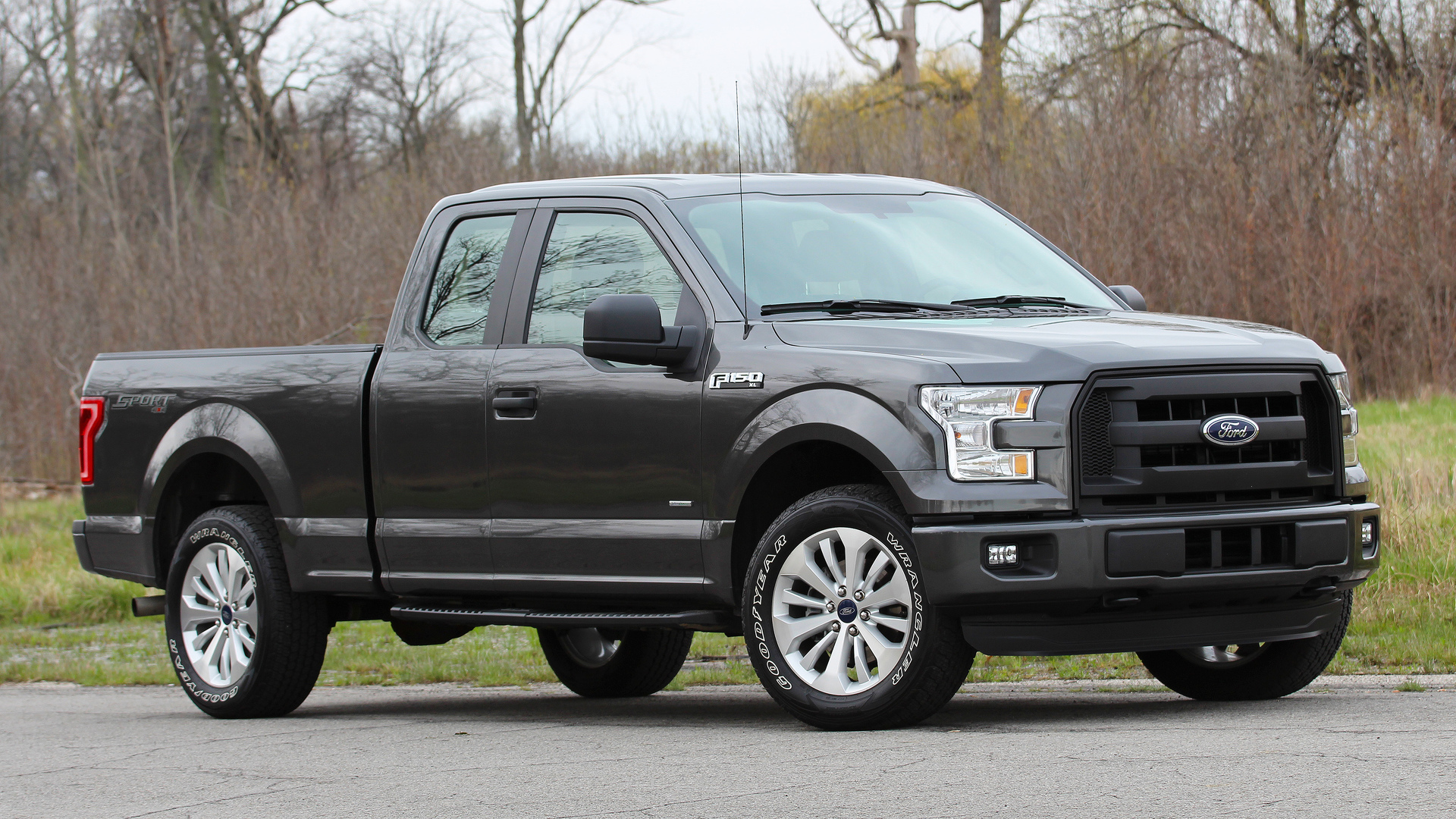
Parts availability is exceptional, as the F-150 has been America’s best-selling truck for decades. This popularity translates to extensive aftermarket support and competitive pricing.
A replacement alternator costs $200-300 installed, while major components like starters, water pumps, and suspension parts are readily available from multiple suppliers.
The F-150’s simple electrical systems and conventional mechanical design mean most repairs can be performed by any qualified mechanic without specialized training or equipment.
Fuel economy, while not exceptional, is reasonable for the class at 17-23 mpg depending on configuration and driving conditions. The F-150 maintains excellent resale value, consistently ranking among the best in the truck segment with 60-65% value retention after five years.
Insurance costs are moderate, reflecting the truck’s excellent safety ratings and widespread parts availability. Common issues are generally minor, including occasional spark plug ejection on early 5.4-liter engines (resolved by 2011) and minor interior trim wear.
The F-150’s reputation for exceeding 200,000 miles with proper maintenance, combined with its versatility and strong resale value, makes it an excellent choice for those needing truck capability without excessive operating costs.
Also Read: 5 Cars That Outlast Their Radios vs 5 With Failing Electronics
5. Subaru Outback (2010-2014)
The fourth-generation Subaru Outback strikes an exceptional balance between capability, reliability, and ownership costs. This generation marked Subaru’s maturation in terms of build quality while maintaining the brand’s renowned all-wheel-drive system and practical design.
The naturally aspirated 2.5-liter flat-four engine, while not the most powerful, is engineered for longevity and provides adequate performance with excellent fuel economy and minimal maintenance requirements.
Ownership costs remain manageable due to Subaru’s focus on mechanical simplicity and parts standardization across its model line. Oil changes every 6,000-7,500 miles cost $35-50, and the timing chain design eliminates the expensive timing belt replacement required on earlier models.
The all wheel -drive system, while more complex than front-wheel-drive alternatives, uses a viscous coupling center differential that requires minimal maintenance beyond regular fluid changes every 30,000 miles at $120-180. Brake system maintenance is reasonable, with pads lasting 45,000-65,000 miles and costing $160-220 for quality replacements.
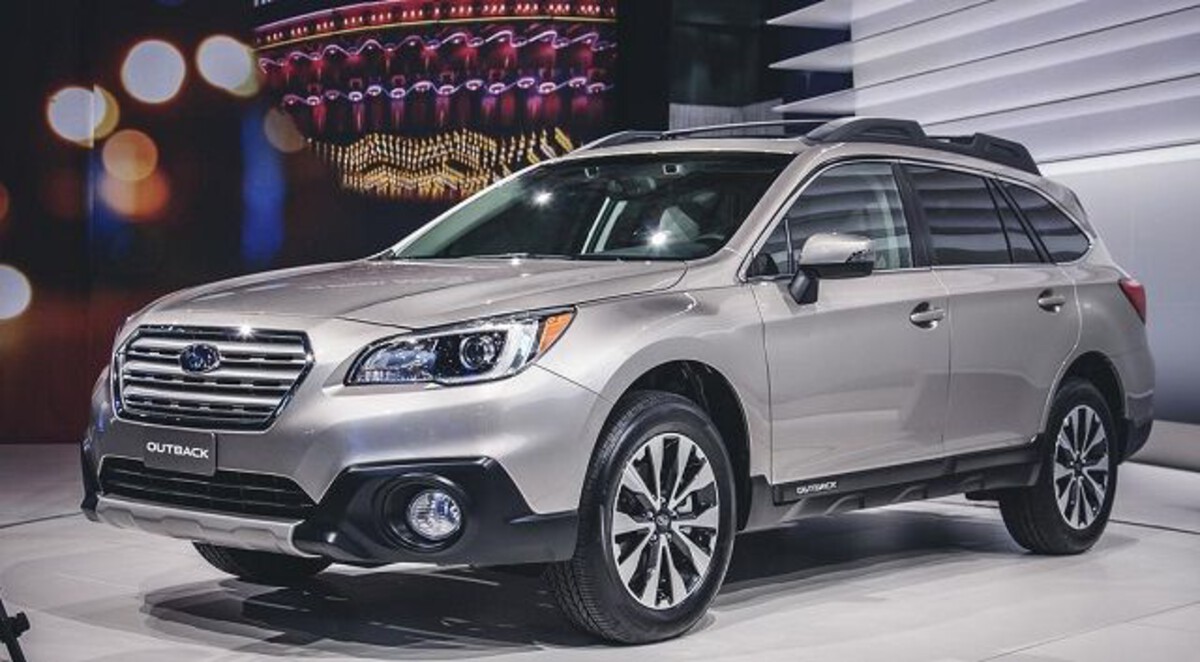
Parts availability benefits from Subaru’s parts sharing across models and strong aftermarket support from companies like Beck Arnley, Gates, and Dorman.
Replacement components are generally priced competitively, with items like CV joints, wheel bearings, and suspension components available at reasonable costs.
A complete CV joint replacement costs $250-350, while suspension struts run $200-300 per side, including installation. The Outback’s electrical systems are relatively straightforward, keeping diagnostic and repair costs manageable.
Fuel economy consistently delivers 24-30 mpg, impressive for an all-wheel-drive vehicle of this size. The Outback maintains strong resale value, particularly in regions where all wheel drive is valued, typically retaining 58-62% of its original value after five years.
Insurance costs are reasonable due to excellent safety ratings and low theft rates. Common issues include head gasket concerns on some 2.5-liter engines (largely resolved by 2012) and occasional oil consumption in higher-mileage examples.
However, with proper maintenance, including regular oil changes and cooling system service, the Outback regularly achieves 180,000-200,000+ miles, making it an excellent choice for buyers seeking all-weather capability, cargo versatility, and reasonable operating costs in a reliable, practical package.
5 VEHICLES THAT DRAIN WALLETS
These financially devastating vehicles suffer from fundamental over-engineering, including complex powertrains with proprietary components and sophisticated electronic systems that create perfect conditions for catastrophic ownership costs through constant expensive failures.
Their luxury-focused construction shows in exotic materials requiring specialized service procedures, complex air suspension systems that fail expensively, and advanced engine management requiring dealer-only diagnostic equipment that makes simple repairs cost thousands.
Poor long-term parts availability forces owners to purchase expensive OEM components, while complex labor procedures turn routine maintenance into multi-hour dealership visits that drain savings accounts.
The combination of sophisticated technology and questionable reliability creates vehicles where routine service exceeds mortgage payments and unexpected breakdowns trigger financial emergencies.
Owners frequently report annual maintenance costs exceeding $5,000, even with careful driving, with some luxury models requiring $15,000+ repairs for common failures like air suspension replacement or engine computer modules.
These vehicles represent the unfortunate intersection of cutting-edge technology and profit-maximizing service strategies, creating transportation that transforms from status symbols into financial anchors, forcing owners to choose between bankruptcy-inducing repairs or abandoning vehicles worth more than most people’s homes despite their catastrophic unreliability.
1. BMW 7 Series (2009-2015)
The BMW 7 Series from the fifth generation epitomizes the financial burden that luxury vehicles can impose on their owners. While undeniably sophisticated and technologically advanced, this flagship sedan represents a masterclass in expensive engineering that prioritizes performance and luxury over long-term affordability.
The complex array of powertrains, from the twin-turbo V8s to the V12 engine options, features advanced technologies like direct injection, variable valve timing, and sophisticated turbocharging systems that require specialized knowledge and expensive parts to maintain properly.
Maintenance costs for the 7 Series are staggering compared to mainstream vehicles. Basic oil changes using required synthetic oil cost $150-250 due to the large oil capacity and premium filter requirements.
The brake system, while exceptionally capable, uses high-performance pads and rotors that cost $800-1,200 per axle for genuine BMW parts. Major services at 30,000, 60,000, and 90,000 miles can easily exceed $2,000-3,000 each, including items like spark plug replacement ($400-600), transmission service ($500-800), and differential service ($300-500).
The air suspension system, standard on many models, requires periodic replacement of air springs and compressors at costs exceeding $3,000-5,000.

Parts pricing reflects BMW’s luxury positioning and complex engineering. A replacement alternator can cost $800-1,200 installed, while water pump replacement often exceeds $1,500-2,000 due to engine design complexity.
The sophisticated electrical systems, featuring multiple control modules and advanced driver assistance systems, frequently develop faults that require expensive diagnosis and repair at specialized shops.
Window regulators, a common failure point, cost $600-900 each to replace, while electronic parking brake actuators can exceed $1,500 per side. Fuel economy is poor for the engine displacement, typically ranging from 15-22 mpg, and the requirement for premium fuel adds 10-15% to fuel costs.
Depreciation is severe, with the 7 Series losing 65-75% of its original value within five years. Insurance costs are high due to expensive replacement parts and higher theft rates.
Common issues include turbocharger failure ($3,000-5,000 repair), electronic system malfunctions, cooling system problems, and transmission issues.
The combination of complex systems, expensive parts, rapid depreciation, and frequent repairs makes the 7 Series extraordinarily expensive to own, often costing $5,000-8,000 annually in maintenance and repairs alone after the warranty expires.
2. Range Rover Evoque (2012-2018)
The Range Rover Evoque represents everything wrong with modern luxury vehicle ownership from a financial perspective. While visually striking and capable off-road, this compact luxury SUV is notorious for expensive repairs, poor reliability, and rapid depreciation.
The turbocharged four-cylinder engine, while providing adequate power, suffers from complexity-related issues, including carbon buildup, turbocharger failures, and cooling system problems that emerge as early as 40,000-60,000 miles.
The nine-speed automatic transmission, sourced from ZF, has proven problematic in many applications, requiring expensive repairs or replacement.
Maintenance costs for the Evoque are disproportionately high for its size. Oil changes require expensive synthetic oil and cost $200-300 at Land Rover dealerships.
The brake system uses high-performance components that wear quickly, with pad and rotor replacement costing $1,000-1,500 per axle. Major services are extremely expensive, with 40,000-mile service often exceeding $2,500-3,500, including transmission service, differential service, and various fluid changes.
The Evoque’s sophisticated terrain response system and electronic air suspension require regular calibration and component replacement at costs that can exceed $2,000-4,000 per incident.
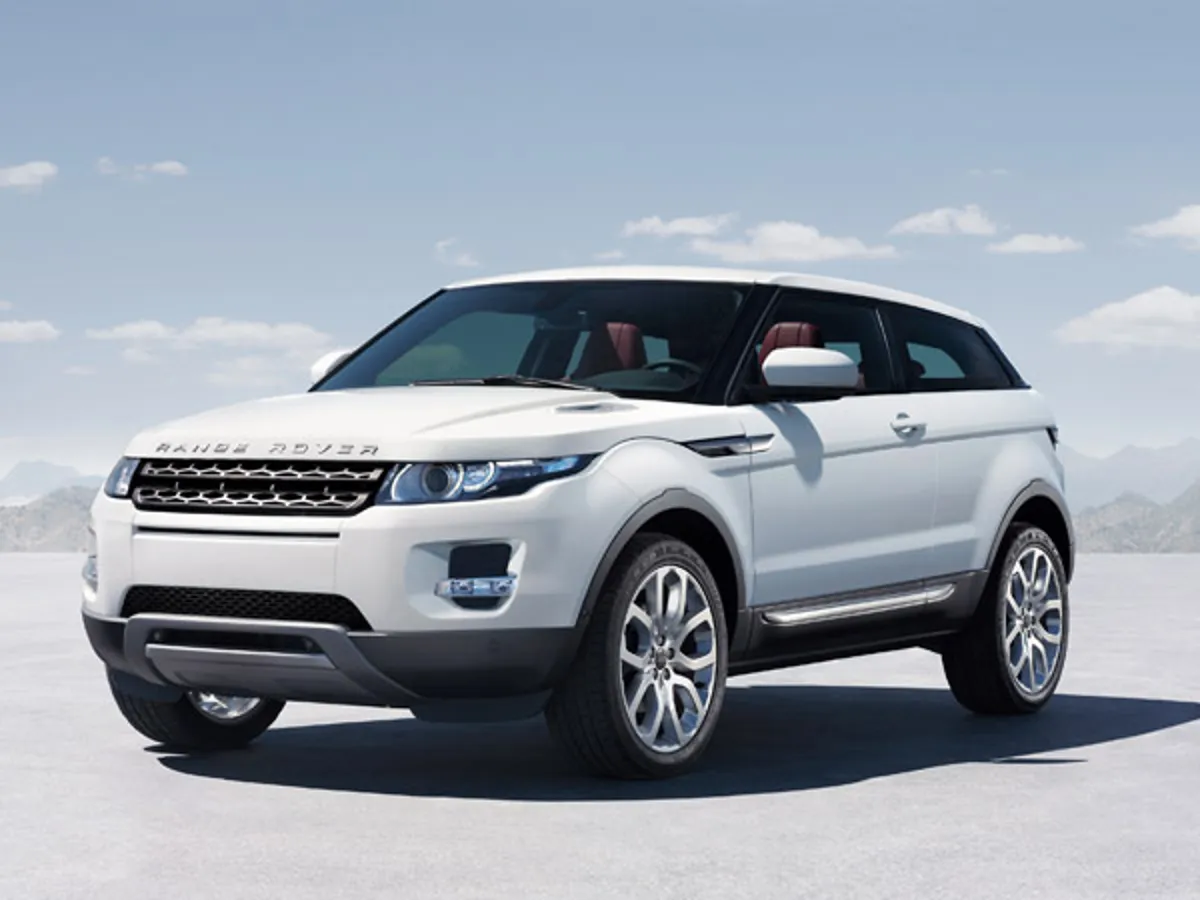
Parts availability is limited and expensive due to Land Rover’s relatively small market share and complex vehicle design. Replacement parts must typically come from Land Rover dealerships or specialized importers, with limited aftermarket alternatives.
A replacement turbocharger costs $3,000-4,500 installed, while transmission replacement can exceed $6,000-8,000. Electronic components, including the infotainment system and various control modules, frequently fail and require expensive replacement. Door handle mechanisms, a notorious weak point, cost $400-600 each to repair.
Fuel economy is mediocre at 20-28 mpg despite the small engine, and premium fuel is recommended. Depreciation is catastrophic, with the Evoque losing 70-80% of its original value within five years, making it one of the worst luxury vehicle investments. Insurance costs are high due to expensive parts and higher theft rates.
Common issues include timing chain stretch requiring engine rebuild ($8,000-12,000), electronic system failures, transmission problems, and suspension component failures.
The Evoque’s combination of poor reliability, expensive repairs, limited parts availability, and severe depreciation makes it extraordinarily expensive to own, with annual maintenance and repair costs often exceeding $4,000-6,000 after 60,000 miles, not including the massive depreciation hit that owners absorb.
3. Maserati Ghibli (2014-2019)
The Maserati Ghibli represents the pinnacle of expensive vehicle ownership, combining Italian exotic car complexity with questionable build quality and astronomical ownership costs.
While the Ghibli offers undeniable style and performance, it suffers from numerous design and manufacturing issues that make it extraordinarily expensive to maintain.
The twin-turbocharged V6 engine, while powerful, is prone to various failures, including oil leaks, cooling system problems, and turbocharger issues that emerge well before 100,000 miles. The eight-speed automatic transmission, sourced from ZF, requires expensive maintenance and is prone to software issues and mechanical failures.
Maintenance costs for the Ghibli are among the highest in the automotive industry. Basic oil changes require full synthetic oil and cost $300-500 at authorized Maserati service centers.
Brake system maintenance is extremely expensive, with high-performance Brembo brake pads and rotors costing $1,500-2,500 per axle to replace.
Major services are financial disasters, with scheduled maintenance at 40,000 miles often exceeding $4,000-6,000 including transmission service, differential service, spark plug replacement, and various system updates. The air suspension system, when equipped, requires frequent component replacement at costs exceeding $3,000-5,000 per incident.
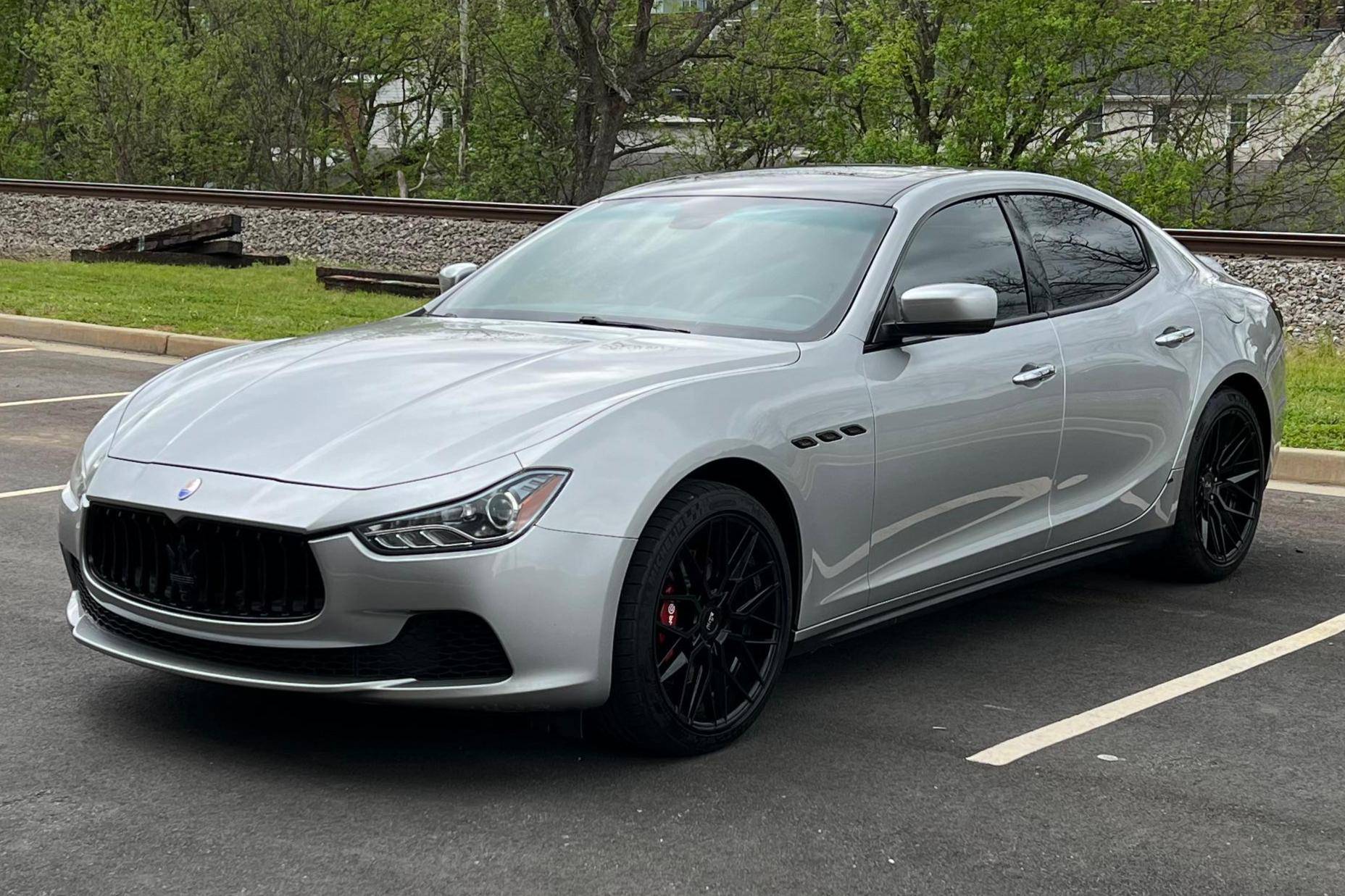
Parts availability is severely limited and outrageously expensive due to Maserati’s small production volumes and exotic nature. Most parts must be sourced directly from Maserati with no viable aftermarket alternatives.
A replacement turbocharger costs $4,000-6,000 installed, while engine components like water pumps or alternators can cost $1,500-3,000 each. Electronic components are particularly expensive, with infotainment system replacements costing $3,000-5,000 and various control modules ranging from $1,000-2,500 each. Interior components like seat mechanisms or trim pieces are also extremely expensive to replace.
Fuel economy is poor at 16-24 mpg with premium fuel required, adding significant operating costs. Depreciation is catastrophic, with the Ghibli losing 75-85% of its original value within five years, representing one of the worst automotive investments possible.
Insurance costs are extremely high due to expensive parts, limited repair facilities, and higher theft rates. Common issues include engine oil leaks, cooling system failures, electrical system malfunctions, transmission problems, and interior component failures.
The Ghibli’s combination of poor reliability, extremely expensive parts, limited service network, and severe depreciation results in ownership costs that can easily exceed $8,000-12,000 annually in maintenance and repairs alone, not including the massive financial loss from depreciation that makes it one of the most expensive vehicles to own in any category.
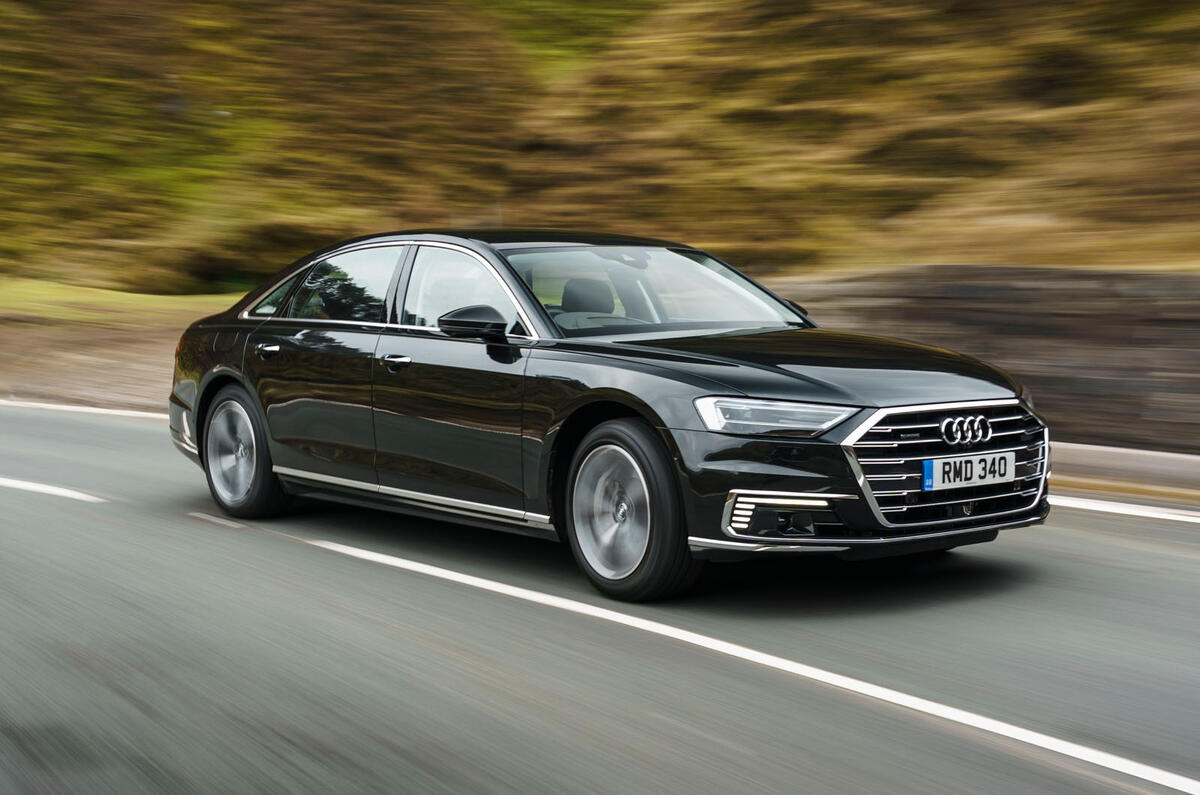
4. Audi A8 (2011-2017)
The Audi A8 from the third generation represents German over-engineering at its most expensive, combining sophisticated technology with complex systems that require constant, expensive maintenance.
While the A8 offers exceptional luxury and performance, it suffers from numerous design decisions that prioritize advancement over reliability and affordability.
The range of engines, from the supercharged V6 to the twin-turbo V8, features advanced technologies like direct injection, cylinder deactivation, and sophisticated turbocharging systems that require specialized maintenance and expensive repairs. The air suspension system, advanced electronics, and aluminum space frame construction all contribute to astronomical ownership costs.
Maintenance expenses for the A8 are staggering even by luxury car standards. Oil changes require large quantities of expensive synthetic oil and cost $250-400 at Audi dealerships.
The brake system uses massive rotors and high-performance pads that cost $1,200-2,000 per axle to replace. Scheduled maintenance is extremely expensive, with major services at 40,000, 80,000, and 120,000 miles often costing $3,000-5,000 each.
These services include carbon cleaning for direct injection engines ($800-1,200), transmission service ($600-900), and various electronic system updates and calibrations. The air suspension requires periodic component replacement, with costs often exceeding $4,000-6,000 for a complete system overhaul.
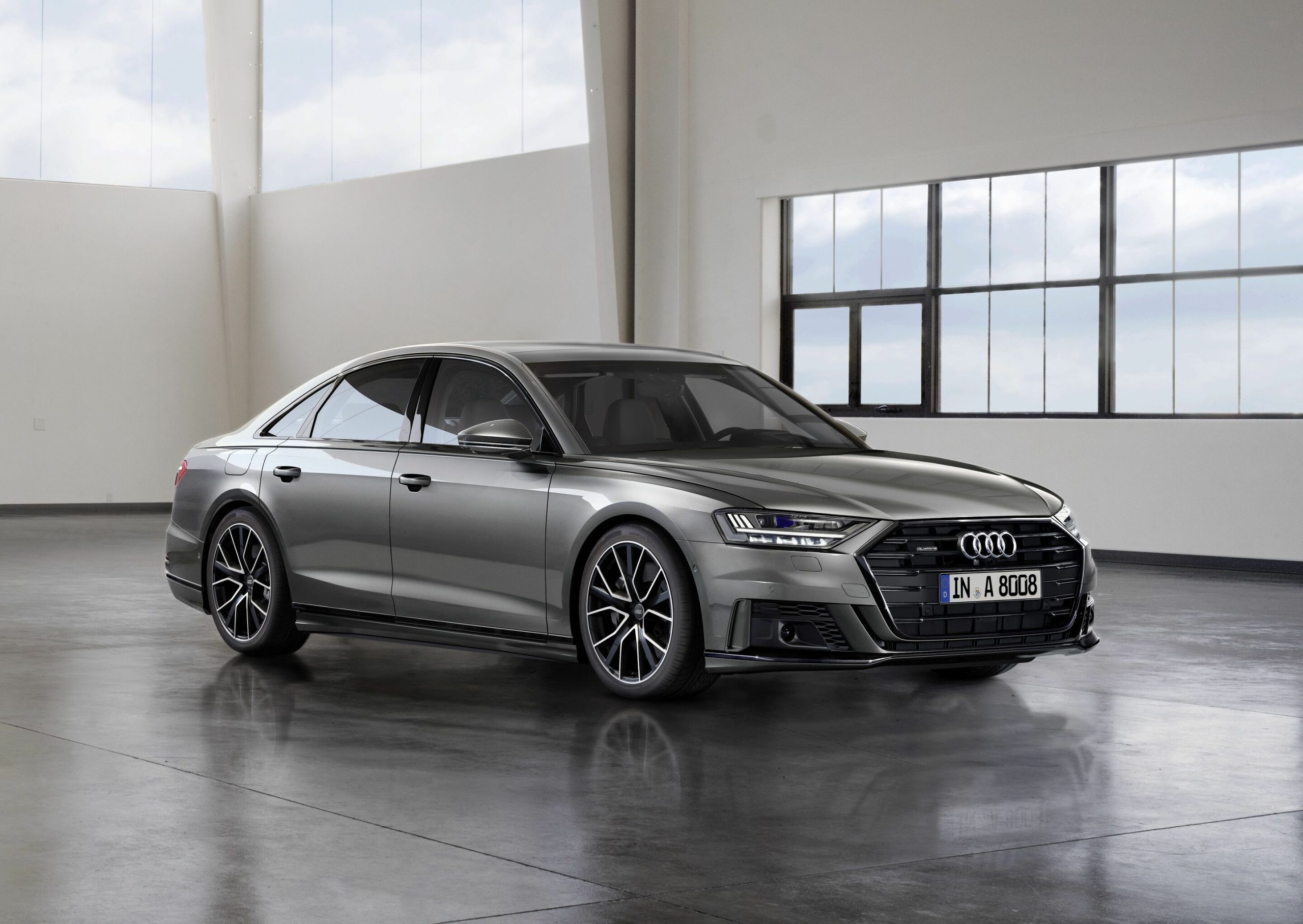
Parts pricing reflects Audi’s luxury positioning and complex engineering. Replacement components are extremely expensive, with items like alternators costing $1,000-1,500, water pumps $1,500-2,500, and turbochargers $4,000-6,000 each.
The sophisticated MMI infotainment system and various electronic control modules frequently require replacement at costs ranging from $1,500-$4,000 per component. Interior components, including seat mechanisms and climate control systems, are also extremely expensive to repair or replace, often costing $1,000-3,000 per incident.
Fuel economy is poor for the engine technology, typically 18-25 mpg with premium fuel required. Depreciation is severe, with the A8 losing 70-80% of its original value within six years. Insurance costs are high due to expensive replacement parts and sophisticated theft-deterrent systems that are expensive to repair.
Common issues include timing chain problems requiring engine removal ($6,000-10,000), electronic system malfunctions, air suspension failures, and carbon buildup issues.
The A8’s combination of complex systems, expensive parts, rapid depreciation, and frequent repairs results in ownership costs that regularly exceed $6,000-10,000 annually after warranty expiration, making it one of the most expensive luxury vehicles to maintain long-term.
5. Jaguar XF (2009-2015)
The Jaguar XF represents British luxury at its most financially punishing, combining elegant design with notoriously expensive ownership costs and questionable reliability.
While the XF offers distinctive styling and refined driving dynamics, it suffers from numerous engineering and quality control issues that make it extraordinarily expensive to maintain.
The range of engines, from the naturally aspirated V8 to the supercharged variants, is complex and prone to various failures, including timing chain issues, cooling system problems, and electronic malfunctions.
The sophisticated chassis systems and electronic components add layers of complexity that translate directly into expensive repair bills. Maintenance costs for the XF are among the highest in the luxury sedan segment. Basic oil changes require expensive synthetic oil and specialized filters, costing $250-400 at Jaguar dealerships.
The brake system uses high-performance components that wear quickly and cost $1,000-1,800 per axle to replace with genuine parts. Major scheduled maintenance is financially devastating, with services at 40,000, 80,000, and 120,000 miles often costing $3,500-5,500 each.
These services include timing chain tensioner replacement (a common preventive measure costing $2,000-3,500), transmission service, cooling system service, and various electronic system updates. The electronic parking brake system requires periodic calibration and component replacement at significant expense.
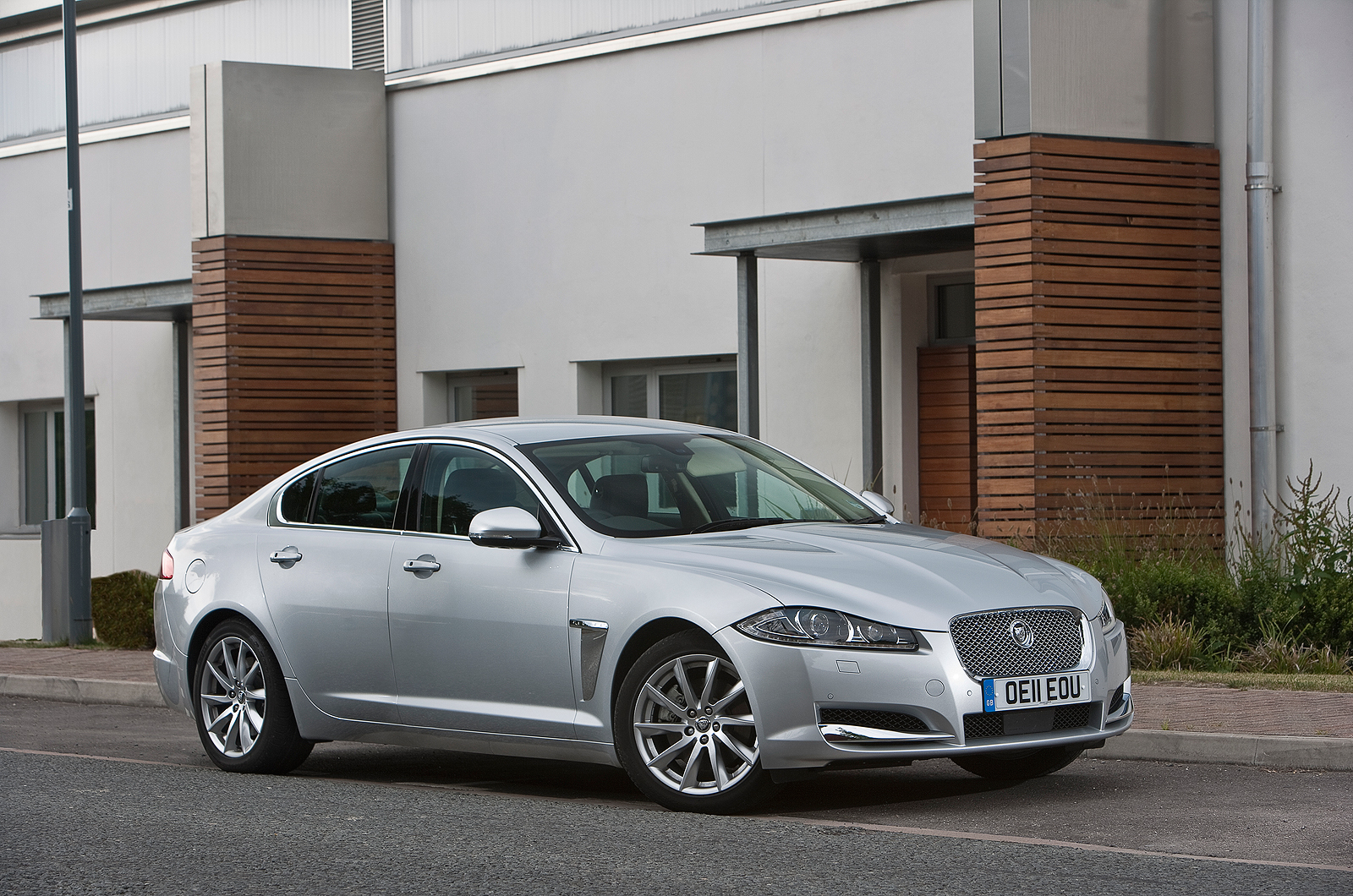
Parts availability is limited and extremely expensive due to Jaguar’s relatively small market share and complex vehicle design. Most components must be sourced from Jaguar dealerships, with limited aftermarket alternatives available.
A replacement supercharger can cost $4,000-7,000 installed, while less complex items like alternators or starters still cost $800-1,500 each. Electronic components are particularly expensive, with items like the touchscreen infotainment system costing $2,000-3,500 to replace and various control modules ranging from $800-2,500 each.
Interior components, including seat mechanisms and trim pieces, are also extremely costly to repair or replace. Fuel economy is mediocre at 16-25 mpg depending on engine choice, with premium fuel recommended for optimal performance.
Depreciation is severe, with the XF losing 70-75% of its original value within five years, making it a poor financial investment. Insurance costs are high due to expensive parts, limited repair facilities, and higher theft rates for luxury vehicles.
Common issues include timing chain stretch and tensioner failure, electronic system malfunctions, cooling system problems, transmission issues, and various interior component failures.
The XF’s combination of poor reliability, extremely expensive parts, limited service network, and rapid depreciation results in ownership costs that typically exceed $5,000-8,000 annually in maintenance and repairs alone after warranty expiration, making it one of the most expensive luxury sedans to own long-term and a cautionary tale for buyers prioritizing style over financial practicality.
Also Read: 5 Cars That Keep Their Value vs 5 That Become Worthless Fast
