

In the automotive world, reliability isn’t just a marketing buzzword it’s the difference between decades of worry-free driving and countless hours spent in service bays.
When consumers invest their hard-earned money in a vehicle, they expect more than just transportation; they want peace of mind. The stark reality is that not all vehicles are created equal, and this disparity becomes most apparent when examining engine reliability and the frequency of major mechanical work required over a vehicle’s lifetime.
Engine reliability has evolved dramatically over the past few decades, with some manufacturers establishing themselves as paragons of dependability while others continue to struggle with consistent quality control.
The vehicles that rarely see major engine work share several common characteristics: conservative engineering approaches, proven powertrains with minimal complexity, robust manufacturing processes, and comprehensive quality control systems.
Understanding these patterns isn’t just about avoiding costly repairs it’s about making strategic decisions that affect your financial well-being, daily convenience, and long-term satisfaction with your vehicle.
The vehicles we’ll examine represent the extremes of this spectrum, offering valuable insights into what makes an engine truly dependable versus what leads to frequent, expensive maintenance visits.
5 Vehicles That Rarely See Major Engine Work
These exceptionally engineered vehicles feature time-tested powertrains and conservative engineering approaches that maintain perfect operation through hundreds of thousands of demanding miles without major internal work.
Their thoughtful construction includes oversized bearings, robust timing chains, and premium gasket materials that resist the wear patterns typically created by extreme temperature cycling and aggressive driving conditions.
From cross-country towing that stresses cooling systems to stop-and-go city driving that challenges oil circulation, these remarkable engines continue operating like new without experiencing the bearing failures, head gasket leaks, or timing component wear that destroys lesser powerplants.
The combination of proven designs, premium materials, and conservative tuning creates powerplants that prove their worth through consistent performance and maintained compression readings even after decades of faithful service, requiring nothing beyond routine fluid changes and filter replacements.
1. Toyota RAV4 (2019-2025)
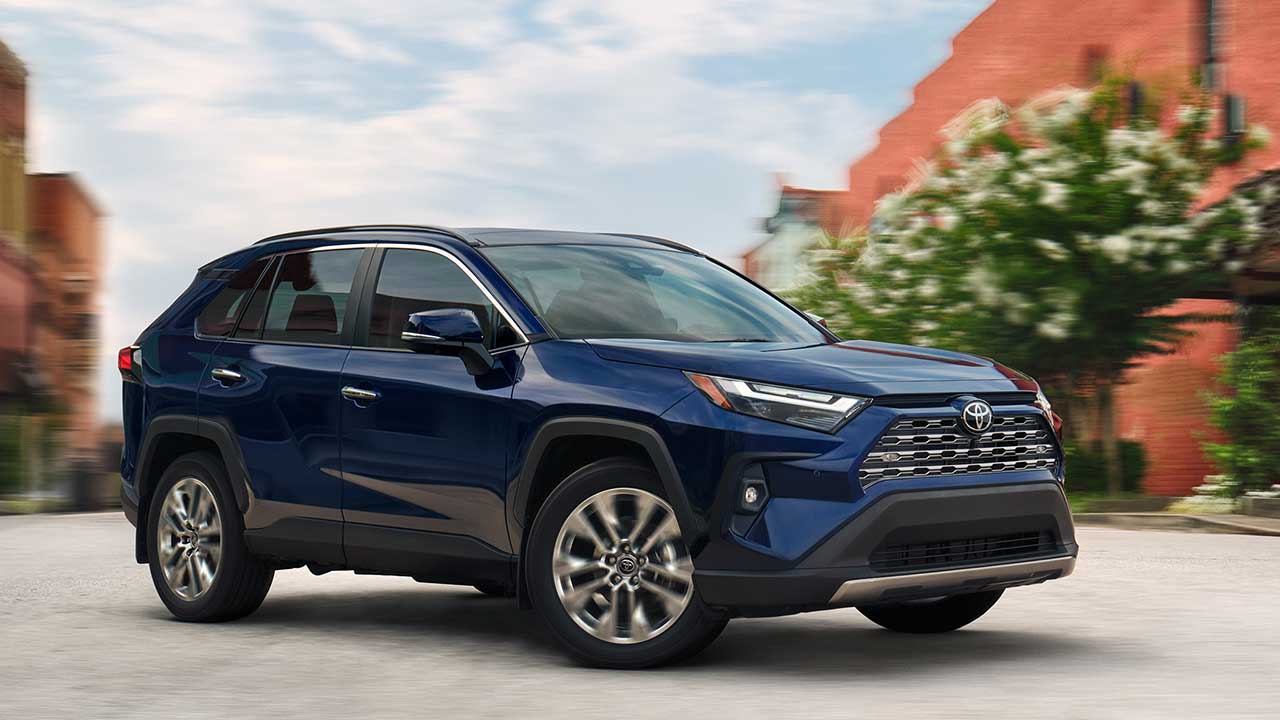
The Toyota RAV4 stands as a testament to the Japanese automaker’s unwavering commitment to reliability, consistently ranking among the most dependable vehicles across multiple consumer surveys.
Recent reliability studies show the Toyota RAV4 scoring 86 out of a possible 100, taking the top position for engine reliability. This exceptional score isn’t accidental it’s the result of Toyota’s meticulous engineering philosophy that prioritizes proven technology over cutting-edge innovation.
At the heart of the RAV4’s reliability lies its naturally aspirated 2.5-liter four-cylinder engine, a powerplant that represents decades of refinement. This Dynamic Force engine produces 203 horsepower while maintaining Toyota’s reputation for longevity through conservative tuning and robust internal components.
The engine features direct injection and variable valve timing, technologies that Toyota has thoroughly tested and perfected before implementation. Unlike many competitors who rush new technologies to market, Toyota’s approach ensures that every component has been extensively validated through real-world testing.
The manufacturing process for RAV4 engines exemplifies Toyota’s quality control standards. Each engine undergoes rigorous testing protocols, including cold testing, hot testing, and comprehensive leak checks before installation.
The company’s Production System emphasizes continuous improvement and error prevention, resulting in engines that consistently meet strict tolerances.
Quality control extends beyond the assembly line, with suppliers required to meet Toyota’s exacting standards for components like timing chains, oil pumps, and electronic control modules.
Toyota’s conservative engineering approach extends to maintenance intervals and component design. The RAV4’s engine uses a timing chain instead of a timing belt, eliminating the need for costly replacement every 60,000-100,000 miles.
The oil change intervals are set at a reasonable 10,000 miles, preventing the premature wear that can occur with extended maintenance schedules. The cooling system utilizes proven designs with robust water pumps and thermostats that rarely fail prematurely.
Real-world reliability data support the RAV4’s reputation for minimal major engine work. Owner surveys consistently report that RAV4s regularly exceed 200,000 miles with only routine maintenance.
Common maintenance items include spark plugs every 100,000 miles, air filters, and oil changes routine services that any competent technician can perform. Major engine failures are exceptionally rare, with most high-mileage RAV4s requiring nothing more than occasional sensor replacements or minor seal updates.
This reduces wear on engine components and contributes to the RAV4 Hybrid’s exceptional dependability record. The Toyota RAV4 Hybrid is among the most reliable models in Consumer Reports’ recent survey, confirming that hybrid technology, when properly executed, can enhance rather than compromise reliability.
2. Honda Civic (2016-2025)
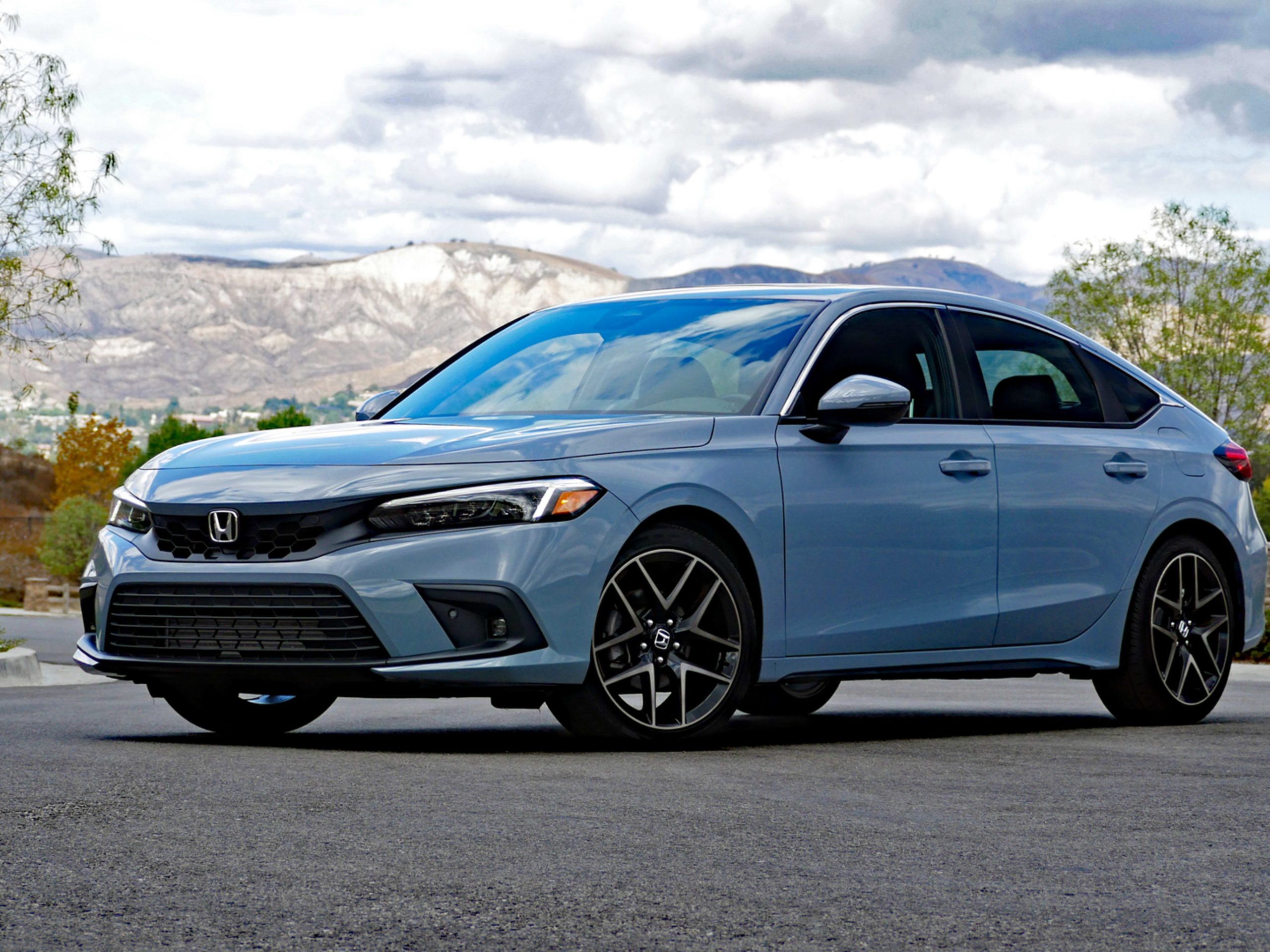
The Honda Civic has long been synonymous with reliability, and the latest generation continues this tradition with engineering excellence that prioritizes longevity and minimal maintenance requirements.
Honda’s approach to engine design emphasizes proven technologies, conservative tuning, and meticulous quality control that results in powerplants requiring minimal major work throughout their operational life.
The current Civic lineup features Honda’s Earth Dreams naturally aspirated 2.0-liter four-cylinder engine in base models, producing 158 horsepower through a design that prioritizes efficiency and durability over maximum power output.
This engine utilizes Honda’s i-VTEC variable valve timing system, a technology that has been refined over decades to provide optimal performance across the RPM range while maintaining exceptional reliability.
The direct injection system operates at moderate pressures compared to some competitors, reducing stress on fuel system components and minimizing carbon buildup issues that plague other engines.
Honda’s manufacturing process for Civic engines reflects the company’s commitment to precision and quality. Each engine assembly follows Honda’s Global Manufacturing System, which emphasizes standardized procedures, continuous monitoring, and zero-defect goals.
The company’s quality control protocols include comprehensive testing of every engine, from initial component verification to final performance validation. This systematic approach ensures that engines leaving Honda’s facilities meet strict specifications for compression, leak-down, and operational parameters.
The engineering philosophy behind Civic engines emphasizes simplicity and proven technology over complexity. The naturally aspirated engines avoid the potential complications associated with turbocharging, such as heat management issues, oil coking, and turbocharger failure.
The timing chain design eliminates the need for timing belt replacement, while the robust valve train operates with minimal wear even under high-mileage conditions. Honda’s conservative approach to compression ratios and operating temperatures contributes significantly to the engine’s longevity.
Maintenance requirements for Civic engines are minimal and straightforward. The recommended oil change interval of 7,500 miles under normal conditions provides adequate protection while avoiding the extended intervals that can contribute to premature wear in some engines.
The spark plugs are designed to last 100,000 miles, while the air and fuel filters require replacement at reasonable intervals. Major components like the water pump, alternator, and air conditioning compressor are designed for extended service life, with failures being relatively uncommon even in high-mileage vehicles.
Long-term reliability data for Honda Civic engines demonstrates exceptional durability. Owner reports consistently show Civics reaching 200,000-300,000 miles with minimal major engine work beyond routine maintenance.
Engine rebuilds or replacements are exceptionally rare, with most high-mileage Civics continuing to operate on their original engines with nothing more than routine maintenance and occasional minor repairs.
3. Mazda CX-5 (2017-2025)
The Mazda CX-5 represents Mazda’s SKYACTIV philosophy of engineering excellence, featuring engines designed for exceptional reliability through innovative yet proven technologies.
Mazda’s approach to engine design emphasizes efficiency, durability, and minimal complexity, resulting in powerplants that require remarkably little major work throughout their service life.
The CX-5’s success in reliability surveys reflects Mazda’s commitment to quality and its conservative approach to implementing new technologies.
The heart of the CX-5’s reliability lies in its SKYACTIV-G naturally aspirated engines, available in 2.0-liter and 2.5-liter configurations. These engines achieve impressive efficiency through high compression ratios, optimized combustion chamber designs, and precise fuel injection timing.
Unlike many competitors who rely on turbocharging to achieve power targets, Mazda’s naturally aspirated approach eliminates the potential complications associated with forced induction, such as heat management challenges, oil system stress, and turbocharger component failures.
Mazda’s engineering philosophy for SKYACTIV engines emphasizes fundamental improvements in combustion efficiency rather than adding complexity through additional systems.
The engines feature lightweight aluminum construction with robust bearing surfaces and precisely machined tolerances. The intake and exhaust systems are optimized for maximum flow efficiency, reducing pumping losses and internal stress. This approach results in engines that operate smoothly and efficiently while generating minimal internal wear.

The manufacturing process for CX-5 engines reflects Mazda’s attention to detail and quality control. Each engine undergoes comprehensive testing protocols, including precision measurement of critical dimensions, compression testing, and leak-down verification.
Mazda’s quality control systems emphasize prevention rather than detection, with processes designed to eliminate defects before they occur. The company’s supplier relationships ensure that components meet strict quality standards, from engine internals to electronic control systems.
Maintenance requirements for CX-5 engines are minimal and straightforward. The recommended oil change interval of 7,500 miles provides adequate protection for the SKYACTIV engines, while the naturally aspirated design eliminates concerns about oil coking or turbocharger lubrication issues.
The timing chain design eliminates timing belt replacement requirements, and the robust valve train operates with minimal wear even under demanding conditions. Spark plugs are designed for 75,000-mile intervals, while other maintenance items follow reasonable schedules that don’t impose excessive costs on owners.
The engines exhibit excellent oil consumption characteristics, maintaining proper lubrication even in high-mileage vehicles. Component failures are rare, with most CX-5s experiencing only minor issues like sensor replacements or routine gasket updates throughout their service life.
4. Subaru Outback (2020-2025)
Subaru has surprised many by topping reliability rankings for 2024, usually a position held by Toyota or Lexus, with the Outback representing the brand’s commitment to durable, long-lasting engines.
Subaru’s horizontally opposed boxer engine design has been refined over decades, resulting in a powerplant that requires minimal major work while providing excellent longevity and dependability.
The current Outback features Subaru’s 2.5-liter naturally aspirated boxer engine, producing 182 horsepower through a design that prioritizes smooth operation and durability.
The horizontally opposed configuration provides inherent balance and reduced vibration, contributing to reduced internal stress and wear. This engine design has been continuously refined since its introduction, with improvements focused on reliability, efficiency, and emissions rather than maximum power output. The conservative tuning ensures that internal components operate well within their design limits, contributing to exceptional longevity.

Subaru’s approach to engine manufacturing emphasizes precision and quality control throughout the assembly process. Each boxer engine is assembled with meticulous attention to bearing clearances, ring gaps, and assembly torques.
The company’s quality control protocols include comprehensive testing of every engine, from initial component verification to final performance validation. Subaru’s vertical integration allows for tight control over critical components, ensuring that engine internals meet strict quality standards.
Long-term reliability data for Outback engines demonstrates exceptional durability and minimal major work requirements. Owner surveys consistently report trouble-free operation well beyond 200,000 miles, with most maintenance consisting of routine services.
The engines maintain excellent compression and oil consumption characteristics even in high-mileage vehicles. Major component failures are rare, with most Outbacks experiencing only routine maintenance and occasional minor repairs throughout their extended service life.
The combination of conservative engineering, quality manufacturing, and proper maintenance schedules results in engines that rarely require major work.
Also Read: 10 Smart Fixes That Keep a GMC Sierra Pro Long-Lasting
5. Lexus ES (2019-2025)
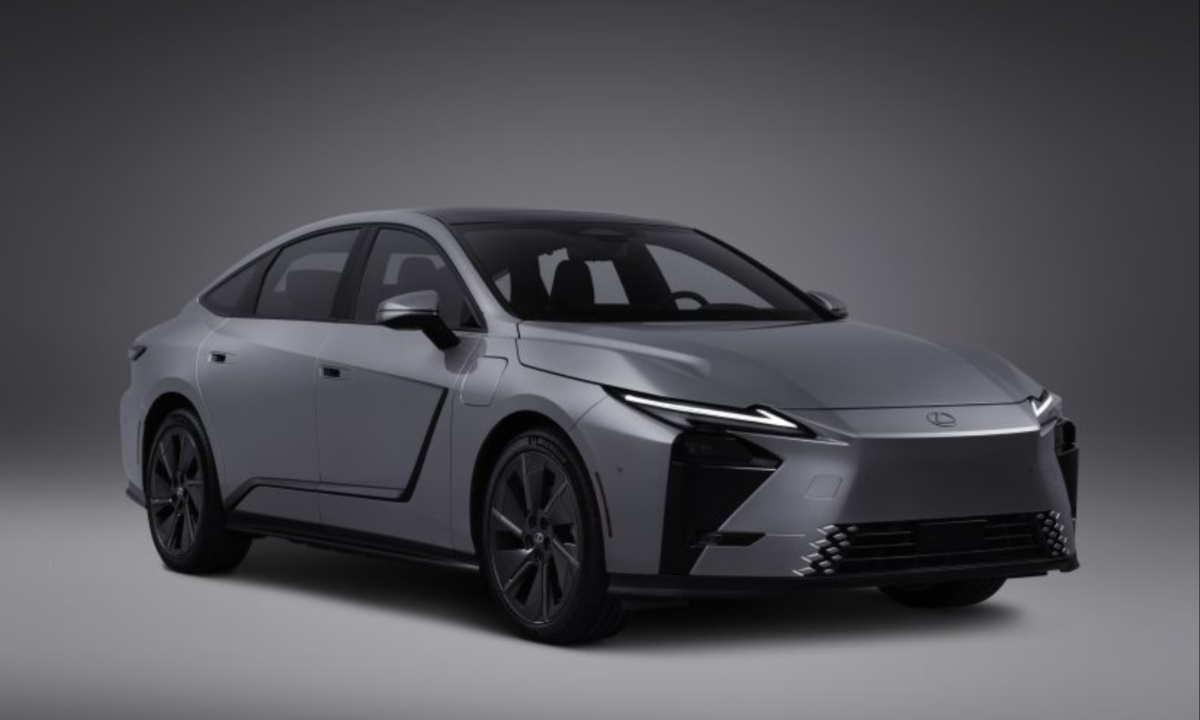
The Lexus ES represents the pinnacle of Toyota’s reliability engineering, combining luxury appointments with an engine designed for decades of trouble-free operation.
As Toyota’s premium brand, Lexus emphasizes not only refinement and performance but also exceptional long-term dependability. The ES demonstrates that luxury and reliability are not mutually exclusive, featuring powertrains that require minimal major work while delivering smooth, refined performance.
The current ES lineup features Toyota’s proven 2.5-liter four-cylinder engine in naturally aspirated and hybrid configurations. This powerplant represents decades of refinement in Toyota’s engine development, with conservative engineering approaches that prioritize longevity over maximum power output.
The engine produces 203 horsepower in naturally aspirated form while maintaining Toyota’s reputation for exceptional reliability. The direct injection system operates at moderate pressures compared to some competitors, reducing stress on fuel system components and minimizing potential complications.
Lexus manufacturing standards exceed even Toyota’s stringent requirements, with additional quality control measures and testing protocols. Each ES engine undergoes comprehensive inspection and testing procedures, including precision measurement of critical tolerances, leak-down testing, and performance validation.
The assembly process emphasizes precision and attention to detail, with skilled technicians following procedures designed to eliminate defects and ensure optimal performance. Lexus quality control extends to supplier requirements, ensuring that every component meets exceptional standards.
Real-world reliability data for ES engines confirms their exceptional dependability. Owner surveys consistently report trouble-free operation well beyond 200,000 miles, with most maintenance consisting of routine services rather than major repairs.
The engines exhibit excellent oil consumption characteristics and maintain proper compression even in high-mileage vehicles. Component failures are exceptionally rare, with most ES vehicles experiencing only routine maintenance and occasional minor sensor replacements throughout their extended service life.
5 Vehicles That Constantly Do Major Engine Work
These catastrophically unreliable vehicles suffer from fundamental engineering compromises, including aggressive tuning parameters and inadequate component strength, which create perfect conditions for premature major engine failure under normal operating conditions.
Their cost-cutting construction shows in undersized bearings that fail from normal load cycling, weak timing chains that stretch prematurely, and inadequate head gasket designs that allow combustion pressure to breach cooling passages.
Poor oiling system design creates lubrication starvation during cornering or acceleration, while insufficient cooling capacity allows critical components to operate beyond their thermal limits during normal driving.
These powerplants represent the unfortunate consequences of prioritizing peak power output over durability, creating engines that deliver impressive dyno numbers but leave owners facing rebuild costs that exceed the vehicle’s remaining value, often multiple times throughout ownership.
1. Range Rover (2017-2025)
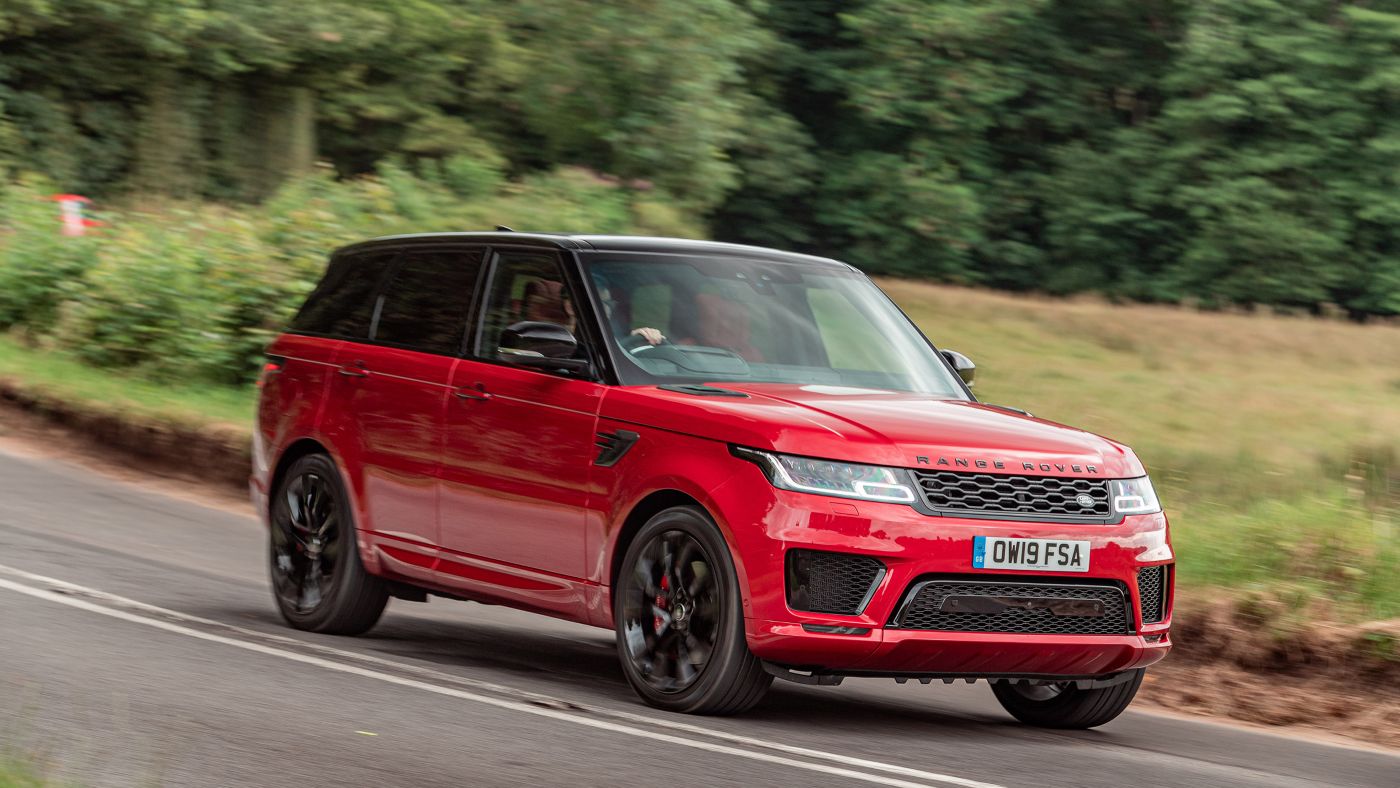
The Range Rover, while representing the pinnacle of luxury SUV design and capability, has unfortunately earned a reputation for requiring frequent major engine work that can cost owners thousands of dollars annually.
Land Rover appears among the least reliable car brands, with frequent breakdowns and excessive recalls affecting consumer confidence. The complexity of Range Rover’s engine systems, combined with aggressive performance tuning and questionable long-term reliability, creates a perfect storm for expensive maintenance requirements.
Range Rover’s engine lineup features sophisticated powerplants, including supercharged V6 and V8 engines, along with turbocharged four-cylinder and mild-hybrid systems. While these engines deliver impressive performance and refinement, they incorporate numerous complex systems that create multiple points of failure.
The supercharged engines suffer from heat management issues, with supercharger components requiring frequent replacement due to extreme operating conditions. The intercooling systems are prone to failure, leading to reduced performance and potential engine damage if not addressed promptly.
One of the most significant issues plaguing Range Rover engines is timing chain stretch and failure. The sophisticated variable valve timing systems place additional stress on timing chains, leading to premature wear and catastrophic failure if not addressed.
Timing chain replacement on Range Rover engines is an expensive proposition, often requiring extensive disassembly and specialized tools. The aluminum engine construction, although lightweight, is susceptible to thread damage and warping, which complicates repairs and increases costs.
The frequency of major engine work required by Range Rovers is compounded by the vehicle’s complexity and the manufacturer’s approach to performance over reliability.
The combination of sophisticated technology, aggressive tuning, and questionable long-term durability makes Range Rover ownership a costly proposition that extends far beyond the initial purchase price.
2. BMW X3 (2018-2025)
The BMW X3, while offering impressive performance and luxury appointments, has developed a concerning reputation for requiring frequent major engine work that can devastate owner budgets.
BMW’s pursuit of performance and efficiency through complex engineering solutions has resulted in engines that, while technically impressive, suffer from numerous reliability issues that manifest as expensive repairs throughout the vehicle’s life cycle.
The current X3 lineup features BMW’s turbocharged four-cylinder and six-cylinder engines, both of which incorporate sophisticated technologies that create multiple potential failure points.
The 2.0-liter turbocharged four-cylinder engine suffers from timing chain stretch issues, a problem that has plagued BMW engines for over a decade.
The timing chain system requires precise tensioning and lubrication to function properly, but BMW’s extended oil change intervals and aggressive tuning contribute to premature wear and failure. When timing chains fail, the repair costs can exceed $8,000, representing a significant financial burden for owners.

Carbon buildup represents another major issue affecting BMW X3 engines. The direct injection system, while providing excellent performance and efficiency, allows carbon deposits to accumulate on intake valves without the cleaning action of port injection.
This buildup restricts airflow, reduces performance, and can lead to engine damage if not addressed. Professional carbon cleaning services cost $1,500-$3,000, and the problem recurs every 40,000-60,000 miles, creating ongoing maintenance expenses that many owners don’t anticipate.
Water pump failures represent another common and expensive issue with BMW X3 engines. The electric water pumps used in these engines are prone to premature failure, often occurring before 80,000 miles.
Water pump failure can lead to catastrophic engine damage if not detected and repaired immediately. The replacement cost for water pumps, including associated cooling system components, typically ranges from $2,000 to $4,000, representing another significant unexpected expense for owners.
3. Audi Q5 (2018-2025)
The Audi Q5, despite its reputation for German engineering excellence, has developed a troubling pattern of requiring frequent major engine work that can cost owners thousands of dollars in unexpected repairs.
Audi’s complex engineering approach, while delivering impressive performance and refinement, has created engines with numerous failure points that manifest as expensive problems throughout the vehicle’s ownership cycle.
The Q5’s turbocharged engine lineup features sophisticated 2.0-liter four-cylinder and 3.0-liter V6 powerplants that incorporate numerous complex systems.
The 2.0-liter TFSI engine suffers from timing chain stretch issues similar to other German manufacturers, with the problem often manifesting between 80,000 and 120,000 miles.
The timing chain replacement requires extensive engine disassembly and specialized tools, with repair costs typically ranging from $6,000 to $10,000. The complexity of Audi’s engine design makes this repair particularly challenging and expensive.
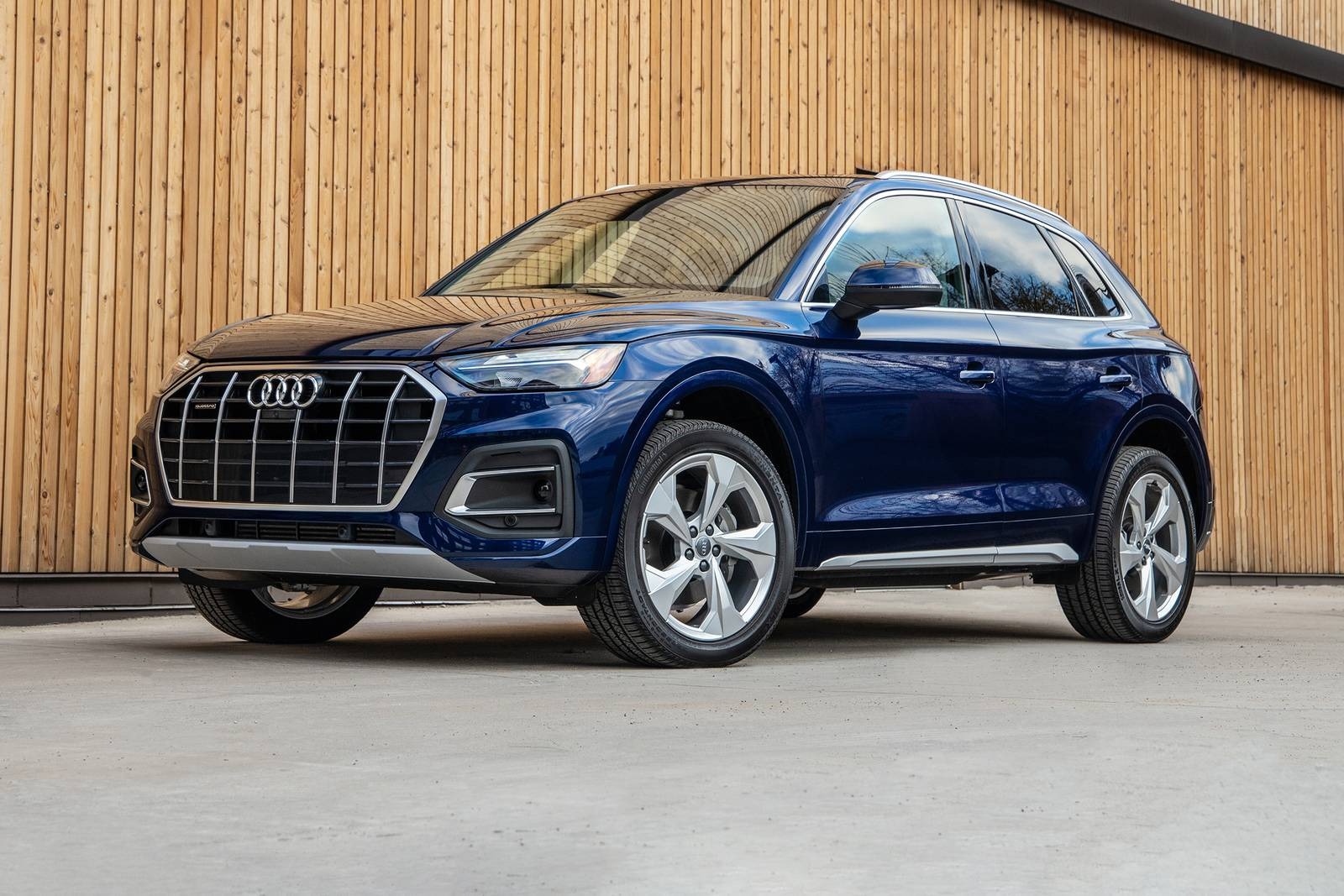
Carbon buildup represents a significant ongoing issue with Q5 engines equipped with direct injection systems. The absence of fuel washing over intake valves allows carbon deposits to accumulate rapidly, restricting airflow and reducing performance.
Professional carbon cleaning services are required every 40,000-60,000 miles, costing $1,500-$3,000 per service. Some Q5 engines suffer from such severe carbon buildup that intake manifold removal and valve replacement become necessary, dramatically increasing repair costs.
The electronic control systems in Q5 engines add another layer of complexity and potential failure points. Multiple control modules, sensors, and actuators must function perfectly to maintain optimal engine operation.
When these systems fail, diagnosis can be challenging and expensive, often requiring multiple diagnostic sessions and component replacements. The proprietary diagnostic requirements mean that repairs must often be performed at authorized dealerships or specialized Audi shops, further increasing costs and limiting repair options for owners.
4. Jaguar F-PACE (2017-2025)
The Jaguar F-PACE, while offering stunning design and impressive performance, has unfortunately earned a reputation as one of the least reliable luxury SUVs, requiring frequent major engine work.
Jaguar’s complex engineering approach and questionable quality control have resulted in engines that suffer from numerous reliability issues, creating significant financial burdens for owners and contributing to the brand’s poor reliability reputation.
The F-PACE engine lineup features sophisticated turbocharged powerplants, including four-cylinder, V6, and V8 configurations that incorporate numerous complex systems prone to failure.
The 2.0-liter turbocharged four-cylinder Ingenium engine suffers from timing chain issues, with premature stretch and failure occurring well before expected intervals.
The timing chain replacement requires extensive engine disassembly and often necessitates additional component replacement due to interference damage. Repair costs typically range from $8,000 to $12,000, representing a devastating expense for many owners.
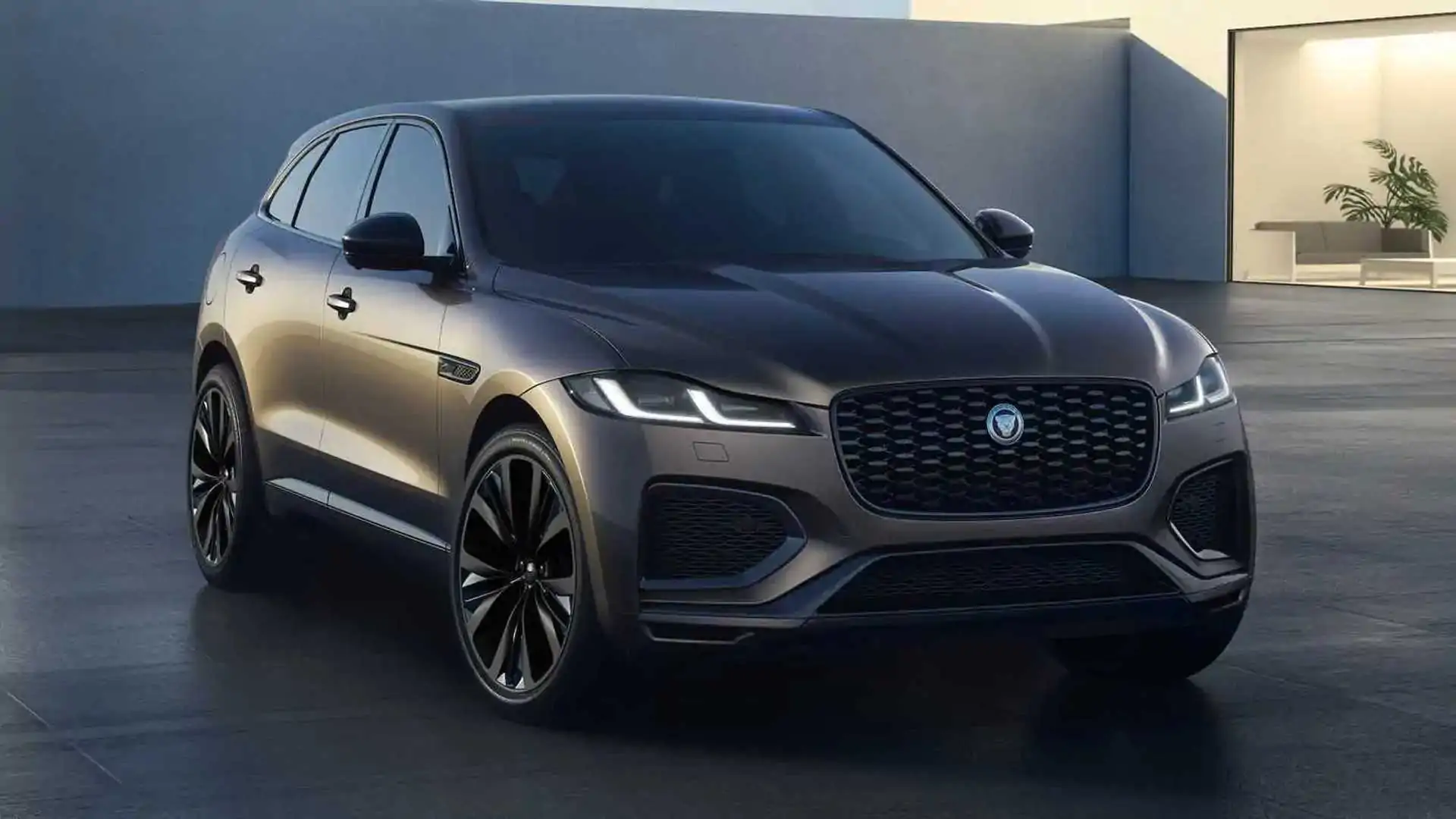
Oil consumption represents another significant issue plaguing F-PACE engines. Many owners report excessive oil consumption requiring frequent top-offs between service intervals.
This consumption can lead to oil starvation and catastrophic engine damage if not monitored closely. The root causes include faulty piston rings, valve guides, and turbocharger seals, all of which require major engine work to correct.
Engine rebuilds or replacements due to oil consumption issues can cost $15,000-$25,000, often exceeding the vehicle’s value. Electronic control system failures plague F-PACE engines with frustrating frequency
Multiple sensors, actuators, and control modules fail regularly, creating intermittent problems that are difficult and expensive to diagnose. The integration of engine management with other vehicle systems means that failures can affect multiple systems simultaneously. Diagnostic sessions and component replacements can cost thousands of dollars, often without definitively resolving all issues.
5. Alfa Romeo Stelvio (2018-2025)
Alfa Romeo struggles significantly with reliability, with owners reporting recurring issues with electronics, engine components, and drivetrain malfunctions, and 33% of Alfa Romeo cars suffer from glitches that are often slow and costly to repair.
The Stelvio, while offering exceptional driving dynamics and Italian flair, represents one of the most problematic vehicles in terms of engine reliability and major repair requirements.
The Stelvio’s turbocharged engine lineup features sophisticated 2.0-liter four-cylinder and high-performance V6 powerplants that suffer from numerous reliability issues.
The base 2.0-liter turbocharged engine experiences frequent timing chain problems, with stretch and failure occurring well before expected intervals.
The timing system’s complexity, combined with questionable manufacturing quality, leads to catastrophic failures that require complete engine rebuilds. Repair costs for timing chain failures typically range from $8,000 to $15,000, often exceeding the vehicle’s depreciated value.

Oil system failures represent another significant issue plaguing Stelvio engines. The complex oil routing systems required for turbocharger lubrication are prone to blockages and component failures.
Oil pumps fail prematurely, leading to oil pressure loss and catastrophic engine damage. The high-performance nature of Alfa Romeo’s engines means that oil system failures often result in complete engine replacement rather than repair. Engine replacement costs can exceed $20,000, representing a devastating financial burden for owners.
The turbocharging systems in Stelvio engines operate under extreme conditions and suffer from frequent failures. Oil coking, bearing failures, and wastegate malfunctions occur regularly, requiring complete turbocharger replacement.
The complexity of Alfa Romeo’s turbocharger systems means that failures often cause damage to other engine components, increasing repair costs dramatically.
Owner surveys consistently report multiple major engine repairs within the first 100,000 miles, with repair costs often exceeding the vehicle’s value. The combination of complex engineering, questionable quality control, and limited service network availability makes Stelvio ownership a costly and frustrating experience for many buyers.
Also Read: 8 Habits That Ruin a Jeep Liberty Renegade Too Soon
