
The relationship between a pickup truck’s frame and its bed is a complex dance of engineering, materials science, and time. While most people focus on engine reliability and transmission durability when shopping for a truck, the real test of longevity often comes down to how well the chassis holds up against the relentless assault of corrosion.
Some trucks are built with frames so robust that they’ll outlast multiple bed replacements, while others succumb to rust so quickly that owners find themselves dealing with structural failures long before the drivetrain shows its age.
The modern pickup truck market presents fascinating contrasts in longevity philosophy. Traditional body-on-frame construction means that beds and chassis age independently, creating scenarios where a perfectly functional powertrain sits atop a deteriorating foundation, or conversely, where a solid frame supports a bed that’s been eaten away by rust.
Understanding these dynamics isn’t just academic; it directly impacts resale value, safety, and long-term ownership costs. Recent developments in materials science have revolutionized truck construction, with aluminum bodies becoming increasingly common and advanced coating technologies promising better corrosion resistance.
However, real-world performance often tells a different story than the manufacturer promises. Salt-belt states reveal the harsh truth about which trucks truly stand the test of time, while southern climates expose different vulnerabilities related to humidity and environmental factors.
The distinction between trucks that outlive their beds versus those that rust out frame-first has become more pronounced as manufacturers have taken different approaches to corrosion protection.
Some prioritize frame durability with heavy-duty coatings and galvanized steel, while others focus on bed longevity through aluminum construction or advanced polymer treatments.
These choices create distinct ownership experiences and maintenance requirements that savvy truck buyers need to understand before making their investment.
This comprehensive analysis examines ten pickup trucks that represent the extremes of this longevity spectrum, providing insights that could save thousands in premature replacement costs and help buyers make informed decisions based on their specific needs and regional conditions.
5 Pickups That Outlive Their Beds
These exceptionally engineered pickup trucks feature advanced corrosion-resistant construction and premium protective systems that maintain structural integrity through decades of punishing work conditions, while their mechanical components require multiple rebuilds.
Their thoughtful construction includes hot-dip galvanized steel, multi-stage protective coatings, and superior drainage design that resists the rust patterns typically created by road salt, standing water, and corrosive cargo exposure.
From hauling fertilizer and concrete that destroys lesser beds to enduring decades of winter driving where salt spray penetrates every surface, these remarkable cargo areas continue looking pristine while engines, transmissions, and suspension components reach their service limits multiple times.
The combination of premium materials, advanced protection technology, and superior engineering creates cargo areas that prove their worth by outlasting every other vehicle component.
1. Ford F-150 (2015-Present)
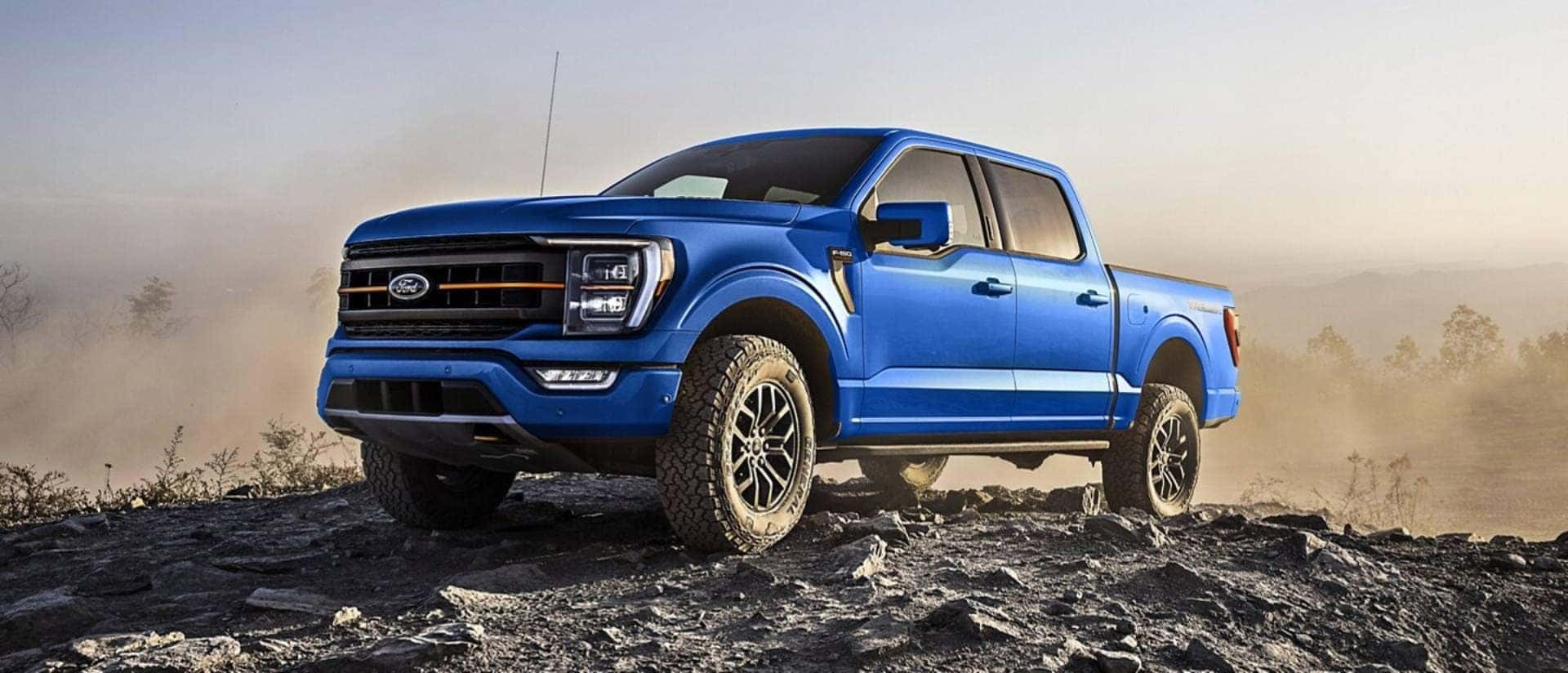
The modern Ford F-150 represents a fascinating case study in selective durability, where the aluminum body revolution created trucks with frames that significantly outlast their beds in many real-world scenarios.
Ford’s decision to switch to an aluminum-alloy body while maintaining a high-strength steel frame has created an interesting longevity dynamic that defies conventional wisdom about truck construction.
The F-150’s hydroformed steel frame, introduced in 2015 alongside the aluminum body, benefits from advanced coating technologies and improved drainage design that helps resist corrosion in critical structural areas.
Ford’s use of military-grade aluminum for the body panels means that while the bed doesn’t rust in the traditional sense, it’s more susceptible to damage from impacts, chemical exposure, and galvanic corrosion where dissimilar metals meet.
The frame, meanwhile, continues Ford’s tradition of robust construction with improved corrosion protection that often sees these trucks reaching 200,000+ miles with minimal structural deterioration.
Regional variations play a significant role in F-150 longevity patterns. In salt-belt states, owners report that while the aluminum body shows excellent corrosion resistance, the steel frame components require more maintenance attention than previous generations.
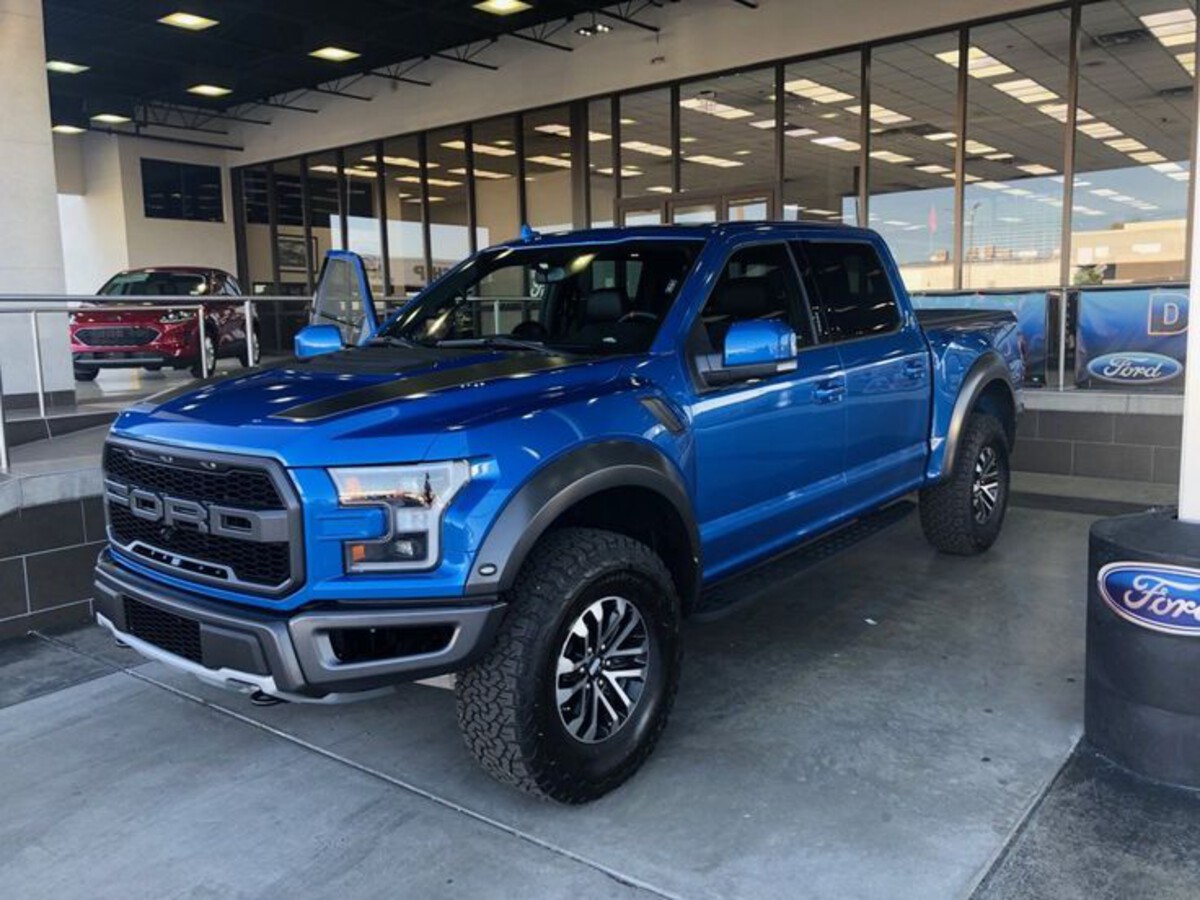
However, the structural integrity remains superior to many competitors, with the frame typically outlasting bed replacement needs by substantial margins.
The aluminum bed, while corrosion-resistant, can develop issues with mounting points and hardware that require replacement before the frame shows serious wear.
The electrical systems integration between the aluminum body and steel frame has created some unique aging characteristics. While the structural elements remain sound, the interface points where different materials meet can develop issues that affect functionality without compromising load-bearing capacity.
Professional fleet operators have noted that F-150s often require bed-related repairs or replacements around the 150,000-mile mark, while the frame remains viable for significantly higher mileage applications.
Ford’s investment in frame durability pays dividends in the used truck market, where high-mileage F-150s with original frames but replacement beds command premium prices.
This durability advantage has made the F-150 a preferred choice for commercial operators who prioritize long-term structural integrity over initial bed longevity, understanding that bed replacement is more economical than frame repair or replacement.
2. Toyota Tundra (2007-2021)
The second-generation Toyota Tundra established itself as a benchmark for frame longevity, particularly after Toyota learned hard lessons from earlier frame corrosion issues that led to massive recalls and buyback programs.
The Tundra’s robust frame construction, combined with improved corrosion protection processes, created trucks where the chassis consistently outlasts bed components by significant margins.
Toyota’s approach to frame construction in the Tundra emphasized thick-wall steel tubing with comprehensive corrosion protection that includes both internal and external coating systems.
This attention to frame durability means that Tundras regularly reach 300,000+ miles with minimal structural concerns, while bed components often require attention or replacement due to normal wear and corrosion at much lower mileages.
The frame’s exceptional strength also means it maintains its load-carrying capacity even as surface corrosion develops, providing continued utility long after bed replacement becomes necessary.
The Tundra’s bed construction, while robust, uses traditional steel with standard corrosion protection that proves adequate for most applications but doesn’t match the extraordinary longevity of the frame.
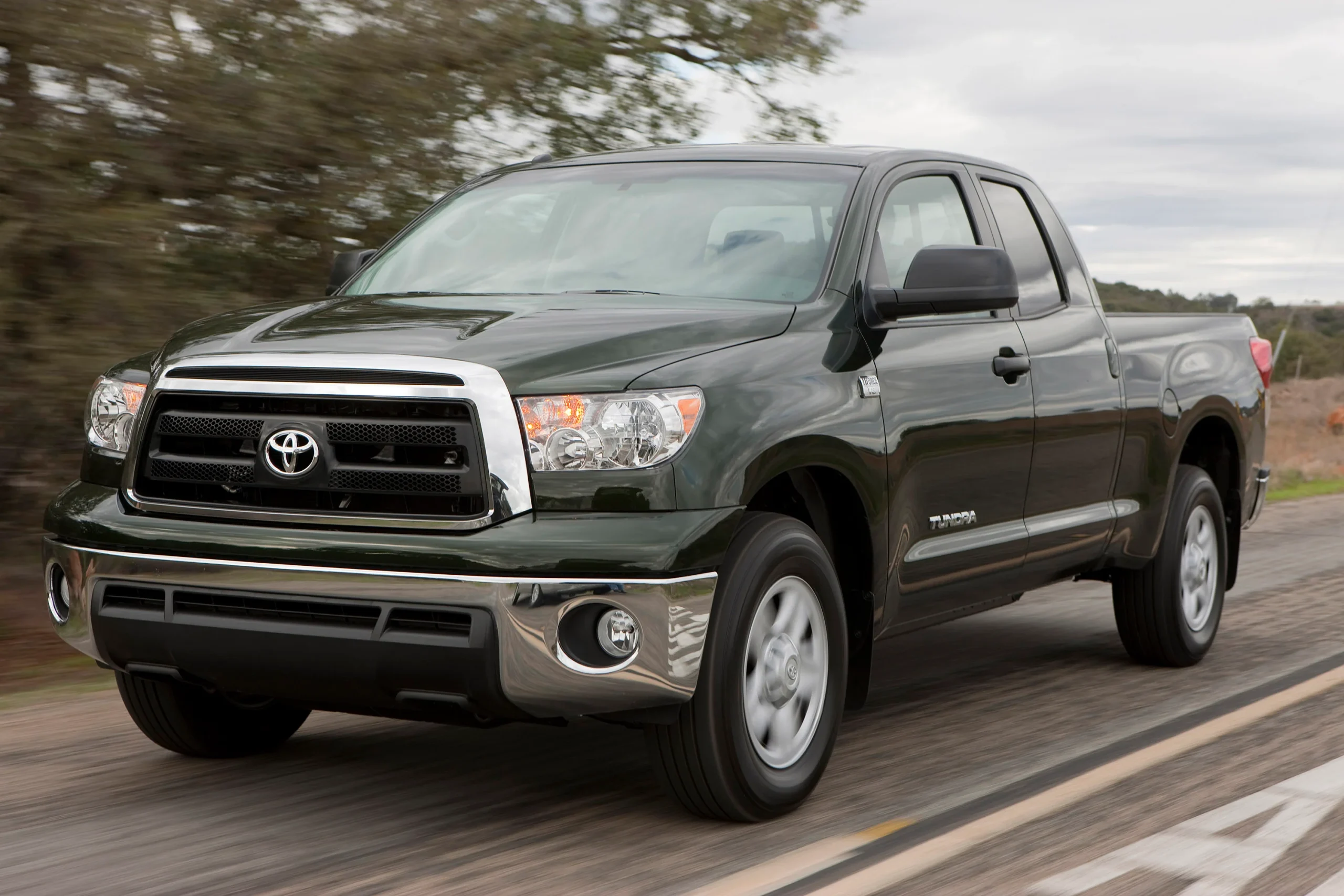
Owners in harsh environments often report that bed floor replacement becomes necessary around 120,000-150,000 miles, while the frame shows minimal structural deterioration.
This disparity has created a robust aftermarket for Tundra bed components and has made frame-off restoration projects particularly attractive for high-mileage examples.
Professional contractors and fleet operators have embraced the Tundra specifically because of this durability hierarchy. The knowledge that the frame will outlast multiple bed replacements makes the truck an excellent long-term investment, particularly for businesses that prioritize structural integrity over initial acquisition cost.
The Tundra’s frame design also facilitates relatively easy bed replacement, making maintenance cost-effective compared to trucks where frame and bed aging occur simultaneously.
The Tundra’s reputation for frame longevity has created a unique position in the used truck market, where high-mileage examples with documented maintenance histories command premium prices.
This market recognition reflects real-world performance that validates Toyota’s engineering priorities and makes the Tundra an excellent choice for buyers who plan extended ownership periods and understand the value of exceptional structural durability.
3. Chevrolet Silverado HD (2011-2019)
The Chevrolet Silverado HD series from this generation represents heavy-duty truck engineering at its finest, with frame construction designed to handle extreme loads and extended service life that consistently outlasts bed components.
General Motors invested heavily in frame technology for these trucks, creating structures that maintain their integrity and load-carrying capacity far beyond the service life of standard bed materials and components.
The Silverado HD’s fully boxed frame construction utilizes high-strength steel with enhanced corrosion protection specifically formulated for commercial and industrial applications.
This robust foundation means that even in harsh operating environments, the frame maintains structural integrity while bed components experience normal wear and corrosion patterns.
Fleet operators consistently report that these trucks require bed refurbishment or replacement around 180,000 miles, while the frame remains capable of continued heavy-duty service for hundreds of thousands of additional miles.
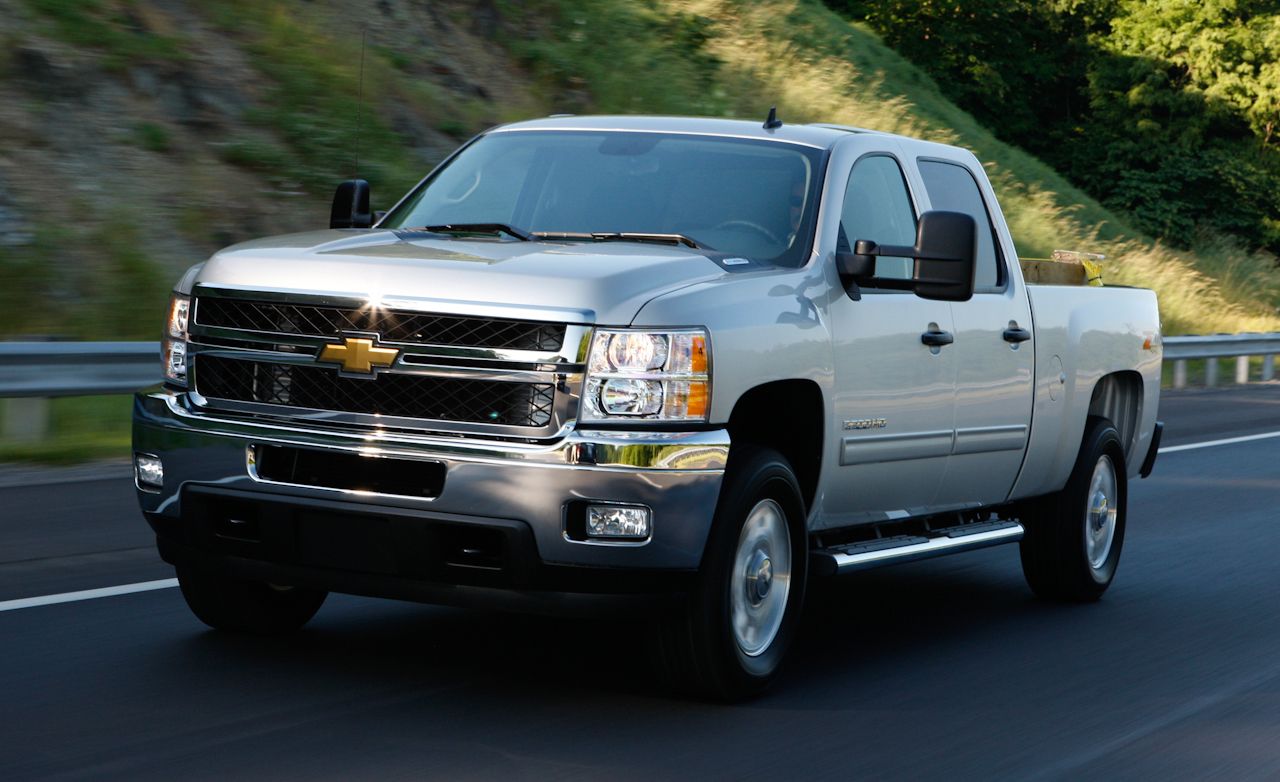
GM’s attention to drainage and corrosion protection in critical frame areas has paid dividends in real-world durability. The Silverado HD’s frame design includes strategic drain holes and corrosion barriers that prevent moisture accumulation in vulnerable areas, while the bed construction follows more conventional approaches that, while adequate, don’t match the extraordinary protection provided to structural elements.
This engineering priority reflects GM’s understanding that frame replacement represents a total loss while bed replacement remains economically viable.
The modular approach to Silverado HD construction facilitates cost-effective maintenance strategies where bed replacement or refurbishment can extend truck life significantly without major structural investment.
Professional operators in construction, agriculture, and industrial applications have developed standardized maintenance schedules that plan for bed replacement as routine maintenance while expecting the frame to provide decades of service.
This approach has made the Silverado HD particularly popular in fleet applications where total cost of ownership calculations favor frame longevity over initial bed durability.
Market recognition of Silverado HD frame quality has created strong resale values for high-mileage examples, particularly those with maintenance documentation showing proper care of structural components.
This market premium reflects widespread industry understanding that a well-maintained Silverado HD frame represents the foundation for extended service life that justifies significant investment in bed replacement and refurbishment when necessary.
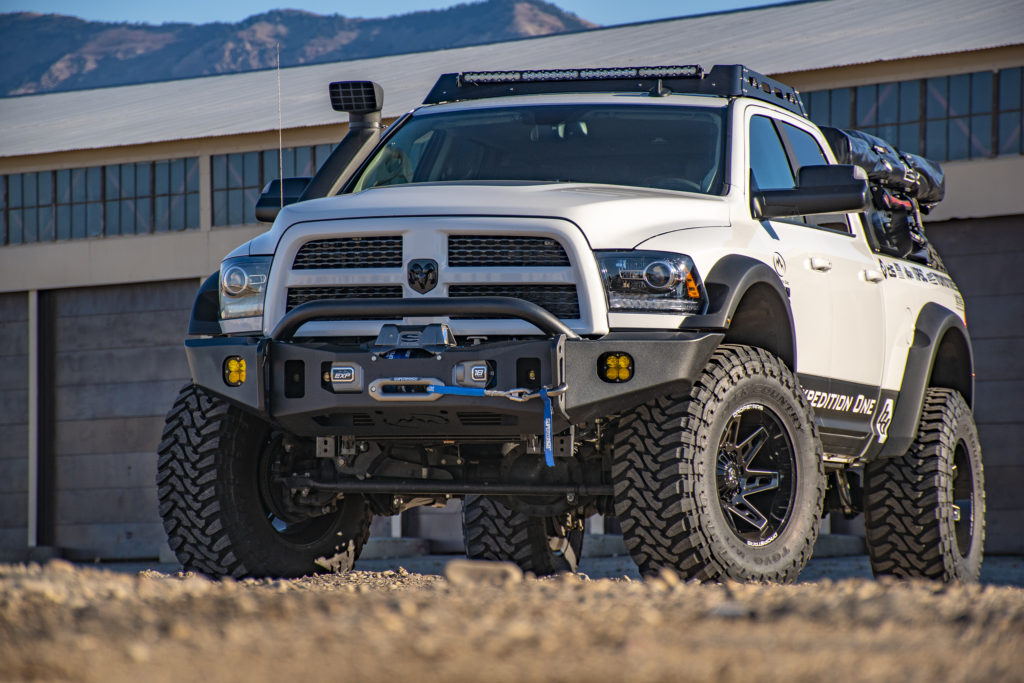
4. Ram 2500/3500 (2010-2018)
The Ram 2500 and 3500 trucks from this generation showcase Chrysler’s commitment to heavy-duty frame engineering that prioritizes long-term structural integrity over bed longevity.
These trucks feature robust ladder-frame construction with advanced high-strength steel that consistently outlasts bed components, creating ownership experiences where frame durability drives long-term value rather than body panel longevity.
Ram’s engineering approach emphasized frame strength and corrosion resistance through multiple protective systems, including galvanized coatings, wax treatments, and strategic design features that minimize moisture retention.
This comprehensive protection means that Ram HD trucks regularly accumulate 250,000+ miles with minimal frame deterioration, while bed components require attention or replacement due to normal service wear and environmental exposure. The frame’s exceptional rigidity also maintains proper bed alignment and functionality even as mounting hardware and bed materials age.
The construction hierarchy in these Ram trucks clearly prioritizes structural longevity, with frame materials and protection systems representing premium engineering while bed construction follows more conventional approaches suitable for normal service life.
This philosophy reflects Ram’s target market of commercial and industrial users who understand that frame integrity determines truck viability and are willing to invest in bed maintenance to preserve the underlying structural investment.
Professional applications have validated Ram’s engineering priorities, with contractors, farmers, and industrial operators reporting that proper frame maintenance enables extended service life that justifies multiple bed refurbishments or replacements.
The Ram HD’s frame design facilitates relatively straightforward bed removal and replacement, making maintenance cost-effective compared to trucks where frame and bed aging create simultaneous replacement requirements.
The used truck market has recognized Ram HD frame quality through strong resale values that reflect industry understanding of structural durability advantages.
High-mileage examples with documented maintenance histories command premium prices because buyers understand that a well-preserved Ram HD frame provides the foundation for extended service life that makes bed replacement investments economically viable and practically sensible.
Also Read: 5 Toyota Camry Years Worth Owning vs 5 That Aren’t
5. Nissan Titan XD (2016-2019)
The Nissan Titan XD represents an interesting case study in frame-over-bed longevity, where Nissan’s commitment to heavy-duty structural engineering created trucks with exceptional chassis durability that consistently outlasts bed components.
The Titan XD’s unique position in the market required frame construction capable of handling both light and heavy-duty applications, resulting in over-engineered structures that provide extraordinary longevity compared to bed materials.
Nissan’s approach to Titan XD frame construction emphasized strength and durability through advanced steel alloys and comprehensive corrosion protection systems designed for commercial applications.
This robust foundation means that even under severe service conditions, the frame maintains structural integrity and load-carrying capacity while bed components experience normal wear patterns that typically require attention or replacement around 140,000-160,000 miles.
The frame’s exceptional stiffness also helps preserve bed functionality by maintaining proper alignment and reducing stress concentrations that accelerate component wear.
The Titan XD’s engineering reflects Nissan’s understanding that frame replacement represents economic total loss while bed maintenance remains viable throughout extended truck life.

This philosophy guided material selection and protection systems that prioritize structural elements over body components, creating ownership experiences where frame longevity drives replacement decisions rather than bed condition.
Professional operators have embraced this durability hierarchy as it aligns with total cost of ownership calculations that favor long-term structural integrity.
Market reception of the Titan XD has been complicated by its unique positioning, but operators who understand its engineering priorities have found exceptional value in its frame longevity characteristics.
Fleet applications particularly benefit from the ability to plan bed replacement as routine maintenance while expecting decades of service from the underlying structure. This approach has made the Titan XD attractive to specialized applications where structural durability outweighs other considerations.
The discontinued status of the Titan XD has created interesting used truck market dynamics where examples with well-maintained frames command premium prices from buyers who understand the value of exceptional structural engineering.
These trucks represent opportunities for buyers willing to invest in bed maintenance to access frame durability that rivals much more expensive alternatives, making them attractive to cost-conscious operators who prioritize long-term structural integrity.
5 Pickups That Rust Out First
These catastrophically rust-prone pickup trucks suffer from fundamental cost-cutting in materials and protective coatings that create perfect conditions for accelerated corrosion that outpaces normal mechanical wear patterns by decades.
Their bargain-basement construction shows in thin-gauge steel without adequate protection, cheap single-stage paint that fails within months, and poor bed design that creates multiple moisture traps where standing water accelerates metal destruction.
Inadequate edge sealing and rushed manufacturing allow water infiltration at every joint, while inferior drainage systems ensure that road salt and corrosive materials remain in contact with unprotected metal surfaces.
These trucks represent the shocking consequences of prioritizing initial profit margins over basic durability, creating vehicles where the cargo area becomes structurally compromised and potentially dangerous while every other component remains in perfect working condition, forcing expensive bed replacement or premature retirement.
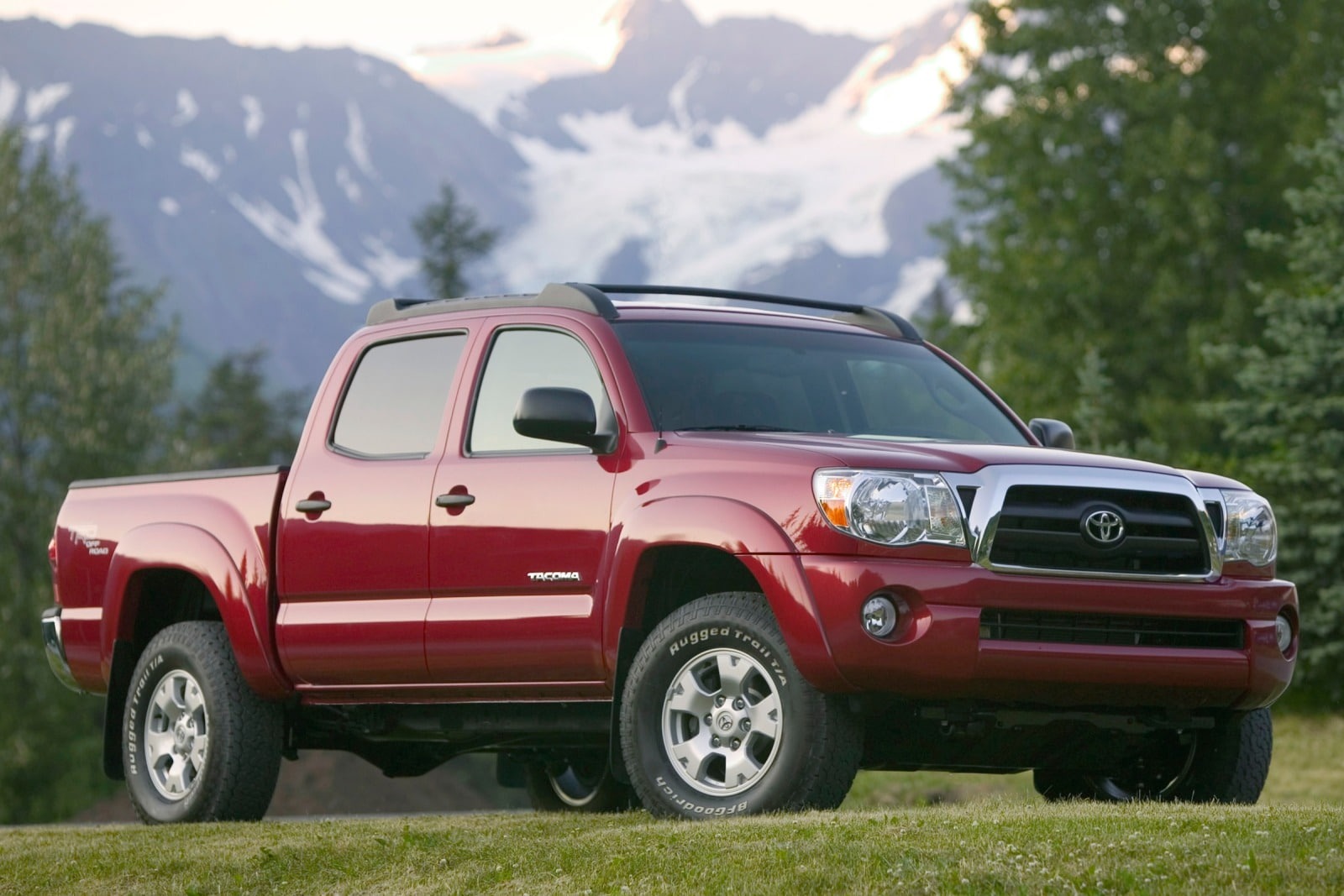
1. Toyota Tacoma (2005-2015)
The Toyota Tacoma’s frame corrosion issues during this generation represent one of the most significant rust-related failures in modern pickup truck history, where frames deteriorated so rapidly that beds often remained functional long after structural integrity was compromised.
Toyota’s problems with frame corrosion during this period were so severe that they resulted in massive recalls, buyback programs, and legal settlements that fundamentally changed industry approaches to corrosion protection.
The root cause of Tacoma frame failures lay in inadequate corrosion protection combined with a frame design that trapped moisture and road salt in critical structural areas.
The boxed frame construction, while theoretically superior for strength, created enclosed spaces where corrosive materials accumulated without effective drainage or protection.
This design flaw meant that frames could develop catastrophic rust within 100,000 miles while beds, being more exposed and better drained, remained serviceable for much longer periods.
Regional variations in Tacoma frame corrosion were dramatic, with salt-belt states seeing failures as early as 5-7 years, while southern examples might develop issues more gradually.
However, even in mild climates, the fundamental design flaws eventually manifested as serious structural problems that rendered otherwise functional trucks unsafe for operation.
The contrast between bed longevity and frame deterioration was often shocking, with truck beds showing minimal corrosion while underlying frames required complete replacement.
Toyota’s response to the crisis included extended warranties, frame replacement programs, and eventual buyback offers for the most severely affected vehicles.
The company also implemented improved corrosion protection processes for subsequent generations, but the damage to the Tacoma’s reputation for durability was significant.
Professional operators largely abandoned the Tacoma during this period, recognizing that frame failures created total loss scenarios regardless of other component conditions.
The legacy of these frame issues continues to influence used truck markets, where Tacomas from this generation require careful inspection and often sell at significant discounts despite otherwise good condition.
Buyers must weigh the risk of frame problems against the truck’s other positive attributes, making these vehicles suitable primarily for buyers who understand the potential for major structural repairs or replacement requirements.
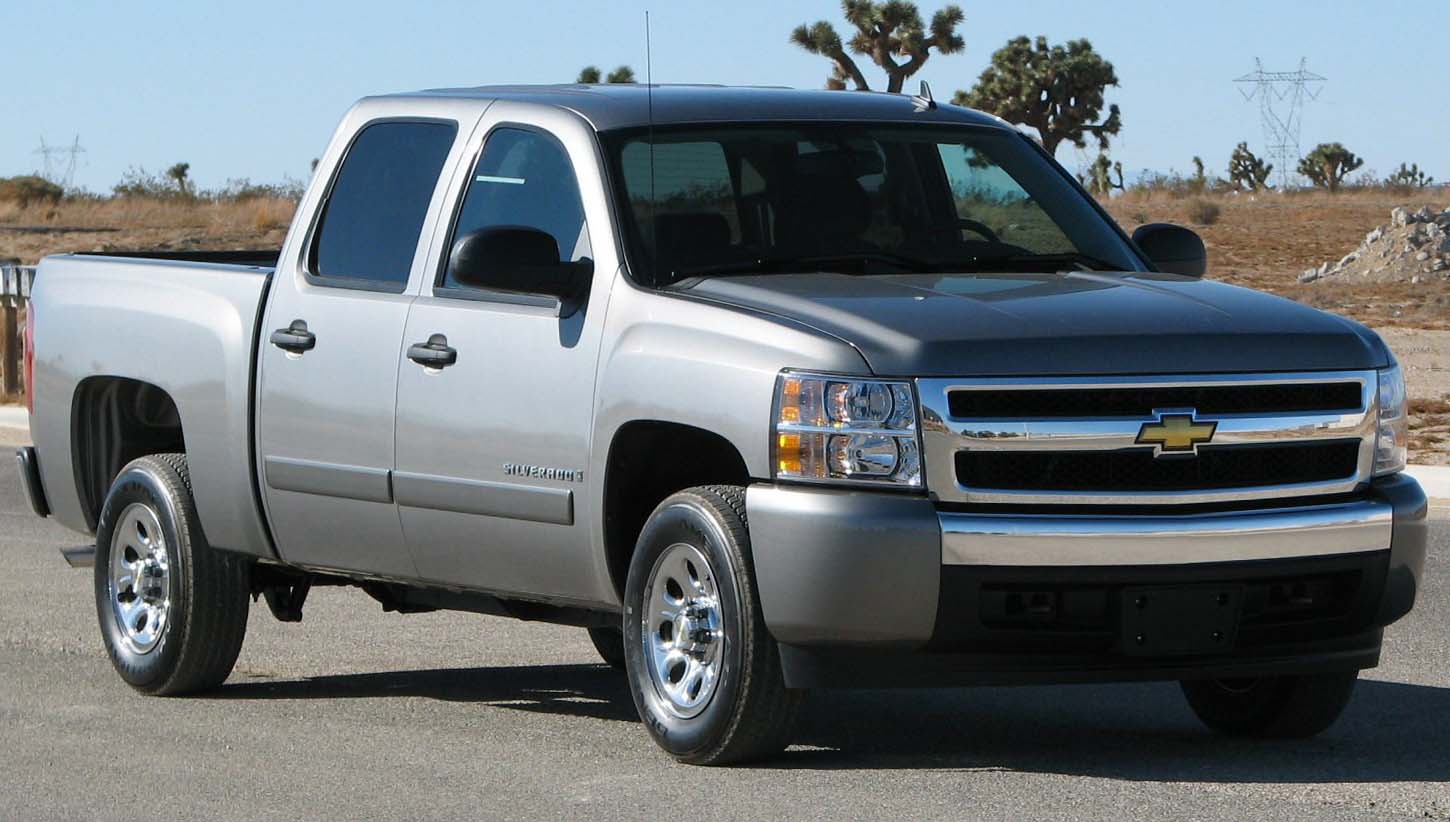
2. Chevrolet Silverado (2007-2013)
The Chevrolet Silverado’s frame corrosion problems during this generation created scenarios where otherwise excellent trucks became unsafe due to structural deterioration while beds remained serviceable.
General Motors’ cost-cutting measures during this period resulted in inadequate corrosion protection that left frames vulnerable to rapid deterioration, particularly in salt-belt regions where road treatment chemicals accelerated the corrosion process.
GM’s frame construction during this period utilized thinner materials with reduced corrosion protection compared to previous generations, creating vulnerabilities that manifested as serious structural problems within 150,000 miles in harsh environments.
The boxed frame design trapped moisture and corrosive materials in critical areas, while inadequate drainage allowed accumulation of road salt and debris that accelerated deterioration.
Meanwhile, bed construction remained relatively robust, creating the ironic situation where cargo areas outlasted the structures supporting them.
Professional fleet operators were among the first to identify Silverado frame problems, as their high-mileage applications quickly revealed the inadequacy of corrosion protection systems.
Many commercial users were forced to retire otherwise functional trucks due to frame safety concerns, while beds remained in acceptable condition for continued service.
This experience led many fleet managers to avoid Silverados from this generation, preferring competitors with better structural durability records.
The economic impact of premature frame failure was severe for Silverado owners, as frame replacement or extensive repair often exceeded vehicle value, while beds required minimal attention.
This cost disparity created difficult decisions for owners who found themselves with trucks that were unsafe to operate despite having functional drivetrains and cargo areas. Many chose to scrap vehicles rather than invest in frame repairs that exceeded the truck’s market value.
GM’s subsequent improvements to frame construction and corrosion protection reflected lessons learned from this generation’s failures. However, the reputation damage affected Silverado sales and resale values for years afterward.
Used truck buyers became more aware of frame inspection requirements, and Silverados from this generation often required significant discounts to attract buyers willing to accept potential structural problems.
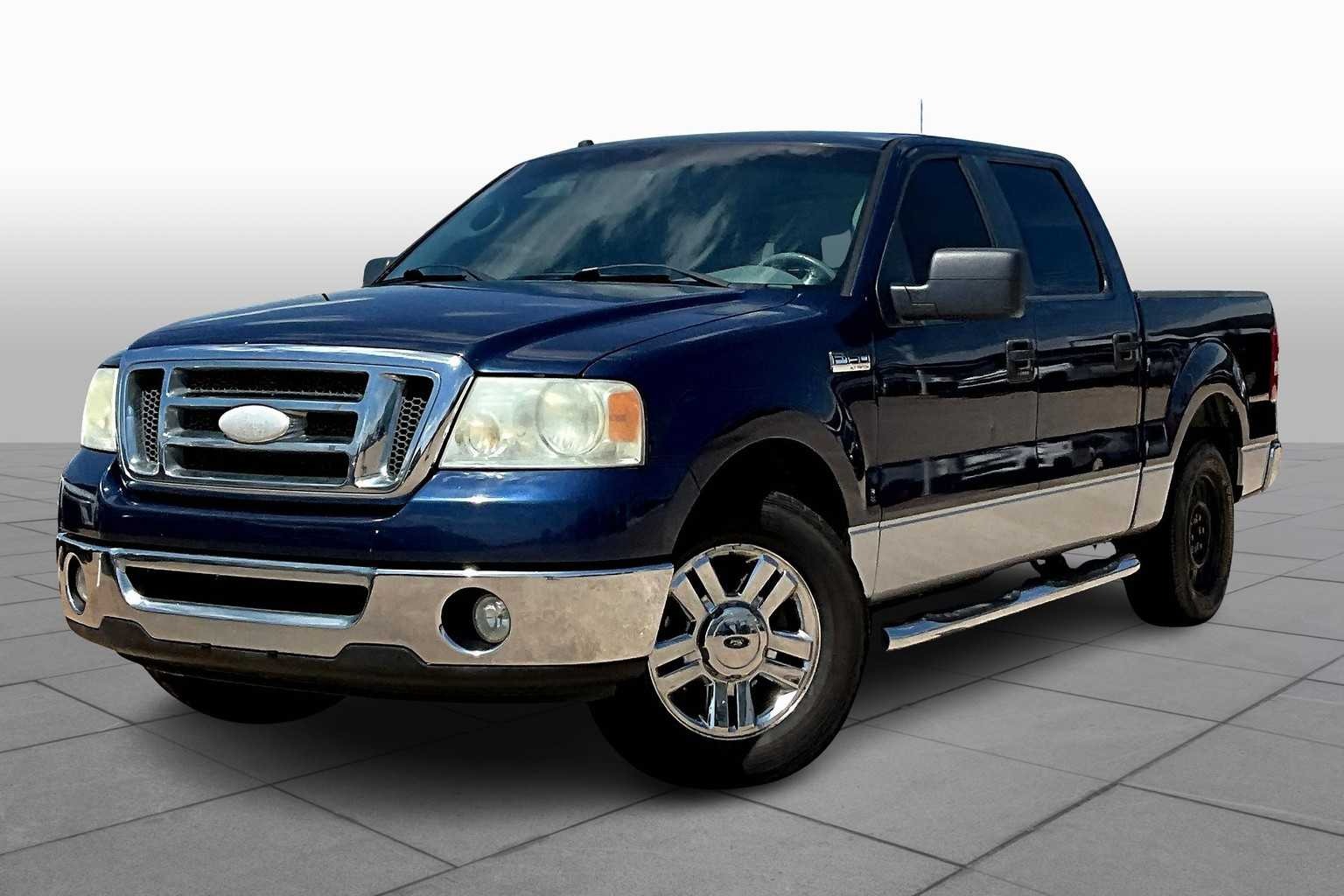
3. Ford F-150 (2004-2008)
The Ford F-150’s frame corrosion issues during this generation demonstrated how cost-reduction efforts could compromise long-term durability, creating trucks where frames deteriorated significantly faster than bed components.
Ford’s transition between frame designs during this period resulted in inconsistent corrosion protection that left some vehicles vulnerable to rapid structural deterioration, while beds maintained their integrity and functionality.
Ford’s frame construction during these years utilized materials and protection systems that proved inadequate for harsh operating environments, particularly in salt-belt regions where road chemicals created aggressive corrosive conditions.
The C-channel frame design, while cost-effective to manufacture, created areas where moisture and debris could accumulate without effective drainage.
This design flaw, combined with reduced corrosion protection, resulted in frames that could develop serious structural problems within 120,000-150,000 miles while beds remained serviceable.
The F-150’s popularity meant that frame problems affected a large number of owners, creating widespread awareness of structural durability issues that damaged Ford’s reputation for truck reliability.
Professional users, particularly those operating in harsh environments, began experiencing premature frame failures that rendered otherwise functional trucks unsafe for operation.
The contrast between bed longevity and frame deterioration was often dramatic, with cargo areas showing minimal wear while supporting structures required expensive repairs or replacement.
Fleet operators were forced to develop inspection protocols specifically for F-150 frame conditions, as traditional maintenance schedules didn’t account for the rapid deterioration rates experienced during this period.
Many commercial users found themselves retiring trucks with functional drivetrains and beds due to safety concerns about frame integrity. This experience influenced purchasing decisions for years afterward, as fleet managers became more cautious about F-150 reliability.
The used truck market reflected these durability concerns through reduced resale values and increased inspection requirements for F-150s from this generation.
Buyers learned to prioritize frame inspection over other vehicle attributes, understanding that structural problems could render an otherwise excellent truck worthless.
Ford’s subsequent improvements to frame construction helped restore confidence; however, vehicles from this period continued to suffer from market perception problems related to structural durability concerns.
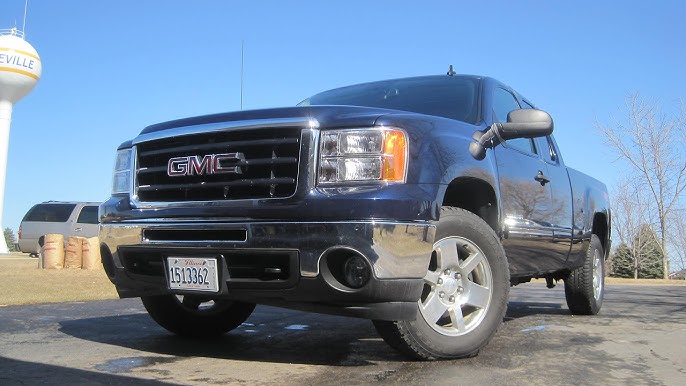
4. GMC Sierra (2007-2013)
The GMC Sierra’s frame corrosion problems during this generation mirrored those of its Chevrolet Silverado sibling, creating trucks where structural deterioration outpaced bed aging by significant margins.
General Motors’ platform sharing meant that Sierra owners experienced the same fundamental design flaws that affected Silverado reliability, with inadequate corrosion protection leading to premature frame failure while beds remained functional.
GM’s engineering decisions during this period prioritized initial cost reduction over long-term durability, resulting in frame construction that proved vulnerable to accelerated corrosion in real-world operating conditions.
The Sierra’s boxed frame design created enclosed spaces where moisture and road salt could accumulate without effective drainage, while reduced material thickness and protection systems left critical structural elements vulnerable to rapid deterioration.
This combination meant that frames could develop safety-critical problems within 100,000-150,000 miles while beds showed minimal wear. Professional applications quickly revealed the Sierra’s structural durability limitations, as commercial operators experienced frame failures that rendered otherwise functional trucks unsafe for continued service.
The economic impact was severe, as frame repair or replacement costs often exceeded vehicle value, while beds required minimal maintenance attention.
This disparity created difficult decisions for fleet managers who found themselves scrapping trucks with functional cargo areas due to structural safety concerns.
The Sierra’s luxury positioning within GM’s truck lineup made frame problems particularly problematic for the brand’s reputation, as buyers expected premium durability to match higher prices.
Instead, many Sierra owners found themselves dealing with structural problems that required expensive repairs or rendered their vehicles unsafe for operation. This experience damaged consumer confidence and affected resale values for years after the problems became widely known.
Market recognition of Sierra frame issues led to reduced demand and lower resale values for vehicles from this generation, particularly in salt-belt regions where corrosion problems were most severe.
Used truck buyers became more sophisticated about frame inspection requirements, understanding that structural problems could make an otherwise excellent truck worthless.
GMC’s subsequent improvements helped address these issues, but Sierra models from this period continued to suffer from market perception problems related to frame durability concerns.
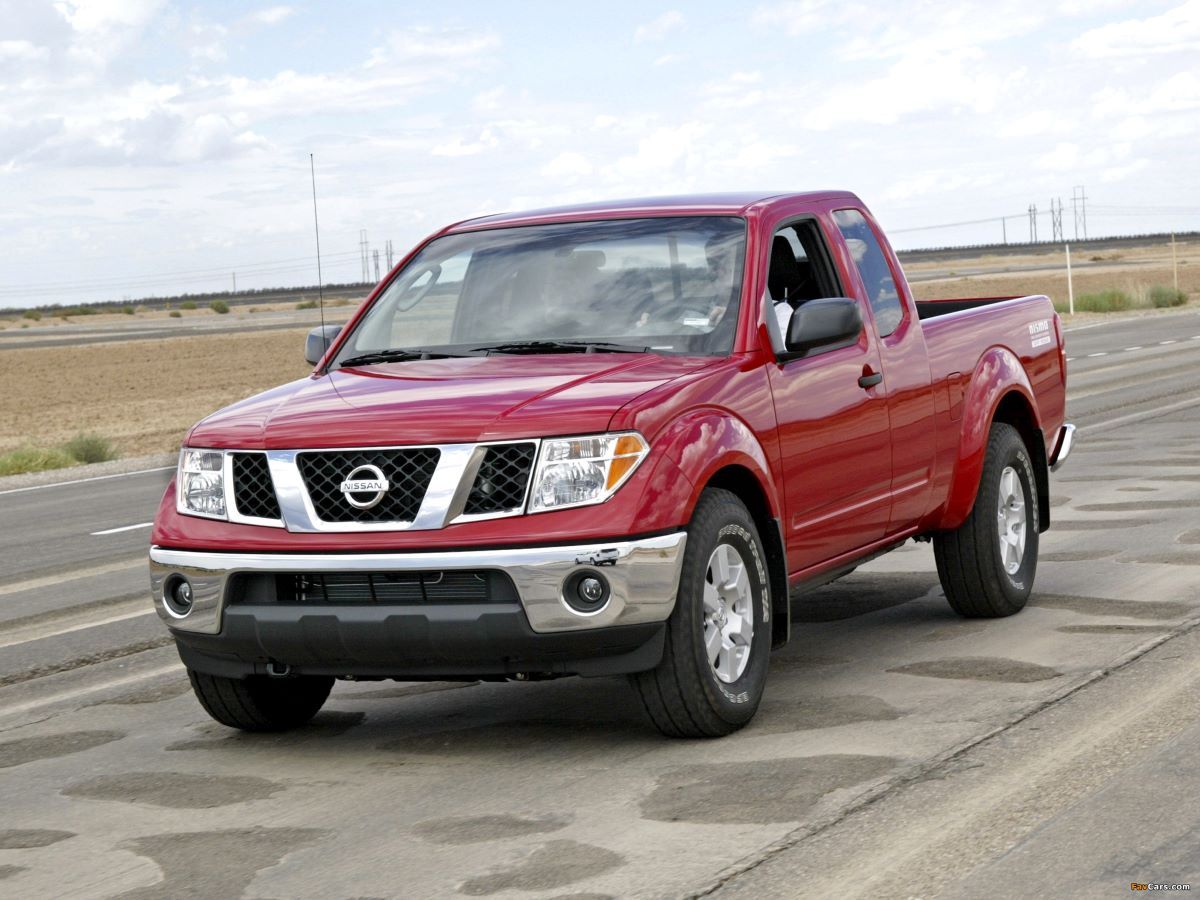
5. Nissan Frontier (2005-2021)
The Nissan Frontier’s extended production run with minimal updates created unique aging characteristics where frames showed their age more dramatically than beds, particularly in later years when the basic design’s limitations became apparent.
Nissan’s decision to continue producing the second-generation Frontier with limited improvements meant that corrosion protection systems remained static while operating environments became more challenging, creating scenarios where frames deteriorated while beds maintained functionality.
The Frontier’s frame construction utilized materials and protection systems that were adequate when introduced but proved insufficient as vehicles aged and accumulated high mileage in harsh operating conditions.
The truck’s popularity in commercial applications meant that many examples experienced severe service that revealed frame durability limitations, with structural problems developing while beds remained serviceable. This aging pattern reflected the original design’s emphasis on initial cost control rather than long-term durability optimization.
Regional variations in Frontier frame aging were significant, with salt-belt examples developing serious corrosion problems within 150,000 miles while beds showed minimal deterioration.
The frame’s vulnerability to road salt and moisture accumulation created situations where otherwise functional trucks became unsafe for operation due to structural concerns.
This disparity between frame and bed aging created economic challenges for owners who faced expensive frame repairs while beds required minimal attention.
Professional users gradually moved away from the Frontier as frame durability limitations became apparent through high-mileage fleet applications.
The truck’s lower initial cost attracted commercial buyers, but premature frame problems created total cost of ownership issues that made alternatives more attractive.
Many operators found themselves retiring Frontiers with functional beds and drivetrains due to safety concerns about frame integrity. The used truck market eventually reflected Frontier frame concerns through reduced demand and lower prices for high-mileage examples, particularly those from harsh-weather regions.
Buyers learned to prioritize frame inspection over other vehicle attributes, understanding that structural problems could render an otherwise functional truck worthless.
While later improvements addressed some issues, Frontiers from the extended production run continued to face market skepticism related to long-term structural durability.
Also Read: 5 Engines That Handle Neglect Well vs 5 That Need Constant Care
