
When it comes to automotive comfort, ride quality stands as one of the most crucial factors determining how enjoyable your daily commute or long road trip will be.
The difference between a smooth, serene journey and a jarring, uncomfortable experience often comes down to sophisticated suspension engineering, thoughtful design choices, and the manufacturer’s priorities in balancing comfort against performance.
Some vehicles excel at isolating passengers from road imperfections, creating a floating sensation that transforms even the roughest pavement into a silk-smooth experience.
These vehicles employ advanced technologies like adaptive air suspension systems, magnetic ride control, and multi-link suspension setups that actively respond to road conditions in real-time.
Conversely, other vehicles prioritize different aspects of the driving experience, often sacrificing comfort for sportier handling characteristics, cost savings, or rugged durability.
These vehicles may feature firmer suspension tuning, simpler suspension designs, or compromises that result in a more connected but less comfortable ride. Understanding these differences becomes increasingly important as consumers seek vehicles that align with their specific needs and priorities.
Whether you’re a commuter seeking maximum comfort during daily drives, a family looking for a peaceful cabin environment, or someone who values the feedback and engagement of a sportier setup, recognizing which vehicles excel in ride quality and which ones don’t can significantly impact your satisfaction with your automotive purchase.
5 Vehicles That Keep Their Ride Smooth
These exceptionally engineered vehicles feature premium suspension components and superior materials that maintain their showroom ride quality through hundreds of thousands of demanding miles and countless pothole encounters.
Their thoughtful construction includes high-quality shock absorbers with fade-resistant valving, premium rubber bushings that resist cracking and hardening, and robust strut assemblies that resist the wear patterns typically created by daily driving stress and environmental exposure.
From frost heaves that challenge suspension travel to construction zones with constant jarring impacts, these remarkable vehicles continue delivering cloud-like comfort without experiencing the harshness, noise, or handling degradation that develops in lesser alternatives.
The combination of premium components, conservative engineering, and excellent build quality creates suspension systems that prove their worth through maintained passenger comfort and preserved driving refinement even after hundreds of thousands of miles.
1. Audi A8
The Audi A8 represents the absolute summit of automotive ride quality, setting the benchmark for what a truly comfortable luxury sedan should deliver. The Audi A8 hits all the right notes when it comes to comfort. It comes standard with an adjustable air suspension.
That setup facilitates a gentle ride. This sophisticated air suspension system doesn’t just provide comfort it actively adapts to road conditions, driver preferences, and driving situations to deliver an experience that feels almost otherworldly in its smoothness.
The A8’s air suspension works through a network of air springs that replace traditional coil springs, allowing for precise control over ride height and damping characteristics.
This system can raise or lower the vehicle by several inches, adapting to different driving modes and road conditions. When cruising on the highway, the suspension lowers the vehicle for improved aerodynamics and stability, while automatically raising it when encountering rough terrain or steep driveways.
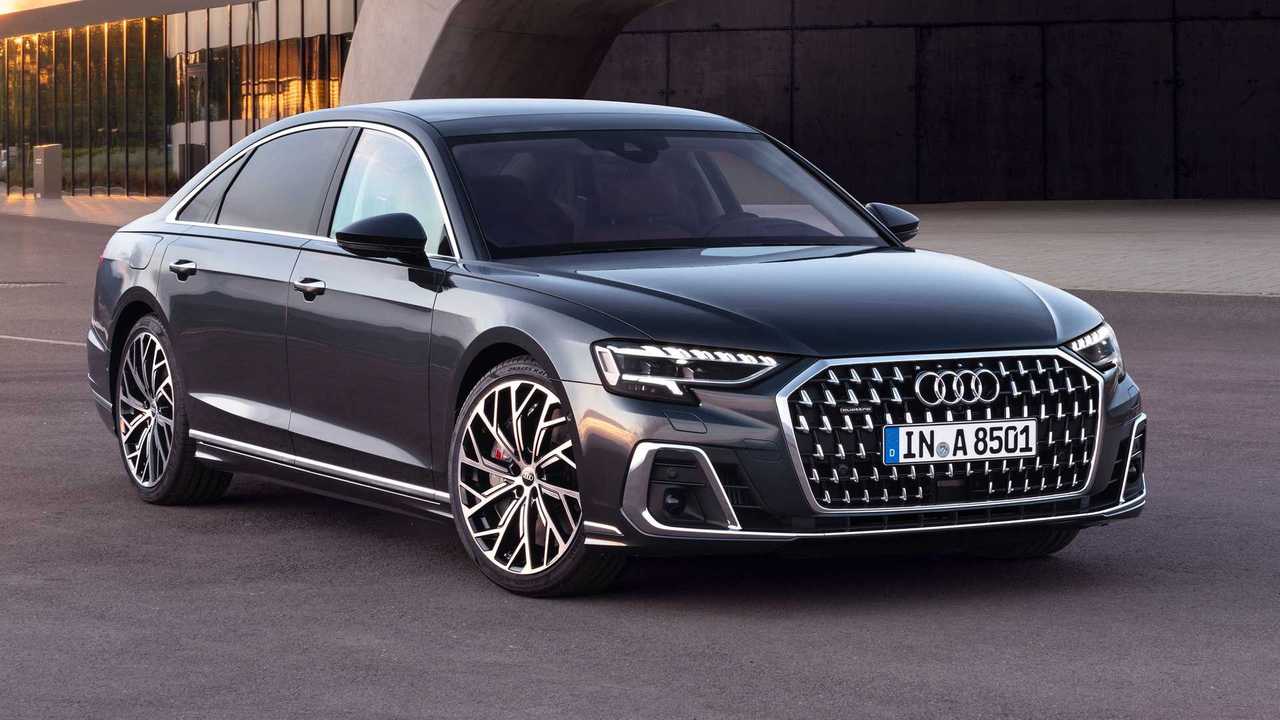
The real magic happens in the system’s ability to read the road ahead using cameras and sensors, pre-loading the suspension for upcoming bumps or irregularities.
The real treat, though, is this car’s cabin. The interior is deluxe and stylish, and both rows provide ample room for adults. Beyond the mechanical excellence, the A8’s interior design contributes significantly to the comfort experience.
The seats are masterfully crafted with multiple adjustment points, massage functions, and climate control features that work in harmony with the smooth ride to create a first-class travel experience.
Sound insulation is exceptional, with laminated glass and extensive sound-deadening materials ensuring that road noise remains virtually non-existent.
The A8’s commitment to ride quality extends to every aspect of its engineering. The vehicle’s sophisticated dampers work in conjunction with the air springs to provide optimal comfort without sacrificing handling precision.
This balance allows the A8 to glide over road imperfections while maintaining excellent body control through corners and during spirited driving. The result is a vehicle that transforms every journey into a luxurious experience, whether going through city streets filled with potholes or cruising on smooth highways for hours at a time.
2. Ram 1500
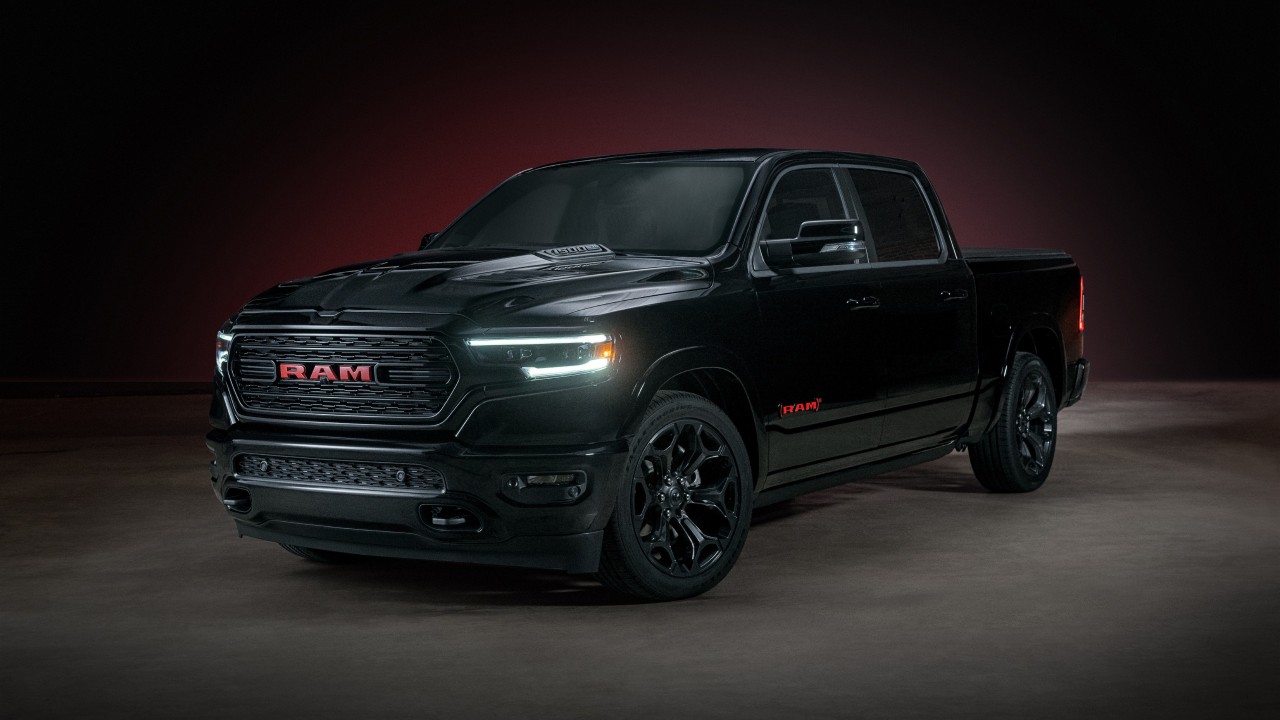
The Ram 1500 has revolutionized expectations for pickup truck ride quality, proving that utility vehicles can deliver exceptional comfort without compromising their fundamental capabilities.
A truck may not be the first thing that comes to mind when thinking about vehicles with quiet cabins, but the Ram 1500 is here to shatter your misconceptions.
This pickup delivers a masterclass in refinement, with a poised ride and an upmarket cabin. This achievement represents a significant breakthrough in automotive engineering, as trucks traditionally prioritized payload and towing capacity over passenger comfort.
The Ram 1500’s exceptional ride quality stems from its sophisticated coil-spring rear suspension system, which replaces the leaf springs found in most competitors.
This setup provides dramatically improved comfort over rough terrain while maintaining the truck’s impressive towing and hauling capabilities. The five-link coil suspension allows each wheel to move independently, preventing road irregularities from affecting the opposite wheel and creating a much more composed, car-like ride experience.
This system works in conjunction with frequency-selective dampers that automatically adjust their response based on the severity and frequency of road inputs.
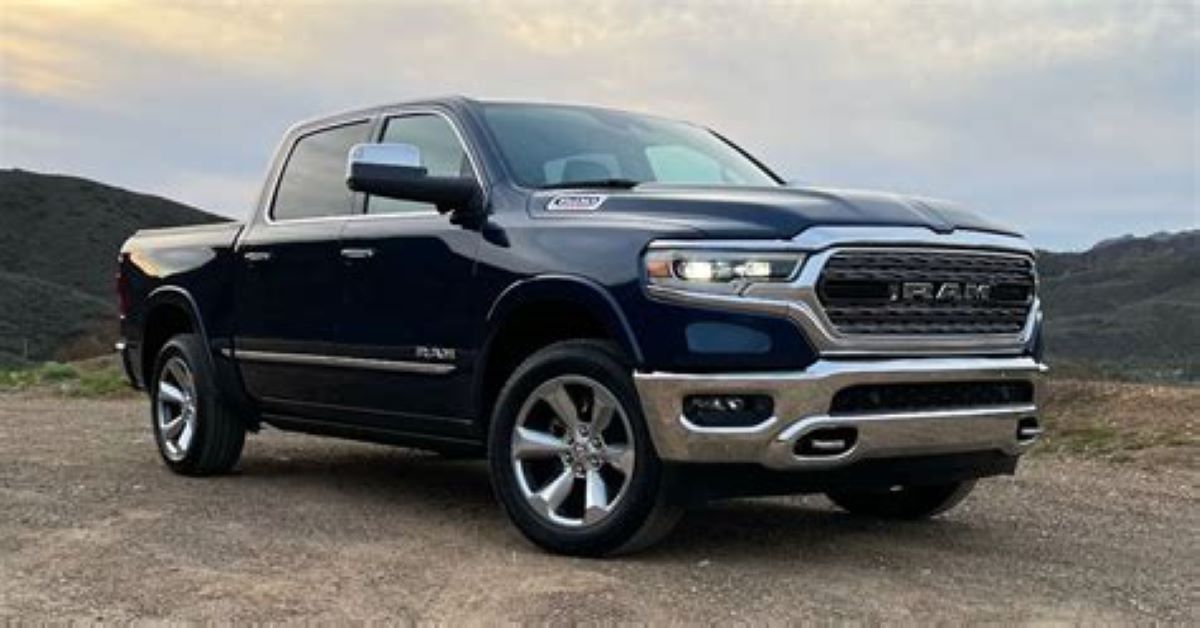
The interior doesn’t just look great; it features premium materials, advanced technology, and thoughtful design elements that rival luxury sedans. The cabin’s contribution to comfort cannot be overstated.
Ram has invested heavily in noise, vibration, and harshness (NVH) reduction, incorporating extensive sound-deadening materials, liquid-applied sound dampener, and triple-sealed doors to create an exceptionally quiet environment.
The seats are designed with long-distance comfort in mind, featuring multi-point adjustability and available ventilation and heating functions. What makes the Ram 1500’s smooth ride even more impressive is how it maintains this comfort across various configurations and load conditions.
Whether empty or fully loaded, towing a trailer or going through the city streets, the sophisticated suspension system adapts to provide consistent comfort.
The available air suspension option takes this even further, allowing drivers to adjust ride height and firmness based on driving conditions and personal preferences.
This combination of advanced engineering and thoughtful design has raised the Ram 1500 to a level of refinement that challenges traditional assumptions about pickup truck comfort and capability.
3. Lincoln Navigator
The 2024 Lincoln Navigator stands out among cars with air suspension for its ability to deliver a smooth and refined ride. Its adaptive air suspension system automatically adjusts the vehicle’s height to suit different driving conditions, enhancing both comfort and convenience.
The Navigator represents Lincoln’s flagship approach to luxury SUV comfort, combining traditional American luxury sensibilities with cutting-edge suspension technology to create a vehicle that delivers exceptional ride quality regardless of road conditions or passenger load.
The Navigator’s adaptive air suspension system represents the pinnacle of current suspension technology, featuring four-corner air springs paired with continuously variable dampers.
This system monitors road conditions, driver inputs, and vehicle dynamics thousands of times per second, making real-time adjustments to maintain optimal comfort and control. The system can automatically level the vehicle when loaded with passengers or cargo, ensuring a consistent ride height and suspension geometry.
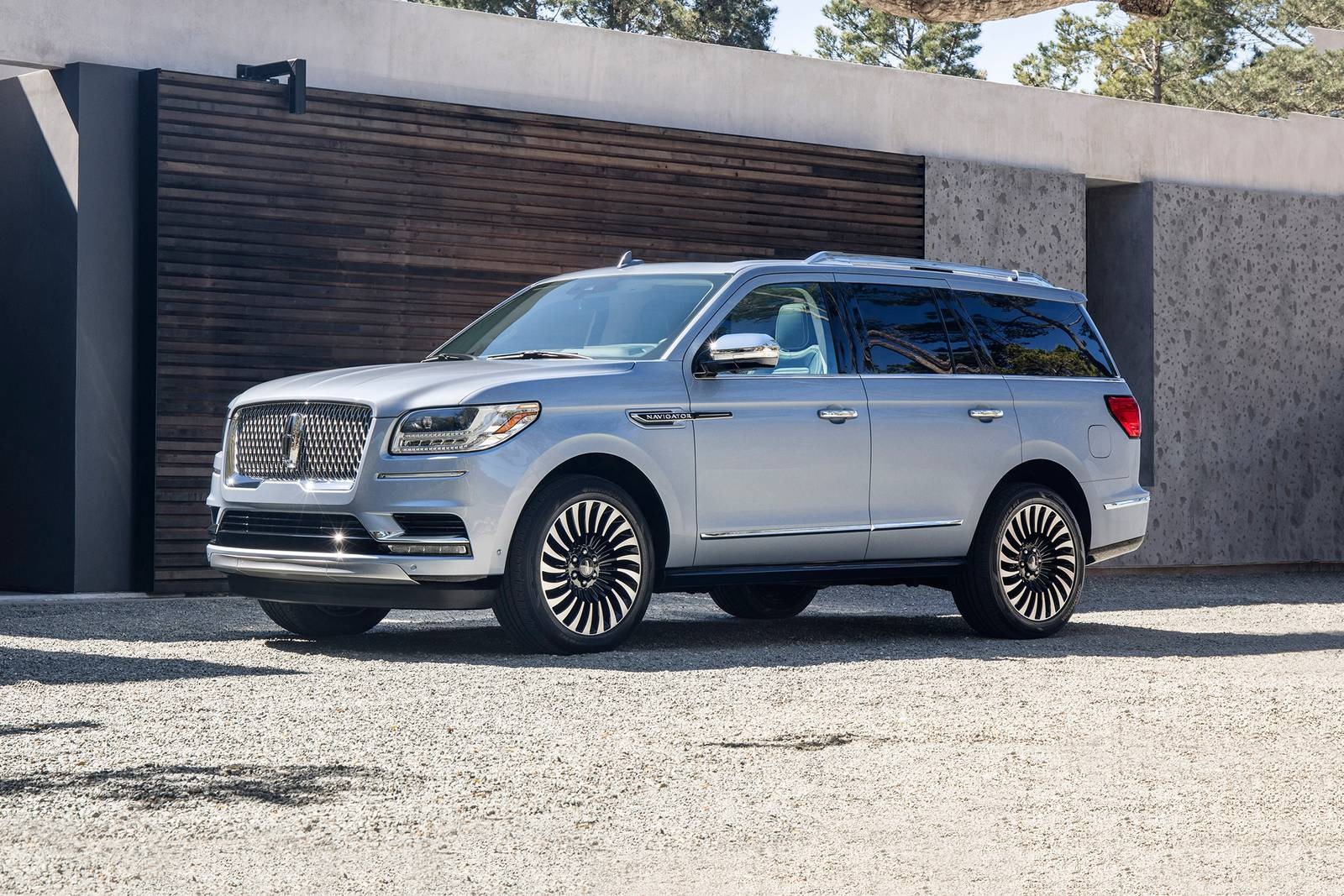
Additionally, the air suspension provides multiple ride height settings, from a low profile for highway cruising and easy entry/exit to raised settings for improved ground clearance over rough terrain.
The sophistication of the Navigator’s ride quality extends beyond just the suspension system. The vehicle’s unibody construction provides a solid foundation for the suspension to work effectively, while extensive use of aluminum and high-strength steel creates a structure that’s both rigid and lightweight.
This combination allows the suspension to focus on comfort rather than compensating for chassis flex. The Navigator’s advanced damping system includes multiple driving modes that alter suspension behavior, from a comfort-focused setting that prioritizes smoothness to sport modes that firm up the suspension for more engaging handling.
Interior comfort complements the exceptional ride quality, with the Navigator featuring some of the most luxurious seating in the full-size SUV segment.
The available Perfect Position seats offer 30-way adjustability, massage functions, and Active Motion technology that subtly moves occupants to reduce fatigue during long journeys.
Combined with the whisper-quiet cabin and smooth suspension, these features create an environment that transforms even the longest road trips into comfortable, stress-free experiences. The Navigator’s commitment to ride quality makes it an ideal choice for families seeking the ultimate in comfort and luxury.
4. Chevrolet Suburban
The Suburban delivers a soft ride, particularly with the optional magnetic ride adaptive shock absorbers. The Chevrolet Suburban has long been America’s choice for large family transportation, and its latest iteration continues this tradition while significantly improving ride quality through advanced suspension technology and thoughtful engineering refinements.
The Suburban’s approach to comfort focuses on creating a smooth, controlled ride that keeps all three rows of passengers comfortable, regardless of road conditions or journey length.
The Suburban’s optional Magnetic Ride Control suspension system represents one of the most advanced damping technologies available in a production vehicle. This system uses magnetorheological fluid in the dampers, which changes viscosity when exposed to magnetic fields.
Electronic sensors continuously monitor road conditions and vehicle dynamics, adjusting the magnetic field strength to alter damping characteristics in real-time.
This allows the suspension to provide soft, comfortable damping over small road irregularities while instantly firming up to control body motion during cornering or when encountering larger bumps.
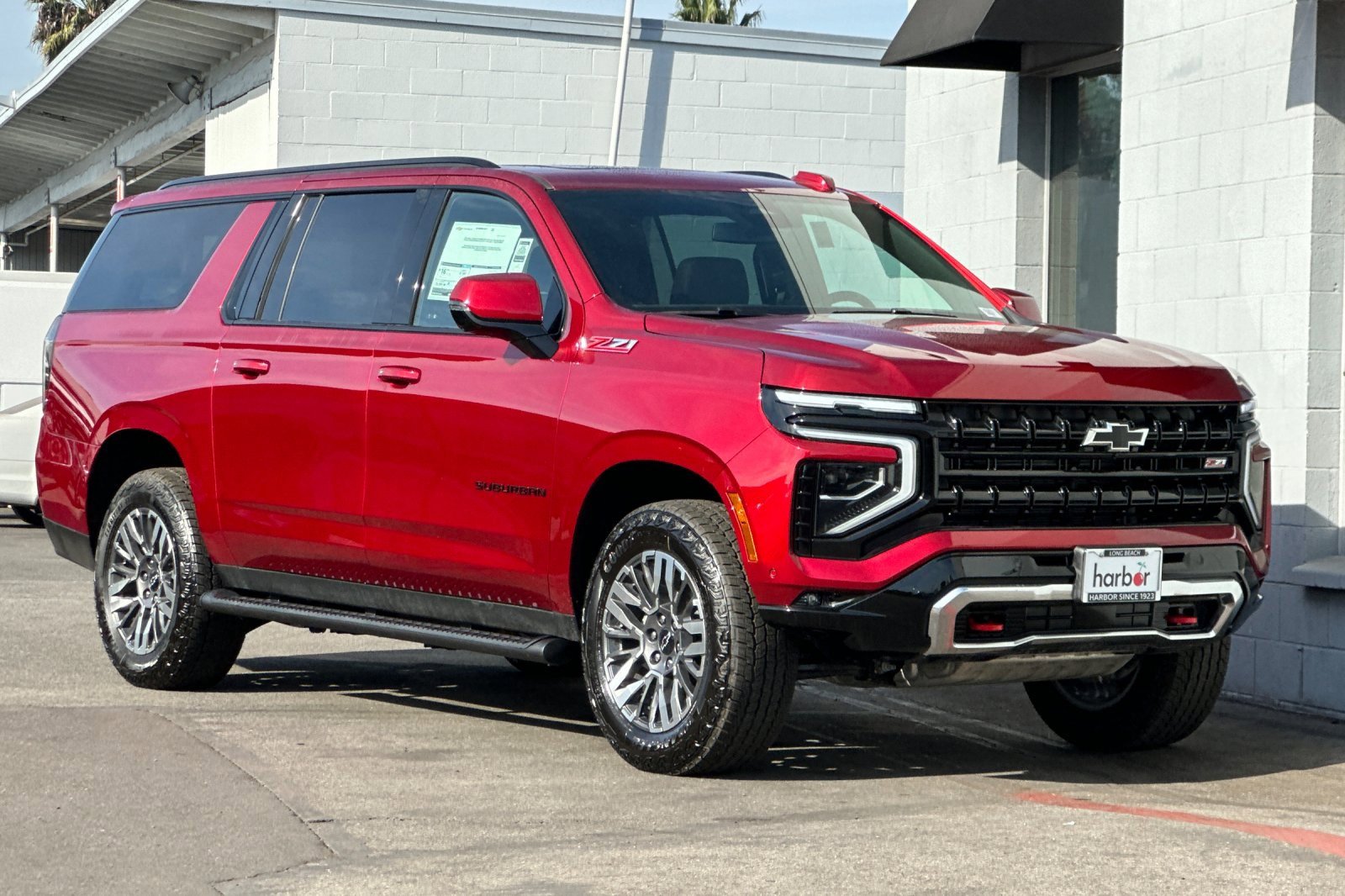
This SUV gets updated interior and exterior styling, a 17.7-inch touch screen, and a more potent diesel engine for the 2025 model year. The Suburban’s commitment to passenger comfort extends throughout its spacious interior.
The vehicle’s long wheelbase naturally contributes to ride smoothness by spanning over road irregularities that might affect shorter vehicles. All three rows of seating are designed with long-distance comfort in mind, featuring supportive cushioning and available heating and ventilation functions.
The second-row captain’s chairs, in particular, offer luxury sedan levels of comfort and adjustability. Sound insulation in the Suburban is exceptional, with acoustic laminated glass, extensive sound-deadening materials, and active noise cancellation working together to create a serene cabin environment.
The vehicle’s body-on-frame construction, while traditionally associated with harsher ride quality, has been refined with improved mounting systems and sophisticated damping that effectively isolates the cabin from road noise and vibration.
This combination of advanced suspension technology, thoughtful interior design, and comprehensive noise control makes the Suburban an ideal choice for families who prioritize comfort during long journeys and daily commuting alike.
Also Read: 5 Vehicles That Rarely See Major Engine Work vs 5 That Constantly Do
5. Hyundai Palisade
Even on the eve of a full redesign, the first-generation Hyundai Palisade continues to be a standout in the class. It has a roomy and upscale interior, a smooth ride quality, and an appealing collection of features for the price.
The Hyundai Palisade represents exceptional value in the luxury SUV segment, delivering ride quality and comfort that rivals vehicles costing significantly more.
Hyundai’s engineering team focused on creating a smooth, refined driving experience that makes the Palisade feel more expensive than its price point suggests.
The Palisade’s suspension system employs a sophisticated multi-link setup at all four corners, which provides excellent control over wheel movement and contributes significantly to ride comfort.
This design allows each wheel to respond independently to road irregularities, preventing bumps and imperfections from being transmitted to the opposite side of the vehicle.
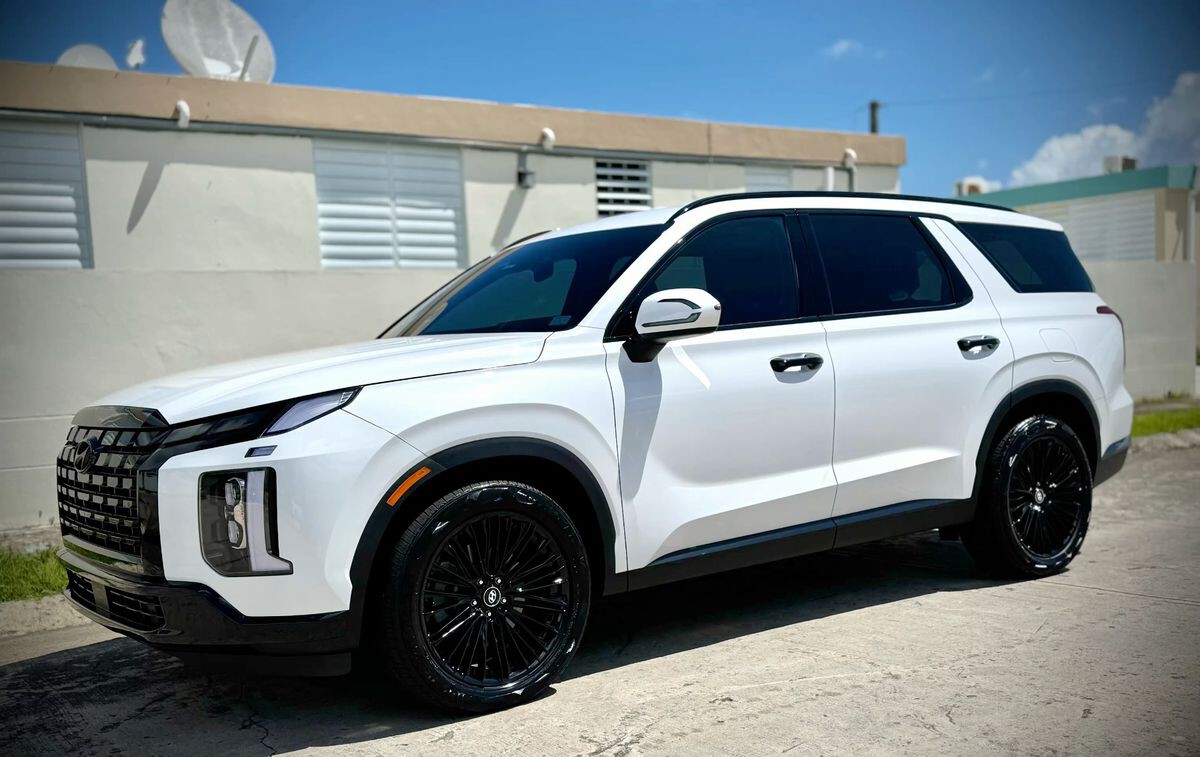
The suspension tuning strikes an excellent balance between comfort and control, providing a smooth ride over rough surfaces while maintaining composed handling during cornering and highway driving.
Interior design and comfort features in the Palisade are particularly impressive given the vehicle’s competitive pricing. The three rows of seating are spacious and well-appointed, with high-quality materials and thoughtful design touches throughout.
The second-row captain’s chairs can be equipped with heating, ventilation, and relaxation functions that rival those found in much more expensive vehicles. The interior’s sound insulation is remarkably effective, creating a quiet environment that enhances the comfort experience.
What sets the Palisade apart is how it delivers this level of ride quality and comfort while maintaining Hyundai’s reputation for reliability and value.
The vehicle’s comprehensive warranty coverage provides additional peace of mind, while the extensive list of standard features means buyers don’t need to add expensive options to achieve luxury-level comfort.
The Palisade proves that exceptional ride quality doesn’t necessarily require a luxury brand badge or premium pricing, making it an outstanding choice for buyers seeking maximum comfort value.
5 Vehicles That Don’t Keep Their Ride Smooth
These catastrophically uncomfortable vehicles suffer from fundamental cost-cutting in suspension components, including bargain-basement shock absorbers and inferior materials that create perfect conditions for rapid ride quality deterioration under normal operating conditions.
Their penny-pinching construction shows in cheap dampers that lose their fluid and effectiveness within years, low-grade bushings that crack and harden from normal temperature cycling, and inadequate component isolation that allows road noise and vibration to penetrate the cabin.
These vehicles represent the unfortunate consequences of aggressive cost-cutting in comfort systems, creating transportation that transforms from pleasant mobility into jarring ordeals that cause fatigue, discomfort, and reduced vehicle enjoyment while requiring expensive suspension rebuilds that often cost more than the remaining vehicle value.
1. BMW M340i
I’m thinking of ordering a 2024 M340i and I’m a bit concerned about the firmness of the ride since the car has an M designation. The BMW M340i exemplifies the classic trade-off between performance and comfort, prioritizing sharp handling characteristics and sporty feedback over ride smoothness.
This approach aligns with BMW’s traditional philosophy of creating the “Ultimate Driving Machine,” but it comes at the cost of everyday comfort, particularly for passengers who value a smooth, refined ride experience.
The M340i’s suspension system is tuned specifically for performance applications, featuring stiffer springs, more aggressive damping, and lower ride height compared to standard 3 Series models.
This setup provides exceptional handling precision and feedback, allowing drivers to feel connected to the road and confident during spirited driving.
However, these performance benefits translate directly into a firmer, more jarring ride over typical road surfaces. Every expansion joint, pothole, and pavement irregularity is transmitted to the cabin with minimal filtering, creating a driving experience that some may find harsh or uncomfortable during daily commuting.
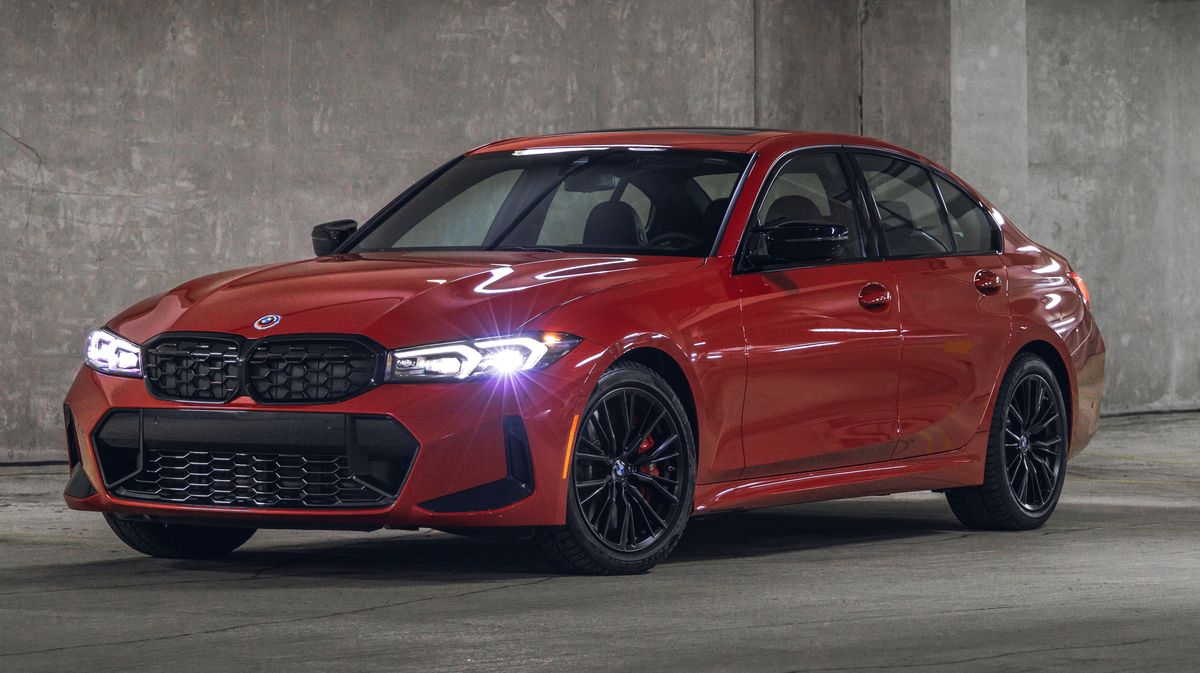
The vehicle’s low-profile tires compound the ride quality issues. While these tires provide excellent grip and handling response, their short sidewalls offer minimal cushioning between the wheel and road surface.
This means that impacts from road irregularities are transmitted more directly to the suspension system and ultimately to the passengers. The combination of stiff suspension tuning and low-profile tires creates a setup that prioritizes ultimate handling precision over comfort, making the M340i less suitable for buyers who prioritize ride smoothness.
BMW’s philosophy with the M340i reflects a deliberate choice to cater to driving enthusiasts who value performance characteristics over comfort. The firm suspension provides minimal body roll during cornering, precise steering feedback, and excellent stability at high speeds.
However, this comes with the inevitable compromise of reduced comfort during normal driving conditions. For buyers seeking a balance of performance and comfort, BMW offers adaptive suspension options that can partially mitigate these issues, but even in comfort mode, the M340i maintains a firmer character than comfort-oriented competitors.
2. Nissan Pathfinder (Recent Generation)
The recent generation Nissan Pathfinder has surprised many potential buyers with its unexpectedly harsh ride quality, particularly disappointing given that family SUVs typically prioritize comfort over performance characteristics.
This represents a significant departure from Nissan’s traditional approach to family vehicle tuning and has become a notable concern for buyers considering the Pathfinder against its more comfort-oriented competitors.
The Pathfinder’s ride quality issues stem from several engineering and design choices that prioritize other characteristics over passenger comfort. The suspension tuning appears to emphasize handling precision and body control, which while beneficial for driving dynamics, creates a firmer, less forgiving ride over typical road surfaces.
This approach might make sense for a performance-oriented SUV, but it seems misplaced in a family-focused three-row vehicle where ride comfort should be a primary consideration.
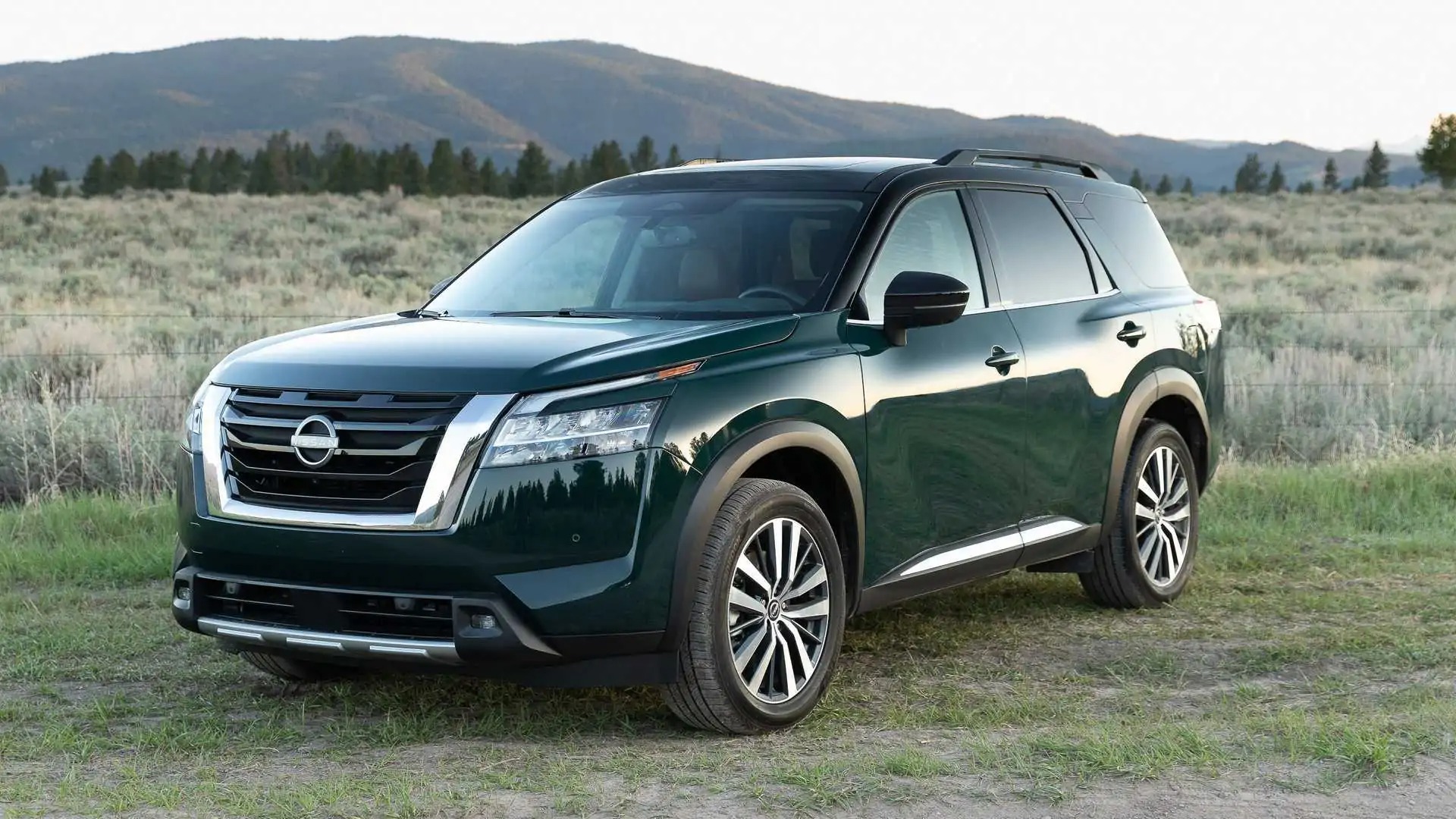
My 2016 SL rides much better, softer and quieter, even after upgrading the rear springs to be stiffer and taller for towing. The contrast with previous generation Pathfinders highlights how Nissan’s approach to ride quality has changed over time.
Earlier models were generally praised for their comfortable, compliant ride characteristics that made them excellent choices for family transportation. The newer generation’s firmer tuning represents a philosophical shift that may not align with the expectations and needs of traditional Pathfinder buyers.
Don’t forget that all brand new Pathfinders come with over-inflated tires – about 45 PSI. Of course, it will be a bumpy ride. Part of the Pathfinder’s ride quality issues may be attributed to excessive tire pressure from the factory, which exacerbates the already firm suspension tuning.
Over-inflated tires reduce the contact patch with the road and create a harsher ride by transmitting more impact energy to the suspension system.
While this is a correctable issue, it suggests a lack of attention to ride quality tuning during the vehicle’s development process. For families considering the Pathfinder, these ride quality concerns represent a significant drawback in a segment where comfort is typically a primary consideration.
3. Sports Cars with Stiff Suspension
Unlike a luxury sedan’s soft, smooth ride, sports cars are known for their stiff suspension. But why is this? Why do manufacturers go to such lengths to ensure that these cars feel every bump and dip in the road? Sports cars represent the most extreme example of prioritizing performance over comfort, with suspension systems designed specifically to maximize handling precision at the expense of ride smoothness.
This category includes vehicles like the Porsche 911, Chevrolet Corvette, Ford Mustang GT, and similar performance-oriented machines that make no apologies for their firm, unforgiving ride characteristics.
The answer lies in the unique purpose of sports cars and how their design is optimized for performance, handling, and driver experience. The stiff suspension in sports cars serves multiple critical functions that directly contribute to their performance capabilities. Minimal body roll during cornering allows the tires to maintain optimal contact with the road surface, maximizing grip and handling precision.
The firm damping prevents the vehicle from pitching and diving during acceleration and braking, maintaining stable vehicle dynamics that inspire confidence during aggressive driving. However, these benefits come with the inevitable trade-off of reduced comfort over normal road surfaces.
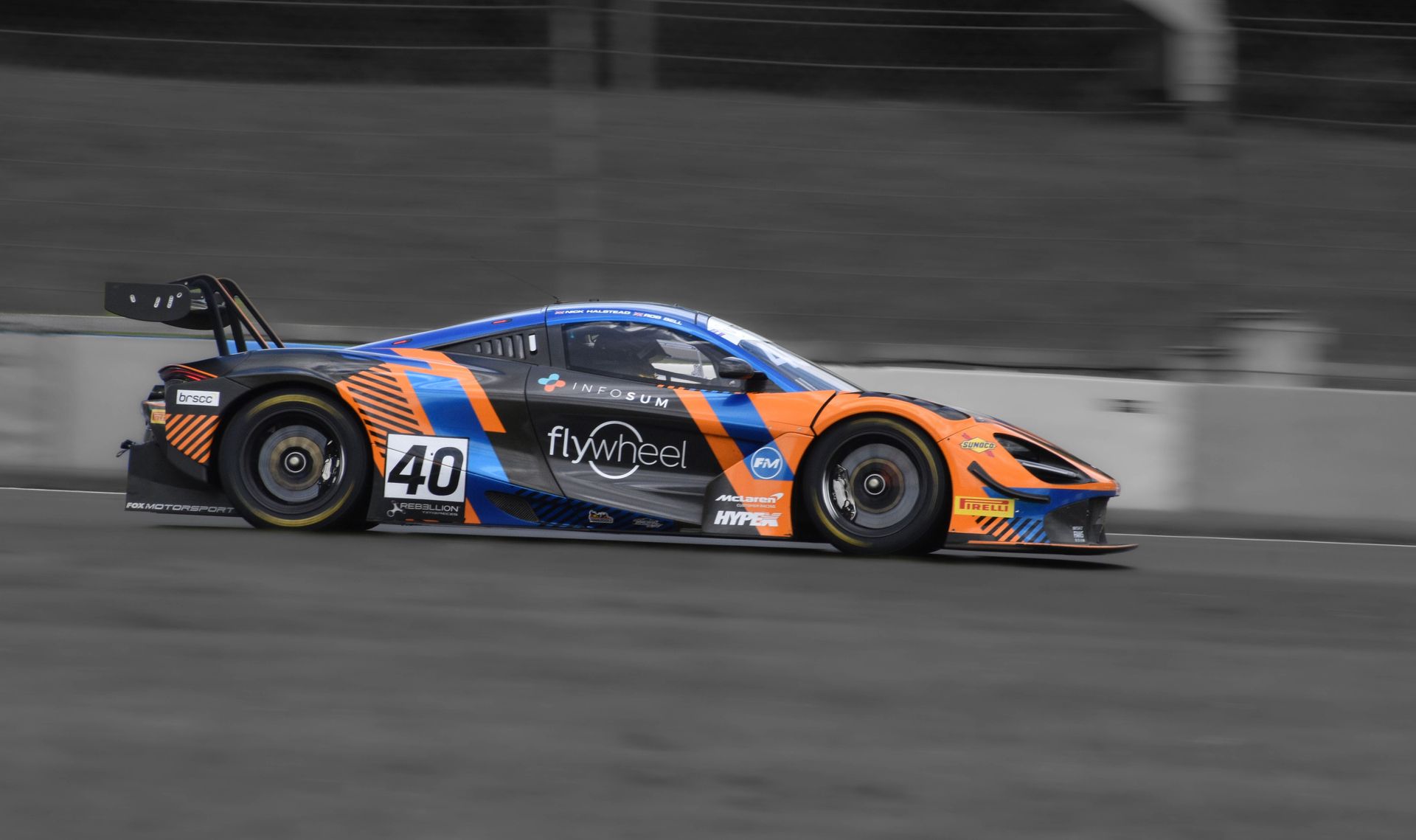
Sports car suspension systems typically feature significantly stiffer springs and dampers compared to comfort-oriented vehicles. This setup minimizes suspension travel and maintains precise wheel control, but it also means that road irregularities are transmitted more directly to the chassis and occupants.
The low ride height common in sports cars exacerbates this issue, as there’s less suspension travel available to absorb impacts. Additionally, the wide, low-profile tires favored for their performance characteristics provide minimal cushioning between the road and vehicle.
The harsh ride quality in sports cars is not a flaw but rather an intentional design choice that reflects their intended purpose. These vehicles are engineered for enthusiasts who prioritize handling precision, steering feedback, and performance capabilities over everyday comfort.
For buyers seeking a vehicle that serves double duty as both a daily driver and weekend performance machine, the firm ride characteristics of sports cars may prove fatiguing during regular commuting.
However, for those who understand and appreciate the performance benefits that come with this compromise, the trade-off is acceptable and even desirable.
4. Dodge Challenger
The Dodge Challenger represents a unique approach to automotive design, prioritizing retro styling, authenticity and straight-line performance over modern ride quality refinement.
Maintaining the correct suspension height is vital for both the aesthetics and performance of your Dodge Challenger. While the Challenger successfully captures the visual appeal of classic American muscle cars, its suspension system reflects the compromises inherent in maintaining period-correct styling and proportions while meeting modern safety and performance requirements.
The Challenger’s suspension design emphasizes the traditional American muscle car character, which historically prioritized straight-line acceleration performance over ride comfort or handling sophistication.
The vehicle’s substantial weight and high center of gravity, necessary to achieve its distinctive proportions, work against ride quality by creating more suspension loading and requiring firmer tuning to maintain control. The result is a vehicle that feels substantial and powerful but lacks the refined ride characteristics found in more modern performance cars.
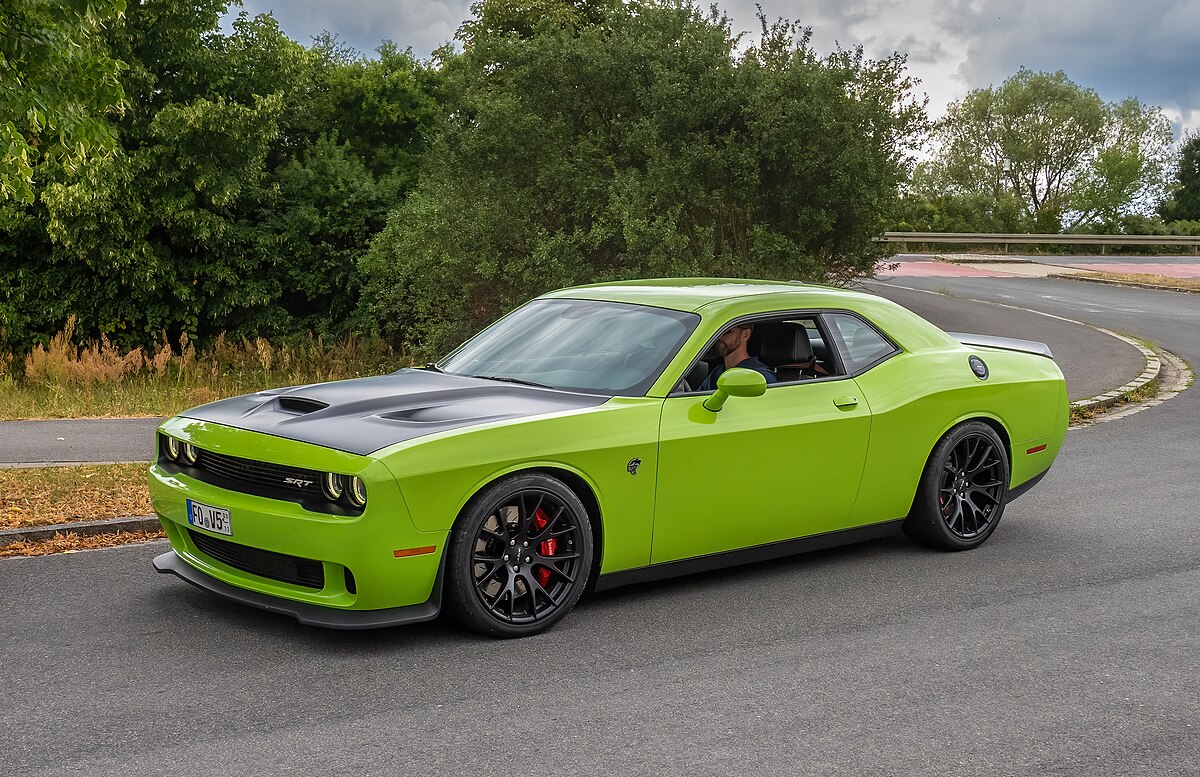
By addressing suspension lowering and sagging issues promptly, you can preserve the vehicle’s stance and ensure optimal handling. The Challenger’s suspension system can be particularly problematic as it ages, with common issues including sagging springs and worn dampers that further compromise ride quality.
The vehicle’s weight distribution and suspension design make it more susceptible to these aging-related problems compared to lighter, more modern performance cars.
Additionally, the Challenger’s large wheels and low-profile tires, while visually appealing and beneficial for handling, contribute to a harsher ride by providing minimal cushioning between the road surface and suspension system.
The Challenger’s approach to ride quality reflects its position as a style-focused muscle car rather than a refined sports sedan. For buyers who prioritize the vehicle’s distinctive retro appearance and powerful engine options, the compromised ride quality may be an acceptable trade-off.
However, those seeking a balance of performance and daily comfort will likely find the Challenger’s suspension characteristics less appealing than more modern alternatives that better integrate comfort and performance capabilities.
5. Economy Cars with Cost
Many economy-focused vehicles sacrifice ride quality in favor of cost reduction and manufacturing efficiency, resulting in suspension systems that prioritize affordability over passenger comfort.
Overly stiff suspension is characterized by harsh ride quality on rough roads, poor bump absorption, and reduced ride height that negatively impacts handling dynamics.
These vehicles typically employ simpler suspension designs with basic dampers and springs that lack the sophistication found in more expensive alternatives.
Economy cars often feature MacPherson strut front suspension and simple beam or torsion beam rear suspension designs that prioritize manufacturing cost over ride quality refinement.
While these systems can provide adequate handling characteristics, they typically lack the sophisticated tuning and high-quality components necessary for exceptional ride comfort.
The dampers in these vehicles are often basic single-tube designs without advanced valving or adaptive capabilities, resulting in a suspension that struggles to balance comfort and control effectively.
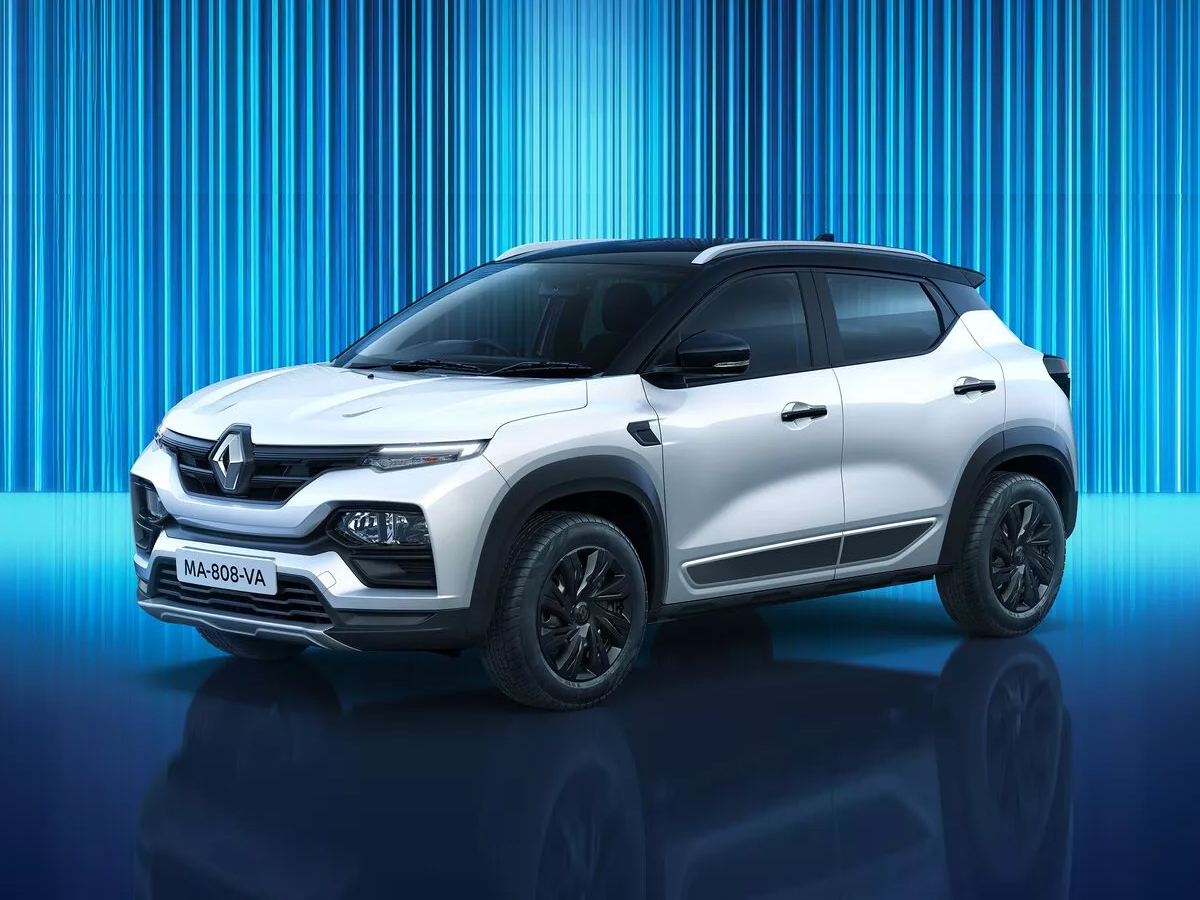
Soft suspension is identified by excessive body roll, a floating sensation during driving, compromised steering response, and poor stability control.
Some economy vehicles err in the opposite direction, employing overly soft suspension tuning that creates its own set of problems. While this approach may provide a superficially smooth ride over small bumps, it often results in poor body control, excessive bounce, and a disconnected driving feel that can be unsettling for passengers.
This type of suspension tuning also tends to perform poorly over larger road irregularities, where the lack of proper damping control becomes apparent.
The cost-driven approach to suspension design in economy vehicles means that manufacturers typically cannot invest in the advanced technologies and high-quality components that enable both comfort and performance. Materials quality, manufacturing precision, and tuning sophistication all suffer when cost becomes the primary consideration.
However, some economy vehicles manage to achieve respectable ride quality through careful engineering and thoughtful tuning, proving that budget constraints don’t necessarily preclude comfortable suspension design. The key difference lies in manufacturers’ priorities and their willingness to invest in ride quality even within cost constraints.
Also Read: 5 Cars That Rarely Need Window Motor Fixes vs 5 That Constantly Fail
