
The Honda Accord stands as one of America’s most enduring automotive success stories, having earned its reputation as a reliable, practical, and value-driven mid-size sedan over nearly five decades of production.
Since its debut in 1976 as a compact car, the Accord has evolved into a mid-size reliability champion that has consistently ranked among the top-selling vehicles in the United States.
With over 13 million units sold in America alone, the Accord has become synonymous with dependability, fuel efficiency, and longevity that many owners have come to expect from Honda’s engineering excellence.
However, not all Honda Accord model years are created equal. While the nameplate generally maintains an impressive track record for reliability, certain model years have proven to be significantly more dependable than others, with some achieving legendary status for their ability to rack up hundreds of thousands of miles with minimal issues.
Whether you’re shopping for a used Accord or trying to decide how long to keep your current one, this guide provides the essential information needed to go through the complex world of Honda Accord reliability across multiple generations.
5 Honda Accord Years That Run Forever
These exceptionally engineered Accord generations feature Honda’s most reliable powertrains and mature manufacturing processes that maintain perfect operation through hundreds of thousands of demanding miles without major component failures.
Their thoughtful construction includes the legendary K24 four-cylinder and J35 V6 engines with conservative tuning, proven automatic transmissions with robust valve bodies, and superior build quality that resists the wear patterns typically created by daily commuting and family use.
From extreme temperature cycling during cross-country trips to constant stop-and-go stress of urban driving, these remarkable sedans continue operating like new without experiencing the transmission failures, timing chain issues, or electrical problems that plague problematic model years.
Strategic component selection prioritizes proven reliability over cutting-edge features, while superior assembly quality ensures tight tolerances and consistent performance throughout extended ownership.
1. 2016 Honda Accord
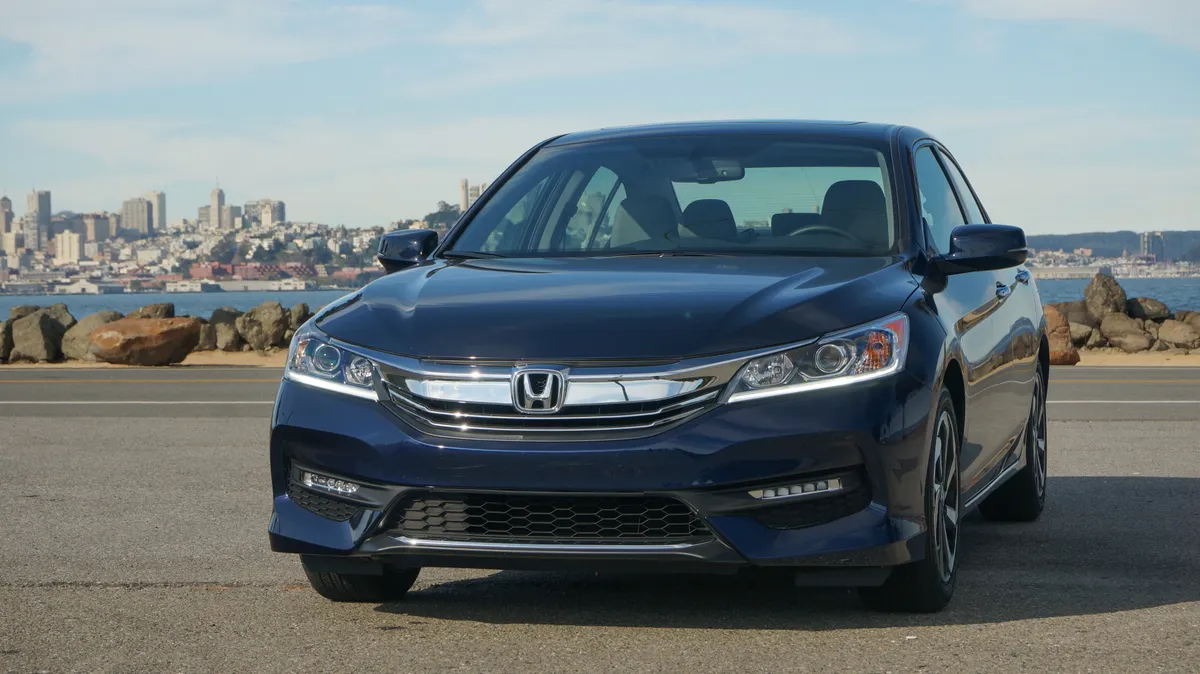
The 2016 Honda Accord stands as perhaps the most reliable model year in the vehicle’s long history, representing the pinnacle of ninth-generation refinement and engineering excellence.
The 2016 Honda Accord model year is considered the most reliable based on the number of driver complaints, making it a standout choice for buyers seeking maximum longevity and minimal ownership headaches.
This model year benefited from years of continuous improvement within the ninth generation, which began in 2013, allowing Honda engineers to address early issues and optimize every aspect of the vehicle’s design and manufacturing process.
What makes the 2016 Accord so exceptional is the convergence of several factors that rarely align so perfectly in automotive production. The powertrain options, including both the 2.4-liter four-cylinder and 3.5-liter V6 engines, had been thoroughly refined by this point, with any manufacturing kinks worked out through previous model years.
The continuously variable transmission (CVT) and traditional automatic transmissions offered in 2016 represented mature technology that Honda had perfected over multiple generations, eliminating the transmission problems that plagued earlier Accord years.
The 2016 model year also coincided with Honda’s heightened focus on quality control and manufacturing precision, implementing lessons learned from previous generation launches.
The electrical systems, climate control, infotainment technology, and safety features all represented proven components that had been tested extensively in real-world conditions.
This resulted in remarkably low complaint rates across all major vehicle systems, from engine and transmission to electronics and interior components.
Owners consistently report that 2016 Accords maintain their reliability well beyond 200,000 miles with proper maintenance, often requiring only routine services like oil changes, brake pads, and tire rotations for the first 150,000 miles of ownership.
The build quality during 2016 was exceptional, with tight tolerances, durable materials, and assembly processes that minimized the likelihood of premature component failures. Many owners find themselves surprised by how little maintenance their 2016 Accord requires compared to other vehicles in the same class.
This model year consistently ranks high in automotive reliability studies and owner satisfaction surveys, reinforcing its status as a wise long-term investment.
For buyers seeking a Honda Accord that truly embodies the brand’s reputation for dependability, the 2016 model year represents the gold standard that other years are measured against.
2. 2012 Honda Accord
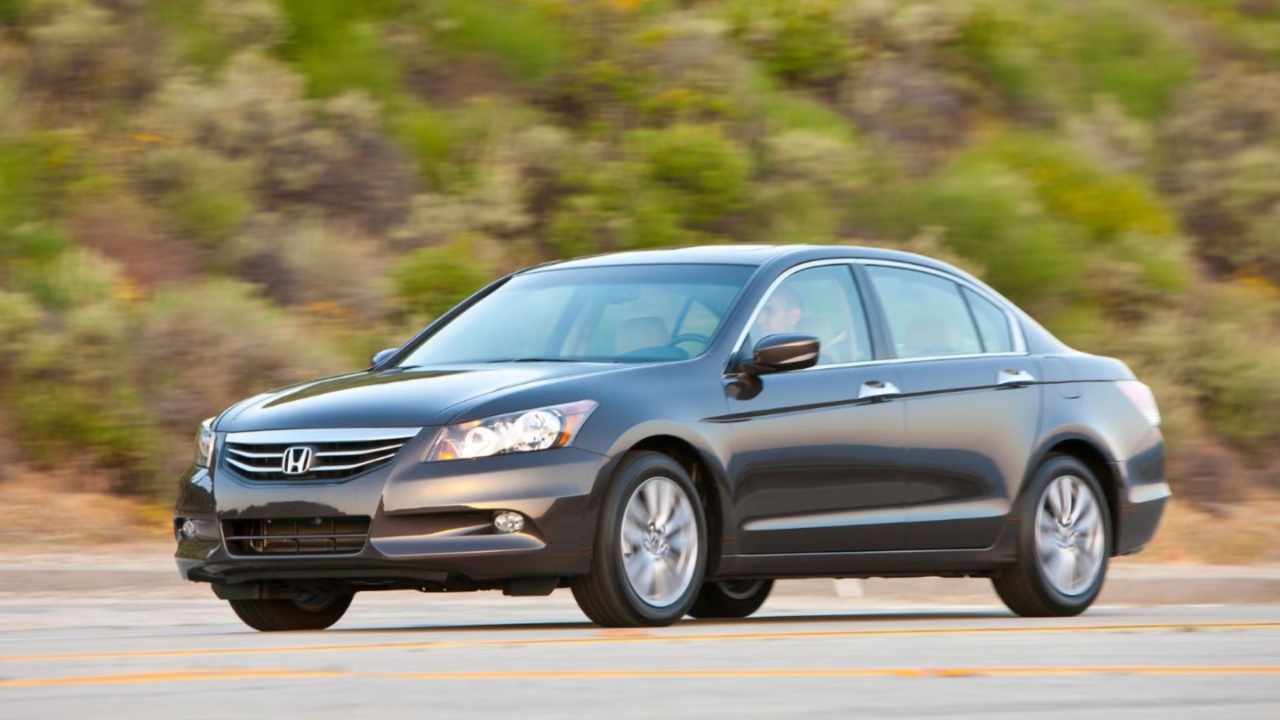
The 2012 Honda Accord represents the culmination of the eighth generation’s development, standing as a testament to Honda’s ability to refine and perfect a design over multiple years of production.
The 2012 Accord is considered the best year of the eighth generation and among the most reliable Honda Accord models, offering buyers a perfect blend of proven reliability, refined performance, and long-term durability that has stood the test of time.
This model year benefits from Honda’s methodical approach to continuous improvement, incorporating five years of owner feedback and engineering refinements since the eighth generation’s 2008 launch.
The eighth generation underwent significant changes early in its production run, with the problematic 2008 and 2009 model years suffering from various issues that Honda systematically addressed in subsequent years.
By 2012, every major component had been optimized for reliability, from the engine management systems to the transmission calibrations. The 2.4-liter four-cylinder engine in the 2012 Accord represents one of Honda’s most dependable powerplants, offering excellent fuel economy while maintaining the durability that Honda engines are known for worldwide.
What sets the 2012 Accord apart is the maturity of its design and the elimination of first-year problems that typically plague new generations. The electrical systems are robust and well-tested, the suspension components are engineered for longevity, and the interior materials have proven their ability to withstand years of daily use without significant wear.
Owners frequently report that their 2012 Accords feel as solid and refined at 200,000 miles as they did when new, a testament to Honda’s attention to build quality during this production year.
The 2012 model year also benefits from Honda’s refined manufacturing processes that had been perfected over the eighth generation’s production run. Quality control was exceptionally tight, resulting in consistent build quality across all vehicles produced.
This consistency means that buyers are less likely to encounter the occasional “lemon” that can sometimes occur when manufacturing processes are still being optimized. The result is a model year where the vast majority of vehicles meet Honda’s high standards for durability and reliability.
Maintenance requirements for the 2012 Accord are remarkably predictable and affordable, with most owners following standard service intervals without encountering unexpected repairs.
Many automotive experts consider the 2012 model year to be the sweet spot for used Accord buyers, offering modern features and safety technology while avoiding the potential issues associated with newer, more complex systems.
For those seeking a reliable daily driver that will provide years of trouble-free service, the 2012 Honda Accord remains one of the most compelling choices available in the used car market.
3. 2017 Honda Accord
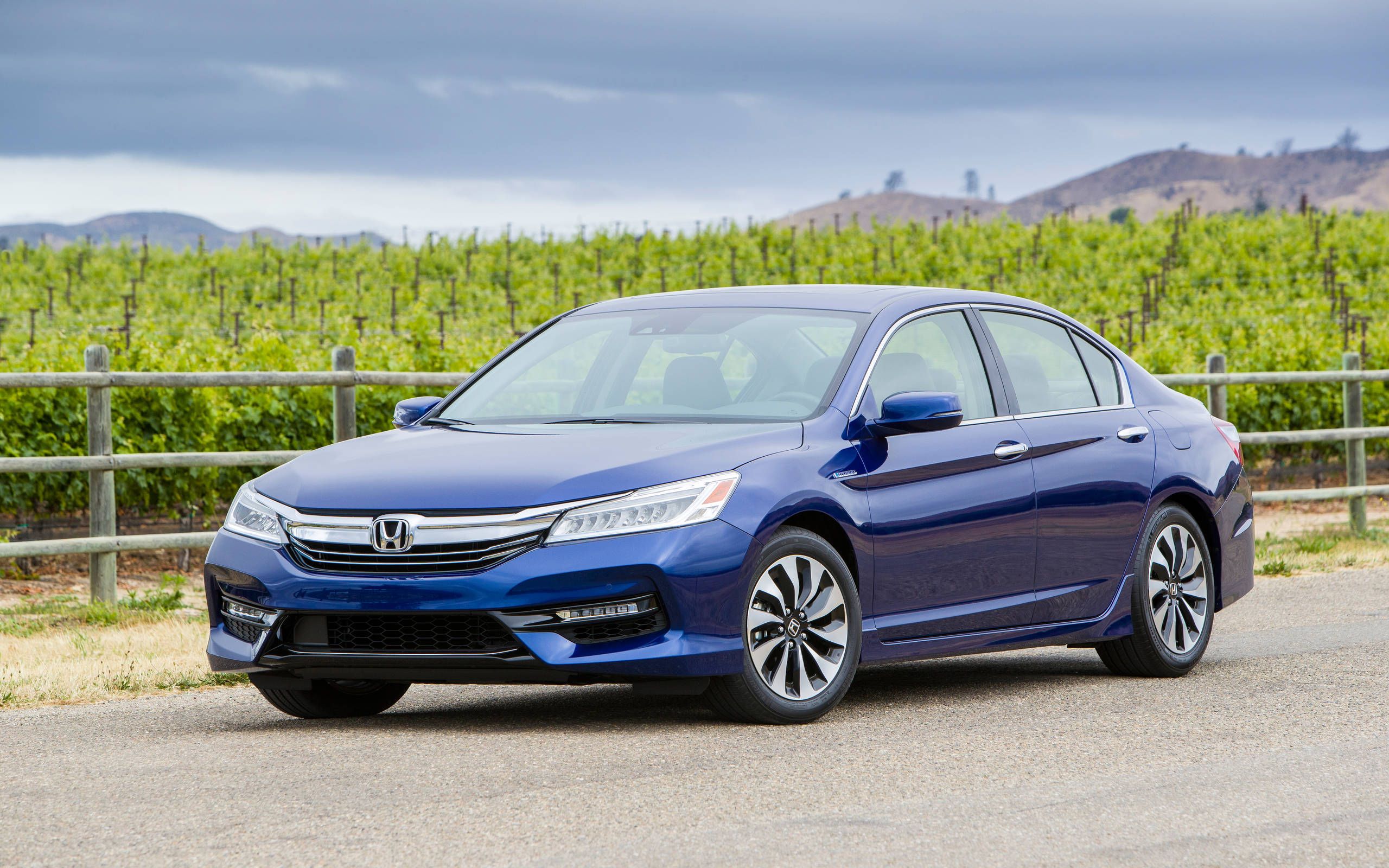
The 2017 Honda Accord represents the final year of the ninth generation, embodying all the refinements and improvements Honda made throughout this generation’s production run.
This model of the Accord garnered a high rating of 82 out of 100 for reliability, which is impressive for a car that is now seven years old, demonstrating that the 2017 model year successfully combined modern technology with proven dependability.
This model year stands as evidence that Honda’s commitment to reliability continued even as the automotive industry rapidly evolved toward more complex electronic systems and advanced safety features.
The 2017 Accord benefits from Honda’s mature approach to the ninth generation platform, incorporating years of real-world testing and owner feedback to create a vehicle that excels in long-term reliability.
The engine options, including both the 2.4-liter four-cylinder and 3.5-liter V6, represent thoroughly tested powerplants with known durability characteristics.
This careful evolution rather than revolution approach ensures that buyers get modern features without the reliability penalties often associated with cutting-edge technology.
The build quality of the 2017 Accords is exceptional, reflecting Honda’s refined manufacturing processes and strict quality control standards. Interior materials show excellent durability, with seats, dashboard components, and trim pieces maintaining their appearance and functionality well beyond 100,000 miles.
The exterior paint and body panels demonstrate Honda’s improved corrosion resistance and finish durability, important factors for vehicles expected to last decades rather than just a few years.
Owners of 2017 Accords frequently report maintenance experiences that align with Honda’s reputation for reliability, with routine services being the primary requirement for the first 100,000 to 150,000 miles.
When repairs are needed, they typically involve predictable wear items rather than unexpected component failures. The diagnostic systems in the 2017 Accord are sophisticated enough to provide early warning of potential issues, allowing owners to address problems before they become costly repairs.
The 2017 Accord’s position as a bridge between the proven ninth generation and the more modern tenth generation makes it an attractive choice for buyers who want contemporary features without the uncertainty that sometimes accompanies all-new designs.
The availability of parts and service knowledge for 2017 models is excellent, with Honda dealerships and independent mechanics well-versed in servicing these vehicles.
For buyers seeking a Honda Accord that combines modern amenities with time-tested reliability, the 2017 model year offers an ideal balance that should provide many years of dependable service.
4. 2011 Honda Accord
The 2011 Honda Accord stands as a prime example of how Honda’s methodical approach to continuous improvement can transform an initially problematic generation into a reliability showcase.
The 2011 Honda Accord model is considered one of the top-notch used cars from the eighth generation, representing Honda’s ability to learn from earlier missteps and implement meaningful improvements that dramatically enhance long-term dependability.
This model year benefits from Honda’s systematic resolution of issues that plagued the early eighth generation, resulting in a vehicle that embodies the reliability customers expect from the Honda brand.
The transformation from the problematic early eighth generation models to the excellent 2011 version illustrates Honda’s commitment to getting things right, even when it takes several model years to achieve perfection.
By 2011, Honda had addressed the oil consumption issues, transmission problems, and electrical glitches that affected 2008 and 2009 models. The result is a vehicle that maintains the eighth generation’s attractive styling and comfortable interior while delivering the reliability that Honda is famous for worldwide.
The 2011 Accord’s powertrain represents one of Honda’s most successful combinations of performance and reliability. The 2.4-liter four-cylinder engine had been refined to eliminate the excessive oil consumption that plagued earlier model years, while the available V6 engine provided strong performance without sacrificing long-term durability.
Both automatic and manual transmission options in 2011 demonstrate excellent reliability, with smooth operation and longevity that extends well beyond 200,000 miles with proper maintenance.
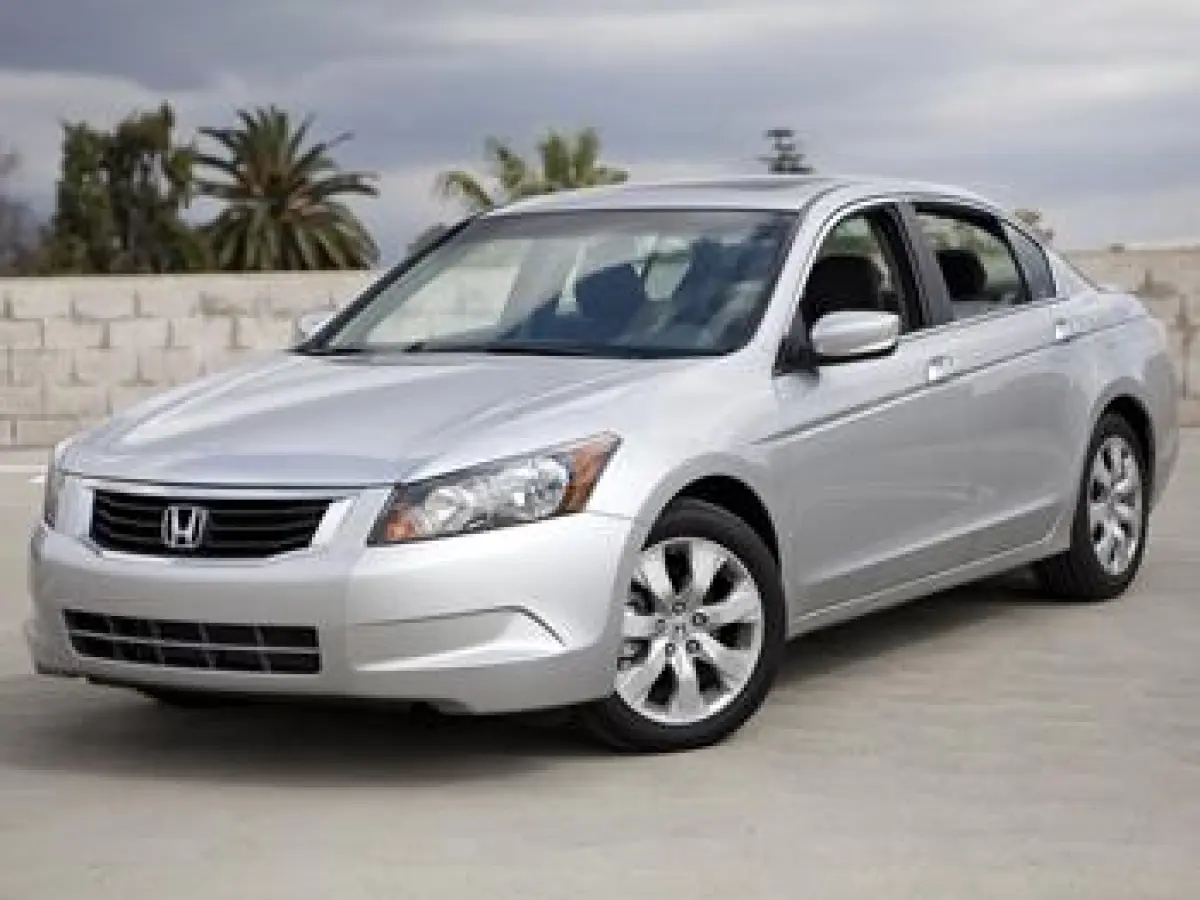
What makes the 2011 Accord particularly appealing is the maturity of its systems and components, which had been thoroughly tested and refined by this point in the generation’s lifecycle.
The electrical systems are robust and dependable, the climate control operates reliably for years, and the interior components demonstrate excellent durability under daily use.
Owners consistently report that their 2011 Accords maintain their tight, refined feel even at high mileage, indicating superior build quality and component selection.
The 2011 model year also represents an excellent value proposition in today’s used car market, offering many of the benefits of newer models while maintaining the simplicity and proven reliability of more mature technology.
For buyers seeking a reliable used Accord that combines proven dependability with relatively modern features, the 2011 model year represents an outstanding choice that should provide many years of trouble-free ownership.
Also Read: 5 Pickups That Outlive Their Beds vs 5 That Rust Out First
5. 2014 Honda Accord
The 2014 Honda Accord represents the second year of the ninth generation, building upon the solid foundation established with the 2013 redesign while incorporating important refinements that enhance long-term reliability.
2014-2017 are among the best years for the Honda Accord, with the 2014 model year specifically benefiting from Honda’s quick response to early ninth generation feedback and their implementation of improvements that addressed any initial concerns.
This model year demonstrates Honda’s ability to rapidly refine a new generation while maintaining the core reliability that customers depend upon.
The 2014 Accord benefits from Honda’s experience with the completely redesigned ninth generation platform, incorporating lessons learned during the first year of production to create a more refined and dependable vehicle.
The engine options, including the efficient 2.4-liter four-cylinder and powerful 3.5-liter V6, had been optimized for both performance and longevity by 2014.
The available transmissions, including Honda’s CVT and traditional automatic, demonstrated improved reliability and refinement compared to the initial 2013 models.
One of the key strengths of the 2014 Accord is its combination of modern technology and proven reliability. The ninth generation introduced significant advances in fuel economy, interior space, and safety features while maintaining Honda’s commitment to dependability.
By the 2014 model year, any software bugs or component issues from the generation launch had been resolved, resulting in a vehicle that offers contemporary features without sacrificing the long-term reliability that Honda customers expect.
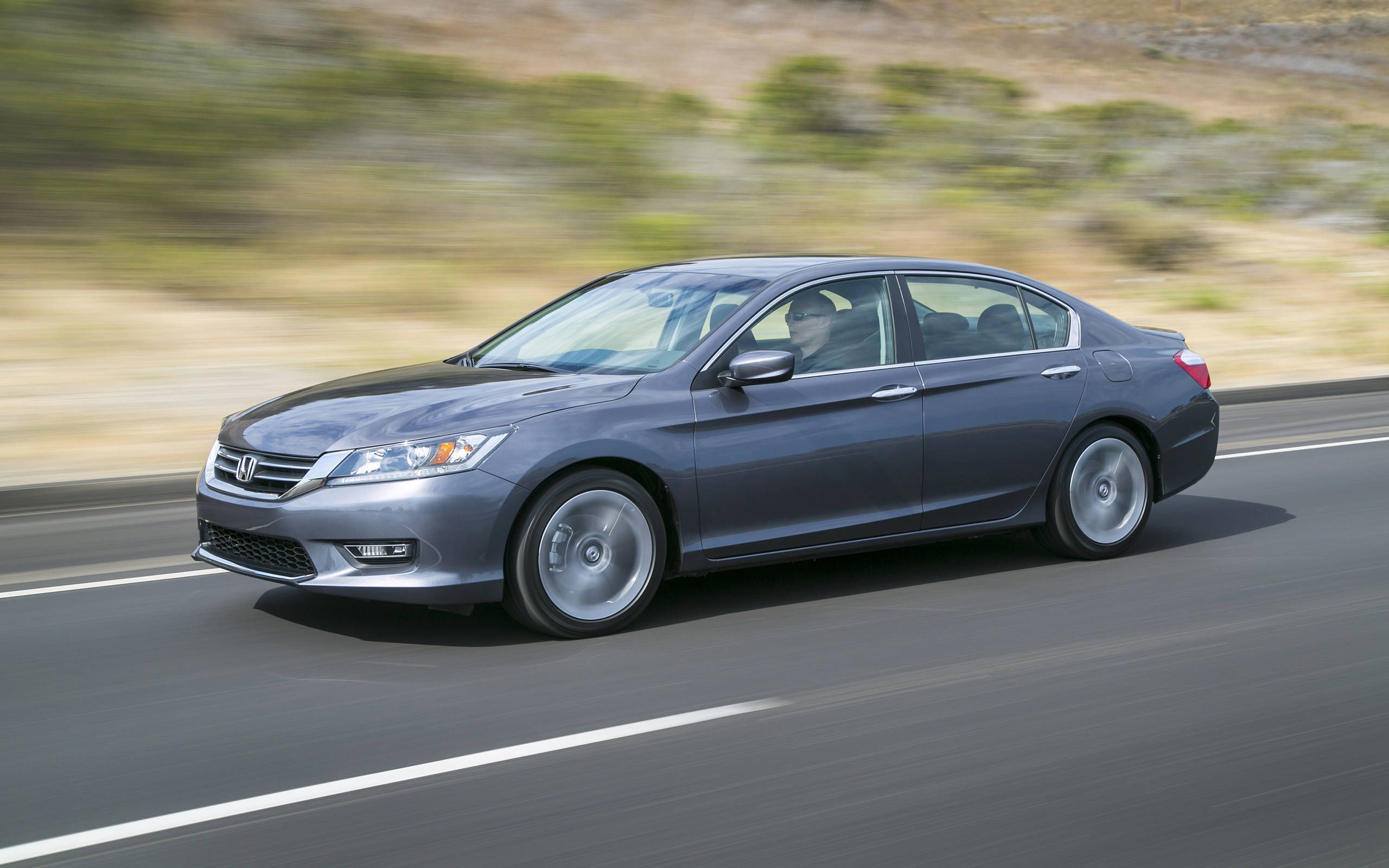
The build quality of the 2014 Accords reflects Honda’s mature manufacturing processes and attention to detail. Interior materials demonstrate excellent durability, maintaining their appearance and functionality well beyond typical ownership periods.
The exterior finish and body panels show Honda’s improved corrosion resistance and paint durability, important considerations for vehicles expected to last decades. The fit and finish of 2014 models is exceptional, with tight tolerances and consistent assembly quality across all production units.
Owners of 2014 Accords frequently report ownership experiences that align with Honda’s reliability reputation, with maintenance requirements remaining predictable and reasonable throughout the vehicle’s lifespan.
For buyers seeking a Honda Accord that offers modern technology, excellent fuel economy, and Honda’s legendary reliability, the 2014 model year provides an ideal combination that should deliver many years of satisfying ownership.
5 Honda Accord Years to Avoid
These catastrophically unreliable Accord generations suffer from fundamental engineering missteps, including defective automatic transmissions and problematic engine designs that create perfect conditions for expensive failures under normal operating condition,s despite Honda’s reputation for dependability.
Their cost-cutting construction shows in the notorious V6 automatic transmissions that fail prematurely due to inadequate cooling and poor valve body design, problematic Variable Cylinder Management systems that cause rough idle and premature engine wear, and complex electrical systems that malfunction without warning.
Poor material choices in critical drivetrain components lead to premature failure patterns that contradict decades of Honda reliability, while rushed development timelines created quality control issues that escaped factory testing.
The combination of unproven technology and cost-cutting measures creates sedans where Honda’s legendary durability becomes a cruel joke for unfortunate owners who expected the same bulletproof reliability that built the brand’s reputation.
1. 2003 Honda Accord
The 2003 Honda Accord stands as one of the most problematic model years in the vehicle’s history, earning a reputation that contradicts Honda’s typically stellar reliability record.
The 2003 model year is rated as worse because of other possible factors, such as higher repair costs or more problems at lower mileage, making it a prime example of how even respected manufacturers can stumble during major transitions.
This model year was part of the seventh generation launch, coinciding with significant design changes and new manufacturing processes that introduced numerous issues not typically associated with Honda vehicles.
The 2003 Accord had 24 issued recalls, with problems ranging from exploding airbags to missing side reflectors that could make the car difficult to see at night, representing one of the highest recall counts for any Honda model year.
These recalls covered critical safety systems, including the infamous Takata airbag issues that would later become an industry-wide crisis, but originated with models like the 2003 Accord.
The sheer volume of recalls indicates fundamental problems with quality control and component selection that affected multiple vehicle systems simultaneously.
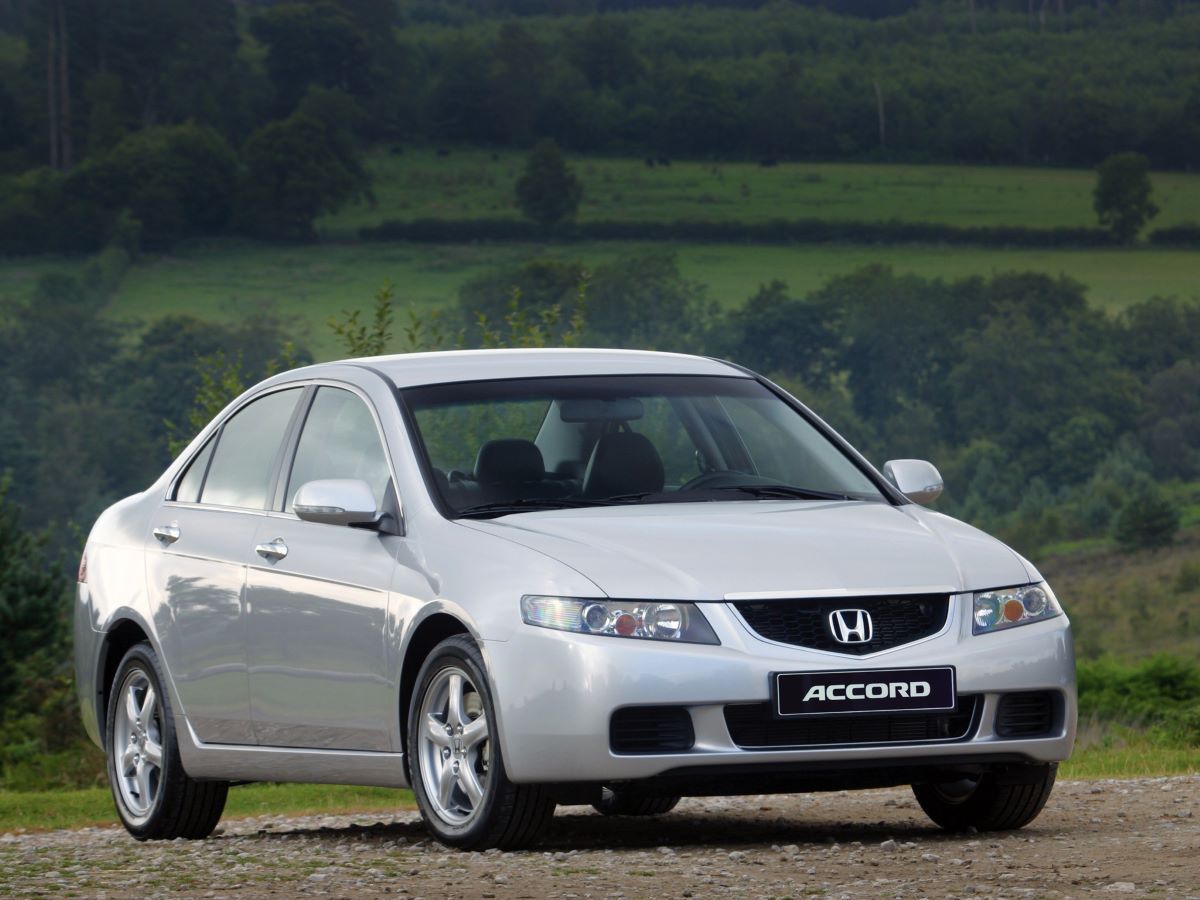
The transmission problems in the 2003 Accord are particularly notorious, with many owners experiencing complete transmission failures well before 100,000 miles. These failures often required expensive replacements or rebuilds, sometimes costing more than the vehicle’s remaining value.
The transmission issues weren’t limited to one specific type, affecting both automatic and manual transmissions, suggesting systemic problems with Honda’s transmission development and testing during this period.
The 2003 Accord’s reputation in the used car market reflects these widespread problems, with these vehicles typically selling for significantly less than comparable model years from the same generation.
Insurance companies and repair shops are well aware of the 2003 Accord’s issues, often resulting in higher insurance costs and expensive repair estimates.
For buyers considering a used Honda Accord, the 2003 model year represents a cautionary tale about how even the most respected manufacturers can produce problematic vehicles during transitional periods.
2. 2008 Honda Accord
The 2008 Honda Accord marked the beginning of the eighth generation with significant promise but delivered substantial disappointment due to numerous reliability issues that contradicted Honda’s reputation for quality.
The 2008 Honda Accord introduced a new design but unfortunately came with notable drawbacks, with owners highlighting excessive oil consumption as a primary issue, requiring frequent oil top-ups that led to frustration and higher maintenance costs.
This model year exemplifies the challenges manufacturers face when launching completely redesigned vehicles, as the rush to introduce new features and technology often comes at the expense of proven reliability.
The oil consumption problem in the 2008 Accords was particularly severe, with many owners reporting the need to add oil between regular changes to prevent engine damage.
This issue wasn’t limited to high-mileage vehicles but affected many Accords from early in their ownership period. Honda initially denied the problem existed, leaving many owners frustrated and facing expensive engine repairs when oil starvation caused internal damage.
The company eventually acknowledged the issue and extended warranties for affected vehicles, but not before many owners experienced costly repairs.
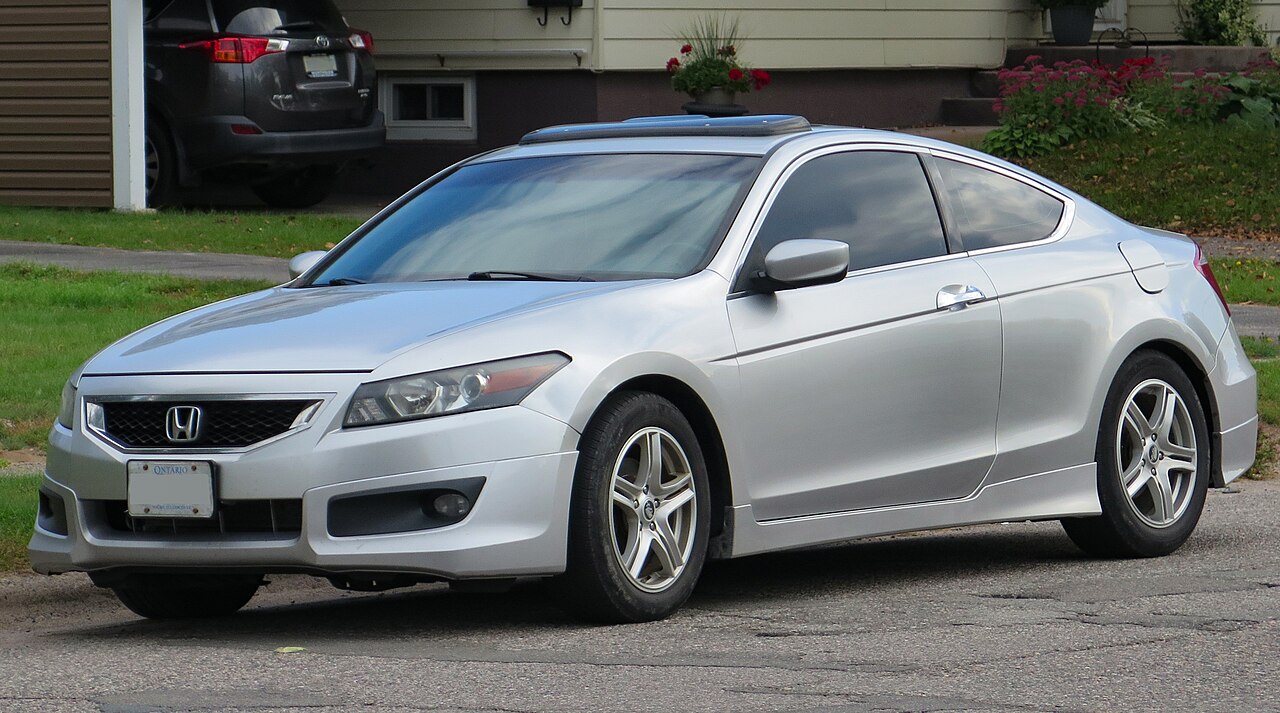
Transmission problems in the 2008 Accord were another significant concern, with many owners reporting premature failures, harsh shifting, and other transmission-related issues.
The problems affected both the traditional automatic transmission and Honda’s CVT, suggesting systemic issues with the eighth generation’s drivetrain development.
These transmission problems often required expensive repairs or complete replacements, sometimes occurring at relatively low mileage when owners least expected major maintenance expenses.
The 2008 Accord also suffered from numerous electrical system problems, including premature component failures and complex wiring issues that proved difficult and expensive to diagnose.
Many owners reported problems with the vehicle’s computer systems, climate control, and electrical accessories that required multiple dealership visits to resolve. These electrical gremlins often returned even after repairs, suggesting fundamental design or manufacturing issues with the vehicle’s electrical systems.
The combination of mechanical problems, electrical issues, and quality control concerns makes the 2008 Accord one of the least desirable model years for used car buyers.
Repair costs for 2008 Accords are typically higher than comparable model years, and the likelihood of encountering unexpected problems remains raised even for vehicles with reasonable maintenance records.
For buyers seeking Honda’s legendary reliability, the 2008 Accord represents a significant departure from the brand’s typical standards and should be avoided in favor of more proven model years.
3. 2013 Honda Accord
The 2013 Honda Accord launched the ninth generation with high expectations but delivered significant disappointments that made it one of the most problematic model years in recent Honda history.
2013-2014 are among the important Accord model years to avoid, with 2013 being one of the worst years for the Honda Accord due to the typical first-year problems associated with completely redesigned vehicles.
This model year demonstrates how even Honda’s experienced engineering teams can struggle when implementing major changes to established platforms, resulting in reliability issues that contradict the brand’s reputation for dependability.
The 2013 Accord’s problems began with Honda’s introduction of Earth Dreams technology, including new engines and transmissions that hadn’t been thoroughly tested in real-world conditions.
The 2.4-liter four-cylinder engine experienced various issues, including timing chain problems, oil consumption concerns, and cooling system defects that could lead to overheating. Many owners reported engine problems occurring at relatively low mileage, suggesting quality control issues during the initial production period.
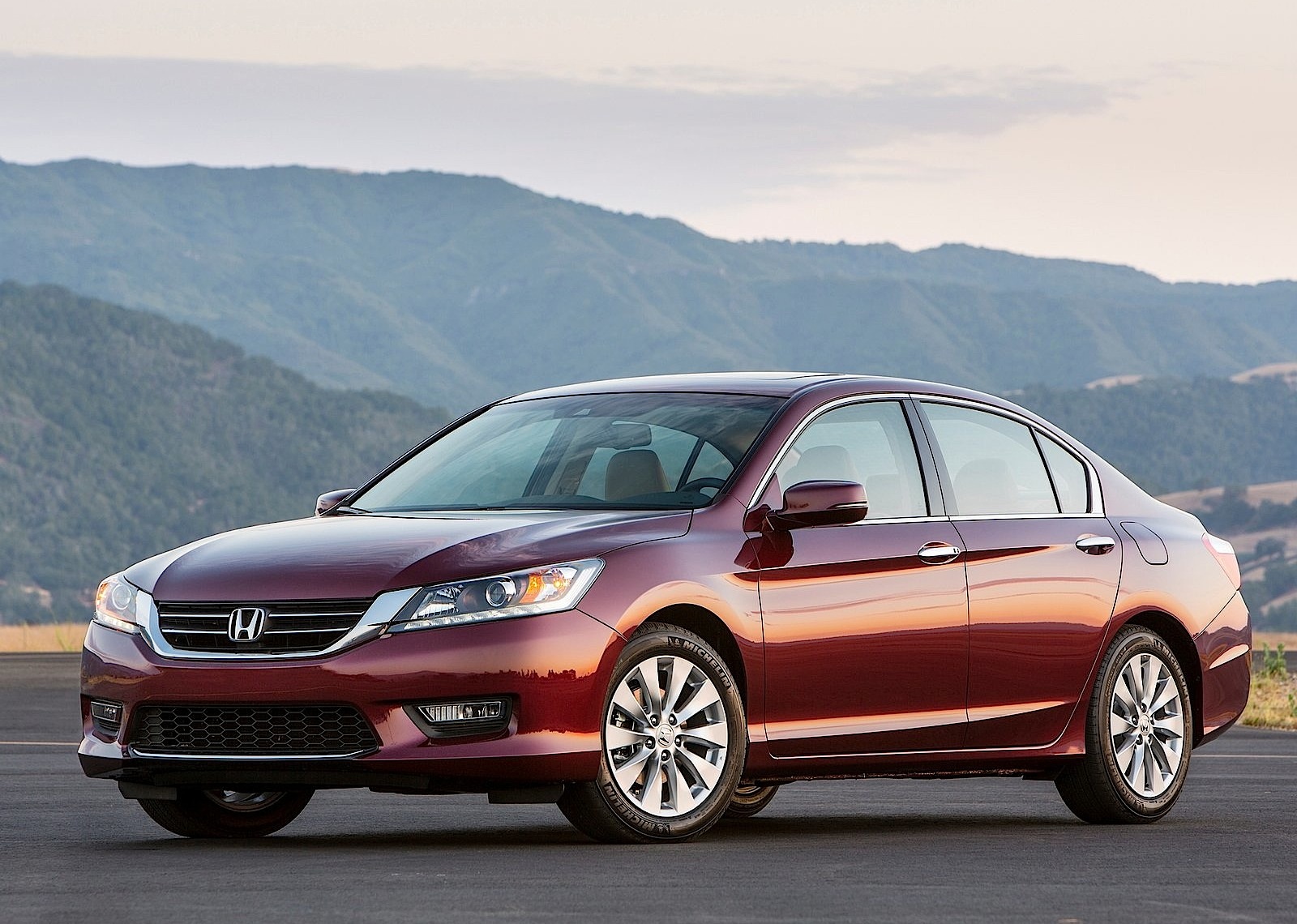
Transmission problems in the 2013 Accord were particularly troublesome, affecting both the CVT and traditional automatic transmission options. Many owners reported harsh shifting, premature transmission failures, and other drivetrain issues that required expensive repairs.
The CVT, in particular, suffered from reliability problems that Honda would later address in subsequent model years, but early adopters of the 2013 Accord bore the brunt of these developmental issues.
The 2013 Accord also introduced new electronic systems and infotainment technology that proved problematic for many owners. Software glitches, system crashes, and component failures plagued many vehicles, requiring multiple dealership visits to resolve.
The integration between various electronic systems wasn’t as refined as Honda’s typical standards, resulting in intermittent problems that proved difficult to diagnose and repair consistently.
The 2013 Accord’s troubled reputation in the used car market reflects these widespread issues, with these vehicles typically requiring more thorough inspections and commanding lower prices than comparable model years.
Insurance companies and repair facilities are aware of the 2013 Accord’s problems, often resulting in higher repair estimates and more cautious appraisals.
For buyers seeking reliable Honda transportation, the 2013 Accord represents a cautionary example of first-year production issues that make later model years much more attractive alternatives.
4. 2001 Honda Accord
The 2001 Honda Accord represents one of the darkest chapters in Honda’s transmission reliability history, with widespread automatic transmission failures that affected thousands of owners and damaged Honda’s reputation for dependability.
Honda Accord had transmission problems in the 1999, 2000, and 2001 model years, with the 2001 model year being particularly problematic due to systemic transmission defects that often required complete replacement at relatively low mileage.
This model year serves as a reminder that even the most respected manufacturers can experience engineering failures that result in expensive and frustrating ownership experiences.
The transmission problems in 2001 Accords weren’t isolated incidents but represented widespread failures that affected a significant percentage of vehicles produced.
Many owners reported complete transmission failures occurring between 60,000 and 120,000 miles, well before the expected lifespan of a properly engineered automatic transmission. The failures often happened suddenly, leaving owners stranded and facing repair bills that sometimes exceeded the vehicle’s remaining value.
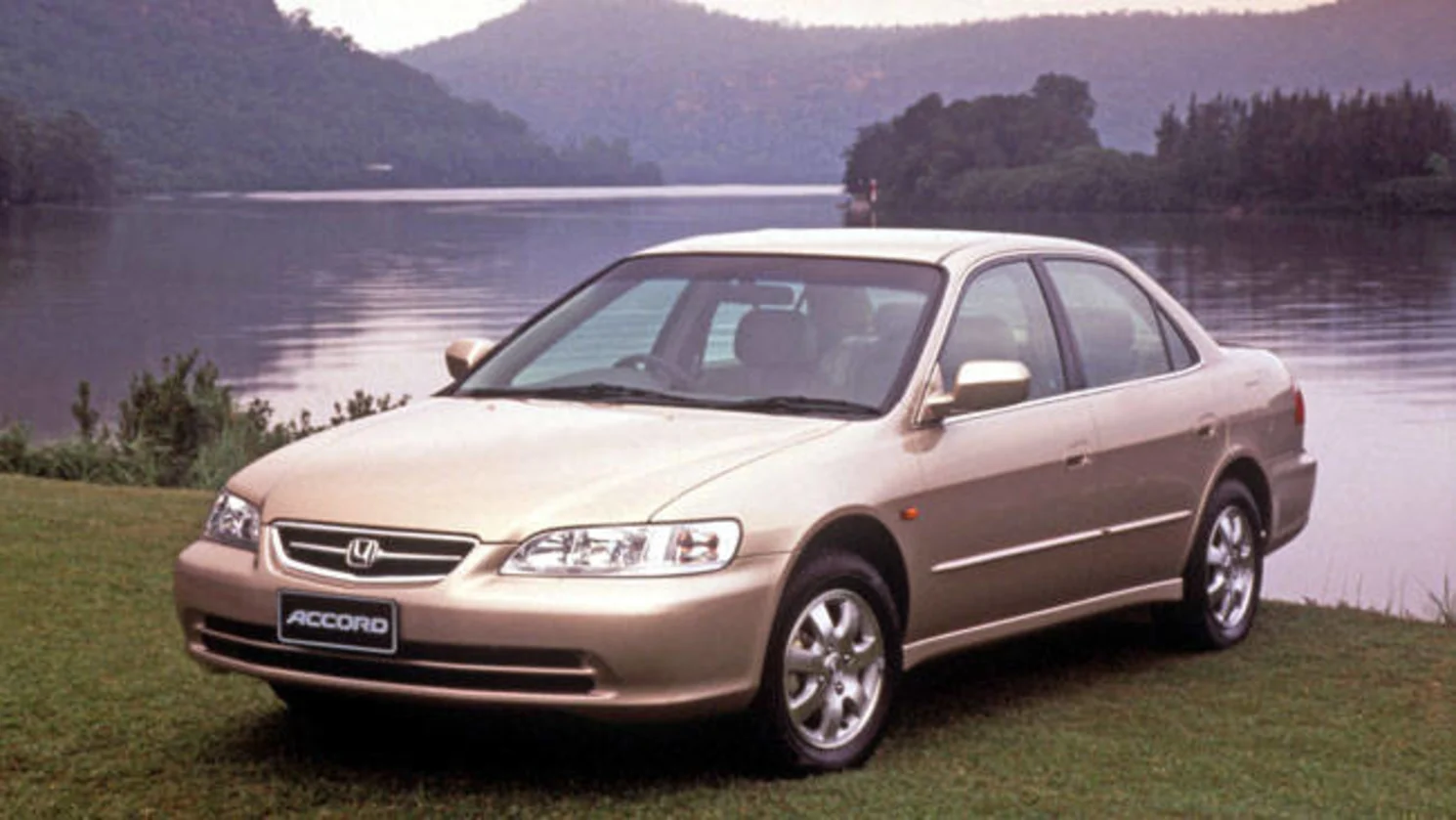
Honda’s initial response to the transmission problems was inadequate, with the company initially denying widespread issues and refusing to extend warranties or provide assistance to affected owners.
This response frustrated many loyal Honda customers who expected better support from a company known for standing behind its products. Eventually, Honda acknowledged the problems and extended warranties for affected vehicles, but not before many owners had already paid for expensive repairs or replacements.
The specific technical problems with 2001 Accord transmissions included premature wear of internal components, inadequate cooling systems, and design defects that made early failure almost inevitable under normal operating conditions.
The transmission fluid would break down prematurely, leading to internal damage that required complete transmission replacement rather than simple repairs.
These problems affected both four-cylinder and V6 models, suggesting systemic issues with Honda’s transmission development during this period.
The availability of better model years from the same generation makes avoiding the problematic 2001 version an easy decision for informed shoppers.
5. 1999 Honda Accord
The 1999 Honda Accord marked the final year of the sixth generation with significant reliability problems that made it one of the most problematic model years in Honda’s history.
The 1999 model year is among the worst years for the Honda Accord, suffering from the same transmission problems that would plague Honda into the early 2000s, while also experiencing various end of generation quality control issues.
This model year represents a perfect storm of aging platform problems combined with early examples of the transmission defects that would become synonymous with Honda’s late 1990s and early 2000s production.
The transmission problems in 1999 Accords were severe and widespread, with many owners experiencing complete automatic transmission failure at relatively low mileage.
These failures often occurred between 70,000 and 130,000 miles, well before the expected lifespan of a properly designed automatic transmission.
The problems affected both four-cylinder and V6 models, with the V6 versions being particularly prone to early transmission failure due to the additional stress of the more powerful engine.
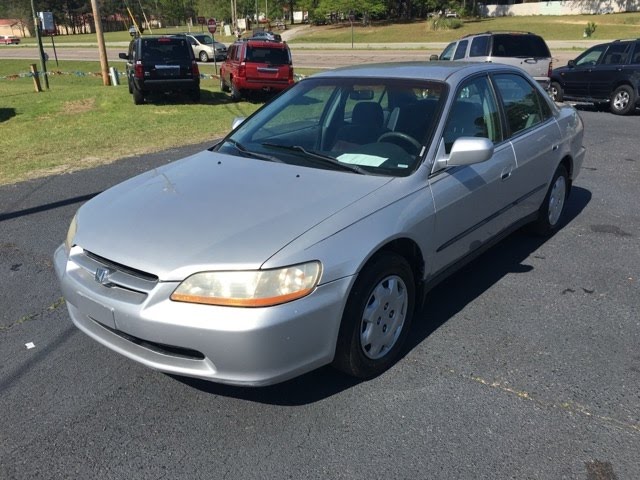
Engine problems in 1999 Accords included various issues ranging from premature timing belt failures to oil consumption problems and cooling system defects.
Many owners reported engine problems occurring earlier than expected, suggesting quality control issues during the final year of sixth generation production.
The combination of engine and transmission problems meant that many 1999 Accord owners faced multiple major repair decisions during their ownership period.
Electrical system problems plagued many 1999 Accords, with issues ranging from alternator failures to complex wiring problems that affected multiple vehicle systems.
For those considering a sixth generation Accord, earlier model years from the same generation offer much better reliability and ownership experiences, making the problematic 1999 version easy to avoid.
Also Read: 5 BMW Models That Age Well vs 5 That Don’t
