

When it comes to vehicle longevity, few maintenance practices are as crucial as regular oil changes. Motor oil serves as the lifeblood of your engine, lubricating moving parts, reducing friction, and carrying away heat and contaminants.
However, not all vehicles respond equally to this fundamental maintenance routine. Some cars and trucks are engineered with such robust designs and quality materials that consistent oil changes can help them achieve astronomical mileage figures often exceeding 300,000 or even 500,000 miles with proper care.
On the other hand, certain vehicles seem to struggle with longevity despite religious adherence to maintenance schedules. These problematic models often suffer from inherent design flaws, inferior materials, or complex systems that are prone to failure regardless of how well they’re maintained.
Understanding the difference between these two categories can save you thousands of dollars in repair costs and help you make informed decisions when purchasing your next vehicle.
The vehicles that thrive with regular maintenance typically share common characteristics: simple, proven engine designs, quality construction materials, conservative engineering approaches, and strong manufacturer support for parts availability.
These machines were often designed during eras when automotive manufacturers prioritized durability over flashy features or profit margins. Conversely, vehicles that struggle with longevity frequently feature overly complex systems, cost-cutting measures in critical components, or experimental technologies that haven’t stood the test of time.
This comprehensive analysis will examine five vehicles renowned for their exceptional longevity when properly maintained, followed by five models that have gained notorious reputations for premature failures despite careful ownership.
By understanding these distinctions, you can make more informed decisions about which vehicles deserve a place in your driveway and which ones you should avoid, regardless of how attractive their initial purchase price or feature set might appear.
5 Vehicles That Last a Lifetime With Regular Oil Changes
These exceptionally engineered automobiles feature robust internal components and conservative tolerances that thrive under consistent lubrication maintenance, delivering reliable transportation through decades of faithful service with minimal major repairs required.
Their thoughtful design includes oversized oil pumps and precision-manufactured bearing surfaces that resist the wear patterns and contamination buildup typically associated with extended service intervals or neglected maintenance schedules.
From extreme operating temperatures that challenge lubricant properties to the constant friction cycles of daily commuting, these remarkable powertrains continue running smoothly without developing the sludge accumulation or bearing wear found in less durable engine designs.
Owners report hundreds of thousands of trouble-free miles with these dependable vehicles a testament to bulletproof engineering that proves its worth through consistent performance and maintained mechanical integrity throughout multiple decades of ownership.
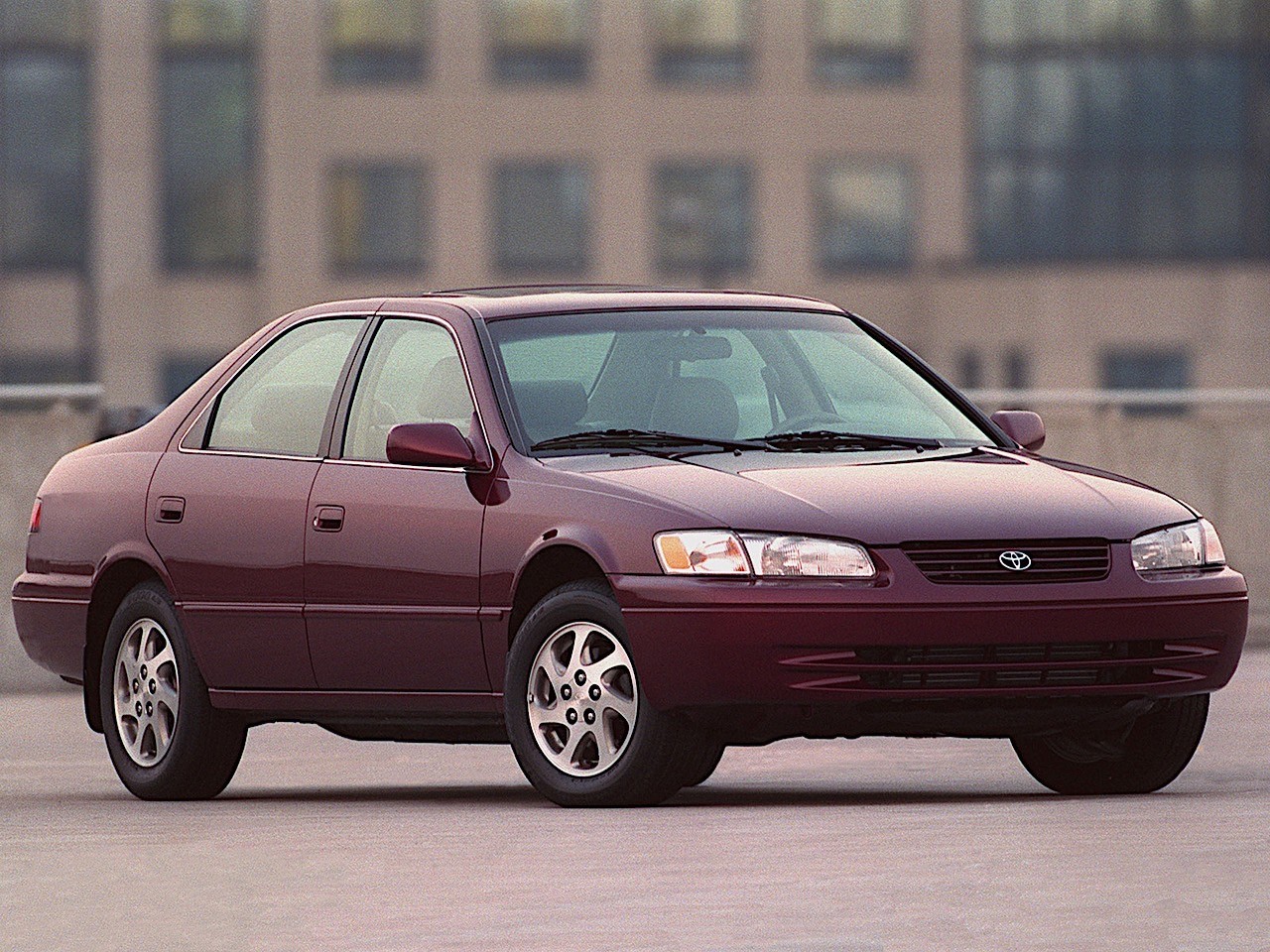
1. Toyota Camry (1997-2006 Generation)
The Toyota Camry from the late 1990s through the mid-2000s represents the pinnacle of reliable automotive engineering. This generation, particularly models equipped with the 2.4-liter 2AZ-FE four-cylinder engine, has earned legendary status among automotive enthusiasts and practical car buyers alike.
The secret to the Camry’s exceptional longevity lies in Toyota’s conservative engineering philosophy and their commitment to proven, time-tested technologies rather than cutting-edge innovations that might compromise reliability.
The 2AZ-FE engine features a cast-iron block with aluminum heads, providing excellent thermal management and durability. The timing chain system eliminates the maintenance concerns associated with timing belts, while the relatively simple fuel injection system rarely experiences the complex failures common in more modern direct-injection engines.
Toyota’s engineers designed generous oil passages and implemented robust filtration systems that respond exceptionally well to regular oil changes.
Owners who maintain consistent 5,000-mile oil change intervals often report trouble-free operation well beyond 300,000 miles. The engine’s design includes oversized bearings, conservative compression ratios, and ample cooling capacity that prevents the thermal stress responsible for premature engine failures in less robust designs.
The transmission, whether manual or automatic, was engineered with similar longevity principles, featuring heavy-duty internal components and excellent fluid circulation.
Beyond the powertrain, this Camry generation benefits from high-quality interior materials, proven suspension designs, and electrical systems that avoid the complexity-related failures plaguing modern vehicles.
The body structure resists corrosion effectively, particularly in models from 2002 onward when Toyota implemented improved anti-corrosion treatments.
Regular oil changes not only preserve engine life but also maintain optimal operating temperatures that benefit every system in the vehicle. The aftermarket support for these Camrys remains exceptional, with abundant parts availability and extensive technical knowledge among mechanics worldwide.
This combination of inherent reliability, simple maintenance requirements, and strong support infrastructure makes the 1997-2006 Camry an ideal choice for buyers seeking maximum vehicle longevity with minimal complexity.
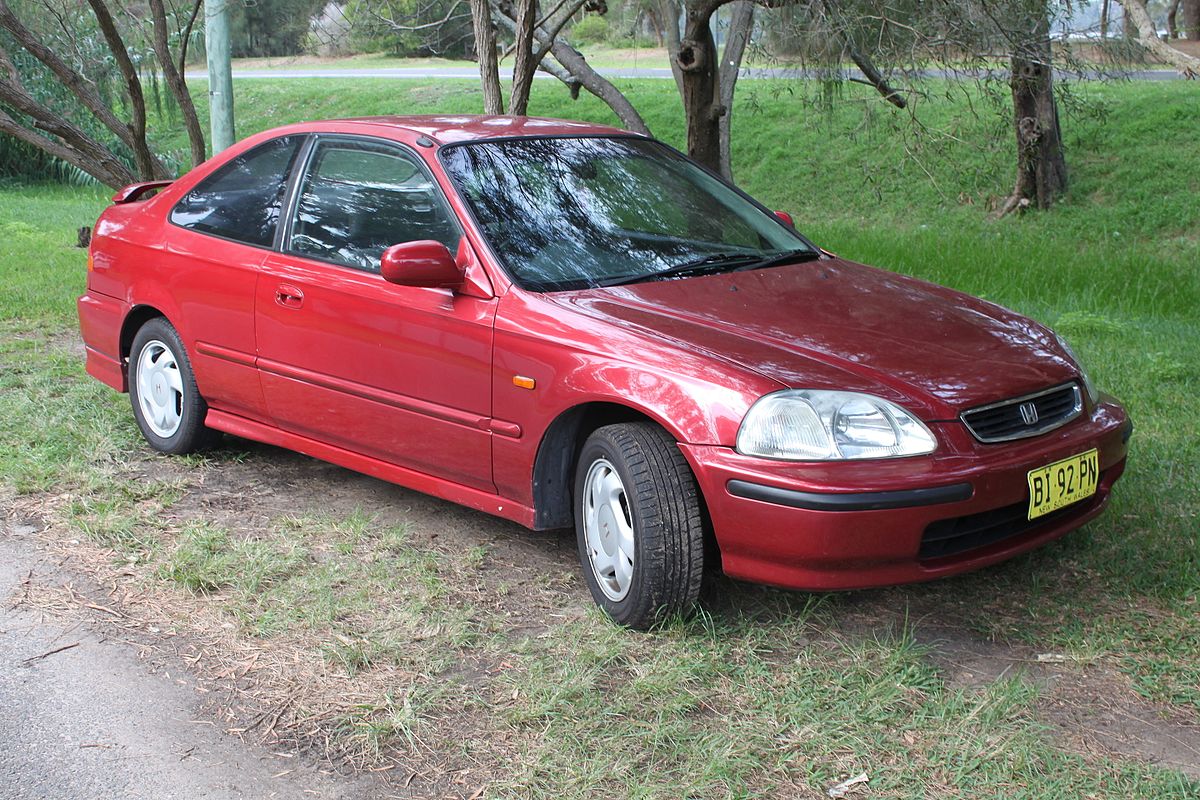
2. Honda Civic (1996-2000 Generation)
The sixth-generation Honda Civic stands as a testament to Honda’s engineering excellence during the company’s golden era of reliability. Built during a period when Honda prioritized durability and simplicity over flashy features, these Civics have consistently demonstrated remarkable longevity when maintained properly.
The key to their success lies in Honda’s meticulous attention to engine design, particularly the legendary D16Y7 and D16Y8 engines that powered most models in this generation.
These SOHC engines feature Honda’s time-tested VTEC technology in its most reliable form, with fewer complex components than later iterations.
The aluminum construction provides excellent heat dissipation while maintaining lightweight characteristics that reduce stress on drivetrain components.
Honda’s engineers implemented generous oil circulation systems with strategically placed oil jets that ensure critical components receive adequate lubrication even under severe operating conditions.
The manual transmissions in these Civics are particularly noteworthy for their longevity, featuring Honda’s precise gear synchronization and robust internal components that rarely fail even after hundreds of thousands of miles.
The automatic transmissions, while less celebrated, still demonstrate impressive durability when fluid changes accompany regular oil maintenance routines. Honda’s conservative approach to transmission programming ensures gentle engagement and minimal thermal stress during normal operation.
Regular oil changes in these Civics provide benefits that extend far beyond engine preservation. The integrated nature of Honda’s engineering means that proper engine lubrication maintains optimal operating temperatures throughout the vehicle, reducing stress on cooling systems, electrical components, and even interior climate control systems.
Owners frequently report original air conditioning compressors functioning flawlessly after 200,000+ miles when regular maintenance schedules are followed. The simplicity of the Civic’s design eliminates many potential failure points found in more complex vehicles.
The absence of timing belts in favor of maintenance-free timing chains, straightforward fuel injection systems, and robust electrical architectures contributes to the vehicle’s reputation for longevity.
Combined with Honda’s excellent parts availability and widespread mechanical expertise, these Civics represent one of the most cost-effective paths to long-term vehicle ownership available in the used car market.
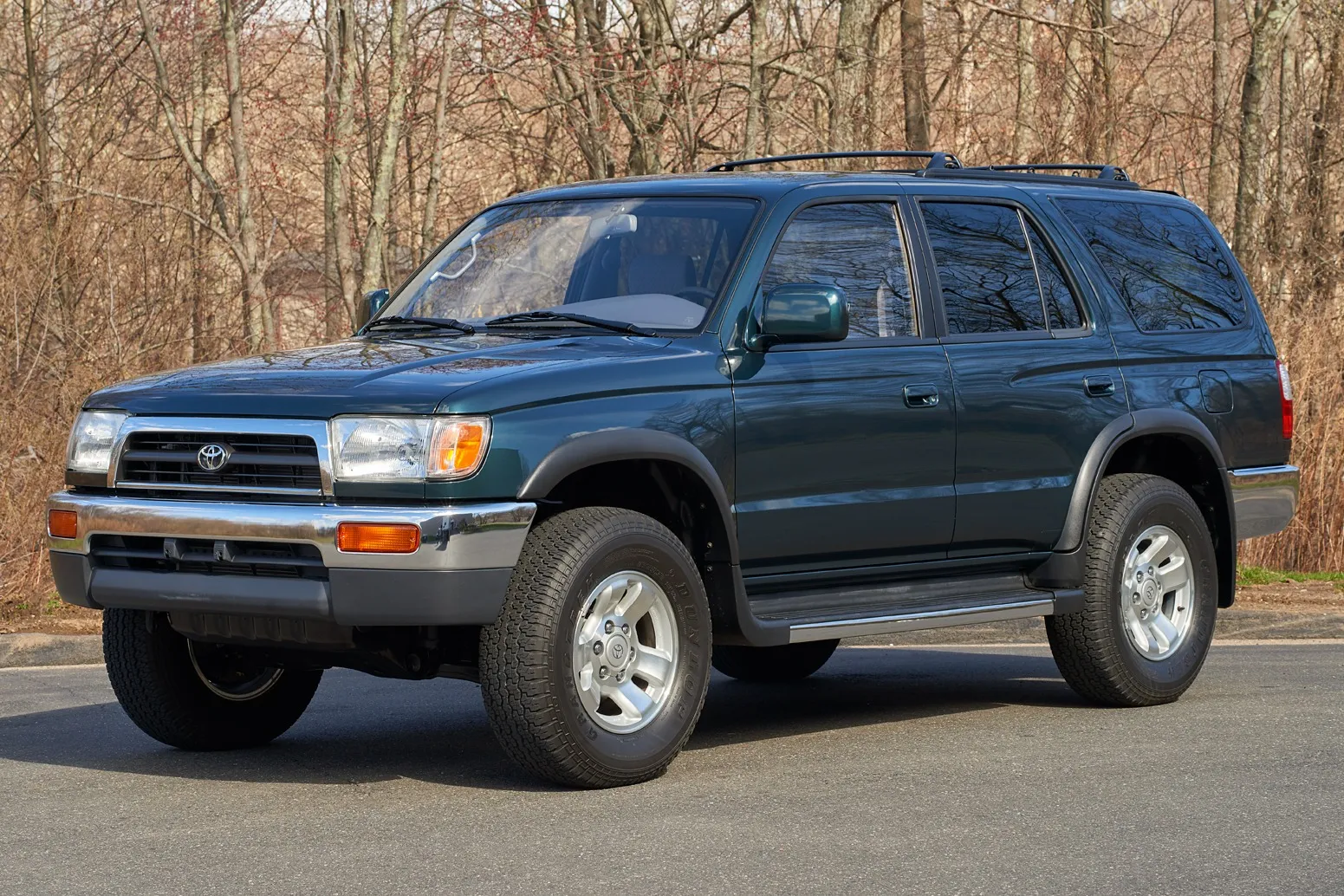
3. Toyota 4Runner (1996-2002 Generation)
The second-generation Toyota 4Runner, particularly the 1996-2002 models, represents Toyota’s truck engineering at its most refined and reliable. Built on the proven Tacoma platform but engineered for more demanding applications, these 4Runners have achieved legendary status among off-road enthusiasts and practical truck buyers seeking maximum longevity.
The foundation of their exceptional durability lies in the robust 3.4-liter 5VZ-FE V6 engine, which Toyota designed specifically for heavy-duty applications while maintaining excellent reliability characteristics.
The 5VZ-FE engine features a cast-iron block with aluminum heads, providing optimal thermal management and exceptional durability under extreme conditions.
Toyota’s engineers implemented oversized oil passages, robust bearing surfaces, and conservative compression ratios that respond exceptionally well to regular maintenance.
The timing belt system, while requiring periodic replacement, eliminates the complexity and potential failures associated with timing chain tensioners found in some competing designs.
What sets this 4Runner apart is Toyota’s commitment to proven technologies throughout the vehicle. The part-time four-wheel-drive system utilizes simple, robust components that rarely fail when properly maintained.
The manual transmission options feature Toyota’s legendary gear quality and synchronization, while the available automatic transmissions benefit from heavy-duty construction originally developed for commercial applications.
Regular oil changes not only preserve engine life but also maintain optimal operating temperatures that benefit the transmission, differential, and transfer case. The body-on-frame construction provides exceptional durability and repairability compared to unibody designs.
Toyota’s use of high-quality steel and comprehensive rust-proofing treatments ensures structural integrity even in harsh environments. The suspension components, derived from Toyota’s commercial truck experience, demonstrate remarkable longevity when basic maintenance schedules are followed.
Independent front suspension provides excellent ride quality while maintaining the simplicity necessary for long-term reliability. Interior materials and electrical systems reflect Toyota’s quality-first approach during this era. Simple, robust controls replace complex electronic interfaces, reducing potential failure points while improving long-term usability.
The climate control systems, power accessories, and instrumentation demonstrate the kind of longevity that has made Toyota’s reputation in the truck market. Regular maintenance, beginning with consistent oil changes, preserves these systems’ functionality well beyond what many modern vehicles achieve.
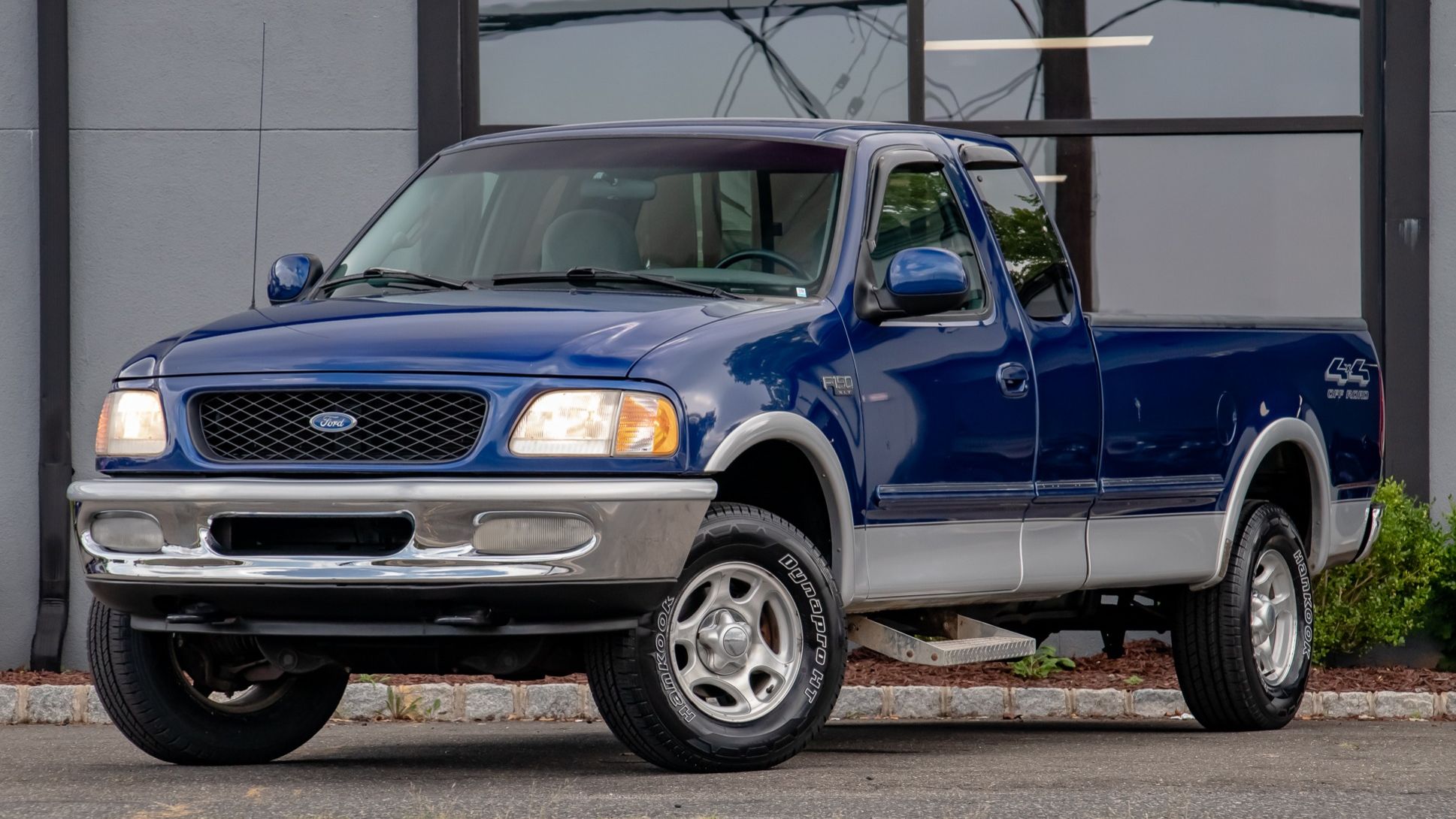
4. Ford F-150 (1997-2003 Generation)
The tenth-generation Ford F-150 represents Ford’s most successful attempt at combining durability, capability, and long-term reliability in a full-size pickup truck.
This generation, particularly models equipped with the 4.6-liter Modular V8 engine, has earned respect among truck enthusiasts and commercial users for exceptional longevity when properly maintained.
Ford’s engineering approach during this period prioritized proven technologies and robust construction methods that respond exceptionally well to regular maintenance routines.
The 4.6-liter SOHC Modular engine features a unique design philosophy that emphasizes durability over peak performance. The deep-skirt block construction, cross-bolted main bearings, and conservative valve train design create an exceptionally robust powerplant that thrives on regular oil changes.
Ford’s engineers implemented generous oil capacity and circulation systems that maintain proper lubrication even under severe towing conditions. The timing chain system eliminates maintenance concerns while providing the precision timing control necessary for optimal performance and longevity.
Ford’s transmission offerings during this period, particularly the 4R70W automatic, demonstrate the kind of durability that commercial operators demand. Heavy-duty clutch packs, robust valve bodies, and efficient cooling systems ensure reliable operation when basic fluid maintenance accompanies regular engine oil changes.
The manual transmission options, while less common, feature gear quality and synchronization that rival the best imports of the era. The F-150’s body-on-frame construction provides exceptional durability and ease of repair compared to more complex unibody designs.
Ford’s use of high-strength steel in critical areas, combined with comprehensive corrosion protection treatments, ensures structural integrity even after decades of use.
The suspension systems, derived from Ford’s heavy-duty truck experience, demonstrate remarkable longevity when basic lubrication and inspection schedules are maintained alongside regular oil changes.
Climate control systems, power accessories, and instrumentation benefit from straightforward designs that mechanics can service easily. Regular oil changes serve as the foundation for a maintenance routine that preserves every system in these trucks, contributing to their reputation as some of the most durable pickups ever produced.
Also Read: 5 Vehicles That Keep Their Ride Smooth vs 5 That Don’t
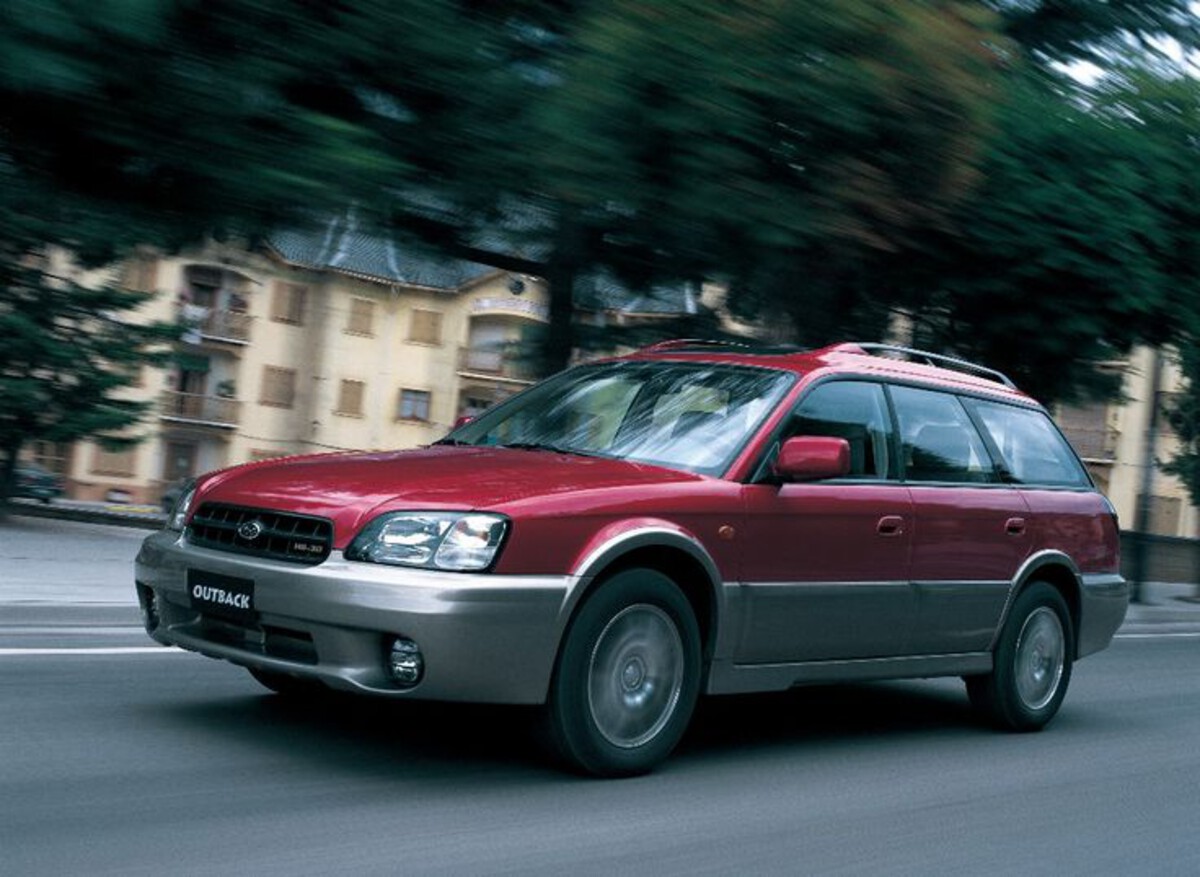
5. Subaru Outback (2000-2004 Generation)
The second-generation Subaru Outback represents Subaru’s engineering during a golden period when the company successfully balanced innovative all-wheel-drive technology with exceptional reliability.
Built on the proven Legacy platform but enhanced for light-duty off-road capability, these Outbacks have demonstrated remarkable longevity among owners who maintain consistent service schedules.
The foundation of their durability lies in Subaru’s refined flat-four engines, particularly the 2.5-liter EJ25 naturally aspirated engine that powered most models in this generation.
The EJ25 engine features Subaru’s signature horizontally opposed configuration, which provides inherent balance and vibration control that reduces wear on internal components.
The aluminum construction with cast-iron cylinder liners offers excellent heat dissipation while maintaining bore integrity over hundreds of thousands of miles.
Subaru’s engineers implemented robust oiling systems with strategically placed oil galleries that ensure critical components receive adequate lubrication even during aggressive cornering or off-road situations that would starve conventional engines.
Subaru’s symmetrical all-wheel-drive system represents one of the most reliable implementations of full-time AWD technology available during this period.
Unlike part-time systems that stress drivetrain components during engagement, Subaru’s design distributes power continuously through proven mechanical systems that rarely fail when properly maintained.
Regular oil changes contribute to system longevity by maintaining optimal operating temperatures throughout the drivetrain, reducing stress on differentials, transfer cases, and transmission components.
The automatic transmissions in these Outbacks, while sometimes criticized for being less refined than competitors, demonstrate impressive longevity when basic maintenance accompanies regular oil changes.
Subaru’s conservative programming and robust internal construction prioritize durability over quick shift response. Manual transmission options feature precise gear engagement and synchronization that remains smooth even after extensive use, provided basic lubrication schedules are maintained.
Beyond mechanical reliability, this Outback generation benefits from Subaru’s commitment to practical design and quality materials. Interior components resist wear effectively, while electrical systems avoid the complexity that plagues many modern vehicles.
The unibody construction incorporates extensive reinforcement that provides excellent crash protection while maintaining structural integrity over time.
Climate control systems, power accessories, and instrumentation demonstrate the kind of longevity that makes these Outbacks attractive to buyers seeking maximum utility with minimal maintenance complexity when regular oil changes form the foundation of their service routine.
5 Vehicles That Don’t Last Despite Regular Oil Changes
These problematic vehicles suffer from inadequate oil circulation systems and tight manufacturing tolerances that create premature failure patterns despite religious adherence to recommended maintenance intervals and high-quality lubricants.
Their flawed engineering includes undersized oil passages and cost-reduced internal components that cannot maintain proper lubrication under normal operating conditions, leading to accelerated wear and contamination buildup.
Despite following manufacturer service schedules and using premium motor oils, these engines develop catastrophic problems, including timing chain stretch, bearing failure, and oil pump inadequacy, that require expensive rebuilds or complete replacement.
Owners experience costly breakdowns as these unreliable power plants transform from daily transportation into maintenance nightmares a frustrating reality that demonstrates how poor fundamental design cannot be overcome through conscientious maintenance practices alone.
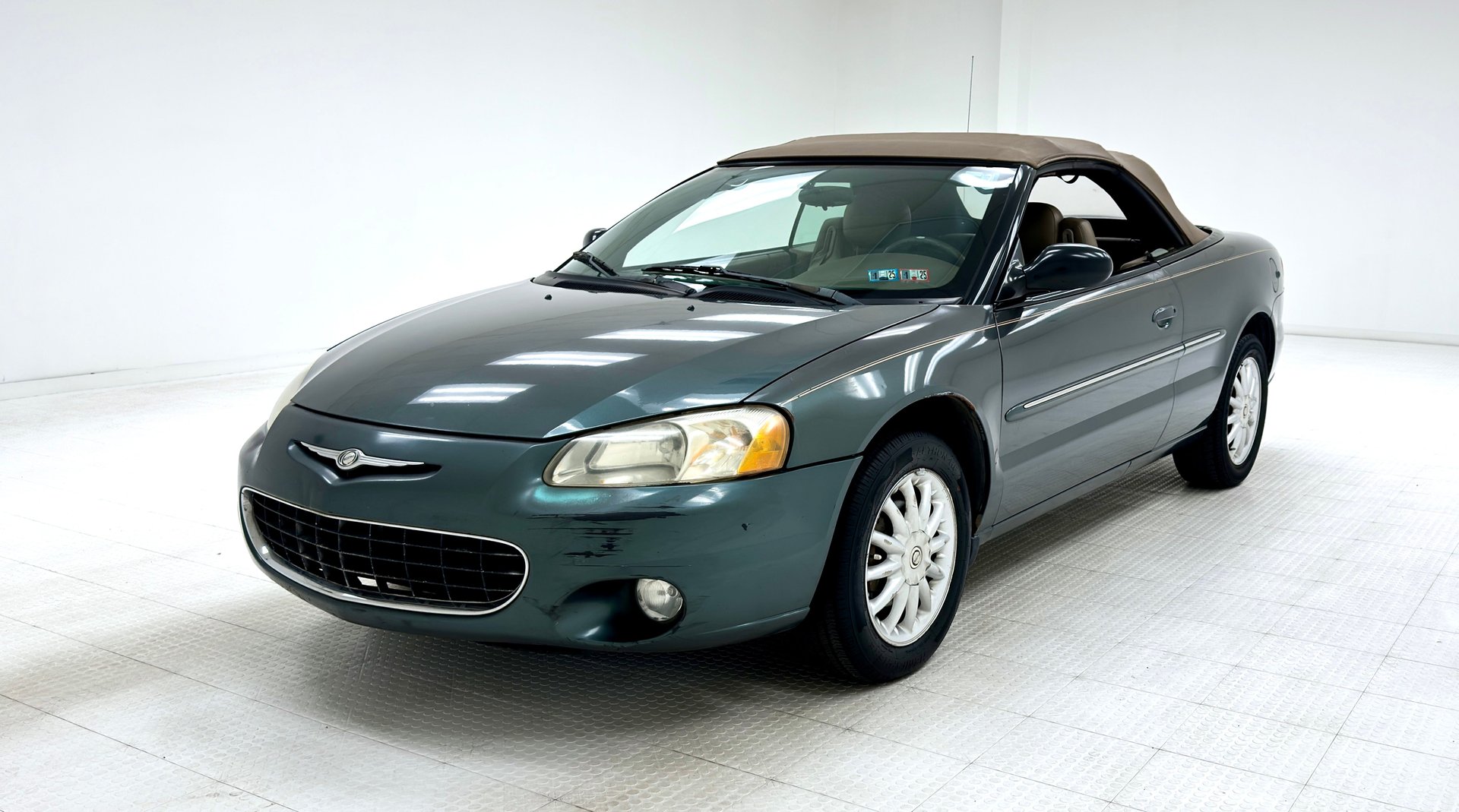
1. Chrysler Sebring (2001-2010)
The Chrysler Sebring from 2001 to 2010 represents one of the automotive industry’s most disappointing examples of how poor design and cost-cutting measures can undermine even the most diligent maintenance efforts.
Despite Chrysler’s marketing efforts to position the Sebring as a sophisticated mid-size sedan, the reality proved far different for owners who discovered that regular oil changes couldn’t overcome fundamental engineering deficiencies and quality control problems that plagued these vehicles from the factory floor.
The primary culprit behind the Sebring’s reliability problems lies in its engine options, particularly the 2.7-liter V6 that powered many models. This engine suffered from a catastrophic design flaw in its oil circulation system, where inadequate oil passages and poorly designed oil pickup systems created lubrication problems that regular oil changes couldn’t prevent.
The timing chain tensioners, critical for maintaining proper valve timing, were prone to premature failure due to insufficient oil pressure in certain operating conditions. Even owners who changed their oil every 3,000 miles often experienced complete engine failures before reaching 100,000 miles.
The 2.4-liter four-cylinder engine, while avoiding some of the V6’s oil circulation problems, suffered from different but equally serious issues. Head gasket failures were common due to insufficient cooling system capacity and poor thermal management.
The engine’s aluminum construction, while lightweight, proved susceptible to thermal distortion that created sealing problems regardless of maintenance quality.
Timing belt failures often resulted in catastrophic engine damage due to the interference design, and the timing belt tensioners had a documented history of premature failure.
Transmission problems compounded the Sebring’s reliability issues. The four-speed automatic transmission, while simple in design, suffered from poor fluid circulation and inadequate cooling systems.
Internal clutch packs wore prematurely due to harsh shift programming and insufficient lubrication in critical areas. Even owners who performed regular transmission services alongside their oil changes experienced premature transmission failures, often requiring complete rebuilds before reaching 80,000 miles.
Beyond powertrain issues, the Sebring demonstrated poor build quality throughout its construction. Electrical systems suffered from corroded connections, failed relay systems, and inadequate weatherproofing that caused intermittent failures.
These combined factors make the Sebring a cautionary tale about how fundamental design problems can overwhelm even the most conscientious maintenance efforts.
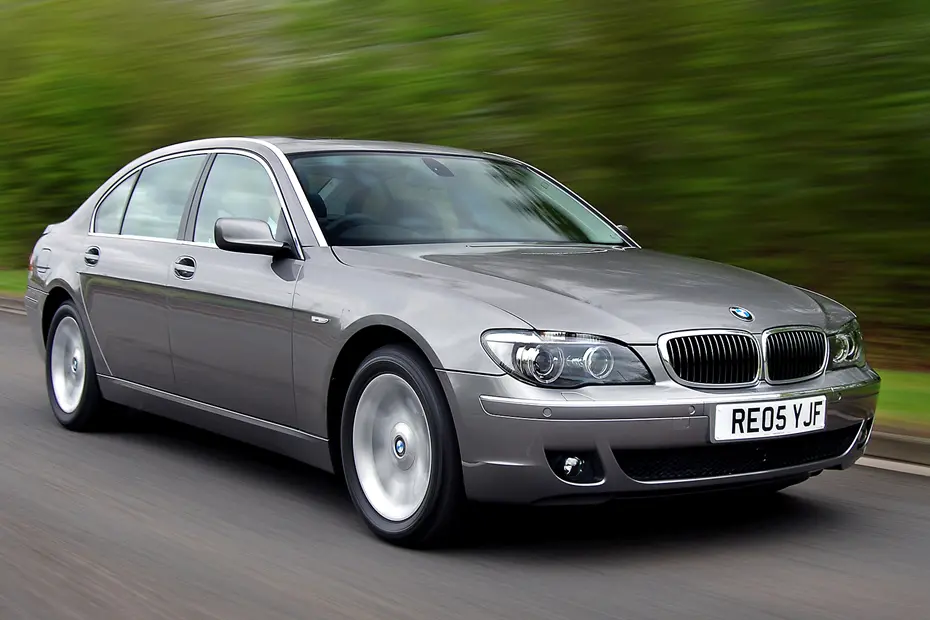
2. BMW 7 Series (2002-2008 E65 Generation)
The fourth-generation BMW 7 Series, internally designated E65, represents a stark example of how advanced technology and complex engineering can create reliability nightmares that regular maintenance cannot prevent.
BMW’s flagship sedan from this era incorporated groundbreaking innovations and luxury features, but the implementation of these systems created a cascade of reliability problems that have made these vehicles notoriously expensive to own and maintain, regardless of how religiously owners follow service schedules.
The heart of the E65’s problems lies in the N62 V8 engine, particularly the early versions that suffered from fundamental design flaws. The Valvetronic variable valve lift system, while technologically impressive, proved prone to failure due to inadequate lubrication of critical components and complex electronic controls that couldn’t be resolved through regular oil changes.
The plastic cooling system components, including water pumps, expansion tanks, and various hoses, were notorious for premature failure that often led to catastrophic engine overheating. Even owners who maintained perfect service records experienced complete engine failures due to these inherent design weaknesses.
The electronic systems in the E65 represent perhaps the most problematic aspect of ownership. The iDrive system, revolutionary for its time, suffered from software glitches, hardware failures, and component degradation that rendered basic vehicle functions inoperable.
The extensive use of electronic modules throughout the vehicle created multiple failure points, with the body control modules, lighting control units, and climate control computers frequently requiring expensive replacement.
These electronic failures occurred regardless of maintenance quality and often cascaded into multiple system malfunctions that cost thousands of dollars to repair.
Transmission problems added another layer of complexity to E65 ownership. The six-speed automatic transmission, while smooth in operation when functioning correctly, suffered from hydraulic control unit failures, valve body problems, and electronic shift control malfunctions.
The transmission’s adaptive learning systems often became confused by the various electronic failures elsewhere in the vehicle, creating shift quality problems that regular fluid changes couldn’t resolve.
Many owners experienced complete transmission failures before reaching 100,000 miles despite following BMW’s maintenance recommendations precisely.
The air suspension system, standard on most models, demonstrated the kind of complexity-related reliability problems that have become BMW’s signature weakness.
Compressor failures, air line deterioration, and electronic control module malfunctions created expensive repair scenarios that regular maintenance couldn’t prevent.
The active steering system, dynamic stability control, and various chassis control systems added additional complexity that increased the likelihood of expensive failures.
Interior electronic components, including seat controls, navigation systems, and entertainment interfaces, frequently malfunctioned due to poor component quality rather than maintenance neglect, making the E65 a cautionary example of how technological advancement can compromise long-term reliability.
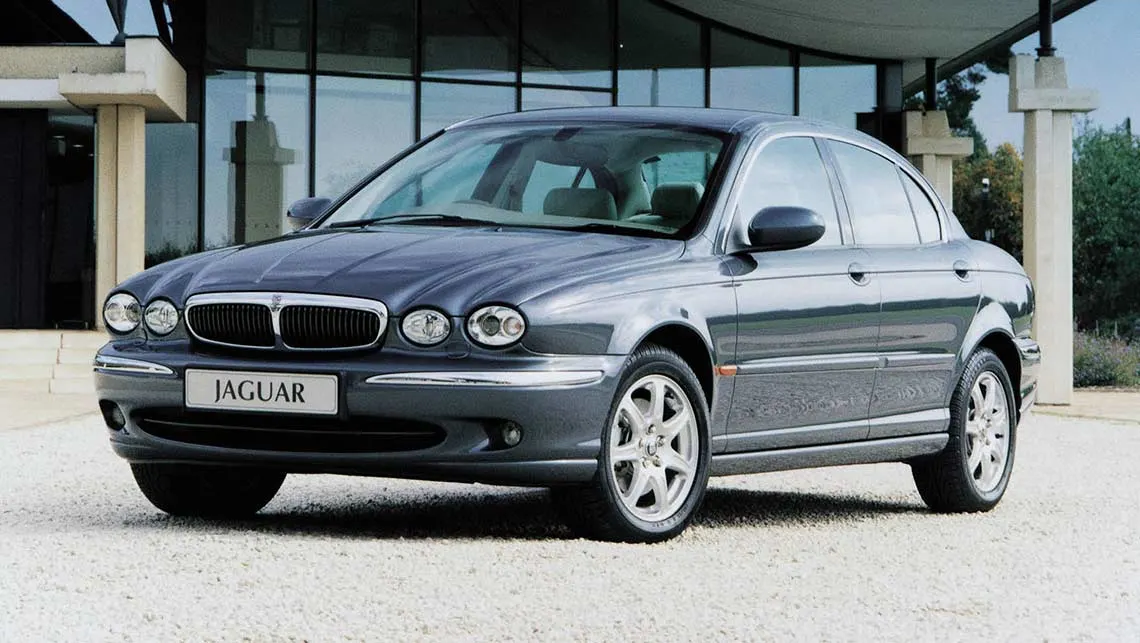
3. Jaguar X-Type (2001-2009)
The Jaguar X-Type represents one of the automotive industry’s most disappointing attempts to combine luxury branding with mainstream reliability, demonstrating how badge engineering and cost-cutting measures can create vehicles that fail prematurely regardless of maintenance quality.
Built on Ford’s Mondeo platform but marketed as a premium luxury sedan, the X-Type suffered from fundamental design compromises and quality control problems that regular oil changes and careful ownership couldn’t overcome.
The engine options in the X-Type, while derived from proven Ford designs, were poorly adapted to the Jaguar application. The 2.5-liter and 3.0-liter V6 engines suffered from timing chain stretch problems that caused catastrophic valve timing issues despite regular maintenance.
The variable valve timing systems, complex for their era, proved prone to failure due to inadequate oil pressure regulation and poorly designed actuator mechanisms.
Even owners who changed their oil every 3,000 miles often experienced complete engine failures before reaching 80,000 miles due to these inherent design flaws.
The all-wheel-drive system, one of the X-Type’s primary selling points, demonstrated the kind of complexity-related problems that plague over-engineered vehicles.
The viscous coupling center differential proved prone to failure due to inadequate cooling and poor fluid circulation. The rear differential, borrowed from Ford but not adequately reinforced for the X-Type’s weight and power delivery characteristics, frequently required replacement due to premature wear of internal components.
These drivetrain failures occurred regardless of service quality and often required complete system rebuilds that cost more than the vehicle’s market value.
Electrical problems plagued the X-Type throughout its production run, with particular issues affecting the comfort and convenience systems that buyers expected from a luxury vehicle.
The climate control systems suffered from blend door actuator failures, compressor problems, and refrigerant leaks that regular maintenance couldn’t prevent.
These combined factors created ownership experiences that contradicted Jaguar’s luxury positioning and demonstrated how fundamental design and manufacturing problems can overwhelm even the most conscientious maintenance efforts.
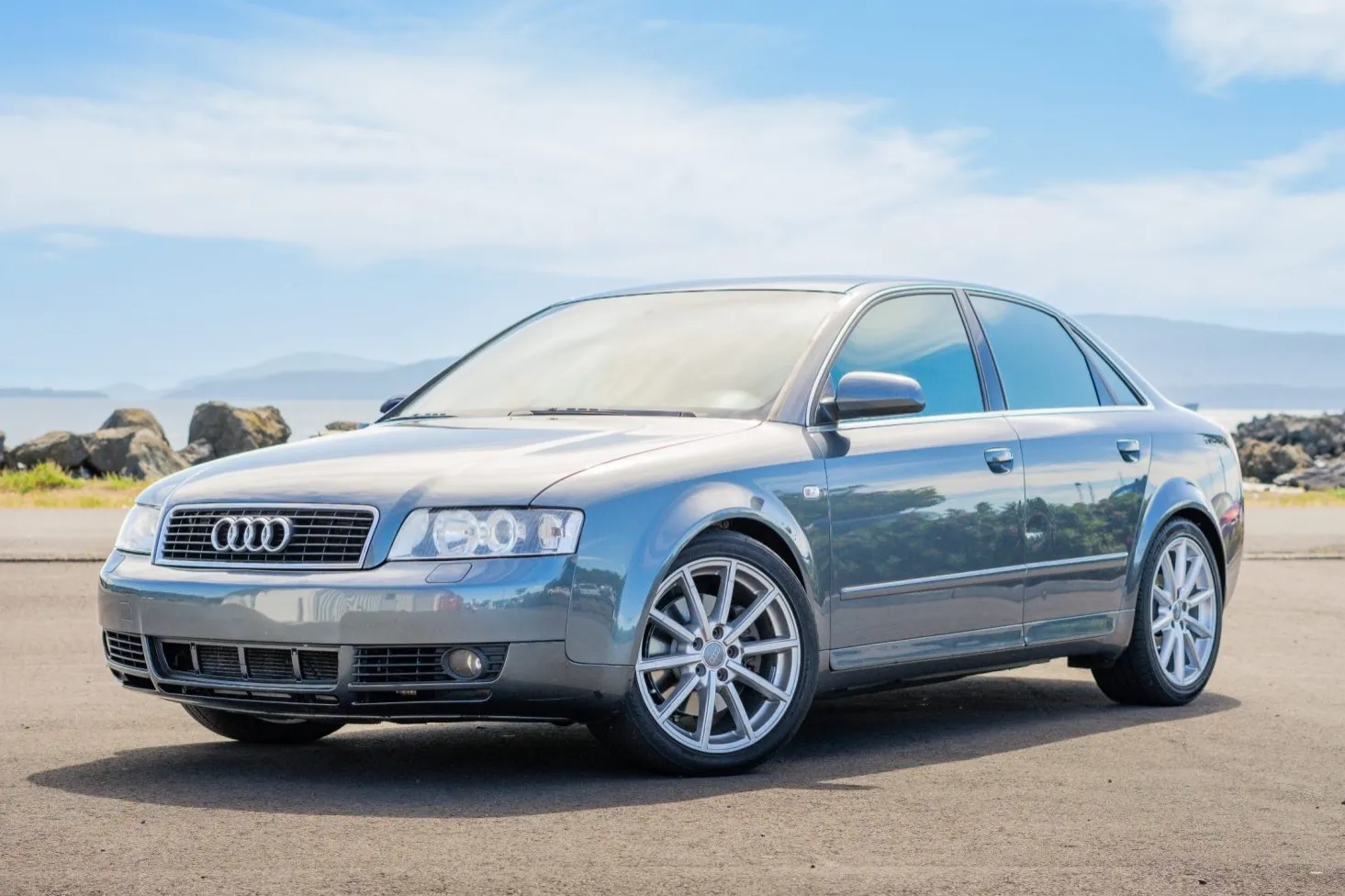
4. Audi A4 (2002-2008 B6/B7 Generation)
The Audi A4 from the B6 and B7 generations represents a prime example of how German over-engineering and complex systems can create reliability nightmares that conscientious maintenance cannot prevent.
While these vehicles offered impressive performance, sophisticated technology, and luxurious appointments, they also demonstrated a disturbing pattern of expensive failures that occurred regardless of how religiously owners followed service schedules, making them cautionary examples for buyers seeking long-term reliability.
The turbocharged engines available in these A4s, particularly the 1.8T four-cylinder, suffered from fundamental design problems that regular oil changes couldn’t address.
The turbocharger systems proved prone to premature failure due to inadequate oil return lines, carbon buildup in intake systems, and cooling system deficiencies that created thermal stress beyond what normal maintenance could prevent.
The timing belt systems, critical for engine operation, required replacement at specific intervals, but tensioner failures often occurred prematurely, causing catastrophic engine damage even when owners followed Audi’s service recommendations precisely.
The 2.0T engine that replaced the 1.8T brought different but equally serious problems. Carbon buildup on intake valves, a consequence of direct injection design, created performance problems that regular oil changes couldn’t prevent.
The timing chain stretch issues became notorious among owners, with premature failures occurring well before scheduled replacement intervals. The high-pressure fuel pump systems frequently failed, creating expensive repair scenarios that often exceeded the vehicle’s depreciated value.
These engine problems occurred regardless of maintenance quality and often required complete engine rebuilds or replacement. Transmission problems compounded the A4’s reliability issues significantly.
The CVT (Continuously Variable Transmission) offered in some models proved particularly problematic, with premature failures due to inadequate cooling systems and poor control software.
The traditional automatic transmissions, while more conventional in design, suffered from valve body problems, solenoid failures, and electronic control unit malfunctions that regular fluid changes couldn’t prevent.
Manual transmission options, though more reliable mechanically, often experienced clutch problems due to the dual-mass flywheel design that was prone to premature failure.
These electronic failures often occurred in cascade fashion, where one component failure triggered problems throughout interconnected systems, creating diagnostic challenges and expensive repair bills that careful maintenance couldn’t prevent.
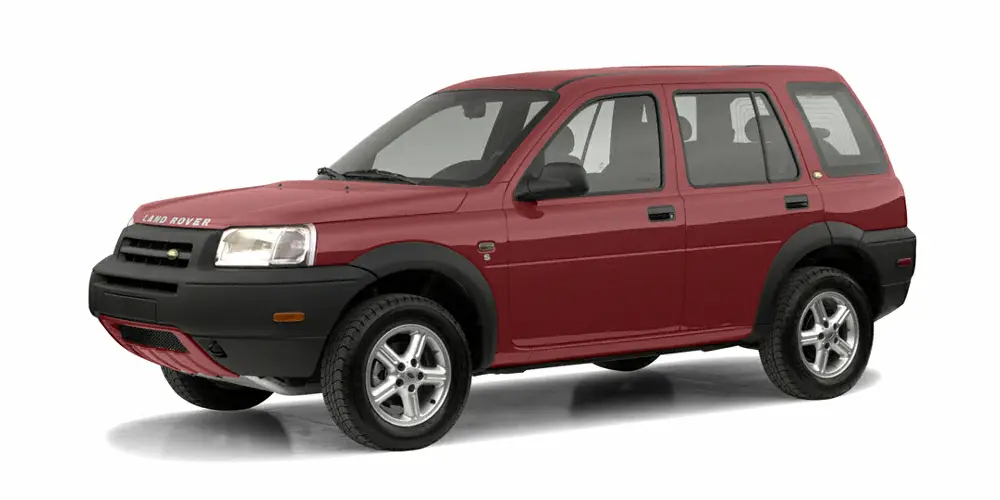
5. Land Rover Freelander (2002-2006)
The Land Rover Freelander from 2002 to 2006 represents one of the most disappointing examples of how a prestigious brand name cannot overcome fundamental engineering deficiencies and quality control problems.
Marketed as an affordable entry point into Land Rover ownership, the Freelander promised the capability and luxury associated with the brand but delivered reliability problems that regular maintenance couldn’t prevent, creating ownership experiences that contradicted every expectation buyers had for British engineering excellence.
The engine options in the Freelander, while adequate for performance, suffered from design problems that regular oil changes couldn’t address. The 2.5-liter V6 engine, borrowed from Ford but inadequately adapted to the Freelander application, proved prone to head gasket failures due to insufficient cooling system capacity and poor thermal management.
The timing belt system required precise maintenance intervals, but tensioner failures often occurred prematurely, causing catastrophic engine damage even when owners followed Land Rover’s service recommendations exactly.
The fuel injection systems demonstrated poor long-term reliability, with injector failures and fuel pump problems occurring regardless of fuel quality and maintenance schedules.
The all-wheel-drive system, central to the Freelander’s appeal, proved to be its most problematic component. The viscous coupling differential, designed to provide automatic torque distribution, was prone to seizure due to inadequate cooling and poor fluid circulation.
When the coupling failed, it often caused the transmission to bind, creating a dangerous driving condition that required immediate repair. The rear differential frequently experienced premature wear due to the stress created by the faulty coupling system, and many owners discovered that repairing these drivetrain problems cost more than their vehicle’s market value.
Electrical problems plagued Freelanders throughout their ownership cycles, with particular issues affecting basic vehicle functions that owners expected to operate reliably.
The engine management systems suffered from sensor failures, wiring harness problems, and electronic control unit malfunctions that created intermittent performance issues, difficult to diagnose and expensive to repair.
Climate control systems frequently failed due to blend door actuator problems, compressor failures, and refrigerant leaks that regular maintenance couldn’t prevent.
These combined factors created ownership experiences that left many buyers questioning the wisdom of their purchase decision and demonstrated how brand reputation cannot overcome fundamental engineering and manufacturing deficiencies.
Also Read: 5 Pickups That Rarely Blow Head Gaskets vs 5 That Do
