
When purchasing a vehicle, one of the most critical factors to consider is long-term reliability. The difference between a car that gracefully ages beyond 300,000 miles and one that becomes a maintenance nightmare before reaching 100,000 miles can mean the difference between years of dependable transportation and constant repair bills that drain your wallet.
Reliability in automobiles isn’t just about initial build quality it’s a complex interplay of engineering philosophy, material selection, manufacturing precision, and design conservatism.
Some manufacturers have built their reputations on creating vehicles that seem almost indestructible, with engines that purr smoothly even after decades of service and transmissions that shift as crisply at 250,000 miles as they did when new.
These automotive workhorses often become family heirlooms, passed down through generations and accumulating hundreds of thousands of miles while requiring nothing more than routine maintenance.
Understanding which vehicles fall into each category can save car buyers tens of thousands of dollars over their ownership experience and help them make informed decisions that align with their long-term transportation needs and financial goals.
5 Cars That Stay Reliable Beyond 300K Miles
These exceptionally engineered automobiles feature bulletproof drivetrains and time-tested component designs that continue delivering dependable transportation well into high-mileage territory, consistently operating smoothly through decades of demanding service cycles.
Their thoughtful engineering includes robust naturally aspirated engines and proven mechanical systems that resist the complexity-related failures typically associated with advanced electronics and turbocharging applications requiring frequent repairs.
From extreme temperature cycling that challenges gasket materials to the constant wear of stop-and-go driving, these remarkable vehicles continue running like clockwork without developing the catastrophic failures found in less durable designs.
Owners report seamless operation past 300,000 miles with these legendary workhorses a testament to conservative engineering philosophy that proves its worth through unwavering reliability and maintained performance throughout multiple decades of ownership, often reaching half-million mile milestones with basic maintenance schedules.
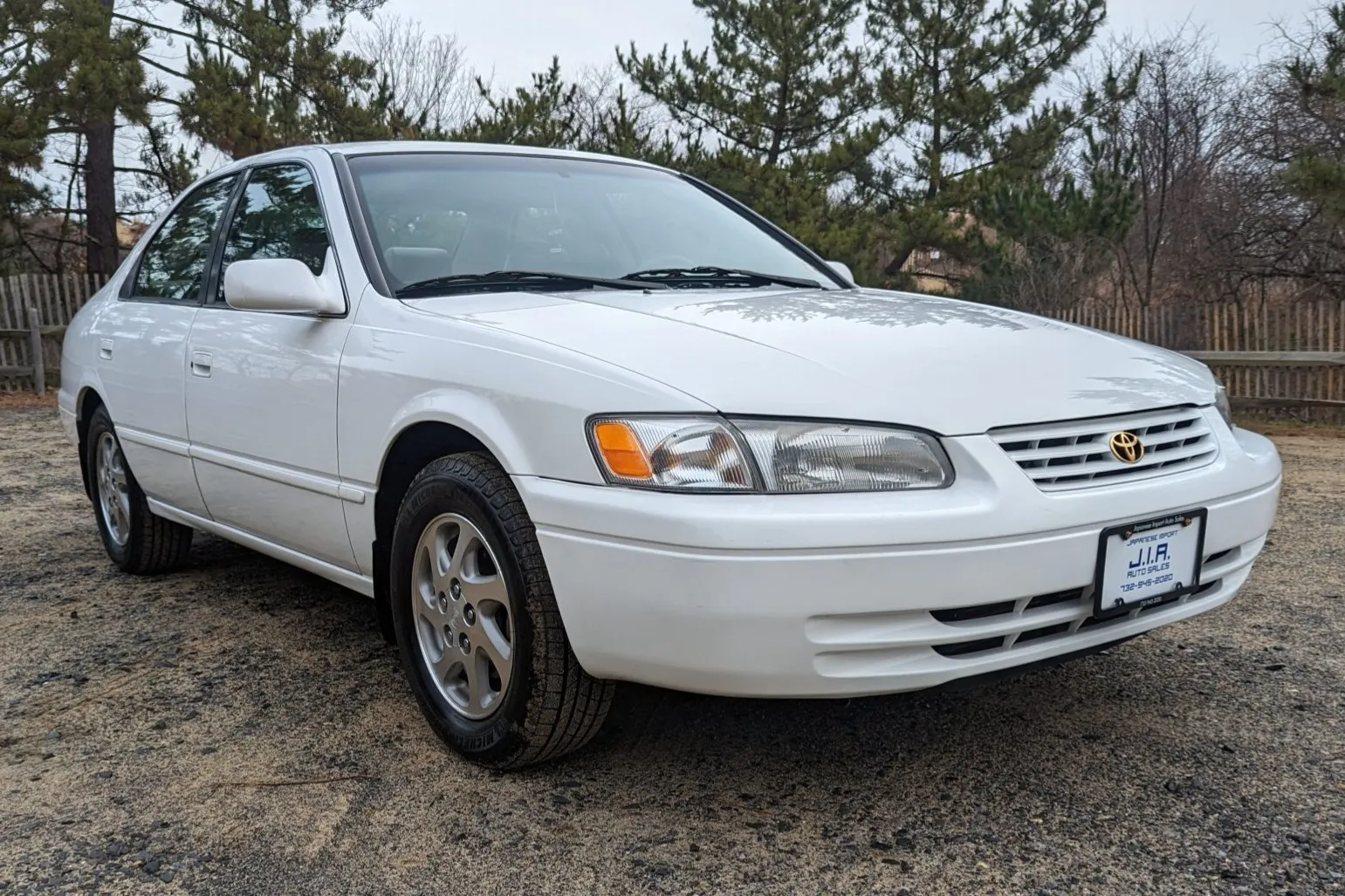
1. Toyota Camry (1997-2011 Generations)
The Toyota Camry from the late 1990s through 2011 represents the gold standard of automotive reliability, with countless examples surpassing 300,000 miles while requiring only routine maintenance.
The secret to the Camry’s legendary durability lies in Toyota’s conservative engineering philosophy and their commitment to proven technologies rather than cutting-edge innovations that haven’t been thoroughly tested over time.
The heart of these reliable Camrys is their bulletproof powertrains. The 2.4-liter four-cylinder engine, found in most models, features a cast-iron block with an aluminum head, providing excellent thermal properties and durability.
The engine’s design emphasizes longevity over maximum power output, with conservative compression ratios, robust internal components, and excellent lubrication systems. The timing chain, rather than a belt, eliminates one major maintenance concern that plagues many other vehicles.
These engines routinely reach 400,000+ miles with nothing more than regular oil changes, spark plugs, and occasional valve cover gasket replacements.
The automatic transmission in these Camrys is equally impressive, featuring a traditional torque converter design that’s been refined over decades.
Unlike newer CVT transmissions that can be problematic, these conventional automatics shift smoothly and reliably for hundreds of thousands of miles. The transmission fluid rarely needs changing if maintained properly, and major internal failures are extraordinarily rare.
Beyond the powertrain, these Camrys excel in other critical areas. The suspension components, while not particularly exciting, are built to last with quality bushings, struts, and springs that maintain their integrity far longer than those found in many competitors.
The electrical systems are refreshingly simple and reliable, without the complexity that can cause problems in newer vehicles. Door handles, window regulators, and other mechanical components are overbuilt and continue functioning long after similar parts in other cars have failed.
The build quality extends to the body and paint, with excellent corrosion resistance that keeps these vehicles looking presentable even in harsh climates. The interior materials, while not luxurious, are designed for durability and show minimal wear even after decades of use.
This combination of mechanical reliability and physical durability makes high-mileage Camrys from this era still desirable in the used car market, often commanding prices that reflect their reputation for longevity.
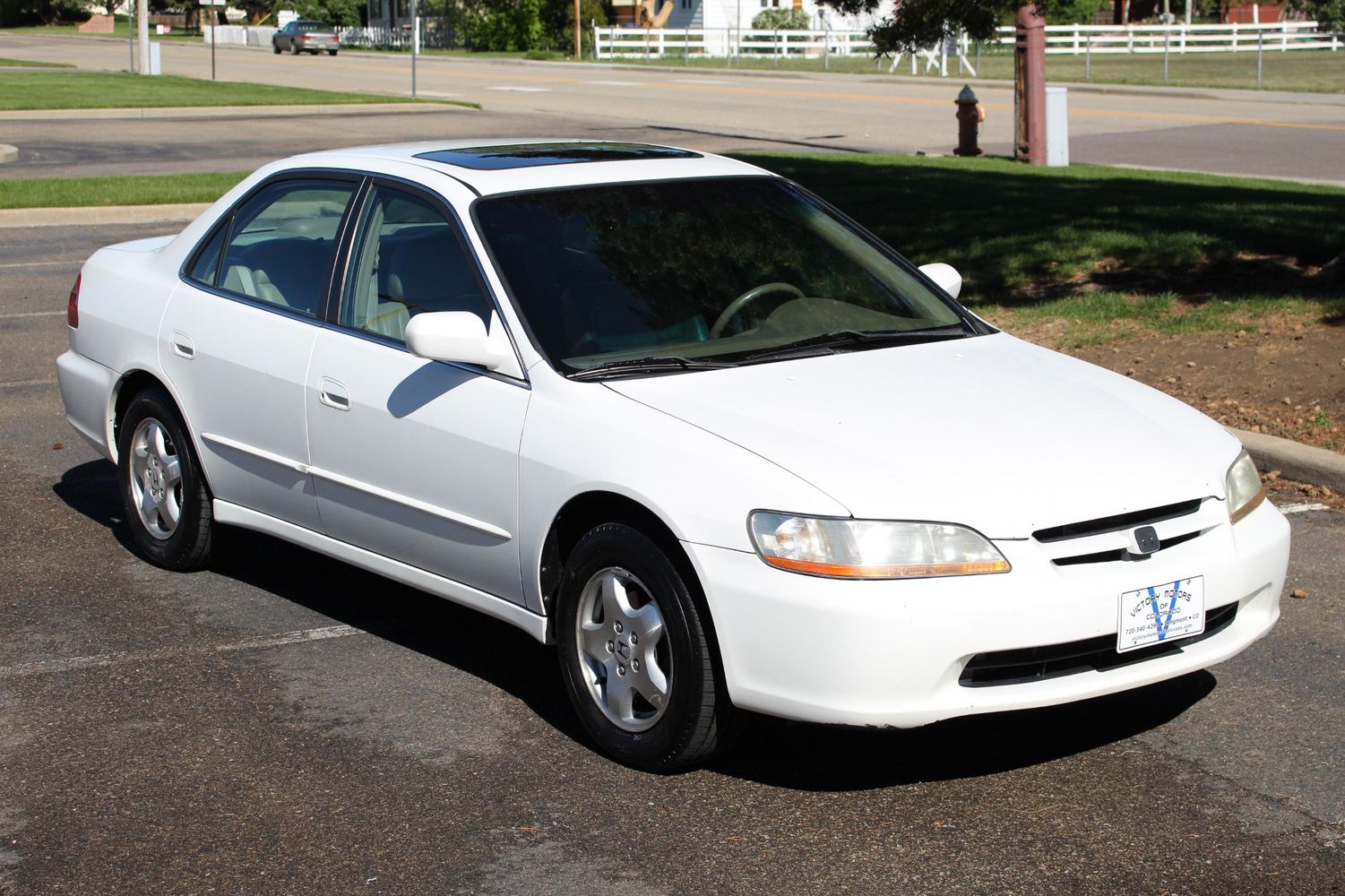
2. Honda Accord (1998-2007 Generations)
Honda’s Accord from 1998 to 2007 stands as another pillar of automotive reliability, consistently delivering trouble-free service well beyond 300,000 miles.
Honda’s engineering philosophy during this period emphasized precision manufacturing, quality materials, and time-tested designs that prioritized reliability over flashy features or aggressive cost-cutting measures.
The Accord’s legendary reliability begins with its engines, particularly the 2.4-liter four-cylinder found in most models. This engine features Honda’s VTEC variable valve timing technology, which had been thoroughly proven by this generation.
The engine block is exceptionally well-designed with excellent cooling passages, robust internal components, and a timing chain that eliminates belt replacement concerns.
The engine’s aluminum construction provides good heat dissipation while keeping weight reasonable, and the precision manufacturing tolerances ensure consistent performance over hundreds of thousands of miles. What sets the Accord apart is Honda’s attention to detail in component selection and assembly.
The fuel injectors rarely fail, the ignition system is remarkably durable, and the engine management computers are among the most reliable in the industry.
Oil consumption, a common problem with many high-mileage vehicles, is minimal in these Accords even well past 250,000 miles.
The manual transmissions are particularly noteworthy for their precision and longevity, with many examples shifting as smoothly at 300,000+ miles as they did when new.
The automatic transmissions in these Accords deserve special mention for their reliability, especially compared to some problematic units Honda produced in later years.
These transmissions feature robust internal components, effective cooling systems, and smooth operation that persists for the life of the vehicle.
Transmission failures are rare when basic maintenance is performed, and even neglected units often continue functioning far longer than expected.
Beyond the powertrain, these Accords excel in numerous other areas. The suspension systems are well-engineered with quality components that maintain their integrity over time.
The brake systems feature excellent longevity with rotors and pads that last longer than many competitors. The electrical systems are notably reliable, with alternators, starters, and other electrical components rarely failing. Even complex systems like air conditioning tend to function reliably for decades with minimal maintenance.
The build quality of these Accords is evident in their aging characteristics, with body panels that resist corrosion, paint that maintains its appearance, and interior components that withstand heavy use without significant wear or failure.
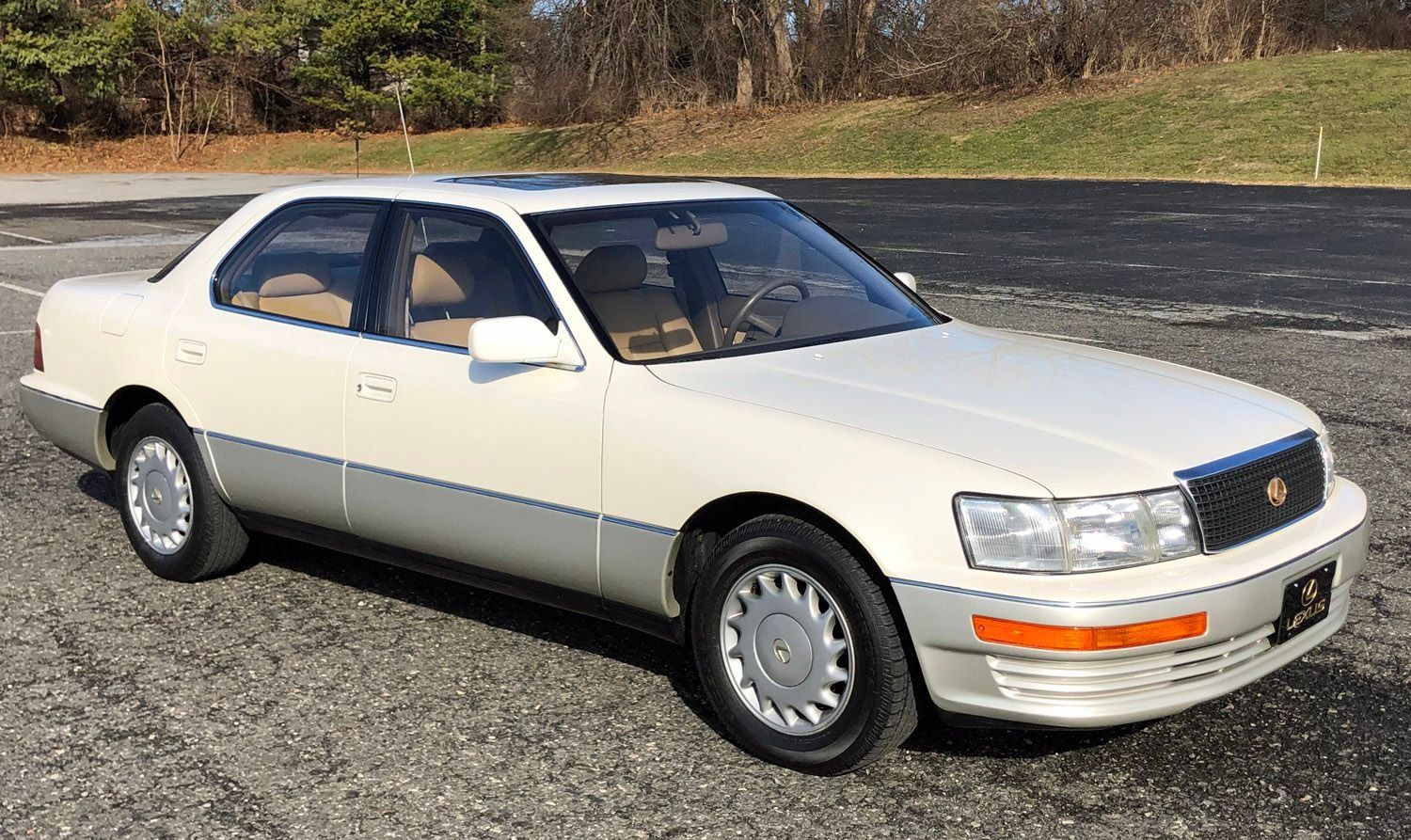
3. Lexus LS 400/430 (1990-2006)
The Lexus LS 400 and its successor, the LS 430, represent the pinnacle of luxury car reliability, proving that premium vehicles don’t have to sacrifice dependability for sophistication.
These vehicles routinely exceed 300,000 miles while maintaining their smooth, quiet operation and requiring surprisingly minimal maintenance for such complex luxury cars.
The foundation of the LS’s remarkable reliability is its magnificent V8 engine, initially displacing 4.0 liters and later growing to 4.3 liters. This engine was designed from the ground up to compete with the best European luxury car engines while exceeding their reliability by a massive margin.
The engine block is exceptionally robust, featuring thick walls, excellent cooling passages, and precision manufacturing that ensures perfect balance and minimal vibration. The internal components are overbuilt with forged pistons, quality bearings, and a robust valvetrain that operates quietly for hundreds of thousands of miles.
What makes the LS engine truly special is its conservative tuning and excellent engineering margins. Rather than extracting maximum power from every component, Lexus prioritized longevity and smoothness.
The result is an engine that produces ample power while operating well within its stress limits, ensuring exceptional durability. The timing belt system, while requiring periodic replacement, is well-designed and rarely fails catastrophically if maintained according to schedule.
The transmission in these vehicles is equally impressive, featuring smooth, precise shifts and exceptional longevity. The electronic controls are sophisticated yet reliable, and the transmission rarely requires major repairs even after hundreds of thousands of miles. The differential and driveline components are similarly overbuilt and trouble-free.
Beyond the mechanical components, the LS excels in areas where many luxury cars fail as they age. The air suspension system, when properly maintained, continues operating smoothly for decades.
The complex electrical systems, including the early navigation systems, climate control, and luxury features, remain functional far longer than those in competing vehicles. The build quality is extraordinary, with panel gaps that remain precise, paint that resists fading and chipping, and interior materials that age gracefully.
The LS’s reliability extends to its sophisticated safety and comfort systems. The ABS, traction control, and airbag systems rarely malfunction, and even complex features like the automatic climate control and premium audio systems continue operating reliably well into the vehicle’s second and third decades of service.
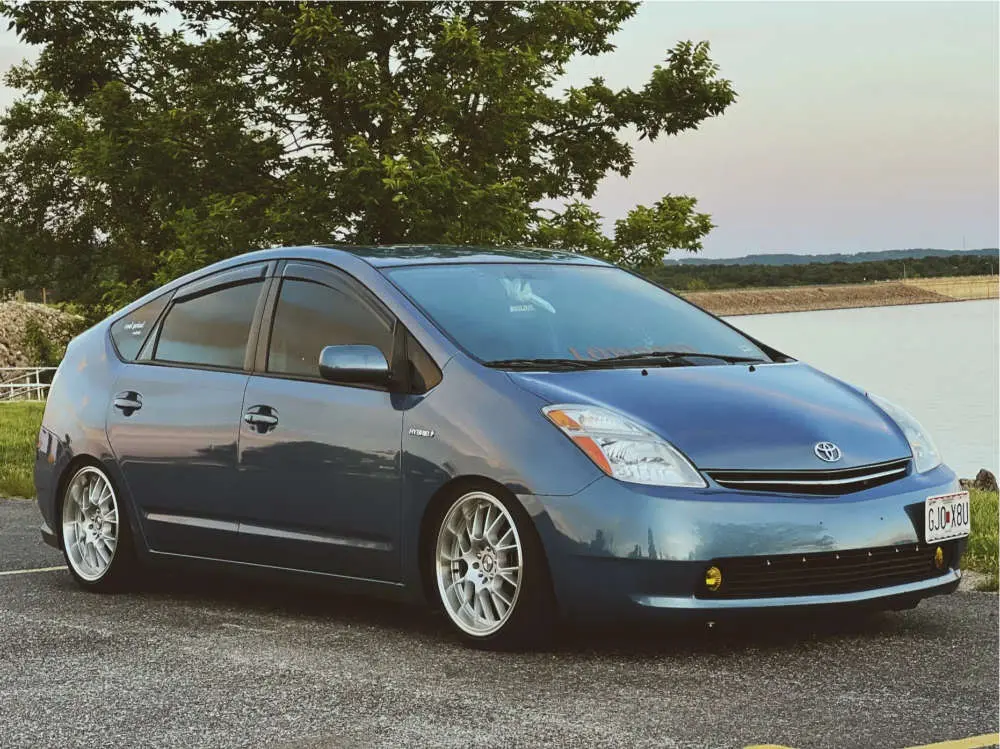
4. Toyota Prius (2004-2009 First Generation)
The first-generation Toyota Prius, despite being a revolutionary hybrid vehicle with complex new technology, has proven remarkably reliable and capable of exceeding 300,000 miles with proper maintenance.
This achievement is particularly impressive given the hybrid system’s complexity and the fact that this was Toyota’s first mass-production hybrid vehicle.
The Prius’s reliability stems from Toyota’s conservative approach to hybrid technology implementation. Rather than pushing the boundaries of performance or efficiency at the expense of durability, Toyota prioritized proven components and robust engineering.
The gasoline engine, a 1.5-liter four-cylinder unit, is essentially a simplified version of engines used in other Toyota vehicles, with modifications to optimize it for hybrid operation. The engine features an Atkinson cycle design that prioritizes efficiency and reduces internal stress, contributing to exceptional longevity.
The electric motor system is equally well-engineered, with powerful yet robust electric motors that rarely fail. The power control unit, which manages the complex interactions between the gasoline engine and electric motors, is remarkably reliable despite its sophistication.
The regenerative braking system not only improves efficiency but also reduces wear on the conventional brake components, leading to exceptionally long brake pad and rotor life.
Perhaps most impressively, the hybrid battery system has proven far more durable than early critics predicted. While battery degradation does occur over time, it’s typically gradual and doesn’t prevent the vehicle from operating.
Many first-generation Prius vehicles are still operating on their original batteries well past 200,000 miles, and even when battery replacement becomes necessary, the vehicle’s other systems typically remain in excellent condition, justifying the repair cost.
The Prius’s reliability extends beyond its hybrid system to conventional components. The continuously variable transmission (CVT) is simpler and more reliable than the complex CVTs found in many other vehicles, rarely requiring major repairs.
The suspension system, while optimized for efficiency rather than performance, provides good durability with minimal maintenance requirements. The electrical systems, despite their complexity, rarely malfunction and continue operating reliably for decades.
The body and interior quality of the first-generation Prius also contribute to its longevity, with excellent corrosion resistance, durable interior materials, and a design that ages well both functionally and aesthetically.
Also Read: 5 Toyota Camry Years Worth Owning vs 5 That Aren’t
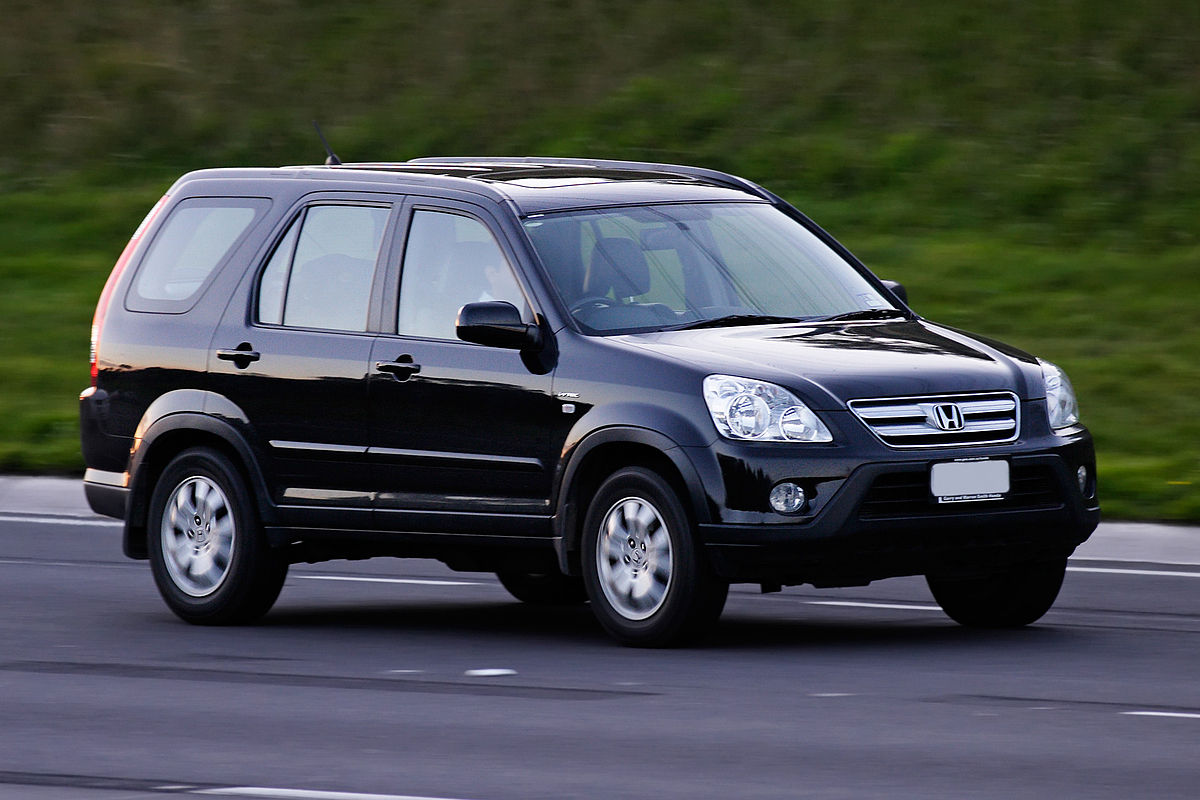
5. Honda CR-V (2002-2006 Second Generation)
The second-generation Honda CR-V exemplifies the reliability that made Honda’s reputation in the SUV market, consistently delivering trouble-free service well beyond 300,000 miles while maintaining its versatility and practicality.
This generation represents Honda at its engineering peak, before cost-cutting measures and rapid expansion began affecting build quality in later years.
The CR-V’s exceptional reliability starts with its proven powertrain, featuring the same basic 2.4-liter four-cylinder engine found in the contemporary Accord.
This engine benefits from Honda’s decades of refinement, featuring excellent internal components, robust construction, and conservative tuning that prioritizes longevity over maximum power output.
The timing chain eliminates belt replacement concerns, and the engine’s aluminum construction provides good heat dissipation while maintaining reasonable weight.
The all-wheel-drive system in the CR-V is remarkably simple and reliable compared to the complex systems found in many competitors. Honda’s Real Time 4WD system operates automatically without driver input, engaging the rear wheels when front wheel slip is detected.
The system uses a simple viscous coupling that rarely fails and requires minimal maintenance beyond periodic fluid changes. This simplicity translates to exceptional reliability and low ownership costs.
The transmission options in this CR-V generation are both excellent choices for longevity. The five-speed manual transmission offers precise shifting and exceptional durability, while the four-speed automatic is robust and reliable with smooth operation that persists for hundreds of thousands of miles.
Both transmissions benefit from Honda’s precise manufacturing and quality control processes. Beyond the powertrain, the CR-V excels in numerous reliability aspects.
The suspension system strikes an excellent balance between comfort and durability, with components that maintain their integrity over time. The brake system features long-lasting components with excellent stopping power and minimal maintenance requirements.
The electrical systems are notably reliable, with alternators, starters, and other components rarely failing even in high-mileage examples. The build quality of this CR-V generation is evident in its aging characteristics.
The body panels resist corrosion effectively, the paint maintains its appearance well, and the interior materials, while not luxurious, prove exceptionally durable.
Door handles, window regulators, and other mechanical components continue functioning reliably long after similar parts in competing vehicles have failed. This combination of mechanical reliability and physical durability makes high-mileage examples still desirable and valuable in the used car market.
5 Cars That Fall Apart Early
These disappointing vehicles suffer from fundamental design flaws and cost-reduced components that create widespread failure patterns well before reaching 100,000 miles, despite careful maintenance and conservative driving habits from conscientious owners.
Their problematic engineering includes inadequate cooling systems and poorly designed electronic modules that cannot withstand normal operating stresses, leading to cascading system failures and prohibitively expensive repair bills.
Despite initial quality impressions and comprehensive warranty coverage, these vehicles develop serious problems including transmission failures, engine timing issues, and electrical gremlins that often exceed the car’s depreciated value within just a few years.
Owners experience devastating reliability issues as these fragile machines transform from promising transportation into costly mistakes a harsh reality that demonstrates how modern complexity and cost-cutting can completely undermine long-term durability expectations.
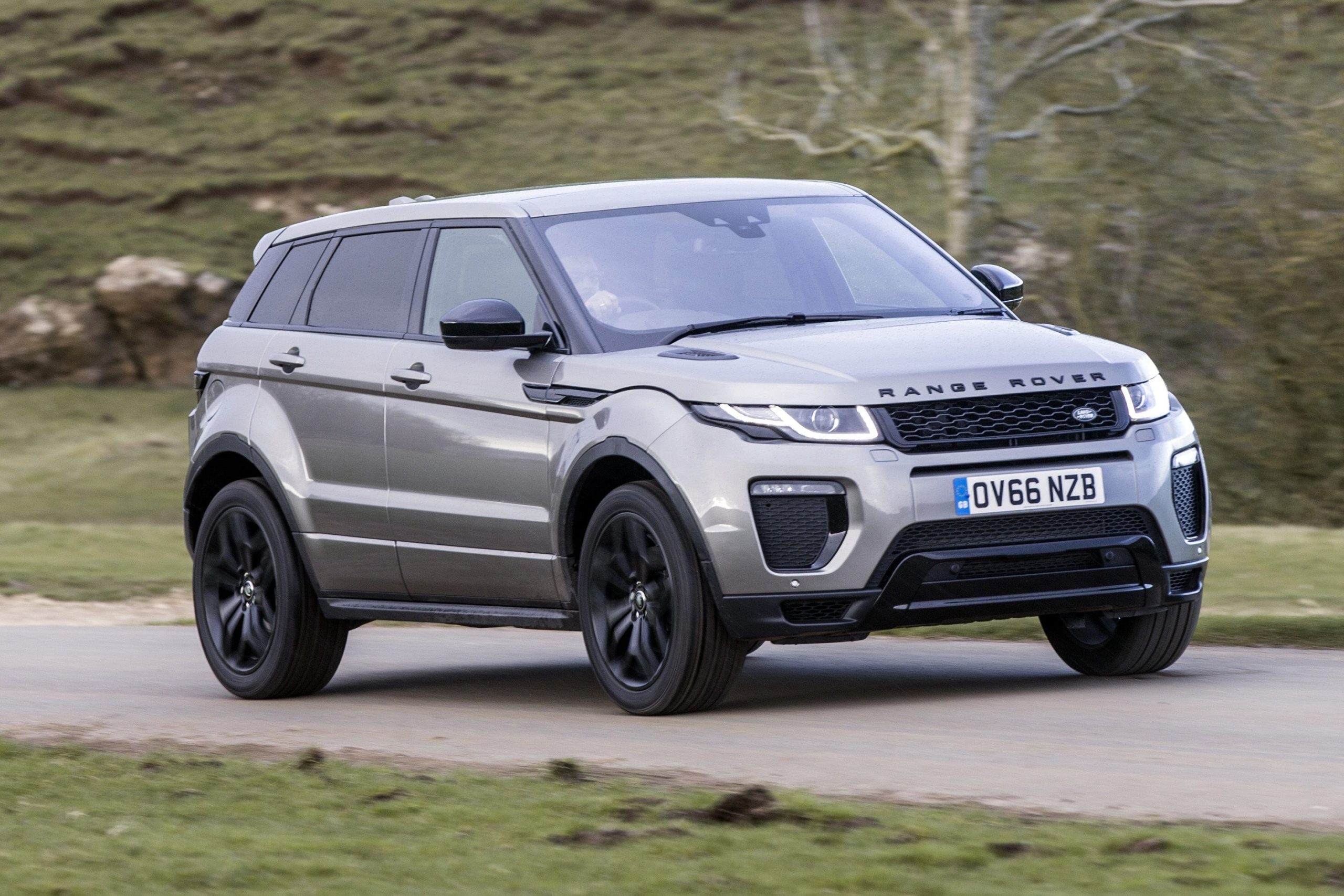
1. Range Rover Evoque (2012-2019)
The Range Rover Evoque, despite its stunning design and initial market success, has established itself as one of the least reliable vehicles in its class, with many examples experiencing significant problems well before reaching 100,000 miles.
The Evoque’s reliability issues stem from a combination of overly complex systems, questionable component choices, and design priorities that emphasized style and technology over durability and serviceability.
The Evoque’s most notorious problem area is its engine lineup, particularly the 2.0-liter turbocharged four-cylinder that powers most models. This engine, while producing impressive power for its size, operates under extremely high stress levels that contribute to premature wear and failure.
The turbocharger system is particularly problematic, with many units failing catastrophically before 60,000 miles due to oil contamination, excessive heat, and design flaws in the oil feed system. When turbocharger failure occurs, it often causes extensive engine damage due to oil starvation or debris contamination.
The timing chain system in these engines has proven particularly unreliable, with chains stretching prematurely and tensioners failing, which can lead to catastrophic engine damage.
Unlike timing belt failures, which typically cause less severe damage, timing chain failures in the Evoque’s engine often result in bent valves, damaged pistons, and complete engine replacement. These failures frequently occur between 40,000 and 80,000 miles, well before most owners would expect such major problems.
The Evoque’s nine-speed automatic transmission, supplied by ZF, has been plagued with reliability issues including rough shifting, premature failure of internal components, and software problems that cause erratic behavior.
Many owners report transmission problems beginning as early as 20,000 miles, with complete transmission replacements often necessary before 70,000 miles. The transmission’s complexity makes repairs extremely expensive, often exceeding the vehicle’s value in high-mileage examples.
The combination of high repair costs, frequent breakdowns, and rapid depreciation makes the Evoque a particularly poor choice for anyone seeking reliable long-term transportation.
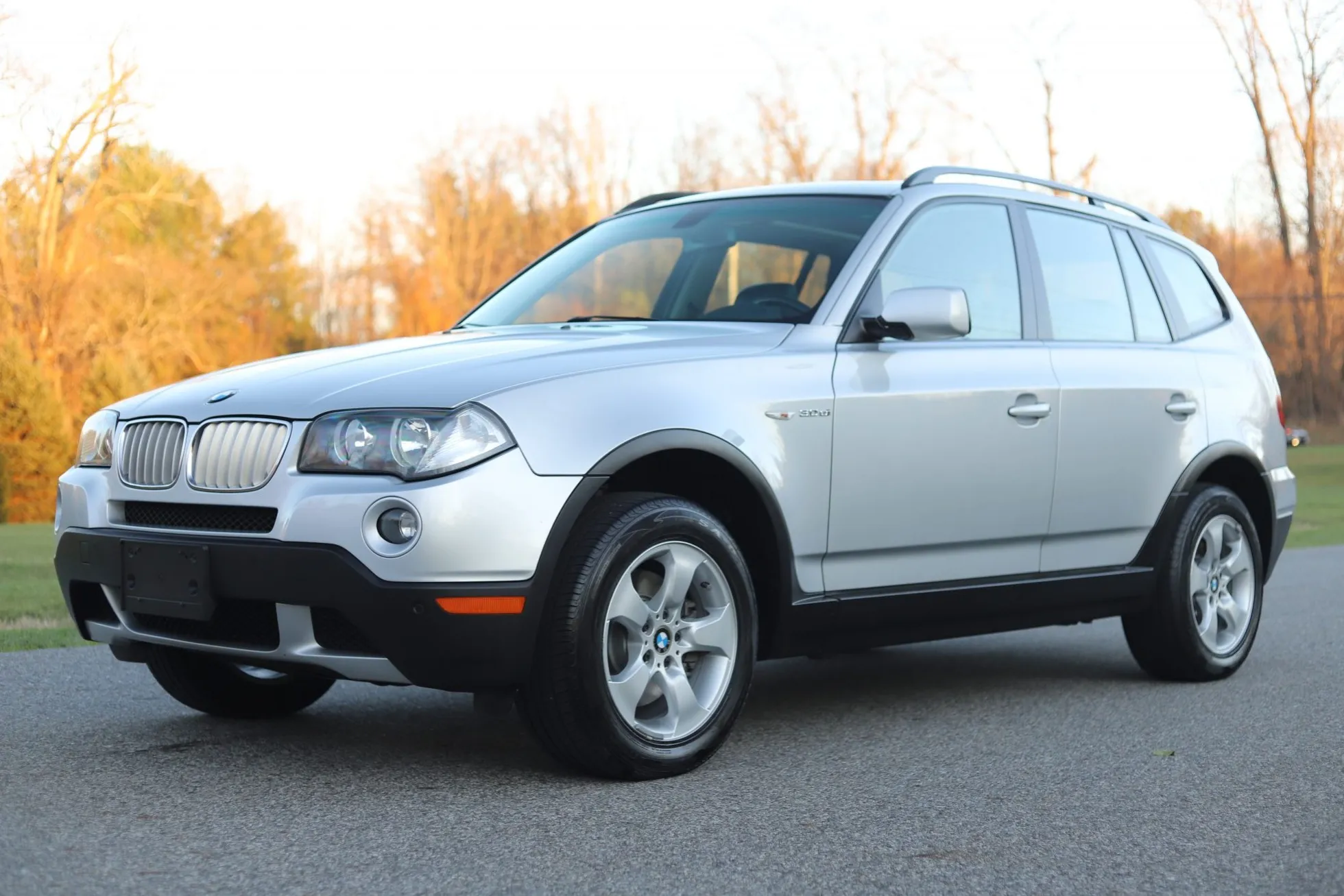
2. BMW X3 (2004-2010 First Generation)
The first-generation BMW X3, while offering impressive performance and luxury features, has earned a reputation as one of the least reliable premium SUVs of its era, with numerous chronic problems that typically emerge well before 100,000 miles and often make the vehicle uneconomical to maintain as it ages.
The X3’s primary reliability issues center around its engine options, particularly the 3.0-liter inline-six that powered most models. While this engine produces excellent power and smooth operation when functioning properly, it suffers from several design flaws that lead to expensive failures.
The most notorious problem is the failure of the VANOS (Variable Valve Timing) system, which typically occurs between 60,000 and 100,000 miles.
This failure often goes undiagnosed initially, causing rough idling, poor performance, and eventually catastrophic engine damage if not addressed promptly. Repair costs for VANOS problems often exceed $3,000-$4,000.
The cooling system in the X3 is particularly problematic, with plastic components that become brittle over time and fail without warning. The water pump, thermostat housing, and various cooling system hoses frequently fail, often causing overheating that can damage the engine.
The expansion tank is notorious for cracking, and the radiator often develops leaks. These cooling system failures typically begin around 60,000-80,000 miles and can cause expensive engine damage if not addressed immediately.
The X3’s electrical systems are notoriously unreliable, with multiple chronic problems that affect daily usability. The window regulators fail frequently, often leaving windows stuck in the down position.
The central locking system malfunctions regularly, sometimes leaving owners locked out of their vehicles. The iDrive system, BMW’s early infotainment interface, is prone to failures that require expensive computer replacements. The air conditioning system frequently develops leaks and compressor failures.
The automatic transmission in the X3, while generally smooth when functioning, suffers from premature wear of internal components and electronic control problems.
Transmission failures often occur between 80,000 and 120,000 miles, requiring expensive rebuilds or replacements. The transfer case and differential also experience premature wear, particularly in all-wheel-drive models.
Suspension components in the X3 wear out much more quickly than those in competing vehicles, with control arm bushings, ball joints, and strut mounts requiring replacement frequently.
The air suspension system, when equipped, is particularly unreliable with air springs and compressors failing regularly. These suspension problems not only affect ride quality but can also create safety concerns and expensive repair bills that often exceed the vehicle’s diminished value.
3. Volkswagen Touareg (2004-2010 First Generation)
The first-generation Volkswagen Touareg, despite its impressive engineering and luxury features, has established itself as one of the most unreliable and expensive-to-maintain SUVs ever produced, with complex systems that frequently fail and repair costs that often exceed the vehicle’s value well before it reaches high mileage.
The Touareg’s most significant reliability issue lies in its overly complex air suspension system, which was standard equipment on most models.
This system features multiple air springs, a complex compressor system, and numerous electronic controls that work together to provide excellent ride quality when functioning properly.
However, the system’s complexity makes it extremely failure-prone, with air springs typically lasting only 60,000-100,000 miles before requiring replacement.
The compressor system frequently fails, often taking out multiple components simultaneously. When the air suspension fails, the vehicle often becomes undrivable, and repair costs frequently exceed $4,000-$6,000.
The engine options in the Touareg, while powerful, suffer from numerous reliability problems. The V6 engines are plagued with timing chain issues, carbon buildup problems, and premature wear of internal components.
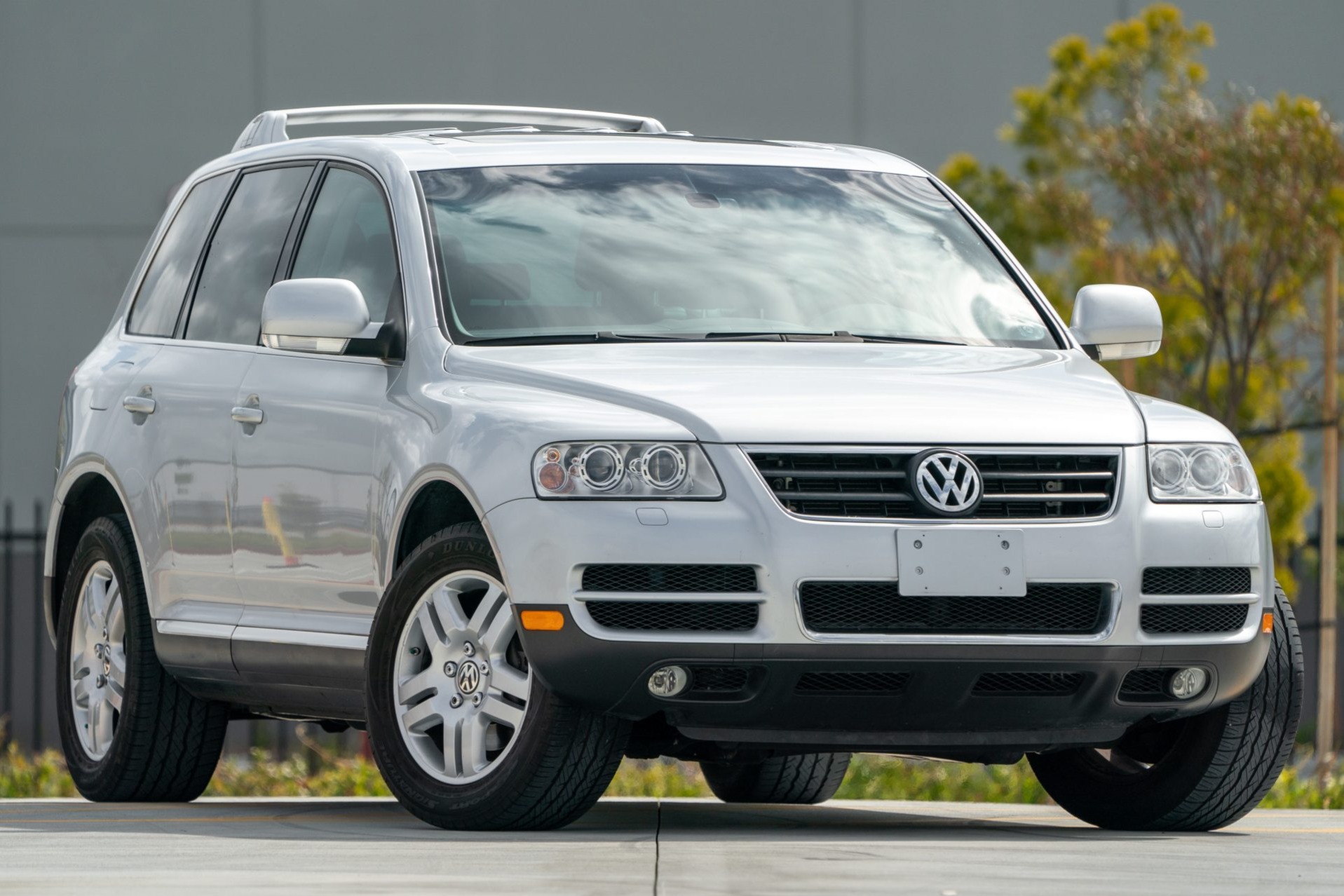
The V8 engines, while smooth and powerful, suffer from catastrophic failures of the timing chain guides, which can cause complete engine destruction if not caught early. These engine problems typically emerge between 60,000 and 100,000 miles and often require complete engine replacement.
The Touareg’s electrical systems are notoriously unreliable, with multiple chronic problems that affect every aspect of the vehicle’s operation. The central electronic control units frequently fail, causing everything from starting problems to complete electrical system shutdowns.
The window regulators fail regularly, the central locking system malfunctions frequently, and the complex infotainment system suffers from numerous glitches and failures. Diagnosing electrical problems in the Touareg is extremely difficult and expensive due to the interconnected nature of the various systems.
The transmission options in the Touareg are similarly problematic. The automatic transmissions suffer from premature wear of internal components, electronic control problems, and cooling system failures.
The combination of frequent failures, extremely high repair costs, and rapid depreciation makes the Touareg one of the worst choices for anyone seeking reliable transportation or reasonable ownership costs.
4. Jaguar X-Type (2002-2009)
The Jaguar X-Type, despite its attractive styling and luxury pretensions, represents one of the most unreliable vehicles of its era, with numerous chronic problems that typically emerge well before 100,000 miles and often make the vehicle uneconomical to maintain as it ages.
The X-Type’s reliability issues stem from its rushed development, cost-cutting measures, and the challenging integration of Jaguar luxury features with Ford Mondeo underpinnings.
The X-Type’s most notorious reliability problem centers around its electrical systems, which are plagued with chronic failures that affect nearly every aspect of the vehicle’s operation.
The central electrical control modules frequently fail without warning, causing everything from starting problems to complete electrical shutdowns.
The window regulators are particularly problematic, with many failing multiple times during the vehicle’s life. The central locking system malfunctions regularly, sometimes leaving owners locked out of their vehicles or unable to secure them properly.
The transmission options in the X-Type are both problematic in different ways. The manual transmission, while generally more reliable than the automatic, suffers from premature clutch wear and shifter mechanism failures.
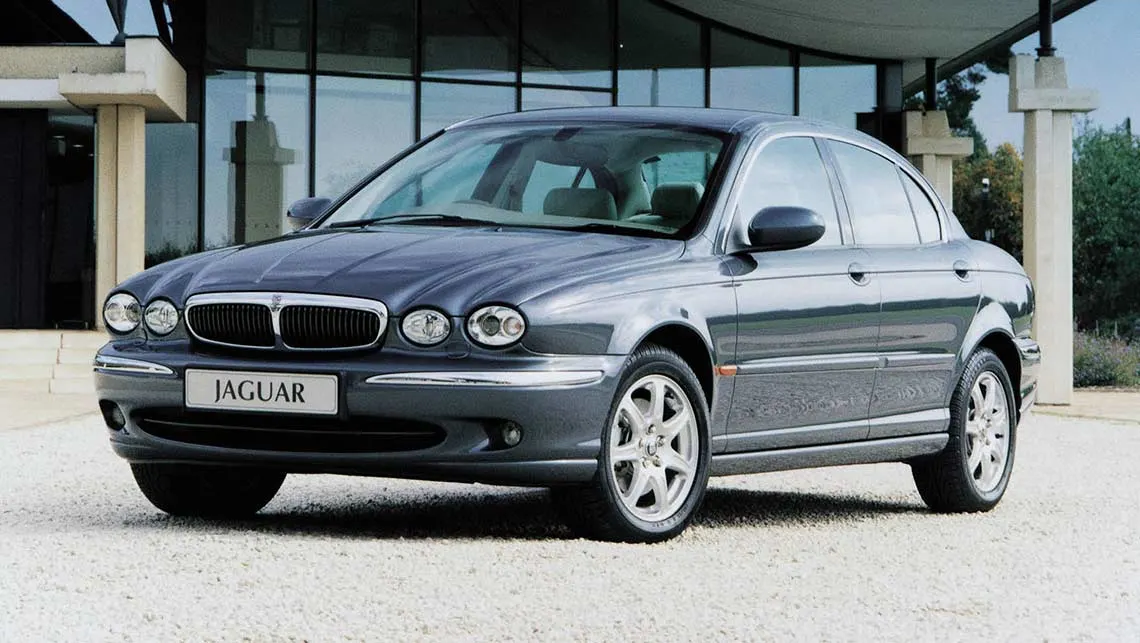
The automatic transmission is particularly troublesome, with frequent failures of the electronic control systems, premature wear of internal components, and cooling system problems.
Transmission problems typically begin around 60,000-80,000 miles and often require complete replacement rather than repair due to the complexity of the systems involved.
The X-Type’s engine lineup, while borrowed from other Ford products, suffers from numerous reliability issues when installed in the Jaguar. The V6 engines are prone to timing chain problems, cooling system failures, and premature wear of internal components.
The diesel engines, while offering good fuel economy, suffer from turbocharger failures, fuel injection system problems, and emissions control system malfunctions. These engine problems often lead to expensive repairs that can exceed the vehicle’s diminished value.
The vehicle’s depreciation curve is particularly steep, making repairs economically unfeasible relatively early in the vehicle’s life and creating a situation where many X-Types are scrapped rather than repaired when major problems occur.
5. Chrysler 300 (2005-2010 First Generation)
The first-generation Chrysler 300, while initially impressive with its bold styling and powerful engine options, has proven to be one of the least reliable full-size sedans of its era, with numerous chronic problems that typically emerge well before 100,000 miles and often result in expensive repairs that exceed the vehicle’s rapidly depreciating value.
The 300’s most significant reliability issues center around its transmission, particularly the five-speed automatic that was used with most engine options.
This transmission suffers from numerous design flaws, including inadequate cooling, weak internal components, and problematic electronic controls.
Transmission failures typically begin around 60,000-80,000 miles, often starting with rough shifting and progressing to complete internal failure. The transmission’s complexity makes repairs extremely expensive, often requiring complete replacement rather than rebuild.
Many owners report multiple transmission failures within the first 100,000 miles. The electrical systems in the 300 are notoriously unreliable, with numerous chronic problems that affect daily usability and safety. The central electrical control modules frequently fail, causing everything from starting problems to complete system shutdowns.
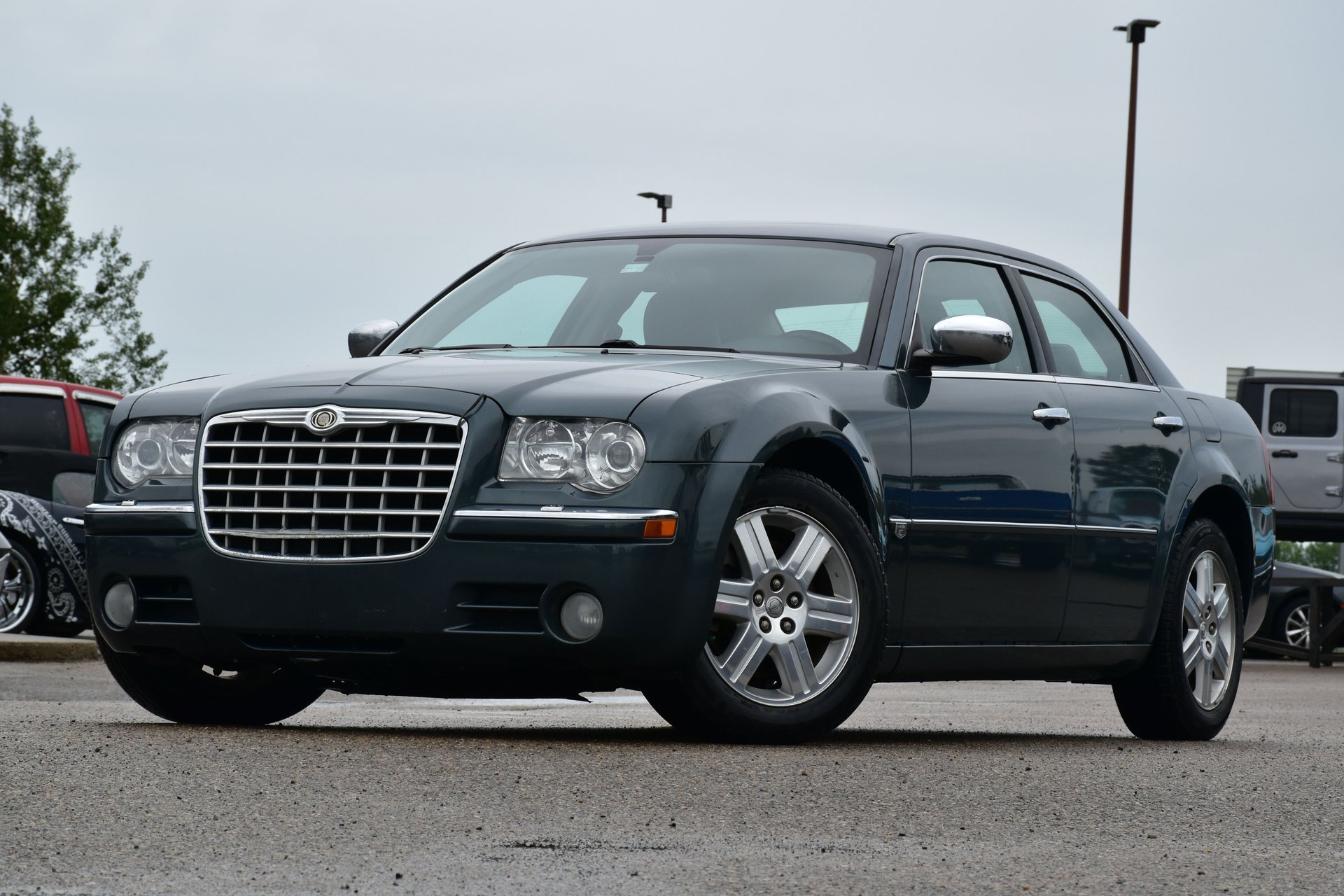
The window regulators fail regularly, often multiple times during the vehicle’s life. The complex electronic systems that control various luxury features are prone to malfunctions that require expensive computer replacements. The alternator and starter systems also experience premature failures, often multiple times within the first 100,000 miles.
The engine options in the 300, while powerful, suffer from various reliability problems depending on the specific variant. The V6 engines are prone to timing chain issues, oil consumption problems, and premature wear of internal components.
The HEMI V8 engines, while impressive performers, suffer from numerous problems including lifter failures, oil consumption issues, and cooling system problems.
The Multi-Displacement System (MDS), which deactivates cylinders for improved fuel economy, frequently malfunctions, causing rough operation and incurring expensive repair bills.
The combination of frequent mechanical failures, high repair costs, and rapid depreciation makes the first-generation 300 a particularly poor choice for anyone seeking reliable transportation or reasonable ownership costs.
Also Read: 5 Engines That Handle Neglect Well vs 5 That Need Constant Care
