
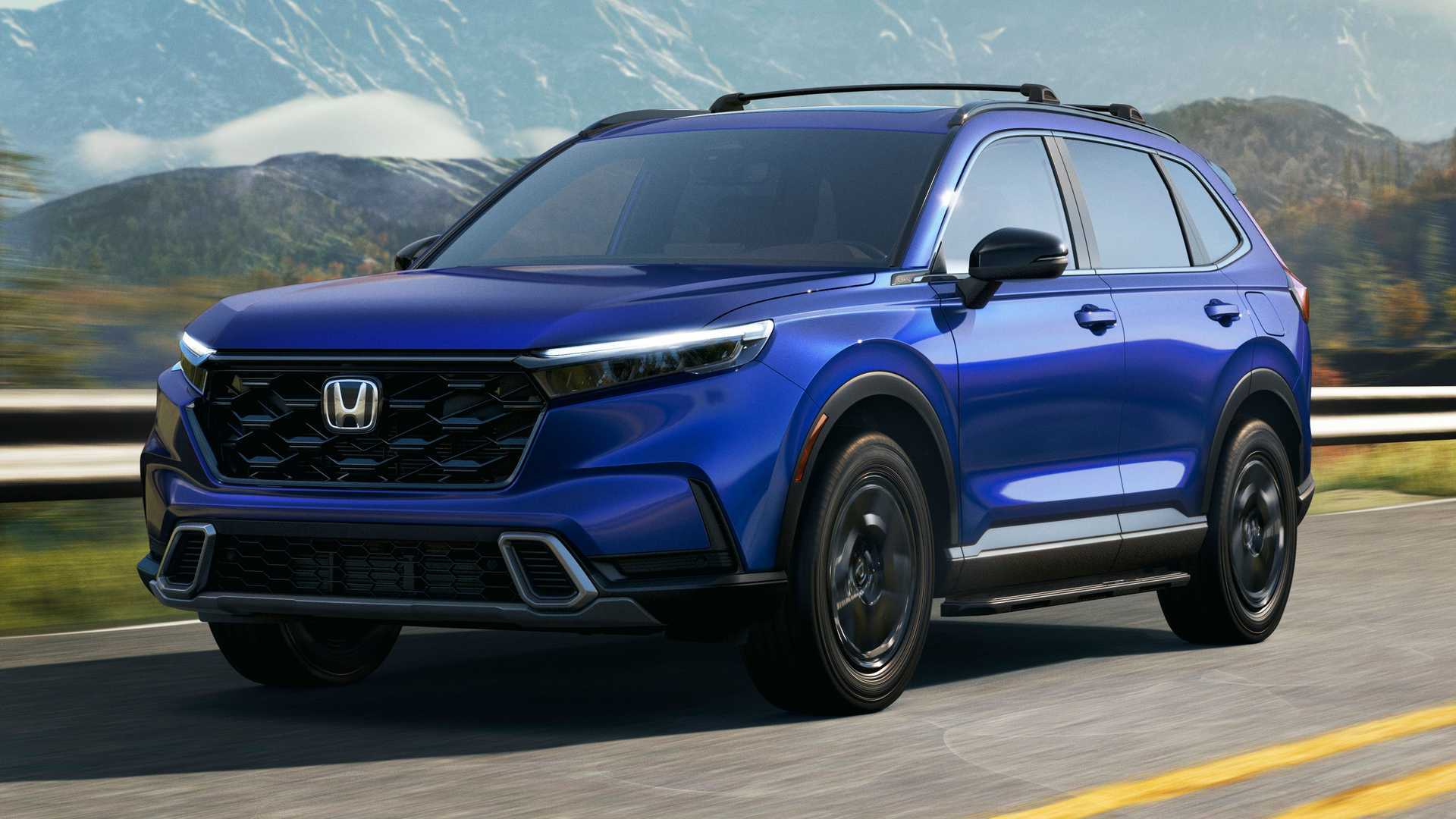
The Honda CR-V stands as one of the most enduring and sought-after compact SUVs in automotive history, consistently ranking among the best-selling vehicles in its class.
Since its debut in 1997, the CR-V has built an unshakeable reputation for reliability, practicality, and exceptional resale value that continues to drive strong demand in both new and used car markets today.
What makes certain CR-V model years particularly desirable extends beyond mere nostalgia or brand loyalty. These vehicles represent the perfect intersection of proven engineering, optimal feature sets, and timing within their respective generations.
Buyers actively seek out specific years that offer the ideal balance of modern amenities without unnecessary complexity, established reliability records, and attractive pricing in the pre-owned market.
The compact SUV segment has exploded in popularity over the past two decades, but the CR-V has maintained its position as a benchmark against which all others are measured.
Its consistent emphasis on interior space maximization, fuel efficiency, and Honda’s legendary build quality has created a loyal following that spans multiple generations of drivers.
From young professionals seeking their first SUV to growing families requiring dependable transportation, the CR-V’s broad appeal ensures sustained demand across diverse demographics.
Understanding which model years remain most coveted helps both buyers and sellers go through the market more effectively, whether seeking the perfect used vehicle or determining optimal timing for a trade-in.
1. 2019 Honda CR-V
The 2019 Honda CR-V represents the pinnacle of the fifth-generation model, incorporating years of refinement while avoiding the potential growing pains of a completely new design.
This model year stands out as particularly desirable due to its mature development within the generation, offering buyers the benefit of Honda’s continuous improvements without the premium pricing of the newest models.
Under the hood, the 2019 CR-V features Honda’s proven 1.5-liter turbocharged four-cylinder engine, delivering an impressive balance of power and fuel efficiency.
This engine produces 190 horsepower while achieving EPA ratings of up to 28 mpg city and 34 mpg highway, making it an ideal choice for both daily commuting and long-distance travel.
The continuously variable transmission (CVT) works seamlessly with the turbo engine, providing smooth acceleration and contributing to the vehicle’s excellent fuel economy figures.
The interior of the 2019 CR-V showcases Honda’s commitment to maximizing space and functionality. Despite its compact exterior dimensions, the cabin offers generous room for five passengers, with rear seats that provide surprising legroom for adult passengers.
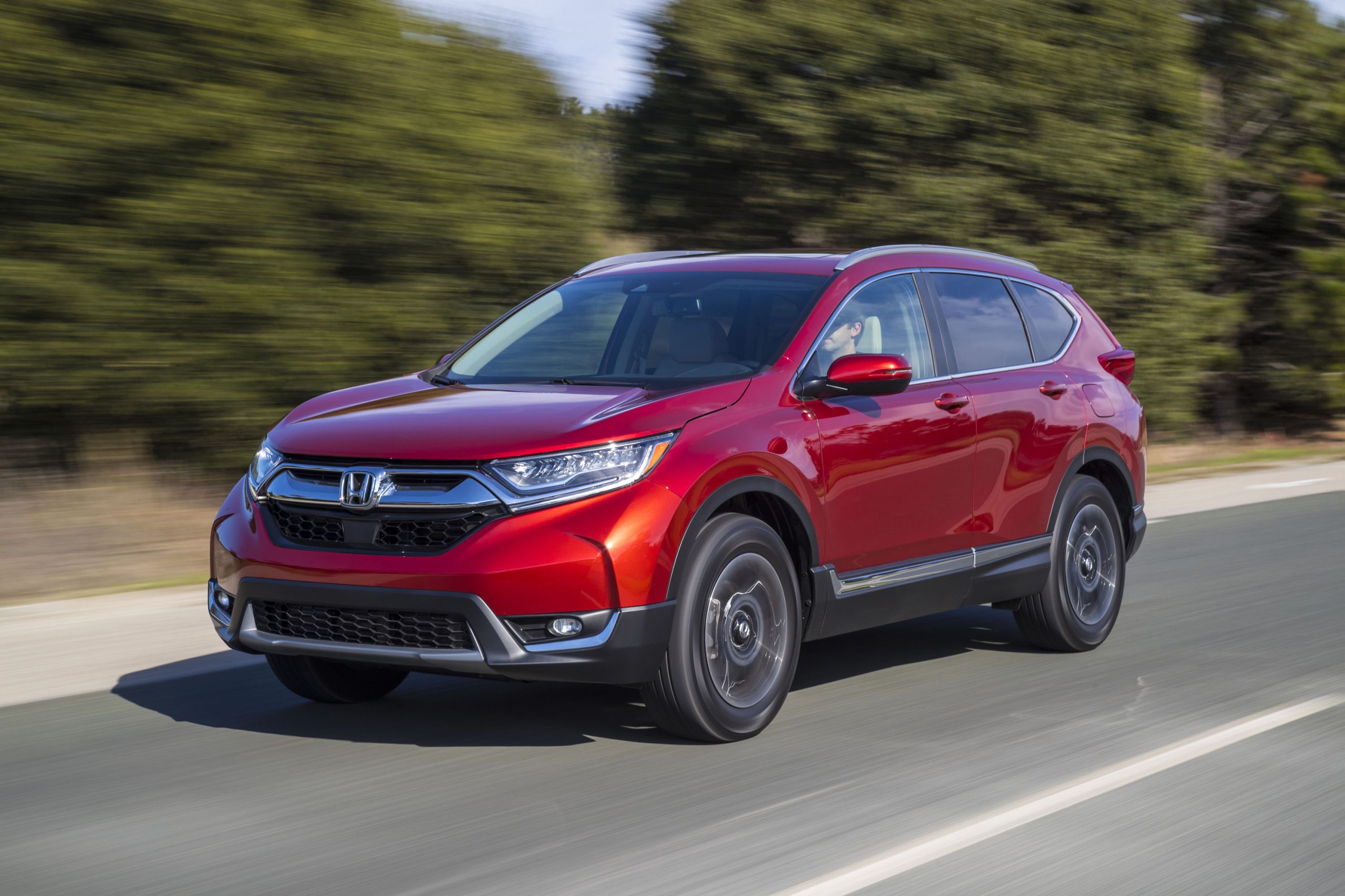
The cargo area is equally impressive, offering 39.2 cubic feet of storage space with the rear seats up, expanding to 75.8 cubic feet with the seats folded down. This versatility makes the 2019 CR-V equally suitable for grocery runs and weekend camping trips.
Technology features in the 2019 model include the Honda Sensing suite of safety technologies as standard equipment across all trim levels. This comprehensive package includes collision mitigation braking, road departure mitigation, adaptive cruise control, and lane keeping assist.
The infotainment system features a 7-inch touchscreen display with smartphone integration capabilities, ensuring connectivity remains current with modern expectations.
Build quality and reliability continue to be hallmarks of the 2019 CR-V, with Honda’s reputation for longevity translating into strong resale values and sustained market demand.
The vehicle’s conservative styling ensures it won’t look dated quickly, while its proven mechanical components provide confidence for long-term ownership. These factors combine to make the 2019 CR-V a smart choice for buyers seeking a reliable, efficient, and well-equipped compact SUV that will serve them well for years to come.
2. 2017 Honda CR-V
The 2017 Honda CR-V marked the beginning of the fifth generation and represents a significant leap forward in design, technology, and efficiency.
This complete redesign year remains highly sought after because it introduced many of the features and improvements that buyers love about modern CR-Vs while being available at more accessible price points in today’s used car market.
The most significant change for 2017 was the introduction of Honda’s 1.5-liter turbocharged engine, replacing the naturally aspirated 2.4-liter unit from the previous generation.
This smaller, more efficient powerplant actually produces more power than its predecessor while delivering substantially better fuel economy. The turbo engine generates 190 horsepower and 179 lb-ft of torque, providing peppy acceleration and confident highway merging capabilities.
Fuel economy ratings of 28 mpg city and 34 mpg highway represent a significant improvement over the outgoing model. Honda completely reimagined the CR-V’s styling for 2017, creating a more sophisticated and modern appearance that departed from the somewhat conservative look of previous generations.
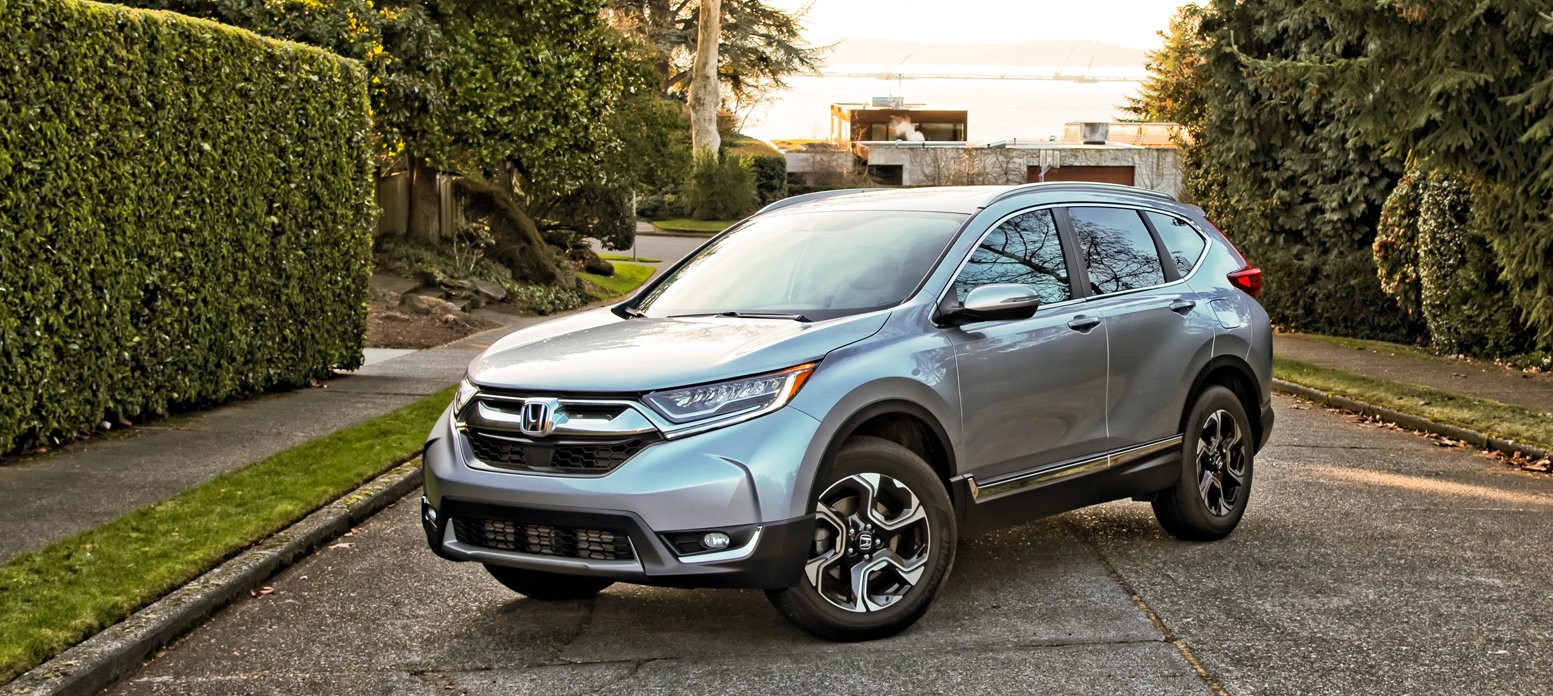
The exterior features clean lines, a prominent grille, and distinctive LED headlights that give the vehicle a more premium appearance.
Despite the sleeker profile, Honda managed to increase interior space, with the 2017 model offering more passenger room and cargo capacity than its predecessor.
The interior received equally significant updates, with higher-quality materials and a more modern dashboard design.
The infotainment system was completely redesigned around a new touchscreen interface, though early versions faced some criticism for removing the volume knob in favor of touch controls.
However, the system’s functionality and smartphone integration capabilities represent a major step forward from previous generations. Safety technology received a major boost in 2017 with the introduction of Honda Sensing as standard equipment.
This suite of advanced safety features was previously available only on higher trim levels or luxury vehicles, making the 2017 CR-V an exceptional value proposition for safety-conscious buyers.
The comprehensive package includes automatic emergency braking, lane departure warning, and adaptive cruise control.
The 2017 CR-V’s combination of improved efficiency, increased space, advanced safety features, and modern styling created a compelling package that continues to attract buyers in the used car market.
Its position as the first year of a successful generation means it offers most of the benefits of newer models at a more attractive price point.
3. 2014 Honda CR-V
The 2014 Honda CR-V represents the sweet spot of the fourth generation, offering refined reliability and proven performance that has stood the test of time.
This model year is particularly appealing to buyers who prefer naturally aspirated engines and appreciate the simplicity and dependability of Honda’s tried-and-true engineering approach.
Under the hood, the 2014 CR-V features Honda’s 2.4-liter four-cylinder engine, producing 185 horsepower and paired with either a five-speed automatic transmission in front-wheel-drive models or a six-speed automatic in all-wheel-drive variants.
While this engine configuration may seem dated compared to modern turbocharged alternatives, it offers the advantage of proven reliability and straightforward maintenance requirements. Many buyers specifically seek out this engine because of its reputation for longevity and lower long-term maintenance costs.
The fourth-generation CR-V, which the 2014 model represents in its prime year, struck an excellent balance between size and efficiency. The vehicle offers impressive interior space for its compact footprint, with comfortable seating for five adults and 37.2 cubic feet of cargo space.

The rear seats fold flat to provide 70.9 cubic feet of storage, making it practical for everything from weekly shopping trips to moving furniture. The interior design emphasizes functionality with numerous storage compartments and cup holders strategically placed throughout the cabin.
Fuel economy figures of 24 mpg city and 31 mpg highway may not match newer turbocharged models, but they represent solid efficiency for a naturally aspirated engine.
More importantly, real-world fuel economy often meets or exceeds EPA estimates, and the engine runs happily on regular gasoline without the premium fuel recommendations that some turbocharged engines prefer.
The 2014 CR-V’s reliability record is exceptional, with this model year showing minimal recalls and few reported problems as vehicles age. This track record contributes significantly to its continued demand in the used car market, where buyers prioritize dependability over the latest features.
The vehicle’s conservative styling has aged gracefully, avoiding the dated appearance that can plague more trend-focused designs. Technology features include a 5-inch LCD screen, USB connectivity, and an available navigation system.
While these features may seem basic by today’s standards, they provide essential functionality without the complexity of newer infotainment systems. For buyers who prefer simplicity and reliability over cutting-edge technology, the 2014 CR-V delivers exactly the right balance of features and dependability.
4. 2012 Honda CR-V
The 2012 Honda CR-V launched the fourth generation with a complete redesign that emphasized efficiency and interior space while maintaining Honda’s commitment to reliability and practicality.
This model year remains highly desirable because it represents the beginning of a successful generation that introduced many improvements while maintaining the simplicity that Honda buyers appreciate.
The 2012 model year brought significant changes to the CR-V lineup, starting with a new 2.4-liter four-cylinder engine that produced 185 horsepower while improving fuel economy over the outgoing model.
The engine was paired with a five-speed automatic transmission in front-wheel-drive models and a new six-speed automatic in all-wheel-drive versions.
This powertrain combination delivered smooth, reliable performance with fuel economy ratings of 23 mpg city and 31 mpg highway, representing a notable improvement over the third-generation model.
Interior space received significant attention in the 2012 redesign, with Honda engineers maximizing passenger and cargo room within the vehicle’s compact exterior dimensions. The rear seats were redesigned to provide more legroom for passengers while maintaining the ability to fold completely flat for cargo hauling.
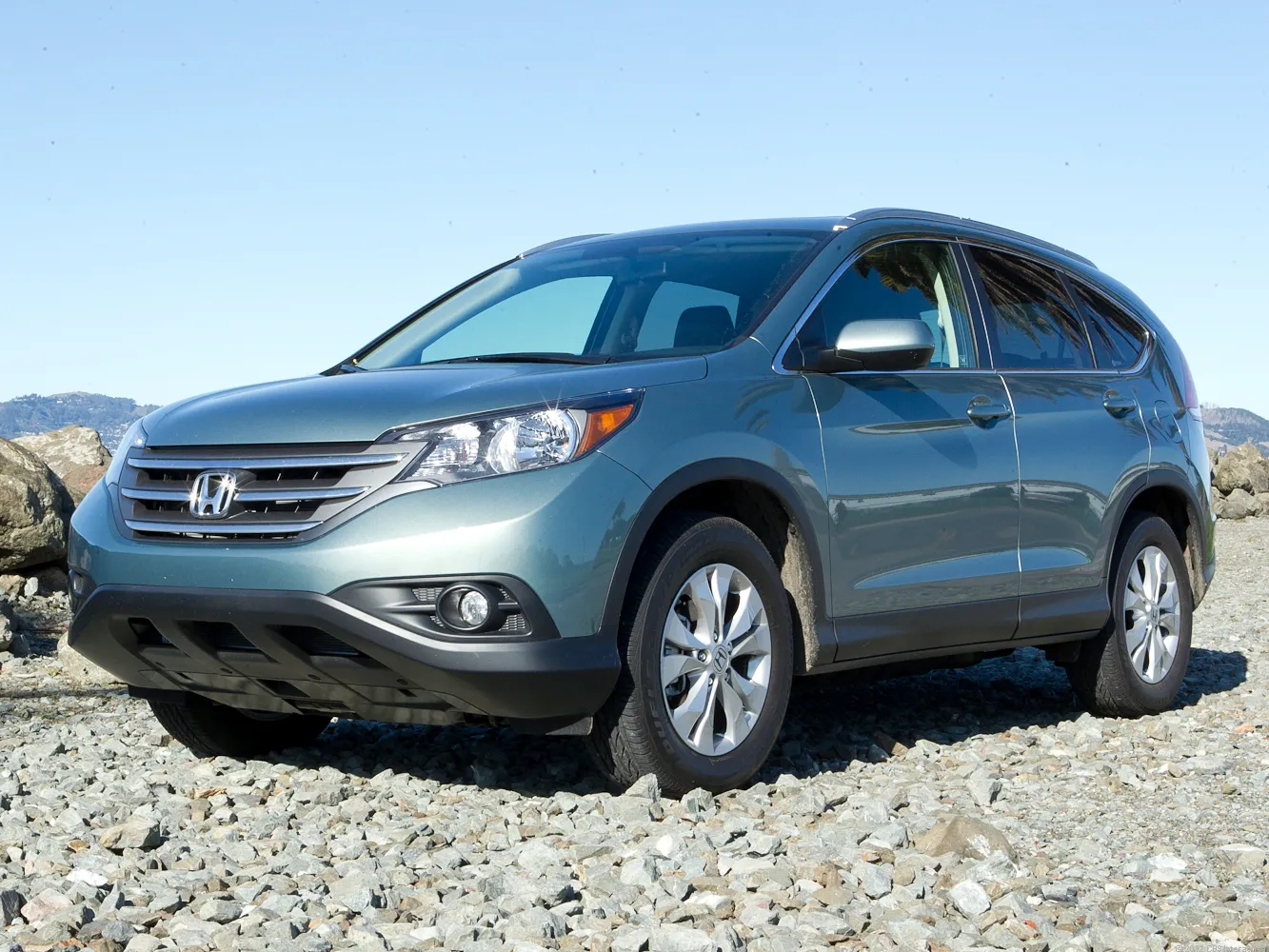
The result was 37.2 cubic feet of cargo space with seats up, expanding to 70.9 cubic feet with the rear seats folded, making the CR-V one of the most versatile vehicles in its class.
The exterior styling represented a significant departure from the previous generation, with cleaner lines and a more sophisticated appearance that helped the CR-V compete more effectively against increasingly stylish competitors.
The design struck an excellent balance between modern appeal and timeless aesthetics, ensuring the vehicle wouldn’t look dated as it aged. LED taillights and available fog lights added premium touches that enhanced the vehicle’s visual appeal.
Honda’s focus on build quality and reliability continued with the 2012 model, incorporating lessons learned from previous generations while introducing new manufacturing techniques to improve durability.
The vehicle’s structure was reinforced for better crash protection while maintaining the lightweight construction that contributed to its excellent fuel economy. Interior materials were upgraded to provide a more premium feel while maintaining the durability that Honda owners expect.
The 2012 CR-V’s combination of improved efficiency, increased space, modern styling, and Honda’s renowned reliability created a winning formula that continues to attract buyers more than a decade later.
Its position as the launch year of a successful generation means it established the foundation for the improvements that would follow, while offering the essential benefits that make the CR-V such an enduring choice in the compact SUV segment.
Also Read: 5 Nissan Models That Outlive Expectations vs 5 That Fail Early
5. 2007 Honda CR-V
The 2007 Honda CR-V holds a special place in the model’s history as the launch year of the third generation, introducing significant improvements in space, refinement, and capability while maintaining the dependability that made the CR-V a household name.
This model year remains particularly sought after because it represents Honda’s successful evolution of the CR-V formula without the complexity of modern electronics.
The third-generation CR-V introduced for 2007 featured a completely new platform that allowed for increased interior space while maintaining manageable exterior dimensions.
The wheelbase was stretched by nearly three inches compared to the outgoing model, translating directly into more rear-seat legroom and a more spacious cabin.
This redesign addressed one of the primary complaints about earlier CR-V models while maintaining the maneuverability that made the vehicle popular for urban driving.
Under the hood, the 2007 CR-V received Honda’s 2.4-liter four-cylinder engine producing 166 horsepower, a significant increase over the previous generation’s 2.4-liter unit.
This engine was paired with a five-speed automatic transmission that provided smooth shifts and contributed to the vehicle’s improved performance and fuel economy. The all-wheel-drive system was redesigned to provide better traction in challenging conditions while operating seamlessly in normal driving situations.

Interior quality took a significant step forward in 2007, with improved materials and a more sophisticated dashboard design that raised the CR-V’s cabin atmosphere.
The seats were redesigned for better comfort and support, addressing long-distance driving comfort that had been a weakness in earlier generations. Storage solutions were enhanced throughout the cabin, with larger door pockets, improved cup holder placement, and a more versatile center console.
The 2007 model year also introduced several convenience features that were becoming standard expectations in the compact SUV segment. These included a more advanced audio system with MP3 capability, improved climate control, and better interior lighting.
While these features may seem basic by today’s standards, they represented significant improvements over earlier CR-V generations and helped establish the vehicle’s reputation for providing good value and practical features.
Reliability and build quality remained hallmarks of the 2007 CR-V, with Honda’s manufacturing processes ensuring consistent quality across the production run.
The vehicle’s mechanical simplicity compared to modern SUVs makes it appealing to buyers who prefer straightforward maintenance and repair requirements.
The 2007 CR-V’s proven track record for longevity and dependability continues to drive demand among buyers seeking a reliable used vehicle with Honda’s reputation for durability.
6. 2005 Honda CR-V
The 2005 Honda CR-V represents the final year of the second generation and stands as one of the most refined examples of Honda’s early compact SUV success.
This model year is highly prized by enthusiasts and practical buyers alike because it offers the culmination of second-generation improvements while maintaining the simpler, more mechanical nature that some buyers prefer over modern electronics-heavy vehicles.
As the concluding year of its generation, the 2005 CR-V benefited from years of continuous refinement and problem resolution that Honda applied throughout the second generation’s production run.
The 2.4-liter four-cylinder engine had been thoroughly developed by this point, delivering 160 horsepower with proven reliability and straightforward maintenance requirements.
The four-speed automatic transmission was well-matched to the engine’s characteristics, providing smooth operation and decent fuel economy for the era.
The 2005 model year featured several updates and improvements over earlier second-generation models, including refined interior materials and enhanced feature content across trim levels.
The Real Time 4WD system had been perfected through years of development, offering excellent traction when needed while operating efficiently in normal driving conditions.
This system’s mechanical simplicity makes it particularly appealing to buyers who prefer straightforward all-wheel-drive systems without complex electronic controls.
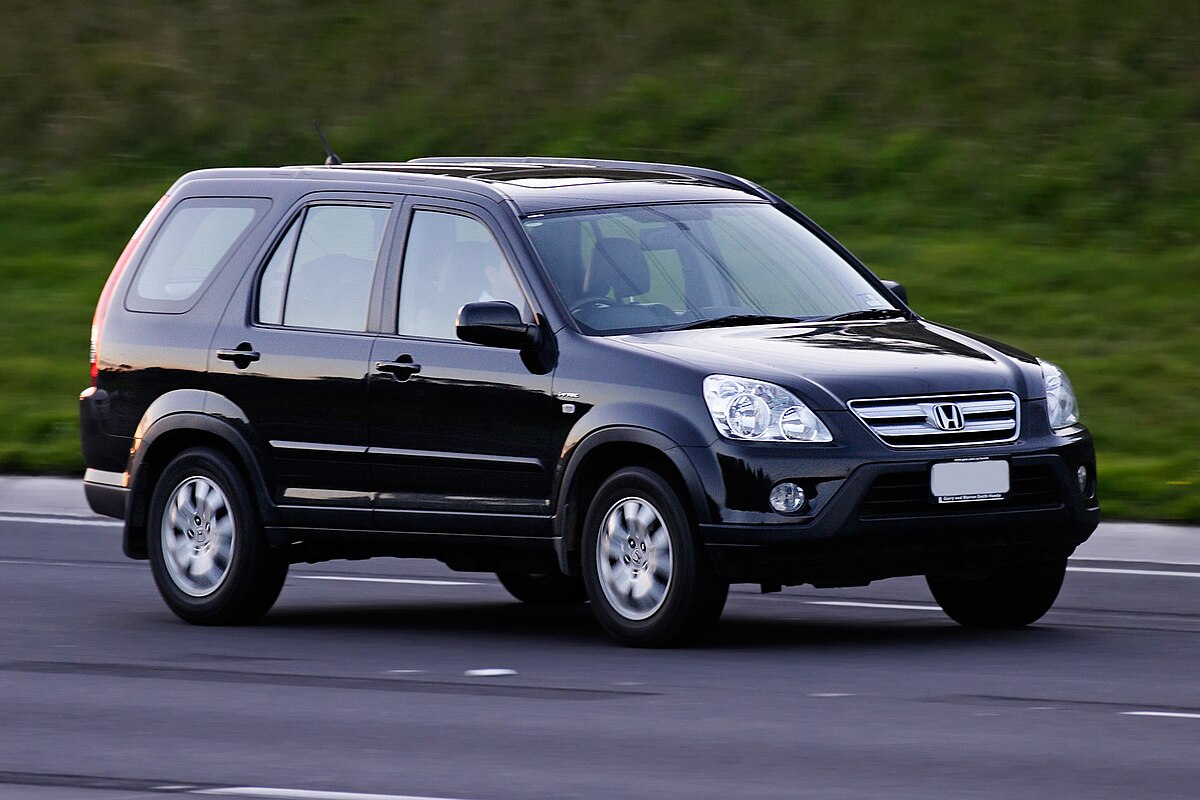
Interior space and versatility were key strengths of the 2005 CR-V, with the rear seats folding flat to create a large, useful cargo area. The vehicle’s boxy proportions maximized interior volume while maintaining a relatively compact exterior footprint.
Build quality was exceptional, with tight panel gaps, solid interior construction, and the attention to detail that Honda was known for during this period. Many 2005 CR-V models continue to operate reliably today with proper maintenance, testament to their robust construction.
The 2005 CR-V’s styling has aged remarkably well, with clean lines and proportions that don’t look dated compared to contemporary designs. The exterior design was functional rather than flashy, with large windows providing excellent visibility and practical features like roof rails and a spare tire mounted on the rear door.
This utilitarian approach appeals to buyers who prioritize function over form and appreciate vehicles designed for real-world use. From a collector’s perspective, the 2005 CR-V represents the end of an era before Honda began incorporating more complex electronics and emissions equipment.
Its mechanical simplicity, proven reliability, and excellent build quality make it particularly attractive to buyers seeking a dependable vehicle that can be maintained without specialized diagnostic equipment or complex repair procedures.
7. 2015 Honda CR-V
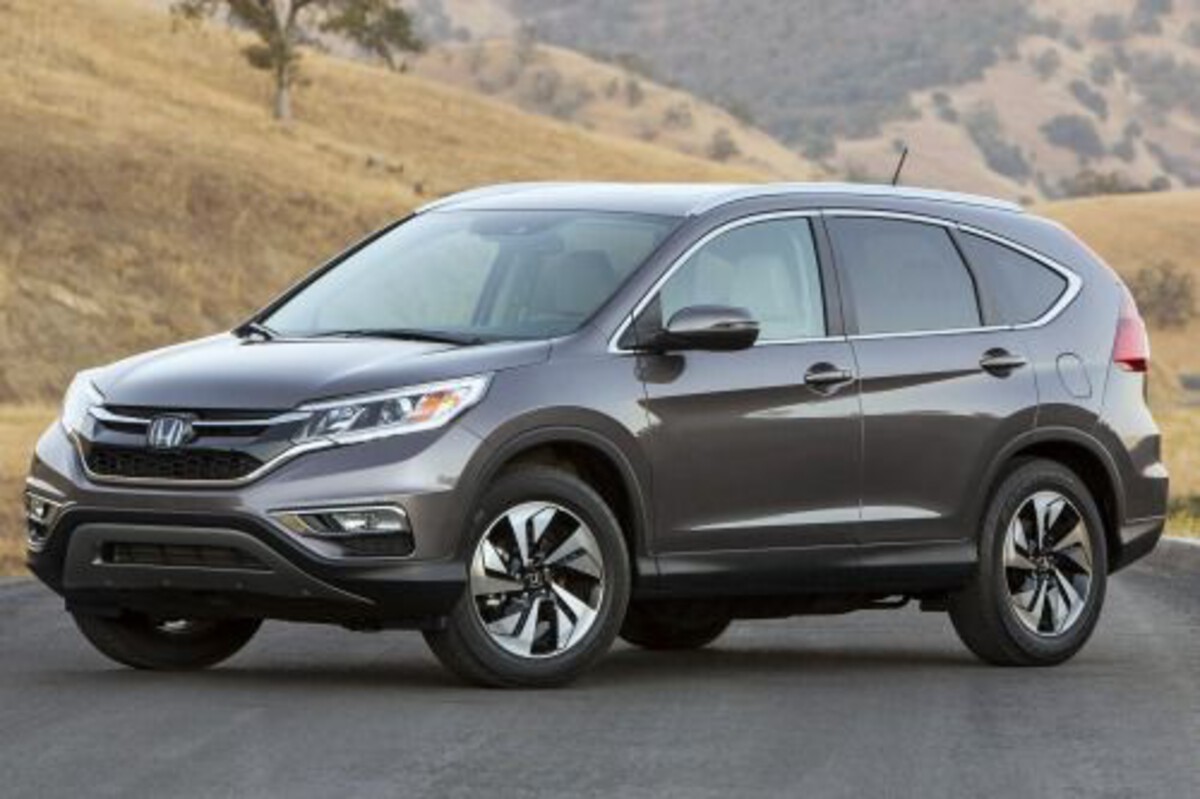
The 2015 Honda CR-V stands out as an exceptional model year that combined the mature development of the fourth generation with Honda’s commitment to continuous improvement.
This model year is particularly desirable because it represents the sweet spot of the fourth generation, incorporating refinements and updates while maintaining the proven reliability and straightforward operation that CR-V buyers value.
Building on the successful fourth-generation platform introduced in 2012, the 2015 CR-V featured several important updates that enhanced its appeal without drastically changing the formula that made it successful.
The 2.4-liter four-cylinder engine continued to provide reliable power output of 185 horsepower, but Honda made subtle refinements to improve efficiency and reduce noise, vibration, and harshness levels.
These improvements resulted in a more refined driving experience while maintaining the engine’s reputation for longevity and low maintenance requirements.
Interior updates for 2015 included revised materials and improved fit and finish that raised the CR-V’s cabin quality. The dashboard design received minor updates to improve functionality and aesthetic appeal, while the seating was refined for better comfort during long drives.
The infotainment system was updated to include better smartphone integration capabilities, reflecting the growing importance of connectivity features for buyers in this segment.
The 2015 model year also benefited from Honda’s ongoing efforts to improve the CR-V’s already excellent safety record. While advanced safety features like automatic emergency braking weren’t yet standard, the vehicle’s robust structure and comprehensive airbag system provided excellent protection.
The National Highway Traffic Safety Administration awarded the 2015 CR-V a five-star safety rating, reinforcing its reputation as a safe choice for families.
Fuel economy remained a strong selling point for the 2015 CR-V, with EPA ratings of 24 mpg city and 31 mpg highway for front-wheel-drive models.
These figures represented solid efficiency for a naturally aspirated engine, and real-world fuel economy often exceeded EPA estimates. The vehicle’s excellent fuel economy, combined with Honda’s reputation for reliability, made it an attractive choice for buyers seeking low total cost of ownership.
The 2015 CR-V’s position within the fourth generation makes it particularly appealing to used car buyers today. It offers the benefits of a mature, well-developed platform with proven reliability while avoiding the higher prices of newer generations.
For buyers who prefer the simplicity of naturally aspirated engines and traditional automatic transmissions, the 2015 CR-V provides an excellent combination of modern features and straightforward mechanical systems that are easy to understand and maintain.
8. 2018 Honda CR-V
The 2018 Honda CR-V represents the continued refinement of the fifth generation, incorporating important updates and improvements that addressed early concerns while building on the strengths that made the redesigned model successful.
This model year is particularly sought after because it offers the benefits of Honda’s continuous improvement philosophy while maintaining the attractive pricing that comes with being a few years removed from the latest model.
One of the most significant aspects of the 2018 CR-V was Honda’s response to early feedback about the fifth generation, particularly regarding the CVT transmission and engine performance in cold weather conditions.
Honda made calibration updates to improve the transmission’s operation and addressed concerns about oil dilution in the turbocharged engine through revised software and extended warranties. These improvements demonstrated Honda’s commitment to customer satisfaction and continuous improvement.
The 1.5-liter turbocharged engine continued to be a highlight of the 2018 CR-V, delivering 190 horsepower and excellent fuel economy.
However, Honda’s refinements improved the engine’s operation in various conditions, making it more responsive and efficient across a broader range of driving scenarios.
The CVT transmission also received updates to improve its responsiveness and reduce the rubber-band effect that some drivers found objectionable in earlier versions.
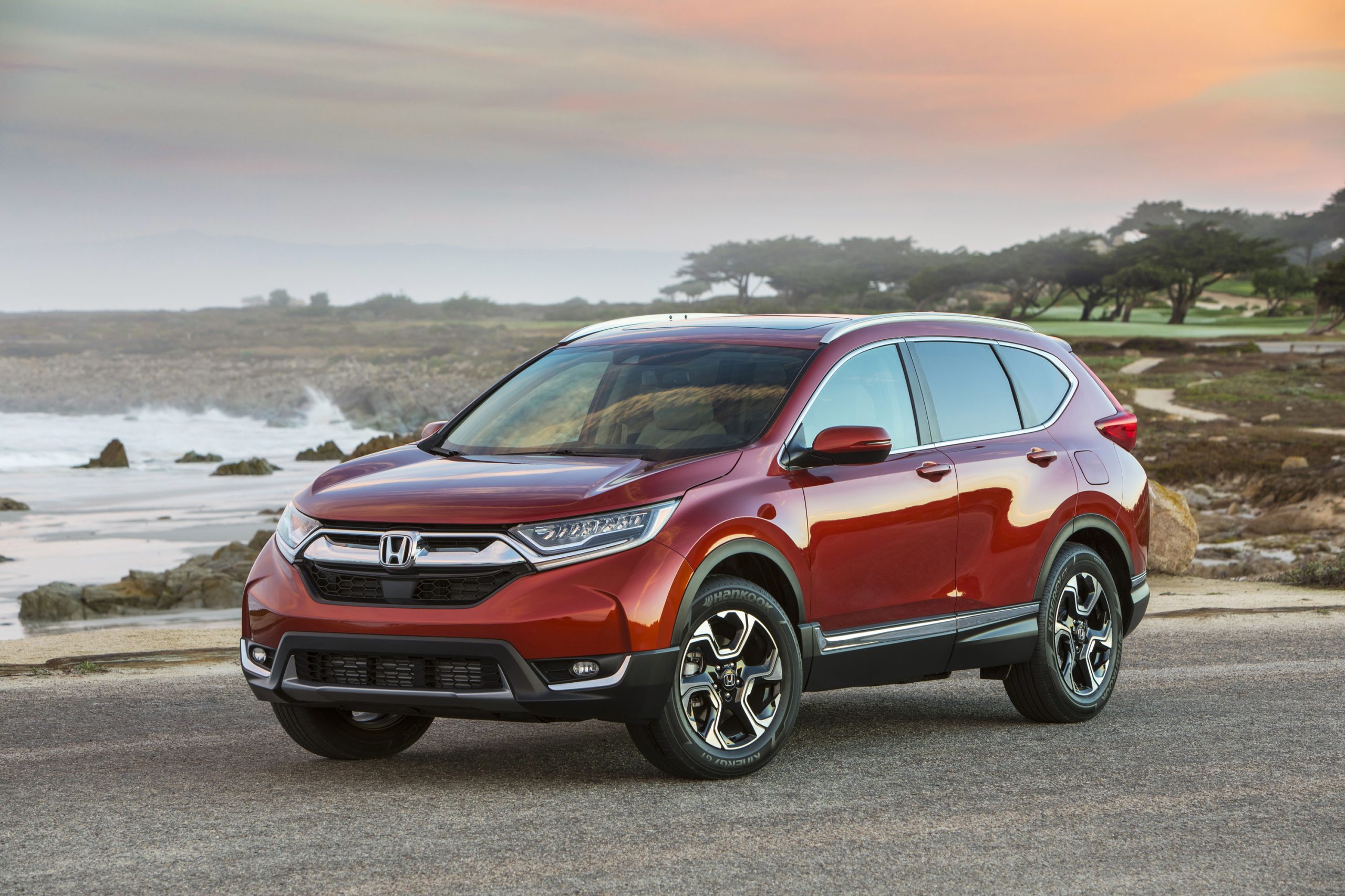
Interior space and versatility remained among the 2018 CR-V’s strongest attributes, with the vehicle offering impressive passenger room and cargo capacity for its external dimensions.
The rear seats provided generous legroom for adult passengers, while the cargo area offered 39.2 cubic feet of space with seats up and 75.8 cubic feet with seats folded.
The interior design emphasized practicality with numerous storage solutions and intuitive controls that made daily use convenient and pleasant.
Technology features in the 2018 CR-V included Honda Sensing as standard equipment across all trim levels, providing advanced safety technologies that were often optional or unavailable on competing vehicles.
The infotainment system offered smartphone integration through Apple CarPlay and Android Auto, ensuring connectivity remained current with modern expectations. Higher trim levels added premium features like a power tailgate, heated seats, and a premium audio system.
The 2018 CR-V’s combination of refined performance, advanced safety features, excellent space utilization, and Honda’s reputation for reliability created a compelling package that continues to attract buyers in today’s used car market.
Its position as a mature fifth-generation model means it offers most of the benefits of newer CR-Vs while being available at more attractive price points, making it an excellent choice for buyers seeking modern features and proven dependability.
9. 2011 Honda CR-V
The 2011 Honda CR-V represents the final year of the third generation, offering the culmination of Honda’s development efforts for this successful platform.
This model year is particularly desirable because it combines the benefits of years of refinement with the simpler, more straightforward engineering approach that characterized Honda vehicles of this era, before the complexity of modern emissions and safety regulations.
As the concluding year of the third generation, the 2011 CR-V incorporated all the improvements and refinements Honda had made since the platform’s 2007 introduction.
The 2.4-liter four-cylinder engine had been thoroughly developed, delivering 180 horsepower with proven reliability and excellent longevity.
The five-speed automatic transmission was perfectly matched to the engine’s characteristics, providing smooth operation and contributing to the vehicle’s reputation for dependability.
Interior quality in the 2011 CR-V reflected Honda’s attention to continuous improvement, with better materials and improved fit and finish compared to earlier third-generation models.
The seating was refined for better comfort and support, while the dashboard design provided intuitive controls and good visibility. Storage solutions throughout the cabin were well-thought-out, with practical placement of cup holders, door pockets, and console storage that made daily use convenient.
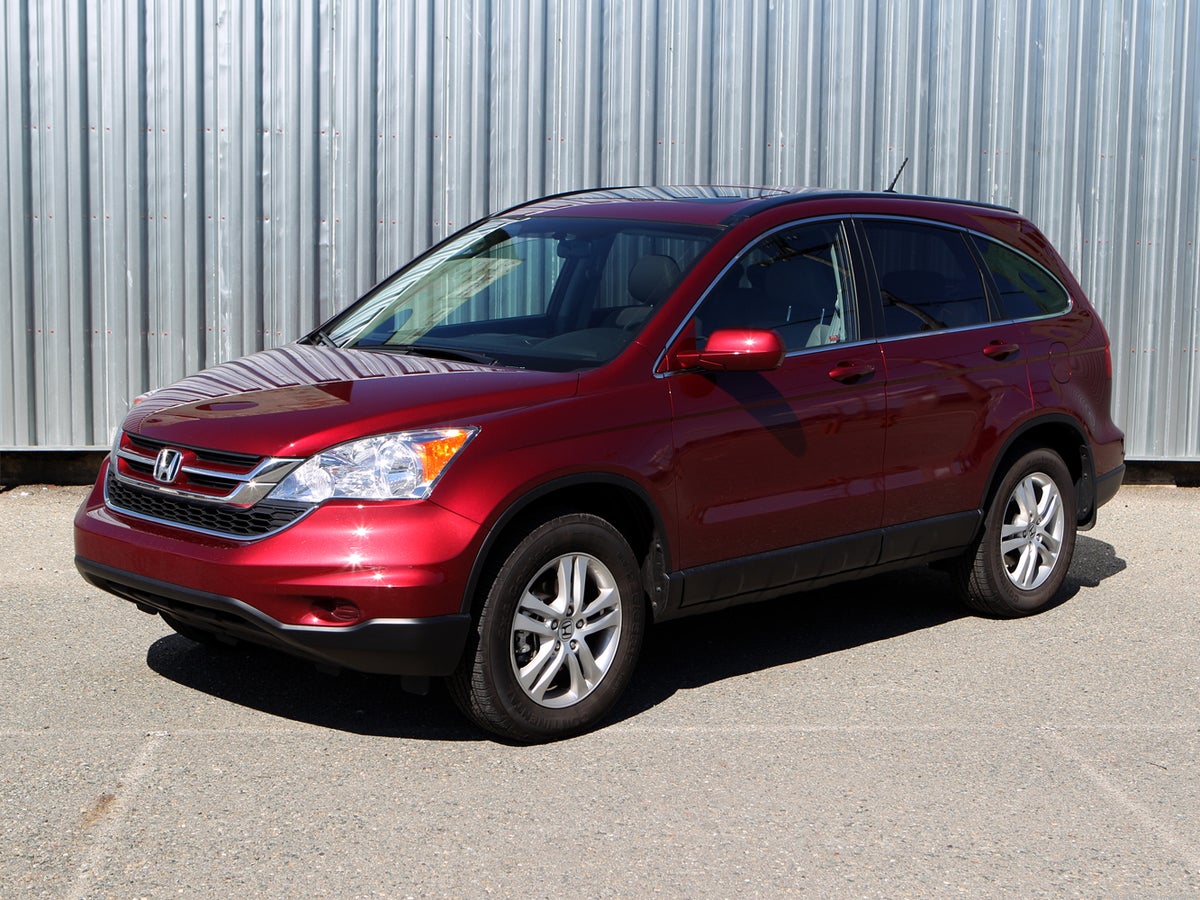
The 2011 model year featured several updates and improvements over earlier third-generation models, including enhanced safety equipment and refined interior appointments.
The Real Time 4WD system had been perfected through years of development, offering excellent traction capabilities while maintaining efficient operation in normal driving conditions.
This system’s mechanical simplicity and reliability make it particularly appealing to buyers who prefer straightforward all-wheel-drive systems.
Fuel economy figures of 21 mpg city and 28 mpg highway may seem modest by today’s standards, but they were competitive for the era and the naturally aspirated engine configuration.
More importantly, real-world fuel economy often exceeded EPA estimates, and the engine’s preference for regular gasoline helped keep operating costs reasonable. The vehicle’s excellent reliability record means many 2011 CR-Vs continue to provide dependable service today with proper maintenance.
The 2011 CR-V’s styling has aged gracefully, with clean lines and proportions that don’t look dated compared to contemporary designs.
Its position as the final year of the third generation makes it particularly appealing to buyers who appreciate the simpler mechanical systems and straightforward operation that characterized Honda vehicles before the introduction of more complex modern technologies.
For buyers seeking a reliable, practical SUV with proven durability, the 2011 CR-V offers an excellent combination of Honda’s engineering excellence and time-tested dependability.
10. 2016 Honda CR-V
The 2016 Honda CR-V serves as the capstone of the fourth generation, representing five years of continuous refinement and improvement that made this generation one of the most successful in CR-V history.
This model year is particularly prized by buyers who appreciate the maturity and reliability that come from a thoroughly developed platform while preferring the simplicity of naturally aspirated engines over modern turbocharged alternatives.
As the final year of the fourth generation, the 2016 CR-V incorporated every improvement and refinement Honda had made since the platform’s 2012 introduction. The 2.4-liter four-cylinder engine delivered 185 horsepower with exceptional reliability and straightforward maintenance requirements.
The transmission options, five-speed automatic for front-wheel drive and six-speed automatic for all-wheel drive, were perfectly calibrated for the engine’s characteristics, providing smooth operation and contributing to the vehicle’s excellent reputation for longevity.
Interior space and functionality represented key strengths of the 2016 CR-V, with Honda’s engineers maximizing every inch of available space within the vehicle’s compact footprint.
The rear seats provided surprisingly generous legroom for adult passengers while maintaining the ability to fold completely flat for maximum cargo capacity.
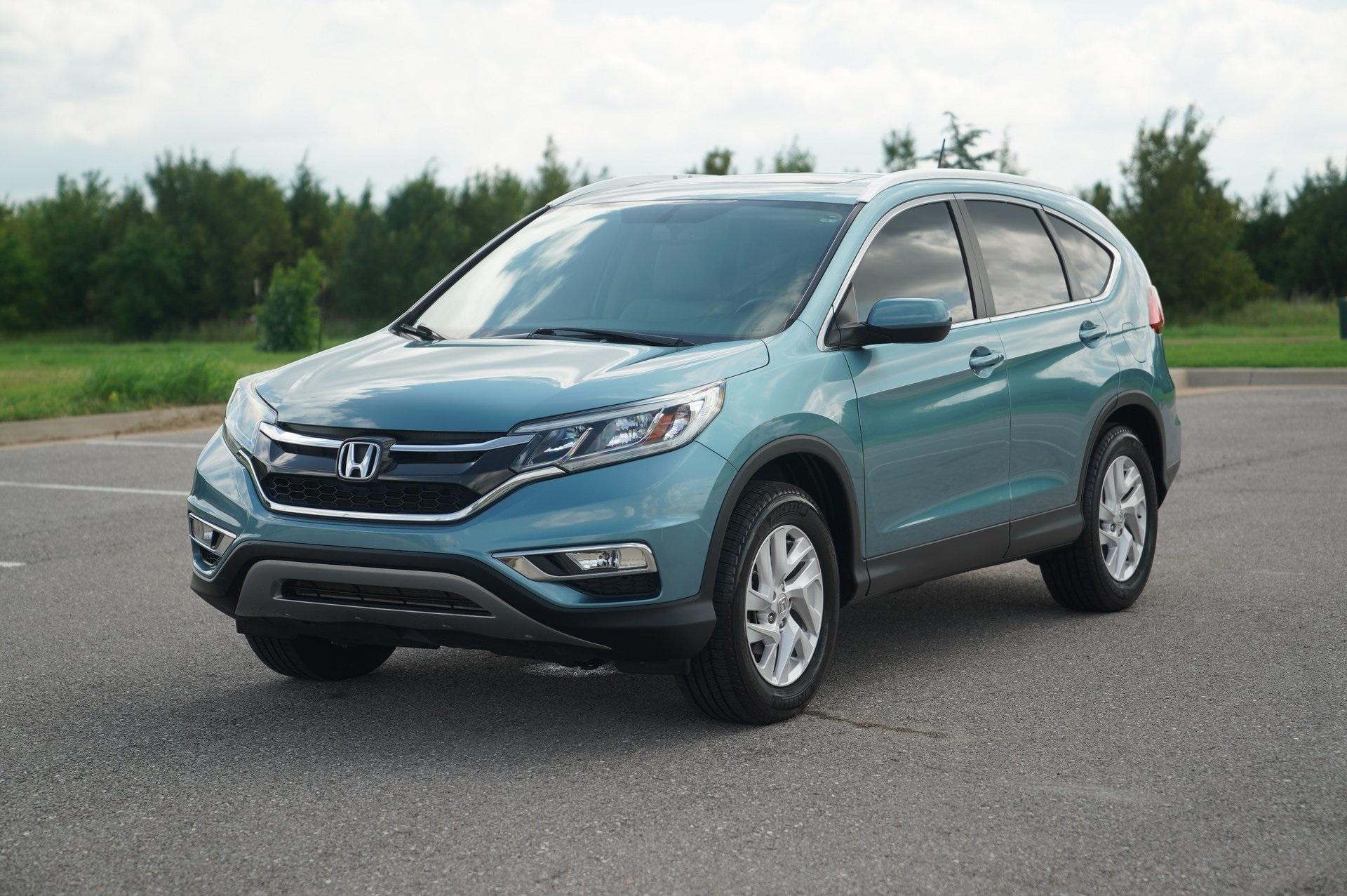
The result was 37.2 cubic feet of storage space with seats up, expanding to 70.9 cubic feet with rear seats folded, making the CR-V one of the most versatile vehicles in its segment.
Build quality in the 2016 model year reflected Honda’s commitment to continuous improvement and attention to detail. Interior materials were enhanced compared to earlier fourth-generation models, with better plastics, improved fabric quality, and more refined assembly processes.
The exterior paint quality and panel fitment demonstrated Honda’s manufacturing excellence, while the mechanical components reflected years of development and refinement. Technology features in the 2016 CR-V struck an excellent balance between modern convenience and operational simplicity.
The available infotainment system provided essential connectivity features without overwhelming complexity, while climate control and other systems remained intuitive and user-friendly.
This approach appeals to buyers who want modern conveniences without the potential reliability concerns that can accompany more complex electronic systems.
The 2016 CR-V’s position as the culminating year of a successful generation makes it particularly attractive in today’s used car market.
It offers the benefits of a mature, thoroughly developed platform with proven reliability while avoiding the higher complexity and pricing of newer turbocharged generations.
For buyers who prioritize dependability, simplicity, and Honda’s traditional engineering excellence, the 2016 CR-V represents an ideal combination of modern features and time-tested mechanical systems that provide confidence for long-term ownership and minimal maintenance requirements.
Also Read: 5 Cars That Stay Reliable Beyond 300K vs 5 That Fall Apart Early
