
The classic and collectible automobiles, beauty and rarity often take center stage. However, for the discerning collector who values both aesthetics and dependability, there exists a select group of vehicles that masterfully balance desirability with unwavering reliability.
These exceptional machines represent the pinnacle of automotive engineering from their respective eras, combining timeless design with robust mechanical foundations that continue to serve their owners faithfully decades after rolling off production lines.
The concept of a reliable collectible car might seem contradictory to some. After all, vintage automobiles are often associated with temperamental behavior, frequent breakdowns, and endless maintenance requirements.
While this stereotype holds true for many classics, certain manufacturers and specific models have earned reputations that defy these expectations.
These vehicles were engineered with such precision and built with such quality that they’ve transcended their original purpose as mere transportation, evolving into cherished collectibles that owners can actually drive and enjoy without constant fear of mechanical failure.
What sets these remarkable automobiles apart is their foundation of solid engineering principles, quality materials, and proven mechanical systems.
Many were built during the automotive golden ages when manufacturers prioritized durability and longevity over planned obsolescence. These cars often featured over-engineered components, conservative design approaches, and extensive testing that resulted in powertrains and chassis systems capable of withstanding decades of use with proper maintenance.
The selection criteria for truly dependable collectible cars extends beyond mere mechanical reliability. These vehicles must demonstrate consistent performance across multiple examples, possess readily available parts support, maintain strong community knowledge bases, and offer reasonable maintenance requirements that don’t require specialized expertise or exotic tools.
They represent automotive investments that provide both financial appreciation potential and genuine usability, allowing collectors to participate in rallies, car shows, and weekend drives without the anxiety typically associated with vintage car ownership.
Furthermore, these dependable classics often feature straightforward mechanical systems that can be understood and maintained by knowledgeable enthusiasts or competent mechanics.
Unlike some exotic supercars with complex systems that require factory-trained technicians, these vehicles employ proven technologies and conventional approaches that have stood the test of time. This accessibility contributes significantly to their long-term reliability and owner satisfaction.
The eight vehicles featured in this comprehensive guide represent different segments of the collectible car market, from sports cars and luxury sedans to muscle cars and grand tourers. Each has earned its place through decades of proven performance in the hands of collectors worldwide.
These aren’t just beautiful machines to admire in climate-controlled garages; they’re functional, dependable automobiles that continue to deliver the driving experiences their original engineers intended, while appreciating in value and providing their owners with countless miles of motoring pleasure and peace of mind.
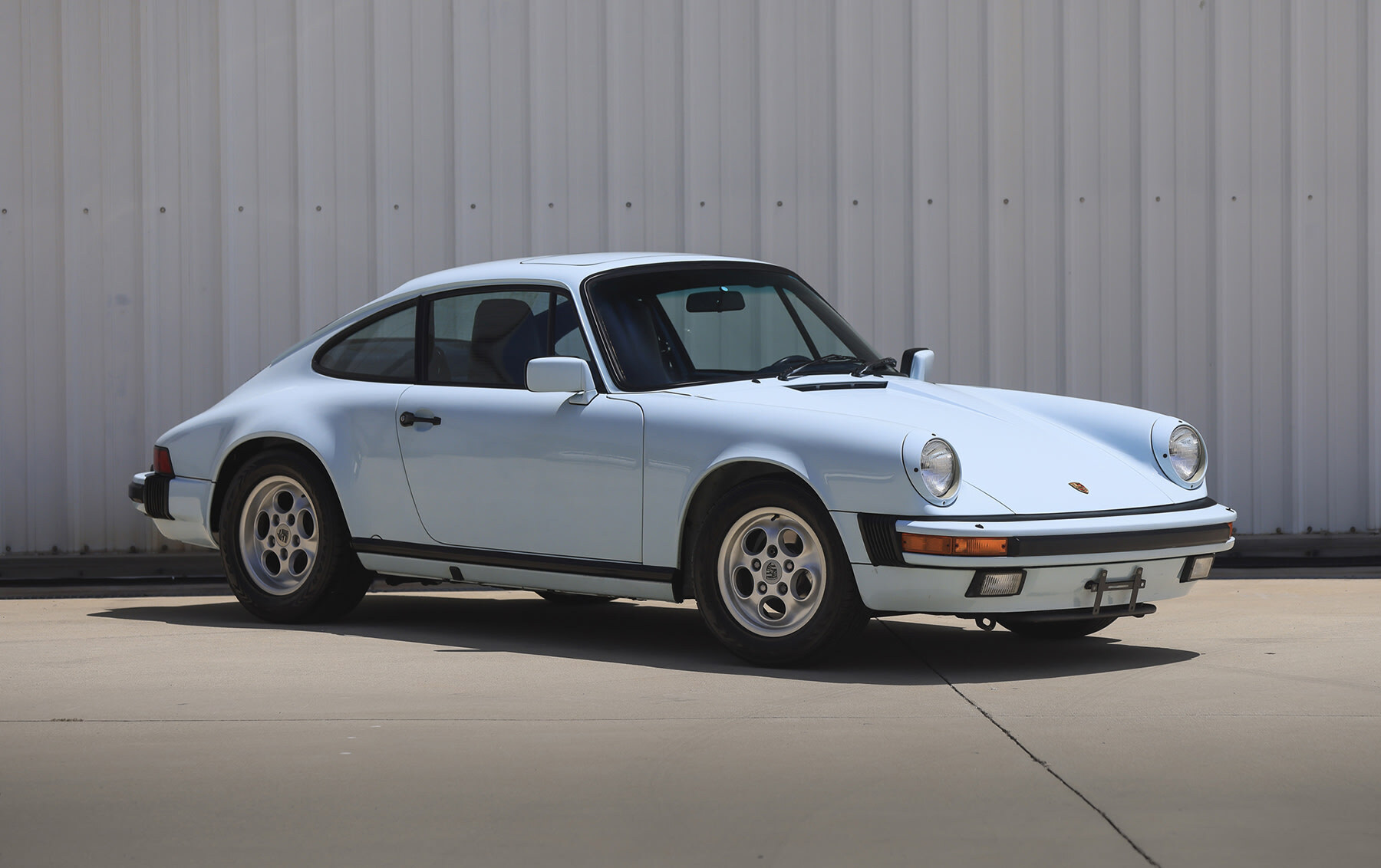
1. Porsche 911 Carrera (1984-1989)
The Porsche 911 Carrera from the mid-1980s represents one of the most reliable entries into the iconic 911 lineage, offering collectors a perfect blend of classic 911 character with modern dependability.
This generation, internally designated as the G-series, benefited from decades of continuous development and refinement, resulting in a sports car that exemplifies Porsche’s engineering philosophy of evolutionary improvement over revolutionary change.
At the heart of this reliability lies the 3.2-liter flat-six engine, which Porsche developed as a natural evolution of their proven air-cooled architecture. Unlike earlier 911 engines that could be temperamental and required frequent adjustments, the 3.2-liter unit featured improved metallurgy, better cooling, and more sophisticated fuel injection systems.
The Bosch L-Jetronic fuel injection replaced earlier mechanical systems, providing more consistent fuel delivery and easier cold-weather starting. This engine produces 207 horsepower in a linear, predictable manner that makes it both enjoyable to drive and mechanically sound.
The transmission options available during this period further enhance the model’s reliability reputation. The five-speed manual gearbox, designated G50 starting in 1987, is considered one of the finest transmissions Porsche ever produced. Its synchronizers are robust, the gear ratios well-spaced, and the shifting action precise and durable.
Even the earlier 915 transmission, while requiring more careful shifting technique, proves remarkably long-lasting when properly maintained and not abused.
Mechanically, these Carreras benefit from Porsche’s conservative approach to engineering changes. The suspension system, while sophisticated with its semi-trailing arm rear setup and MacPherson struts up front, uses proven components that rarely fail unexpectedly.
The brake system, featuring ventilated discs all around, provides excellent stopping power while maintaining good longevity. Even the electrical systems, often a source of problems in vintage cars, are relatively straightforward and reliable in these models.
What makes these particular 911s especially appealing to collectors is their position in automotive history. They represent the last of the “classic” 911 era before the introduction of power steering, airbags, and more complex electronic systems in 1989.
This means owners get the pure, unfiltered 911 experience while benefiting from improved reliability compared to earlier generations. The cars retain the characteristic 911 handling balance, with the rear engine providing excellent traction in poor weather while requiring respect and skill at the limit.
Parts availability for these Carreras remains excellent, with Porsche maintaining an extensive classic parts program and numerous aftermarket suppliers offering high-quality components.
The strong enthusiast community means knowledge about maintenance procedures, common issues, and upgrade paths is widely shared and documented. Many independent specialists have decades of experience with these models, making expert service accessible nationwide.
From a collectibility standpoint, these Carreras have shown steady appreciation while remaining accessible to many collectors. Their reputation for reliability means buyers can focus on finding well-maintained examples rather than worrying about underlying mechanical issues.
The cars are equally at home on weekend drives, track days, or concours events, providing versatility that many other collectibles cannot match. Regular maintenance requirements are straightforward and predictable.
Oil changes, valve adjustments, and periodic inspections of key systems will keep these cars running indefinitely. Unlike many exotics, these Porsches don’t require special tools or factory-only procedures for routine service, making ownership costs reasonable and predictable for collectors who appreciate both performance and practicality in their vintage automobiles.
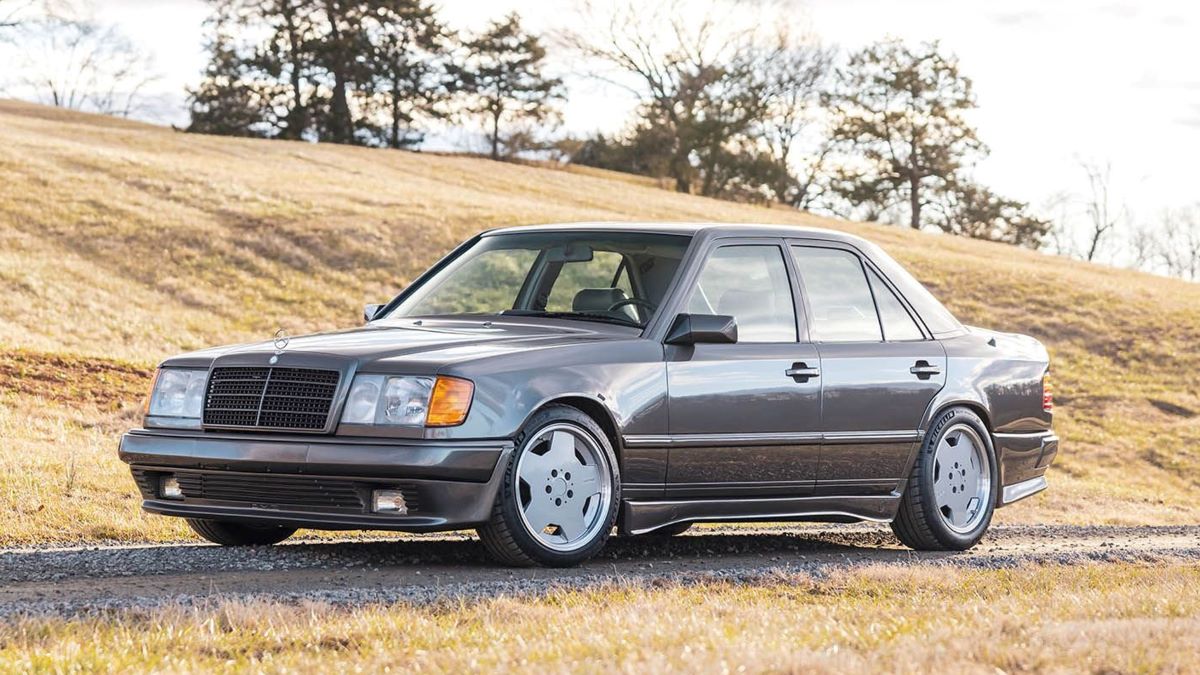
2. Mercedes-Benz 300E (1986-1995)
The Mercedes-Benz 300E from the W124 generation stands as perhaps the finest expression of German automotive engineering from the late twentieth century, combining luxury, performance, and bulletproof reliability in a package that has aged gracefully both mechanically and aesthetically.
This sedan represents Mercedes-Benz at the peak of their “over-engineering” philosophy, when the company prioritized long-term durability over cost considerations, resulting in vehicles that continue to serve their owners faithfully well into the modern era.
The heart of the 300E’s legendary reliability lies in its 3.0-liter inline-six engine, designated M103. This powerplant exemplifies Mercedes-Benz’s commitment to conservative, proven engineering principles.
The single overhead cam design, while not cutting-edge even for its era, provides simplicity and durability that more complex designs cannot match.
The engine features a robust cast-iron block with aluminum head, providing excellent thermal stability and longevity. With 177 horsepower, it delivers smooth, refined power delivery that feels effortless in daily use while providing adequate performance for highway driving and passing situations.
The fuel injection system, supplied by Bosch, represents a mature technology that had been refined through years of development. The CIS-E (Continuous Injection System-Electronic) provides reliable fuel delivery with minimal maintenance requirements.
Unlike some contemporaneous systems that suffered from complex electronic controls, the 300E’s fuel system strikes an excellent balance between sophistication and simplicity, contributing significantly to the model’s reputation for starting reliably and running smoothly regardless of conditions.
Mercedes-Benz’s four-speed automatic transmission, designated 4G-TRONIC, pairs perfectly with the smooth inline-six engine. This transmission was developed to prioritize smoothness and longevity over lightning-quick shifts, resulting in a gearbox that can easily exceed 300,000 miles with proper maintenance.
The transmission’s conservative programming and robust internals mean it rarely experiences the electronic failures or mechanical problems that plague some other luxury cars from this era.
The W124’s chassis and suspension systems showcase Mercedes-Benz’s engineering philosophy of subtle sophistication rather than flashy innovation.
The multi-link rear suspension provides excellent ride quality and handling balance while using components that are built to last. The front suspension employs a traditional strut design that’s both effective and serviceable.
Throughout the chassis, Mercedes-Benz used high-quality materials and conservative engineering margins that result in components lasting far longer than their intended service intervals.
Build quality throughout the 300E is exemplary, with panel gaps that remain tight decades later, paint that ages gracefully, and interior materials that withstand daily use without showing excessive wear.
The famous Mercedes-Benz build quality of this era means these cars often look and feel nearly new even with high mileage, provided they’ve received reasonable care. Door handles, window regulators, and other commonly problematic components in luxury cars prove remarkably durable in the W124.
The electrical systems in the 300E, while comprehensive for their era, avoid the complexity that would later plague Mercedes-Benz models. The cars feature power windows, central locking, and climate control systems that continue functioning reliably years later.
The wiring harnesses use high-quality materials and conservative routing that prevents the degradation issues common in many vintage cars. From a collector’s perspective, the 300E offers exceptional value and usability.
These cars can serve as reliable daily drivers while appreciating in value, particularly well-maintained examples with lower mileage. The combination of luxury features, solid performance, and legendary reliability makes them appealing to collectors who want a classic car they can actually use without worry.
Parts availability remains excellent, with Mercedes-Benz maintaining support for these models and numerous aftermarket suppliers offering quality components. The strong enthusiast community provides extensive documentation and support for maintenance and restoration projects.
Independent Mercedes-Benz specialists familiar with W124 models can be found in most metropolitan areas, making expert service accessible and affordable compared to exotic car maintenance.
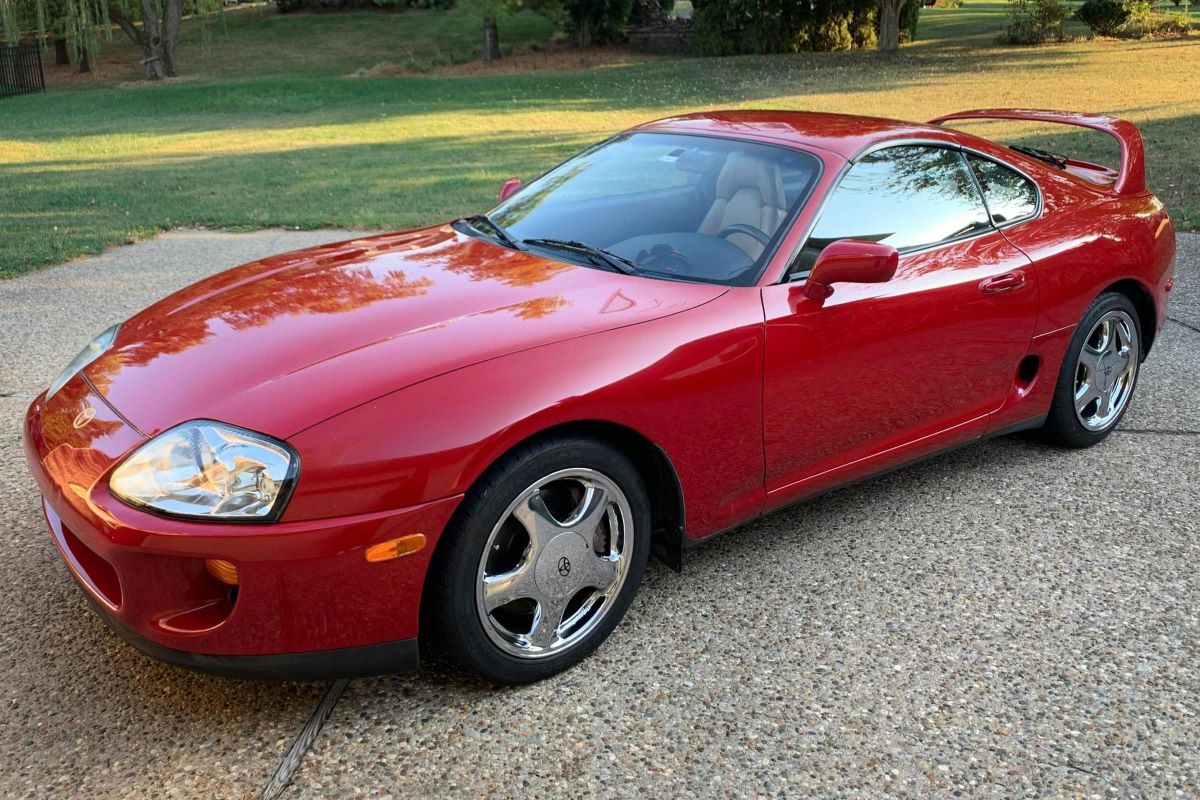
3. Toyota Supra Turbo (1993-1998)
The fourth-generation Toyota Supra Turbo represents the pinnacle of Japanese sports car engineering from the 1990s, combining devastating performance capability with the legendary reliability that defines Toyota’s approach to automotive manufacturing.
This final generation of the iconic Supra nameplate has achieved legendary status not only for its impressive straight-line performance and tuning potential but also for its ability to deliver consistent, dependable operation even under extreme conditions that would cripple lesser sports cars.
The foundation of the Supra Turbo’s reliability lies in Toyota’s 2JZ-GTE engine, a 3.0-liter inline-six that many consider among the finest powerplants ever produced.
This twin-turbocharged masterpiece was over-engineered from the outset, designed to handle far more power and stress than its factory rating of 276 horsepower (320 horsepower in international markets) would suggest.
The engine block features a closed-deck design with six-bolt main bearings and exceptionally thick cylinder walls, providing a foundation capable of supporting dramatically increased power levels without internal modifications.
The sequential twin-turbo system employed in the 2JZ-GTE represents sophisticated engineering that prioritizes both performance and longevity. The smaller primary turbo provides immediate response and eliminates lag at low RPMs, while the larger secondary turbo delivers high-RPM power.
This system not only enhances drivability but also reduces stress on individual components by distributing the workload across multiple turbochargers. The robust construction of both the turbos and their supporting systems means they typically provide hundreds of thousands of miles of reliable service when properly maintained.
Toyota’s attention to cooling systems throughout the Supra demonstrates its commitment to long-term reliability. The engine bay features multiple oil coolers, an efficient radiator system, and sophisticated airflow management that keeps temperatures in check even during spirited driving.
The transmission, differential, and brake systems all benefit from dedicated cooling provisions that prevent the heat-related failures common in high-performance applications.
The Getrag six-speed manual transmission fitted to Supra Turbos represents German precision engineering at its finest. This transmission was specifically chosen by Toyota for its ability to handle the 2JZ-GTE’s substantial torque output while providing precise, durable shifting characteristics.
The clutch system, while requiring periodic replacement as a wear item, is designed with generous capacity margins that prevent premature failure even with aggressive driving styles. From a collectibility standpoint, the Supra Turbo has achieved iconic status while maintaining its reputation for dependable operation.
These cars can serve as weekend toys, track day weapons, or even occasional daily drivers without the reliability concerns associated with many other high-performance classics. The combination of spectacular performance potential and everyday usability makes them uniquely appealing to collectors who want to actually drive their investments.
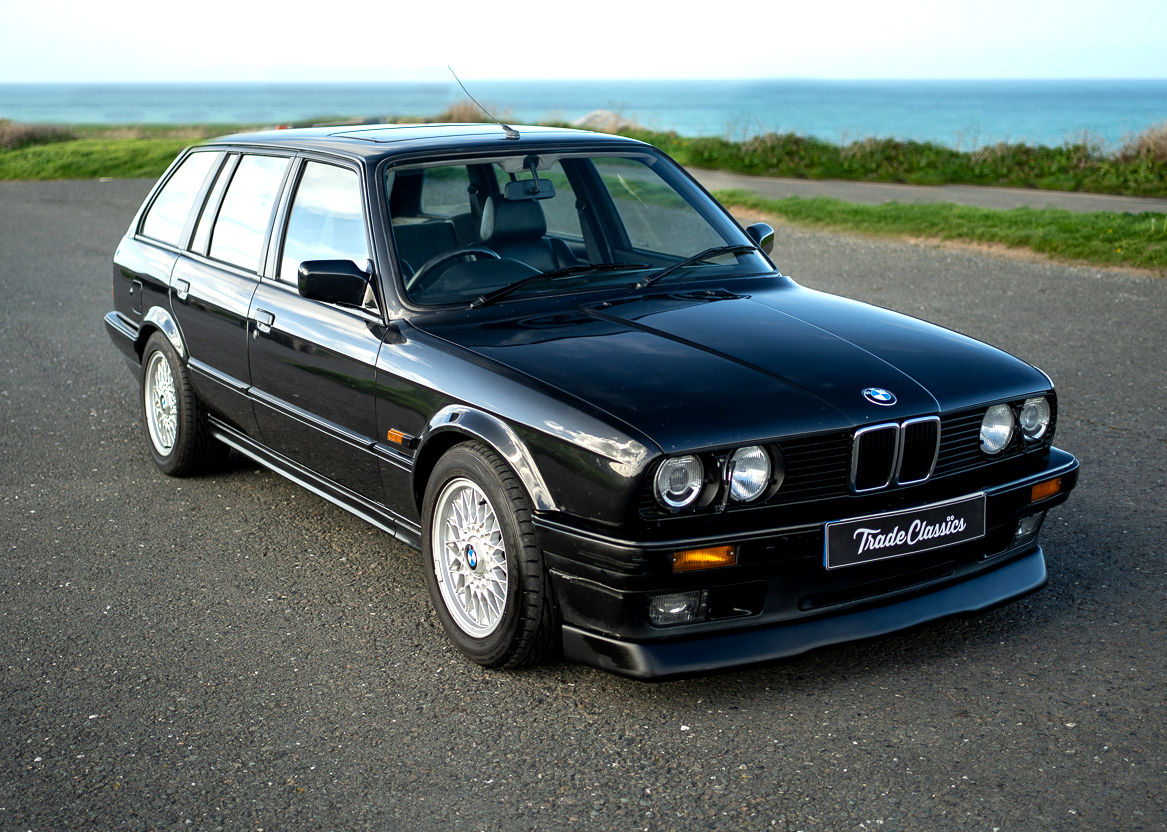
4. BMW E30 325i (1987-1991)
The BMW E30 325i represents the sweet spot of the beloved E30 generation, offering the perfect balance of performance, refinement, and legendary BMW reliability that has made it one of the most sought-after collectible BMWs ever produced.
This compact executive sedan embodies everything that made BMW’s reputation for building the “Ultimate Driving Machine,” combining precise handling, smooth power delivery, and build quality that has allowed countless examples to accumulate hundreds of thousands of miles while retaining their characteristic driving dynamics and mechanical integrity.
At the heart of the 325i’s enduring appeal lies BMW’s M20 engine, a 2.5-liter inline-six that exemplifies Bavarian engineering philosophy at its finest. This naturally aspirated powerplant produces 168 horsepower through sophisticated breathing systems, including a variable-length intake manifold that optimizes torque delivery across the rev range.
The M20 engine features a robust iron block with an aluminum head, providing excellent thermal stability and longevity that allows these engines to easily exceed 300,000 miles with proper maintenance.
The engine’s design prioritizes smoothness and reliability over ultimate power output, resulting in a powerplant that delivers its performance in a refined, progressive manner that never feels stressed or strained.
The Motronic engine management system provides precise fuel delivery and ignition timing while avoiding the complexity that can compromise reliability in other performance cars from this era. Regular oil changes, periodic valve adjustments, and attention to the cooling system will keep these engines running indefinitely.
BMW’s transmission options for the 325i further enhance its reliability reputation. The Getrag five-speed manual transmission offers precise shifting action with synchronizers that prove remarkably durable even with enthusiastic driving.
The gear ratios are perfectly matched to the engine’s powerband, providing strong acceleration while maintaining relaxed highway cruising. The optional four-speed automatic transmission, while less engaging for driving enthusiasts, proves equally reliable and adds to the car’s usability as a daily driver or touring machine.
The E30’s suspension system represents one of BMW’s finest achievements in chassis engineering, combining excellent handling dynamics with remarkable durability.
The MacPherson strut front suspension and semi-trailing arm rear setup provide the perfect balance between sporty handling and ride comfort while using components that rarely fail unexpectedly.
The system’s design allows for easy maintenance and adjustment, with wear items remaining affordable and readily available decades after production ended.
Parts availability for the E30 325i remains excellent, with BMW maintaining classic parts support and numerous aftermarket suppliers offering everything from maintenance items to performance upgrades.
The massive enthusiast community provides extensive documentation, technical support, and shared knowledge that makes ownership and maintenance straightforward even for newcomers to the BMW brand.
Also Read: 9 Cars That Survive Even When Neglected Outdoors
5. Chevrolet Corvette C4 (1984-1996)
The fourth-generation Chevrolet Corvette, known internally as the C4, represents America’s sports car at its most refined and dependable, combining classic V8 performance with modern engineering that eliminated many of the reliability issues that plagued earlier Corvette generations.
This long-running generation, spanning thirteen model years, benefited from continuous development and refinement that resulted in a sports car capable of delivering thrilling performance while providing the day-to-day reliability that American car buyers demanded from their investments.
The foundation of the C4’s reliability lies in its evolutionary approach to proven General Motors powertrains. The base engine throughout most of the C4’s production run was the Small Block Chevy V8, a powerplant with decades of development behind it.
The L98 engine, producing between 230 and 245 horsepower depending on the year, represents a mature, well-understood design that mechanics nationwide can service and repair.
The Tuned Port Injection system provides reliable fuel delivery with better cold-weather performance and fuel economy than earlier carburetor systems, while avoiding the complexity that can compromise reliability.
For those seeking additional performance, the C4 offered the LT1 engine starting in 1992, which increased output to 300 horsepower while maintaining the basic reliability characteristics of the Small Block architecture.
This engine incorporates improvements learned from decades of V8 development, including better breathing, more sophisticated engine management, and enhanced durability components that allow it to provide strong performance for hundreds of thousands of miles.
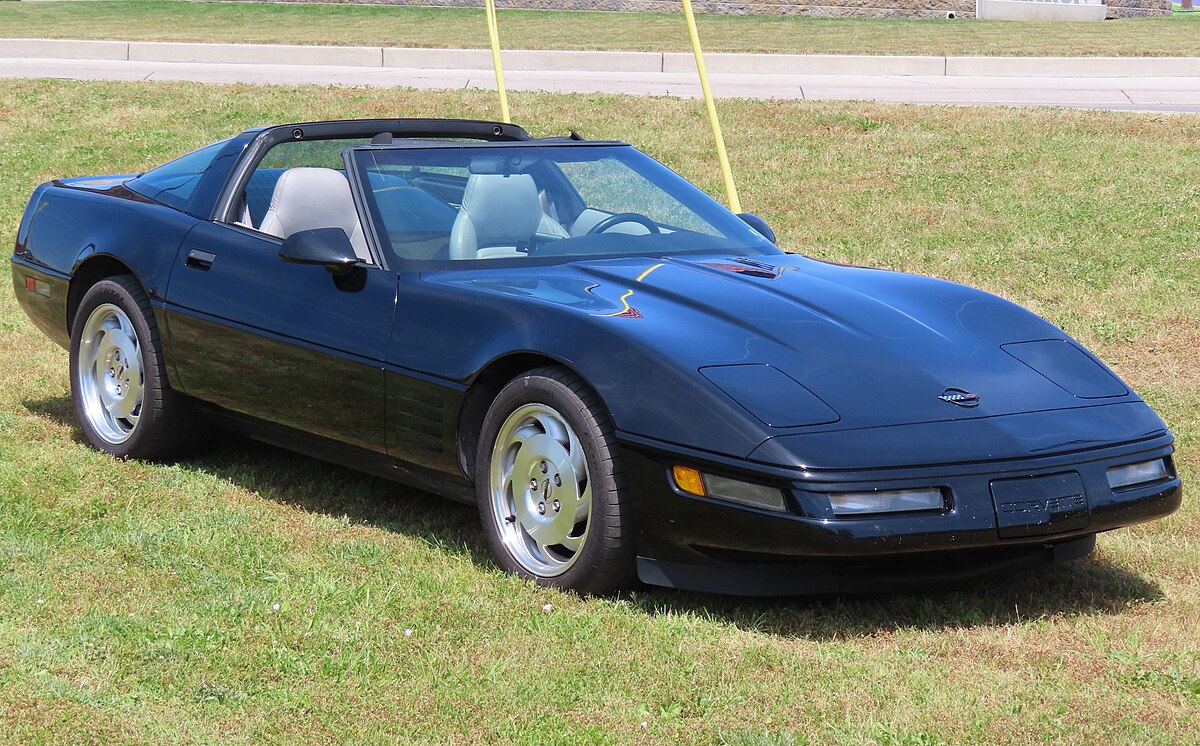
The C4’s chassis represents a significant advancement over previous Corvette generations, featuring a modern unibody construction that provides excellent structural rigidity while eliminating the frame flex issues that plagued earlier models.
The suspension system employs sophisticated four-wheel independent suspension with aluminum components that reduce weight while providing exceptional handling dynamics. The transaxle configuration improves weight distribution compared to earlier Corvettes, resulting in better balance and more predictable handling characteristics.
Transmission options throughout the C4’s production run emphasize reliability and performance. The four-speed automatic transmission, designated 4L60, provides smooth operation and proves remarkably durable in normal use.
The manual transmission options, including both four-speed and six-speed variants, offer engaging performance while maintaining the durability characteristics that make them suitable for both daily driving and weekend touring.
The electronic transmission controls introduced in later years enhance both performance and reliability while simplifying the diagnosis of any issues that might arise.
Parts availability for C4 Corvettes remains excellent, with General Motors maintaining extensive parts support and numerous aftermarket suppliers offering everything from maintenance items to performance upgrades.
The large production numbers and enthusiastic owner community ensure that knowledge, parts, and service expertise remain widely available, making C4 ownership straightforward and cost-effective compared to many other sports cars from the same era.
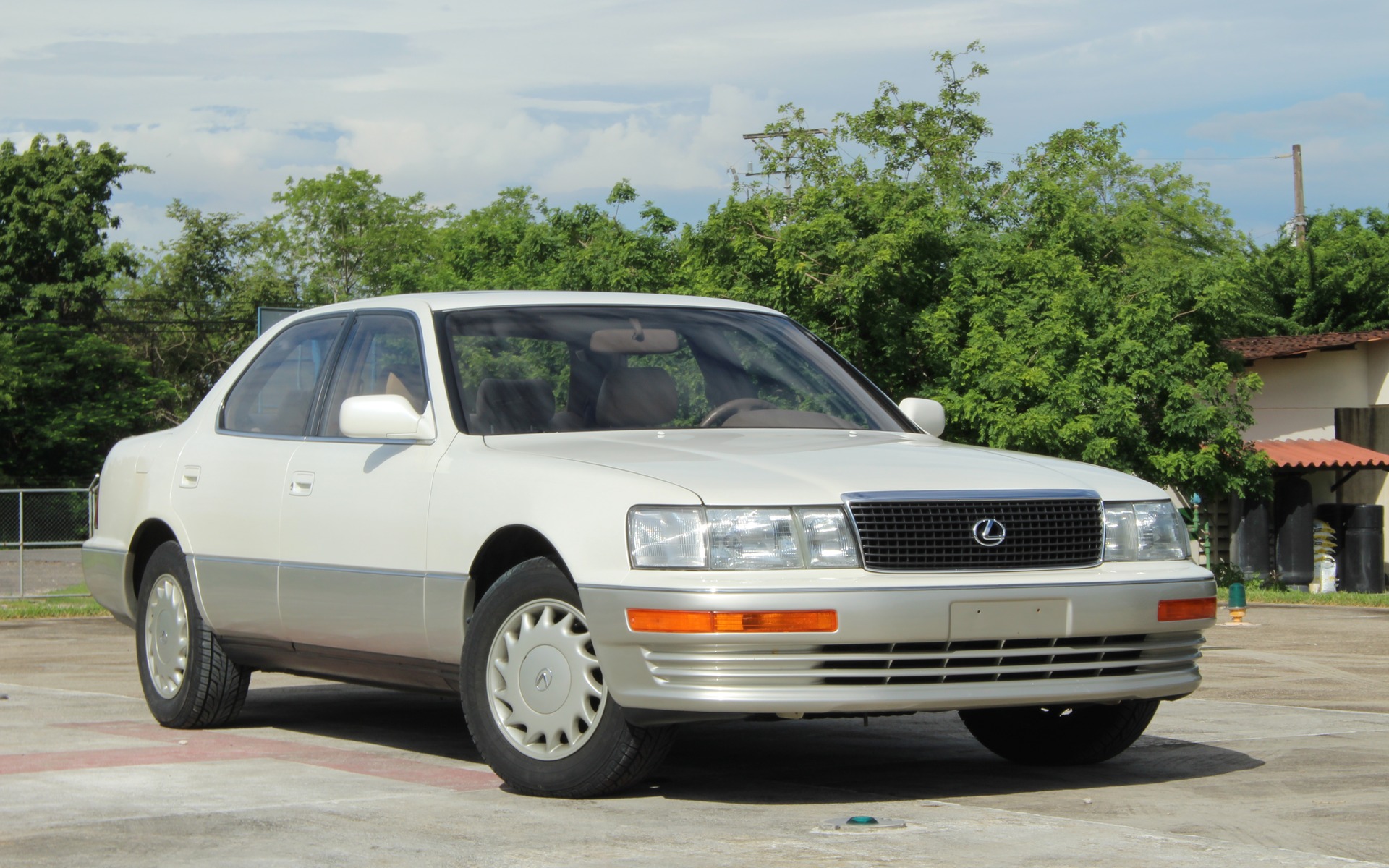
6. Lexus LS400 (1990-1994)
The first-generation Lexus LS400 represents one of automotive history’s most remarkable achievements in engineering excellence, combining luxury car refinement with reliability standards that redefined expectations for premium automobiles.
This groundbreaking sedan introduced Toyota’s luxury division to the world while demonstrating that ultimate reliability and sophisticated luxury could coexist in a single package, creating a new benchmark that established Lexus as a formidable competitor to established European luxury brands.
At the heart of the LS400’s legendary dependability lies Toyota’s 1UZ-FE engine, a 4.0-liter V8 that represents Japanese precision engineering at its absolute finest.
This all-aluminum powerplant was developed specifically for the LS400 with no expense spared in its design and manufacturing. The engine produces 250 horsepower through sophisticated engineering, including dual overhead cams, four valves per cylinder, and variable intake geometry that optimizes performance across the entire rev range.
The conservative design margins and exceptional build quality result in an engine capable of providing smooth, reliable service for hundreds of thousands of miles.
The 1UZ-FE engine’s design philosophy prioritizes longevity and refinement over ultimate power output, resulting in a powerplant that operates with whisper-quiet smoothness while delivering ample performance for luxury car applications.
The sophisticated engine management system provides precise control over all engine functions while maintaining the simplicity necessary for long-term reliability. Regular maintenance consisting of oil changes, coolant service, and periodic inspections will keep these engines running indefinitely without major repairs.
Toyota’s four-speed automatic transmission, designated A340E, was specifically developed to complement the V8 engine’s characteristics while providing the smooth, refined operation expected in a luxury automobile.
This transmission features sophisticated hydraulic controls and robust internal components that deliver seamless gear changes while proving exceptionally durable in long-term service. The transmission’s conservative programming prioritizes smoothness and longevity over aggressive performance characteristics.
The LS400’s chassis and suspension systems showcase Toyota’s commitment to creating a world-class luxury automobile that could compete with the finest European sedans.
The double-wishbone suspension at all four corners provides exceptional ride quality while maintaining precise handling characteristics that belie the car’s luxury sedan mission.
The system uses high-quality components throughout, from the aluminum suspension arms to the sophisticated shock absorbers that continue providing excellent ride quality even after decades of service.
Parts availability for the first-generation LS400 remains excellent, with Lexus maintaining comprehensive parts support and numerous aftermarket suppliers offering quality components.
The car’s mechanical simplicity and Toyota’s commitment to long-term parts availability ensure that maintenance and repairs remain straightforward and cost-effective compared to European luxury cars from the same era.
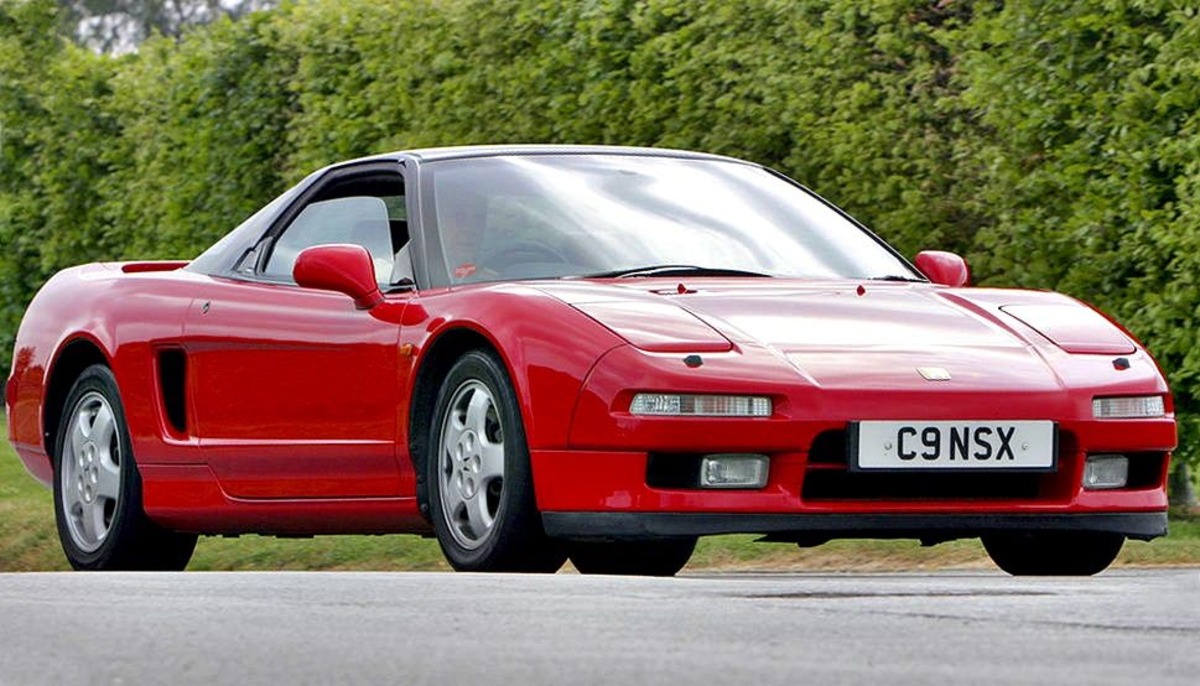
7. Honda NSX (1991-2005)
The Honda NSX represents the pinnacle of Japanese automotive engineering applied to the exotic sports car segment, combining supercar performance with the legendary Honda reliability that redefined expectations for high-performance automobiles.
This mid-engine masterpiece demonstrated that exotic car performance and everyday usability were not mutually exclusive, creating a new paradigm that influenced supercar development for decades while providing owners with a truly dependable exotic car experience.
At the heart of the NSX’s extraordinary reliability lies Honda’s C30A engine, a 3.0-liter V6 that represents naturally aspirated perfection through advanced engineering and meticulous manufacturing.
This all-aluminum powerplant features Honda’s VTEC variable valve timing system, titanium connecting rods, and a sophisticated engine management system that delivers 270 horsepower in a progressive, linear manner.
The engine was designed from the outset to provide supercar performance while maintaining Honda’s legendary durability standards, resulting in a powerplant that continues delivering peak performance even with high mileage.
The C30A engine’s design philosophy emphasizes high-revving capability and instantaneous throttle response while maintaining the mechanical integrity necessary for long-term reliability.
The sophisticated VTEC system provides two distinct cam profiles that optimize performance for both low-RPM drivability and high-RPM power delivery.
The titanium connecting rods, an exotic touch typically reserved for race engines, reduce reciprocating mass while providing exceptional strength and longevity that allows the engine to rev to its 8,000 RPM redline repeatedly without stress.
Honda’s transmission options for the NSX further demonstrate the company’s commitment to combining performance with reliability. The five-speed manual transmission offers precise, mechanical shifting action with synchronizers that prove remarkably durable even with aggressive driving.
The gear ratios are perfectly matched to the engine’s powerband, providing strong acceleration while maintaining reasonable highway cruising RPMs. The optional four-speed automatic transmission, while less engaging for driving enthusiasts, proves equally reliable while adding to the car’s usability in daily driving situations.
The NSX’s chassis represents revolutionary engineering that influenced mid-engine sports car development throughout the industry. The all-aluminum space frame construction provides exceptional structural rigidity while minimizing weight, resulting in a platform that delivers precise handling responses while protecting occupants in impact situations.
The sophisticated double-wishbone suspension at all four corners provides exceptional handling capabilities while using components built to aircraft-quality standards that rarely require replacement.
Parts availability for the NSX benefits from Honda’s commitment to supporting their flagship model, with the company maintaining comprehensive parts availability and numerous specialized suppliers offering both OEM and upgraded components.
The car’s mechanical sophistication, while advanced, avoids the complexity that makes some exotics difficult to maintain, resulting in service requirements that remain reasonable compared to European supercars.
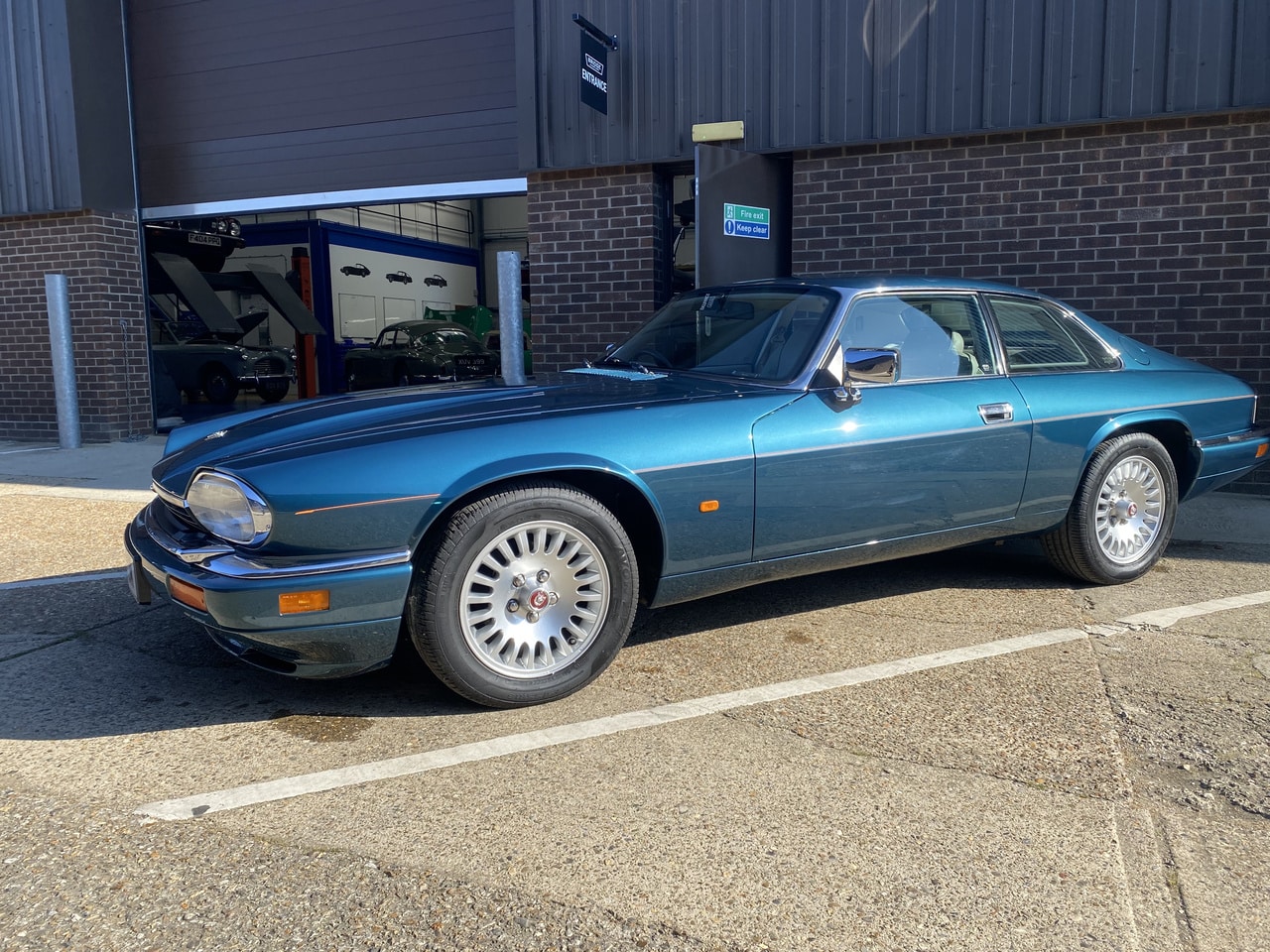
8. Jaguar XJS (1988-1996)
The later-production Jaguar XJS represents British automotive engineering at its most refined and dependable, combining classic Jaguar elegance with mechanical improvements that addressed the reliability concerns that had plagued earlier examples.
This grand touring coupe, particularly models from 1988 onward, benefited from continuous development and quality improvements that transformed it from a problematic exotic into a genuinely dependable luxury sports car that delivers the quintessential Jaguar experience with confidence-inspiring reliability.
The foundation of the later XJS’s improved reliability lies in Jaguar’s evolution of their legendary V12 engine, designated HE (High Efficiency). This 5.3-liter powerplant, while retaining the smooth, effortless character that made it famous, incorporated numerous improvements that addressed the cooling, fuel delivery, and electrical issues that had compromised earlier versions.
The HE engine features improved cylinder heads with better combustion chamber design, more efficient cooling passages, and sophisticated fuel injection systems that provide more reliable cold-weather starting and consistent performance.
The V12 engine’s design inherently provides exceptional smoothness and refinement that remains unmatched by most contemporary powerplants. The twelve-cylinder configuration eliminates vibration while delivering power in a seamless, turbine-like manner that epitomizes the grand touring experience.
Later engines benefit from improved metallurgy, better gasket materials, and more sophisticated engine management systems that monitor and control all vital functions while providing diagnostic capabilities that simplify maintenance and troubleshooting.
Jaguar’s transmission improvements for later XJS models significantly enhance both performance and reliability. The GM Turbo-Hydramatic 400 three-speed automatic transmission was replaced by more sophisticated four-speed units that provide better gear ratios, smoother operation, and improved durability.
These later transmissions feature electronic controls that optimize shift points and provide more reliable operation while reducing maintenance requirements compared to earlier hydraulic-only systems.
The XJS’s chassis and suspension systems showcase traditional British engineering approaches refined through decades of development. The independent rear suspension provides excellent ride quality and handling balance while using robust components that prove durable with proper maintenance.
The front suspension employs a sophisticated double-wishbone design that provides precise steering response and excellent road holding capabilities. Throughout the chassis, later models benefit from improved materials and manufacturing processes that enhance both performance and longevity.
Maintenance requirements for later XJS models, while more involved than typical Japanese or German cars, remain manageable for owners who appreciate the car’s unique character.
Regular attention to cooling system components, periodic electrical system inspections, and proper storage procedures will ensure these elegant grand tourers continue providing reliable service while maintaining their distinctive charm and performance capabilities that made them legendary among automotive enthusiasts worldwide.
Also Read: 10 Costly Vehicles That Survive Cheap Maintenance
