
The dream of owning a genuine American muscle car doesn’t have to remain just that a dream. While many classic muscle cars have soared to astronomical prices, making them exclusive toys for the wealthy, there exists a select group of powerful machines that still offer the authentic muscle car experience without requiring a second mortgage.
These vehicles represent the perfect intersection of affordability, reliability, and pure American performance DNA. The muscle cars featured in this comprehensive guide have been carefully selected based on their current market accessibility, mechanical dependability, and parts availability.
Unlike their trailer queen counterparts that command six-figure prices, these machines can still be purchased, driven, and enjoyed by enthusiasts with reasonable budgets. They offer the rumbling V8 soundtracks, tire-smoking acceleration, and commanding presence that define the muscle car experience, while maintaining the reliability needed for regular enjoyment.
From late-model performance bargains that deliver modern conveniences alongside serious horsepower to overlooked classics that haven’t yet reached collector stratosphere pricing, each vehicle on this list provides genuine muscle car thrills without the financial anxiety.
Whether you’re seeking your first muscle car or adding to an existing collection, these ten machines prove that American performance heritage remains accessible to passionate enthusiasts who prioritize driving over displaying.
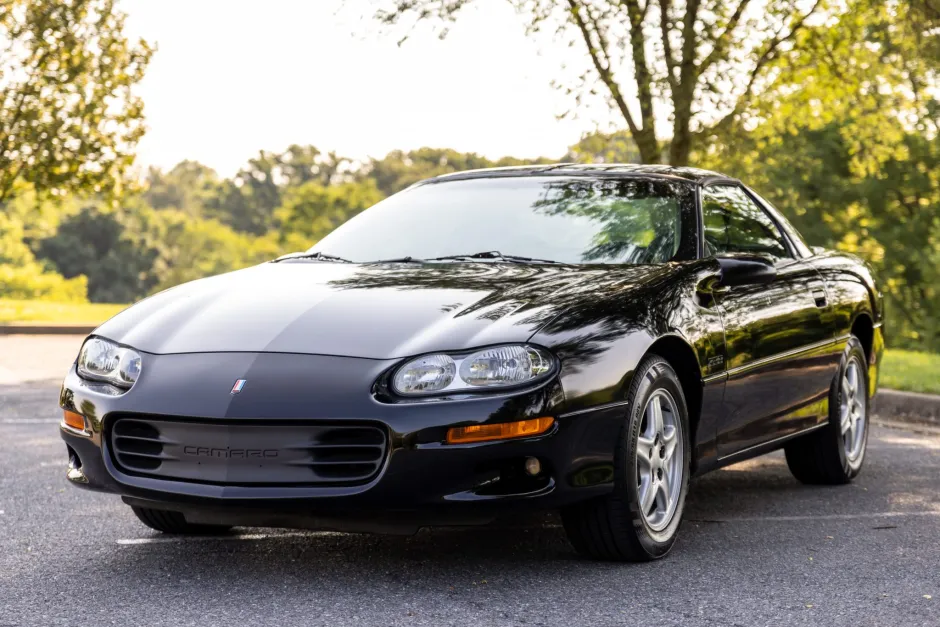
1. 1993-2002 Chevrolet Camaro Z28
The fourth-generation Camaro Z28 stands as one of today’s most undervalued performance bargains, delivering genuine muscle car credentials at surprisingly affordable prices.
These cars represent the evolution of American performance engineering, combining traditional V8 power with modern reliability and handling sophistication that earlier generations couldn’t match.
Powered by either the LT1 5.7-liter V8 (1993-1997) producing 275 horsepower or the more advanced LS1 5.7-liter V8 (1998-2002) generating 305-325 horsepower, these Camaros offer impressive straight-line performance.
The LT1 delivers distinctive exhaust notes and robust low-end torque, while the LS1 provides more refined power delivery and superior modification potential.
Both engines feature aluminum heads and sophisticated fuel injection systems that ensure consistent performance and reasonable fuel economy for their displacement.
The available T56 six-speed manual transmission ranks among the finest gearboxes ever installed in an American performance car. Its precise shifts, robust construction, and ability to handle significant power increases make it a favorite among enthusiasts.
The optional 4L60E four-speed automatic, while less engaging, provides smooth operation and durability for those preferring automatic operation.
Handling capabilities set these Camaros apart from their predecessors, thanks to an independent rear suspension that provides excellent traction and cornering ability.
The chassis design eliminates the live axle limitations of earlier generations, creating a more sophisticated driving experience that rivals contemporary European sports cars.
Reliability proves excellent when properly maintained, with most issues being well-documented and affordable to address. Common concerns include Optispark distributor problems on LT1 models and occasional transmission tunnel heat issues, but these are easily preventable with proper maintenance and minor modifications.
Market pricing remains remarkably reasonable, with solid examples available between $8,000-$15,000. This accessibility, combined with excellent parts availability and strong community support, makes fourth-generation Z28s ideal choices for enthusiasts seeking modern muscle car performance without premium pricing.
The extensive aftermarket support ensures unlimited modification potential for those desiring additional performance.
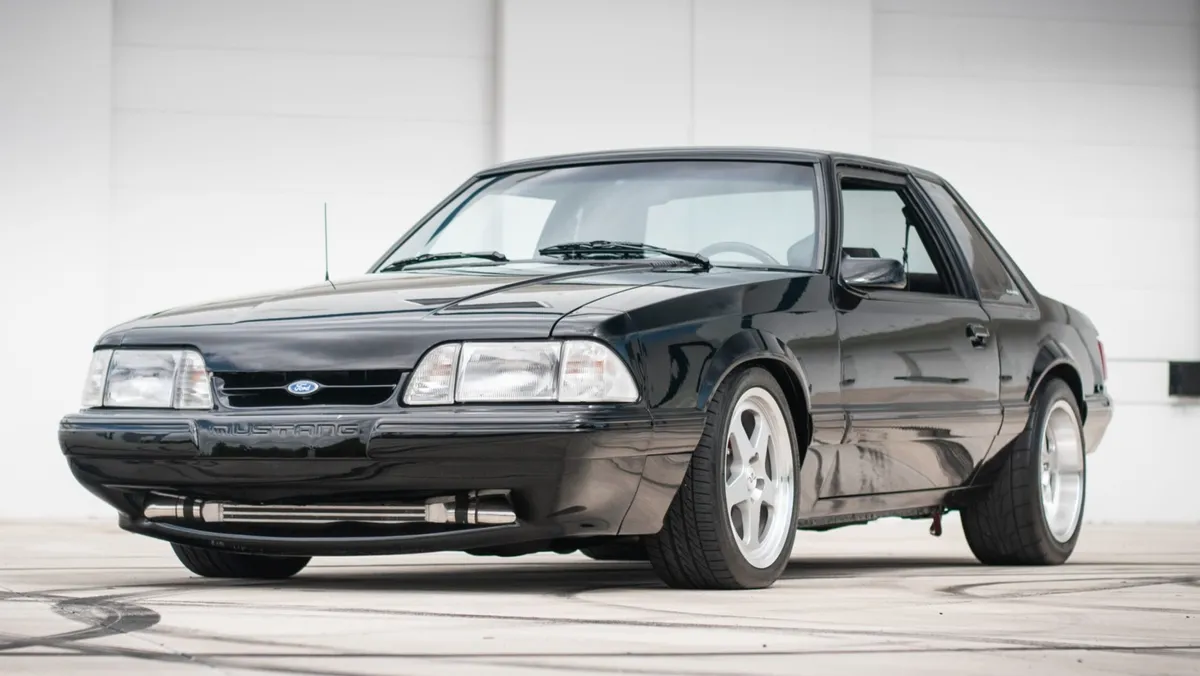
2. 1987-1993 Ford Mustang LX 5.0
The Fox Body Mustang LX 5.0 represents perhaps the greatest performance value in automotive history, combining lightweight construction with Ford’s legendary 5.0-liter High Output V8 engine.
These cars delivered supercar-embarrassing performance at economy car prices, creating a phenomenon that continues to influence performance car development today.
The heart of every LX 5.0 is Ford’s 302 cubic inch V8, producing 225 horsepower through sophisticated port fuel injection.
While the power figure seems modest by contemporary standards, the engine’s lightweight aluminum intake manifold, aggressive camshaft, and free-flowing exhaust system created a powerplant that responded exceptionally well to modifications.
The engine’s cast-iron construction ensures durability, while its simple design makes maintenance and repairs straightforward for home mechanics.
Weighing just over 3,000 pounds, these Mustangs achieved impressive power-to-weight ratios that translated into quarter-mile times in the mid-14-second range when properly equipped.
The available five-speed manual transmission provided crisp shifts and gear ratios optimized for both street driving and drag strip performance. The optional four-speed automatic, while less engaging, offered convenience without significantly compromising performance.
The Fox Body platform’s simplicity proves both a blessing and a curse. While the basic suspension components and chassis design limit ultimate handling potential, they also ensure affordable maintenance and unlimited modification possibilities.
The solid rear axle, typically an 8.8-inch unit, handles significant power increases while remaining readily serviceable.
Reliability remains excellent when these cars receive proper maintenance. The fuel injection system eliminates carburetor-related issues, while the mechanical simplicity makes diagnosis and repair straightforward.
Common maintenance items include fuel system component replacement and addressing minor oil leaks, but catastrophic failures are rare with reasonable care.
Current market values reflect increasing collector interest, but good examples remain available for $8,000-$15,000, depending on body style and condition.
The hatchback and convertible variants command premium prices, while the less popular sedan and wagon models offer excellent value for budget-conscious buyers.
Parts availability is outstanding, with Ford, aftermarket suppliers, and salvage yards providing abundant sources for both maintenance items and performance upgrades.
The enormous enthusiast community ensures extensive technical support and modification guidance, making these cars ideal for both novice and experienced owners.
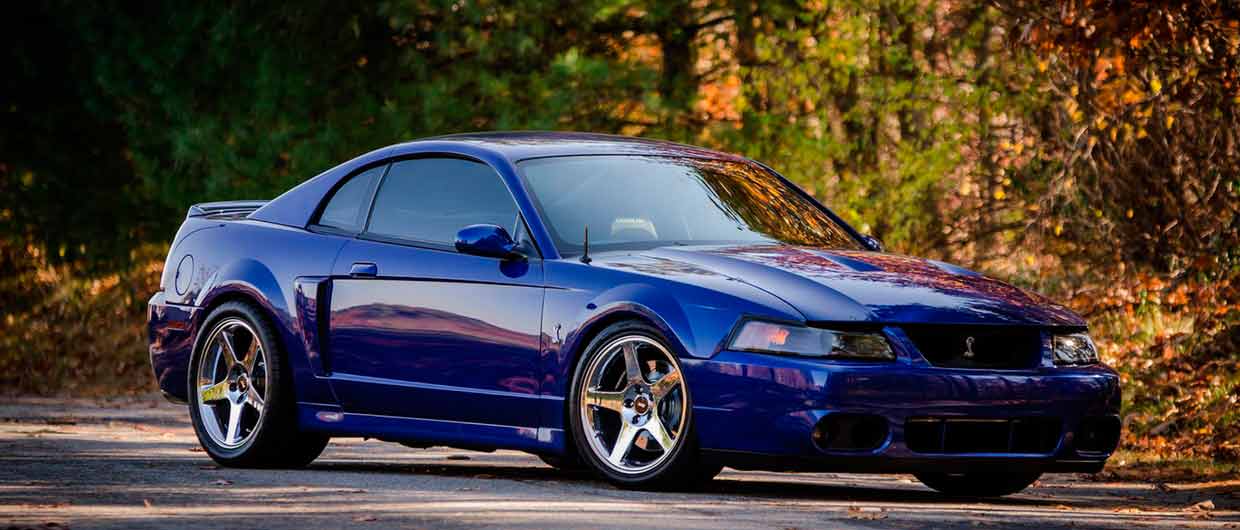
3. 1994-2004 Ford Mustang GT (SN95)
The SN95 generation Mustang GT successfully modernized Ford’s pony car formula, combining retro-inspired styling with contemporary safety features and improved build quality.
These cars bridged the gap between the raw Fox Body experience and modern automotive sophistication, creating vehicles suitable for both daily transportation and weekend recreation.
Ford’s 4.6-liter SOHC V8 engine powered all SN95 GT models, producing between 215-260 horsepower depending on year and configuration.
While not immediately impressive compared to larger displacement alternatives, this modular engine design offered significant advantages in refinement, emissions compliance, and modification potential.
The all-aluminum construction provided excellent heat dissipation, while sophisticated engine management systems ensured consistent performance across various operating conditions. The available Tremec T45 five-speed manual transmission delivered positive engagement and durability superior to its T5 predecessor.
Gear ratios were optimized for street driving, providing good acceleration while maintaining reasonable highway cruising RPM. The optional four-speed automatic transmission offered smooth operation and adequate performance for less aggressive driving styles.
Handling improvements over the Fox Body platform were immediately apparent, thanks to revised suspension geometry and increased structural rigidity.
The MacPherson strut front suspension and quadra-link rear setup provided better weight transfer control and more predictable cornering behavior. While not matching contemporary sports car standards, the improvements made these Mustangs significantly more capable than their predecessors.
Interior accommodations marked substantial improvements over previous generations, with better ergonomics, increased comfort, and enhanced safety features.
The dashboard design, while showing its 1990s origins, provided clear instrumentation and reasonable control layouts. Seating comfort improved dramatically, making these cars suitable for extended driving sessions.
Reliability proves excellent throughout the production run, with the 4.6-liter engine demonstrating exceptional durability when properly maintained.
Common issues include intake manifold gasket leaks on early models and occasional transmission synchronizer wear, but these problems are neither expensive nor difficult to address. Regular maintenance prevents most major issues.
Market values remain very attractive, with good examples available for $5,000-$10,000, making them among the most accessible V8 performance cars available.
This pricing accessibility has created strong enthusiast interest and robust aftermarket support. Parts availability is exceptional, ensuring these cars remain practical long-term ownership propositions while offering significant modification potential for those seeking additional performance.
4. 1982-1992 Chevrolet Camaro IROC-Z
The IROC-Z Camaro holds special significance in muscle car history, representing Chevrolet’s successful effort to maintain performance credibility during the challenging regulatory environment of the 1980s.
Named after the International Race of Champions series, these cars combined distinctive styling with increasingly powerful engines throughout their production run, creating vehicles that bridged the gap between 1970s muscle cars and modern performance machines.
Early IROC-Z models featured Chevrolet’s L69 5.0-liter V8 producing 190 horsepower, while later versions received the more potent LB9 5.0-liter and ultimately the L98 5.7-liter Corvette engine producing up to 245 horsepower.
The Tuned Port Injection system, introduced in the mid-1980s, provided excellent throttle response and fuel economy while maintaining the distinctive small-block exhaust note that defined American performance cars.
The IROC-Z’s visual impact cannot be overstated, with aggressive ground effects packages, functional hood designs, and distinctive graphics creating an unmistakable presence.
The aerodynamic improvements weren’t merely cosmetic; they provided genuine high-speed stability and contributed to the car’s impressive drag coefficient for the era.
Interior appointments reflected 1980s luxury trends while maintaining performance-oriented features like comprehensive instrumentation and supportive bucket seats.
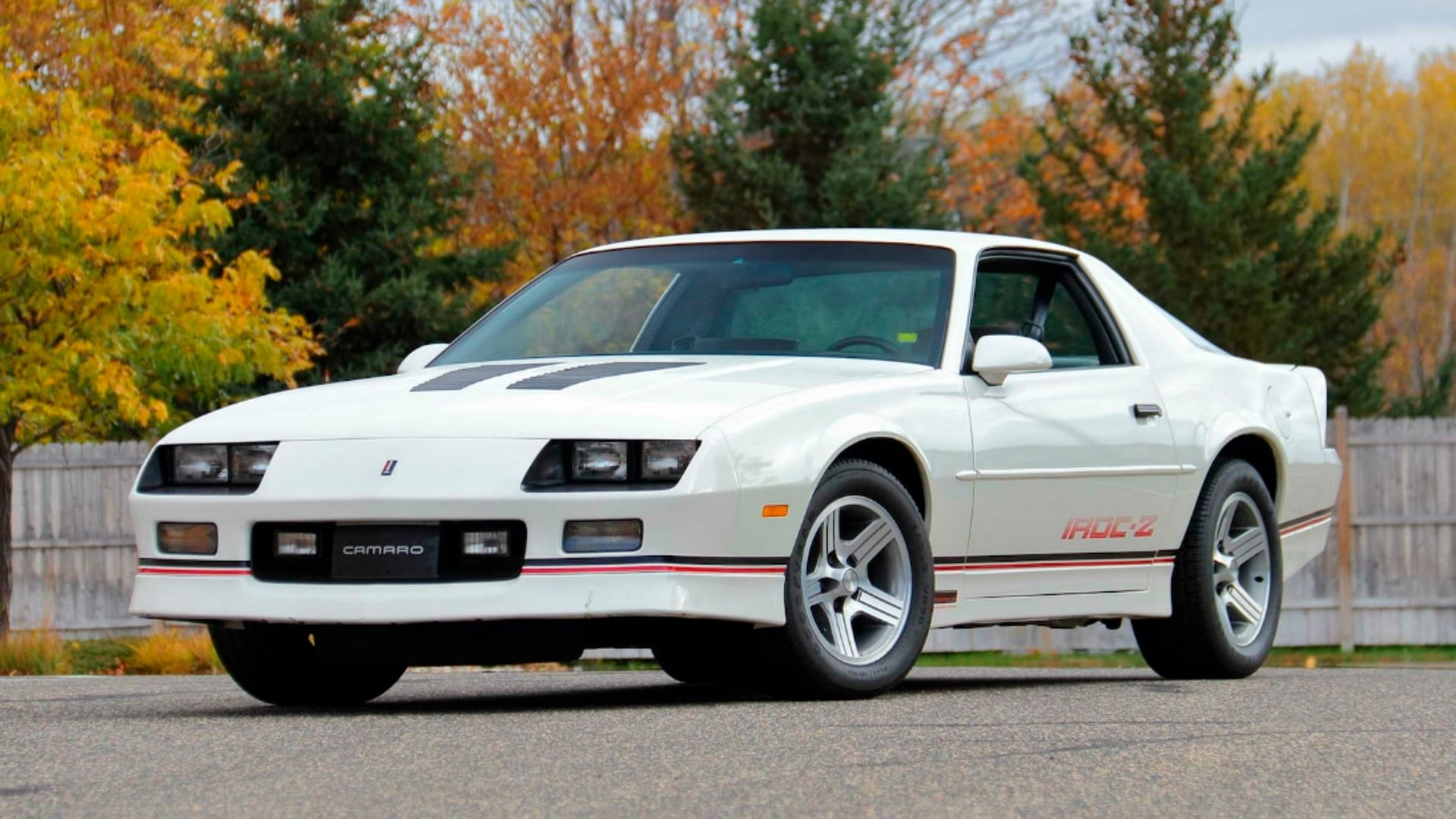
Mechanically, these Camaros benefited from decades of small-block V8 development and refinement. The engines proved virtually bulletproof when properly maintained, while the available transmissions, both manual and automatic provided reliable service and reasonable performance.
The suspension system, featuring MacPherson struts front and rear, delivered competent handling that surpassed many contemporary performance cars.
Performance capabilities varied significantly based on engine selection and model year, but all IROC-Z models provided genuine muscle car acceleration and sound characteristics.
The combination of power, handling, and distinctive styling created vehicles that remained true to muscle car traditions while adapting to changing market demands and regulatory requirements.
Reliability remains excellent across the production run, with most issues being related to aging electrical components and rubber seals rather than fundamental mechanical problems.
The drivetrain components are robust and well-supported by parts suppliers, while common maintenance items include carburetor or fuel injection service, cooling system maintenance, and suspension component renewal.
Current market values offer exceptional value for enthusiasts seeking an authentic 1980s muscle car experience. Good examples are available for $6,000-$12,000, making them accessible to younger buyers while still offering significant performance and style.
The active owner community provides extensive technical support and maintains detailed production databases, while parts availability remains outstanding through both GM and aftermarket suppliers.
Also Read: 5 Nissan Models That Outlive Expectations vs 5 That Fail Early
5. 1993-2002 Pontiac Firebird Formula/Trans Am
The fourth-generation Firebird Formula and Trans Am models represent Pontiac’s final expression of traditional American muscle car philosophy, combining distinctive styling with serious performance capabilities.
These cars shared powertrains with their Camaro siblings but offered unique styling cues and interior appointments that appealed to buyers seeking more aggressive aesthetics and exclusive identity.
The Formula model, positioned as the value-oriented performance variant, typically featured the same LT1 or LS1 engines as Z28 Camaros but with less aggressive exterior styling and fewer luxury appointments.
This approach provided maximum performance value while reducing purchase prices for budget-conscious enthusiasts. The Trans Am, serving as the flagship model, added distinctive appearance packages, upgraded interiors, and various performance enhancements that justified premium pricing.
Engine options mirrored Camaro offerings, with the LT1 5.7-liter V8 (1993-1997) producing 275 horsepower and the LS1 5.7-liter V8 (1998-2002) generating 305-325 horsepower.
Both powerplants delivered impressive performance in the Firebird’s sleek bodyshell, which offered slightly better aerodynamics than Camaro equivalents.
The available T56 six-speed manual transmission and 4L60E four-speed automatic provided the same excellent performance and reliability found in Z28 applications.
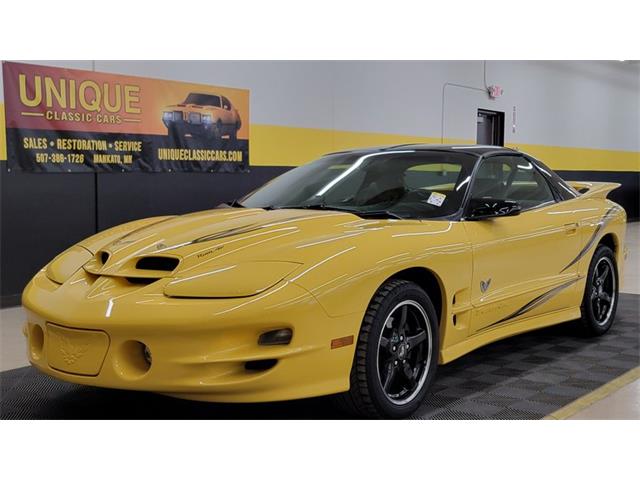
Styling differences set Firebirds apart from their Chevrolet counterparts, with more aggressive front fascias, distinctive side graphics, and unique rear spoiler treatments.
Trans Am models featured the iconic screaming chicken hood graphics that connected them to legendary predecessors, while Formula models offered cleaner lines for buyers preferring a subtler appearance. Interior designs emphasized driver orientation with comprehensive instrumentation and supportive seating.
The independent rear suspension system provided excellent handling characteristics that surpassed most contemporary American performance cars.
Weight distribution, structural rigidity, and suspension tuning created vehicles capable of impressive cornering performance while maintaining straight-line acceleration capabilities. The combination made these cars suitable for both drag racing and road course applications with minimal modifications.
Reliability mirrors Camaro experience, with properly maintained examples providing years of trouble-free service. Common issues include Optispark distributor concerns on LT1 models and occasional heat-related problems, but these are well-documented and easily addressed.
The robust drivetrains handle significant power increases when owners desire additional performance. Market pricing remains reasonable compared to comparable performance cars, with Formula models available for $8,000-$14,000 and Trans Am variants commanding $10,000-$18,000 depending on condition and equipment.
The distinctive styling and Pontiac exclusivity appeal to buyers seeking alternatives to more common Camaro models, while identical mechanical components ensure equally excellent performance and reliability characteristics.
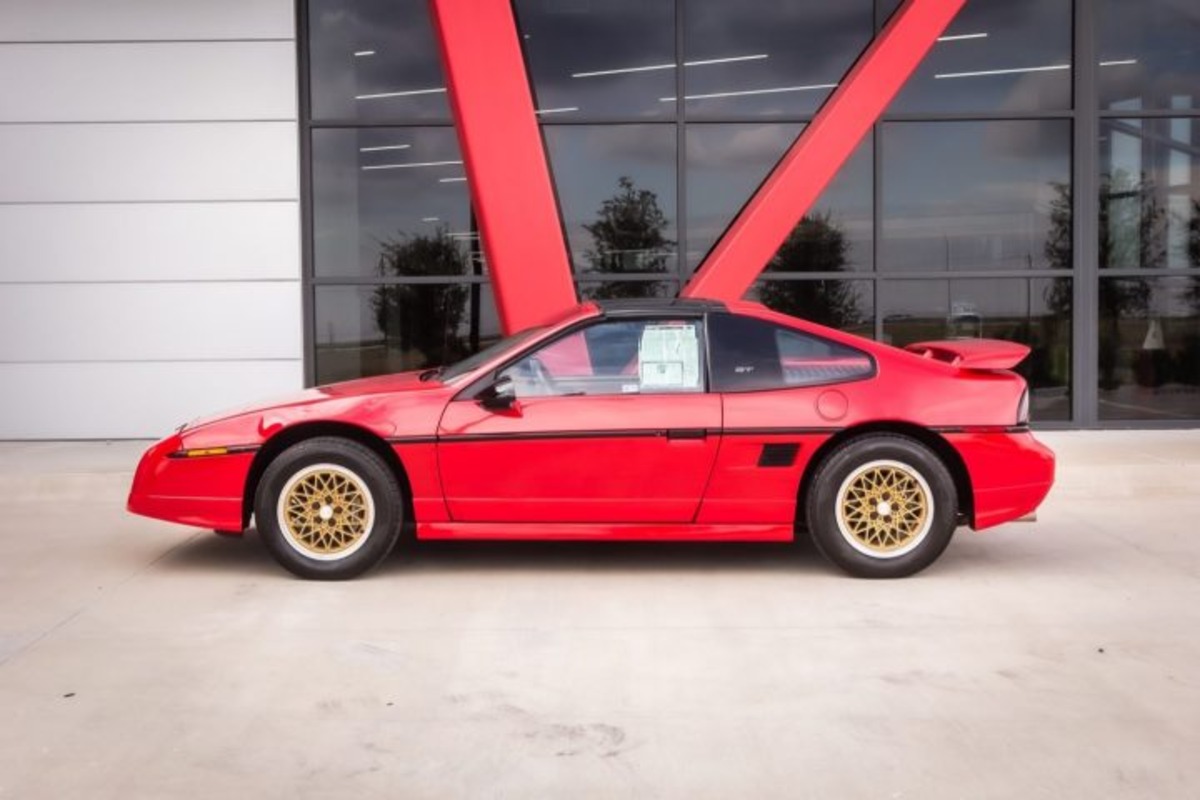
6. 1984-1988 Pontiac Fiero GT
The Pontiac Fiero GT represents one of the most unique and undervalued performance cars of the 1980s, offering mid-engine exotic car configuration in an affordable American package.
While initially conceived as an economical commuter car, the GT variant introduced in 1985 transformed the Fiero into a legitimate sports car with distinctive character and impressive handling capabilities that rivaled much more expensive European alternatives.
The GT model featured a 2.8-liter V6 engine producing 140 horsepower, which, while modest by traditional muscle car standards, provided adequate performance in the lightweight Fiero chassis.
The mid-engine placement created optimal weight distribution that resulted in exceptional handling balance and cornering capabilities. The engine’s reliability and responsiveness to modifications made it an excellent foundation for performance upgrades, with many owners successfully installing more powerful GM V6 engines or even V8 conversions.
What truly distinguished the Fiero was its exotic mid-engine layout, placing the powerplant behind the driver for optimal weight distribution and handling characteristics.
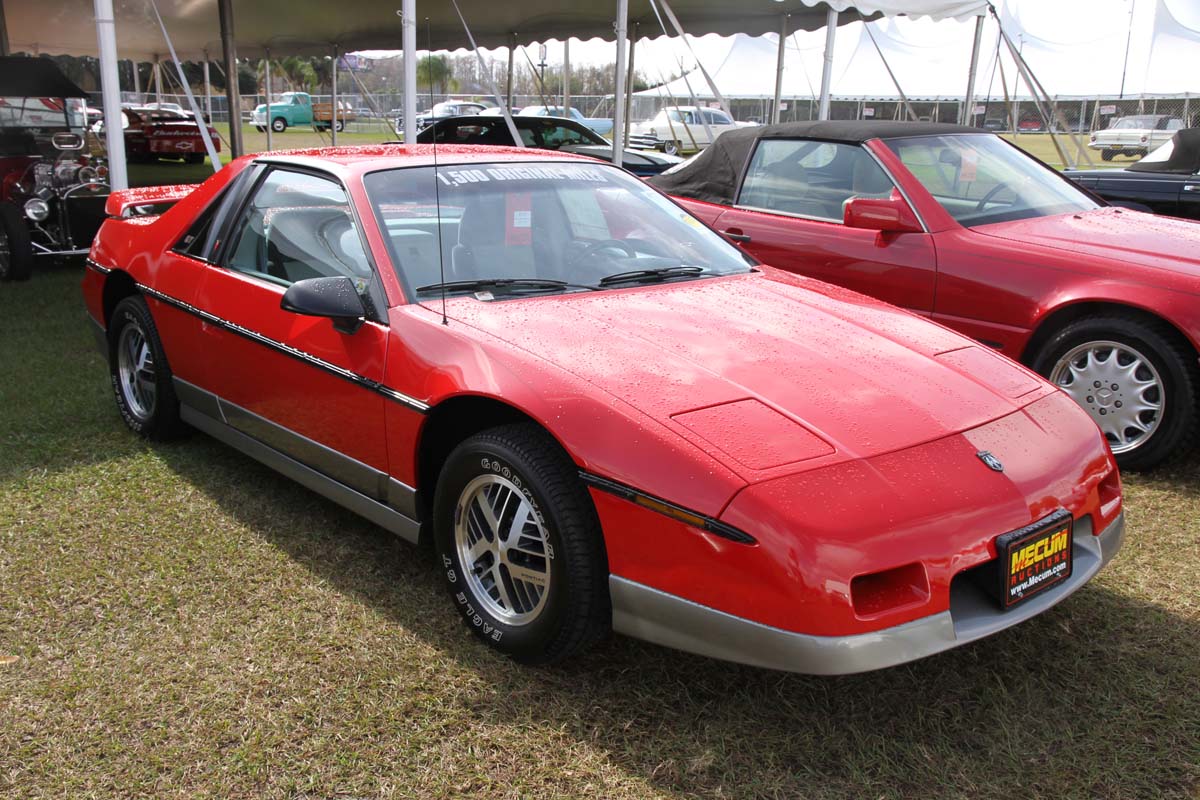
This configuration, combined with lightweight fiberglass body panels and a steel space frame construction, created driving dynamics that competed with much more expensive European sports cars.
The steering provided excellent feedback and precision, while the suspension delivered outstanding balance between performance and comfort. The Fiero’s distinctive styling aged remarkably well, featuring clean lines and proportions that remain contemporary nearly four decades after introduction.
The pop-up headlights, aggressive side air intakes, and distinctive profile created an unmistakably sporty appearance that communicated serious performance intent.
Interior design emphasized driver focus with comprehensive instrumentation and supportive seating, though space constraints limited passenger accommodations.
Reliability improved significantly in later production years as Pontiac addressed early quality issues and refined manufacturing processes. The 1986-1988 models, in particular, benefited from improved cooling systems, enhanced electrical components, and better build quality.
Common maintenance items include cooling system service and occasional electrical component replacement, but major mechanical failures are uncommon with proper care. The suspension system provided exceptional handling capabilities that set the Fiero apart from conventional front-engine sports cars.
The mid-engine configuration eliminated many of the weight transfer issues that plagued traditional layouts, creating predictable and confidence-inspiring handling characteristics. Modifications were readily available for owners seeking even more aggressive performance.
Current market values remain very reasonable, with good GT examples available for $6,000-$12,000, making them accessible to enthusiasts seeking exotic car character without corresponding prices.
Parts availability is adequate through GM and aftermarket suppliers, while the active owner community provides valuable technical support and modification guidance. The unique configuration and distinctive styling ensure continued appreciation among enthusiasts seeking alternatives to conventional muscle cars.
7. 1970-1981 Chevrolet Camaro Z28 (Second Generation)
The second-generation Camaro Z28 spans one of the most transformative periods in automotive history, maintaining muscle car character while adapting to increasingly stringent emissions regulations and fuel economy requirements.
These cars successfully bridged the gap between the unrestricted performance era of the late 1960s and the more regulated environment of the following decades, creating vehicles that preserved essential muscle car DNA while embracing necessary technological evolution.
Early second-generation Z28 models (1970-1973) featured powerful small-block engines producing up to 275 horsepower, while later versions emphasized efficiency and emissions compliance without completely abandoning performance capabilities.
The legendary LT-1 350 engine, available in 1970-1972 models, provided exceptional performance that rivaled big-block alternatives while maintaining better weight distribution and fuel economy characteristics.
The styling evolution throughout the production run created some of the most attractive muscle cars ever produced, with the distinctive long-hood, short-deck proportions and aggressive stance communicating performance intent.
The clean lines and purposeful appearance have aged exceptionally well, making these cars as visually appealing today as when new. Interior designs reflected contemporary luxury trends while maintaining performance-oriented features like comprehensive instrumentation and supportive bucket seating.
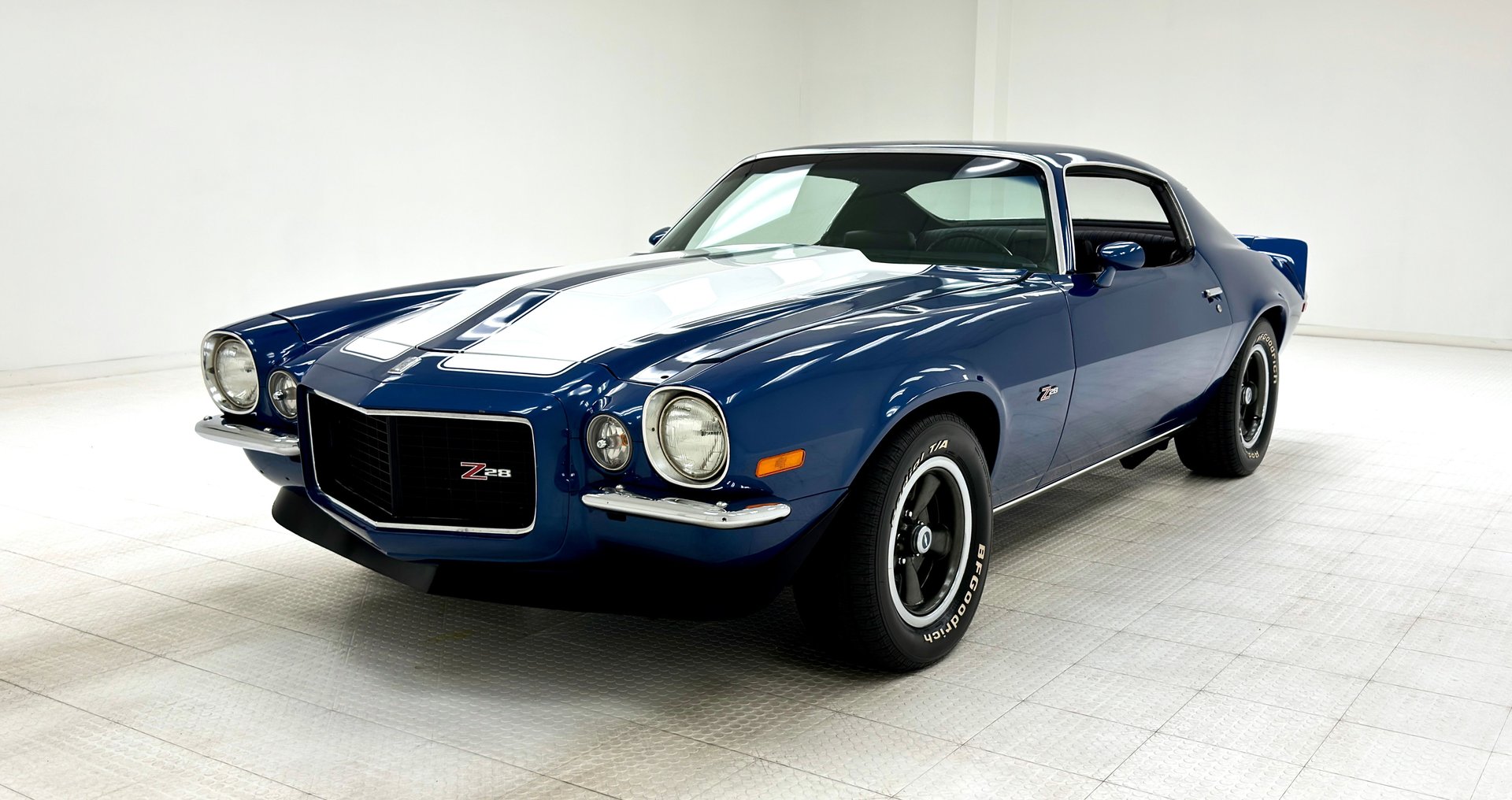
Mechanical evolution included improvements in chassis rigidity, suspension components, and safety features that enhanced both performance and occupant protection.
The basic architecture, featuring independent front suspension and a solid rear axle, provided predictable handling characteristics that responded well to modifications. Later models incorporated catalytic converters and other emissions equipment while maintaining acceptable performance levels.
Engine options varied significantly throughout the production run, reflecting changing regulatory requirements and market demands. Small-block 350 engines remained the primary powerplant, with various states of tune providing different performance levels.
The engines retained the distinctive exhaust notes and torque characteristics that defined American performance cars, ensuring an authentic muscle car experience regardless of power output variations. Reliability remains good across the production run, with most issues related to aging components rather than fundamental design flaws.
The small-block engines proved virtually bulletproof when properly maintained, while drivetrain components provided long service life with reasonable care. Common maintenance areas include carburetor service, cooling system maintenance, and ignition system updates.
Market values vary significantly based on year and specific model, with earlier high-performance versions commanding premium prices. However, mid-to-late 1970s models remain affordable at $12,000-$20,000 for good examples, offering authentic muscle car ownership without extreme costs.
The extensive aftermarket support and reproduction parts availability make restoration and maintenance both feasible and affordable, while the distinctive styling and performance capabilities ensure continued appreciation among serious enthusiasts.
8. 1969-1970 Plymouth Road Runner
The Plymouth Road Runner concludes our list as perhaps the most authentic representation of the original muscle car philosophy: maximum performance at minimum cost.
Introduced in 1968 and refined through 1970, the Road Runner stripped away unnecessary luxury features while retaining serious performance capability, creating vehicles that delivered genuine quarter-mile credibility at prices accessible to younger buyers seeking pure performance value.
The Road Runner’s revolutionary approach eliminated expensive options in favor of performance essentials, offering powerful engines in basic packages that prioritized acceleration over luxury amenities.
The standard engine was Chrysler’s legendary 383 cubic inch V8, producing 335 horsepower and massive torque that provided impressive straight-line performance.
Optional engines included the mighty 440 Six Pack and the legendary 426 Hemi, transforming these cars into some of the quickest production vehicles ever manufactured.
What makes the Road Runner particularly special is its purposeful simplicity and unwavering focus on drag strip performance. The interior was deliberately basic, featuring simple bench seats, minimal sound deadening, and functional rather than luxurious appointments.
This stripped-down approach kept purchase prices low while reducing weight, contributing to impressive power-to-weight ratios and outstanding quarter-mile performance capabilities.
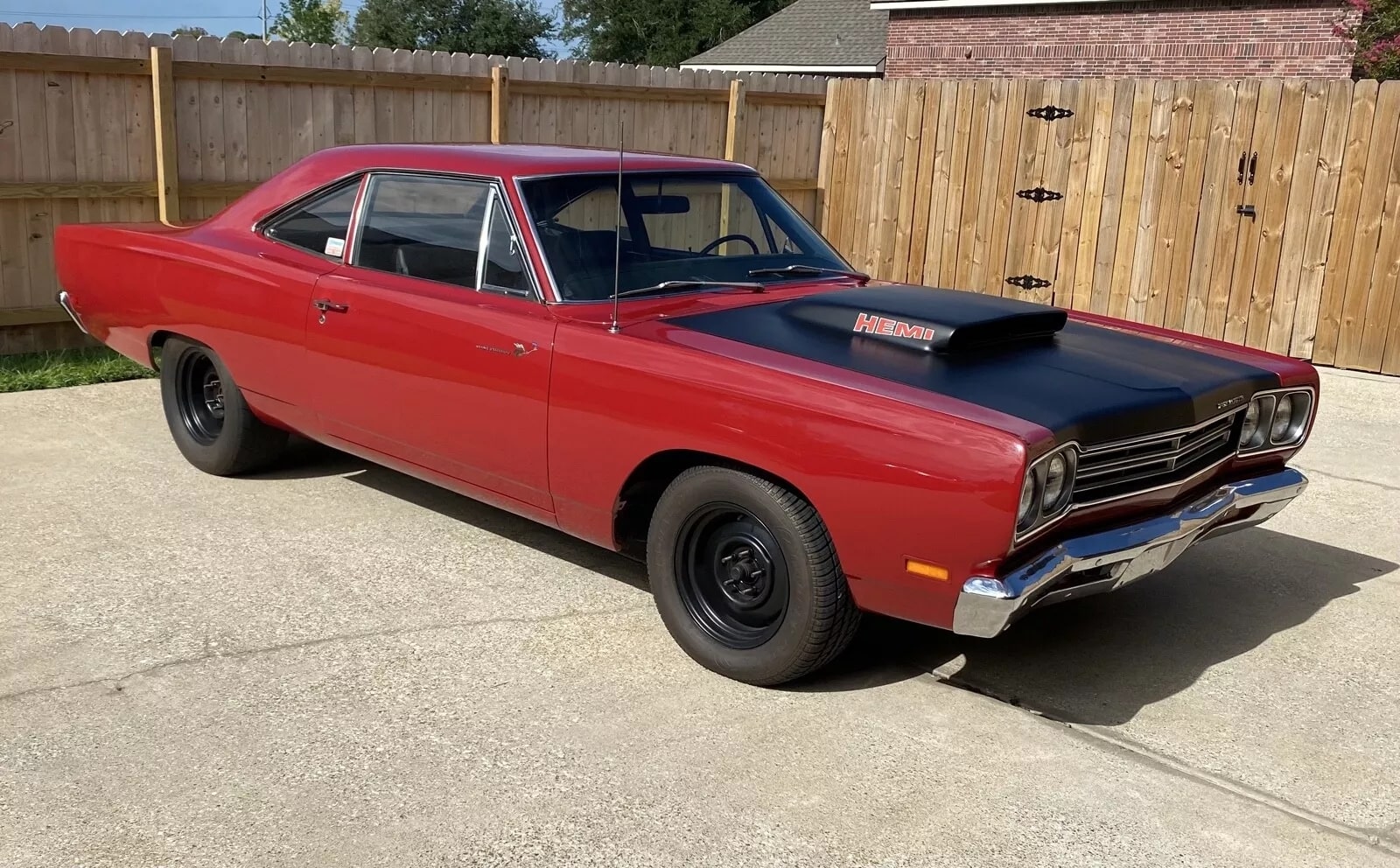
The chassis and suspension were specifically designed to handle the tremendous torque output of Chrysler’s big-block engines, with heavy-duty components throughout the drivetrain.
The rear axle assemblies ranked among the strongest available in production cars, while suspension tuning favored straight-line acceleration over cornering capability. This single-minded focus on drag racing performance made Road Runners incredibly effective in their intended role.
Styling cues included cartoon-inspired graphics and a unique “beep-beep” horn that created an unmistakable identity separating these cars from more conventional muscle cars.
The appearance successfully communicated performance intentions while maintaining clean, aggressive proportions characteristic of Chrysler’s best design work. The distinctive identity appealed to younger buyers seeking vehicles that stood apart from mainstream offerings.
Performance capabilities varied dramatically based on engine selection, but all Road Runner variants delivered genuine muscle car acceleration and sound characteristics.
The 383-powered standard models provided excellent performance for the majority of buyers, while Hemi and 440 Six Pack variants offered ultimate acceleration for serious racers. The purposeful design philosophy created vehicles that excelled in their intended drag racing applications.
Reliability benefits from Chrysler’s robust engineering and high-quality manufacturing standards of the late 1960s. The engines were designed to handle severe duty cycles and respond well to performance modifications, while drivetrain components proved capable of handling significant power increases.
Common maintenance items include carburetor servicing and cooling system maintenance, but major mechanical failures remain uncommon with proper care.
Current market values reflect the Road Runner’s legendary status among muscle car enthusiasts, but 383-powered examples remain relatively accessible at $25,000-$40,000 for good specimens.
This pricing, while substantial, remains reasonable compared to more exotic Hemi or 440 Six Pack models, making these cars attainable for serious enthusiasts seeking authentic muscle car ownership and legendary performance capabilities.
9. 1983-1987 Chevrolet Monte Carlo SS
The Monte Carlo SS represents Chevrolet’s successful effort to revitalize performance credibility during the challenging automotive world of the early 1980s.
When most manufacturers had abandoned high-performance vehicles entirely, Chevrolet recognized the market opportunity and created a vehicle that combined distinctive styling with genuine performance capability, establishing the Monte Carlo SS as an icon of 1980s American automotive culture.
Powered by high-output 305 cubic inch V8 engines producing up to 180 horsepower, these cars provided authentic performance in an era when such capabilities had become rare.
While the power figures seem modest by contemporary standards, they represented significant achievement given the emissions regulations and fuel economy requirements of the period. The engines retained traditional small-block characteristics, including distinctive exhaust notes and strong torque delivery that provided satisfying acceleration.
The aerodynamic styling package distinguished Monte Carlo SS models from their luxury-oriented siblings, with aggressive front air dams, distinctive side skirts, and rear spoilers that provided both visual impact and functional high-speed stability.
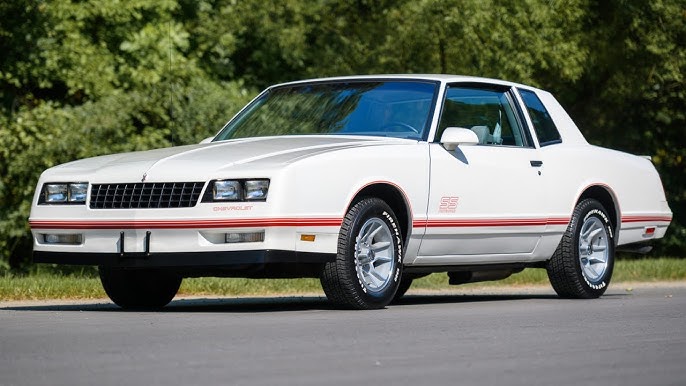
The bold graphics packages and unique wheel designs created an unmistakable identity that announced serious performance intentions. Interior appointments balanced performance focus with comfort amenities suitable for daily transportation.
Handling capabilities benefited from sport-tuned suspension components that provided better control and reduced body roll compared to standard Monte Carlo models.
While not matching contemporary sports car standards, the improvements made these cars significantly more capable than typical American sedans of the era. The chassis design emphasized straight-line stability and comfortable ride quality over ultimate cornering performance.
The Monte Carlo SS played a crucial role in NASCAR competition during the mid-1980s, providing Chevrolet with aerodynamic advantages that translated into racing success.
This competition connection enhanced the model’s performance credibility and appeal among enthusiasts seeking vehicles with genuine racing heritage. The distinctive appearance became synonymous with American performance during a period when such vehicles were increasingly rare.
Reliability remains excellent throughout the production run, with the small-block V8 engines proving virtually bulletproof when properly maintained.
The automatic transmissions provide smooth operation and long service life, while other mechanical components reflect the maturity of General Motors’ engineering practices during the 1980s. Common maintenance items include carburetor service and cooling system maintenance, but major failures are uncommon with reasonable care.
Market values remain very reasonable for vehicles offering an authentic 1980s muscle car experience, with good examples available for $8,000-$15,000 depending on condition and equipment.
This pricing makes Monte Carlo SS models accessible to enthusiasts seeking distinctive styling and performance capability without extreme costs.
Parts availability is outstanding through both GM and aftermarket suppliers, while the active owner community provides extensive technical support and modification guidance for those seeking additional performance or restoration assistance.
10. 1964-1972 Chevrolet Chevelle SS
The Chevrolet Chevelle SS represents the quintessential American muscle car, combining perfect proportions with a comprehensive range of powerful engine options that provided something for every performance preference and budget.
Throughout its production run, the SS model offered everything from mild small-block engines to legendary big-block powerplants, creating vehicles that established the template for intermediate-sized muscle cars and influenced automotive design for decades.
The Chevelle’s intermediate size struck the optimal balance between the compactness of pony cars and the bulk of full-size muscle cars, creating packages that offered excellent performance without sacrificing practicality.
The spacious interior provided comfortable accommodations for four adults, while generous trunk space offered adequate storage for weekend trips or daily commuting needs. The proportions and stance communicated power and purpose without appearing overly aggressive or intimidating.
Engine options varied dramatically throughout the production run, with small-block 327, 350, and 400 engines providing excellent performance and reliability for budget-conscious buyers, while big-block 396, 402, 427, and 454 options delivered ultimate power for serious performance enthusiasts.
The legendary LS6 454, available in 1970, produced a factory-rated 450 horsepower and remains one of the most powerful engines ever installed in a production muscle car.
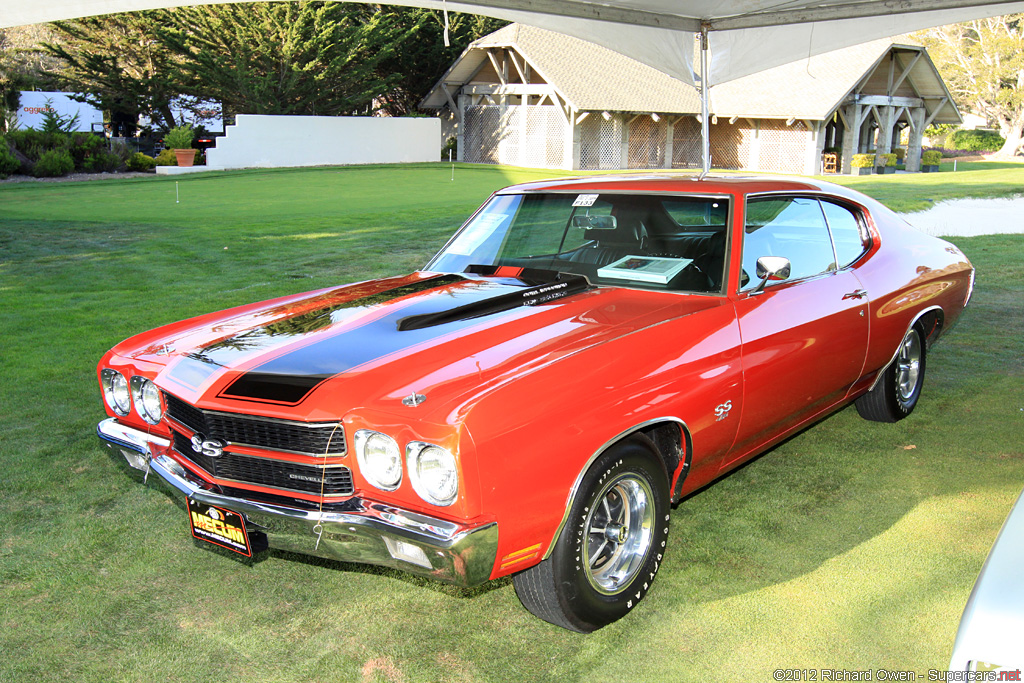
The styling evolution created some of the most attractive vehicles in automotive history, with clean lines and a purposeful appearance that have aged exceptionally well.
Early models featured simpler designs with elegant proportions, while later versions incorporated more aggressive styling cues, including functional hood scoops, distinctive stripe packages, and bold graphics. The appearance successfully communicated performance intentions while maintaining mainstream appeal.
From a mechanical standpoint, the Chevelle benefited from robust construction and proven drivetrain components that provided excellent reliability and durability.
The chassis design, while basic by contemporary standards, offered adequate rigidity and responded well to modifications for improved handling or straight-line performance. Suspension components were readily available and relatively inexpensive, making maintenance and upgrades both practical and affordable.
Market values vary dramatically based on year, engine combination, and condition, with rare configurations commanding six-figure prices at collector auctions.
However, more common models, particularly those equipped with small-block engines or from later production years, remain relatively affordable at $15,000-$30,000 for good examples.
The extensive reproduction parts industry and strong enthusiast community support make these cars practical choices for both casual enjoyment and serious restoration projects, while their legendary status ensures continued appreciation and collectibility among muscle car enthusiasts worldwide.
Also Read: 5 Nissan Models That Outlive Expectations vs 5 That Fail Early
