
Japanese Domestic Market (JDM) vehicles have earned a legendary reputation worldwide, not just for their performance capabilities and iconic status, but particularly for their exceptional reliability and longevity.
While many enthusiasts are drawn to JDM cars for their racing pedigree, unique styling, and tuning potential, perhaps their most impressive characteristic is their ability to run for hundreds of thousands of miles with minimal maintenance requirements.
The Japanese automotive philosophy has always emphasized precision engineering, quality control, and long-term durability over short-term profits.
This approach stems from Japan’s post-war economic recovery, where manufacturers understood that building a reputation for reliability was crucial for competing in global markets.
Companies like Honda, Toyota, Nissan, and Mazda invested heavily in research and development, creating engines and drivetrains that could withstand decades of use while maintaining performance standards.
Moreover, the simplicity of many JDM designs, particularly those from the 1980s and 1990s, means fewer complex systems that can fail. While modern cars are laden with electronic systems and sensors, these JDM legends relied on proven mechanical systems and basic electronics, making them easier to maintain and repair when necessary.
This combination of robust engineering and straightforward design has made them favorites among both enthusiasts and practical car buyers seeking dependable transportation that doesn’t compromise on driving enjoyment.
1. Honda Civic (EF, EG, EK Generations)
The Honda Civic generations spanning the late 1980s through early 2000s represent the pinnacle of Honda’s engineering philosophy: maximum reliability with minimal complexity.
The EF (1988-1991), EG (1992-1995), and EK (1996-2000) generations have become legendary not just for their motorsport success and modification potential, but for their almost supernatural ability to keep running regardless of maintenance neglect or high-mileage abuse.
At the heart of these Civics lies Honda’s renowned B-series and D-series engines, powerplants that have achieved mythical status among automotive enthusiasts.
The D15, D16, B16A, and B18C engines feature Honda’s VTEC (Variable Valve Timing and Lift Electronic Control) technology, which allows these relatively small displacement engines to produce impressive power while maintaining excellent fuel economy.
The genius of these engines lies not just in their performance, but in their robust construction and forgiving nature.
The cylinder heads in these engines are particularly well-designed, with excellent cooling passages and durable valve train components. The VTEC system, while complex in operation, is remarkably reliable due to Honda’s precision manufacturing and the use of high-quality hydraulic components.
Even after 200,000+ miles, it’s common to find these engines with original VTEC solenoids still functioning perfectly, switching between cam profiles with the characteristic VTEC engagement that enthusiasts love.
Honda’s attention to detail extends beyond the engine bay. The transmissions in these Civics, whether manual or automatic, are engineered to last. The manual transmissions feature close-ratio gearing and synchromesh systems that remain smooth and precise even after decades of use.
The hydraulic clutch system is simple yet effective, with clutch life often exceeding 150,000 miles even under enthusiastic driving conditions. The electrical systems in these Civics are refreshingly straightforward, using proven components and logical wiring layouts.
This simplicity means fewer potential failure points and easier troubleshooting when issues do arise. The ECU (Engine Control Unit) systems are robust and have proven resistant to the electrical gremlins that plague many vehicles of this era.
Suspension components, while basic by modern standards, are incredibly durable. The MacPherson strut front and beam axle rear setup (or multi-link in some variants) uses high-quality bushings and components that maintain their integrity for hundreds of thousands of miles. When repairs are needed, parts are abundant and affordable, making maintenance costs minimal.
The build quality extends to the body and interior components as well. While not luxurious, the materials used are durable and age well.
Paint quality is generally excellent, and rust issues are minimal compared to competitors from the same era. Interior switches, controls, and trim pieces maintain their functionality and appearance far longer than expected for vehicles in this price range.
2. Toyota Corolla AE86
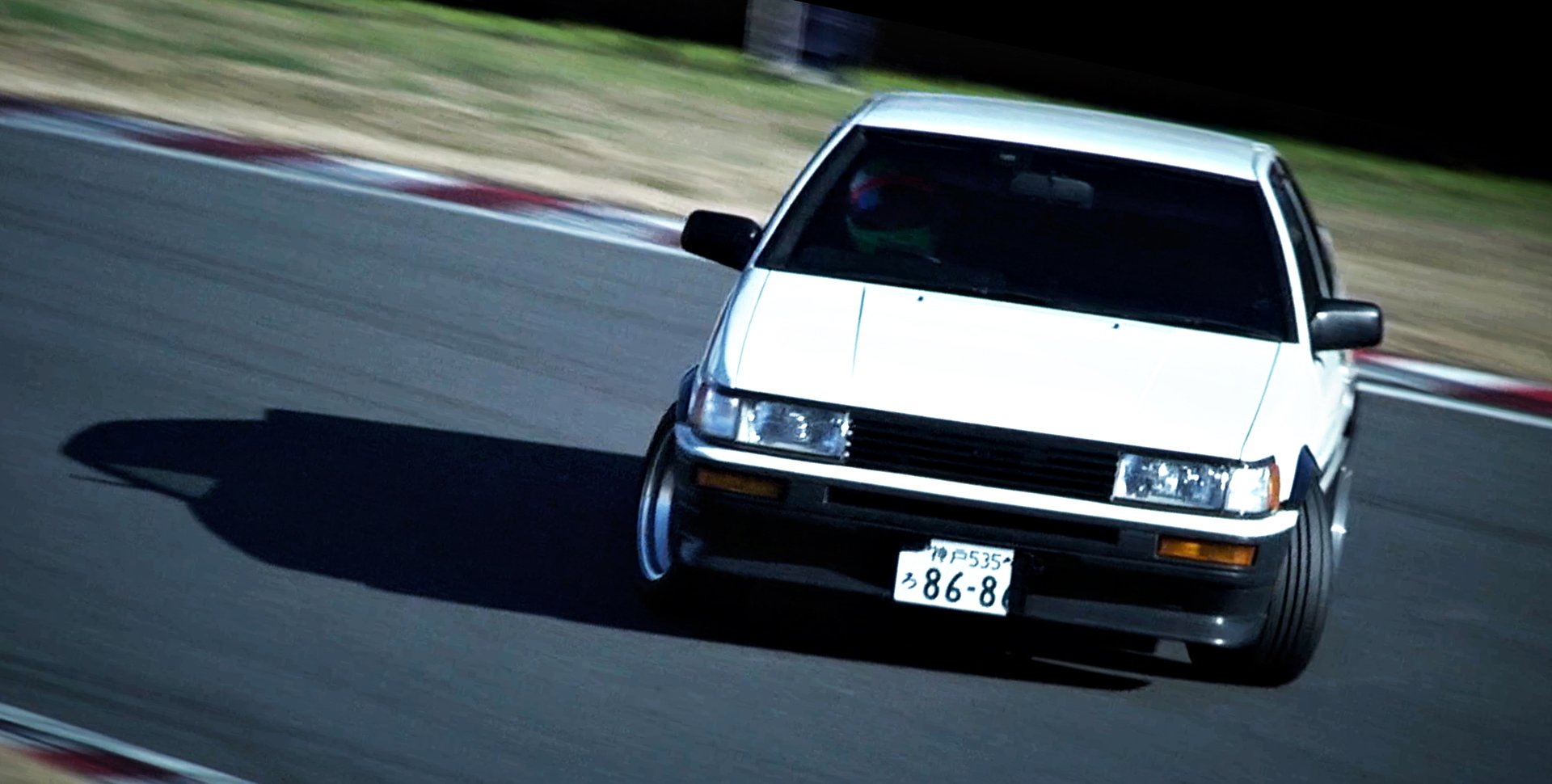
The Toyota Corolla AE86, produced from 1983 to 1987, represents one of the most perfectly balanced combinations of simplicity, reliability, and driving enjoyment ever created.
While the AE86 gained worldwide fame through its starring role in Japanese drifting culture and the anime series “Initial D,” its underlying reputation was built on Toyota’s legendary commitment to engineering excellence and long-term durability.
The heart of the AE86’s reliability lies in its 4A-GE twin cam engine, a naturally aspirated 1.6-liter four-cylinder that exemplifies Toyota’s engineering philosophy.
This engine features a twin overhead cam design with four valves per cylinder, providing excellent breathing and power delivery while maintaining the mechanical simplicity that ensures longevity.
The 4A-GE is renowned for its rev-happy nature, comfortable spinning to 7,000+ RPM, yet it accomplishes this high-performance capability without sacrificing reliability.
The engine’s construction quality is exceptional, with a cast-iron block and aluminum head providing the perfect balance of durability and weight savings.
The timing belt system, while requiring periodic replacement, is designed with sufficient clearance that even if the belt fails, the engine typically avoids the catastrophic valve-to-piston contact that destroys many interference engines.
This forgiving design characteristic has saved countless AE86 owners from expensive engine rebuilds due to maintenance oversights.
Toyota’s attention to cooling system design ensures that the 4A-GE maintains consistent operating temperatures even under spirited driving conditions.
The radiator, water pump, and thermostat system is engineered with generous capacity and flow rates, preventing the overheating issues that plague many high-revving engines. Even after decades of service, it’s common to find AE86 engines with original water pumps still functioning perfectly.
The transmission and drivetrain components match the engine’s reliability standards. The T50 five-speed manual transmission is a masterpiece of mechanical engineering, with smooth, precise shifts and synchromesh systems that remain functional well beyond 200,000 miles.
The gear ratios are perfectly spaced for both spirited driving and fuel economy, while the transmission’s robust construction handles significant power increases from engine modifications without complaint.
Perhaps most importantly, the AE86’s design philosophy prioritizes mechanical systems over electronic complexity.
This approach means that when maintenance or repairs are needed, they can typically be performed with basic tools and skills, making ownership costs reasonable throughout the vehicle’s extended service life.
3. Nissan Skyline GT-R (R32, R33, R34)
The Nissan Skyline GT-R series, encompassing the R32 (1989-1994), R33 (1995-1998), and R34 (1999-2002) generations, represents the pinnacle of Japanese high-performance engineering combined with surprising reliability for such potent machines.
These vehicles earned the nickname “Godzilla” not only for their track-dominating performance but also for their ability to deliver consistent, reliable power even under extreme conditions.
The RB26DETT engine that powers all three generations is a masterpiece of engineering, featuring a 2.6-liter inline-six configuration with twin turbochargers and dual overhead cams.
Despite producing impressive power figures that were officially understated due to Japanese manufacturer agreements, this engine is remarkably robust and capable of handling significant power increases through modification.
The cast-iron block construction provides exceptional strength and heat dissipation, while the aluminum head features excellent port design and durable valve train components.
Nissan’s attention to detail in the RB26DETT’s construction is evident in every component. The twin-turbo system uses high-quality Garrett turbos with ceramic wheels that provide quick spool-up and excellent reliability.

The intercooler system is generously sized, ensuring that intake temperatures remain controlled even during extended high-performance driving sessions.
The fuel system, including the injectors and high-pressure pump, is designed with significant overhead capacity, contributing to the engine’s ability to handle increased power levels reliably.
The ATTESA E-TS (Advanced Total Traction Engineering System for All-Terrain) all-wheel-drive system represents one of the most sophisticated and reliable AWD systems ever created.
This system can transfer power between the front and rear axles almost instantaneously, providing maximum traction while maintaining the rear-wheel-drive character that enthusiasts prefer.
The complexity of this system might suggest reliability concerns, but Nissan’s engineering excellence ensures that ATTESA systems regularly function flawlessly well into high-mileage territory.
The Super HICAS four-wheel steering system, available on many GT-R models, adds another layer of electronic sophistication that could potentially create reliability issues.
However, Nissan’s conservative engineering approach and high-quality components mean that HICAS systems typically function correctly for decades. When issues do arise, they’re usually related to easily replaceable sensors or hydraulic components rather than fundamental system failures.
What makes the GT-R series particularly impressive from a reliability standpoint is their ability to function as daily drivers while maintaining their performance credentials.
Many examples serve dual duty as weekend track cars and weekday commuters, testament to their exceptional engineering and build quality.
4. Honda NSX (NA1/NA2)
The Honda NSX, developed with input from Formula 1 legend Ayrton Senna, represents Honda’s interpretation of the perfect sports car: exotic performance combined with everyday usability and legendary Honda reliability.
Produced from 1990 to 2005, the NSX proved that supercars didn’t need to be temperamental or unreliable to deliver thrilling performance, fundamentally changing expectations for high-performance vehicles.
At the heart of the NSX lies Honda’s C30A and later C32B V6 engines, naturally aspirated powerplants that showcase Honda’s VTEC technology in its most refined form.
The C30A, a 3.0-liter V6 producing 270 horsepower, and the C32B, a 3.2-liter evolution producing 290 horsepower, both demonstrate Honda’s ability to extract significant power from relatively small displacement while maintaining exceptional reliability.
These engines feature all-aluminum construction with Honda’s signature high-revving characteristics, comfortably spinning to 8,000 RPM with a soundtrack that rivals any exotic supercar.
The engine’s construction quality is exceptional, reflecting Honda’s Formula 1 experience and commitment to precision manufacturing. Each engine is hand-assembled by a single technician, ensuring consistent quality and attention to detail.
The VTEC system in the NSX is more sophisticated than in Honda’s other vehicles, featuring separate VTEC engagement points for each cylinder bank, allowing for optimal power delivery across the entire rev range.
Despite this complexity, the VTEC system proves remarkably reliable, with many high-mileage examples still exhibiting perfect VTEC engagement after decades of use.
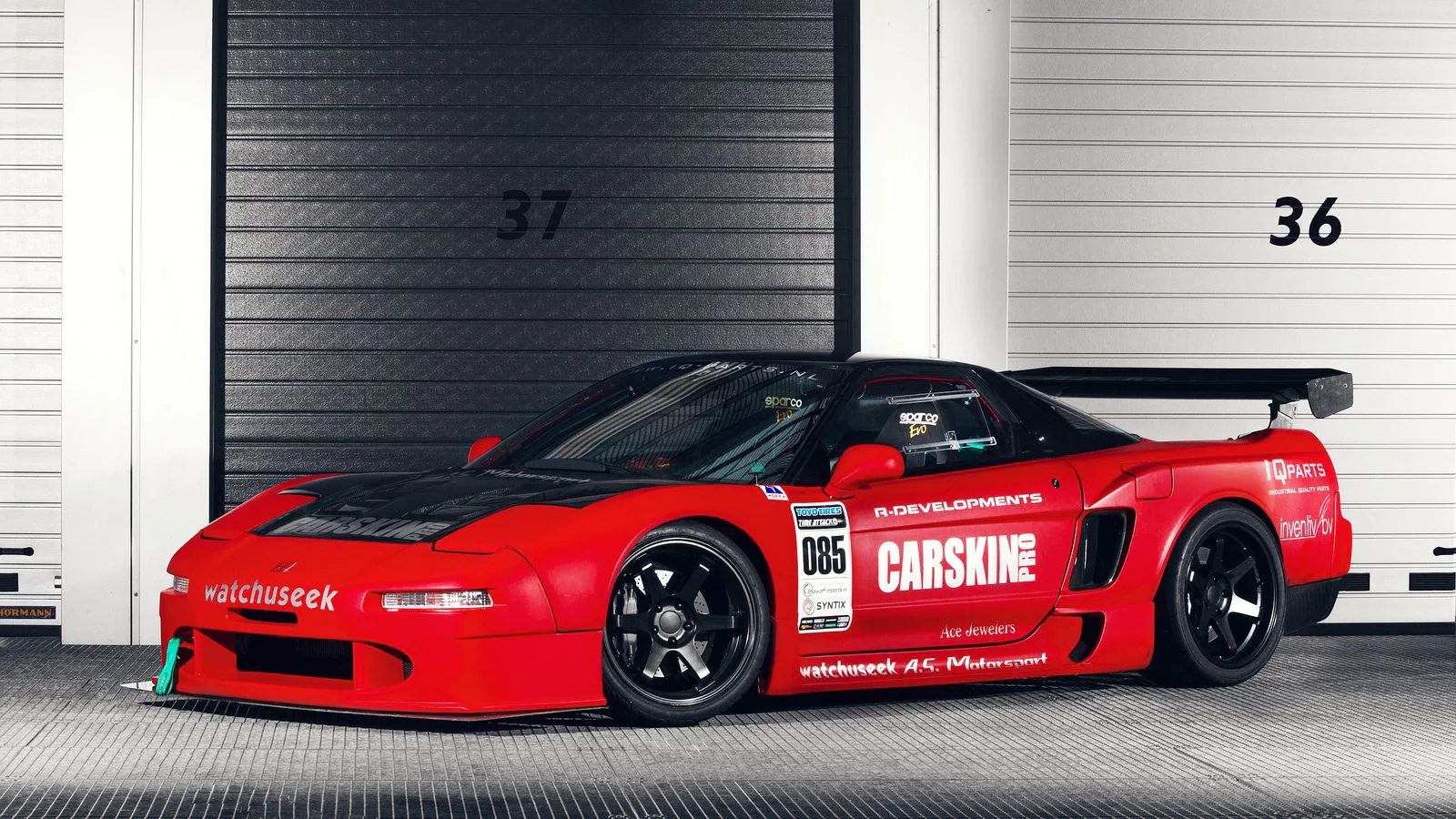
Honda’s decision to use an all-aluminum chassis construction, the first production car to do so, contributes significantly to the NSX’s longevity. Aluminum’s natural resistance to corrosion means that NSX chassis rarely suffer from the rust issues that plague steel-bodied exotic cars.
The space frame construction is incredibly rigid, maintaining precise handling characteristics even after hundreds of thousands of miles. The aluminum body panels are similarly durable, resisting dents and maintaining their appearance far better than traditional steel panels.
The NSX’s transmission options both exemplify Honda’s commitment to reliability. The five-speed manual transmission (later upgraded to six-speed) features precise, smooth shifts and exceptional durability.
The optional four-speed automatic, while less popular among enthusiasts, provides the smooth operation and longevity expected from Honda’s automatic transmissions. Both transmissions handle the NSX’s power delivery without complaint, even under spirited driving conditions.
Honda’s approach to the NSX’s electrical systems reflects its understanding that exotic car owners expect reliability along with performance. The wiring harnesses are logically laid out and well-protected, using high-quality materials and connectors that resist corrosion and failure.
The engine management system is sophisticated enough to extract maximum performance from the VTEC engines while maintaining the smooth idle and drivability characteristics that allow the NSX to serve as a daily driver.
What truly sets the NSX apart from other exotic cars is its tolerance for regular use. While many supercars require careful warming procedures and gentle operation, the NSX can be driven immediately upon startup and operated in stop-and-go traffic without concern for overheating or mechanical stress.
Also Read: 5 Honda Accord Years That Run Forever vs 5 That Don’t
5. Mazda RX-7 (FC and FD)
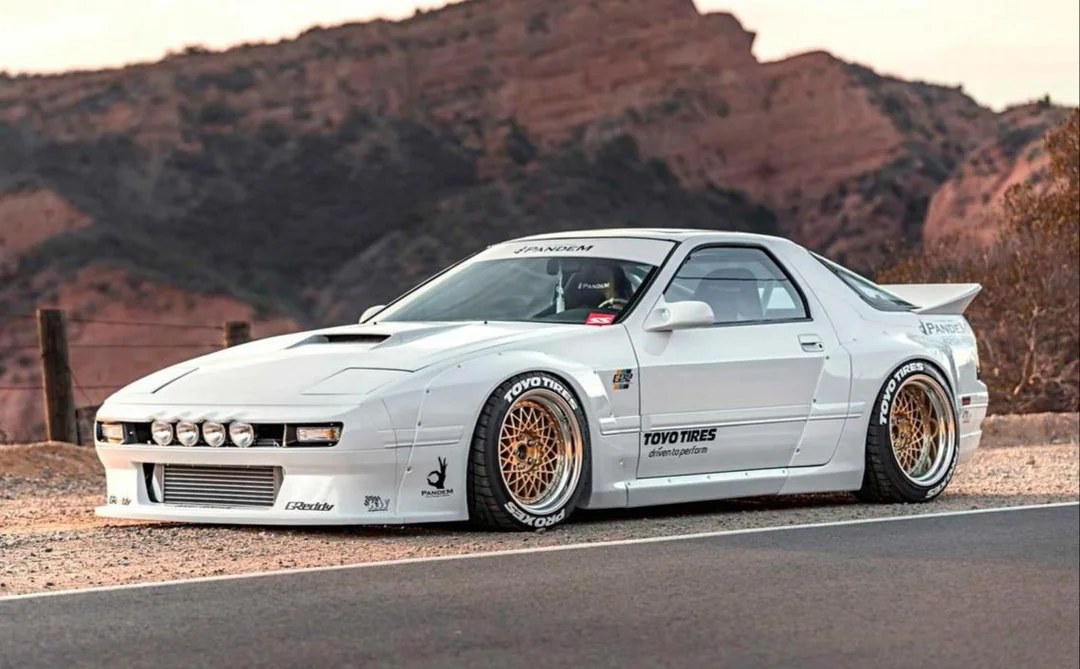
The Mazda RX-7, particularly the FC (1986-1991) and FD (1992-2002) generations, represents one of the most unique and reliable high-performance platforms ever created, thanks to Mazda’s mastery of rotary engine technology.
While rotary engines often face skepticism regarding reliability, Mazda’s 13B rotary engine, when properly maintained, provides exceptional longevity and consistent performance that has earned it legendary status among enthusiasts worldwide.
The 13B rotary engine that powers both FC and FD RX-7s operates on fundamentally different principles than traditional piston engines, using triangular rotors spinning within epitrochoid-shaped chambers to generate power.
This design eliminates the reciprocating motion found in piston engines, resulting in incredibly smooth operation and an exceptionally high power-to-weight ratio.
The naturally balanced design of the rotary engine means virtually no vibration, contributing to a refined driving experience and reduced stress on engine mounts and related components.
Mazda’s development of the 13B engine represents decades of refinement in rotary technology. The engine features a robust housing construction using high-quality materials that resist wear even under high-stress conditions.
The apex seals, often considered the rotary engine’s most critical component, are engineered from advanced materials that provide excellent sealing and durability when the engine receives proper maintenance.
The side seals and corner seals are similarly well-designed, maintaining compression and preventing oil leakage throughout the engine’s service life.
The turbocharging system used in many RX-7 models showcases Mazda’s understanding of forced induction applications. The sequential twin-turbo system in FD models uses two turbochargers of different sizes to provide seamless power delivery across the entire rev range.
The smaller primary turbo provides quick response at low RPM, while the larger secondary turbo engages at higher RPM for maximum power output. This sophisticated system, while complex, proves remarkably reliable due to Mazda’s conservative engineering approach and high-quality components.
Cooling system design in RX-7s reflects the unique requirements of rotary engines, which generate different heat patterns than piston engines. The radiator and cooling fan systems are generously sized to handle the rotary engine’s heat output, while the oil cooling system is particularly well-developed since rotary engines rely more heavily on oil for cooling than conventional engines.
The twin oil coolers used in turbo models provide excellent temperature control even under demanding conditions. The transmission and drivetrain components in RX-7s are engineered to handle the rotary engine’s unique power delivery characteristics.
The manual transmissions feature close-ratio gearing that perfectly complements the rotary engine’s high-revving nature, while the limited-slip differential provides excellent traction and handling characteristics. The rear-wheel-drive layout contributes to the car’s balanced handling while maintaining the mechanical simplicity that enhances reliability.
The RX-7’s lightweight construction and excellent weight distribution contribute to reduced stress on all mechanical components, enhancing durability. The car’s relatively simple electronic systems mean fewer potential failure points compared to more complex modern vehicles.
6. Subaru Impreza WRX/STI (GC/GF)
The original Subaru Impreza WRX and STI models, produced from 1992 to 2000 in the GC/GF chassis, established Subaru’s reputation for building rally-bred performance cars that could handle extreme conditions while providing daily-driver reliability.
These vehicles brought World Rally Championship technology to the street, proving that race-derived engineering could coexist with practical, dependable transportation.
The heart of these Impreza models lies in Subaru’s EJ20 and EJ25 turbocharged flat-four engines, powerplants that demonstrate the unique advantages of the boxer engine configuration.
The horizontally opposed design provides an inherently balanced engine with a low center of gravity, contributing to the vehicle’s exceptional handling characteristics while reducing vibration and stress on engine components.
The turbocharging system adds significant power while maintaining the engine’s reliability through conservative boost levels and robust internal components.
Subaru’s EJ series engines feature several design elements that contribute to exceptional durability. The aluminum heads provide excellent heat dissipation while reducing engine weight, while the cast-iron cylinder liners ensure long-term durability even under high-boost conditions.
The closed-deck block design provides excellent strength for turbocharged applications, allowing these engines to handle significant power increases through modification while maintaining reliability.
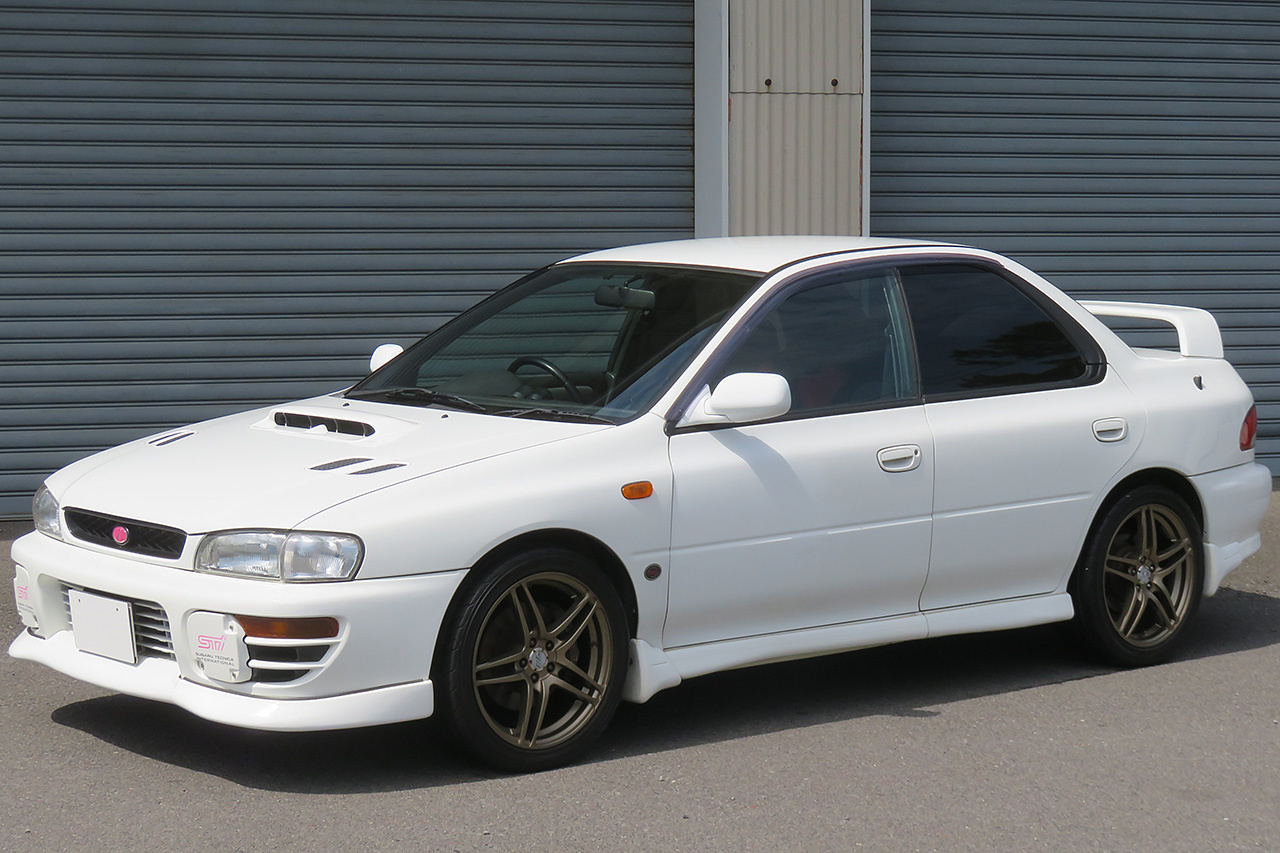
The symmetrical all-wheel-drive system that defines Subaru’s character represents one of the most reliable and effective AWD systems ever created.
Unlike many AWD systems that primarily operate in front-wheel-drive mode and engage the rear wheels only when slip is detected, Subaru’s system maintains constant power distribution to all four wheels.
This full-time AWD operation provides superior traction in all conditions while reducing stress on individual drivetrain components through even power distribution.
The center differential system used in manual transmission models allows for natural power distribution between front and rear axles while accommodating the different rotational speeds that occur during cornering.
The viscous coupling or electronic center differential provides additional control over power distribution when needed. These systems prove remarkably durable, requiring minimal maintenance while providing consistent performance throughout the vehicle’s service life.
Subaru’s attention to cooling system design ensures that the turbocharged engines maintain consistent operating temperatures even under demanding conditions.
The radiator system is appropriately sized for the engine’s heat output, while the intercooler provides effective cooling of the compressed air from the turbocharger. The oil cooling system, particularly important in turbocharged applications, maintains consistent oil temperatures even during spirited driving.
What makes these Impreza models particularly impressive is their ability to serve multiple roles effectively: daily commuter, weekend performance car, and occasional off-road vehicle, all while maintaining the reliability expected from a practical family car.
7. Mitsubishi Lancer Evolution (I-IX)
The Mitsubishi Lancer Evolution series, spanning generations I through IX (1992-2007), represents one of the most successful applications of rally technology to road cars, combining World Rally Championship-derived engineering with surprising reliability for such high-performance machines.
These vehicles proved that race-bred technology could coexist with daily-driver dependability, establishing a legacy that continues to influence performance car development today.
The 4G63 turbocharged engine that powers all Evolution models through Generation IX is a masterpiece of forced induction engineering, demonstrating Mitsubishi’s decades of experience in rally competition and turbocharged engine development.
This 2.0-liter four-cylinder engine features a cast-iron block construction that provides exceptional strength and durability, allowing it to handle significant power increases through modification while maintaining reliability. The aluminum head design promotes excellent heat dissipation while accommodating the large valves necessary for high-flow applications.
Mitsubishi’s approach to turbocharging in the 4G63 engine emphasizes reliability through conservative boost levels and robust components. The turbocharger systems used throughout the Evolution series feature high-quality units designed specifically for the engine’s requirements, providing quick spool-up and consistent power delivery.
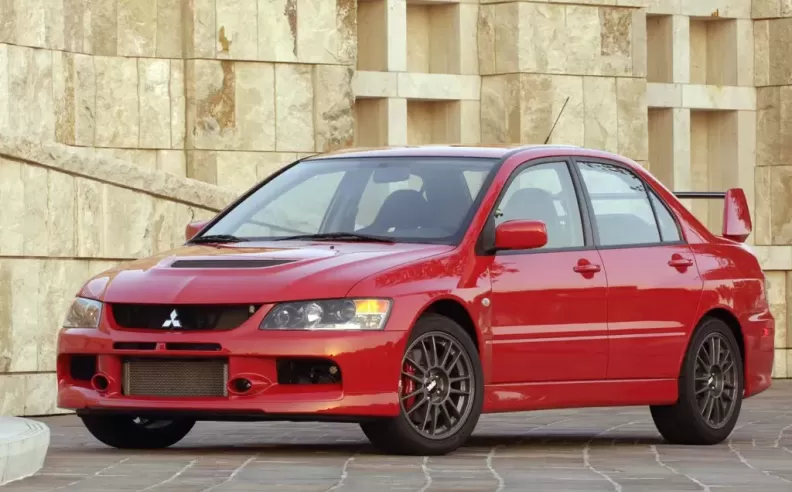
The intercooler systems are generously sized to maintain consistent intake temperatures even during extended high-performance driving, while the blow-off valve systems protect the turbocharger from harmful pressure spikes during throttle transitions.
The engine’s internal components reflect Mitsubishi’s rally experience, using forged pistons and connecting rods in many applications to handle the stresses of turbocharged operation.
The crankshaft is appropriately strengthened, and the bearing systems are designed to handle both the power output and the unique stresses associated with rally-derived driving conditions. These robust internals contribute significantly to the engine’s ability to maintain reliable operation even under extreme conditions.
Mitsubishi’s Super Active Yaw Control (S-AYC) all-wheel-drive system represents one of the most sophisticated and effective AWD systems ever created for a production vehicle.
This system can actively control power distribution not only between front and rear axles but also between individual rear wheels, providing unprecedented control over vehicle dynamics. Despite its complexity, the S-AYC system proves remarkably reliable due to Mitsubishi’s extensive development and high-quality components.
The Active Center Differential (ACD) system works in conjunction with S-AYC to provide optimal power distribution under all driving conditions. This electronically controlled system can vary the front-to-rear power split from fully locked to completely open, allowing the vehicle to adapt to different road conditions and driving styles.
The mechanical components of this system are robust and durable, while the electronic controls are well-protected and reliable. The electrical systems in Evolution models are appropriately sophisticated for their advanced drivetrain technologies while remaining reliable throughout the vehicle’s service life.
The engine management system provides precise control over the turbocharged engine’s operation, while the all-wheel-drive control systems operate seamlessly to provide optimal traction and handling.
Build quality in Evolution models reflects their intended use as high-performance vehicles that might see track duty as well as daily driving. The body construction is robust, with appropriate reinforcement in critical areas and effective rust protection for long-term durability.
8. Toyota Supra (A70 and A80)
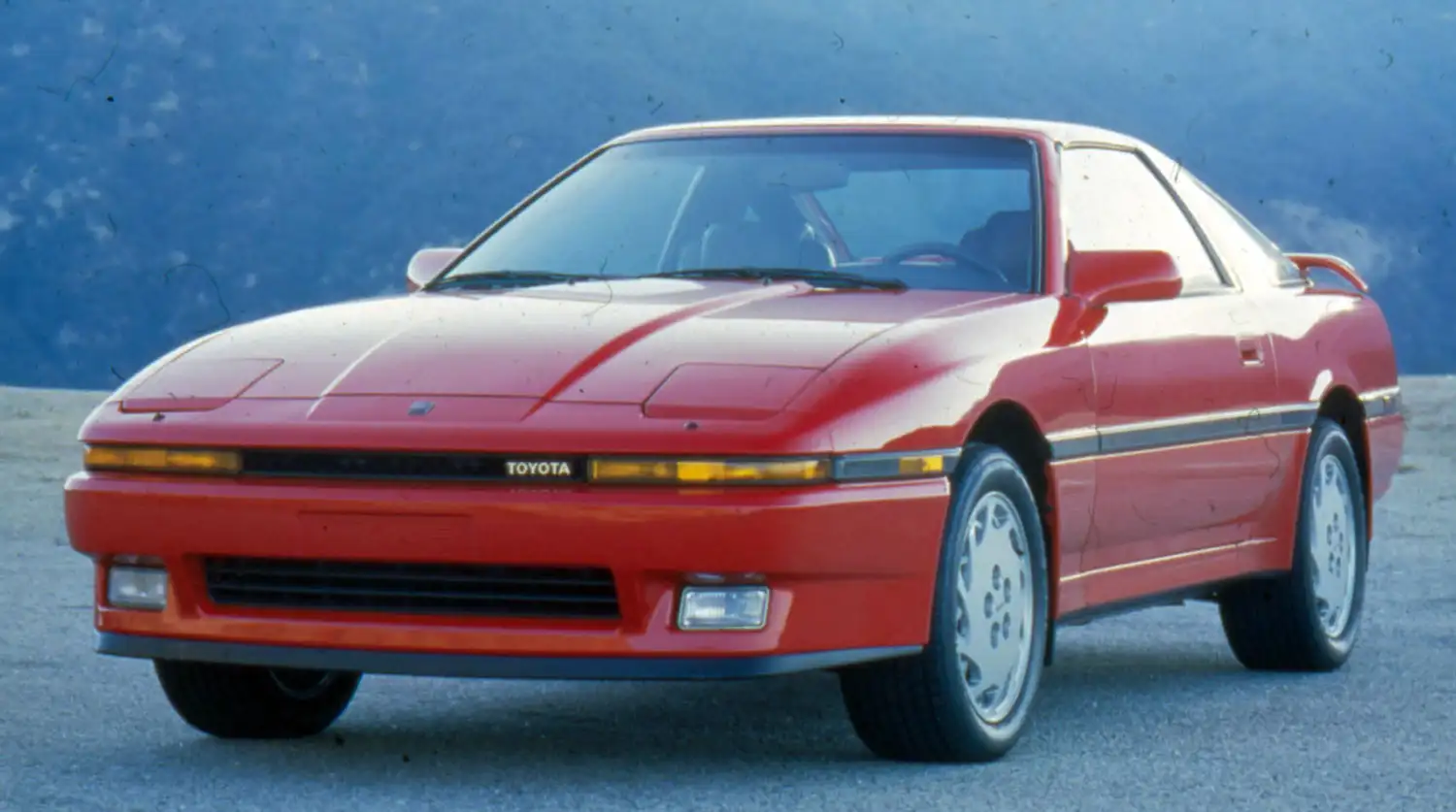
The Toyota Supra, particularly the A70 (1986-1993) and A80 (1993-2002) generations, represents Toyota’s flagship sports car engineering at its finest, combining high-performance capabilities with the legendary reliability that defines the Toyota brand.
These vehicles have achieved iconic status not only for their impressive power potential and distinctive styling but also for their ability to deliver consistent, trouble-free performance over hundreds of thousands of miles.
The A70 Supra introduced Toyota’s legendary 7M-GTE turbocharged inline-six engine, a powerplant that established the foundation for Toyota’s high-performance reputation.
This 3.0-liter engine features a cast-iron block construction that provides exceptional strength and durability, while the aluminum head promotes excellent heat dissipation.
The turbocharging system uses a single turbocharger with conservative boost levels, ensuring long-term reliability while providing impressive power output for its era.
The A80 Supra raised performance to new heights with the introduction of the 2JZ-GTE engine, widely regarded as one of the greatest turbocharged engines ever created.
This 3.0-liter inline-six features a cast-iron block with exceptional strength characteristics, allowing it to handle enormous power increases through modification while maintaining reliability.
The closed-deck design and robust internal components make the 2JZ-GTE capable of supporting power levels far exceeding its factory output without major internal modifications.
Toyota’s approach to the 2JZ-GTE’s construction emphasizes longevity and reliability. The forged steel crankshaft and connecting rods are over-engineered for the stock power output, providing substantial safety margins for both reliability and modification potential.
The aluminum pistons are designed to handle the heat and pressure of turbocharged operation, while the ring package provides excellent sealing throughout the engine’s service life.
The turbocharging system in A80 Supras showcases Toyota’s conservative engineering approach. The twin-turbo system uses sequential operation, with one turbo providing response at low RPM and both turbos working together at higher RPM for maximum power.
The ceramic turbine wheels provide quick spool-up, while the robust construction ensures long-term reliability. The intercooler system is generously sized, maintaining consistent intake temperatures even during extended high-performance driving.
Toyota’s attention to cooling system design ensures that both A70 and A80 Supras maintain appropriate operating temperatures under all conditions.
The radiator systems are sized appropriately for the engines’ heat output, while the cooling fan systems provide adequate airflow even during low-speed operation.
The oil cooling systems, particularly important in turbocharged applications, maintain consistent oil temperatures throughout the operating range.
Perhaps most impressively, both A70 and A80 Supras maintain their high-performance characteristics while offering Toyota’s legendary ease of maintenance and parts availability.
Regular service procedures are straightforward, and when repairs are needed, parts remain readily available even decades after production ended.
9. Nissan 240SX (S13/S14/S15)
The Nissan 240SX series, encompassing the S13 (1989-1994), S14 (1995-1998), and S15 (1999-2002) generations, represents one of the most perfectly balanced combinations of performance, reliability, and affordability ever created.
While these vehicles gained worldwide recognition through drifting culture and motorsport success, their underlying appeal stems from Nissan’s excellent engineering and the proven reliability of their powertrains and chassis components.
The heart of most 240SX models lies in Nissan’s KA24DE engine, a naturally aspirated 2.4-liter four-cylinder that exemplifies the virtues of simple, robust engineering.
This engine features a cast-iron block construction that provides exceptional durability and heat dissipation, while the aluminum head promotes efficient combustion and adequate power output.
The dual overhead cam design with four valves per cylinder provides good breathing characteristics while maintaining the mechanical simplicity that ensures long-term reliability.
The KA24DE’s construction quality reflects Nissan’s attention to detail in mainstream engine development. The cylinder head features excellent port design and durable valve train components that maintain their adjustment throughout extended service intervals.
The hydraulic lifter system eliminates the need for regular valve adjustments while providing quiet operation and consistent performance. The timing chain system, rather than a belt, provides exceptional longevity and eliminates the risk of catastrophic engine damage from timing component failure.
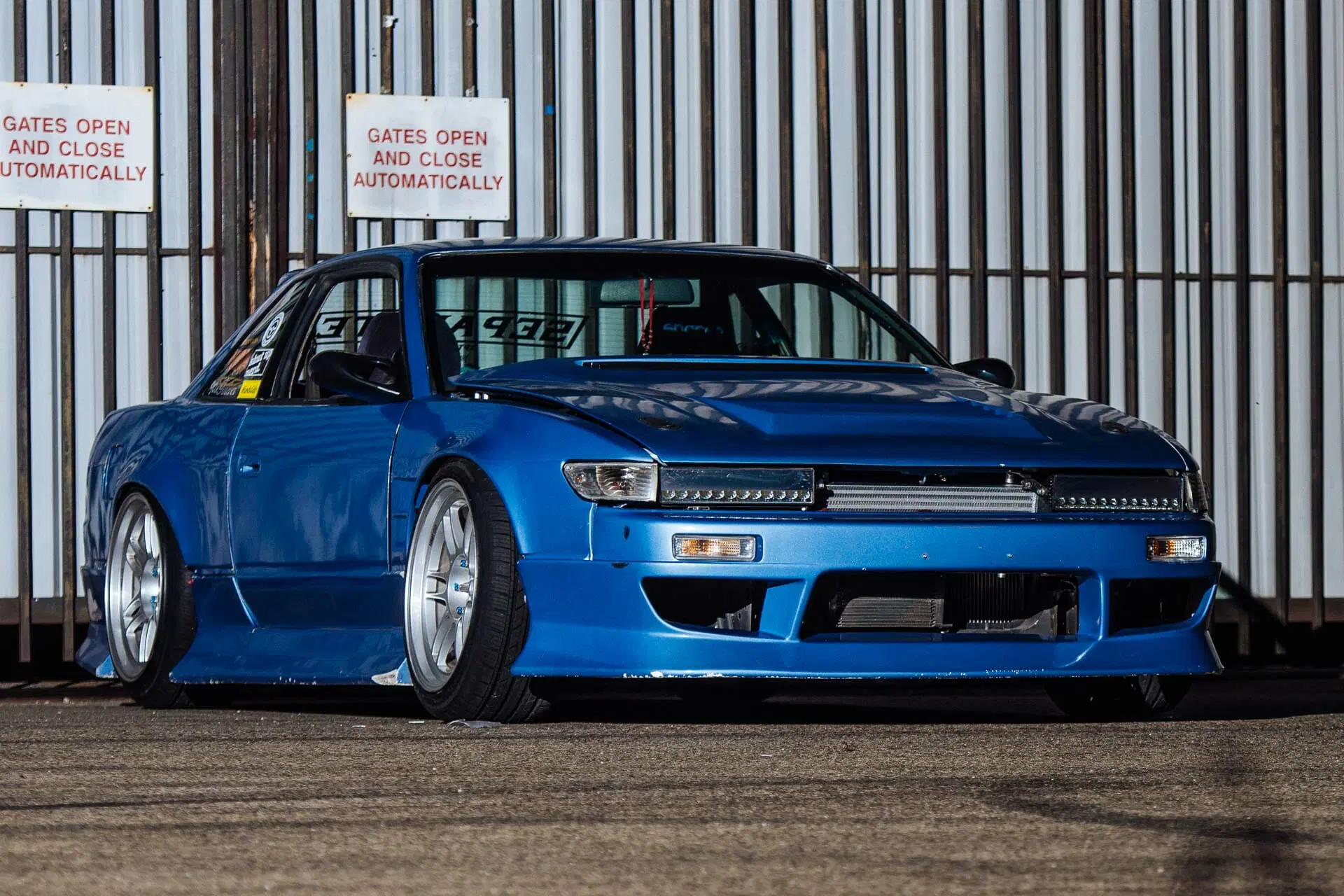
In markets where the SR20DET turbocharged engine was available, particularly in S13 and S15 models, the 240SX platform demonstrates exceptional capability with forced induction.
The SR20DET features a robust aluminum block construction with excellent cylinder head design and proven turbocharging technology. This 2.0-liter engine provides impressive power output while maintaining the reliability characteristics that define Nissan’s engineering philosophy.
The differential assemblies used in 240SX models are appropriately robust for the power levels involved. The open differentials provide adequate performance for most applications, while the optional limited-slip differentials offer improved traction characteristics without compromising reliability.
These mechanical LSD units are simple and durable, requiring minimal maintenance throughout their service life. The 240SX’s reputation for reliability extends beyond just mechanical components to include its tolerance for modification and performance upgrades.
The robust chassis and drivetrain components can handle significant power increases and suspension modifications without compromising the underlying reliability that makes these vehicles such excellent long-term ownership propositions.
Also Read: 5 Cars That Rarely Need Cooling System Work vs 5 That Always Overheat
