
In the rapidly evolving automotive world, where SUVs and crossovers dominate showrooms and electric vehicles reshape the future, the traditional sedan finds itself in an increasingly precarious position.
Yet, against all odds, a select group of four-door stalwarts has not only survived but thrived through multiple generations, proving that good engineering, smart evolution, and customer loyalty can transcend market trends.
The concept of automotive generations typically spans five to seven years, marking significant redesigns that reflect changing technologies, safety standards, and consumer preferences.
For a sedan to survive three or more generations represents at least 15-20 years of continuous production a remarkable achievement in today’s fast-paced automotive world.
These enduring models have witnessed the transition from carburetors to fuel injection, from analog dashboards to digital displays, from basic safety equipment to comprehensive driver assistance systems.
What makes these sedans special isn’t just their longevity, but their ability to adapt and evolve while maintaining their core identity.
Each has faced numerous challenges: changing fuel economy standards, shifting consumer preferences toward larger vehicles, economic downturns, and intense competition from both domestic and international manufacturers.
Some have survived by becoming more luxurious, others by focusing on reliability and value, and still others by pioneering new technologies. The sedans that have achieved this multi-generational success represent diverse segments of the market.
From compact economy cars that prioritize efficiency and affordability to full-size luxury sedans that emphasize comfort and prestige, these vehicles have found their niches and defended them successfully.
They’ve become automotive institutions, often serving multiple generations of the same families and building fierce brand loyalty that transcends typical product lifecycles.
From the Honda Accord’s evolution from a compact import to a midsize family favorite, to the BMW 3 Series’ transformation from a simple sports sedan to a technology showcase, these vehicles represent the best of sedan engineering and design.
They’ve proven that with the right combination of innovation, quality, and market positioning, a sedan can remain relevant and desirable across multiple decades and changing automotive world.
1. Honda Accord
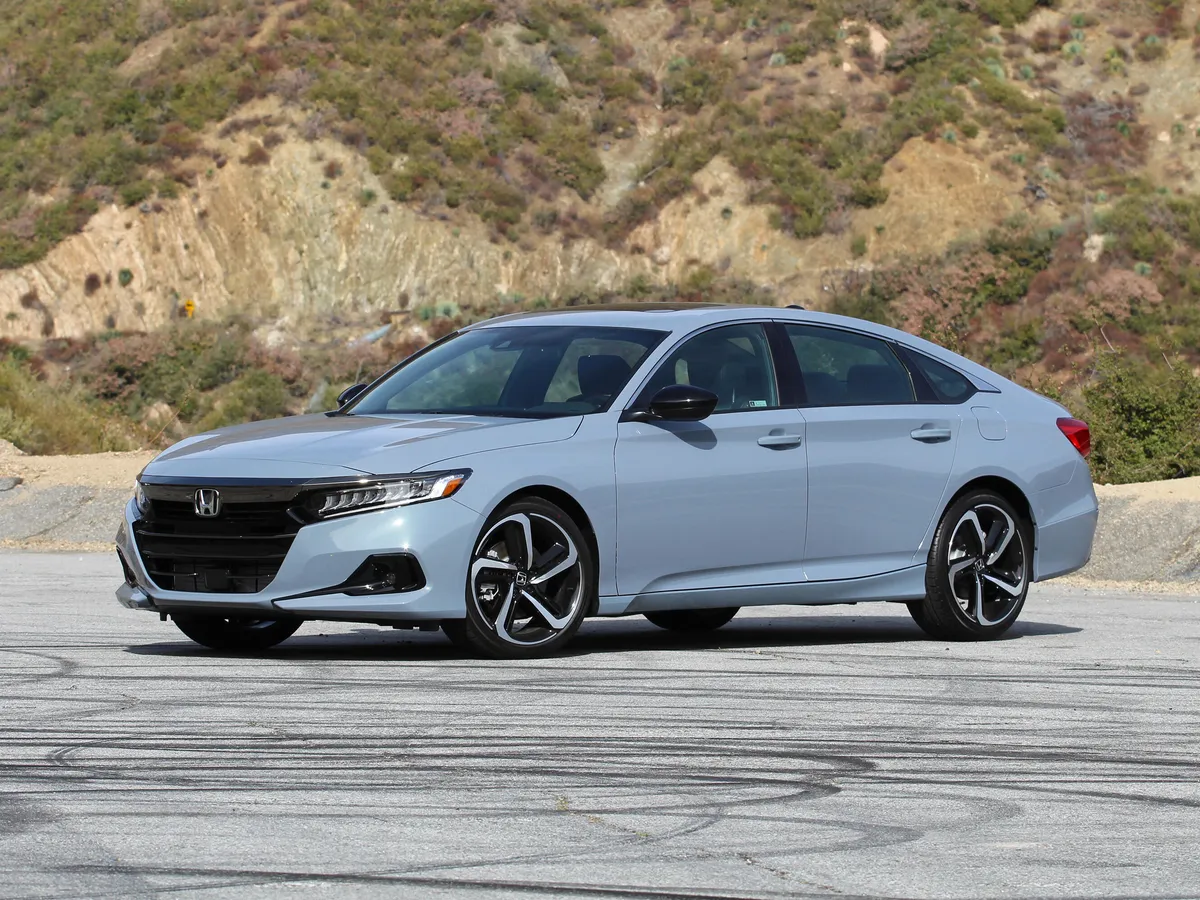
The Honda Accord stands as perhaps the most successful example of sedan evolution in automotive history, having navigated eleven generations since its debut in 1976.
Originally introduced as a compact hatchback, the Accord transformed into a midsize sedan by its third generation and has maintained its position as one of America’s best-selling cars for decades.
The Accord’s journey began during the fuel crisis era when American consumers were desperately seeking efficient alternatives to gas-guzzling domestic cars. Honda’s timing was perfect, offering a reliable, fuel-efficient vehicle that didn’t sacrifice quality for economy.
The first-generation Accord featured a 1.6-liter four-cylinder engine producing a modest 68 horsepower, but its 35 mpg fuel economy and Honda’s reputation for reliability quickly won over American buyers.
By the third generation in 1986, Honda made the strategic decision to upsize the Accord, moving it from the compact to the midsize segment. This bold move allowed the Accord to compete directly with the Toyota Camry and established the template for the modern family sedan.
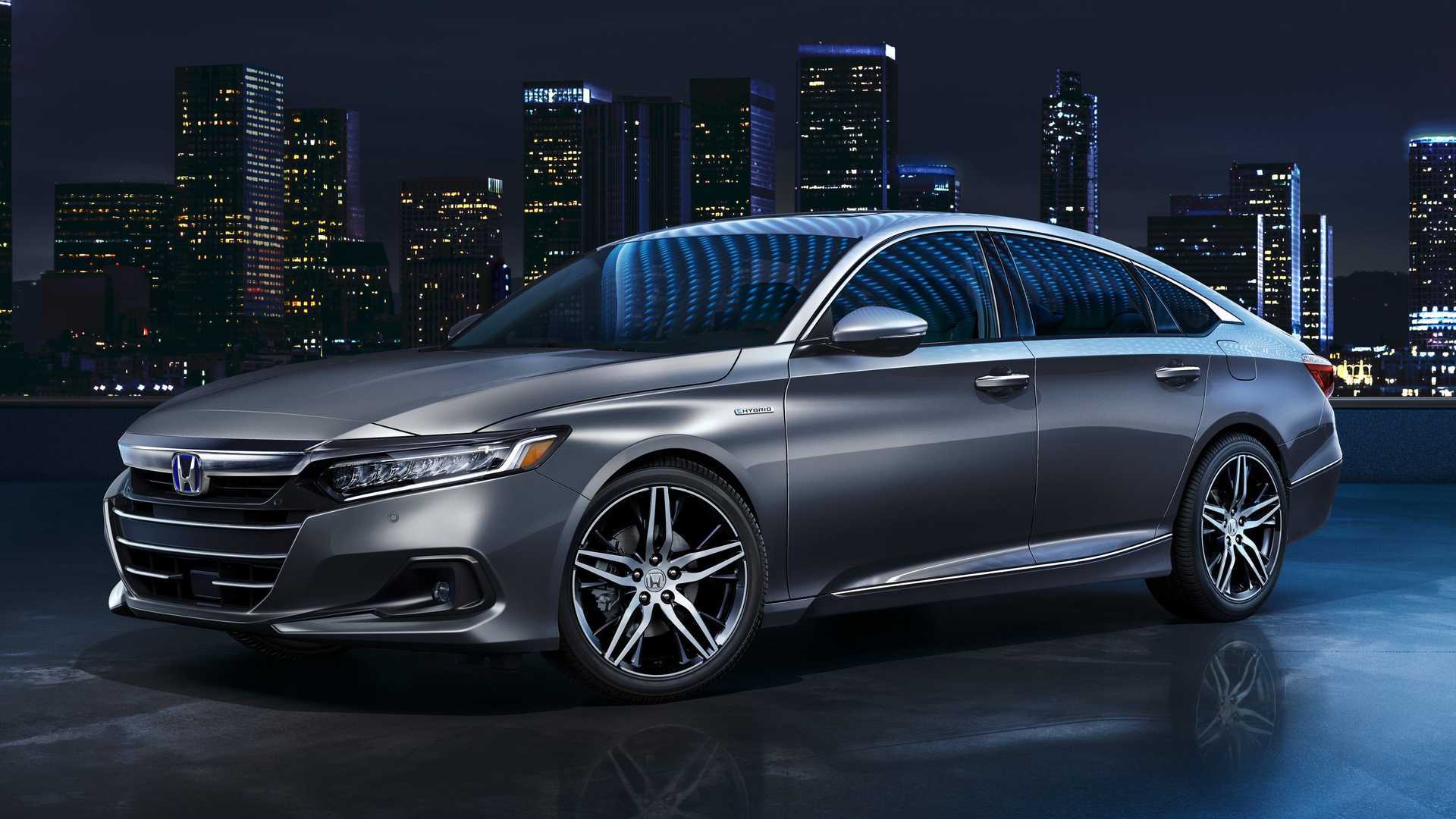
The third and fourth generations introduced features that would become Accord hallmarks: spacious interiors, smooth four-cylinder engines, and exceptional build quality that often exceeded 200,000 miles with proper maintenance.
The fifth generation (1994-1997) marked Honda’s commitment to performance alongside practicality, introducing the powerful V6 engine option and the sport-oriented EX trim level.
This generation also saw significant safety improvements, including standard dual airbags and improved crash structures. The Accord had evolved from a simple economy car to a sophisticated family sedan that could satisfy diverse needs.
Today’s Accord continues to earn critical acclaim and strong sales despite the challenging sedan market. Its combination of spacious accommodations, advanced safety features, engaging driving dynamics, and Honda’s reputation for long-term reliability ensures its continued relevance in an SUV-dominated world.
2. Toyota Camry
The Toyota Camry has established itself as the epitome of midsize sedan reliability and value, maintaining its position as America’s best-selling car for fifteen consecutive years through eight generations of continuous evolution.
Since its introduction in 1983, the Camry has sold over 10 million units in the United States alone, making it one of the most successful automotive nameplates in history.
Originally developed as a compact sedan positioned above the Corolla, the Camry quickly gained recognition for its exceptional build quality, fuel efficiency, and low maintenance costs.
The first generation featured Toyota’s commitment to practical engineering with a 2.0-liter four-cylinder engine, front-wheel drive configuration, and a focus on interior space efficiency. These early Camrys established the template for what would become the quintessential family sedan. The second generation, introduced in 1987, marked Toyota’s strategic decision to upsize the Camry to compete in the growing midsize segment.
This generation introduced the optional V6 engine and All-Trac all wheel drive system, demonstrating Toyota’s willingness to expand the Camry’s appeal beyond basic transportation. The wagon variant also debuted during this generation, though it would eventually be discontinued as SUVs gained popularity.
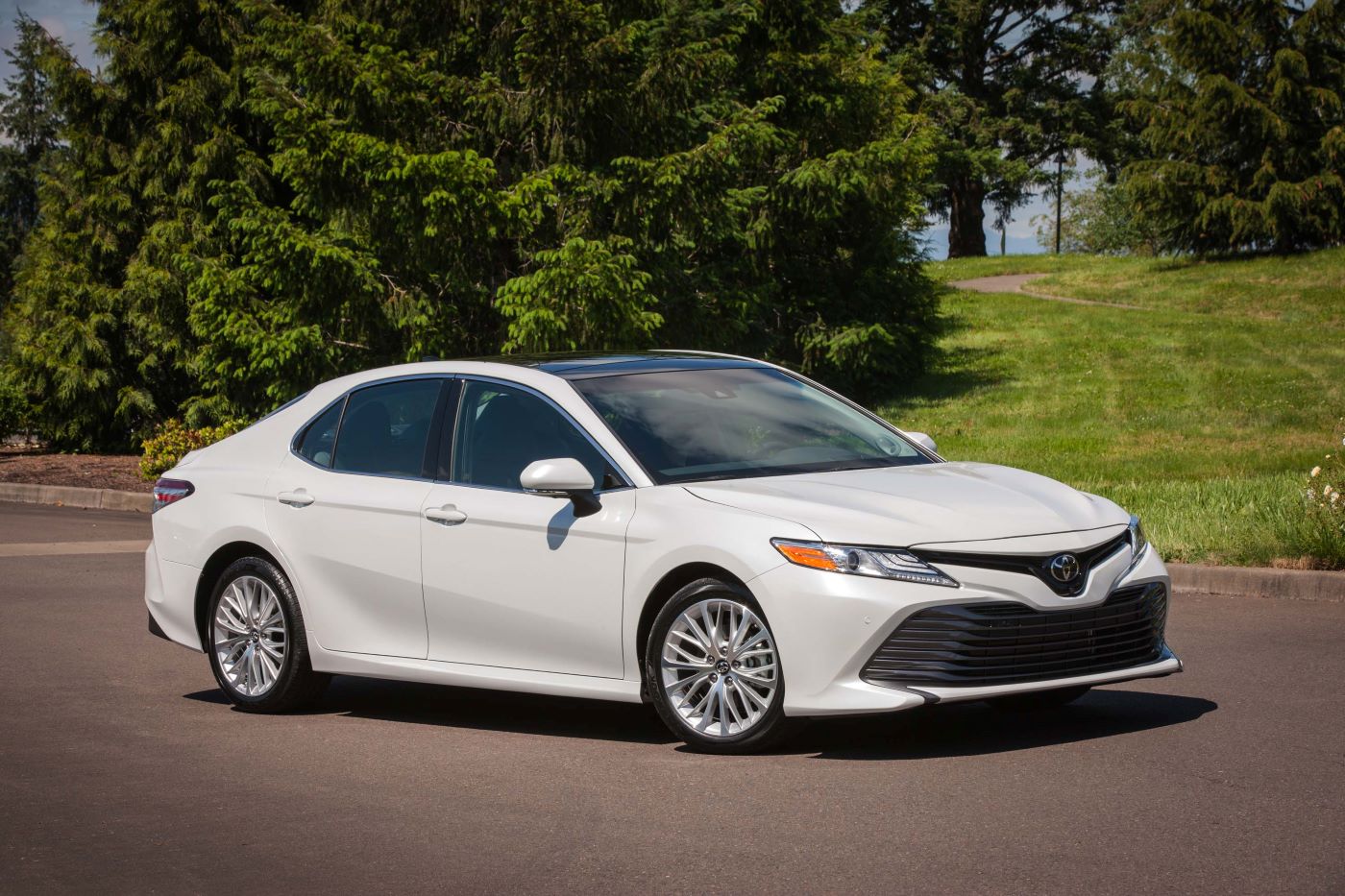
Throughout the 1990s, the Camry solidified its reputation as the most reliable sedan in its class. The third and fourth generations focused on refinement and quality improvements rather than dramatic styling changes.
Toyota’s production philosophy emphasized consistency and dependability over excitement, resulting in vehicles that routinely exceeded 200,000 miles with minimal issues. This reputation for longevity became a key selling point and contributed to exceptionally strong resale values.
The fifth generation (2002-2006) introduced more sophisticated styling and improved interior materials while maintaining Toyota’s reliability standards. However, it was the sixth generation that marked a significant shift in Toyota’s approach.
Responding to criticism that the Camry had become too conservative and boring, Toyota invested heavily in more aggressive styling, improved handling dynamics, and enhanced interior refinement.
Manufacturing quality has been another Camry strength throughout its evolution. Toyota’s production system, with its emphasis on continuous improvement and quality control, has resulted in consistently high build quality regardless of where Camrys are manufactured.
The Georgetown, Kentucky plant that produces most North American Camrys has won numerous quality awards and serves as a benchmark for automotive manufacturing excellence.
3. BMW 3 Series
The BMW 3 Series stands as the definitive sports sedan, having defined the compact executive car segment for seven generations since its introduction in 1975.
Originally conceived as a smaller, more affordable alternative to BMW’s larger sedans, the 3 Series has evolved into the brand’s volume seller while maintaining its reputation for driving excellence and premium engineering.
The first generation, known internally as the E21, established the fundamental character traits that would define the 3 Series throughout its evolution: rear-wheel drive, near-perfect weight distribution, responsive steering, and engines that emphasized smoothness and refinement over raw power.
Available only as a two-door coupe initially, the E21 featured a range of four-cylinder and six-cylinder engines that prioritized efficiency and durability over performance.
The second generation E30, introduced in 1982, transformed the 3 Series from a niche premium car into a global success story. This generation introduced the four-door sedan variant that would become the series’ most popular body style, along with the legendary M3 performance variant.
The E30’s combination of precise handling, refined ride quality, and premium interior materials set new standards for the compact executive segment and established BMW’s reputation for building “the ultimate driving machine.”
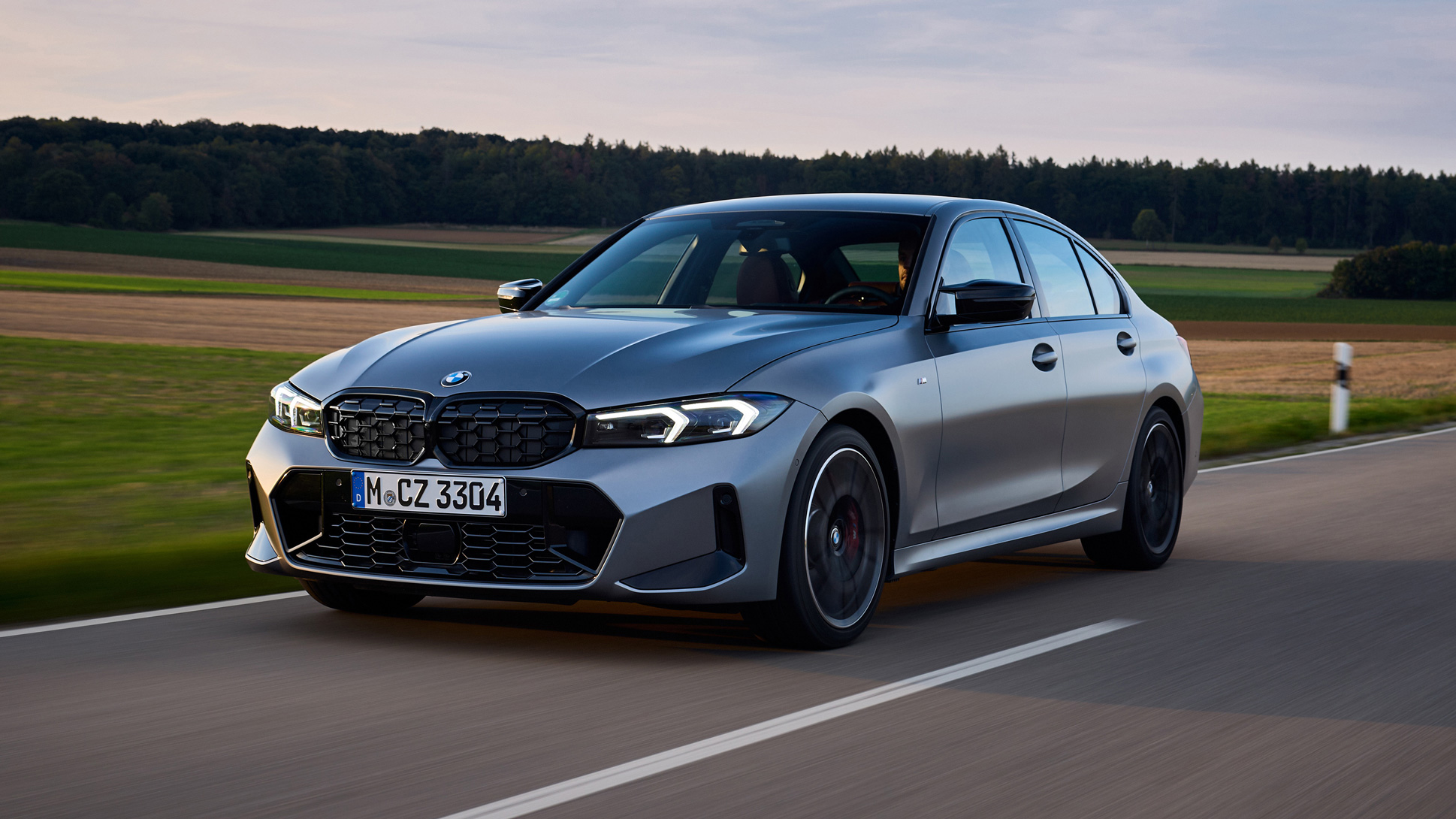
By the third generation E36 (1990-2000), BMW had refined the 3 Series formula to near perfection. This generation featured significant improvements in interior space, safety equipment, and refinement while maintaining the engaging driving characteristics that defined the brand.
The E36 introduced features like dual airbags, ABS brakes, and BMW’s first traction control system, demonstrating the company’s commitment to safety innovation alongside performance excellence.
The fourth generation E46, produced from 1998 to 2006, is often considered the pinnacle of 3 Series development. This generation achieved an almost perfect balance of performance, comfort, and practicality while introducing BMW’s first integrated navigation system and rain-sensing wipers.
The E46’s chassis dynamics were so well-regarded that many automotive journalists still consider it the benchmark for sports sedan handling and steering feel.
The fifth generation E90 marked BMW’s transition into the modern era with the introduction of iDrive infotainment system, electronic steering, and advanced driver assistance features.
While some enthusiasts criticized the loss of hydraulic steering feel, this generation introduced more powerful and efficient engines, including BMW’s first turbocharged six-cylinder in a 3 Series. The E90 also featured improved crash safety and the first 3 Series to achieve five-star safety ratings across all major markets.
The 3 Series has also served as BMW’s technology showcase, often introducing features that later spread throughout the brand’s lineup. From the early adoption of electronic fuel injection to the recent integration of artificial intelligence in driver assistance systems, the 3 Series has consistently pushed the boundaries of automotive technology while maintaining its core focus on driving pleasure.
4. Mercedes-Benz C-Class
The Mercedes-Benz C-Class has represented the entry point into luxury motoring for four generations, successfully balancing accessibility with the prestige and engineering excellence associated with the three-pointed star.
Since replacing the Mercedes-Benz 190 in 1993, the C-Class has evolved from a compact executive sedan into a sophisticated luxury vehicle that rivals cars from higher segments.
The first-generation W202, introduced in 1993, established the C-Class as Mercedes-Benz’s answer to the BMW 3 Series. However, Mercedes took a distinctly different approach, emphasizing luxury, comfort, and build quality over sporty handling characteristics.
The W202 featured Mercedes’ renowned over-engineering philosophy, with components designed to last significantly longer than the competition. This generation introduced features like rain-sensing wipers and integrated phone systems that were revolutionary for the compact luxury segment.
The W202’s interior showcased Mercedes’ commitment to premium materials and craftsmanship, featuring real wood trim, leather upholstery, and controls that operated with bank-vault precision.
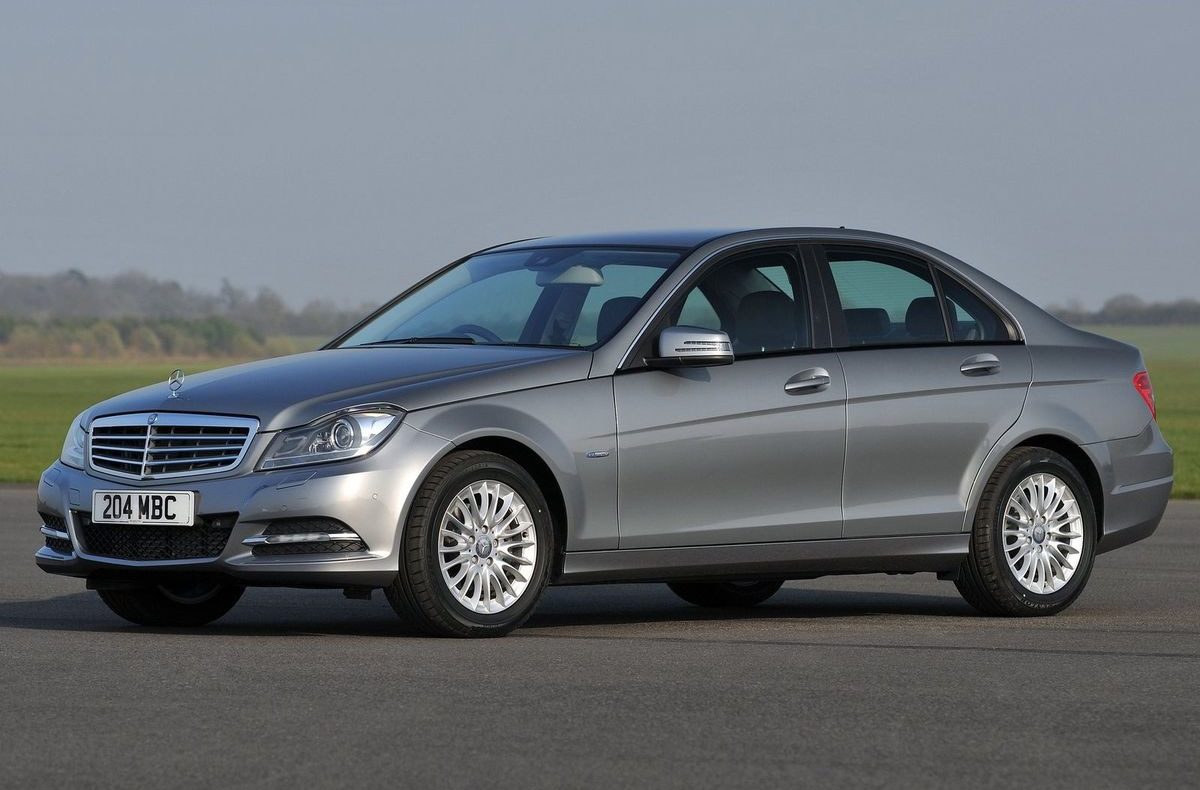
While the chassis dynamics couldn’t match the BMW 3 Series for sporting appeal, the C-Class offered a more refined and comfortable riding experience that appealed to buyers prioritizing luxury over performance.
The second-generation W203, launched in 2000, marked a significant evolution in C-Class philosophy. This generation featured more contemporary styling, improved interior space, and the introduction of Mercedes’ first seven-speed automatic transmission.
The W203 also debut Mercedes’ Electronic Stability Program (ESP) as standard equipment, demonstrating the brand’s leadership in safety technology. This generation expanded the C-Class lineup to include wagon and three-door coupe variants, broadening its market appeal.
Manufacturing quality has remained a C-Class hallmark throughout its evolution, with Mercedes maintaining strict quality standards across all production facilities.
The attention to detail in materials, assembly, and finishing continues to set benchmarks in the compact luxury segment, contributing to strong resale values and customer satisfaction ratings.
Also Read: 9 Cars That Survive Even When Neglected Outdoors
5. Nissan Altima
The Nissan Altima has established itself as a formidable competitor in the midsize sedan segment through six generations of evolution since 1993, consistently offering a compelling blend of performance, efficiency, and value that challenges more established rivals.
Originally positioned as Nissan’s answer to the Honda Accord and Toyota Camry, the Altima has carved out its own identity through innovative engineering and bold design choices.
The first-generation Altima replaced the Nissan Stanza and immediately made an impact with its smooth 2.4-liter four-cylinder engine and spacious interior.
Unlike many competitors that prioritized fuel economy above all else, Nissan designed the original Altima to deliver engaging performance alongside practical efficiency.
The model’s independent suspension and responsive steering provided driving dynamics that exceeded most buyers’ expectations for a family sedan.
The second generation, introduced in 1998, marked Nissan’s commitment to establishing the Altima as a serious midsize contender. This generation featured significantly improved interior materials, a more powerful 2.4-liter engine, and the introduction of a V6 variant that delivered impressive performance.
The second-generation Altima also introduced Nissan’s CVT (Continuously Variable Transmission), which would become a defining characteristic of the model in later generations.
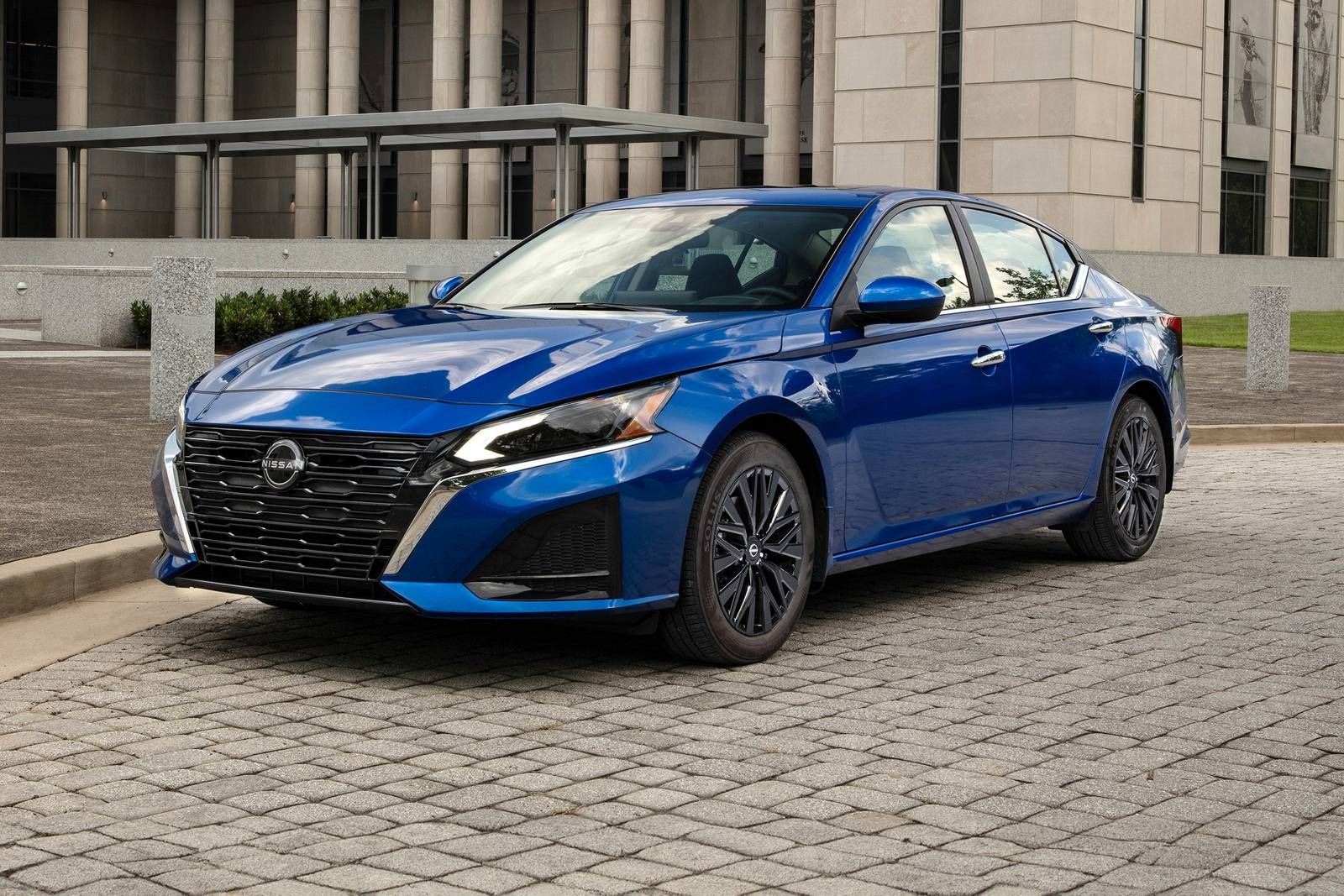
The third generation (2002-2006) represented the Altima’s coming of age as a mainstream midsize sedan. This generation featured more sophisticated styling, improved refinement, and the introduction of the powerful 3.5-liter V6 engine that positioned the Altima as one of the quickest sedans in its class.
Nissan’s focus on performance differentiation helped the Altima attract buyers seeking more excitement than traditional competitors offered. The Altima’s success also reflects Nissan’s understanding of value-conscious buyers who don’t want to sacrifice performance or features for affordability.
Each generation has offered impressive equipment levels and performance capabilities at competitive prices, making the Altima an attractive alternative to more expensive competitors. This value proposition has helped the model maintain strong sales even in the challenging sedan market.
6. Volkswagen Jetta
The Volkswagen Jetta has represented European engineering and design in the compact sedan segment for seven generations since 1979, evolving from a simple three-box version of the Golf into a sophisticated sedan that balances Germanic precision with mass-market appeal.
Originally conceived as a way to offer Golf buyers a more conventional sedan body style, the Jetta has developed its own distinct identity and loyal following.
The first-generation Jetta was essentially a Golf with a trunk, sharing the same platform, engines, and interior components. However, this simple concept proved remarkably successful, as many buyers preferred the sedan’s more formal appearance and larger luggage capacity.
The early Jetta featured Volkswagen’s commitment to solid construction, precise controls, and efficient engines that delivered excellent fuel economy and surprising longevity.
The second generation, introduced in 1984, began the Jetta’s evolution into a more sophisticated sedan. This generation featured improved aerodynamics, more powerful engines including Volkswagen’s first 16-valve four-cylinder, and the introduction of the GLI performance variant.
The second-generation Jetta also showcased Volkswagen’s advanced safety engineering, with a rigid passenger cell and crumple zones that exceeded most competitors’ protection levels.
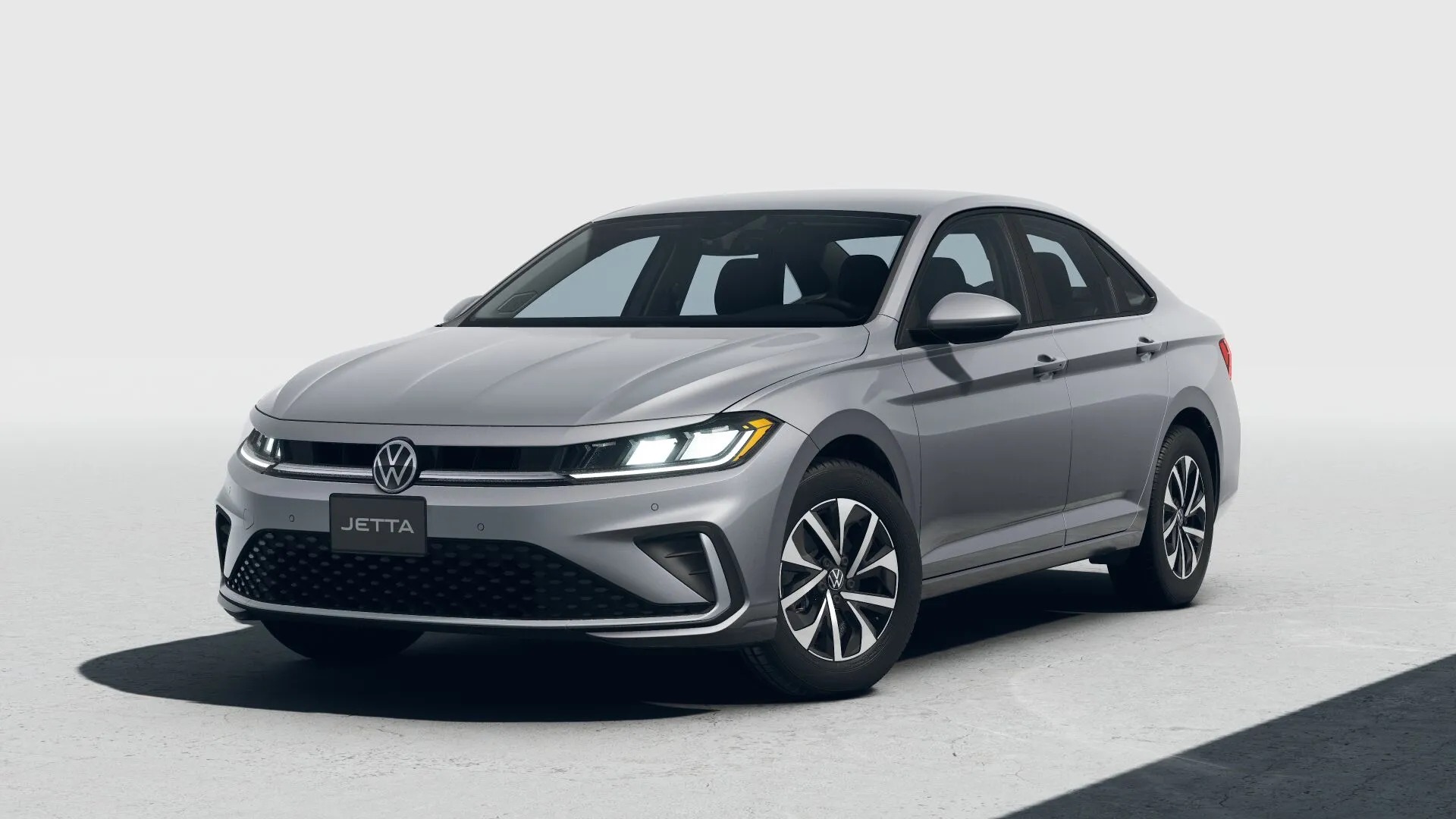
The third generation (1993-1999) marked the Jetta’s transformation into a more refined and upmarket sedan. This generation featured significantly improved interior materials, more sophisticated suspension tuning, and the introduction of Volkswagen’s VR6 engine a narrow angle six-cylinder that delivered smooth power and a distinctive exhaust note.
The third-generation Jetta established the model’s reputation for superior build quality and European-inspired driving dynamics. The Jetta’s success has also demonstrated the viability of European engineering in the competitive North American compact sedan market.
Despite periods of questionable decisions, the model has maintained a loyal customer base that appreciates its unique combination of efficiency, refinement, and driving dynamics that few competitors can match in this price range.
7. Hyundai Sonata
The Hyundai Sonata has undergone one of the most dramatic transformations in automotive history, evolving through eight generations from a basic economy sedan into a sophisticated midsize contender that challenges established premium brands.
Since its introduction in 1985, the Sonata has represented Hyundai’s ambitions to move beyond budget transportation and establish itself as a serious automotive manufacturer.
The first-generation Sonata was essentially a rebadged Mitsubishi Galant, reflecting Hyundai’s early reliance on established manufacturers for engineering expertise.
While basic in execution, this generation established the Sonata nameplate and provided Hyundai with valuable experience in the midsize sedan market. The early Sonata featured simple but reliable mechanicals and competitive pricing that attracted budget-conscious buyers.
The second and third generations continued Hyundai’s relationship with Mitsubishi while gradually incorporating more company-specific engineering.
These generations featured improved build quality and more sophisticated styling, though they remained positioned primarily as value alternatives to more established competitors. However, these early Sonatas began establishing Hyundai’s reputation for generous warranty coverage and competitive feature content.
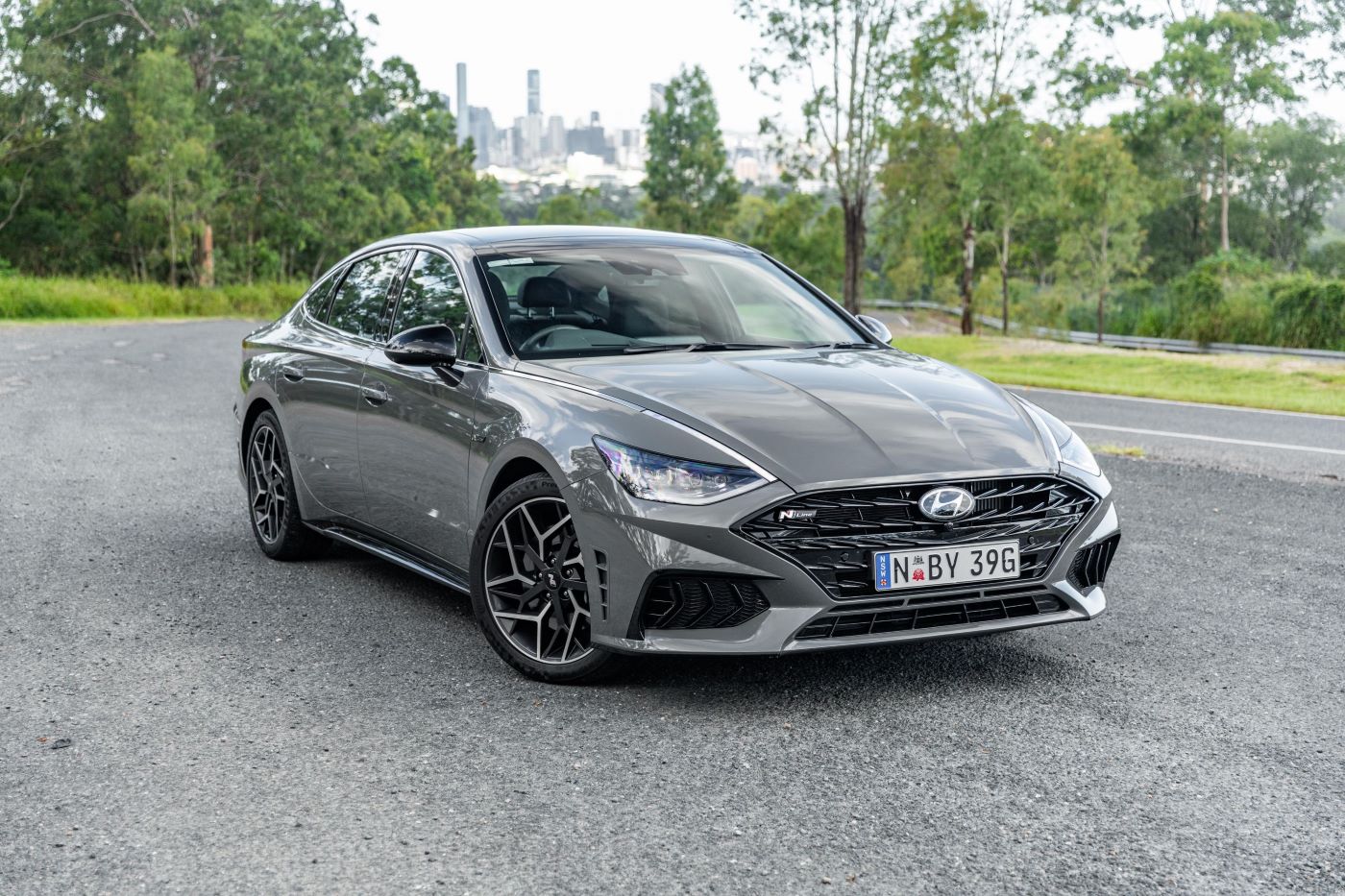
The fourth generation, introduced in 1998, marked the beginning of Hyundai’s transformation into a serious automotive manufacturer. This generation featured completely in-house engineering, improved safety systems, and significantly better interior materials.
The fourth-generation Sonata also introduced Hyundai’s commitment to rapid product development cycles, with more frequent updates and improvements than most competitors offered.
The fifth generation (2005-2010) represented Hyundai’s emergence as a mainstream contender, featuring sophisticated styling that moved beyond obvious cost-cutting measures.
This generation introduced Hyundai’s first V6 engine developed entirely in-house, along with advanced safety features and improved refinement levels. The fifth-generation Sonata began earning recognition from automotive journalists for its improved dynamics and quality.
The model’s evolution also demonstrates how quickly a determined manufacturer can transform its reputation through consistent improvement and innovation.
From its humble beginnings as a Mitsubishi clone to its current status as a technology-laden midsize sedan, the Sonata represents one of the automotive industry’s most successful reinvention stories.
8. Ford Fusion
The Ford Fusion represented Ford’s ambitious attempt to reclaim leadership in the midsize sedan segment through three generations of innovative design and engineering from 2006 to 2020.
Although production has ended, the Fusion’s impact on Ford’s reputation and the sedan segment remains significant, demonstrating how American manufacturers could successfully compete with established Japanese rivals.
The first-generation Fusion, introduced in 2006, marked Ford’s return to competitive midsize sedan design after years of outdated offerings. Built on Ford’s CD3 platform shared with the Mazda6, the original Fusion featured contemporary styling, refined powertrains, and improved interior quality that exceeded buyer expectations for American sedans.
This generation established the Fusion as a credible alternative to the Honda Accord and Toyota Camry while offering distinctly American character and competitive pricing.
The first-generation Fusion showcased Ford’s commitment to driving dynamics, with suspension tuning that provided engaging handling characteristics rarely found in family sedans.
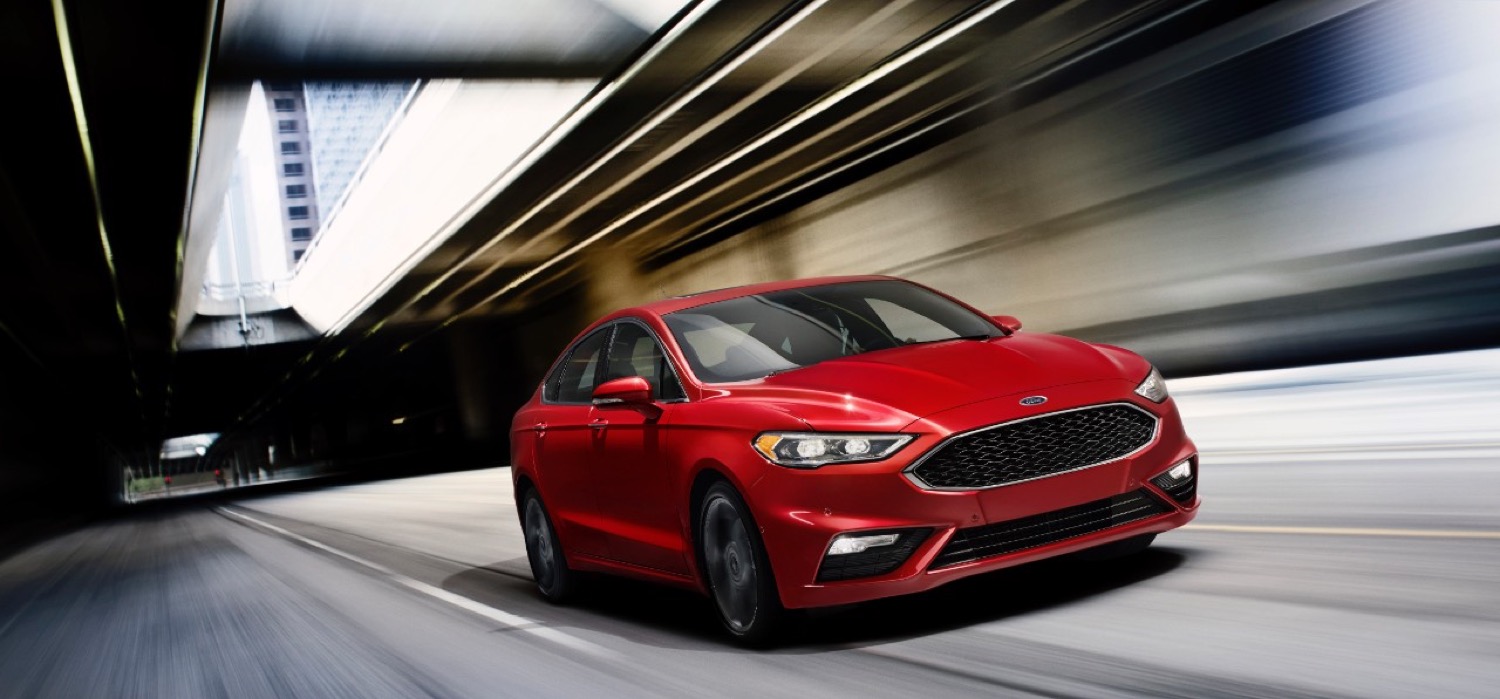
The model’s precise steering and well-controlled body motions attracted enthusiasts while maintaining the ride quality and comfort expected by mainstream buyers. This balance between performance and practicality became a defining Fusion characteristic throughout its production run.
The second generation, launched in 2013, represented Ford’s most ambitious sedan project and established the Fusion as a genuine segment leader.
This generation featured dramatically bold styling inspired by the Aston Martin design language, creating one of the most distinctive sedans in the market.
The second-generation Fusion’s exterior design polarized opinions but successfully differentiated the model from conservative competitors and attracted younger buyers to the Ford brand.
The model’s discontinuation represents the broader challenges facing the sedan market in North America, where changing consumer preferences have dramatically reduced demand for traditional four-door cars.
However, the Fusion’s success during its production run proves that well-executed sedans can still find market success when they offer compelling combinations of style, technology, and value.
9. Chevrolet Malibu
The Chevrolet Malibu has experienced one of the most turbulent evolutionary paths in automotive history, spanning nine generations from 1964 to 2023 with periods of discontinuation and dramatic reinvention.
The modern Malibu, reintroduced in 1997 after a thirteen-year hiatus, represents Chevrolet’s determined efforts to establish a competitive presence in the midsize sedan segment against dominant Japanese rivals.
The original Malibu (1964-1983) was a muscle car icon, offering powerful V8 engines and aggressive styling that defined American automotive performance.
However, the model was discontinued in 1983 as General Motors struggled with changing market conditions and quality issues that plagued domestic manufacturers during the 1980s. The Malibu nameplate lay dormant while competitors like the Honda Accord and Toyota Camry established market leadership.
Chevrolet revived the Malibu name in 1997, applying it to a redesigned version of the Chevrolet Corsica. This generation marked the beginning of the modern Malibu era, though it struggled with interior quality issues and uninspiring powertrains that reflected General Motors’ cost-cutting priorities.
While the revived Malibu offered competitive pricing and generous interior space, it failed to match the refinement and reliability standards established by Japanese competitors.
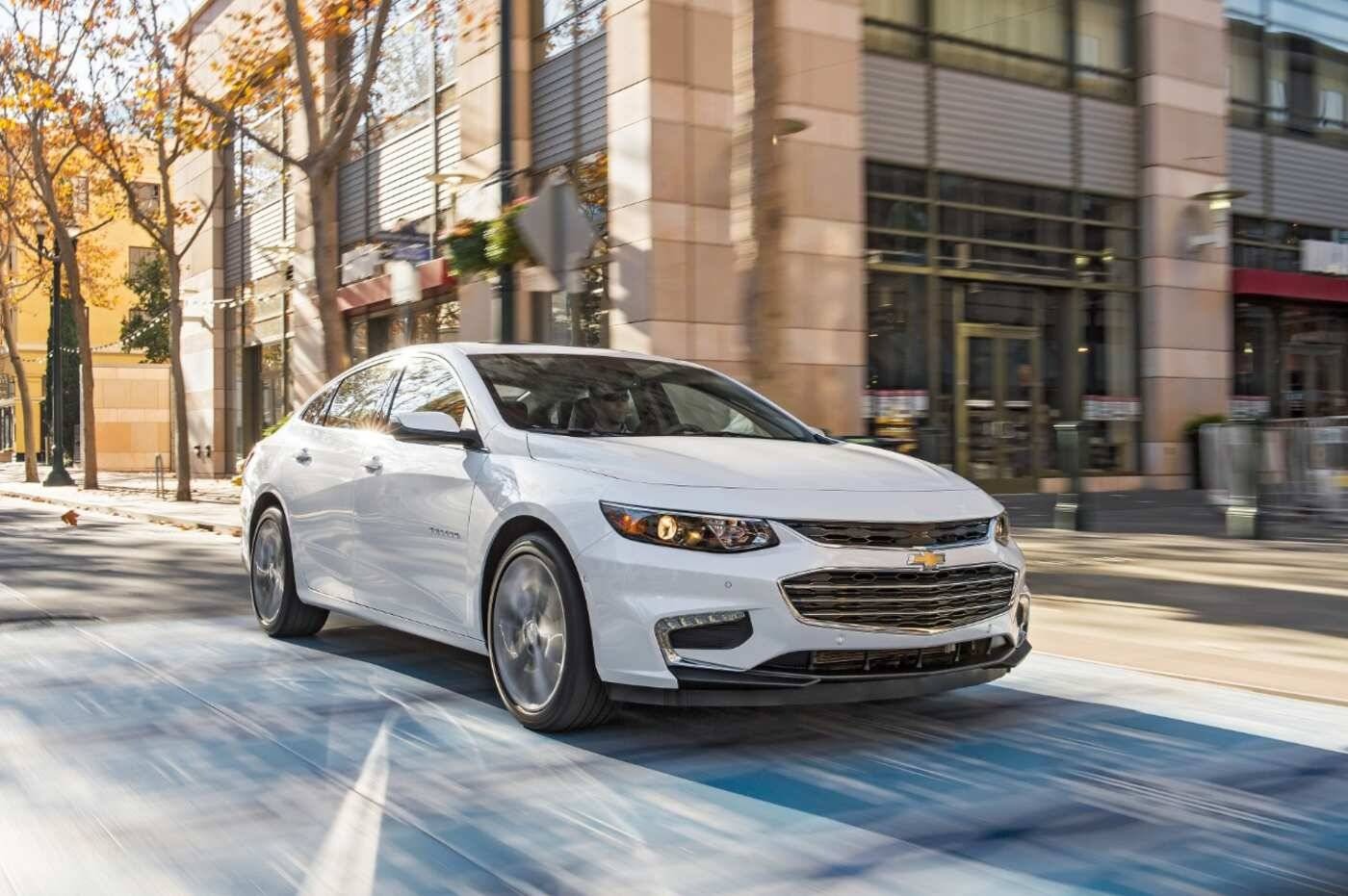
The sixth generation (2004-2012) represented significant improvement in Malibu execution, featuring more sophisticated styling, improved interior materials, and better powertrain options.
This generation introduced the Malibu’s first hybrid variant and showcased General Motors’ improved manufacturing quality. However, the sixth-generation Malibu still lagged behind segment leaders in refinement and perceived quality, limiting its market impact.
Unfortunately, changing market preferences and General Motors’ strategic focus on SUVs and trucks led to the Malibu’s discontinuation in 2023.
However, the model’s evolution demonstrates how American manufacturers can successfully compete in challenging segments when they commit to quality improvement and customer-focused development. The Malibu’s legacy lives on in lessons learned about manufacturing excellence and customer expectations.
10. Audi A4
The Audi A4 has defined the premium compact executive sedan segment for five generations since 1994, successfully balancing luxury, performance, and advanced technology while establishing Audi’s reputation for sophisticated engineering and design excellence.
Originally developed to compete directly with the BMW 3 Series and Mercedes-Benz C-Class, the A4 has evolved into one of the most successful luxury sedans in automotive history.
The first-generation A4, internally designated B5, replaced the Audi 80 and immediately established new benchmarks for interior quality and design sophistication.
This generation featured Audi’s distinctive design language with clean lines, premium materials, and meticulous attention to detail that set it apart from German competitors.
The B5 A4 also introduced Audi’s quattro all-wheel-drive system to the compact executive segment, providing superior traction and handling characteristics that became a defining A4 feature.
The original A4’s interior represented a significant advance in luxury car design, featuring high-quality materials, precise switchgear, and an atmosphere of sophisticated elegance.
Audi’s commitment to interior excellence established the A4 as the benchmark for premium cabin design and influenced competitor development for years to come.
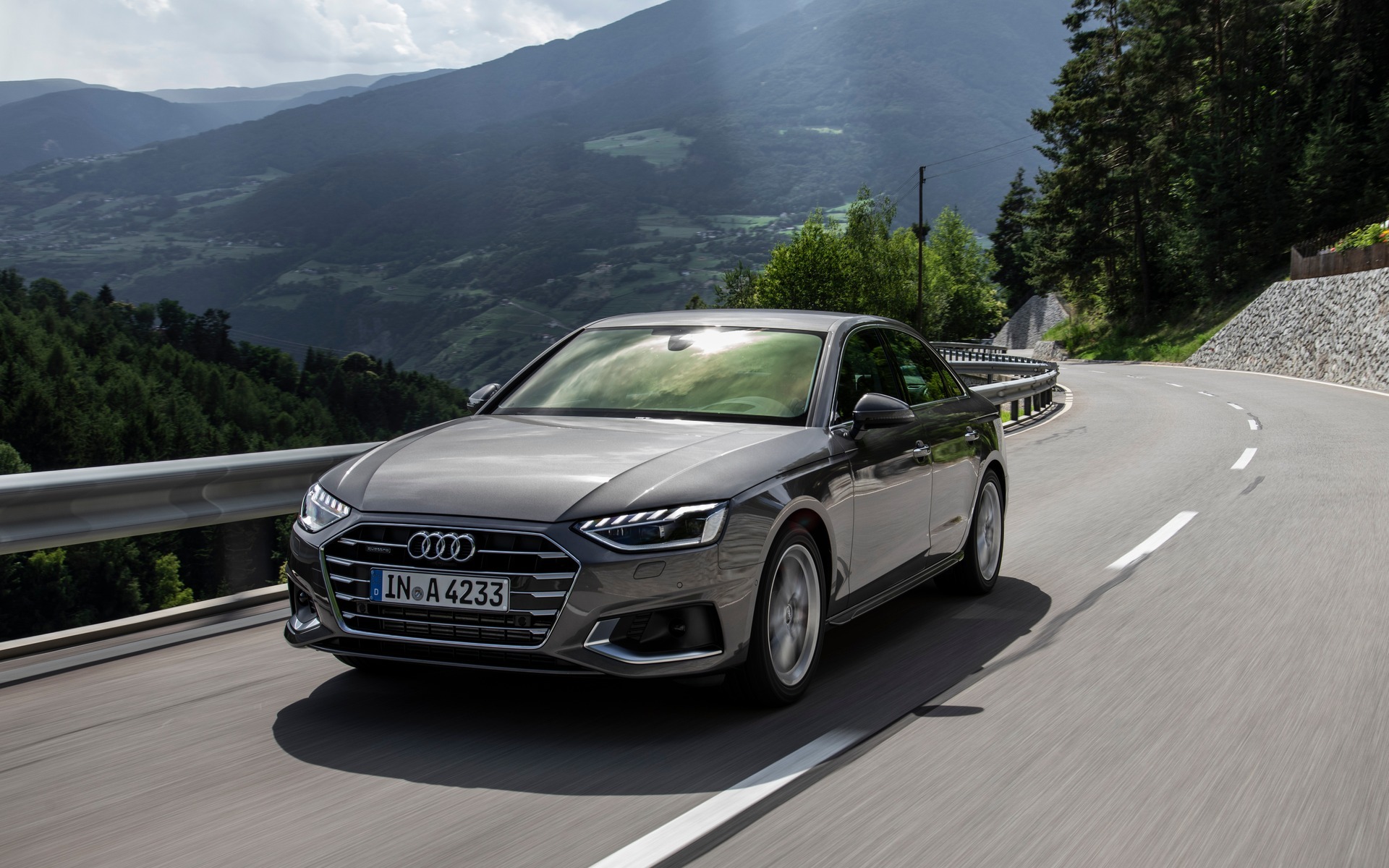
The model’s combination of luxury and practicality attracted buyers seeking European sophistication without the maintenance concerns associated with other luxury brands.
The second generation B6, launched in 2000, continued Audi’s evolution toward more contemporary design while maintaining the essential A4 character.
This generation featured more powerful engines, improved chassis dynamics, and the introduction of Audi’s advanced MMI infotainment system. The B6 also showcased Audi’s commitment to safety technology with advanced airbag systems and electronic stability control as standard equipment.
The A4’s success also reflects Audi’s understanding of luxury buyers who prioritize technology and sophistication over traditional status symbols. By offering cutting-edge features and advanced engineering at competitive prices, the A4 has attracted buyers from more expensive competitors while establishing Audi’s credibility as a technology leader. The model’s continued evolution ensures its relevance in an increasingly competitive luxury sedan market.
11. Lexus ES
The Lexus ES has served as the brand’s entry-level luxury sedan for seven generations since 1989, successfully embodying Lexus’s founding principles of refinement, reliability, and exceptional customer service.
Originally developed as a more luxurious alternative to the Toyota Camry, the ES has evolved into a sophisticated premium sedan that challenges established European luxury competitors while maintaining Toyota’s legendary dependability.
The first-generation ES 250, introduced alongside the Lexus brand launch in 1989, immediately established new standards for entry-level luxury sedans.
Based on the Toyota Camry platform but featuring extensive refinements, the original ES offered luxury car comfort and features at significantly lower prices than German competitors.
The model’s whisper-quiet cabin, premium materials, and smooth powertrain operation demonstrated that luxury didn’t require European complexity or maintenance costs.
The ES 250’s success stemmed from Lexus’s understanding that luxury buyers prioritized comfort, reliability, and service experience over sporting pretensions.
The model’s focus on isolation from road noise, vibration, and harshness created a serene driving environment that appealed to buyers seeking relaxed luxury motoring. This philosophy would define the ES throughout its evolution, even as performance and handling capabilities improved significantly.
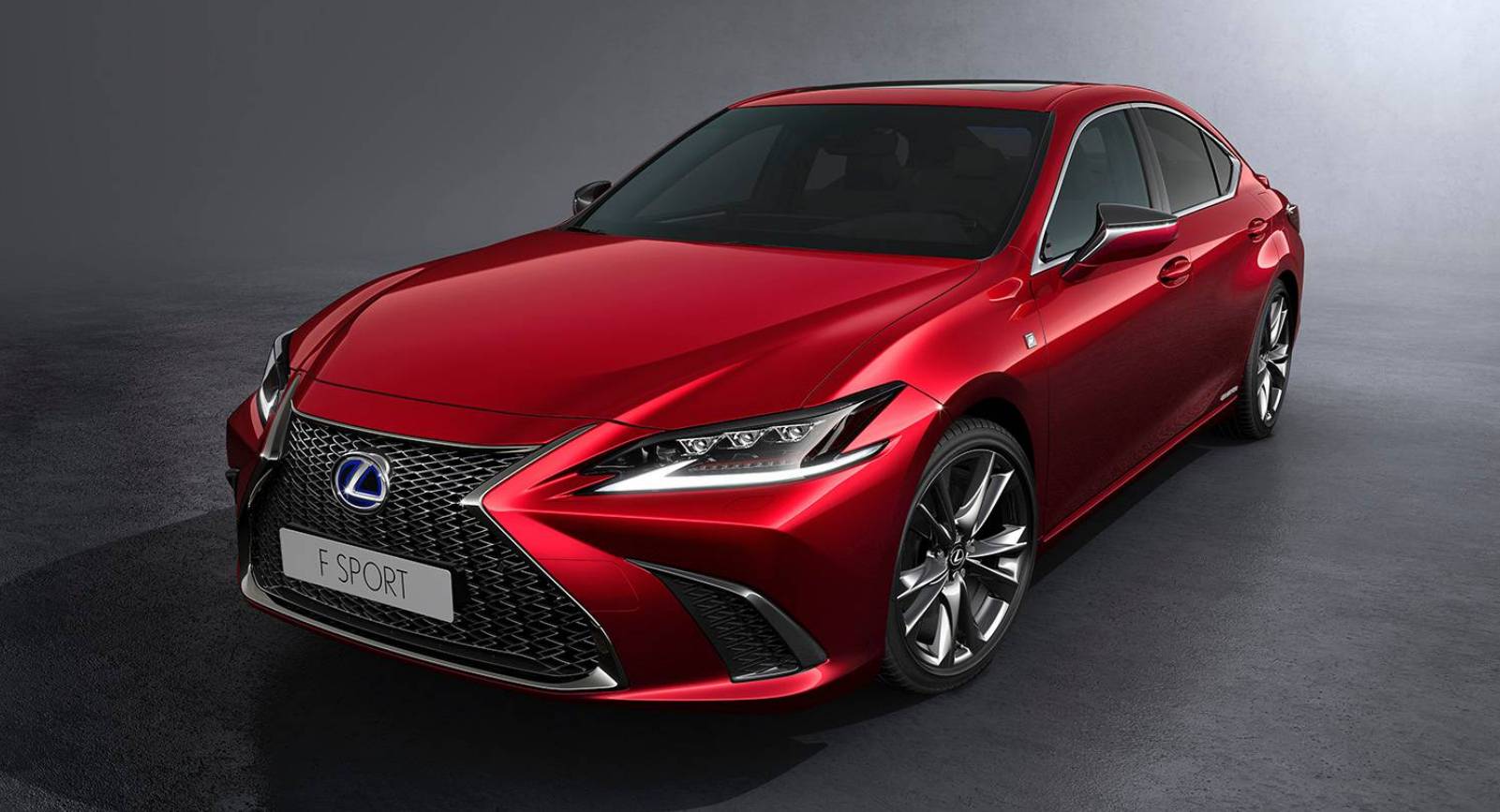
The second generation ES 300, launched in 1991, expanded the model’s appeal with a more powerful V6 engine and enhanced luxury features. This generation introduced Lexus’s commitment to continuous improvement, with annual updates that addressed customer feedback and incorporated new technologies.
The ES 300’s reliability quickly became legendary, with many examples exceeding 300,000 miles with minimal maintenance requirements. Throughout its evolution, the ES has maintained its position as the volume leader in Lexus’s sedan lineup, consistently outselling more expensive models through its compelling combination of value and luxury.
The model’s success demonstrates that sophisticated buyers appreciate reliability and refinement over sporting pretensions, validating Lexus’s original luxury car philosophy.
12. Subaru Legacy
The Subaru Legacy has represented the brand’s commitment to all-wheel-drive engineering and practical performance for seven generations since 1989, establishing itself as a unique alternative to conventional midsize sedans through its combination of capability, efficiency, and distinctive horizontally-opposed engine configuration.
Originally developed to move Subaru upmarket from its econobox image, the Legacy has evolved into a sophisticated sedan that offers genuine four-season capability.
The first-generation Legacy marked Subaru’s transformation from a niche manufacturer of quirky economy cars into a serious automotive company.
This generation featured Subaru’s signature boxer engine configuration and standard all-wheel drive across most variants, providing capabilities that no other midsize sedan could match.
The original Legacy’s success in international rallying, including victory at the World Rally Championship, established the model’s performance credentials and brand recognition.
The first-generation Legacy’s engineering philosophy emphasized functionality over luxury, with straightforward interior design and robust mechanical components that prioritized durability over refinement.
However, the model’s unique capabilities quickly attracted buyers in snow-belt regions who appreciated having sedan practicality with SUV-like traction and capability. This niche positioning would define the Legacy throughout its evolution.
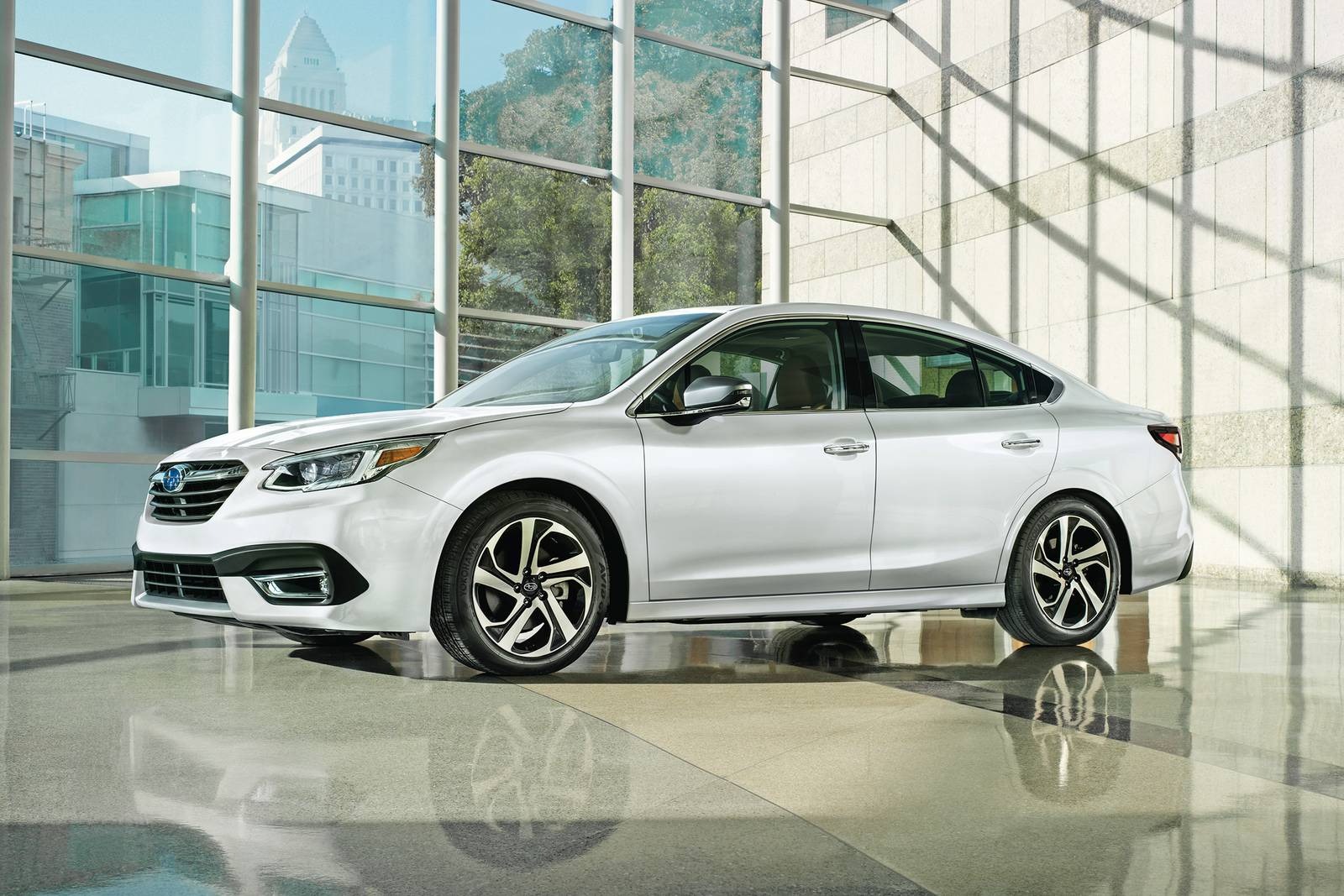
The second generation, introduced in 1994, refined the Legacy formula while maintaining its essential character. This generation featured improved interior materials, more powerful engine options, and enhanced safety features that earned top ratings from safety organizations.
The second-generation Legacy also introduced the first turbocharged variants, providing performance that challenged traditional sports sedans while maintaining all-weather capability.
Throughout its evolution, the Legacy has maintained its unique position as the only midsize sedan offering standard all-wheel drive across the entire lineup.
This distinctive capability continues to attract buyers in regions where weather conditions favor all-wheel-drive vehicles, while the model’s improved refinement has expanded its appeal beyond traditional Subaru customers. The Legacy’s combination of capability, safety, and value ensures its continued relevance in the challenging sedan market.
Also Read: 10 Costly Vehicles That Survive Cheap Maintenance
