
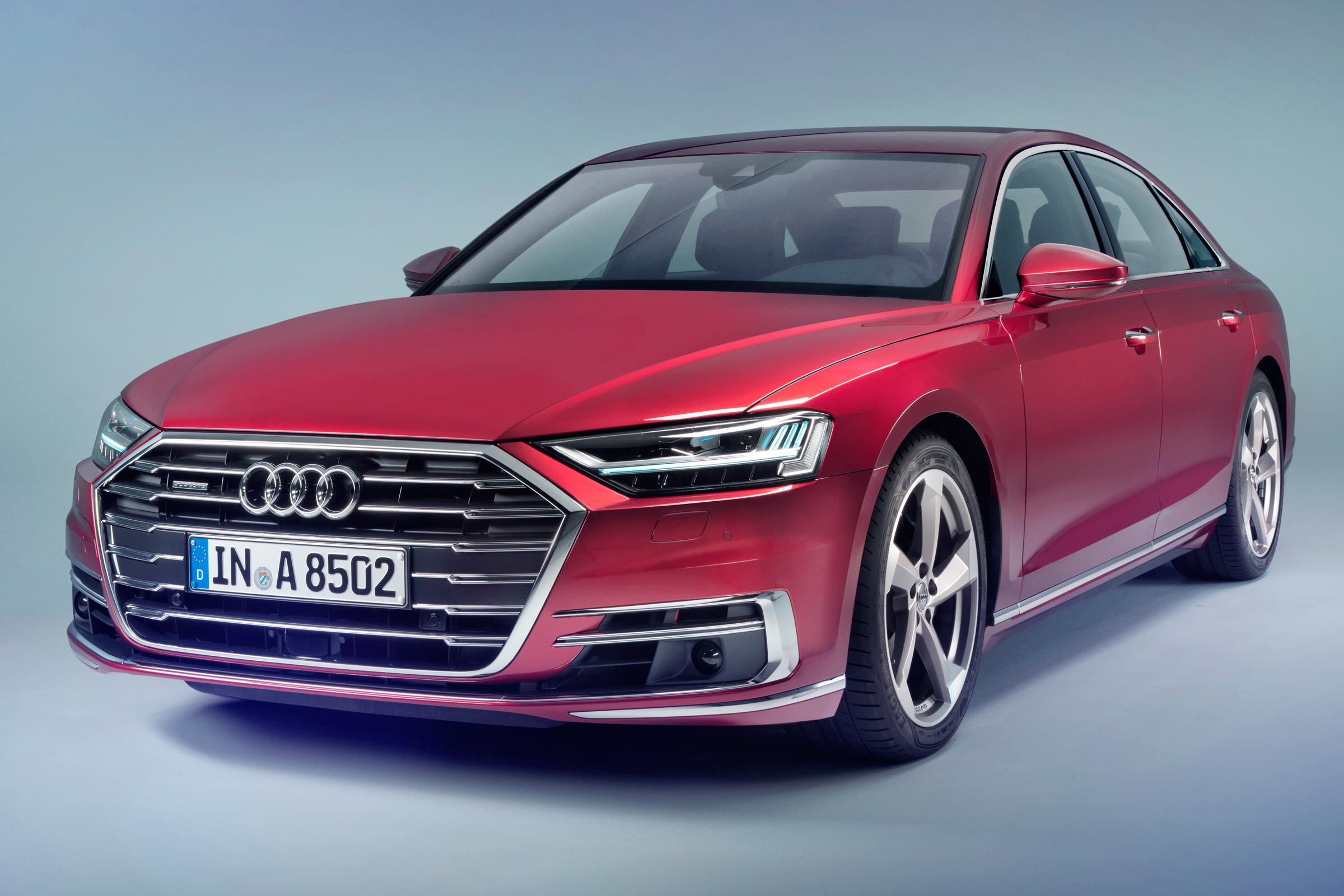
In the automotive world, cabin noise levels have become a defining characteristic that separates truly refined vehicles from their more utilitarian counterparts.
The difference between a whisper-quiet luxury sedan and a road-noise-plagued economy car can transform your daily commute from a peaceful sanctuary into an exhausting ordeal.
As automotive technology advances and consumer expectations rise, manufacturers are investing heavily in noise, vibration, and harshness (NVH) reduction technologies, creating vehicles that offer library-like serenity even at highway speeds.
The science behind cabin quietness involves a complex interplay of engineering disciplines, from aerodynamics and sound dampening materials to active noise cancellation systems and precision manufacturing tolerances.
Premium automakers have mastered the art of creating vehicles that maintain their acoustic refinement throughout their ownership lifecycle, employing everything from laminated glass and advanced sound-deadening materials to sophisticated suspension systems that isolate the cabin from road imperfections.
Whether you’re seeking a vehicle for peaceful long-distance touring or simply want to ensure your daily driver remains refined throughout its ownership cycle, this guide will illuminate the key differences between vehicles that whisper and those that eventually shout.
5 Cars With Quiet Cabins for Life
These exceptionally engineered vehicles feature comprehensive noise suppression systems and premium materials that maintain library-quiet cabin environments through hundreds of thousands of miles and decades of daily driving.
Their thoughtful construction includes multiple layers of sound deadening, precision-fitted door seals, and strategic acoustic barriers that resist the deterioration patterns typically created by temperature cycling and mechanical stress.
From highway cruising where wind noise challenges sealing integrity to city driving where road surface variations test suspension isolation, these remarkable vehicles continue delivering serene cabin experiences without experiencing the rattles, squeaks, or increased road noise that plague lesser alternatives.
The combination of generous sound deadening, precision manufacturing, and quality materials creates cabin environments that prove their worth through maintained acoustic isolation and preserved driving refinement even after hundreds of thousands of miles.
1. Lexus LS
The Lexus LS stands as the undisputed champion of automotive quietness, representing decades of Japanese engineering excellence focused on creating the most serene driving experience possible.
For 2024, it continues to impress with its near-silent cabin, achieved through meticulous engineering and advanced sound control systems. This flagship sedan employs a multi-layered approach to noise reduction that begins with its fundamental architecture and extends to every surface and component within the passenger compartment.
At the core of the LS’s acoustic excellence lies its rigid platform construction, which utilizes high-strength steel and aluminum components strategically placed to minimize vibration transmission.
The vehicle’s sound-deadening strategy incorporates over 40 pounds of acoustic materials, including dense foam barriers, lead sheets, and specialized dampening compounds applied to critical areas such as the firewall, floor pan, and door panels.
The LS also features triple-sealed doors with precision-engineered weatherstripping that maintains its effectiveness throughout the vehicle’s lifespan.
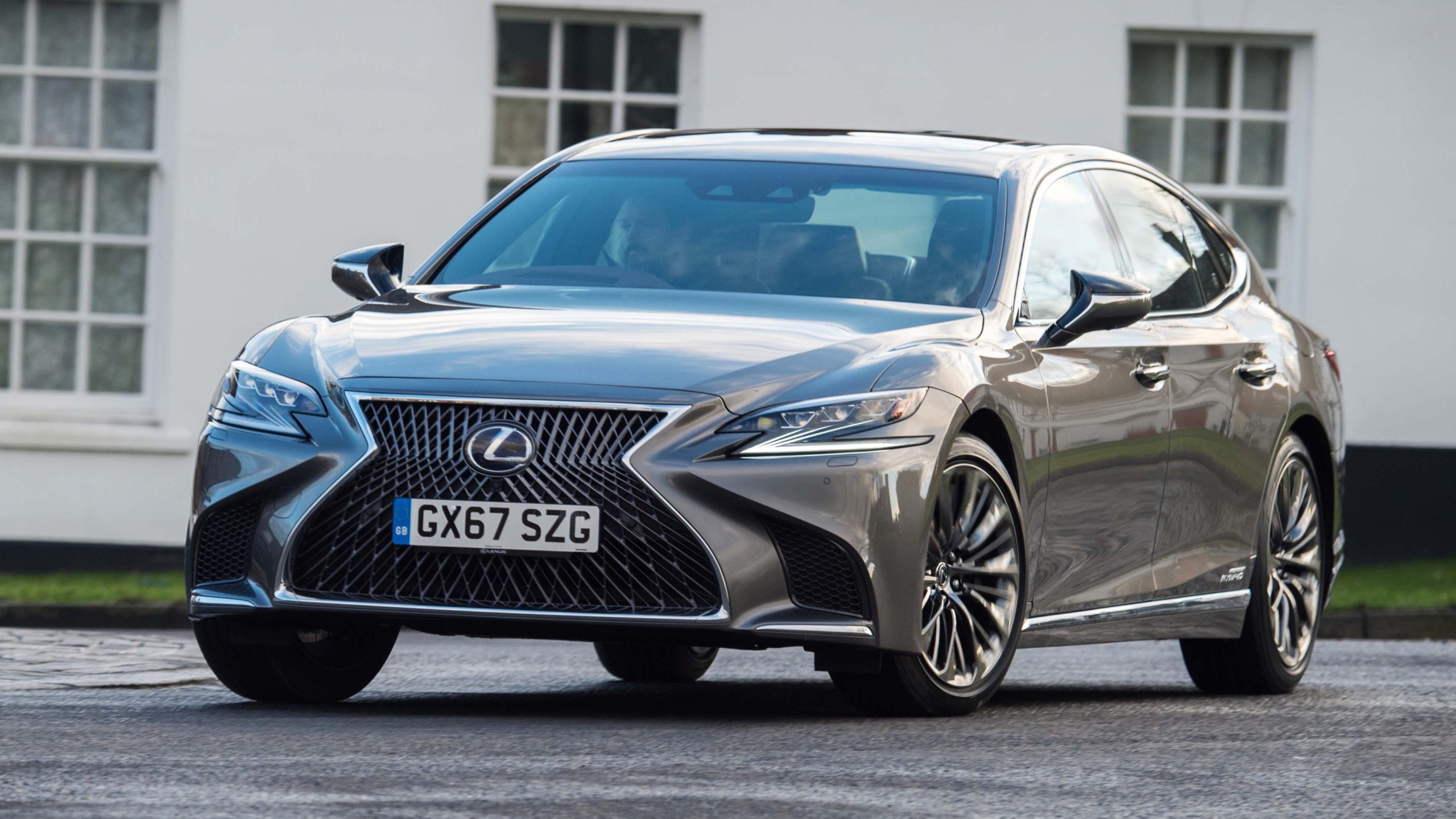
Lexus has invested heavily in advanced glass technology for the LS, incorporating laminated acoustic glass not only for the windshield but also for all side windows.
This laminated construction includes a sound-absorbing polymer layer that significantly reduces wind noise and external sound intrusion. The vehicle’s active noise control system uses strategically placed microphones throughout the cabin to detect unwanted sounds, then generates opposing sound waves through the audio system speakers to cancel them out in real-time.
Engine noise is virtually eliminated through the use of a sophisticated engine mount system that employs liquid-filled mounts with variable stiffness characteristics.
The transmission tunnel is heavily insulated, and the exhaust system is tuned to minimize any intrusion into the passenger compartment. Even the tire selection for the LS prioritizes low noise characteristics, with specially designed tread patterns that reduce road noise generation.
This comprehensive approach ensures that the LS maintains its whisper-quiet character even after years of ownership, with owners reporting that their vehicles remain as quiet as the day they were purchased, even with high mileage.
2. Mercedes-Benz S-Class
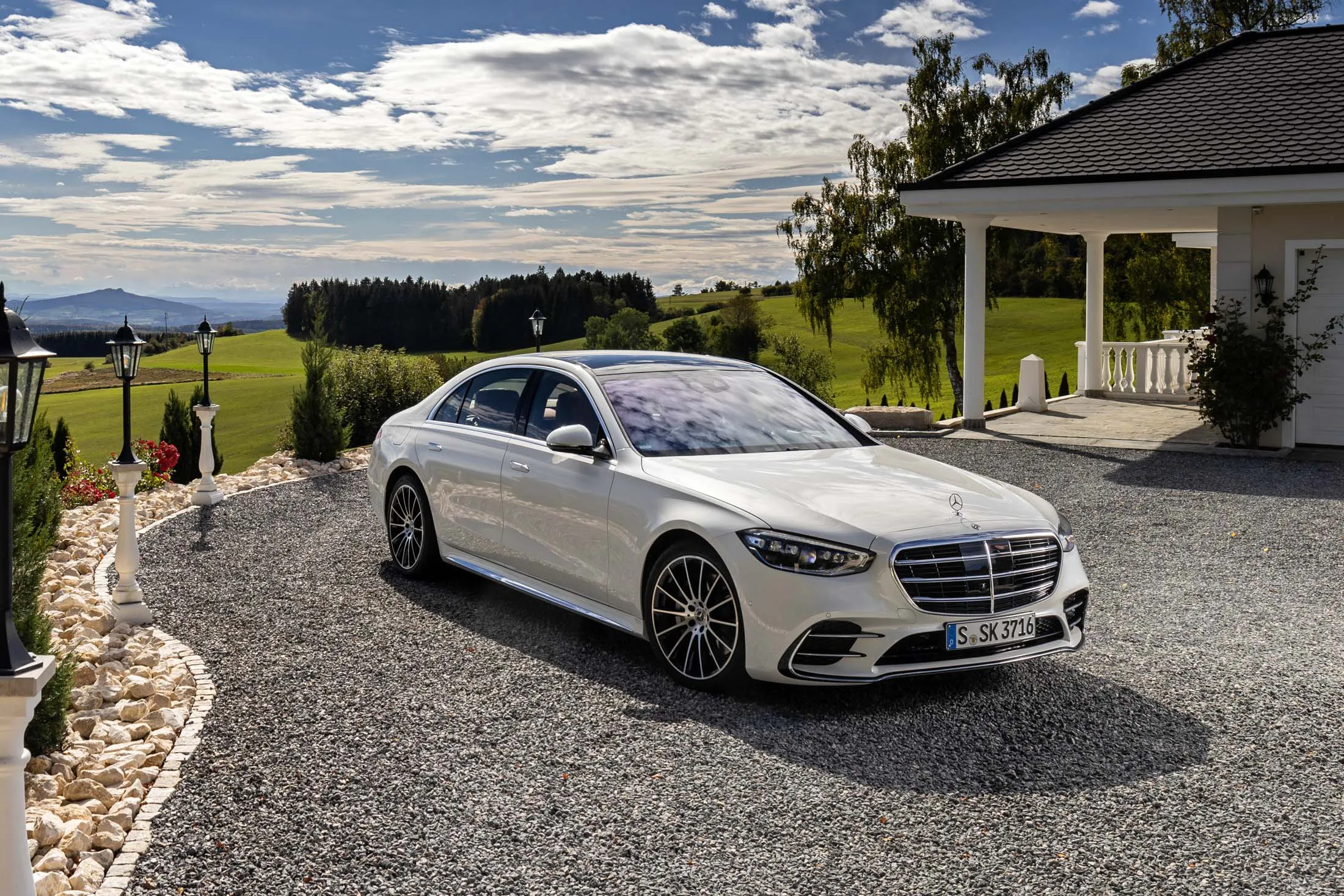
The Mercedes-Benz S-Class has long been synonymous with luxury and refinement, and its approach to cabin quietness represents the pinnacle of German automotive engineering.
This flagship sedan employs cutting-edge technology and traditional craftsmanship to create an environment that rivals the quietest rooms in luxury hotels.
The S-Class’s commitment to acoustic excellence is evident in every aspect of its design, from its aerodynamically optimized body to its sophisticated active noise cancellation systems.
Mercedes-Benz engineers have developed what they call “acoustic comfort,” which goes beyond simple noise reduction to create a carefully curated sound environment.
The S-Class features a unique air suspension system called AIRMATIC that not only provides exceptional ride quality but also contributes significantly to cabin quietness by isolating road imperfections and minimizing structure-borne noise.
The system continuously adjusts damping characteristics based on road conditions, driving style, and vehicle speed to maintain optimal acoustic isolation.
The vehicle’s construction incorporates advanced aluminum space frame technology combined with strategically placed steel reinforcements to create a structure that is both lightweight and highly resistant to noise and vibration transmission.
Extensive use of sound-deadening materials includes specialized foam compounds that are injected into hollow body sections during manufacturing, creating a comprehensive barrier against external noise sources.
The S-Class also employs active engine mounts that use electromagnetic fields to counteract vibrations before they can reach the cabin. One of the most impressive features of the S-Class is its active road noise compensation system, which uses microphones integrated into the vehicle’s structure to monitor road surface conditions and automatically adjust the suspension settings to minimize noise transmission.
The vehicle’s laminated glass package extends beyond the windshield to include all side windows and even the rear window, creating a comprehensive acoustic barrier. The glass thickness varies strategically across different windows to optimize sound attenuation for specific frequency ranges.
The S-Class’s attention to detail extends to components that might seem insignificant but contribute to quietness. Door handles, switches, and trim pieces are all designed with acoustic considerations in mind, incorporating soft-touch materials and precision engineering that eliminates rattles and squeaks even after years of use.
The vehicle’s advanced climate control system operates virtually silently, using variable-speed fans and sophisticated ductwork design to maintain comfort without intrusive noise.
This holistic approach to acoustic design ensures that the S-Class maintains its serene character throughout its ownership lifecycle, with many owners reporting that their vehicles become even quieter over time as components settle into optimal positions.
3. Audi A8
The Audi A8 represents the pinnacle of the German automaker’s technological prowess, combining advanced engineering with meticulous attention to acoustic refinement.
According to WheelScene, the Audi A8 has low NVH levels which makes it one of the quietest cars on the market. This flagship sedan showcases Audi’s commitment to creating a sanctuary-like environment that insulates passengers from the outside world while maintaining the dynamic character that defines the brand.
The A8’s aluminum space frame construction, known as the Audi Space Frame (ASF), provides exceptional rigidity while minimizing weight, creating an ideal foundation for acoustic refinement.
This advanced structure incorporates hollow aluminum extrusions and cast aluminum joints that are specifically designed to interrupt vibration transmission paths.
The frame’s design includes strategic placement of sound-deadening materials during the manufacturing process, ensuring comprehensive coverage without adding excessive weight. Audi’s engineers have developed specialized joining techniques that eliminate potential noise sources at structural connections.
One of the most innovative features of the A8 is its active noise cancellation system, which uses an array of microphones positioned throughout the cabin to monitor ambient noise levels.
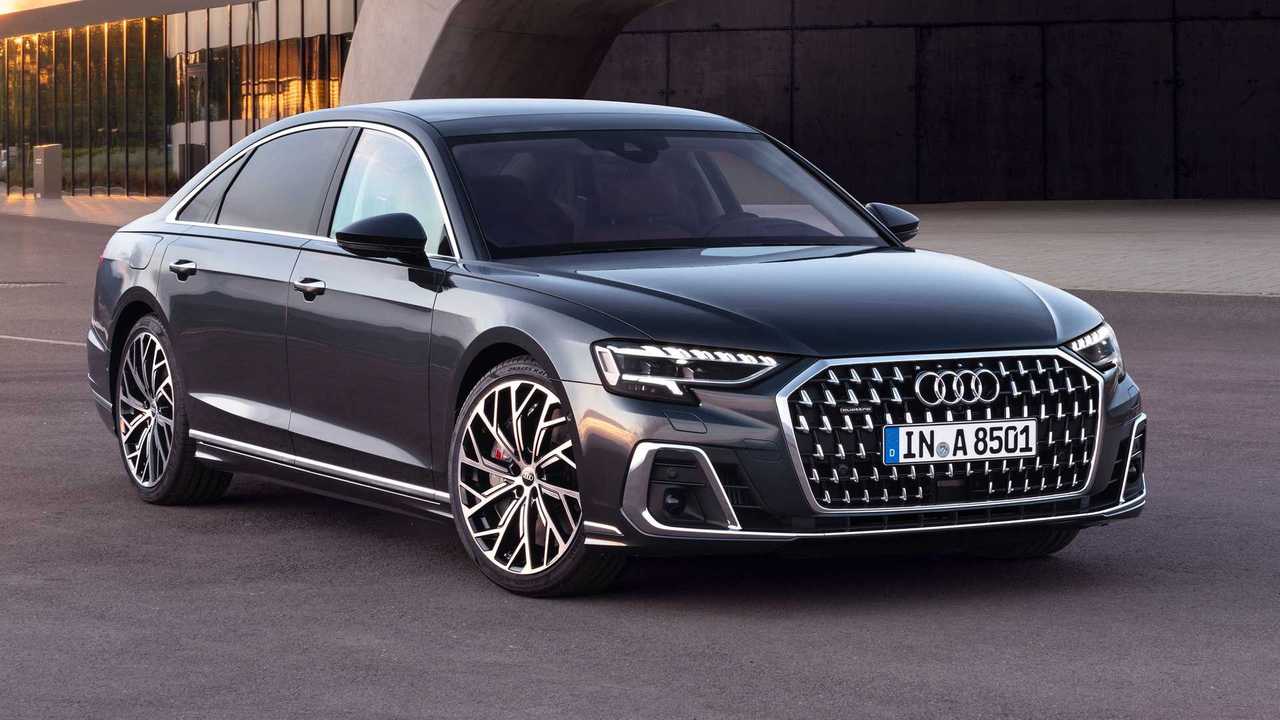
The system processes this information in real-time and generates counter-phase sound waves through the vehicle’s premium audio system speakers to eliminate unwanted frequencies.
This technology is particularly effective at reducing low-frequency rumble from the engine and road surface, creating an almost ethereal quiet environment at highway speeds.
The A8’s suspension system, available in both steel spring and air suspension configurations, is specifically tuned to provide exceptional isolation from road irregularities while maintaining precise handling characteristics.
The air suspension variant offers multiple ride height settings and adaptive damping that continuously adjusts to road conditions, ensuring optimal acoustic isolation across all driving scenarios.
This sophisticated approach to cabin quietness, combined with Audi’s legendary build quality, ensures that the A8 maintains its serene character throughout its ownership lifecycle, often becoming even more refined as components reach their optimal settling points.
4. BMW 7 Series
The BMW 7 Series exemplifies the perfect marriage of dynamic performance and acoustic refinement, proving that a driver-focused luxury sedan can also provide sanctuary-like quietness.
BMW’s engineers have achieved this balance through innovative engineering solutions that prioritize both handling precision and cabin serenity. The 7 Series demonstrates that acoustic excellence need not come at the expense of driving engagement, incorporating technologies that selectively filter unwanted noise while preserving the auditory feedback that enhances the driving experience.
The foundation of the 7 Series’ acoustic excellence lies in its Carbon Core construction, which combines lightweight carbon fiber elements with high-strength steel to create a structure that is both rigid and acoustically inert.
This advanced architecture provides exceptional resistance to vibration transmission while maintaining the structural integrity necessary for precise handling.
The carbon fiber components are specifically positioned to interrupt noise transmission paths, creating natural barriers against structure-borne sound. BMW’s innovative manufacturing processes ensure that these materials maintain their acoustic properties throughout the vehicle’s lifespan.
BMW has developed a comprehensive approach to active noise control that goes beyond simple cancellation to include sound enhancement and selective filtering.
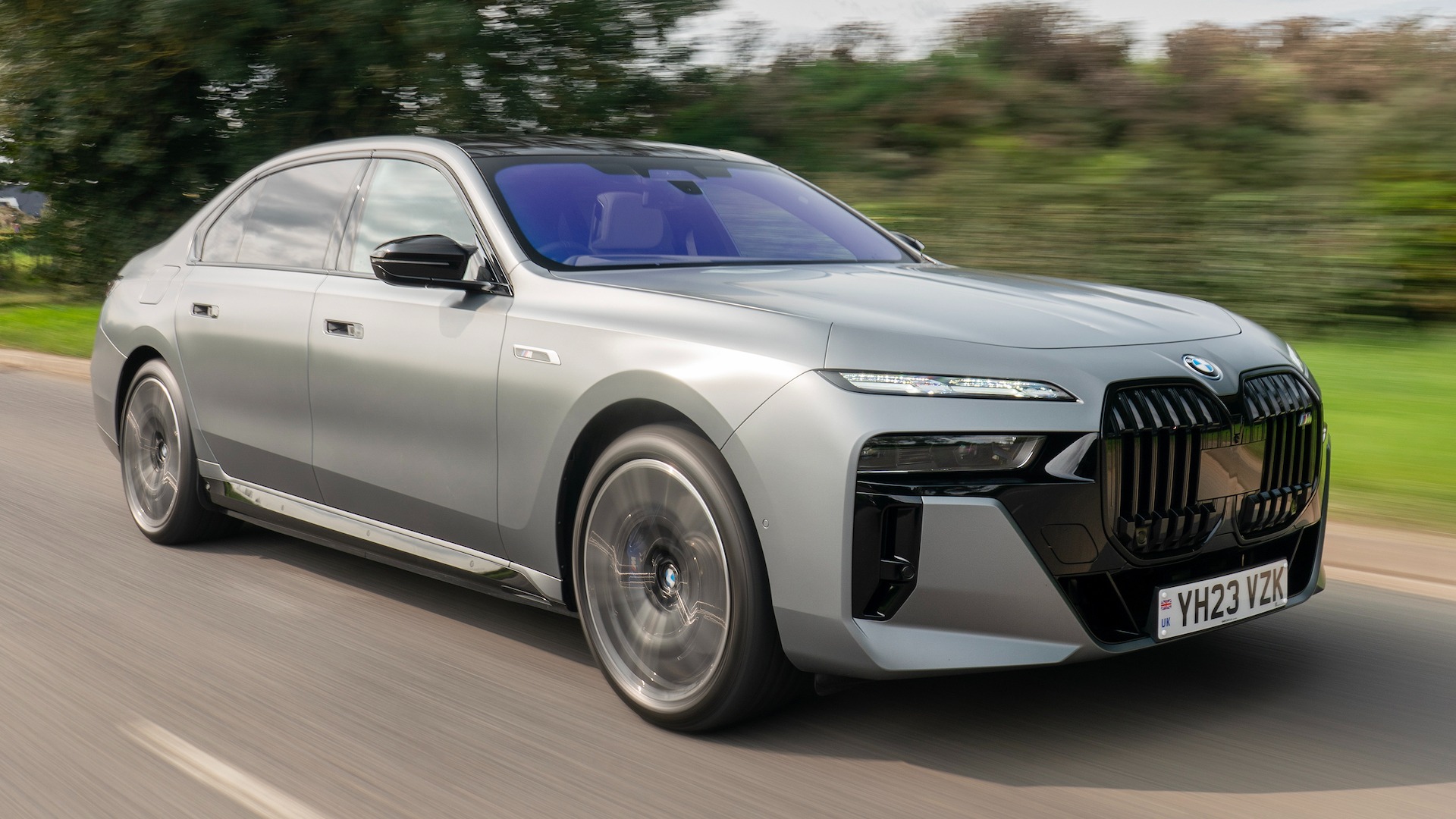
The 7 Series features an advanced system that can differentiate between desirable engine sounds that contribute to the driving experience and unwanted noise sources such as road surface irregularities and wind turbulence.
The system uses sophisticated algorithms to preserve the character of the vehicle’s powerplant while eliminating intrusive noise sources, creating an environment where passengers can enjoy the mechanical symphony of the engine when desired while maintaining conversational comfort.
The 7 Series’ air suspension system represents BMW’s most sophisticated approach to ride quality and acoustic isolation. The system continuously monitors road conditions and adjusts damping characteristics to maintain optimal isolation from surface irregularities.
Electronic damping control works in conjunction with the vehicle’s active noise cancellation system to create a comprehensive approach to cabin quietness.
The suspension’s ability to adapt to changing conditions ensures that the 7 Series maintains its quiet character across all road surfaces and driving conditions, providing consistent acoustic refinement that improves with vehicle maturity as suspension components reach their optimal calibration points.
Also Read: 5 Cars That Collectors Love and 5 That Nobody Wants
5. Genesis G90
The Genesis G90 represents the pinnacle of Korean automotive luxury, showcasing Hyundai Motor Group’s commitment to challenging established luxury benchmarks through innovative engineering and meticulous attention to detail.
This flagship sedan has garnered international recognition for its exceptional cabin quietness, proving that newcomers to the luxury segment can achieve acoustic excellence that rivals or exceeds traditional luxury leaders.
The G90’s approach to noise reduction demonstrates comprehensive understanding of acoustic principles combined with cutting-edge technology and premium materials.
Genesis engineers have employed what they term “library-quiet” engineering, targeting cabin noise levels that rival the quietest indoor environments.
The G90’s structure incorporates advanced high-strength steel construction with strategic placement of sound-deadening materials during the manufacturing process.
The vehicle employs over 60 pounds of acoustic dampening materials, including specialized foam compounds, mass-loaded vinyl barriers, and acoustic cotton insulation that are strategically placed throughout the vehicle’s structure.
These materials are specifically selected for their long-term durability and acoustic performance, ensuring that the G90’s quiet character is maintained throughout its ownership lifecycle.
The G90’s innovative approach to active noise control represents a significant advancement in automotive acoustic technology. The system employs multiple microphones positioned throughout the cabin to monitor ambient noise levels across different frequency ranges.
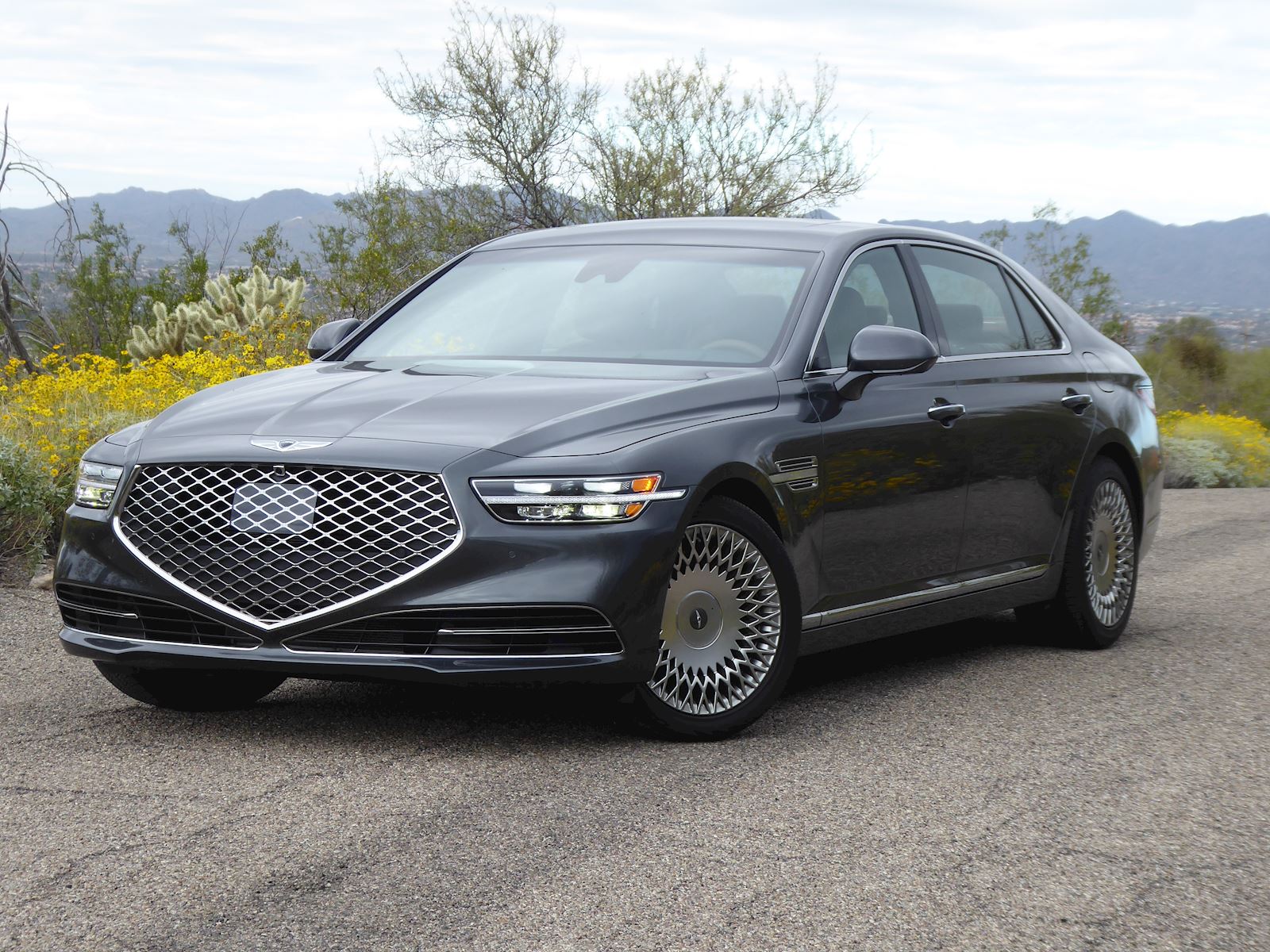
Unlike simpler systems that focus primarily on engine noise cancellation, the G90’s system addresses road noise, wind noise, and even tire noise through sophisticated signal processing and targeted counter-wave generation.
The system’s ability to adapt to different driving conditions and road surfaces ensures consistent acoustic performance regardless of external variables.
The G90’s commitment to acoustic excellence extends to its powertrain integration, with sophisticated engine mounting systems that isolate mechanical vibrations from reaching the cabin structure.
The vehicle’s transmission tunnel is extensively insulated, and the exhaust system is specifically tuned to minimize any intrusion into the passenger compartment. The G90’s tire selection prioritizes low noise characteristics, with specially designed tread patterns that reduce road noise generation while maintaining excellent performance characteristics.
This holistic approach to acoustic design, combined with Genesis’s commitment to quality and durability, ensures that the G90 maintains its exceptional quietness throughout its ownership cycle, often improving as components reach their optimal settled positions.
5 Cars That Get Loud Early
These catastrophically loud vehicles suffer from fundamental cost-cutting in noise suppression including minimal sound deadening and inferior sealing materials that create perfect conditions for progressive cabin noise deterioration under normal operating conditions.
Their bargain-basement construction shows in thin insulation that provides inadequate acoustic barriers, cheap door seals that shrink and harden with age, and poor structural rigidity that allows body flex to create squeaks and rattles throughout the cabin.
Inadequate weatherstrip quality means road noise penetrates the cabin increasingly as seals deteriorate, while insufficient sound deadening allows engine, road, and wind noise to create an unpleasant acoustic environment that worsens with mileage.
These cars represent the unfortunate consequences of aggressive cost-cutting in comfort features, creating transportation that transforms from acceptable mobility into acoustic torture chambers that cause driver fatigue and passenger discomfort while making long trips genuinely unpleasant experiences.
1. Jeep Wrangler
The Jeep Wrangler, while beloved for its rugged capability and iconic design, represents one of the most challenging vehicles from an acoustic refinement perspective.
Its fundamental architecture, prioritizing off-road capability and modular construction over cabin quietness, creates inherent obstacles to achieving the refined acoustic environment expected in modern vehicles.
The Wrangler’s removable doors and roof, while providing unparalleled open-air driving experiences, compromise the structural integrity and sealing effectiveness that are crucial for maintaining cabin quietness over time.
The Wrangler’s body-on-frame construction, while excellent for durability and off-road performance, creates multiple potential pathways for noise transmission between the chassis and body components.
Unlike unibody construction that creates a more integrated and acoustically coherent structure, the Wrangler’s traditional truck-based architecture relies on body mounts and isolation systems that can deteriorate over time, allowing increased transmission of road noise, engine vibration, and structural sounds into the passenger compartment.
The vehicle’s high center of gravity and upright seating position, while providing excellent visibility and commanding driving presence, result in increased wind noise generation at highway speeds.
The Wrangler’s door and roof sealing systems face unique challenges due to their removable nature and the structural compromises necessary to accommodate this functionality.

The weatherstripping and sealing systems must balance ease of removal with effective long-term sealing performance, often resulting in compromises that become more apparent as the vehicle ages and components experience wear from repeated removal and installation cycles.
The hard-top variants, while providing better weather protection than soft-top configurations, still exhibit significantly more wind and road noise intrusion compared to conventional fixed-roof vehicles.
Wind noise becomes increasingly problematic as Wrangler sealing systems age and settle. The vehicle’s boxy aerodynamic profile and numerous exterior accessories such as roof racks, spare tire mounts, and side steps create turbulence that generates wind noise.
As weatherstripping compresses and hardens over time, gaps develop around doors, windows, and removable roof panels, allowing wind noise to infiltrate the cabin.
Many Wrangler owners report that wind noise increases noticeably after the first year of ownership, with the problem becoming progressively worse as sealing systems deteriorate and body panel tolerances increase due to off-road use and general wear patterns.
2. Nissan Versa
The Nissan Versa, positioned as an entry-level sedan prioritizing affordability and fuel economy over refinement, demonstrates the acoustic compromises inherent in budget-conscious vehicle development.
While the Versa offers commendable value and practicality, its cost-cutting measures in sound deadening materials, construction techniques, and component quality result in a cabin environment that becomes progressively noisier as the vehicle ages and components experience normal wear and settling.
Nissan’s approach to the Versa’s construction emphasizes lightweight materials and simplified manufacturing processes that keep costs down but compromise long-term acoustic performance.
The vehicle employs minimal sound deadening materials compared to premium vehicles, with thin foam barriers and basic insulation that provide limited noise isolation when new and become less effective over time as materials compress and deteriorate.
The Versa’s unibody structure, while modern in concept, uses thinner gauge steel than more expensive vehicles, resulting in a structure that is more prone to vibration transmission and panel resonance as the vehicle accumulates miles and experiences normal structural settling.
The Versa’s engine mounting system represents a typical economy car compromise between cost and refinement. Simple rubber engine mounts provide adequate vibration isolation when new but tend to deteriorate relatively quickly, allowing increased engine noise and vibration transmission into the passenger compartment.
The vehicle’s CVT transmission, while contributing to fuel economy, generates characteristic droning noises that become more pronounced as the transmission ages and internal components experience wear.
The transmission tunnel receives minimal sound insulation, allowing these mechanical noises to readily enter the cabin environment. Road noise transmission represents one of the most significant acoustic challenges in the aging Versa.
The vehicle’s lightweight construction and minimal underbody sound deadening provide limited isolation from road surface noise, and this isolation decreases as suspension components wear and lose their dampening effectiveness.
Tire noise, initially well-controlled through careful tire selection and alignment, becomes more pronounced as tires develop wear patterns and suspension geometry changes due to component wear.
The Versa’s cost-effective suspension components, while adequate for basic transportation needs, tend to transmit more road irregularities to the cabin as bushings and dampers age, resulting in increased structure-borne noise transmission that contributes to cabin noise levels that can become quite intrusive within relatively few years of ownership.
3. Mitsubishi Mirage
The Mitsubishi Mirage represents the extreme end of automotive cost-reduction engineering, where every component and material choice is optimized for minimum cost rather than refinement or long-term durability.
While this approach achieves remarkable affordability and exceptional fuel economy, it results in a vehicle that offers minimal acoustic isolation when new and experiences rapid deterioration in cabin quietness as components age and wear.
The Mirage’s acoustic challenges stem from its fundamental design philosophy that prioritizes basic transportation over comfort or refinement. The Mirage’s lightweight construction, while contributing to its impressive fuel economy, creates significant challenges for acoustic control.
The vehicle employs minimal sound deadening materials throughout its structure, with thin foam barriers and basic insulation that provide limited noise isolation even when new.
The body structure uses thin gauge steel and simplified construction techniques that result in panels prone to vibration and resonance. As the vehicle ages and accumulates miles, these panels develop increased flexibility and resonance characteristics that amplify road noise, engine noise, and wind noise transmission into the passenger compartment.

Engine noise isolation in the Mirage is minimal due to cost-conscious engineering decisions that prioritize simplicity over refinement. The three-cylinder engine, while efficient, generates characteristic vibration patterns that are transmitted to the cabin through basic engine mounting systems that provide limited isolation.
The engine compartment receives minimal sound insulation, allowing mechanical noises to readily penetrate the firewall and enter the passenger space.
As engine mounts age and lose their dampening effectiveness, engine noise and vibration transmission increases significantly, often becoming quite intrusive during acceleration and idle conditions.
Road noise represents perhaps the most significant long-term acoustic challenge in the Mirage, as the vehicle’s minimal underbody sound deadening and lightweight construction provide limited isolation from road surface irregularities.
The vehicle’s basic suspension system, while adequate for transportation needs, offers minimal filtering of road noise and vibration. As suspension components age and lose their effectiveness, road noise transmission increases significantly.
Tire noise, initially well-controlled through careful tire selection, becomes more pronounced as tires develop wear patterns and suspension geometry changes due to normal component wear.
The combination of these factors results in a cabin environment that can become quite noisy relatively early in the vehicle’s ownership cycle, with many owners reporting noticeable increases in road noise and wind noise within the first two years of ownership.
4. Subaru WRX
The Subaru WRX represents a fascinating study in automotive priorities, where performance capability and enthusiast appeal take precedence over traditional luxury amenities like cabin quietness.
While the WRX delivers exceptional all-weather performance and driving engagement, its fundamental design philosophy creates inherent challenges for acoustic refinement that become more pronounced as the vehicle ages and high-performance components experience normal wear patterns.
The WRX’s acoustic characteristics reflect its motorsport heritage and performance-focused engineering approach. The WRX’s turbocharged boxer engine, while providing impressive performance and distinctive character, generates complex vibration and noise patterns that are challenging to isolate from the passenger compartment.
The horizontally opposed engine configuration creates unique mounting challenges that result in increased transmission of mechanical vibrations to the chassis and body structure.
The turbocharger adds additional complexity with its characteristic whistle and pressure release sounds that, while appealing to enthusiasts, contribute to cabin noise levels.
As the vehicle ages and engine mounts experience wear from performance driving, these mechanical noises become more prominent and intrusive during normal driving conditions.
Subaru’s approach to the WRX’s suspension tuning prioritizes handling precision and performance feedback over ride comfort and noise isolation.

The vehicle’s sport-tuned suspension components provide excellent road feel and cornering capability but transmit road surface irregularities and tire noise directly to the cabin with minimal filtration.
The suspension’s relatively firm damping characteristics, while beneficial for handling, allow more structure-borne noise transmission compared to comfort-oriented suspension systems.
As suspension bushings and dampers experience wear from spirited driving, their ability to isolate road noise decreases, resulting in progressively noisier cabin conditions.
Wind noise in the WRX becomes increasingly problematic as aerodynamic components and sealing systems age and experience wear from performance driving conditions.
The vehicle’s hood scoop, while functional for intercooler cooling, creates turbulence that generates wind noise that increases as the scoop’s mounting tolerances change over time.
The WRX’s aggressive aerodynamic elements, including spoilers and underbody panels, can develop rattles and wind noise as mounting points experience stress from performance driving.
Door and window sealing systems, initially adequate for controlling wind noise, tend to deteriorate more rapidly in performance vehicles due to increased thermal cycling and stress from spirited driving conditions, resulting in progressive increases in wind noise infiltration that can become quite noticeable within a few years of ownership, particularly for vehicles that have experienced track use or aggressive driving conditions.
5. Toyota Corolla
The Toyota Corolla, while representing exceptional value and legendary reliability, demonstrates the acoustic compromises typical of mainstream compact vehicles where cost control and manufacturing efficiency take precedence over premium refinement.
Although Toyota has made significant improvements to the Corolla’s acoustic characteristics in recent generations, the fundamental constraints of its price point and market positioning result in construction and material choices that lead to progressive increases in cabin noise as the vehicle ages and components experience normal wear patterns.
Toyota’s approach to the Corolla’s sound deadening reflects careful balance between cost control and acceptable noise levels, employing strategic placement of acoustic materials rather than the comprehensive coverage found in premium vehicles.
The vehicle uses adequate but minimal foam barriers and insulation materials that provide reasonable noise isolation when new but tend to compress and lose effectiveness over time.
The Corolla’s unibody construction, while modern and efficient, employs steel gauges and construction techniques optimized for cost rather than maximum acoustic isolation, resulting in a structure that becomes more prone to noise transmission as normal settling and wear occur.
Engine noise isolation in the Corolla represents typical mainstream vehicle engineering, where adequate performance when new must be balanced against long-term cost considerations.
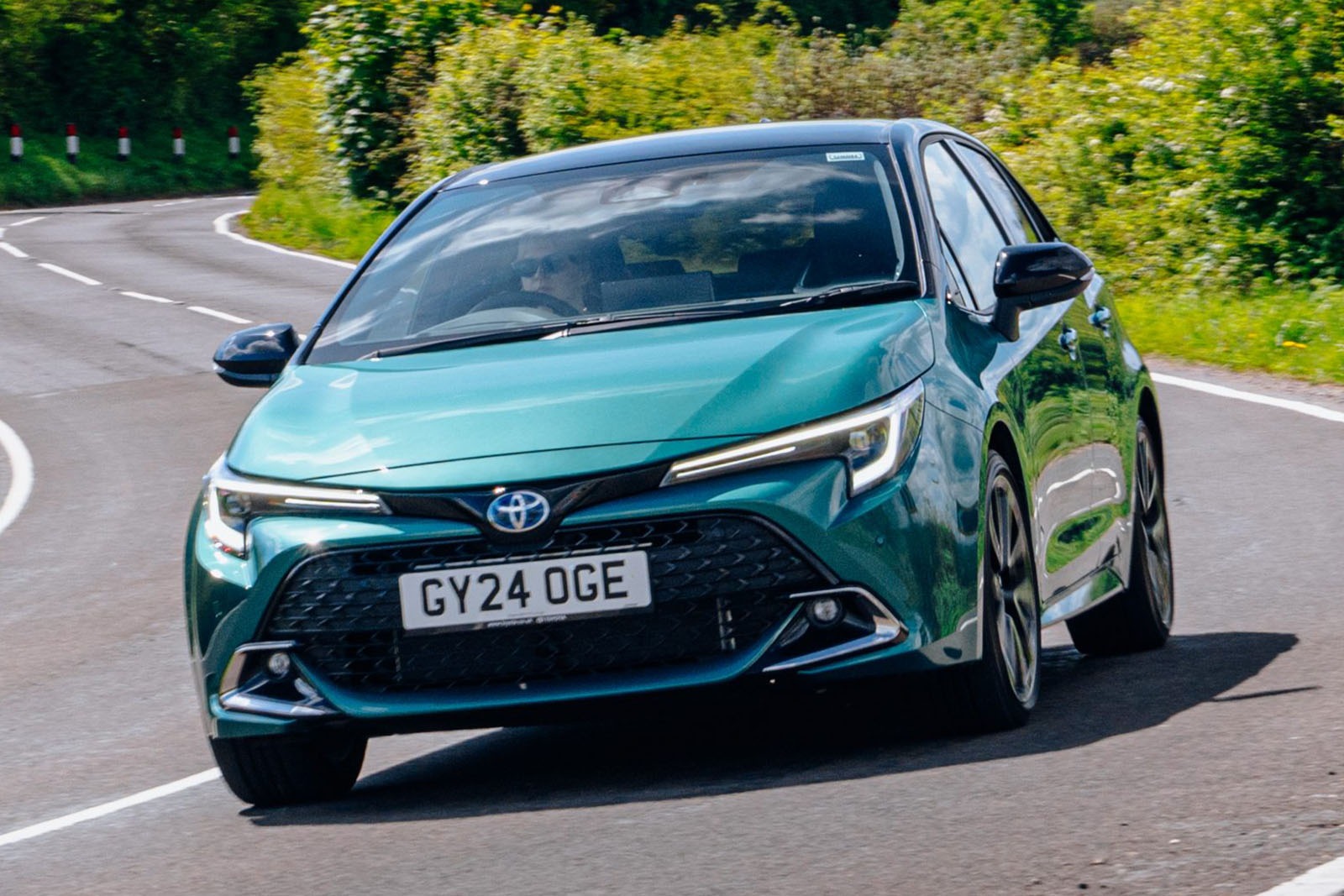
The vehicle’s engine mounting system provides reasonable vibration isolation initially but tends to deteriorate at a predictable rate, allowing increased engine noise and vibration transmission into the passenger compartment as rubber components age and lose their dampening properties.
The engine compartment receives moderate sound insulation that provides adequate noise control when components are new but becomes less effective as materials age and engine heat cycling causes thermal degradation of acoustic materials.
The combination of these factors results in a gradual but noticeable increase in cabin noise levels as the Corolla ages, with most owners reporting that road noise and wind noise become more apparent after approximately two to three years of ownership.
While the vehicle remains mechanically reliable and functional, the acoustic degradation can make longer highway trips less comfortable and conversation more difficult, particularly for passengers in rear seating positions where road noise transmission is typically more pronounced due to proximity to the rear axle and reduced sound deadening coverage compared to front seating areas.
Also Read: 10 Cars That Still Sell Above MSRP in 2025
