
The starter motor is one of those crucial automotive components that you never think about until it fails to work. That moment when you turn the key or press the start button and hear nothing but silence, or worse, a grinding noise, can instantly ruin your day and leave you stranded.
Understanding which vehicles are prone to starter problems and which ones demonstrate exceptional reliability in this area can save you significant time, money, and frustration over your ownership experience.
Starter reliability varies dramatically across different makes and models, often reflecting broader patterns in manufacturing quality, engineering philosophy, and component sourcing.
Some manufacturers have developed reputations for building starter systems that can easily surpass 200,000 miles without major issues, while others seem to struggle with premature failures that can occur well before the 100,000-mile mark.
These differences aren’t just random occurrences but stem from specific design choices, material quality, manufacturing processes, and the engineering approach taken by each automaker.
This comprehensive analysis will examine five vehicles renowned for their exceptional starter reliability alongside five models that have unfortunately earned reputations for frequent starter-related problems.
By understanding these patterns, prospective car buyers can make more informed decisions, while current owners can better prepare for potential issues and take preventive measures to extend their starter’s lifespan.
5 Cars That Rarely Have Starter Issues
These exceptionally engineered vehicles feature robust starter systems and premium electrical components that maintain reliable engine starting through hundreds of thousands of demanding cycles and extreme operating conditions.
Their thoughtful construction includes heavy-duty starter motors with oversized brushes, premium solenoid assemblies with robust contacts, and superior wiring harnesses that resist the deterioration patterns typically created by heat cycling and electrical stress.
From bitter winter mornings that challenge cranking power to hot summer engine bays that stress electrical components, these remarkable starting systems continue operating flawlessly without experiencing the slow cranking, clicking noises, or complete failures that strand owners of lesser alternatives.
The combination of industrial-grade components, generous engineering margins, and excellent corrosion protection creates starting systems that prove their worth through reliable operation and maintained cranking speed even after hundreds of thousands of start cycles, ensuring dependable transportation when reliability matters most.
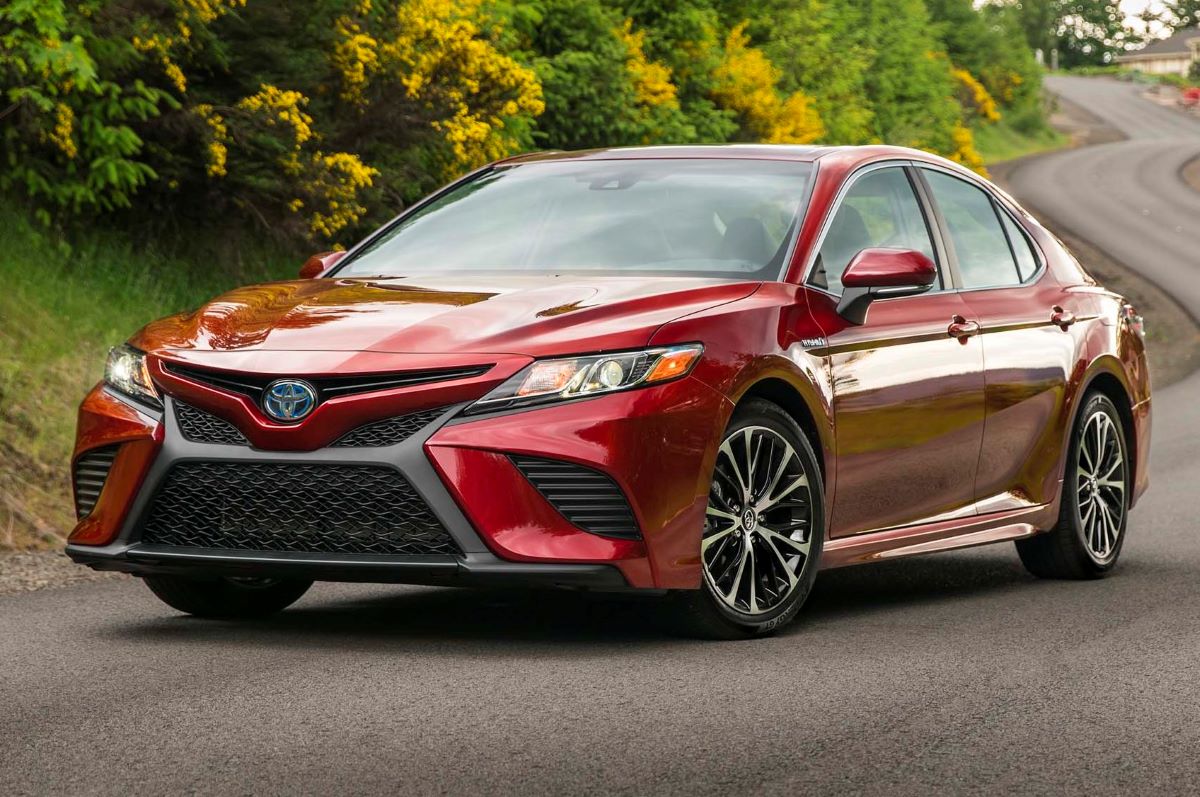
1. Toyota Camry (2012-2023)
The Toyota Camry stands as a testament to engineering reliability, particularly when it comes to starter system longevity. Toyota’s approach to starter design emphasizes robust construction and conservative engineering margins that prioritize durability over cost savings.
The Camry’s starter motor utilizes high-quality copper windings and premium-grade brushes that resist wear even under frequent start-stop conditions.
The solenoid design incorporates heavy-duty contacts that maintain reliable electrical connections well into high-mileage territory, often exceeding 250,000 miles without replacement.
Toyota’s manufacturing quality control processes are legendary in the automotive industry, and this attention to detail extends to every starter component.
Each starter undergoes rigorous testing protocols that simulate years of real-world use before approval for production vehicles. The mounting system positions the starter in a location that minimizes exposure to road salt, moisture, and excessive heat from the exhaust system, contributing significantly to its longevity.
The electrical connections utilize marine-grade terminals and weather-resistant boots that prevent corrosion, a common cause of starter failure in other vehicles.
The Camry’s charging system is engineered to maintain consistent voltage levels, ensuring the starter receives optimal power for each engagement.
This careful voltage regulation prevents the low-voltage conditions that can cause starter motors to draw excessive current and burn out prematurely.
Additionally, Toyota’s engine management system incorporates smart algorithms that minimize unnecessary starter engagement, such as preventing restart attempts when the engine is already running or optimizing the timing of fuel delivery to reduce cranking duration.
The combination of exceptional reliability, reasonable replacement costs, and widespread service network support makes the Camry an outstanding choice for drivers who prioritize dependable transportation.
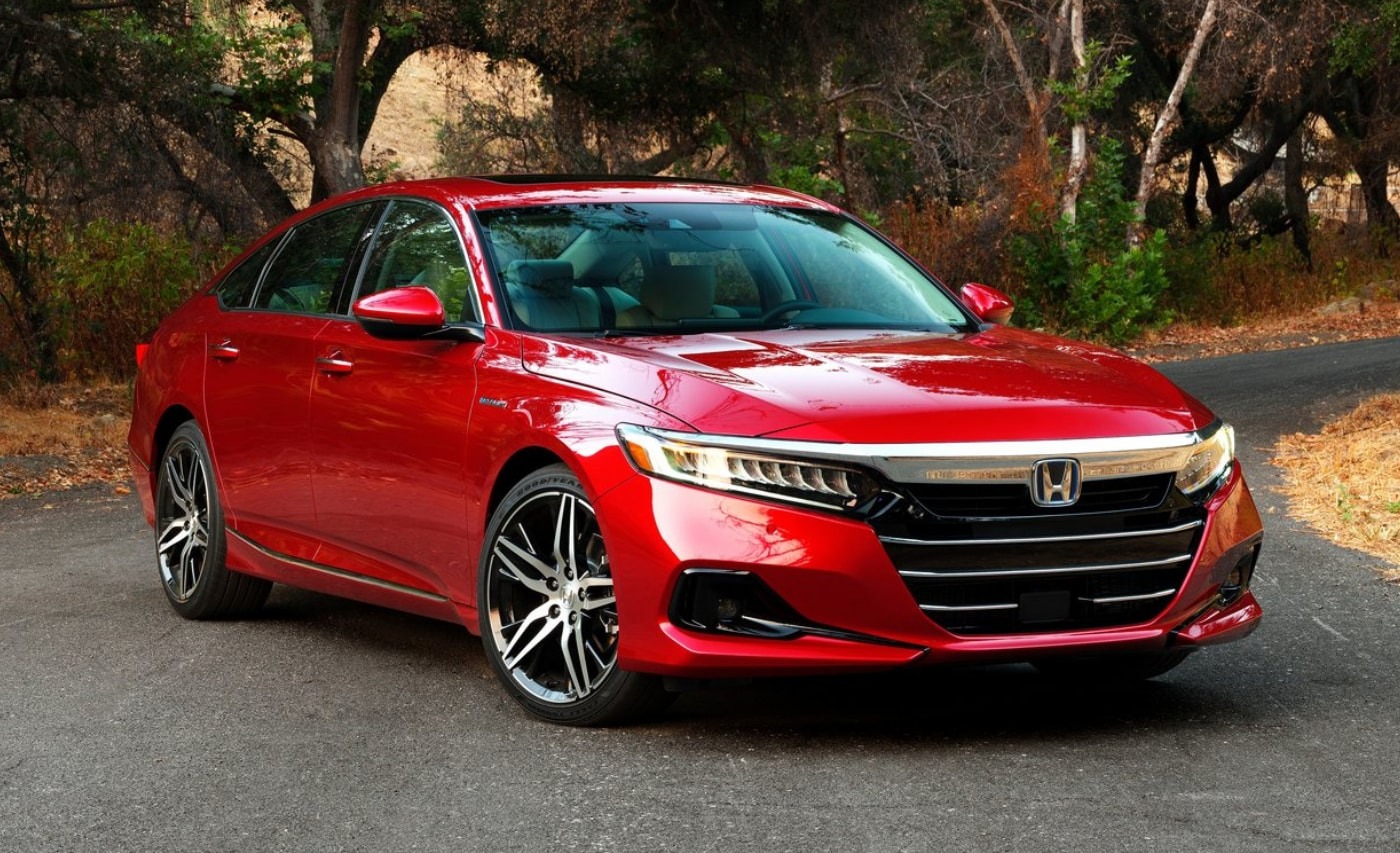
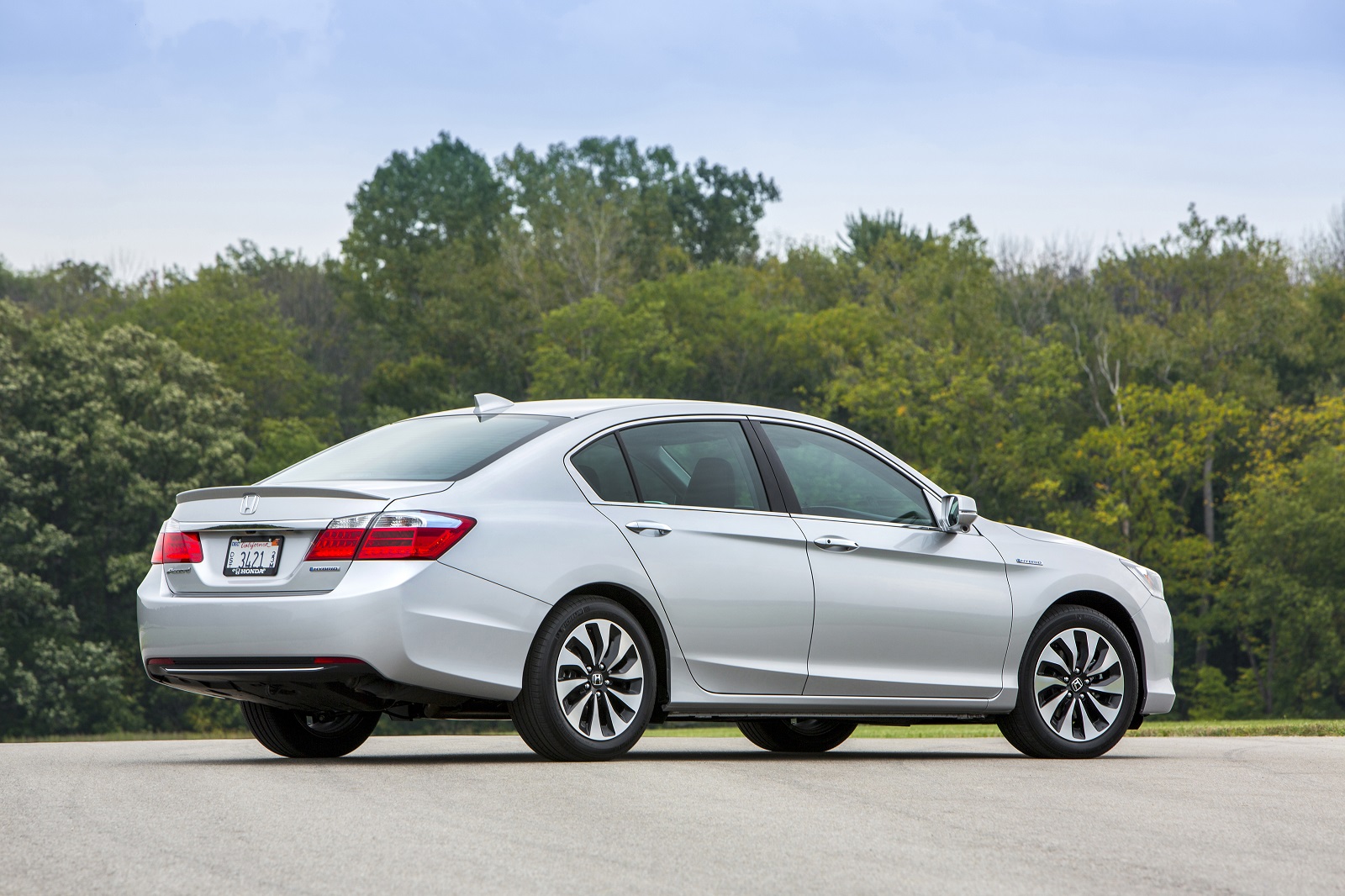
2. Honda Accord (2013-2023)
Honda’s engineering philosophy regarding starter systems mirrors their approach to automotive reliability: build it right the first time and make it last.
The Accord’s starter motor incorporates a permanent magnet design that eliminates the field coil failures common in older wound-field starters. This design choice, combined with high-grade neodymium magnets, provides consistent starting power throughout the starter’s operational life while reducing internal component wear.
The armature assembly utilizes precision-balanced construction that minimizes vibration and extends brush life significantly beyond industry averages. The Accord’s starter mounting system demonstrates Honda’s attention to environmental protection.
The starter is positioned to avoid direct exposure to road spray and is equipped with comprehensive weather sealing that prevents moisture intrusion.
Honda’s engineers have also incorporated effective heat shielding that protects the starter from exhaust system thermal cycling, which can cause premature failure of electrical components.
The mounting hardware utilizes corrosion-resistant materials and precise torque specifications that prevent loosening while allowing for thermal expansion.
Honda’s electrical system design supports starter longevity through several innovative features. The battery management system monitors charge levels and prevents deep discharge conditions that can stress the starter motor during low-voltage starts.
The alternator output is precisely regulated to prevent overcharging, which can cause starter solenoid contacts to burn or weld together. Additionally, the engine control module incorporates algorithms that optimize cranking duration and prevent extended cranking periods that can overheat the starter motor.
Quality control at Honda’s manufacturing facilities includes comprehensive testing of starter assemblies under simulated extreme conditions. Each starter must pass durability tests equivalent to hundreds of thousands of start cycles before approval for installation.
The company’s supplier relationships emphasize long-term partnerships with proven component manufacturers who share Honda’s commitment to quality and reliability. This approach ensures consistent quality across production runs and model years.
When service is eventually required, Honda’s extensive dealer network and aftermarket parts availability ensure convenient and cost-effective repairs. The Accord’s reputation for starter reliability contributes significantly to its outstanding resale value and total cost of ownership advantages.
3. Subaru Outback (2015-2023)
Subaru’s approach to starter system design reflects their commitment to durability under challenging conditions, a necessity given the Outback’s intended use in varied terrain and weather conditions.
The boxer engine configuration requires a unique starter mounting arrangement that Subaru has perfected over decades of production. The starter motor utilizes a gear reduction design that provides high torque output while operating at lower speeds, reducing internal wear and extending operational life.
This design choice is particularly beneficial in cold weather conditions where engine oil viscosity increases cranking resistance. The Outback’s starter incorporates advanced materials science in its construction, with rare earth magnets that maintain their strength over extended periods and temperature extremes.
The brush assembly utilizes carbon-graphite compounds specifically formulated to resist wear while providing consistent electrical contact throughout the starter’s operational range.
The commutator design includes precision-machined copper segments with silver plating that prevents oxidation and maintains low electrical resistance even after hundreds of thousands of start cycles.
Environmental protection is a key consideration in Subaru’s starter design, given the Outback’s all-weather capability. The starter housing incorporates multiple sealing systems that prevent water and debris intrusion during off-road driving or severe weather conditions.

The electrical connections utilize gold-plated terminals and specialized sealants that prevent corrosion even in marine environments. Heat management includes both passive cooling fins and strategic positioning that takes advantage of airflow patterns around the boxer engine configuration.
Subaru’s manufacturing quality includes extensive cold-weather testing protocols that simulate operation in extreme conditions. Each starter must demonstrate reliable operation at temperatures ranging from -40°F to 180°F while maintaining consistent performance characteristics.
The company’s supplier qualification process includes on-site audits and continuous monitoring of component quality metrics. This comprehensive approach ensures that every starter meets Subaru’s exacting standards for durability and reliability.
The availability of genuine Subaru parts through an extensive dealer network ensures that when service is eventually required, owners can maintain the same high standards of reliability and performance that characterize the original equipment.
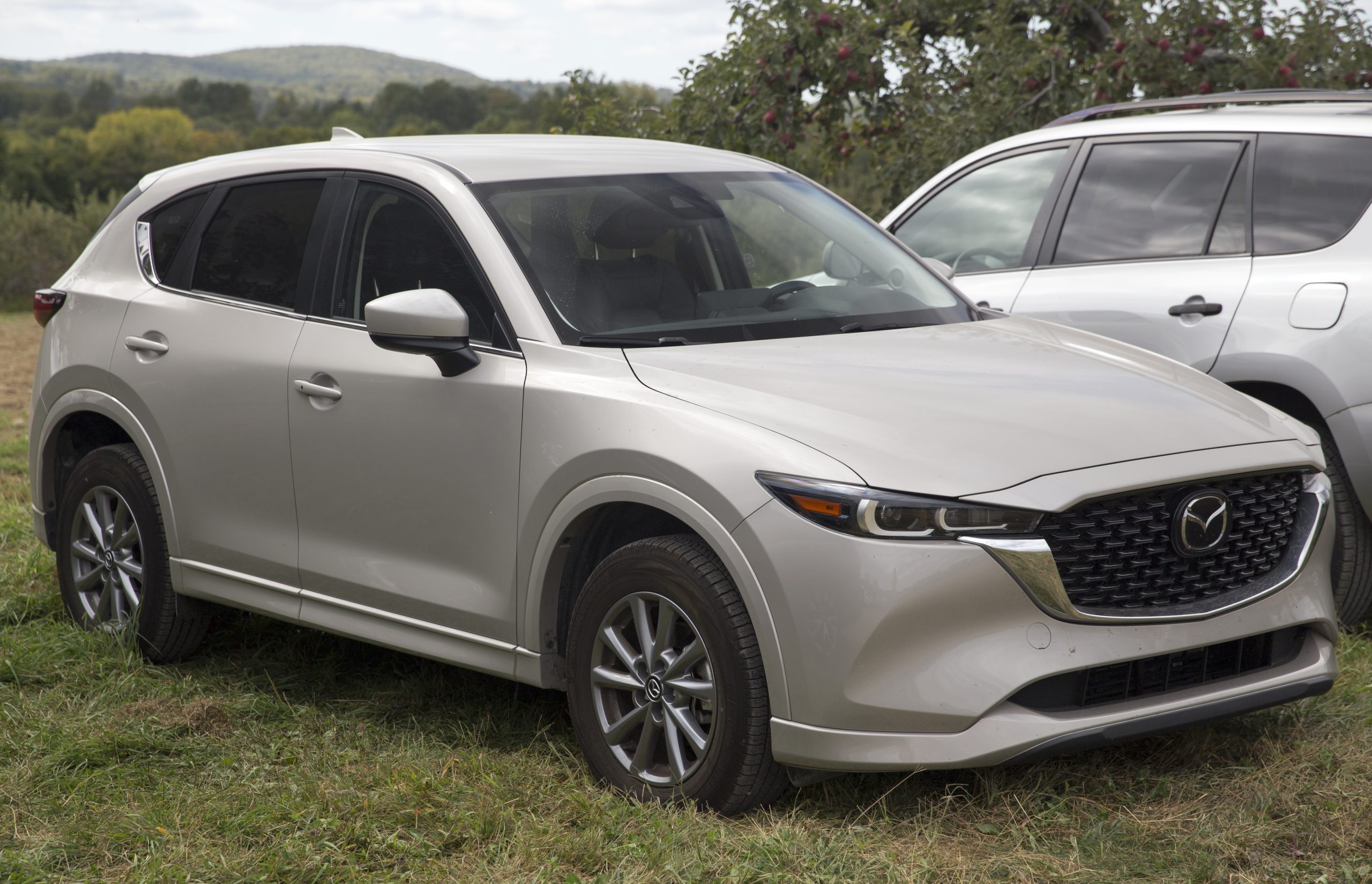
4. Mazda CX-5 (2017-2023)
Mazda’s SKYACTIV technology philosophy extends to every vehicle system, including the starter motor design that emphasizes efficiency and longevity.
The CX-5’s starter incorporates a high-efficiency gear reduction system that multiplies torque while operating at optimal speed ranges for maximum component life.
The motor design utilizes rare earth permanent magnets arranged in a configuration that provides maximum power density while minimizing internal losses that can generate heat and accelerate wear.
This efficient design reduces the electrical load on the battery and charging system while providing reliable starting performance even under challenging conditions.
Mazda’s attention to environmental protection includes comprehensive sealing systems that prevent contamination from road debris, moisture, and temperature extremes.
The starter housing utilizes corrosion-resistant materials and protective coatings that maintain structural integrity even in harsh operating environments.
The electrical connections incorporate marine-grade terminals and weatherproof boots that prevent the corrosion issues common in other vehicles.
Heat management includes both active and passive cooling features that prevent overheating during extended cranking periods or high ambient temperature conditions.
Quality control processes at Mazda manufacturing facilities include extensive validation testing that simulates real-world operating conditions across the vehicle’s intended service life.
When service is eventually required, Mazda’s parts availability and competitive pricing ensure cost-effective maintenance. The combination of exceptional reliability, reasonable service costs, and comprehensive warranty coverage makes the CX-5 an outstanding choice for buyers who prioritize dependable transportation with minimal unexpected repair expenses.
Also Read: 9 Vehicles That Stay Valuable in Collector Markets
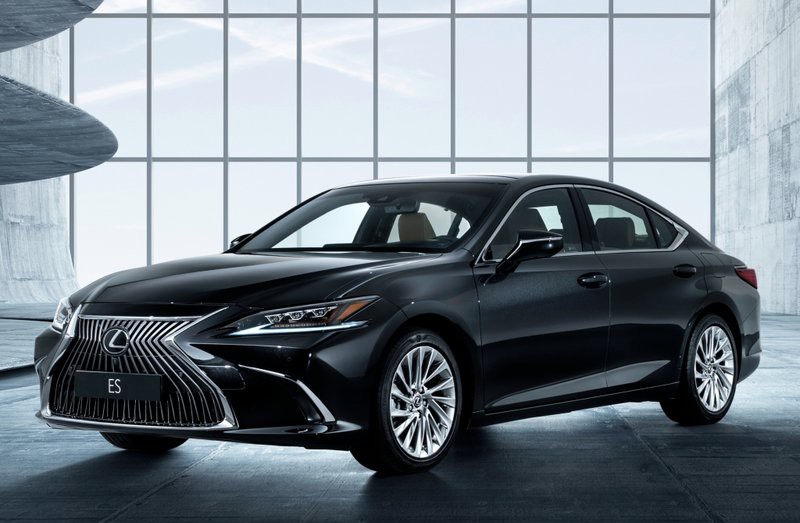
5. Lexus ES (2018-2023)
Lexus represents the pinnacle of Toyota’s engineering excellence, and the ES sedan’s starter system exemplifies this commitment to premium quality and exceptional reliability.
The starter motor incorporates the finest materials and most advanced manufacturing processes available, including precision-wound copper coils with silver-plated connections that provide superior electrical conductivity and corrosion resistance.
The permanent magnet design utilizes rare earth elements arranged in an optimized configuration that delivers maximum starting torque while minimizing electrical consumption and heat generation.
The luxury market demands not only reliability but also refinement, and the ES starter delivers both through advanced engineering solutions. The gear reduction system incorporates precision-machined components with tolerances measured in thousandths of an inch, ensuring smooth, quiet operation throughout the starter’s service life.
The solenoid design includes multiple contact points and advanced materials that prevent the welding or burning common in lesser systems. Vibration isolation features ensure that starter operation remains virtually silent, maintaining the premium driving experience expected by Lexus owners.
Environmental protection reaches new levels in the ES starter system, with multiple redundant sealing systems that prevent any possibility of contamination or corrosion.
The starter housing utilizes aerospace-grade materials and protective coatings that maintain their properties even under extreme conditions. Electrical connections incorporate gold-plated terminals and advanced sealants that prevent any degradation even after decades of service.
The mounting system includes sophisticated vibration damping that protects internal components while ensuring secure attachment under all operating conditions.
Lexus manufacturing standards exceed even Toyota’s already exceptional protocols, with each starter undergoing individual testing and quality verification before installation.
The testing procedures simulate extreme conditions including temperature cycling, voltage variations, and extended duty cycles that far exceed normal operating parameters.
While initial purchase prices are higher, the total cost of ownership advantages through exceptional reliability and strong resale values make the ES an outstanding long-term value proposition.
5 Cars That Constantly Have Starter Issues
These catastrophically unreliable vehicles suffer from fundamental cost-cutting in their starting systems including undersized starter motors and inferior electrical components that create perfect conditions for premature failure under normal operating conditions.
Their bargain-basement construction shows in weak starter motors that struggle with normal cranking loads, cheap solenoid assemblies with contacts that corrode rapidly, and inadequate wiring that develops resistance from minor moisture exposure.
These cars represent the unfortunate consequences of aggressive cost-cutting in critical reliability systems, creating vehicles where dependable transportation becomes questionable due to starting system failures that strand owners in parking lots, driveways, and dangerous locations while requiring expensive emergency repairs that could have been prevented with proper engineering.
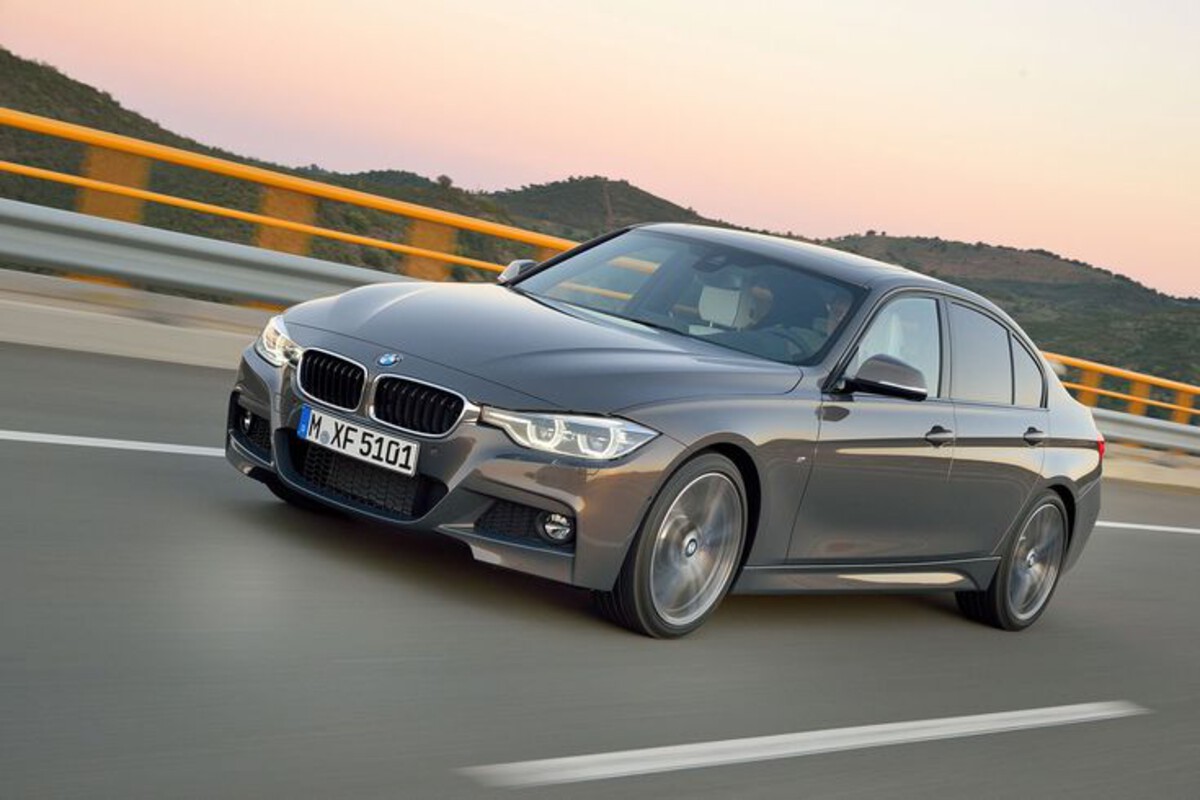
1. BMW 3 Series (2012-2019)
The BMW 3 Series, while renowned for its driving dynamics and luxury features, has unfortunately developed a troubling reputation for premature starter failures that can plague owners throughout their ownership experience.
The root causes of these issues stem from several design compromises and manufacturing decisions that prioritize other aspects of vehicle performance over starter system longevity.
BMW’s approach to starter design emphasizes compact packaging and integration with advanced engine management systems, but these priorities sometimes conflict with the robust construction needed for long-term reliability.
The starter motor design in affected 3 Series models utilizes a compact, lightweight construction that fits within the tight confines of the engine bay but may compromise durability.
The gear reduction system, while efficient, incorporates smaller components that experience higher stress levels during operation. The solenoid design includes advanced features like variable engagement force, but the complexity of these systems creates additional failure points that can cause complete starter failure.
Additionally, the electrical connections utilize specialized connectors that, while space-efficient, may be more susceptible to corrosion and contact resistance issues over time.
Environmental factors play a significant role in 3 Series starter problems, as the compact engine bay design limits airflow and heat dissipation around the starter motor.
The positioning near heat-generating components like the exhaust manifold and turbocharger can subject the starter to thermal cycling that accelerates component degradation.
Road salt exposure in winter climates can cause accelerated corrosion of the starter housing and electrical connections, leading to premature failure. The sophisticated engine bay packaging also makes starter access challenging, increasing labor costs when replacement becomes necessary.
BMW’s manufacturing approach emphasizes advanced technologies and premium materials, but quality control issues have occasionally allowed defective starters to reach the market.
Some production runs have experienced higher than normal failure rates due to supplier issues or manufacturing process variations. The company’s focus on lightweight construction sometimes conflicts with the robust design needed for starter longevity, resulting in components that may not withstand the rigors of daily use as well as more conservatively engineered alternatives.
The financial impact of 3 Series starter problems can be substantial, with replacement costs often exceeding $1,000 due to the complexity of the installation process and the cost of genuine BMW parts.
Many owners report multiple starter failures within the first 100,000 miles, creating unexpected repair expenses that can significantly impact the total cost of ownership.
The sophisticated nature of the starter system also means that diagnosis and repair must be performed by technicians with specialized training and equipment, limiting service options and potentially increasing costs.
Despite these challenges, many 3 Series owners accept these risks in exchange for the vehicle’s exceptional driving experience and luxury features.
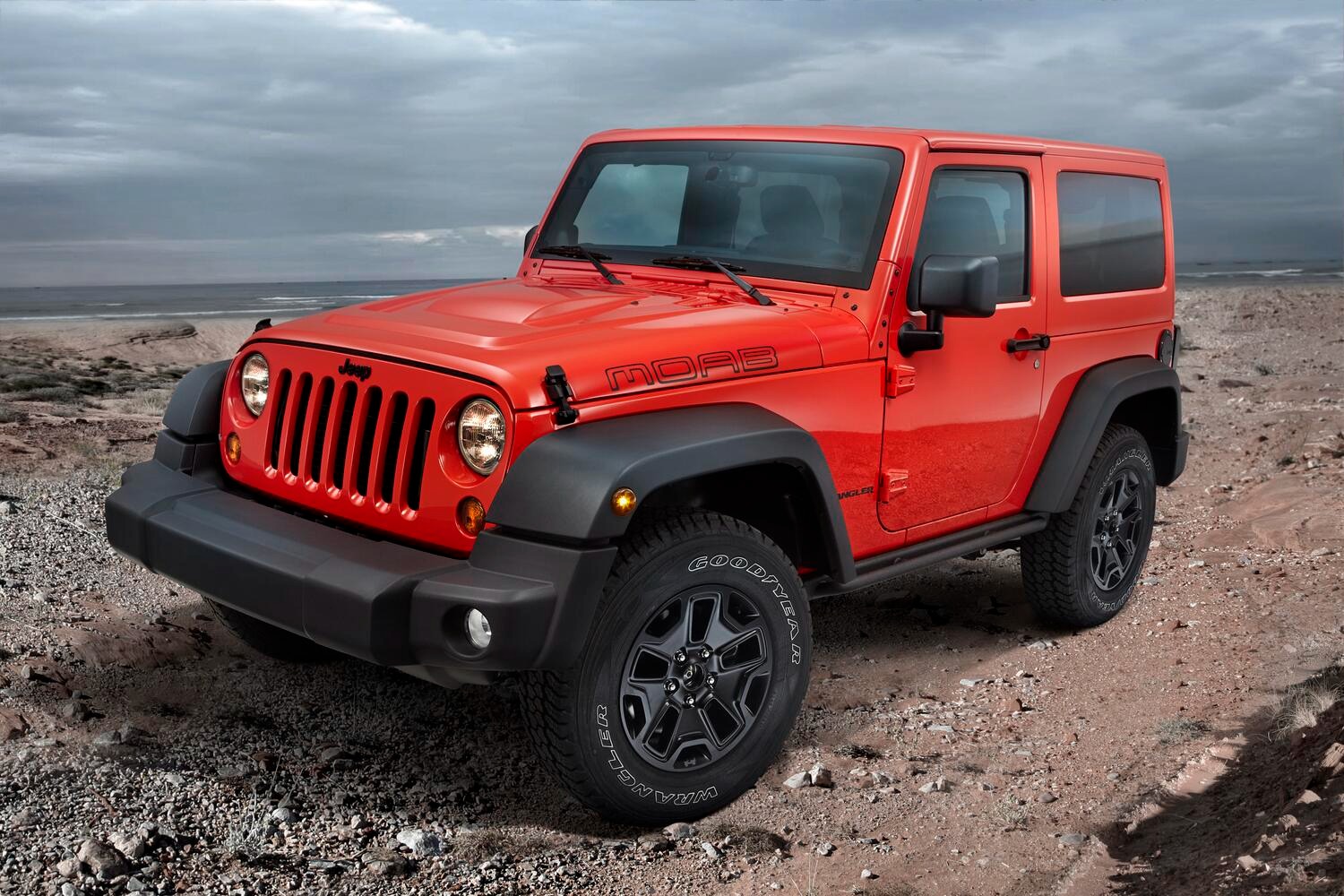
2. Jeep Wrangler (2012-2018)
The Jeep Wrangler’s reputation for go-anywhere capability comes with a significant caveat regarding starter system reliability, as these vehicles have experienced persistent starter-related problems that can leave owners stranded both on and off the trail.
The root causes of these issues stem from the challenging operating environment that Wranglers often encounter, combined with design choices that may not adequately address these harsh conditions.
The starter system must contend with extreme temperature variations, moisture exposure, dust and debris ingestion, and the vibration and shock loads associated with off-road driving.
The Wrangler’s starter motor design faces unique challenges due to the vehicle’s intended use profile. The compact starter must provide sufficient torque to crank high-compression engines while operating in conditions that can include water crossings, dusty trails, and extreme temperature variations.
The gear reduction system, while necessary for torque multiplication, incorporates smaller components that may be more susceptible to wear and failure under these demanding conditions. The solenoid design must handle frequent start cycles during trail riding while resisting the moisture and contamination that can cause electrical failures.
Environmental exposure represents one of the most significant factors contributing to Wrangler starter problems. The relatively open engine bay design allows water, dust, and debris to reach the starter motor during off-road operation.
Water crossings can introduce moisture into electrical connections, while dusty conditions can cause abrasive wear of moving components. The starter’s position low in the engine bay makes it particularly vulnerable to splash and debris impact.
Additionally, the wide temperature range encountered during outdoor recreational activities can cause thermal cycling that accelerates component degradation.
Manufacturing quality control challenges have occasionally affected Wrangler starter reliability, with some production periods experiencing higher failure rates due to supplier issues or design modifications.
The complexity of balancing off-road capability with on-road refinement sometimes results in compromises that may impact starter longevity. Cost pressures in the competitive SUV market can also influence component selection and manufacturing processes, potentially affecting long-term reliability.
The relatively high production volumes and multiple assembly locations can sometimes result in quality variations between different production runs.
The cost impact of Wrangler starter failures extends beyond the direct replacement expense to include potential towing and recovery costs when failures occur during off-road excursions.
Many owners report starter failures occurring at inopportune times, such as during camping trips or trail rides in remote locations. The specialized nature of some Wrangler variants may require specific starter configurations that are more expensive or harder to obtain than standard replacements.
However, the strong aftermarket support for Wrangler products provides owners with multiple options for replacement parts and upgraded components that may offer improved reliability over the original equipment.
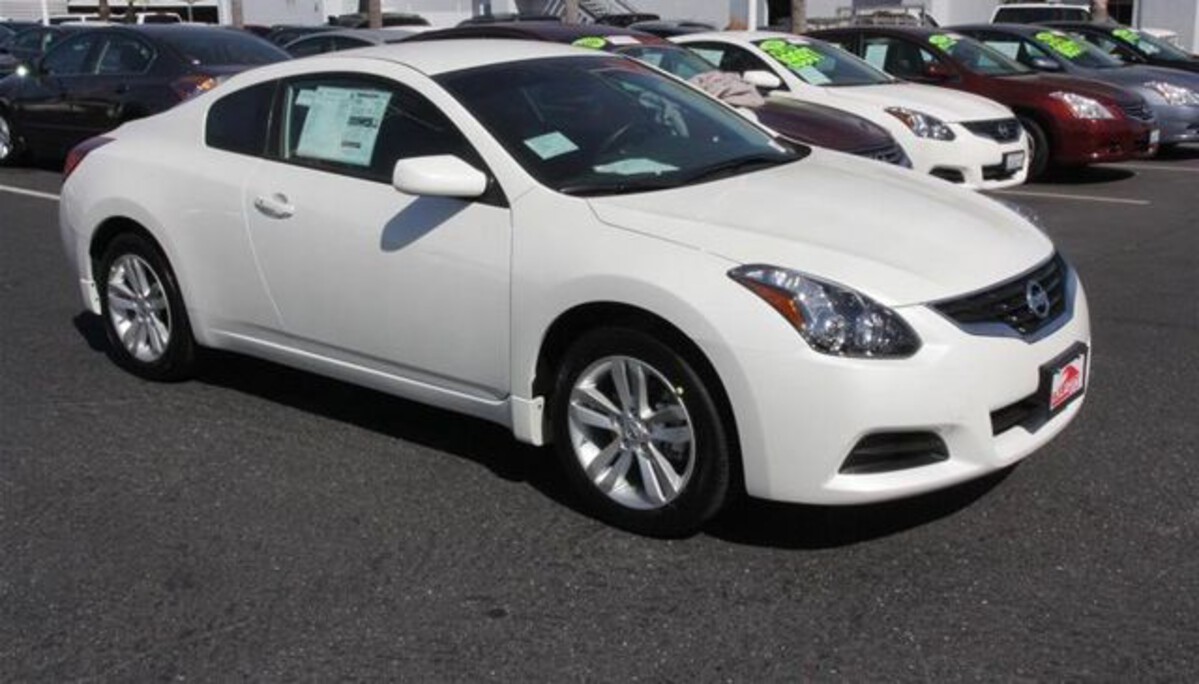
3. Nissan Altima (2013-2018)
The Nissan Altima during this generation experienced a concerning pattern of starter system failures that have frustrated many owners and contributed to reliability concerns about the model.
These issues appear to stem from a combination of design compromises, manufacturing quality variations, and component sourcing decisions that prioritized cost reduction over long-term durability.
The starter problems have been sufficiently widespread to generate numerous technical service bulletins and extended warranty coverage for affected vehicles.
The Altima’s starter motor design incorporates cost-reduction measures that may compromise longevity compared to more robust alternatives. The use of lighter-weight materials and simplified construction helps meet manufacturing cost targets but may result in reduced durability under real-world operating conditions.
The gear reduction system utilizes plastic components in some areas where metal alternatives might provide better long-term reliability. The solenoid design, while adequate for initial operation, may be susceptible to contact wear and electrical resistance buildup that can cause intermittent operation or complete failure.
Quality control issues during the affected production years appear to have contributed significantly to the high failure rates experienced by many Altima owners.
Some manufacturing facilities experienced supplier quality problems that allowed defective starters to reach the assembly line. The complexity of modern automotive supply chains can sometimes result in quality variations between different component suppliers or production runs.
Additionally, cost pressures in the highly competitive midsize sedan market may have influenced decisions regarding component specifications and quality control procedures.
The electrical system design in affected Altima models may contribute to starter stress through inadequate voltage regulation or insufficient battery capacity for the starter’s requirements.
Charging system problems can cause low-voltage conditions that force the starter to draw excessive current, accelerating wear and increasing the likelihood of failure.
Poor electrical connections or inadequate wire gauge can create voltage drops that compound these problems. The integration of numerous electrical accessories and systems can also place additional demands on the electrical system that may affect starter operation.
The financial impact of Altima starter problems has been significant for many owners, with failures often occurring well before the expected service life of such components.
Replacement costs, while generally lower than luxury vehicles, can still represent a substantial unexpected expense. The timing of failures has often coincided with other maintenance needs, creating financial strain for owners who purchased these vehicles expecting reliable, economical transportation.
Nissan’s response through extended warranties and technical service bulletins has provided some relief, but many owners have experienced multiple failures that have undermined confidence in the vehicle’s reliability.
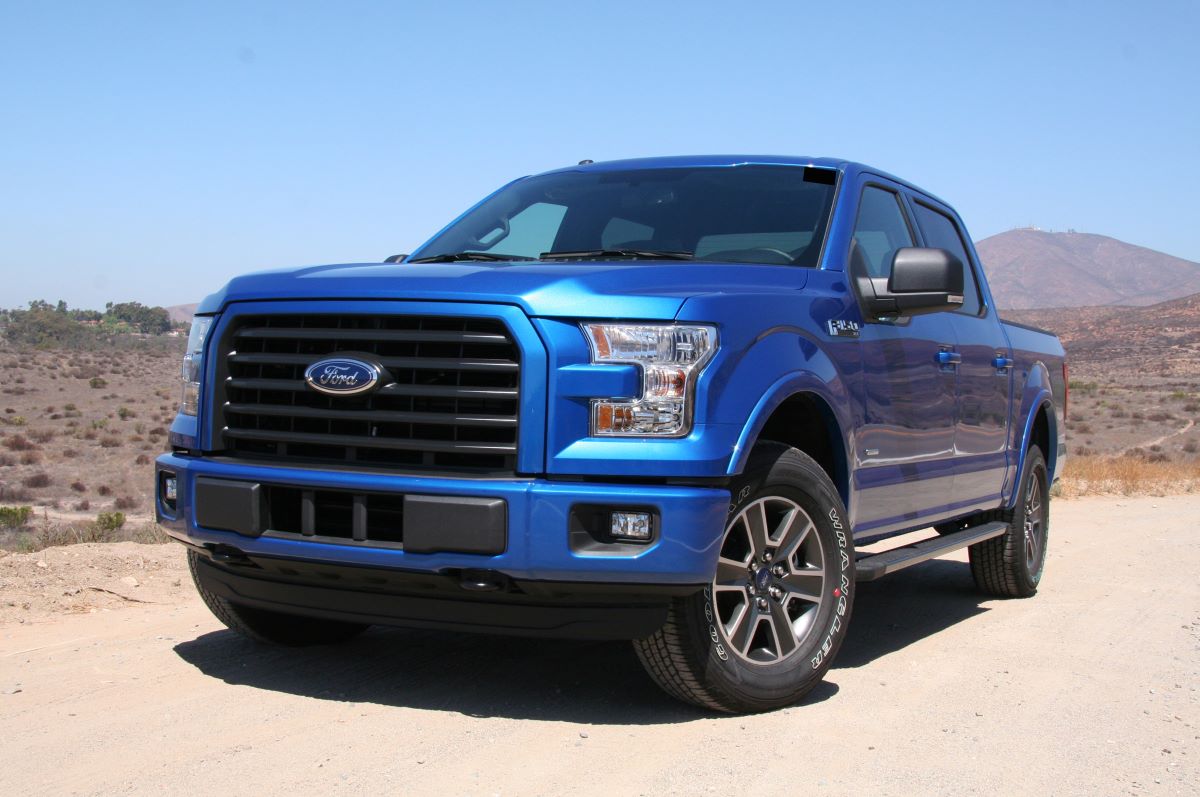
4. Ford F-150 (2015-2020)
The Ford F-150, America’s best-selling truck, has unfortunately experienced a troubling pattern of starter system failures during this generation that have affected thousands of owners and tarnished the vehicle’s reputation for dependability.
These problems appear to stem from a combination of design challenges related to the truck’s diverse use cases, manufacturing quality variations, and the demanding operating environment that trucks often encounter.
The starter issues have been significant enough to prompt multiple technical service bulletins and extended warranty coverage for affected vehicles.
The F-150’s starter system must accommodate a wide range of engine options and operating conditions, from light-duty commuting to heavy-duty towing and commercial applications.
This diverse requirement spectrum creates engineering challenges in designing a starter system that provides adequate performance across all use cases while maintaining reasonable cost and packaging constraints.
The high-output engines available in the F-150 require substantial starting torque, placing additional stress on the starter motor and drive components. Cold weather operation, common in many F-150 markets, further increases cranking loads and starter stress.
Manufacturing quality control issues appear to have affected certain production runs of F-150 starters, with some facilities experiencing higher than normal defect rates due to supplier problems or process variations.
The complexity of coordinating starter specifications across multiple engine options and trim levels may have contributed to quality control challenges.
Cost pressures in the competitive truck market can influence component selection and manufacturing processes, potentially affecting long-term reliability.
The high production volumes and multiple assembly locations for the F-150 can sometimes result in quality variations between different production runs or facilities.
The F-150’s operating environment contributes significantly to starter system stress and potential failure. Trucks often operate in harsh conditions including extreme temperatures, dusty environments, and heavy-duty cycles that can accelerate component wear.
Towing applications place additional electrical loads on the system while generating heat that can affect starter longevity. Commercial and fleet applications may involve frequent start-stop cycles that exceed typical passenger car usage patterns.
The relatively exposed position of the starter in the truck’s chassis makes it vulnerable to road debris, moisture, and contamination. The cost impact of F-150 starter failures extends beyond direct replacement expenses to include potential downtime costs for commercial users and the inconvenience of unexpected breakdowns.
Many owners report starter failures occurring during critical use periods, such as work applications or family trips, creating significant disruption. The widespread nature of the problem has led to increased aftermarket parts availability and competitive pricing, but owners still face unexpected repair expenses and potential reliability concerns.
Ford’s response through extended warranties and improved replacement parts has addressed some concerns, but the experience has affected owner confidence in the F-150’s dependability.
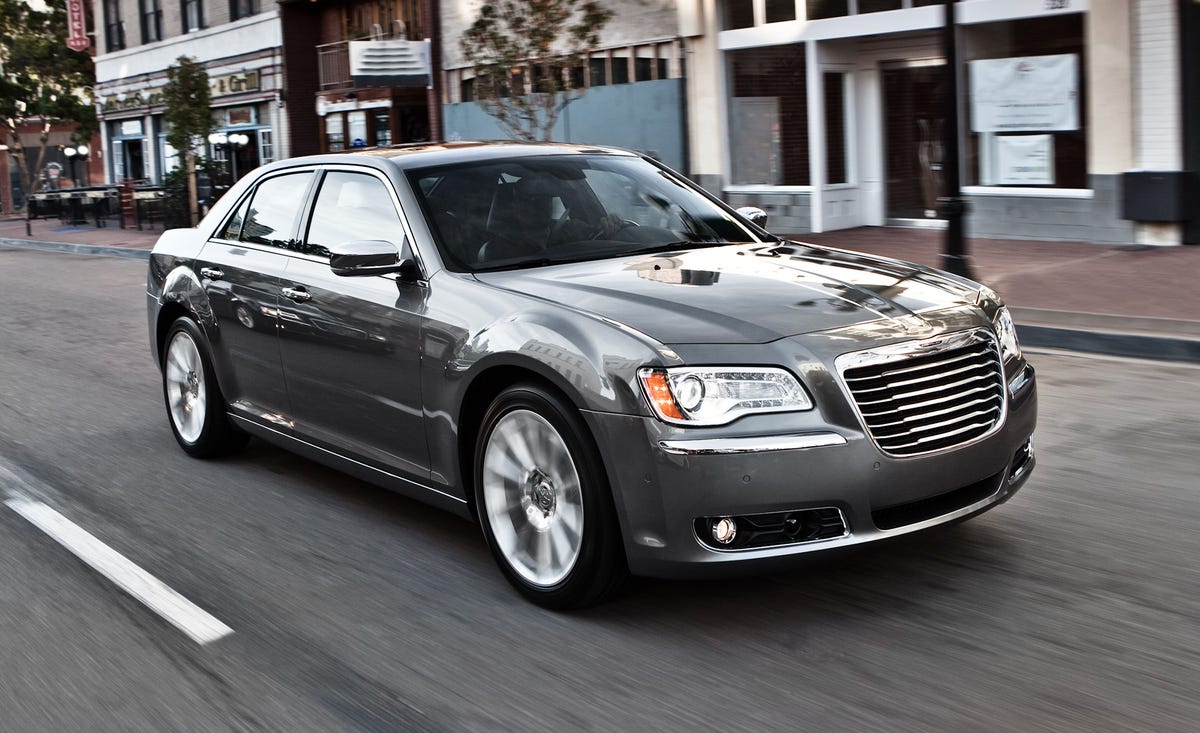
5. Chrysler 300 (2011-2017)
The Chrysler 300, despite its bold styling and impressive performance credentials, has been plagued by persistent starter system problems that have frustrated owners and mechanics alike throughout this generation.
These issues appear to stem from fundamental design flaws, questionable component quality, and manufacturing inconsistencies that have created a perfect storm of reliability problems.
The starter failures have been so prevalent that they’ve spawned numerous online forums dedicated to troubleshooting and documenting the various failure modes experienced by 300 owners.
The 300’s starter system design incorporates several problematic elements that contribute to premature failure. The starter motor positioning places it in a location vulnerable to heat soak from nearby exhaust components, causing thermal cycling that can accelerate insulation breakdown and component degradation.
The electrical connections utilize connectors that have proven susceptible to corrosion and contact resistance problems, leading to voltage drops that stress the starter motor.
The solenoid design incorporates contacts that appear inadequate for the high current loads required, resulting in welding, burning, or erosion that causes intermittent operation or complete failure.
Quality control issues have been a persistent problem throughout the 300’s production run, with multiple suppliers providing starters of varying quality levels.
Some production periods experienced particularly high failure rates due to defective components or manufacturing process problems. The complexity of the 300’s electrical system, with numerous electronic modules and accessories, can sometimes create electrical interactions that affect starter operation.
Power management strategies intended to reduce electrical loads may sometimes create conditions that stress the starter system during cranking.
The financial and practical impact of 300 starter problems has been substantial for many owners, with some reporting multiple failures within short time periods.
Replacement costs can be significant due to labor complexity and the need for genuine parts to maintain proper system integration. The unpredictable nature of the failures, which can range from gradual deterioration to sudden complete failure, makes it difficult for owners to plan for repairs.
Many owners have resorted to carrying spare starters or keeping jumper cables handy due to the unreliability of the original system. Despite these problems, some owners remain loyal to the 300 due to its unique styling and performance characteristics, accepting the starter issues as an unfortunate trade-off.
Also Read: 10 Vehicles That Survived Global Conflicts
