
The Subaru Outback has earned its reputation as one of America’s most beloved adventure-ready wagons, celebrating three decades of combining practical everyday driving with genuine off-road capability.
Since its debut in 1994, this versatile vehicle has evolved through six distinct generations, each bringing improvements in safety, technology, and performance while maintaining the core DNA that makes an Outback unmistakably Subaru.
However, not all Outback model years are created equal. Like any long-running automotive nameplate, certain years shine as examples of engineering excellence and reliability, while others serve as cautionary tales of what happens when design flaws, manufacturing issues, and cost-cutting measures converge.
Understanding which years to embrace and which to avoid can save prospective buyers thousands of dollars in repair costs and countless hours of frustration.
The Outback’s journey hasn’t been without significant bumps along the way. From the notorious head gasket failures that plagued earlier generations to the oil consumption issues that sparked class-action lawsuits, certain model years have developed reputations that precede them in the used car market.
This comprehensive guide examines ten crucial model years that define the Outback’s legacy, split between five years that represent exceptional value and reliability, and five that consistently disappoint owners with recurring problems and premature failures.
Each analysis draws from extensive consumer reports, technical service bulletins, recall data, and the collective experience of hundreds of thousands of Outback owners who’ve shared their real-world experiences.
5 Subaru Outback Years Worth Owning
These exceptionally engineered Outback generations feature Subaru’s most reliable powertrains and mature manufacturing processes that maintain perfect operation through hundreds of thousands of demanding miles without major component failures.
Their thoughtful construction includes the proven EJ25 engines with improved head gasket designs, robust symmetrical all-wheel drive systems, and superior build quality that resists the wear patterns typically created by off-road adventures and daily commuting.
From mountain passes that challenge cooling systems to snow-covered trails that test drivetrain durability, these remarkable wagons continue operating like new without experiencing the head gasket failures, transmission problems, or electrical issues that plague problematic model years.
Strategic component selection prioritizes proven reliability over cutting-edge features, while superior assembly quality ensures tight tolerances and consistent performance throughout extended ownership.
1. 2014 Subaru Outback
The 2014 Subaru Outback stands as a testament to iterative improvement and careful engineering refinement. Coming at the tail end of the fourth generation, this model year benefited from years of continuous improvements that addressed the most significant issues plaguing earlier models in the lineup.
According to Consumer Reports, the 2014 model is among those with the fewest issues and the best reliability records, making it an exceptional choice for buyers seeking proven dependability.
What sets the 2014 apart from its immediate predecessors is Subaru’s systematic approach to addressing the oil consumption issues that had tarnished the brand’s reputation.
Owners regularly report trouble-free operation well beyond 200,000 miles with nothing more than routine oil changes, timing belt replacements, and basic maintenance. The engine’s design inherently runs cooler than many competitors, contributing to its longevity and reducing the likelihood of the overheating issues that can plague other brands.
Transmission reliability in the 2014 Outback represents a significant improvement over the troublesome CVT units found in earlier years. While still utilizing continuously variable transmission technology, the 2014 model featured refined programming and improved hardware that eliminated much of the rough shifting, slipping, and premature failure that characterized previous generations.
The transmission feels more responsive during acceleration and maintains better durability under heavy loads or towing conditions. Interior build quality and ergonomics reached new heights in the 2014 model year.
The cabin materials feel substantial and well-assembled, with improved sound deadening that creates a more refined driving experience. The seating provides excellent long-distance comfort, crucial for the adventure-oriented lifestyle that many Outback owners embrace.
Controls are logically arranged and easy to operate, even while wearing gloves a consideration that speaks to Subaru’s understanding of their customer base.
Safety performance in the 2014 Outback earned top marks from both the Insurance Institute for Highway Safety (IIHS) and the National Highway Traffic Safety Administration (NHTSA).
The vehicle’s strong safety cage and comprehensive airbag system provide excellent occupant protection, while features like stability control and traction management help prevent accidents in challenging conditions. This safety excellence comes without the electronic complexity that would later introduce reliability concerns in subsequent years.
From a value perspective, the 2014 Outback represents an sweet spot in the used car market. These vehicles have depreciated enough to be accessible to a broader range of buyers while maintaining the reliability and features that make them genuinely useful for years to come.
Parts availability remains excellent, and the widespread familiarity among mechanics means repair costs stay reasonable when maintenance is needed.
2. 2016 Subaru Outback
The 2016 Subaru Outback marks the second year of the fifth generation, representing a model that had shed the typical first-year issues while incorporating meaningful improvements based on early customer feedback.
This model year consistently appears on lists of the most reliable Outbacks according to multiple automotive outlets, earning recognition for its combination of refined driving dynamics, improved technology, and robust long-term dependability.
Perhaps the most significant advancement in the 2016 model was the completely redesigned platform that underpinned the entire vehicle. Subaru’s Global Platform brought improved rigidity, better crash protection, and enhanced driving dynamics while maintaining the high ground clearance and all-weather capability that defines the Outback experience.
This wasn’t simply a cosmetic refresh the fundamental structure of the vehicle had been re-engineered to deliver better performance in every measurable category. The powertrain options in 2016 provided buyers with two excellent choices, both proven reliable in real-world conditions.
The standard 2.5-liter naturally aspirated engine delivered adequate power for most driving situations while maintaining excellent fuel economy and requiring minimal maintenance.
For buyers seeking more performance, the available 3.6-liter six-cylinder engine provided robust acceleration and impressive towing capability without sacrificing the reliability that buyers expected from Subaru.
Engine refinement reached new levels in the 2016 model year. The characteristic boxer engine sound that some found intrusive in earlier generations had been significantly reduced through improved sound deadening and engine mounting techniques.
The result is a cabin environment that feels more premium and less industrial, enhancing the ownership experience during long highway drives or stop-and-go commuting.
The continuously variable transmission received substantial improvements for the 2016 model year, addressing many of the concerns that had plagued earlier CVT implementations.
The transmission programming felt more natural, with better simulated shift points that made the driving experience more engaging. Reliability improved dramatically, with far fewer reports of premature failure or the slipping and shuddering that had characterized earlier generations.
All-wheel drive performance in the 2016 Outback represented the culmination of decades of Subaru engineering expertise. The system operated seamlessly in all conditions, providing confident traction on everything from snowy highways to muddy camping areas.
Unlike many competitors that offered all-wheel drive as an afterthought, Subaru’s system felt integral to the vehicle’s character and provided genuine capability when conditions demanded it.
3. 2017 Subaru Outback
The 2017 Subaru Outback represents the pinnacle of fifth-generation development, incorporating three years of continuous refinement while avoiding the complexity and potential reliability issues that would characterize later model years.
Consumer Reports consistently ranks the 2017 among the most reliable Outback years, and real-world owner experiences support this reputation with reports of trouble-free operation well into high-mileage territory.
What distinguishes the 2017 model from its siblings is the level of refinement Subaru achieved across every aspect of the vehicle. By this point in the fifth generation’s lifecycle, engineers had identified and addressed the minor issues that affected earlier years while implementing improvements that enhanced both reliability and user experience.
The result is a vehicle that feels mature and thoroughly developed rather than rushed to market. Engine reliability in the 2017 Outback reached exceptional levels, with both available powertrains demonstrating impressive longevity.
The standard 2.5-liter engine incorporated lessons learned from the oil consumption problems that had plagued earlier generations, featuring improved piston ring designs, better oil drain-back systems, and enhanced quality control during assembly.
Owners regularly report oil consumption within normal parameters and engine operation that remains smooth and quiet even after 150,000 miles or more. The available 3.6-liter six-cylinder engine in the 2017 model represents one of Subaru’s most successful powerplant designs.
This naturally aspirated engine delivers smooth, linear power delivery that feels particularly well-suited to the Outback’s character.
Unlike turbocharged alternatives that can suffer reliability issues related to complex cooling systems and high-pressure components, the 3.6-liter engine maintains its reliability through fundamental engineering excellence and conservative design parameters.
Transmission performance reached new heights in the 2017 model year, with the CVT system demonstrating the reliability and refinement that had been missing from earlier implementations.
The transmission programming felt more responsive and natural, while the hardware proved capable of extended service without the premature failures that had characterized previous generations. Owners report smooth operation and appropriate shift feel even under heavy loads or challenging driving conditions.
Build quality and materials in the 2017 Outback reflected Subaru’s growing attention to premium touches and long-term durability. Interior materials felt more substantial than in previous years, while assembly quality eliminated many of the minor rattles and squeaks that could develop over time.
The exterior finish and paint quality also improved, providing better resistance to the environmental challenges that many Outback owners encounter during their adventures.
From a value perspective, the 2017 Outback represents an exceptional opportunity in today’s used car market. These vehicles offer modern safety features, proven reliability, and contemporary comfort while avoiding the premium pricing of newer models.
Parts availability remains excellent, and the widespread service network ensures that maintenance and repairs remain affordable throughout the ownership experience.
4. 2021 Subaru Outback
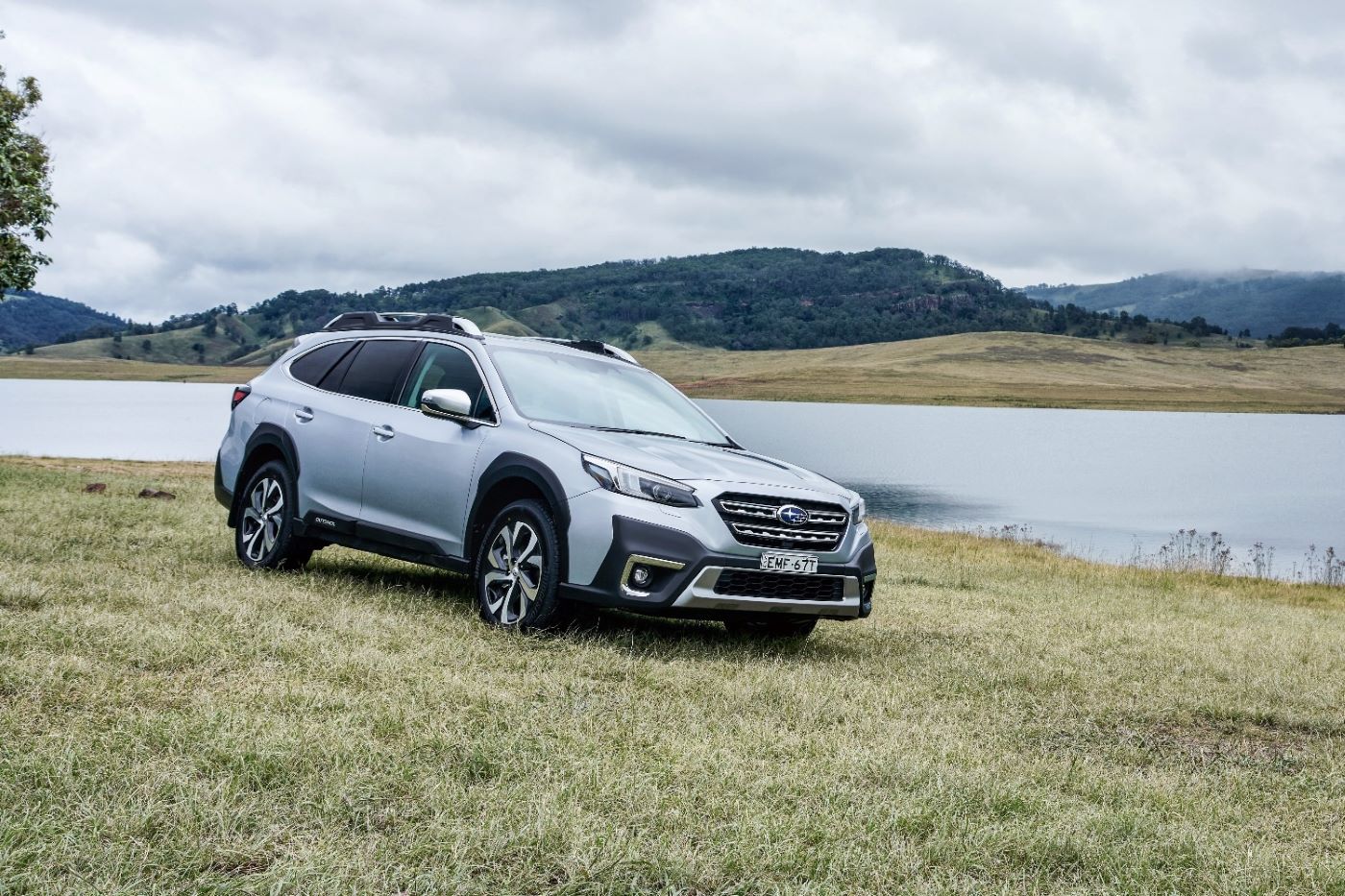
The 2021 Subaru Outback launched the sixth generation with a level of sophistication and refinement that established new benchmarks for the nameplate.
According to Consumer Reports, 2021 and newer models rank among the most reliable Outback years, representing a successful transition to a new platform while maintaining the dependability that buyers expect from the brand.
The most significant advancement in the 2021 model was the adoption of Subaru’s refined Global Platform, which had been proven in other models before making its way to the Outback.
This platform brought meaningful improvements in structural rigidity, crash protection, and driving dynamics while maintaining the ground clearance and all-weather capability that defines the Outback experience. The result is a vehicle that feels more solid and confident in all driving situations.
Powertrain refinement reached new levels with the 2021 model year’s updated engines and transmission systems. The standard 2.5-liter engine incorporated direct injection technology and other efficiency improvements that enhanced both performance and fuel economy.
The available turbocharged 2.4-liter engine provided impressive performance while maintaining reliability through conservative tuning and robust cooling systems that prevent the overheating issues common in other turbocharged applications.
The CVT transmission in the 2021 Outback represents years of development and refinement that addressed virtually all the concerns from earlier generations.
The system operates smoothly and responsively, with programming that feels natural and engaging rather than the artificial or disconnected feel that characterized earlier CVT implementations. Long-term reliability appears excellent based on early owner reports and Subaru’s extensive testing programs.
Interior space and comfort reached impressive new levels in the 2021 model year. The cabin provides genuine adult-sized accommodations in both rows, while cargo capacity increased substantially compared to the previous generation.
Material quality and assembly precision reflect Subaru’s growing emphasis on premium touches and long-term durability, creating an interior environment that feels appropriate for the vehicle’s price point. All-wheel drive capability in the 2021 model represents the culmination of Subaru’s decades of experience in this technology.
The system provides seamless operation in all conditions, delivering confident traction without the complexity or potential reliability issues that characterize some competitors’ systems. The mechanical simplicity of Subaru’s approach ensures long-term reliability while providing genuine capability when conditions demand it.
Also Read: 10 Trucks That Bring the Best Trade-In Value in 2025
5. 2009 Subaru Outback
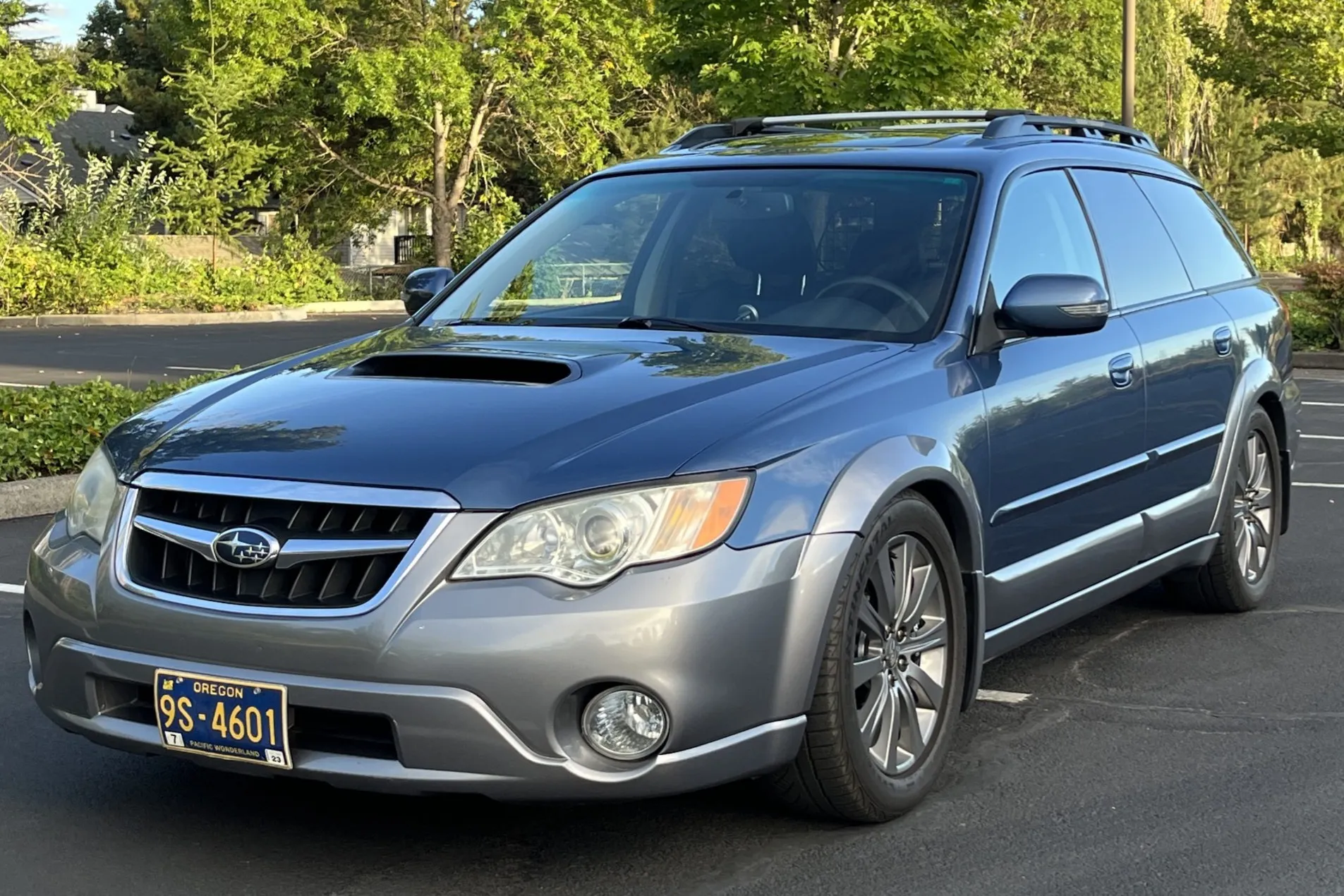
The 2009 Subaru Outback represents the final year of the third generation, incorporating five years of continuous improvement and refinement that created one of the most dependable Outbacks ever produced.
The 2009 model is noted as one of the most reliable Outbacks, earning this reputation through fundamental engineering excellence and the kind of thorough development that modern rushed production cycles often prevent.
What makes the 2009 model exceptional is its position at the end of a long development cycle that allowed Subaru to identify and address virtually every issue that had affected earlier years in the generation.
By 2009, the manufacturing processes had been refined, component suppliers had been optimized, and the design itself had proven its worth through hundreds of thousands of real-world miles. The result is a vehicle that represents the third generation at its absolute peak.
Engine reliability in the 2009 Outback achieved levels that remain impressive by today’s standards. The available powertrains, including both the 2.5-liter four-cylinder and 3.0-liter six-cylinder engines, demonstrated exceptional longevity when properly maintained.
These naturally aspirated engines avoided the complexity and potential reliability issues associated with turbocharging or direct injection, instead relying on proven technology that had been refined over many years.
The naturally aspirated design philosophy in 2009 created engines that ran cooler and required less maintenance than many modern alternatives.
Owners regularly report trouble-free operation beyond 250,000 miles with nothing more than routine oil changes, timing belt services, and basic maintenance.
The engines maintain their smooth operation and adequate power output even at high mileages, making them excellent choices for buyers who prioritize long-term reliability over maximum performance.
These vehicles have depreciated to very affordable levels while retaining the fundamental capabilities that make them useful for both daily driving and adventure pursuits. The proven reliability means that a well-maintained 2009 can provide years of dependable service at a fraction of the cost of newer alternatives.
5 Subaru Outback Years That Constantly Fail
These catastrophically unreliable Outback generations suffer from fundamental engineering missteps including defective head gasket designs and problematic CVT transmissions that create perfect conditions for expensive failures under normal operating conditions despite Subaru’s reputation for durability.
Their cost-cutting construction shows in the notorious 2010-2014 FB engines prone to excessive oil consumption and premature bearing wear, problematic Lineartronic CVTs with overheating issues, and complex electrical systems that malfunction without warning.
Poor material choices in critical engine sealing components lead to premature head gasket failures that require expensive repairs, while inadequate transmission cooling causes internal damage during routine driving conditions that destroys CVT reliability.
The combination of unproven technology and rushed development timelines creates wagons where Subaru’s legendary all-weather capability becomes overshadowed by constant mechanical problems that destroy customer confidence.
1. 2011 Subaru Outback
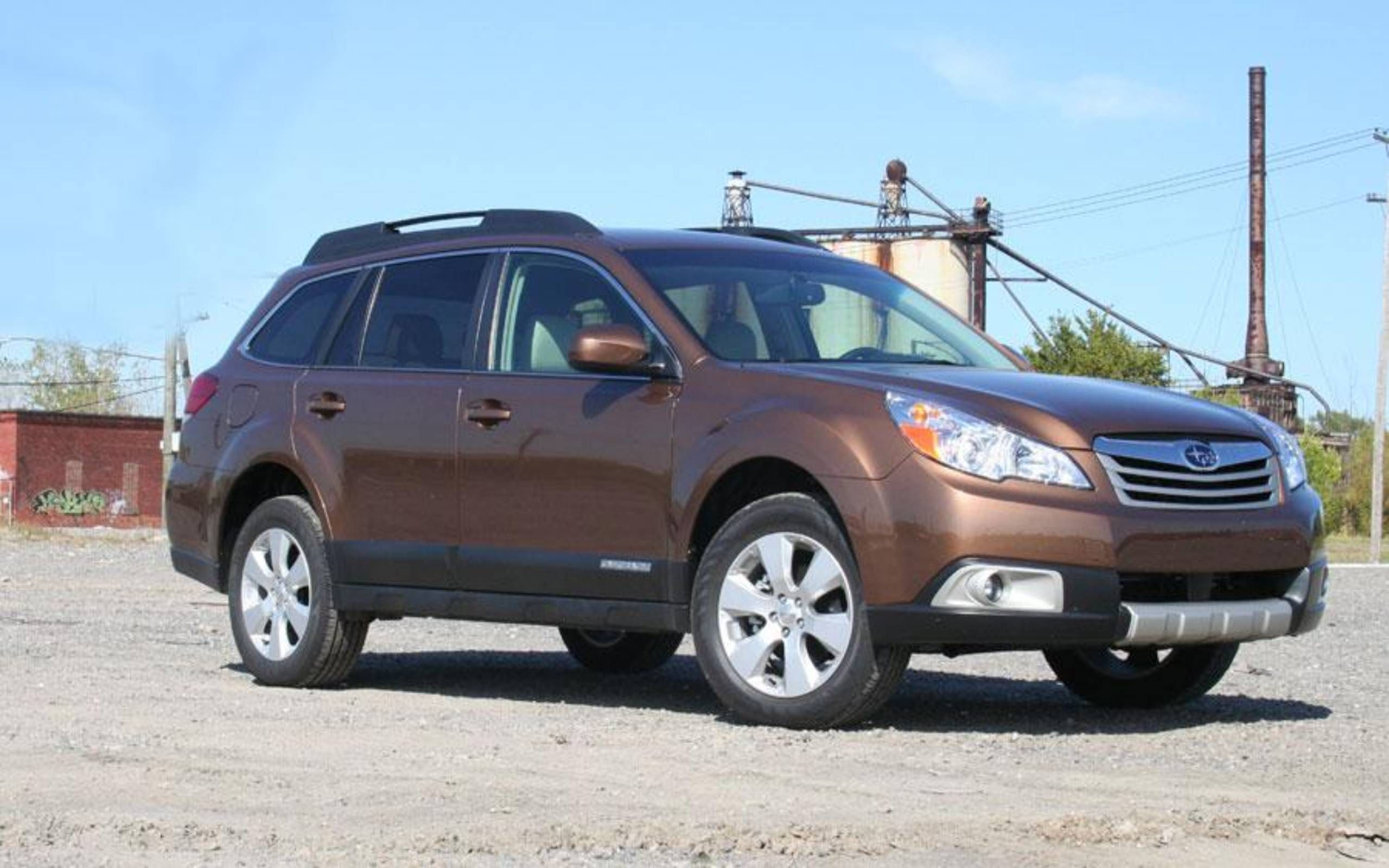
The 2011 Subaru Outback stands as arguably the most problematic year in the model’s three-decade history, earning this unfortunate distinction through a convergence of design flaws, manufacturing issues, and cost-cutting measures that created a perfect storm of reliability problems.
Industry experts widely agree that the 2011 Outback is the worst model year due to its terrible transmission problems, but the issues extend far beyond just the transmission to encompass virtually every major system in the vehicle.
The most devastating problem affecting the 2011 Outback was the widespread transmission failure that left thousands of owners stranded with inoperable vehicles.
The CVT transmission experienced rough shifting, slipping, failure, shuddering, and stalling, often occurring without warning and typically requiring complete transmission replacement.
These failures weren’t limited to high-mileage vehicles many owners reported transmission problems beginning as early as 30,000 miles, well within the warranty period but creating enormous inconvenience and safety concerns.
The transmission issues in the 2011 model stemmed from Subaru’s premature implementation of continuously variable transmission technology that hadn’t been adequately tested for the demands of the Outback’s intended use.
The CVT system proved particularly problematic when subjected to the kinds of loads and conditions that Outback owners routinely encountered towing small trailers, going through steep grades, or operating in extreme temperatures.
The transmission would overheat, slip between ratios, or simply fail to engage, leaving drivers stranded in potentially dangerous situations. Compounding the transmission problems were serious engine issues that affected a significant percentage of 2011 Outbacks.
The 2011 model suffered from defective piston rings that caused excessive oil consumption, with owners reporting they were buying oil in large quantities.
This wasn’t merely an inconvenience the oil consumption was so severe that engines could seize if owners didn’t constantly monitor and top off oil levels. Many owners discovered the problem only after serious engine damage had already occurred.
The oil consumption issue in 2011 models reached such severe levels that it eventually led to a class-action lawsuit and comprehensive recall program.
These failures not only created expensive repair situations but also affected the vehicle’s safety and handling characteristics. The premature suspension wear was particularly problematic for owners who used their Outbacks for the kind of light off-road driving that the model was specifically designed to accommodate.
2. 2013 Subaru Outback
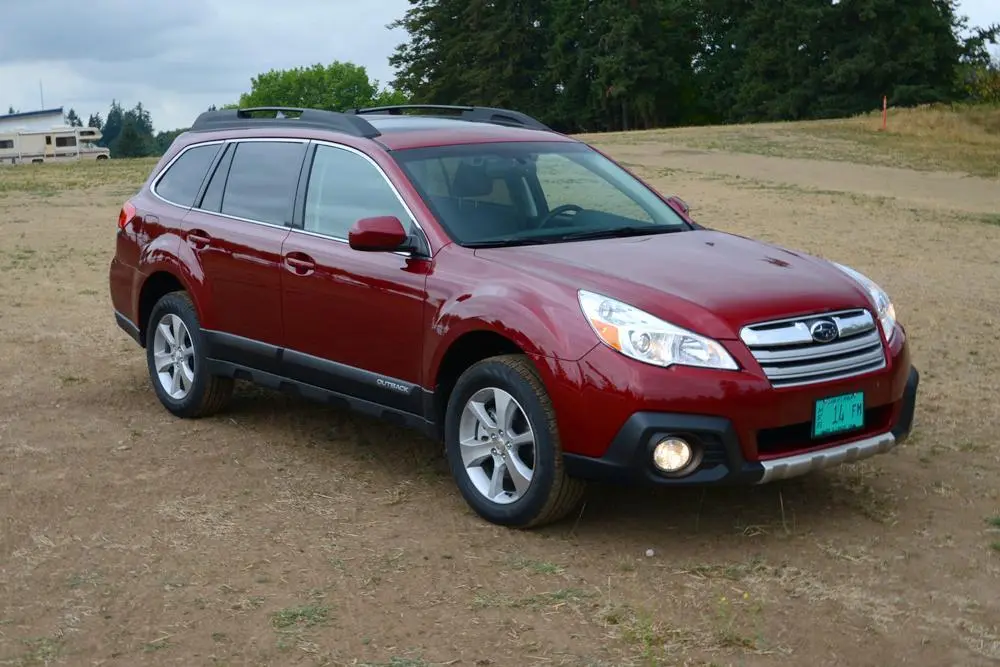
The 2013 Subaru Outback represents one of the most disappointing model years in the vehicle’s history, earning notoriety for widespread engine problems that left thousands of owners facing catastrophic repair bills and unreliable transportation.
The 2013 model year as worse than even higher-complaint years due to more severe problems and higher repair costs, highlighting the particularly egregious nature of the issues that plagued this model year.
The defining problem of the 2013 Outback was the continuation and intensification of the oil consumption issues that had begun affecting Subaru engines in previous years. The 2013 model suffered from defective piston rings that caused excessive oil consumption, leading to a class-action lawsuit.
This wasn’t simply a minor inconvenience owners reported oil consumption rates that required adding multiple quarts of oil between scheduled maintenance intervals, creating both expense and the constant risk of engine seizure if oil levels weren’t monitored obsessively.
What made the 2013 oil consumption problem particularly insidious was its inconsistent manifestation across the model year production run. Some vehicles showed excessive oil consumption from the first few thousand miles, while others developed the problem gradually as mileage accumulated.
This inconsistency made it difficult for owners to anticipate the problem and for dealerships to identify affected vehicles before serious damage occurred.
Many owners only discovered the extent of their vehicle’s oil consumption after experiencing engine knock, warning lights, or complete engine seizure.
The oil consumption in 2013 models was so severe that it overwhelmed the vehicle’s oil monitoring systems, which were calibrated for normal consumption rates.
Interior and exterior build quality in the 2013 model year reflected cost-cutting measures that became apparent as the vehicles aged. Paint quality was notably poor, with premature fading, chipping, and corrosion occurring much earlier than expected.
Interior materials showed unusual wear patterns and component failures, creating an impression of poor quality that extended beyond the major mechanical problems.
3. 2012 Subaru Outback
The 2012 Subaru Outback marked the beginning of the fourth generation, and like many first-year redesigns, it suffered from a host of teething problems that hadn’t been discovered during development and testing.
This model year represents a cautionary tale about the risks of purchasing first-year redesigns, as engineers hadn’t yet had the opportunity to identify and address the real-world issues that would become apparent only after thousands of vehicles had accumulated significant mileage in customer hands.
The most significant issue affecting the 2012 Outback was the introduction of reliability problems that would plague the entire early fourth generation.
While not as severe as the problems that would characterize the 2013 model year, the 2012 served as an early warning of the engine issues that were developing within Subaru’s manufacturing processes.
Oil consumption began appearing as a concern in some 2012 models, though it hadn’t yet reached the catastrophic levels that would define later years.
The 2012 model experienced issues with CVT transmission problems, including rough shifting, slipping, and failure, as Subaru continued to struggle with the implementation of continuously variable transmission technology.
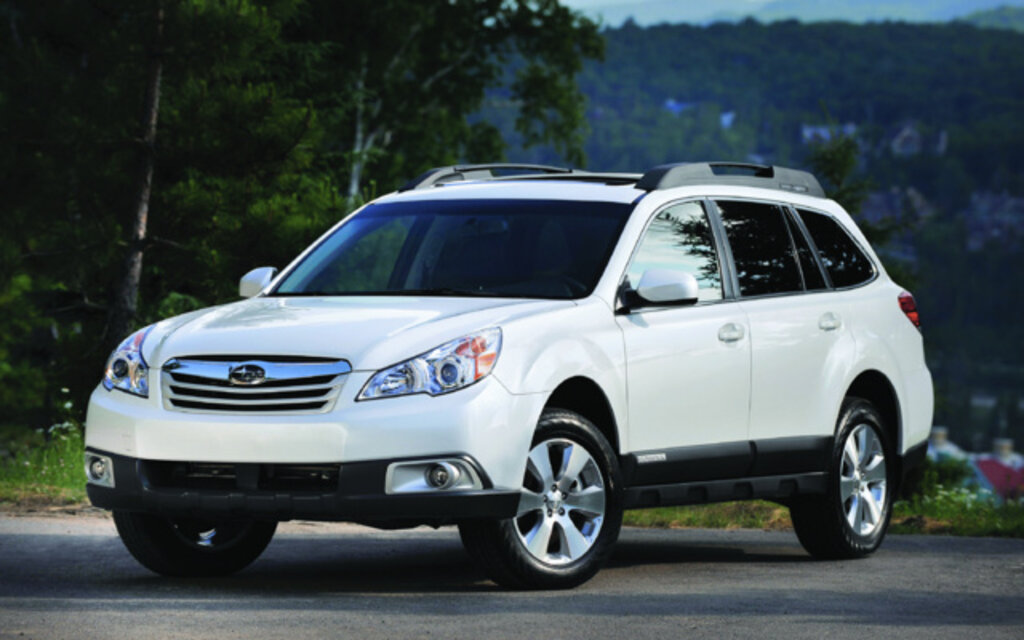
The transmission programming in early 2012 models felt particularly unrefined, with abrupt engagement, poor response to throttle inputs, and a general sense of mechanical confusion that made the driving experience unpleasant and unpredictable.
Engine refinement in the 2012 model year fell short of expectations, with many owners reporting excessive vibration, unusual noises, and inconsistent idle quality.
These issues suggested manufacturing quality control problems that hadn’t been fully resolved in the transition to the new platform. While not necessarily indicating imminent failure, these refinement issues created concerns about long-term reliability and build quality.
The electrical systems in the 2012 Outback demonstrated numerous problems that suggested inadequate testing of the new platform’s electronic architecture.
Owners reported issues with everything from basic lighting systems to more complex engine management and safety systems. These electrical problems often proved difficult to diagnose and expensive to repair, as they typically required replacement of entire electronic control units rather than simple component repairs.
The paint problems were particularly severe in certain colors, suggesting quality control issues in the painting process during the transition to the new platform. These finish problems not only affected the vehicle’s appearance but also created concerns about long-term corrosion protection.
4. 2010 Subaru Outback
The 2010 Subaru Outback represents a particularly challenging model year that combined the worst aspects of transitional engineering with inadequate quality control, creating a vehicle that disappointed owners with reliability problems across multiple systems.
The 2010 to 2013 models experienced significant transmission problems and should be approached with caution due to known transmission faults, but the 2010 model year’s problems extended beyond just the transmission to encompass numerous other systems.
The transmission issues in the 2010 Outback marked the beginning of Subaru’s troubled relationship with CVT technology in this platform. Early implementation of the continuously variable transmission proved problematic, with owners reporting rough shifting, slipping, and premature failure that often required complete transmission replacement.
These transmission problems were particularly frustrating because they typically occurred without warning and often left drivers stranded in inconvenient or potentially dangerous situations.
One common issue in the 2010-2012 Outback was Check Engine light activation with code P2096, often caused by a faulty rear oxygen sensor, though proper diagnosis was required to confirm the cause.
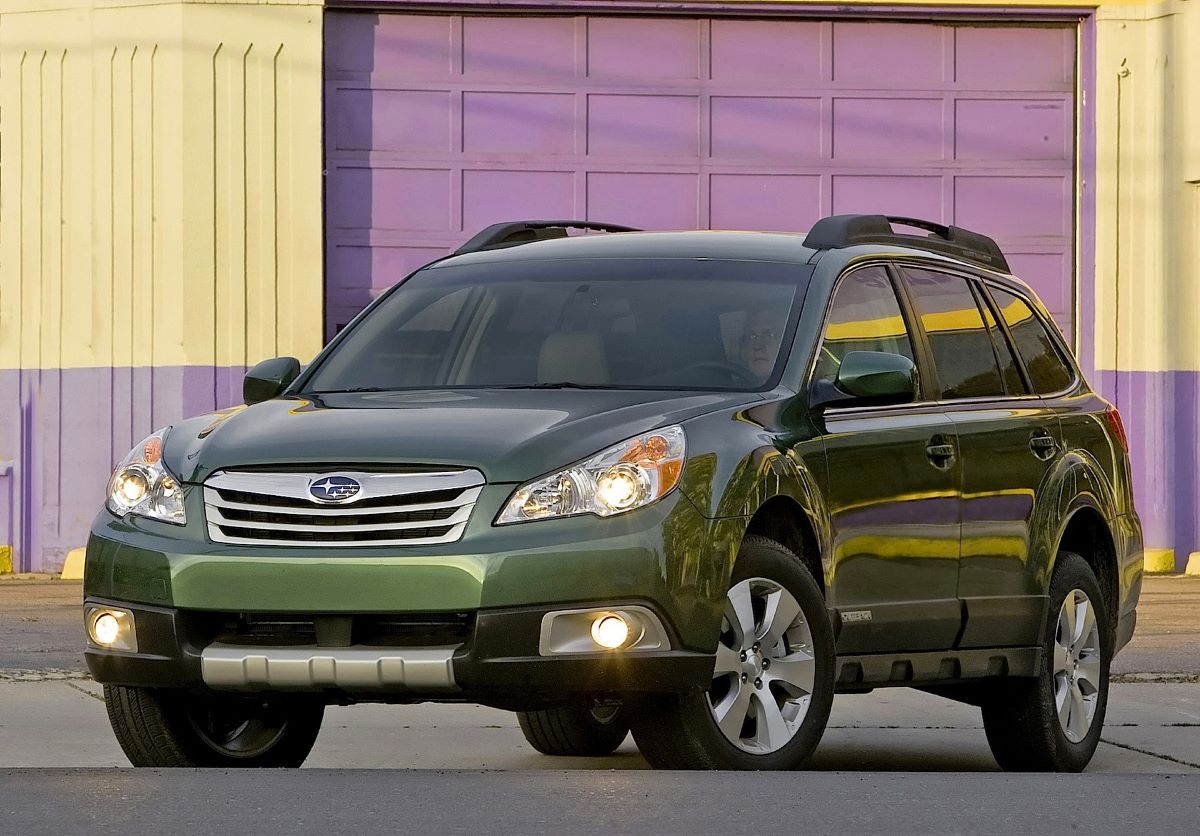
This problem exemplified the kind of emissions-related issues that plagued the 2010 model year, creating situations where vehicles would fail emissions testing and require expensive repairs to complex engine management systems.
The engine management systems in the 2010 Outback demonstrated numerous problems that suggested inadequate development and testing. Beyond the oxygen sensor issues, owners reported problems with mass airflow sensors, throttle body assemblies, and various vacuum leaks that affected engine performance and emissions compliance.
These problems often created cascading failure scenarios where fixing one issue revealed additional problems that required expensive repairs. Electrical system reliability in the 2010 model year was notably poor, with owners reporting premature failure of everything from basic lighting systems to complex electronic control units.
Dashboard materials showed unusual cracking and deterioration patterns, seat fabrics and leather demonstrated poor durability, and various switches and controls failed well before their expected service life. These quality issues created an impression of poor build quality that extended beyond the mechanical problems.
5. 2006 Subaru Outback
The 2006 Subaru Outback stands as one of the most notorious model years in the vehicle’s history, earning this reputation primarily through the widespread head gasket failures that affected a significant percentage of vehicles and created repair bills that often exceeded the vehicle’s value.
The 2006 model year is particularly known for head gasket problems that typically manifest between 60,000 and 100,000 miles, making it a year that savvy used car buyers consistently avoid.
The head gasket problem in the 2006 Outback wasn’t simply an isolated issue affecting a small percentage of vehicles it was a systematic design flaw that affected the majority of vehicles equipped with the 2.5-liter naturally aspirated engine.
The problem stemmed from Subaru’s use of composite head gaskets that proved inadequate for the thermal cycling and combustion pressures encountered in normal operation.
These gaskets would fail predictably, allowing coolant to leak externally or internally, creating overheating conditions that could lead to catastrophic engine damage.
What made the 2006 head gasket problem particularly insidious was its gradual development that often masked the severity of the underlying issue.
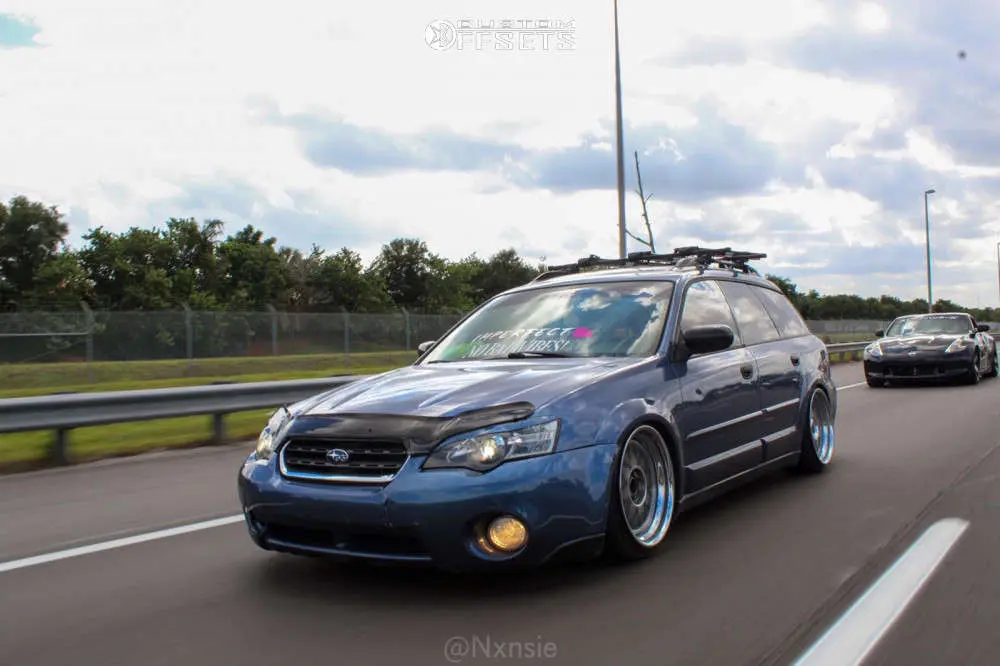
Early symptoms included minor external coolant leaks that many owners dismissed as normal aging, white exhaust smoke during cold starts that seemed to dissipate as the engine warmed, and gradually increasing coolant consumption that could be attributed to normal evaporation.
By the time owners recognized the problem as serious, significant engine damage had often already occurred. The repair costs associated with head gasket failure in the 2006 Outback typically ranged from $2,500 to $4,000, depending on the extent of additional damage discovered during the repair process.
This expense was particularly devastating because it typically occurred when vehicles had depreciated to the point where the repair cost exceeded the vehicle’s value. Many owners faced the difficult decision between expensive repairs or scrapping otherwise functional vehicles due to this single catastrophic failure.
From a value perspective, the 2006 Outback represents one of the worst choices available in the used car market. While these vehicles may appear attractive due to their low purchase prices, the inevitable head gasket failure and related problems make them expensive to own and maintain.
The combination of predictable major repairs, poor build quality, and limited remaining service life makes the 2006 model year a vehicle that should be avoided by all but the most mechanically inclined buyers who are prepared to undertake major repairs as a matter of course.
Also Read: 12 Durable Cars That Refuse to Die Even After 300k Miles
