

The 1980s represented a pivotal decade in automotive history, marked by technological innovation, design experimentation, and the emergence of trucks as legitimate lifestyle vehicles rather than mere workhorses.
This transformative era saw manufacturers pushing boundaries with fuel injection systems, computerized engine management, and bold styling cues that departed dramatically from the utilitarian designs of previous decades.
Today, as automotive enthusiasts and collectors increasingly recognize the historical significance and unique character of 1980s trucks, these vehicles are experiencing a remarkable renaissance in the collector market.
The appeal of 1980s trucks extends far beyond mere nostalgia. These vehicles represent the last generation of truly analog trucks before the digital revolution completely transformed the automotive world.
They embody a perfect storm of factors that make them irresistible to collectors: they’re old enough to possess genuine vintage character yet modern enough to serve as practical daily drivers.
Many feature carbureted engines that can be easily maintained and modified, robust mechanical systems that prioritize simplicity over complexity, and distinctive styling that captures the optimistic, forward-thinking spirit of the Reagan era.
Market trends indicate that 1980s trucks are following the same trajectory that made muscle cars and classic sports cars so valuable. As Baby Boomers and Generation X collectors enter their peak earning years, they’re gravitating toward vehicles that defined their youth and early adulthood.
The emotional connection these buyers have with 1980s trucks whether memories of high school adventures, first jobs, or family experiences creates a powerful demand that consistently drives values upward.
Furthermore, the relative affordability of 1980s trucks compared to earlier classics makes them accessible entry points for new collectors.
While a pristine 1960s Chevrolet C10 might command six-figure prices, exceptional examples of 1980s trucks can still be acquired for reasonable sums, though this window is rapidly closing as awareness grows and quality examples become increasingly scarce.
From the technological innovations of fuel-injected engines to the bold aesthetic choices of two-tone paint schemes and aggressive body cladding, 1980s trucks represent a unique moment when manufacturers were willing to take risks and push creative boundaries.
Each vehicle on this list tells a story not just of automotive engineering, but of American culture, economic conditions, and social trends that shaped an entire generation.
As we examine these ten remarkable trucks, we’ll explore what makes each one special, why collectors are paying attention, and what factors are driving their increasing value in today’s market.
1. 1987-1988 Chevrolet R/V 1500 Silverado
The 1987-1988 Chevrolet R/V 1500 Silverado represents the pinnacle of square-body truck design, combining classic American truck aesthetics with significant mechanical improvements that made these the most desirable of their generation.
These final years of the square-body design featured fuel injection on most engines, improved transmissions, and refined interior appointments that raised the truck-driving experience to new levels of comfort and reliability.
What makes the 1987-1988 Silverado particularly collectible is its position as the evolutionary endpoint of a beloved design language. The square-body Chevrolet trucks, produced from 1973 to 1987, developed a devoted following for their clean, purposeful styling and exceptional durability.
The 1987 model year marked the introduction of throttle-body fuel injection on the 5.7-liter V8, replacing the previous carburetor setup and significantly improving reliability, cold-weather starting, and drivability.
This technological advancement, combined with the refined four-speed automatic transmission, created what many consider the perfect balance of old-school character and modern convenience.
The build quality of these final square-body trucks was notably superior to earlier examples. General Motors had refined the manufacturing processes over more than a decade of production, resulting in tighter panel fits, improved rust resistance, and more consistent assembly quality.
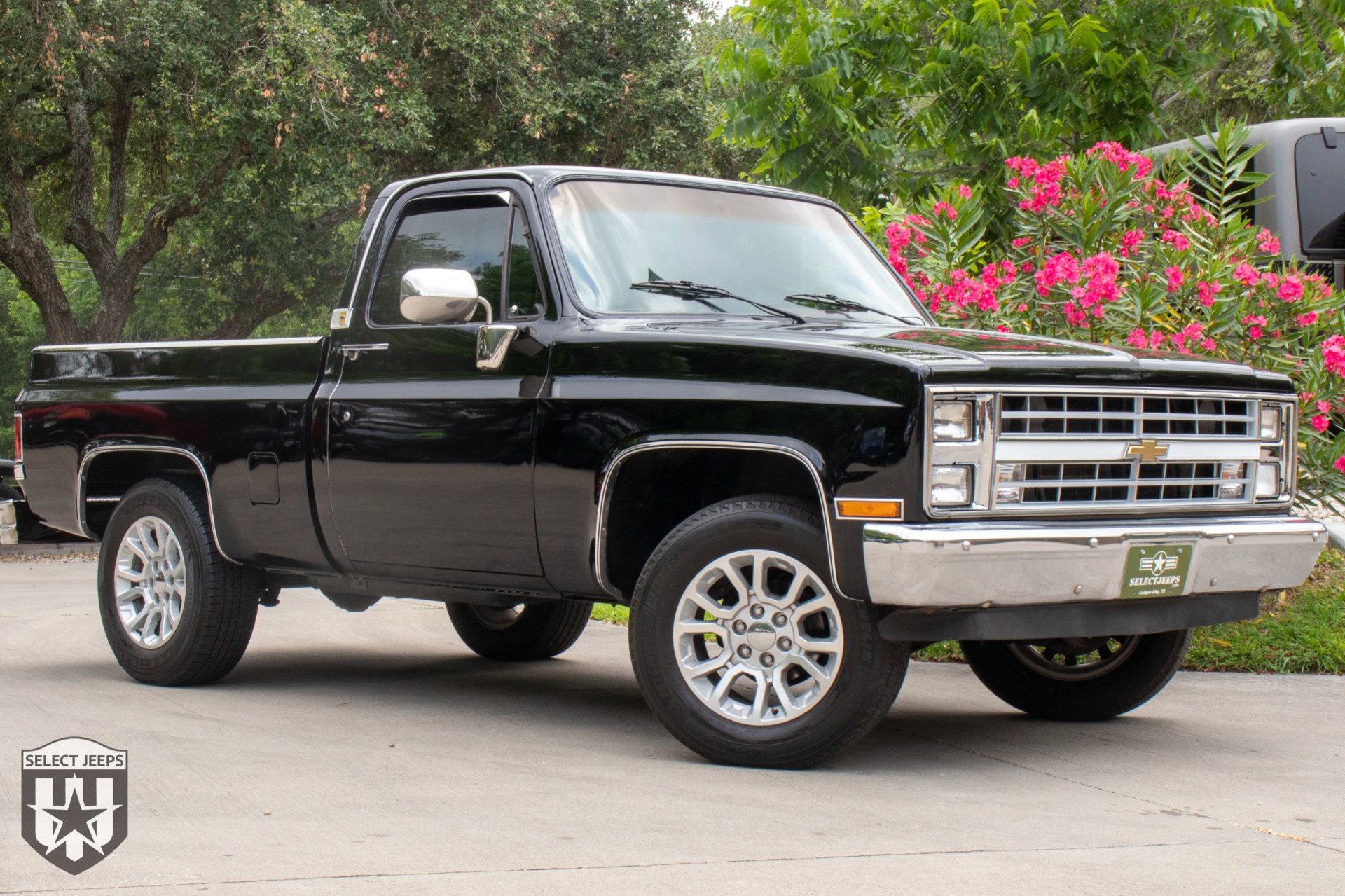
The interior appointments also reached their peak during these years, with high-quality materials, comfortable seating, and improved ergonomics that made long-distance driving genuinely pleasant.
Performance enthusiasts particularly prize the 1987-1988 Silverado equipped with the L05 5.7-liter V8 engine. While not as powerful as later LS engines, this small-block produced a respectable 210 horsepower and offered excellent torque characteristics ideal for both towing and spirited driving.
The fuel injection system made these engines remarkably reliable and responsive, while maintaining the classic small-block sound and character that enthusiasts cherish.
The collectible market has responded strongly to these trucks, with pristine examples commanding premium prices that would have seemed impossible just a decade ago.
Low-mileage, original-paint examples regularly sell for $25,000 to $40,000, while exceptional show-quality trucks can exceed $50,000.
The key factors driving this appreciation include the limited production run (only two model years with fuel injection), the iconic square-body styling, and the excellent reputation for reliability and performance.
Regional variations add another layer of collectibility to the 1987-1988 Silverado. California and southwestern examples often retain their original condition due to minimal rust issues, while northern trucks may show wear but often feature desirable options like four-wheel drive and heavy-duty packages.
The rarest configurations include the short-bed stepside models, extended cab versions, and trucks equipped with the optional 6.2-liter diesel engine, which appeals to collectors interested in fuel efficiency and longevity.
2. 1982-1986 Ford F-150
The 1982-1986 Ford F-150 generation marked a revolutionary shift in pickup truck design and capability, introducing aerodynamic styling, improved fuel efficiency, and enhanced comfort that would influence truck design for decades to come.
These trucks represented Ford’s bold answer to changing consumer preferences and government fuel economy regulations, resulting in vehicles that were simultaneously more efficient and more capable than their predecessors.
The eighth-generation F-150’s most striking feature was its dramatically updated styling, which abandoned the angular, utilitarian look of previous Ford trucks in favor of smoother, more aerodynamic lines.
The rounded front end, integrated bumper, and flush-mounted headlights created a modern appearance that looked genuinely futuristic in 1982.
This design language influenced not only Ford’s subsequent truck designs but established aesthetic trends that other manufacturers would follow throughout the decade.
Mechanically, the 1982-1986 F-150 offered impressive diversity in powertrain options, from the efficient 4.9-liter inline-six to the powerful 5.8-liter V8.

The introduction of fuel injection on select engines improved reliability and performance, while the available four-wheel-drive system featured improved components that enhanced both on-road comfort and off-road capability.
The optional 6.9-liter diesel V8, while not particularly powerful, provided exceptional fuel economy and durability that appeals strongly to today’s collectors interested in practical vintage vehicles.
The interior of the 1982-1986 F-150 represented a significant leap forward in truck comfort and convenience.
Ford recognized that trucks were increasingly being used for personal transportation rather than purely commercial purposes, leading to improved seating, better ergonomics, and more car-like amenities.
The optional electronic instrument cluster, premium sound systems, and climate control features made these trucks genuinely pleasant for daily driving and long-distance travel.
Collectibility factors for the 1982-1986 F-150 include the relatively short production run, the historical significance as Ford’s first modern truck design, and the strong emotional connection many buyers have with these vehicles.
Many current collectors remember these trucks from their youth, either as family vehicles or aspirational purchases, creating strong demand driven by nostalgia and personal history.
Market values for exceptional 1982-1986 F-150s have steadily increased, with the most desirable configurations commanding significant premiums.
Short-bed regular cab models with V8 engines and manual transmissions are particularly sought after, as are extended cab versions and four-wheel-drive models.
The rarest and most valuable examples include the limited-production Lightning prototype models and trucks equipped with the rare 6.9-liter diesel engine.
The restoration potential of these trucks adds to their collectible appeal. The relatively modern design means that many comfort and convenience features remain functional and serviceable, while the mechanical simplicity allows for straightforward maintenance and modification.
This combination of classic truck character with modern usability makes the 1982-1986 F-150 an ideal choice for collectors who want to actually drive and enjoy their investment.
3. 1985-1987 Chevrolet C10/K10 Square Body
The 1985-1987 Chevrolet C10/K10 square body trucks represent the absolute pinnacle of what many consider the greatest truck design ever created, combining thirteen years of refinement with iconic styling that defines American pickup truck aesthetics.
These final years of square body production incorporated significant mechanical improvements, higher build quality, and refined details that make them the most desirable examples of this legendary platform.
During the 1985-1987 production years, Chevrolet addressed many of the quality issues that had plagued earlier square body trucks while maintaining the clean, purposeful design that made them so appealing.
The improved manufacturing processes resulted in better panel alignment, reduced noise and vibration, and enhanced corrosion resistance that significantly extended service life.
These trucks also benefited from years of engineering refinement, with improved sealing, better electrical systems, and more durable components throughout.
The engine options available in the 1985-1987 C10/K10 provided exceptional variety for different use cases and preferences.
The base 4.3-liter V6 offered adequate power for light-duty applications while delivering respectable fuel economy, making these trucks practical daily drivers.

The 5.0-liter and 5.7-liter V8 options provided the power and torque characteristics that truck buyers expected, with the larger engine being particularly popular for towing applications and performance modifications.
What sets these trucks apart in the collector market is their perfect balance of classic design and modern reliability. The square body styling has achieved iconic status, representing the quintessential American pickup truck in the minds of enthusiasts and casual observers alike.
This timeless design language has aged exceptionally well, looking neither dated nor overly retro, but simply right in a way that transcends automotive fashion trends.
The modification potential of these trucks adds another dimension to their collectible appeal. The square body platform accepts a wide variety of engine swaps, suspension modifications, and aesthetic updates while maintaining its essential character.
This versatility allows collectors to create personalized vehicles that reflect individual preferences while retaining the fundamental appeal that makes these trucks so desirable.
4. 1983-1988 Ford Ranger
The 1983-1988 Ford Ranger revolutionized the compact pickup truck market in America, introducing European-influenced design, advanced engineering, and genuine capability in a package that was both efficient and affordable.
As Ford’s answer to the growing popularity of imported compact trucks, the Ranger combined American manufacturing with sophisticated design elements that established it as a serious competitor to established Japanese brands while creating an entirely new market segment.
The first-generation Ranger’s design philosophy emphasized efficiency and practicality without sacrificing capability, resulting in a truck that could serve equally well as an economical commuter vehicle or a capable weekend adventure companion.
The aerodynamic styling, featuring flush-mounted glass and integrated body panels, represented a dramatic departure from traditional American truck design and established visual themes that would influence Ford’s truck styling for decades.
Mechanically, the 1983-1988 Ranger offered impressive sophistication for a compact truck, with independent front suspension, rack-and-pinion steering, and available four-wheel drive that provided genuine off-road capability.

The engine options ranged from the economical 2.0-liter four-cylinder to the powerful 2.9-liter V6, with the latter providing performance that could surprise drivers accustomed to underpowered compact trucks.
The available five-speed manual transmission offered precise shifting and contributed to impressive fuel economy figures that made the Ranger an attractive alternative to passenger cars.
The interior design of the first-generation Ranger emphasized functionality and comfort, with ergonomic controls, supportive seating, and excellent visibility that made these trucks pleasant to drive in various conditions.
The available options included air conditioning, premium sound systems, and convenience features that were unprecedented in the compact truck segment, establishing the Ranger as a legitimate lifestyle vehicle rather than merely a utilitarian workhorse.
Restoration and modification potential adds significant appeal to the 1983-1988 Ranger, as the compact size and relatively simple mechanical systems make these trucks ideal projects for enthusiasts with limited space or budgets.
The strong aftermarket support, combined with the availability of modern performance upgrades, allows owners to create personalized vehicles that maintain the essential character while incorporating contemporary improvements in power, handling, and comfort.
Also Read: 10 Cars That Still Sell Above MSRP in 2025
5. 1987-1991 Ford F-250 4×4
The 1987-1991 Ford F-250 4×4 represents the golden age of heavy-duty pickup trucks, combining rugged capability with refined comfort in vehicles that established the template for modern super-duty trucks.
These trucks emerged during a period when American manufacturers were perfecting the art of building powerful, capable work trucks that could also serve as comfortable daily drivers, resulting in vehicles that remain highly sought after by collectors and enthusiasts who appreciate authentic capability and timeless design.
The eighth-generation F-250’s design represented a perfect balance of form and function, with styling that communicated strength and capability while incorporating aerodynamic improvements that enhanced fuel efficiency and reduced wind noise.
The distinctive grille design, integrated bumper, and purposeful proportions created a visual presence that commanded respect on job sites and highways alike.
The four-wheel-drive models featured additional ground clearance, aggressive tire packages, and distinctive badges that announced their enhanced capability.

Engine options for the 1987-1991 F-250 4×4 included some of the most legendary powerplants in Ford’s history.
The 5.8-liter Windsor V8 provided substantial power and torque while maintaining reasonable fuel economy, making it the preferred choice for buyers who needed serious capability without diesel complexity.
The 7.3-liter IDI diesel, introduced in 1988, offered exceptional torque output and fuel efficiency that made it ideal for heavy towing applications, establishing Ford’s reputation for diesel excellence that continues today.
The four-wheel-drive system available in these F-250s was substantially more robust than the systems found in lighter trucks, featuring heavy-duty components designed to withstand serious off-road use and heavy-duty applications.
The manual locking hubs, solid front axle, and robust transfer case provided genuine capability that could handle the most demanding conditions, while the available limited-slip differentials enhanced traction in challenging situations.
Market values for exceptional examples have steadily increased as collectors recognize the significance and capability of these trucks.
Low-mileage examples with original paint and interiors command premium prices, while trucks equipped with the 7.3-liter diesel engine are particularly sought after due to their legendary durability and fuel efficiency.
Extended cab models, which became available in later years, are especially valuable due to their enhanced practicality and relatively low production numbers.
6. 1982-1988 Chevrolet S-10
The 1982-1988 Chevrolet S-10 pioneered the American compact pickup truck market, introducing domestic buyers to efficient, affordable truck ownership while establishing General Motors as a serious competitor in the growing small truck segment.
As Chevrolet’s first compact truck, the S-10 represented a bold departure from traditional American truck philosophy, emphasizing fuel efficiency, maneuverability, and affordability over pure size and power, creating an entirely new category of vehicle that would become increasingly important in subsequent decades.
The S-10’s design reflected careful study of successful Japanese compact trucks while incorporating distinctly American styling elements that gave it a unique identity in the marketplace.
The clean, purposeful lines and well-proportioned stance created a truck that looked substantial and capable despite its compact dimensions, while the available two-tone paint schemes and body cladding options allowed buyers to personalize their vehicles in ways that weren’t possible with imported alternatives.
Mechanically, the S-10 offered impressive sophistication for its price point, with independent front suspension, precise steering, and available four-wheel drive that provided genuine off-road capability.
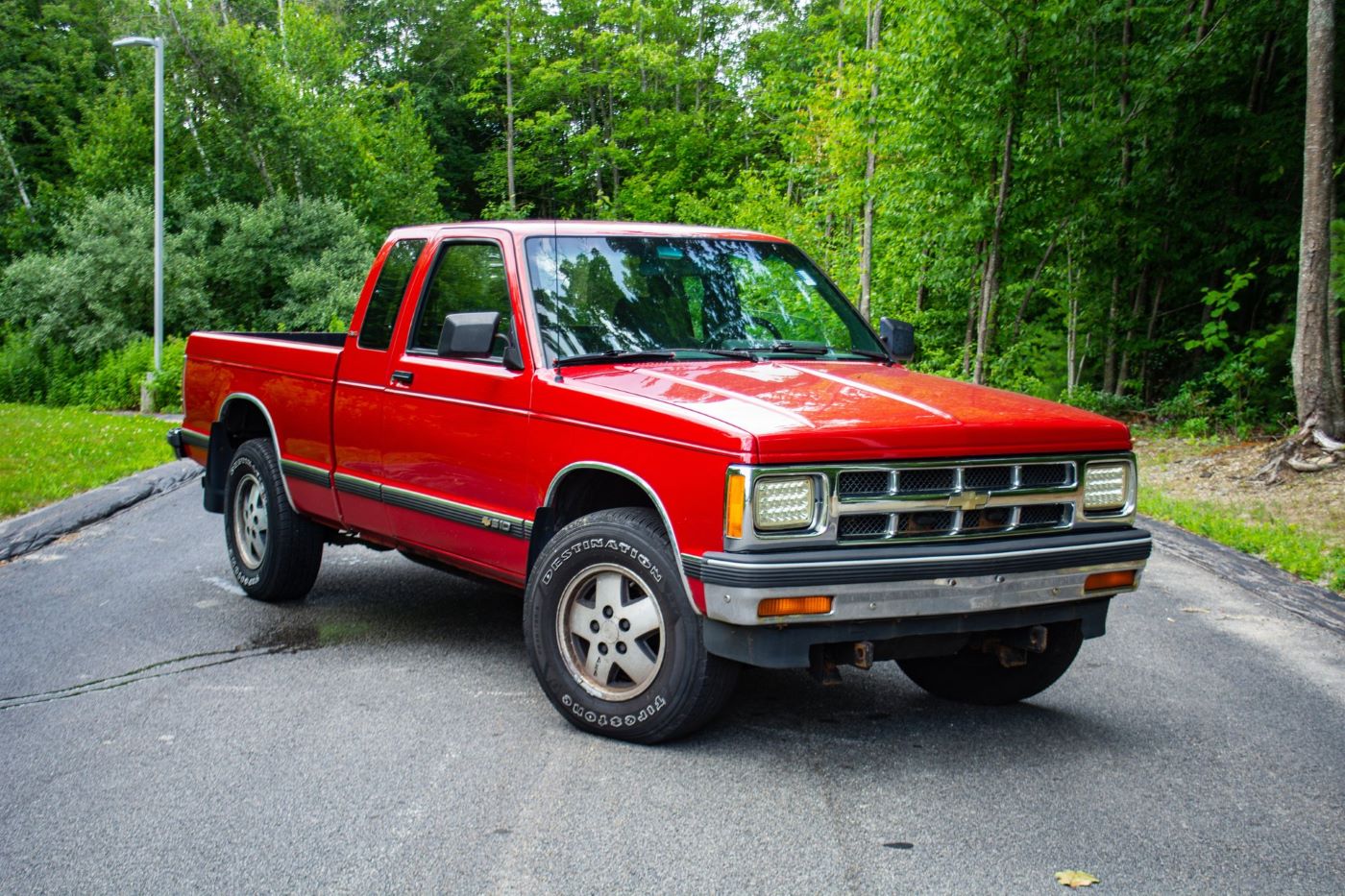
The engine lineup evolved throughout the production run, starting with the economical 1.9-liter four-cylinder and eventually including the powerful 2.8-liter V6 that transformed the S-10’s performance characteristics.
The available five-speed manual transmission provided precise shifting and contributed to excellent fuel economy that made the S-10 an attractive alternative to passenger cars.
The interior design emphasized functionality and comfort within the constraints of the compact dimensions, with ergonomic controls, supportive seating, and excellent visibility that made the S-10 pleasant to drive in various conditions.
The available options included air conditioning, premium sound systems, and convenience features that were impressive for the segment, establishing the S-10 as a legitimate lifestyle vehicle rather than merely a basic transportation appliance.
The S-10’s impact on American automotive culture extends beyond its sales success, as it introduced millions of buyers to truck ownership and established the template for compact truck design that influenced subsequent generations.
The truck’s combination of efficiency, capability, and affordability created a new category of vehicle ownership that appealed to younger buyers and urban dwellers who appreciated truck utility without the size and fuel consumption penalties of full-size models.
7. 1981-1987 Dodge Ram D150/W150
The 1981-1987 Dodge Ram D150/W150 represented Chrysler’s bold interpretation of 1980s truck design, combining aggressive styling, innovative features, and robust engineering in vehicles that stood apart from conventional competitors.
During a period when most manufacturers were emphasizing efficiency and refinement, Dodge chose to focus on distinctive design and authentic capability, creating trucks that developed a devoted following among buyers who appreciated their unique character and uncompromising approach to truck building.
The Ram’s styling was perhaps its most distinctive feature, with angular lines, an imposing grille design, and purposeful proportions that communicated strength and capability more effectively than contemporary competitors.
The aggressive front-end treatment, distinctive side graphics, and available two-tone paint schemes created a visual presence that was unmistakably Dodge, establishing design themes that would influence the brand’s truck styling for decades.
The four wheel drive models featured additional ground clearance, aggressive tire packages, and functional styling elements that enhanced their rugged appearance.

Mechanically, the 1981-1987 Ram offered impressive diversity in powertrain options, from the economical slant-six engine to the powerful 318 and 360 cubic inch V8s that provided substantial torque output for towing and hauling applications.
The available four-wheel-drive system featured robust components designed for serious off-road use, with manual locking hubs, a durable transfer case, and heavy-duty axles that could withstand demanding conditions.
The suspension design emphasized capability over comfort, resulting in trucks that excelled in work applications while maintaining acceptable ride quality.
Interior appointments reflected Dodge’s practical approach to truck design, with durable materials, functional controls, and comfortable seating that could withstand heavy use while providing reasonable comfort for daily driving.
The available options included air conditioning, premium sound systems, and convenience features that enhanced the ownership experience, though the emphasis remained on durability and functionality rather than luxury.
The Ram’s reputation for durability and reliability contributed significantly to its collectible appeal, as many examples have survived decades of hard use while maintaining their essential character and capability.
The robust mechanical components, simple electrical systems, and straightforward design philosophy made these trucks easy to maintain and repair, contributing to their longevity and continued usability as collector vehicles.
Collectible interest in the 1981-1987 Ram has grown steadily as enthusiasts recognize the truck’s unique position in automotive history and its distinctive character compared to contemporary competitors.
The aggressive styling, robust engineering, and authentic capability created trucks that appealed to buyers who wanted vehicles that looked and performed differently from mainstream alternatives, establishing a dedicated owner community that remains active today.
Market values for exceptional examples have increased significantly, with low-mileage original trucks commanding premium prices that reflect their growing recognition among collectors.
The most sought-after configurations include short-bed regular cab models with V8 engines, four-wheel-drive models, and trucks equipped with the rare diesel engine option.
Extended cab models, which became available later in the production run, are particularly valuable due to their enhanced practicality and relatively low production numbers.
8. 1985-1988 Toyota Pickup 4×4
The 1985-1988 Toyota Pickup 4×4 established the gold standard for compact four-wheel-drive trucks, combining legendary Japanese reliability with genuine off-road capability in vehicles that revolutionized American perceptions of imported trucks.
These trucks proved that compact vehicles could deliver serious capability while maintaining exceptional reliability and fuel efficiency, establishing Toyota’s reputation for building trucks that could handle the most demanding conditions while requiring minimal maintenance.
The Toyota Pickup’s design philosophy emphasized function over form, resulting in vehicles with clean, purposeful styling that aged exceptionally well and communicated capability without unnecessary embellishment.
The proportions were perfectly balanced, with adequate ground clearance, appropriate approach and departure angles, and a stance that suggested competence and reliability.
The four-wheel-drive models featured distinctive fender flares, aggressive tire packages, and functional details that enhanced their capability and visual appeal.
Mechanically, the 1985-1988 Toyota Pickup represented the pinnacle of 1980s compact truck engineering, with independent front suspension, precise steering, and a four-wheel-drive system that was both robust and user-friendly.

The available engines included the durable 2.4-liter four-cylinder and the smooth 3.0-liter V6, both of which provided adequate power while delivering exceptional reliability and fuel economy. The five-speed manual transmission offered precise shifting and contributed to the truck’s engaging driving characteristics.
The interior design emphasized durability and functionality, with high-quality materials, intuitive controls, and comfortable seating that could withstand years of heavy use while maintaining their appearance and functionality.
The excellent build quality extended throughout the vehicle, with tight panel fits, durable finishes, and mechanical components that were engineered to provide decades of reliable service with minimal maintenance requirements.
Market recognition has resulted in steadily increasing values for exceptional examples, with low-mileage original trucks commanding significant premiums that reflect their growing status as collectible vehicles.
The most sought-after configurations include extended cab models, trucks equipped with the V6 engine, and vehicles with desirable options like air conditioning and premium sound systems. The rarest examples include the limited-production SR5 models and trucks equipped with factory performance accessories.
9. 1987-1988 Buick Somerset Regal T-Type (Truck Variant)
The 1987-1988 Buick Somerset Regal T-Type truck variant represents one of the most unusual and collectible vehicles of the 1980s, combining Buick’s performance luxury philosophy with practical truck utility in a package that was both sophisticated and functional.
This extremely limited-production vehicle emerged from Buick’s desire to create a premium truck offering that would appeal to affluent buyers who wanted truck capability without sacrificing luxury or performance, resulting in one of the most unique vehicles ever produced by General Motors.
The Somerset Regal T-Type truck featured distinctive styling that incorporated Buick’s contemporary design language into a truck platform, creating a vehicle that looked unlike anything else on the road.
The aggressive front-end treatment, distinctive graphics package, and premium trim details created a visual presence that was both sporty and sophisticated, establishing the vehicle as a serious performance machine rather than a conventional utility truck. The available two-tone paint schemes and premium wheel options enhanced the truck’s distinctive appearance.
Mechanically, the Somerset Regal T-Type truck was built around Buick’s legendary 3.8-liter turbocharged V6 engine, which provided exceptional power and torque output that rivaled contemporary V8 engines while maintaining reasonable fuel economy.
The sophisticated engine management system, advanced turbocharging technology, and premium drivetrain components created a vehicle that delivered genuine high performance while maintaining the refinement and reliability that Buick customers expected.
Market values for the few surviving examples have reached extraordinary levels, with pristine original trucks commanding prices that exceed $75,000 and exceptional restored examples potentially worth even more.
The combination of extreme rarity, unique character, high performance, and historical significance has created sustained demand that consistently drives values upward, making these among the most valuable collectible trucks of any era.
10. 1988-1991 Chevrolet GMT400 C/K 1500
The 1988-1991 Chevrolet GMT400 C/K 1500 marked the beginning of the modern pickup truck era, introducing advanced engineering, contemporary styling, and sophisticated features that established the template for full-size truck design that continues to influence the market today.
These trucks represented General Motors’ most ambitious truck development program, incorporating lessons learned from decades of truck building experience while introducing innovative technologies and design elements that positioned Chevrolet at the forefront of truck evolution.
The GMT400’s design represented a dramatic departure from the beloved square-body aesthetic, featuring aerodynamic styling, flush-mounted glass, and integrated body panels that significantly improved fuel efficiency and reduced wind noise.
The contemporary appearance incorporated classic Chevrolet design cues while establishing new visual themes that would influence truck styling for decades. The result was a truck that looked genuinely modern while maintaining the essential character that made Chevrolet trucks so appealing.
Mechanically, the GMT400 introduced numerous technological advances that enhanced performance, reliability, and refinement compared to previous generations.

The engine lineup included advanced fuel-injected powerplants ranging from the efficient 4.3-liter V6 to the powerful 5.7-liter small-block V8, all of which featured improved reliability, better cold-weather starting, and enhanced performance characteristics.
The available four-wheel-drive system incorporated modern components that provided enhanced capability while improving on-road comfort and handling.
The interior design represented a quantum leap forward in truck comfort and convenience, with improved ergonomics, higher-quality materials, and numerous options that enhanced the ownership experience.
The available features included air conditioning, premium sound systems, power accessories, and comfort amenities that made these trucks genuinely pleasant for long-distance driving and daily use. The spacious cab design, excellent visibility, and intuitive control layout established new standards for truck interior design.
Market values for exceptional examples have steadily increased, with low-mileage original trucks commanding premium prices that reflect their growing recognition among collectors.
The most desirable configurations include short-bed regular cab models with V8 engines, four-wheel-drive models, and trucks equipped with desirable options like the sport appearance package and premium interior trim levels.
Extended cab models are particularly valuable due to their enhanced practicality and the sophisticated engineering required to create the new cab configuration.
Also Read: 5 Cars With Quiet Cabins for Life vs 5 That Get Loud Early
