
Car ownership should be a source of pride and convenience, offering reliable transportation and perhaps even a bit of driving pleasure. However, some vehicles have earned notorious reputations for being persistent sources of frustration, financial drain, and mechanical headaches.
These automotive troublemakers have left countless owners questioning their purchase decisions and mechanics rubbing their hands together in anticipation of steady business.
The automotive industry has produced millions of vehicles over the decades, and while most serve their owners reasonably well, certain models stand out for all the wrong reasons.
These problematic vehicles share common characteristics: frequent breakdowns, expensive repairs, poor build quality, and design flaws that seem almost deliberately engineered to cause maximum inconvenience.
What makes these cars particularly maddening is that their problems often persist despite multiple repair attempts, creating a cycle of disappointment that can last for years.
The following twelve vehicles represent some of the most problematic cars that have consistently driven their owners to distraction.
From luxury vehicles that betray their premium price tags with shocking unreliability to economy cars that prove the old adage “you get what you pay for,” these automobiles serve as cautionary tales for prospective car buyers.
Each has earned its place on this list through a combination of widespread reliability issues, expensive repair costs, and the collective frustration of thousands of owners who discovered too late that their automotive dreams had turned into mechanical nightmares.
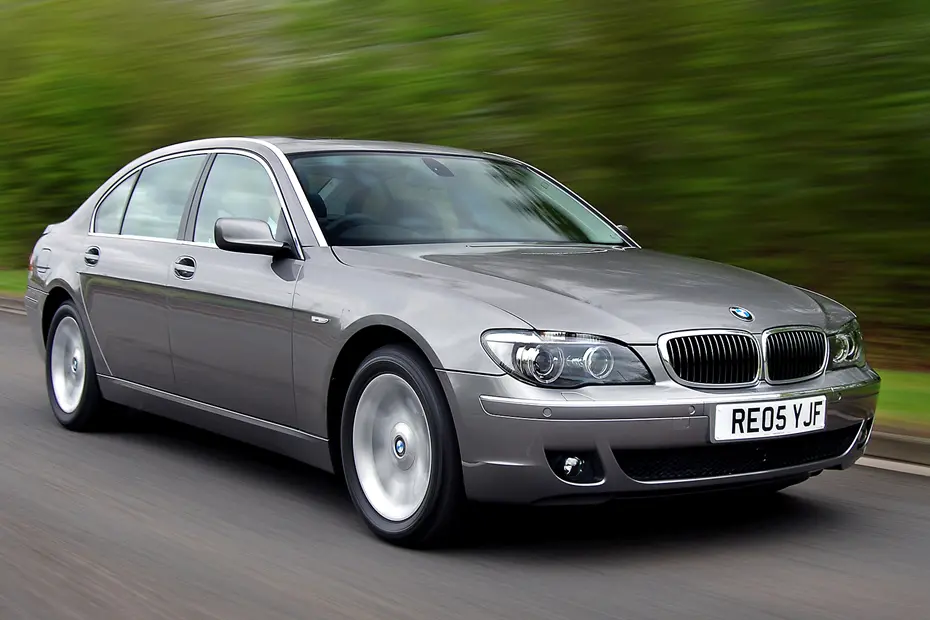
1. BMW 7 Series (E65/E66 Generation, 2002-2008)
The BMW 7 Series from the early 2000s represents one of the most technologically ambitious yet ultimately frustrating luxury sedans ever produced.
This generation introduced groundbreaking features like the iDrive system, electronic everything, and complex air suspension, but these innovations came at a tremendous cost to reliability and owner sanity.
The iDrive system, BMW’s first attempt at centralized vehicle control, was revolutionary in concept but disastrous in execution. The single control knob was supposed to manage everything from climate control to navigation, but it proved so counterintuitive that drivers needed extensive training just to adjust the radio volume.
The system frequently froze, required reboots, and sometimes failed completely, leaving owners unable to access basic vehicle functions. Software updates were expensive and often created new problems while attempting to fix existing ones.
Electrical gremlins plagued every aspect of this vehicle. The complex wiring harness, containing over four miles of cables, was prone to corrosion and failure. Window regulators broke with alarming frequency, stranding passengers and exposing interiors to weather.
The electronic parking brake would occasionally refuse to disengage, effectively immobilizing the vehicle until expensive repairs were completed. Door handles, controlled by electronics rather than mechanical linkages, would fail and trap occupants inside or lock them out entirely.
The air suspension system, while providing a sublime ride when functioning, became a source of constant anxiety for owners. Air bags would leak, compressors would fail, and the complex electronic controls would malfunction, causing the vehicle to sag unevenly or refuse to adjust ride height.
Replacement costs often exceeded $3,000, and the repairs were rarely permanent solutions. Perhaps most frustrating was BMW’s attitude toward these problems.
Many issues were known defects, yet the company often insisted they were “normal characteristics” or blamed owners for improper maintenance.
Warranty repairs were frequently denied on technicalities, leaving owners facing repair bills that could easily exceed $5,000 annually. The complexity of the systems meant that independent repair shops often couldn’t properly diagnose problems, forcing owners to use expensive BMW dealerships for even minor issues.
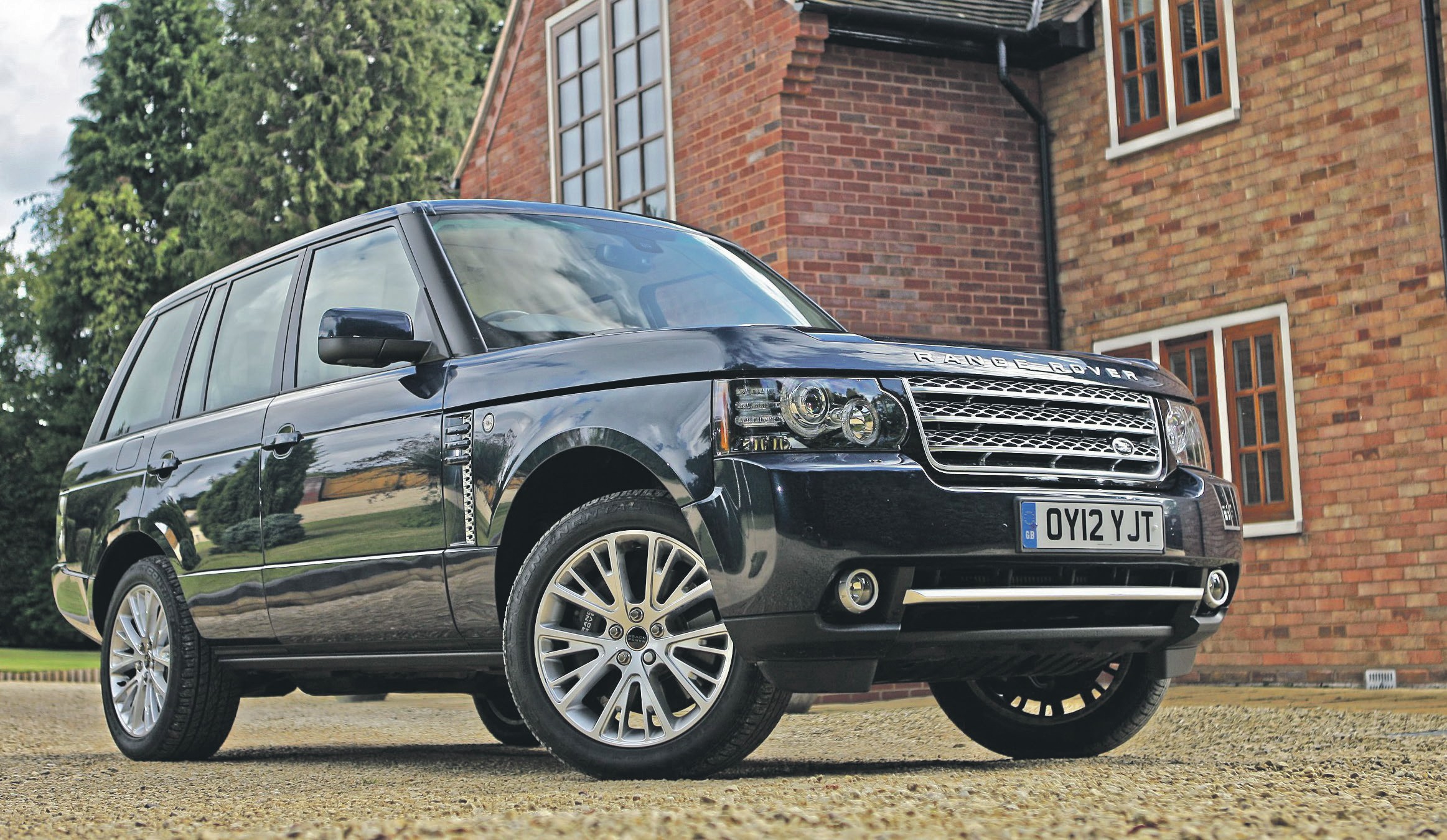
2. Range Rover (L322 Generation, 2002-2012)
The Range Rover L322 promised to combine legendary off-road capability with luxury car refinement, but it delivered one of the automotive industry’s most expensive ownership experiences instead.
This generation of Range Rover became synonymous with catastrophic reliability issues that could bankrupt even wealthy owners. Air suspension failures were so common they became expected rather than surprising.
The system used multiple air bags, compressors, and sensors that worked in harmony when new but failed in expensive succession as the vehicle aged.
Owners would often experience the dreaded “suspension fault” message, followed by the vehicle dropping to its lowest setting and refusing to rise. Repair estimates routinely exceeded $4,000, and many owners went through multiple suspension rebuilds during their ownership experience.
The electrical systems in the L322 were a masterpiece of over-engineering and under-reliability. The vehicle featured multiple computer modules that controlled everything from engine management to seat adjustment, and these modules had an alarming tendency to fail without warning.
The Body Control Module, in particular, would randomly malfunction, causing everything from phantom electrical drain to complete system shutdowns. Replacing these modules required expensive programming and often failed to solve underlying issues.
Engine problems varied dramatically depending on which powerplant was installed, but all were expensive to maintain. The Jaguar-sourced V8 engines suffered from timing chain tensioner failures that required complete engine removal to repair properly.
The BMW-sourced engines brought their own set of problems, including cooling system failures and electrical integration issues. Even the diesel engines, theoretically more reliable, suffered from complex emission control system failures that could cost thousands to repair.
Land Rover’s response to these widespread issues was often inadequate. Technical service bulletins addressed some problems, but many defects were never officially acknowledged. Warranty coverage was frequently denied due to technicalities or claims of owner neglect, leaving customers facing enormous repair bills on relatively new vehicles.
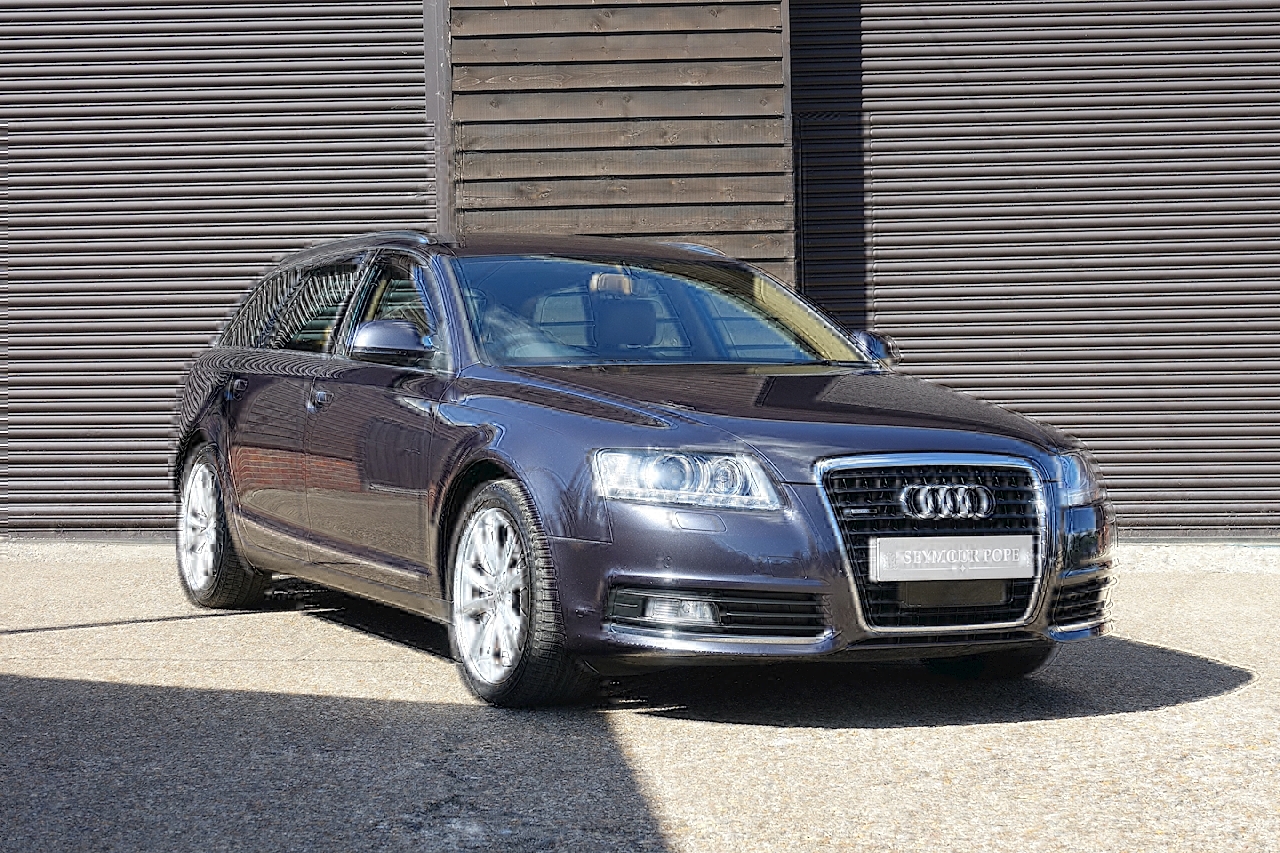
3. Audi A6 (C6 Generation, 2005-2011)
The C6 generation Audi A6 represented the brand’s attempt to challenge BMW and Mercedes in the luxury sedan segment, but it became better known for driving owners to financial ruin through a seemingly endless parade of expensive repairs.
This generation combined German over-engineering with questionable reliability, creating a perfect storm of frustration for owners. The timing chain system became the stuff of nightmares for A6 owners, particularly those with V6 and V8 engines.
The timing chain tensioners would fail prematurely, causing chain stretch and potentially catastrophic engine damage. The repair required complete engine removal and could easily cost $6,000 or more.
What made this particularly frustrating was that Audi initially denied the problem was systematic, leaving early owners to pay out of pocket for what was clearly a design defect.
Carbon buildup on intake valves became a chronic problem due to the direct injection system. Unlike port injection engines that naturally clean the valves, direct injection allowed carbon deposits to accumulate unchecked.
This caused rough idling, reduced performance, and eventually required expensive manual cleaning procedures that cost upward of $1,500. The problem was recurring, typically requiring attention every 40,000 miles regardless of maintenance quality.
The Multi-Media Interface (MMI) system was Audi’s answer to BMW’s iDrive, but it proved equally problematic in execution. The system would freeze regularly, requiring hard resets that sometimes failed to restore functionality.
Screen failures were common, and replacement costs often exceeded $2,000. The navigation system was particularly unreliable, with DVD drives that failed frequently and map updates that were both expensive and often unsuccessful.
Suspension components proved surprisingly fragile for a vehicle marketed as a luxury sedan. Control arm bushings would deteriorate rapidly, causing clunking noises and poor handling.
The electronic damping system, while sophisticated, was prone to expensive failures that often required replacement of multiple components simultaneously. Many owners found themselves facing suspension repair bills exceeding $3,000 on vehicles barely out of warranty.
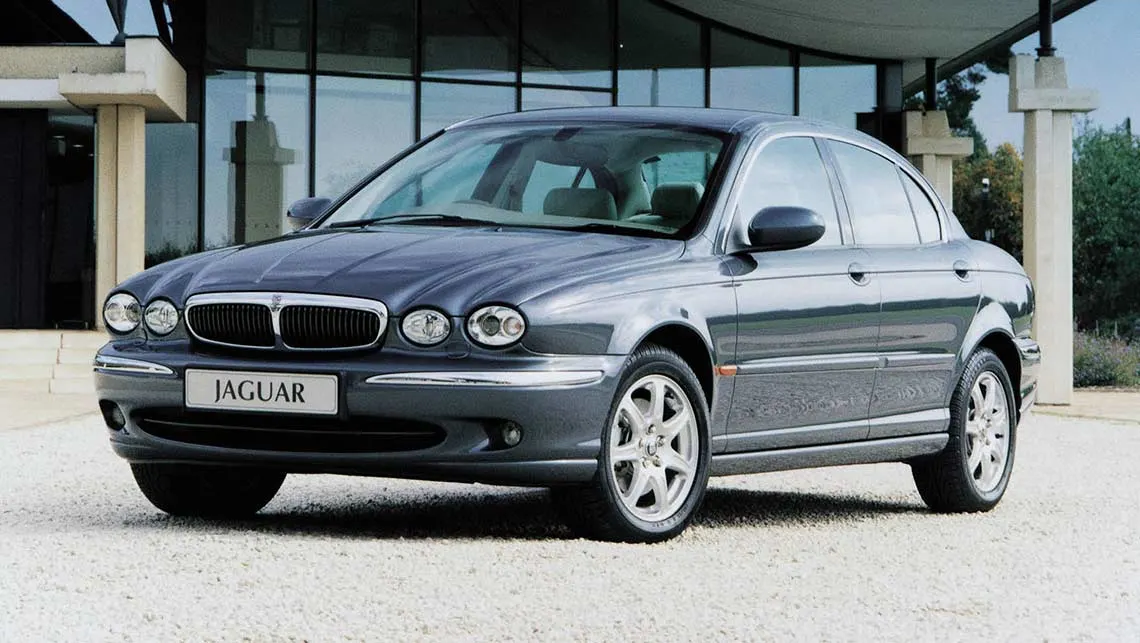
4. Jaguar X-Type (2001-2009)
The Jaguar X-Type was intended to bring British luxury to a broader audience by sharing a platform with the Ford Mondeo, but this cost-cutting measure resulted in one of the most disappointing vehicles ever to wear the leaping cat badge.
The X-Type managed to combine the worst aspects of British reliability with Ford’s cost-conscious engineering, creating a vehicle that frustrated owners at every turn.
The all-wheel-drive system, marketed as a key differentiator from front-wheel-drive competitors, became a constant source of expensive problems. The system used a complex arrangement of viscous couplings, differentials, and electronic controls that rarely worked harmoniously.
The rear differential would fail regularly, often taking the transmission with it. Replacement costs typically exceeded $4,000, and many owners experienced multiple failures during their ownership period.
Electrical problems were endemic and seemingly random. The vehicle’s complex wiring harness was poorly protected from moisture, leading to corrosion and short circuits throughout the electrical system.
Window motors failed with alarming frequency, often taking the regulators with them. The electronic parking brake would occasionally refuse to disengage, effectively immobilizing the vehicle until expensive repairs were completed.
Dashboard warning lights would illuminate randomly, often indicating serious problems that diagnostic equipment couldn’t reliably identify. Engine problems varied by powerplant but were universally expensive to address.
The V6 engines suffered from timing chain tensioner failures that could cause catastrophic engine damage if not addressed promptly. The diesel engines, while theoretically more economical, proved fragile and expensive to maintain.
Warranty repairs were frequently denied on technicalities, leaving owners facing enormous repair bills on relatively new vehicles. The complexity of the systems meant that independent repair shops often couldn’t properly diagnose problems, forcing owners to use expensive Jaguar dealerships even for minor issues.
Also Read: 5 Diesel Cars That Run Forever on One Tank vs 5 That Don’t
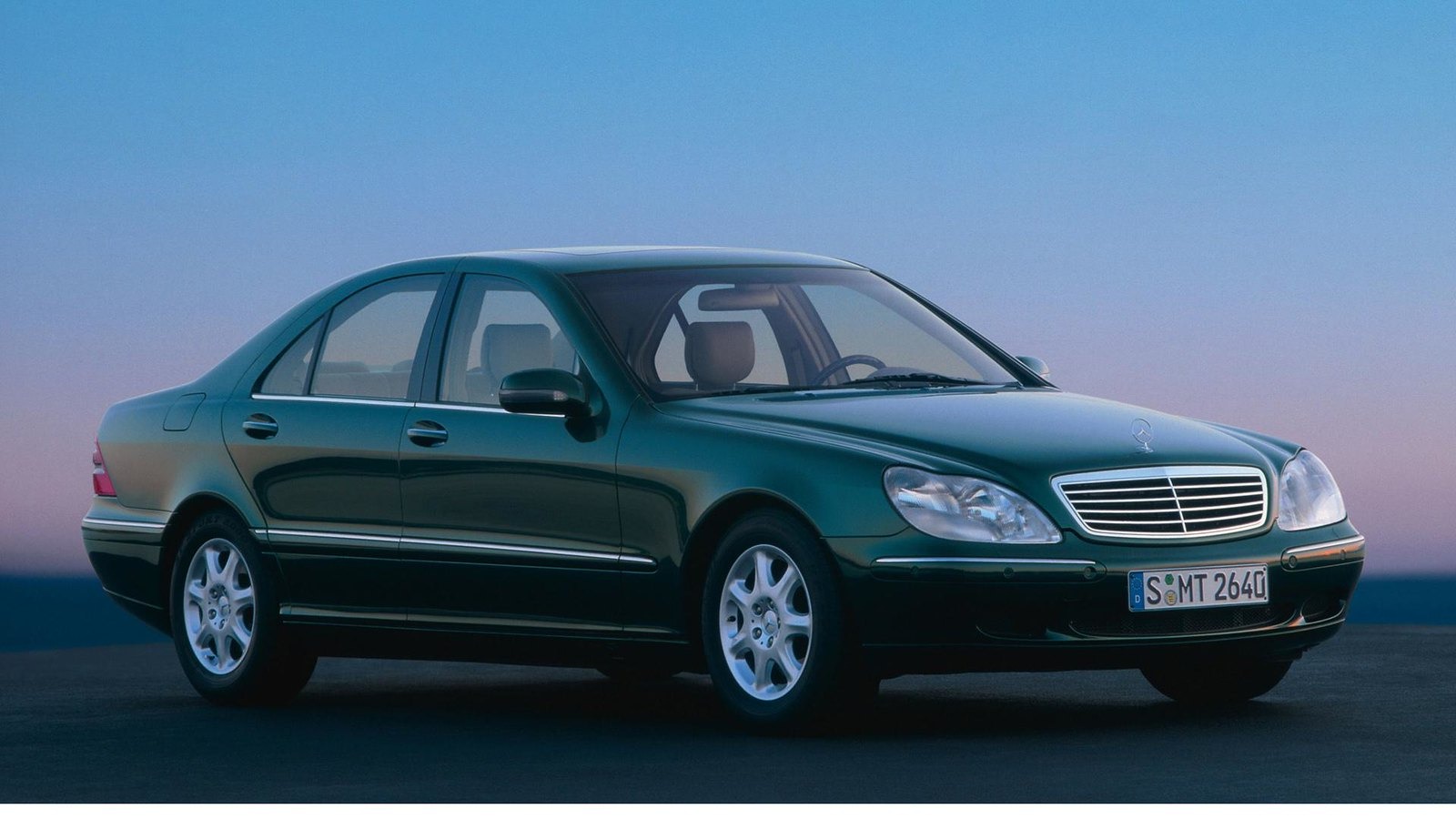
5. Mercedes-Benz S-Class (W220 Generation, 1999-2006)
The W220 Mercedes-Benz S-Class was supposed to represent the pinnacle of automotive luxury and engineering excellence, but instead became a cautionary tale about the dangers of over-engineering and premature technology adoption.
This generation introduced revolutionary features like AIRMATIC suspension and advanced electronics, but these innovations proved to be expensive liabilities rather than assets.
The AIRMATIC air suspension system, while providing an incredibly smooth ride when functioning, became the most dreaded component for S-Class owners.
The system used multiple air springs, compressors, and sensors that worked together to provide variable ride height and comfort, but these components proved fragile and expensive to maintain.
Air springs would develop leaks, requiring replacement at costs exceeding $1,000 per corner. The compressor would overwork trying to maintain pressure in leaking systems, leading to premature failure and replacement costs around $2,000.
Even worse, the system’s complexity meant that multiple components often failed simultaneously, creating repair bills that could easily exceed $5,000.
Electrical problems were pervasive and seemingly random throughout the vehicle. The complex wiring harness contained thousands of connections that were prone to corrosion and failure.
The Central Gateway Module, which controlled communication between various electronic systems, would fail regularly and cost thousands to replace.
Window regulators became a maintenance item rather than a long-term component, typically failing every 50,000 miles regardless of usage patterns.
The electronic trunk and door systems would malfunction regularly, sometimes trapping occupants or refusing to secure the vehicle properly. What made W220 ownership particularly maddening was Mercedes-Benz’s response to these widespread problems.
Many issues were known defects, yet the company often denied systematic problems and blamed owners for inadequate maintenance. Warranty coverage was frequently limited, and many expensive repairs fell just outside warranty periods.
The vehicle’s complexity meant that independent repair shops often couldn’t properly diagnose problems, forcing owners to use expensive Mercedes-Benz dealerships for even minor issues.
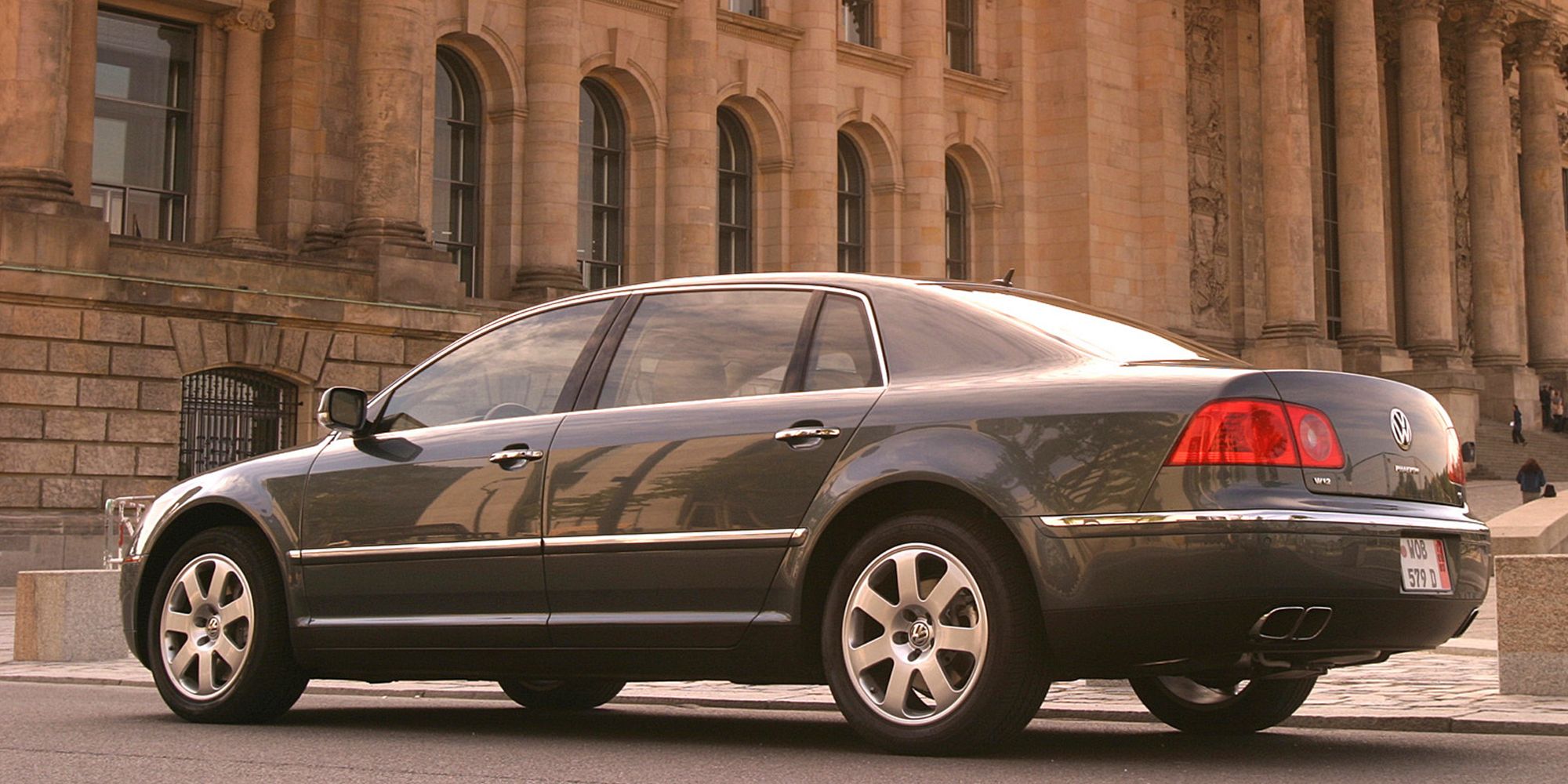
6. Volkswagen Phaeton (2004-2016)
The Volkswagen Phaeton represented one of the automotive industry’s most ambitious and ultimately misguided projects. Intended to compete with luxury sedans from Mercedes-Benz, BMW, and Audi, the Phaeton was essentially a Bentley Continental Flying Spur without the prestige badge, but it retained all the complexity and maintenance costs of its luxury sibling while offering none of the brand cachet that might justify such expenses.
The W12 engine, shared with Bentley, was an engineering marvel that proved to be a maintenance nightmare. The complex 12-cylinder engine featured four banks of three cylinders each, requiring multiple sets of everything from spark plugs to oxygen sensors.
Oil changes required nearly three gallons of expensive synthetic oil, and even routine maintenance could easily cost $1,000. The engine bay was so tightly packed that accessing many components required removing substantial portions of the vehicle, turning simple repairs into expensive endeavors requiring specialized tools and extensive labor.
Electrical problems were legendary even by German luxury car standards. The Phaeton featured multiple computer modules controlling everything from seat adjustment to engine management, and these modules had an alarming tendency to fail without warning.
The gateway control module, which managed communication between various systems, would fail regularly and cost thousands to replace. When this module failed, it often took other systems with it, creating cascading failures that required multiple expensive repairs.
The air suspension system was perhaps the most problematic aspect of Phaeton ownership. The system used complex electronic controls and multiple air springs that rarely worked harmoniously for extended periods.
Air springs would develop leaks, requiring replacement at costs exceeding $1,500 per corner. The compressor would overwork trying to maintain pressure, leading to premature failure and replacement costs around $3,000.
Independent repair shops were generally unable to work on the vehicle due to its complexity and the requirement for specialized diagnostic equipment. This left owners entirely dependent on Volkswagen’s limited service network, often requiring long-distance travel for even routine maintenance.
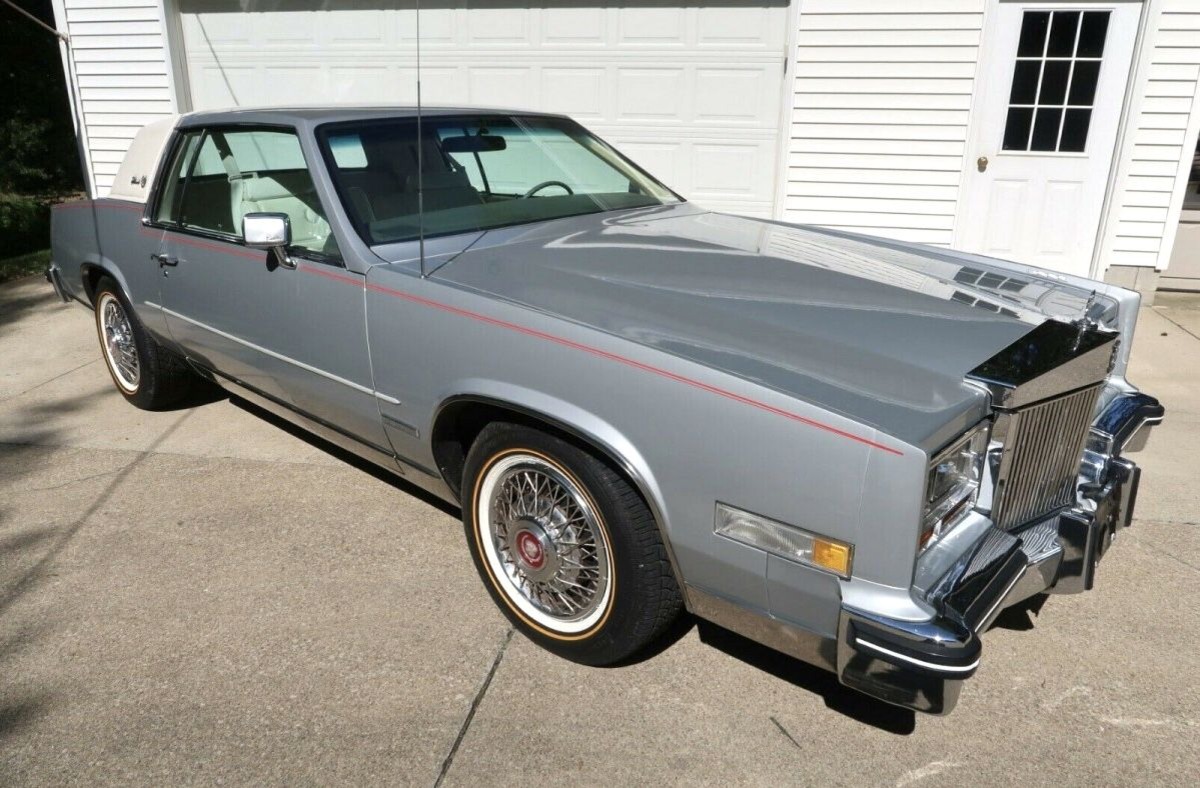
7. Cadillac Cimarron (1982-1988)
The Cadillac Cimarron stands as one of the automotive industry’s most spectacular branding failures, representing General Motors’ misguided attempt to compete with European luxury compacts by simply rebadging a Chevrolet Cavalier and charging twice the price.
This cynical exercise in badge engineering not only failed commercially but also inflicted lasting damage on Cadillac’s reputation while simultaneously frustrating the few customers unfortunate enough to purchase one.
The fundamental problem with the Cimarron was that it was essentially a Chevrolet Cavalier with leather seats and a wreath-and-crest badge. The base engine was a weak 1.8-liter four-cylinder that produced just 88 horsepower, wholly inadequate for a vehicle wearing luxury car badges and carrying luxury car price tags.
Even when Cadillac later offered a 2.8-liter V6, the additional power only highlighted other deficiencies in the platform. The engine bay was cramped, making routine maintenance more difficult than it should have been, and the additional weight of luxury appointments further compromised the already marginal performance.
Build quality was inconsistent at best and frequently terrible. Panel gaps varied dramatically from vehicle to vehicle, paint quality was poor, and interior trim pieces would come loose or break entirely.
he leather seats, one of the few genuine luxury touches, would crack and wear prematurely due to poor material quality. Door handles would break regularly, window regulators failed frequently, and the dashboard would crack in multiple places regardless of climate or care.
Many owners reported recurring problems that would return shortly after expensive repairs were completed. The service experience was equally disappointing.
Cadillac dealers, accustomed to working on large, traditional luxury cars, were often unprepared to service the compact Cimarron. Many mechanical components were shared with the Chevrolet Cavalier, but Cadillac dealers often lacked familiarity with these parts, leading to longer diagnostic times and higher repair costs.
The few unique Cimarron components were expensive and often difficult to obtain, creating extended service delays for even minor repairs. Many owners found themselves seeking service at Chevrolet dealers, further undermining the premium ownership experience they had paid to obtain.
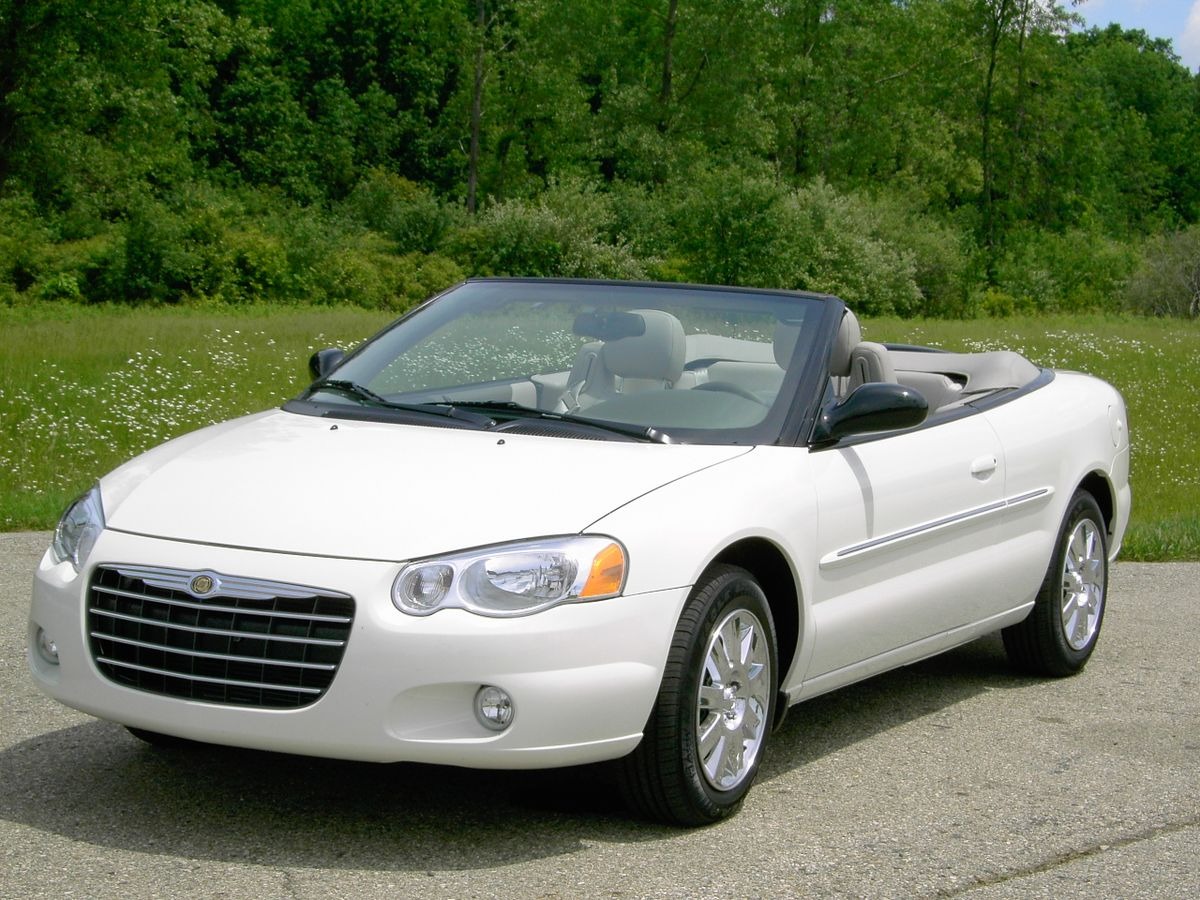
8. Chrysler Sebring Convertible (2001-2006)
The Chrysler Sebring Convertible promised affordable open-top motoring with distinctive styling, but delivered one of the most frustrating ownership experiences in modern automotive history.
This vehicle managed to combine poor build quality, questionable engineering decisions, and chronic reliability problems into a package that looked appealing in showrooms but proved to be a constant source of aggravation for owners.
The convertible top mechanism was the source of the most dramatic and expensive failures. The complex system of motors, pumps, cables, and sensors required to operate the folding soft top proved fragile and prone to expensive breakdowns.
The hydraulic pump would fail regularly, often taking other components with it when it did. Cables would stretch or break, leaving the top partially deployed and potentially damaging the soft top itself.
The electronic controls were equally problematic, with sensors that would malfunction and prevent top operation entirely. Repair estimates routinely exceeded $2,000, and many owners experienced multiple top failures during their ownership period.
Engine problems varied by powerplant but were universally troublesome. The base four-cylinder engine was underpowered for the vehicle’s weight, particularly with the air conditioning running, but it was also prone to expensive failures.
Head gasket problems were common, often leading to complete engine replacement rather than repair. The V6 engines offered better performance but brought their own set of problems, including timing belt failures that could cause catastrophic engine damage if not addressed according to strict maintenance schedules.
Oil leaks were endemic across all engines, with multiple gaskets and seals failing regularly. Perhaps most frustrating was Chrysler’s response to these widespread problems.
The company often denied systematic issues and blamed owners for improper maintenance, even when problems occurred on low-mileage vehicles with perfect service records.
Warranty coverage was frequently limited, and many expensive repairs fell just outside warranty periods. The vehicle’s complexity, particularly the convertible top mechanism, meant that independent repair shops often couldn’t properly diagnose problems, forcing owners to use expensive Chrysler dealerships even for relatively minor issues.
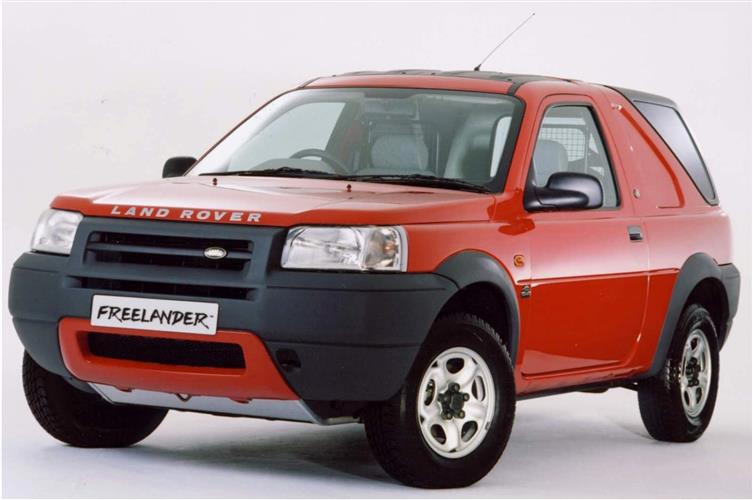
9. Land Rover Freelander (1997-2006)
The Land Rover Freelander was marketed as an affordable entry point into the Land Rover family, promising legendary off-road capability in a more compact and economical package.
Instead, it became one of the most unreliable vehicles ever produced, combining questionable engineering decisions with poor build quality to create a vehicle that frustrated owners and mechanics alike.
The Intelligent Rear Wheel Drive (IRD) system was perhaps the most problematic aspect of Freelander ownership. This system was designed to provide full-time all-wheel drive without the complexity of a traditional transfer case, but the execution proved catastrophically flawed. The IRD unit would fail regularly, often taking the rear differential with it when it did.
The system was particularly sensitive to tire pressure differences and would destroy itself if owners failed to maintain identical tire circumferences on all four wheels. Replacement costs typically exceeded $3,000, and many owners experienced multiple IRD failures during their ownership period.
Engine problems were endemic across all powerplants offered in the Freelander. The Rover K-series engines were notorious for head gasket failures that would occur with predictable regularity around 60,000 miles.
These failures often led to complete engine replacement rather than repair, as overheating would warp cylinder heads and damage other internal components.
The BMW-sourced diesel engines proved more reliable in terms of head gaskets but suffered from complex emission control system failures that were expensive to diagnose and repair. Oil leaks were common across all engines, with multiple gaskets and seals failing regularly.
Perhaps most frustrating was Land Rover’s handling of these widespread problems. The company often denied systematic issues and provided inadequate technical support to dealers and independent repair shops. Parts availability was inconsistent, with some components requiring weeks or months to obtain.
The vehicle’s complexity meant that many repair shops were unable to properly diagnose problems, forcing owners to use expensive Land Rover dealerships for even minor issues. When repairs were attempted, they often failed to address root causes, leaving owners facing recurring problems and mounting repair bills.
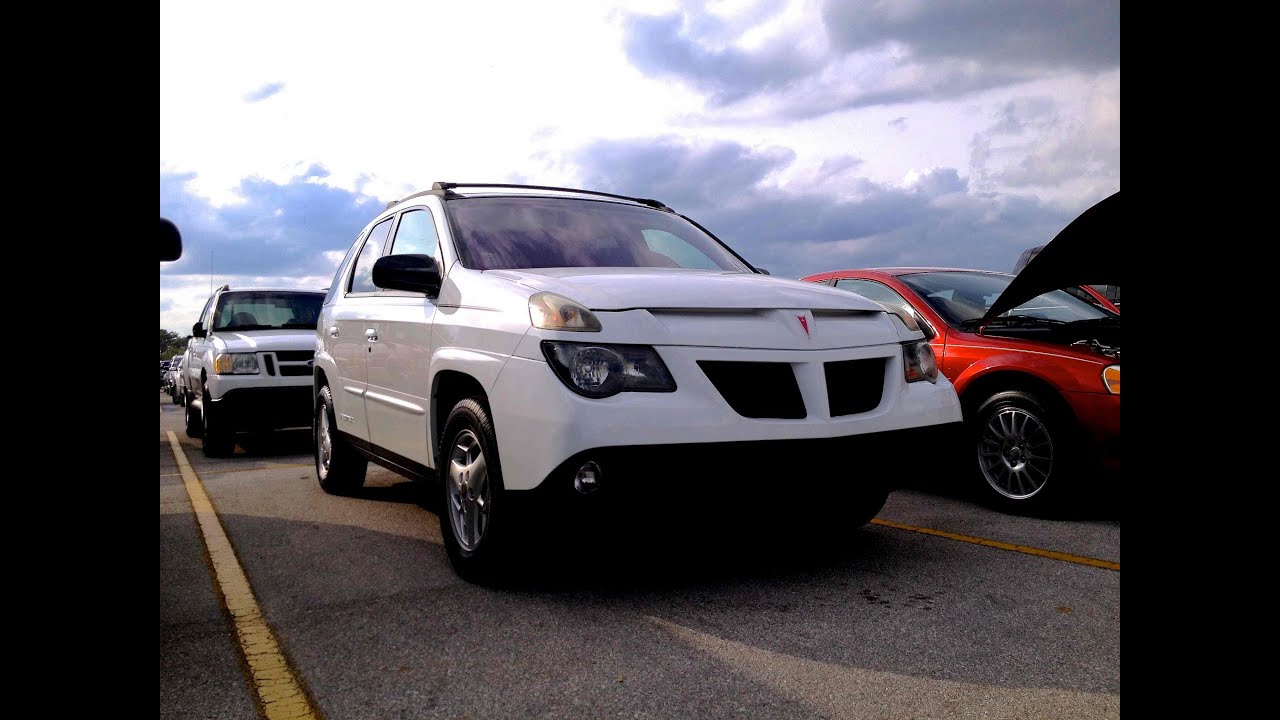
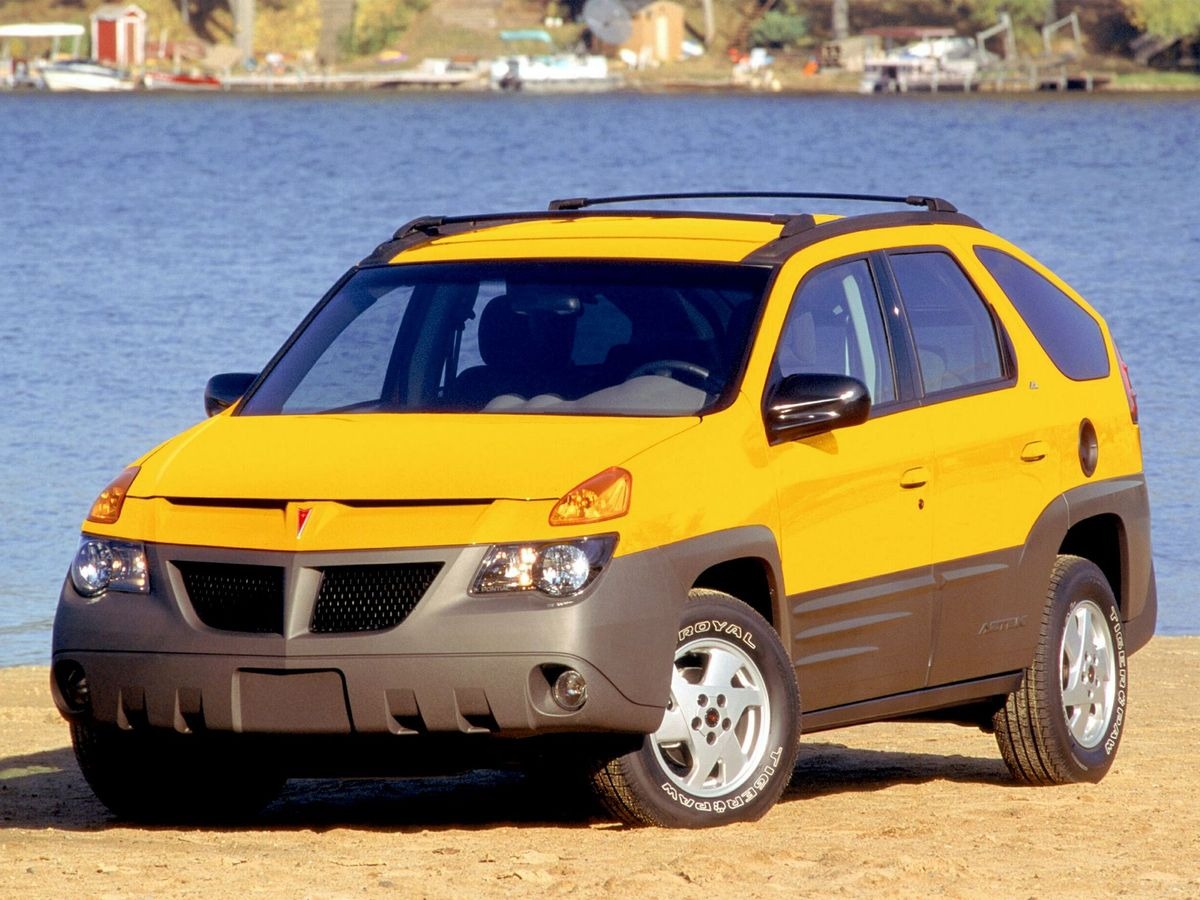
10. Pontiac Aztek (2001-2005)
The Pontiac Aztek achieved instant notoriety for its polarizing design, but beneath the controversial exterior lay a vehicle that was equally frustrating to own and maintain.
General Motors’ attempt to create a versatile crossover vehicle resulted in a machine that excelled at disappointing owners while providing consistent income for repair facilities across the country.
The exterior design, while certainly distinctive, created numerous practical problems for owners. The complex body cladding and trim pieces were prone to fading, cracking, and falling off entirely.
The multiple panel gaps and joints provided numerous entry points for moisture, leading to rust problems that were difficult and expensive to address. The rear tailgate was particularly problematic, with a complex multi-piece design that rarely sealed properly and frequently required expensive repairs to maintain basic functionality.
Engine problems were common across both available powerplants. The base 3.4-liter V6 engine was prone to intake manifold gasket failures that would allow coolant to leak into the engine oil, potentially causing catastrophic damage if not addressed promptly.
The optional 3.4-liter engine with enhanced output suffered from the same problems while adding complexity that made repairs more expensive. Both engines were also prone to timing chain problems, oil leaks from multiple sources, and cooling system failures that could lead to expensive engine damage.
Perhaps most frustrating for owners was the complete lack of resale value that resulted from the Aztek’s poor reputation. The vehicle depreciated more rapidly than almost any other SUV of its era, leaving owners underwater on their loans while simultaneously facing expensive repair bills.
The stigma associated with Aztek ownership was so strong that many owners reported embarrassment when driving the vehicle, effectively adding psychological stress to the financial burden of ownership.
Parts availability became increasingly problematic as the vehicle aged and Pontiac was discontinued, making even routine maintenance more expensive and time-consuming than it should have been.
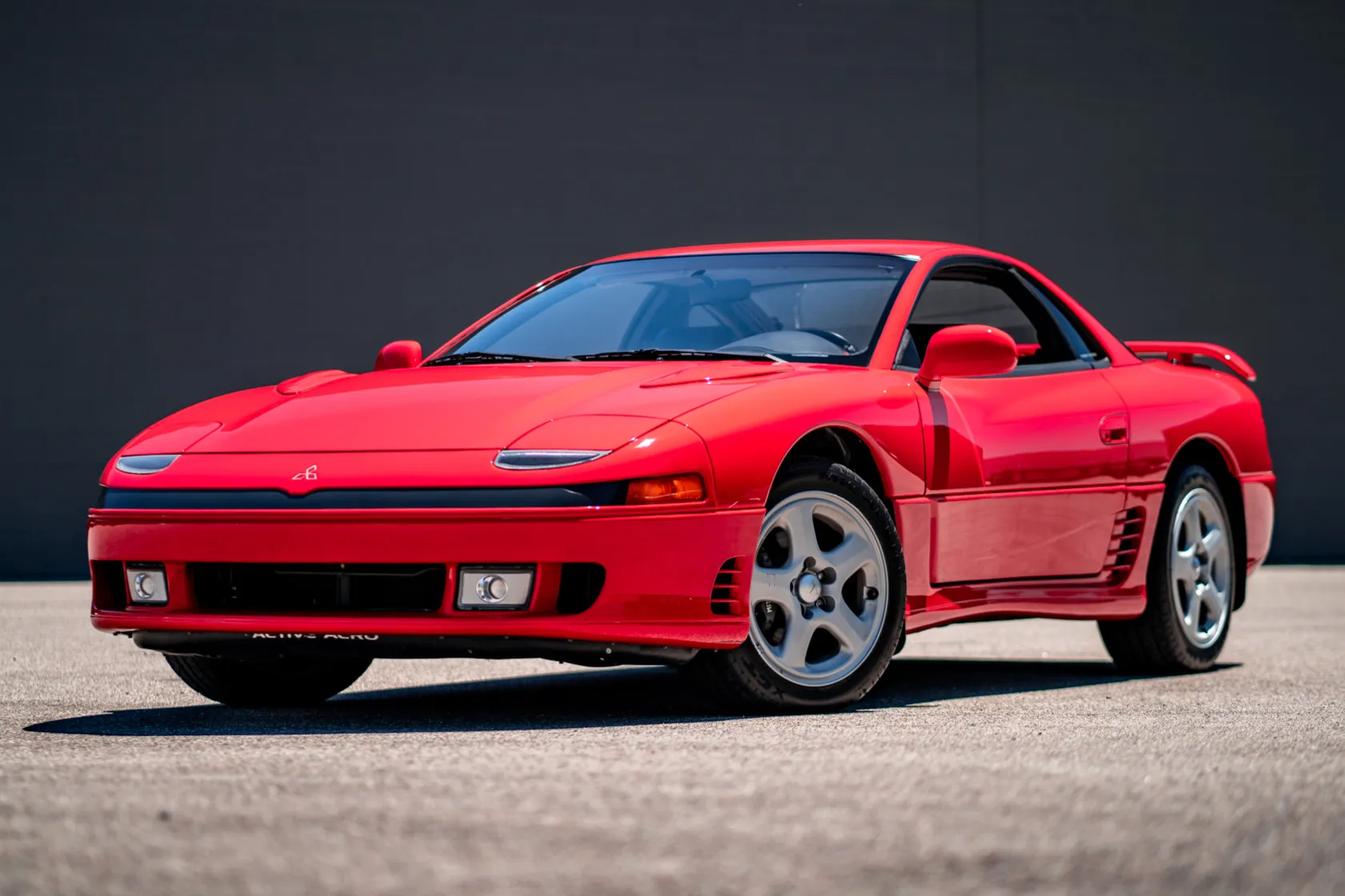
11. Mitsubishi 3000GT VR4 (1991-1999)
The Mitsubishi 3000GT VR4 represented the pinnacle of Japanese sports car technology in the 1990s, featuring all-wheel drive, all-wheel steering, active aerodynamics, and twin-turbo power.
However, this technological showcase became a maintenance nightmare that could bankrupt even wealthy enthusiasts through its seemingly endless appetite for expensive repairs and its tendency to break down at the most inconvenient moments.
The twin-turbo engine system was a marvel of engineering complexity that proved to be equally complex to maintain and repair. The intricate plumbing required for the twin-turbo setup created numerous potential failure points, from intercoolers to boost controllers to wastegate actuators.
Turbocharger failures were common and expensive, often requiring removal of the engine to access components properly. The complex vacuum system that controlled various engine functions was prone to leaks that were difficult to locate and expensive to repair.
Even routine maintenance like spark plug replacement required extensive disassembly and specialized tools. The all wheel drive system, while providing exceptional traction and handling, proved to be a constant source of expensive problems. The system used multiple differentials, transfer cases, and electronic controls that rarely worked harmoniously for extended periods.
The rear differential was particularly prone to failure, often taking other drivetrain components with it. The transfer case would develop expensive internal failures that required complete replacement rather than repair.
The complex electronic controls were equally fragile, often requiring expensive reprogramming procedures even after component replacement. Perhaps most frustrating for VR4 owners was the complete lack of adequate service support.
Mitsubishi dealers were often unprepared to service such a complex vehicle, lacking both the specialized tools and training necessary for proper diagnosis and repair. Parts availability was inconsistent and expensive, with some components requiring months to obtain from Japan.
Independent repair shops were generally unable to work on the vehicle due to its complexity and the requirement for specialized diagnostic equipment. This left owners entirely dependent on Mitsubishi’s limited service network, often requiring long-distance travel for even routine maintenance.
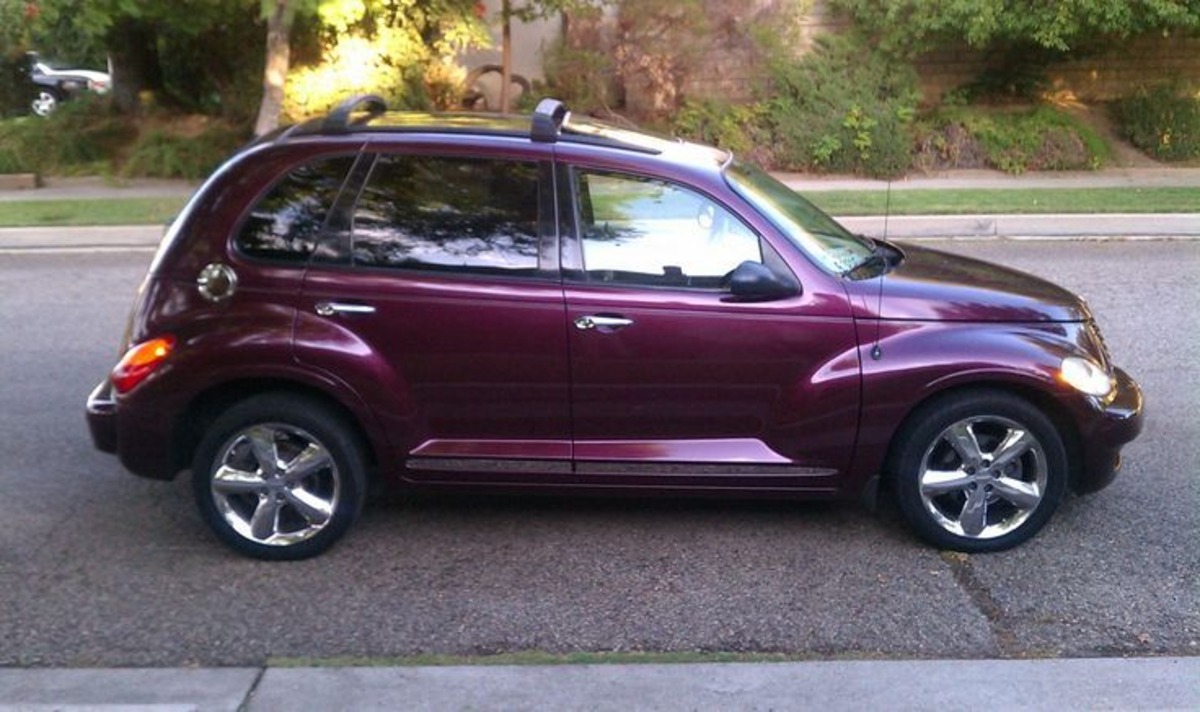
12. Chrysler PT Cruiser (2001-2010)
The Chrysler PT Cruiser concluded this list of automotive troublemakers by combining retro styling with modern reliability problems, creating a vehicle that initially charmed buyers with its distinctive appearance but ultimately drove them to distraction with its mechanical shortcomings.
Despite its popularity in showrooms, the PT Cruiser proved to be one of the most problematic vehicles of the early 2000s. Engine problems plagued the PT Cruiser throughout its production run, with issues that varied by powerplant but were universally expensive to address.
The base 2.4-liter four-cylinder engine was prone to timing belt failures that could cause catastrophic valve damage if not replaced according to strict maintenance schedules. The turbo models added forced induction complexity that proved fragile and expensive to maintain.
Oil sludge problems were common across all engines due to inadequate crankcase ventilation systems, often leading to complete engine replacement rather than repair.
The cooling systems were inadequately designed for the engine bay’s tight confines, leading to frequent overheating problems and expensive radiator replacements.
Electrical problems were pervasive throughout the vehicle’s complex systems. The body control module would fail regularly, causing random electrical failures throughout the vehicle.
Power windows were particularly problematic, with regulators that would fail regularly and motors that would burn out from overuse. The electronic ignition system was prone to expensive failures, often leaving owners stranded with no warning.
Dashboard warning lights would illuminate seemingly at random, often indicating problems that were difficult to diagnose and expensive to repair.
Like the other vehicles on this list, it promised more than it could deliver, combining appealing initial impressions with long-term reliability problems that ultimately made ownership a frustrating and expensive experience.
These twelve vehicles remind us that attractive styling, innovative features, and compelling marketing cannot compensate for poor engineering, inadequate testing, and substandard build quality.
For prospective car buyers, they serve as important reminders to research reliability records thoroughly and consider long-term ownership costs rather than focusing solely on initial purchase price and curb appeal.
Also Read: 5 V8 Engines That Run a Lifetime vs 5 That Eat Oil Fast
