
When it comes to automotive longevity, few opinions carry more weight than those of seasoned mechanics who spend their days under the hood, witnessing firsthand which vehicles stand the test of time and which ones become frequent visitors to the repair bay.
After decades of turning wrenches, diagnosing problems, and performing countless maintenance procedures, these automotive professionals have developed an intimate understanding of which cars are built to last and which ones are destined for premature failure.
The magic number of 400,000 miles represents more than just impressive odometer readings it symbolizes exceptional engineering, quality manufacturing, and robust design philosophies that prioritize durability over flashy features.
While the average vehicle on American roads travels approximately 12,000 miles annually, reaching the 400,000-mile milestone means a car has provided reliable transportation for over three decades of typical driving.
This extraordinary longevity translates into tremendous value for owners, representing years of dependable service that can span generations within a single family.
Mechanics consistently observe certain patterns among high-mileage survivors that separate them from their less durable counterparts.
These vehicles typically feature robust engine designs with generous tolerances, quality materials throughout critical components, and engineering philosophies that prioritize function over form.
Many of these long-lasting champions share common characteristics: naturally aspirated engines that avoid the complexity and potential failure points of forced induction, proven transmission designs that have been refined over multiple generations, and electrical systems that maintain their integrity over extended periods.
The vehicles that earn mechanics’ respect for their longevity often come from manufacturers with established reputations for reliability and conservative engineering approaches.
These companies tend to evolve their designs gradually rather than implementing radical changes that haven’t been thoroughly tested in real-world conditions.
The result is a selection of vehicles that may not always lead in cutting-edge technology or eye-catching styling but consistently deliver the kind of dependable performance that keeps families moving for decades.
Understanding which vehicles can realistically achieve 400,000 miles isn’t just academic curiosity it represents practical wisdom that can save owners thousands of dollars over their automotive lifetime.
These high-mileage champions typically require nothing more than regular maintenance, quality fluids, and attention to minor issues before they become major problems.
The key lies in recognizing that longevity isn’t accidental but rather the result of deliberate design choices, quality manufacturing processes, and time-tested engineering solutions.
The following ten vehicles represent the cream of the crop according to mechanics who have witnessed their remarkable durability firsthand, each earning their place through consistent performance, minimal major failures, and an almost legendary ability to accumulate miles while maintaining their reliability and functionality.
1. Toyota Camry
The Toyota Camry stands as perhaps the most universally respected high-mileage champion among mechanics worldwide, earning its reputation through decades of consistent reliability and an almost supernatural ability to continue running long after other vehicles have given up.
Mechanics frequently encounter Camrys with odometer readings that would make other car owners nervous, yet these vehicles continue to start reliably every morning and provide dependable transportation without drama or expensive surprises.
The foundation of the Camry’s legendary longevity lies in Toyota’s conservative engineering philosophy, which prioritizes proven technology over cutting-edge innovations that haven’t been thoroughly tested in real-world conditions.
The heart of most high-mileage Camrys is Toyota’s renowned four-cylinder engine, particularly the 2.4-liter unit that powered millions of these sedans through multiple generations.
This engine features robust internal components, generous oil passages, and engineering tolerances that allow for significant wear while maintaining proper operation. Mechanics note that these engines can easily surpass 300,000 miles with nothing more than regular oil changes and basic maintenance.

The transmission represents another crucial component in the Camry’s longevity equation. Toyota’s automatic transmissions in these vehicles are known for their smooth operation and remarkable durability, often requiring nothing more than regular fluid changes throughout their extended service life.
The transmission cooling systems are adequately sized, preventing the overheating that destroys many automatic transmissions in other vehicles. Manual transmissions, where available, are even more robust and can easily handle the stresses of high-mileage operation without major component failures.
Mechanics particularly appreciate the Camry’s electrical system reliability, a critical factor that often determines whether a high-mileage vehicle remains practical transportation or becomes an expensive problem. The wiring harnesses are well-protected and use quality materials that resist deterioration over time.
The alternator and starter systems are robust and typically provide many years of trouble-free service. Even complex systems like the air conditioning often continue functioning properly well into the vehicle’s second or third decade of service.
The build quality extends to suspension components, which mechanics note are properly engineered for longevity rather than just initial ride comfort. While shock absorbers and struts will eventually require replacement, the underlying suspension geometry remains sound, and critical components like control arms and bushings often last far longer than similar parts in competing vehicles.
This durability means that high-mileage Camrys continue to handle and ride properly, maintaining their practicality and safety even as the odometer climbs toward astronomical numbers.
Rust resistance represents another significant advantage for the Camry, particularly in harsh climate conditions where road salt and moisture can destroy vehicle bodies and frames.
Toyota’s attention to corrosion protection, including proper drainage, quality paint systems, and strategic use of galvanized steel, helps ensure that the body structure remains solid long after many competing vehicles have succumbed to rust damage.
Mechanics frequently work on high-mileage Camrys that show remarkable structural integrity despite decades of exposure to challenging environmental conditions.
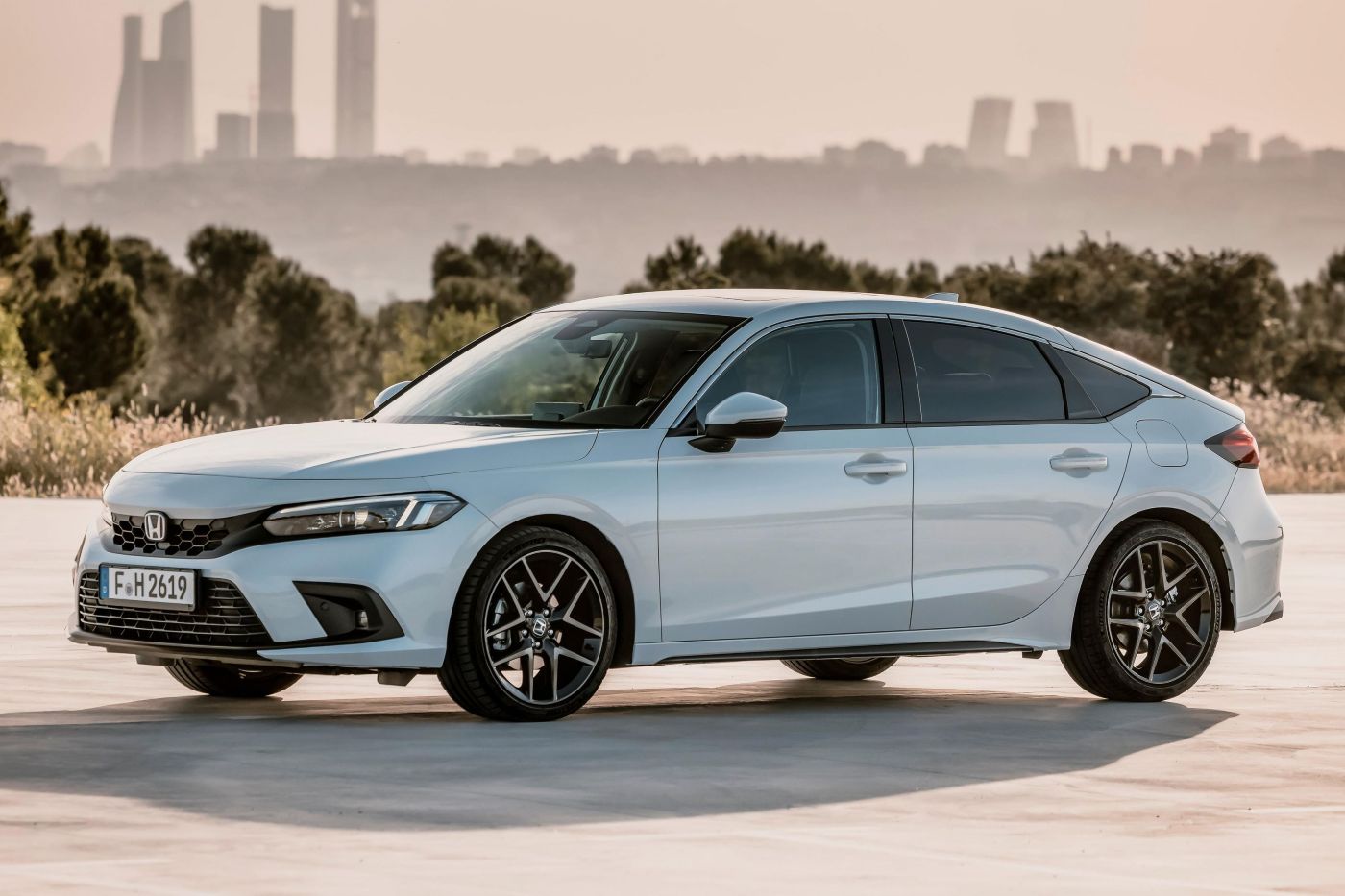
2. Honda Civic
The Honda Civic has earned legendary status among mechanics as one of the most reliable and durable compact cars ever produced, with countless examples surpassing 400,000 miles while maintaining their characteristic smooth operation and fuel efficiency.
Mechanics consistently rank the Civic among their most trusted recommendations for buyers seeking maximum longevity, citing the vehicle’s exceptional engineering, quality construction, and proven track record of high-mileage performance across multiple generations and model variations.
Honda’s engineering philosophy for the Civic centers on creating robust, efficient powertrains that can withstand the rigors of daily driving for decades without major component failures.
The various four-cylinder engines that have powered the Civic throughout its production history share common characteristics that mechanics identify as key longevity factors.
These engines feature strong internal components, effective cooling systems, and engineering tolerances that accommodate normal wear while maintaining proper compression and oil pressure.
The legendary B-series and D-series engines from earlier Civics are particularly noted for their ability to run reliably well beyond 300,000 miles with basic maintenance.
The transmission systems in Honda Civics represent another crucial element in their longevity equation. Both manual and automatic transmissions are engineered for durability, with manual transmissions being particularly robust and capable of handling hundreds of thousands of miles with nothing more than occasional gear oil changes.
The automatic transmissions, while more complex, benefit from Honda’s attention to proper cooling and quality internal components. Mechanics note that Civic transmissions rarely fail catastrophically, instead providing warning signs that allow for preventive maintenance before major damage occurs.
Mechanics particularly appreciate the Civic’s straightforward design philosophy, which prioritizes accessibility and serviceability. Unlike many modern vehicles that require specialized tools or extensive disassembly for routine maintenance, the Civic’s engine bay layout allows for easy access to critical components.
This accessibility not only reduces maintenance costs but also encourages owners to perform regular service, which directly contributes to the vehicle’s exceptional longevity.
Oil changes, spark plug replacement, and other routine procedures can be completed quickly and efficiently, making proper maintenance more likely to occur on schedule.
The electrical systems in Honda Civics demonstrate remarkable longevity, with many high-mileage examples retaining full electrical functionality well into their second or third decade of service.
The wiring harnesses are well-designed and properly protected, using quality materials that resist deterioration from heat, moisture, and vibration.
Critical electrical components like the alternator, starter, and ignition system are robustly constructed and typically provide many years of trouble-free operation. Even complex systems like the air conditioning and heating systems often continue functioning properly in high-mileage Civics.
The suspension and chassis components of the Honda Civic are engineered for longevity without sacrificing handling characteristics. Mechanics note that the fundamental suspension geometry remains sound even in high-mileage examples, with critical components like control arms and bushings often lasting far longer than similar parts in competing vehicles.
While wear items like shock absorbers and struts will eventually require replacement, the underlying structure maintains its integrity, ensuring that high-mileage Civics continue to handle predictably and safely.
Honda’s attention to corrosion protection helps ensure that Civic bodies and frames remain structurally sound despite exposure to harsh environmental conditions.
The paint systems are durable, and critical areas receive proper rust-proofing treatment. Mechanics frequently encounter high-mileage Civics that show minimal rust damage, even in regions where road salt and moisture create challenging conditions for vehicle longevity.
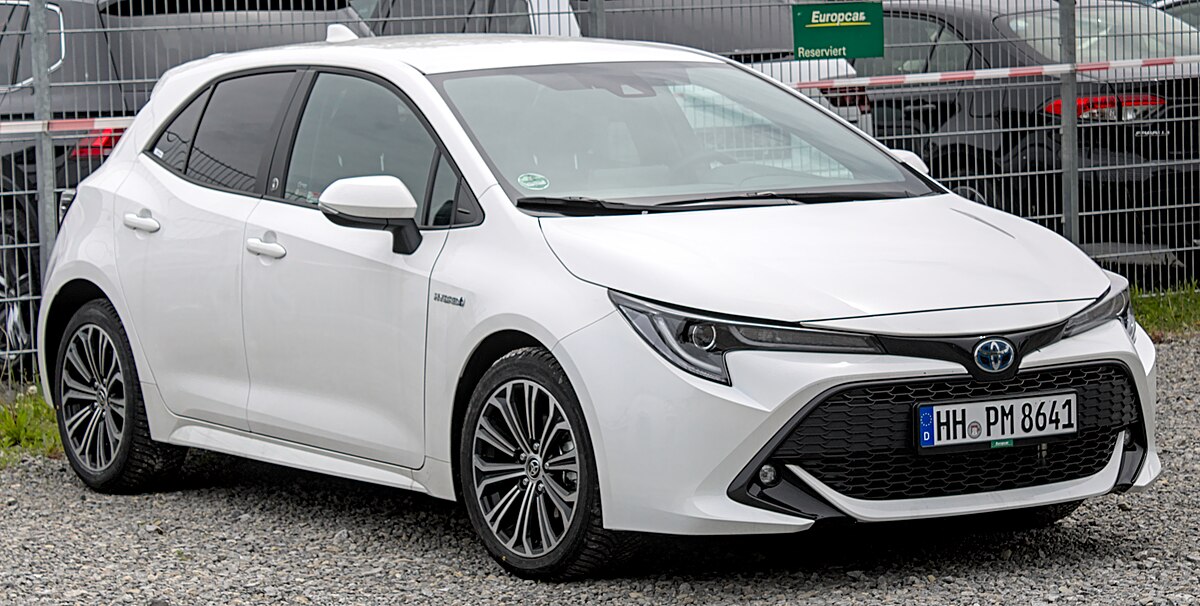
3. Toyota Corolla
The Toyota Corolla represents the epitome of automotive reliability and longevity, earning universal acclaim from mechanics as one of the most dependable vehicles ever manufactured.
With a production history spanning over five decades and more than 50 million units sold worldwide, the Corolla has established itself as the gold standard for high-mileage performance, with countless examples easily surpassing 400,000 miles while requiring nothing more than routine maintenance and basic repairs.
Mechanics consistently praise the Corolla’s engine design, which exemplifies Toyota’s conservative engineering approach that prioritizes durability and reliability over maximum performance.
The various four-cylinder engines that have powered different Corolla generations share fundamental design characteristics that contribute to exceptional longevity.
These engines feature robust internal components with generous engineering tolerances, allowing for significant wear while maintaining proper compression, oil pressure, and performance.
The cooling systems are adequately sized and effectively designed, preventing the overheating that can destroy engines in other vehicles. The legendary 4A-FE and 1ZZ-FE engines that powered millions of Corollas are particularly noted by mechanics for their remarkable durability.
These naturally aspirated units avoid the complexity and potential failure points associated with turbocharging or supercharging, instead relying on proven technology that has been refined over multiple generations.
The result is an engine that can easily accumulate hundreds of thousands of miles with nothing more than regular oil changes, spark plug replacements, and occasional timing belt service where applicable.
Corrosion resistance represents another significant advantage for the Corolla, particularly in harsh climate conditions where road salt and moisture can destroy vehicle structures.
Toyota’s comprehensive approach to rust prevention includes proper drainage systems, quality paint applications, and strategic use of galvanized steel in critical areas. The result is a vehicle that maintains structural integrity well into high-mileage territory, even in regions with challenging environmental conditions.
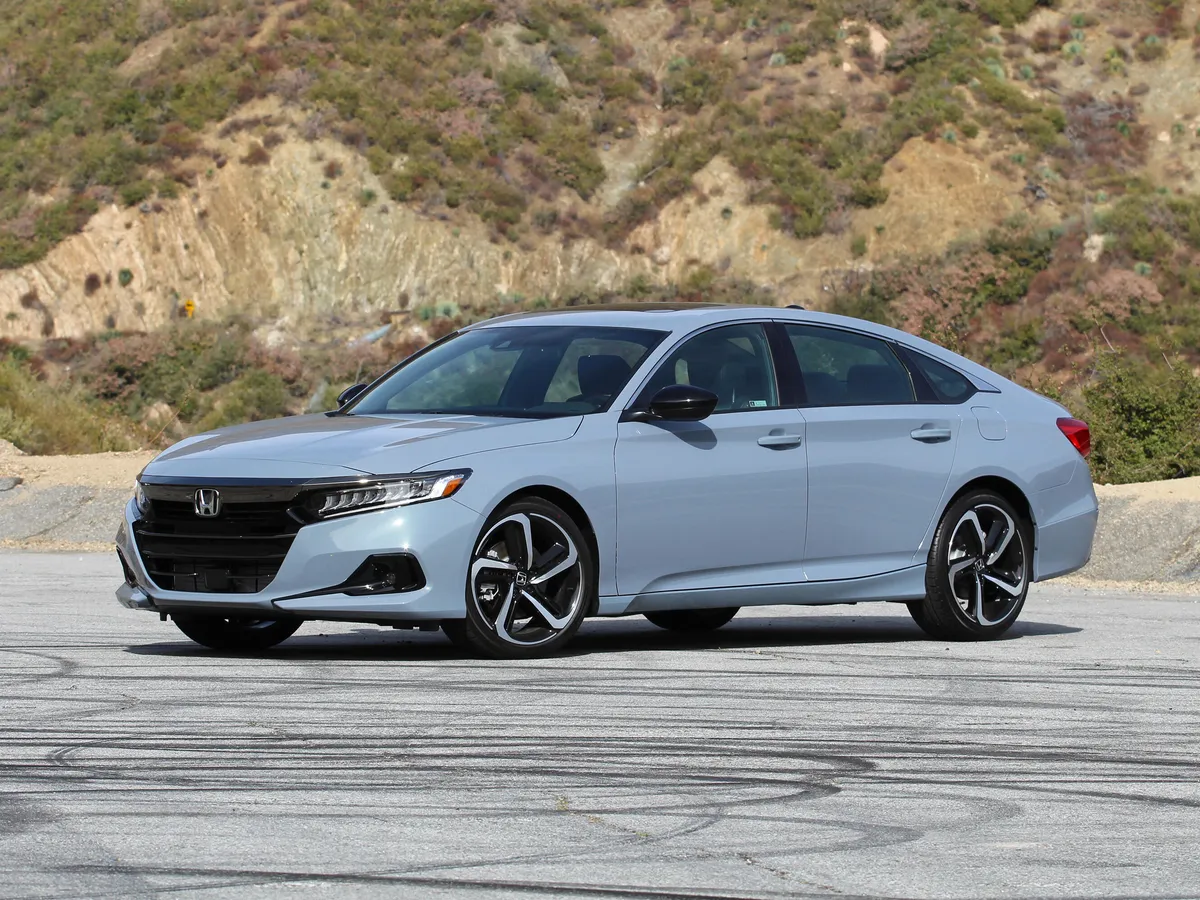
4. Honda Accord
The Honda Accord stands as one of the most respected mid-size sedans among automotive mechanics, earning consistent praise for its exceptional ability to accumulate massive mileage while maintaining reliability, performance, and functionality.
Mechanics regularly encounter Accords with odometer readings exceeding 400,000 miles, yet these vehicles continue to provide dependable daily transportation with remarkably few issues, making them a favorite recommendation for buyers seeking maximum long-term value and reliability.
The foundation of the Accord’s legendary longevity lies in Honda’s commitment to engineering excellence and quality manufacturing processes. The various four-cylinder and V6 engines that have powered different Accord generations share fundamental characteristics that contribute to exceptional durability.
These engines feature robust internal components, effective cooling systems, and engineering tolerances that accommodate normal wear while maintaining proper compression and performance characteristics. The naturally aspirated designs avoid the complexity and potential failure points associated with forced induction systems.
Mechanics particularly appreciate the legendary reliability of Honda’s four-cylinder engines in the Accord, especially the F-series and K-series units that have powered millions of these vehicles.
These engines are known for their smooth operation, excellent fuel economy, and remarkable ability to continue running properly well beyond 300,000 miles with basic maintenance.
The V6 engines, while more complex, also demonstrate exceptional longevity when properly maintained, providing both reliability and performance throughout their extended service life.
The transmission systems in Honda Accords represent another crucial element in their reputation for longevity. Both manual and automatic transmissions are engineered to withstand the stresses of daily driving for decades without major component failures.
The five-speed and six-speed manual transmissions are particularly robust, often requiring nothing more than occasional gear oil changes throughout their extended service life. These transmissions provide precise shifting action and excellent durability, making them ideal for drivers seeking maximum longevity.
The suspension and chassis components of the Honda Accord are engineered to provide both comfort and longevity without compromising handling characteristics.
The suspension tuning strikes an excellent balance between ride quality and driving dynamics, while the underlying components are built for durability.
Mechanics note that critical suspension elements like struts, control arms, and bushings often provide exceptional service life, maintaining proper alignment and handling characteristics even in high-mileage examples.
Also Read: 5 Subaru Outback Years Worth Owning vs 5 That Constantly Fail
5. Toyota Prius
The Toyota Prius represents a remarkable achievement in automotive engineering, demonstrating that hybrid technology can not only provide exceptional fuel economy but also deliver the kind of long-term reliability that mechanics have come to expect from Toyota vehicles.
Since its introduction, the Prius has consistently surprised skeptics by proving that its complex hybrid powertrain can easily surpass 400,000 miles with proper maintenance, earning respect from mechanics who initially questioned the durability of such sophisticated technology.
The heart of the Prius’s longevity lies in Toyota’s Hybrid Synergy Drive system, which combines a gasoline engine with electric motors and a sophisticated battery system.
Mechanics note that this hybrid configuration actually reduces stress on the gasoline engine by allowing it to operate in its most efficient range while electric motors handle low-speed operation and provide additional power when needed.
This operational strategy significantly reduces engine wear compared to traditional vehicles, where engines must handle all driving conditions regardless of efficiency considerations.
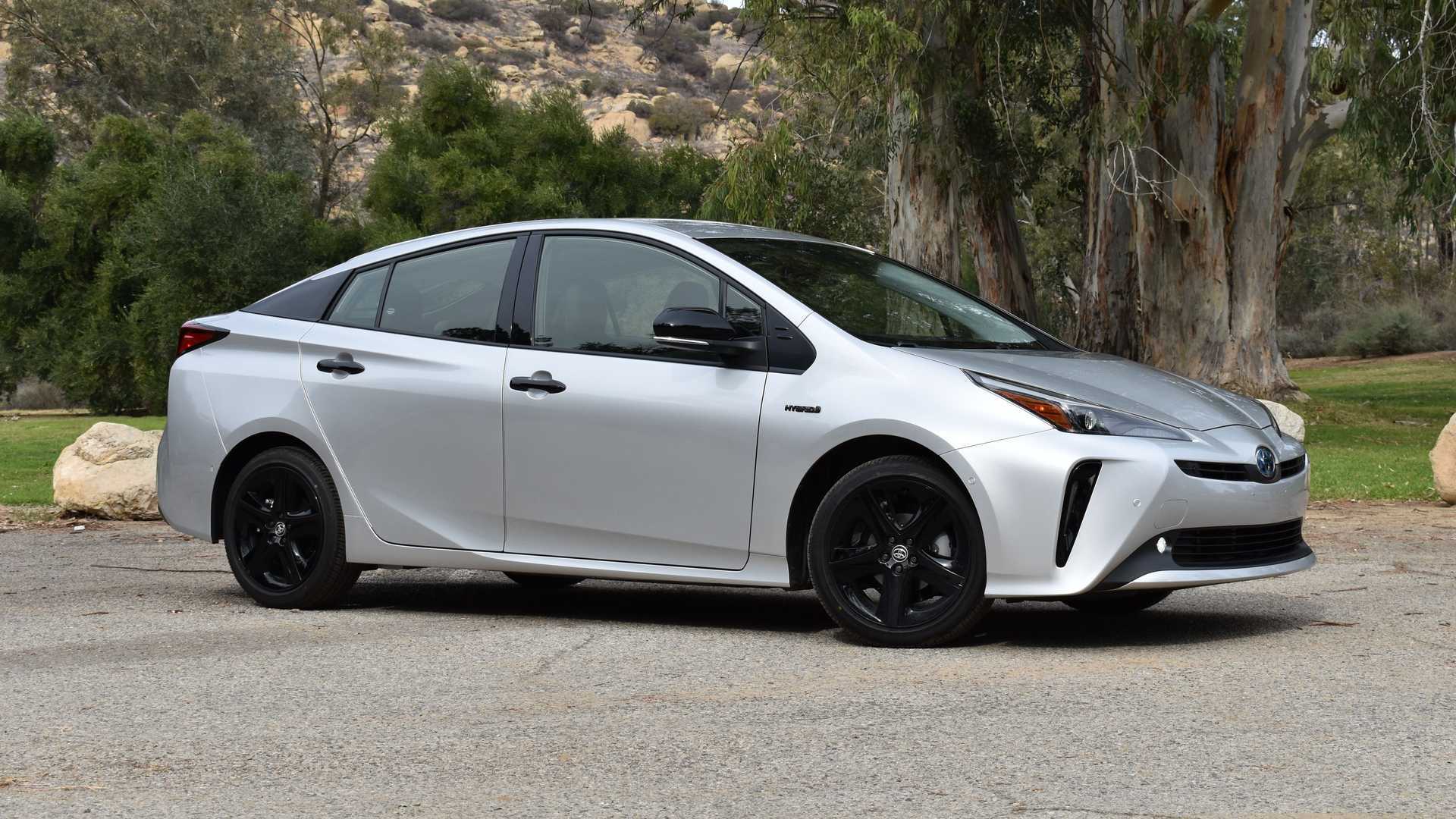
The Atkinson-cycle gasoline engine used in the Prius is specifically designed for efficiency and longevity rather than maximum power output. This engine operates with lower compression ratios and reduced internal stresses compared to conventional engines, contributing to exceptional durability.
Mechanics frequently encounter high-mileage Prius vehicles where the gasoline engine shows minimal wear despite hundreds of thousands of miles of operation. The engine’s sophisticated cooling system and quality internal components ensure proper operation throughout its extended service life.
The regenerative braking system in the Prius not only improves fuel economy but also contributes to exceptional brake system longevity. By using electric motors to slow the vehicle during normal driving, the traditional brake pads and rotors experience significantly less wear than in conventional vehicles.
Mechanics frequently encounter high-mileage Prius vehicles with original brake components still providing adequate performance, representing substantial savings in maintenance costs over the vehicle’s lifetime.
6. Subaru Outback
The Subaru Outback has earned a special place in the hearts of mechanics and owners alike, representing one of the most capable and durable all-wheel-drive vehicles ever produced.
With its unique combination of car-like fuel economy, SUV-like capability, and legendary Subaru reliability, the Outback consistently demonstrates the ability to surpass 400,000 miles while maintaining its characteristic blend of performance, efficiency, and all-weather capability that has made it a favorite among drivers who demand versatility and longevity.
The foundation of the Outback’s exceptional longevity lies in Subaru’s distinctive horizontally opposed boxer engine design, which provides inherent balance and smooth operation that contributes to reduced mechanical stress and exceptional durability.
These engines feature a low center of gravity and naturally balanced configuration that minimizes vibration and wear compared to conventional engine layouts.
Mechanics note that properly maintained Outback engines often continue running smoothly well beyond 300,000 miles, with many examples reaching astronomical mileage figures while retaining strong performance characteristics.

The four-cylinder boxer engines that power most Outbacks are particularly noted for their reliability and longevity. These naturally aspirated units avoid the complexity and potential failure points associated with turbocharging, instead relying on proven technology that has been refined over decades of production.
The engine’s robust internal components, effective cooling system, and quality manufacturing processes ensure exceptional durability throughout extended service life.
Mechanics frequently encounter high-mileage Outbacks where the original engine continues to provide reliable service with nothing more than routine maintenance.
The rust resistance of the Subaru Outback is particularly noteworthy, especially considering its popularity in regions with harsh winter conditions where road salt can destroy vehicle bodies and frames.
Subaru’s comprehensive approach to corrosion protection includes proper drainage systems, quality paint applications, and strategic use of protective coatings.
Mechanics frequently encounter high-mileage Outbacks that show minimal rust damage despite decades of exposure to challenging environmental conditions.
7. Mazda3
The Mazda3 has established itself as one of the most reliable and enjoyable compact cars available, earning consistent praise from mechanics for its exceptional build quality, engaging driving dynamics, and remarkable ability to accumulate high mileage while maintaining its characteristic performance and reliability.
This combination of durability and driving pleasure makes the Mazda3 a standout choice for buyers seeking a vehicle that can easily surpass 400,000 miles while providing an engaging and satisfying ownership experience throughout its extended service life.
The foundation of the Mazda3’s impressive longevity lies in Mazda’s commitment to engineering excellence and their “Zoom-Zoom” philosophy, which emphasizes creating vehicles that are both reliable and enjoyable to drive.
The various four-cylinder engines that have powered different Mazda3 generations share fundamental characteristics that contribute to exceptional durability.
These naturally aspirated engines feature robust internal components, effective cooling systems, and engineering tolerances that accommodate normal wear while maintaining strong performance characteristics throughout their service life.
Mechanics particularly appreciate the refinement and reliability of Mazda’s Skyactiv engine technology, which represents a significant advancement in naturally aspirated engine design.
These engines achieve impressive fuel economy and performance while maintaining the simplicity and reliability that mechanics value for long-term durability.
The high compression ratios and advanced combustion chamber designs provide excellent efficiency without sacrificing reliability, making them ideal powerplants for high-mileage operation.
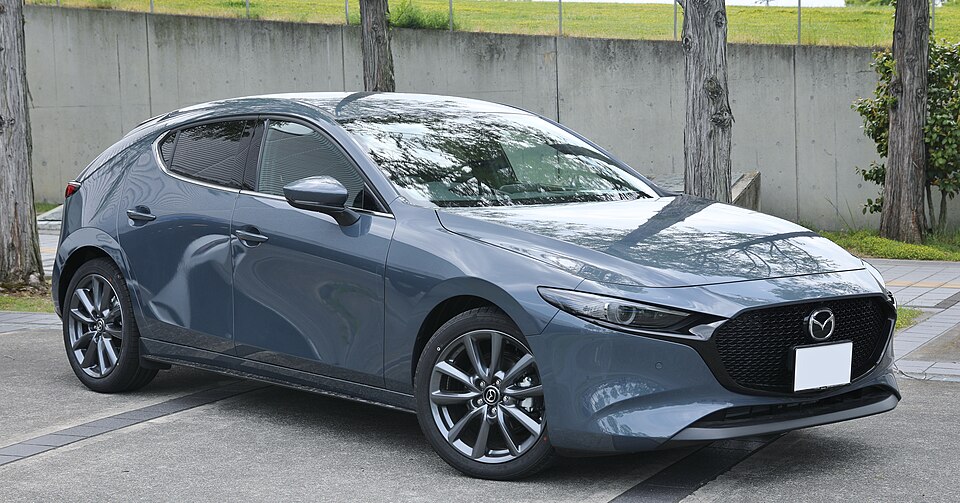
The transmission systems in the Mazda3 are engineered to complement the engaging driving experience while providing exceptional reliability and longevity.
Both manual and automatic transmissions are known for their smooth operation and durability. The manual transmissions offer precise shifting action and exceptional reliability, often requiring nothing more than occasional gear oil changes throughout their extended service life.
These transmissions are particularly appreciated by enthusiasts who value the control and engagement of manual shifting. The build quality of the Mazda3 extends to its body construction and corrosion resistance, which are crucial factors for long-term durability.
Mazda’s attention to rust prevention includes proper drainage systems, quality paint applications, and strategic use of galvanized steel in critical areas.
The result is a vehicle that maintains structural integrity and attractive appearance well into high-mileage territory, even in regions with challenging environmental conditions.
8. Ford Crown Victoria
The Ford Crown Victoria represents the last of a dying breed a full-size, body-on-frame sedan designed for durability, serviceability, and the kind of punishing duty cycle that would destroy lesser vehicles.
Mechanics hold the Crown Victoria in particularly high regard because of its proven ability to accumulate massive mileage while maintaining reliability and performance, with countless examples serving as police cruisers, taxis, and government vehicles easily surpassing 400,000 miles before retirement.
The heart of the Crown Victoria’s legendary durability is Ford’s venerable 4.6-liter modular V8 engine, a powerplant that has earned universal respect from mechanics for its robust construction, reliable operation, and exceptional longevity.
This naturally aspirated engine features cast-iron construction, conservative tuning, and generous engineering tolerances that allow for significant wear while maintaining proper compression and performance.
The engine’s design prioritizes durability over maximum performance, resulting in a powerplant that can easily handle hundreds of thousands of miles of operation with basic maintenance.
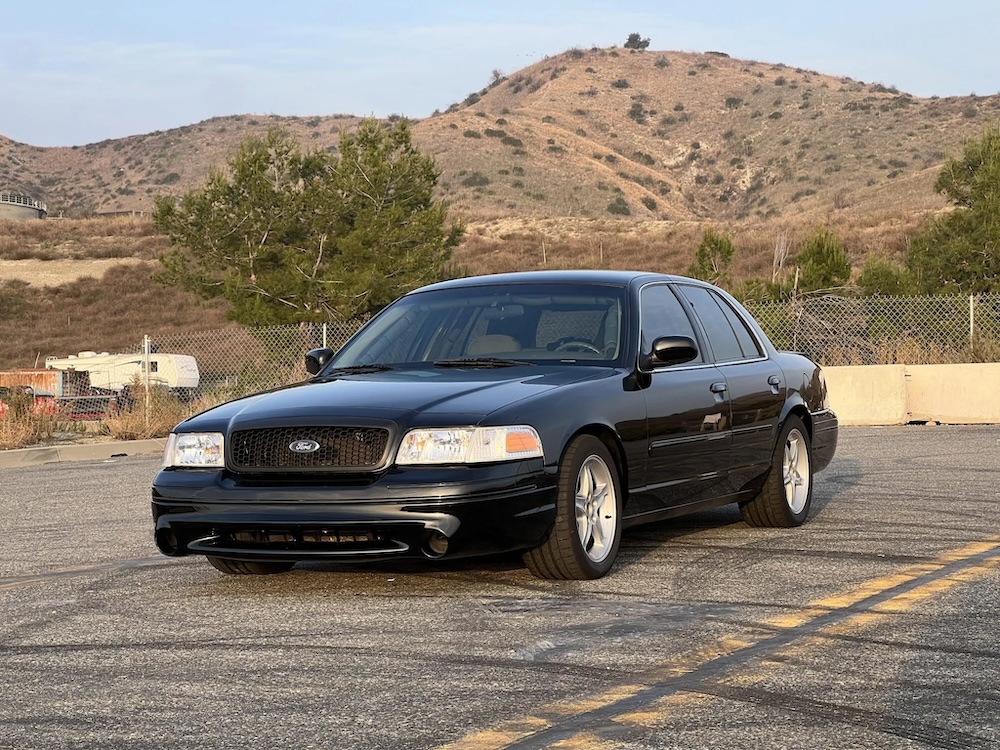
Mechanics particularly appreciate the straightforward design and exceptional serviceability of the modular V8. Unlike many modern engines with complex layouts and difficult access, the Crown Victoria’s engine bay provides easy access to all major components for routine maintenance and repairs.
Oil changes, spark plug replacement, and other routine procedures can be completed quickly and efficiently, encouraging proper maintenance that directly contributes to the engine’s exceptional longevity.
The transmission system in the Crown Victoria the venerable 4R70W four-speed automatic has earned respect from mechanics for its robust construction and ability to handle the stresses of heavy-duty operation.
This transmission was specifically designed for fleet use and demanding applications, featuring heavy-duty internal components, effective cooling systems, and proven reliability. When properly maintained with regular fluid changes, these transmissions can easily provide hundreds of thousands of miles of smooth operation.
Parts availability represents another significant advantage for Crown Victoria owners seeking maximum longevity. Due to the vehicle’s extensive use in fleet applications and its long production run, replacement parts remain widely available and reasonably priced.
This parts availability makes high-mileage maintenance and repairs economically feasible, allowing owners to keep their Crown Victorias running reliably for decades.
9. Lexus ES 350
The Lexus ES 350 represents the pinnacle of luxury vehicle reliability, combining Toyota’s legendary engineering excellence with premium materials and construction quality that results in a sedan capable of providing hundreds of thousands of miles of refined, trouble-free service.
Mechanics consistently rank the ES 350 among the most reliable luxury vehicles ever produced, noting its exceptional ability to maintain both mechanical reliability and luxury amenities well beyond 400,000 miles of operation.
The foundation of the ES 350’s exceptional longevity lies in its Toyota Camry platform heritage, enhanced with premium materials and additional refinement.
The 3.5-liter V6 engine that powers the ES 350 represents one of Toyota’s most successful and durable powerplants, featuring robust internal components, sophisticated variable valve timing systems, and engineering tolerances that accommodate normal wear while maintaining smooth, powerful operation throughout extended service life.
Mechanics particularly appreciate the naturally aspirated design of the V6 engine, which avoids the complexity and potential failure points associated with turbocharging or supercharging.
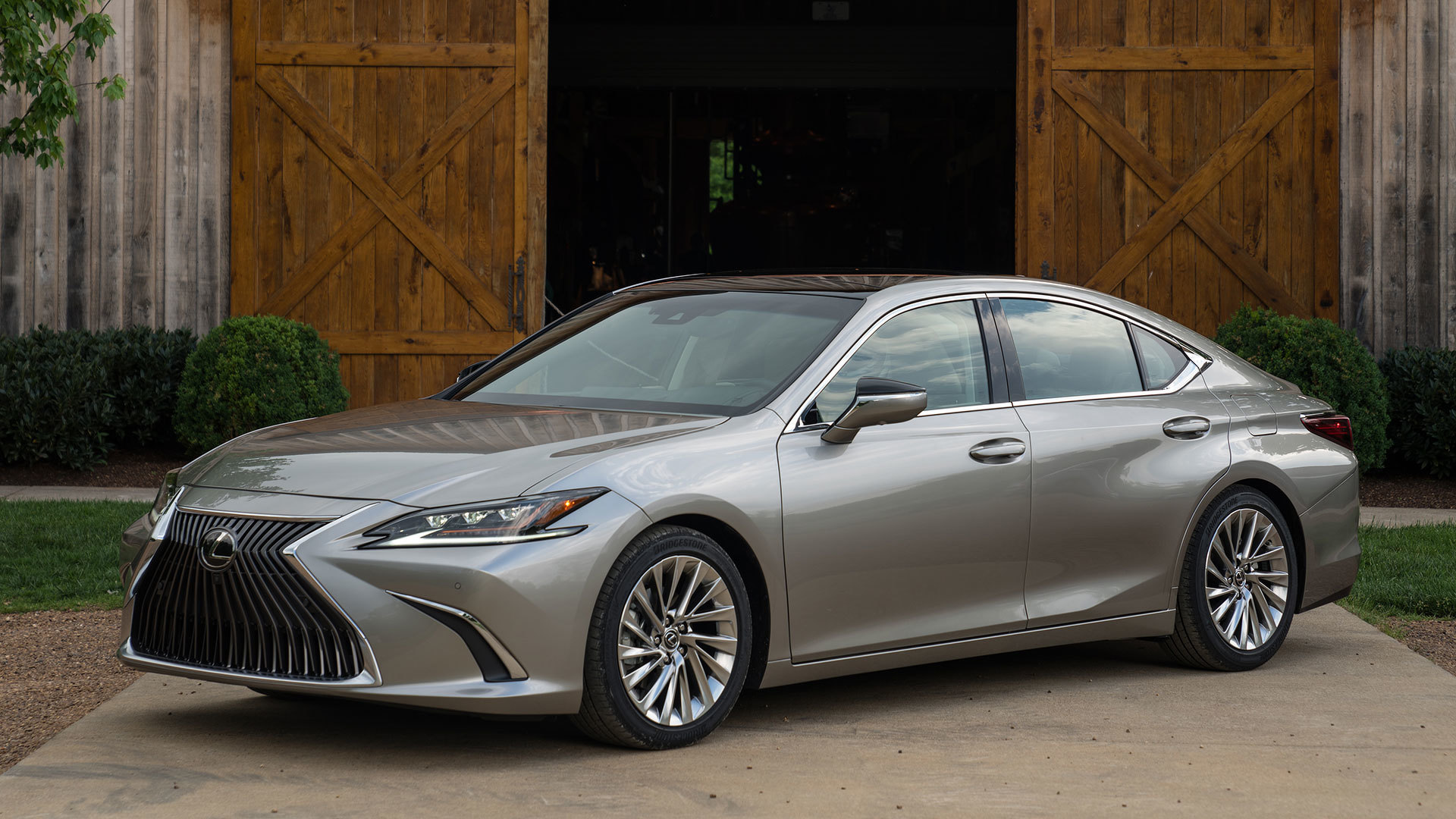
This conservative approach results in an engine that operates with minimal stress while providing ample power for luxury sedan applications. The engine’s sophisticated cooling system, quality oil delivery systems, and robust internal components ensure exceptional durability throughout hundreds of thousands of miles of operation.
The transmission system in the ES 350 – typically a six-speed automatic is engineered to complement the refined driving experience while providing exceptional reliability and longevity.
These transmissions benefit from Toyota’s extensive experience with automatic transmission design, featuring quality internal components, effective cooling systems, and sophisticated electronic control systems that optimize shift quality and component longevity.
Regular maintenance ensures these transmissions continue providing smooth, refined operation throughout the vehicle’s extended service life.
Corrosion resistance represents another significant advantage for the ES 350, with Lexus employing comprehensive rust prevention measures including advanced paint systems, proper drainage design, and strategic use of galvanized steel.
These measures help ensure that the vehicle maintains structural integrity and attractive appearance well into high-mileage territory, even in challenging environmental conditions.
10. Toyota Tacoma
The Toyota Tacoma stands as the undisputed champion of mid-size pickup truck reliability, earning legendary status among mechanics for its exceptional ability to accumulate massive mileage while maintaining the rugged capability and dependable performance that truck owners demand.
With countless examples easily surpassing 400,000 miles of hard work including towing, hauling, off-road adventures, and daily commuting, the Tacoma has established itself as the gold standard for pickup truck longevity and reliability.
The foundation of the Tacoma’s extraordinary durability lies in Toyota’s truck-specific engineering philosophy, which prioritizes robustness, simplicity, and proven technology over cutting-edge features that might compromise long-term reliability.
The various four-cylinder and V6 engines that have powered different Tacoma generations are specifically designed for the demanding duty cycles that truck owners require, featuring robust internal components, conservative tuning, and engineering tolerances that accommodate the stresses of towing, hauling, and challenging terrain.
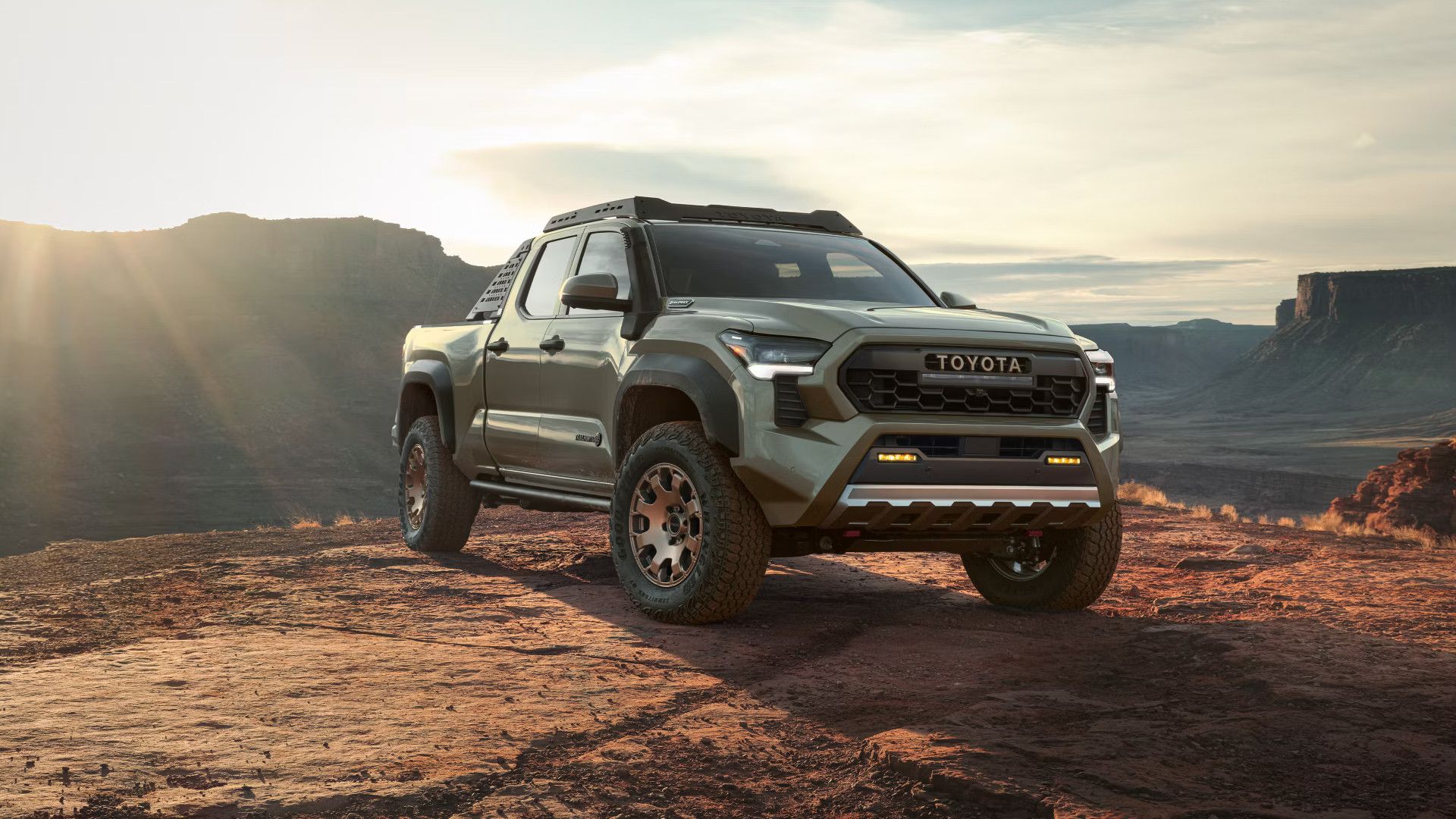
Mechanics particularly respect the legendary 22R-E four-cylinder engine from earlier Tacoma generations, which has achieved almost mythical status for its ability to continue running despite neglect, abuse, and astronomical mileage accumulation.
These engines feature cast-iron construction, simple fuel injection systems, and robust internal components that can withstand incredible punishment while maintaining reliable operation.
Many mechanics have encountered 22R-E engines with over 500,000 miles that continue running smoothly with basic maintenance. The more recent engines, including the 2.4-liter four-cylinder and various V6 options, continue this tradition of exceptional reliability while providing improved performance and fuel economy.
These engines benefit from advanced materials and manufacturing techniques while maintaining the conservative design philosophy that ensures long-term durability.
The naturally aspirated designs avoid the complexity and potential failure points of forced induction, instead relying on proven technology that has been refined over decades of production.
Parts availability and serviceability represent significant advantages for Tacoma owners seeking maximum longevity. The truck’s popularity and long production history ensure that replacement parts remain widely available and reasonably priced.
Additionally, the straightforward design philosophy makes most maintenance and repair procedures accessible to competent do-it-yourself mechanics, reducing the cost of ownership throughout the vehicle’s extended service life.
Also Read: 10 Trucks From the ’80s That Are Becoming Collectible
