
The sweet spot of vehicle ownership often lies somewhere between the initial depreciation curve and the onset of major mechanical failures.
For most cars, this honeymoon period extends comfortably beyond the manufacturer’s warranty, allowing owners to enjoy relatively trouble-free driving while building equity in their investment.
However, certain vehicles have earned notorious reputations for transforming from reliable transportation into financial black holes once they cross the 80,000-mile threshold.
Understanding which cars become money pits at higher mileages is crucial for both potential used car buyers and current owners planning their automotive future.
The 80,000-mile mark represents a critical juncture where many vehicles begin experiencing the failure of expensive components that were designed to last through the warranty period but not necessarily much beyond it.
This mileage point often coincides with the expiration of extended warranties, leaving owners fully responsible for increasingly costly repairs.
The transition from reliable transportation to money pit rarely happens overnight. Instead, it typically begins with minor inconveniences that gradually escalate into major financial burdens.
What starts as an occasional dashboard warning light or slight performance hiccup can quickly snowball into transmission replacements, engine rebuilds, or complex electrical system overhauls that cost more than the vehicle’s remaining value.
Premium models, such as Mercedes-Benz and BMW, are about three times as expensive to maintain than the least expensive options for the first 75,000 miles, and this cost differential becomes even more pronounced as mileage increases.
The sophisticated engineering that makes these vehicles desirable when new often becomes their Achilles’ heel as they age. Complex all-wheel-drive systems, advanced electronics, air suspension components, and high-performance engines require specialized knowledge and expensive parts that can quickly drain bank accounts.
What makes certain cars particularly problematic after 80,000 miles isn’t just the frequency of repairs, but the catastrophic nature of their failures.
Unlike economy cars that might gradually decline with predictable maintenance needs, these problematic vehicles tend to experience sudden, expensive failures that leave owners facing repair estimates that exceed their vehicle’s value.
The combination of poor reliability, expensive parts, and specialized labor requirements creates the perfect storm for automotive financial disaster.
The vehicles we’ll examine represent some of the most notorious offenders in the high-mileage money pit category. These aren’t necessarily bad cars when new many offer exceptional performance, luxury, and prestige during their prime years.
However, their complex engineering, expensive components, and manufacturer-specific repair requirements make them particularly costly to maintain once they enter their second decade of life.
Understanding these potential pitfalls can save prospective buyers thousands of dollars and help current owners make informed decisions about when to cut their losses and move on to more reliable transportation.
1. Range Rover Sport (2014-2019)
The Range Rover Sport epitomizes the intersection of luxury and capability, offering owners a vehicle that can transition seamlessly from urban sophistication to off-road adventure.
However, this impressive versatility comes at a steep price once the odometer rolls past 80,000 miles. Land Rover maintenance costs average $12,000 or more annually, making it one of the most expensive luxury vehicles to maintain in the automotive marketplace.
The Range Rover Sport’s most notorious weakness lies in its sophisticated air suspension system, which provides the adjustable ride height that makes the vehicle so capable across diverse terrain.
Unfortunately, this system’s complexity becomes a liability as components age and fail. Air suspension compressors typically begin failing around 80,000 miles, with replacement costs often exceeding $3,000.
The air springs themselves are equally problematic, with individual units costing upward of $800 before labor. When multiple components fail simultaneously, owners can face repair bills approaching $10,000 just to restore proper ride height functionality.
The vehicle’s advanced electronics present another significant challenge for high-mileage owners. The Range Rover Sport incorporates numerous control modules that manage everything from terrain response systems to infotainment functions.

These modules are prone to failure and corruption, requiring expensive reprogramming or replacement. The central infotainment system, in particular, has earned a reputation for spontaneous failures that can cost $2,500 or more to rectify.
Engine problems vary depending on the powerplant, but all options present potential pitfalls. The supercharged V6 engines suffer from timing chain stretch issues that can lead to catastrophic engine damage if not addressed promptly.
Repair costs for timing chain problems typically range from $4,000 to $7,000, depending on the extent of damage. The V8 engines face their own challenges, including premature wear of valve guides and carbon buildup issues that require expensive cleaning procedures.
Transmission reliability represents another major concern for high-mileage Range Rover Sport owners. The eight-speed automatic transmission, while smooth when functioning properly, has demonstrated a propensity for valve body failures and torque converter issues.
Complete transmission rebuilds or replacements can easily cost $8,000 or more, representing a significant percentage of the vehicle’s remaining value.
Perhaps most frustrating for owners is the unpredictable nature of Range Rover Sport failures. Unlike vehicles with predictable maintenance schedules, the Range Rover Sport can present multiple simultaneous problems that compound repair costs exponentially.
Notable recalls include fixes to the upper suspension arm possibly detaching, the transmission shifting into neutral while driving, the doors opening while driving, and the passenger airbag being unintentionally disabled, highlighting the breadth of potential safety and reliability concerns that plague these vehicles as they age.
The Range Rover Sport’s cooling system represents another significant vulnerability that becomes increasingly problematic after 80,000 miles.
The vehicle’s sophisticated cooling setup, designed to manage the heat generated by powerful engines and complex electronic systems, includes multiple radiators, electric fans, and temperature sensors that can fail independently or in cascade fashion.
Water pump failures are particularly common, often occurring without warning and potentially causing catastrophic engine damage if not addressed immediately.
Replacement costs typically range from $2,000 to $3,500, but engine damage from overheating can push repair costs well beyond $15,000. The cooling system’s complexity is further complicated by the vehicle’s integration with air conditioning and cabin heating systems, meaning that cooling system failures can also disable climate control functions.
Body control module failures present yet another expensive reality for high-mileage Range Rover Sport owners, often manifesting as seemingly minor electrical gremlins that progressively worsen over time.
These modules control everything from exterior lighting to window operation, and their failure can result in dead batteries, inoperative accessories, and even security system malfunctions that prevent the vehicle from starting.
Diagnosis alone can cost $500 or more due to the specialized equipment required, while module replacement and reprogramming often exceeds $2,500.
Perhaps most maddening for owners is that these electrical problems rarely present clear symptoms initially, instead developing as intermittent issues that can be difficult to reproduce during diagnostic sessions, leading to multiple expensive shop visits before the root cause is identified and resolved.
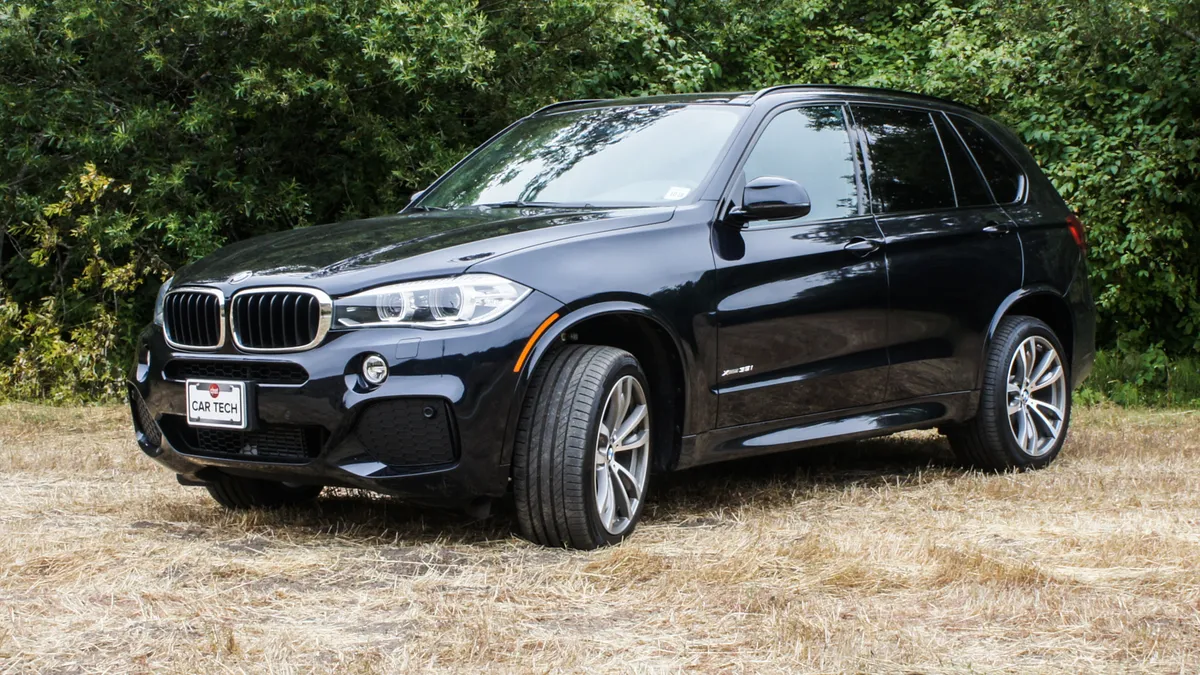
2. BMW X5 (2014-2018)
The BMW X5 represents German engineering at its finest, combining performance, luxury, and practicality in a package that has long been considered the gold standard in the luxury SUV segment.
However, BMW maintenance costs range from $1,200 to $2,500 annually, and these costs can escalate dramatically once the vehicle surpasses 80,000 miles, transforming the X5 from a symbol of success into a financial burden.
The X5’s sophisticated all-wheel-drive system, while providing exceptional traction and handling characteristics, becomes a significant liability as mileage accumulates.
The transfer case, which distributes power between front and rear axles, is particularly prone to failure around the 80,000-mile mark. Transfer case rebuilds typically cost between $4,000 and $6,000, while complete replacements can exceed $8,000.
The system’s complexity means that even minor failures often require extensive disassembly, inflating labor costs substantially. BMW’s commitment to advanced technology becomes problematic as electronic components age and fail.
The X5’s iDrive system, while revolutionary when introduced, has proven susceptible to hard drive failures and software corruption that can disable multiple vehicle functions.
Replacement of the iDrive system can cost upward of $3,500, and programming requirements often add additional expense. The vehicle’s numerous sensors and control modules, while enhancing functionality when new, create multiple points of failure that can result in expensive diagnostic sessions and component replacements.
The X5’s engine lineup presents varying degrees of long-term reliability challenges. The turbocharged six-cylinder engines suffer from high-pressure fuel pump failures that can leave drivers stranded and potentially cause engine damage. Replacement costs for these pumps typically range from $2,000 to $3,500, including programming requirements.
The V8 engines face their own unique challenges, including timing chain guide wear that can result in catastrophic engine damage if not addressed proactively.
Air suspension, available on higher trim levels, represents another potential financial pitfall. The system’s air springs and compressors have proven unreliable, with failures commonly occurring around 80,000 miles.
Individual air spring replacement costs approximately $1,500 per corner, while compressor failures can add another $2,000 to repair bills. Many owners opt to convert to conventional springs and struts, which, while less expensive long-term, eliminates one of the X5’s key luxury features.
Perhaps most concerning for potential buyers is the X5’s propensity for multiple simultaneous failures that can overwhelm even well-prepared owners financially.
The vehicle’s integrated systems mean that single component failures can cascade into multiple related problems, creating repair estimates that often exceed the vehicle’s remaining value.
The combination of expensive BMW parts, specialized labor requirements, and complex diagnostic procedures makes the X5 one of the most expensive vehicles to maintain in the luxury SUV segment once it enters its high-mileage phase.
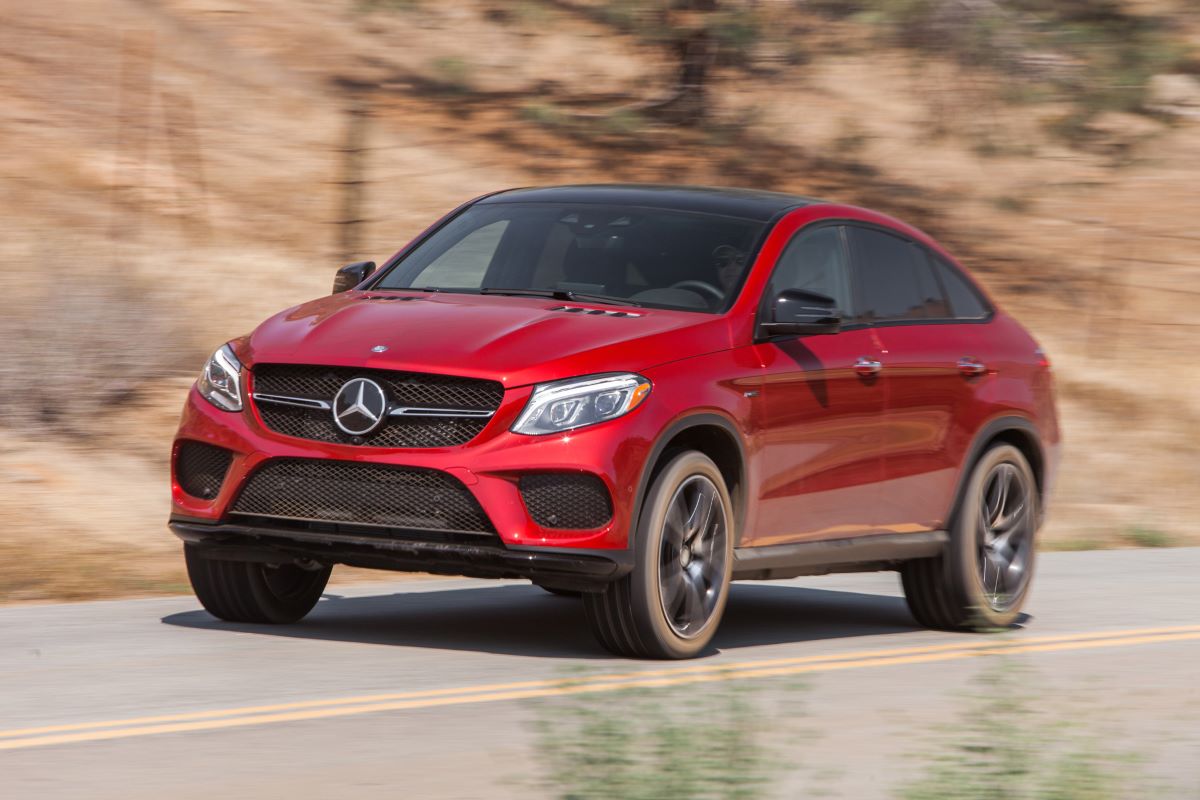
3. Mercedes-Benz GLE (2016-2019)
The Mercedes-Benz GLE represents the pinnacle of luxury SUV engineering, offering a combination of comfort, performance, and technology that few competitors can match.
However, this sophistication comes with a hidden cost that becomes apparent once the odometer surpasses 80,000 miles. Mercedes-Benz maintenance costs typically fall between $1,000 and $2,000 annually, but these figures can multiply dramatically when major components begin failing in the vehicle’s second decade of service.
The GLE’s advanced air suspension system, marketed as AIRMATIC, provides exceptional ride quality and adjustable ground clearance that enhances both comfort and capability. Unfortunately, this system’s complexity becomes its greatest weakness as components age.
Air springs typically begin developing leaks around 80,000 miles, with replacement costs ranging from $1,200 to $2,000 per corner.
The system’s compressor, which maintains proper air pressure, commonly fails around the same mileage interval, adding another $2,500 to repair costs. When multiple components fail simultaneously, owners can face air suspension repair bills exceeding $8,000.
The vehicle’s sophisticated electronics present another significant challenge for high-mileage owners. Mercedes-Benz incorporates numerous control modules that manage everything from engine performance to cabin comfort systems.
Electronic and sensor malfunctions require recalibration or repair in advanced driver assistance features, and these procedures can be both time-consuming and expensive.
The central command system, which controls infotainment and vehicle settings, has demonstrated susceptibility to hard drive failures that can cost $3,000 or more to rectify.
Engine reliability varies significantly depending on the powerplant selection. The turbocharged four-cylinder engines, while efficient when functioning properly, suffer from turbocharger failures that typically occur around 90,000 miles.
Turbocharger replacement costs can range from $3,000 to $5,000, including associated componentry and labor. The V6 engines face timing chain stretch issues that can result in catastrophic engine damage if not addressed promptly, with repair costs often exceeding $6,000.
The GLE’s nine-speed automatic transmission, while smooth and responsive during normal operation, has proven problematic as mileage accumulates.
Valve body failures and torque converter issues become increasingly common after 80,000 miles, often requiring complete transmission rebuilds that can cost $7,000 or more.
The transmission’s complexity means that even minor internal failures often necessitate major repairs due to the integrated nature of its components. Oil leaks, while less frequent than in Range Rovers, are still an issue in high-mileage models, and the GLE is no exception to this trend.
The vehicle’s sophisticated engine bay packaging makes oil leak repairs particularly expensive, as significant disassembly is often required to access failed seals and gaskets.
Additionally, the GLE’s numerous sensors and electronic components can be damaged by oil leaks, creating cascading repair costs that can quickly escalate beyond reasonable limits.
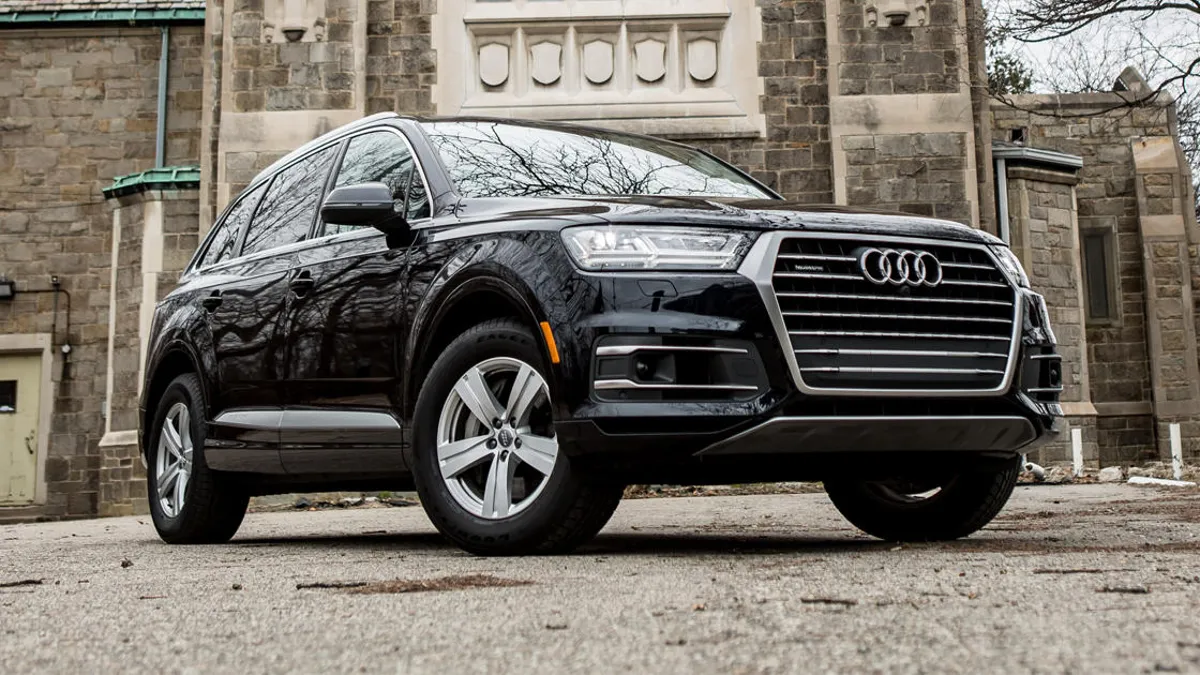
4. Audi Q7 (2016-2019)
The Audi Q7 represents Germanic luxury SUV engineering at its most refined, offering a perfect blend of performance, technology, and practicality that appeals to discerning buyers seeking the ultimate family hauler.
However, this sophisticated engineering becomes a double-edged sword once the vehicle accumulates 80,000 miles, as complex systems begin experiencing failures that can quickly transform the Q7 from reliable transportation into an expensive maintenance nightmare.
Audi’s renowned Quattro all-wheel-drive system provides exceptional traction and handling characteristics that set the Q7 apart from competitors. Unfortunately, this system’s complexity creates multiple potential failure points that become problematic as mileage increases.
The rear differential, in particular, has proven susceptible to premature wear, with rebuilds typically costing between $4,000 and $6,000. The system’s center differential and associated transfer case components present similar challenges, often requiring expensive repairs or replacements around the 80,000-mile threshold.
The Q7’s advanced air suspension system, while providing exceptional ride quality and load-leveling capabilities, represents one of the vehicle’s most expensive potential failure points.
Air springs commonly develop leaks around 80,000 miles, with individual replacements costing approximately $1,500 per corner. The system’s compressor and associated control modules add additional complexity and expense, with complete system failures often requiring repair investments exceeding $8,000.
Engine reliability presents varying challenges depending on the powerplant selection. The supercharged V6 engines suffer from carbon buildup issues that require expensive cleaning procedures every 40,000 to 60,000 miles.
These cleaning services typically cost between $800 and $1,500 but are essential for maintaining proper engine performance. The turbo diesel engines, while efficient, face their own unique challenges including diesel particulate filter failures and emissions system problems that can result in repair costs exceeding $5,000.
The Q7’s sophisticated electronics and infotainment systems, while impressive when functioning properly, create numerous potential failure points as components age.
The Multi Media Interface (MMI) system has demonstrated susceptibility to hard drive failures and software corruption that can disable multiple vehicle functions. Complete MMI replacement can cost upward of $4,000, while even minor software issues often require expensive dealer programming procedures.
Perhaps most concerning for Q7 owners is the vehicle’s propensity for experiencing multiple simultaneous problems that compound repair costs exponentially.
The integrated nature of the Q7’s systems means that single component failures can cascade into related problems throughout the vehicle. Additionally, Audi’s requirement for proprietary diagnostic equipment and specialized technician training means that even routine maintenance becomes expensive, with independent repair options limited by the vehicle’s sophisticated technology requirements.
Also Read: 5 Cars With Quiet Cabins for Life vs 5 That Get Loud Early
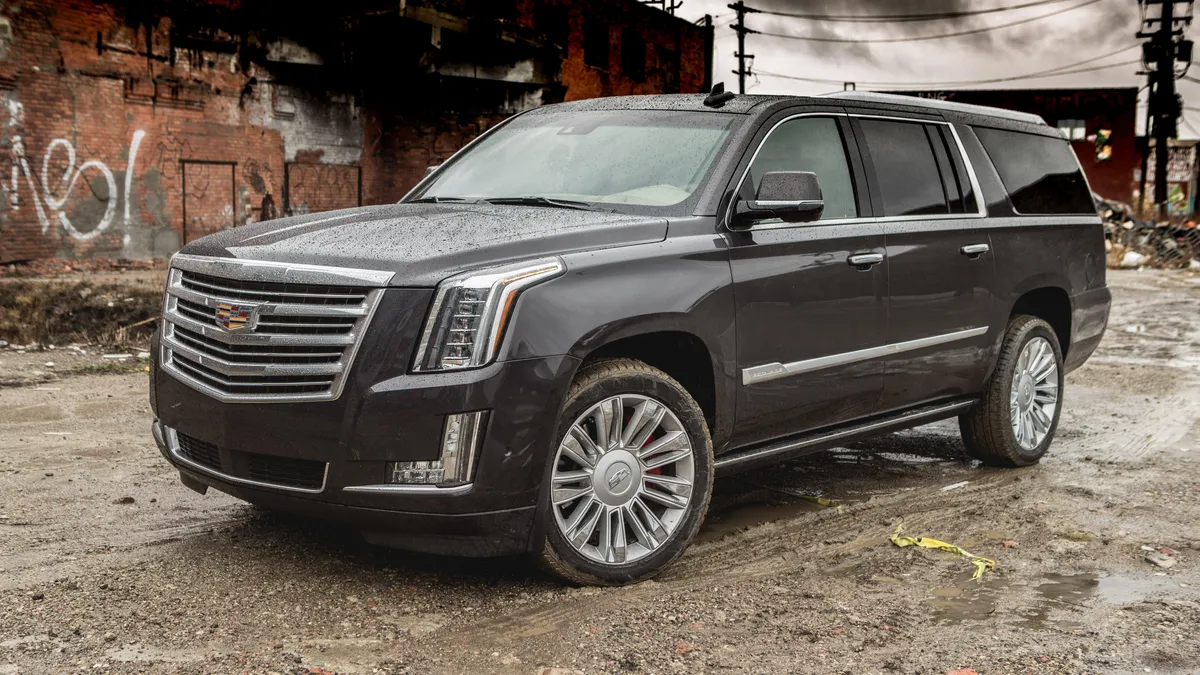
5. Cadillac Escalade (2015-2020)
The Cadillac Escalade stands as America’s answer to European luxury SUVs, offering full-size capability wrapped in opulent appointments that have made it a favorite among celebrities and executives.
However, beneath its impressive exterior lies a collection of systems that can become financially problematic once the vehicle surpasses 80,000 miles, transforming this symbol of success into a potential money pit that can drain resources faster than owners anticipate.
The Escalade’s sophisticated Magnetic Ride Control suspension system provides exceptional ride quality and handling characteristics that set it apart from conventional luxury SUVs.
However, this advanced technology becomes a significant liability as components age and fail. Individual magnetic dampers cost approximately $1,200 each to replace, and the system’s tendency toward multiple simultaneous failures can result in repair bills exceeding $6,000.
The system’s complexity also means that diagnosis requires specialized equipment, adding additional expense to repair procedures. General Motors’ decision to incorporate advanced electronics throughout the Escalade creates numerous potential failure points that become increasingly problematic as the vehicle ages.
The CUE infotainment system, while impressive when functioning properly, has earned a reputation for spontaneous failures and software glitches that can disable multiple vehicle functions.
Complete CUE system replacement can cost upward of $3,500, while even software updates often require expensive dealer programming procedures.
The Escalade’s powerful V8 engines, while providing impressive performance and towing capability, present their own unique maintenance challenges as mileage accumulates.
Active Fuel Management (AFM) system failures have become increasingly common, often requiring expensive repairs that can exceed $4,000. The system’s cylinder deactivation technology, designed to improve fuel economy, creates additional stress on engine components and has proven problematic in high-mileage applications.
Transmission reliability represents another significant concern for Escalade owners approaching the 80,000-mile threshold. The six-speed automatic transmission, while generally reliable during the warranty period, begins experiencing valve body problems and torque converter failures as mileage increases.
Complete transmission rebuilds typically cost between $5,000 and $7,000, representing a significant percentage of the vehicle’s remaining value. The Escalade’s numerous luxury features, while impressive when new, create multiple potential failure points that can result in expensive repair bills.
Heated and cooled seats commonly experience failures that require expensive component replacements. The panoramic sunroof system has proven particularly problematic, with motor failures and track problems often requiring repairs costing $2,000 or more.
Additionally, the vehicle’s power-operated third row seating system frequently experiences failures that can cost $1,500 or more to rectify, adding to the long list of potential expensive repairs that Escalade owners may face.
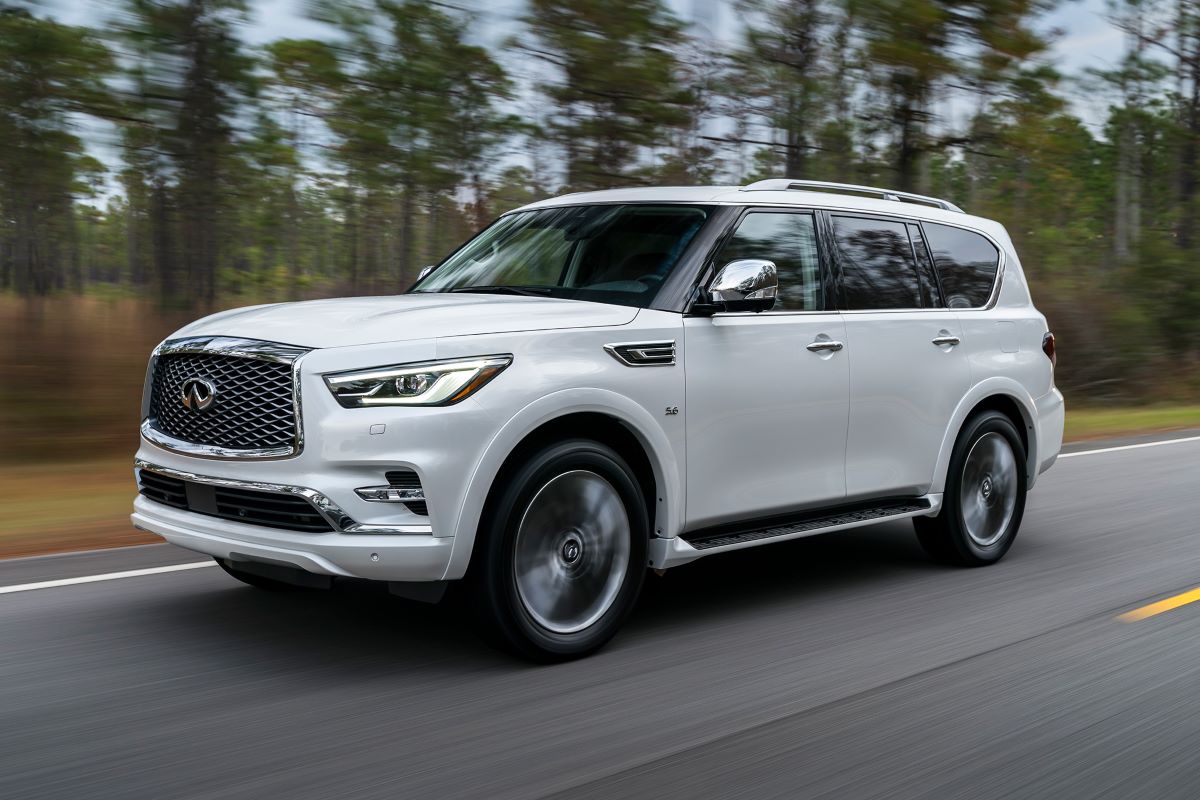
6. Infiniti QX80 (2014-2019)
The Infiniti QX80 represents Japanese luxury engineering applied to the full-size SUV segment, offering a unique combination of reliability-focused design and premium amenities.
However, despite its Japanese heritage suggesting superior dependability, the QX80 has developed a reputation for becoming increasingly expensive to maintain once it surpasses 80,000 miles, with several key systems proving particularly problematic as the vehicle ages.
The QX80’s sophisticated all-wheel-drive system provides exceptional traction and capability across diverse driving conditions, but this complexity creates potential financial challenges as components age.
The vehicle’s advanced transfer case has proven susceptible to premature wear, particularly in vehicles that have experienced mixed driving conditions.
Transfer case rebuilds typically cost between $4,500 and $6,500, while complete replacements can exceed $8,000. The system’s complexity means that even minor failures often require extensive diagnostic procedures, inflating repair costs significantly.
Infiniti’s decision to incorporate a continuously variable transmission (CVT) in the QX80 has created long-term reliability concerns that become increasingly apparent around the 80,000-mile mark.
CVT technology, while providing smooth operation and improved fuel economy when functioning properly, has proven problematic in high-mileage applications.
Complete CVT replacements typically cost between $6,000 and $8,000, representing one of the most expensive potential repairs QX80 owners may face. The transmission’s complexity also means that even minor internal failures often necessitate complete unit replacement.
The QX80’s powerful V8 engine, while generally reliable during the warranty period, begins experiencing problems as mileage accumulates. Timing chain stretch has become increasingly common, often resulting in engine noise and performance issues that require expensive repairs.
Complete timing chain replacement can cost between $3,000 and $5,000, depending on the extent of related damage. Additionally, the engine’s sophisticated variable valve timing system has proven susceptible to failure, often requiring expensive component replacements and programming procedures.
Suspension system failures represent another significant concern for high-mileage QX80 owners. While the vehicle doesn’t incorporate air suspension like many competitors, its sophisticated independent rear suspension system includes numerous components that can fail as the vehicle ages.
Rear suspension bushings and control arms commonly require replacement around 80,000 miles, with complete rear suspension rebuilds often costing $3,000 or more.
The QX80’s numerous electronic systems, while providing impressive functionality when new, create multiple potential failure points as components age.
The vehicle’s advanced climate control system frequently experiences failures that can cost $2,000 or more to repair. The sophisticated infotainment system has demonstrated susceptibility to hard drive failures and software corruption, often requiring complete system replacement at costs exceeding $3,500.
Additionally, the vehicle’s numerous sensors and control modules create ongoing diagnostic challenges that can result in expensive troubleshooting procedures even for minor problems.
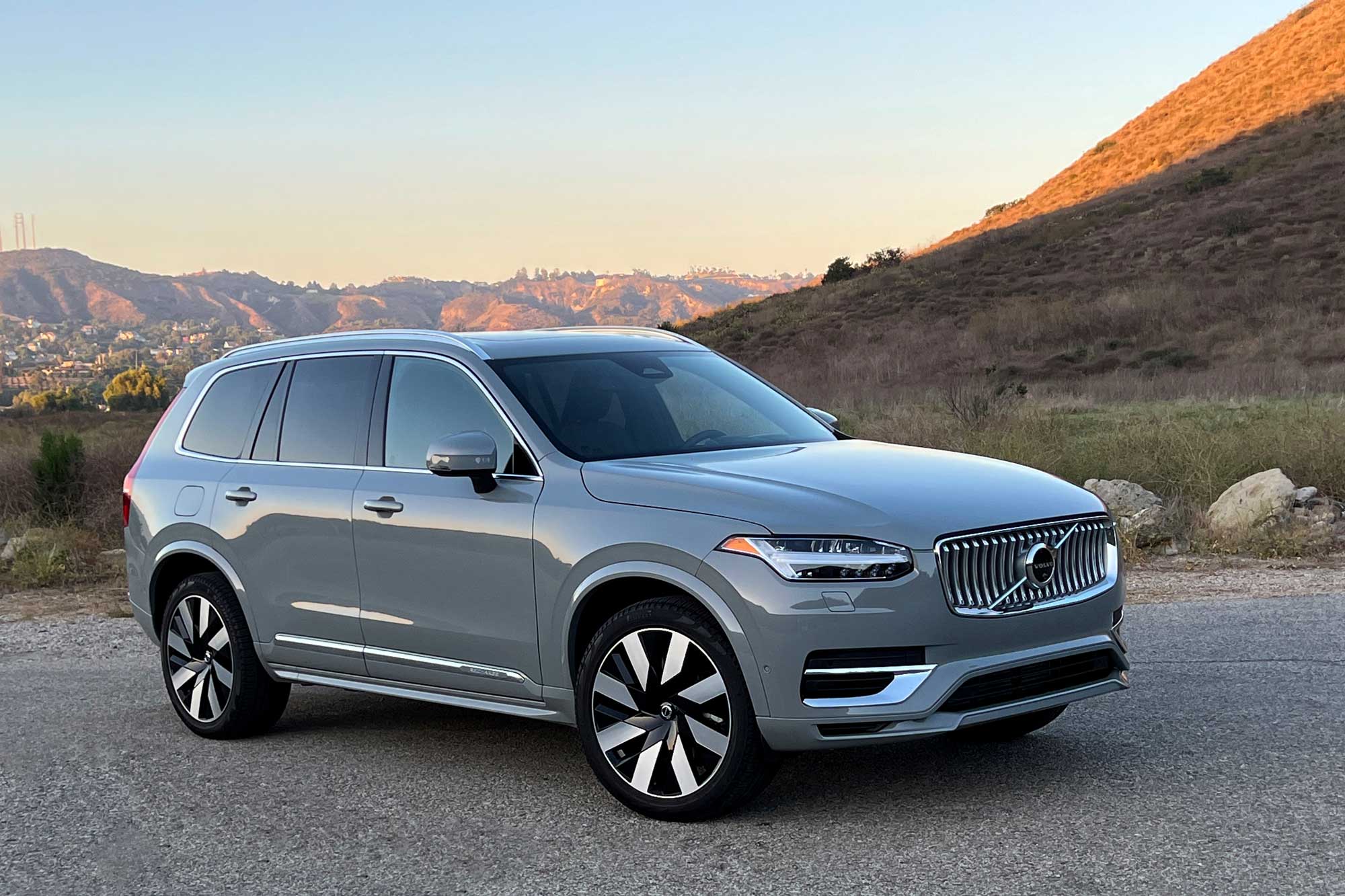
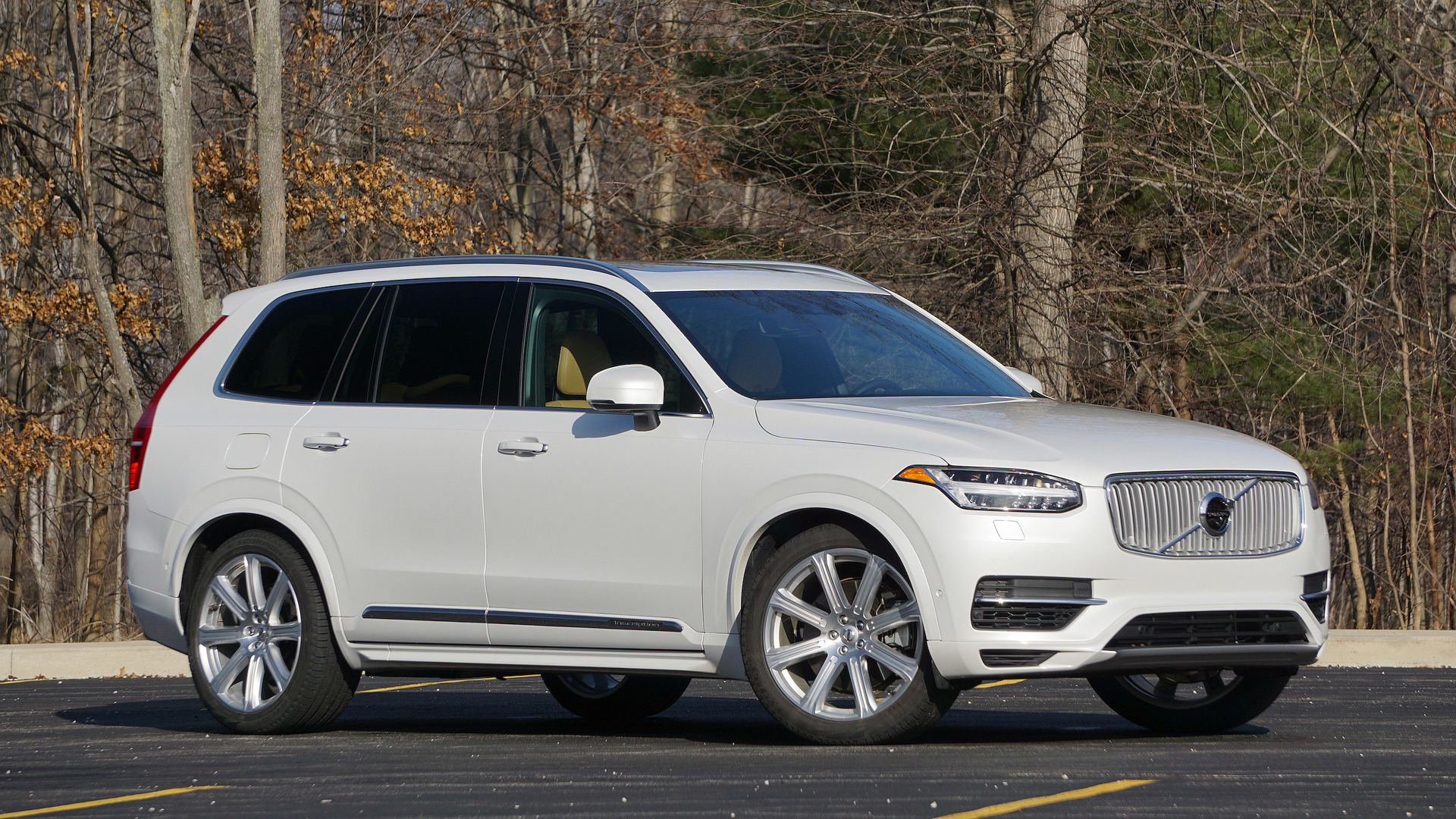
7. Volvo XC90 (2016-2021)
The Volvo XC90 represents Swedish engineering excellence applied to the luxury SUV segment, offering a unique combination of safety, sustainability, and sophisticated design that appeals to environmentally conscious luxury buyers.
However, despite Volvo’s reputation for durability, the modern XC90 has proven problematic once it surpasses 80,000 miles, with several key systems demonstrating reliability issues that can result in expensive repair bills.
The XC90’s advanced air suspension system provides exceptional ride quality and load-leveling capabilities that enhance both comfort and utility. Unfortunately, this system’s complexity becomes increasingly problematic as components age and fail.
Air springs typically begin developing leaks around 80,000 miles, with individual replacements costing approximately $1,800 per corner. The system’s compressor and associated electronic controls add additional complexity and expense, with complete system failures often requiring repair investments exceeding $9,000.
Volvo’s commitment to advanced powertrain technology has resulted in engines that, while impressive when functioning properly, can become expensive to maintain as mileage accumulates.
The turbocharged and supercharged four-cylinder engines suffer from carbon buildup issues that require expensive cleaning procedures every 50,000 to 60,000 miles.
These services typically cost between $1,000 and $1,800 but are essential for maintaining proper engine performance. Additionally, the engines’ sophisticated charging systems have proven susceptible to premature failure, often requiring expensive component replacements.
The XC90’s advanced all-wheel-drive system, while providing exceptional traction and handling characteristics, creates potential financial challenges as components age.
The rear drive module, which distributes power to the rear wheels, has proven particularly problematic, with failures often occurring around 90,000 miles. Complete rear drive module replacement can cost between $5,000 and $7,000, including associated programming and calibration procedures.
Electronic system reliability represents another significant concern for XC90 owners approaching high-mileage status. Volvo’s Sensus infotainment system, while advanced and user-friendly when functioning properly, has demonstrated susceptibility to software corruption and hardware failures.
Complete system replacement can cost upward of $4,000, while even minor software issues often require expensive dealer programming procedures.
The vehicle’s numerous driver assistance systems also create ongoing maintenance challenges, with sensor calibration and replacement procedures often costing $1,500 or more.
Perhaps most concerning for XC90 owners is the vehicle’s propensity for experiencing electrical problems that can be difficult and expensive to diagnose.
The vehicle’s sophisticated wiring harnesses and control modules create numerous potential failure points that can result in intermittent problems requiring extensive diagnostic procedures.
These electrical gremlins often prove elusive, resulting in multiple dealer visits and diagnostic charges that can quickly accumulate into significant expenses even when the underlying problems are relatively minor.
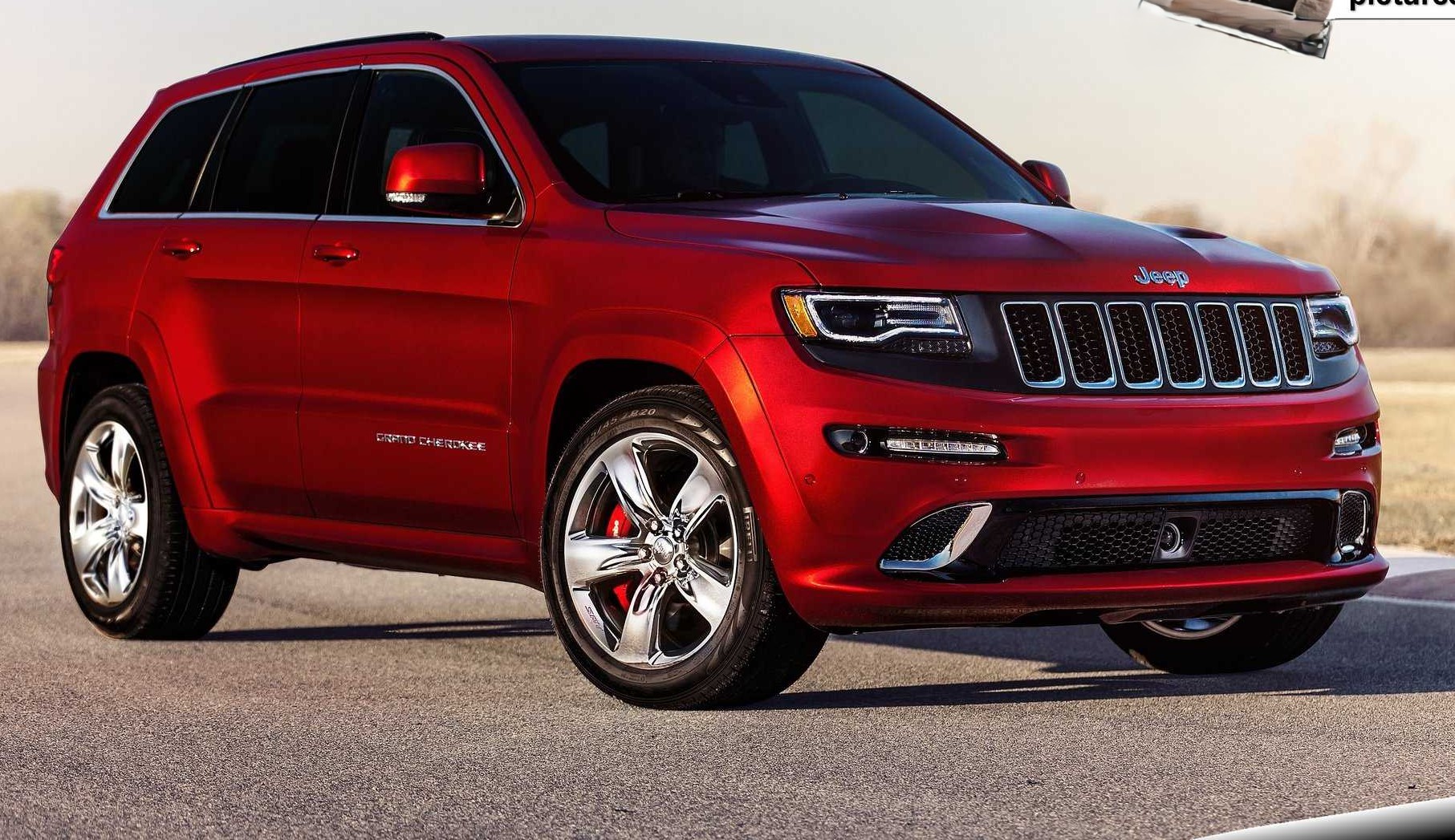
8. Jeep Grand Cherokee SRT (2014-2021)
The Jeep Grand Cherokee SRT represents American performance engineering at its most extreme, combining supercar-level acceleration with SUV practicality in a package that offers unique appeal to performance enthusiasts.
However, this impressive performance comes at a cost that becomes increasingly apparent once the vehicle surpasses 80,000 miles, as high-performance components begin experiencing failures that can quickly transform the SRT from an exhilarating ride into an expensive maintenance nightmare.
The Grand Cherokee SRT’s powerful 6.4-liter Hemi V8 engine provides impressive performance but creates significant maintenance challenges as mileage accumulates.
The engine’s sophisticated variable valve timing system has proven susceptible to failure, often requiring expensive component replacements that can cost $3,000 or more.
Additionally, the engine’s high-performance nature creates additional stress on internal components, resulting in premature wear of pistons, rings, and bearing surfaces that can necessitate expensive rebuilds around the 100,000-mile mark.
The vehicle’s high-performance Brembo braking system, while providing exceptional stopping power, creates ongoing expense that exceeds typical SUV maintenance costs significantly.
Brake pad and rotor replacements can cost upward of $2,500 for a complete service, while the system’s sophisticated electronic controls add additional complexity and expense.
The brake system’s performance orientation also means that components wear more rapidly than conventional designs, requiring more frequent service intervals.
Suspension system maintenance represents another significant expense for SRT owners as mileage increases. The vehicle’s performance-tuned suspension incorporates numerous specialized components that are more expensive than conventional alternatives.
Adaptive dampers commonly require replacement around 80,000 miles, with individual units costing approximately $800 each. The suspension’s sophisticated electronic controls also create additional potential failure points that can result in expensive diagnostic and repair procedures.
Transmission reliability concerns become increasingly apparent as SRT models accumulate mileage. The eight-speed automatic transmission, while generally reliable during the warranty period, begins experiencing problems under the stress of high-performance operation.
Torque converter failures and valve body problems become increasingly common after 80,000 miles, often requiring complete transmission rebuilds that can cost $6,000 or more.
The transmission’s performance calibration also means that even minor internal wear can result in noticeable performance degradation requiring expensive repairs.
The Grand Cherokee SRT’s numerous performance-oriented systems create ongoing maintenance expenses that far exceed typical SUV ownership costs.
The sophisticated all wheel drive system requires specialized fluids and service procedures that add expense to routine maintenance. The vehicle’s performance-tuned exhaust system incorporates expensive components that can require replacement as the vehicle ages.
Additionally, the SRT’s high-performance nature means that consumable items like tires and brakes wear more rapidly than conventional vehicles, creating ongoing expenses that can quickly accumulate into significant annual costs for owners who drive their vehicles enthusiastically.
Also Read: 10 Trucks That Bring the Best Trade-In Value in 2025
