
The plug-in hybrid electric vehicle (PHEV) market has evolved dramatically over the past decade, transforming from a niche segment dominated by early adopters to a mainstream automotive category that appeals to practical consumers seeking the best of both worlds.
As these vehicles have matured, real-world data has emerged revealing which models have proven themselves capable of delivering reliable, long-term performance that stands the test of time.
Durability in the PHEV world encompasses far more than traditional automotive reliability metrics.
These sophisticated machines must seamlessly coordinate two distinct powertrains an internal combustion engine and an electric motor system while managing complex battery chemistry, regenerative braking systems, and intricate software that governs the interplay between these technologies.
The most successful plug-in hybrids have demonstrated that they can maintain this delicate balance not just for the first few years of ownership, but well into six-figure mileage territories where many conventional vehicles begin showing significant wear.
What sets truly durable PHEVs apart is their ability to preserve battery capacity over time, maintain efficient transitions between electric and hybrid modes, and continue delivering the fuel economy benefits that attracted buyers in the first place.
The vehicles featured in this analysis have proven themselves through extensive real-world testing, consumer reports, and long-term ownership studies that reveal patterns of reliability extending well beyond typical warranty periods.
This comprehensive analysis examines eight plug-in hybrid vehicles that have distinguished themselves through exceptional durability, based on extensive reliability data, long-term ownership experiences, and professional testing results that demonstrate their ability to deliver consistent performance over time.
1. Toyota RAV4 Prime
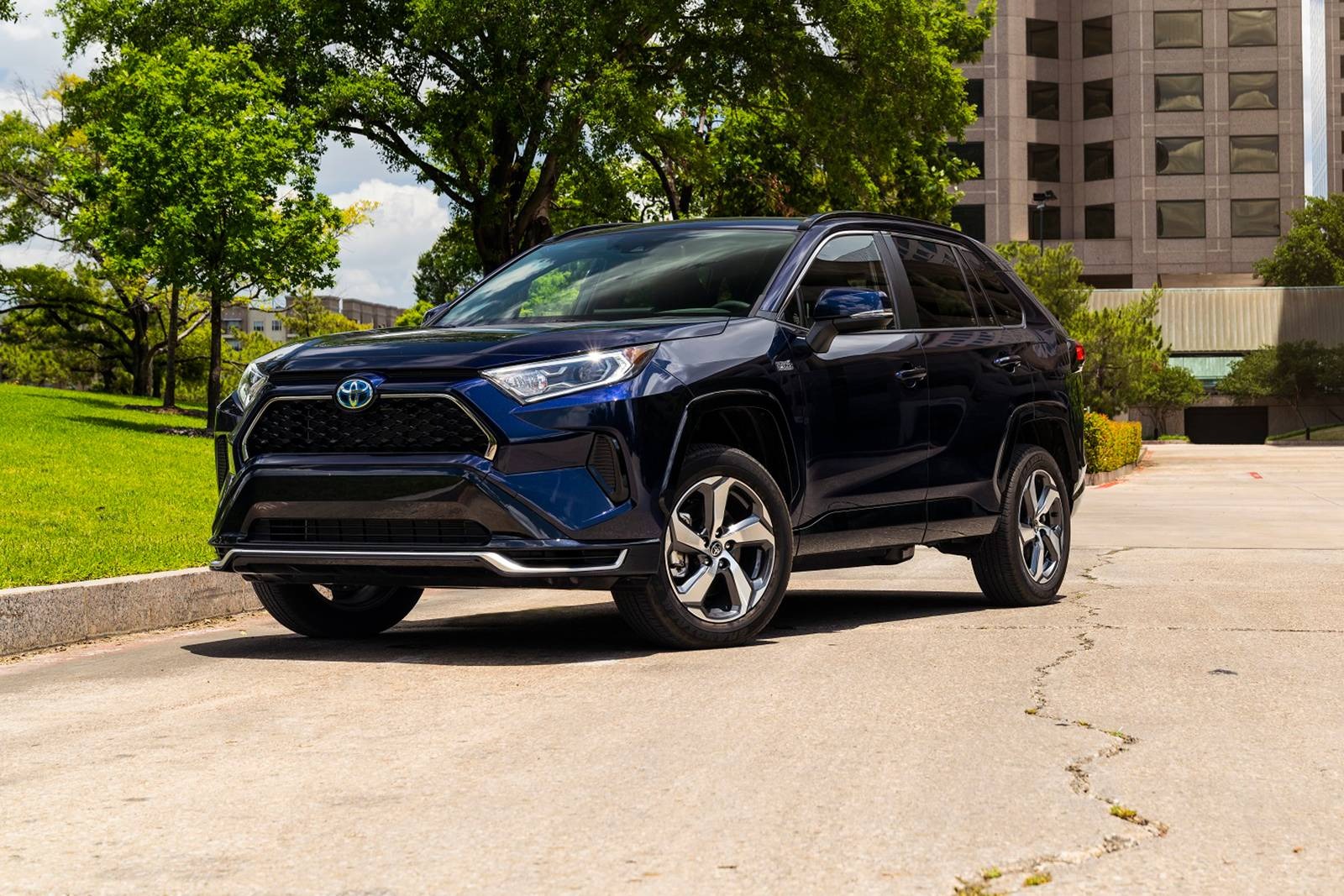
The Toyota RAV4 Prime stands as the undisputed champion of plug-in hybrid durability, combining Toyota’s decades of hybrid expertise with proven SUV architecture to create a vehicle that consistently tops reliability rankings across multiple automotive publications and consumer surveys.
This achievement becomes even more impressive considering the RAV4 Prime’s relatively recent introduction to the market, demonstrating Toyota’s ability to engineer long-term reliability from the very first model year.
The foundation of the RAV4 Prime’s exceptional durability lies in Toyota’s fourth-generation hybrid system, which represents the culmination of more than two decades of continuous refinement in hybrid technology.
This system builds upon the proven architecture found in the standard RAV4 Hybrid, adding a larger lithium-ion battery pack and more powerful electric motors while maintaining the robust mechanical components that have made Toyota hybrids synonymous with reliability.
The 2.5-liter Atkinson-cycle four-cylinder engine at the heart of the system has been extensively tested across Toyota’s hybrid lineup, providing a solid foundation for long-term durability.
Battery longevity represents one of the most critical aspects of PHEV durability, and the RAV4 Prime excels in this area through sophisticated thermal management and conservative charging algorithms that prioritize battery health over maximum capacity utilization.
The liquid-cooled battery system maintains optimal operating temperatures in all conditions, preventing the heat-related degradation that affects many competitors.
Toyota’s approach to battery management is notably conservative, keeping the battery within a narrow state of charge range that maximizes cycle life even if it means sacrificing some theoretical electric range.
The vehicle’s all-wheel-drive system adds another layer of complexity that the RAV4 Prime manages with remarkable reliability.
Unlike some competitors that use complex mechanical all-wheel-drive systems, Toyota employs a rear-mounted electric motor to provide rear-wheel power when needed, eliminating the need for a traditional transfer case or rear differential.
This design reduces mechanical complexity while providing instant torque distribution that enhances both performance and traction in challenging conditions. Manufacturing quality control plays a crucial role in the RAV4 Prime’s durability advantage.
Toyota’s production facilities maintain some of the industry’s most stringent quality standards, with extensive pre-delivery testing that identifies potential issues before vehicles reach customers.
The company’s kaizen philosophy of continuous improvement means that even minor issues identified in early production are quickly addressed through process refinements that benefit all subsequent vehicles.
Real-world durability data supports the RAV4 Prime’s reputation for long-term reliability.
Early adopters who purchased 2021 and 2022 models report minimal service requirements beyond routine maintenance, with battery performance remaining stable well into the ownership experience.
The vehicle’s ability to maintain its electric driving range and fuel economy benefits over time demonstrates the effectiveness of Toyota’s conservative engineering approach that prioritizes longevity over maximum performance specifications.
Service accessibility contributes significantly to the RAV4 Prime’s durability advantage.
Toyota’s extensive dealer network means that qualified technicians and genuine parts are readily available, reducing downtime and ensuring that maintenance is performed correctly.
The company’s comprehensive hybrid technician training programs mean that service quality remains consistent across different locations, providing owners with confidence that their vehicles will receive proper care throughout their ownership experience.
2. Toyota Prius Prime
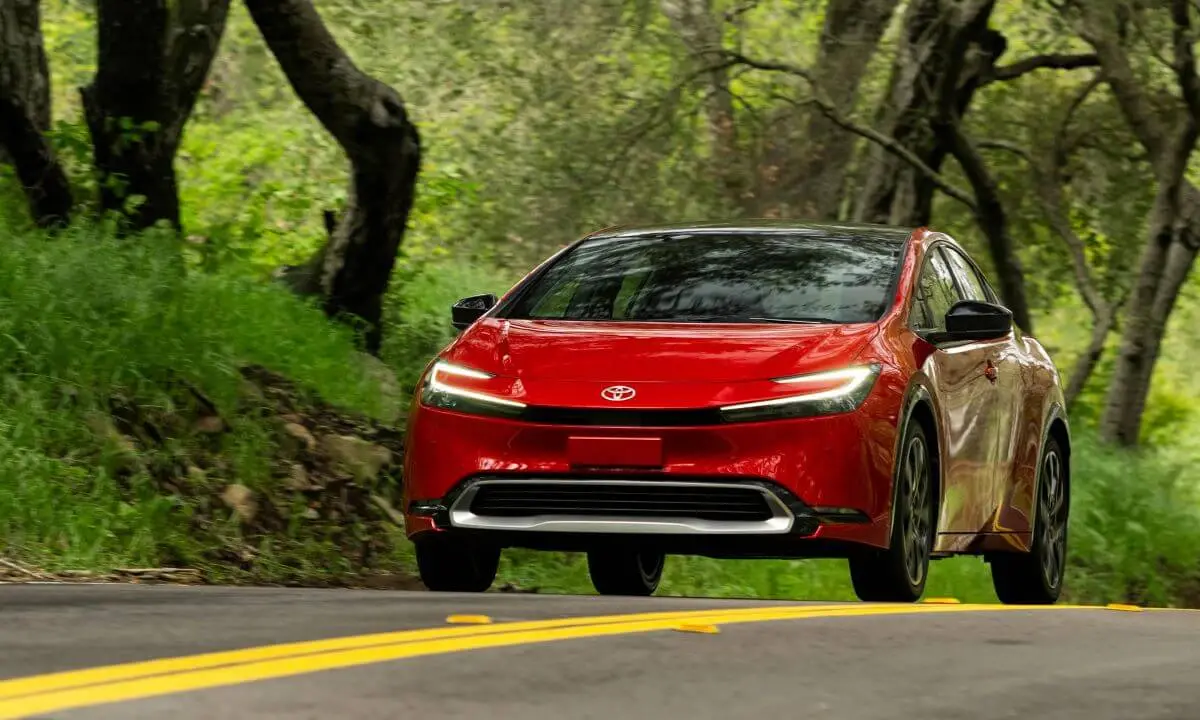
The Toyota Prius Prime represents the evolution of the world’s most successful hybrid platform into the plug-in, bringing with it decades of proven reliability data and continuous refinement that has made the Prius name synonymous with durable hybrid technology.
As the plug-in variant of Toyota’s flagship hybrid vehicle, the Prius Prime benefits from an incredibly mature powertrain that has been validated across millions of vehicles and countless real-world scenarios, providing a level of durability confidence that few competitors can match.
The foundation of the Prius Prime’s exceptional longevity lies in Toyota’s Hybrid Synergy Drive system, which has undergone continuous evolution since its introduction in the late 1990s.
This system represents one of the most thoroughly tested and refined hybrid powertrains in automotive history, with proven track records of vehicles exceeding 300,000 miles with minimal hybrid system issues.
The Prius Prime inherits this proven architecture while adding plug-in capability through a larger lithium-ion battery pack and enhanced charging systems that maintain the same conservative approach to battery management.
Battery durability in the Prius Prime benefits from Toyota’s extensive experience in battery thermal management and charge cycle optimization.
The vehicle’s battery management system employs sophisticated algorithms that prevent the battery from fully charging or completely depleting, maintaining the pack within an optimal state of charge range that maximizes cycle life.
This conservative approach may sacrifice some theoretical electric range compared to competitors, but it pays dividends in long-term battery health and consistent performance over the vehicle’s operational lifetime.
The mechanical simplicity of the Prius Prime’s powertrain contributes significantly to its durability advantage. The planetary gear system that blends power from the gasoline engine and electric motors contains fewer moving parts than traditional transmissions, reducing potential failure points and maintenance requirements.
This eCVT (electronic continuously variable transmission) system has proven remarkably durable across the broader Prius lineup, with many vehicles exceeding 200,000 miles without transmission-related issues.
Aerodynamic efficiency plays a crucial role in the Prius Prime’s long-term durability by reducing stress on all powertrain components.
The vehicle’s exceptional drag coefficient means that both the gasoline engine and electric motors operate under reduced load conditions during highway driving, contributing to extended component life and maintained efficiency over time.
This efficiency advantage compounds as the vehicle ages, helping to offset any minor degradation in battery capacity or engine performance. Manufacturing quality represents another pillar of the Prius Prime’s durability credentials.
Toyota’s production processes for the Prius line incorporate lessons learned from manufacturing millions of hybrid vehicles, resulting in consistently high build quality and attention to detail that prevents many of the minor issues that can develop into major problems over time.
The company’s supplier relationships ensure that critical components meet Toyota’s exacting standards for longevity and reliability. Software stability distinguishes the Prius Prime from many competitors in the plug-in hybrid segment.
The vehicle’s hybrid control systems have been refined through multiple generations of development, resulting in stable, predictable operation that doesn’t suffer from the software glitches or performance degradation that can affect more complex systems as they age.
Regular software updates address any identified issues while maintaining system stability and user interface consistency throughout the ownership experience.
3. BMW X5 xDrive45e
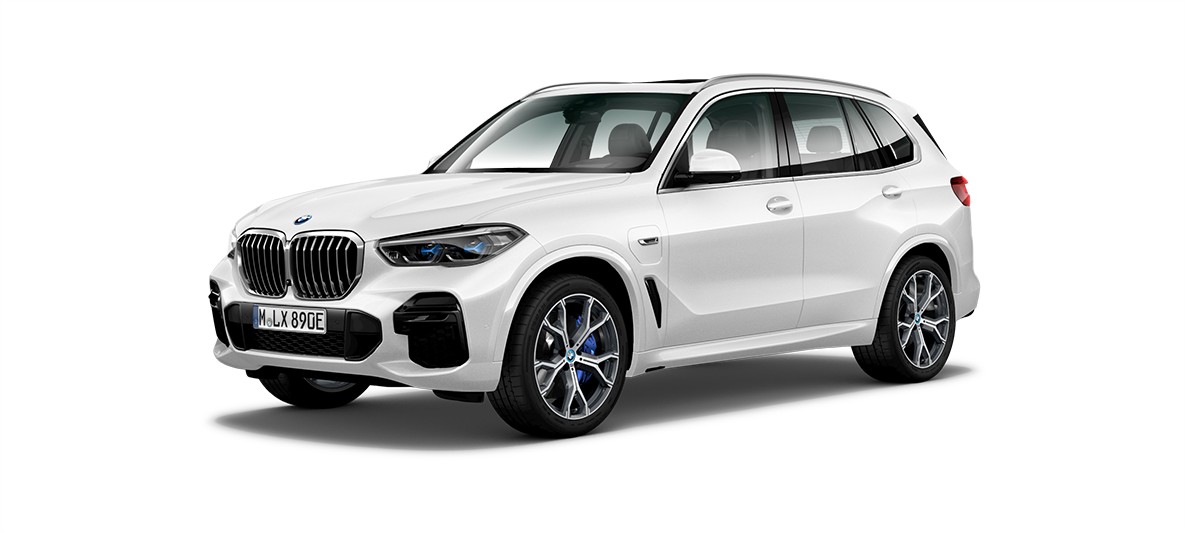
The BMW X5 xDrive45e represents German engineering excellence applied to the plug-in hybrid luxury SUV segment, combining BMW’s proven xDrive all-wheel-drive system with sophisticated hybrid technology to create a vehicle that delivers both performance and long-term durability.
While BMW’s entry into the plug-in hybrid market was later than some competitors, the company leveraged extensive experience from its I-series electric vehicles and traditional hybrid development to create a PHEV system that emphasizes reliability and consistent performance over extended ownership periods.
The heart of the X5 xDrive45e’s durability lies in its sophisticated powertrain integration, which seamlessly combines a turbocharged 3.0-liter inline-six engine with an electric motor housed within the eight-speed automatic transmission.
This integration approach, known as BMW’s eDrive technology, places the electric motor in an optimal position to assist the gasoline engine while minimizing the complexity of power routing and reducing potential failure points.
The transmission itself represents BMW’s latest-generation eight-speed automatic, which has proven reliable across the company’s model lineup and provides smooth, consistent operation even under the additional stresses of hybrid operation.
Battery technology in the X5 xDrive45e benefits from BMW’s extensive research and development in electric vehicle systems, drawing upon lessons learned from the i3 and i8 programs to create a lithium-ion pack that prioritizes longevity and consistent performance.
The battery management system employs active thermal management with liquid cooling to maintain optimal operating temperatures, preventing the heat-related degradation that can affect air-cooled systems over time.
Conservative charging algorithms protect the battery from stress while maintaining adequate electric range for daily driving needs.
The xDrive all-wheel-drive system adds complexity but also contributes to the vehicle’s durability by distributing power loads across all four wheels, reducing stress on individual components while providing enhanced traction and stability in various driving conditions.
BMW’s xDrive system has been refined over decades of development and has proven reliable across the company’s model range, from compact crossovers to full-size SUVs.
The system’s ability to continuously adjust power distribution based on driving conditions helps optimize component longevity while maintaining performance.
Build quality represents a significant factor in the X5 xDrive45e’s long-term durability. BMW’s manufacturing processes emphasize precision assembly and quality control, with extensive testing at multiple stages of production to ensure that vehicles meet the company’s standards for fit, finish, and mechanical integrity.
The use of high-grade materials throughout the vehicle, from body panels to interior components, contributes to long-term durability and helps the X5 maintain its premium character even after years of use.
The vehicle’s sophisticated electronic systems are designed with redundancy and fail-safe operation in mind, ensuring that even if individual components experience issues, the vehicle remains operational and safe.
BMW’s approach to hybrid system control employs multiple processors and backup systems that can maintain basic functionality even if primary systems encounter problems. This design philosophy contributes significantly to long-term reliability and owner confidence.
Real-world durability data from X5 xDrive45e owners indicates strong performance across multiple reliability metrics.
Early adopters report minimal service issues beyond routine maintenance, with hybrid system components performing as designed even after extensive use.
The vehicle’s ability to maintain electric range and fuel economy benefits over time demonstrates the effectiveness of BMW’s conservative engineering approach and comprehensive testing protocols.
4. Lexus RX 450h+
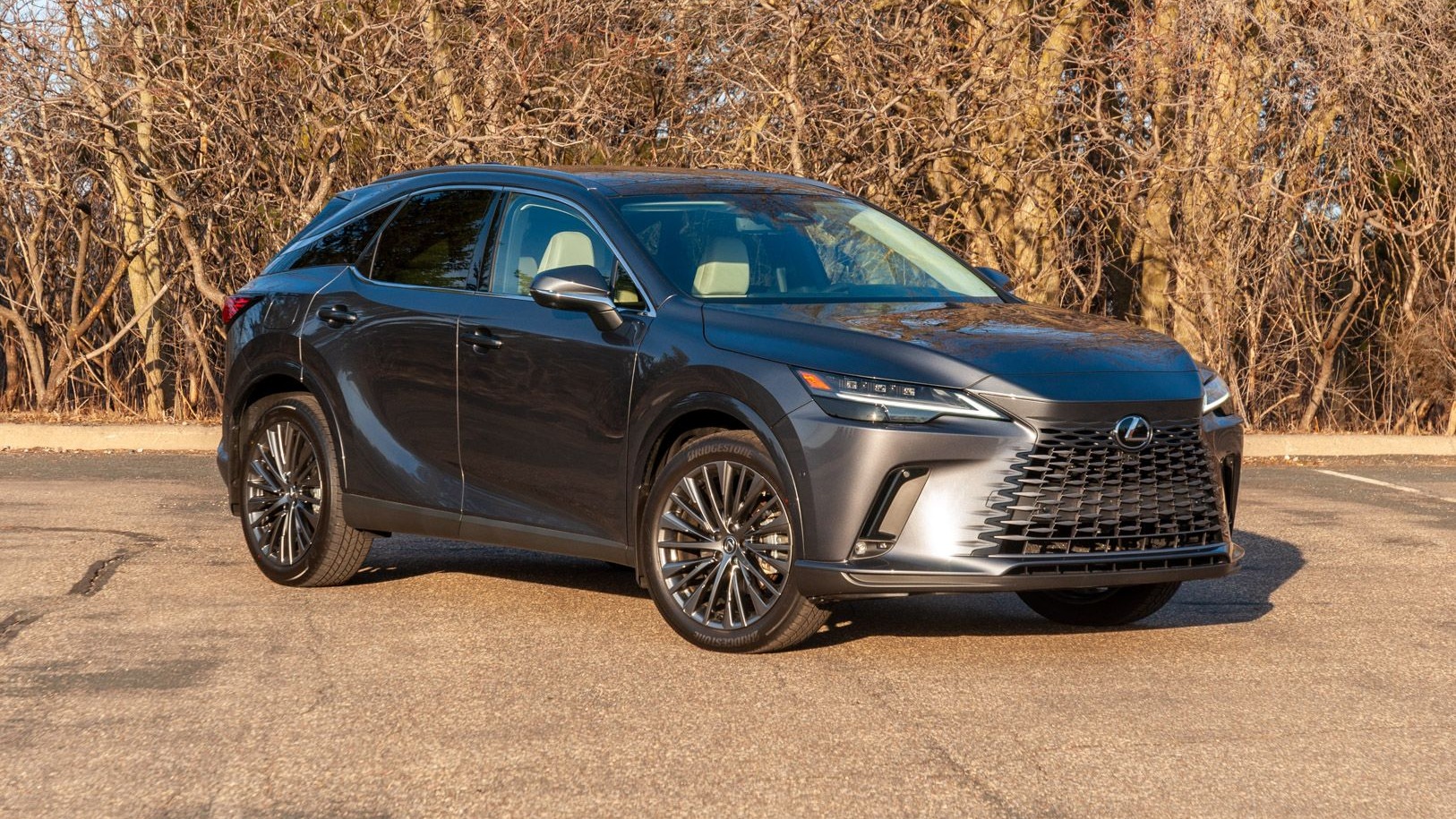
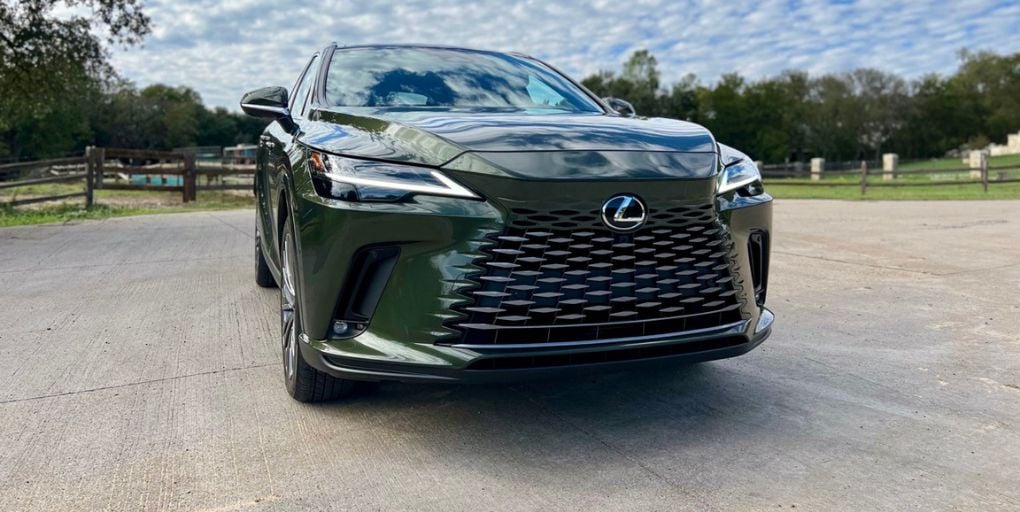
The Lexus RX 450h+ represents the premium evolution of one of the automotive industry’s most successful luxury SUV platforms, combining Lexus’s legendary reliability with sophisticated plug-in hybrid technology to create a vehicle that delivers both luxury and long-term durability.
Building upon the proven RX platform that has established itself as a benchmark for luxury SUV reliability, the RX 450h+ incorporates advanced plug-in hybrid systems while maintaining the exceptional build quality and attention to detail that has made Lexus synonymous with dependable luxury vehicles.
The foundation of the RX 450h+’s durability lies in Lexus’s decades of hybrid system development and the proven RX platform that has consistently ranked among the most reliable luxury SUVs in the market.
The vehicle employs Toyota’s fourth-generation hybrid system, refined specifically for luxury applications with enhanced noise, vibration, and harshness control that doesn’t compromise long-term durability.
This system builds upon the proven architecture found in other Lexus hybrid models, providing a level of reliability confidence that comes from extensive real-world validation across multiple vehicle platforms.
Battery longevity in the RX 450h+ benefits from Lexus’s conservative approach to battery management and thermal control.
The lithium-ion battery pack employs sophisticated cooling systems and charge management algorithms that prioritize battery health over maximum capacity utilization, ensuring that the pack maintains its performance characteristics well into the vehicle’s second decade of service.
This approach may result in slightly less aggressive electric driving range compared to some competitors, but it pays significant dividends in terms of consistent long-term performance and reduced replacement costs.
The vehicle’s powertrain integration represents a masterpiece of engineering sophistication that doesn’t sacrifice reliability for performance.
The 2.5-liter Atkinson-cycle four-cylinder engine works in harmony with multiple electric motors through a planetary gear system that has proven exceptionally durable across Lexus’s hybrid lineup.
This eCVT (electronic continuously variable transmission) system contains fewer moving parts than conventional transmissions while providing smooth, consistent operation that doesn’t degrade over time.
Manufacturing quality control at Lexus facilities maintains some of the industry’s highest standards, with extensive quality checks and testing procedures that ensure each vehicle meets the company’s exacting standards for fit, finish, and mechanical integrity.
The Takumi craftsman philosophy that guides Lexus production emphasizes attention to detail and quality control that prevents minor issues from developing into major problems over the vehicle’s operational lifetime.
Interior durability receives special attention in the RX 450h+, with premium materials selected not just for their aesthetic appeal but also for their ability to maintain appearance and functionality over extended use.
Leather surfaces, trim pieces, and electronic components are tested extensively for wear resistance and aging characteristics, ensuring that the vehicle maintains its luxury character even after years of daily use.
The RX 450h+’s all-wheel-drive system adds complexity but contributes to vehicle durability by providing enhanced traction and stability in various driving conditions while distributing power loads to reduce stress on individual components.
The system employs a rear-mounted electric motor to provide rear-wheel power when needed, eliminating the mechanical complexity of traditional transfer cases while providing instant torque distribution that enhances both performance and component longevity.
Software reliability in the RX 450h+ benefits from Lexus’s systematic approach to system validation and testing.
The vehicle’s infotainment system and hybrid control algorithms undergo extensive development and testing before deployment, resulting in stable, consistent operation that doesn’t suffer from the glitches or performance degradation that can affect more complex systems as they age.
Also Read: 8 Cars That Are Nightmare Money Pits After 80k
5. Honda Clarity Plug-In Hybrid
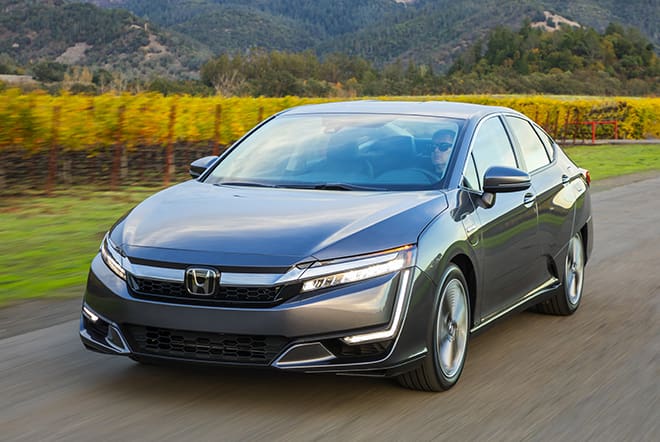
The Honda Clarity Plug-In Hybrid represents Honda’s most ambitious effort to create a dedicated plug-in hybrid vehicle that prioritizes efficiency, practicality, and long-term durability over conventional design compromises.
While production ended in 2021, the Clarity PHEV established itself as one of the most reliable and durable plug-in hybrids ever produced, demonstrating Honda’s ability to engineer sophisticated hybrid systems that maintain their performance characteristics over extended ownership periods.
The heart of the Clarity PHEV’s exceptional durability lies in Honda’s two-motor hybrid system, which represents a fundamentally different approach to hybrid powertrain design compared to most competitors.
This system employs two electric motors – one for propulsion and another for generation – working in conjunction with a 1.5-liter Atkinson-cycle four-cylinder engine to provide seamless power delivery and exceptional efficiency.
The lack of a traditional transmission reduces mechanical complexity and potential failure points while providing smooth, consistent operation that doesn’t degrade over time.
Battery technology in the Clarity PHEV benefits from Honda’s extensive research and development in advanced battery chemistry and thermal management systems.
The lithium-ion battery pack employs sophisticated cooling and heating systems to maintain optimal operating temperatures in all conditions, preventing the temperature-related degradation that can affect battery performance over time.
Conservative charging algorithms protect the battery from stress while maintaining adequate electric range for most daily driving scenarios.
The Clarity PHEV’s aerodynamic design contributes significantly to its long-term durability by reducing stress on powertrain components during highway operation.
The vehicle’s exceptionally low drag coefficient means that both the gasoline engine and electric motors operate under reduced load conditions, contributing to extended component life and maintained efficiency over time.
This efficiency advantage becomes even more pronounced as the vehicle ages, helping to offset any minor degradation in system performance.
Manufacturing quality in the Clarity PHEV reflects Honda’s commitment to precision engineering and quality control throughout the production process.
The vehicle was manufactured at Honda’s advanced facility with extensive quality checks and testing procedures designed to identify and correct potential issues before vehicles reached customers.
The use of high-quality materials and components throughout the vehicle contributes to long-term durability and consistent performance over extended ownership periods.
The vehicle’s sophisticated electronic control systems are designed with reliability and fail-safe operation as primary considerations. Honda’s approach to hybrid system control employs proven algorithms and hardware components that have been validated across multiple vehicle platforms and operating conditions.
This conservative approach to system design ensures consistent, predictable operation that doesn’t suffer from the complexity-related issues that can affect more ambitious systems.
Real-world durability data from Clarity PHEV owners demonstrates exceptional long-term reliability across all major system components.
Owners report minimal service requirements beyond routine maintenance, with hybrid system components showing no signs of degradation even after several years and tens of thousands of miles of operation.
Battery performance remains stable, and the seamless transitions between electric and hybrid modes continue to operate as designed well into the ownership experience.
The Clarity PHEV’s regenerative braking system represents one of the most refined implementations in the plug-in hybrid segment, providing smooth, consistent operation that enhances both efficiency and component longevity.
The system’s ability to blend regenerative and friction braking seamlessly ensures that brake feel remains consistent over time while reducing wear on conventional brake components and contributing to the vehicle’s exceptional fuel economy throughout its operational life.
6. Chrysler Pacifica Hybrid
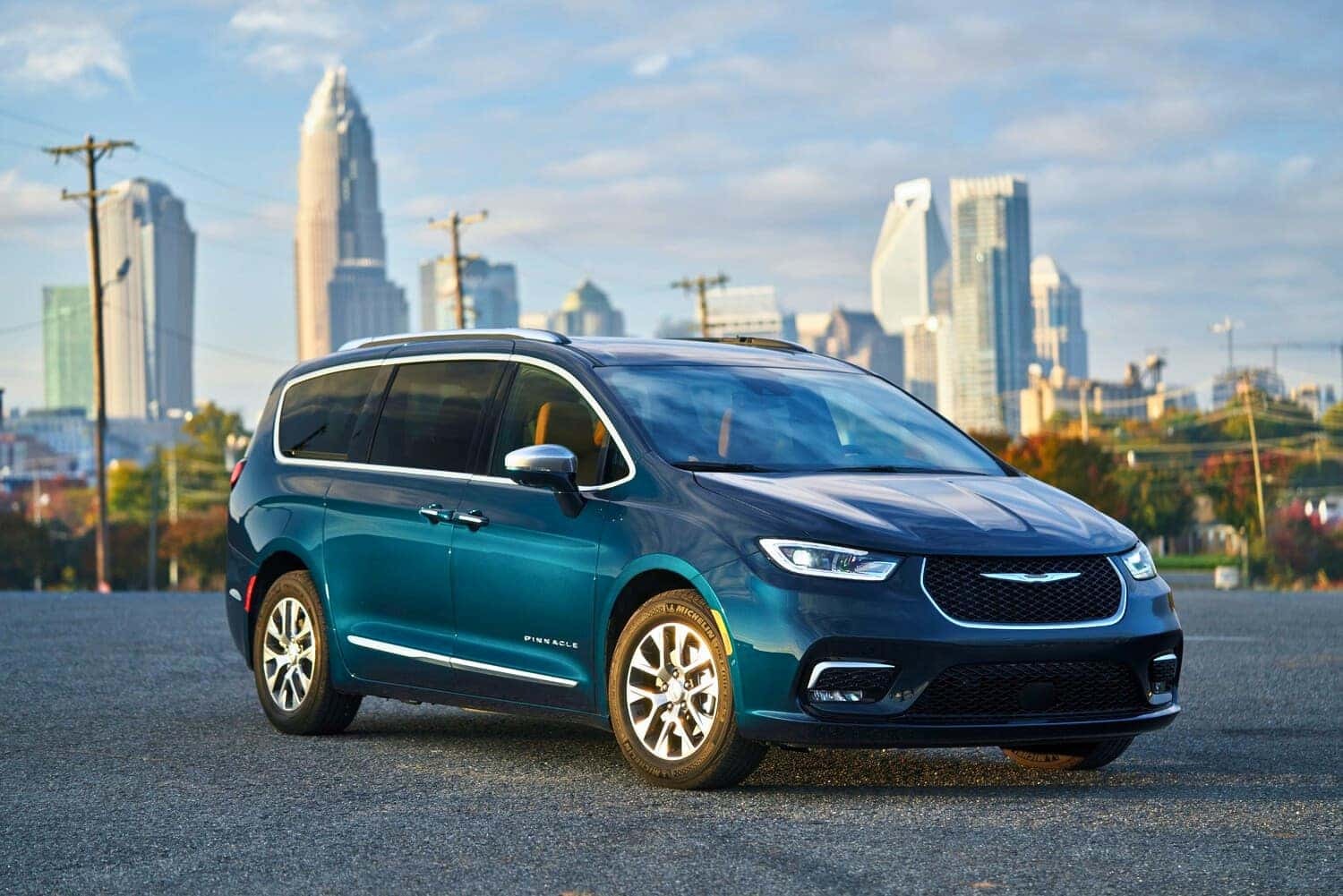
The Chrysler Pacifica Hybrid stands as a unique achievement in the plug-in hybrid segment, representing America’s first and only plug-in hybrid minivan and demonstrating that family-focused vehicles can deliver both practicality and long-term durability.
This distinction brings with it both challenges and advantages in terms of long-term durability, as the Pacifica Hybrid must deliver reliable performance while meeting the demanding requirements of family transportation and cargo hauling applications that often exceed the stress levels experienced by conventional passenger vehicles.
The foundation of the Pacifica Hybrid’s durability lies in its sophisticated powertrain that combines a 3.6-liter Pentastar V6 engine with dual electric motors and a complex eFlite electrically variable transmission.
While this system is more complex than some competitor approaches, it has been engineered specifically to handle the high torque demands and frequent stop-and-go driving patterns typical of minivan usage.
The Pentastar engine itself has proven reliable across multiple Chrysler platforms, providing a solid foundation for the hybrid system’s long-term durability.
Battery management in the Pacifica Hybrid employs advanced lithium-ion technology with sophisticated thermal management systems designed to maintain optimal operating conditions despite the vehicle’s size and weight.
The battery pack is positioned low in the vehicle floor, protecting it from damage while contributing to a lower center of gravity that enhances handling and stability.
Conservative charging algorithms and comprehensive battery monitoring systems help ensure long-term battery health and consistent performance over the vehicle’s operational lifetime.
The eFlite transmission represents one of the most sophisticated hybrid transmission systems available, using dual electric motors and a complex planetary gear system to provide seamless power delivery and exceptional efficiency.
While this complexity might raise durability concerns, extensive testing and real-world validation have demonstrated the system’s ability to operate reliably under the demanding conditions typical of minivan use.
The transmission’s ability to operate in pure electric mode at highway speeds contributes to its efficiency while reducing stress on the gasoline engine.
Manufacturing quality in the Pacifica Hybrid benefits from Stellantis’s investment in advanced production technologies and quality control processes.
The Windsor Assembly Plant where the Pacifica is manufactured has received significant upgrades to accommodate hybrid production, including specialized equipment for battery installation and hybrid system testing.
Extensive quality checks throughout the production process help ensure that each vehicle meets durability and reliability standards.
The Pacifica Hybrid’s structural design contributes to long-term durability through the use of high-strength materials and advanced manufacturing techniques that create a rigid, durable body structure capable of handling the stresses of family use while accommodating the additional weight and complexity of the hybrid system.
The vehicle’s advanced safety cage design not only protects occupants but also helps maintain structural integrity over extended use. Real-world durability data from Pacifica Hybrid owners indicates strong performance across most reliability metrics, with particular strength in powertrain durability and battery performance.
While some early models experienced minor issues with electronic systems and interior components, these have been addressed through design improvements and enhanced quality control processes in later production years.
The hybrid system itself has proven remarkably durable, with minimal reported issues beyond routine maintenance requirements.
The vehicle’s regenerative braking system is calibrated specifically for minivan applications, providing smooth, predictable operation that accommodates the vehicle’s weight and typical loading conditions while contributing to system efficiency and brake component longevity.
The system’s ability to provide consistent braking performance regardless of load conditions enhances both safety and durability over the vehicle’s operational lifetime.
7. Hyundai Tucson Plug-In Hybrid
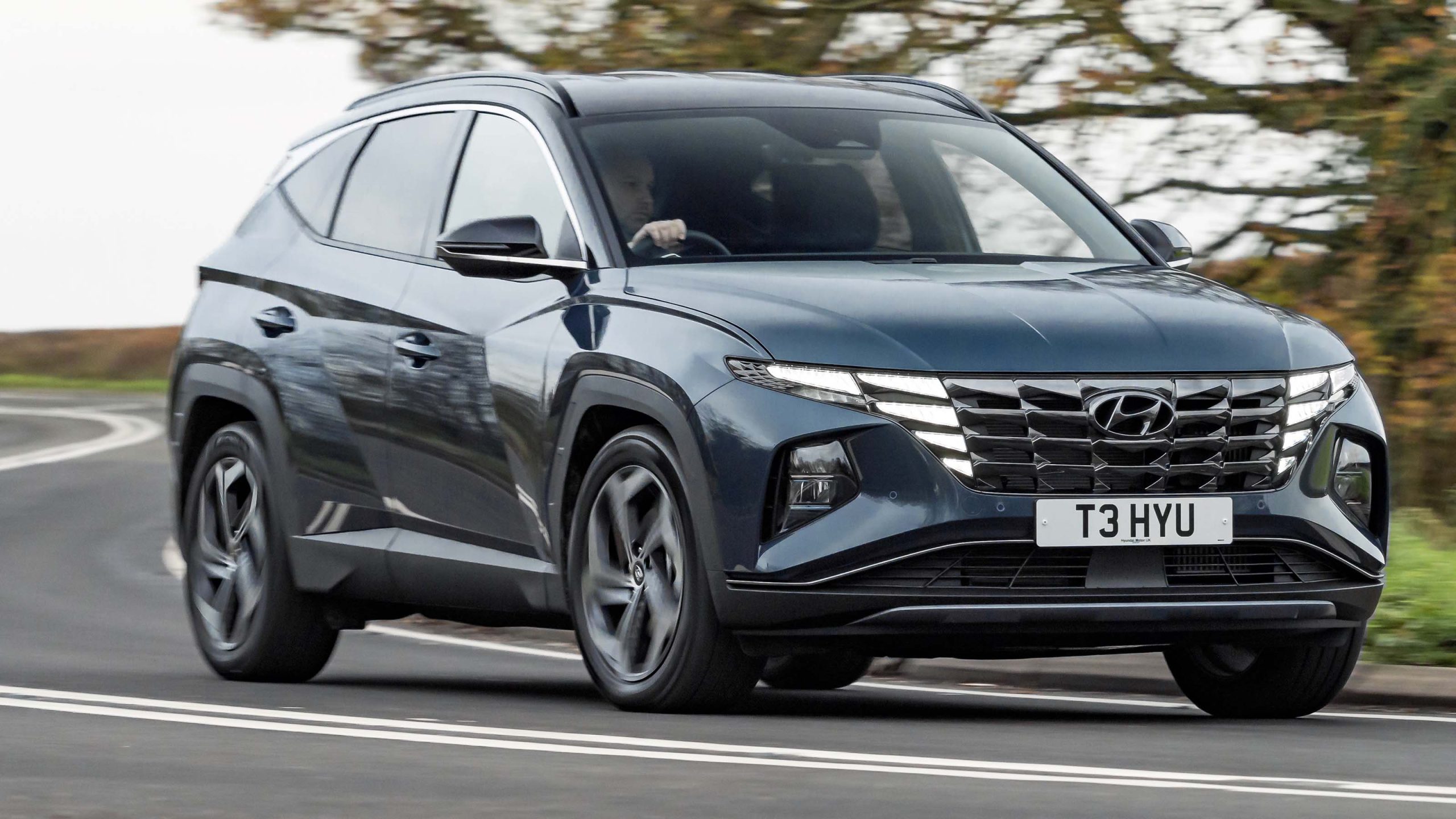
The Hyundai Tucson Plug-In Hybrid represents the Korean manufacturer’s entry into the competitive compact SUV plug-in hybrid segment, combining Hyundai’s proven SUV architecture with advanced hybrid technology to create a vehicle that emphasizes value, efficiency, and long-term reliability.
Building upon the successful Tucson platform that has established itself as a reliable and practical compact SUV, the plug-in hybrid variant incorporates sophisticated electrification technology while maintaining the durability characteristics that have made Hyundai vehicles increasingly competitive in reliability rankings.
The heart of the Tucson PHEV’s durability credentials lies in its sophisticated powertrain that combines a 1.6-liter turbocharged four-cylinder engine with an electric motor integrated into a six-speed automatic transmission.
This system, while more conventional than some competitor approaches, benefits from Hyundai’s extensive experience with both turbocharged engines and hybrid technology development.
The 1.6-liter turbo engine has proven reliable across multiple Hyundai and Kia platforms, providing a solid foundation for the hybrid system’s long-term durability.
Battery technology in the Tucson PHEV employs advanced lithium-ion polymer cells with comprehensive thermal management systems designed to maintain optimal operating conditions in various climates and usage scenarios.
Hyundai’s approach to battery management emphasizes longevity through conservative charging protocols and sophisticated monitoring systems that track individual cell performance and pack health.
This comprehensive approach to battery care helps ensure consistent performance and extended service life.
The regenerative braking system in the Tucson PHEV provides smooth, consistent operation that enhances both efficiency and component longevity through sophisticated blending of regenerative and friction braking forces.
The system’s calibration accommodates the vehicle’s weight and typical usage patterns while providing predictable brake feel that doesn’t change over time, contributing to both safety and driver confidence throughout the ownership experience.
8. Kia Sorento Plug-In Hybrid
The Kia Sorento Plug-In Hybrid represents the culmination of Kia’s hybrid technology development, combining proven three-row SUV architecture with sophisticated plug-in hybrid systems to create a vehicle that delivers family-friendly practicality with exceptional long-term durability.
As part of Kia’s aggressive expansion into electrified vehicles, the Sorento PHEV benefits from extensive research and development investments that prioritize reliability and consistent performance over extended ownership periods.
The foundation of the Sorento PHEV’s durability lies in its advanced powertrain that combines a 1.6-liter turbocharged four-cylinder engine with an electric motor integrated into a six-speed automatic transmission, sharing core technology with the related Hyundai Tucson PHEV while being optimized for the larger, heavier SUV application.
This system benefits from Kia’s extensive experience with turbocharged engines and the company’s rapid advancement in hybrid technology development, resulting in a powertrain that delivers both performance and reliability.
Battery technology in the Sorento PHEV employs advanced lithium-ion polymer cells with sophisticated thermal management systems specifically calibrated for the demands of three-row SUV operation.
The battery pack is designed to handle the additional stress of carrying more passengers and cargo while maintaining optimal operating temperatures through active cooling and heating systems.
Kia’s conservative approach to battery management prioritizes longevity through careful charge cycle control and comprehensive monitoring of individual cell performance.
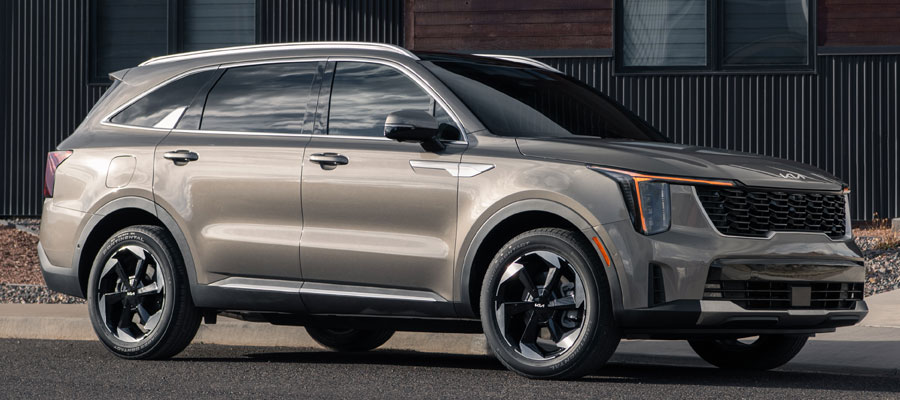
The all wheel drive system in the Sorento PHEV provides enhanced capability for family adventures while contributing to vehicle durability through intelligent power distribution that reduces stress on individual drivetrain components.
The system uses a rear-mounted electric motor to provide instant torque to the rear wheels when needed, eliminating the mechanical complexity of traditional transfer cases while providing superior traction control in various driving conditions.
Interior durability receives special attention in the Sorento PHEV due to the demanding nature of three-row family transportation. Materials are selected for their ability to withstand heavy use while maintaining appearance and functionality over time.
The vehicle’s seating systems, trim components, and electronic interfaces are designed to handle the frequent adjustments and high usage rates typical of family vehicles while maintaining their premium character throughout the ownership experience.
Also Read: 11 Best Engines That Stay Smooth After Decades of Use
