
The timing belt is one of the most critical components in an internal combustion engine, responsible for synchronizing the rotation of the crankshaft and camshaft to ensure proper valve timing.
When this rubber belt fails, it can cause catastrophic engine damage, particularly in interference engines where pistons and valves occupy the same space at different times.
The typical timing belt replacement interval ranges from 60,000 to 105,000 miles, depending on the manufacturer and engine design, making it a significant maintenance expense that car owners must plan for throughout their vehicle’s lifetime.
However, not all vehicles are burdened with this maintenance requirement. Some manufacturers have designed engines that either use timing chains instead of belts or have implemented exceptionally durable timing belt systems that rarely require replacement within the typical lifespan of the vehicle.
Timing chains, made of metal rather than rubber, are significantly more durable and can often last the entire life of the engine with proper maintenance.
These chains are lubricated by the engine oil and operate within the engine block, protecting them from the environmental factors that typically degrade timing belts.
The distinction between timing belts and timing chains is crucial for potential car buyers and current owners alike. While timing belts are quieter and less expensive to manufacture, they require regular replacement and are more susceptible to failure from age, heat, and oil contamination.
Timing chains, conversely, may produce slightly more noise but offer superior longevity and reliability. Some modern engines also feature timing chain tensioners and guides that help maintain proper chain tension throughout the engine’s life.
This comprehensive guide examines twelve vehicles renowned for their exceptional timing belt longevity or their use of timing chain systems that eliminate the need for regular timing belt maintenance.
Each vehicle represents a different approach to solving the timing belt challenge, whether through superior materials, innovative design, or alternative timing systems altogether.
By understanding these options, you can make informed decisions that will save you money and reduce the stress associated with one of automotive maintenance’s most anxiety-inducing procedures.
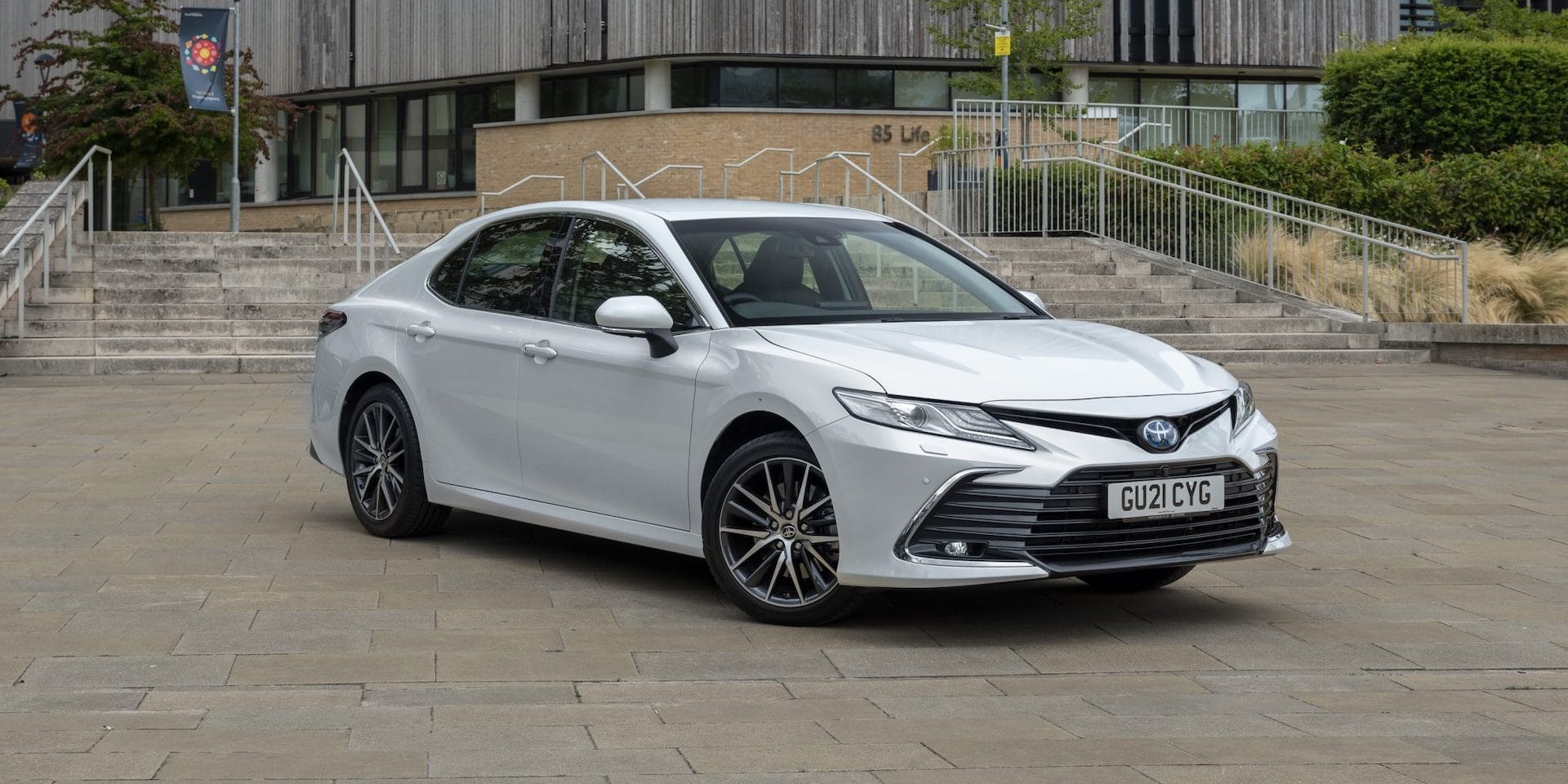
1. Toyota Camry (1997-2001 2.2L 5S-FE Engine)
The Toyota Camry equipped with the 2.2-liter 5S-FE engine represents one of the most reliable timing belt applications ever produced. Toyota engineered this engine with exceptional tolerances and used high-quality rubber compounds in the timing belt construction that far exceeded typical industry standards.
The 5S-FE engine featured a non-interference design, meaning that even if the timing belt did fail, the pistons and valves would not collide, preventing catastrophic engine damage.
What makes this particular Camry generation special is Toyota’s conservative engineering approach during the late 1990s. The company was focused on building vehicles that would last well beyond 200,000 miles, and the timing belt system reflects this philosophy.
The belt itself was manufactured with reinforced rubber compounds and steel cables that were designed to withstand extreme temperature variations and prolonged use.
Many owners report original timing belts lasting 150,000 to 200,000 miles or more, well beyond Toyota’s recommended 90,000-mile replacement interval.
The 5S-FE engine’s timing belt system also benefits from excellent placement within the engine bay. The belt is well-protected from road debris, excessive heat, and oil contamination three primary factors that typically lead to premature timing belt failure.
Toyota positioned the belt behind protective covers and away from major heat sources, while the engine’s excellent seal integrity prevents oil leaks that could damage the belt material.
Regular maintenance practices significantly extend the life of these timing belts. Owners who maintain proper coolant levels, replace worn water pumps promptly, and keep the engine properly tuned often see timing belts that function flawlessly for the vehicle’s entire operational life.
The key is preventing overheating conditions that can accelerate rubber degradation and maintaining the proper tension through the belt’s automatic tensioner system. The reliability of this timing belt system has made these particular Camry models highly sought after in the used car market.
Mechanics and automotive enthusiasts recognize the 5S-FE engine as one of Toyota’s most bulletproof powerplants, with timing belt longevity being just one aspect of its durability. This reliability translates to lower total cost of ownership and greater peace of mind for drivers who prefer to avoid unexpected major repairs.
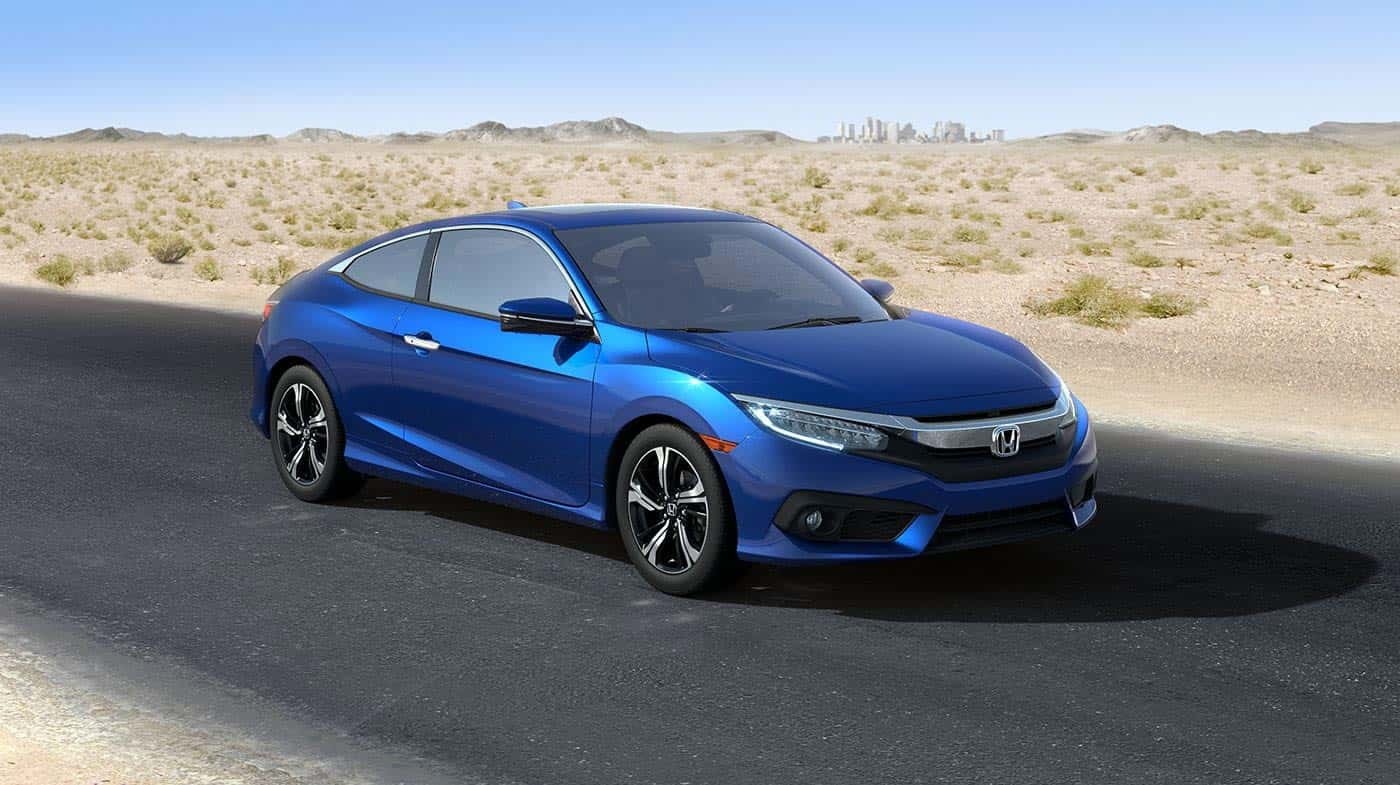
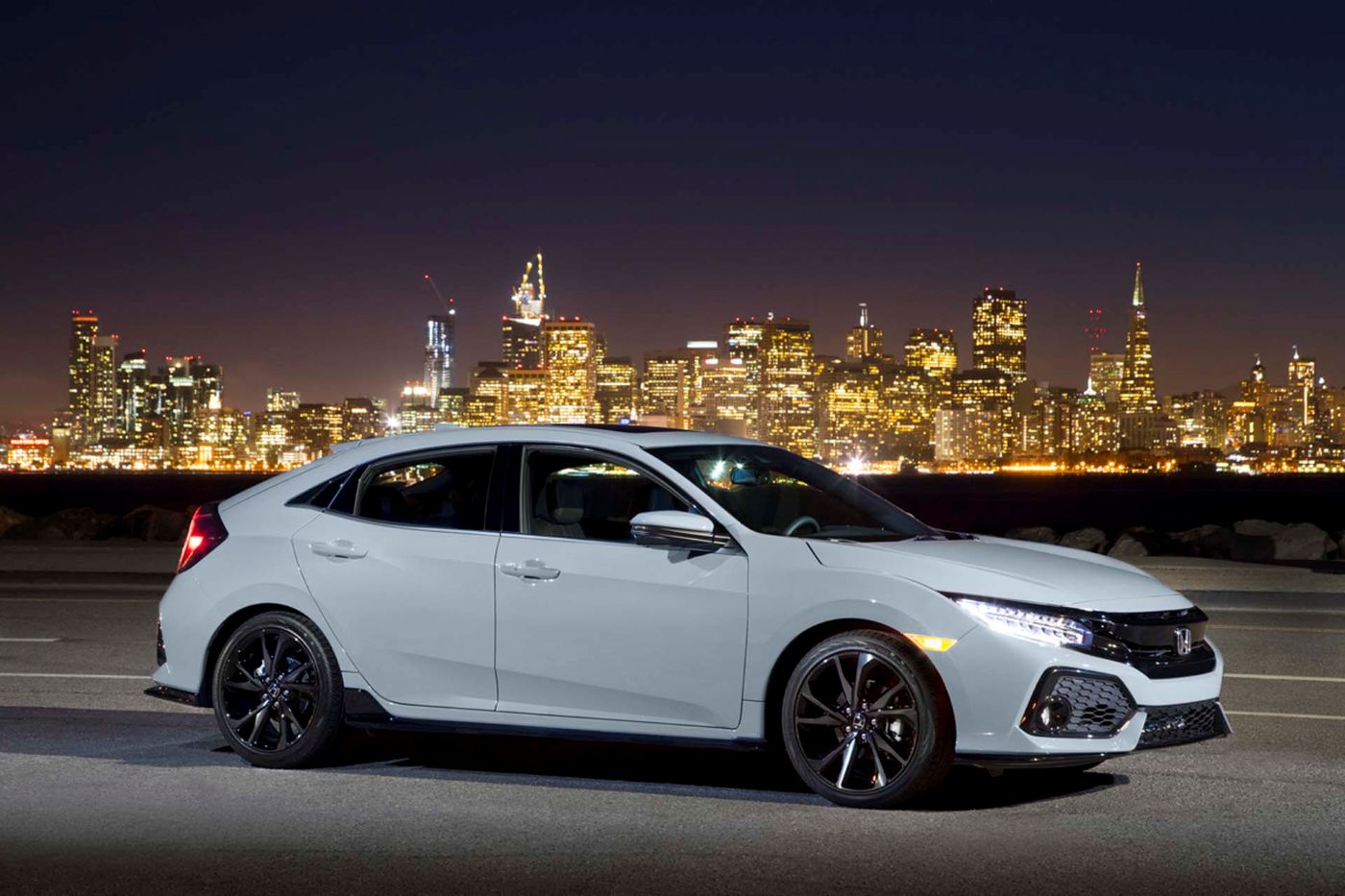
2. Honda Civic (2006-2015 R18 Engine)
The Honda Civic equipped with the R18 engine series represents Honda’s commitment to timing chain technology and exceptional longevity. Unlike many of its predecessors that used timing belts, the R18 engine features a maintenance-free timing chain system that rarely requires attention throughout the vehicle’s operational life.
This 1.8-liter naturally aspirated engine was designed with simplicity and durability as primary objectives, resulting in one of the most reliable powertrains Honda has ever produced.
Honda’s decision to implement a timing chain in the R18 engine was based on extensive durability testing and customer feedback regarding timing belt maintenance costs.
The timing chain is constructed from high-strength steel and operates within a oil-bathed environment, providing constant lubrication and protection from external contaminants.
The chain tensioner system uses hydraulic pressure from the engine’s oil system to maintain proper tension automatically, eliminating the manual adjustments required with some older timing chain designs.
The R18 engine’s timing chain system benefits from Honda’s precision manufacturing processes. The chain guides are made from durable polymer materials that resist wear and maintain their shape even after hundreds of thousands of miles.
The sprockets are machined to exact tolerances and hardened to prevent premature wear. This attention to detail results in a timing system that can easily last 300,000 miles or more with proper maintenance.
One of the most significant advantages of the R18’s timing chain system is its resistance to sudden failure. Unlike timing belts, which can snap without warning, timing chains typically exhibit gradual wear patterns that produce audible warnings before catastrophic failure occurs.
Drivers may notice a slight rattling noise during cold starts as the chain approaches the end of its service life, providing ample opportunity to address the issue before engine damage occurs.
Maintenance requirements for the R18 timing chain system are minimal but crucial. Regular oil changes using the proper viscosity oil are essential for chain and tensioner longevity.
Honda specifies 5W-30 oil for most applications, and using quality oil filters helps ensure contaminant-free lubrication. Some owners report timing chains lasting the entire life of the vehicle when oil change intervals are maintained at 5,000 miles or less, demonstrating the system’s inherent durability when properly maintained.
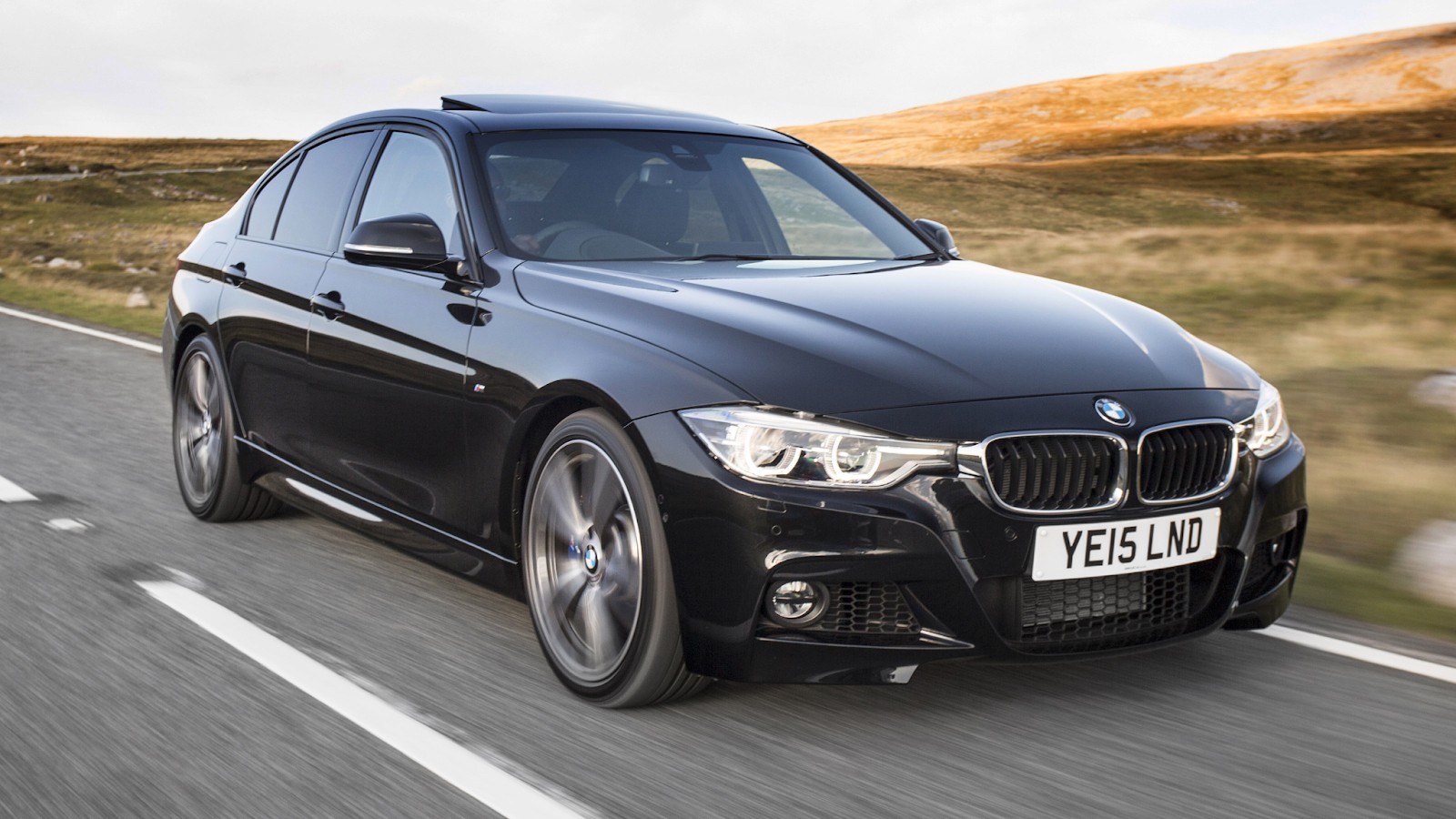
3. BMW 3 Series (E90/E92 N52 Engine)
BMW’s N52 naturally aspirated inline-six engine, found in E90 and E92 3 Series models from 2006 to 2012, features one of the most sophisticated timing chain systems ever implemented in a production vehicle.
This engine represents BMW’s mastery of timing chain technology, incorporating multiple chains, advanced tensioners, and precision engineering that results in exceptional longevity and reliability.
The N52’s timing system rarely requires maintenance before 200,000 miles, and many examples exceed 300,000 miles with original timing components.
The N52 engine uses a dual timing chain setup with a primary chain connecting the crankshaft to an intermediate sprocket and a secondary chain connecting the intermediate sprocket to the camshafts.
This configuration reduces the load on each chain and allows for more precise timing control throughout the engine’s rpm range. The chains themselves are manufactured from high-grade steel and feature specialized coatings that reduce friction and resist stretching over time.
BMW’s engineering excellence is evident in the N52’s chain tensioner design. The engine features hydraulic chain tensioners that use engine oil pressure to maintain optimal chain tension automatically.
These tensioners include sophisticated anti-drainage valves that prevent oil from draining back into the crankcase when the engine is shut off, ensuring immediate oil pressure to the tensioners upon startup. This design minimizes chain slack during cold starts, reducing wear and extending component life.
The N52 timing chain system benefits from BMW’s commitment to precision manufacturing and quality materials. The chain guides are made from engineered plastics that maintain their dimensional stability even under extreme temperature conditions.
The sprockets are manufactured from forged steel and undergo specialized heat treatment processes to maximize durability. This attention to detail results in a timing system that maintains accurate valve timing even after hundreds of thousands of miles of operation.
Regular maintenance practices are crucial for maximizing N52 timing chain life. BMW specifies full synthetic oil with specific additives that help maintain chain and tensioner function.
Oil change intervals should not exceed 10,000 miles, despite BMW’s extended service recommendations, as frequent oil changes help prevent carbon buildup and maintain optimal lubrication. Using genuine BMW oil filters and following proper warm-up procedures also contribute to timing chain longevity.
4. Mercedes-Benz C-Class (W204 M271 Engine)
The Mercedes-Benz C-Class equipped with the M271 turbocharged four-cylinder engine represents German engineering excellence in timing chain design and implementation.
This 1.8-liter turbocharged engine, found in C180 and C200 models from 2007 to 2014, features a robust timing chain system that rarely requires attention throughout the vehicle’s operational life.
Mercedes-Benz designed the M271 with longevity as a primary objective, resulting in one of the most durable timing systems in the compact luxury segment.
Mercedes-Benz chose timing chain technology for the M271 engine to eliminate the maintenance burden associated with timing belt replacements while providing the precision timing control necessary for optimal turbocharged engine performance.
The timing chain system consists of a single duplex chain that connects the crankshaft directly to both camshafts through precisely machined sprockets. This direct-drive configuration minimizes complexity while maximizing durability and timing accuracy.
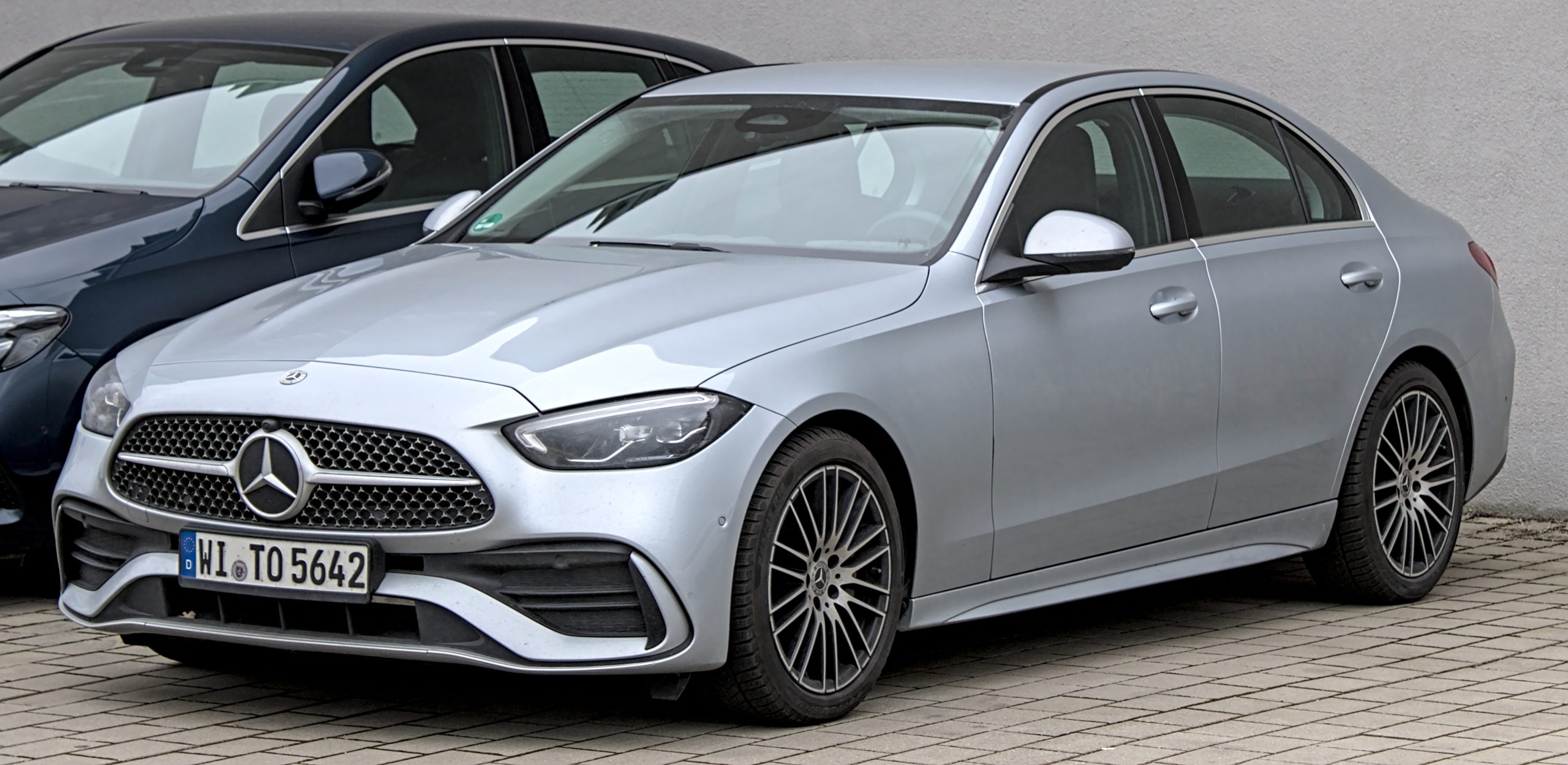
The M271’s timing chain system incorporates several innovative features that contribute to its exceptional longevity. The chain tensioner uses a sophisticated hydraulic design with multiple chambers and one-way valves that maintain consistent tension regardless of engine speed or oil pressure variations.
The chain guides are manufactured from advanced polymer materials that resist wear and maintain their dimensional stability even under the high-temperature conditions common in turbocharged applications.
One of the key factors contributing to the M271’s timing chain longevity is Mercedes-Benz’s strict manufacturing tolerances and quality control procedures.
The timing chain is manufactured using specialized steel alloys and precision forming processes that result in consistent link spacing and exceptional durability. The sprockets undergo advanced heat treatment processes that create extremely hard wearing surfaces while maintaining a tough, shock-resistant core.
Proper maintenance practices are essential for maximizing M271 timing chain life. Mercedes-Benz specifies full synthetic oil meeting strict MB specifications, and adherence to recommended oil change intervals is crucial for system longevity.
The turbocharged nature of the M271 engine means that oil degradation can occur more rapidly than in naturally aspirated applications, making regular oil analysis and changes even more important. Many M271 engines exceed 200,000 miles with original timing chain components when properly maintained.
Also Read: 9 Cars That Stay Worth Owning Even After 20 Years
5. Volkswagen Golf (2.0L TDI ALH Engine)
The Volkswagen Golf equipped with the 2.0-liter TDI ALH diesel engine represents one of the most robust timing belt applications ever produced, with many examples exceeding 300,000 miles on original timing belts.
This engine, produced from 1998 to 2003, was engineered with exceptional durability in mind, incorporating heavy-duty timing belt materials and conservative design parameters that result in extraordinary longevity.
The ALH engine’s timing belt system is widely regarded as one of the most reliable in automotive history. The ALH engine’s timing belt benefits from several design advantages that contribute to its exceptional lifespan.
The belt is manufactured from high-quality rubber compounds reinforced with aramid fibers, providing exceptional strength and flexibility. The belt tooth profile is optimized for reduced stress concentration, and the belt width provides ample load-carrying capacity for the high torque output characteristic of diesel engines.
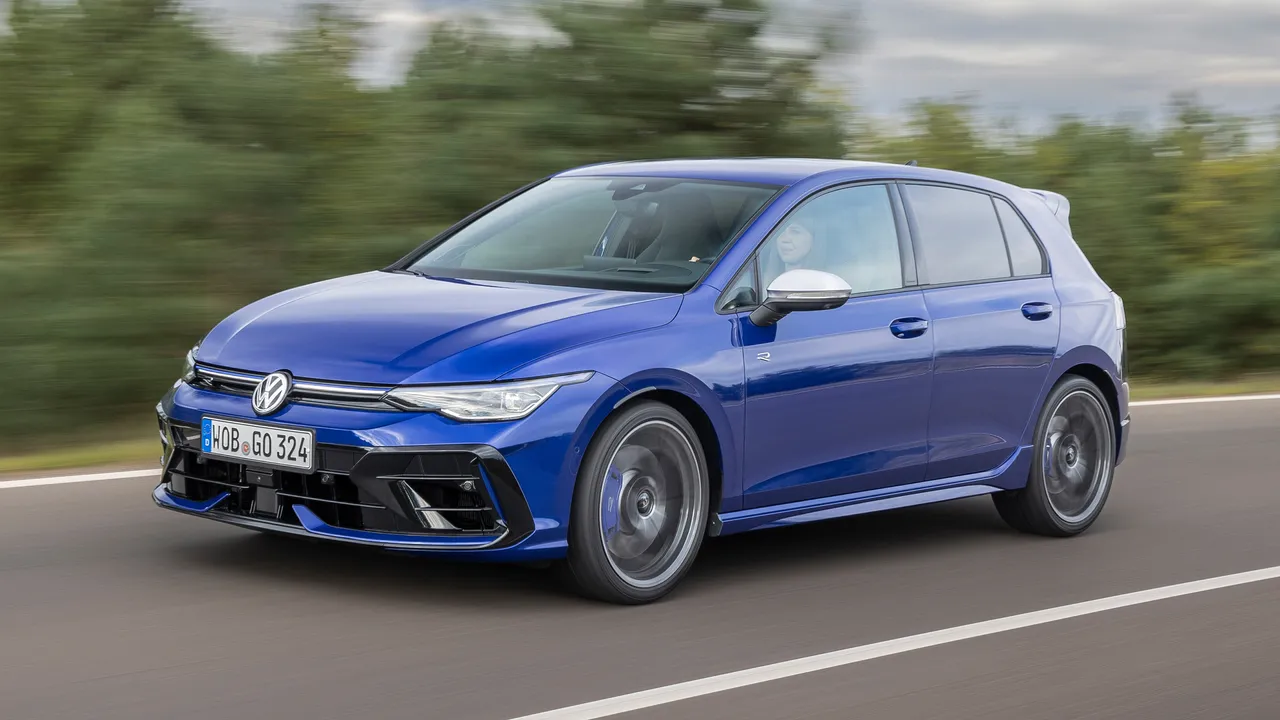
Volkswagen’s conservative approach to the ALH timing belt system is evident in the generous safety margins built into the design. The belt is capable of handling significantly more load than the engine produces, and the tensioner system maintains optimal belt tension throughout the belt’s service life.
The timing belt cover provides excellent protection from road debris and environmental contaminants, while the engine’s robust seal integrity prevents oil contamination that could degrade the belt material.
The ALH engine’s timing belt system benefits from the characteristics of diesel combustion. Diesel engines typically operate at lower RPMs than gasoline engines, reducing the stress on timing belt components.
Additionally, the ALH engine’s excellent thermal management prevents excessive heat buildup that can accelerate timing belt degradation. The engine’s robust construction and conservative tuning result in minimal vibration that could contribute to premature belt wear.
Regular maintenance practices significantly extend ALH timing belt life. Maintaining proper coolant system function is crucial, as overheating can quickly destroy even the most durable timing belt.
Regular inspection of the belt tensioner and idler pulleys helps identify potential issues before they can cause belt failure. Many ALH engines demonstrate timing belt life well beyond 200,000 miles when basic maintenance requirements are met, making this one of the most cost-effective timing belt applications available.
6. Lexus ES 350 (2GR-FE Engine)
The Lexus ES 350 equipped with the 3.5-liter 2GR-FE V6 engine represents Toyota’s premium approach to timing chain technology and exceptional reliability.
This sophisticated powerplant, introduced in 2007, features a maintenance-free timing chain system that exemplifies Lexus’s commitment to luxury vehicle durability and owner peace of mind.
The 2GR-FE engine’s timing system is designed to operate flawlessly for the vehicle’s entire operational life without requiring major maintenance. Toyota engineers developed the 2GR-FE timing chain system with multiple redundant design features that ensure exceptional longevity.
The engine uses separate timing chains for each bank of cylinders, reducing the load on individual chains and providing backup timing capability should one chain experience issues. Each timing chain is manufactured from high-strength steel and features specialized surface treatments that reduce friction and resist stretching over time.
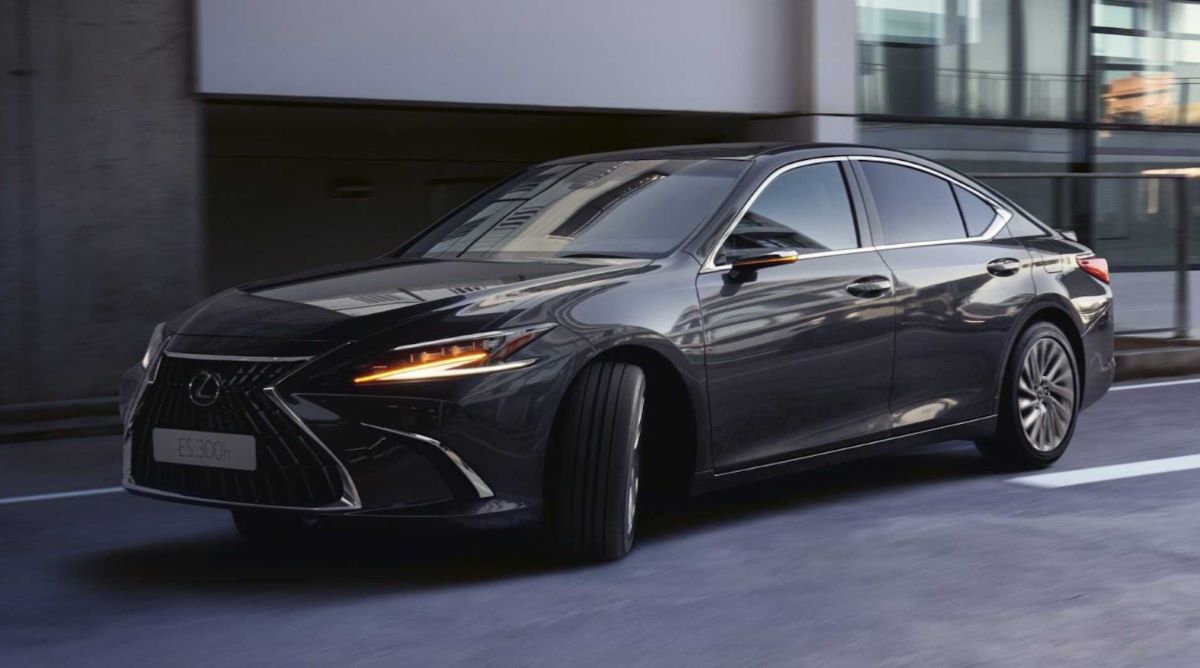
The 2GR-FE timing chain system incorporates advanced hydraulic tensioner technology that automatically maintains optimal chain tension regardless of engine temperature, oil pressure, or operating conditions.
These tensioners feature sophisticated internal valving that prevents over-tensioning while ensuring adequate tension under all operating conditions. The system includes anti-drainage features that maintain tensioner position even when the engine is shut off for extended periods.
The 2GR-FE engine’s timing chain system benefits from Toyota’s legendary attention to manufacturing quality and component durability. Every timing chain component undergoes rigorous quality control testing, and the assembly process follows strict tolerances to ensure optimal fit and function.
This attention to detail results in timing systems that routinely exceed 300,000 miles without requiring major maintenance, contributing to the ES 350’s reputation for exceptional reliability and low total cost of ownership.
7. Audi A4 (B8 2.0T TFSI Engine)
The Audi A4 equipped with the B8 generation 2.0-liter TFSI turbocharged engine features a sophisticated timing chain system that represents the pinnacle of German engineering excellence.
This advanced powerplant, produced from 2009 to 2016, incorporates multiple timing chains and advanced tensioner technology that provides exceptional durability and precise timing control.
The B8 2.0T TFSI timing system is designed to operate maintenance-free for hundreds of thousands of miles under proper maintenance conditions. Audi’s approach to the B8 2.0T timing system reflects the company’s commitment to combining performance with long-term reliability.
The engine features a primary timing chain that connects the crankshaft to an intermediate shaft, and secondary chains that connect the intermediate shaft to the intake and exhaust camshafts. This configuration allows for independent timing control of intake and exhaust valves while reducing the load on individual chain components.
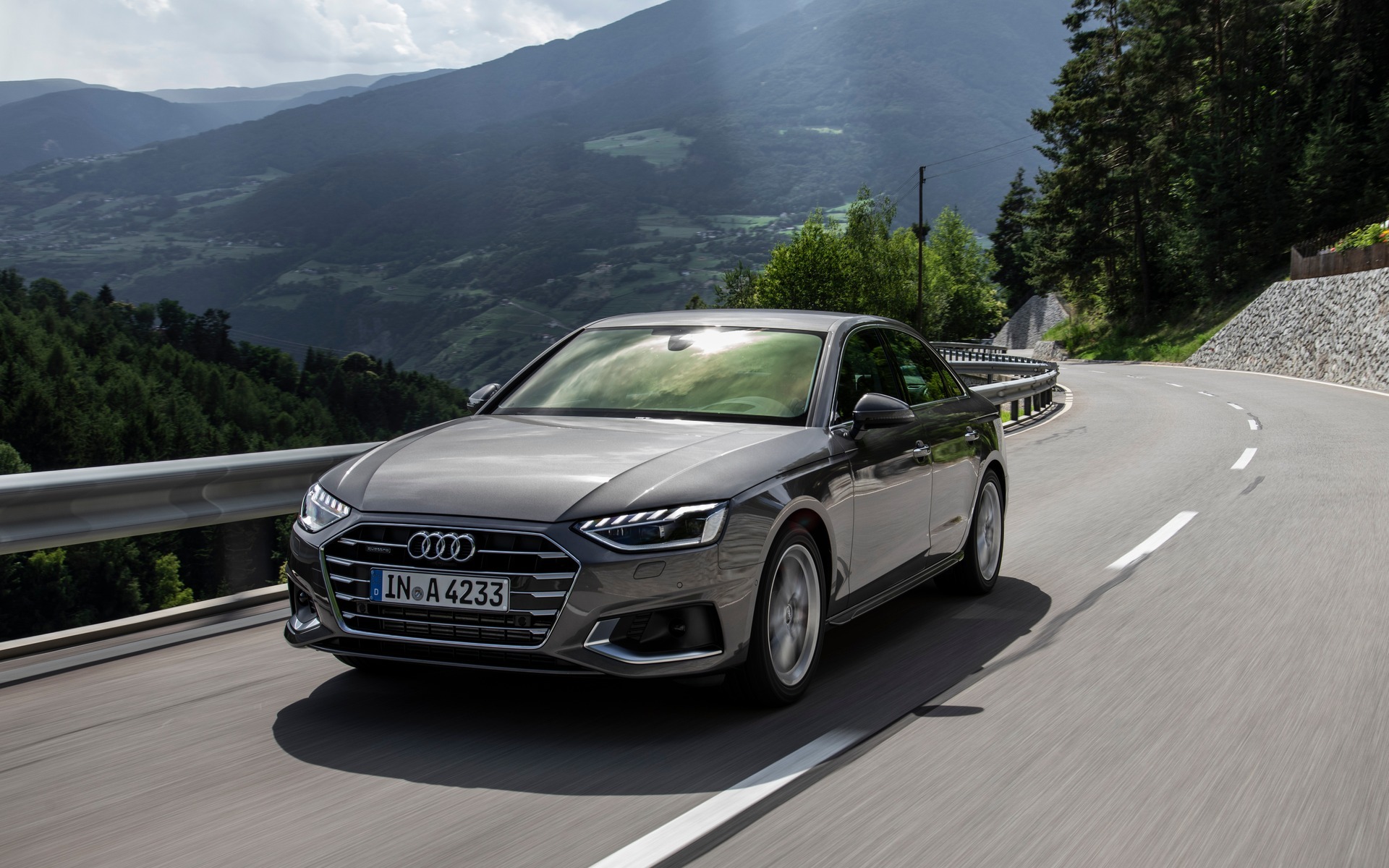
The B8 2.0T timing chain system incorporates several innovative technologies that contribute to its exceptional longevity. The hydraulic chain tensioners use advanced multi-stage designs that provide precise tension control under varying operating conditions.
These tensioners include sophisticated pressure regulation systems that prevent over-tensioning while ensuring adequate chain control during high-RPM operation typical of turbocharged applications.
The B8 2.0T timing chain system benefits significantly from proper maintenance practices. Audi specifies full synthetic oil with specific additive packages that help maintain chain and tensioner function under the demanding conditions of turbocharged operation.
Regular oil changes at intervals no longer than 10,000 miles help prevent carbon buildup and maintain optimal lubrication. Many B8 2.0T engines demonstrate timing chain life exceeding 200,000 miles when maintenance requirements are followed diligently.
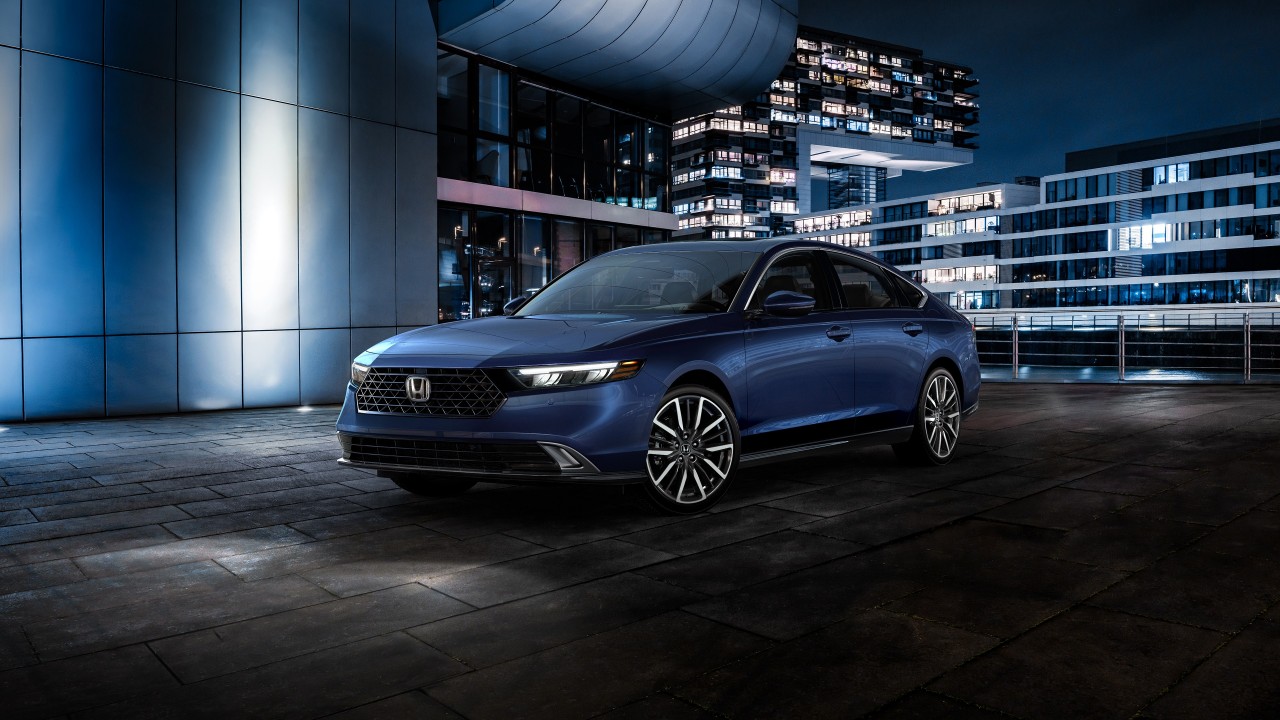
8. Honda Accord (K24 Engine Series)
The Honda Accord equipped with the K24 four-cylinder engine series represents Honda’s mastery of timing chain technology and exceptional engineering durability.
This 2.4-liter naturally aspirated engine, found in Accord models from 2003 to 2017, features a maintenance-free timing chain system that exemplifies Honda’s reputation for building engines that last well beyond 300,000 miles.
The K24 timing system is renowned among automotive enthusiasts and mechanics for its exceptional reliability and minimal maintenance requirements.
Honda developed the K24 timing chain system as part of their revolutionary K-series engine family, incorporating lessons learned from decades of timing belt and chain experience.
The engine features a single timing chain that connects the crankshaft directly to both camshafts through precisely machined sprockets. This direct-drive configuration eliminates complexity while providing accurate timing control throughout the engine’s operational range.
The K24 timing chain system incorporates several design features that contribute to its legendary durability. The timing chain is manufactured from high-grade steel and features a specialized pitch design that distributes loads evenly across all chain links.
The chain tensioner uses a sophisticated hydraulic design that automatically maintains optimal tension while preventing over-tensioning that could cause premature wear.
The system includes anti-drainage features that ensure immediate oil pressure to the tensioner upon engine startup. The K24 engine’s timing chain system benefits from Honda’s commitment to conservative engineering and quality manufacturing.
The timing components are designed with generous safety margins that allow them to handle significantly more stress than normal operation demands.
This conservative approach, combined with Honda’s strict quality control procedures, results in timing systems that routinely operate trouble-free for the vehicle’s entire operational life when basic maintenance requirements are met.
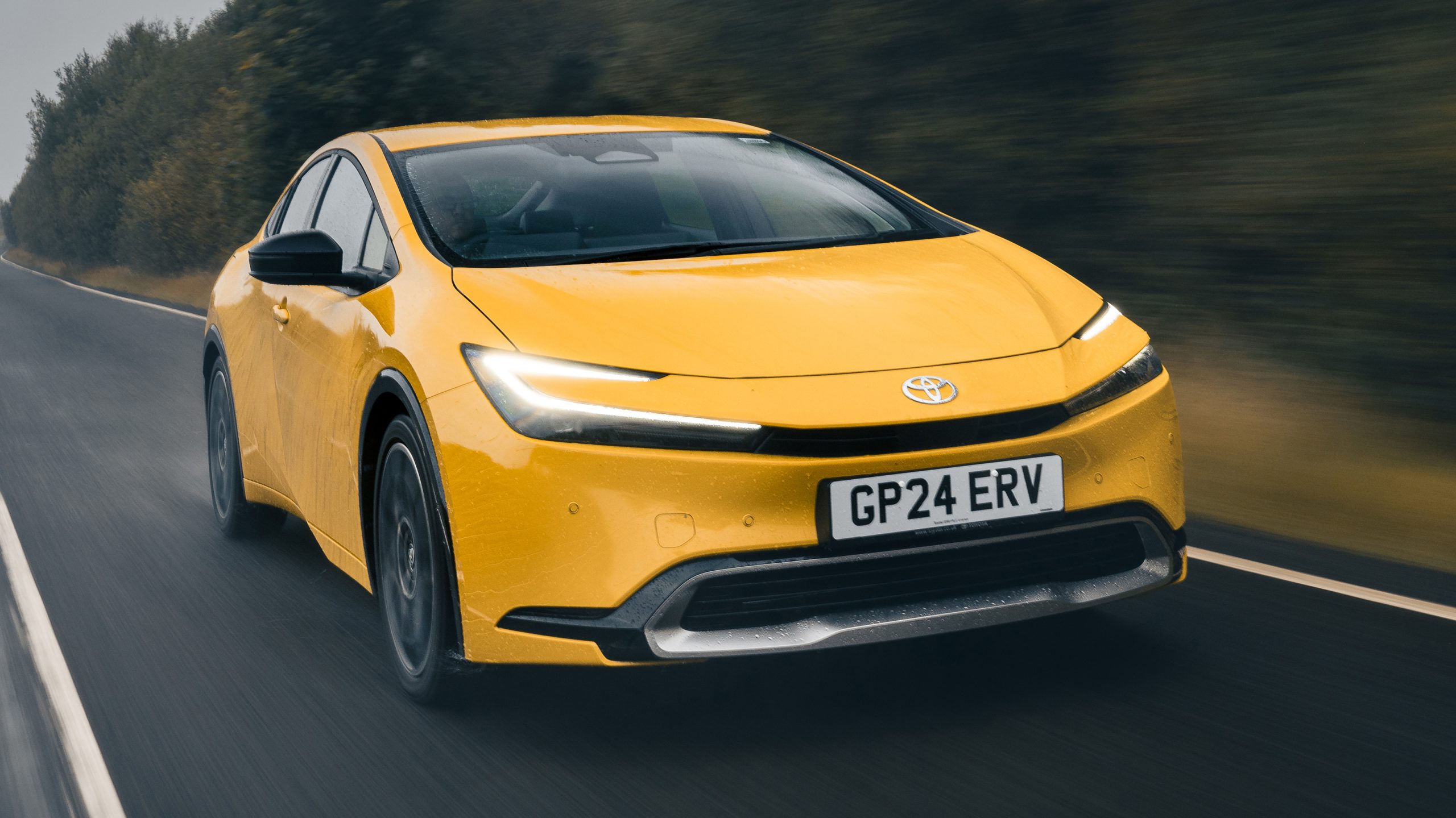
9. Toyota Prius (1NZ-FXE Engine)
The Toyota Prius equipped with the 1NZ-FXE hybrid engine represents a unique approach to timing chain technology in hybrid vehicle applications.
This specialized 1.5-liter Atkinson cycle engine, used in Prius models from 2004 to 2009, features a timing chain system designed specifically for the unique operating characteristics of hybrid powertrains.
The 1NZ-FXE timing system rarely requires maintenance throughout the vehicle’s operational life, contributing to the Prius’s reputation for exceptional reliability and low maintenance costs.
Toyota engineers designed the 1NZ-FXE timing chain system to handle the unique challenges of hybrid operation, including frequent engine starts and stops, variable load conditions, and integration with electric motor systems.
The timing chain is manufactured from specialized steel alloys that provide exceptional fatigue resistance under cycling loads. The chain design incorporates features that minimize stretch over time while maintaining precise timing control essential for optimal hybrid system efficiency.
The 1NZ-FXE timing chain system benefits from the Atkinson cycle engine’s inherently gentle operating characteristics. This engine operates at lower peak pressures than conventional Otto cycle engines, reducing stress on timing chain components.
Additionally, the hybrid system’s ability to provide electric assist reduces the load on the internal combustion engine, further extending timing chain life. The engine’s sophisticated thermal management system prevents excessive heat buildup that could accelerate chain degradation.
The 1NZ-FXE timing chain system requires minimal maintenance beyond regular oil changes using the specified low-viscosity oil. Toyota’s hybrid-specific oil formulations include additives that help maintain timing chain and tensioner function under the unique operating conditions of hybrid powertrains.
Many Prius vehicles demonstrate timing chain life exceeding 300,000 miles with original components, making this one of the most durable timing systems in hybrid vehicle applications.
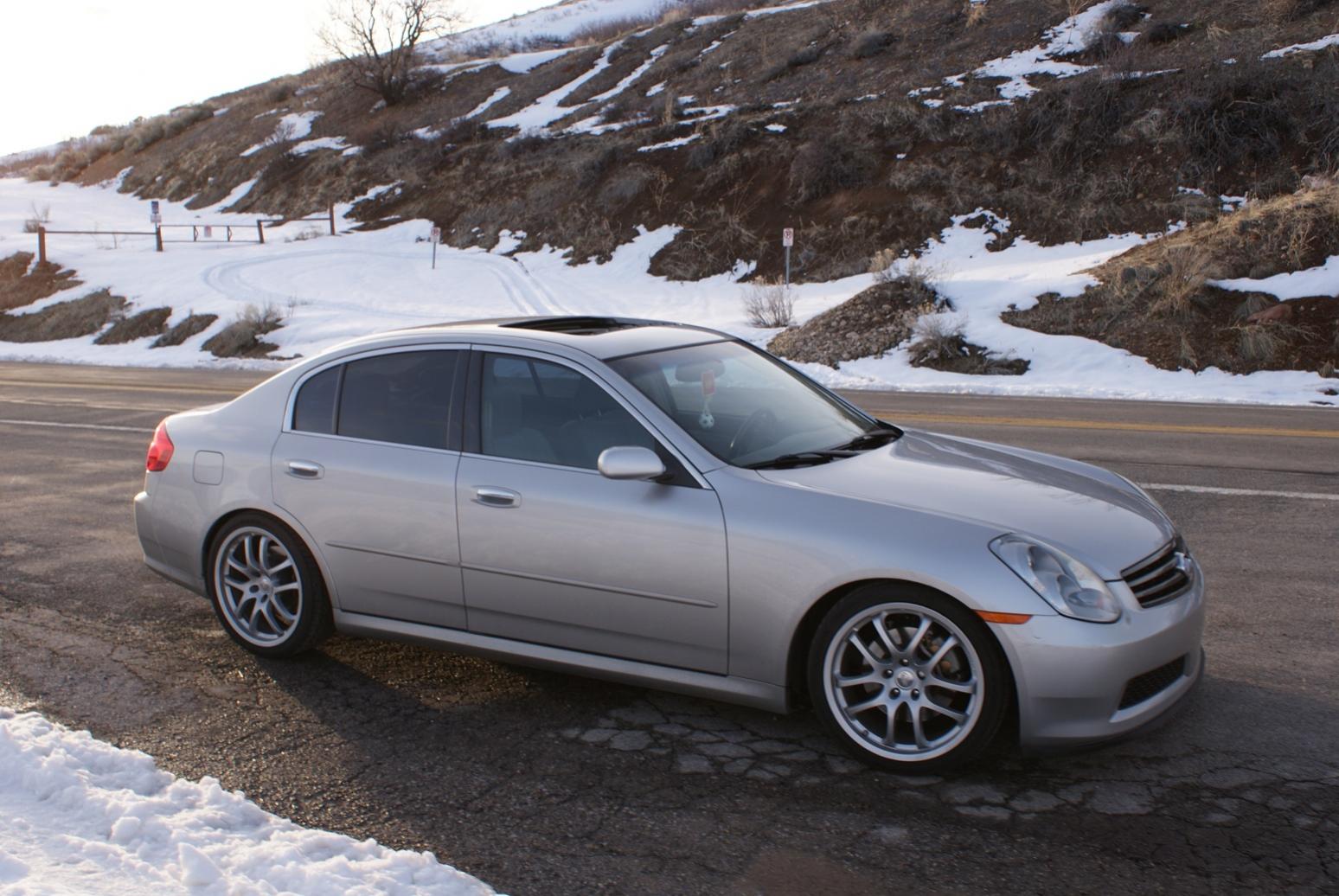
10. Infiniti G35 (VQ35DE Engine)
The Infiniti G35 equipped with the VQ35DE V6 engine represents Nissan’s excellence in timing chain technology and performance engine durability.
This 3.5-liter naturally aspirated V6, produced from 2003 to 2007, features a sophisticated dual timing chain system that provides exceptional longevity while delivering impressive performance characteristics.
The VQ35DE timing system is renowned for its ability to maintain precise valve timing even after hundreds of thousands of miles of operation. Nissan developed the VQ35DE timing chain system as part of their acclaimed VQ engine family, incorporating advanced materials and precision manufacturing techniques.
The engine uses separate timing chains for each cylinder bank, with each chain connecting the crankshaft to the respective bank’s camshafts. This configuration reduces individual chain loading while providing redundancy that helps prevent catastrophic timing system failure.
The VQ35DE timing chain system incorporates several innovative features that contribute to its exceptional durability. The timing chains are manufactured from high-strength steel using specialized forming processes that ensure consistent link spacing and exceptional fatigue resistance.
The hydraulic chain tensioners feature advanced multi-chamber designs that provide precise tension control under varying RPM and load conditions typical of performance engine applications.
The VQ35DE engine’s timing chain system benefits from Nissan’s attention to manufacturing quality and component durability. The timing chain components undergo rigorous quality control testing, and the assembly process follows strict tolerances to ensure optimal fit and function.
Regular maintenance using the specified full synthetic oil helps maintain timing chain and tensioner function, with many VQ35DE engines demonstrating exceptional timing system durability throughout their operational lives.
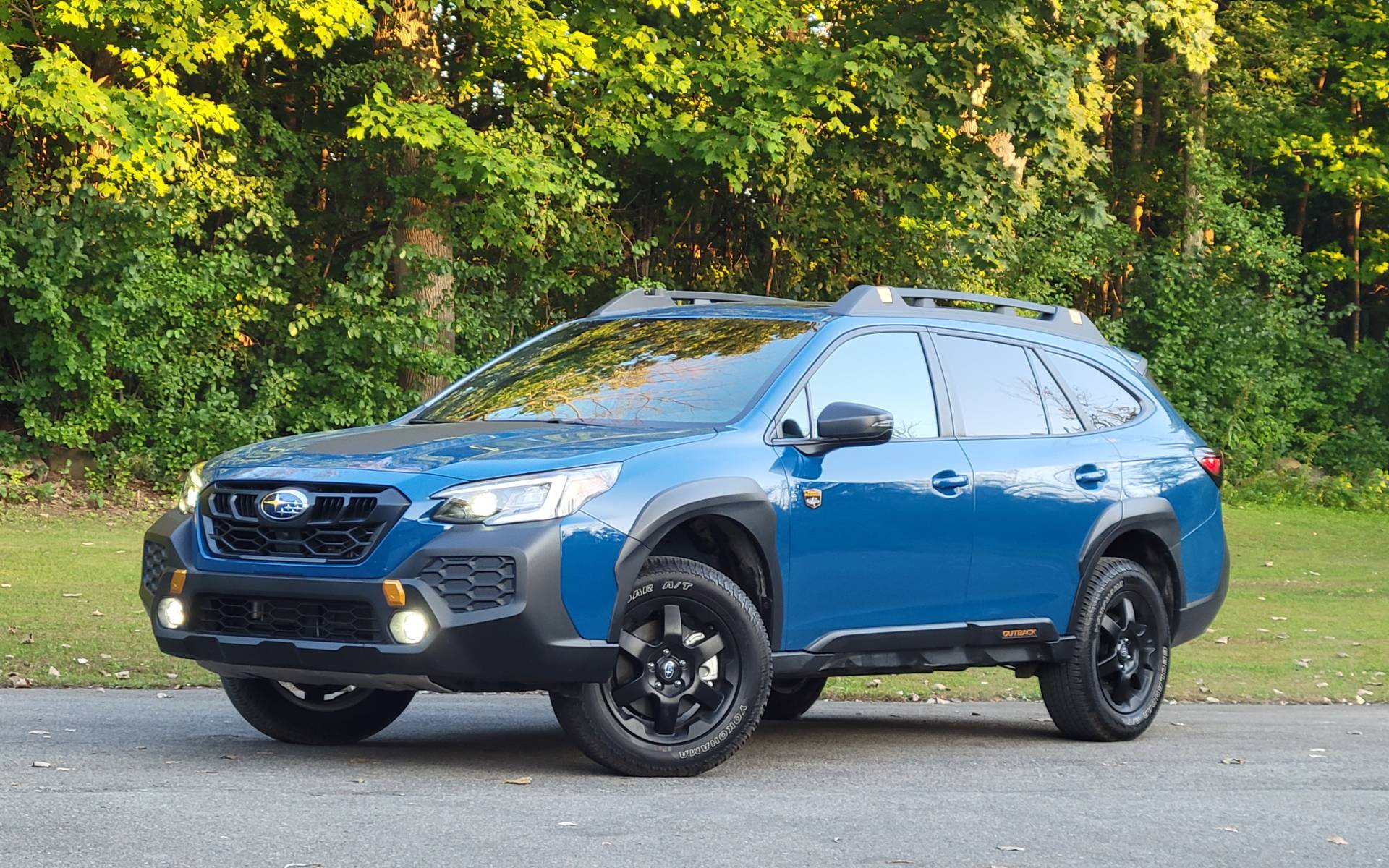
11. Subaru Outback (EJ25 Engine)
The Subaru Outback equipped with the EJ25 naturally aspirated boxer engine represents a unique approach to timing belt technology that has achieved legendary status among Subaru enthusiasts for its exceptional durability.
This 2.5-liter horizontally opposed four-cylinder engine, found in various Outback models from 1999 to 2012, features a timing belt system that, while requiring scheduled replacement, demonstrates remarkable longevity when properly maintained.
Many EJ25 engines exceed their recommended timing belt replacement intervals by significant margins without experiencing failure. Subaru’s approach to the EJ25 timing belt system reflects the company’s commitment to building engines that can withstand extreme operating conditions.
The boxer engine configuration presents unique challenges for timing belt design due to the horizontal orientation and the need to drive camshafts on opposite sides of the engine.
Subaru addressed these challenges with a robust timing belt made from high-quality rubber compounds reinforced with steel cables that provide exceptional strength and flexibility.
The EJ25 timing belt system benefits from several design advantages that contribute to its exceptional reliability. The belt path is relatively short compared to inline engines, reducing the stress on belt components.
The tensioner system uses a spring-loaded design that automatically maintains proper belt tension throughout the belt’s service life. The timing belt covers provide excellent protection from road debris and environmental contaminants while allowing for adequate cooling airflow.
The EJ25 timing belt system requires regular maintenance to achieve its maximum longevity potential. Subaru recommends timing belt replacement at 105,000-mile intervals, but many owners report original belts lasting 150,000 miles or more with proper care.
Key maintenance practices include maintaining proper coolant system function to prevent overheating, regular inspection of belt tensioner and idler pulleys, and adherence to recommended service intervals.
The EJ25’s reputation for timing belt durability has made it a favorite among enthusiasts who appreciate its combination of reliability and performance capability.
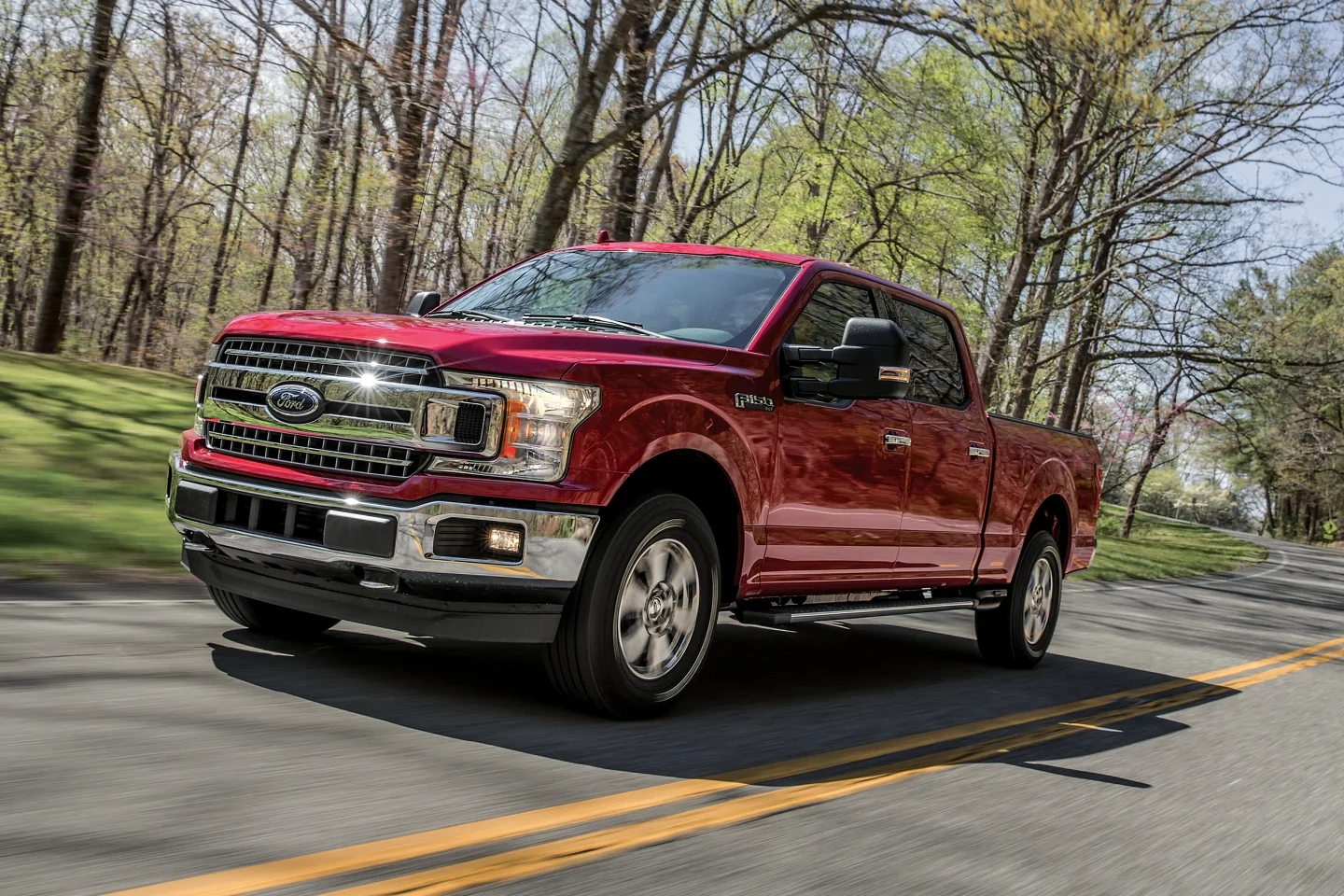
12. Ford F-150 (5.0L Coyote V8 Engine)
The Ford F-150 equipped with the 5.0-liter Coyote V8 engine represents American engineering excellence in timing chain technology and heavy-duty durability.
This advanced naturally aspirated V8, introduced in 2011, features a sophisticated dual timing chain system designed to handle the demanding requirements of truck applications while providing exceptional longevity.
The Coyote timing system is engineered to operate maintenance-free for hundreds of thousands of miles under proper maintenance conditions. Ford developed the Coyote timing chain system as part of their modular V8 engine family evolution, incorporating lessons learned from previous timing chain and belt applications.
The engine uses separate primary and secondary timing chains with an intermediate sprocket configuration that reduces individual chain loads while providing precise timing control for the dual overhead cam design. This sophisticated system allows for variable valve timing on both intake and exhaust camshafts while maintaining exceptional durability.
The Coyote timing chain system incorporates several advanced technologies that contribute to its exceptional reliability in truck applications. The timing chains are manufactured from high-grade steel using specialized heat treatment processes that provide optimal strength and fatigue resistance.
The hydraulic chain tensioners feature robust designs capable of maintaining proper tension under the varying load conditions typical of truck operation, from light-duty commuting to heavy towing applications.
The Coyote engine’s timing chain system benefits from Ford’s commitment to heavy-duty applications and long-term durability. The timing components are designed and tested to withstand the demanding conditions of commercial and recreational truck use.
Regular maintenance using the specified full synthetic oil and adherence to recommended service intervals help ensure optimal timing chain performance.
Many Coyote engines in F-150 applications demonstrate exceptional timing system durability even under demanding use conditions, making this one of the most reliable timing systems in the full-size truck segment.
