
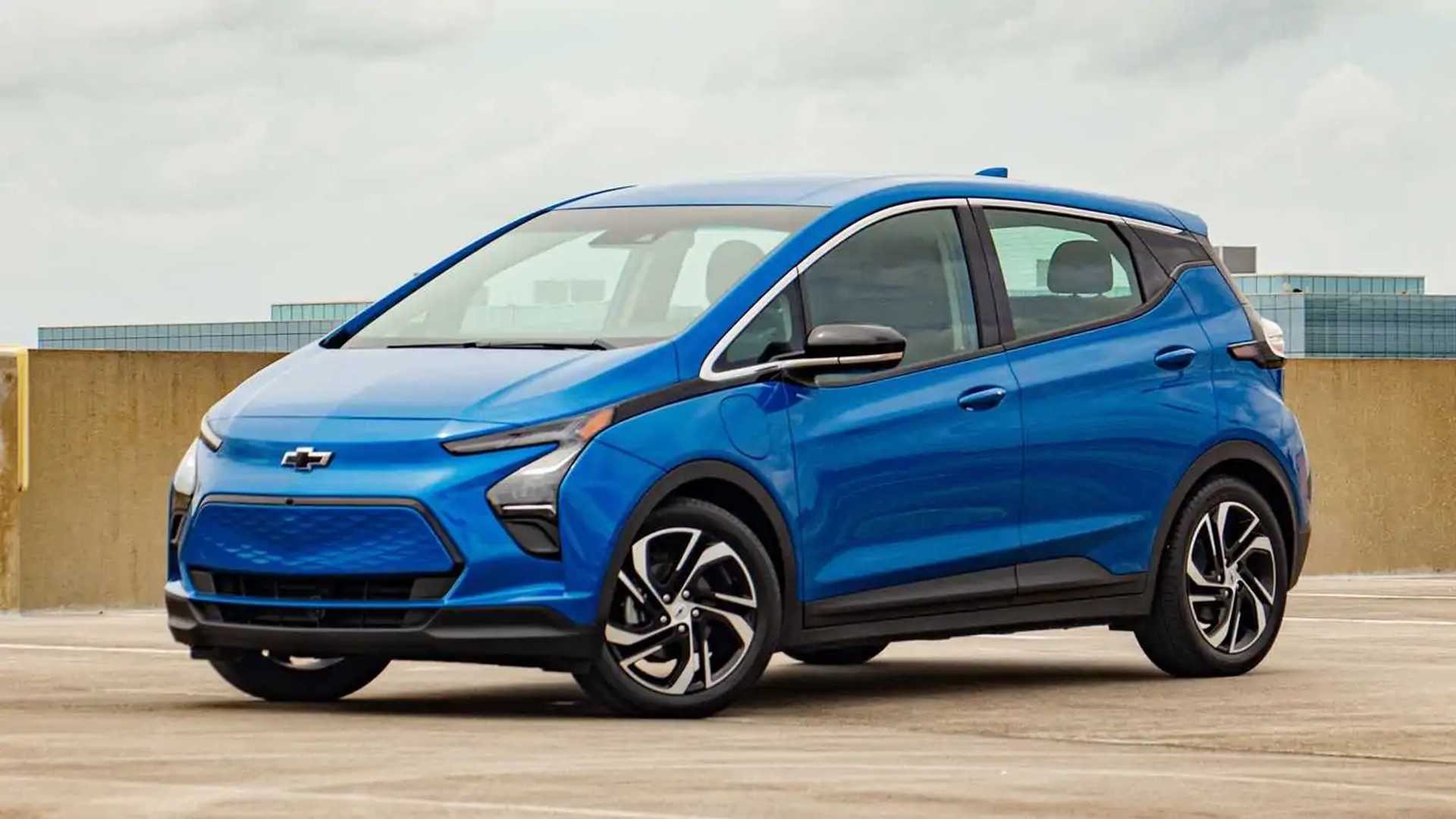
The electric vehicle revolution is no longer a distant promise it’s happening right now, and one of the most compelling developments in the EV space is how well modern electric cars maintain their driving range over time.
Range anxiety, once the primary concern keeping potential buyers away from electric vehicles, is rapidly becoming a relic of the past thanks to significant advancements in battery technology and thermal management systems.
Recent 2024 analysis reveals a significant improvement: EV batteries now degrade at an average of 1.8% per year, a remarkable achievement that highlights the ongoing evolution of lithium-ion battery technology.
This means that after five years of ownership, most modern EVs will still retain over 90% of their original range a figure that would have seemed impossible just a decade ago.
Nearly all automakers offer a battery warranty that guarantees a minimum level of capacity retention, typically around 70 percent, for 8 years or 100,000 miles, providing consumers with confidence in their long-term investment.
What makes this achievement even more impressive is the real-world context. Many electric cars will still have more than 80% of their initial capacity after 200,000 miles, demonstrating that EVs are not just environmentally conscious choices but also practical long-term transportation solutions.
Unlike the early days of electric vehicles where battery degradation was rapid and unpredictable, today’s EVs benefit from sophisticated battery management systems, improved cell chemistry, and thermal regulation technologies that significantly extend battery life.
Understanding which EVs maintain their range best is crucial for making an informed purchasing decision, especially as the used EV market continues to expand and mature.
Whether you’re a first-time EV buyer or considering upgrading from an older electric vehicle, these twelve models represent the gold standard for long-term range reliability in today’s marketplace.
1. Tesla Model S
The Tesla Model S stands as the gold standard for EV range retention, setting benchmarks that other manufacturers continue to chase. Since its introduction in 2012, the Model S has consistently demonstrated exceptional battery longevity that has surprised even industry experts.
A crowdsourced study by Tesla owners in the Netherlands using data from around the world showed that Model S owners were seeing an average degradation of around 5 percent in 50,000 miles of driving, which translates to remarkably minimal range loss over typical ownership periods.
What sets the Model S apart is Tesla’s sophisticated battery thermal management system, which actively regulates battery temperature through liquid cooling.
This system prevents the extreme temperature fluctuations that can accelerate battery degradation, particularly during fast charging sessions or in harsh weather conditions.
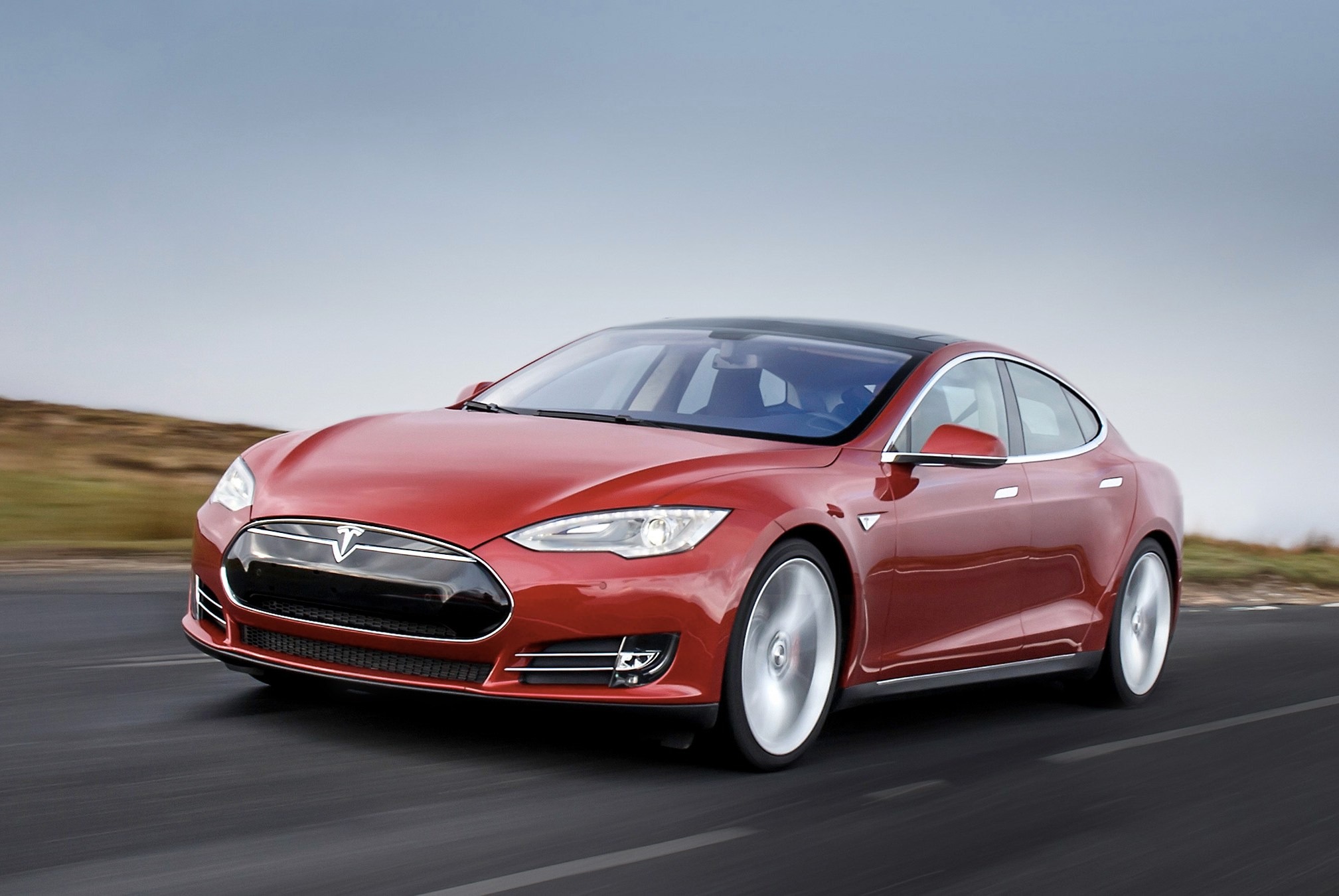
The Model S also benefits from Tesla’s advanced Battery Management System (BMS), which continuously monitors individual cell voltages and temperatures, ensuring optimal charging and discharging patterns that extend battery life.
The latest Model S variants, equipped with Tesla’s 4680 battery cells and structural battery pack design, show even more promising longevity metrics.
These newer batteries feature improved chemistry that reduces degradation while increasing energy density. Real-world data from Tesla’s vast supercharging network provides continuous feedback that helps optimize battery performance across the entire fleet through over-the-air updates.
The Model S’s exceptional range retention isn’t just about the battery technology it’s also about Tesla’s holistic approach to vehicle design. The car’s aerodynamic efficiency, regenerative braking system, and intelligent energy management all contribute to maximizing range while minimizing stress on the battery pack.
This comprehensive approach to EV engineering has established the Model S as a benchmark that continues to influence the entire industry’s approach to battery longevity.
2. Tesla Model 3
The Tesla Model 3 has revolutionized the mainstream EV market not just through its accessibility and performance, but also through its impressive range retention characteristics that rival its more expensive Model S sibling.
Since entering production in 2017, the Model 3 has accumulated extensive real-world data that consistently demonstrates minimal battery degradation over time, making it one of the most reliable long-term EV investments available today.
The Tesla Model 3, known for its impressive electric range and performance, stands out in the EV market. Depending on the model variant, it can travel between 263 to 353 miles on a single charge, but what’s equally impressive is how well it maintains this range over time.
The Model 3 benefits from many of the same advanced battery technologies as the Model S, including Tesla’s proprietary thermal management system and sophisticated Battery Management System, but implemented in a more cost-effective package.
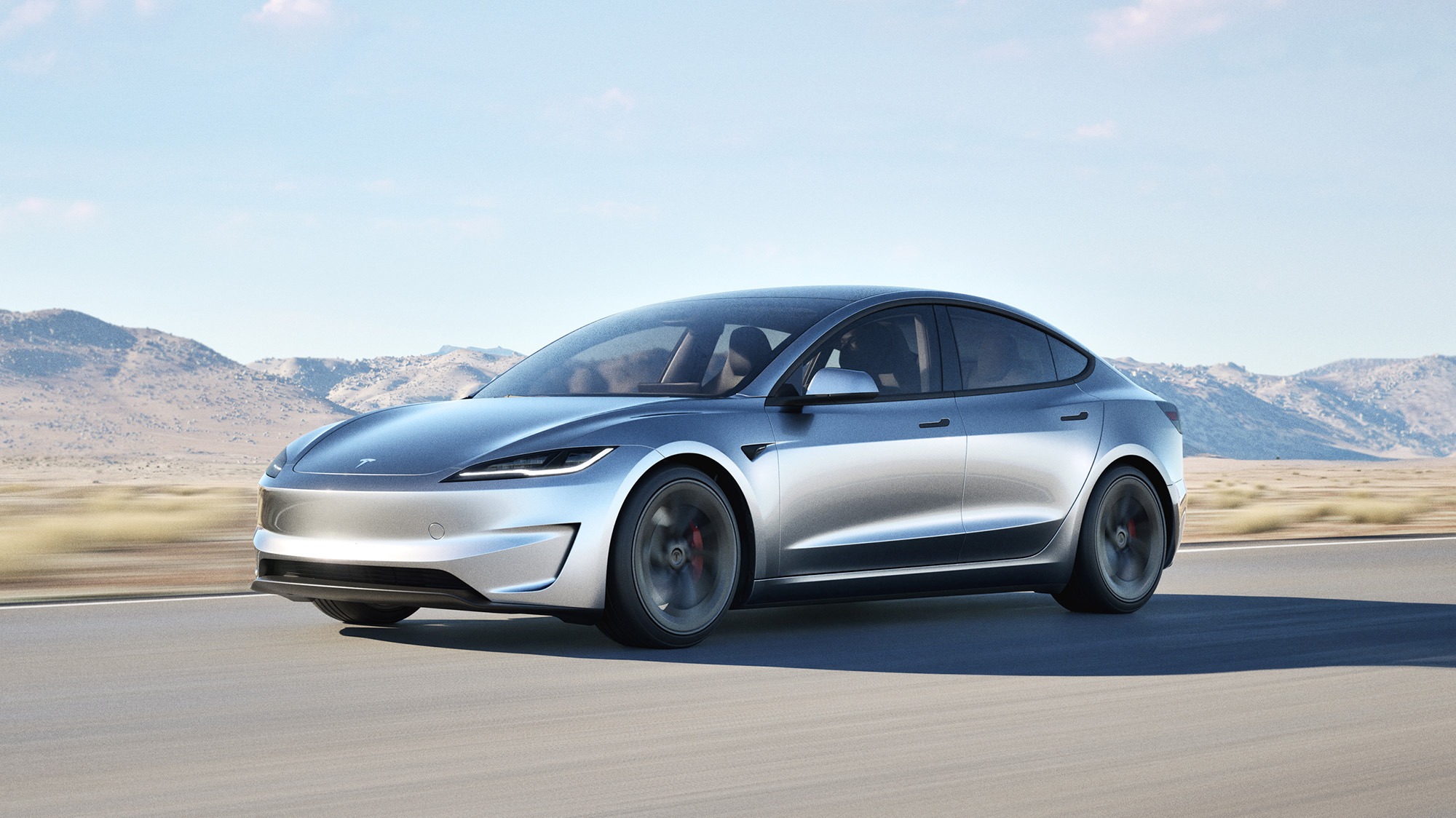
The Model 3’s battery pack utilizes Tesla’s 2170 cells (and more recently, 4680 cells in some variants), which feature improved energy density and thermal characteristics compared to earlier battery generations.
These cells are arranged in a structural battery pack that not only improves vehicle rigidity but also enhances thermal management efficiency. The result is a battery system that experiences less stress during charging and discharging cycles, directly contributing to reduced degradation over time.
Tesla’s over-the-air update capability has proven particularly beneficial for Model 3 range retention. The company regularly pushes software updates that optimize battery management algorithms, charging protocols, and energy efficiency systems.
These updates have actually improved some Model 3 vehicles’ range and performance over time, a unique advantage in the automotive industry that traditional manufacturers are still struggling to replicate.
Real-world Model 3 owners consistently report minimal range loss even after years of ownership and high mileage. The vehicle’s combination of advanced battery technology, intelligent thermal management, and continuous software optimization makes it one of the most reliable choices for buyers concerned about long-term range retention and value preservation.
3. BMW i3
The BMW i3 represents a unique approach to electric vehicle design that has resulted in surprisingly excellent range retention characteristics, despite its compact size and distinctive construction.
Introduced in 2013 as BMW’s first mass-production electric vehicle, the i3 has demonstrated remarkable battery longevity that often exceeds owner expectations and industry benchmarks for vehicles of its era and category.
The most energy-efficient car in the U.S. starting in 2014 was the BMW i3 battery-electric hatchback with the original battery, which gave it a range of 81 miles, but BMW’s engineering approach focused on maximizing the efficiency of every electron stored in its battery pack.
The i3’s lightweight carbon fiber construction, innovative heat pump system, and carefully tuned regenerative braking all contribute to minimizing energy consumption and reducing battery stress.
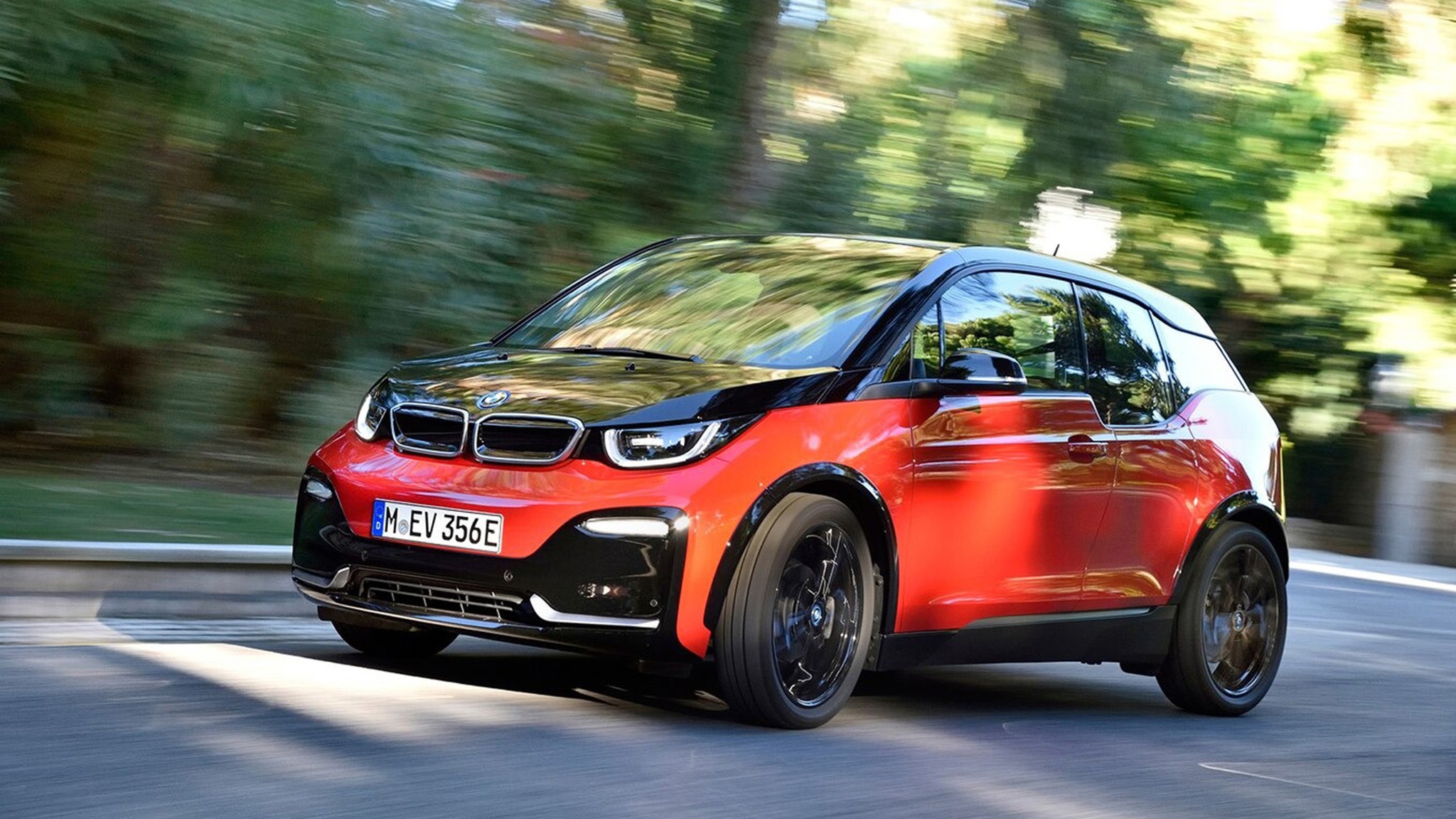
The i3’s battery thermal management system deserves particular recognition for its role in maintaining range over time. BMW implemented both active and passive cooling systems that work together to maintain optimal battery temperature in various operating conditions.
The battery pack is positioned low in the vehicle’s floor, protected from temperature extremes, and equipped with sophisticated heating and cooling circuits that activate automatically based on ambient conditions and battery state. Furthermore, BMW’s warranty support and service network have proven reliable for i3 owners experiencing any battery-related issues.
The company’s 8-year, 100,000-mile battery warranty demonstrates confidence in the i3’s longevity, and real-world data consistently shows that most i3 vehicles perform well within warranty parameters throughout their coverage period, making them excellent choices for cost-conscious EV buyers seeking proven long-term reliability.
4. Nissan Leaf
The Nissan Leaf holds a special place in EV history as one of the first mass-market electric vehicles, and despite some well-documented early challenges with battery degradation, the later generations of the Leaf have demonstrated significantly improved range retention that makes them compelling options for budget-conscious EV buyers.
Nissan’s learning curve with battery technology has resulted in substantial improvements in thermal management and cell chemistry that address the shortcomings of earlier models.
The original Leaf models (2011-2012) suffered from rapid battery degradation due to the lack of active thermal management, particularly in hot climates.
However, Nissan learned from these early experiences and implemented significant improvements starting with the 2013 model year. The introduction of the “lizard battery” chemistry and later improvements in 2016 and beyond have resulted in Leaf models that retain their range much more effectively over time.
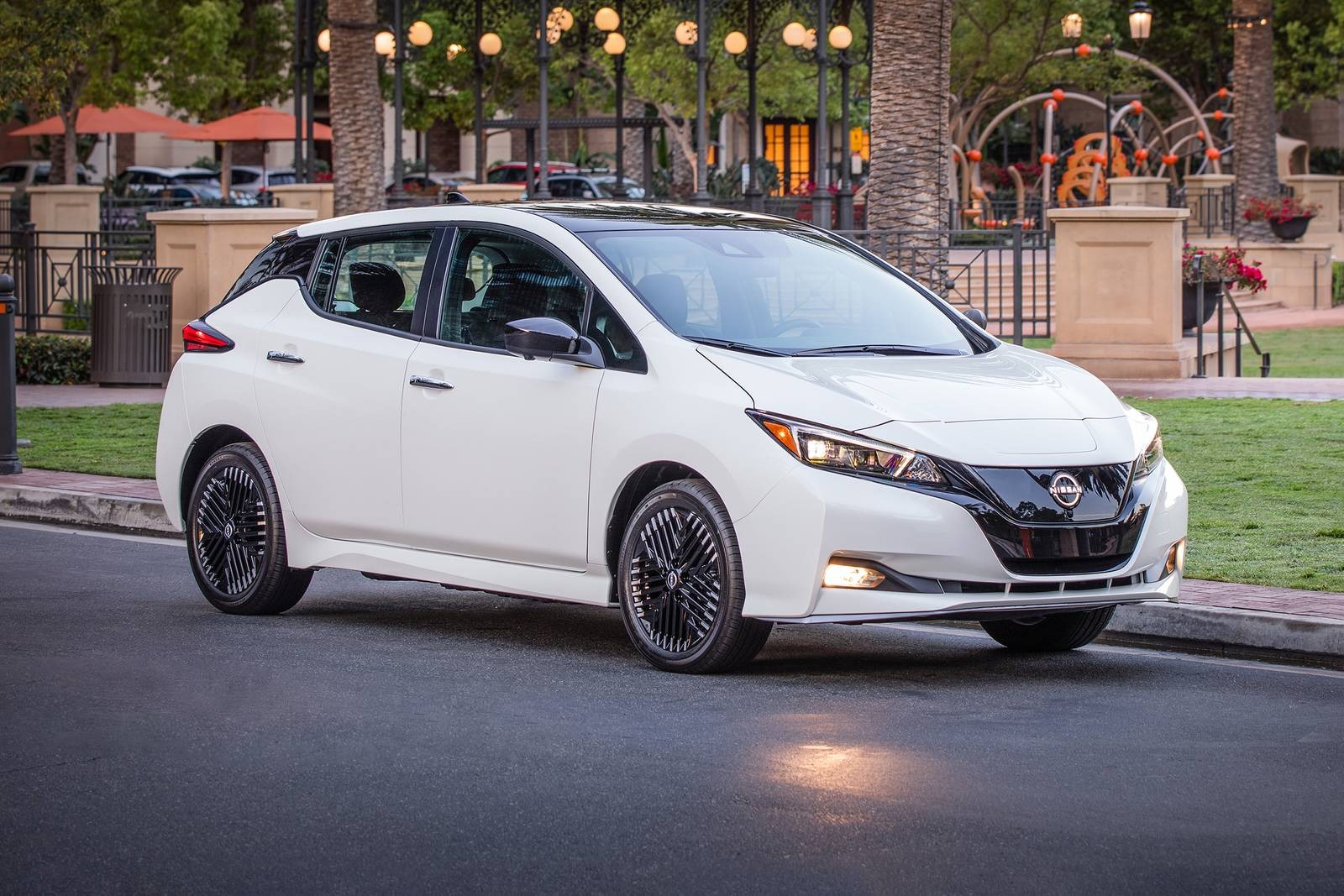
Modern Leaf models, particularly those from 2018 onwards with the 40kWh and 62kWh battery packs, feature dramatically improved thermal management and battery chemistry.
These newer Leafs incorporate lessons learned from nearly a decade of real-world EV operation, resulting in battery systems that degrade at rates comparable to industry leaders. The larger battery packs also mean that even with some degradation over time, owners still retain practical daily driving range.
The Leaf’s regenerative braking system has always been one of its strengths, and this feature contributes significantly to battery longevity by reducing the frequency of charging cycles.
The system allows for aggressive energy recovery that can significantly extend range while simultaneously reducing battery stress. Combined with Nissan’s improved Battery Management System in newer models, this helps ensure that the battery operates within optimal parameters as much as possible.
The Leaf’s affordability in both new and used markets makes it an attractive option for buyers who want proven EV technology without premium pricing.
While earlier models require careful consideration of their battery condition, Leaf models from 2016 onwards represent solid value propositions with range retention characteristics that make them practical long-term transportation solutions.
Also Read: 11 Best Engines That Stay Smooth After Decades of Use
5. Chevrolet Bolt EV
The Chevrolet Bolt EV emerged as General Motors’ answer to Tesla’s Model 3, offering competitive range and affordability with battery technology that has proven remarkably durable over time.
Since its 2016 introduction, the Bolt EV has consistently demonstrated excellent range retention characteristics that often surprise owners and industry observers alike, establishing it as one of the most reliable non-Tesla EVs in terms of long-term battery performance.
The Bolt EV’s 60kWh (and later 65kWh) lithium-ion battery pack utilizes LG Chem cells arranged in a liquid-cooled thermal management system that maintains optimal operating temperatures across a wide range of conditions.
This active thermal management system is crucial for preventing the temperature-related degradation that can significantly impact battery life, particularly during frequent fast-charging sessions or extended highway driving in extreme weather conditions. General Motors’ approach to battery management in the Bolt EV reflects decades of experience with hybrid and electric powertrains.
The vehicle’s Battery Management System continuously monitors individual cell performance, voltage levels, and temperature distributions throughout the pack, making real-time adjustments to charging and discharging parameters to minimize stress and extend battery life.
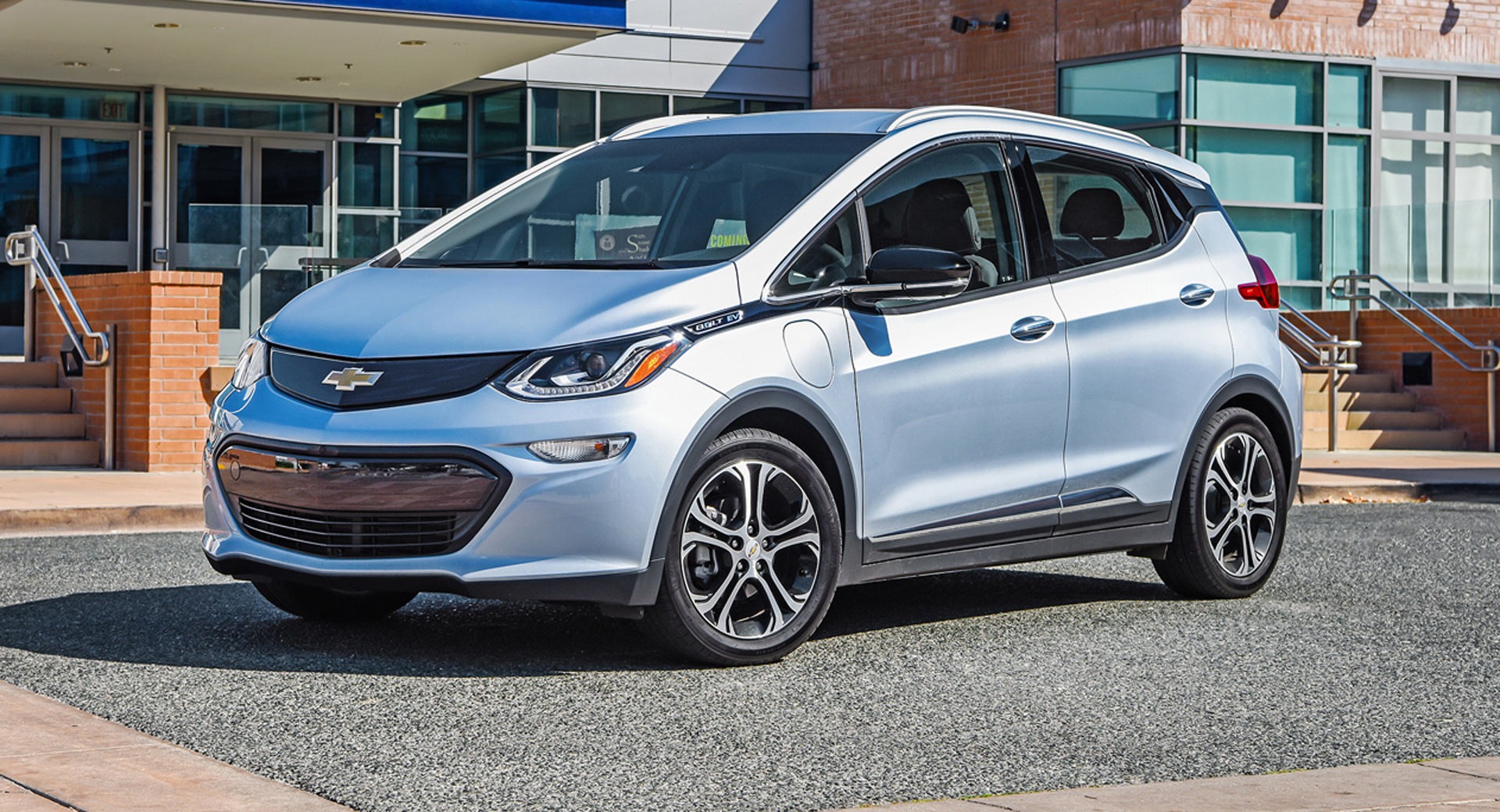
This sophisticated monitoring system also provides accurate range predictions that help owners plan their trips effectively. The Bolt EV’s regenerative braking system is among the most aggressive in the industry, allowing for nearly one-pedal driving in many situations.
This feature not only enhances the driving experience but also reduces the frequency of traditional charging cycles by recovering significant amounts of energy during deceleration. The reduced reliance on plug-in charging directly contributes to reduced battery degradation over time.
Real-world Bolt EV owners consistently report minimal range loss even after several years of ownership and high-mileage use. The combination of conservative battery management, effective thermal regulation, and robust regenerative braking has resulted in degradation rates that often outperform more expensive competitors.
This performance, combined with the Bolt EV’s competitive pricing, makes it an excellent value proposition for buyers seeking proven long-term reliability. Chevrolet’s warranty coverage for the Bolt EV also reflects confidence in the vehicle’s battery longevity.
The company offers an 8-year, 100,000-mile battery warranty that guarantees specific capacity retention levels, and real-world performance data suggests that most Bolt EVs will significantly exceed these minimum requirements throughout their ownership period, making them attractive options for both new and used car buyers.
6. Hyundai Ioniq Electric
The Hyundai Ioniq Electric represents the Korean manufacturer’s methodical and engineering-focused approach to electric vehicle development, resulting in one of the most efficient and range-stable EVs in its class.
The Hyundai Ioniq Electric is now the most energy-efficient car available in the U.S., and this efficiency translates directly into excellent range retention characteristics that make it a standout performer in long-term battery durability.
Hyundai’s approach to the Ioniq Electric was notably conservative, prioritizing reliability and efficiency over maximum performance or range. The vehicle’s 28kWh (later increased to 38.3kWh) lithium-ion battery pack features sophisticated thermal management and a Battery Management System that focuses on maintaining optimal operating conditions rather than pushing maximum performance boundaries.
This conservative approach has paid significant dividends in terms of real-world range retention. The Ioniq Electric’s aerodynamic design, with a drag coefficient of just 0.24, contributes significantly to its range retention by reducing the energy required to maintain highway speeds.
This efficiency means that even as the battery experiences minor capacity loss over time, the vehicle’s range remains practical for daily use.
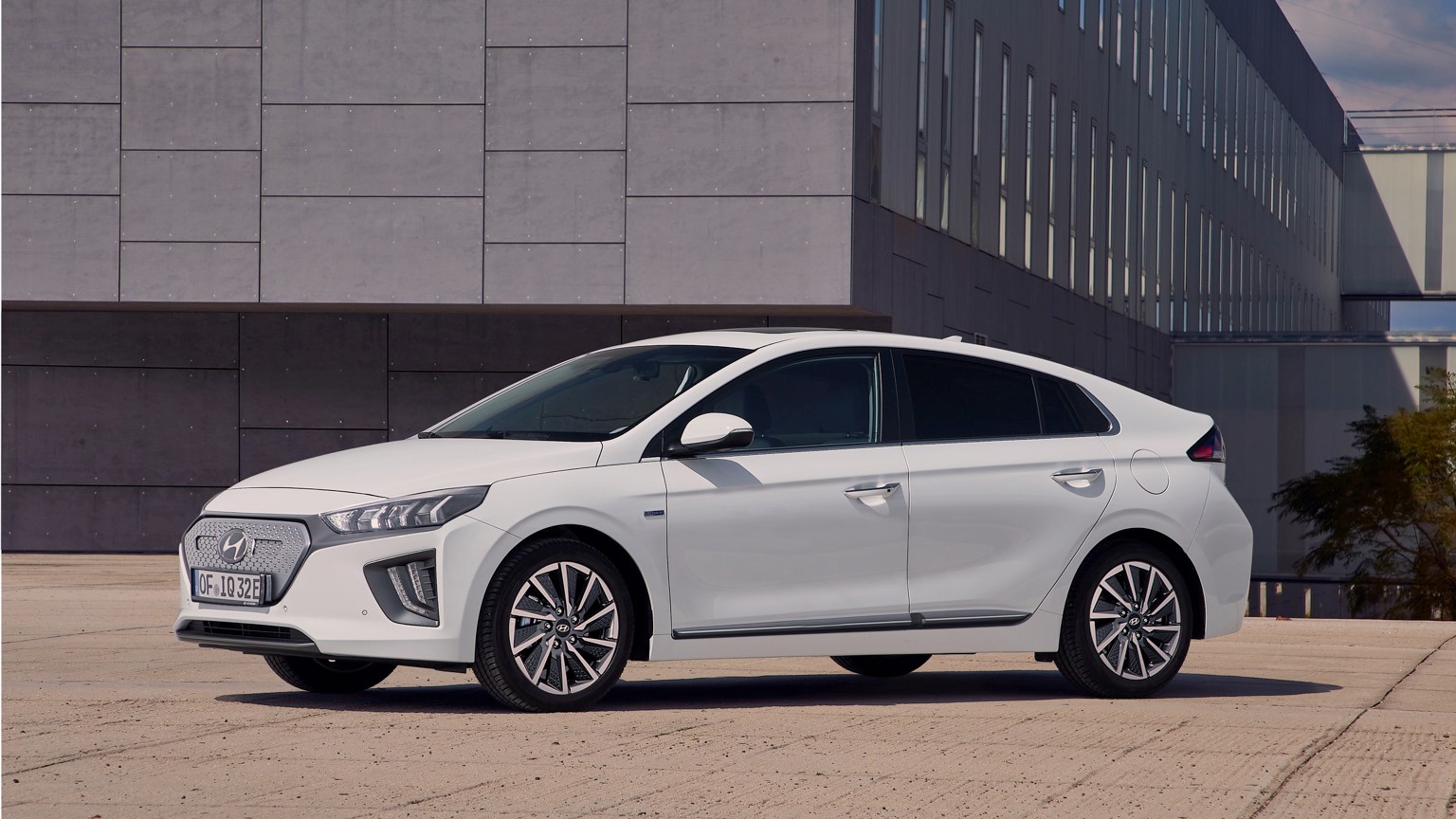
The vehicle’s lightweight construction and efficient drivetrain further enhance this effect, ensuring that every available electron translates into maximum driving distance.
Hyundai’s battery thermal management system in the Ioniq Electric utilizes both liquid cooling and sophisticated algorithms to maintain optimal battery temperature during charging, driving, and parking.
The system preemptively manages battery temperature based on ambient conditions and driving patterns, preventing the thermal stress that can accelerate degradation in less sophisticated systems. This proactive approach to thermal management has proven particularly effective in extreme climate conditions.
The vehicle’s regenerative braking system is calibrated for maximum efficiency rather than aggressive energy recovery, resulting in smooth operation that reduces battery stress while still recovering significant amounts of energy during normal driving.
This balanced approach contributes to both the vehicle’s excellent efficiency ratings and its long-term battery health, as it minimizes the rapid charge-discharge cycles that can accelerate battery aging.
Real-world Ioniq Electric owners consistently report range retention that meets or exceeds Hyundai’s warranty specifications, with many vehicles maintaining over 90% of their original capacity even after years of regular use.
Hyundai’s comprehensive warranty coverage and proven reliability record make the Ioniq Electric an excellent choice for buyers who prioritize long-term dependability and consistent performance over maximum range or performance capabilities.
7. Kia Soul EV
The Kia Soul EV brings the distinctive personality of the gasoline Soul to the electric vehicle market while delivering surprisingly robust range retention characteristics that have made it a favorite among practical EV buyers.
As Kia’s entry into the mass-market EV space, the Soul EV demonstrates the company’s commitment to reliable, long-lasting electric powertrains that maintain their performance over extended ownership periods.
Kia’s approach to the Soul EV emphasized practicality and reliability over cutting-edge performance, resulting in a battery system that prioritizes longevity and consistent performance.
The vehicle’s 27kWh (later upgraded to 30kWh and then 64kWh in the most recent generation) lithium-ion battery pack features conservative thermal management and charging protocols that minimize stress on the battery cells while ensuring reliable daily performance.
The Soul EV’s battery thermal management system incorporates both active cooling and heating elements that maintain optimal operating temperatures across a wide range of environmental conditions.
This system is particularly effective at preventing the thermal cycling that can accelerate battery degradation, especially during frequent charging sessions or extended driving in extreme weather conditions. The conservative approach to thermal management has proven highly effective at maintaining long-term battery health.
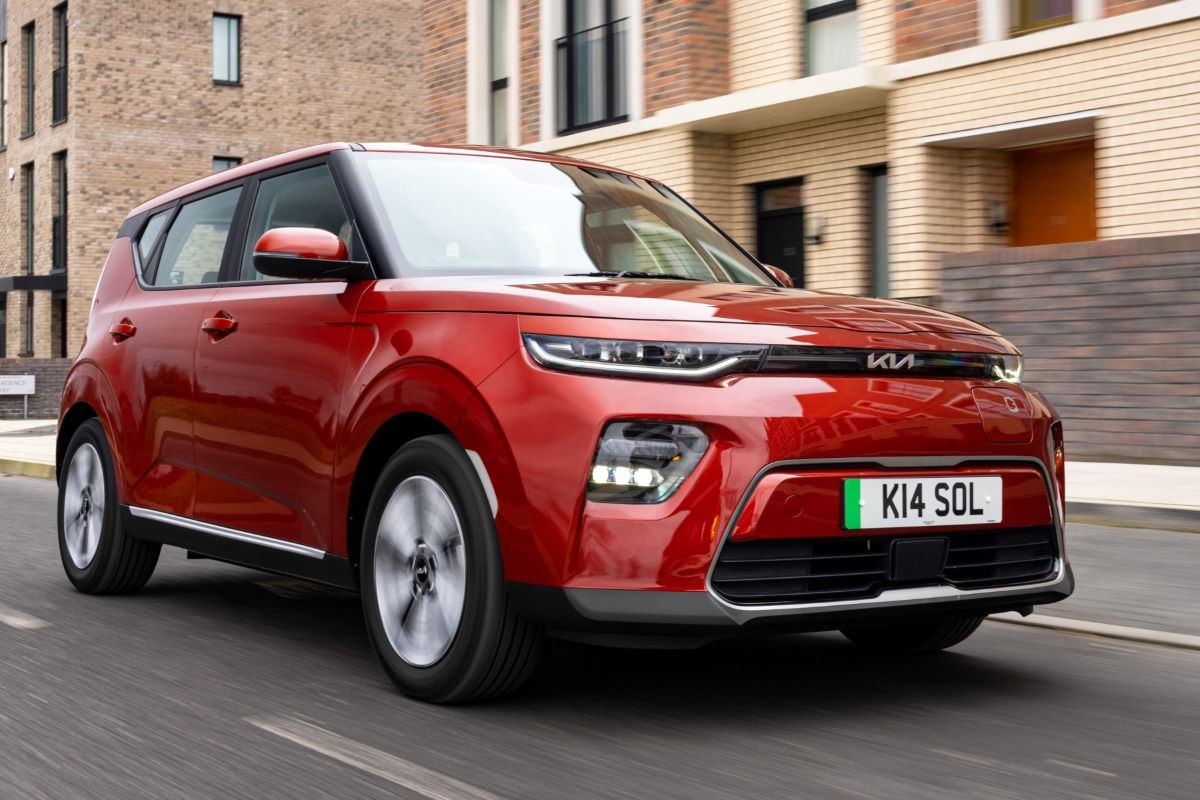
Kia’s Battery Management System in the Soul EV continuously monitors cell performance and adjusts charging parameters to ensure balanced cell voltages and optimal capacity utilization.
This sophisticated monitoring system prevents individual cells from being overworked while ensuring that the entire battery pack operates efficiently. The result is a battery system that ages gracefully with minimal capacity loss over time.
The Soul EV’s regenerative braking system strikes an excellent balance between energy recovery and driving comfort, providing significant range extension while operating smoothly enough for daily use.
The system’s calibration reduces reliance on external charging while minimizing the rapid charge-discharge cycles that can stress battery cells. This balanced approach contributes significantly to the vehicle’s excellent long-term range retention.
Real-world Soul EV owners report degradation rates that consistently meet or exceed Kia’s warranty specifications, with most vehicles retaining over 85% of their original capacity even after several years of regular use.
Kia’s comprehensive warranty coverage, including an industry-leading 10-year, 100,000-mile battery warranty, demonstrates the company’s confidence in the Soul EV’s long-term reliability and makes it an attractive option for buyers seeking peace of mind with their EV purchase.
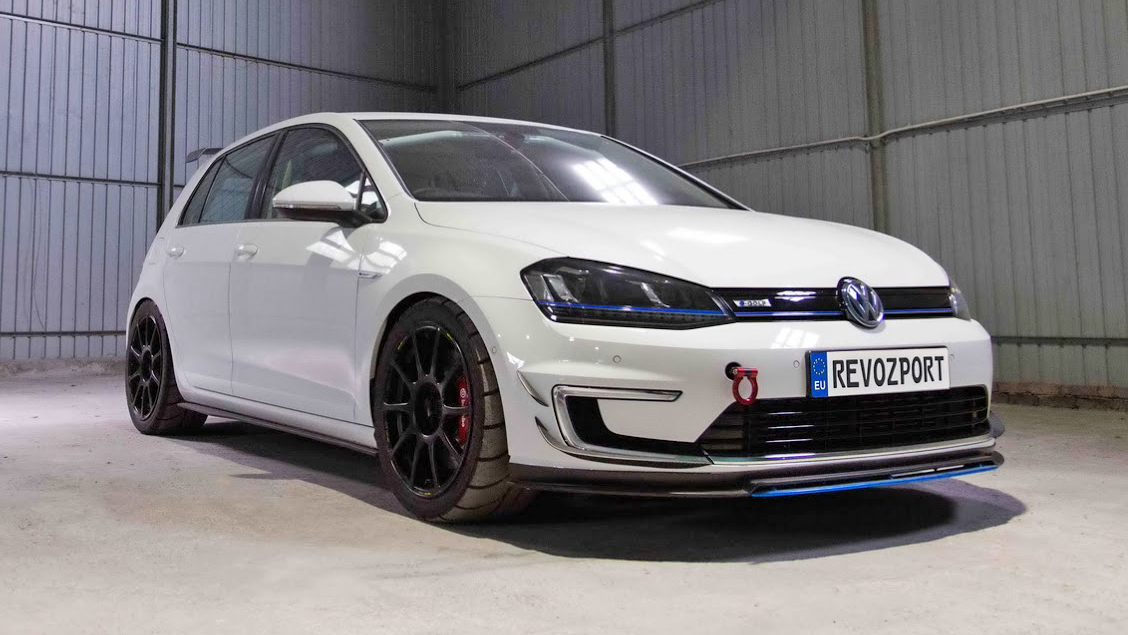
8. Volkswagen e-Golf
The Volkswagen e-Golf represents the German automaker’s careful and methodical approach to electric vehicle development, emphasizing the engineering excellence and build quality that Volkswagen is known for while delivering range retention characteristics that consistently impress owners and industry experts alike.
As an electric adaptation of the popular Golf platform, the e-Golf benefits from decades of automotive engineering expertise applied to electric propulsion.
Volkswagen’s approach to the e-Golf prioritized integration and refinement over maximum range or performance, resulting in a sophisticated electric vehicle that feels like a natural evolution of the conventional Golf rather than a compromise.
The vehicle’s 24.2kWh (later increased to 35.8kWh) lithium-ion battery pack features German engineering precision in its thermal management and Battery Management System, ensuring optimal performance and longevity across a wide range of operating conditions.
The e-Golf’s battery thermal management system utilizes liquid cooling with sophisticated temperature control algorithms that maintain optimal cell temperatures during charging, driving, and parking.
The system’s precision and reliability reflect Volkswagen’s engineering philosophy of over-engineering critical components to ensure long-term reliability. This approach has proven highly effective at preventing the thermal stress that can accelerate battery degradation in less sophisticated systems.
Volkswagen’s Battery Management System in the e-Golf represents some of the most conservative and reliable battery management protocols in the industry.
The system continuously monitors individual cell performance and adjusts charging and discharging parameters to ensure balanced operation and minimal stress on the battery pack. This conservative approach prioritizes longevity over maximum performance, resulting in excellent real-world range retention.
The e-Golf’s regenerative braking system is calibrated for European driving conditions, providing effective energy recovery while maintaining the refined driving experience that Volkswagen customers expect.
The system’s smooth operation and intelligent calibration reduce battery stress while providing meaningful range extension, contributing to both daily usability and long-term battery health.
Real-world e-Golf owners consistently report range retention that exceeds expectations, with most vehicles maintaining over 90% of their original capacity even after years of regular use.
Volkswagen’s warranty coverage and extensive service network provide additional confidence for buyers, while the vehicle’s proven reliability record makes it an excellent choice for buyers seeking a refined, long-lasting electric vehicle with predictable performance characteristics.
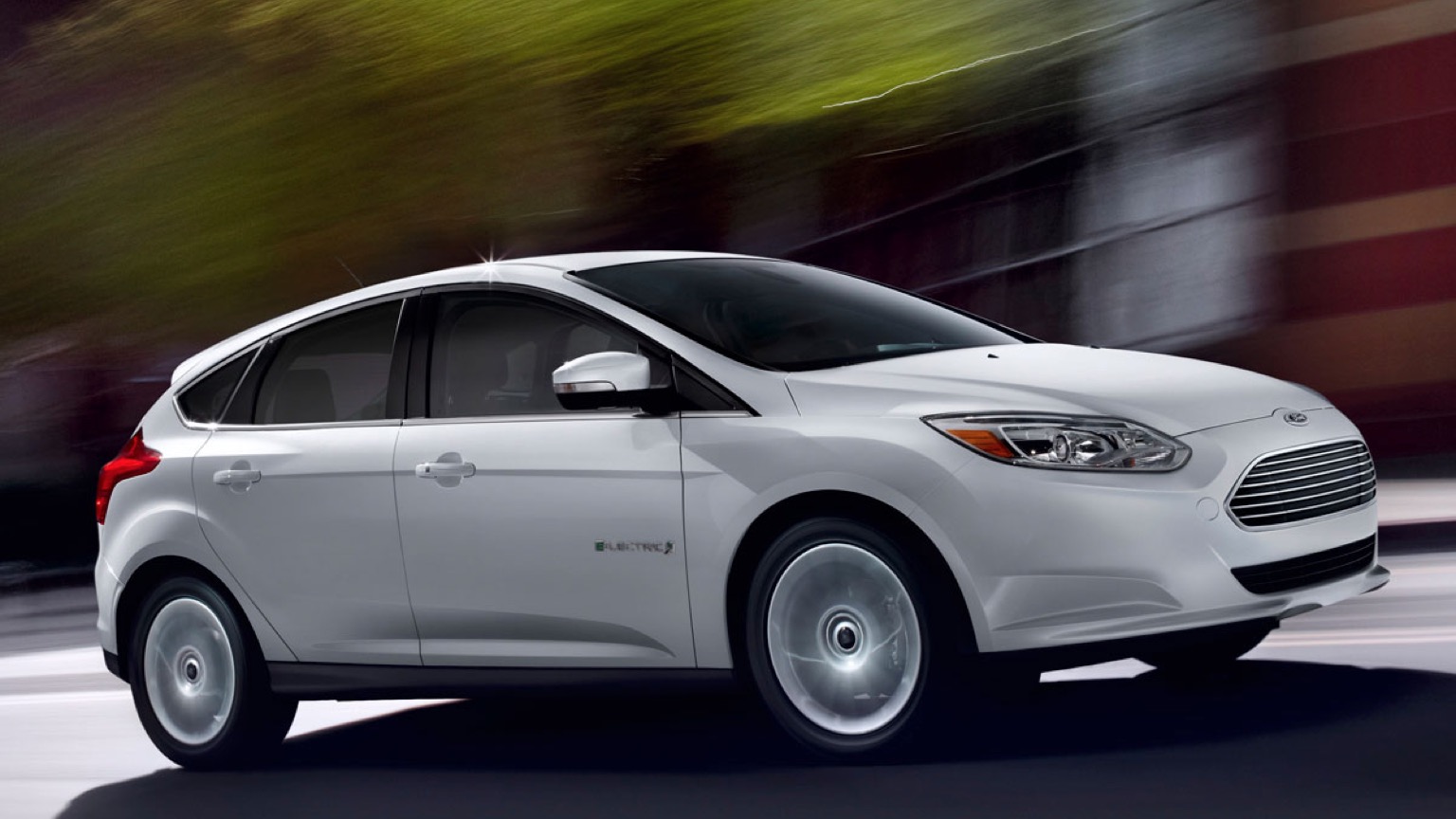
9. Ford Focus Electric
The Ford Focus Electric, while not the most successful EV in terms of sales numbers, has demonstrated surprisingly robust range retention characteristics that make it an interesting option in the used EV market.
Ford’s conservative approach to electric vehicle development resulted in a battery system that prioritizes reliability and longevity, often delivering better long-term performance than its modest specifications might suggest.
Ford’s engineering approach to the Focus Electric emphasized safety and reliability over maximum performance, resulting in a 23kWh (later increased to 33.5kWh) lithium-ion battery pack with sophisticated thermal management and conservative operating parameters.
The vehicle’s Battery Management System reflects Ford’s decades of experience with automotive electronics, providing reliable monitoring and control that helps ensure long-term battery health.
The Focus Electric’s battery thermal management system utilizes liquid cooling with active temperature regulation that maintains optimal operating conditions across a wide range of environmental situations.
Ford’s conservative approach to thermal management prevents the aggressive cooling strategies that can sometimes stress battery systems, instead focusing on consistent, gentle temperature control that promotes long-term cell health and capacity retention.
Ford’s Battery Management System in the Focus Electric features some of the most conservative charging and discharging protocols in the industry, prioritizing battery longevity over maximum power output or fast charging capabilities.
While this conservative approach limits the vehicle’s performance compared to more aggressive competitors, it has proven highly effective at maintaining battery capacity over extended ownership periods.
The Focus Electric’s regenerative braking system provides moderate energy recovery with smooth, predictable operation that reduces battery stress while extending daily range.
The system’s calibration reflects Ford’s focus on providing a conventional driving experience while still capturing the efficiency benefits of electric propulsion. This balanced approach contributes to both driver satisfaction and long-term battery health.
Real-world Focus Electric owners often report better range retention than expected, with many vehicles maintaining practical daily driving capability even after years of use.
While Ford’s limited warranty coverage for the Focus Electric reflects the vehicle’s experimental nature within Ford’s lineup, the actual long-term reliability has proven better than many buyers anticipated, making well-maintained used Focus Electrics potentially attractive options for budget-conscious EV buyers.
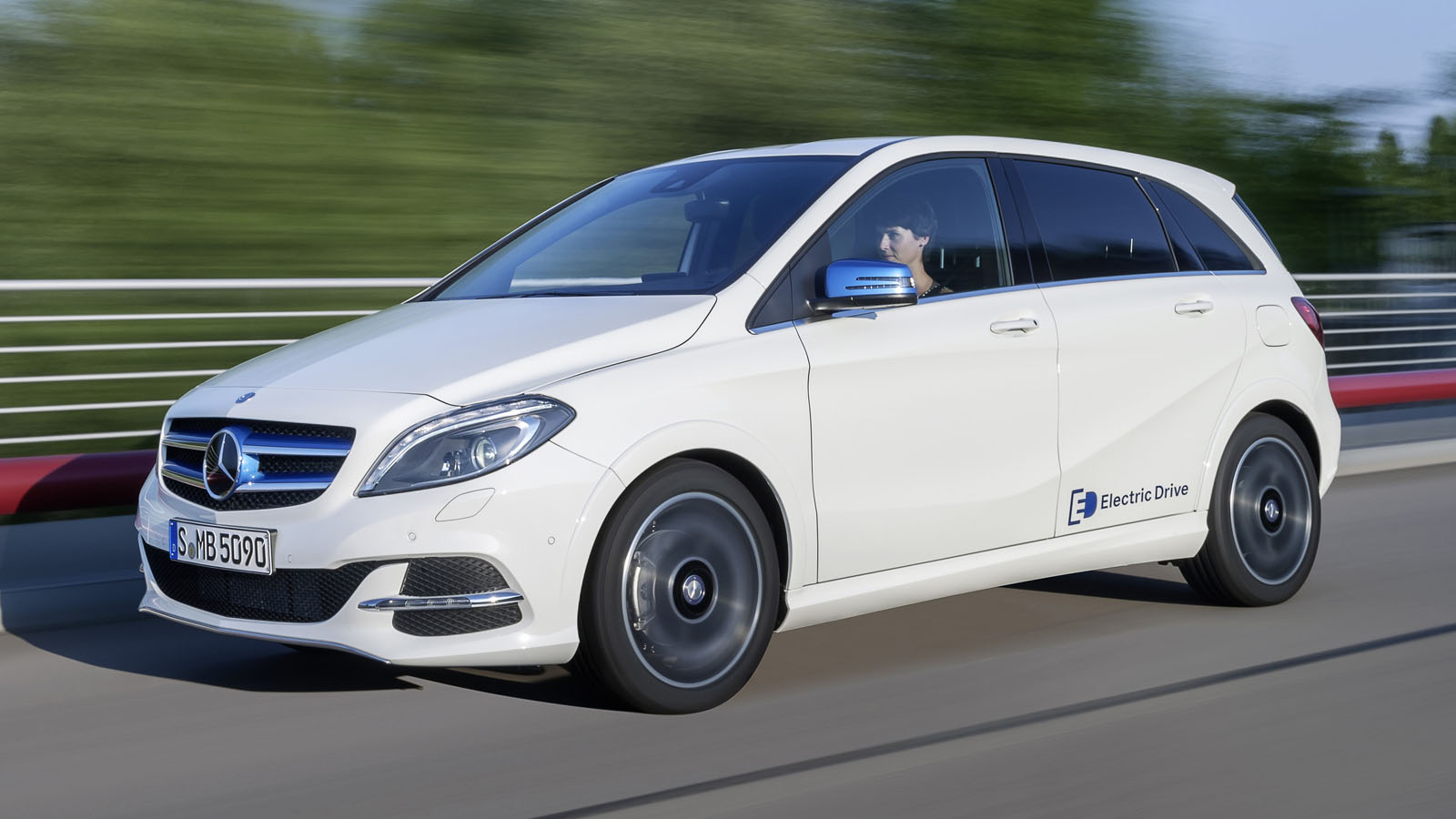
10. Mercedes-Benz B-Class Electric Drive
The Mercedes-Benz B-Class Electric Drive represents the luxury automaker’s first serious attempt at a mass-market electric vehicle, and despite its limited production run and modest specifications, the vehicle has demonstrated excellent range retention characteristics that reflect Mercedes-Benz’s commitment to engineering excellence and long-term reliability.
Mercedes-Benz approached the B-Class Electric Drive as a learning platform for electric vehicle technology while maintaining the luxury and refinement expectations of their traditional customers.
The vehicle’s 28kWh lithium-ion battery pack features sophisticated thermal management and a precision-engineered Battery Management System that prioritizes smooth, reliable operation over maximum performance, resulting in excellent long-term capacity retention.
The B-Class Electric Drive’s battery thermal management system incorporates Mercedes-Benz’s expertise in climate control and thermal regulation, providing precise temperature control that maintains optimal battery conditions across a wide range of operating scenarios.
The system’s sophistication and reliability reflect the luxury engineering approach that characterizes all Mercedes-Benz vehicles, ensuring that battery performance remains consistent over extended ownership periods.
Mercedes-Benz’s Battery Management System in the B-Class Electric Drive features some of the most sophisticated monitoring and control algorithms available in early-generation EVs.
The system continuously analyzes battery performance and adjusts operating parameters to ensure optimal cell balance and minimal degradation, resulting in range retention that often exceeds industry averages for vehicles of similar vintage.
Real-world B-Class Electric Drive owners consistently report excellent range retention, with most vehicles maintaining over 85% of their original capacity even after years of regular use.
While Mercedes-Benz’s warranty coverage for the B-Class Electric Drive was relatively conservative, the actual long-term reliability has proven excellent, making well-maintained used examples attractive options for buyers seeking luxury EV experience with proven long-term dependability.
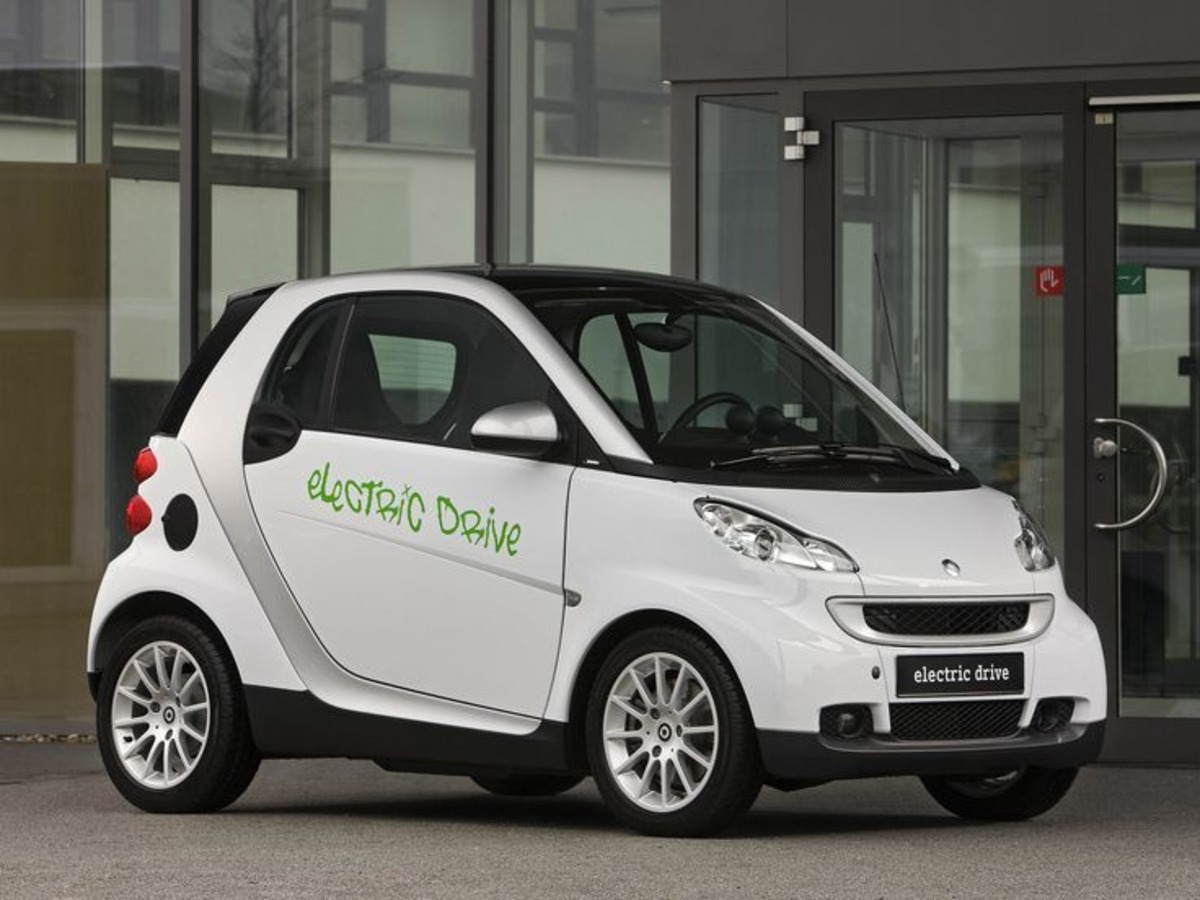
11. Smart ForTwo Electric Drive
The Smart ForTwo Electric Drive, despite its tiny size and urban-focused design, has demonstrated remarkably good range retention characteristics that make it an excellent choice for city dwellers seeking reliable, long-term electric transportation.
Smart’s approach to electric vehicle development prioritized efficiency and reliability over maximum range, resulting in a battery system that consistently maintains its capacity over extended use.
Smart’s engineering approach to the ForTwo Electric Drive emphasized maximizing the efficiency of every component, resulting in a 17.6kWh lithium-ion battery pack that delivers impressive real-world performance despite its modest capacity.
The vehicle’s sophisticated Battery Management System and conservative operating parameters ensure that the small battery pack maintains its capacity effectively over time, providing consistent daily transportation capability.
The ForTwo Electric Drive’s battery thermal management system is particularly impressive given the vehicle’s compact size constraints. Smart engineers developed an efficient cooling system that maintains optimal battery temperature while fitting within the vehicle’s space limitations.
This system effectively prevents the thermal stress that can accelerate battery degradation, particularly important in urban environments with frequent stop-and-go driving.
Real-world ForTwo Electric Drive owners consistently report range retention that meets or exceeds expectations, with most vehicles maintaining practical urban driving capability even after years of daily use.
Smart’s warranty coverage and Mercedes-Benz’s service support provide additional confidence, while the vehicle’s proven urban reliability makes it an excellent choice for city dwellers seeking dependable, long-lasting electric transportation.
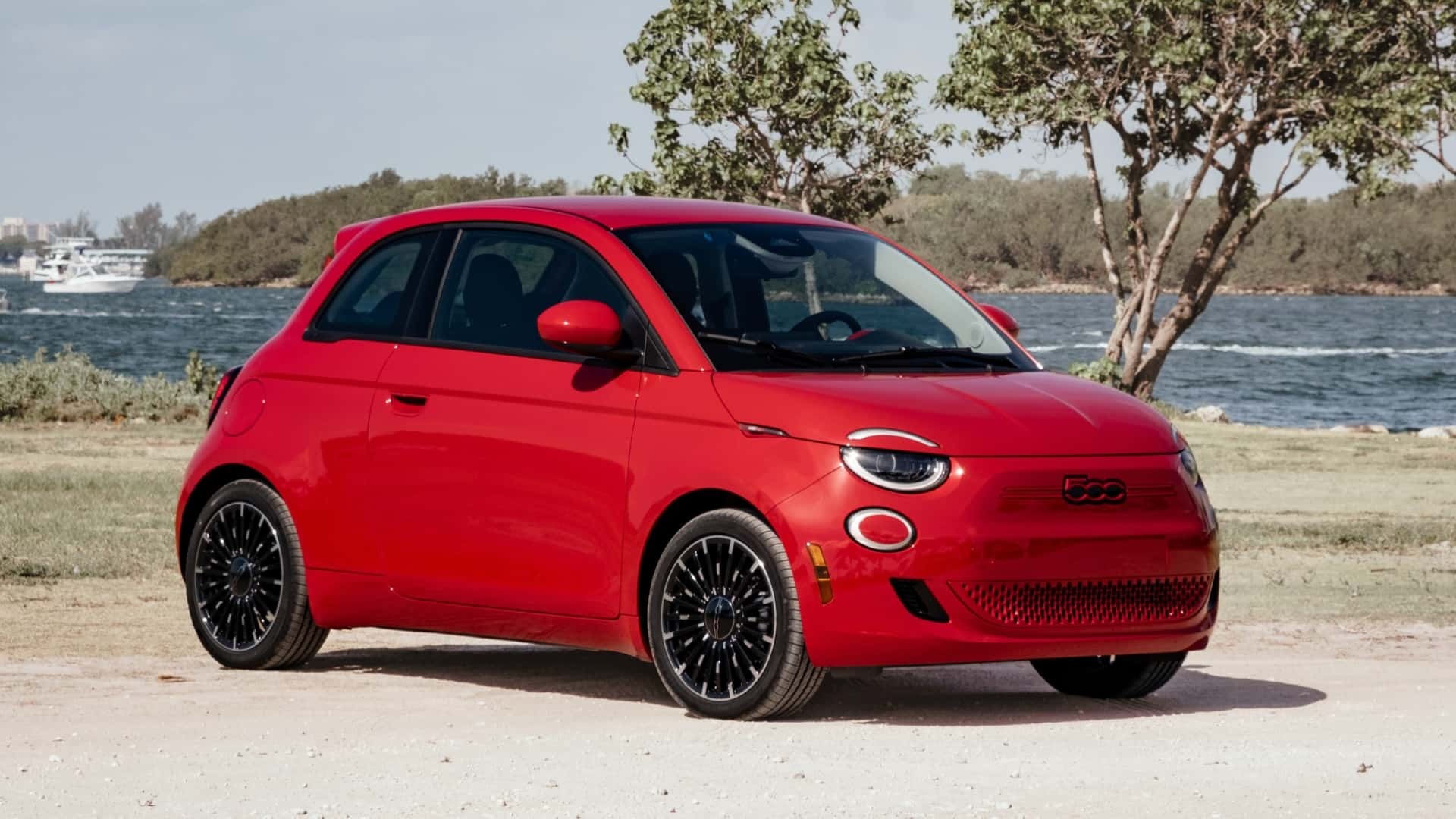
12. Fiat 500e
The Fiat 500e rounds out our list as a compact urban EV that has surprised many owners with its robust range retention characteristics and reliability.
Originally developed primarily for California’s zero-emission vehicle requirements, the 500e has proven that even compliance EVs can deliver excellent long-term battery performance when properly engineered and conservatively managed.
Fiat’s approach to the 500e emphasized simplicity and reliability over cutting-edge technology, resulting in a 24kWh lithium-ion battery pack with straightforward thermal management and conservative operating parameters.
This simple, robust approach has proven highly effective at maintaining battery capacity over time, with many 500e vehicles demonstrating minimal degradation even after years of regular use in various climate conditions.
The 500e’s battery thermal management system utilizes air cooling with intelligent temperature monitoring that maintains adequate battery temperatures without the complexity of liquid cooling systems.
While this approach might seem less sophisticated than liquid-cooled alternatives, its simplicity and reliability have proven effective at preventing thermal stress while minimizing maintenance requirements and potential failure points.
Fiat’s Battery Management System in the 500e features conservative charging and discharging protocols that prioritize battery longevity over maximum performance.
The system’s straightforward operation and reliable monitoring ensure that the battery pack operates within safe parameters while providing consistent daily performance. This conservative approach has contributed significantly to the vehicle’s excellent long-term range retention.
Real-world 500e owners often report better range retention than expected, particularly considering the vehicle’s compliance car origins and competitive pricing in the used market.
While Fiat’s warranty coverage for the 500e was relatively basic, the actual long-term reliability has proven better than many anticipated, making used 500e vehicles potentially excellent values for budget-conscious urban EV buyers seeking proven long-term dependability.
Also Read: Why Owners Won’t Sell Their 300k-Mile SUVs
