
When it comes to SUV ownership, few components are as crucial to both safety and long-term cost-effectiveness as the braking system.
While most drivers focus on engine reliability, fuel economy, or interior comfort when shopping for their next vehicle, the longevity and durability of brake components often get overlooked until it’s time for an expensive replacement.
However, some SUVs stand out from the crowd with braking systems engineered to withstand decades of use, offering exceptional value and peace of mind to their owners.
The difference between a mediocre braking system and an exceptional one isn’t just measured in stopping distance or initial performance it’s in the remarkable ability to maintain consistent performance year after year, mile after mile.
The SUVs featured in this comprehensive guide represent the pinnacle of brake engineering, combining high-quality materials, superior design, and proven manufacturing processes to deliver braking systems that can literally last for decades with proper maintenance.
The SUVs selected for this list have been chosen based on extensive real-world data, manufacturer specifications, owner testimonials, and professional automotive testing.
Each vehicle represents a different approach to achieving exceptional brake longevity, from Toyota’s legendary over-engineering philosophy to German precision manufacturing techniques.
Whether you’re looking for a compact crossover for daily commuting or a full-size SUV for family adventures, you’ll find options that deliver the long-term brake reliability you need.
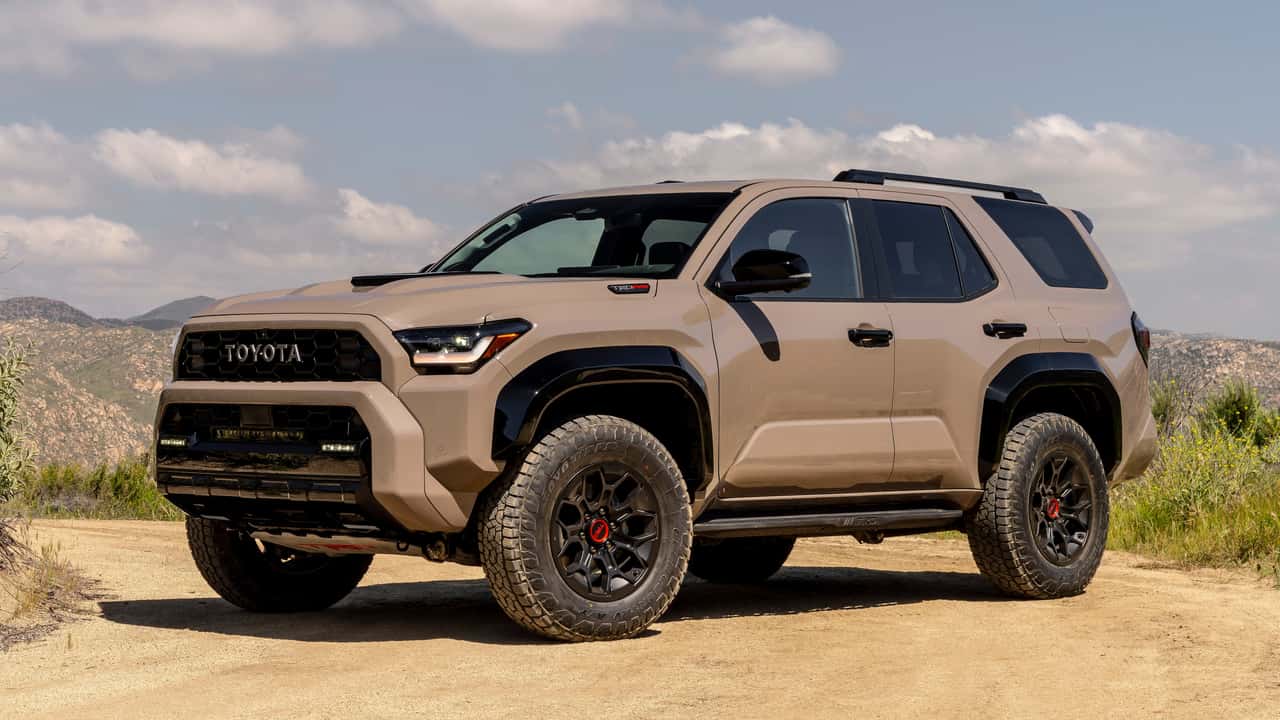
1. Toyota 4Runner
The Toyota 4Runner has earned legendary status among off-road enthusiasts and reliability-conscious buyers, and its braking system is a testament to Toyota’s engineering excellence.
The 2025 model year brings a complete redesign while maintaining the 4Runner’s reputation for reliability, with strong predicted reliability scores. This body-on-frame SUV incorporates a braking system designed to handle extreme conditions while delivering exceptional longevity.
The 4Runner’s brake durability stems from its robust four-wheel disc brake system featuring large, ventilated rotors that excel at heat dissipation. The front rotors measure 12.6 inches in diameter with substantial thickness, while the rear rotors provide 12.2 inches of stopping surface.
This generous sizing means the brakes operate at lower temperatures and stress levels during normal driving, significantly extending component life. The system utilizes high-carbon steel rotors with a specialized coating that resists corrosion and wear, particularly important for vehicles that frequently encounter harsh environments.
Toyota’s brake pad compound selection for the 4Runner represents decades of refinement. The semi-metallic pads incorporate copper-free formulations that provide excellent stopping power while minimizing wear rates.
These pads are specifically engineered to complement the rotor metallurgy, creating an optimal friction partnership that extends the life of both components. The backing plates feature advanced damping materials that reduce noise and vibration while maintaining structural integrity over extended periods.
The 4Runner’s brake system includes Toyota’s advanced electronic brake-force distribution (EBD) and brake assist technologies, which optimize braking performance while reducing unnecessary wear.
The system continuously monitors wheel speed, load distribution, and braking force to ensure each wheel receives the appropriate pressure. This intelligent management prevents overheating and excessive wear patterns that commonly plague other SUVs, particularly during mountain driving or heavy towing situations.
Real-world owner experiences consistently report brake pad life exceeding 60,000 miles, with many reaching 80,000 miles before requiring replacement. The rotors often last through two or even three pad changes, representing exceptional value and reliability.
This longevity is particularly remarkable given that many 4Runner owners use their vehicles for demanding applications like camping, boat towing, and off-road adventures that would quickly wear out lesser braking systems.
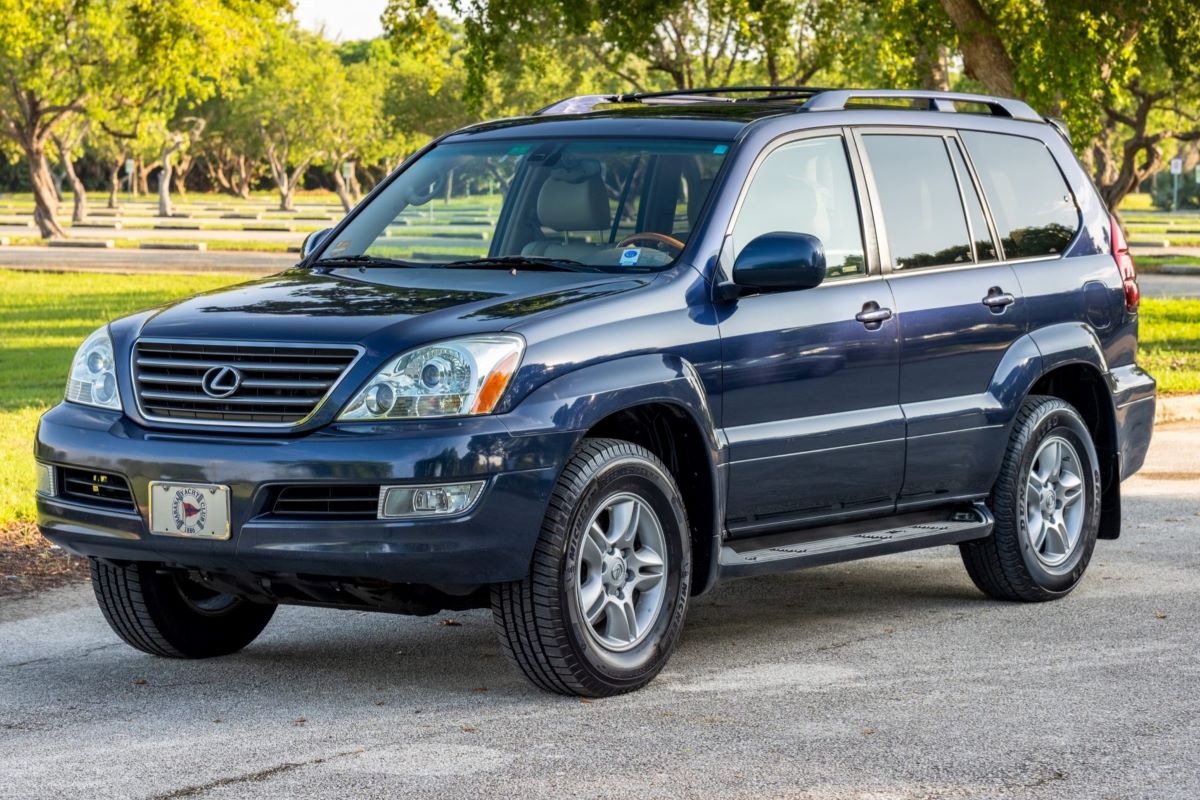
2. Lexus GX 470/GX 460/GX 550
The Lexus GX series represents the luxury evolution of Toyota’s proven Land Cruiser platform, combining premium appointments with industrial-strength reliability.
The braking system exemplifies this philosophy, incorporating the finest materials and manufacturing processes to deliver decades of consistent performance.
Lexus brake systems typically achieve 30,000 to 70,000 miles of service life, surpassing industry averages through superior materials and advanced technology.
The GX’s braking system features massive four-wheel disc brakes with sophisticated ventilation designs optimized for heat management. The front rotors measure 13.2 inches in diameter with curved internal vanes that create superior airflow patterns compared to conventional straight-vane designs.
This advanced ventilation system maintains lower operating temperatures, dramatically extending rotor life while preventing the thermal cycling that causes warping and cracking in lesser systems.
Lexus employs premium brake pad materials specifically formulated for luxury SUV applications. The ceramic-enhanced semi-metallic compounds provide exceptional longevity while maintaining the quiet operation expected in a luxury vehicle.
These pads incorporate advanced fiber reinforcement and proprietary binding agents that resist fade and wear under all driving conditions. The friction material is bonded to precision-machined backing plates using aerospace-grade adhesives that maintain integrity throughout the pad’s extended service life.
The GX’s brake longevity is further enhanced by its comprehensive maintenance monitoring systems. The vehicle continuously tracks brake pad wear, fluid condition, and system performance, providing early warnings before any component reaches critical wear levels.
This proactive approach allows owners to schedule maintenance at optimal intervals, preventing the cascade failures that often occur when brake maintenance is neglected.
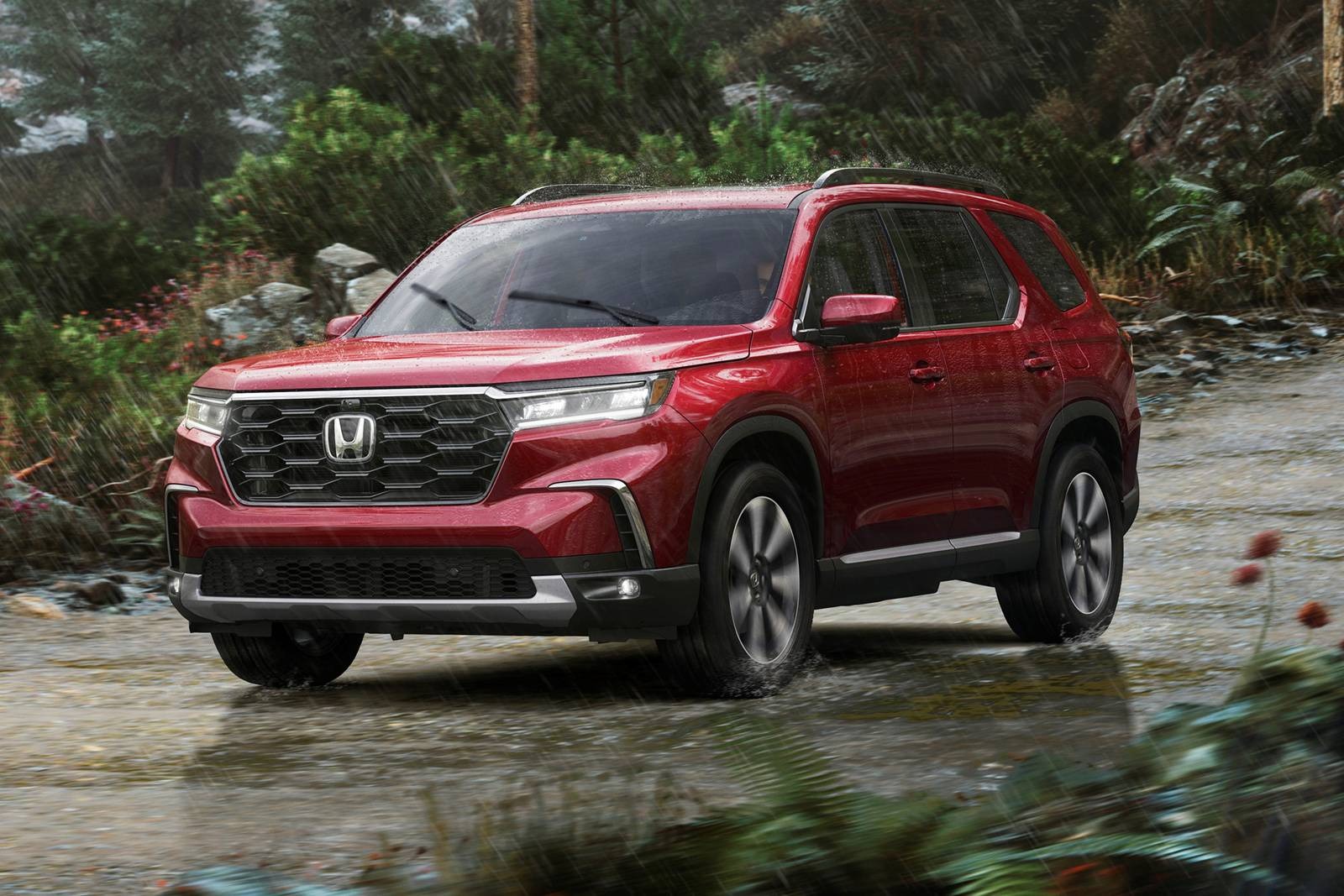
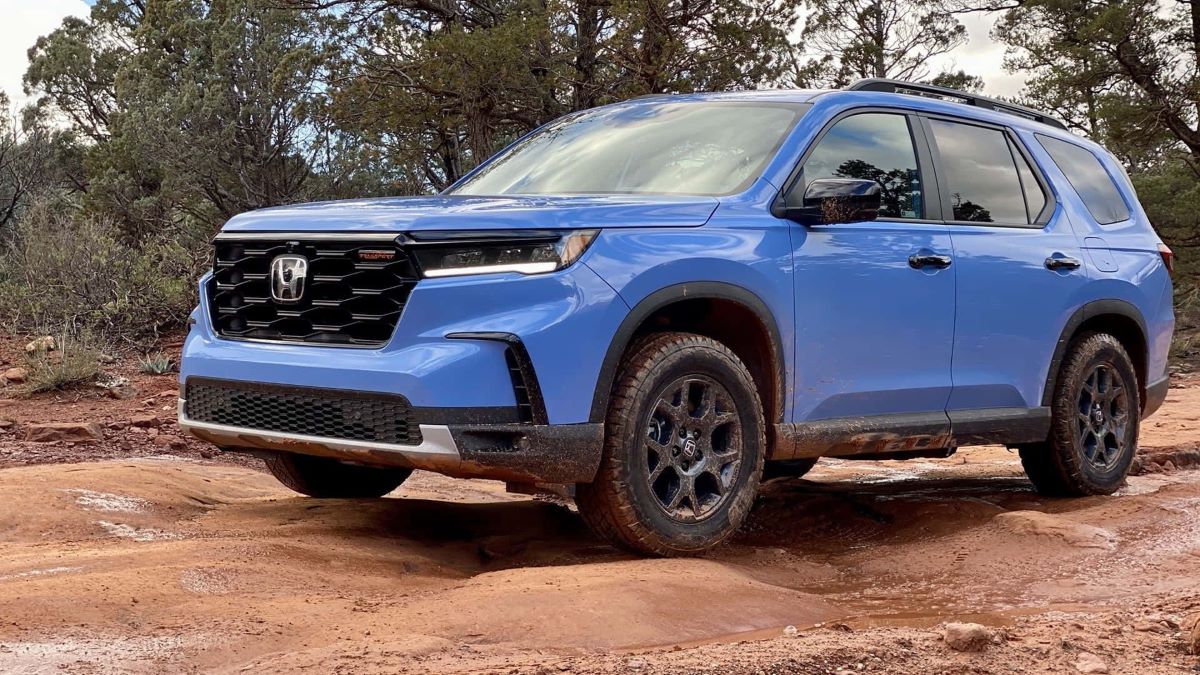
3. Honda Pilot
The Honda Pilot has established itself as a benchmark for family-friendly SUV reliability, and its braking system exemplifies Honda’s commitment to long-term durability and performance.
Through three generations of continuous refinement, the Pilot’s brake system has evolved into one of the most dependable in the three-row SUV segment, consistently delivering exceptional service life while maintaining the safety and performance standards families demand.
Honda’s approach to brake system design in the Pilot emphasizes balanced performance and longevity through careful materials selection and system integration.
The four-wheel disc brake system features generously sized rotors with advanced metallurgy designed to resist wear and thermal stress. The front rotors utilize a sophisticated internal vane structure that promotes efficient heat dissipation while maintaining structural rigidity under repeated thermal cycling.
The Pilot’s brake pad technology represents Honda’s decades of research into friction materials and wear patterns. The semi-metallic pad compound incorporates precisely controlled metal fiber content that provides consistent friction characteristics throughout the pad’s service life.
Unlike many SUV brake pads that experience friction fade as they wear, the Pilot’s pads maintain their stopping power characteristics from first application to final replacement, ensuring consistent pedal feel and braking performance.
Honda’s integration of the Pilot’s braking system with its Vehicle Stability Assist (VSA) and Road Departure Mitigation systems creates a comprehensive safety and longevity package.
The electronic brake distribution system continuously monitors vehicle loading and road conditions, adjusting brake force distribution to prevent excessive wear on any individual component.
This intelligent management system is particularly beneficial for families who frequently carry varying loads or tow recreational equipment. One of the Pilot’s most impressive brake longevity features is its adaptive brake system tuning based on driving patterns.
The vehicle’s computer systems learn individual driving styles and adjust brake assist levels accordingly, reducing unnecessary brake applications while maintaining safety margins.
This intelligent adaptation helps extend brake life while ensuring consistent performance across a wide range of driving conditions and operator techniques.
4. Toyota Highlander
The Toyota Highlander represents the sweet spot in the midsize SUV segment, balancing family practicality with Toyota’s renowned reliability engineering.
The Highlander’s braking system embodies this philosophy, incorporating advanced materials and design features that deliver exceptional longevity without compromising performance or safety.
This careful balance has made the Highlander a favorite among families who value long-term dependability and cost-effectiveness. Toyota’s brake system design for the Highlander focuses on thermal management and materials optimization to achieve maximum component life.
The four-wheel disc system features rotors with specialized internal geometries that promote rapid heat dissipation while maintaining dimensional stability under thermal stress.
The rotor material incorporates advanced carbon content and grain structure control that resists the thermal cracking and warping common in family SUVs subjected to frequent suburban driving cycles.
The Highlander’s brake pad technology represents Toyota’s commitment to environmental responsibility without compromising performance. The copper-free ceramic-enhanced pads provide excellent stopping power while generating minimal dust and noise.
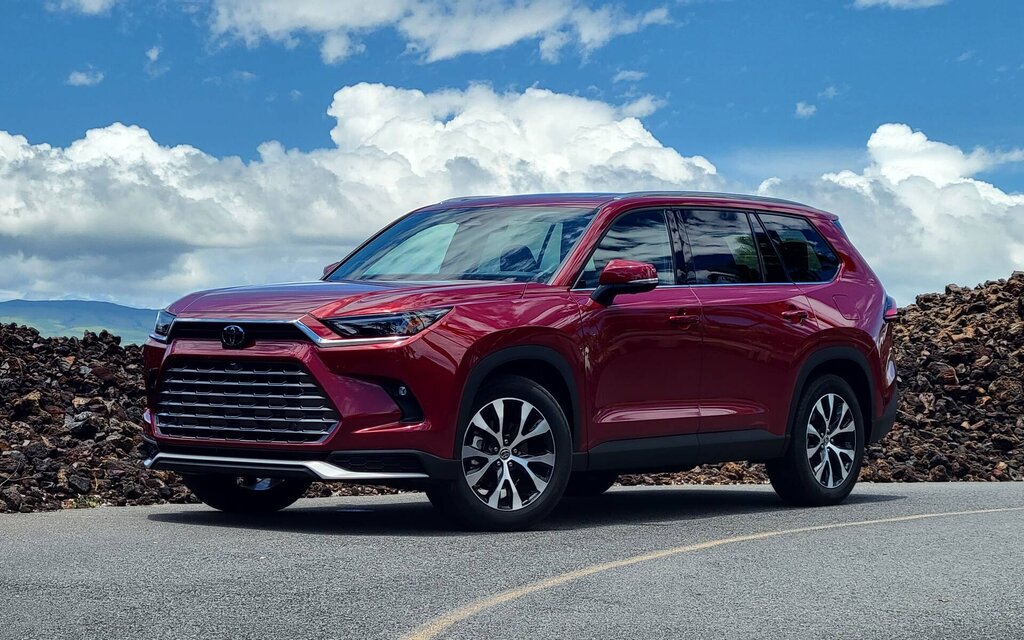
These pads incorporate recycled materials and sustainable manufacturing processes while delivering service lives that often exceed 70,000 miles under normal driving conditions.
The friction material bonding process utilizes advanced thermal curing that creates molecular-level adhesion between the pad material and backing plate.
Real-world Highlander owners consistently report brake system performance that exceeds expectations, with many achieving over 80,000 miles on original brake pads during normal suburban and highway driving.
The system’s ability to maintain consistent pedal feel and stopping distance throughout its service life provides peace of mind for families who depend on their SUV for daily transportation and long-distance travel.
Also Read: 10 Trucks From the ’80s That Are Becoming Collectible
5. Lexus RX Series
The Lexus RX series has defined the luxury SUV segment since its introduction, and its braking system represents the pinnacle of automotive brake engineering.
Combining advanced materials, sophisticated electronic controls, and precision manufacturing, the RX’s brake system delivers the quiet, smooth, and exceptionally long-lasting performance that luxury SUV owners expect.
The RX series consistently achieves brake pad life spans of 30,000 to 70,000 miles through superior materials and engineering. Lexus employs state-of-the-art brake rotor technology in the RX series, featuring premium cast iron rotors with advanced metallurgy and surface treatments.
The rotors incorporate directional cooling vanes with computer-optimized geometries that maximize heat dissipation while minimizing weight. The rotor surfaces receive specialized machining and coating processes that reduce initial break-in time while establishing optimal friction characteristics that persist throughout the component’s extended service life.
The RX’s brake pad technology represents decades of luxury automotive development, incorporating premium materials and manufacturing processes that justify the vehicle’s luxury positioning.

The ceramic-enhanced pads utilize advanced binder systems and reinforcement materials that provide exceptional longevity while maintaining the quiet operation essential in luxury vehicles.
The pads incorporate noise-dampening technologies and vibration-canceling designs that eliminate the squealing and grinding commonly associated with high-performance brake systems.
Lexus’s attention to brake system serviceability and maintenance in the RX series reflects the brand’s understanding of luxury ownership expectations. The brake components are designed for extended service intervals with predictable wear patterns that allow accurate maintenance planning.
The vehicle’s comprehensive monitoring systems provide detailed brake system status information, enabling proactive maintenance that maximizes component life while ensuring optimal safety and performance.
6. Acura MDX
The Acura MDX represents Honda’s luxury SUV engineering expertise, incorporating advanced brake technologies that deliver exceptional performance and longevity.
As Honda’s flagship three-row SUV, the MDX features a sophisticated braking system that combines precision engineering with practical durability, making it an ideal choice for families who demand both luxury amenities and long-term reliability from their vehicle’s safety systems.
Acura’s brake system design philosophy for the MDX emphasizes balanced performance across all driving conditions while maximizing component service life.
The four-wheel disc brake system features large-diameter rotors with advanced internal vane structures that promote efficient heat dissipation during both normal driving and emergency braking situations.
The rotor metallurgy incorporates high-carbon steel compositions with controlled grain structures that resist thermal distortion while maintaining consistent friction surfaces throughout extended service periods.
The MDX’s brake pad technology represents Acura’s commitment to premium performance and environmental responsibility. The low-metallic pads incorporate advanced ceramic reinforcements and copper-free formulations that provide excellent stopping power while generating minimal dust and noise.
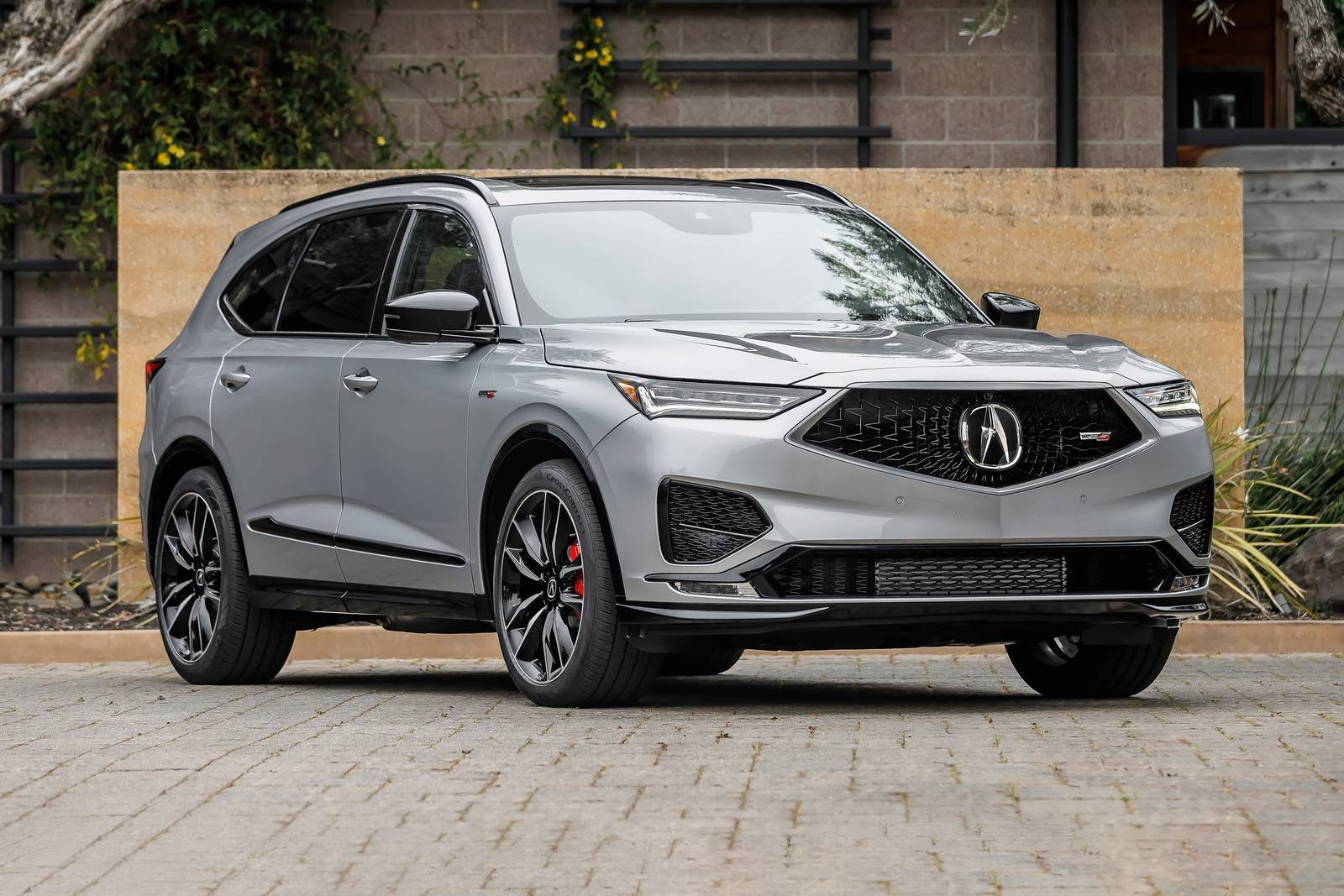
These pads utilize proprietary friction material compositions that maintain consistent performance characteristics as they wear, ensuring that braking feel and effectiveness remain unchanged throughout the pad’s service life.
Acura’s integration of the MDX’s braking system with its comprehensive suite of safety technologies creates a synergistic relationship that enhances both safety and component longevity.
The AcuraWatch safety package includes collision mitigation braking that works seamlessly with the base brake hardware to prevent accidents while minimizing system stress.
The adaptive cruise control system reduces unnecessary brake applications during highway driving, contributing to extended brake life while improving fuel economy and driving comfort.
One of the MDX’s most impressive brake system attributes is its consistent performance across the vehicle’s intended operating range. Whether loaded with passengers and cargo for a family vacation or running empty during daily commuting, the brake system maintains identical pedal feel and stopping performance.
This consistency is achieved through sophisticated electronic brake force distribution algorithms that automatically adjust system parameters based on real-time vehicle conditions.
7. Toyota Sequoia
The Toyota Sequoia stands as Toyota’s flagship full-size SUV, incorporating industrial-grade brake components designed to handle the demands of heavy-duty family and commercial use.
Built on Toyota’s proven truck platform, the Sequoia’s braking system represents decades of commercial vehicle development experience translated into family SUV applications. This heritage results in exceptional brake longevity and reliability that surpasses virtually all competitors in the full-size SUV segment.
Toyota’s brake system engineering for the Sequoia emphasizes maximum durability and consistent performance under extreme loading conditions.
The massive four-wheel disc brake system features oversized rotors with advanced cooling fin designs optimized for sustained heavy-duty operation.
The front rotors measure over 13 inches in diameter with substantial thickness margins that allow multiple resurfacing operations throughout their service life, significantly extending the interval between rotor replacements.
The Sequoia’s brake pad technology incorporates commercial vehicle-grade materials and manufacturing processes that provide exceptional service life even under demanding conditions.
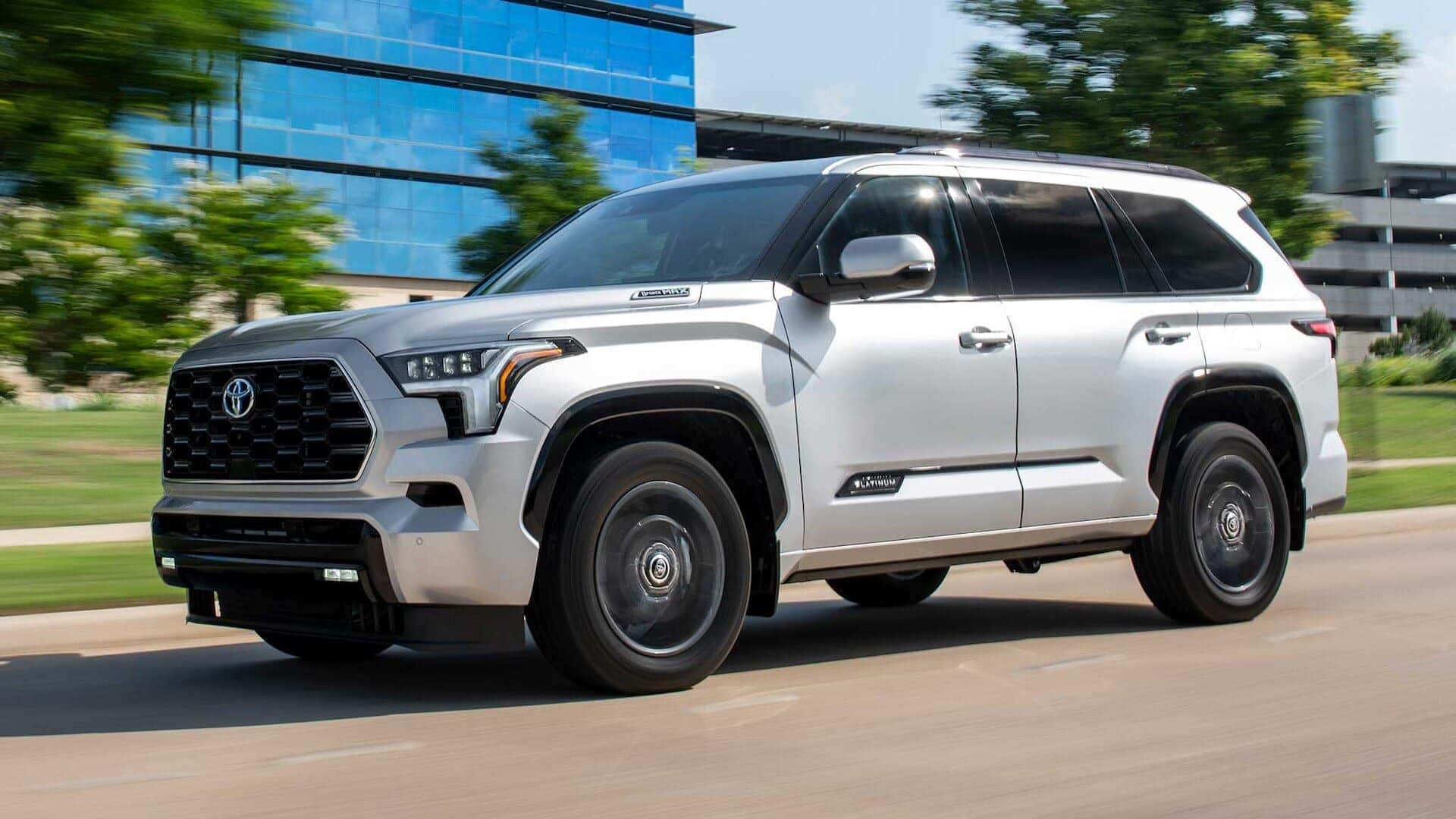
The semi-metallic pad compounds utilize high-temperature binders and reinforcement materials that maintain structural integrity during the repeated heating and cooling cycles common in heavy-duty applications.
These pads are specifically formulated to provide consistent friction characteristics whether the vehicle is loaded to capacity or running empty. Real-world Sequoia owners consistently report brake performance that exceeds expectations, with many achieving over 100,000 miles on original brake pads during normal mixed driving.
Even under heavy towing and commercial use conditions, the Sequoia’s brake system typically delivers service intervals that are 50-100% longer than competitive full-size SUVs, representing substantial cost savings and improved vehicle availability for owners who depend on their SUV for work applications.
8. Honda Ridgeline
While technically classified as a pickup truck, the Honda Ridgeline’s unibody construction and SUV-like driving characteristics make it a relevant inclusion in discussions of long-lasting brake systems.
The Ridgeline represents Honda’s unique approach to truck design, incorporating advanced brake technologies typically reserved for premium SUVs while maintaining the utility and capability that truck buyers demand. This combination results in exceptional brake longevity and performance.
Honda’s brake system design for the Ridgeline emphasizes versatility and durability across a wide range of operating conditions. The four-wheel disc system features appropriately sized rotors with advanced internal geometries that balance heat dissipation requirements with weight optimization.
The rotor materials incorporate controlled metallurgy that provides excellent thermal stability while resisting the corrosion and 3wear common in utility vehicles exposed to harsh operating environments.
The Ridgeline’s brake pad technology represents Honda’s most advanced friction material development, incorporating lessons learned from both automotive and commercial vehicle applications.
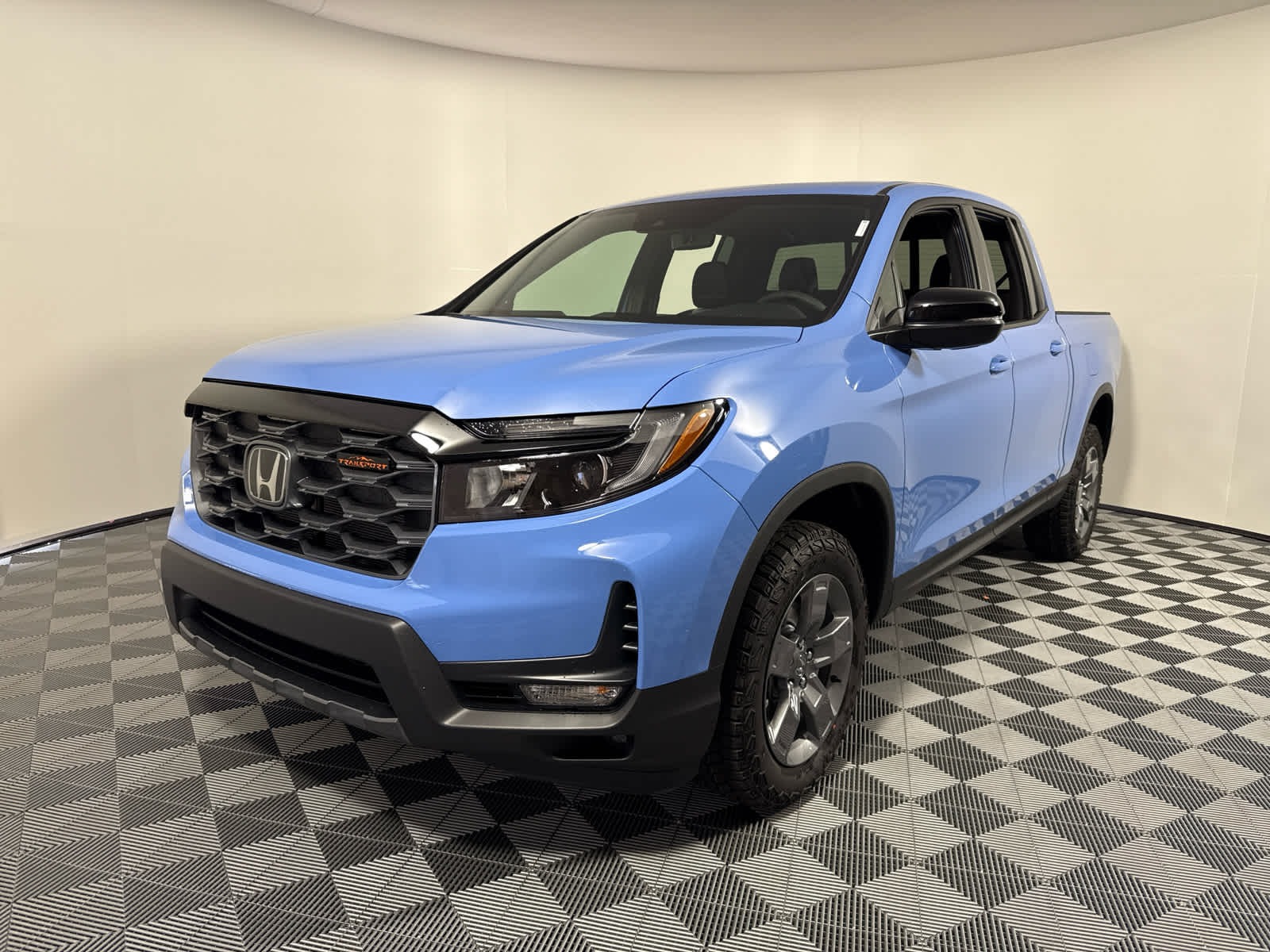
The low-metallic pad compounds provide excellent stopping power while generating minimal dust and noise, important considerations for vehicles that often serve dual roles as family transportation and work trucks.
These pads maintain consistent performance characteristics throughout their extended service life, ensuring predictable braking behavior regardless of load or operating conditions.
Honda’s integration of the Ridgeline’s brake system with its comprehensive safety and towing technologies creates a highly capable and long-lasting package.
The integrated trailer brake controller and Vehicle Stability Assist system work together to optimize braking performance while protecting system components from excessive wear.
The electronic brake distribution system continuously monitors vehicle loading and automatically adjusts brake force distribution to ensure optimal performance and component life.
One of the Ridgeline’s most impressive brake system characteristics is its ability to maintain consistent performance across its intended operating envelope.
Whether used as a daily commuter vehicle or loaded to capacity for camping or work applications, the brake system delivers identical pedal feel and stopping distance.
This consistency is particularly valuable for owners who use their Ridgeline for diverse applications and need predictable brake performance in all situations.
9. Lexus GV 470
The Lexus GV 470, based on the proven Toyota 4Runner platform, represents the luxury evolution of one of the most reliable SUV platforms ever developed.
The GV 470’s braking system incorporates premium materials and advanced technologies while maintaining the fundamental durability that has made its mechanical foundation legendary among SUV enthusiasts. This combination results in a brake system that delivers luxury-grade refinement with commercial-grade longevity.
Many owners achieve over 70,000 miles on original brake pads while maintaining the quiet, smooth operation that defines luxury vehicle ownership.
The system’s ability to transition seamlessly between highway cruising and challenging off-road conditions without compromising longevity makes the GV 470 unique in the luxury SUV market.
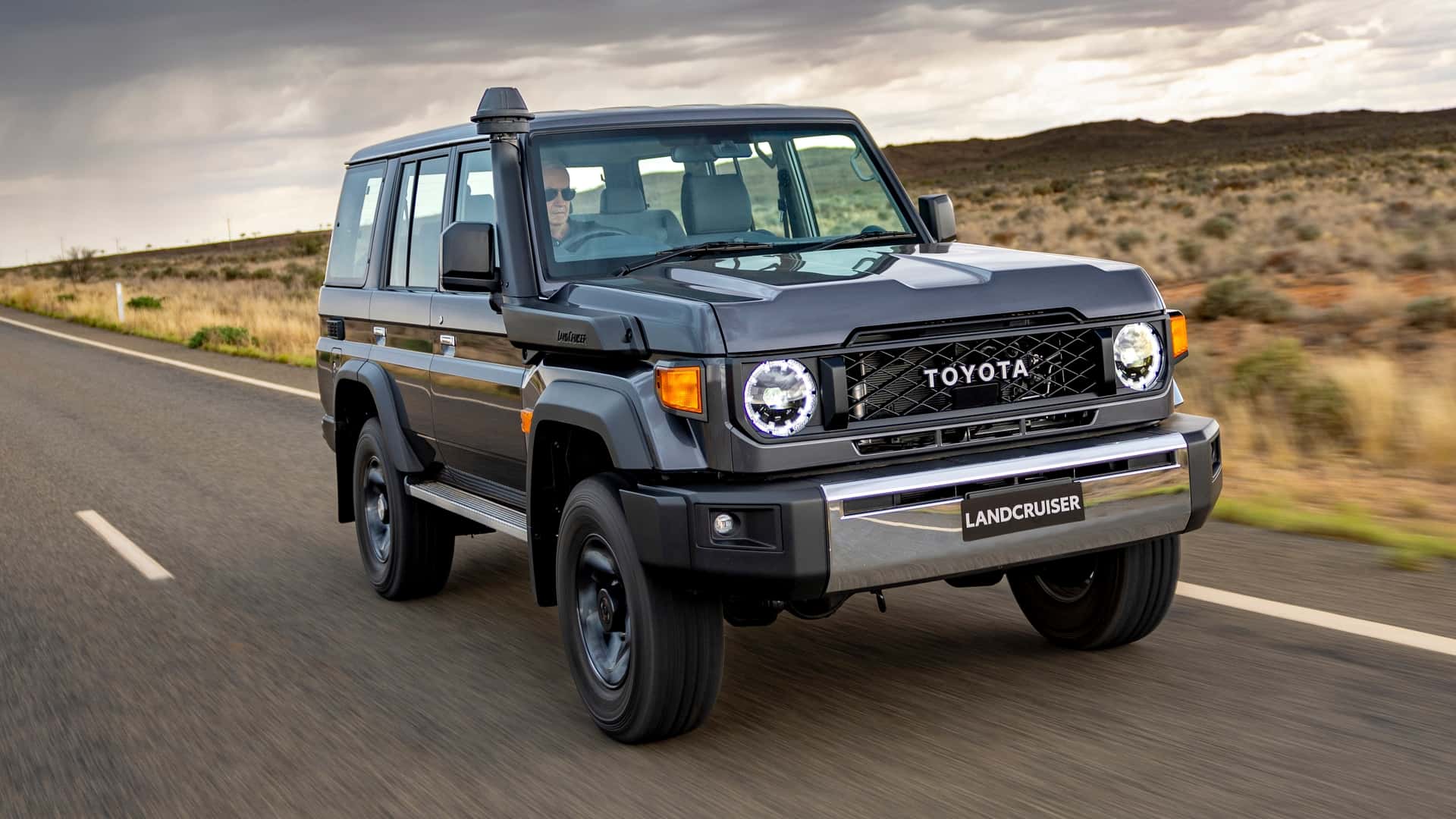
10. Toyota Land Cruiser
The Toyota Land Cruiser represents the pinnacle of SUV engineering and reliability, with a braking system designed to provide decades of dependable service under the most challenging conditions imaginable.
As Toyota’s flagship SUV and one of the most capable off-road vehicles ever produced, the Land Cruiser’s brake system must meet requirements that far exceed those of typical family SUVs while maintaining the refinement expected in a premium vehicle.
Toyota’s brake system design for the Land Cruiser incorporates commercial vehicle-grade components and materials specifically selected for maximum durability and reliability.
The massive four-wheel disc system features oversized rotors with advanced cooling fin configurations that maintain appropriate operating temperatures during extreme use conditions.
The rotor metallurgy utilizes high-carbon steel compositions with controlled grain structures that resist thermal cracking and dimensional instability even under repeated severe thermal cycling.
The Land Cruiser’s brake pad technology represents Toyota’s most advanced friction material development, incorporating lessons learned from decades of commercial vehicle and off-road racing applications.
The semi-metallic pad compounds utilize high-temperature stable binders and reinforcement materials that maintain structural integrity during the extreme temperature variations common in desert and mountain driving.
These pads are specifically formulated to provide consistent friction characteristics across temperature ranges that would cause other brake materials to fade or fail.
Toyota’s integration of the Land Cruiser’s brake system with its comprehensive four-wheel drive and terrain management systems creates unparalleled capability and component protection.
The crawl control, multi-terrain select, and downhill assist systems work together to minimize brake dependence during challenging off-road conditions while maintaining precise speed control.
This intelligent system integration prevents the brake overheating and excessive wear that commonly occurs when other SUVs attempt similar terrain.
One of the Land Cruiser’s most remarkable brake system characteristics is its consistent performance regardless of operating conditions or vehicle loading.
Whether going through stop-and-go city traffic or descending steep mountain grades with a full load and trailer, the brake system maintains identical pedal feel and stopping distance.
This consistency, combined with service intervals that often exceed 100,000 miles, makes the Land Cruiser’s brake system legendary among serious SUV users worldwide.
11. Acura RDX
The Acura RDX represents Honda’s entry into the luxury compact SUV segment, incorporating advanced brake technologies that deliver premium performance with exceptional longevity.
As Acura’s best-selling SUV, the RDX must satisfy luxury buyers’ expectations for refinement while providing the durability and reliability that Honda products are known for. The result is a brake system that excels in both daily driving comfort and long-term dependability.
Acura’s brake system design for the RDX emphasizes precision engineering and materials optimization to achieve luxury-grade performance with extended service life.
The four-wheel disc system features appropriately sized rotors with advanced internal vane structures that promote efficient heat dissipation while maintaining dimensional stability under thermal stress.
The rotor materials incorporate premium metallurgy with controlled carbon content that provides excellent wear resistance while maintaining consistent friction surfaces throughout extended service periods.
The RDX’s brake pad technology represents Acura’s commitment to environmental responsibility and luxury vehicle refinement. The low-metallic ceramic-enhanced pads provide exceptional stopping power while generating minimal dust and operating quietly throughout their service life.

These pads incorporate advanced friction material compositions that maintain consistent performance characteristics as they wear, ensuring that luxury SUV buyers experience unchanging brake feel and effectiveness from installation to replacement.
Real-world RDX owners consistently report brake system performance that meets or exceeds luxury segment expectations, with many achieving over 60,000 miles on original brake pads during typical suburban and highway driving.
The system’s combination of luxury-grade refinement and Honda-level durability provides exceptional value for luxury SUV buyers who want both premium performance and long-term reliability from their vehicle’s safety systems.
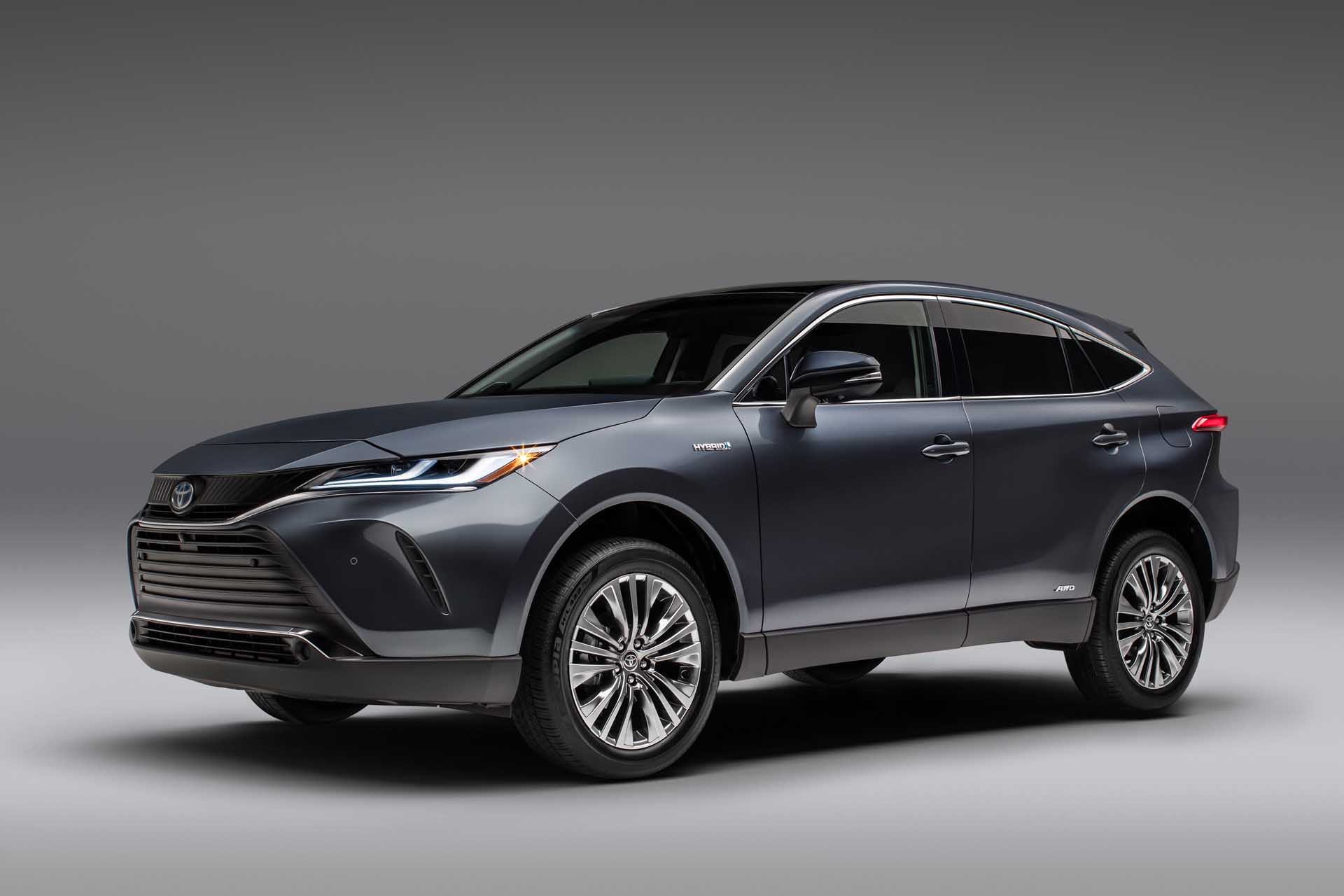
12. Toyota Venza
The Toyota Venza represents Toyota’s interpretation of the crossover SUV concept, blending car-like driving characteristics with SUV versatility while incorporating Toyota’s legendary reliability engineering.
The Venza’s braking system embodies this philosophy, providing refined performance with exceptional longevity that appeals to buyers seeking both sophistication and practical long-term value in their SUV choice.
Toyota’s brake system design for the Venza focuses on optimization for the vehicle’s intended use patterns, incorporating appropriately sized components with advanced materials that provide excellent service life under typical crossover driving conditions.
The four-wheel disc system features rotors with sophisticated internal geometries that balance heat dissipation requirements with weight optimization, contributing to both performance and fuel economy while ensuring long component life.
The Venza’s brake pad technology represents Toyota’s most advanced friction material development for crossover applications, incorporating environmentally responsible materials that provide excellent performance without compromising longevity.
The low-metallic pad compounds utilize advanced ceramic reinforcements that provide consistent stopping power while generating minimal dust and noise. These pads maintain their friction characteristics throughout their extended service life, ensuring predictable braking behavior for the duration of their use.
Toyota’s integration of the Venza’s brake system with its comprehensive Toyota Safety Sense 2.0 package creates a highly effective safety and longevity system.
The pre-collision system and automatic emergency braking work intelligently with the base brake hardware to prevent accidents while minimizing unnecessary system stress.
The integration provides graduated brake assistance that supplements driver input without creating the abrupt applications that can accelerate brake wear in automated systems.
Real-world Venza owners consistently report brake system performance that exceeds expectations for the crossover segment, with many achieving over 70,000 miles on original brake pads during normal suburban and highway driving.
The system’s ability to provide consistent performance while maintaining Toyota’s reputation for reliability makes the Venza an excellent choice for buyers who prioritize long-term value and dependability in their crossover SUV selection.
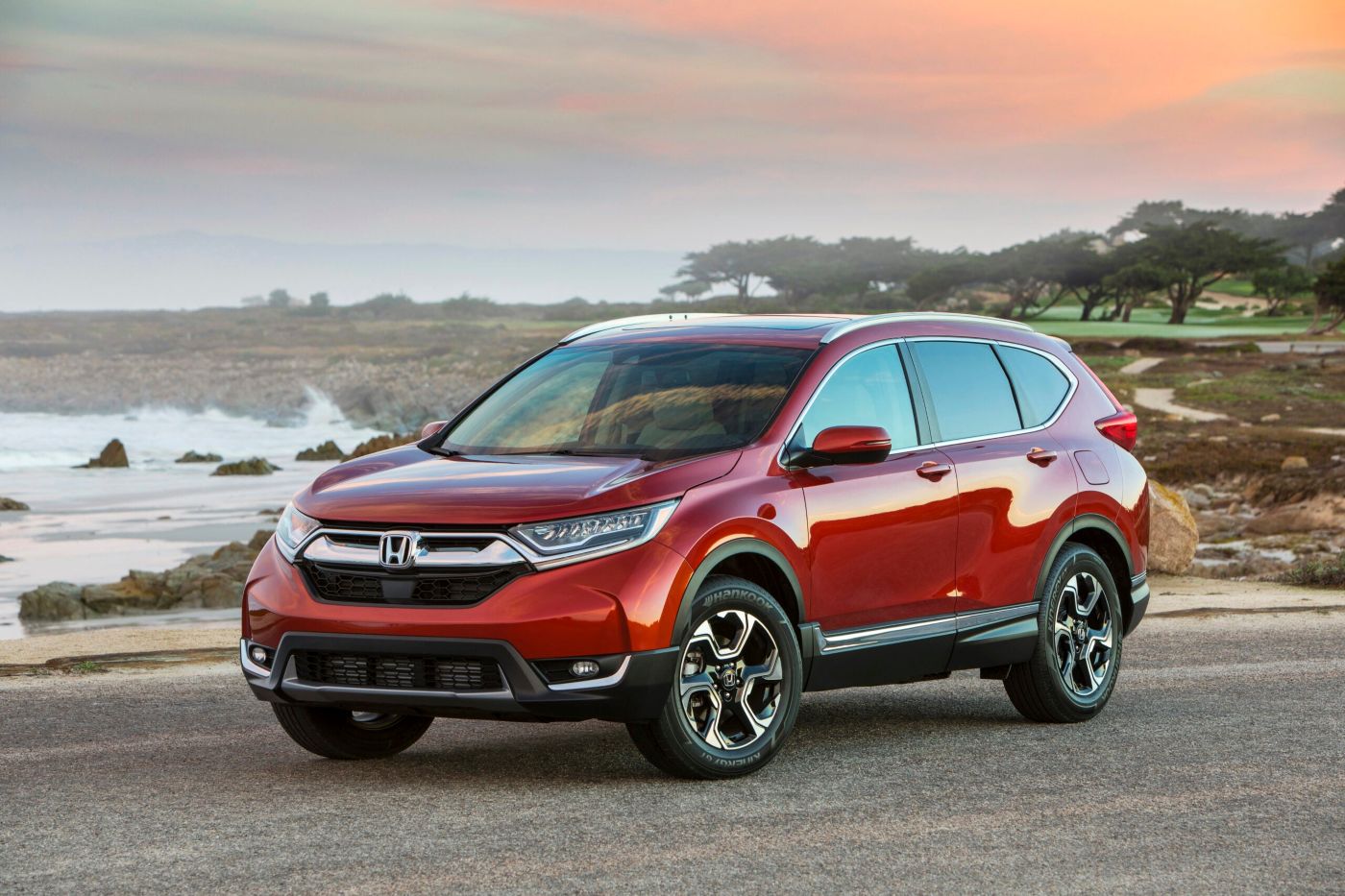
13. Honda CR-V
The Honda CR-V has dominated the compact SUV segment for decades, and its braking system represents Honda’s commitment to providing exceptional reliability and longevity in an affordable package.
As one of America’s best-selling SUVs, the CR-V must deliver consistent performance across a wide range of operating conditions while maintaining the durability that Honda customers expect.
The result is a brake system that sets the standard for long-term reliability in the compact SUV segment. Honda’s brake system design for the CR-V emphasizes practical durability and cost-effective maintenance while providing excellent stopping performance.
The four-wheel disc system features appropriately sized rotors with advanced internal vane structures that promote efficient heat dissipation during both normal driving and emergency braking situations.
The CR-V’s brake pad technology represents Honda’s decades of research into friction materials optimized for compact SUV applications. The semi-metallic pad compounds incorporate precisely controlled metal fiber content that provides consistent friction characteristics throughout the pad’s service life.
Unlike many compact SUV brake pads that experience performance degradation as they wear, the CR-V’s pads maintain their stopping power and pedal feel characteristics from installation to replacement, ensuring consistent performance for the entire service interval.
One of the CR-V’s most impressive brake system attributes is its consistent performance across varying load conditions. Whether running empty during daily commuting or loaded with passengers and cargo for vacation travel, the brake system maintains identical pedal feel and stopping distance.
This consistency is achieved through sophisticated electronic brake force distribution algorithms that automatically adjust system parameters based on real-time vehicle loading conditions, ensuring optimal performance and component life regardless of how the vehicle is used.
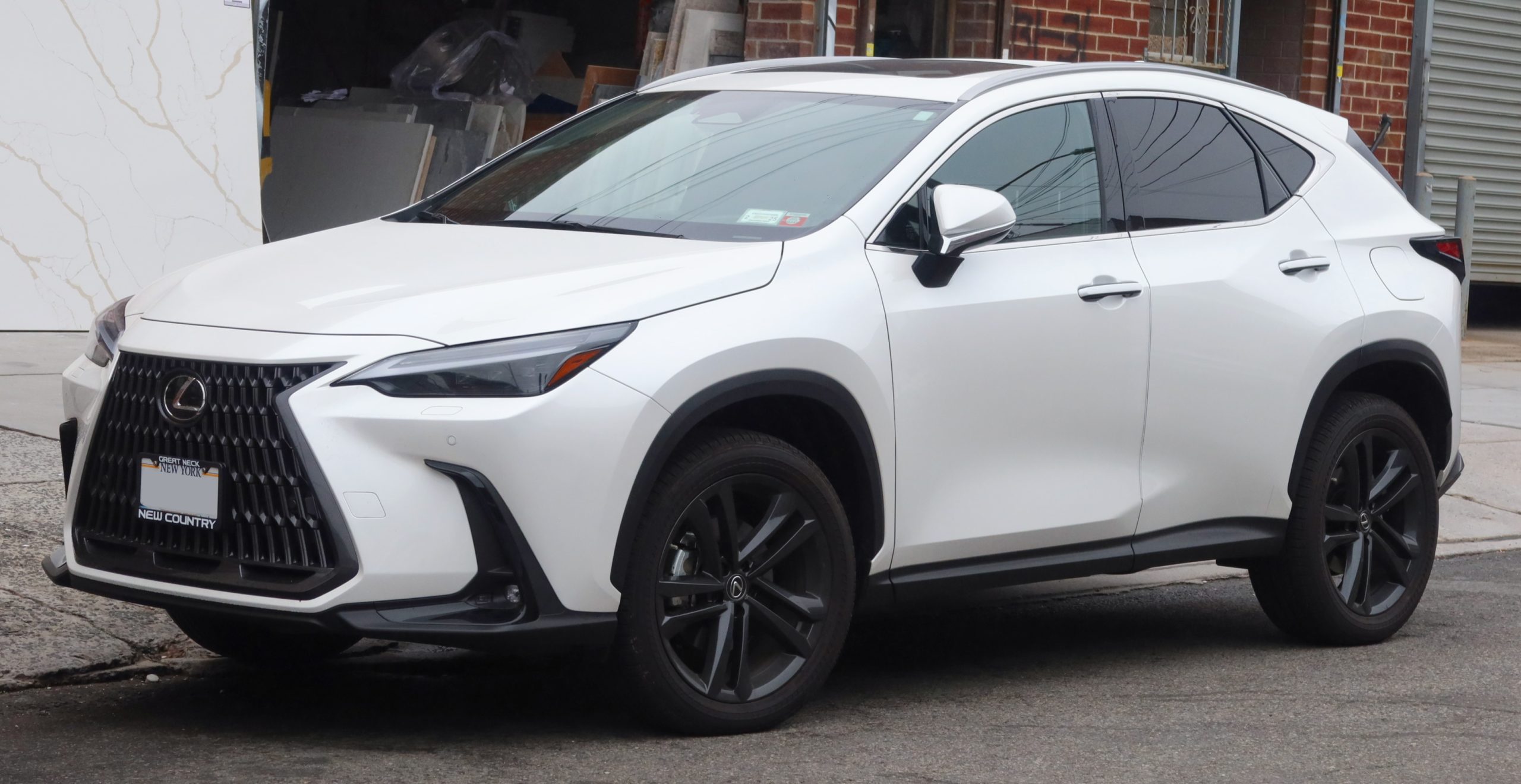
14. Lexus NX Series
The Lexus NX series represents the luxury evolution of Toyota’s compact SUV engineering expertise, incorporating premium brake technologies that deliver exceptional refinement with remarkable longevity.
As Lexus’s entry-level SUV, the NX must provide the luxury experience that Lexus buyers expect while maintaining the reliability and durability that justify the premium price point. The result is a brake system that exemplifies luxury automotive engineering principles.
The Lexus NX Hybrid is among the most reliable models in recent automotive surveys, with its braking system contributing significantly to this reputation.
Lexus employs state-of-the-art brake rotor technology in the NX series, featuring premium cast iron rotors with advanced metallurgy and surface treatments that provide superior performance and longevity compared to conventional compact SUV brake systems.
The rotors incorporate directional cooling vanes with computer-optimized geometries that maximize heat dissipation while minimizing weight, contributing to both performance and fuel economy.
The NX’s brake pad technology represents Lexus’s commitment to luxury vehicle refinement without compromising environmental responsibility. The ceramic-enhanced low-metallic pads provide exceptional stopping power while operating quietly throughout their extended service life.
These pads incorporate advanced noise-dampening technologies and vibration-canceling designs that eliminate brake noise while delivering service lives that often exceed 60,000 miles under normal driving conditions.
Lexus’s integration of the NX’s brake system with its comprehensive Lexus Safety System+ 2.0 package creates a sophisticated safety and longevity system that exemplifies modern automotive technology.
The pre-collision system with pedestrian detection works intelligently with the base brake hardware to prevent accidents while minimizing system stress.
The dynamic radar cruise control reduces manual brake applications during highway driving, contributing to extended brake life while providing the seamless operation expected in luxury vehicles.
The system’s combination of advanced technology, premium materials, and intelligent integration provides exceptional value for luxury SUV buyers who demand both sophisticated performance and practical long-term reliability from their vehicle investment.
15. Toyota RAV4
The Toyota RAV4 has pioneered the compact SUV segment and continues to set standards for reliability and longevity, with a braking system that exemplifies Toyota’s engineering philosophy of over-building components for extended service life.
As the world’s best-selling SUV, the RAV4 must deliver consistent performance across diverse global markets and operating conditions while maintaining the affordability that has made it accessible to millions of families worldwide.
Toyota’s brake system design for the RAV4 emphasizes proven reliability over cutting-edge technology, incorporating time-tested materials and design principles that have been refined through decades of real-world use.
The four-wheel disc brake system features generously sized rotors with robust internal vane structures that provide excellent heat dissipation during both normal driving and emergency braking situations.
The rotor metallurgy utilizes high-carbon steel compositions that provide exceptional wear resistance while maintaining consistent friction surfaces throughout extended service periods.
The RAV4’s brake pad technology represents Toyota’s mastery of friction material science, incorporating compounds specifically optimized for compact SUV applications across diverse driving conditions.
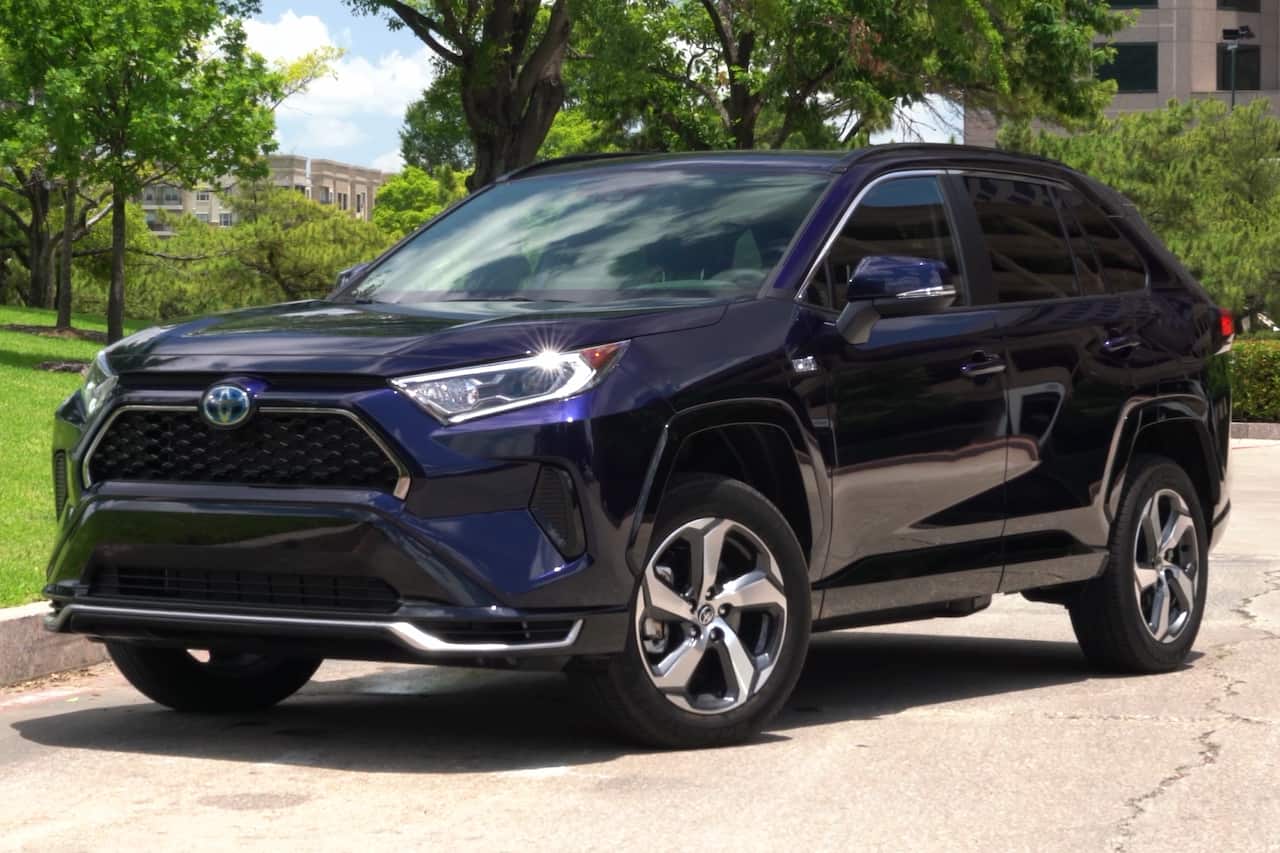
The semi-metallic pads utilize carefully controlled metal fiber content that provides consistent friction characteristics throughout the pad’s service life while resisting the fade and degradation that commonly affect compact SUV brake systems.
These pads maintain their performance characteristics from installation to replacement, ensuring predictable braking behavior for the entire service interval.
Real-world RAV4 owners consistently report brake system performance that exceeds expectations for the compact SUV segment, with many achieving over 70,000 miles on original brake pads during normal mixed driving conditions.
Even under challenging conditions such as mountain driving or frequent towing of light trailers, the RAV4’s brake system typically delivers service intervals that match or exceed those of much more expensive luxury SUVs, representing exceptional value and reliability for families who depend on their SUV for daily transportation and recreational activities.
Also Read: 5 Diesel Cars That Run Forever on One Tank vs 5 That Don’t
