
In an ideal world, every vehicle would receive meticulous care, timely oil changes, regular maintenance, and careful attention to every warning light that flickers across the dashboard.
But reality paints a different picture. Life gets busy, budgets get tight, and sometimes that routine maintenance appointment gets pushed back again and again.
For many drivers, a car isn’t a cherished possession to be pampered; it’s simply a tool that needs to get them from point A to point B, day after day, year after year, regardless of how much attention it receives.
This is where certain vehicles truly separate themselves from the pack. While most modern cars are engineered with impressive precision and technology, not all of them possess that almost mythical quality of indestructibility when faced with less-than-ideal care.
Some vehicles seem to thrive on neglect, continuing to run long after they should have logically given up the ghost. These are the cars that become legends in their own right the ones you see still running strong with 300,000 miles on the odometer, driven by owners who sheepishly admit they can’t remember the last time they checked the oil.
In this comprehensive guide, we’ll explore ten vehicles that have proven themselves capable of withstanding neglect better than their competitors, examining what makes each one special and why they’ve earned their places in automotive folklore.
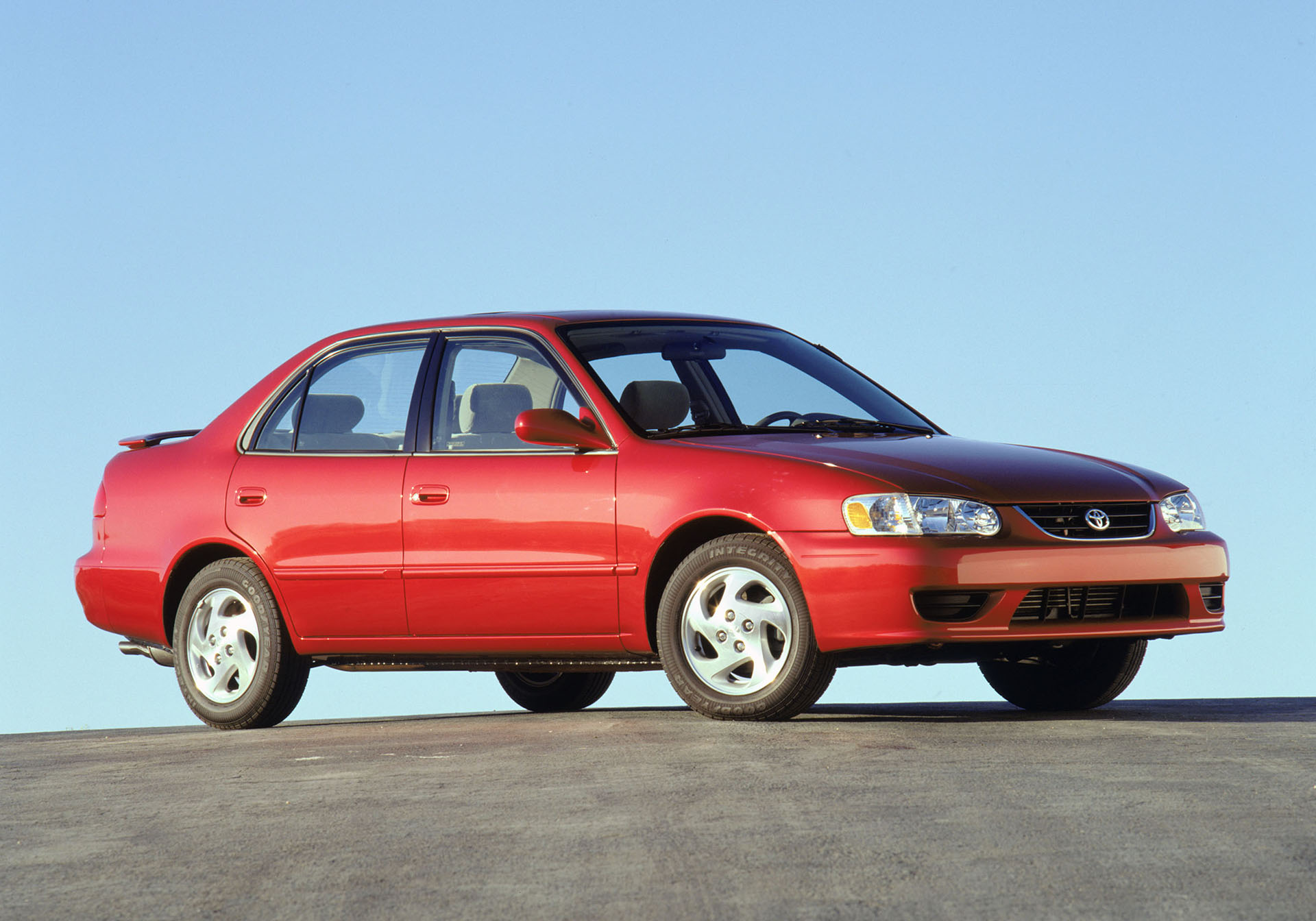
1. Toyota Corolla (1998-2002, 8th Generation)
The Toyota Corolla, particularly the eighth-generation models produced from 1998 to 2002, stands as perhaps the ultimate testament to automotive durability and neglect-resistance.
These vehicles have achieved almost legendary status among mechanics, used car buyers, and practical-minded drivers who value reliability above all else.
The secret to the Corolla’s extraordinary resilience lies in Toyota’s conservative engineering philosophy and the specific choices made for this generation.
At the heart of these Corollas beats the 1ZZ-FE engine, a 1.8-liter four-cylinder powerplant that epitomizes simplicity and durability. This engine features a timing chain rather than a timing belt, eliminating one of the most critical and expensive maintenance items that plague many vehicles.
While timing belts require replacement every 60,000 to 100,000 miles and can cause catastrophic engine damage if they fail, the timing chain in these Corollas can last the entire lifetime of the vehicle with minimal attention.
This single design choice has saved countless owners from expensive repairs and has allowed these engines to continue running even when severely neglected.
What truly sets the eighth-generation Corolla apart is the abundance of real-world examples that prove its durability. These aren’t theoretical claims or manufacturer promises these are vehicles that have proven themselves in taxi fleets, delivery services, and the hands of countless budget-conscious owners who’ve pushed them far beyond what should be reasonable.
The used car market is filled with high-mileage examples still running strong, often priced surprisingly low simply because they lack modern amenities, not because of mechanical concerns.
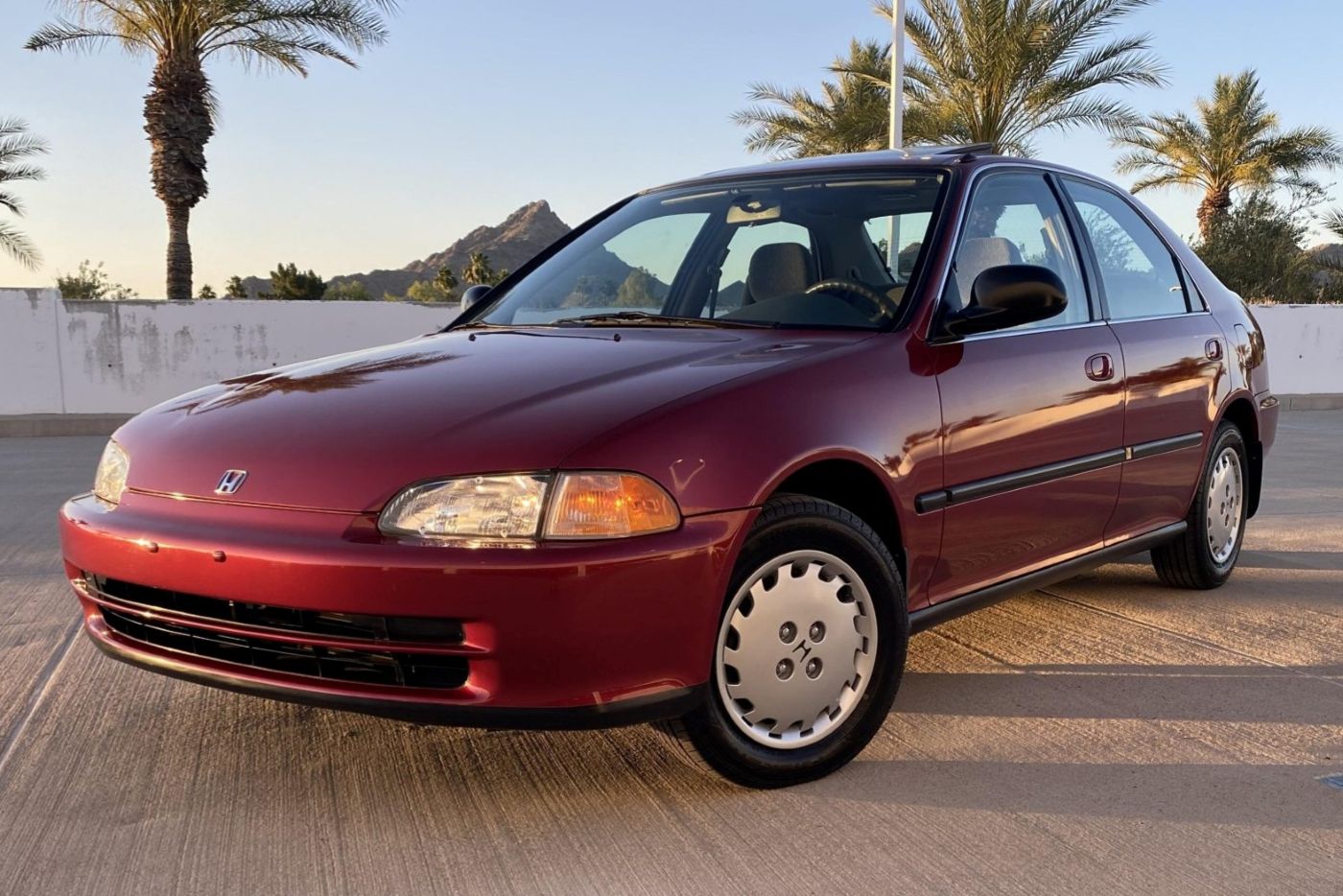
2. Honda Civic (1996-2000, 6th Generation)
The sixth-generation Honda Civic represents one of Honda’s finest hours in terms of creating a vehicle that could withstand almost anything its owners threw at it or failed to throw at it.
These Civics, produced from 1996 to 2000, have become icons of reliability, and countless examples continue to populate roads worldwide, often looking worse for wear but running better than vehicles half their age. The engineering excellence that went into these vehicles created a perfect storm of durability, simplicity, and forgiveness.
The powerplants available in these Civics are legendary for their resilience. Whether equipped with the 1.6-liter D16Y7, D16Y8, or the more powerful B-series engines in the Si models, these motors are renowned for their ability to keep running under conditions that would destroy lesser engines.
Honda’s engineering philosophy emphasized high-revving, efficient engines with excellent internal balance and robust construction. These engines feature timing belts rather than chains, which might seem like a disadvantage, but Honda engineered these powertrains with such precision that even when timing belts are neglected and fail, the engines are typically non-interference designs, meaning catastrophic damage doesn’t occur.
What makes these Civic engines truly special is their tolerance for abuse. Stories abound of these vehicles running with minimal oil, coolant levels that would make most mechanics weep, and oil change intervals that stretch into the absurd.
The engines seem to sip oil rather than consume it excessively, and their simple construction means fewer things can go wrong. The fuel injection systems are robust and reliable, the ignition systems are straightforward, and the design philosophy emphasized durability over complexity.
Inside, these Civics may not offer luxury, but they offer durability. The interior materials, while basic, hold up remarkably well to use and abuse. The seats remain comfortable even after hundreds of thousands of miles, the dashboard doesn’t crack and crumble like some vehicles from this era, and the simple controls and switches continue functioning long after more complex systems would have failed.
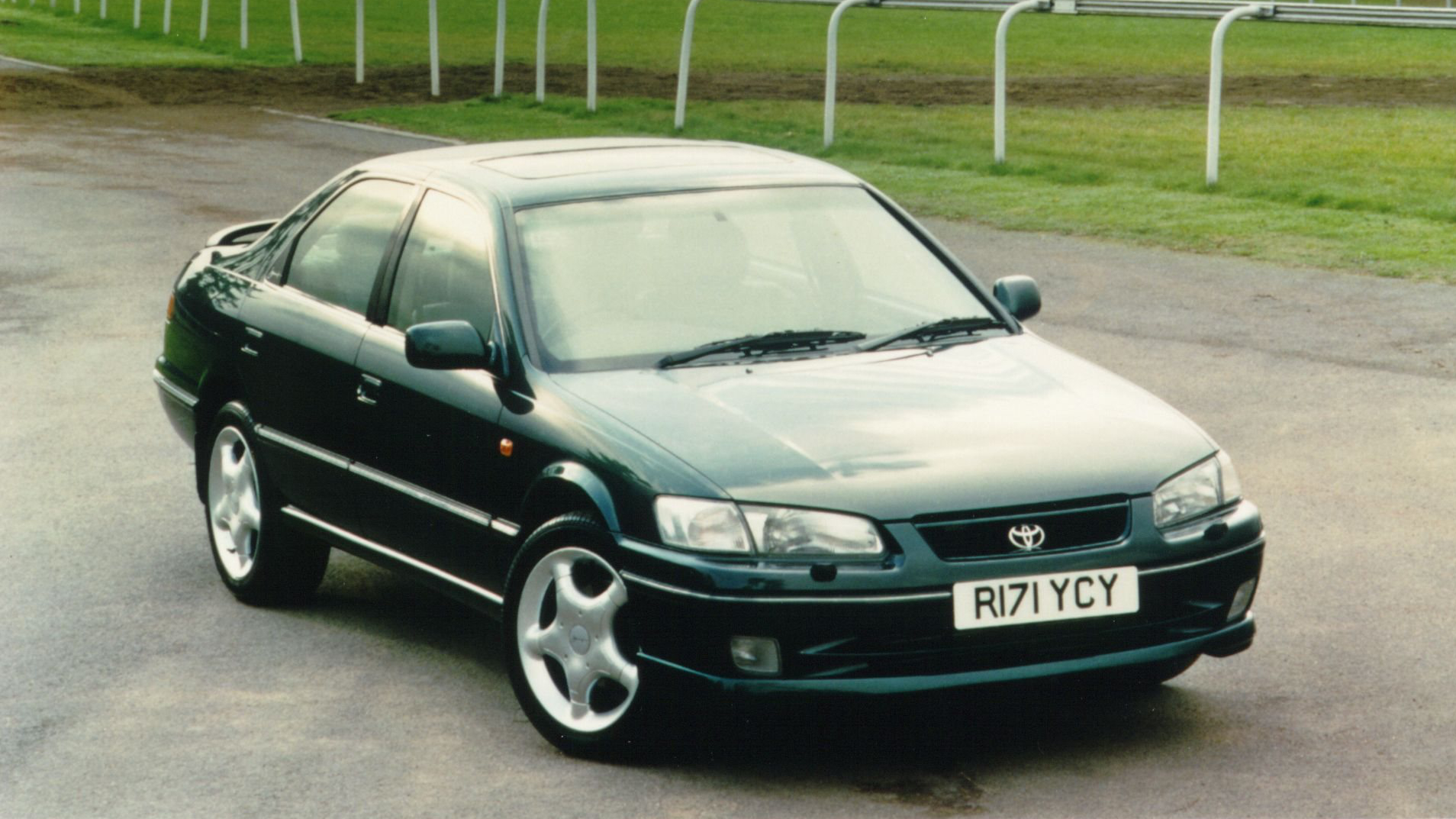
3. Toyota Camry (1997-2001, 4th Generation)
The fourth-generation Toyota Camry, produced from 1997 to 2001, represents Toyota’s engineering philosophy at its absolute peak. These vehicles were designed and built during an era when Toyota’s reputation for reliability was being cemented into automotive legend, and these Camrys have done more than perhaps any other single model to earn that reputation.
For drivers seeking a vehicle that can survive years of minimal maintenance and still provide dependable transportation, few choices are as proven as these Camrys.
The engine options in these Camrys are nothing short of spectacular in their durability. The base 2.2-liter 5S-FE four-cylinder engine is a masterpiece of simple, robust engineering.
This iron-block engine features a timing belt, but it’s a non-interference design, meaning that even if the belt fails due to neglect, the engine won’t suffer catastrophic damage.
The 5S-FE is known for its ability to run with minimal oil, tolerate extended oil change intervals, and continue operating under conditions that would cause most engines to seize. Many examples exist with well over 300,000 miles still running on their original engines with only basic maintenance.
The optional 3.0-liter 1MZ-FE V6 engine is equally impressive, though in different ways. This engine is smoother, more powerful, and surprisingly durable despite its additional complexity.
The V6 features a timing belt that does require periodic replacement, but the engine itself is remarkably tolerant of neglect. The 1MZ-FE is known for its longevity and its ability to keep running even when maintenance has been less than ideal.
Oil leaks may develop with age, particularly from valve cover gaskets, but these are typically minor issues that don’t prevent the engine from continuing to operate reliably.
Inside, these Camrys offer a level of durability that matches their mechanical excellence. The interior materials, while not luxurious, are chosen for longevity.
The cloth seats resist wear and fading, the dashboard materials don’t crack and crumble in sunlight, and the simple, straightforward controls continue functioning reliably. The HVAC system is robust and effective, and the basic amenities like the radio and climate controls are simple enough that they rarely fail.
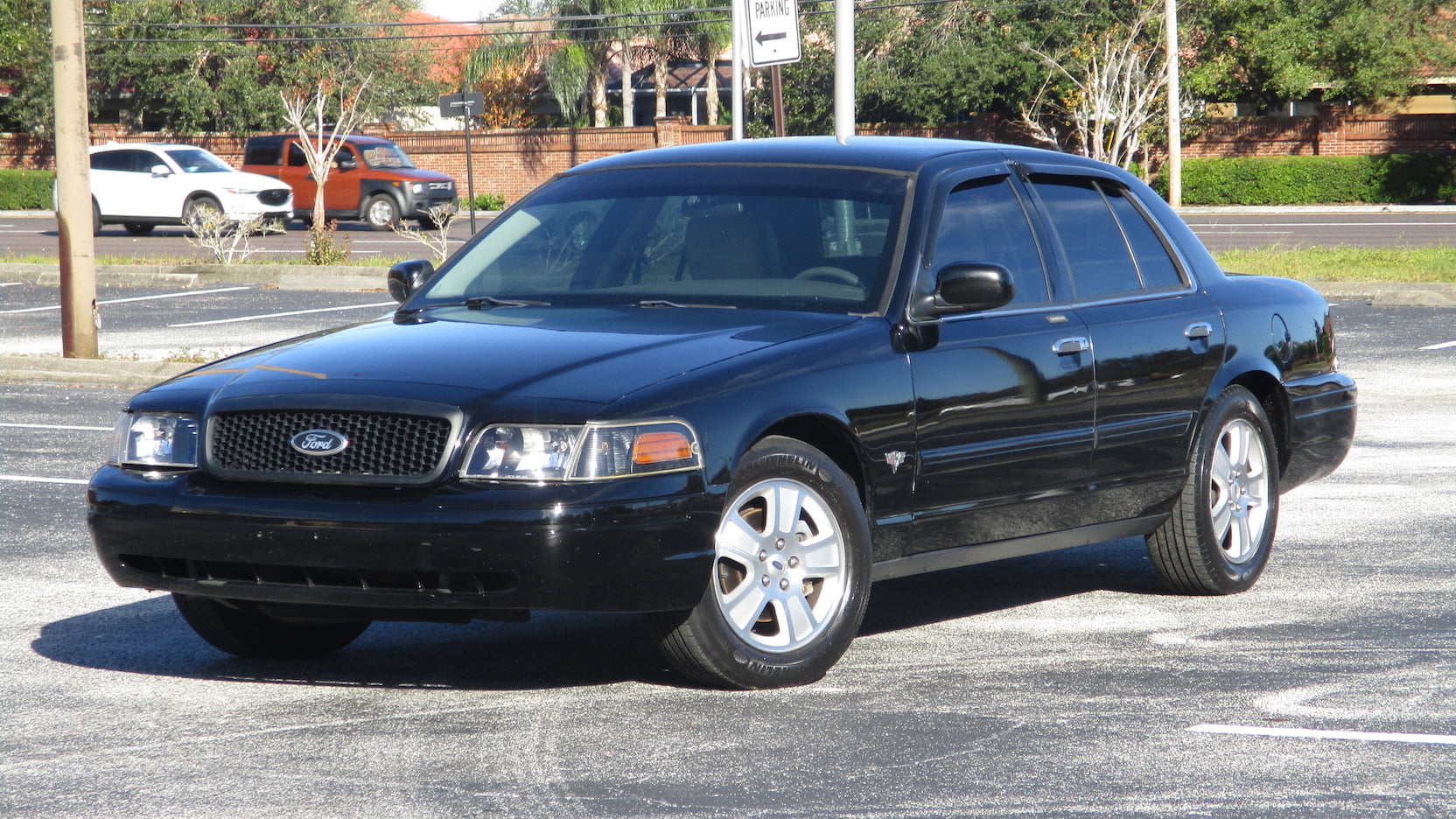
4. Ford Crown Victoria / Mercury Grand Marquis (1998-2011)
The Ford Crown Victoria and its Mercury sibling, the Grand Marquis, represent the last of a dying breed: body-on-frame, rear-wheel-drive sedans built with simplicity, durability, and serviceability as primary design goals.
Produced from 1998 through 2011 in their final generation, these vehicles have achieved legendary status among taxi drivers, police departments, and anyone who needs a vehicle that can survive almost unthinkable levels of abuse and neglect.
These cars were engineered for hard use and minimal maintenance, and they deliver on that promise spectacularly. At the heart of every Crown Victoria and Grand Marquis beats the legendary 4.6-liter Modular V8 engine.
This overhead-cam powerplant is one of Ford’s most successful engine designs, combining decent power output with exceptional durability. The engine features a timing chain system rather than a belt, eliminating a major maintenance item and potential failure point.
This engine is remarkably tolerant of neglect, capable of running with oil that’s thousands of miles past its recommended change interval and still providing reliable service.
The simple port fuel injection system is robust and reliable, and the ignition system uses individual coil-on-plug setups that, while they may occasionally fail, are easy and inexpensive to replace.
The transmission paired with this engine is the equally legendary 4R70W four-speed automatic, a design that traces its lineage back decades and has been refined to near perfection. This transmission is built like a tank, with robust internal components that can withstand years of hard use and neglected maintenance.
Taxi versions of these vehicles regularly accumulate hundreds of thousands of miles with minimal transmission service, and even when maintenance has been neglected, these transmissions often continue shifting smoothly long after lesser units would have failed catastrophically.
The electrical systems in these vehicles are designed with fleet use in mind, meaning they’re built to be reliable and easy to service. The alternators are large and robust, capable of handling the additional loads of police equipment or taxi meters.
The wiring harnesses are well-protected and relatively simple, and when electrical problems do occur, they’re typically straightforward to diagnose. The interior electronics are basic but functional, with controls and switches that continue working reliably for many years.
Also Read: Top 12 Longest-Lasting Pickups Ever Built
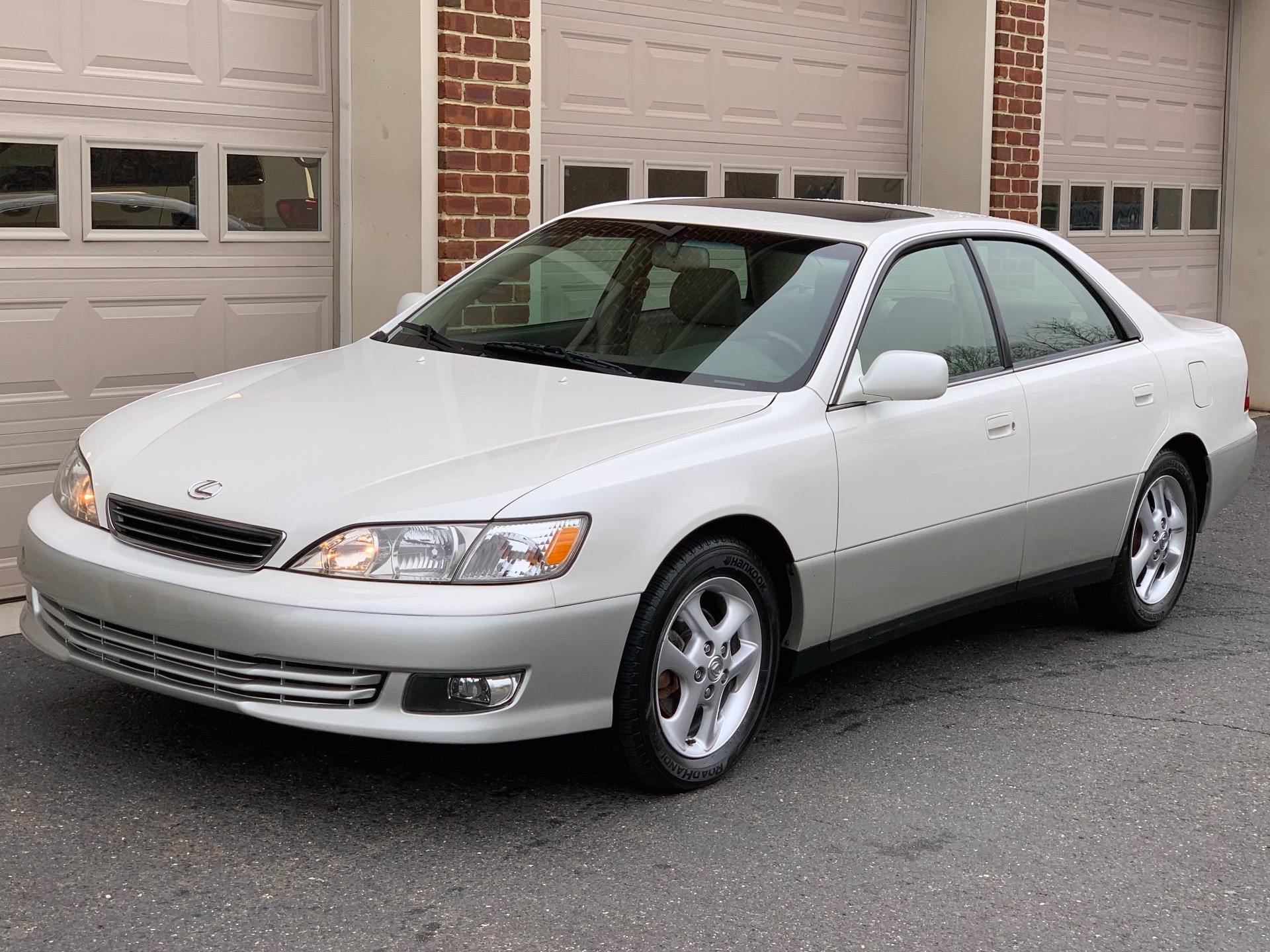
5. Lexus ES 300 (1997-2001)
The Lexus ES 300, produced from 1997 to 2001, represents what happens when Toyota’s engineering excellence is wrapped in a luxury package. Built on the same platform as the Toyota Camry and sharing many components, the ES 300 takes the already-exceptional reliability of its Toyota cousin and adds additional sound deadening, more luxurious materials, and more refined driving dynamics, while maintaining the same fundamental durability that makes these vehicles capable of surviving years of neglect.
For those seeking a luxury vehicle that won’t punish them for missed maintenance appointments, few choices rival the ES 300. Under the hood, the ES 300 is powered exclusively by the 3.0-liter 1MZ-FE V6 engine, the same powerplant available in the Camry but tuned for even smoother operation. This engine is a marvel of durability wrapped in silky refinement.
The V6 features a timing belt that requires periodic replacement according to the maintenance schedule, but the engine itself is extraordinarily tolerant of less-than-perfect care.
The 1MZ-FE is known for its ability to keep running even when oil changes have been extended well beyond recommended intervals, and many examples exist with over 300,000 miles still running on their original engines.
The engine’s design includes several features that contribute to its longevity and neglect-resistance. The aluminum block and heads save weight while providing excellent heat dissipation.
The overhead camshaft design is simple and reliable, and the variable valve timing system, while adding some complexity, is robust and rarely causes problems.
The engine may develop minor oil leaks as it ages, particularly from valve cover gaskets, but these leaks are typically slow and don’t affect operation. The engine’s tolerance for running with less-than-ideal oil levels is legendary, though this is certainly not recommended practice.
Inside, the ES 300 offers a level of luxury that belies its incredible durability. The leather seats, while prone to developing wear patterns over time, resist cracking and tearing far better than many luxury competitors.
The dashboard materials are high-quality and don’t develop the cracks and deterioration common in other vehicles from this era. The wood trim remains beautiful, the controls and switches continue operating smoothly, and the interior environment remains pleasant even after hundreds of thousands of miles.
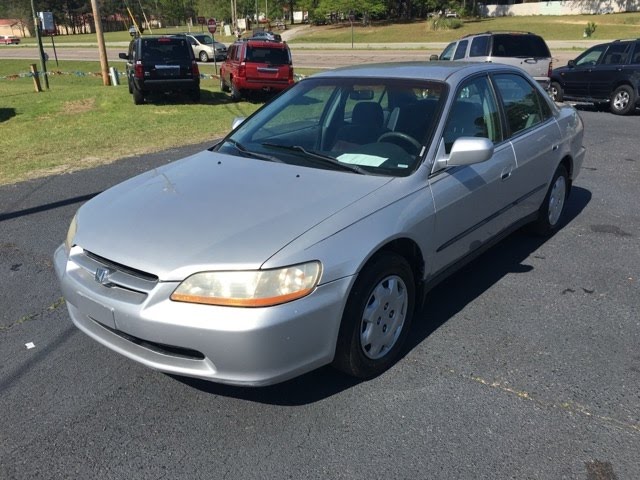
6. Honda Accord (1998-2002, 6th Generation)
The sixth-generation Honda Accord, produced from 1998 to 2002, represents Honda’s engineering prowess at a remarkable peak. These vehicles combined sophisticated design with exceptional build quality and durability, creating a midsize sedan that could survive years of neglect while still providing reliable, comfortable transportation.
The Accord has long been known for reliability, but this generation specifically stands out for its ability to keep running when maintenance has been less than ideal, making it a favorite among used car buyers and practical-minded drivers.
The engine options in these Accords are legendary for their durability and performance. The base 2.3-liter F23A1 four-cylinder engine is a workhorse that seems almost impossible to kill.
This engine features Honda’s VTEC variable valve timing technology, providing excellent power and efficiency while maintaining remarkable simplicity and reliability.
The F23A1 uses a timing belt, but it’s a non-interference design, meaning that even if the belt fails due to neglect, the engine won’t suffer catastrophic damage a crucial design choice that has saved countless owners from expensive repairs.
This engine is known for its ability to run with minimal oil, tolerate extended oil change intervals, and continue operating smoothly even when severely neglected.
The optional 3.0-liter J30A1 V6 engine is equally impressive in its durability. This all-aluminum VTEC V6 produces impressive power while maintaining excellent reliability.
Like the four-cylinder, it uses a timing belt, but the engine is robust and tolerant of less-than-perfect maintenance. The V6’s sophistication might suggest fragility, but real-world experience proves otherwise.
These engines regularly accumulate hundreds of thousands of miles with only routine maintenance, and even when that maintenance has been sporadic, they often continue running remarkably well. The V6 may develop minor oil leaks as it ages, but these are typically slow leaks that don’t affect operation or require immediate attention.
The interior of the sixth-generation Accord combines comfort with durability. The seats, whether cloth or leather, resist wear remarkably well. The dashboard materials are high-quality and don’t crack or deteriorate like some vehicles from this era, even in harsh sunlight.
The controls and switches have a solid, quality feel and continue operating smoothly after years of use. The HVAC system is robust and effective, the audio system is simple but reliable, and the interior environment remains pleasant even after high mileage.
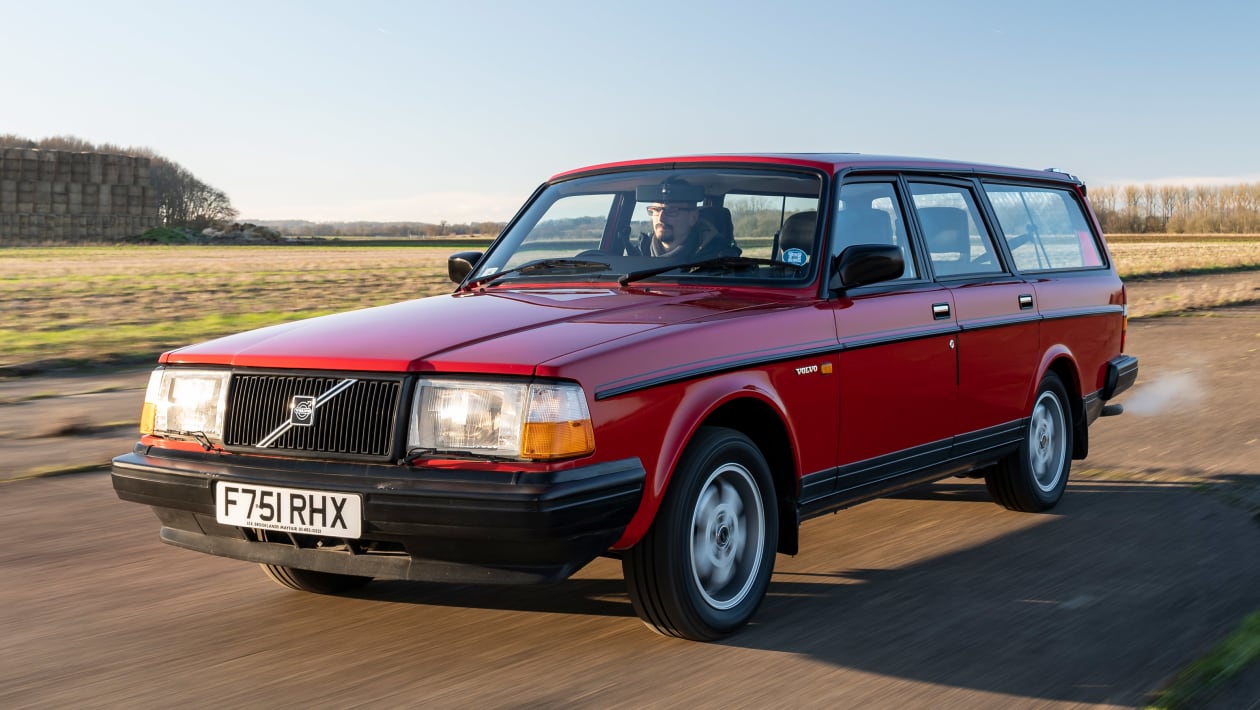
7. Volvo 240 (1974-1993)
The Volvo 240, produced for an astounding nineteen years from 1974 to 1993, represents one of the most durable and neglect-resistant vehicles ever created. These Swedish workhorses were engineered with an almost obsessive focus on durability, safety, and longevity, and they deliver on those promises spectacularly.
While production ended over three decades ago, these vehicles continue to populate roads worldwide, often still providing reliable daily transportation despite decades of use and varying levels of care. For anyone seeking a vehicle that can survive almost anything, few choices are as proven as the Volvo 240.
The engine options in the 240, particularly the redblock inline-four engines, are legendary for their durability. The B230F 2.3-liter four-cylinder engine is the most common and most durable powerplant, featuring a cast-iron block and head construction that’s nearly indestructible.
This engine is remarkably simple, with a non-interference design that means even catastrophic timing belt failure won’t destroy the engine it simply stops running and can be repaired by installing a new belt.
The B230F is known for its ability to run with minimal oil, tolerate extended oil change intervals, and continue operating under conditions that would destroy most engines. Many examples exist with well over 500,000 miles still running on their original engines with only basic maintenance.
What makes the redblock engine truly special is its tolerance for abuse and its ease of maintenance. The engine design is straightforward, with large, robust components and generous tolerances that allow it to continue operating even when maintenance has been severely neglected.
Oil leaks are common as these engines age, but they’re typically slow leaks that don’t affect operation. The fuel injection systems, whether mechanical K-Jetronic or later electronic LH-Jetronic systems, are simple and reliable, and even when problems occur, they’re usually straightforward to diagnose and repair.
The interior of the Volvo 240 is functional rather than luxurious, but this simplicity contributes to its durability. The seats, with their distinctive orthopedic design, remain comfortable even after hundreds of thousands of miles.
The dashboard, while basic, is constructed of durable materials that resist cracking and deterioration. The controls and switches are simple and robust, designed to function reliably for decades.
The HVAC system is straightforward and effective, and even after many years, these systems typically continue working well with minimal maintenance.
8. Toyota Tacoma (1995-2004, 1st Generation)
The first-generation Toyota Tacoma, produced from 1995 to 2004, established the nameplate as one of the most reliable and durable compact trucks ever created.
These vehicles combined Toyota’s legendary reliability with genuine truck capability, creating a package that could survive years of hard use and neglect while still providing dependable service.
The Tacoma quickly earned a reputation for being nearly indestructible, and first-generation examples continue to command impressive resale values decades after production, a testament to their durability and continued reliability.
The engine options in the first-generation Tacoma are exceptional for their durability. The base 2.4-liter 2RZ-FE four-cylinder engine is a workhorse that seems almost impossible to kill through neglect.
This engine features a timing chain rather than a belt, eliminating a major maintenance item and potential failure point. The 2RZ-FE is known for its ability to tolerate extended oil change intervals, run with minimal oil, and continue operating under conditions that would destroy most engines.
While not particularly powerful by modern standards, this engine is remarkably efficient and reliable, regularly accumulating hundreds of thousands of miles with only basic maintenance.
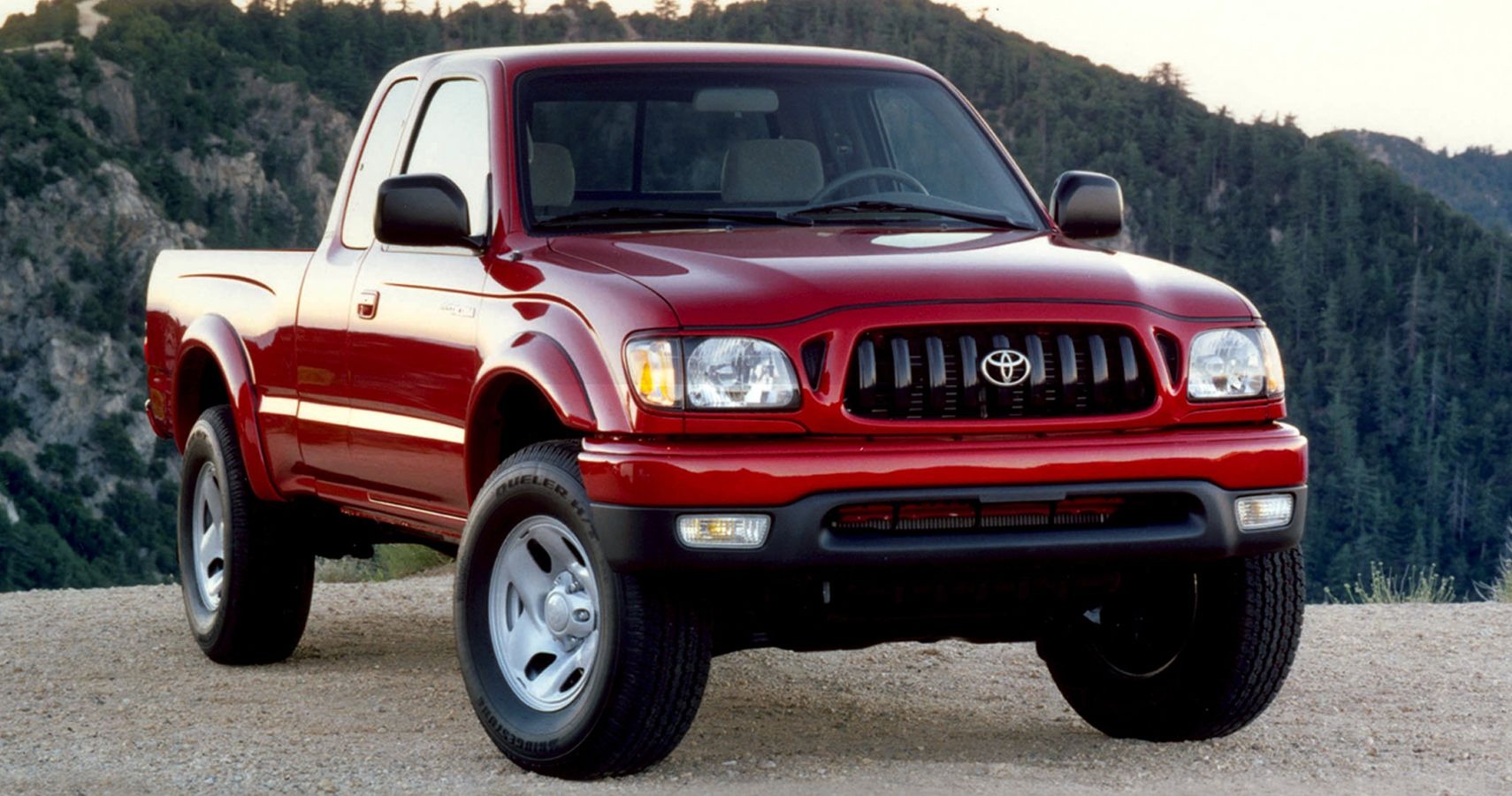
The optional 2.7-liter 3RZ-FE four-cylinder engine is even more impressive, offering more power while maintaining the same legendary reliability. This larger four-cylinder also features a timing chain and shares the same robust construction and tolerance for neglect.
The 3RZ-FE is a favorite among Tacoma enthusiasts for its combination of adequate power and bulletproof reliability. The V6 option, a 3.4-liter 5VZ-FE engine, brings significantly more power while maintaining excellent reliability.
This V6 uses a timing belt that requires periodic replacement, but the engine itself is extremely durable and tolerant of less-than-perfect maintenance.
The transmissions in the first-generation Tacoma are equally legendary. The manual transmissions are robust and nearly indestructible, with smooth shifting and clutches that last for many years even with hard use.
The W-series five-speed manuals are particularly durable, capable of surviving years of abuse and neglect while still providing reliable gear changes.
The automatic transmissions, whether the A340E four-speed or the A340F four-speed, are built to last, with robust internal components that can tolerate years of neglected fluid changes. These transmissions regularly outlast the bodies and interiors of the trucks they’re installed in.
What truly sets the first-generation Tacoma apart is its incredible resale value, which serves as perhaps the best testament to its durability and reliability. Even examples with 200,000 or 300,000 miles still command prices that would buy much newer vehicles from other manufacturers.
This exceptional value retention isn’t based on nostalgia or brand loyalty alone it reflects real-world experience showing these trucks continue providing reliable service long after most vehicles would have been scrapped.
The used truck market is filled with high-mileage Tacomas still working as daily drivers, work trucks, and adventure vehicles, proving their worth through continued service rather than empty promises.
9. Subaru Outback (2000-2004, 2nd Generation)
The second-generation Subaru Outback, produced from 2000 to 2004, represents Subaru’s engineering at a particularly robust and reliable point.
These vehicles combined all-wheel-drive capability with wagon practicality and surprising durability, creating a package that could survive years of neglect while still providing reliable transportation in virtually any weather condition.
While Subarus from certain eras have earned mixed reputations for reliability, this generation of Outback stands out as particularly robust and capable of withstanding less-than-perfect maintenance.
The engine options in these Outbacks include the 2.5-liter EJ25 four-cylinder and the 3.0-liter EZ30 six-cylinder, both of which are generally reliable powerplants when properly maintained.
The EJ25, while not without its potential issues, is remarkably tolerant of neglect in this generation. This horizontally-opposed boxer engine features a timing belt that requires replacement according to the maintenance schedule, but the engine itself is robust and capable of continuing to run even when maintenance has been less than ideal.
The engine’s unique boxer configuration provides excellent balance and smooth operation, and the simple SOHC design in this generation lacks the head gasket problems that plagued earlier EJ25 engines.
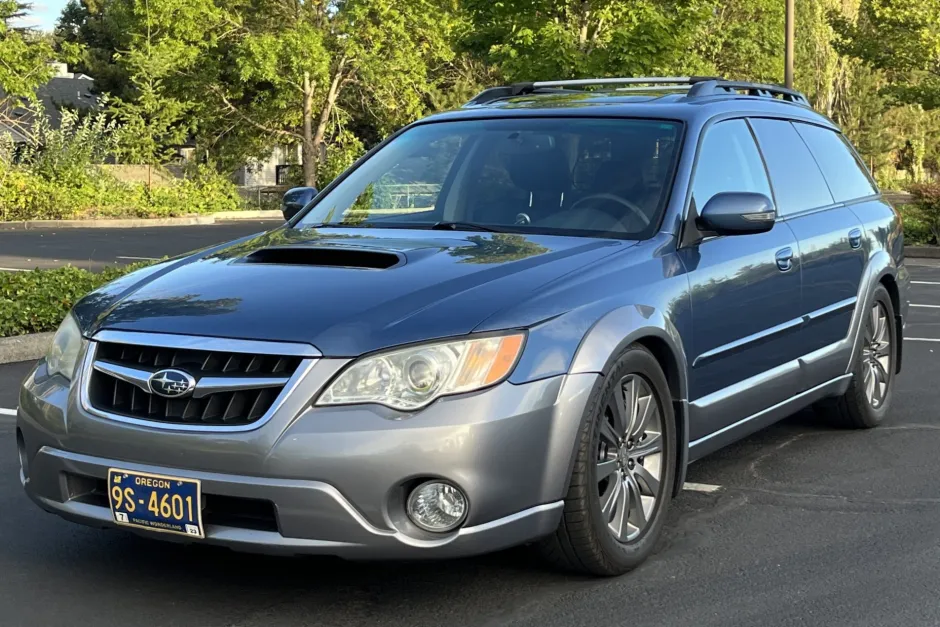
The 3.0-liter EZ30 six-cylinder engine is even more impressive in terms of reliability and neglect-resistance. This smooth, powerful engine is one of Subaru’s most reliable powerplants, featuring robust construction and excellent durability.
The EZ30 uses a timing chain rather than a belt, eliminating a major maintenance item and potential failure point. This engine is known for its ability to tolerate extended oil change intervals and less-than-perfect maintenance while still providing smooth, reliable power. Oil consumption can increase with age, but the engine continues operating reliably even with modest oil usage.
The transmissions in these Outbacks are generally reliable, though they require more attention than some other vehicles on this list. The manual transmissions are robust and durable, providing smooth shifting and excellent longevity with minimal maintenance.
The automatic transmissions, whether the four-speed in earlier models or the five-speed in later versions, are generally reliable but benefit from regular fluid changes.
While these transmissions can tolerate some neglect, they’re not quite as bulletproof as the automatics in Toyotas or Hondas from the same era. However, with even basic maintenance, they provide reliable service for many years.
The interior of the second-generation Outback is functional and reasonably durable. The seats are comfortable and hold up well to years of use, with cloth upholstery that resists wear and staining.
The dashboard materials are adequate quality and resist cracking better than some competitors, though they may show wear in high-UV environments.
The controls and switches have a solid feel and continue operating reliably after years of use. The HVAC system is effective and reliable, and the interior environment remains comfortable and functional even after high mileage.
10. Mazda B-Series Pickup (1994-2009)
The Mazda B-Series pickup truck, produced from 1994 to 2009 in its final generations, represents one of the automotive industry’s best-kept secrets in terms of durability and neglect-resistance.
These trucks were essentially rebadged Ford Rangers, built in the same factories and sharing virtually all mechanical components with their Ford siblings.
However, Mazda B-Series trucks often fly under the radar compared to more popular trucks, resulting in lower prices in the used market despite offering the same legendary reliability. For those seeking an affordable, durable compact truck, the B-Series represents exceptional value.
The engine options in the Mazda B-Series are shared with the Ford Ranger and are generally excellent for durability. The 2.3-liter four-cylinder Duratec engine, introduced in later models, is a modern, efficient powerplant that’s remarkably reliable and tolerant of less-than-perfect maintenance.
This engine features a timing chain rather than a belt, eliminating a major maintenance item. The 2.3-liter is known for its ability to tolerate extended oil change intervals and continue operating reliably even when neglected. Earlier models came with the 2.5-liter four-cylinder, which is similarly robust and reliable.
The optional V6 engines in the B-Series are equally impressive. The 3.0-liter Vulcan V6 is a simple, durable engine that’s been used in countless Ford products and has earned a reputation for bulletproof reliability.
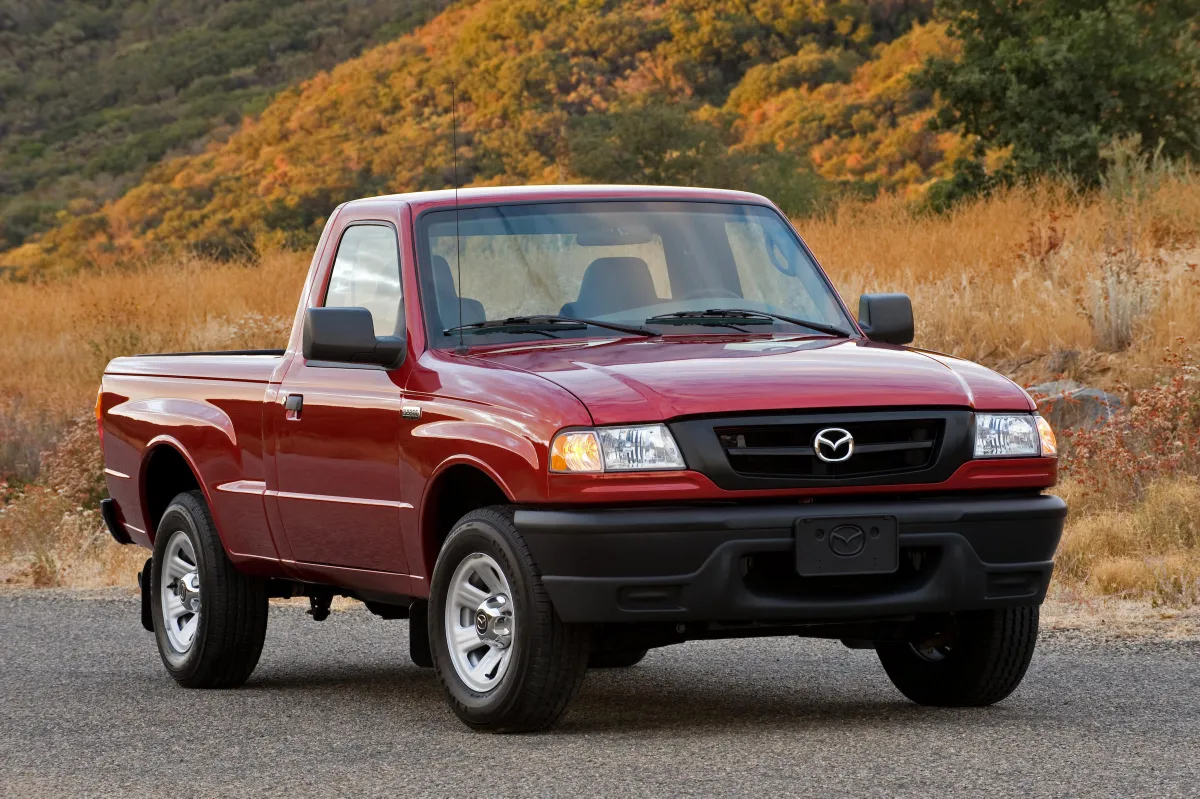
This pushrod V6 is about as simple as a modern engine can be, with straightforward construction and robust components that tolerate abuse and neglect.
The 4.0-liter SOHC V6, available in later models, is a more modern and powerful option that maintains excellent reliability. This engine also features a timing chain and is known for its durability, though it has a few more complex components than the simpler Vulcan.
The transmissions in the Mazda B-Series are generally excellent. The manual transmissions are robust and nearly indestructible, with smooth shifting and clutches that last for many years even with hard use.
The Mazda M5OD five-speed manual is particularly durable, capable of surviving years of abuse while still providing reliable gear changes. The automatic transmissions, whether the older A4LD four-speed or the newer 5R55E five-speed, are generally reliable and can tolerate years of neglected fluid changes.
While these automatics aren’t quite as legendary as those in Toyotas, they’re still robust and provide good service life with minimal maintenance. What makes the Mazda B-Series particularly attractive is its value proposition.
Because these trucks are less well-known than their Ford Ranger siblings, they often sell for significantly less money in the used market despite being essentially identical mechanically.
This means buyers can get Ford Ranger reliability and durability at a discount, simply because the Mazda badge doesn’t carry the same recognition.
For those seeking an affordable, reliable work truck or daily driver, the B-Series represents one of the best values in the used truck market, offering Toyota-like reliability at domestic truck prices.
Also Read: 15 SUVs That Keep Their Brakes Intact for Decades
