
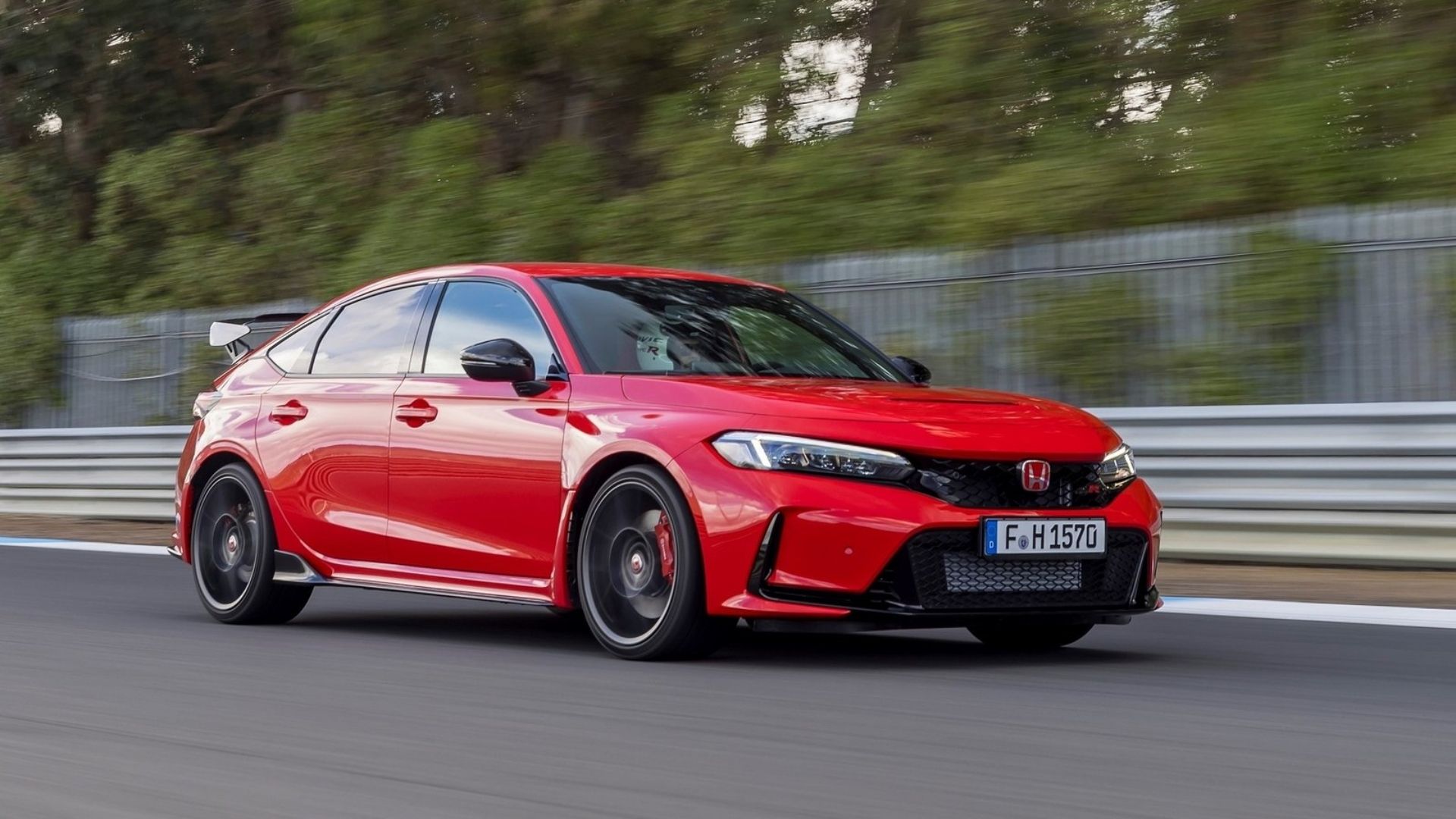
When considering a vehicle purchase, the sticker price is just the beginning of your financial commitment. The true cost of ownership extends far beyond the initial investment, encompassing insurance, fuel, maintenance, and most importantly, replacement parts.
For budget-conscious car buyers and long-term owners, understanding which vehicles offer affordable replacement parts can mean the difference between manageable maintenance costs and financial strain that lasts for years.
The automotive aftermarket is a vast ecosystem where part availability, manufacturing volume, and brand positioning significantly impact pricing.
Vehicles with cheaper replacement parts typically share several key characteristics: high production volumes that create economies of scale, simpler engineering that reduces manufacturing complexity, widespread global distribution networks, and robust aftermarket support from third-party manufacturers.
These factors combine to create a competitive marketplace where consumers benefit from lower prices and greater choice. Japanese and Korean manufacturers have historically excelled in this area, designing vehicles with longevity and serviceability in mind.
The vehicles featured in this list represent a sweet spot where reliability, functionality, and affordability converge, making them ideal choices for first-time buyers, families on tight budgets, students, or anyone who views their vehicle primarily as practical transportation rather than a status symbol.
Understanding the long-term cost implications of vehicle ownership empowers consumers to make informed decisions that align with their financial goals and practical needs, ensuring years of affordable and reliable transportation.
1. Honda Civic
The Honda Civic stands as perhaps the ultimate example of affordable vehicle ownership, with replacement parts that consistently rank among the cheapest in the automotive market.
This reputation stems from Honda’s commitment to high-volume production and standardized components across multiple model years and trim levels. The Civic’s enduring popularity has created a massive aftermarket ecosystem where competition among suppliers keeps prices exceptionally low.
The brake system exemplifies the Civic’s cost-effectiveness. Brake pads can be purchased for as little as $25-40 for a complete set, with rotors available for $30-50 each.
These prices reflect the high-volume production and widespread availability that make the Civic such an economical choice. Even premium aftermarket brake components remain reasonably priced due to intense competition among suppliers.
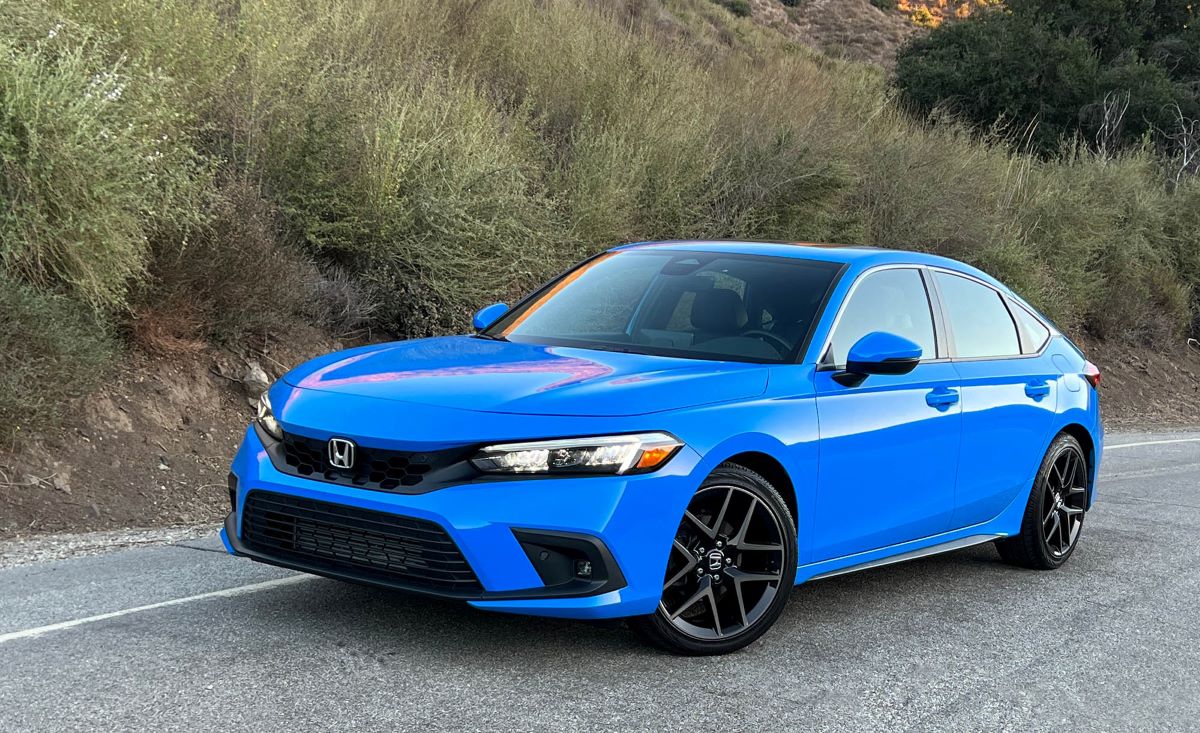
Interior and exterior components follow the same pattern of affordability. Door handles, window regulators, mirrors, and trim pieces are readily available at competitive prices.
The Civic’s popularity ensures that salvage yards nationwide stock these vehicles, providing an additional source of affordable used parts for budget-conscious owners. This abundance of both new and used parts creates multiple purchasing options for every component.
The Civic’s electrical system, often a source of expensive repairs in other vehicles, remains refreshingly affordable to maintain. Sensors, switches, and control modules are competitively priced, with many components interchangeable across multiple model years. This standardization reduces inventory costs for suppliers and translates directly into savings for consumers.
Honda provides comprehensive service information and designs components for reasonable accessibility, making many repairs achievable for home mechanics.
Combined with the low parts costs, this accessibility can result in maintenance expenses that are a fraction of what luxury vehicle owners experience.
2. Toyota Corolla
The Toyota Corolla’s reputation as one of the world’s most reliable and economical vehicles extends seamlessly into replacement part costs, making it a standout choice for budget-conscious car owners.
Toyota’s global manufacturing strategy and the Corolla’s position as the world’s best-selling car have created an unparalleled parts ecosystem where affordability and availability go hand in hand.
Toyota’s commitment to long-term parts support means that even older Corolla models enjoy excellent parts availability at competitive prices. The company’s practice of maintaining similar component designs across multiple generations creates economies of scale that benefit consumers through lower prices.
Engine components like oil pumps, fuel pumps, and ignition system parts are manufactured in massive quantities, driving costs down while maintaining Toyota’s quality standards.
The Corolla’s maintenance-friendly design philosophy shines through in everyday wear items. Oil filters cost as little as $5-8, air filters range from $12-18, and spark plugs are available for under $10 each.
These prices reflect Toyota’s understanding that affordable maintenance encourages proper vehicle care, ultimately supporting the brand’s reliability reputation.
More substantial components like alternators and starters remain reasonably priced, typically costing 30-50% less than equivalent parts for European vehicles.
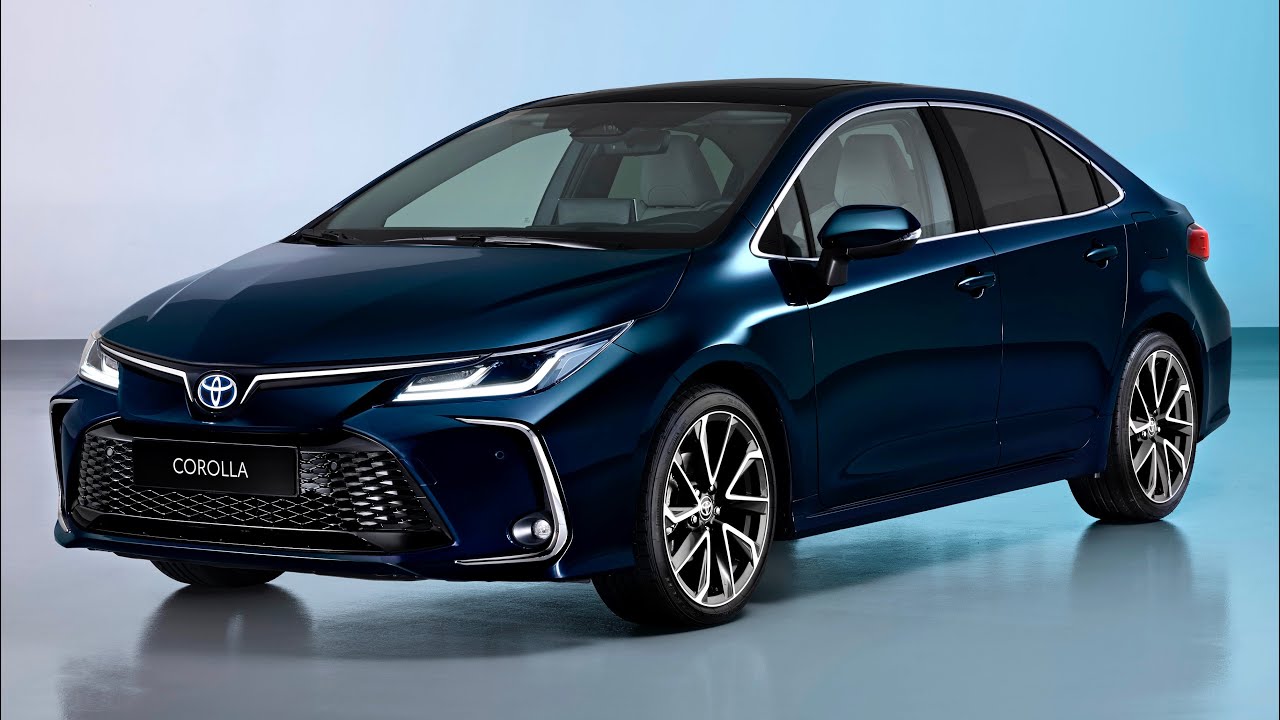
Suspension components demonstrate the Corolla’s cost-effectiveness particularly well. Struts, shocks, and related components are available from multiple manufacturers at highly competitive prices.
A complete strut assembly might cost $80-120, while individual components like tie rod ends and ball joints are available for $20-40 each. This pricing structure makes it economical to maintain the Corolla’s smooth ride quality and handling characteristics throughout its service life.
The Corolla’s brake system continues the affordability theme with brake pads available from $20-35 per axle and rotors priced at $25-45 each. Premium options remain affordable, allowing owners to upgrade performance without breaking their budgets.
Interior components follow the same pattern of affordability and availability. Window regulators, door locks, seat components, and dashboard parts remain reasonably priced throughout the vehicle’s life cycle.
Toyota’s quality manufacturing means these components often last the vehicle’s entire service life, but when replacement is necessary, costs remain manageable.
The extensive Toyota dealer network, combined with strong aftermarket support, ensures that Corolla parts are available virtually everywhere. This widespread availability creates price competition that benefits consumers while ensuring that parts can be sourced quickly when needed.
3. Nissan Sentra
The Nissan Sentra has carved out a significant niche in the affordable compact car segment, and this cost-consciousness extends to replacement parts that rank among the most budget-friendly in the automotive market.
Nissan’s strategic focus on value-oriented engineering and high-volume production has created a parts ecosystem where affordability meets reliability, making the Sentra an excellent long-term ownership proposition.
Nissan’s global manufacturing approach ensures that Sentra components are produced in high volumes across multiple facilities, creating economies of scale that directly benefit consumers through reduced parts costs.
The company’s emphasis on proven technologies rather than cutting-edge innovations results in components that are both reliable and economical to replace. Engine parts like timing chains, water pumps, and fuel system components are competitively priced and widely available.
The Sentra’s CVT transmission, while sometimes controversial among enthusiasts, benefits from Nissan’s extensive use of this technology across their lineup.
CVT components and service parts are becoming increasingly affordable as production volumes rise and aftermarket suppliers develop compatible alternatives. Transmission filters, fluids, and electronic components remain reasonably priced compared to traditional automatic transmissions in competing vehicles.
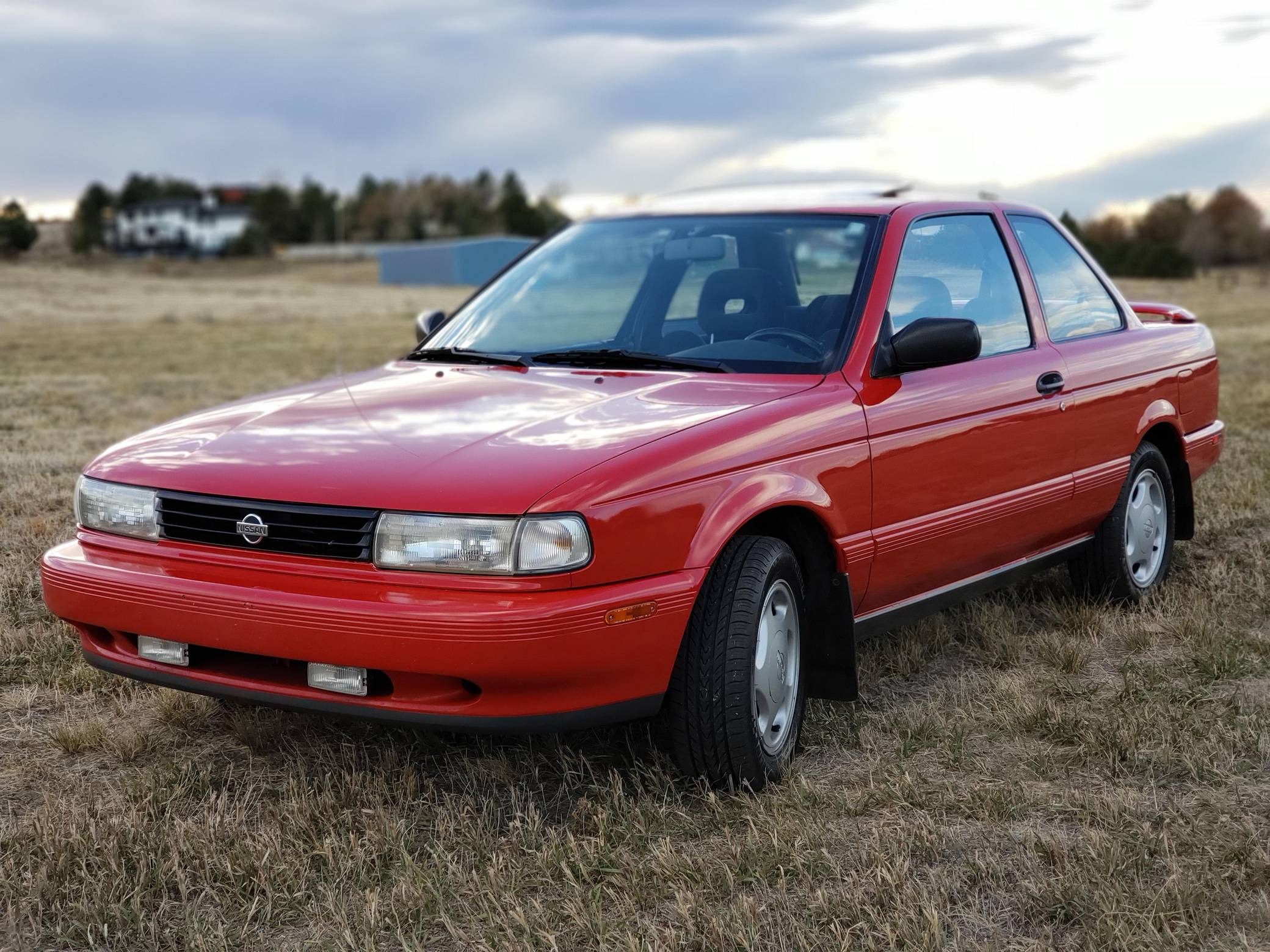
Electrical system components showcase the Sentra’s cost-effectiveness particularly well. Sensors, actuators, and control modules are competitively priced due to shared components across Nissan’s vehicle lineup.
Many Sentra electrical parts are interchangeable with other Nissan models, increasing availability and reducing costs through economies of scale. Window motors, power seat components, and audio system parts remain affordable throughout the vehicle’s service life.
The brake system demonstrates Nissan’s commitment to affordable maintenance. Brake pads are available from $25-40 per axle, with rotors priced at $30-50 each.
The straightforward brake design makes replacement procedures relatively simple, reducing labor costs for professional service while remaining accessible to DIY mechanics. Premium brake components remain reasonably priced, allowing owners to upgrade performance without excessive expense.
The vehicle’s popularity in fleet applications has encouraged suppliers to maintain comprehensive inventories, ensuring good availability for both individual and commercial customers. Interior components continue the affordability theme with reasonably priced seats, trim pieces, and comfort accessories.
The Sentra’s straightforward interior design uses proven components that are both durable and economical to replace when necessary. Dashboard components, climate control parts, and seating mechanisms remain affordable throughout the vehicle’s service life.
The extensive Nissan dealer network, combined with strong aftermarket support, ensures consistent parts availability nationwide. This widespread distribution creates competitive pricing while ensuring that parts can be sourced quickly when repairs are needed.
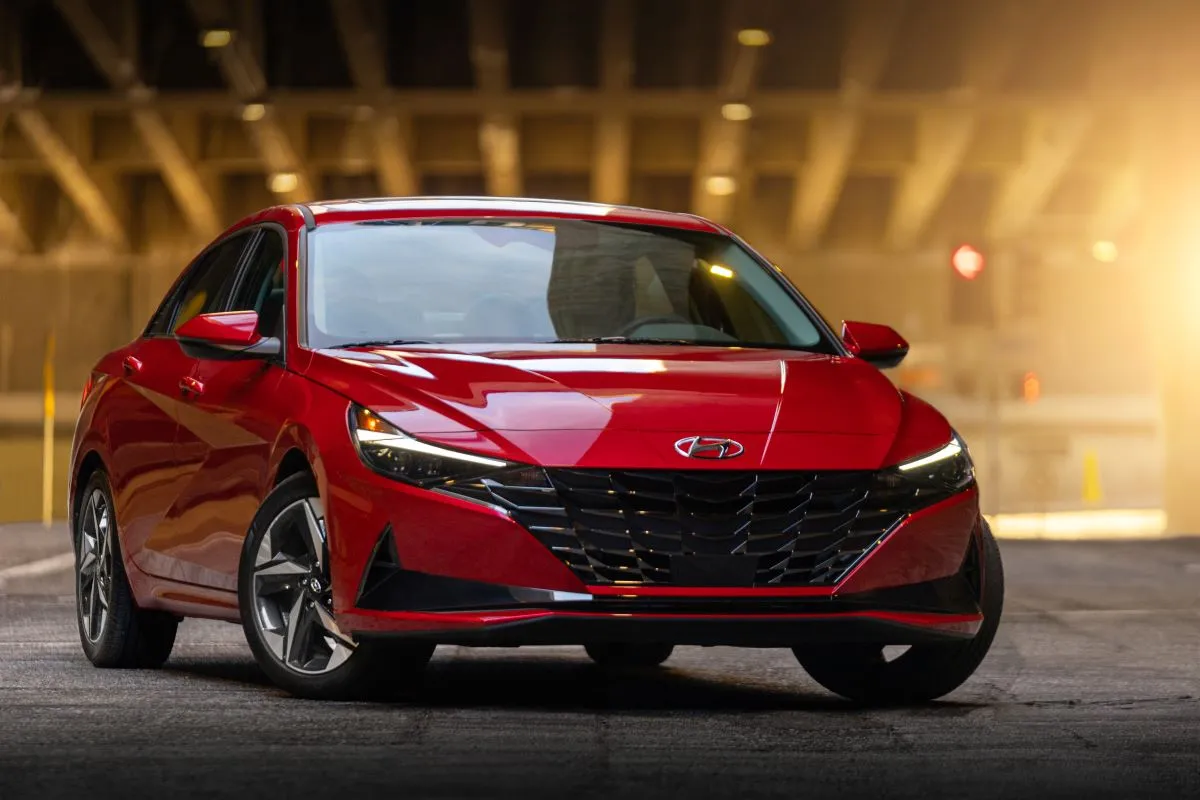
4. Hyundai Elantra
The Hyundai Elantra represents South Korean automotive engineering at its most cost-effective, offering replacement parts that consistently rank among the most affordable in the compact car segment.
Hyundai’s rapid rise in the global automotive market has been built on a foundation of value engineering and aggressive pricing strategies that extend seamlessly into replacement part costs, making the Elantra an exceptional choice for budget-conscious vehicle ownership.
Hyundai’s global manufacturing strategy emphasizes standardization and economies of scale, resulting in components that are both reliable and economical to replace.
The company’s commitment to long-term warranty support has fostered a robust parts supply chain where competitive pricing is maintained throughout the vehicle’s service life.
Engine components including timing belts, water pumps, and fuel system parts are manufactured in high volumes, driving costs down while maintaining quality standards that support Hyundai’s warranty commitments.
The Elantra’s maintenance-friendly design philosophy becomes evident in everyday service items. Oil filters cost $6-10, air filters range from $10-15, and spark plugs are available for $8-12 each.
These competitive prices reflect Hyundai’s understanding that affordable maintenance supports customer satisfaction and brand loyalty. More substantial components like alternators, starters, and air conditioning compressors remain reasonably priced, typically costing 25-40% less than equivalent parts for European competitors.
Transmission components showcase Hyundai’s value proposition particularly well. Both manual and automatic transmission parts are competitively priced, with service items like filters, seals, and solenoids readily available at reasonable costs.
The company’s use of proven transmission technologies rather than cutting-edge alternatives keeps parts costs manageable while ensuring reliability. Clutch components for manual transmissions are especially affordable, with complete clutch kits available for $200-300.
The brake system demonstrates the Elantra’s cost-effectiveness through competitively priced pads, rotors, and related components. Brake pads can be purchased for $20-35 per axle, with rotors available for $25-40 each.
The straightforward brake design makes replacement procedures accessible to DIY mechanics while keeping professional service costs reasonable. Premium brake upgrades remain affordable, allowing owners to enhance performance without excessive expense.
Suspension components benefit from Hyundai’s focus on value engineering and component standardization. Struts, shocks, and springs are manufactured by multiple suppliers, creating price competition that benefits consumers.
Complete strut assemblies typically cost $60-100 each, while individual components like control arms and stabilizer links are priced at $20-40 each. This pricing structure makes comprehensive suspension maintenance economically feasible.
Electrical system components reflect the Elantra’s modern design and Hyundai’s commitment to affordable technology. Sensors, actuators, and electronic modules are competitively priced despite incorporating advanced features.
The extensive use of shared components across Hyundai’s vehicle lineup increases availability while reducing costs through economies of scale. Audio system components, climate control parts, and power accessories remain reasonably priced throughout the vehicle’s service life.
Body panels and exterior components demonstrate Hyundai’s value-oriented approach to automotive design. Bumpers, fenders, doors, and lighting assemblies are competitively priced and readily available through both OEM and aftermarket channels
The Elantra’s growing popularity has encouraged suppliers to maintain comprehensive inventories, ensuring good availability and competitive pricing for collision repair needs.
Also Read: 12 Cars With the Best Resale After 200k Miles
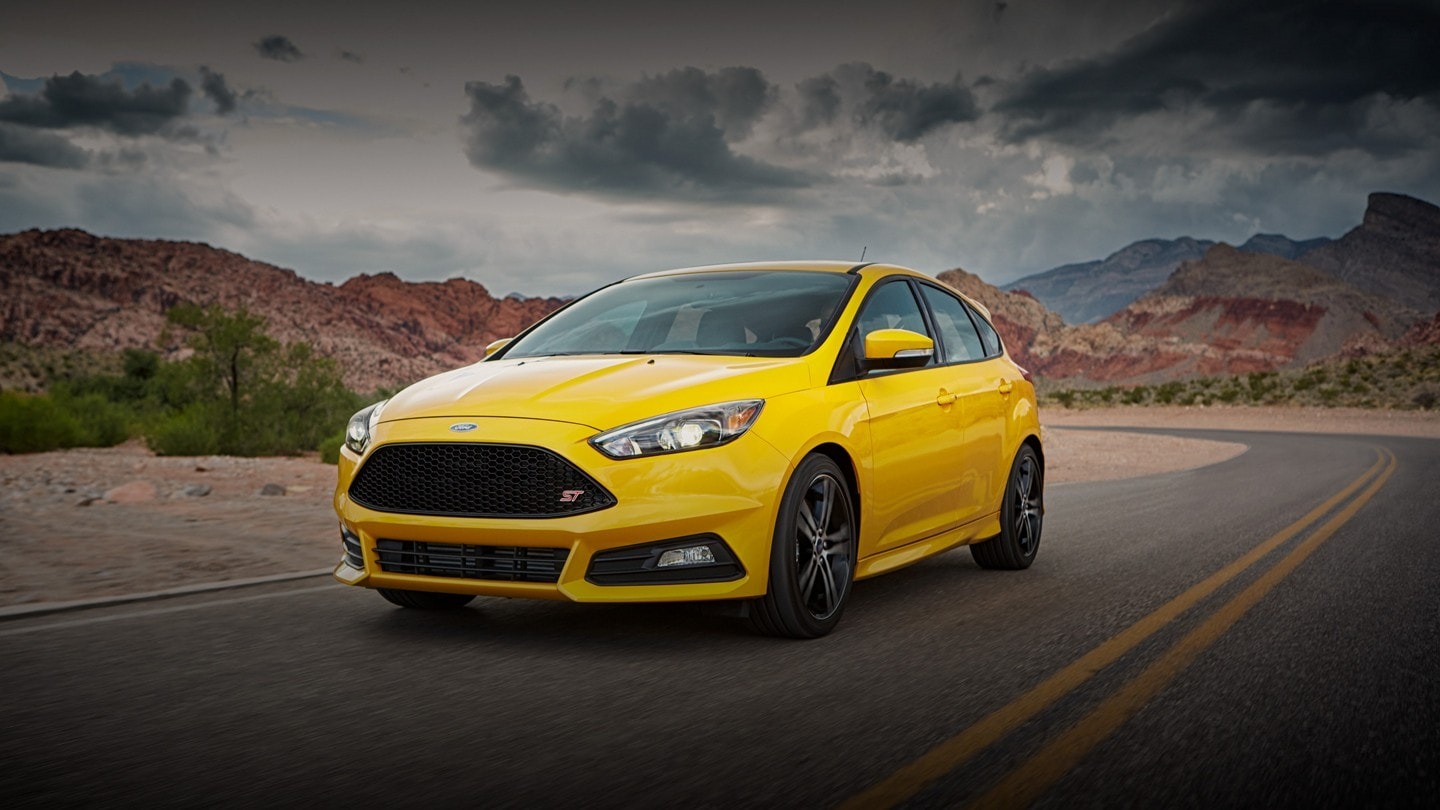
5. Ford Focus
The Ford Focus stands as a testament to American automotive value engineering, offering replacement parts that consistently rank among the most affordable in the compact car segment.
Ford’s global platform strategy and the Focus’s widespread popularity across multiple continents have created a parts ecosystem where high-volume production translates directly into consumer savings, making it an exceptional choice for cost-conscious vehicle ownership.
Ford’s commitment to global manufacturing efficiency has resulted in Focus components that benefit from massive economies of scale. The vehicle’s platform sharing with other Ford models increases parts commonality, reducing manufacturing costs and improving availability.
Engine components like timing belts, water pumps, and cooling system parts are produced in enormous quantities, driving prices down while maintaining Ford’s quality standards. The Focus’s straightforward engineering approach prioritizes serviceability and parts accessibility over complex innovations.
Maintenance items demonstrate the Focus’s value proposition through exceptionally competitive pricing. Oil filters cost $5-8, air filters range from $8-15, and spark plugs are available for $6-10 each.
These prices reflect Ford’s understanding that affordable maintenance builds customer loyalty and supports the vehicle’s reliability reputation. Major components like alternators, starters, and power steering pumps remain reasonably priced, typically costing 20-35% less than equivalent parts for premium European competitors.
The Focus’s transmission options showcase Ford’s practical approach to automotive engineering. Manual transmission components are particularly affordable, with clutch kits available for $150-250 and individual components priced competitively.
Automatic transmission parts benefit from Ford’s extensive use of proven technologies across multiple vehicle lines, ensuring good availability and reasonable pricing for service items like filters, seals, and electronic components.
Brake system components highlight the Focus’s cost-effectiveness through competitive pricing across all performance levels. Basic brake pads start at $20-30 per axle, while rotors are available for $20-35 each.
The vehicle’s straightforward brake design makes replacement procedures accessible to DIY mechanics, reducing maintenance costs. Performance-oriented brake upgrades remain affordable due to the Focus’s popularity among driving enthusiasts and the resulting aftermarket support.
Suspension components benefit from the Focus’s platform sharing and high production volumes. Struts, shocks, springs, and related components are manufactured by multiple suppliers, creating intense price competition.
Complete strut assemblies can be purchased for $50-90 each, while individual components like tie rod ends and ball joints cost $15-30 each. This pricing structure makes comprehensive suspension maintenance economically viable throughout the vehicle’s service life.
The Focus’s electrical system demonstrates Ford’s commitment to practical technology implementation. Sensors, switches, and control modules are competitively priced despite incorporating modern features like electronic stability control and advanced audio systems.
Component standardization across Ford’s global lineup improves availability while reducing costs through economies of scale. Power window motors, door lock actuators, and climate control components remain reasonably priced.
Body panels and exterior components reflect the Focus’s mainstream positioning and global production volumes. Bumpers, fenders, doors, and lighting assemblies are competitively priced and readily available through extensive distribution networks.
The vehicle’s popularity in both retail and fleet markets has encouraged suppliers to maintain comprehensive inventories, ensuring quick availability and competitive pricing for collision repair applications.
Interior components continue the affordability theme with reasonably priced seats, trim pieces, and convenience features. The Focus’s practical interior design emphasizes durability and serviceability over luxury, resulting in components that are both long-lasting and economical to replace when necessary.
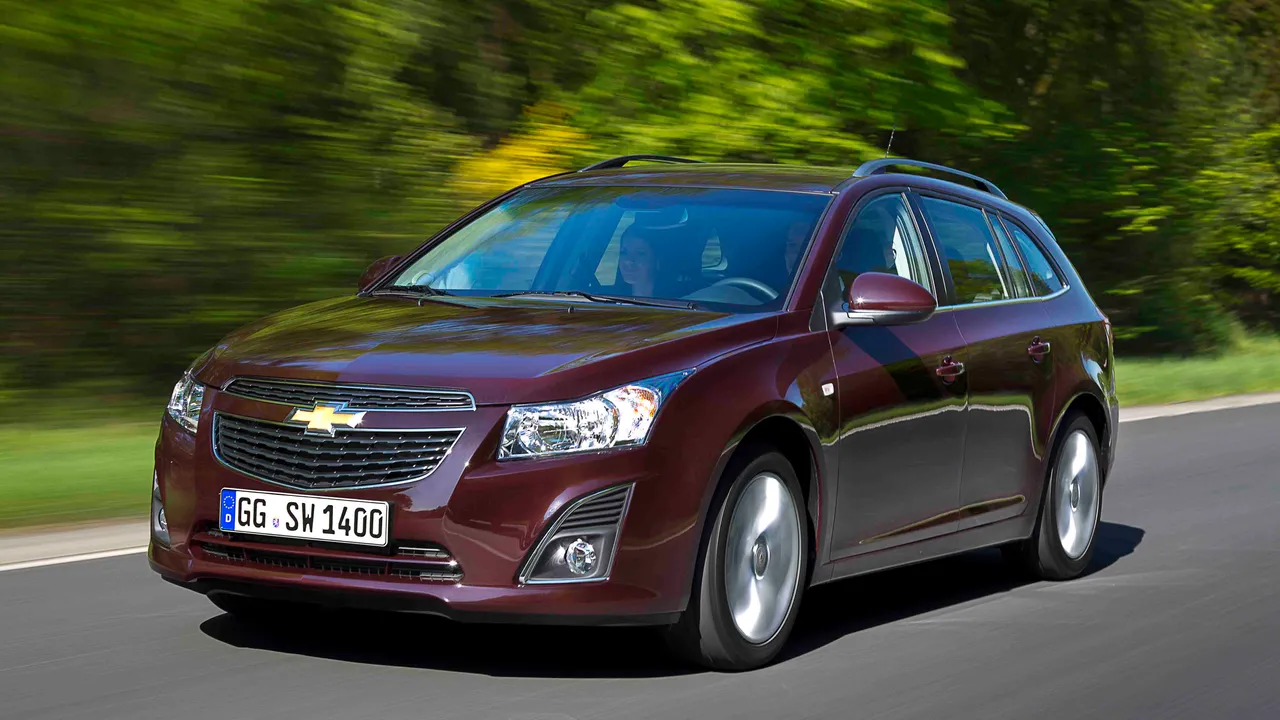
6. Chevrolet Cruze
The Chevrolet Cruze represents General Motors’ successful entry into the global compact car market, offering replacement parts that combine American value engineering with competitive international pricing.
GM’s global platform strategy and the Cruze’s widespread manufacturing across multiple continents have created a parts ecosystem where high-volume production and strategic sourcing result in exceptionally affordable replacement costs, making it an excellent choice for budget-conscious long-term ownership.
General Motors’ extensive global manufacturing network has enabled the Cruze to benefit from economies of scale that few competitors can match.
The vehicle’s platform sharing with other GM models increases parts commonality while reducing manufacturing costs. Engine components including timing belts, water pumps, and fuel system parts are produced in massive quantities across GM’s global facilities, driving prices down while maintaining quality standards that support the company’s warranty commitments.
Routine maintenance items showcase the Cruze’s exceptional value proposition. Oil filters cost $4-7, air filters range from $8-12, and spark plugs are available for $5-9 each. These competitive prices reflect GM’s strategic focus on total cost of ownership rather than just initial purchase price.
Major mechanical components like alternators, starters, and air conditioning compressors remain reasonably priced, typically costing 30-45% less than equivalent parts for European premium vehicles.
The Cruze’s powertrain options demonstrate GM’s practical approach to modern automotive technology. Both gasoline and diesel engine variants benefit from extensive parts sharing across GM’s global lineup, improving availability while reducing costs.
Turbocharger components, fuel injection parts, and emission control systems are competitively priced despite incorporating advanced technologies. The available manual and automatic transmissions use proven GM technologies with well-established parts supply chains.
Brake system components highlight the Cruze’s cost-effectiveness through competitive pricing across all quality levels. Brake pads start at $18-28 per axle, with rotors available for $20-35 each.
The vehicle’s straightforward brake design makes replacement procedures accessible to DIY mechanics while keeping professional service costs reasonable. Performance brake upgrades remain affordable due to growing aftermarket support and competitive supplier pricing.
Suspension components benefit from the Cruze’s global platform strategy and high production volumes. Struts, shocks, springs, and related components are manufactured by multiple suppliers worldwide, creating intense price competition that benefits consumers.
Complete strut assemblies typically cost $55-85 each, while individual components like control arms and stabilizer links are priced at $18-35 each. This competitive pricing makes comprehensive suspension maintenance economically feasible.
The Cruze’s electrical system demonstrates GM’s commitment to practical technology implementation. Modern features like electronic stability control, advanced audio systems, and climate control are supported by competitively priced sensors, actuators, and control modules.
The Cruze’s practical interior design emphasizes functionality and durability over luxury appointments, resulting in components that are both long-lasting and economical to replace when necessary. Dashboard components, seating mechanisms, and interior trim parts remain affordable throughout the vehicle’s service life.
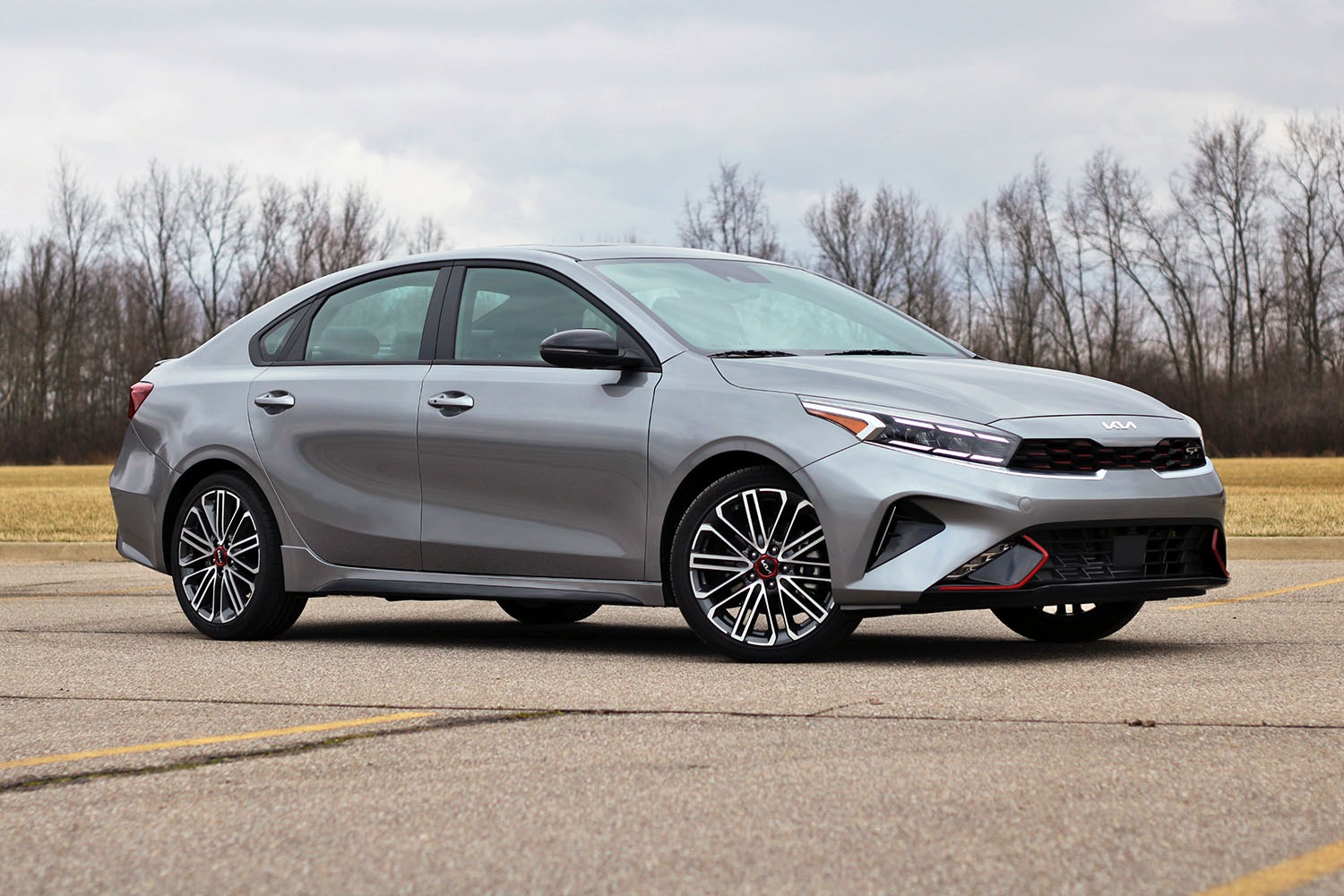
7. Kia Forte
The Kia Forte exemplifies South Korean automotive excellence in value engineering, offering replacement parts that consistently deliver exceptional affordability without compromising quality or reliability.
Kia’s rapid evolution from budget brand to mainstream competitor has been built on a foundation of intelligent design and strategic manufacturing that extends seamlessly into replacement part costs, making the Forte an outstanding choice for cost-conscious vehicle ownership over the long term.
Kia’s global manufacturing strategy emphasizes efficiency and standardization, resulting in Forte components that benefit from impressive economies of scale.
The company’s commitment to long-term customer satisfaction through affordable ownership has created a parts supply chain where competitive pricing is maintained throughout the vehicle’s service life.
Engine components including timing chains, water pumps, and fuel system parts are manufactured in high volumes across Kia’s international facilities, driving costs down while maintaining the quality standards that support the company’s industry-leading warranty coverage.
Daily maintenance items demonstrate the Forte’s remarkable value proposition through highly competitive pricing. Oil filters cost $5-9, air filters range from $9-14, and spark plugs are available for $7-11 each.
These prices reflect Kia’s understanding that affordable maintenance builds customer loyalty while supporting the vehicle’s reliability reputation.
Substantial components like alternators, starters, and cooling system parts remain reasonably priced, typically costing 25-40% less than equivalent parts for European competitors.
The Forte’s transmission options showcase Kia’s practical approach to modern automotive technology. Both manual and automatic transmissions benefit from extensive parts sharing with other Kia and Hyundai models, improving availability while reducing costs through shared manufacturing and development expenses.
CVT components, where applicable, are becoming increasingly affordable as production volumes rise and aftermarket suppliers develop compatible alternatives. Clutch components for manual transmissions are exceptionally affordable, with complete clutch kits available for $180-280.
Brake system components highlight the Forte’s cost-effectiveness through competitive pricing across all performance categories. Basic brake pads start at $22-32 per axle, while rotors are available for $24-38 each.
The vehicle’s straightforward brake design makes replacement procedures accessible to home mechanics, significantly reducing maintenance costs. Performance-oriented brake upgrades remain affordable due to growing aftermarket support and Kia’s commitment to parts availability.
Body panels and exterior components reflect the Forte’s mainstream market positioning and global manufacturing efficiency. Bumpers, fenders, doors, and lighting assemblies are competitively priced and readily available through Kia’s expanding distribution network.
The vehicle’s growing popularity in both retail and commercial markets has encouraged suppliers to maintain comprehensive inventories, ensuring excellent availability and competitive pricing for collision repair applications.
Interior components continue the affordability theme with reasonably priced seats, trim pieces, and convenience features. The Forte’s well-designed interior emphasizes quality materials and thoughtful ergonomics while maintaining cost-effectiveness in component design and manufacturing.
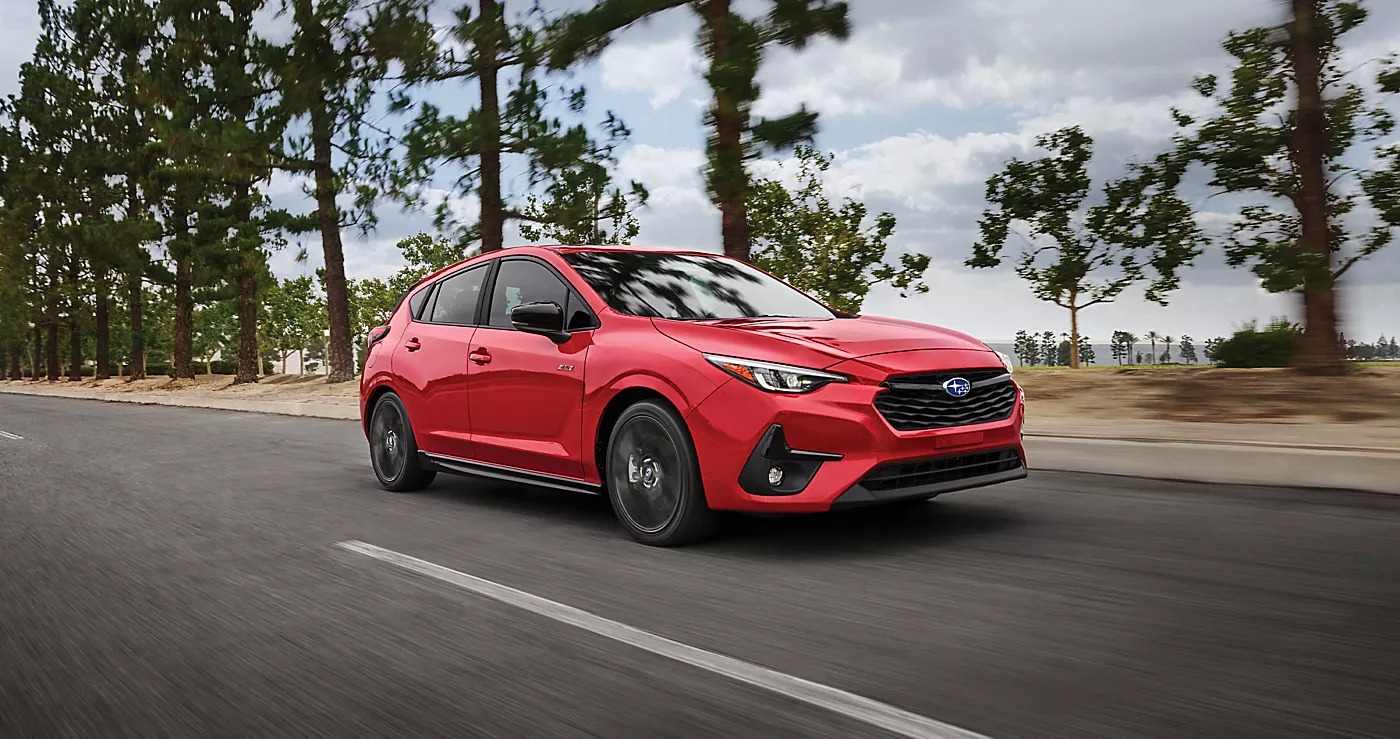
8. Subaru Impreza
The Subaru Impreza occupies a unique position in the automotive marketplace, offering replacement parts that balance Subaru’s reputation for durability and all-wheel-drive capability with surprisingly competitive pricing.
While Subaru vehicles are often perceived as more expensive to maintain than mainstream competitors, the Impreza benefits from high production volumes, extensive parts sharing across the Subaru lineup, and a robust aftermarket community that keeps replacement costs reasonable for this capable compact car.
Subaru’s engineering philosophy emphasizes longevity and reliability, resulting in Impreza components that typically last longer than equivalent parts in competing vehicles.
This durability partially offsets any premium in parts pricing, as components need replacement less frequently. The boxer engine design, while unique, benefits from decades of refinement and extensive parts sharing across multiple Subaru models, ensuring good availability and competitive pricing for engine components like timing belts, water pumps, and head gaskets.
Routine maintenance items demonstrate the Impreza’s reasonable cost structure. Oil filters cost $8-12, air filters range from $12-18, and spark plugs are available for $8-15 each.
While slightly higher than some mainstream competitors, these prices remain reasonable considering Subaru’s quality standards and the vehicle’s advanced all-wheel-drive system.
Major components like alternators, starters, and CV joints are competitively priced, particularly when considering the additional complexity of all-wheel-drive systems.
The Impreza’s all-wheel-drive system, while adding complexity, benefits from Subaru’s extensive experience and high production volumes.
Differential components, transfer case parts, and driveline components are reasonably priced considering the advanced technology involved.
The symmetrical all-wheel-drive system’s proven design has created a stable supply chain with competitive pricing for both OEM and aftermarket components. CV joints and boots, common wear items in all-wheel-drive vehicles, remain affordable at $40-70 for complete assemblies.
Brake system components showcase reasonable pricing despite the additional complexity of all-wheel-drive systems. Brake pads cost $30-45 per axle, with rotors available for $35-55 each.
The Impreza’s brake system is designed for durability and consistent performance, often lasting longer than comparable systems in front-wheel-drive competitors.
Performance brake upgrades are popular and competitively priced due to the vehicle’s enthusiast following and robust aftermarket support.
Interior components continue the reasonable pricing theme with well-built seats, trim pieces, and all-weather accessories that reflect Subaru’s outdoor-oriented brand positioning while remaining economically replaceable when necessary.
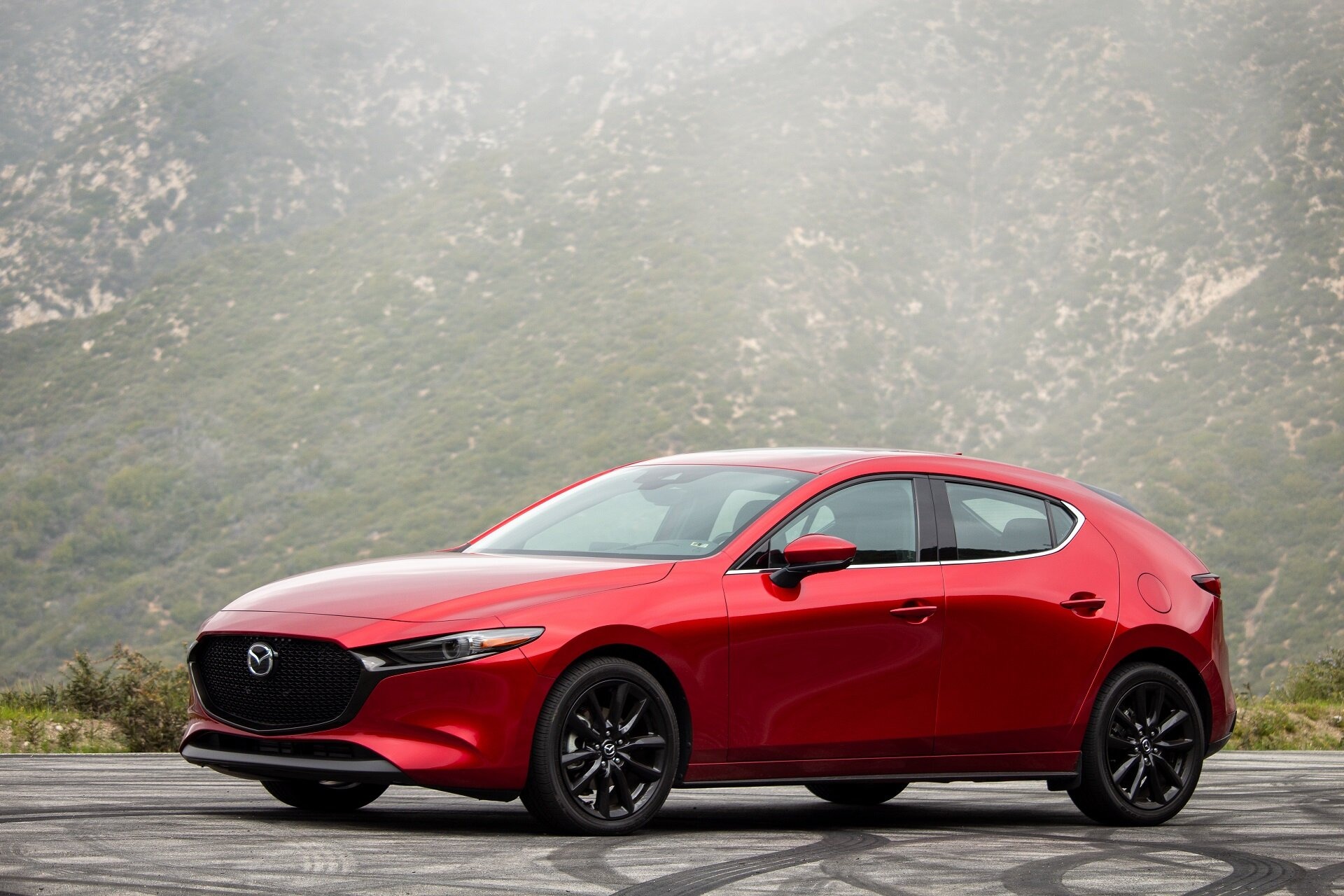
9. Mazda3
The Mazda3 represents Japanese engineering excellence with a focus on driving dynamics and build quality, offering replacement parts that provide exceptional value when considering the vehicle’s premium feel and advanced engineering.
Mazda’s commitment to efficient manufacturing and thoughtful design has created a parts ecosystem where quality components remain reasonably priced, making the Mazda3 an excellent choice for drivers who want premium characteristics without luxury vehicle maintenance costs.
Mazda’s SkyActiv technology philosophy emphasizes efficiency and simplicity, resulting in Mazda3 components that are both advanced and economical to maintain.
The company’s focus on rightsizing rather than oversizing components creates parts that are precisely engineered for their applications while remaining cost-effective to manufacture and replace.
Engine components including timing chains, water pumps, and fuel system parts benefit from Mazda’s efficient manufacturing processes and strategic supplier relationships.
Maintenance items demonstrate the Mazda3’s competitive cost structure. Oil filters cost $7-11, air filters range from $10-16, and spark plugs are available for $8-14 each. These prices reflect Mazda’s commitment to total ownership value rather than just initial purchase price.
Major mechanical components like alternators, starters, and air conditioning compressors are competitively priced, typically costing 15-25% less than equivalent German vehicle parts while maintaining superior quality compared to many budget alternatives.
The Mazda3’s transmission options showcase the company’s engineering excellence and cost-consciousness. Both manual and automatic transmissions incorporate advanced technologies while maintaining reasonable parts costs.
The available manual transmission is particularly cost-effective to maintain, with clutch components available at $200-350 for complete kits. Automatic transmission service parts benefit from Mazda’s focus on long-term reliability and simplified maintenance procedures.
Brake system components highlight the Mazda3’s performance orientation and value proposition. Brake pads cost $25-40 per axle, with rotors available for $30-50 each. The vehicle’s sophisticated brake system delivers excellent performance while maintaining reasonable service costs.
Premium brake upgrades are popular and competitively priced due to the Mazda3’s enthusiast following and the availability of performance-oriented aftermarket components.
Suspension components benefit from Mazda’s focus on driving dynamics and ride quality. The sophisticated suspension system incorporates advanced engineering while maintaining reasonable parts costs.
Struts and shocks are priced at $70-120 each for complete assemblies, while individual components like control arms and stabilizer links cost $20-40 each. This pricing structure makes it economical to maintain the Mazda3’s exceptional handling characteristics throughout its service life.
The Mazda3’s electrical system demonstrates the company’s successful integration of modern technology with cost-effective engineering. Advanced features like adaptive cruise control, infotainment systems, and LED lighting are supported by competitively priced components that reflect Mazda’s efficient manufacturing processes.
Sensors, actuators, and control modules are reasonably priced considering the sophisticated technology involved. Body panels and exterior components reflect the Mazda3’s premium positioning and attention to design detail.
While slightly more expensive than mainstream competitors, bumpers, fenders, doors, and lighting assemblies remain reasonably priced considering their quality and sophisticated styling.
The vehicle’s popularity among driving enthusiasts has encouraged suppliers to maintain good availability for both replacement and styling enhancement applications.
Interior components continue the premium value theme with well-crafted seats, trim pieces, and comfort features that reflect Mazda’s attention to detail while remaining economically serviceable.
The Mazda3’s interior components are designed for durability and long-term satisfaction, often lasting the vehicle’s entire service life while remaining reasonably priced when replacement becomes necessary.
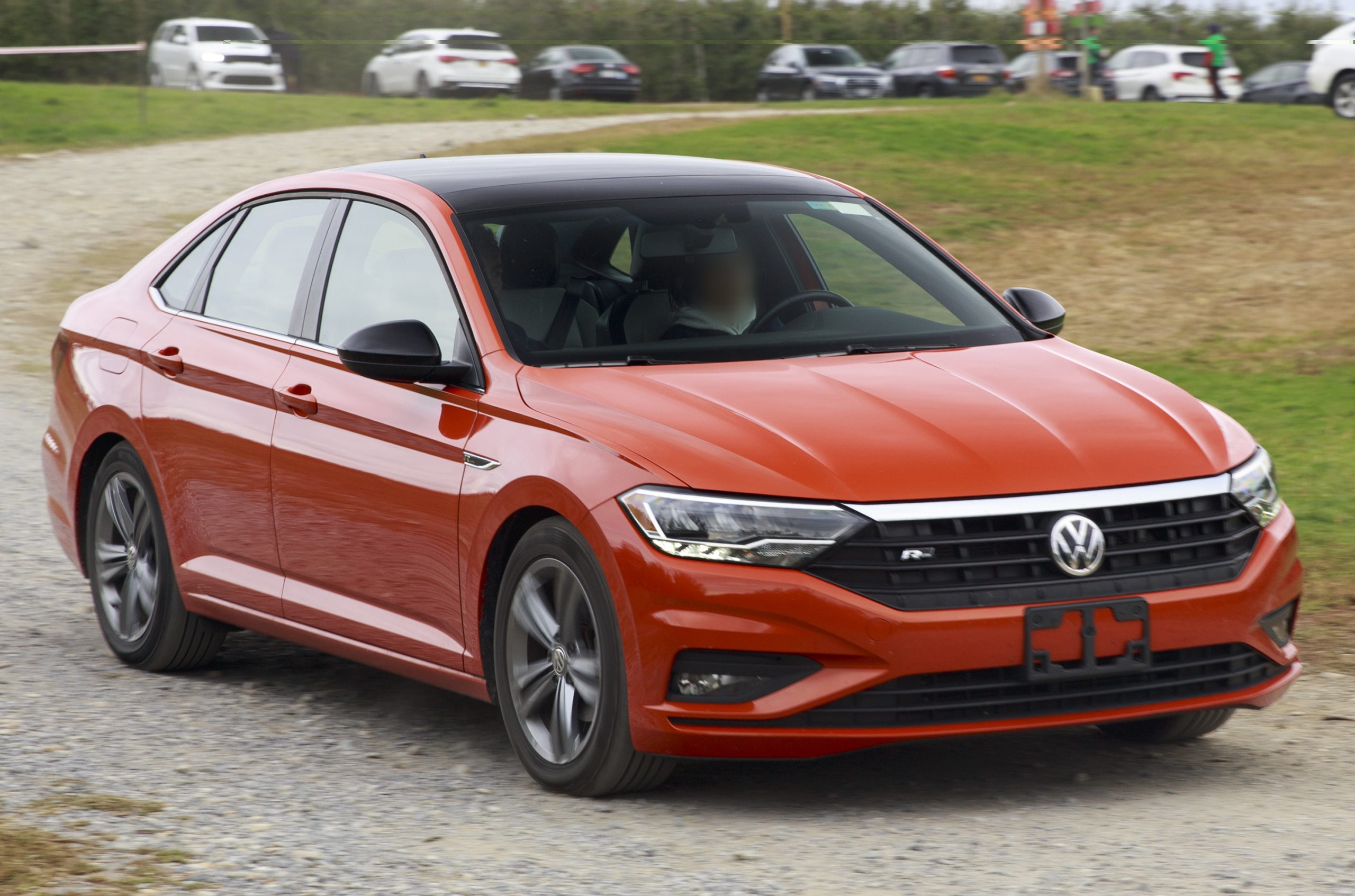
10. Volkswagen Jetta
The Volkswagen Jetta concludes our list as a compelling example of German engineering accessibility, offering replacement parts that balance European sophistication with competitive pricing through strategic manufacturing and global platform sharing.
While Volkswagen parts are traditionally more expensive than Asian competitors, the Jetta benefits from high production volumes, extensive parts sharing across the VW Group, and a mature aftermarket that keeps maintenance costs reasonable for those seeking German engineering without luxury vehicle expenses.
Volkswagen’s global manufacturing strategy and MQB platform sharing have significantly improved the Jetta’s parts cost structure compared to previous generations.
The extensive use of shared components across multiple VW Group brands creates economies of scale that benefit consumers through reduced parts costs while maintaining the build quality and engineering sophistication that define German automotive excellence.
Engine components including timing chains, water pumps, and turbocharger parts are manufactured in high volumes, improving availability and competitive pricing.
Routine maintenance items demonstrate the modern Jetta’s improved cost competitiveness. Oil filters cost $8-15, air filters range from $12-20, and spark plugs are available for $10-18 each.
While slightly higher than some competitors, these prices represent significant improvements over previous Volkswagen generations and remain reasonable considering the vehicle’s advanced engineering and premium feel. Major components like alternators, starters, and DSG transmission parts are competitively priced within the premium compact segment.
The Jetta’s powertrain options showcase Volkswagen’s engineering excellence and improved cost structure. Both naturally aspirated and turbocharged engines benefit from extensive parts sharing across the VW Group lineup, improving availability while reducing costs through shared development and manufacturing.
DSG transmission components, while sophisticated, are becoming more affordable as production volumes increase and aftermarket suppliers develop compatible service parts. Traditional automatic and manual transmission options offer even more competitive parts pricing.
Brake system components highlight the Jetta’s performance capabilities and reasonable service costs. Brake pads cost $35-55 per axle, with rotors available for $40-70 each.
The sophisticated brake system delivers excellent performance and longevity, often lasting significantly longer than comparable systems in mainstream competitors. Performance brake upgrades are popular and reasonably priced due to the Jetta’s enthusiast following and Volkswagen’s performance heritage.
Suspension components benefit from Volkswagen’s focus on ride quality and handling precision. The sophisticated suspension system incorporates advanced engineering while maintaining reasonable parts costs through platform sharing and high production volumes.
Interior components conclude the premium value proposition with well-crafted seats, trim pieces, and convenience features that reflect Volkswagen’s attention to quality and detail while remaining economically serviceable when replacement becomes necessary.
Also Read: 15 Cars Known to Cross 500,000 Miles Without Rebuilds
