
When it comes to automotive reliability, few systems are as critical yet as frequently overlooked as the suspension.
While most car buyers focus on engine reliability, fuel efficiency, or interior amenities, the suspension system quietly bears the burden of every pothole, speed bump, and rough road surface you encounter.
A well-engineered suspension doesn’t just provide a comfortable ride it ensures safety, maintains tire contact with the road, and protects the structural integrity of the entire vehicle.
Unfortunately, suspension repairs can be expensive and inconvenient, with components like control arms, ball joints, bushings, and shock absorbers requiring replacement far sooner than expected in many vehicles.
The good news is that certain manufacturers have mastered the art of building suspension systems that can withstand decades of punishment.
These vehicles feature superior engineering, premium materials, and time-tested designs that resist wear and tear far better than their competitors.
Whether it’s through the use of high-grade steel, innovative rubber compounds, or simply conservative engineering that prioritizes longevity over cost-cutting, these cars stand out in a market where planned obsolescence has become increasingly common.
Whether you’re a used car buyer looking for a reliable vehicle that won’t drain your wallet with repair bills, a new car shopper prioritizing long-term ownership costs, or simply an automotive enthusiast who appreciates excellent engineering, understanding which vehicles deliver exceptional suspension durability can save you thousands of dollars and countless headaches over the years.
Let’s explore these ten remarkable vehicles that have proven themselves as suspension champions on roads around the world.
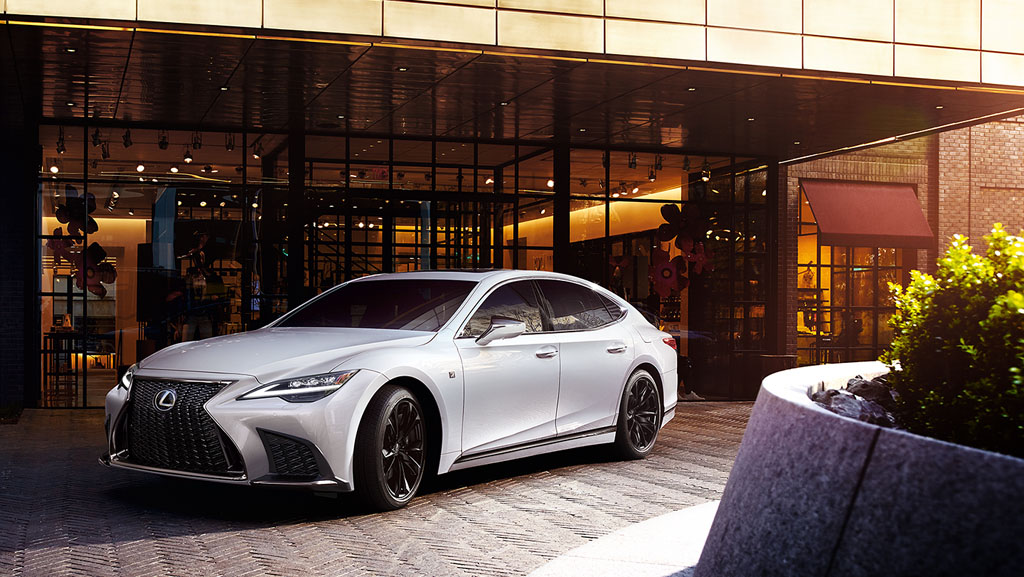
1. Lexus LS Series
The Lexus LS has long represented the pinnacle of Japanese luxury automotive engineering, and its suspension system exemplifies the meticulous attention to detail that Toyota’s luxury division brings to every component.
Since its debut in 1989, the LS has consistently delivered a suspension system that combines exceptional comfort with remarkable longevity, a combination that many competitors struggle to achieve even today.
The secret to the LS’s suspension durability lies in several key engineering decisions. Lexus employs premium-grade materials throughout the suspension assembly, including forged aluminum control arms that resist corrosion and fatigue far better than stamped steel alternatives.
The ball joints feature sealed, lifetime-lubricated designs with precision-machined housings that maintain tight tolerances even after years of use.
Bushings utilize a proprietary rubber compound developed specifically to withstand extreme temperature variations without hardening or cracking, a common failure point in lesser vehicles.
What truly sets the LS apart is Lexus’s philosophy of overengineering. Rather than designing components to barely meet expected service life, Lexus engineers build in substantial safety margins.
This approach means that while the suspension may be slightly heavier than competitors, it delivers reliability that often sees the original components lasting 250,000 miles or more with only shock absorber replacements.
Owners frequently report reaching 300,000 miles with only minimal suspension work, primarily preventive maintenance rather than component failures.
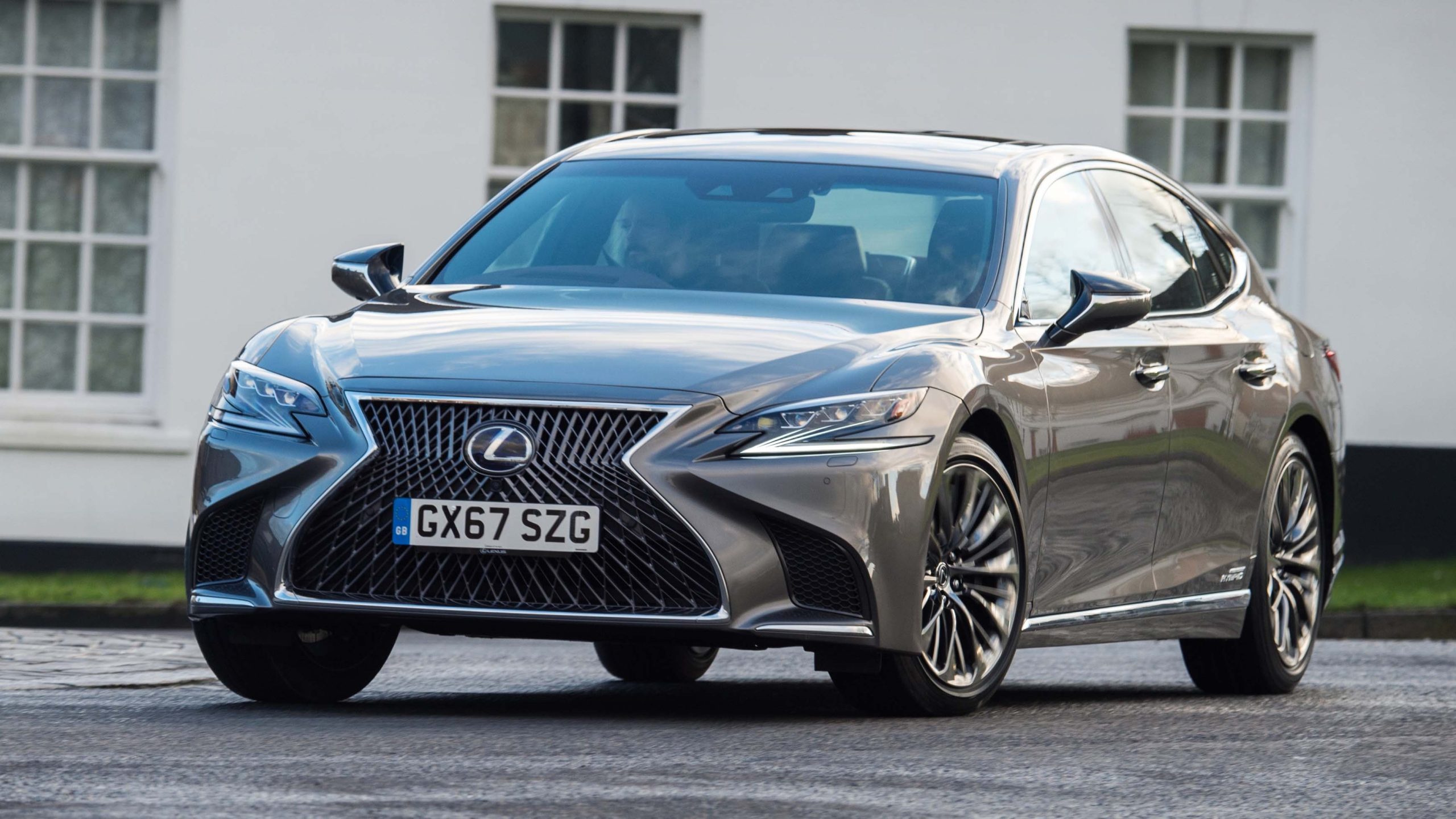
The LS’s suspension geometry has been refined over multiple generations, with each iteration improving upon an already excellent foundation.
The multi-link rear suspension provides optimal wheel control while isolating the cabin from road imperfections. The front MacPherson strut or double-wishbone design (depending on generation) maintains precise alignment even as bushings gradually wear, preventing the premature tire wear that plagues many vehicles with worn suspension components.
Another factor contributing to the LS’s suspension longevity is the vehicle’s build quality and corrosion resistance. Lexus applies extensive corrosion protection to all suspension components, including specialized coatings on steel parts and careful sealing of joints where moisture might penetrate.
This attention to detail pays dividends in regions with harsh winters where road salt accelerates suspension component degradation. Even in the notorious “rust belt” states, LS models routinely maintain structural integrity that would be impossible in vehicles with less comprehensive corrosion protection.
Maintenance requirements for the LS suspension remain minimal throughout the vehicle’s life. Regular inspections of bushings and ball joints typically reveal only gradual wear rather than sudden failures, allowing owners to plan for replacements on their schedule rather than facing emergency repairs.
This predictability makes the LS an excellent choice for those seeking a luxury vehicle without the anxiety of unexpected repair bills.
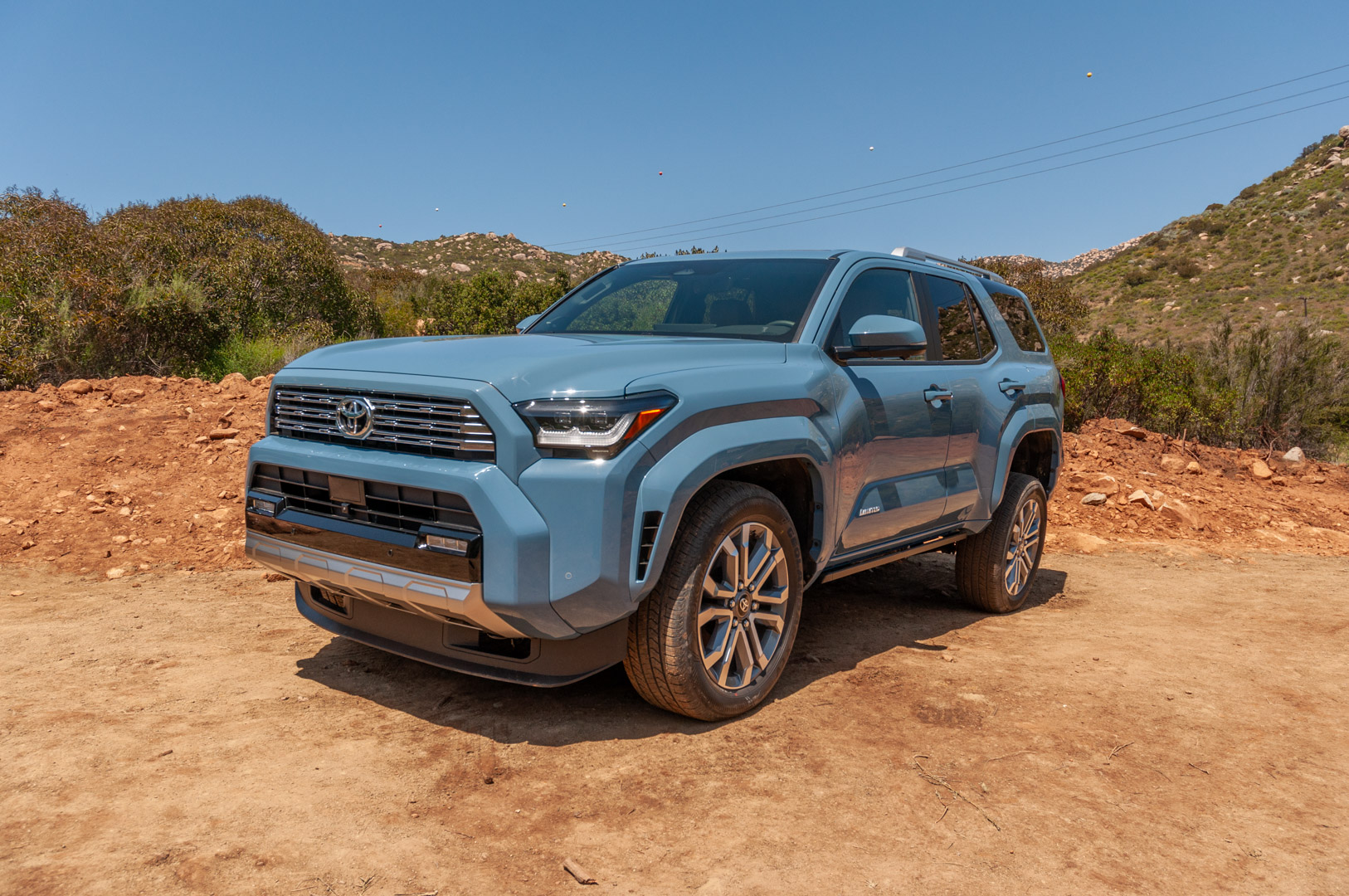
2. Toyota 4Runner
The Toyota 4Runner has built a legendary reputation as one of the most durable SUVs ever produced, and its body-on-frame construction with a truck-based suspension system plays a major role in this durability.
Unlike car-based crossovers with lighter-duty suspension components, the 4Runner features genuine truck underpinnings designed to handle serious abuse, making it a favorite among off-road enthusiasts and those who demand absolute reliability.
The 4Runner’s suspension architecture utilizes a double-wishbone independent front suspension and a four-link rear suspension with a solid axle, a proven design that Toyota has refined over decades.
This configuration provides exceptional articulation for off-road use while maintaining comfortable on-road manners, but more importantly for reliability, it features robust components with generous engineering margins.
The control arms are constructed from heavy-gauge steel, substantially thicker than what you’d find on a typical crossover, and they’re designed to withstand impacts that would bend or break lesser components.
Ball joints on the 4Runner represent a particular engineering triumph. These critical components must support the vehicle’s substantial weight while allowing the steering knuckles to pivot smoothly, all while enduring constant stress from road impacts and off-road use.
Toyota engineers these ball joints with oversized housings, hardened steel studs, and high-quality seals that keep contamination out even when fording water or driving through muddy conditions.
As a result, 4Runner owners routinely see their original ball joints lasting 150,000 to 200,000 miles, with some vehicles approaching 300,000 miles before requiring replacement.
The shock absorbers and coil springs on the 4Runner benefit from conservative tuning that prioritizes longevity over aggressive handling characteristics.
While the 4Runner won’t carve corners like a sports car, this deliberate engineering choice means the suspension components experience less stress during normal driving.
The springs are designed with fatigue resistance in mind, maintaining their rate and ride height far longer than typical passenger car springs. Even after 200,000 miles, many 4Runners show minimal suspension sag, a testament to the quality of the spring steel and heat treatment processes employed.
Bushings throughout the 4Runner’s suspension use a specialized rubber compound that resists the cracking and deterioration common in other vehicles.
These bushings maintain their flexibility and damping characteristics across a wide temperature range, from scorching desert heat to arctic cold.
When maintenance is eventually required, the straightforward design means repairs can be completed efficiently and affordably compared to more complex suspension systems found in competitors.
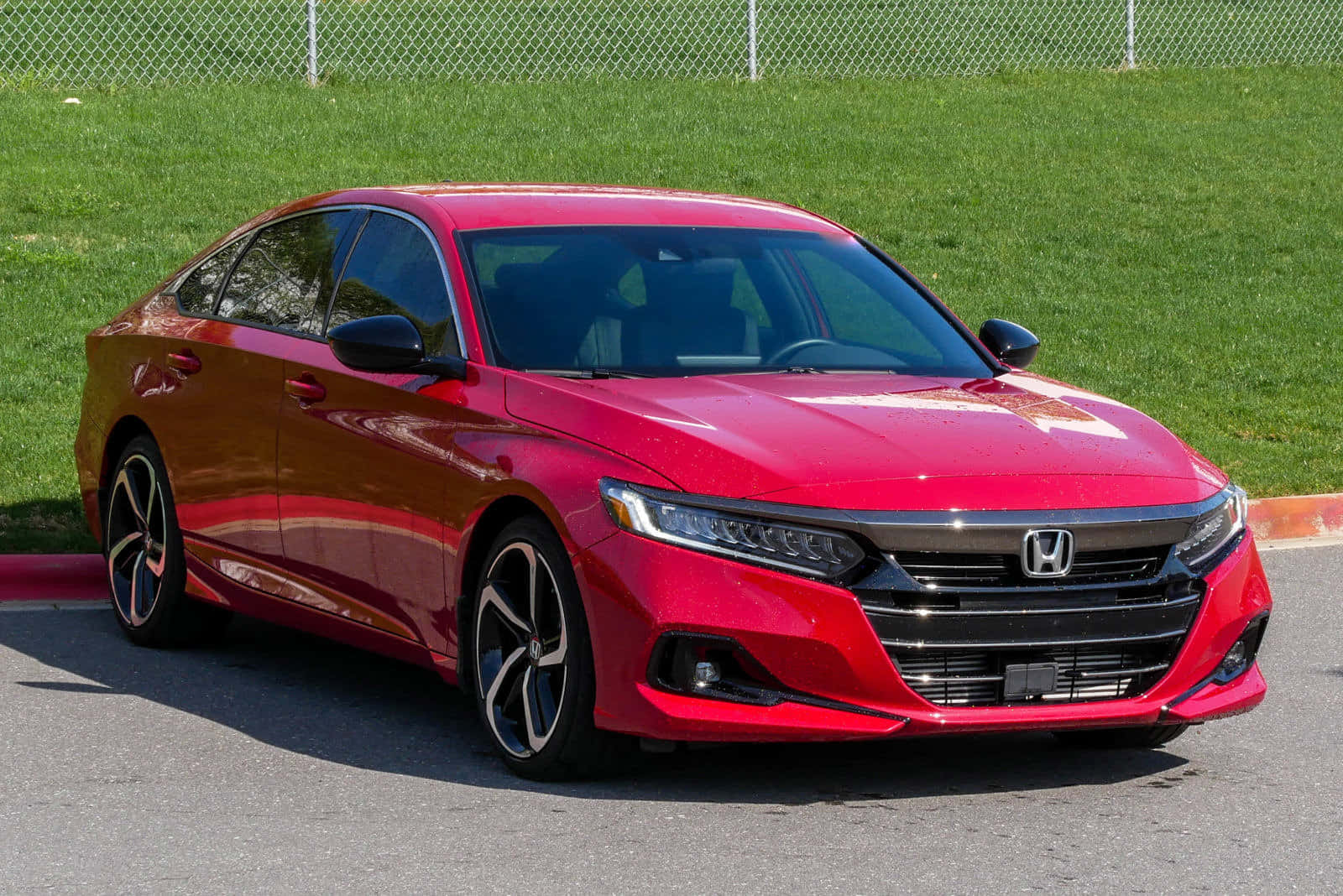
3. Honda Accord
The Honda Accord has been a staple of American driveways for decades, and while it may not have the rugged image of an SUV or the luxury cachet of a premium sedan, its suspension system delivers reliability that exceeds vehicles costing twice as much.
Honda’s engineering philosophy emphasizes real-world durability over marketing specifications, and nowhere is this more evident than in the Accord’s suspension components.
Honda engineers the Accord’s suspension using a MacPherson strut front design with an independent multi-link rear suspension, a configuration that provides an excellent balance of ride comfort, handling precision, and component longevity.
The front struts feature robust mounts and high-quality dampers that maintain their performance characteristics well past 100,000 miles.
While shock absorbers are considered wear items that will eventually need replacement, Accord owners frequently report original struts performing adequately at 150,000 miles or more, far exceeding the typical replacement interval for many vehicles.
The control arms and suspension links on the Accord utilize precision-stamped steel construction with strategically reinforced areas that resist bending and fatigue.
Honda pays particular attention to the design of bushing mounting points, ensuring that stress is distributed evenly rather than concentrated in areas prone to cracking.
This careful stress analysis during the design phase translates to components that can endure countless cycles of compression and extension without developing the fatigue cracks that plague lesser designs.
Ball joints and tie rod ends on the Accord benefit from Honda’s focus on proper sealing and lubrication retention. These components feature multi-lip seals that keep grease inside while preventing water and contaminants from entering, even in harsh driving conditions.
The result is consistent performance over extended periods, with many Accord owners never needing to replace these components even after 200,000 miles of driving.
This exceptional longevity stems from Honda’s quality control during manufacturing, ensuring that each component meets strict tolerances that prevent premature wear.
The bushings used throughout the Accord’s suspension deserve special recognition for their durability. Honda formulates its bushing rubber compounds to maintain flexibility while resisting environmental degradation from ozone, UV exposure, and temperature extremes.
The Accord proves that exceptional suspension reliability doesn’t require exotic materials or six-figure price tags just thoughtful engineering and commitment to quality.
4. Mercedes-Benz W123 Series
The Mercedes-Benz W123, produced from 1976 to 1985, remains legendary among automotive enthusiasts and taxi operators worldwide for its near-indestructible build quality, and its suspension system exemplifies the German engineering philosophy of the era: overbuilt to last indefinitely.
While discussing an older vehicle might seem out of place, the W123’s suspension durability provides valuable insights into what makes a truly reliable system, and these vehicles remain in active service worldwide, a testament to their enduring quality.
The W123 features a front suspension with double wishbones and a rear suspension with a semi-trailing arm design, both engineered with substantial safety margins that seem extravagant by modern standards.
Mercedes-Benz used premium-grade materials throughout, including forged steel control arms, precisely machined ball joints with hardened components, and bushings made from natural rubber compounds specifically formulated for longevity.
The company’s approach was simple: engineer each component to last at least 500,000 kilometers under severe use conditions, ensuring that normal driving would barely stress the suspension.
The ball joints on the W123 are particularly noteworthy for their durability. These components feature oversized housings with precision-machined surfaces that maintain tight tolerances even after decades of use.
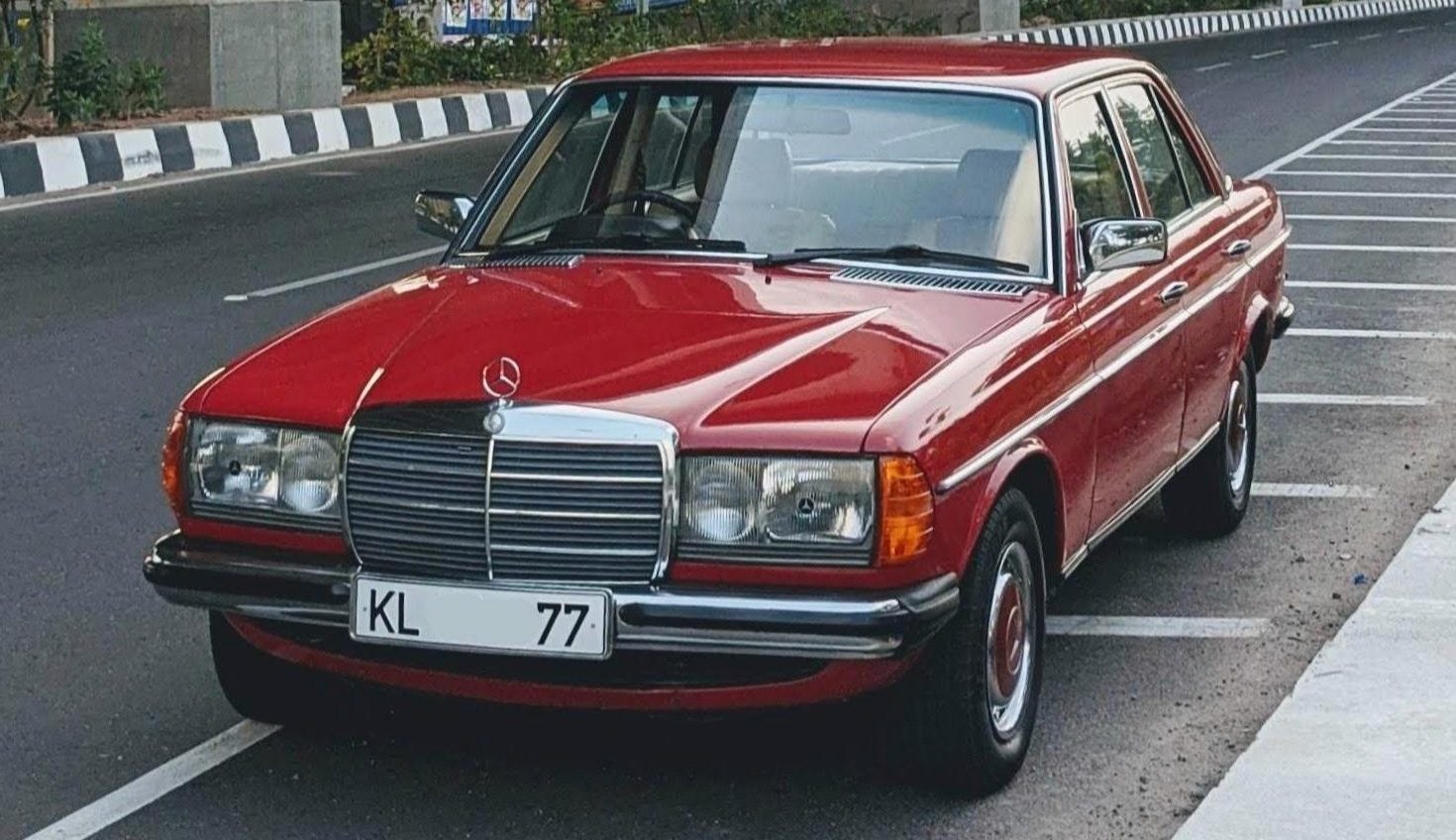
The greasing points allow for periodic lubrication, extending service life even further. Many W123 vehicles have exceeded 500,000 miles on original ball joints, with taxi operators in Germany and Africa reporting even higher mileages before replacement becomes necessary.
This longevity stems from Mercedes-Benz’s refusal to compromise on quality during the manufacturing process, with each component meeting stringent specifications before installation.
The W123’s suspension bushings utilize a natural rubber compound that, when properly maintained and not exposed to petroleum products, can last the vehicle’s lifetime.
These bushings are substantially larger than what you’d find on modern vehicles, providing greater surface area to distribute stress and reducing the loading on any single point.
The bushings’ design also incorporates metal sleeves that prevent the rubber from tearing under heavy loads, a failure mode common in modern vehicles with smaller, lighter-duty bushings.
The numerous W123 vehicles still providing reliable transportation worldwide, many with original suspension components, prove that engineering for longevity creates value that transcends initial purchase price.
Also Read: 12 EVs That Keep Their Range Surprisingly Well
5. Subaru Outback
The Subaru Outback has carved out a unique niche as the vehicle of choice for outdoor enthusiasts, educators, and those seeking a reliable all-weather vehicle without traditional SUV drawbacks.
While Subaru vehicles have faced criticism for some reliability issues over the years, the Outback’s suspension system stands as a bright spot, delivering durability that matches or exceeds many competitors.
The company’s all-wheel-drive expertise and understanding of harsh-condition driving inform the suspension design, resulting in components built to withstand real-world abuse.
The Outback utilizes a MacPherson strut front suspension and either a double-wishbone or multi-link rear suspension depending on generation, both featuring robust construction that reflects Subaru’s understanding of its customer base.
Outback owners regularly drive on unpaved roads, go through the snow-covered mountain passes, and load their vehicles heavily with outdoor equipment use cases that quickly expose weak suspension designs.
Subaru engineers for these scenarios, resulting in suspension components with generous safety margins that translate to extended service life even under demanding conditions.
Subaru’s approach to suspension durability emphasizes practical design choices over complexity. The front strut design uses robust mounts with high-quality bearings that resist wear even with frequent full-lock steering inputs common in tight parking situations or going through the twisty mountain roads.
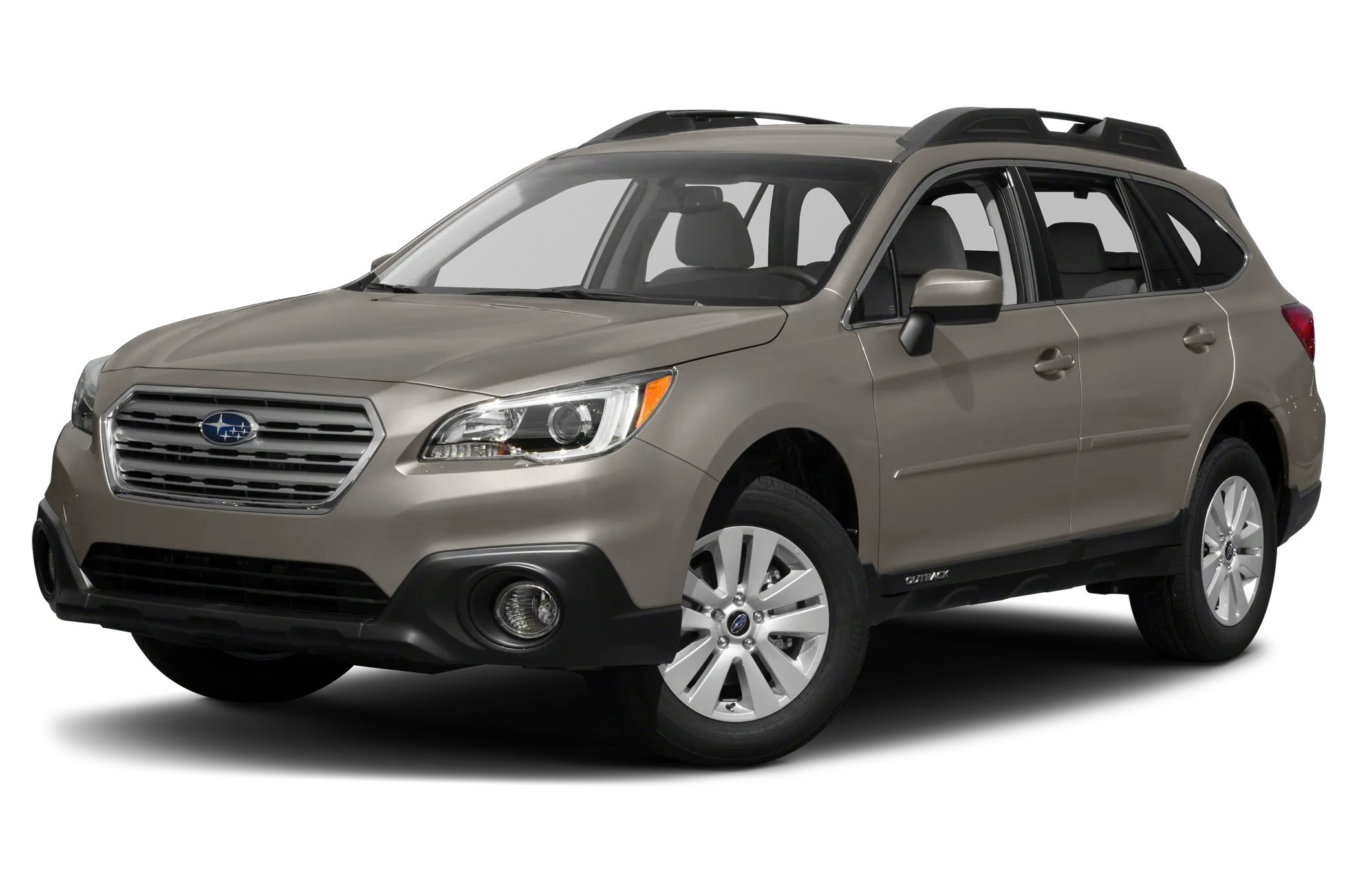
The struts themselves feature quality dampers that maintain consistent performance across Subaru’s wide operating temperature range, from below-zero winter conditions to hot summer temperatures.
Owners frequently report original struts remaining serviceable past 150,000 miles, with some vehicles approaching 200,000 miles before replacement becomes necessary for comfort rather than safety reasons.
The control arms and suspension links on the Outback benefit from Subaru’s extensive experience with all-wheel-drive vehicles. The additional drivetrain components beneath the vehicle required careful packaging of suspension elements, and Subaru used this as an opportunity to optimize suspension geometry and component placement.
The result is a suspension system where stress is evenly distributed across components rather than concentrated in vulnerable areas. This balanced loading extends component life significantly, with control arms routinely lasting the vehicle’s lifetime unless damaged by road hazards.
Ball joints and wheel bearings on the Outback demonstrate Subaru’s commitment to using quality components even in an affordably-priced vehicle.
Owners in northern climates particularly appreciate this durability, as suspension bushing replacement in winter conditions represents one of the most unpleasant repair scenarios.
6. Volvo 240 Series
The Volvo 240, produced from 1974 to 1993, earned its reputation as one of the most durable vehicles ever built, and its suspension system exemplifies the Swedish manufacturer’s commitment to safety and longevity.
While Volvo has evolved significantly since the 240 era, these vehicles remain on roads worldwide, with many exceeding 300,000 miles on original suspension components a testament to engineering that prioritized real-world durability over marketing specifications or cost reduction.
The 240’s suspension architecture is refreshingly straightforward: MacPherson struts in front and a live rear axle with coil springs and trailing arms in the rear.
This simple design proves far more durable than complex multi-link suspensions found on contemporary vehicles, with fewer pivot points and bushings to wear out.
Volvo engineered each component with substantial safety margins, understanding that their customers valued reliability and safety above cutting-edge handling or ride refinement. The result is a suspension system that delivers adequate performance while lasting essentially forever with minimal maintenance.
Volvo’s approach to suspension component manufacturing in the 240 era emphasized quality materials and conservative engineering.
The front struts feature robust housings and mounts designed to resist the considerable stresses imposed during emergency braking or evasive maneuvers.
The company specified high-quality dampers with precise valving that maintained consistent performance even after years of service.
While struts are eventually wear items requiring replacement, 240 owners report original dampers remaining functional past 200,000 miles, with replacement typically undertaken for comfort improvement rather than safety concerns.

The ball joints on the 240 represent a particular triumph of over-engineering. These components are substantially larger than what you’d find on comparable vehicles from the era, featuring precision-machined housings with hardened steel studs and high-quality seals.
Volvo designed these ball joints with grease fittings, allowing for periodic lubrication that extends service life indefinitely when maintenance is performed.
Many 240s have exceeded 400,000 miles on original ball joints, particularly vehicles that received regular greasing as part of routine maintenance. This longevity was intentional Volvo engineers designed these components to outlast the vehicle itself under normal use conditions.
The rear suspension on the 240, with its solid axle design, proves even more durable than the front. The trailing arms are constructed from heavy-gauge steel with reinforced mounting points, and the bushings use a specialized rubber compound that resists degradation even across decades of service.
The simplicity of this design means fewer components to fail, and the robust construction ensures that even harsh driving conditions don’t compromise durability.
These bushings resist the cracking and hardening that plague lesser designs, maintaining their damping characteristics essentially indefinitely when not contaminated by petroleum products. The bushings’ large size also distributes stress over greater surface area, reducing loading and extending service life.
7. Lexus GX Series
The Lexus GX represents Toyota’s luxury take on the legendary Land Cruiser Prado platform, combining serious off-road capability with premium amenities and, most relevantly for this discussion, a suspension system engineered to last virtually forever.
Built on a body-on-frame platform with truck-grade suspension components, the GX delivers durability that justifies its premium price through dramatically reduced long-term maintenance costs and exceptional reliability that rivals far more expensive SUVs.
The GX’s suspension architecture utilizes a double-wishbone independent front suspension and a four-link rear suspension with either coil springs or an adaptive air suspension system, depending on trim level and model year.
Unlike car-based luxury crossovers where suspension components are engineered to minimize weight and cost, the GX features components designed for serious work.
The control arms are forged steel rather than stamped or cast aluminum, providing exceptional strength and resistance to bending or fatigue even under harsh conditions.
This robust construction means that even owners who regularly traverse challenging terrain report minimal suspension issues even past 150,000 miles.
Ball joints on the GX benefit from Lexus’s meticulous engineering and quality control standards. These critical components feature precision-machined housings with tight tolerances that prevent the play and looseness that develop in lesser designs.
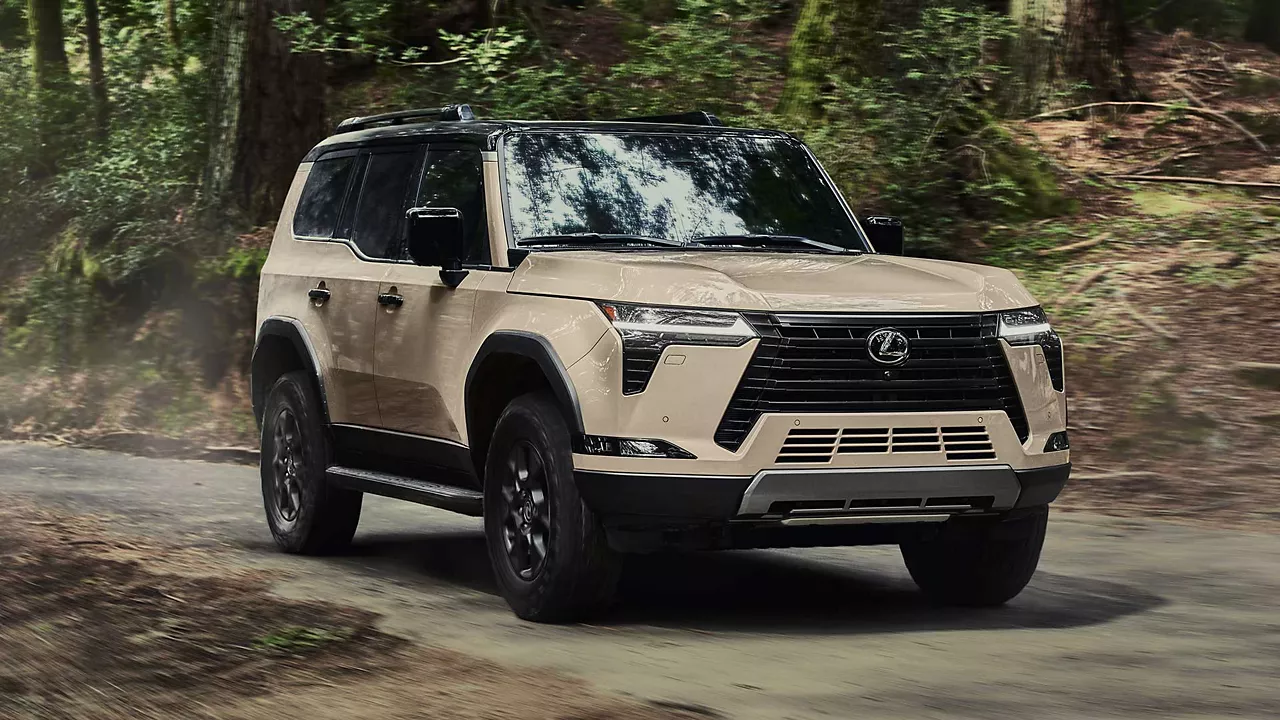
The ball joints use sealed bearings with lifetime lubrication, eliminating maintenance requirements while ensuring consistent performance across the vehicle’s service life.
Lexus over-engineers these components with substantial safety margins, understanding that GX owners may subject their vehicles to conditions far exceeding typical SUV use.
The result is ball joints that routinely last 200,000 miles or more, with many vehicles approaching 300,000 miles before replacement becomes necessary.
The GX’s shock absorbers and suspension springs demonstrate Lexus’s commitment to long-term durability even in comfort-oriented components.
This comprehensive rust prevention proves particularly valuable in regions with harsh winters, where the GX’s suspension maintains structural integrity that would be impossible for vehicles with less thorough corrosion protection.
The result is a suspension system that maintains quiet, comfortable operation far longer than competitors, with many GX owners never experiencing the clunking and rattling that indicates bushing failure in other vehicles.
8. Honda CR-V
The Honda CR-V has been one of America’s best-selling vehicles for years, and while buyers might be attracted by its practical interior and fuel efficiency, the CR-V’s suspension durability provides compelling value that becomes apparent only over years of ownership.
Honda applies the same engineering philosophy that makes the Accord suspension so reliable to the CR-V, resulting in a compact SUV with suspension components that routinely outlast competitors by substantial margins while requiring minimal maintenance.
The CR-V utilizes a MacPherson strut front suspension and either a double-wishbone or multi-link rear suspension depending on generation, both engineered with Honda’s characteristic attention to real-world durability.
The front struts feature robust mounts with quality bearings that resist wear even with frequent steering inputs at full lock, common in tight parking situations.
The strut assemblies themselves use dampers that maintain consistent performance well past typical replacement intervals, with owners frequently reporting original struts performing adequately at 150,000 miles or more.
This extended service life stems from Honda’s conservative damper valving and use of quality seals that prevent fluid loss even across years of service.
The control arms and suspension links on the CR-V demonstrate Honda’s expertise in efficient engineering that doesn’t compromise durability.
The stamped steel construction includes strategic reinforcements in high-stress areas, distributing loads effectively and preventing the fatigue cracks that develop in lesser designs.
Honda’s manufacturing quality control ensures consistent material properties and precise dimensions across production runs, eliminating the weak components that sometimes slip through less rigorous inspection processes. The result is control arms that rarely fail even after 200,000 miles of service, unless damaged by severe road hazards or accidents.
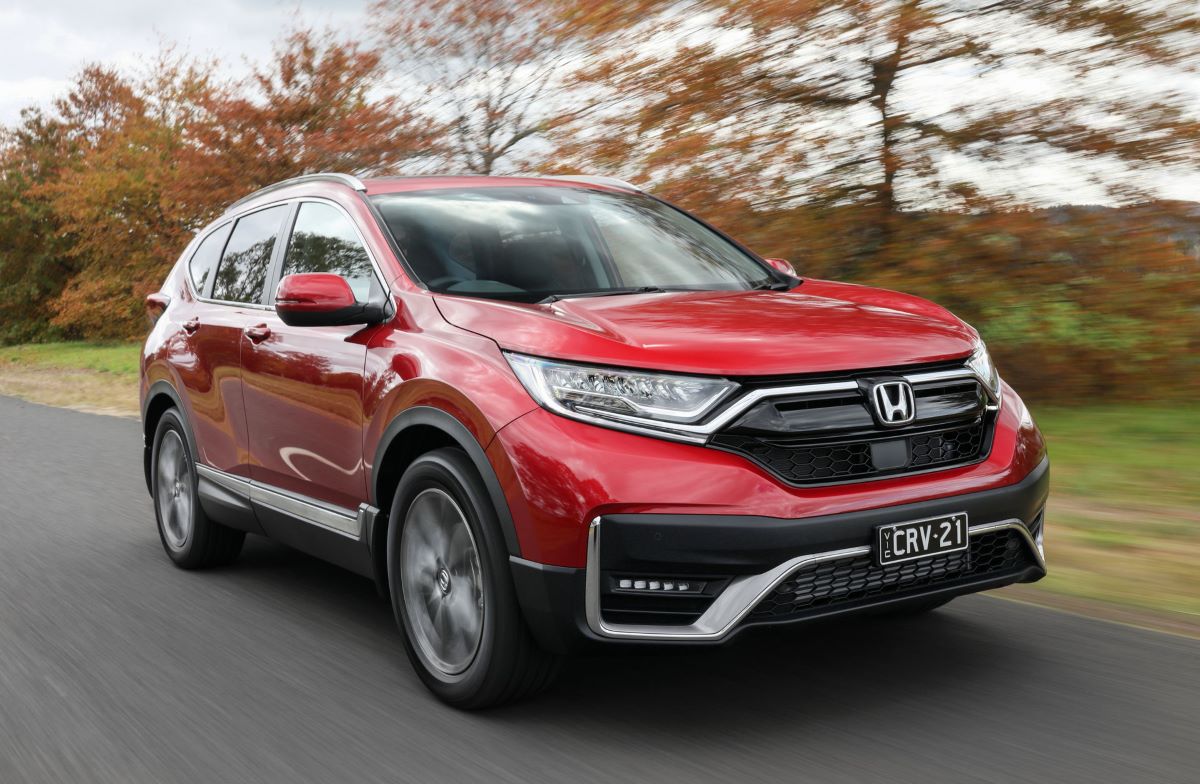
Ball joints and tie rod ends on the CR-V benefit from Honda’s focus on effective sealing and contamination prevention. These components feature multi-lip seals that keep grease inside while preventing water, dirt, and road salt from entering, even in harsh driving conditions common in northern climates.
The precision-machined housings maintain tight tolerances that prevent the looseness and play that develop in lower-quality designs, ensuring consistent steering feel and preventing premature tire wear.
Many CR-V owners report original ball joints and tie rod ends remaining serviceable past 200,000 miles, a testament to Honda’s component quality and design effectiveness.
The bushings used throughout the CR-V’s suspension exemplify Honda’s materials engineering expertise. The rubber compounds are formulated to maintain flexibility while resisting environmental degradation from ozone, UV exposure, and temperature extremes that cause premature failure in lesser designs.
Honda also carefully engineers bushing dimensions and mounting configurations to distribute stress evenly, preventing the concentrated loading that causes tearing and failure.
CR-V owners appreciate the quiet, rattle-free ride that persists even in high-mileage vehicles, a direct result of bushings that maintain their damping characteristics across extended service intervals.
Honda’s approach to corrosion resistance in the CR-V balances cost considerations with adequate protection for the vehicle’s intended use.
Strategic application of corrosion-resistant coatings on steel components, use of aluminum in appropriate locations, and careful design to prevent moisture accumulation in critical areas ensure that the CR-V’s suspension remains structurally sound even in regions with harsh winters.
While the CR-V’s corrosion protection might not match the extensive undercoating found on body-on-frame SUVs, it proves more than adequate for the compact crossover’s typical use case, with suspension components maintaining integrity even in vehicles from northern climates with aggressive road salt application.
What makes the CR-V particularly impressive is delivering this suspension durability at a competitive price point in the compact SUV segment.
Honda achieves this through manufacturing efficiency, design optimization that eliminates unnecessary complexity, and volume production that allows for quality materials without premium pricing.
The CR-V proves that exceptional suspension reliability doesn’t require exotic engineering or luxury pricing just Honda’s proven approach of thoughtful design, quality materials, and manufacturing excellence.
9. Toyota Tacoma
The Toyota Tacoma has dominated the mid-size truck segment for years, and its suspension system represents a major factor in this success. Built on a truck platform with genuine off-road capability, the Tacoma features suspension components engineered to withstand abuse that would quickly destroy the suspension on car-based crossovers.
Toyota’s understanding of customer expectations buyers who use their trucks for actual work and recreation rather than just commuting—informs the suspension design, resulting in components with substantial safety margins that translate to exceptional longevity.
The Tacoma’s suspension architecture varies by configuration, with most models featuring an independent double-wishbone front suspension and either a leaf-spring solid rear axle or a four-link coil spring rear suspension depending on bed length and trim level.
Both configurations emphasize durability over refinement, using robust components designed for real-world punishment. The front control arms use heavy-gauge steel construction substantially thicker than what you’d find on a typical SUV, capable of withstanding impacts that would bend or break lesser components.
Toyota engineers these arms with strategic reinforcements in high-stress areas, ensuring they maintain structural integrity even under extreme conditions. Ball joints on the Tacoma deserve special recognition for their exceptional durability.
These components must support substantial weight while allowing steering movement, all while enduring constant stress from road impacts and off-road use that pushes components to their limits.
Toyota engineers these ball joints with oversized housings featuring precision-machined surfaces that maintain tight tolerances even after years of abuse.
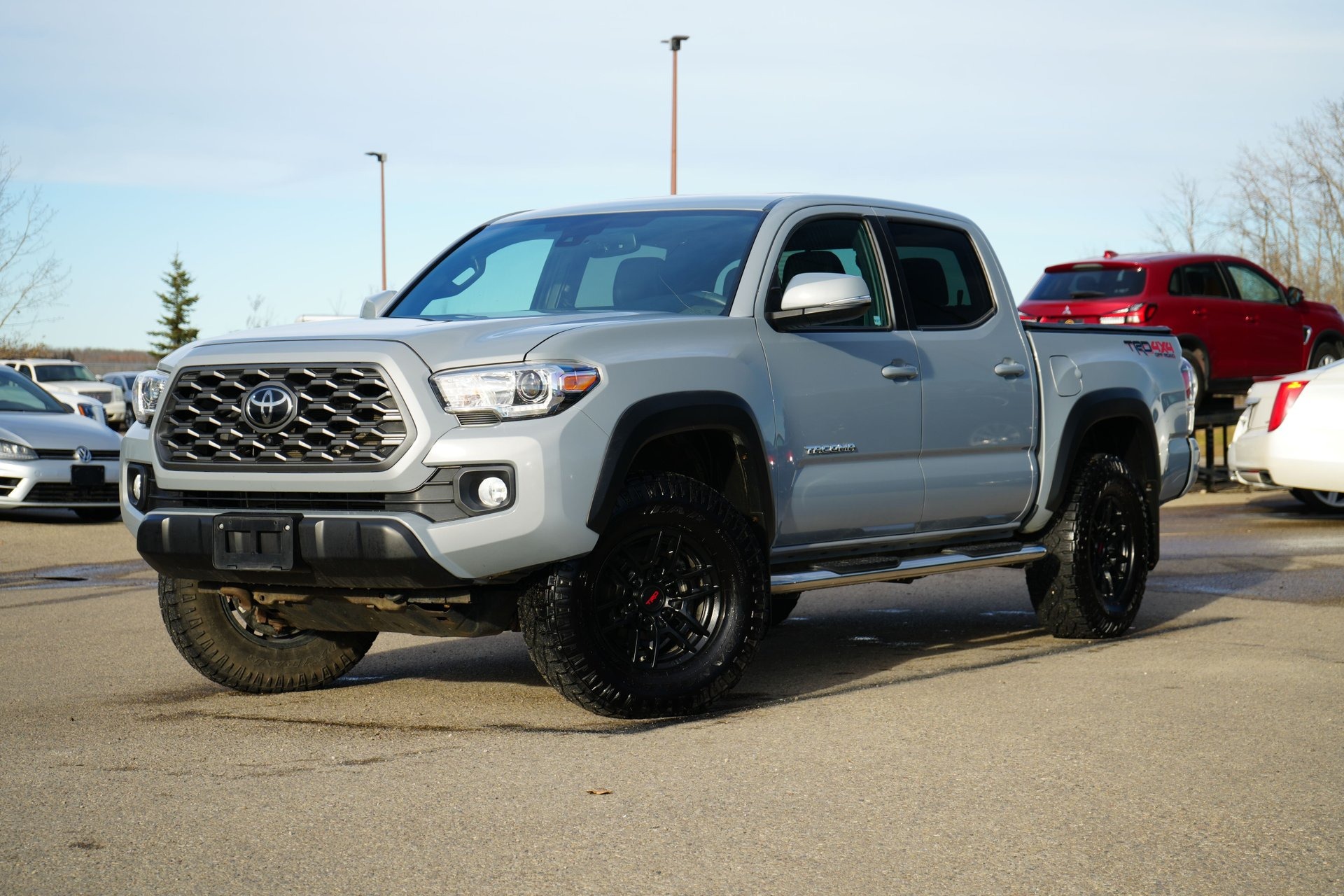
The high-quality seals keep contamination out even when fording water or driving through muddy conditions common in off-road use.
Tacoma owners routinely report original ball joints lasting 150,000 to 200,000 miles, with some trucks approaching 300,000 miles before replacement becomes necessary remarkable longevity for components subjected to such harsh conditions.
The rear suspension on leaf-spring Tacoma models proves virtually indestructible through simple, time-tested design. Leaf springs have been used on trucks for over a century because they work reliably with minimal maintenance, and Toyota’s implementation continues this tradition.
The leaves use quality spring steel with proper heat treatment that resists sagging and maintains load capacity across the vehicle’s service life. The leaf spring bushings utilize robust rubber compounds that resist deterioration even in harsh conditions, with many Tacomas retaining original bushings past 200,000 miles.
The solid rear axle design, while less refined than independent suspension, provides durability that justifies any compromise in ride quality for owners who use their trucks seriously.
Models equipped with the four-link coil spring rear suspension offer improved ride quality while maintaining exceptional durability through Toyota’s characteristic over-engineering.
The coil springs use premium alloy steel that resists sagging, maintaining ride height and load capacity far longer than typical passenger vehicle springs.
The control links feature robust construction with quality bushings that endure the articulation and stress common in off-road use without failure. This design provides the best of both worlds improved comfort for daily driving with the durability expected from Toyota truck products.
Toyota’s corrosion protection strategy for the Tacoma reflects the company’s understanding that trucks face harsh conditions. Extensive undercoating, use of galvanized steel in critical areas, and strategic design to prevent moisture accumulation ensure that the Tacoma’s suspension maintains structural integrity even in regions with aggressive road salt application.
The frame receives particular attention with comprehensive rust-proofing that prevents the frame perforation issues that ended some previous-generation Tacoma models.
Suspension mounting points benefit from this protection, maintaining strength and rigidity that prevent the alignment issues common in vehicles where rust has compromised suspension attachment points.
The Tacoma’s shock absorbers benefit from Toyota’s conservative tuning and quality component specification. While the shocks will eventually wear out like all hydraulic dampers, Tacoma owners report original dampers remaining functional past 100,000 miles, with many trucks approaching 150,000 miles before replacement significantly improves ride quality.
The mounting points are designed to resist wear and prevent the failures common in vehicles where inadequate bushings or weak brackets cause premature shock replacement.
10. Mazda MX-5 Miata
The Mazda MX-5 Miata might seem an unusual inclusion in a list focused on suspension durability, as sports cars typically sacrifice longevity for performance.
However, the Miata defies this expectation through Mazda’s brilliant engineering that delivers excellent handling without compromising reliability.
The lightweight construction and carefully calibrated suspension loads mean that despite the Miata’s enthusiast-oriented mission, its suspension components experience less stress than heavier vehicles, translating to exceptional longevity that surprises owners accustomed to expensive sports car maintenance.
The Miata utilizes a double-wishbone suspension at all four corners, a design favored by sports car engineers for its ability to maintain optimal tire contact during spirited driving.
While this configuration includes more pivot points and bushings than simpler suspension designs, Mazda’s execution emphasizes quality over complexity. The control arms use forged aluminum construction that provides excellent strength-to-weight ratio while resisting corrosion far better than steel alternatives.
This material choice proves particularly valuable in regions with winter road salt application, as the aluminum suspension components maintain structural integrity when steel would be showing significant corrosion.
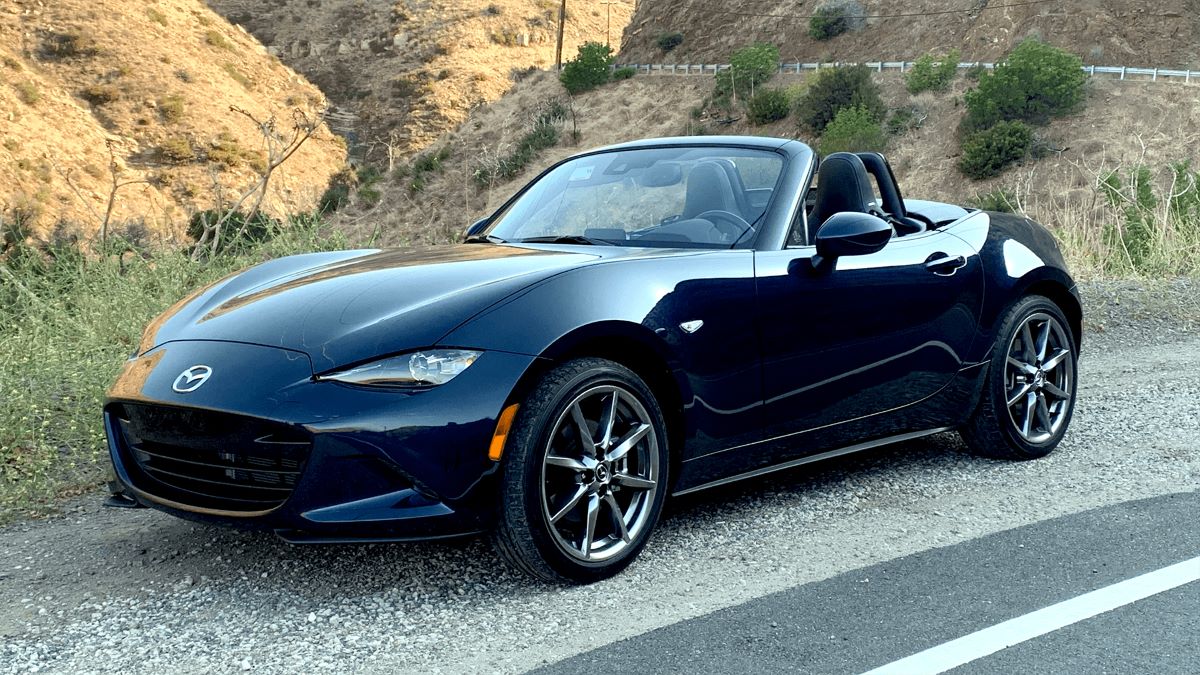
The Miata’s ball joints demonstrate Mazda’s commitment to quality even in an affordable sports car. These components feature precision-machined housings with tight tolerances that maintain proper geometry across the suspension’s range of motion.
The seals effectively prevent contamination even during spirited driving that pushes suspension components through rapid articulation cycles.
While the Miata’s sporting mission might suggest frequent suspension component replacement, owners report ball joints lasting 150,000 miles or more with proper maintenance, comparable to luxury sedans costing far more.
Suspension bushings on the Miata deserve special mention for their exceptional durability despite the car’s performance-oriented mission.
The result is a sports car that delivers driving joy without the anxiety of constant repairs, making it an excellent choice for enthusiasts seeking affordable, reliable performance.
