
There’s nothing quite as frustrating as turning your key in the ignition only to hear the dreaded clicking sound of a dead battery. For many drivers, jump-starting a vehicle has become an all-too-familiar ritual, especially during harsh winter months or after leaving interior lights on overnight.
However, not all vehicles are created equal when it comes to battery reliability and electrical system dependability. Some cars, trucks, and SUVs have earned stellar reputations for their ability to start reliably day after day, year after year, with minimal battery-related issues.
The reliability of a vehicle’s starting system depends on multiple factors working in harmony. A robust electrical architecture, high-quality battery construction, efficient alternator design, and intelligent power management systems all contribute to whether a vehicle will fire up consistently or leave you stranded.
Manufacturers who prioritize these components and engineer their vehicles with redundancy and durability in mind create machines that owners can trust implicitly.
These vehicles become known not just for their performance, comfort, or features, but for their fundamental ability to do the most basic thing a car must do: start when you need it to.
For drivers tired of battery anxiety and jump-start cables, these twelve vehicles offer peace of mind and the reliability that should be standard in every automobile.
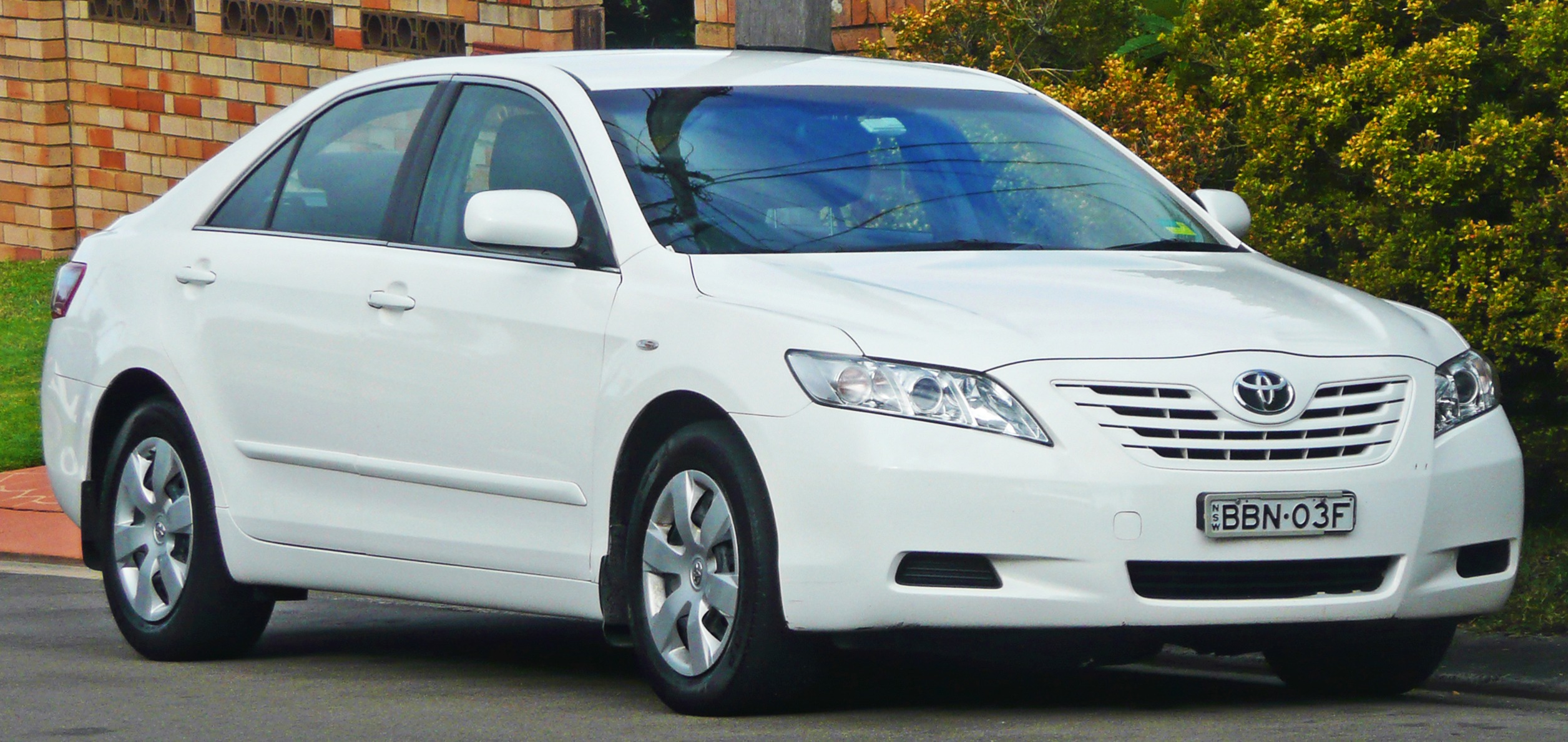
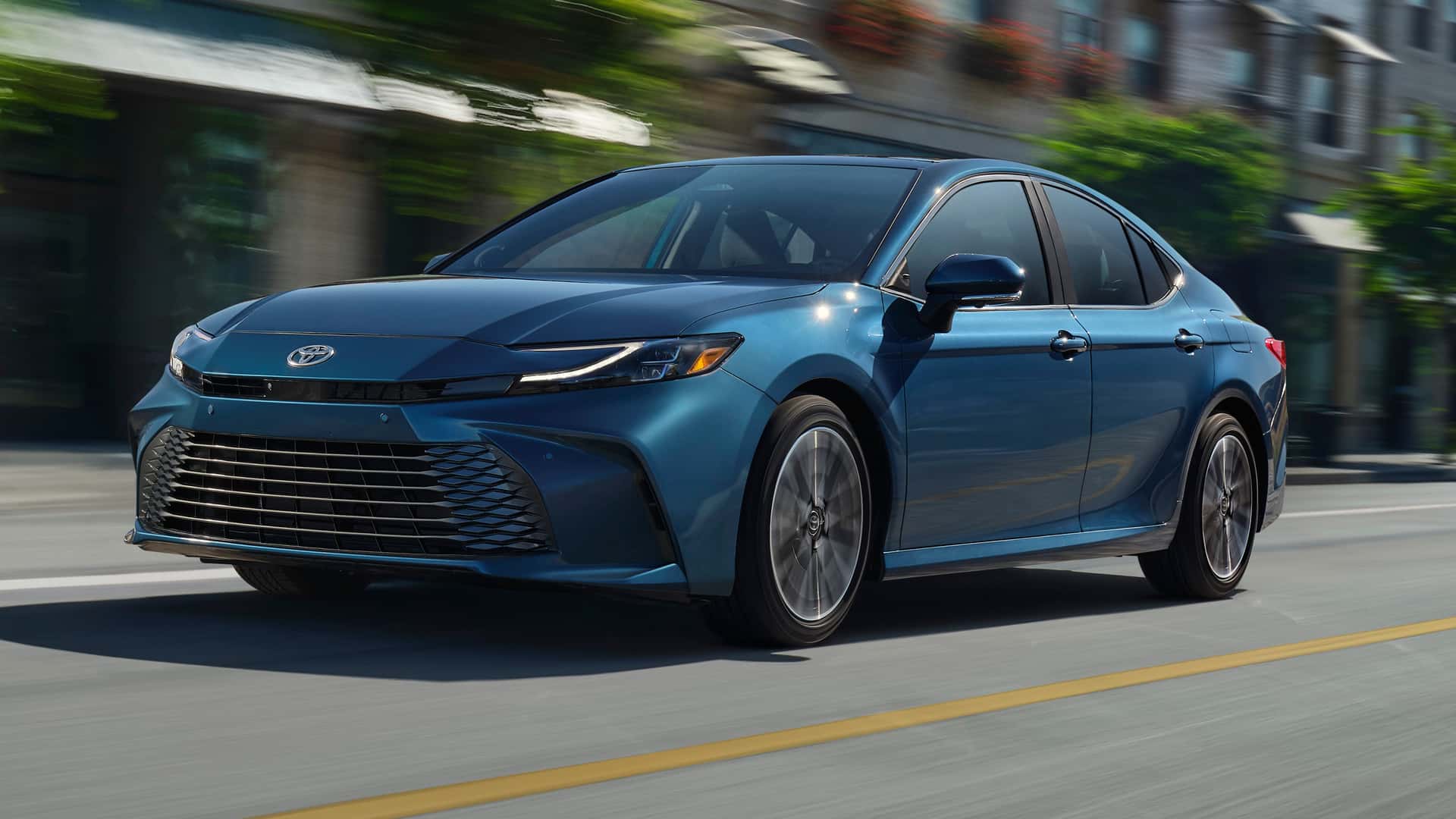
1. Toyota Camry
The Toyota Camry has long been synonymous with reliability, and its electrical system is no exception to this reputation. For decades, this midsize sedan has been the go-to choice for drivers who prioritize dependability above all else, and its exceptional starting reliability is a significant part of that equation.
The Camry’s ability to start consistently, even after sitting unused for extended periods or in extreme weather conditions, stems from Toyota’s meticulous engineering approach that treats every component as critical to the ownership experience.
At the heart of the Camry’s reliable starting system is a carefully designed electrical architecture that minimizes parasitic draw.
Unlike many modern vehicles that constantly power multiple computer modules, connectivity features, and security systems even when parked, the Camry’s engineers have optimized power management to reduce unnecessary battery drain.
This means the battery retains its charge longer when the vehicle sits unused, whether in an airport parking lot during a vacation or in a driveway during a work-from-home period. The result is a vehicle that fires up readily even after weeks of inactivity.
Toyota equips the Camry with high-quality batteries that exceed industry standards for both capacity and durability. These batteries feature robust construction with thick lead plates that resist sulfation the primary enemy of battery longevity.
The cold-cranking amp ratings are generous, ensuring the battery can deliver sufficient power to turn the starter motor even in frigid temperatures when battery efficiency drops significantly.
Additionally, Toyota’s battery selection process includes extensive testing in extreme conditions, from Death Valley heat to Alaskan cold, ensuring the batteries will perform across the full spectrum of climates where Camrys are sold.
The Camry’s reputation for starting reliability has been earned through millions of vehicles over multiple generations, with owners consistently reporting trouble-free operation.
Online forums and owner surveys reveal countless testimonials of Camrys starting faithfully for years without requiring jump starts. This real-world validation demonstrates that Toyota’s engineering priorities align perfectly with driver needs.
The Camry proves that starting reliability isn’t about complex technology or expensive components but rather about thoughtful design, quality manufacturing, and a commitment to the fundamentals that matter most to drivers who depend on their vehicles daily.
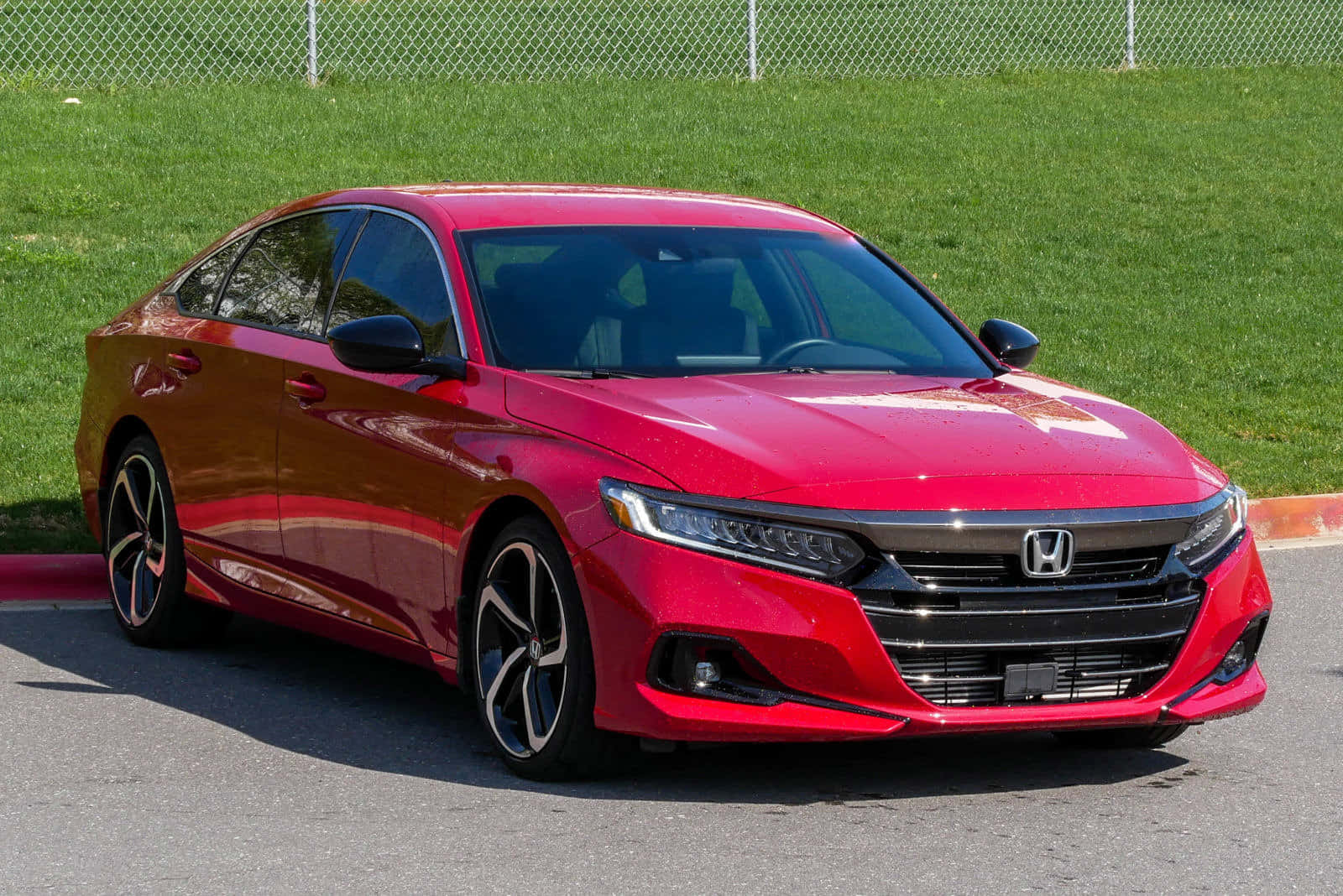
2. Honda Accord
The Honda Accord stands alongside the Toyota Camry as one of the most reliable vehicles ever produced, and its electrical system exemplifies Honda’s engineering philosophy of making things work properly for the long term.
The Accord’s exceptional starting reliability derives from Honda’s integrated approach to vehicle design, where the electrical system receives the same attention to detail as the engine, transmission, and chassis components.
For owners, this translates to a vehicle that starts consistently regardless of weather conditions, usage patterns, or vehicle age. Honda’s approach to electrical system design in the Accord emphasizes simplicity and redundancy.
Rather than incorporating unnecessarily complex systems that can fail, Honda engineers focus on proven technologies executed flawlessly. The battery management system in the Accord monitors charge levels continuously and adjusts alternator output precisely to maintain optimal battery condition.
This intelligent charging system prevents the common problem of batteries being chronically undercharged during short-trip driving or overcharged during long highway runs both scenarios that significantly reduce battery life.
The physical components of the Accord’s starting system reflect Honda’s commitment to quality. The starter motor features robust construction with high-quality brushes, solenoids, and armatures that resist wear even after hundreds of thousands of starts.
Honda’s testing protocols subject these components to accelerated wear testing that simulates decades of use, ensuring that starters remain strong throughout the vehicle’s life.
Similarly, the batteries selected for the Accord undergo rigorous qualification testing, with Honda accepting only batteries that meet strict performance criteria for capacity retention, cold-weather performance, and cycle life.
Accord owners consistently report that their vehicles start immediately in conditions that leave other cars struggling. Whether facing sub-zero temperatures, extreme heat, or high humidity, the Accord’s starting system performs reliably.
Owner forums contain countless stories of Accords with original batteries still performing flawlessly after six, seven, or even eight years a testament to the synergy between component quality and system engineering.
This real-world reliability has made the Accord a favorite among drivers who need absolute dependability, from commuters who can’t afford to be late to families who require transportation they can trust completely. The Honda Accord proves that starting reliability remains one of the most valuable features a vehicle can offer.
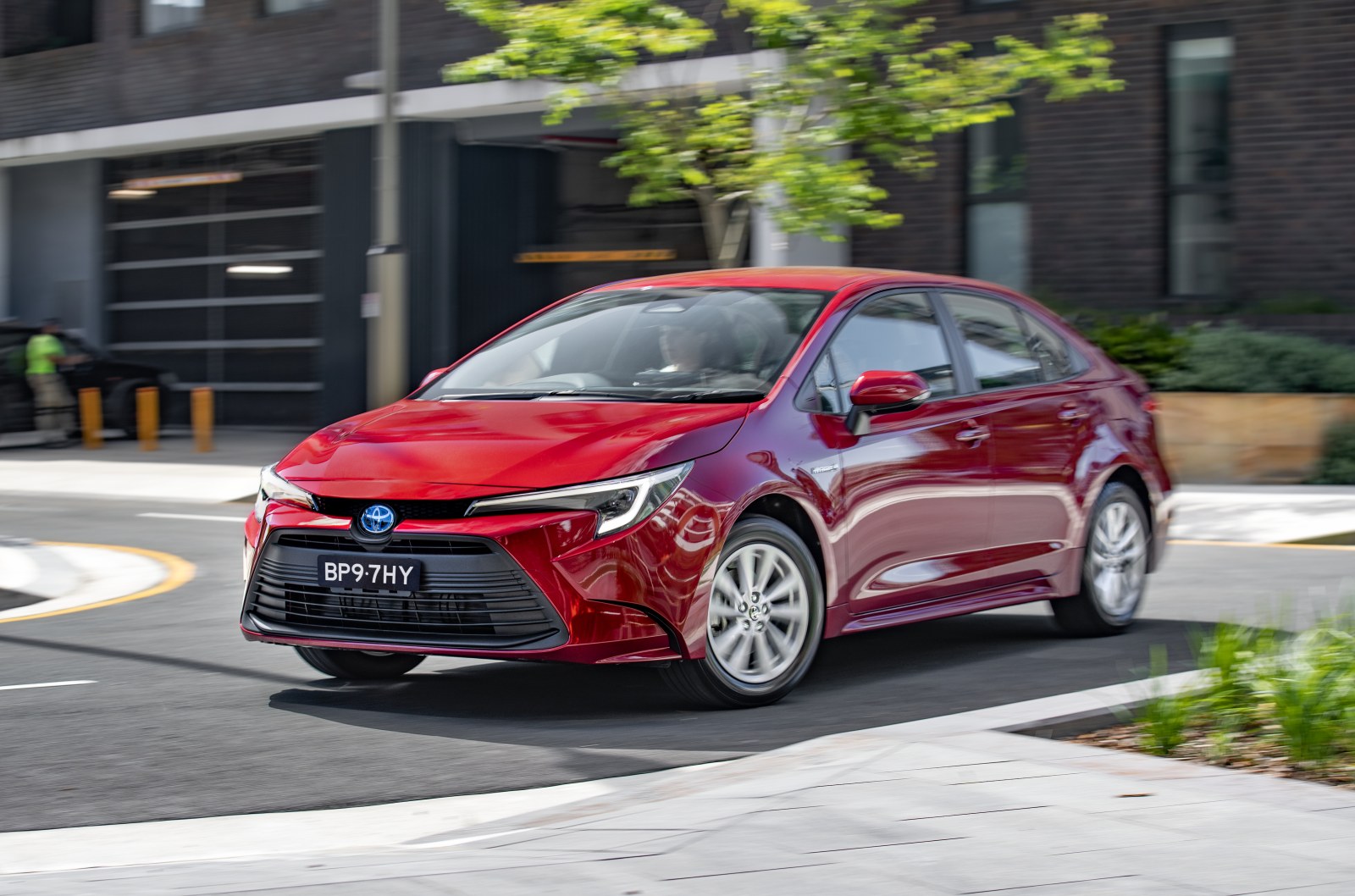
3. Toyota Corolla
The Toyota Corolla holds the distinction of being the best-selling car of all time, with over 50 million units sold globally since its introduction in 1966.
This remarkable success stems largely from the Corolla’s reputation for unmatched reliability, and its electrical system exemplifies the dependability that has made it a worldwide phenomenon.
The Corolla’s ability to start reliably day after day, year after year, represents one of its most valued characteristics among owners who depend on their vehicles for essential transportation.
Toyota’s engineering approach for the Corolla prioritizes practicality and longevity over cutting-edge features or performance. This philosophy extends deeply into the electrical system design, where engineers select proven components and conservative specifications that ensure long-term reliability.
The Corolla’s battery, while not necessarily the largest in its class, is carefully matched to the vehicle’s electrical demands with appropriate overhead capacity.
This proper sizing means the battery never operates near its limits during normal use, significantly extending its service life and maintaining reliable starting performance as the battery ages.
The Corolla’s starting system benefits enormously from Toyota’s manufacturing quality control standards, which are among the most stringent in the automotive industry.
Every electrical component, from the smallest connector to the starter motor itself, undergoes multiple quality inspections during manufacturing and assembly.
This attention to detail eliminates the defective parts and poor connections that plague less carefully manufactured vehicles. The result is an electrical system where every component functions as designed, and connections remain secure and corrosion-free for many years.
Corolla owners around the world share remarkably consistent experiences regarding starting reliability. Whether in Tokyo, Toronto, or Tanzania, Corolla drivers report that their vehicles start instantly and consistently.
Online ownership forums contain virtually no complaints about dead batteries or starting problems, a remarkable distinction in an era when electrical issues rank among the most common automotive complaints.
Many owners report never having jump-started their Corollas during ownership periods spanning a decade or more the ultimate validation of Toyota’s engineering priorities.
The Corolla demonstrates that the fundamentals of automotive reliability haven’t changed: quality components, thoughtful engineering, and excellent manufacturing produce vehicles that simply work, start after start, year after year.
4. Mazda MX-5 Miata
The Mazda MX-5 Miata may seem an unexpected entry on a list of vehicles with exceptional starting reliability, given its sports car nature and focus on driving enjoyment.
However, this lightweight roadster has earned a remarkable reputation not just for its handling dynamics but also for its unwavering dependability, including an electrical system that rarely fails to deliver.
The Miata’s starting reliability stems from its minimalist design philosophy, which extends far beyond the driving experience to encompass every aspect of the vehicle’s engineering.
Mazda’s approach to the Miata emphasizes simplicity and lightness, which creates inherent advantages for electrical system reliability.
With fewer electrical accessories and complex systems than typical modern vehicles, the Miata’s battery faces far less parasitic drain when the car sits unused.
There are no power-adjustable seats with memory functions, no complex infotainment systems drawing standby power, and no power liftgates or other convenience features constantly monitoring for input.
This stripped-down approach means the battery retains its charge remarkably well even during extended periods of storage a common usage pattern for sports cars that serve as weekend vehicles rather than daily drivers.
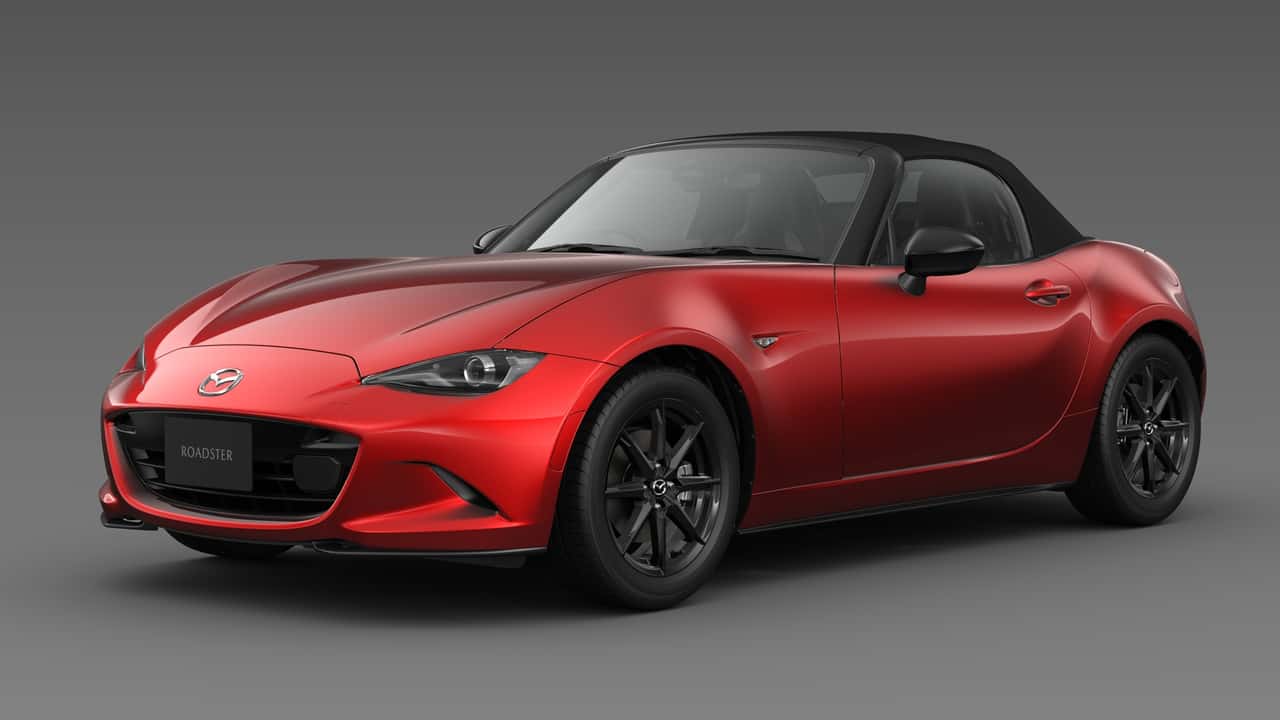
The physical design of the Miata also contributes to starting reliability in ways that aren’t immediately obvious. As a roadster with a low-mounted engine and excellent weight distribution, the Miata can use a relatively small, lightweight battery while still maintaining ample starting power.
This smaller battery is easier for the alternator to maintain at full charge, and its reduced weight contributes to the vehicle’s legendary handling characteristics.
Despite its compact size, the battery selected by Mazda provides sufficient cold-cranking amps to start the efficient four-cylinder engine even in cold weather, and the battery’s reduced capacity actually means it’s less prone to partial-charge conditions that accelerate battery degradation.
Perhaps most impressively, the Miata’s starting reliability extends to older examples. First-generation NA Miatas from the early 1990s continue to start reliably when properly maintained, a testament to the fundamental soundness of the electrical system design.
This long-term durability has contributed significantly to the Miata’s strong resale values and its status as one of the most reliable sports cars ever produced.
For drivers seeking a fun, engaging vehicle that also delivers the dependability of a Toyota or Honda, the Mazda MX-5 Miata represents an ideal choice.
It proves that reliability and driving excitement aren’t mutually exclusive and that thoughtful, simplified engineering creates systems that work flawlessly for decades.
Also Read: 10 Trucks That Mechanics Say Are Built Like Tanks
5. Lexus ES
The Lexus ES represents Toyota’s luxury sedan offering, combining the refinement and comfort expected of a premium vehicle with the legendary reliability that defines the Toyota brand.
When it comes to starting reliability, the ES exemplifies how luxury and dependability can coexist beautifully, delivering the peace of mind that no amount of leather upholstery or premium audio systems can replace.
The ES’s electrical system reflects Lexus’s philosophy that true luxury includes the confidence that your vehicle will start every single time you need it.
Built on Toyota’s proven platforms and incorporating the company’s most reliable powertrains, the Lexus ES benefits from decades of refinement in electrical system engineering.
However, Lexus doesn’t simply copy Toyota’s approach the brand enhances it with premium components and additional engineering attention appropriate for its luxury positioning.
The batteries used in the ES are premium units with superior construction quality, including thicker lead plates, more robust cases, and enhanced electrolyte formulations that resist degradation.
These premium batteries deliver longer service life and more consistent performance throughout their lifespan compared to standard batteries.
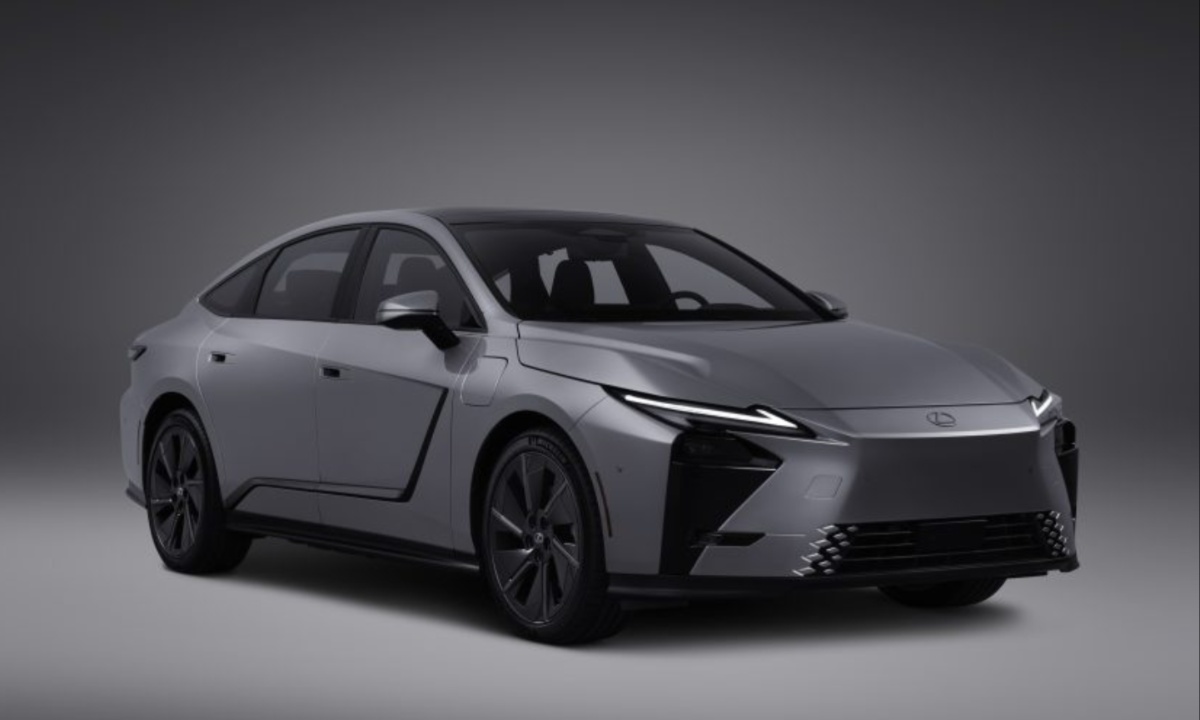
The ES’s electrical architecture showcases sophisticated battery management technology that actively optimizes charging and maintains battery health.
The system continuously monitors battery condition, including voltage, current draw, temperature, and charge state. Using this data, the intelligent charging system adjusts alternator output dynamically, ensuring the battery receives optimal charging regardless of driving conditions or electrical loads.
During highway cruising, the system may increase charging to replenish the battery fully, while during stop-and-go traffic, it may reduce charging to minimize engine load and improve fuel efficiency all while ensuring the battery maintains sufficient charge for reliable starting.
Lexus ES owners consistently report exceptional reliability across all systems, with starting reliability being particularly noteworthy. Owner surveys and reliability studies routinely rank the ES among the most dependable luxury vehicles available, with electrical problems being virtually nonexistent.
Many owners report never experiencing a dead battery or starting failure during ownership periods spanning many years and over 100,000 miles.
This real-world reliability validates Lexus’s engineering approach and demonstrates that luxury vehicles can match or exceed economy cars for dependability when manufacturers prioritize reliability as seriously as comfort and features.
he Lexus ES proves that discerning buyers need not sacrifice reliability for luxury, delivering both in a package that starts flawlessly every time.
6. Honda CR-V
The Honda CR-V has dominated the compact SUV segment for years, not through flashy styling or the latest technology, but through delivering exactly what buyers want: practicality, versatility, and rock-solid reliability.
The CR-V’s starting reliability exemplifies Honda’s commitment to engineering excellence, with an electrical system designed to perform flawlessly through years of family duty, regardless of weather conditions or usage patterns.
For families who depend on their vehicle for school runs, grocery trips, and weekend adventures, the CR-V’s unwavering starting reliability provides invaluable peace of mind.
Honda’s engineering approach for the CR-V recognizes that compact SUVs face particularly diverse usage patterns. These vehicles might sit in airport parking lots during family vacations, endure short trips around town with frequent starts and stops, or cruise highways during long road trips.
Each usage pattern presents different challenges for the electrical system, from parasitic battery drain during extended parking to insufficient charging during short trips.
Honda addresses these challenges through intelligent electrical system design that adapts to usage patterns and maintains battery health across all scenarios.
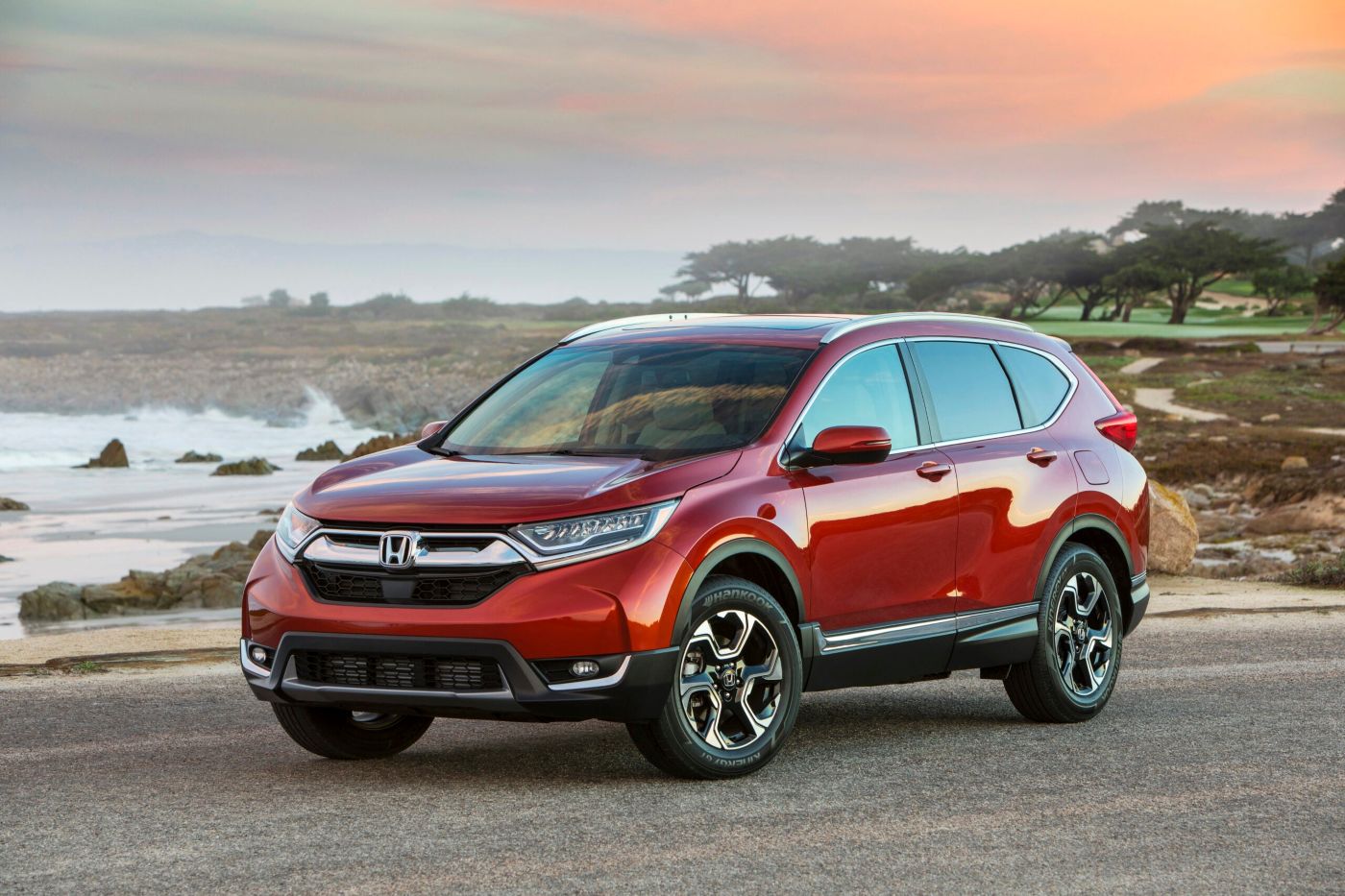
The CR-V’s battery is notably robust for its vehicle class, with generous cold-cranking amp ratings that ensure reliable starting even in harsh winter conditions.
Honda recognizes that SUV buyers often live in suburban or rural areas where extreme weather is common, and the battery specification reflects this reality.
The battery’s reserve capacity its ability to power essential vehicle systems if the alternator fails also exceeds industry averages, providing an additional safety margin that contributes to the vehicle’s reliability reputation.
Honda’s battery selection process includes extensive testing in climate chambers that simulate conditions from Alaska to Arizona, ensuring consistent performance across all markets.
CR-V owners consistently report exceptional satisfaction with their vehicles’ reliability, with starting problems being virtually absent from common complaints.
The numerous online owner communities dedicated to the CR-V contain remarkably few discussions of dead batteries or starting failures, despite these forums collectively representing millions of ownership years. Many owners report original batteries lasting six years or more, far exceeding typical battery lifespan expectations.
This real-world performance validates Honda’s engineering priorities and demonstrates that the company understands what matters most to buyers. For families seeking a vehicle they can depend on absolutely, the Honda CR-V delivers starting reliability that removes one worry from busy lives filled with countless other concerns.
7. Toyota Tacoma
The Toyota Tacoma has become the benchmark for reliability in the midsize truck segment, building a reputation so strong that used Tacomas often command premium prices even with high mileage.
This exceptional reputation extends fully to the Tacoma’s starting reliability, with owners consistently reporting trouble-free operation across extreme conditions, heavy use, and many years of service.
The Tacoma’s electrical system reflects Toyota’s understanding that truck owners demand absolute dependability, whether using their vehicle for work, recreation, or daily transportation. Toyota engineers the Tacoma with the recognition that trucks face harsher operating conditions than passenger cars.
Tacomas work on construction sites where they endure constant vibration, operate in agricultural settings where they encounter dust and debris, go through off-road trails where electrical connections face stress from impacts and articulation, and tow trailers that place sustained electrical loads on the charging system.
Each of these scenarios presents unique challenges for electrical system reliability, and Toyota addresses them through robust component selection, superior wiring and connector design, and conservative system specifications.
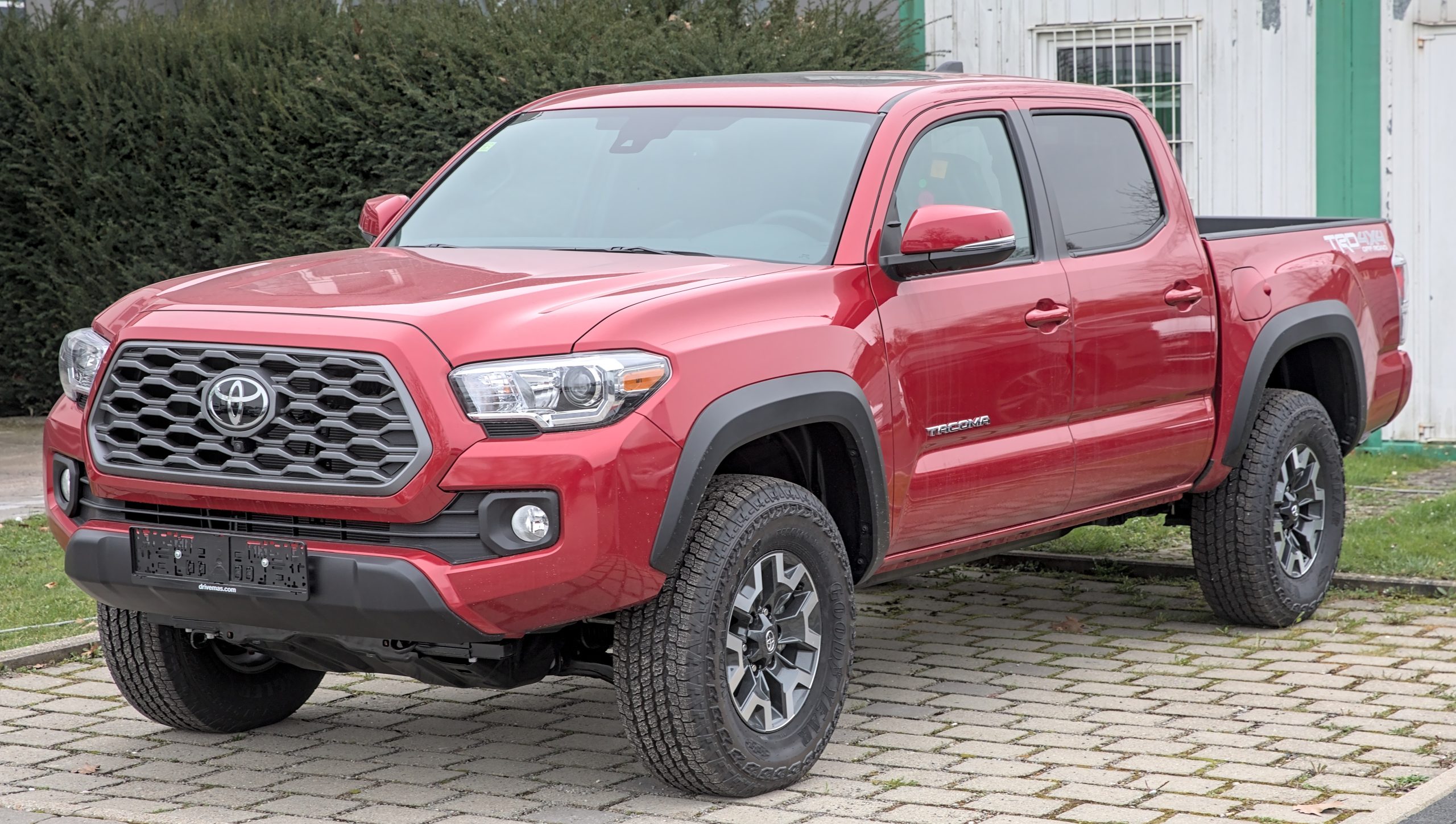
The battery in the Tacoma is substantially larger than those found in similarly-sized passenger vehicles, with cold-cranking amp ratings that ensure reliable starting even with the higher compression ratios of truck engines.
The battery’s physical construction is reinforced to withstand vibration, a critical consideration for vehicles that regularly operate on rough terrain.
Toyota also specifies batteries with particularly robust internal construction, including thick lead plates and separators that resist deterioration from the constant charging and discharging cycles that characterize truck use.
The battery hold-down system uses superior clamping mechanisms that prevent battery movement during off-road operation while avoiding excessive clamping force that could damage the battery case.
Tacoma owners form one of the automotive world’s most passionate and loyal communities, and their consistent praise for the truck’s reliability has become legendary.
Forum discussions and owner surveys reveal that starting problems are virtually unheard of among Tacoma owners, even in vehicles with hundreds of thousands of miles.
Many owners report never having jumped their Tacoma’s battery during ownership periods spanning a decade or more, despite subjecting their trucks to conditions that would challenge lesser vehicles.
This exceptional real-world performance has made the Tacoma the default choice for adventurers, workers, and families who require a vehicle they can trust absolutely.
The Toyota Tacoma demonstrates that starting reliability isn’t just about quality components but about engineering vehicles with the wisdom gained from decades of understanding how vehicles are actually used and what it takes to make them perform flawlessly in the real world.
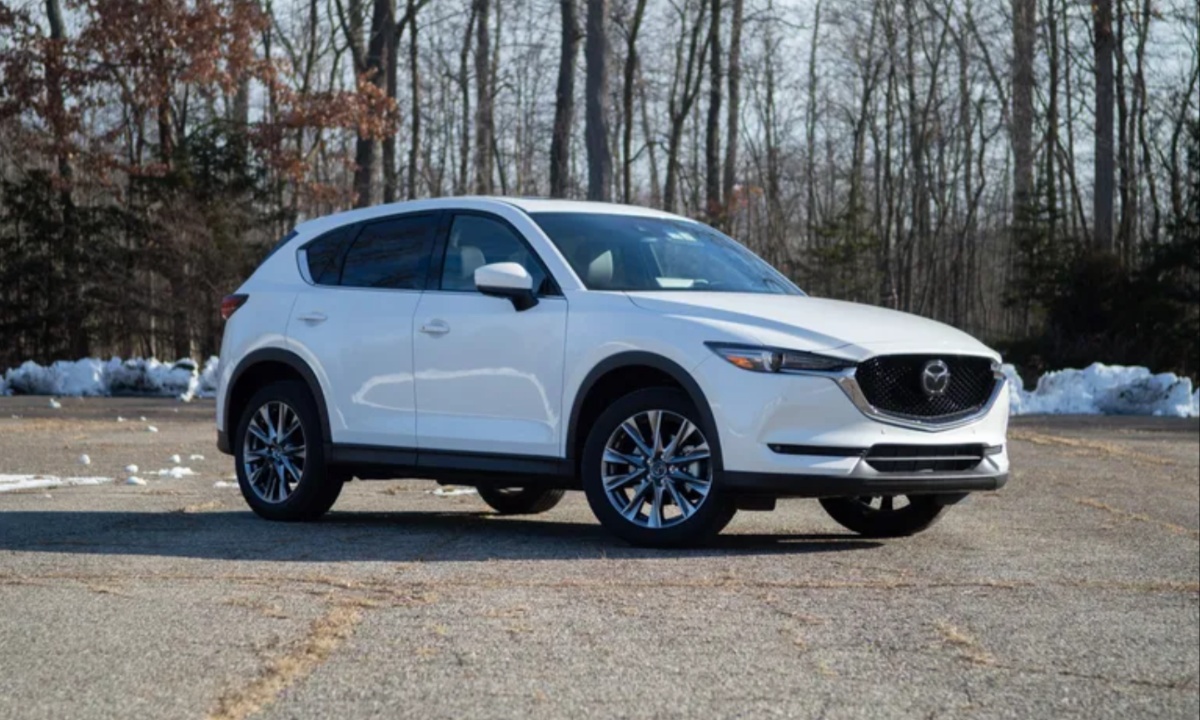
8. Mazda CX-5
The Mazda CX-5 has distinguished itself in the highly competitive compact SUV segment by offering a compelling combination of driving dynamics, upscale interior quality, and exceptional reliability that rivals more expensive luxury brands.
While Mazda may not enjoy the same reputation for reliability as Toyota or Honda, the CX-5 has proven itself through real-world performance to be every bit as dependable, particularly regarding its electrical system and starting reliability.
For buyers seeking an engaging driving experience without sacrificing dependability, the CX-5 delivers impressively. Mazda’s engineering philosophy, known as “Jinba Ittai” or “horse and rider as one,” emphasizes the connection between driver and vehicle.
This philosophy extends beyond handling dynamics to encompass all aspects of vehicle reliability, recognizing that trust in the vehicle’s dependability is fundamental to driver confidence.
The CX-5’s electrical system reflects this thinking, with engineers prioritizing reliability as highly as performance. The battery, alternator, starter, and all supporting components are selected and integrated with the same attention to detail that Mazda applies to suspension tuning or steering calibration.
The CX-5’s battery management system showcases Mazda’s technological sophistication while maintaining the simplicity that promotes reliability.
The system monitors battery condition continuously, tracking charge state, temperature, and age-related deterioration. Using this information, the intelligent charging system adjusts alternator output to optimize battery health and longevity.
During cold starts, the system may increase charging to quickly restore battery charge depleted by the high current draw of cold-weather starting.
During highway cruising, the system maintains optimal charge levels without overcharging, which can reduce battery life. This active management extends battery life significantly compared to conventional fixed-voltage charging systems.
CX-5 owners consistently report exceptional satisfaction with their vehicles’ reliability, with the electrical system being a particular strong point.
Reliability surveys and owner forums reveal that starting problems are rare among CX-5s, with most owners never experiencing a dead battery or starting failure during their ownership.
Many owners report original batteries lasting well beyond the industry average, with five to seven years of service being common. This real-world performance has earned the CX-5 strong residual values and recognition from automotive journalists and consumer advocates as one of the most reliable compact SUVs available.
The Mazda CX-5 proves that reliability doesn’t require sacrificing driving enjoyment, delivering both engaging dynamics and the confidence that comes from a vehicle that starts instantly, every time.
9. Toyota RAV4
The Toyota RAV4 pioneered the compact crossover segment and continues to dominate it through a combination of practicality, efficiency, and the legendary reliability that defines the Toyota brand.
The RAV4’s starting reliability exemplifies Toyota’s commitment to engineering excellence, with an electrical system that performs flawlessly through years of diverse use across virtually any climate or condition.
As one of the best-selling vehicles in America, the RAV4’s exceptional dependability has been validated by millions of owners who rely on it for everything from daily commutes to family adventures.
Toyota’s approach to the RAV4’s electrical system reflects decades of experience building vehicles for global markets with vastly different operating conditions.
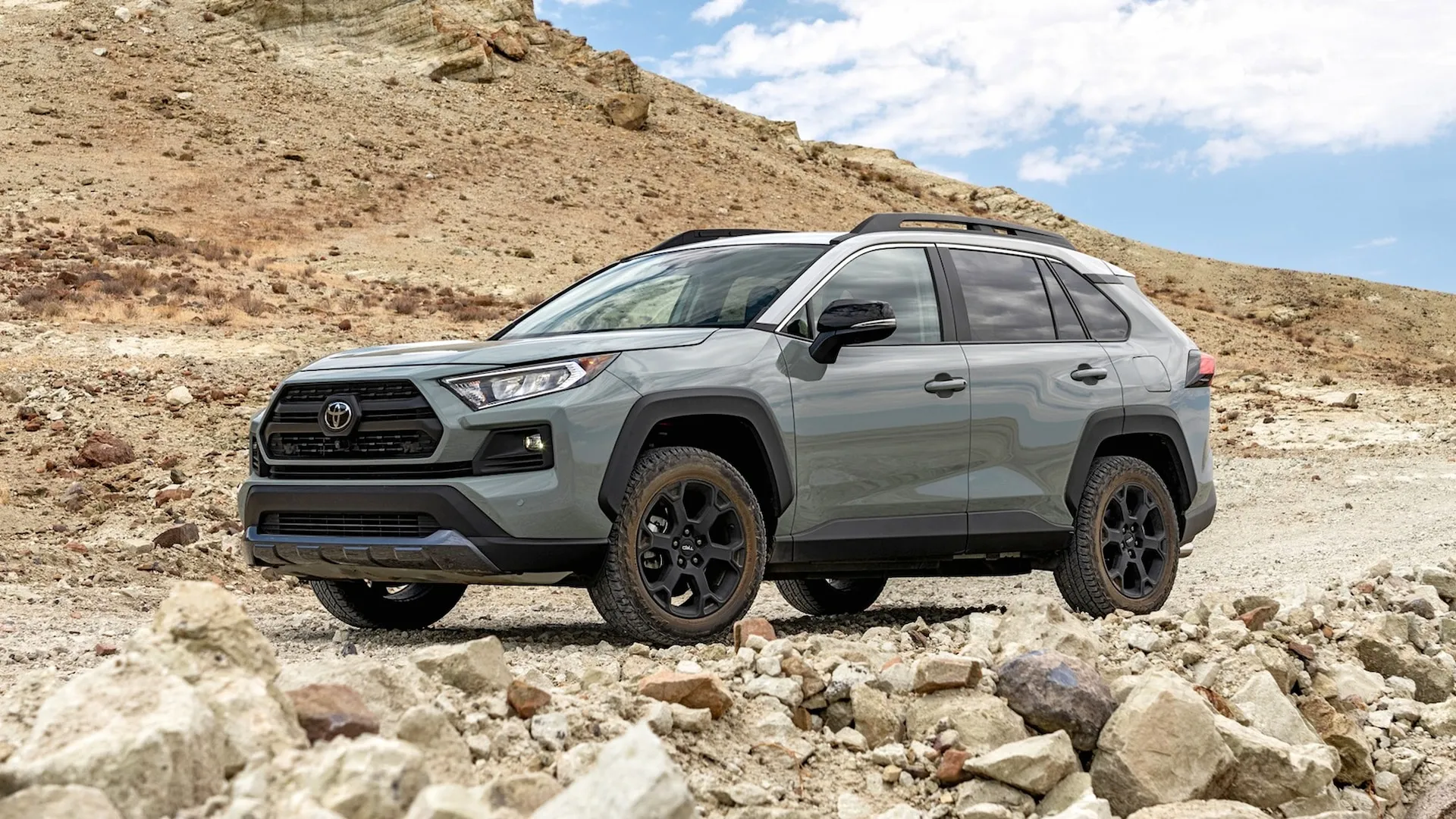
The engineers understand that RAV4s must start reliably in Alaskan winters and Arizona summers, perform flawlessly in humid coastal regions and arid deserts, and maintain dependability through short urban trips and long highway journeys.
This diverse usage requires electrical components specified for extreme conditions and system designs that maintain battery health across all usage patterns.
Toyota achieves this through careful component selection, rigorous testing protocols, and intelligent system integration that adapts to real-world conditions.
RAV4 owners form one of the largest communities of vehicle enthusiasts, and their consistent praise for the vehicle’s reliability has become well-documented.
Reliability surveys consistently rank the RAV4 among the most dependable vehicles in any segment, with electrical problems being virtually nonexistent.
Owner forums contain countless testimonials of RAV4s starting flawlessly through extreme weather, after extended storage periods, and with extremely high mileage.
This exceptional real-world performance has made the RAV4 a top choice for buyers who prioritize reliability above all other considerations.
The Toyota RAV4 demonstrates that mainstream vehicles can deliver exceptional starting reliability without premium pricing, providing peace of mind and dependability that owners value long after the new-car excitement fades.
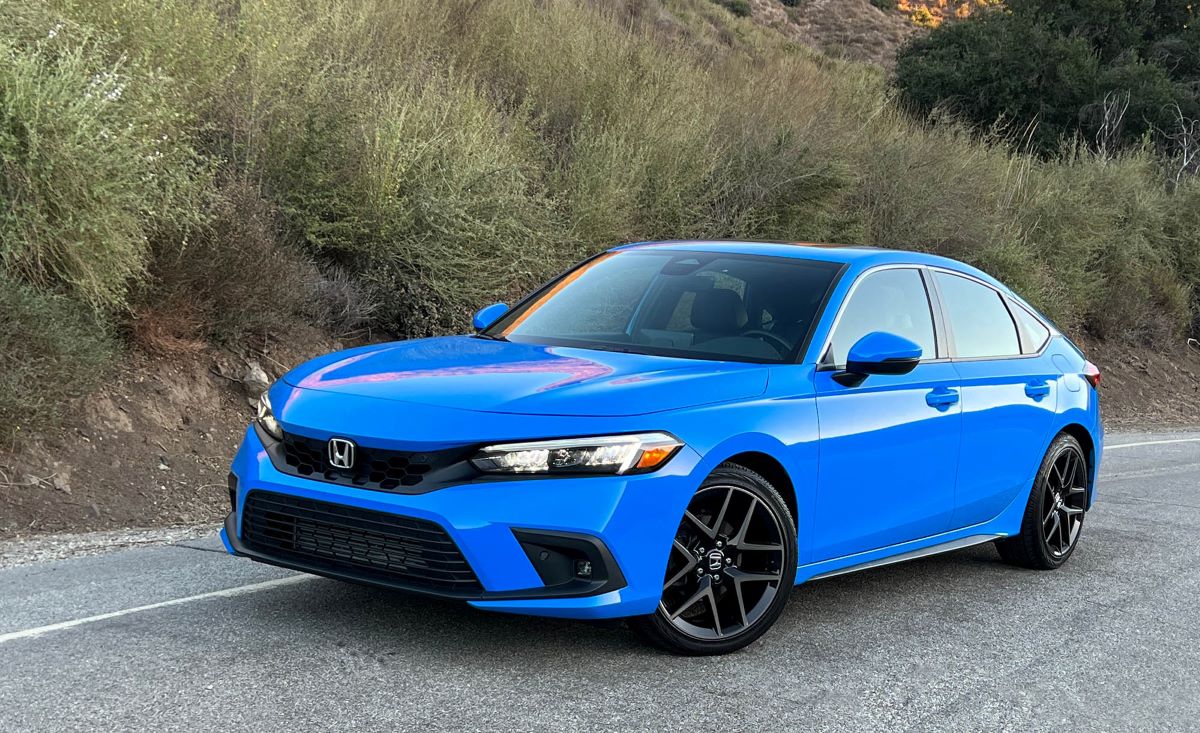
10. Honda Civic
The Honda Civic stands as one of the most successful and enduring nameplates in automotive history, earning its reputation through decades of delivering exceptional value, efficiency, and unwavering reliability.
The Civic’s starting reliability exemplifies Honda’s engineering philosophy of making things work properly for the long term, with an electrical system that performs flawlessly through years of service across diverse conditions.
For millions of drivers worldwide, the Civic represents their first new car purchase, and Honda ensures these owners’ trust is rewarded with a vehicle that starts reliably every single time.
Honda engineers the Civic with an understanding that compact cars often serve buyers who are particularly sensitive to maintenance costs and who may stretch service intervals longer than recommended.
This reality demands electrical components that maintain performance despite less-than-ideal operating conditions and system designs that remain robust even when routine maintenance is deferred.
The Civic’s battery, while appropriately sized for the vehicle’s compact dimensions, features construction quality typically found in larger, more expensive vehicles.
The thick lead plates resist degradation from deep discharge cycles, the case construction withstands vibration and temperature extremes, and the terminal design resists corrosion even in harsh environments.
Civic owners consistently report exceptional satisfaction with their vehicles’ reliability, with electrical problems being remarkably rare. The numerous online communities dedicated to the Civic contain relatively few discussions of starting problems despite collectively representing decades of accumulated ownership experience.
Many owners report original batteries lasting five to seven years or significantly longer, with several documented cases of batteries providing reliable service for over a decade. This exceptional longevity reflects the synergy between quality components and intelligent system engineering.
For buyers seeking affordable, efficient transportation backed by uncompromising reliability, the Honda Civic delivers starting performance that removes one worry from daily life, providing the peace of mind that comes from knowing your vehicle will fire up instantly, every single morning.
11. Subaru Outback
The Subaru Outback has carved out a unique niche in the automotive market as the vehicle of choice for adventurous buyers who need capability, versatility, and absolute dependability.
While Subaru may not immediately come to mind when discussing reliability alongside Toyota and Honda, the Outback has earned an exceptional reputation for dependability, particularly regarding its electrical system and starting reliability.
For owners who venture off the beaten path, park in remote trailheads, or simply need a vehicle they can trust in harsh weather, the Outback’s unwavering starting reliability provides crucial confidence.
Subaru’s engineering approach for the Outback reflects the brand’s understanding of its customer base active individuals who use their vehicles in challenging conditions where starting reliability isn’t just convenient but potentially crucial for safety.
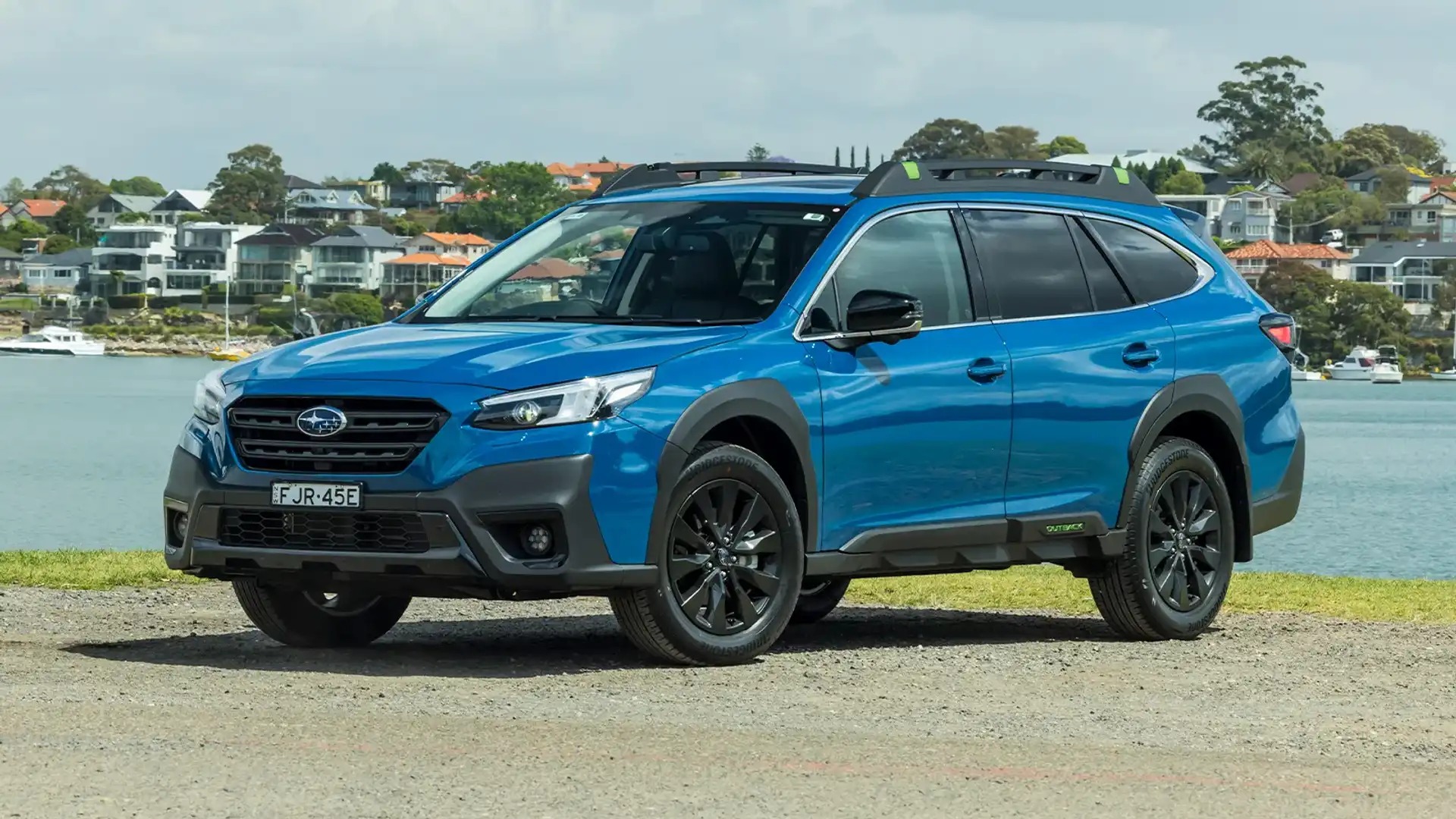
The Outback regularly faces scenarios that stress electrical systems: cold mountain mornings where temperatures plunge below zero, extended periods parked at airports during ski trips, operation in wet conditions where moisture threatens electrical connections, and use in remote areas where a starting failure could create serious problems.
Subaru addresses these challenges through robust component selection, superior environmental protection, and system designs that maintain reliability across extreme conditions.
Subaru Outback owners consistently report exceptional satisfaction with their vehicles’ reliability, with the Outback routinely ranking among the most dependable vehicles in reliability surveys.
Owner forums reveal that starting problems are remarkably rare, even among high-mileage examples used extensively in challenging conditions.
Many owners report their Outbacks starting instantly on frigid winter mornings when neighbors’ vehicles struggle, a testament to the electrical system’s cold-weather capabilities.
The combination of quality components, thoughtful engineering, and robust environmental protection makes the Outback an ideal choice for buyers who need absolute starting reliability regardless of conditions.
The Subaru Outback proves that adventure-capable vehicles can match appliance-grade sedans for electrical reliability when manufacturers understand their customers’ needs and engineer accordingly.
12. Toyota Tundra
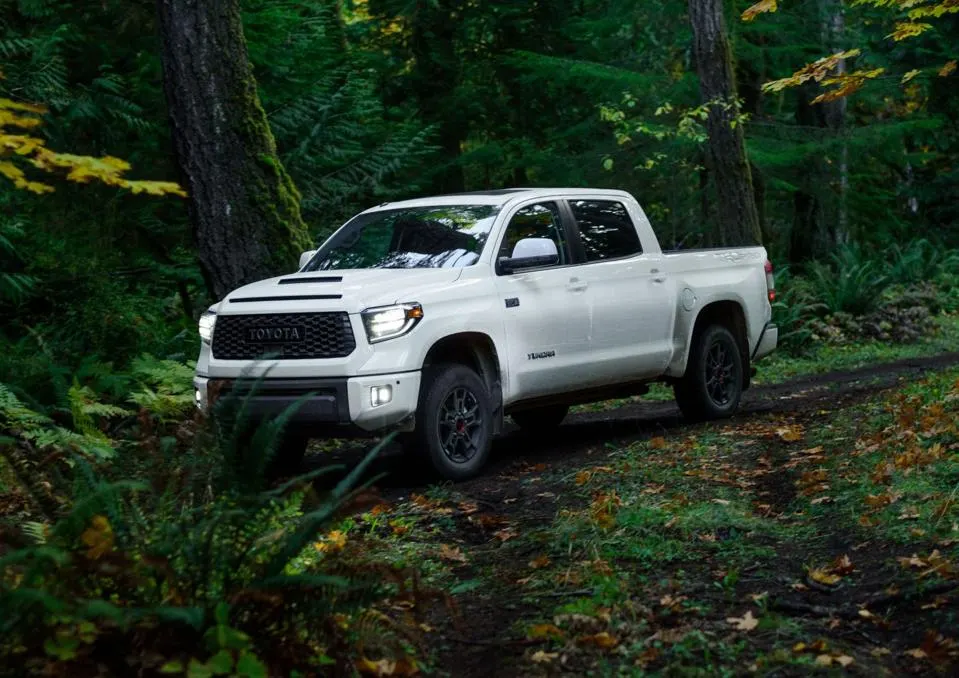
The Toyota Tundra represents Toyota’s entry in the highly competitive full-size pickup truck market, where buyers demand capabilities that include towing capacity, payload, off-road performance, and most critically, unwavering reliability.
While domestic manufacturers dominate full-size truck sales, the Tundra has earned a devoted following among buyers who prioritize dependability above all else.
The Tundra’s starting reliability exemplifies Toyota’s commitment to engineering excellence, with an electrical system designed to deliver flawless performance through decades of hard use across any condition imaginable.
Toyota approaches the Tundra’s electrical system design with the recognition that full-size truck owners often depend on their vehicles for work and cannot tolerate failures.
Construction contractors, ranchers, tradespeople, and others who use their trucks for income-generating activities need absolute reliability a morning when the truck won’t start represents lost revenue, disappointed customers, and potential business failure.
Toyota engineers the Tundra’s electrical system with this reality firmly in mind, specifying components that exceed typical requirements and designing systems with redundancy and durability as paramount priorities.
The Toyota Tundra demonstrates that even in the demanding full-size truck segment, where capability often overshadows other considerations, starting reliability remains a critical feature that discriminating buyers value highly.
The Tundra proves that trucks can deliver both impressive capabilities and the dependability that allows owners to focus on their work, adventures, or daily activities without worrying whether their vehicle will start.
For buyers seeking the ultimate combination of truck functionality and Toyota reliability, the Tundra delivers starting performance that provides complete confidence the engine will fire instantly every time, whether on a frigid winter morning at a job site or in the scorching heat of a desert construction project, maintaining that reliability through hundreds of thousands of miles of hard use.
