
The interior build quality of an SUV can make or break the ownership experience. While horsepower figures and fuel economy ratings dominate initial purchase decisions, it’s the daily tactile experience the sound of a door closing, the absence of squeaks over bumps, the solidity of dashboard materials that ultimately determines long-term satisfaction.
In the automotive world, some manufacturers have mastered the art of creating cabins that feel vault-like even after years of hard use, while others struggle with interiors that begin announcing their presence with creaks, rattles, and buzzes before the warranty expires.
The difference between a tight interior and one prone to early rattles often comes down to engineering philosophy, material selection, and assembly precision. Luxury brands typically employ more sound-deadening materials, tighter panel gaps, and more robust fastening systems.
They use multi-point attachment methods for trim pieces, employ advanced adhesives alongside traditional clips, and subject prototypes to thousands of hours of durability testing over simulated rough roads. The result is an interior that maintains its new-car feel well into six-figure mileage territory.
Inadequate sound deadening fails to mask the inevitable settling that occurs as adhesives cure and materials compress. What felt acceptable on the showroom floor transforms into a symphony of annoying sounds that erode the premium feel buyers expected from their substantial investment.
The second five represent the cautionary tales: SUVs that begin developing annoying interior noises, loose trim pieces, and that general sense of cheapness that comes when materials and assembly fail to withstand time and use.
Understanding both ends of this spectrum helps prospective buyers make informed decisions that extend well beyond the showroom experience into the reality of years of ownership.
5 SUVs With Interiors That Stay Tight
These exceptionally crafted vehicles feature cabin assemblies built with precision-fitting panels, substantial sound deadening materials, and meticulously engineered mounting systems that maintain tight tolerances and silent operation through years of challenging road conditions.
Their thoughtful engineering includes dashboard structures with reinforced backing supports, door panels secured with multiple robust fasteners and cushioned retention clips, and headliners attached with adhesive systems that resist sagging despite temperature fluctuations and humidity exposure throughout ownership periods.
From rough unpaved roads that transmit constant vibration to the daily temperature cycling that causes material expansion and contraction, these remarkable interiors continue feeling vault-like without developing annoying squeaks, dashboard buzzes, or loose trim pieces that plague lesser designs.
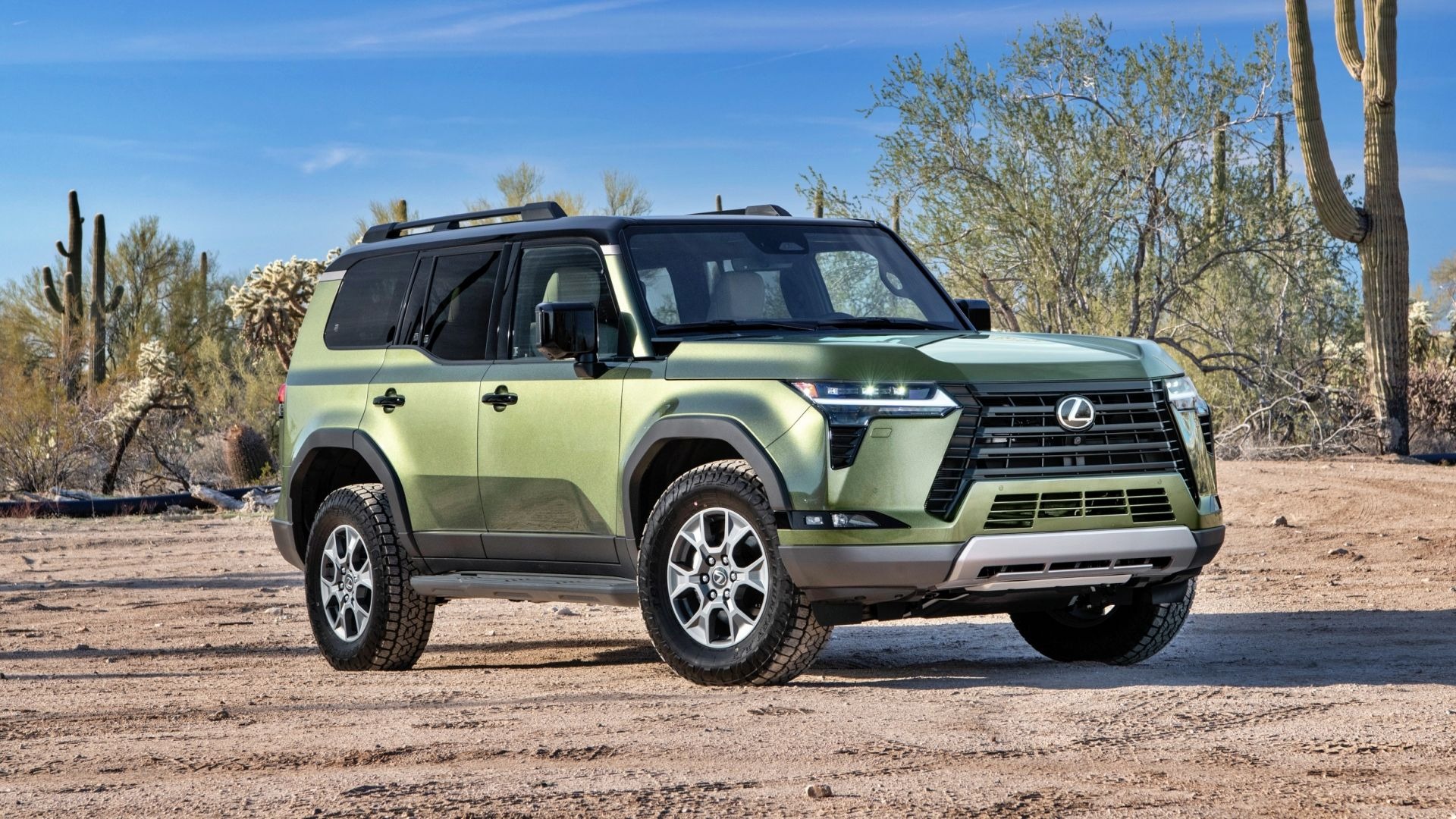
1. Lexus GX (2010-Present)
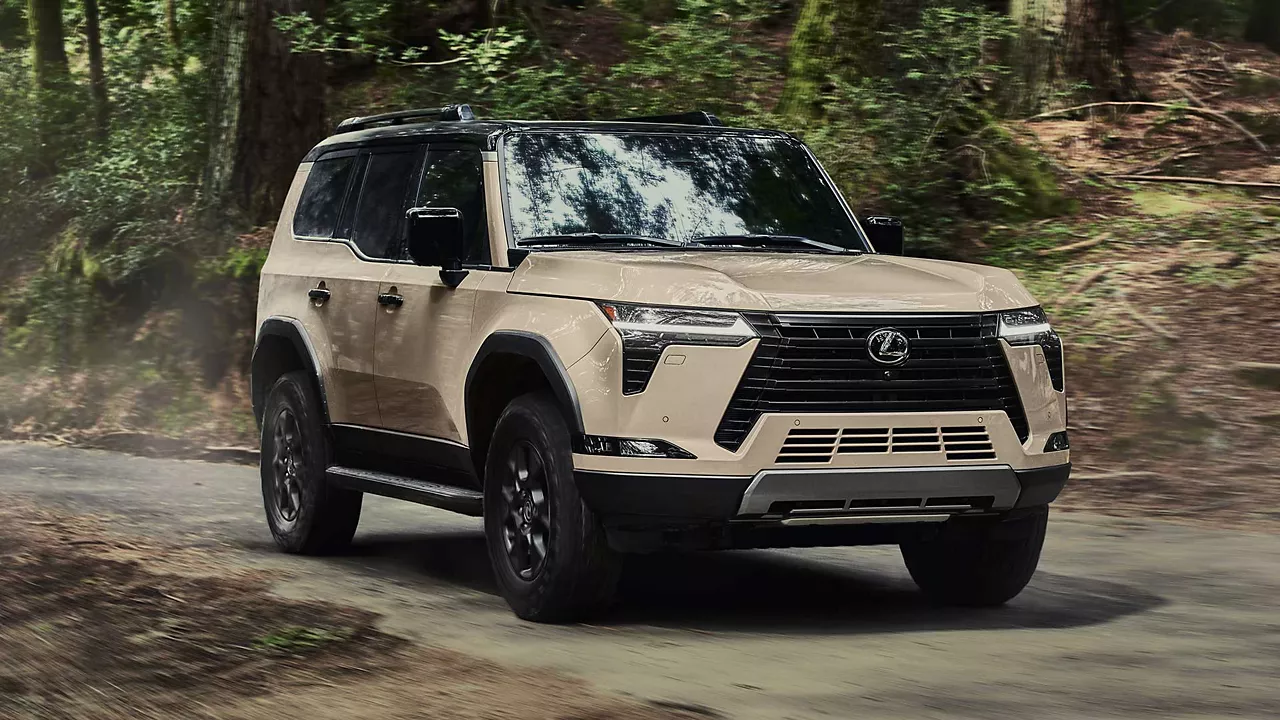
The Lexus GX stands as a monument to interior durability, representing Japanese build quality at its finest. Built on Toyota’s legendary Land Cruiser Prado platform, the GX benefits from a body-on-frame construction philosophy that prioritizes long-term durability over cutting-edge design.
This SUV’s interior remains impressively tight even after 150,000 miles of service, a testament to Lexus’s obsessive attention to manufacturing detail and material selection.
The secret to the GX’s enduring interior quality starts with its conservative design approach. Rather than chasing trendy materials or complex dash layouts, Lexus employs proven components with multiple redundant fastening points.
Dashboard sections connect through both mechanical clips and structural adhesives, creating a bond that resists the inevitable flexing that occurs during temperature extremes and rough road impacts.
The center console features thick plastics with substantial backing reinforcement, preventing the hollow, tinny feel that plagues lesser SUVs as they age.
Material selection plays an equally crucial role in the GX’s longevity. Lexus sources high-grade leather that resists cracking and wear, even in extreme climates where UV exposure would destroy cheaper hides.
The synthetic materials used throughout the cabin maintain their texture and color fastness for years, avoiding the fading and surface degradation common in vehicles using cheaper plastics.
Even the headliner material, often an early failure point in many SUVs, maintains its adherence and appearance well beyond what owners reasonably expect.
The door panels exemplify Lexus’s commitment to solidity. Each door closes with a satisfying, bank-vault thunk that remains consistent throughout the vehicle’s life.
This isn’t accidental the door strikers receive regular adjustment during dealer maintenance, and the weatherstripping uses premium rubber compounds that maintain their compression characteristics.
The window switches, armrests, and speaker grilles all mount with industrial-grade fasteners rather than the flimsy clips that work loose in competing products.
Sound deadening in the GX goes well beyond minimum requirements. Lexus installs substantial foam layers behind panels, uses acoustic glass in strategic locations, and applies sound-deadening mats to the floor pan and wheel wells.
This multi-layer approach means that even when minor settling occurs over time, there’s insufficient gap for components to vibrate against each other and generate noise. Owners consistently report that their high-mileage GX models remain quieter than many brand-new competitors.
The seats deserve special mention for their durability. The power adjustment mechanisms continue operating smoothly after hundreds of thousands of cycles, and the cushion foam maintains its support characteristics far longer than industry averages.
The stitching shows no signs of separation, and the leather bolsters resist the typical wear patterns that appear on heavily used vehicles. This durability extends to second and third-row seating, which often receive less attention in competing models.
2. Audi Q7 (2016-Present)
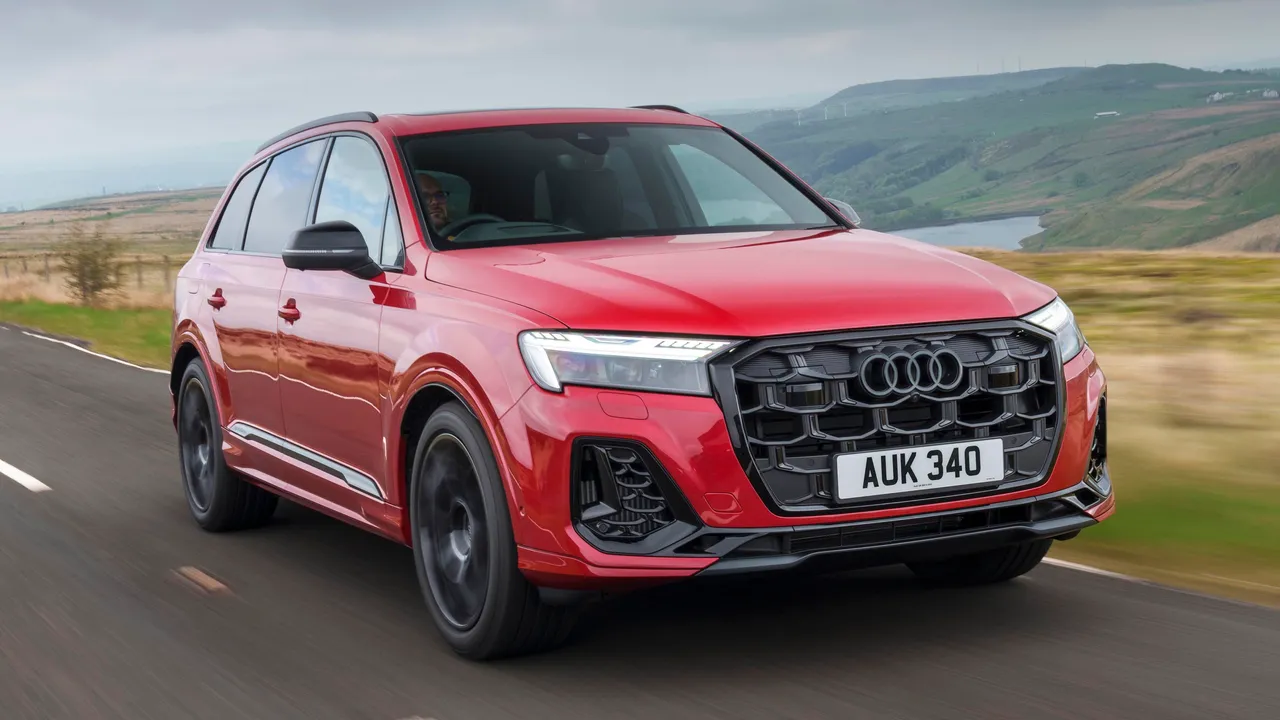
The second-generation Audi Q7 represents German engineering applied to interior refinement, creating a cabin that feels as solid at 100,000 miles as it did when new.
Audi’s MLB Evo platform provides an exceptionally rigid foundation, but it’s the meticulous interior assembly that truly impresses long-term owners. Every switch, every panel, every trim piece maintains its precise fit and finish through years of daily use, making this three-row SUV a benchmark for sustained quality.
Audi’s approach to interior construction emphasizes precision manufacturing and exhaustive testing. Before production begins, pre-production Q7s undergo torture testing that includes temperature cycling from minus 40 to 140 degrees Fahrenheit, extended sessions on corrugated test tracks, and tens of thousands of door open/close cycles.
This validation process identifies potential weak points before customers ever encounter them. Components that fail these tests receive redesign or reinforcement until they meet Audi’s stringent durability standards.
The dashboard assembly showcases Audi’s commitment to eliminating future rattles. The instrument panel structure consists of a magnesium-reinforced framework that provides exceptional rigidity while minimizing weight.
Trim panels attach to this structure through a combination of threaded fasteners and high-strength clips designed to maintain tension throughout the vehicle’s life.
Where panels meet, Audi employs felt-lined edges that prevent plastic-on-plastic contact, eliminating a common source of squeaks and buzzes in lesser vehicles.
Audi’s Virtual Cockpit digital instrument cluster and MMI infotainment screen integrate seamlessly into the dashboard with minimal panel gaps.
The screens themselves mount to substantial metal frames that prevent the flexing that can cause electronic glitches in poorly engineered systems.
Even after years of exposure to sun, heat, and cold, these displays maintain their precise fit within the dashboard, with no gaps appearing around edges or mounting points.
Climate control plays an often-overlooked role in interior durability, and Audi’s system excels at maintaining consistent cabin temperatures without the extreme heat that accelerates material degradation.
The three-zone system ensures even temperature distribution, reducing the thermal stress that causes plastics to become brittle and adhesives to fail.
The air vents themselves feature dampened adjustment mechanisms that operate smoothly after thousands of cycles, avoiding the loose, rattly feel common in aged vehicles.
3. Honda Pilot (2016-Present)
Honda’s third-generation Pilot proves that mainstream manufacturers can deliver luxury-grade interior durability when they prioritize quality in design and execution.
This three-row family hauler maintains an impressively tight cabin even under the punishing conditions of family use sticky fingers, dropped sippy cups, repeated cargo loading, and the general chaos that accompanies child-rearing.
Honda engineers clearly understood their target market and built an interior that withstands abuse while maintaining its integrity. The Pilot’s interior durability begins with Honda’s global platform strategy.
Unlike some competitors who design specifically for certain markets, Honda creates vehicles for worldwide distribution, meaning they must meet durability expectations from notoriously demanding markets like the Middle East and Australia.
This global approach results in over-engineering by American standards, with additional fastening points, upgraded materials, and enhanced corrosion protection that pays dividends in long-term reliability.
Honda’s choice of interior materials reflects decades of reliability data informing current design decisions. The plastics throughout the Pilot cabin use high-impact formulations that resist cracking even in extreme cold.

The soft-touch surfaces that cover the dashboard and door panels maintain their texture without becoming sticky or degrading, a common problem with cheaper materials.
Even the hard plastics in lower-visibility areas show impressive resistance to scratching and fading, keeping the interior looking fresh far longer than expected at this price point.
The center console area, subject to constant use and abuse in family vehicles, demonstrates exceptional durability. The cupholders feature rubberized inserts that remain pliable and grippy rather than hardening and cracking.
The storage bins include felt or rubberized linings that prevent contents from rattling while protecting the plastic beneath from scratching.
The armrest lid operates on robust hinges that show no signs of looseness even after countless opening and closing cycles, and the padding maintains its cushioning without compressing flat.
Honda’s attention to fastener engineering prevents the most common sources of interior rattles. Rather than relying solely on plastic clips that lose tension over time, Honda employs metal threaded inserts in critical locations, allowing for easy retightening during maintenance if any looseness develops.
The company also uses progressive-rate clips that increase their grip force when subjected to vibration, actually getting tighter rather than looser as the vehicle accumulates miles.
The Pilot’s seats represent another durability highlight. The fabric upholstery resists staining and wear remarkably well, while leather-equipped models use premium hides with protective coatings that prevent cracking and fading.
The power seat mechanisms operate quietly and smoothly throughout the vehicle’s life, and the seat frames show no signs of the creaking that plagues some competitors. Second-row seats that slide and fold remain tight in their tracks, and third-row seats maintain proper alignment when stowed or deployed.
4. Mercedes-Benz GLE (2020-Present)
The Mercedes-Benz GLE represents the current pinnacle of German luxury SUV interior quality, with a cabin that maintains its premium feel and solid construction far into high-mileage territory.
Mercedes engineers have created an interior environment that appeals to multiple senses while ensuring every component withstands the test of time.
The attention to detail extends from obvious touch points like the steering wheel and shift controls to hidden elements like the fasteners securing headliner trim and floor carpeting.
Mercedes-Benz employs a “fit and finish first” philosophy throughout GLE production. The assembly line moves at a deliberately measured pace compared to mass-market manufacturers, allowing workers adequate time to ensure proper component alignment and complete fastener engagement.
Quality control checkpoints occur frequently throughout the build process, with inspectors verifying panel gaps, checking for protruding fasteners, and confirming that trim pieces sit flush and secure. This methodical approach eliminates the production shortcuts that lead to premature interior degradation.
The GLE’s dashboard represents a technological showcase wrapped in meticulously crafted materials. The MBUX infotainment system integrates twin displays behind a single curved glass panel that mounts to a rigid metal structure, eliminating flex and the resulting gap formation that occurs in poorly engineered systems.

The air vents feature turbine-inspired designs with metal construction and dampened adjustment mechanisms that operate smoothly after years of daily use.
The dashboard itself consists of multiple layers of materials structural foam, sound deadening, and decorative surfaces all precisely aligned and securely bonded.
Mercedes pays extraordinary attention to noise suppression, understanding that quietness contributes significantly to perceived quality.
The GLE employs acoustic windshield and side glass, multiple layers of sound deadening materials in doors and floor, and even active noise cancellation through the audio system.
This comprehensive approach means that even minor interior settling that might occur over time remains inaudible, maintaining the serene cabin environment that defines luxury.
Also Read: 5 Cars That Rarely Blow Turbos vs 5 That Constantly Fail
5. Toyota 4Runner (2010-Present)
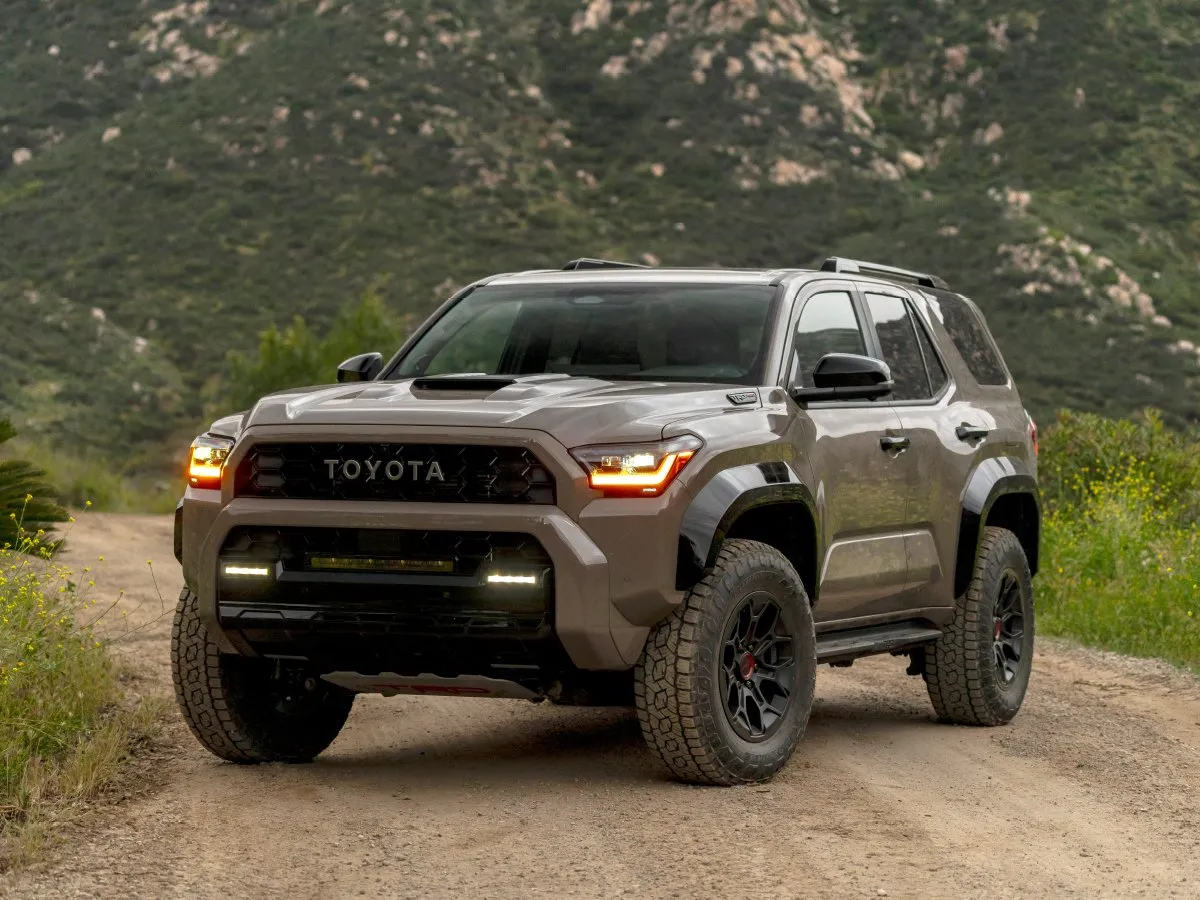
The Toyota 4Runner, despite its aging platform and straightforward design, delivers exceptional interior durability that often surprises critics who dismiss it as outdated.
This body-on-frame SUV prioritizes substance over style, employing conservative engineering and proven materials that maintain their integrity through extreme use.
Off-road enthusiasts particularly appreciate how 4Runner interiors withstand the punishment of trail driving the constant vibration, impacts, and dust intrusion that would destroy lesser vehicles. Toyota’s approach to the 4Runner interior emphasizes simplicity and robustness over technological sophistication.
The dashboard layout hasn’t changed significantly in over a decade, but this consistency reflects the fact that Toyota perfected the design early on.
Simple, well-engineered components with minimal complexity naturally exhibit superior reliability compared to cutting-edge designs still working through inevitable teething problems.
The straightforward button and knob interfaces for climate and audio controls use robust mechanical switches that maintain positive tactile feedback indefinitely.
The material selection throughout the 4Runner cabin sacrifices some softness and visual appeal for impressive durability. The dashboard plastics feel slightly harder to the touch than in competitors, but these same materials resist cracking, fading, and that greasy deterioration that affects softer plastics as they age.
The cloth upholstery uses tightly woven, heavy-duty fabrics that resist staining and wear, while leather-equipped models employ robust hides that develop character rather than simply looking worn as they age.
Sound insulation, while not luxury-grade, proves adequate and maintains its effectiveness throughout the vehicle’s life. Toyota uses simpler but more durable insulation materials that won’t sag, compress excessively, or deteriorate from moisture exposure.
The headliner material and adhesive resist separation even in extreme heat, avoiding the drooping headliners that plague some vehicles as they age. Door seals maintain their compression and sealing effectiveness, preventing wind noise and water intrusion that contribute to premature interior wear.
5 SUVs That Rattle Early
These problematic vehicles suffer from cabin assemblies plagued by cost-reduced fastening systems, inadequate sound deadening, and poorly fitting trim panels that develop annoying squeaks and rattles with distressing speed after purchase.
Their flawed engineering includes dashboard assemblies with insufficient mounting points that allow flex and component movement, door panels attached with fragile plastic clips that break during normal use, and overhead consoles secured with minimal fasteners that vibrate loose over rough pavement and create persistent buzzing noises that prove impossible to permanently silence.
From center console lids that develop play in their hinges to sun visors that rattle in their mounts during daily commutes, these troublesome interiors create acoustic annoyances with alarming frequency.
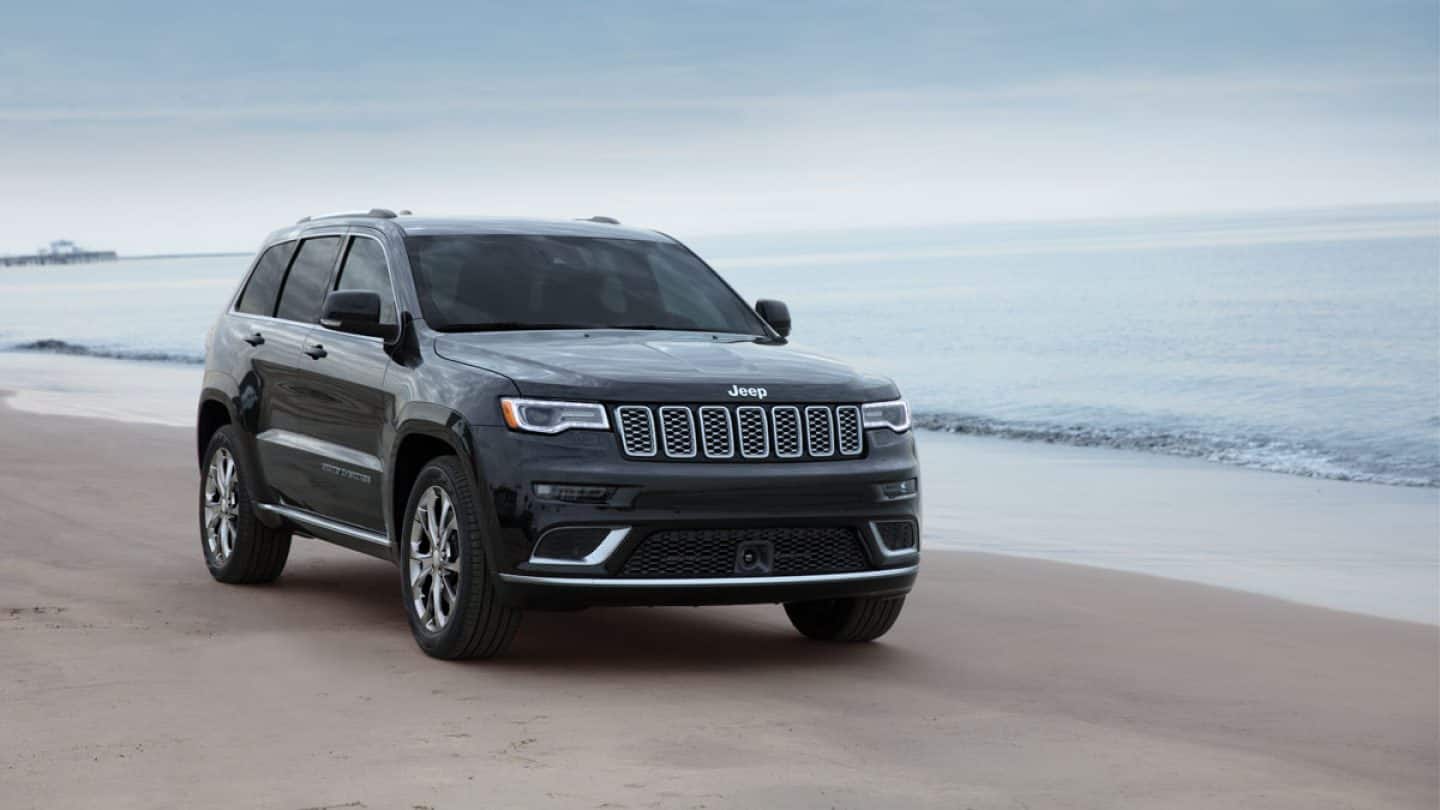
1. Jeep Grand Cherokee (2011-2021 WK2 Generation)
The Jeep Grand Cherokee, despite its premium positioning and impressive capability, suffers from persistent interior quality issues that emerge distressingly early in ownership.
Owners consistently report developing rattles, squeaks, and loose trim pieces well before the vehicle reaches 50,000 miles, with some problems appearing during the initial ownership period.
These issues significantly undermine the Grand Cherokee’s otherwise solid performance credentials and attractive styling, turning what should be a premium experience into an exercise in frustration.
The primary culprit behind the Grand Cherokee’s interior woes involves inadequate fastener design combined with cost-cutting material choices.
Fiat Chrysler Automobiles’ influence during this generation’s development led to component sharing with lesser vehicles and manufacturing shortcuts that prioritized initial cost savings over long-term durability.
Many interior panels attach through flimsy plastic clips that lose tension after repeated temperature cycling, allowing components to vibrate against each other during normal driving.
The dashboard, in particular, develops irritating buzzes and rattles from loose HVAC vents, radio bezels, and center stack trim pieces. The center console represents a particular problem area in the Grand Cherokee.
The large console box lid frequently develops looseness in its hinge mechanism, creating annoying clunks and rattles when driving over bumps. The cupholders, rather than using durable rubber or metal construction, employ cheaper plastics that crack and break with regular use.
The armrest padding compresses prematurely, and the decorative stitching often separates at the seams. Worse, the entire console assembly sometimes works loose from its mounting points, introducing a significant rattle that requires dealer service to address.
Dashboard materials contribute significantly to the Grand Cherokee’s quality perception problems. While the upper portions use acceptable soft-touch materials that maintain their appearance reasonably well, lower sections employ hard plastics that scratch easily and develop an cheap appearance quickly.
More problematically, these materials don’t age gracefully exposure to sunlight causes fading and discoloration, while temperature extremes lead to warping and cracking.
The grain pattern stamped into these plastics wears smooth in high-contact areas, creating shiny patches that look particularly low-rent. Seating issues compound the Grand Cherokee’s interior problems.
The leather upholstery, particularly in lower trim levels, uses thin hides that crack and peel prematurely, especially on seat bolsters and steering wheels.
The power seat mechanisms develop annoying squeaks and groans during adjustment, and some owners report complete failure of power seat motors before 100,000 miles.
The seat heaters sometimes fail or develop hot spots, and the ventilated seat fans become noisy. Second-row seats that fold and slide develop looseness in their latching mechanisms, rattling over bumps.
2. Land Rover Discovery Sport (2015-Present)
The Land Rover Discovery Sport embodies the frustrating disconnect between luxury brand prestige and actual build quality. This compact luxury SUV commands premium pricing based on its heritage and British pedigree, yet delivers an interior that begins deteriorating almost immediately.
Owner forums overflow with complaints about rattles, electrical glitches, and trim pieces that separate, pop loose, or simply fall off. For a vehicle marketed as refined and upscale, the Discovery Sport’s interior quickly undermines its premium pretensions.
The fundamental problem with the Discovery Sport stems from Land Rover’s troubled transition period during parent company changes and platform development constraints.
Built on a Ford-derived platform updated with Jaguar Land Rover components, the vehicle suffers from inconsistent engineering standards and component quality.
The interior design prioritizes visual appeal over structural integrity, with thin panels and complex shapes that prove difficult to manufacture consistently. Assembly quality varies dramatically depending on which factory produced the vehicle and when during the production run it was built.

The panoramic sunroof, a signature Land Rover feature, becomes a major source of problems in the Discovery Sport. The headliner around the sunroof opening frequently sags or separates from its adhesive, creating unsightly bulges and sometimes blocking sunroof operation.
The sunroof mechanism itself develops rattles as plastic guide channels wear and metal components work loose. Some owners report that the entire headliner begins drooping by 40,000 miles, requiring expensive dealer remediation. The ambient lighting integrated into the headliner sometimes fails or develops flickering issues.
Dashboard rattles in the Discovery Sport appear with depressing regularity. The center stack, which houses the InControl Touch Pro infotainment system, develops buzzes and rattles from looseness in the screen mounting or HVAC vents.
The glove box door frequently refuses to stay closed properly or rattles when latched. The passenger airbag cover sometimes develops gaps along its edges, creating both a safety concern and a source of annoying squeaks.
Upper dashboard sections, while initially appearing premium, sometimes separate from their underlying structure, creating visible gaps and more opportunities for noise generation.
Electronic glitches pervade the Discovery Sport’s interior experience, degrading the premium feel Land Rover attempts to project. The instrument cluster sometimes develops pixelation or complete display failures.
The infotainment system freezes, reboots randomly, or loses functionality for various features. The climate control system develops a mind of its own, changing temperatures or fan speeds without input.
The gear selector, rising from the center console when the vehicle starts, sometimes fails to retract or extend properly. These electronic issues, combined with the mechanical rattles and worn trim, create an impression of a vehicle that can’t be trusted.
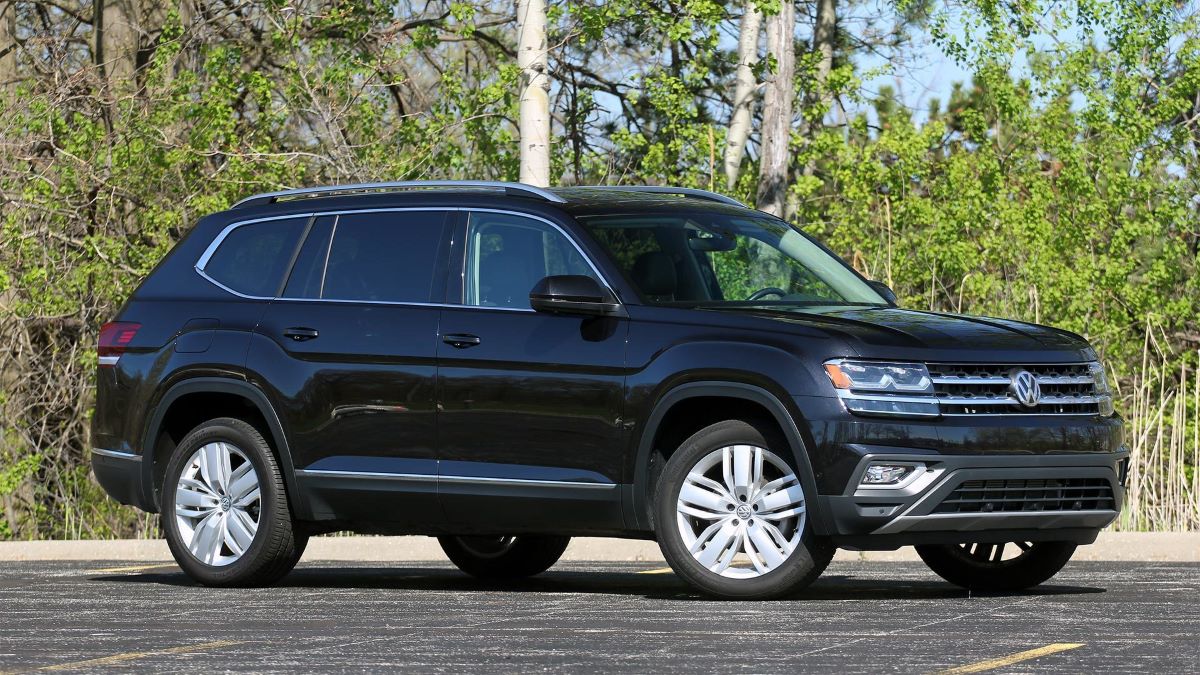
3. Volkswagen Atlas (2018-2024 First Generation)
The Volkswagen Atlas represents VW’s ambitious entry into the three-row midsize SUV segment, but this Tennessee-built offering suffers from disappointing interior quality that contradicts the German engineering reputation.
Owners report widespread issues with developing rattles, creaking plastics, and trim pieces that loosen or separate. For a vehicle designed specifically for American families and priced in the mid-$30,000s and up, the Atlas’s interior durability falls short of expectations set by competitors like the Honda Pilot and Toyota Highlander.
The Atlas’s interior problems stem largely from Volkswagen’s cost optimization for this specifically American product. Unlike European-market VWs that benefit from stricter quality standards and customer expectations, the Atlas receives cost-reduced components and simplified assembly processes to hit aggressive price targets.
The dashboard, while initially presenting an attractive design with logical controls, uses thin plastics that flex noticeably when pressed. These thin panels, combined with insufficient fastening points, allow components to vibrate against each other during normal driving, generating irritating noises.
Dashboard rattles emerge as the most commonly reported issue among Atlas owners. The area around the infotainment screen, particularly where the screen bezel meets the surrounding trim, develops buzzing noises over rough pavement.
The HVAC vents sometimes rattle independently, and the vent control wheels become loose or fall off completely. The passenger airbag cover has been known to develop gaps or even pop partially loose, requiring warranty repair.
The upper dashboard trim pieces, where different materials meet, develop audible squeaks as plastics rub against each other during temperature-induced expansion and contraction.
Material quality throughout the Atlas cabin disappoints compared to the expected Volkswagen standard. The plastics used on lower dashboard surfaces and door panel lowers scratch easily and develop a worn appearance quickly.
The cloth upholstery pills and shows wear patterns prematurely, while leather-equipped models use thin hides that crack on bolsters and steering wheels.
The headliner material sags in extreme heat, particularly in areas around the sunroof. The carpeting mats down quickly in high-traffic areas, looking worn well before similar wear appears in competitors.
4. Nissan Pathfinder (2013-2022 Fourth Generation)
The fourth-generation Nissan Pathfinder marked a departure from the model’s truck-based heritage to a more car-like, family-friendly crossover. Unfortunately, this transformation included significant cost-cutting in interior materials and assembly quality that resulted in a cabin prone to early rattles, squeaks, and general looseness.
Owners report widespread frustration with the Pathfinder’s interior integrity, with problems often emerging before the vehicle reaches 40,000 miles and worsening progressively as mileage accumulates.
Nissan’s decline in interior quality during this period reflects broader corporate challenges with financial pressures and platform amortization strategies.
The Pathfinder shares its architecture with other Nissan and Infiniti products, but component sharing extended to cheaper parts that might have been acceptable in lower-priced vehicles but feel inadequate in a $30,000-plus family SUV.
The dashboard assembly uses hollow-feeling plastics with insufficient backing support, allowing entire sections to flex when touched. This flexibility, while perhaps acceptable when new, allows components to work loose over time as fasteners lose tension.

The most notorious problem area in the Pathfinder involves the dashboard rattles that develop with depressing predictability. Owners consistently report buzzing noises emanating from various dashboard locations, with the area around the instrument cluster and center stack being particularly problematic.
The dashboard trim panels that surround the infotainment screen and climate controls develop gaps and looseness, vibrating against each other over rough roads.
Some owners report that their entire dashboard seems to creak and groan during cold weather as materials contract, creating a cacophony of annoying sounds during morning commutes.
The Pathfinder’s center console represents another quality shortfall. The console lid frequently develops looseness in its hinge, creating annoying clunks and rattles.
The synthetic leather covering the armrest shows premature wear, cracking and peeling in areas of regular contact. The cupholders use cheap plastics that crack easily, and the sliding cupholder covers jam or break off completely.
The storage bin under the armrest lid has inadequate damping, allowing it to slam closed noisily. Many owners report that the entire console assembly works loose from its mounting points, introducing a significant rattle that requires removal and reinstallation to remedy.
Material degradation in the Pathfinder occurs noticeably faster than in competitive vehicles. The dashboard plastics fade unevenly in sunlight, creating blotchy appearances.
The simulated wood trim used in some models bubbles and peels at edges. The leather steering wheel develops premature wear with the surface coating peeling away to reveal light-colored leather underneath.
The cloth seats pill and show wear patterns early, while leather seats crack predictably on bolsters. The headliner sags in extreme heat, and the door seals harden and shrink, allowing wind noise and sometimes water intrusion.
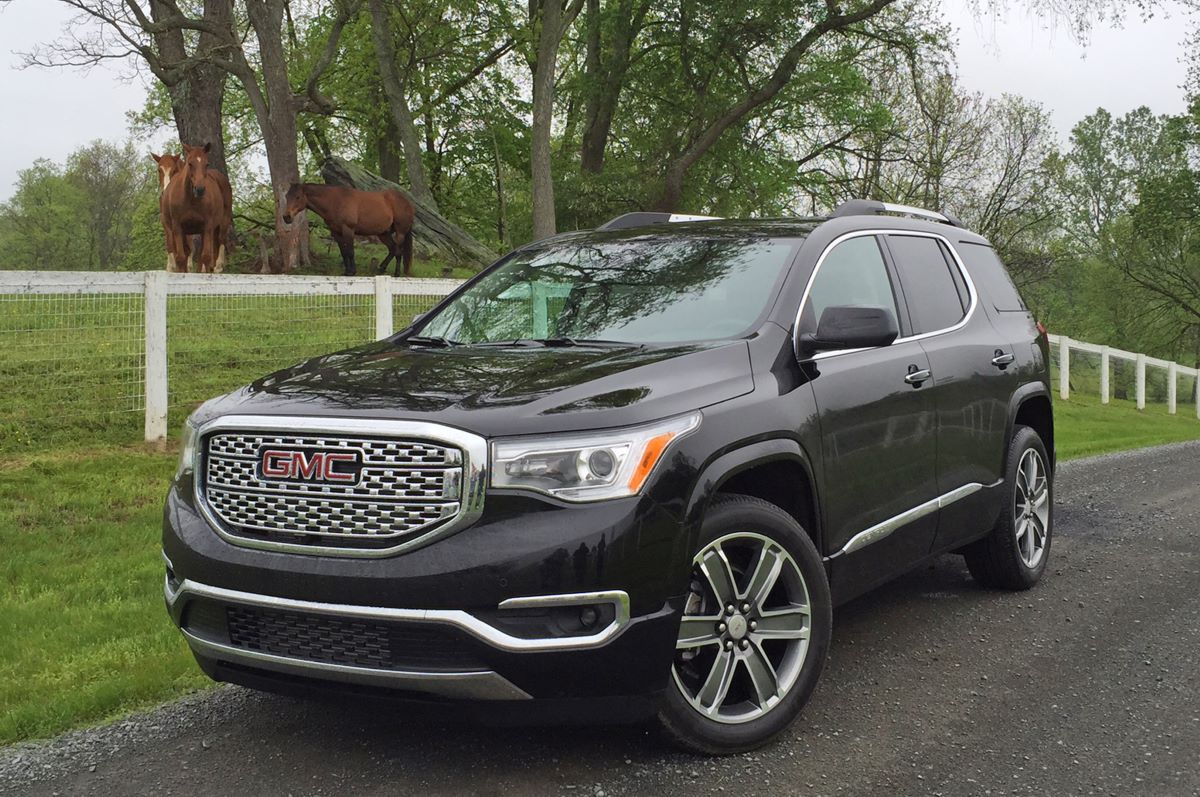
5. GMC Acadia (2017-2023 Second Generation)
The second-generation GMC Acadia, despite representing General Motors’ attempt to create a refined, premium family SUV, suffers from persistent interior quality issues that undermine its market positioning.
Owners report developing rattles, squeaks, and various trim problems that emerge surprisingly early in the ownership experience. For a vehicle marketed as an upscale alternative to mainstream three-row SUVs and priced accordingly, the Acadia’s interior durability disappoints, falling short of both GM’s internal premium brands and competitive vehicles from Honda and Toyota.
The Acadia’s interior problems reflect General Motors’ ongoing struggle with cost management and quality consistency. Built on GM’s C1XX platform alongside the Chevrolet Traverse and Buick Enclave, the Acadia receives mid-tier components that attempt to balance cost against the expectations created by the GMC brand positioning.
However, this balancing act tilts too far toward cost-saving, resulting in thin plastics, inadequate sound deadening, and simplified fastening systems that prove insufficient for long-term durability.
The dashboard design, while initially attractive with its horizontal lines and integrated displays, uses hollow-feeling plastics that flex under pressure and generate noises as the vehicle ages.
The Acadia’s dashboard develops rattles with frustrating regularity, particularly in the area surrounding the infotainment screen and instrument cluster.
The touchscreen bezel sometimes separates slightly from the screen itself, creating gaps that collect dust and look cheap. The trim panel surrounding the gear selector frequently loosens, buzzing over rough pavement.
The glove box door develops looseness in its damper mechanism, either closing too quickly with a bang or developing a rattle when latched.
The HVAC vents sometimes produce whistling noises or develop looseness in their adjustment mechanisms. Upper dashboard sections, where materials transition from soft-touch to hard plastic, sometimes separate slightly, creating squeaks as surfaces rub together.
Door-related problems appear frequently in Acadia owner complaints. The interior door handles, especially on heavily used driver’s doors, develop looseness or cracking at stress points. The window switch assemblies sometimes sink into the door panel or develop individual button looseness.
The door panel map pockets pull away from their mounting points or crack at corners under the stress of stored items. The door speakers produce rattling noises independent of audio playback, indicating looseness in grille mounting or speaker basket attachment.
Many owners report persistent door panel creaks that prove difficult to remedy permanently, as the noise source moves as panels flex during driving.
The Acadia’s interior quality shortcomings prove particularly disappointing given General Motors’ historical capability for producing durable interiors. Previous GM SUV generations, particularly those built during the 2000s, often maintained their interior integrity far better than this current offering.
The second-generation Acadia’s problems suggest that cost pressures and platform sharing strategies prioritized initial manufacturing costs over long-term durability and customer satisfaction.
For buyers considering this segment, the Acadia’s interior issues represent a significant reason to consider alternatives, particularly the Honda Pilot, Toyota Highlander, or even the mechanically related but often better-appointed Buick Enclave, which sometimes receives superior interior components despite sharing the same basic architecture.
Also Read: 5 Cars With Bulletproof Cooling Systems vs 5 That Overheat Often
