
When it comes to purchasing an SUV, most buyers focus on the initial sticker price, fuel efficiency, and modern features. However, savvy vehicle owners understand that the true measure of an SUV’s worth isn’t just how it performs in the first few years, but how it holds up after six, seven, or even ten years of hard driving.
Reaching the 300,000-mile milestone is a badge of honor in the automotive world a testament to exceptional engineering, quality materials, and thoughtful design that stands the test of time and countless journeys.
The difference between SUVs that thrive beyond 300,000 miles and those that struggle to reach half that distance often comes down to fundamental engineering philosophy.
Some manufacturers prioritize longevity, using proven powertrains, robust chassis designs, and components built to withstand decades of wear.
These vehicles might not always have the flashiest interiors or the most cutting-edge technology, but they’re engineered with durability as a core principle.
Their owners often report passing these vehicles down through generations, with nothing more than routine maintenance keeping them running strong.
In this comprehensive guide, we’ll explore five SUVs that have earned legendary status for their ability to soldier on well past 300,000 miles, along with five models that frequently disappoint their owners before reaching even half that distance.
We’ll examine what makes the reliable models so dependable, what common issues plague the problematic ones, and what you should consider when making your next SUV purchase.
The insights shared here come from real-world ownership experiences, mechanic reports, and long-term reliability data that reveals the truth about how these vehicles perform when the odometer climbs into six-figure territory.
5 SUVs That Conquer 300,000 Miles
These exceptionally crafted vehicles feature cabin assemblies built with precision-fitting panels, substantial sound deadening materials, and meticulously engineered mounting systems that maintain tight tolerances and silent operation through years of challenging road conditions.
Their thoughtful engineering includes dashboard structures with reinforced backing supports, door panels secured with multiple robust fasteners and cushioned retention clips, and headliners attached with adhesive systems that resist sagging despite temperature fluctuations and humidity exposure throughout ownership periods.
From rough unpaved roads that transmit constant vibration to the daily temperature cycling that causes material expansion and contraction, these remarkable interiors continue feeling vault-like without developing annoying squeaks, dashboard buzzes, or loose trim pieces that plague lesser designs.
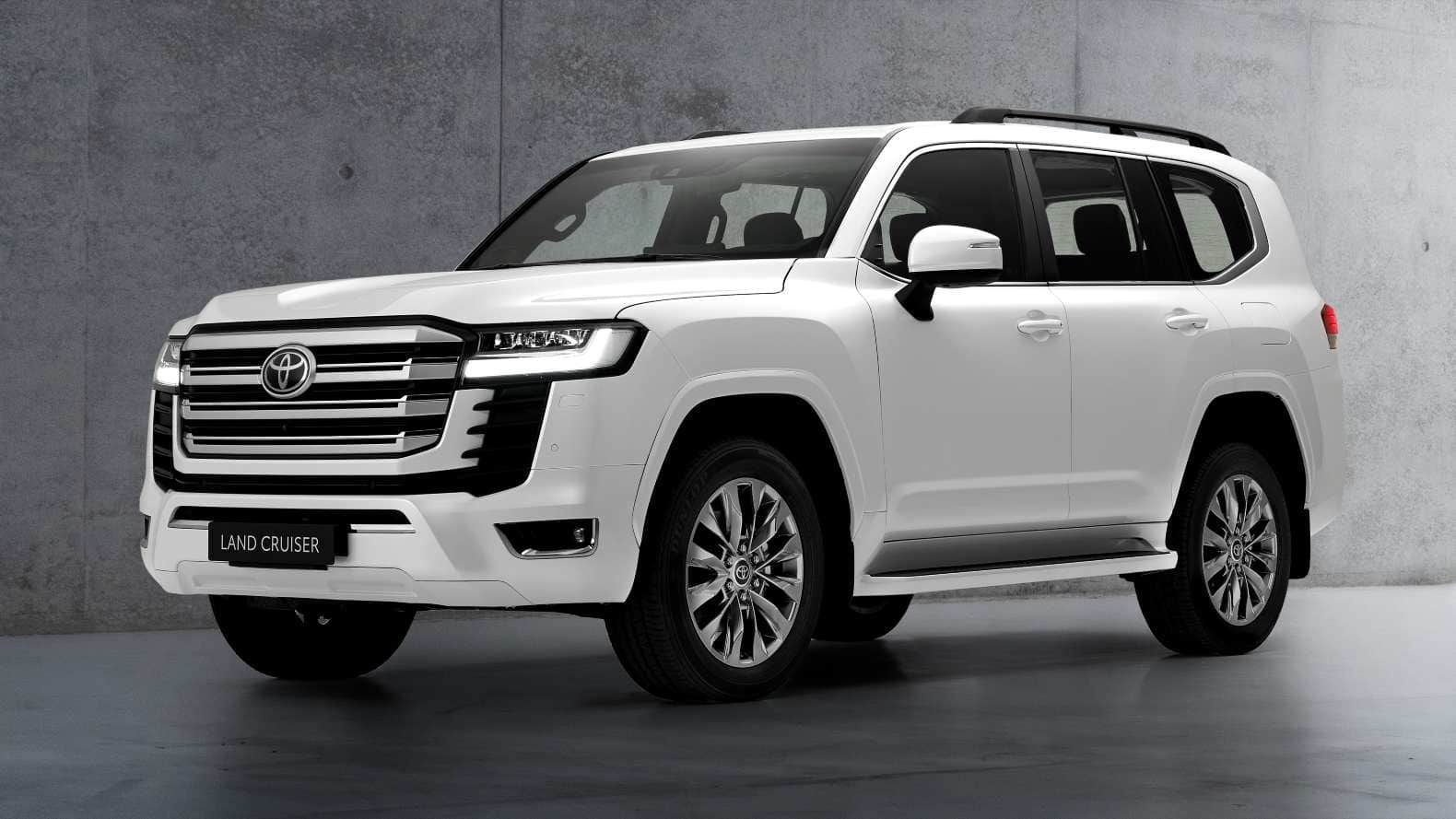
1. Toyota Land Cruiser
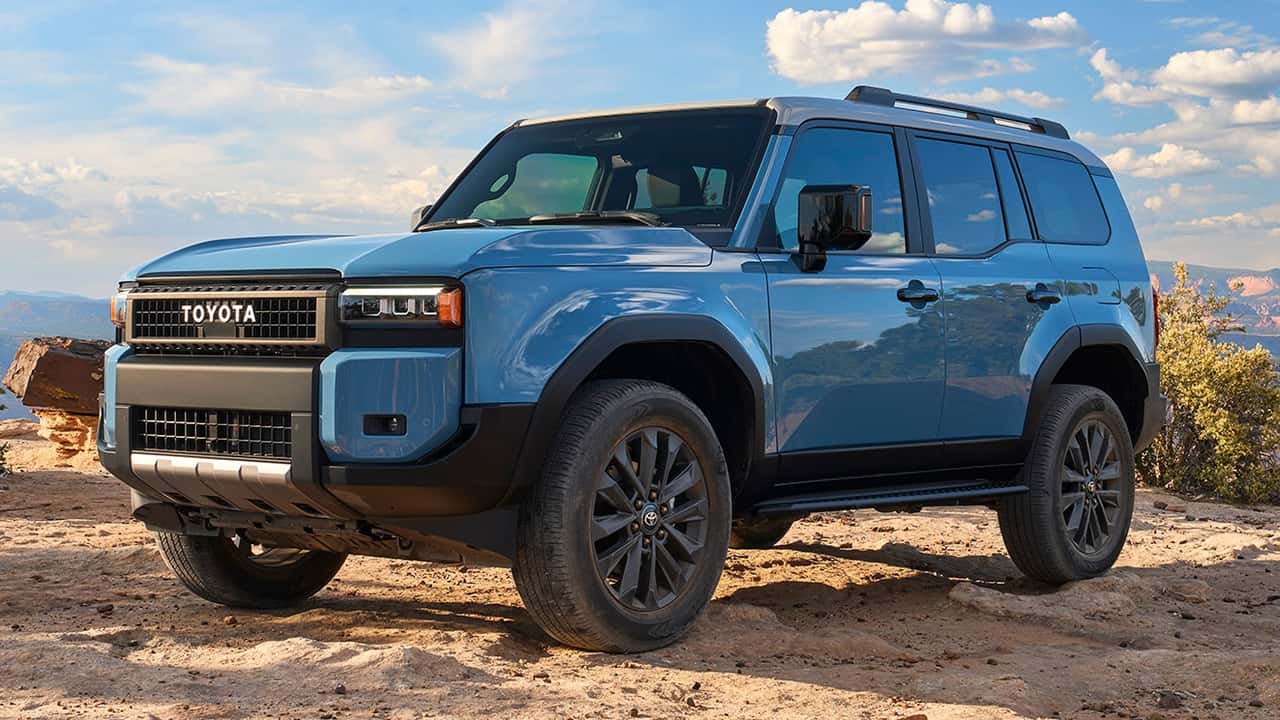
The Toyota Land Cruiser stands as perhaps the most legendary SUV ever built when it comes to extreme durability and longevity. This vehicle wasn’t designed for suburban grocery runs it was engineered to traverse the Australian Outback, cross African deserts, and go through the war zones where failure simply isn’t an option.
The Land Cruiser’s reputation for reaching 300,000 miles and beyond isn’t just marketing hype; it’s a well-documented reality backed by decades of real-world performance in the harshest conditions imaginable.
At the heart of the Land Cruiser’s legendary reliability is Toyota’s conservative engineering approach. Rather than chasing horsepower numbers or implementing unproven technology, Toyota refined and perfected proven designs over many generations.
The result is a vehicle with components that are often overbuilt for their intended purpose, creating massive reserves of durability. The engines, whether the venerable 4.7-liter V8 or the more recent 5.7-liter unit, are known for their bulletproof construction.
These powerplants feature robust internal components, conservative tuning that reduces stress, and excellent cooling systems that prevent the heat-related failures common in other vehicles.
The Land Cruiser’s transmission, whether automatic or manual in older models, is similarly overengineered. The automatic transmissions use larger clutch packs and stronger internal components than many comparable vehicles, allowing them to handle the vehicle’s substantial weight and towing capacity without premature wear.
Transmission fluid changes at recommended intervals often result in these units lasting the entire life of the vehicle without requiring rebuilds a stark contrast to many modern SUVs that need transmission work before 150,000 miles.
The four-wheel-drive system exemplifies Toyota’s commitment to simplicity and reliability. Rather than complex electronic systems with multiple failure points, the Land Cruiser uses time-tested mechanical systems with locking differentials and robust transfer cases.
These components are sealed and protected from the elements, rarely requiring attention beyond fluid changes. Owners regularly report original four-wheel-drive systems functioning perfectly well past 300,000 miles, something virtually unheard of in more complex modern systems.
Suspension durability is another area where the Land Cruiser excels. The front suspension uses beefy components designed to absorb punishment from off-road use, and these same qualities translate to exceptional longevity in regular driving.
While suspension bushings and ball joints eventually wear, they typically last far longer than those in competing vehicles, and replacements are reasonably priced and widely available. The rear suspension, particularly in models with the solid rear axle, is nearly indestructible under normal use.
Perhaps most importantly, the Land Cruiser benefits from Toyota’s exceptional rust prevention and body construction. Even in harsh winter climates where road salt is prevalent, Land Cruisers resist corrosion far better than most competitors.
The frame and body panels are treated with extensive rust-proofing, and the vehicle’s design minimizes areas where moisture and salt can accumulate.
This means that when a Land Cruiser reaches 300,000 miles, it’s not just mechanically sound it still looks presentable and maintains structural integrity.
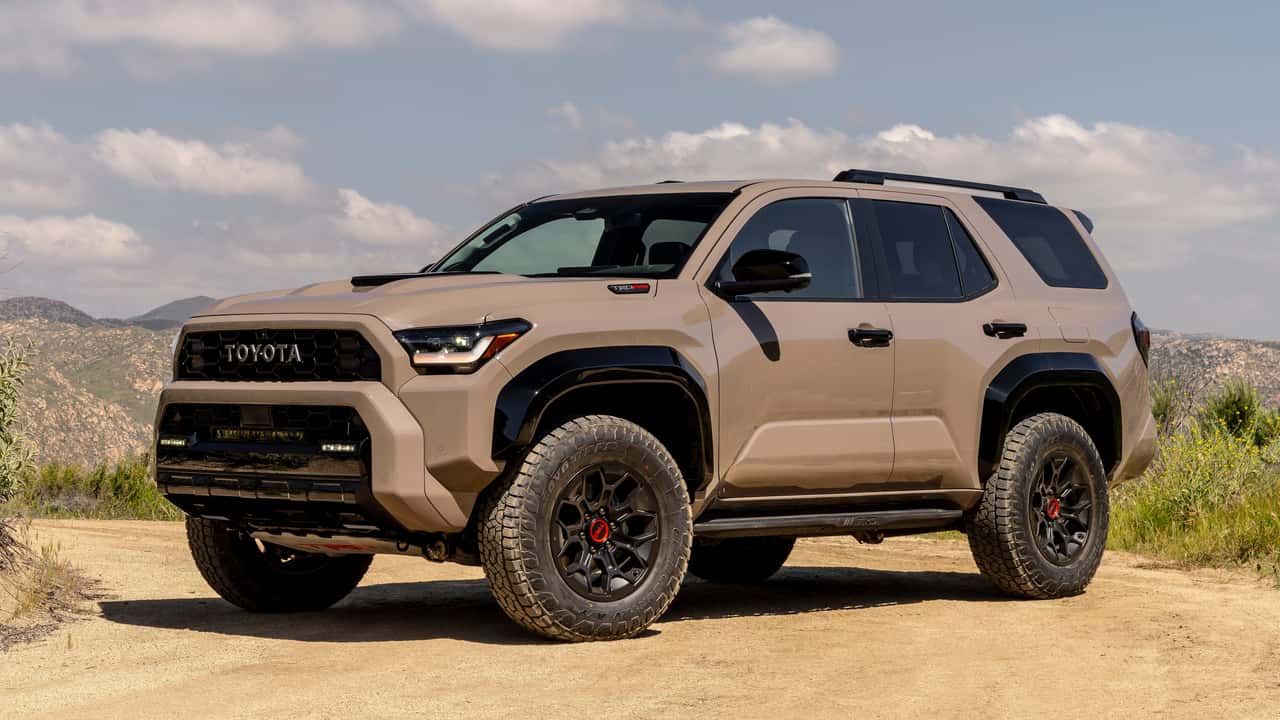
2. Toyota 4Runner
While the Land Cruiser represents Toyota’s flagship in terms of rugged durability, the 4Runner brings similar reliability to a more accessible price point. The 4Runner has cultivated a passionate following among owners who refuse to give up their high-mileage examples, and for good reason.
This mid-size SUV combines proven Toyota engineering with a body-on-frame construction that provides both durability and capability that crossovers simply cannot match.
The current generation 4Runner, which has remained largely unchanged since 2010, uses the legendary 4.0-liter V6 engine that has powered countless Toyota and Lexus vehicles to stratospheric mileage figures.
This engine features a timing chain instead of a belt, eliminating one major maintenance item and potential failure point. The engine’s design is conservative and well-proven, with adequate power for daily driving while maintaining excellent longevity.
Owners routinely report these engines running smoothly beyond 300,000 miles with nothing more than regular oil changes, spark plugs, and occasional valve cover gasket replacements.
The 4Runner’s five-speed or six-speed automatic transmission, depending on the model year, shares the Land Cruiser’s philosophy of robust construction. These transmissions are known for their smooth operation and longevity when properly maintained.
The key to transmission longevity in the 4Runner is regular fluid changes something Toyota’s “lifetime fluid” guidance doesn’t emphasize enough. Owners who change their transmission fluid every 50,000 miles routinely see these transmissions last the entire life of the vehicle without issues.
One of the 4Runner’s greatest strengths is its straightforward four-wheel-drive system. Models equipped with the part-time four-wheel-drive system are particularly simple and reliable, with a manually-selectable transfer case that’s virtually bulletproof.
Even the full-time four-wheel-drive system available on some trims uses proven technology rather than complex electronics, ensuring long-term reliability. The 4Runner’s drivetrain can handle serious off-road abuse, which means normal on-road use barely stresses these components.
The suspension system in the 4Runner balances comfort and durability effectively. The front independent suspension and rear solid axle configuration provide excellent ride quality while using components that are designed to last.
Ball joints, tie rod ends, and suspension bushings wear gradually and predictably, giving owners plenty of warning before replacement becomes necessary.
When these components do need replacement, they’re relatively inexpensive and can be installed by competent DIY mechanics, reducing long-term ownership costs.
Interior quality and electronics represent the few areas where the 4Runner shows its age, but this actually contributes to its longevity. The simple, straightforward interior uses proven switchgear and controls that rarely fail.
The lack of complex infotainment systems and excessive electronics means fewer potential failure points. While newer competitors offer flashier interiors, the 4Runner’s utilitarian approach means fewer expensive electronic repairs as the vehicle ages. Owners appreciate that everything still works properly at 300,000 miles, even if it’s not cutting-edge technology.
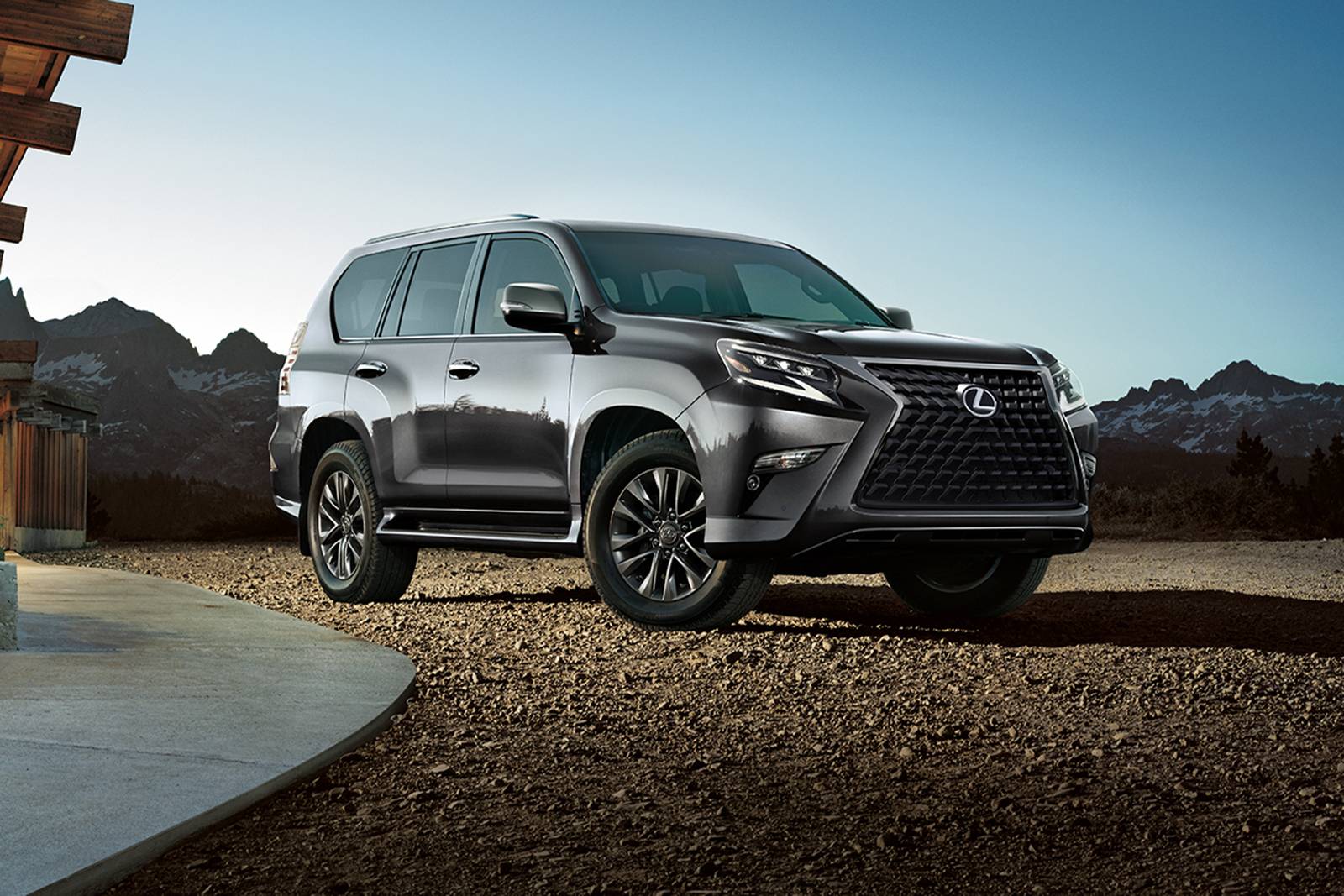
3. Lexus GX
The Lexus GX represents what happens when Toyota’s legendary reliability meets luxury appointments and refinement. Built on the same platform as the Toyota Land Cruiser Prado, the GX brings body-on-frame construction and proven mechanical components to the luxury SUV segment.
What sets the GX apart from other luxury SUVs is that it maintains its upscale feel and functionality even at extremely high mileage, something few premium vehicles can claim.
Under the hood, the GX uses either a 4.7-liter or 4.6-liter V8 engine, depending on the generation. Both engines are renowned for their smooth operation and exceptional durability.
These powerplants feature conservative tuning that prioritizes longevity over maximum performance, resulting in engines that regularly exceed 300,000 miles with minimal issues.
The V8 design is inherently balanced and smooth, reducing wear on engine mounts and other components. Regular oil changes using quality synthetic oil are typically all that’s needed to keep these engines running perfectly for decades.
The transmission in the GX is a sophisticated piece of engineering that manages to be both smooth and durable—a combination luxury buyers expect but rarely receive in the long term.
The six-speed automatic transmission features adaptive shift logic that learns driving patterns, but unlike many “smart” transmissions, the GX’s unit doesn’t become problematic as it ages.
The transmission fluid should be changed regularly despite Lexus’s extended service intervals, but owners who do this maintenance report transmissions that shift smoothly well past 300,000 miles.
Lexus pays exceptional attention to NVH (noise, vibration, and harshness) reduction, and remarkably, the GX maintains its quiet, refined character even at high mileage.
This is because Lexus doesn’t just use sound deadening materials that deteriorate they engineer quiet operation into the vehicle’s fundamental design.
Door seals remain effective, suspension bushings are designed to minimize noise transmission, and the engine mounts use advanced materials that resist aging. The result is a vehicle that still feels like a luxury SUV after 300,000 miles, not a worn-out rattle trap.
The interior of the GX deserves special mention for its longevity. Lexus uses premium leather that wears gracefully, avoiding the cracking and deterioration common in other luxury brands.
The seats maintain their support and comfort over time, and the climate control system continues functioning properly when others would have failed.
Electronics, often the weak point in luxury vehicles, prove surprisingly durable in the GX. While some switches and controls might show wear cosmetically, they typically continue functioning long after competitors’ electronics have failed completely.
The four-wheel-drive system and suspension in the GX mirror the Land Cruiser’s robust design philosophy. The Kinetic Dynamic Suspension System (KDSS) available on some models adds complexity but has proven remarkably reliable in long-term use.
This system improves both on-road handling and off-road articulation without the reliability penalties that often accompany such advanced systems.
The adaptive variable suspension also holds up well, though owners should expect to replace the system’s components eventually but typically not until well past 200,000 miles.
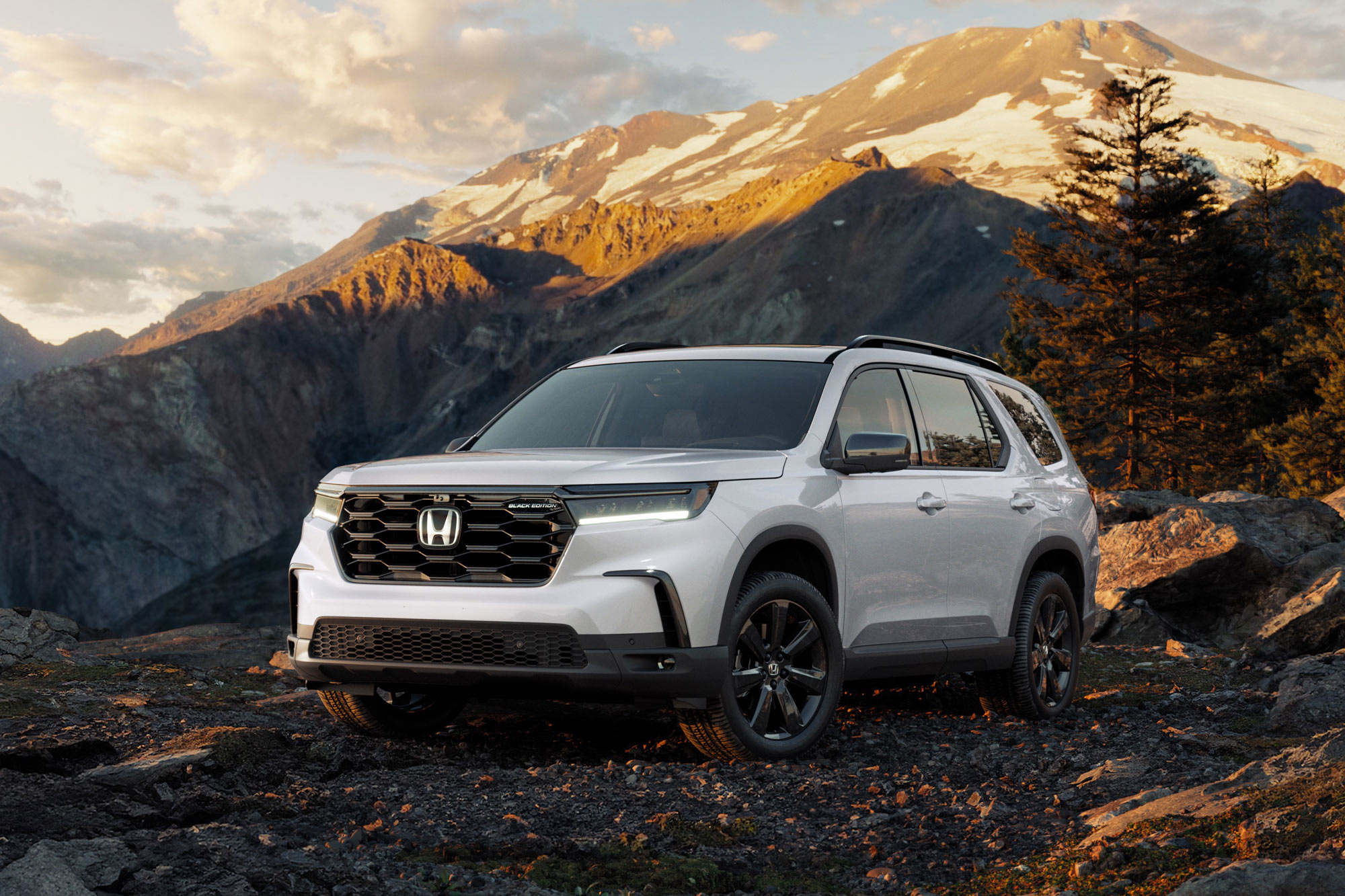
4. Honda Pilot
The Honda Pilot represents a different approach to high-mileage durability compared to the body-on-frame Toyota products, proving that car-based crossovers can also achieve impressive longevity when properly engineered.
The Pilot has earned a reputation as one of the most reliable three-row SUVs available, with countless examples cruising past 300,000 miles while still serving daily family duty. What makes the Pilot particularly impressive is that it achieves this longevity while offering a comfortable, car-like ride and competitive fuel economy.
Honda’s engineering philosophy emphasizes high-revving, efficient engines built with tight tolerances and quality materials, and the Pilot’s V6 powerplant exemplifies this approach.
The 3.5-liter V6 used in most Pilot generations is a member of Honda’s J-series engine family, which has powered millions of Honda and Acura vehicles to high mileage.
This engine features a sophisticated variable valve timing system that optimizes performance and efficiency, yet has proven remarkably durable in long-term use.
The engine uses a timing belt in earlier generations (requiring replacement every 105,000 miles) or a timing chain in newer models, but both configurations have excellent longevity records.
The Pilot’s transmission has evolved over the years, with different generations using five-speed, six-speed, or nine-speed automatic transmissions. The five-speed and six-speed units have established excellent reliability records, routinely lasting beyond 300,000 miles with proper maintenance.
The nine-speed transmission in newer models has faced some criticism for shift quality, but long-term reliability data is still being established.
The key to transmission longevity in any Pilot is regular fluid changes Honda recommends changes every 30,000 miles under severe conditions, and following this guidance pays dividends in transmission life.
Honda’s interior quality in the Pilot strikes an excellent balance between comfort and durability. The materials are designed to withstand the abuse that family vehicles endure spills, crumbs, scratching, and constant use. The seats maintain their support and comfort over time, and the climate control system continues functioning reliably.
Electronics in the Pilot are generally reliable, though some model years have experienced issues with the infotainment system. Importantly, these electronics issues rarely affect the vehicle’s drivability or safety systems, allowing the Pilot to continue serving reliably even if the entertainment system shows its age.
Also Read: 10 SUVs That Rarely Rust Even in Snow States
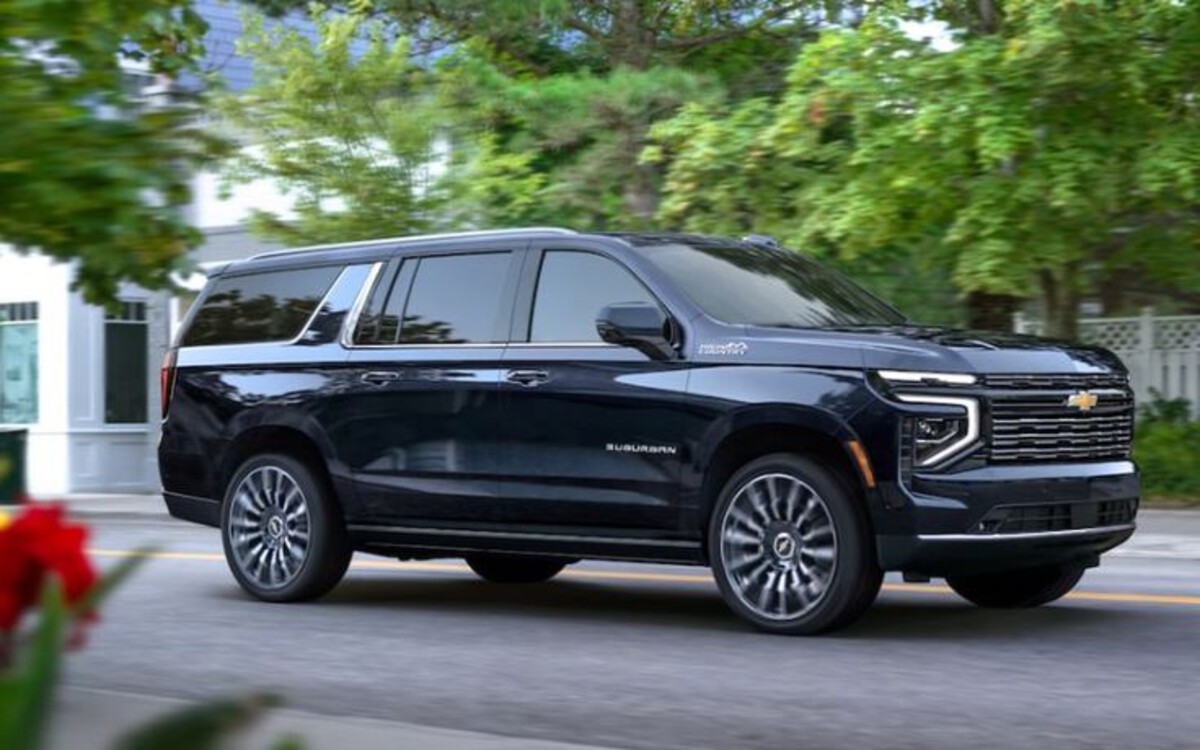
5. Chevrolet Suburban/GMC Yukon XL
The Chevrolet Suburban and its GMC Yukon XL counterpart represent America’s answer to the question of high-mileage durability in a full-size SUV.
These vehicles have been workhorses for families, commercial fleets, and government agencies for decades, and their ability to reach and exceed 300,000 miles is well-documented.
What makes the Suburban/Yukon XL particularly noteworthy is that they achieve this longevity while offering massive interior space, strong towing capacity, and the comfort that American buyers expect from full-size SUVs.
The key to the Suburban’s longevity lies in its use of proven, long-lasting powertrains. The 5.3-liter V8 engine that has powered millions of GM trucks and SUVs is legendary for its durability.
This small-block V8 design traces its lineage back decades, with continuous refinement making modern versions more efficient while maintaining the bulletproof reliability that made earlier versions famous.
The engine features advanced technologies like Active Fuel Management (cylinder deactivation) and variable valve timing, but these systems are well-proven and reliable.
Regular oil changes and occasional spark plug replacements are typically all that’s needed to keep these engines running smoothly for 300,000 miles and beyond.
The Suburban’s interior is designed for practicality and durability rather than cutting-edge luxury. The materials used are robust and designed to withstand years of family use, cargo hauling, and exposure to the elements.
Cloth seats in particular prove extremely durable, often showing minimal wear even after 300,000 miles of use. Leather seats wear more noticeably but can be rejuvenated with conditioning.
The climate control system is robust and typically continues functioning well into high-mileage territory. Electronics have improved dramatically in recent generations, with GM finally addressing the electrical gremlins that plagued earlier models.
While some electronic features might fail over time, they rarely affect the vehicle’s core functionality, allowing the Suburban to continue serving reliably as a transportation tool.
5 SUVs That Struggle Before 300,000 Miles
These problematic vehicles suffer from fundamental design compromises including engines with insufficient bearing surface area, transmissions with inadequate clutch capacity, and body structures that corrode rapidly despite modern manufacturing claims about improved materials and protective coatings.
Their flawed engineering includes powertrain components engineered to minimum specifications with little durability margin, electrical systems featuring failure-prone modules that become obsolete and unavailable for repair, and suspension designs utilizing pressed-in components that cannot be serviced individually when wear develops in specific joints or bushings.
From timing chain systems that stretch prematurely and damage valve train components to all-wheel-drive transfer cases that develop bearing failure and costly internal damage, these troublesome SUVs create cascade failures with alarming frequency.
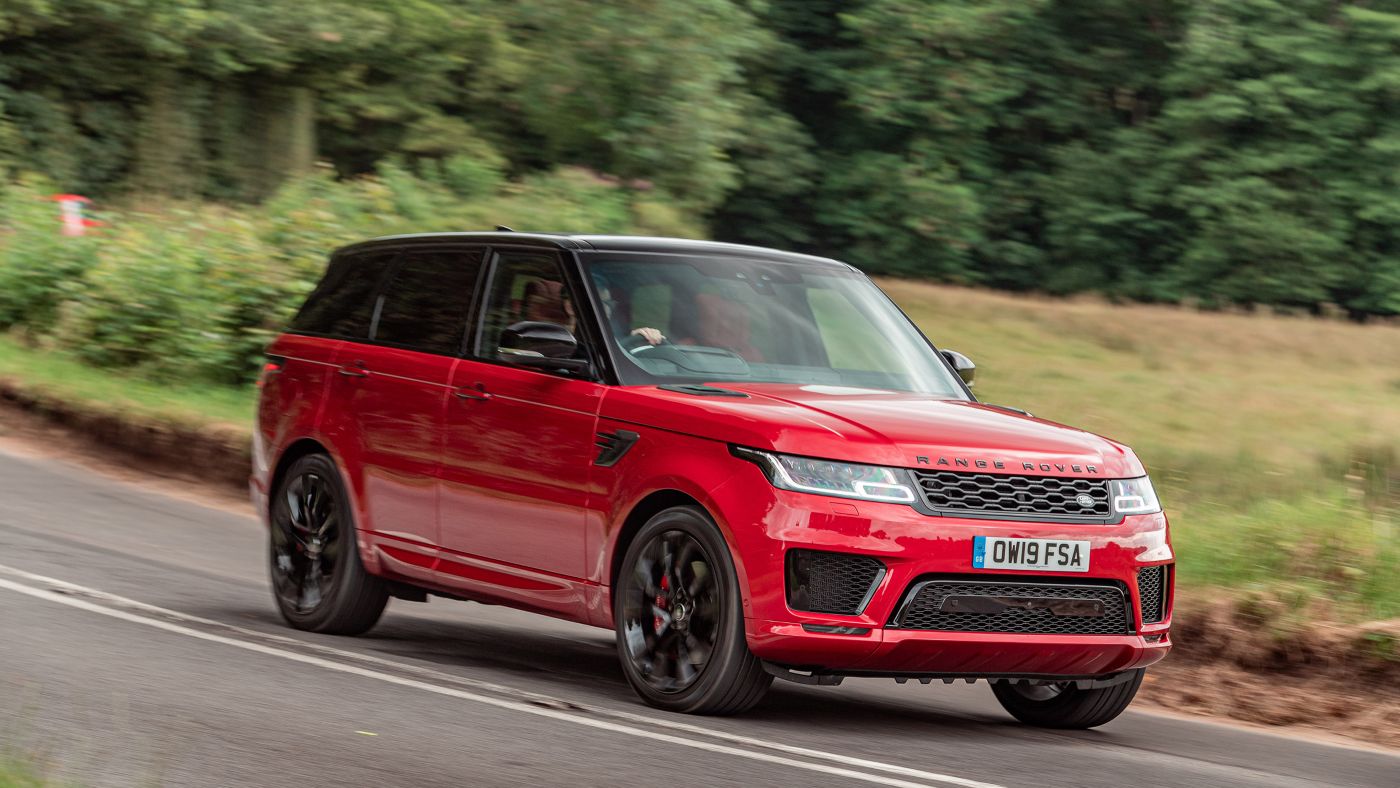
1. Range Rover
The Range Rover nameplate represents the pinnacle of luxury SUV design, offering unmatched refinement, cutting-edge technology, and genuine off-road capability wrapped in a prestigious package.
However, beneath the leather, aluminum, and sophisticated engineering lies a reputation for reliability that can charitably be described as problematic.
While Range Rovers excel at providing an exceptional ownership experience in their first few years, they rarely reach 300,000 miles without requiring repairs that often exceed the vehicle’s value, and many don’t even make it past 150,000 miles without major issues.
The heart of the Range Rover’s reliability problems often lies in its sophisticated powertrains. Jaguar Land Rover has used various engines over the years, including supercharged V6 and V8 engines, turbocharged four-cylinders, and diesel options.
While these engines perform admirably when new, they frequently develop serious issues as mileage accumulates. Supercharged engines face turbocharger failures, often requiring replacements that cost $3,000 or more.
Timing chain issues plague many Range Rover engines, with chains stretching prematurely and potentially causing catastrophic engine damage if not addressed.
The complex cooling systems develop leaks, and the specialized plastics and seals used throughout the engine bay deteriorate faster than those in more reliable vehicles.
The transmission situation in Range Rovers is equally concerning. The ZF eight-speed automatic transmission used in many models is generally well-regarded when used in other vehicles, but Range Rover’s implementation has proven problematic.
Transmission mechatronic unit failures are common, causing erratic shifting, loss of gears, or complete failure. These repairs typically cost $4,000-$6,000 and often recur after the replacement unit has been installed.
The transmission software requires frequent updates to address shifting problems, and even with these updates, many owners report persistent issues that dealers struggle to resolve.
Electronics represent perhaps the most frustrating aspect of Range Rover ownership at high mileage. The vehicle features an incredibly complex electrical system that controls everything from engine management to suspension adjustments to infotainment.
As the vehicle ages, electrical gremlins multiply exponentially. The Terrain Response system that adjusts vehicle settings for different conditions may fail to engage properly.
The air suspension, while providing an exceptional ride when functioning, frequently develops leaks in the air springs or failures in the compressor, with repairs costing $2,000-$4,000 per corner. The infotainment system freezes, reboots randomly, or fails completely, often requiring replacement of control modules costing thousands of dollars.
The air suspension deserves special attention as a particularly problematic system. While it provides unmatched ride quality and adjustability when new, it becomes a major liability as the vehicle ages.
Air springs develop leaks, compressors fail, and control modules malfunction. Unlike conventional coil spring suspension that might require replacement of shocks and springs over the vehicle’s life, air suspension often needs complete system overhauls multiple times before reaching 200,000 miles.
Some owners eventually convert their Range Rovers to conventional coil spring suspension to escape the never-ending cycle of air suspension repairs. Interior quality, while exceptional when new, doesn’t age gracefully in Range Rovers.
The touch-sensitive controls that look so sleek when new often become unresponsive or hypersensitive with age. Leather seats, despite their premium appearance, show wear more quickly than those in competitors.
The panoramic sunroofs that add to the vehicle’s luxurious ambiance frequently develop leaks that can damage interior electronics and create mold problems.
The complex climate control system develops faults that are difficult and expensive to diagnose and repair. By the time a Range Rover reaches 200,000 miles a milestone that few achieve the interior often looks and functions like a vehicle with twice that mileage.
2. BMW X5
The BMW X5 pioneered the luxury performance SUV segment when it debuted, combining BMW’s renowned driving dynamics with SUV practicality. The X5 offers exceptional performance, a high-quality interior, and advanced technology that impressed buyers and automotive journalists alike.
However, the X5’s sophisticated engineering comes with a reliability penalty that becomes increasingly apparent as mileage accumulates. While not as problematic as the Range Rover, the X5 faces enough serious issues that reaching 300,000 miles is rare, and many owners bail out long before that milestone.
Electronics and technology in the X5 represent a double-edged sword. When new, the iDrive infotainment system, digital displays, and advanced driver assistance systems are impressive and easy to use. However, as the vehicle ages, electronic systems become increasingly problematic.

The iDrive controller may fail, requiring replacement of the entire control module at significant cost. Display screens develop pixel failures or complete malfunctions.
The parking sensors and cameras often fail, with individual sensors costing hundreds of dollars to replace. The adaptive headlights system, while providing excellent illumination when functioning, develops failures in the auto-leveling system or ballasts, with repairs often costing $2,000 or more.
The suspension system in the X5, particularly models equipped with adaptive or air suspension, becomes problematic at high mileage.
The adaptive dampers that provide excellent ride quality and handling when new frequently fail, with each damper costing $1,000 or more to replace. Air suspension systems develop the same leaks and failures common to all air suspension designs, requiring expensive repairs.
Even models with conventional suspension face issues with control arm bushings, ball joints, and other components that wear more quickly than those in less performance-oriented vehicles. A complete suspension overhaul on a high-mileage X5 can easily cost $5,000-$8,000.
3. Jeep Grand Cherokee
The Jeep Grand Cherokee occupies a unique position in the SUV market, offering genuine off-road capability, available luxury features, and the cache of the Jeep brand at a more accessible price point than European competitors.
The Grand Cherokee has been a sales success for Stellantis (formerly Fiat Chrysler), with millions sold over multiple generations. Unfortunately, the Grand Cherokee’s popularity hasn’t translated into long-term reliability, with numerous serious issues that typically manifest well before 300,000 miles, often preventing the vehicle from reaching even 200,000 miles without major repairs.
Engine problems plague many Grand Cherokee models across different generations. The 3.6-liter Pentastar V6, used in millions of Chrysler group vehicles, suffers from cylinder head failures that cause coolant leaks into the cylinders. This issue often manifests around 100,000-150,000 miles and requires replacement of the cylinder heads at costs exceeding $3,000.

The V8 engines, while powerful and smooth, face their own issues including MDS (Multi-Displacement System) lifter failures that cause ticking noises and potentially catastrophic engine damage.
The EcoDiesel engine option, while offering excellent fuel economy, has proven particularly problematic with emissions system failures, EGR cooler problems, and turbocharger issues that often require repairs costing $5,000 or more.
Interior quality in the Grand Cherokee varies significantly depending on trim level, with higher trims offering nice materials and features while base models feel cheap.
However, regardless of trim level, durability is generally poor compared to more reliable competitors. Leather seats crack and deteriorate prematurely, dashboard materials become sticky or crack, and interior trim pieces break or come loose.
The Uconnect infotainment system, while generally well-liked when functioning, can freeze, reboot randomly, or fail completely. Climate control systems develop failures in the blend door actuators, causing inability to properly control temperature. By 150,000 miles, many Grand Cherokees look and feel significantly more worn than similarly-aged Toyota or Honda products.
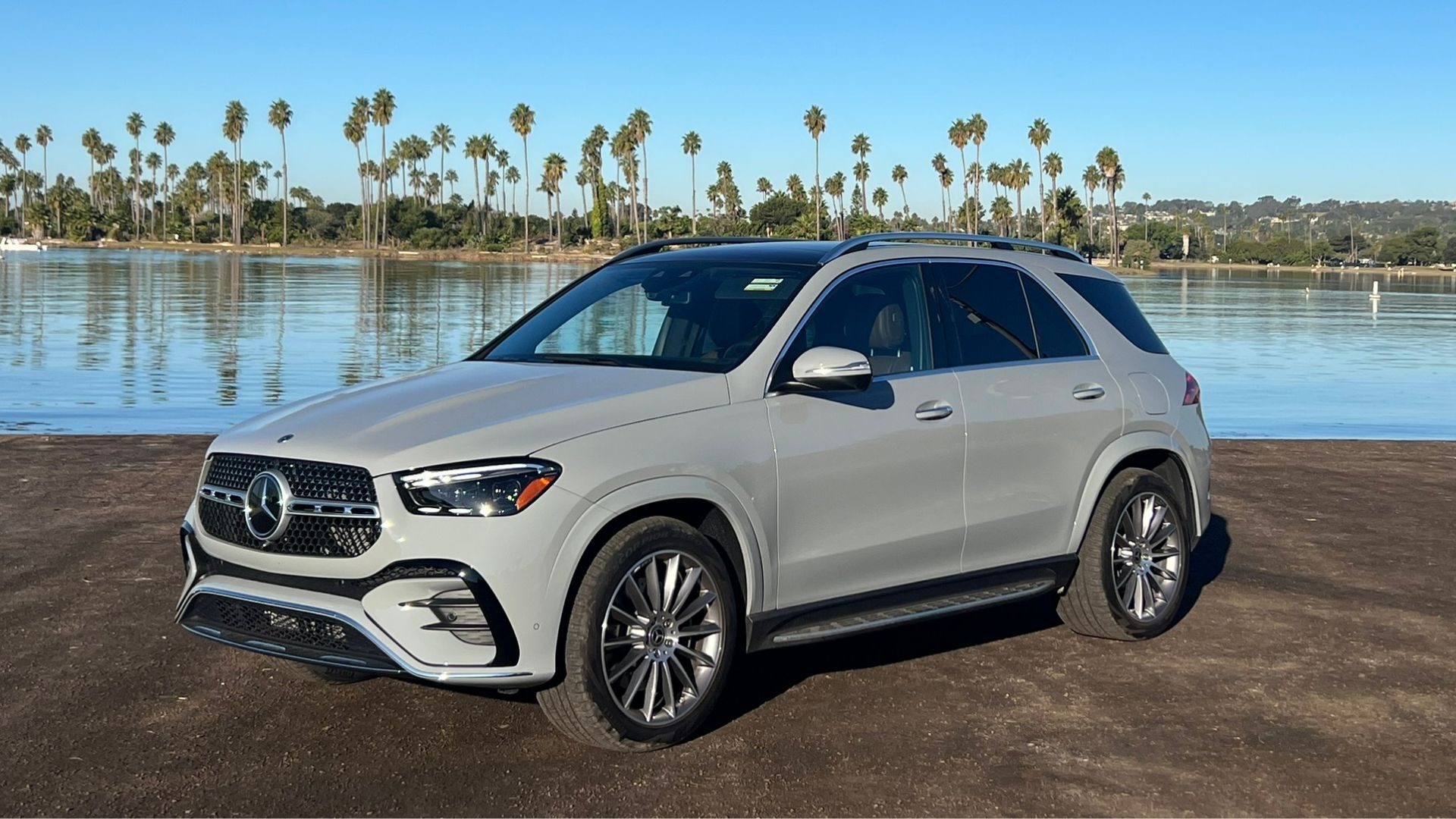
4. Mercedes-Benz GLE
The Mercedes-Benz GLE represents the German luxury brand’s mid-size SUV offering, combining sophisticated engineering, premium materials, and cutting-edge technology into an impressive package.
The GLE delivers exceptional performance, comfort, and prestige when new, commanding prices that reflect its position as a premium product.
However, Mercedes-Benz’s complex engineering and focus on innovation over proven reliability means the GLE faces serious challenges reaching high mileage without major issues.
While not impossible to reach 300,000 miles, very few GLE owners achieve this milestone without spending more on repairs than the vehicle’s original purchase price.
Electronics in the Mercedes-Benz GLE are incredibly sophisticated, offering features and capabilities that impress new buyers. However, this complexity creates numerous opportunities for expensive failures as the vehicle ages.
The COMAND infotainment system can freeze, experience navigation failures, or fail completely, requiring replacement of control units costing $2,000-$4,000.
The instrument cluster may develop pixel failures in the digital displays. The keyless entry and start system can malfunction, sometimes leaving owners locked out of their vehicles or unable to start them.
The myriad sensors that enable advanced driver assistance features frequently fail, with individual sensor replacements costing hundreds of dollars each. By 150,000 miles, many GLE owners have experienced multiple expensive electronic repairs.
Interior quality in the GLE is excellent when new, with premium leather, real wood trim, and soft-touch materials throughout. However, this luxury comes at the cost of durability in some areas.
The leather, particularly in lighter colors, shows wear more quickly than expected for a premium vehicle. The wood trim can delaminate or crack. The panoramic sunroof often develops leaks that can cause water damage to interior electronics.
Most frustratingly, many interior trim pieces are held in place with plastic clips that become brittle with age and break during any attempted repair work, leading to rattles and squeaks.
The seats, while comfortable, use complex adjustment mechanisms with many electric motors that can fail, with individual motor replacements costing $500-$1,000 each.
5. Land Rover Discovery
The Land Rover Discovery offers impressive off-road capability combined with luxury appointments and seven-passenger seating, creating a unique proposition in the SUV market.
The Discovery’s combination of genuine all-terrain capability and premium comfort attracts buyers seeking versatility and prestige. However, like its Range Rover stablemate, the Discovery suffers from serious reliability issues that typically prevent it from reaching 300,000 miles without repairs that often exceed the vehicle’s value.
Many Discovery owners find themselves facing major repair decisions well before 200,000 miles, with some unlucky owners experiencing catastrophic failures at even lower mileage.
Engine problems in the Discovery vary depending on which powerplant the vehicle uses, but most options face significant issues. The supercharged V6 engines deliver impressive performance but suffer from supercharger failures, timing chain problems, and water pump failures that can cause engine overheating and severe damage.
The diesel engines popular in some markets offer excellent fuel economy but face numerous issues including turbocharger failures, EGR system problems, and diesel particulate filter failures that require expensive repairs.
The V8 engines, while generally more robust, still face issues with cooling system components, valve train problems, and oil consumption that increases significantly as mileage accumulates.
Regardless of engine choice, Discovery owners typically face major engine repairs before reaching 200,000 miles, with costs often exceeding $5,000-$8,000 for significant work.
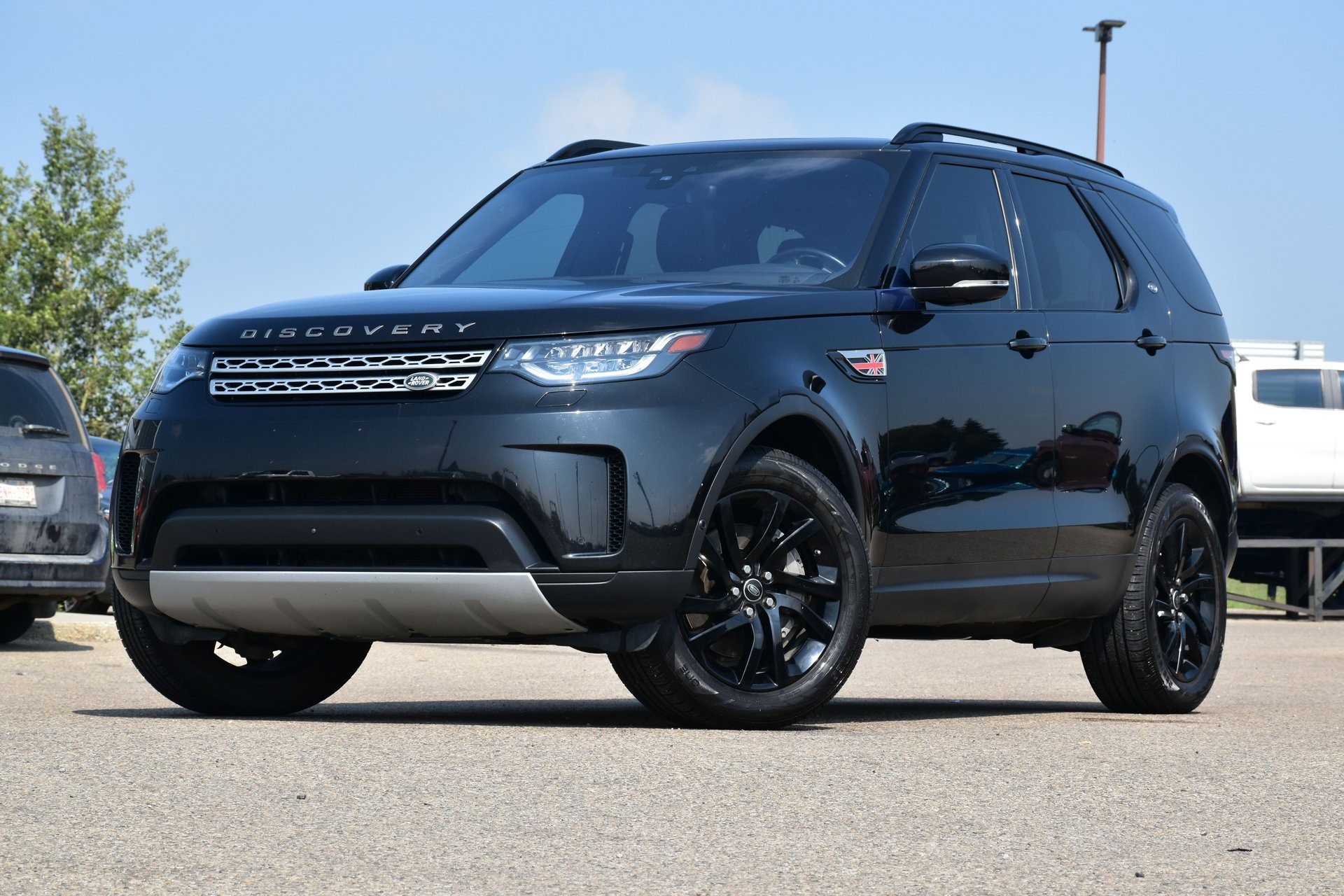
The transmission situation in the Discovery mirrors the problems found in Range Rover products. The ZF eight-speed automatic transmission, while sophisticated and smooth when new, develops numerous issues in Land Rover applications.
The mechatronic unit fails with alarming frequency, causing erratic shifting, transmission slipping, or complete failure. These repairs typically cost $4,000-$6,000, and the replacement units often fail again after relatively low mileage.
Software updates address some issues, but many owners report that problems persist or return shortly after updates are installed. The transmission’s complexity means that independent shops often refuse to work on them, forcing owners to use expensive dealership service.
The Discovery’s depreciation curve tells the story of its reliability reputation. New Discoverys command premium prices reflecting their luxury positioning and capability, but they lose value faster than almost any other SUV segment.
A Discovery that cost $60,000-$70,000 new might be worth only $20,000-$25,000 after five years and 75,000 miles, while a comparable Toyota 4Runner retains $35,000-$40,000 of its value.
This dramatic depreciation reflects buyers’ awareness of the expensive repairs that await as the vehicle ages, and the difficulty of finding buyers willing to purchase a high-mileage Discovery creates further downward pressure on values.
The combination of rapid depreciation and expensive repairs means that many Discovery owners find themselves underwater on their loans or unable to sell their vehicles without taking significant losses.
Also Read: 12 Vehicles That Rarely Need a Jump Start
