
When it comes to purchasing a vehicle, longevity and reliability are paramount considerations for most buyers. While the average car on American roads today lasts around 12 years or roughly 200,000 miles, there exists a remarkable divide in the automotive world between vehicles that seem virtually indestructible and those that begin experiencing catastrophic failures well before they should.
This disparity isn’t merely coincidental it’s the result of fundamental differences in engineering philosophy, manufacturing quality, material selection, and corporate commitment to long-term durability.
The automotive industry has long been a tale of two approaches: manufacturers who build vehicles as long-term investments, designed to accumulate hundreds of thousands of miles with minimal major repairs, and those who prioritize initial appeal, cost-cutting measures, or complicated technologies that prove problematic as vehicles age.
Understanding which vehicles fall into each category can save drivers tens of thousands of dollars over a lifetime of vehicle ownership and spare them the frustration of unexpected breakdowns and mounting repair bills.
The financial implications of choosing the right vehicle are staggering. A car that requires a transmission replacement at 100,000 miles, followed by engine work at 130,000 miles, can cost its owner $8,000-$15,000 in major repairs alone often exceeding the vehicle’s remaining value.
Meanwhile, a vehicle that runs reliably to 400,000 miles with only routine maintenance represents extraordinary value, potentially serving its owner for decades while requiring little more than oil changes, brake pads, and tires.
In this comprehensive analysis, we’ll explore five vehicles renowned for their ability to exceed 400,000 miles with grace, followed by five models notorious for catastrophic failures before reaching 120,000 miles.
Understanding what separates these two categories provides invaluable insight for anyone making one of life’s most significant purchasing decisions.
5 Cars That Exceed 400k Miles
These exceptionally engineered vehicles feature powertrains designed with conservative output ratings, generous bearing surfaces, and proven naturally aspirated architectures that deliver decades of dependable service when maintained according to manufacturer specifications and driven with reasonable mechanical sympathy.
Their thoughtful engineering includes timing chain systems with adequate tensioner designs avoiding premature wear, transmission assemblies with robust clutch packs and planetary gear sets built to handle substantially more torque than engines produce, and electrical systems utilizing simple relay-based circuits rather than complex module networks that become obsolete and unrepairable as vehicles age beyond manufacturer support periods.
From taxi duty accumulating mileage at unprecedented rates to family ownership spanning multiple generations with meticulous maintenance records, these remarkable cars continue operating smoothly without developing catastrophic mechanical failures, significant oil consumption, or structural issues that plague lesser designs.
1. Toyota Land Cruiser (1998-2007 100 Series)
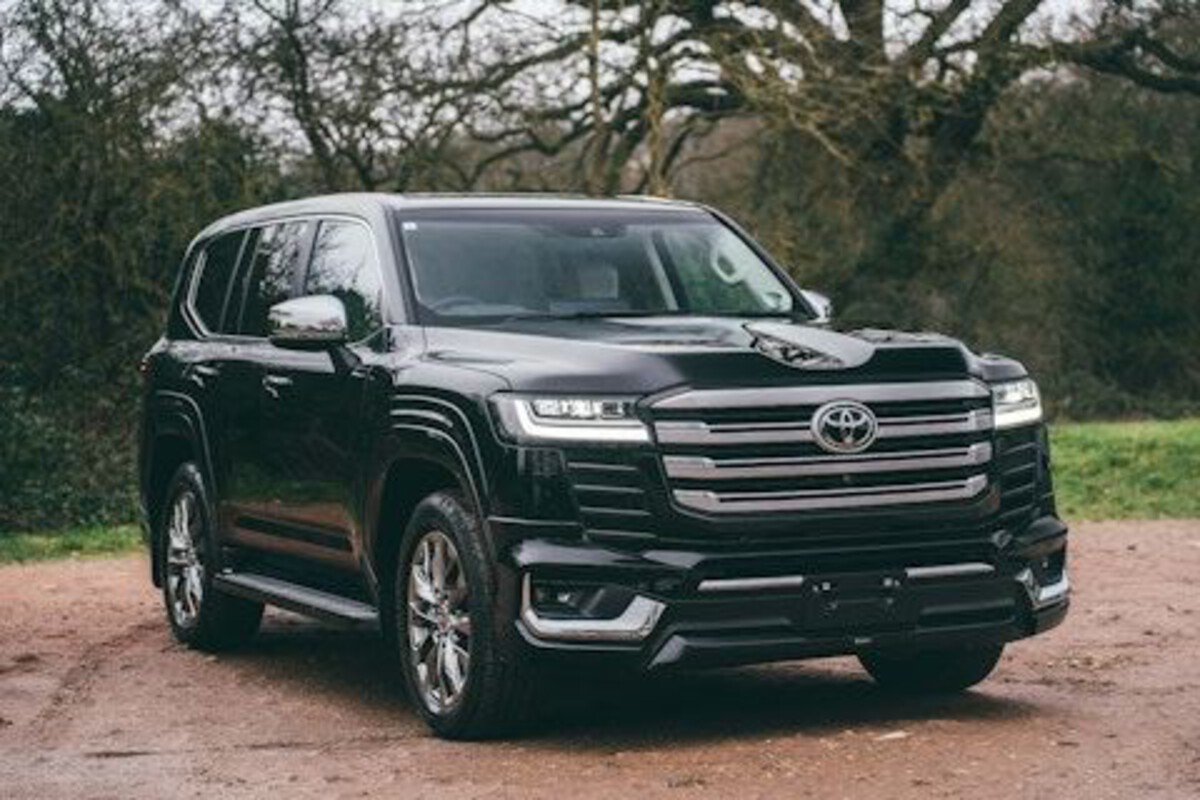
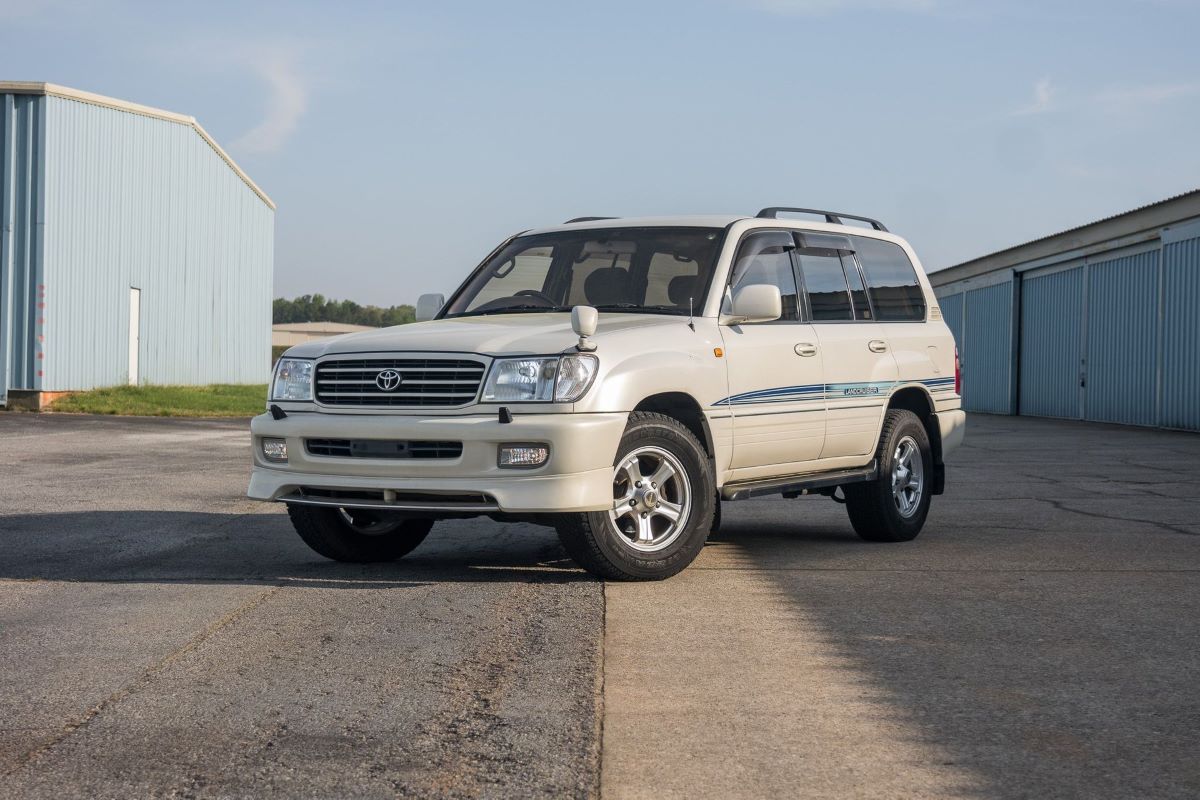
The Toyota Land Cruiser stands as perhaps the ultimate testament to automotive durability and engineering excellence. This full-size SUV, particularly the 100 Series produced from 1998 to 2007, has achieved legendary status among those who prioritize longevity above all else.
Finding Land Cruisers with 400,000, 500,000, or even 600,000 miles isn’t merely possible it’s relatively common in enthusiast communities and international markets where these vehicles serve as essential transportation infrastructure.
The heart of the Land Cruiser’s reliability lies in its 4.7-liter 2UZ-FE V8 engine, an understressed masterpiece of conservative engineering.
Producing a modest 230-245 horsepower from nearly five liters of displacement means this engine operates well within its capabilities under normal driving conditions.
The engine block is cast iron rather than aluminum, providing superior durability and heat dissipation. The cylinder heads feature only two valves per cylinder rather than more complex four-valve designs, reducing potential failure points.
Toyota’s obsessive attention to manufacturing tolerances ensures these engines maintain proper compression and oil pressure even after hundreds of thousands of miles.
The supporting systems surrounding this engine are equally overbuilt. The five-speed automatic transmission is known for its robust construction, with heavy-duty clutch packs and a substantial torque converter.
The four-wheel-drive system uses a traditional transfer case rather than more complex electronic alternatives, and the solid rear axle with its simple, time-proven design outlasts independent rear suspensions found in more modern SUVs.
Every component, from the alternator to the power steering pump to the air conditioning compressor, is built to commercial-grade specifications rather than passenger car standards.
Owners report that Land Cruisers routinely reach 300,000 miles before requiring any major repairs beyond routine maintenance. At 400,000 miles, these vehicles typically need their first engine rebuild or replacement, but even this work is straightforward because of the engine’s simple design and the availability of parts.
The chassis and body hold up remarkably well, with minimal rust issues thanks to Toyota’s excellent rust-proofing and the use of high-quality steel throughout the structure.
Interior components, often a weakness in high-mileage vehicles, remain functional far longer than competitors thanks to high-quality switches, motors, and upholstery materials.
The Land Cruiser’s reputation for reliability has made it the vehicle of choice for the United Nations, humanitarian organizations operating in remote regions, and Australian outback residents who depend on their vehicles for survival.
This real-world testing in the harshest conditions imaginable proves the Land Cruiser’s capability to endure not just high mileage but extreme environments.
When properly maintained with regular oil changes, transmission fluid services, and coolant replacements, the Land Cruiser provides transportation that outlasts most owners’ driving careers, often becoming family heirlooms passed between generations.
2. Honda Accord (1998-2002, 2003-2007)
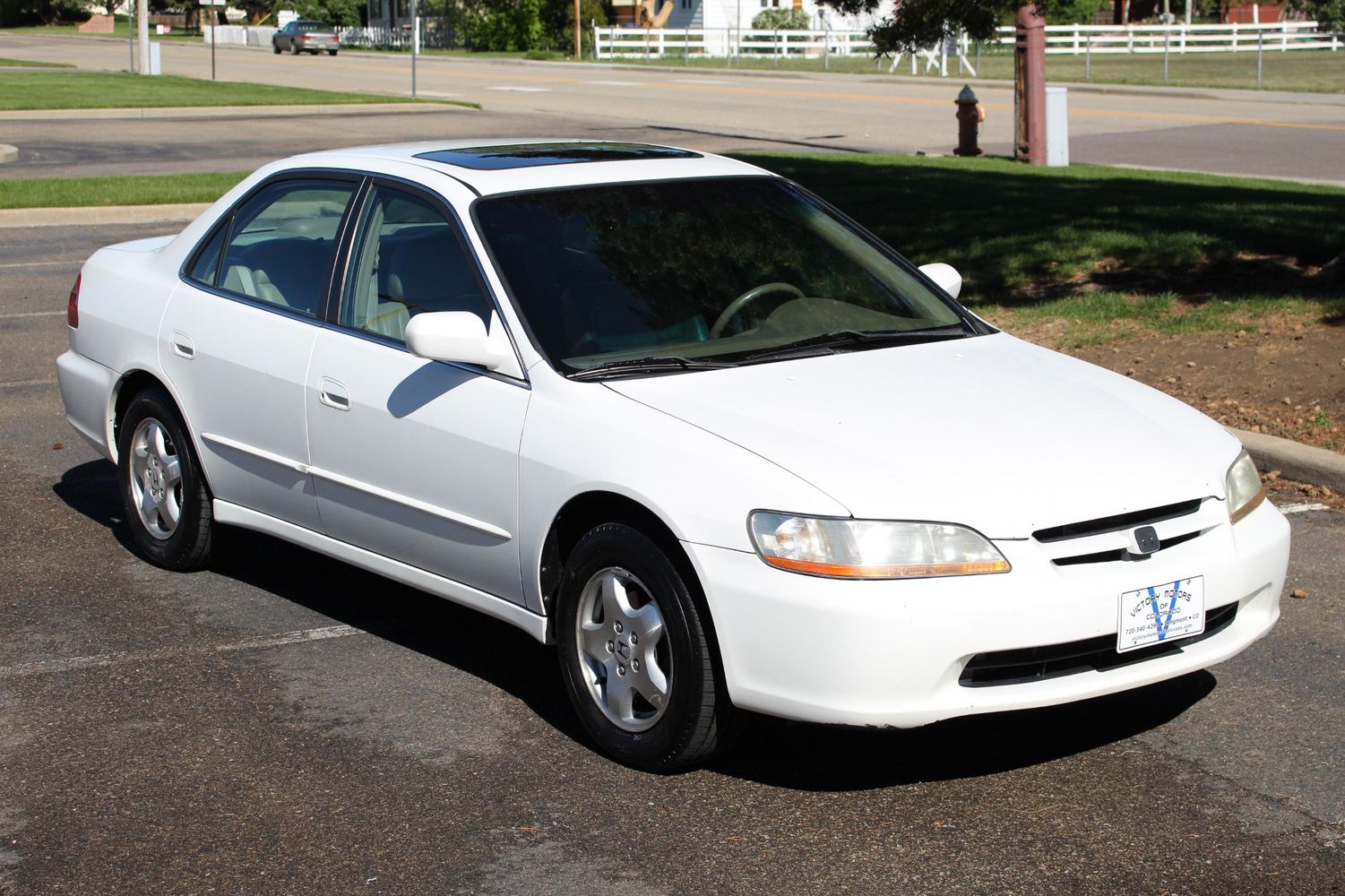
The Honda Accord of the late 1990s and early 2000s represents Japanese automotive engineering at its finest, delivering a perfect balance of performance, comfort, and extraordinary longevity.
These vehicles have become fixtures in the used car market with odometer readings exceeding 300,000 and 400,000 miles, still commanding respectable prices because buyers understand their potential to continue running indefinitely with proper maintenance.
The combination of Honda’s renowned build quality and straightforward engineering philosophy makes these Accords among the most reliable sedans ever produced.
The secret to the Accord’s longevity begins with its K-series and J-series engines, depending on whether owners chose the four-cylinder or V6 variant.
The four-cylinder models, equipped with either the F23A1 or K24A engines, are legendary for their reliability. These engines use Honda’s VTEC variable valve timing system, but in a simple, mechanically-activated form rather than complex electronic versions that appeared in later models.
The engines feature forged internals, including connecting rods and crankshafts that can withstand enormous stress. Honda’s meticulous assembly processes ensure perfect bearing clearances and ring seal, allowing these engines to maintain compression well into the high-mileage range.
The transmissions in these Accords are equally impressive, particularly the manual gearboxes which can easily surpass 400,000 miles with only clutch replacements.
The automatic transmissions in these years are generally reliable, though they benefit significantly from regular fluid changes—a maintenance item many owners neglect to their detriment.
When properly serviced every 30,000 miles with genuine Honda fluid, these automatics prove remarkably durable. The suspension components use high-quality bushings and ball joints that outlast most competitors, and the MacPherson strut front and double-wishbone rear suspension design is both effective and easy to maintain.
What truly sets these Accords apart is Honda’s exceptional attention to detail in component quality throughout the entire vehicle. The alternators, starters, and ignition systems are built to exacting standards. The fuel pumps routinely last 200,000+ miles.
The air conditioning compressors outlast the compressors in most other brands by significant margins. Even minor components like window regulators and door lock actuators function properly far longer than industry averages.
This comprehensive reliability means owners face fewer nickel-and-dime repairs that, while individually inexpensive, accumulate to substantial costs over a vehicle’s lifetime.
Owners who maintain these Accords with regular oil changes using quality synthetic oil, timely timing belt replacements (every 105,000 miles), and attention to cooling system maintenance report trouble-free operation to 300,000 miles and beyond.
At 400,000 miles, many of these vehicles remain in daily service as commuter cars, requiring little more than brake pads, tires, and occasional suspension refresh.
The combination of reliability, fuel efficiency, and reasonable repair costs when service is needed makes the late-1990s and early-2000s Accord one of the best long-term vehicle investments available in the used car market.
3. Toyota Tacoma (2005-2015)
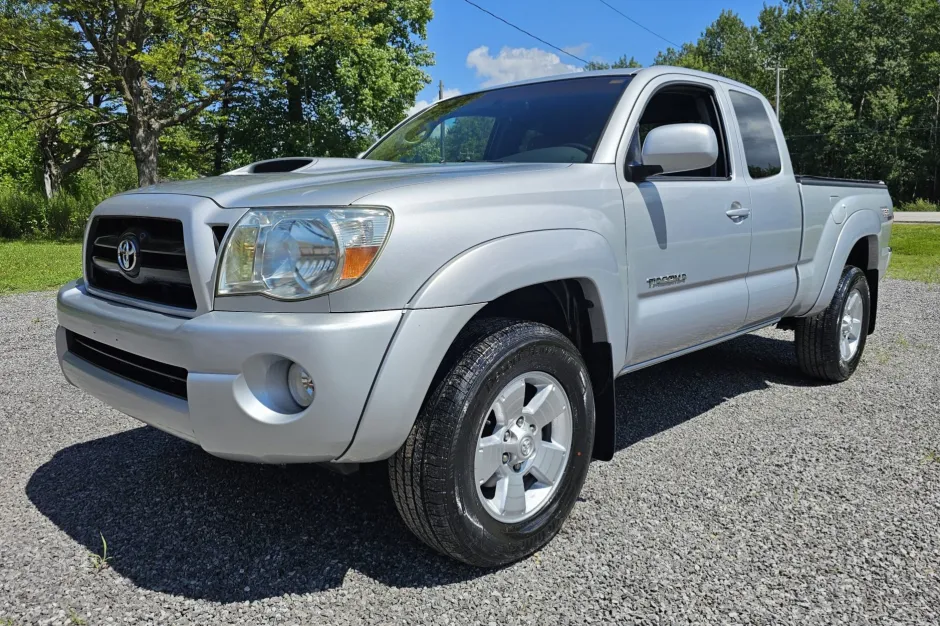
The Toyota Tacoma mid-size pickup truck has earned a cult following among truck enthusiasts who prioritize reliability and longevity over cutting-edge features or maximum capability.
These trucks, particularly models from 2005 to 2015, are renowned for accumulating extraordinary mileage while maintaining their functionality and value.
It’s not uncommon to find Tacomas with 300,000, 400,000, or even 500,000 miles still commanding strong resale prices, a testament to buyers’ confidence in these vehicles’ ability to continue serving reliably for years to come.
The foundation of the Tacoma’s reliability is its powertrain options, particularly the 4.0-liter 1GR-FE V6 engine introduced in 2005. This engine represents Toyota’s conservative engineering philosophy perfected over decades.
The 1GR-FE produces 236-270 horsepower from four liters of displacement, meaning it operates without stress during normal driving. The engine features a timing chain rather than a belt, eliminating a major maintenance item and potential failure point.
The chain-driven design, combined with Toyota’s excellent oil passages and cooling, ensures this engine maintains proper lubrication and temperature under all operating conditions, preventing the premature wear that plagues other manufacturers’ engines.
The transmissions paired with these engines, whether the six-speed manual or five-speed automatic, are built to withstand commercial-grade use.
Toyota developed these transmissions with significant reserve capacity, knowing that truck owners would tow trailers, haul heavy loads, and operate under conditions that would destroy lesser transmissions.
The automatic transmission uses a traditional torque converter with lock-up clutch rather than more complex continuously variable transmissions (CVTs) or dual-clutch designs that have proven problematic in other vehicles.
This simple, proven design means transmission failures are exceptionally rare, and when service is needed, it’s typically straightforward and affordable.
By 400,000 miles, when most vehicles would be considered thoroughly used up, Tacomas typically require their first major service perhaps an engine or transmission rebuild but the robust construction means these rebuilds are worthwhile investments.
The frame and body, aside from the well-documented frame rust issues on 2005-2010 models (which Toyota addressed through a recall program), hold up exceptionally well.
The simple interior layout means fewer electronic components to fail, and the switches and controls that are present prove remarkably durable. For buyers seeking a truck that will provide decades of reliable service, the Tacoma stands as one of the best choices in automotive history.
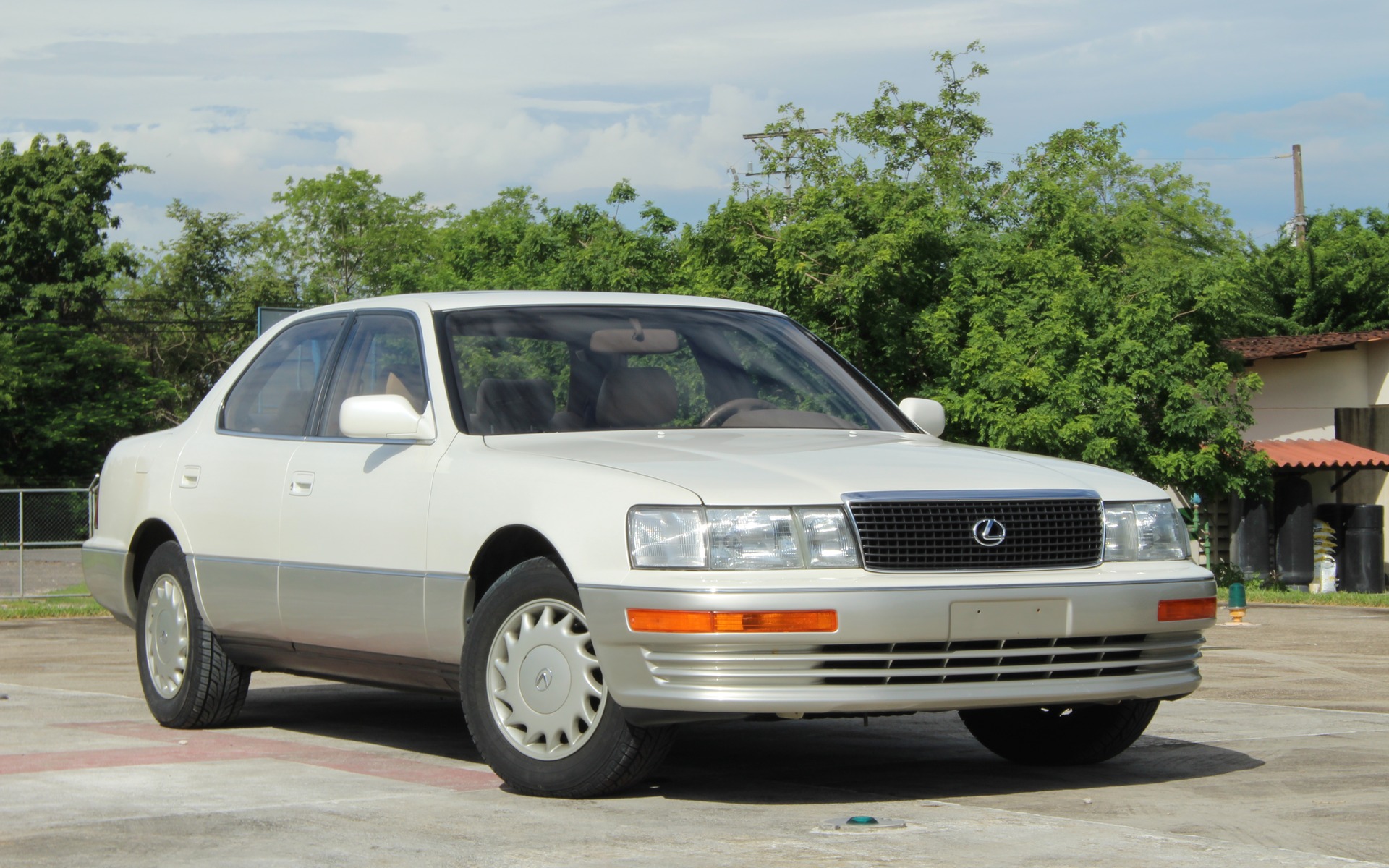
4. Lexus LS400 (1990-2000)
The original Lexus LS400, produced from 1990 to 2000, represents one of the automotive industry’s greatest achievements in reliability and refinement.
When Toyota launched Lexus as its luxury brand, the company’s engineers received an unprecedented mandate: create a vehicle that would not only match but exceed the luxury German competition while delivering Toyota-level reliability.
The result was the LS400, a sedan that routinely exceeds 400,000 miles while maintaining its smooth, quiet operation and requiring minimal major repairs a feat virtually unheard of in the luxury car segment.
The centerpiece of the LS400’s legendary reliability is its 1UZ-FE 4.0-liter V8 engine, an aluminum masterpiece that produces 250-290 horsepower depending on the year.
This engine was developed with obsessive attention to detail, featuring individual throttle bodies for each cylinder bank, forged aluminum pistons, and Toyota’s meticulous manufacturing tolerances.
The engine’s design is intentionally conservative producing moderate power from four liters of displacement means the engine operates well within its stress limits.
The all-aluminum construction provides excellent heat dissipation while keeping weight reasonable, and the timing belt system, though requiring replacement every 90,000 miles, is straightforward to service and rarely fails if properly maintained.
Supporting this exceptional engine is a four-speed automatic transmission that defies conventional wisdom about the longevity of luxury car components.
While transmissions in competing BMW and Mercedes-Benz models of this era frequently failed before 150,000 miles, the LS400’s transmission routinely reaches 300,000 miles and beyond.
The transmission benefits from Toyota’s conservative engineering approach, with substantial reserve capacity built into every component.
The torque converter, clutch packs, and valve body are all built to commercial-grade specifications. Regular transmission fluid changes, performed every 30,000-40,000 miles, ensure this transmission provides smooth, trouble-free operation throughout the vehicle’s extended lifetime.
At 400,000 miles, these vehicles often need their first significant repairs perhaps replacement of aging suspension components or refresh of engine seals but the fundamental mechanical components remain sound.
The exceptional build quality means the interior holds up remarkably well, with leather seats, wood trim, and plastic components showing far less wear than competitors.
The body and paint quality ensures these vehicles avoid the rust and deterioration that plague lesser cars. For buyers seeking a luxury vehicle that will provide genuine long-term reliability rather than expensive repairs, the LS400 stands alone in automotive history, proving that luxury and longevility need not be mutually exclusive.
Also Read: 10 Cars That Laugh at Harsh Winters
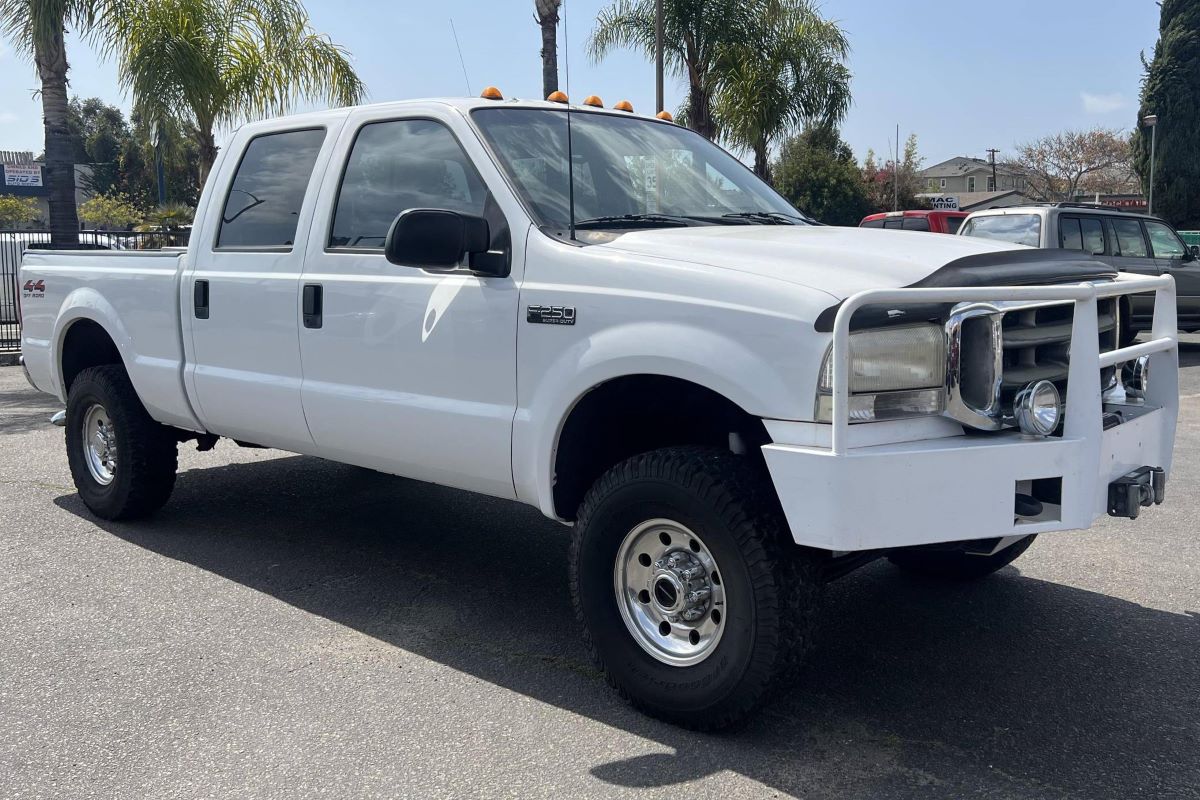
5. Ford F-250/F-350 Super Duty with 7.3L Power Stroke Diesel (1999-2003)
The Ford Super Duty trucks equipped with the 7.3-liter Power Stroke diesel engine have achieved legendary status among truck enthusiasts, commercial operators, and anyone who needs a vehicle capable of accumulating massive mileage while hauling heavy loads.
These trucks, produced from 1999 to 2003 before Ford replaced the 7.3L with the more problematic 6.0L engine, routinely exceed 400,000 and 500,000 miles with proper maintenance.
Many examples continue operating in commercial service with well over 600,000 miles, still earning their keep as work trucks despite their age.
The 7.3L Power Stroke diesel engine, manufactured by International (now Navistar), represents the pinnacle of reliable diesel design from an era before emissions regulations forced manufacturers to add complex, failure-prone systems.
This engine produces 210-275 horsepower and 425-525 lb-ft of torque depending on the year and configuration enormous pulling power from an engine that barely breaks a sweat under normal operating conditions. The engine block is cast iron, providing exceptional durability and heat dissipation crucial for diesel engines.
The injection system uses a High-Pressure Oil Pump (HPOP) to pressurize fuel injectors a design that, while requiring occasional HPOP replacement, is far simpler and more reliable than the high-pressure common-rail systems that replaced it.
The supporting systems in these Super Duty trucks are equally robust. The transmissions, either the ZF six-speed manual or the 4R100 four-speed automatic, are built to withstand the enormous torque of the diesel engine and the heavy loads these trucks regularly tow.
The manual transmission is nearly bulletproof, requiring only clutch replacements as it accumulates hundreds of thousands of miles. The automatic transmission, while less robust than the manual, proves reliable when properly maintained with regular fluid and filter changes.
The four-wheel-drive system uses a traditional transfer case and solid axles front and rear technology that’s been proven over decades of heavy-duty truck use. The body experiences typical rust in the cab corners and wheel wells, but the fundamental structure remains sound.
These Super Duty trucks with the 7.3L diesel represent the last of an era before emissions regulations and cost-cutting measures compromised the simple, robust reliability that commercial operators depend on. For anyone seeking a truck capable of truly unlimited mileage, these remain among the best choices available.
5 Cars That Break Before 120k Miles
These problematic vehicles suffer from fundamental engineering compromises including undersized turbochargers operating at excessive boost pressures, timing chain systems with inadequate tensioner strength, and dual-clutch transmissions featuring mechatronic units that develop expensive failures with distressing predictability as mileage accumulates beyond warranty coverage periods.
Their flawed engineering includes direct-injection fuel systems that carbon-foul intake valves requiring costly cleaning services, plastic cooling system components that become brittle and fracture catastrophically, and all wheel drive systems controlled by complex electronic modules that fail and cost thousands to replace while being essential for basic vehicle operation.
From high-pressure fuel pumps that fail and contaminate entire fuel systems with metal debris to timing chains that stretch and allow piston-to-valve contact destroying engines, these troublesome cars create catastrophic failures with alarming frequency.
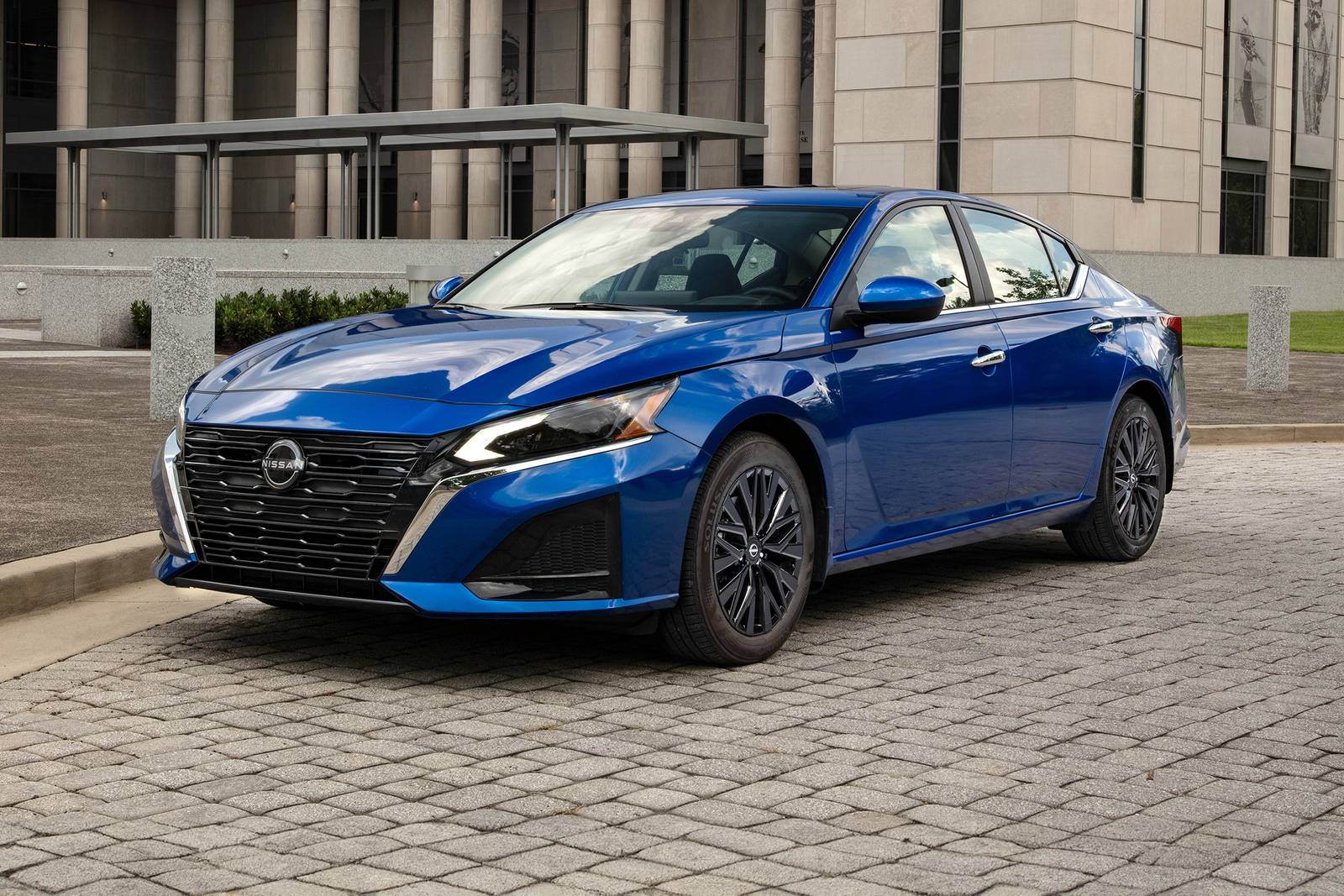
1. Nissan Altima with CVT Transmission (2007-2018)
The Nissan Altima equipped with Continuously Variable Transmission (CVT) stands as one of the most disappointing reliability failures in modern automotive history.
Once a respected competitor to the Honda Accord and Toyota Camry, the Altima’s reputation collapsed following Nissan’s adoption of Jatco CVT transmissions that proved catastrophically unreliable.
Owners report transmission failures beginning as early as 60,000-80,000 miles, with the majority of these vehicles experiencing complete transmission failure before reaching 120,000 miles often multiple times if owners chose to replace rather than abandon their vehicles.
The heart of the Altima’s reliability crisis is the CVT itself, a transmission design that, in theory, offers benefits like smoother power delivery and improved fuel economy.
However, Nissan’s implementation proved fundamentally flawed. The CVT uses a steel belt or chain running between two cone-shaped pulleys rather than traditional gears.
This design requires perfect lubrication and cooling to prevent the belt from slipping or breaking. Nissan’s CVTs suffer from inadequate cooling systems that allow transmission fluid temperatures to reach dangerous levels, particularly during highway driving or in hot climates.
The overheating causes rapid degradation of the transmission fluid, which loses its lubricating properties and allows metal-on-metal contact between components.
The symptoms of impending CVT failure are well-documented by frustrated Altima owners. The transmission begins shuddering during acceleration, particularly when attempting to merge onto highways or climb hills.
A whining or groaning noise emerges from the transmission, gradually increasing in volume. The transmission may hesitate or “hunt” for the right ratio, causing jerky acceleration.
Eventually, the transmission begins slipping severely, unable to transfer engine power to the wheels, or fails completely, leaving the vehicle immobile.
These failures occur with shocking regularity before 120,000 miles, with many owners experiencing failure at 70,000-90,000 miles well before the vehicle should require any major repairs.
The rust-proofing is inadequate, with premature rust appearing around wheel wells and the rear suspension mounting points. The interior quality is poor, with dashboard materials cracking, seat fabric wearing through prematurely, and electronic components failing at low mileages.
For anyone considering a used Nissan Altima from this era, the message is clear: these vehicles represent poor long-term investments that will likely require transmission replacement or total abandonment well before reaching 120,000 miles, making them among the worst reliability risks in the used car market.
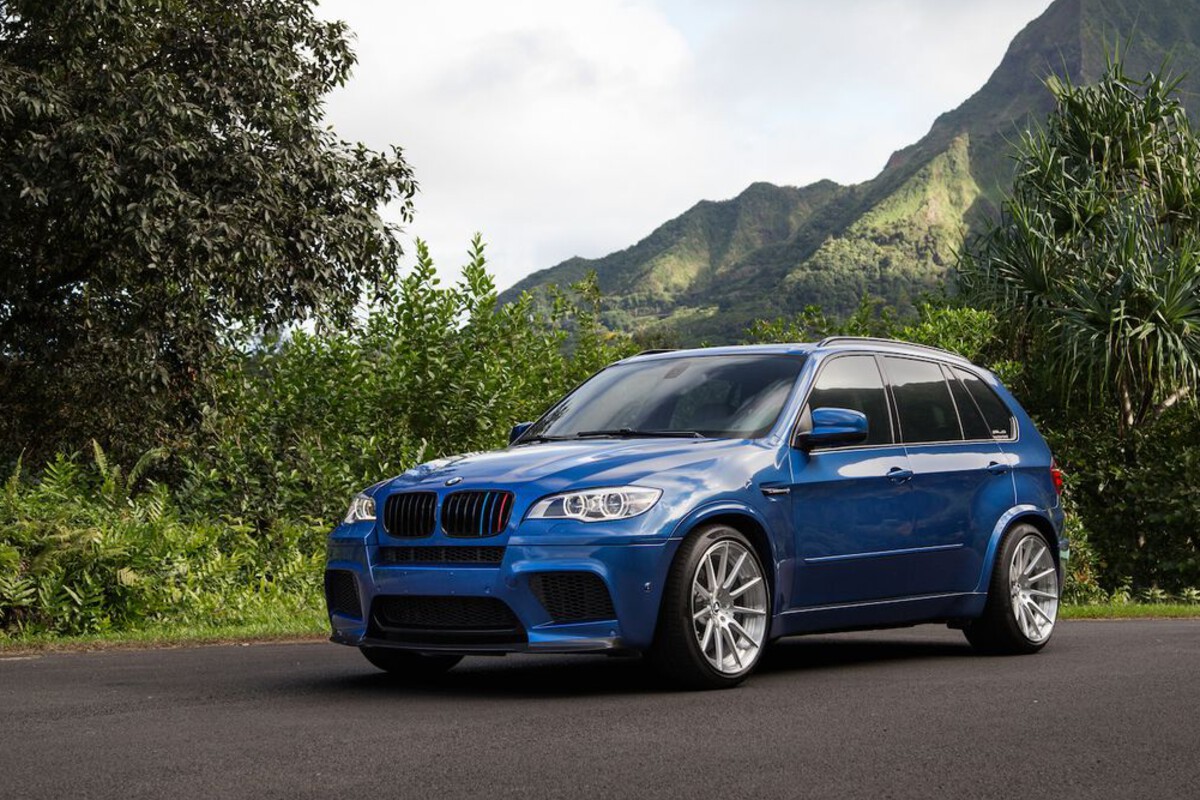
2. BMW X5 with N63 Engine (2010-2013)
The BMW X5 equipped with the N63 twin-turbocharged 4.4-liter V8 engine represents everything that can go wrong when a manufacturer prioritizes performance and complexity over reliability and durability.
This engine, which also appeared in various BMW sedans and other models, has earned a reputation as one of the least reliable powertrains in modern automotive history.
Owners routinely experience catastrophic engine failures before 100,000 miles, with many vehicles requiring complete engine replacements at 80,000-120,000 miles at costs exceeding $20,000 often more than the vehicle’s remaining value.
The N63 engine’s problems stem from fundamentally flawed design decisions made in pursuit of performance. The engine uses a “hot-vee” configuration where the turbochargers sit between the cylinder banks rather than on the outside of the engine.
This design improves throttle response and reduces turbo lag, but it creates enormous heat in the valley of the engine where critical components reside.
The heat causes rapid degradation of plastic and rubber components, including vacuum lines, valve cover gaskets, and most catastrophically, the timing chain guides. When these guides deteriorate, the timing chains begin rattling and eventually skip or break, causing the pistons to contact the valves and resulting in complete engine destruction.
The valve stem seals in the N63 engine fail prematurely due to the excessive heat, causing massive oil consumption. Owners report adding multiple quarts of oil between oil changes, and if oil levels drop too low, the engine suffers bearing damage and seizes.
The high-pressure fuel pump, which operates at extreme pressures to feed the direct injection system, frequently fails before 100,000 miles.
The turbochargers themselves, subjected to extreme heat and constant cycling, often require replacement at 80,000-100,000 miles at costs of $4,000-$6,000 per turbocharger.
The engine’s complex cooling system, with multiple electric water pumps and thermostats, experiences frequent failures that lead to overheating if not immediately addressed.
The complex emissions equipment, including multiple oxygen sensors and catalytic converters, frequently malfunctions, triggering check engine lights and requiring expensive diagnosis and repairs.
For owners who purchased these vehicles new or under warranty, the constant repairs are frustrating but covered. For used car buyers who purchase these X5s after warranty expiration, the experience is financially devastating.
These vehicles exemplify why luxury performance SUVs depreciate so rapidly buyers recognize that reliability is poor and repair costs are prohibitive, making the N63-equipped BMW X5 one of the worst used vehicle purchases available for anyone expecting to reach even 120,000 miles without catastrophic repairs.
3. Land Rover Discovery 3/LR3 (2005-2009)
The Land Rover Discovery 3, sold as the LR3 in North America, epitomizes the contradiction between impressive off-road capability and appalling reliability that has plagued Land Rover for decades
While these vehicles deliver exceptional luxury and legitimate off-road performance when functioning properly, they suffer from systematic engineering flaws and quality control issues that result in catastrophic failures well before 120,000 miles.
Owners report that these vehicles spend more time in repair shops than on the road, with average repair costs that exceed those of any other SUV of the era.
The engine options in the Discovery 3/LR3, particularly the 4.4-liter V8, suffer from numerous serious design flaws. The engine uses timing chains that stretch prematurely due to inadequate lubrication and excessive length, causing timing to drift and eventually resulting in catastrophic engine damage when chains skip or break.
This failure typically occurs between 80,000-120,000 miles and requires complete engine removal and disassembly, with repair costs often exceeding $5,000-$8,000.
The engine’s cooling system is woefully inadequate, with undersized radiators and weak water pumps leading to frequent overheating. When overheating occurs, the aluminum cylinder heads warp, requiring expensive machining or replacement.
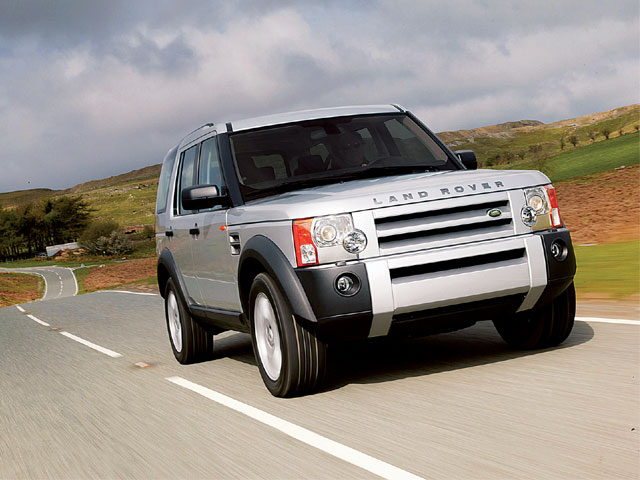
The air suspension system in these Land Rovers represents perhaps the most frequent and expensive failure point. The system uses air springs at all four corners to provide adjustable ride height and improved off-road capability.
However, these air springs fail with alarming regularity, often before 80,000 miles. Each air spring costs $600-$1,000 to replace, and when they fail, the vehicle drops to the bump stops and becomes undrivable.
The air compressor that pressurizes the system also fails frequently, costing $1,200-$2,000 to replace. Many owners eventually convert their vehicles to conventional coil springs, abandoning the adjustable suspension feature entirely due to the prohibitive cost of maintaining the air system.
The electrical system in the Discovery 3/LR3 suffers from systematic problems that plague owners throughout the vehicle’s life. The Body Control Module (BCM) fails regularly, causing symptoms ranging from inoperative lights and windows to complete electrical shutdown. Replacement costs $1,500-$2,500.
The combination of frequent failures, expensive repairs, and rapid depreciation makes them among the worst vehicles to own past warranty expiration.
Most examples require repairs totaling more than the vehicle’s worth well before reaching 120,000 miles, explaining why these once-expensive SUVs can be purchased for remarkably low prices in the used market prices that reflect their true cost of ownership.
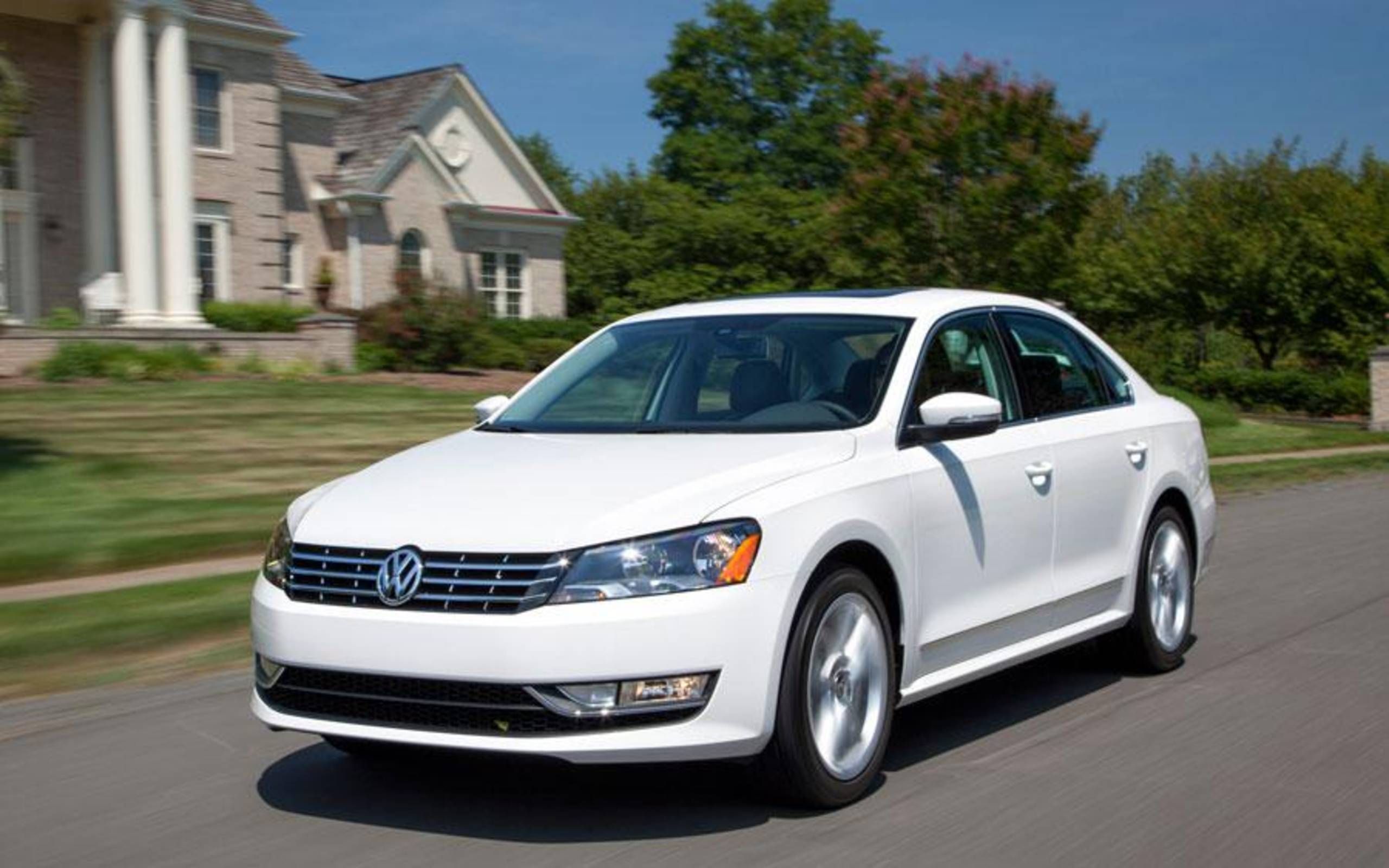
4. Volkswagen Passat with 2.0T TSI Engine (2012-2015)
The Volkswagen Passat equipped with the 2.0-liter TSI turbocharged four-cylinder engine demonstrates how cost-cutting measures and problematic engineering can transform a potentially competitive vehicle into a reliability nightmare.
These vehicles, marketed as sophisticated German alternatives to Japanese sedans, quickly developed reputations for expensive failures well before reaching 120,000 miles.
The combination of complex turbocharged engine design, inadequate cooling, and Volkswagen’s cost-reduction program during this era created a perfect storm of reliability problems that devastate owners who expect reasonable longevity from their vehicles.
The 2.0T TSI engine’s problems begin with its timing chain system, which suffers from the same fundamental design flaw affecting numerous Volkswagen and Audi engines from this period.
The timing chain tensioner uses a plastic component that deteriorates rapidly, particularly when owners use conventional oil rather than expensive synthetic oil and extend service intervals beyond Volkswagen’s recommendations. When this tensioner fails, the timing chain loosens and begins rattling a distinctive sound that owners come to dread.
If ignored, the chain eventually jumps timing or breaks, causing the pistons to strike the valves and resulting in complete engine destruction. These failures commonly occur between 80,000-120,000 miles, with engine replacement or rebuild costs ranging from $5,000-$8,000.
The turbocharger system in these engines proves problematic in multiple ways. The turbocharger itself, subjected to extreme heat and pressure, frequently fails before 100,000 miles, requiring replacement at costs of $1,500-$2,500 including labor.
The diverter valve, which regulates boost pressure, fails regularly and causes drivability issues including rough idle, hesitation, and check engine lights.
The PCV (Positive Crankcase Ventilation) system, integrated into the engine’s valve cover, clogs with oil deposits and causes excessive pressure in the crankcase, leading to oil leaks and eventual seal failures throughout the engine.
Replacing the valve cover to address PCV problems costs $500-$1,000, and many vehicles require this repair multiple times before reaching 120,000 miles.
The interior materials, despite Volkswagen’s reputation for quality, deteriorate quickly with dashboard materials cracking, seat fabrics wearing through, and trim pieces breaking.
For buyers seeking a reliable, long-lasting sedan, the 2012-2015 Volkswagen Passat with the 2.0T engine represents exactly what to avoid.
These vehicles rarely reach 120,000 miles without requiring repairs totaling thousands of dollars, and many owners choose to trade or sell their vehicles rather than face the mounting costs of keeping them operational, contributing to the Passat’s poor reputation and weak resale values.
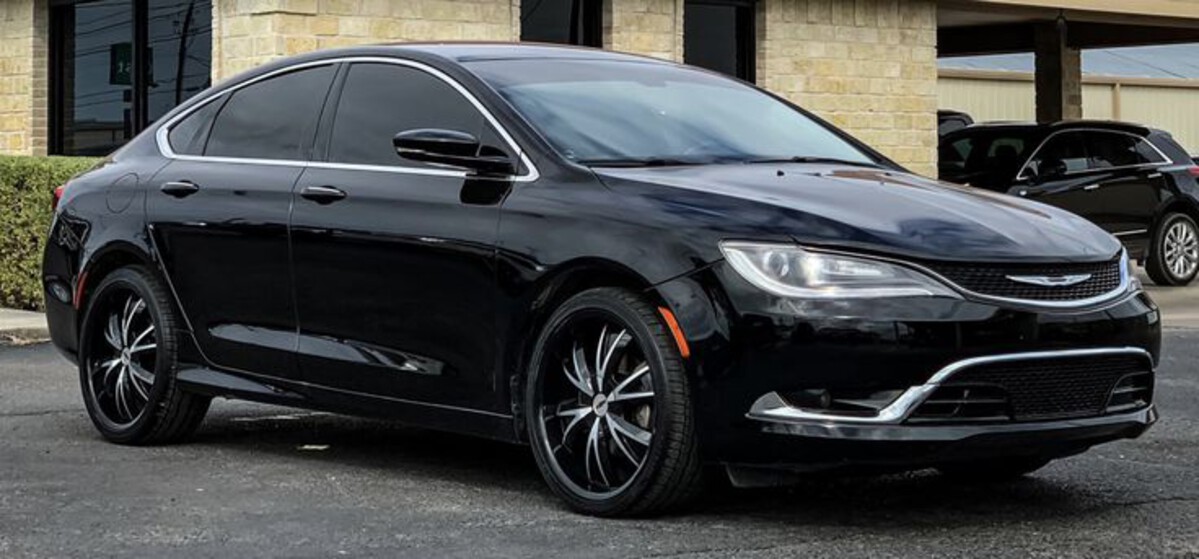
5. Chrysler 200 (2015-2017)
The Chrysler 200, produced for only three model years from 2015 to 2017, represents one of the automotive industry’s most spectacular reliability failures in recent history.
Chrysler invested heavily in redesigning the 200 to compete with the Honda Accord and Toyota Camry, featuring attractive styling and a well-appointed interior.
However, the vehicle suffered from fundamental engineering problems that resulted in catastrophic failures well before 120,000 miles.
The 200’s reliability issues were so severe and pervasive that Chrysler discontinued the model entirely after just three years, abandoning the mid-size sedan market rather than continuing to produce a vehicle that was devastating the company’s reputation and costing enormous amounts in warranty repairs.
The heart of the 200’s problems lies in its nine-speed automatic transmission, developed jointly by Chrysler and ZF. This transmission suffers from systematic design and calibration issues that manifest as harsh shifting, hesitation, failure to engage gears, and complete mechanical failure.
Owners report that from the day they purchase their vehicles new, the transmission exhibits troubling behavior including violent shifts between gears, refusal to downshift when acceleration is needed, and complete loss of power when the transmission inexplicably shifts to neutral during driving.
These problems occur at all mileages, including in brand-new vehicles, but worsen dramatically as mileage accumulates. By 60,000-80,000 miles, many transmissions fail completely, requiring replacement at costs of $4,000-$6,000.
Chrysler issued more than 20 separate software updates attempting to calibrate the transmission and resolve its problems, but these updates provided only temporary relief or no improvement at all.
The fundamental issue is mechanical the transmission’s clutch packs wear prematurely due to the constant harsh shifting and engagement problems.
The transmission control module overheats and fails, requiring replacement. The torque converter shudders and eventually fails. Even vehicles that receive complete transmission replacements under warranty frequently experience identical failures with the replacement unit, creating a cycle of repairs that makes these vehicles nearly worthless in the used car market.
Beyond the transmission catastrophe, the 200 suffers from numerous engine-related problems. The 2.4-liter Tigershark four-cylinder engine, standard on most models, consumes oil at alarming rates due to defective piston ring designs and excessive cylinder bore wear.
Owners report adding multiple quarts of oil between oil changes, and when oil levels drop too low, the engine suffers catastrophic damage including spun bearings and seized pistons.
These vehicles exemplify why consumers should approach used car purchases with caution, particularly when vehicles from recent model years are available at suspiciously low prices.
The Chrysler 200’s rock-bottom used prices reflect market recognition of these vehicles’ true reliability and the near-certainty that they will require expensive repairs or complete abandonment well before reaching even 120,000 miles.
Also Read: 10 SUVs That Rarely Rust Even in Snow States
