
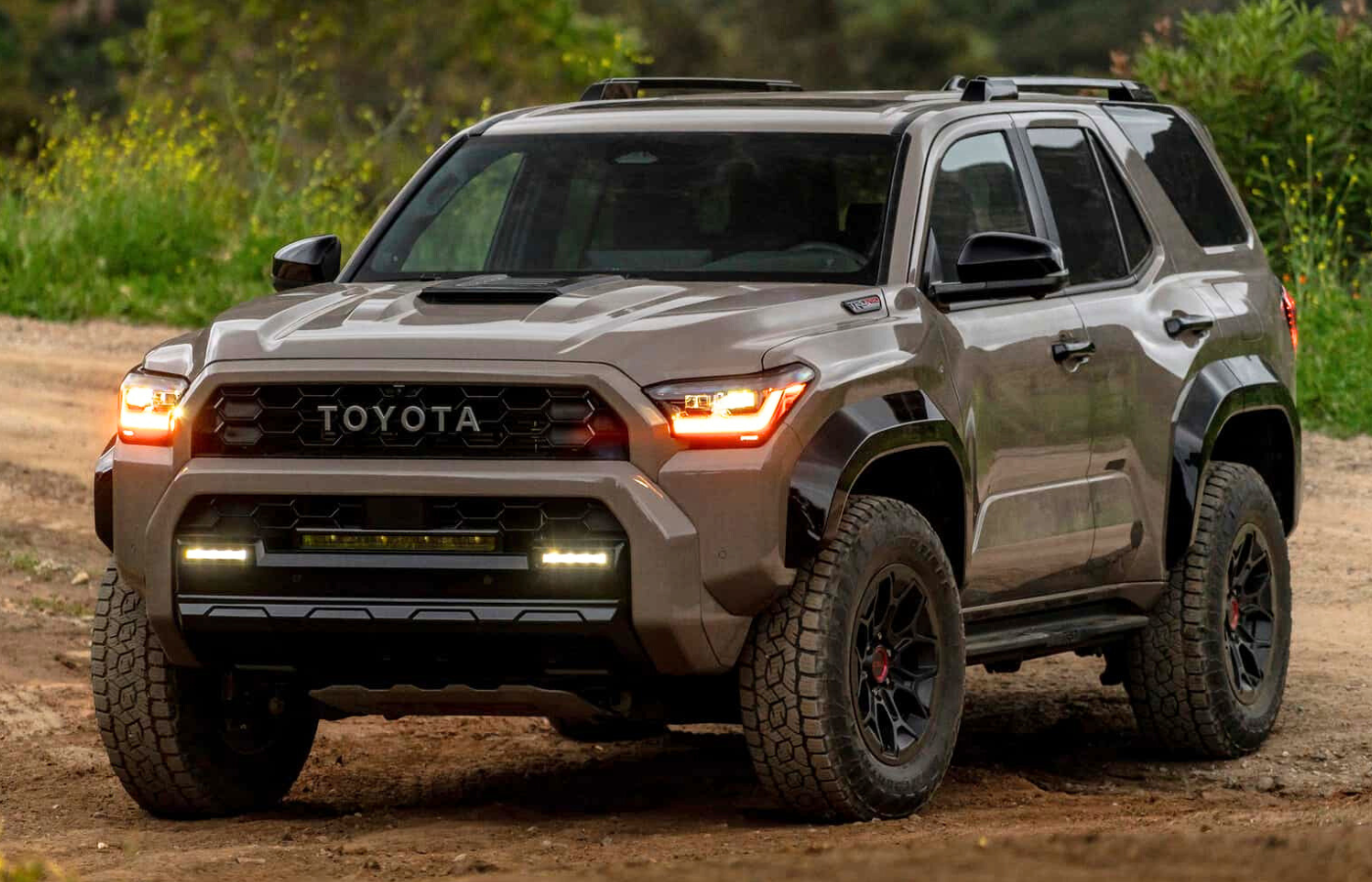
When it comes to vehicle longevity, few achievements speak louder than reaching the 300,000-mile milestone. This remarkable feat represents years of faithful service, countless road trips, daily commutes, and the kind of reliability that transforms a vehicle from mere transportation into a trusted companion.
The SUVs, where families depend on spacious interiors, robust towing capabilities, and all-weather confidence, longevity becomes even more critical.
The difference between an SUV that barely makes it to 100,000 miles and one that confidently cruises past 300,000 isn’t just about luck it’s about engineering excellence, quality manufacturing, and thoughtful design that prioritizes durability over flashy features.
The SUVs that consistently reach and exceed 300,000 miles share several common characteristics. They’re built on proven platforms with time-tested drivetrains, often featuring naturally aspirated engines or well-developed turbocharged powerplants that don’t push the boundaries of physics.
Their manufacturers have established reputations for reliability, backed by decades of data showing that their vehicles simply refuse to quit. These high-mileage champions typically have strong owner communities who share maintenance tips, common issues, and solutions that help keep aging vehicles running strong.
They’re also vehicles that inspire loyalty owners who reach 300,000 miles often replace their worn-out SUV with the same model, a testament to the satisfaction and confidence these vehicles provide.
From Japanese manufacturers known for bulletproof reliability to American brands that have refined their SUVs over multiple generations, these twelve vehicles represent the best of the best when it comes to longevity.
They’re the SUVs that mechanics respect, that used car buyers seek out, and that original owners drive with pride knowing they’ve gotten every penny’s worth from their investment.
Whether you’re shopping for a new SUV with long-term ownership in mind or looking for a high-mileage used vehicle that still has years of life left, these twelve models have proven they have what it takes to not just survive, but thrive well past the 300,000-mile mark.
1. Toyota Land Cruiser
The Toyota Land Cruiser stands as the undisputed king of SUV longevity, with a reputation so stellar that high-mileage examples regularly command premium prices in the used market.
This legendary vehicle has been refined over more than six decades, with Toyota engineering teams obsessively focused on durability and reliability rather than chasing the latest trends.
The Land Cruiser’s ability to reach and exceed 300,000 miles isn’t exceptional, it’s expected, with many examples easily surpassing 400,000 or even 500,000 miles with proper maintenance.
At the heart of the Land Cruiser’s longevity lies its overengineered construction. Toyota builds these SUVs to withstand the harshest conditions imaginable, from scorching deserts to frozen tundras, which means they handle typical American driving conditions with ease.
The robust body-on-frame construction provides exceptional structural integrity that holds up over decades of use. The suspension components are built to tolerances that would be considered excessive in lesser vehicles, but this overbuilding pays dividends when the odometer rolls past 200,000 miles and everything still feels tight and controlled.
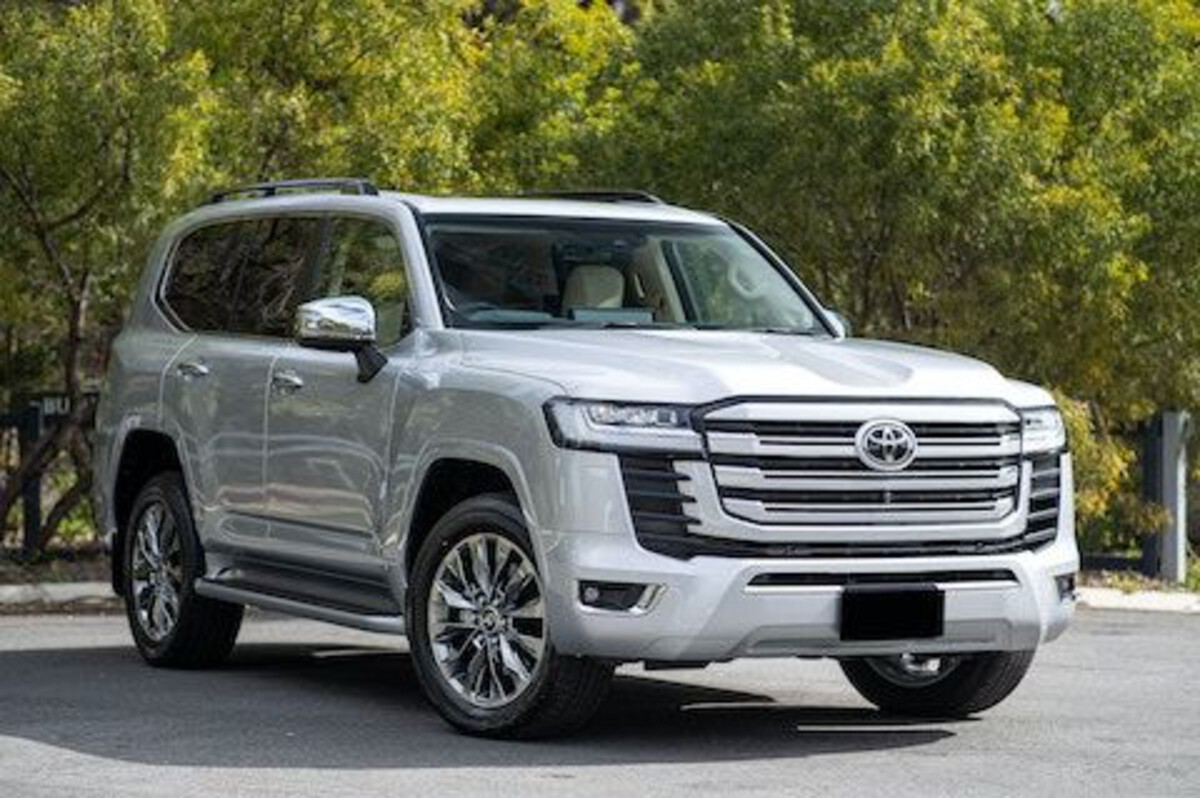
The powertrain options available in Land Cruisers throughout recent generations have proven virtually indestructible.
The 5.7-liter V8 engine found in models from 2008 through 2021 is particularly noteworthy for its reliability, featuring a traditional port-injection design that avoids the carbon buildup issues plaguing many modern direct-injection engines.
This engine produces ample power while maintaining conservative internal stresses, allowing it to run for hundreds of thousands of miles without major issues.
The transmission paired with this engine, whether the six-speed automatic in earlier models or the eight-speed in later versions, has proven equally durable, with proper fluid changes being the primary maintenance requirement.
Owner satisfaction remains extraordinarily high even at extreme mileages, with Land Cruiser owners reporting that their vehicles feel nearly as solid at 300,000 miles as they did when new.
The ride quality, handling characteristics, and driving experience degrade minimally over time, a testament to the quality of engineering and construction.
Many owners view their Land Cruiser as a lifetime vehicle, something to be maintained and cherished rather than traded in every few years.
This emotional connection, combined with proven mechanical excellence, makes the Land Cruiser the gold standard for SUVs that keep owners happy well past 300,000 miles.
2. Toyota 4Runner
The Toyota 4Runner has built a legendary reputation as one of the most reliable SUVs ever created, with countless examples effortlessly surpassing 300,000 miles while still providing dependable daily transportation.
Unlike many modern SUVs that prioritize comfort and technology over durability, the 4Runner remains true to its roots as a capable, truck-based utility vehicle engineered for longevity.
This commitment to proven design over constant reinvention has created an SUV that owners trust implicitly, often keeping their 4Runners for a decade or more.
The 4Runner’s body-on-frame construction provides the foundation for its exceptional longevity. This traditional truck architecture, shared with the Toyota Tacoma pickup, offers superior durability compared to unibody crossovers.
The frame itself is robust and well-protected against corrosion, particularly in models from 2010 onward when Toyota improved their rust protection following issues with earlier generations.
This solid structure means that even as suspension components and other wear items are replaced over time, the fundamental integrity of the vehicle remains intact, allowing 4Runners to feel tight and controlled even at astronomical mileages.
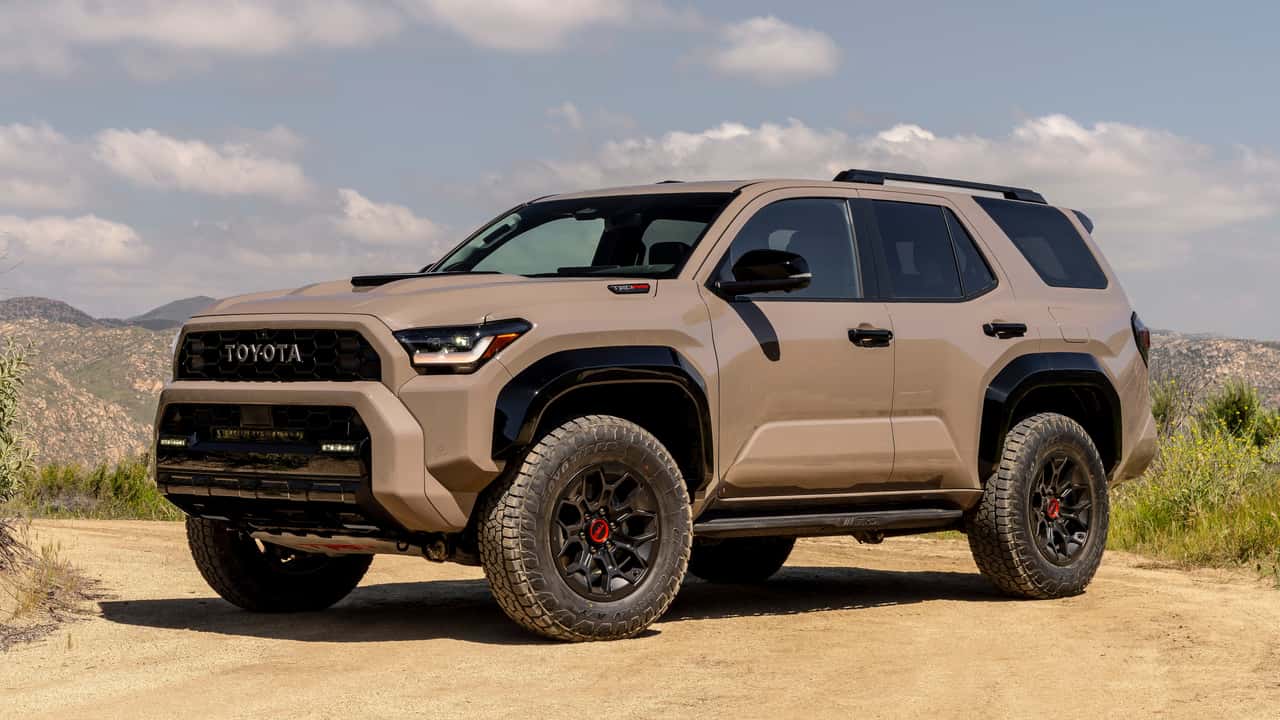
The powertrain in recent 4Runner generations centers around Toyota’s bulletproof 4.0-liter V6 engine, used from 2003 through 2009, and the current 4.0-liter V6 that has powered the SUV since 2010.
These engines are known for their remarkable durability, with many examples running strong past 400,000 miles with nothing more than regular maintenance. The engine design is conservative and proven, avoiding experimental technologies in favor of reliability.
The five-speed automatic transmission paired with these engines has also proven exceptionally durable, with proper fluid changes being the key to longevity.
While not the most powerful or fuel-efficient powertrain available in the midsize SUV segment, it’s certainly among the most reliable.
Owners consistently report high satisfaction with their high-mileage 4Runners, praising the SUV’s reliability, capability, and surprisingly low cost of ownership despite its initial purchase price.
The 4Runner community is active and supportive, with forums and social media groups dedicated to helping owners maintain and modify their vehicles.
Common maintenance issues are well-documented and generally minor, with items like lower ball joints, timing belt replacement on older models, and routine fluid changes being the primary concerns.
The resale value remains exceptional, with well-maintained high-mileage examples commanding strong prices, a clear indication of the market’s confidence in the 4Runner’s longevity.
For buyers seeking an SUV that will provide decades of reliable service while maintaining owner satisfaction, the 4Runner stands as one of the best choices available.
3. Lexus GX
The Lexus GX represents the luxury side of Toyota’s legendary reliability, offering Land Cruiser Prado underpinnings wrapped in premium materials and sophisticated styling.
This combination of Toyota’s proven engineering with Lexus’s attention to quality and refinement creates an SUV that not only reaches 300,000 miles regularly but does so while maintaining a level of comfort and luxury that keeps owners genuinely satisfied.
The GX proves that longevity and luxury aren’t mutually exclusive when proper engineering and quality control are priorities. Built on the same platform as the Toyota Land Cruiser Prado sold in international markets, the GX inherits the robust body-on-frame construction that has made Toyota’s truck-based SUVs legendary for durability.
The ladder frame provides exceptional strength and longevity, maintaining structural integrity even after hundreds of thousands of miles. The suspension components are engineered with generous safety margins, meaning they continue to provide composed handling and a comfortable ride long after competitors would feel worn and sloppy.
The kinetic dynamic suspension system available on many GX models adds sophisticated control while maintaining the reliability Toyota is known for.
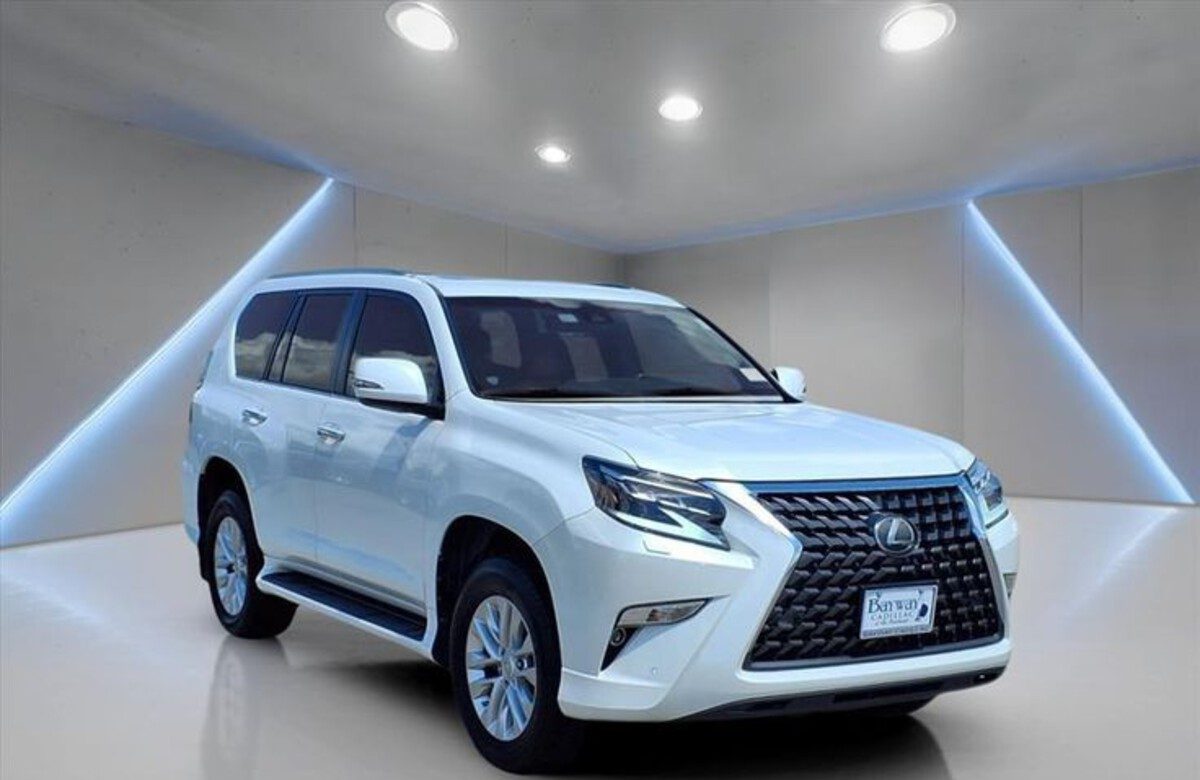
The powertrains available in the GX have proven extraordinarily reliable across multiple generations. The second-generation GX 470, produced from 2003 to 2009, featured Toyota’s legendary 4.7-liter V8 engine, which is renowned for running virtually forever with basic maintenance. The current GX 460, produced since 2010, utilizes the 4.6-liter V8 that’s equally robust and proven.
These engines feature conservative designs with port fuel injection, avoiding the carbon buildup issues that plague many modern direct-injection engines.
The transmissions, whether the five-speed in earlier models or six-speed in current versions, match the engines’ durability when fluid changes are performed on schedule.
Maintenance costs for the GX are higher than those for a 4Runner or Land Cruiser, primarily due to more expensive parts and the expectation of using premium fluids and filters.
However, these costs remain reasonable compared to German luxury SUVs, and the reliability means fewer unexpected repairs. Common maintenance items include routine services, timing belt replacement on earlier models, and occasional suspension work, but major mechanical failures are rare even at extreme mileages.
The GX community is passionate and knowledgeable, with owners often keeping their vehicles for 15 years or more. Owner satisfaction remains exceptionally high at high mileages, with many GX owners reporting that their vehicle still feels nearly new at 200,000 or 300,000 miles, a remarkable achievement in the luxury SUV segment.
4. Honda CR-V
The Honda CR-V has established itself as one of the most reliable compact SUVs available, with countless examples cruising past 300,000 miles while still providing efficient, comfortable transportation for their owners.
Since its introduction in the mid-1990s, the CR-V has prioritized practicality, efficiency, and reliability over flashy features or aggressive styling, creating a formula that resonates with buyers seeking a vehicle that will serve them faithfully for decades.
The CR-V’s reputation for longevity is so strong that high-mileage examples remain in high demand in the used car market. At the core of the CR-V’s longevity lies Honda’s legendary engineering expertise, particularly in developing durable, efficient engines.
The CR-V has utilized various four-cylinder engines throughout its generations, with each iteration proving remarkably reliable. The K-series engines found in CR-Vs from the early 2000s through the mid-2010s are particularly noteworthy, often running for 300,000 miles or more with nothing beyond routine maintenance.
The current turbocharged engines, while initially concerning to some reliability-focused buyers, have proven surprisingly durable as well, though long-term data is still accumulating.
Honda’s transmissions, whether manual in early models or the continuously variable transmissions and automatics in later versions, have generally proven reliable when properly maintained.
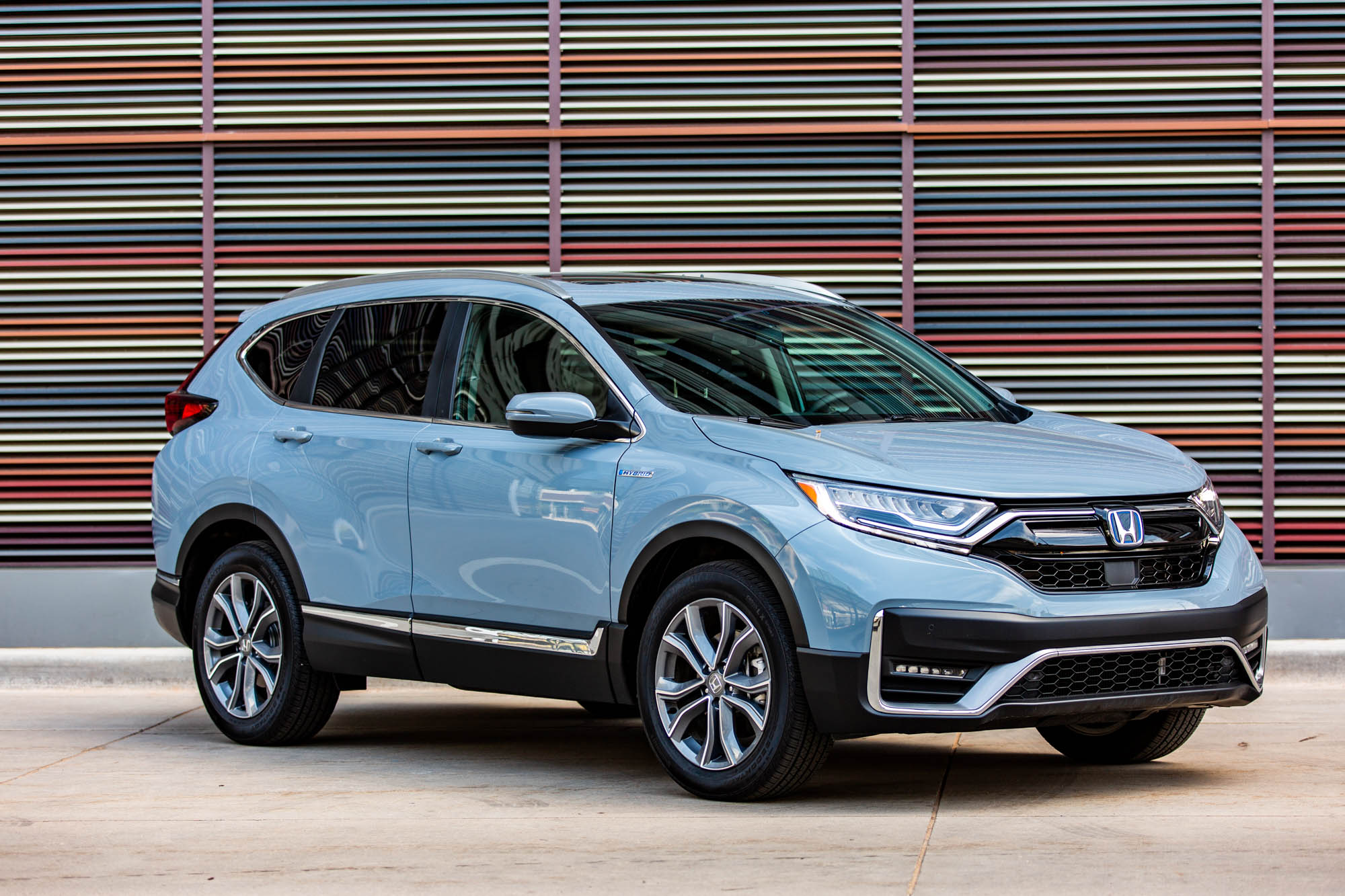
The CR-V’s unibody construction provides a good balance between durability and efficiency. While not as rugged as body-on-frame SUVs, the CR-V’s structure is well-engineered and resistant to the flexing and stress that can cause squeaks and rattles over time.
Corrosion protection is generally good, particularly in models from 2012 onward, helping the vehicle maintain its structural integrity in harsh climates.
The suspension components are robust and provide a comfortable ride that holds up well over time, with routine replacement of struts and control arms being the primary maintenance concern.
Maintenance requirements for the CR-V are straightforward and affordable. Regular oil changes, timely fluid services, and attention to routine items like brakes and tires will keep a CR-V running reliably for hundreds of thousands of miles.
The CR-V community is large and helpful, with countless online resources, forums, and social media groups dedicated to helping owners maintain their vehicles.
Common issues are well-documented and generally minor, with items like premature brake wear in certain model years and the occasional AC compressor failure being the most frequently reported concerns.
Owner satisfaction remains high even at extreme mileages, with many CR-V owners replacing their high-mileage vehicle with another CR-V, the ultimate endorsement of reliability and long-term satisfaction.
Also Read: 5 SUVs That Stay Solid After 300k vs 5 That Don’t
5. Honda Pilot
The Honda Pilot has earned its reputation as one of the most reliable three-row SUVs available, consistently reaching and exceeding 300,000 miles while maintaining the versatility and comfort that families depend on.
Since its introduction in 2003, the Pilot has offered a compelling combination of Honda’s legendary reliability, spacious seating for up to eight passengers, and car-like driving dynamics that make it equally comfortable running errands around town or embarking on cross-country road trips.
The Pilot’s ability to serve as a long-term family vehicle while maintaining high owner satisfaction makes it a standout in the competitive midsize SUV segment.
The foundation of the Pilot’s longevity lies in its robust unibody construction, which shares its platform with the Honda Odyssey minivan and Honda Ridgeline pickup truck.
This architecture has been refined over three generations, with each iteration improving on durability and refinement. The structure is engineered to handle the stresses of carrying passengers and cargo while maintaining rigidity that prevents the squeaks, rattles, and flexing that plague many high-mileage vehicles.
Corrosion protection is generally excellent, particularly in second-generation and newer models, helping Pilots maintain their structural integrity even in harsh climates with road salt and extreme weather conditions.
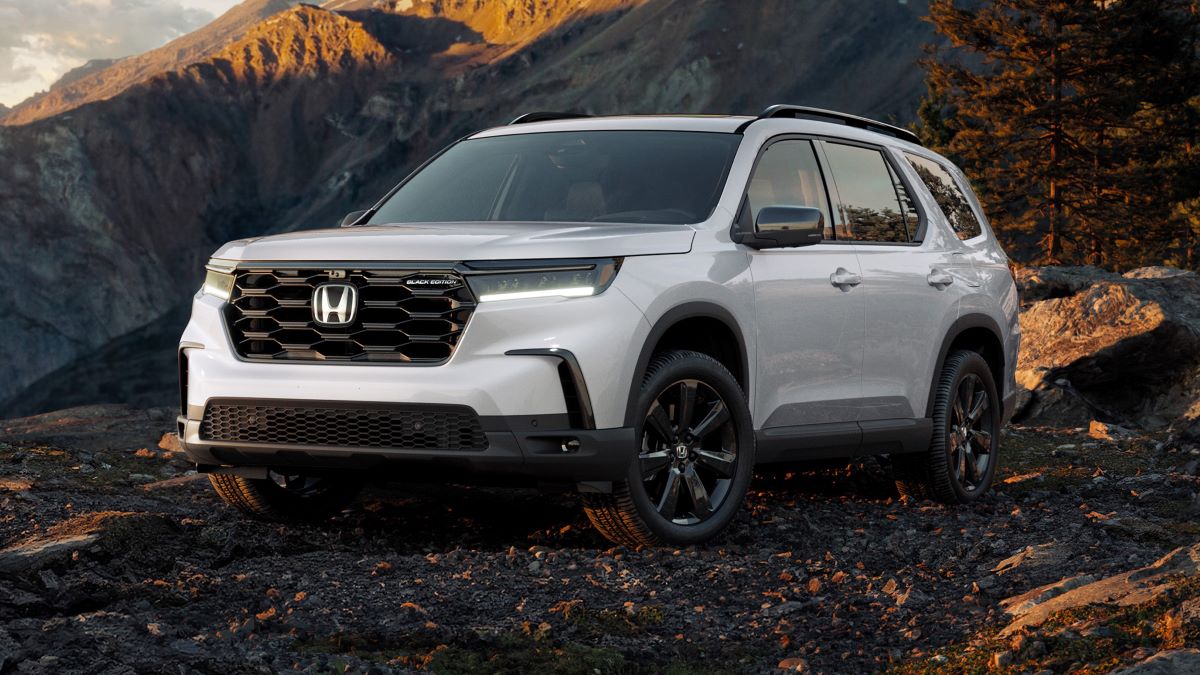
Honda’s V6 engines have powered the Pilot throughout its production history, and these powerplants have proven exceptionally durable. The J-series V6 engines, particularly the 3.5-liter variants used in second-generation and newer Pilots, regularly exceed 300,000 miles with proper maintenance.
These engines feature Honda’s variable cylinder management system in many applications, which can occasionally cause issues but generally proves reliable when maintained correctly.
The nine-speed automatic transmission introduced in the third generation had some early teething problems, but Honda addressed these issues, and properly maintained examples are proving durable in long-term use. Earlier six-speed automatics and five-speed automatics are known for exceptional reliability.
Maintenance for the Pilot is straightforward and relatively affordable for a midsize three-row SUV. Regular oil changes using quality synthetic oil, timely transmission fluid services, and attention to routine items like brakes, tires, and coolant will keep a Pilot running reliably for hundreds of thousands of miles.
The Pilot community is large and active, with owners sharing maintenance tips, common issues, and solutions across various online platforms.
Common maintenance items include timing belt replacement on earlier models, routine suspension work like struts and control arms, and the occasional VCM-related repair, but major mechanical failures are rare.
Owner satisfaction remains remarkably high even at extreme mileages, with many owners reporting their Pilot still feels solid and drives well at 250,000 or 300,000 miles, continuing to serve their family’s needs reliably and comfortably.
6. Subaru Outback
The Subaru Outback has carved out a unique niche as a crossover wagon that combines car-like efficiency with SUV capability, and its ability to reach 300,000 miles has made it a favorite among owners who prioritize longevity and all-weather capability.
While Subaru’s boxer engines have historically faced some concerns about head gasket reliability, the brand has largely addressed these issues in recent generations, and properly maintained Outbacks from the mid-2010s onward are proving exceptionally durable.
The Outback’s combination of standard all-wheel drive, practical versatility, and improved reliability makes it an excellent choice for buyers seeking a vehicle that will serve them faithfully for decades.
The Outback’s symmetrical all-wheel-drive system is one of its defining features and a key contributor to its long-term appeal. Unlike many competitors that offer all-wheel drive as an optional extra with part-time engagement, Subaru’s system is standard and operates full-time, providing continuous traction and stability.
This system is mechanically straightforward and has proven reliable over hundreds of thousands of miles, requiring only routine differential fluid changes to maintain proper operation.
The low center of gravity provided by the boxer engine layout contributes to excellent handling characteristics that remain engaging even at high mileages, and the increased ground clearance compared to traditional wagons provides genuine off-road capability.
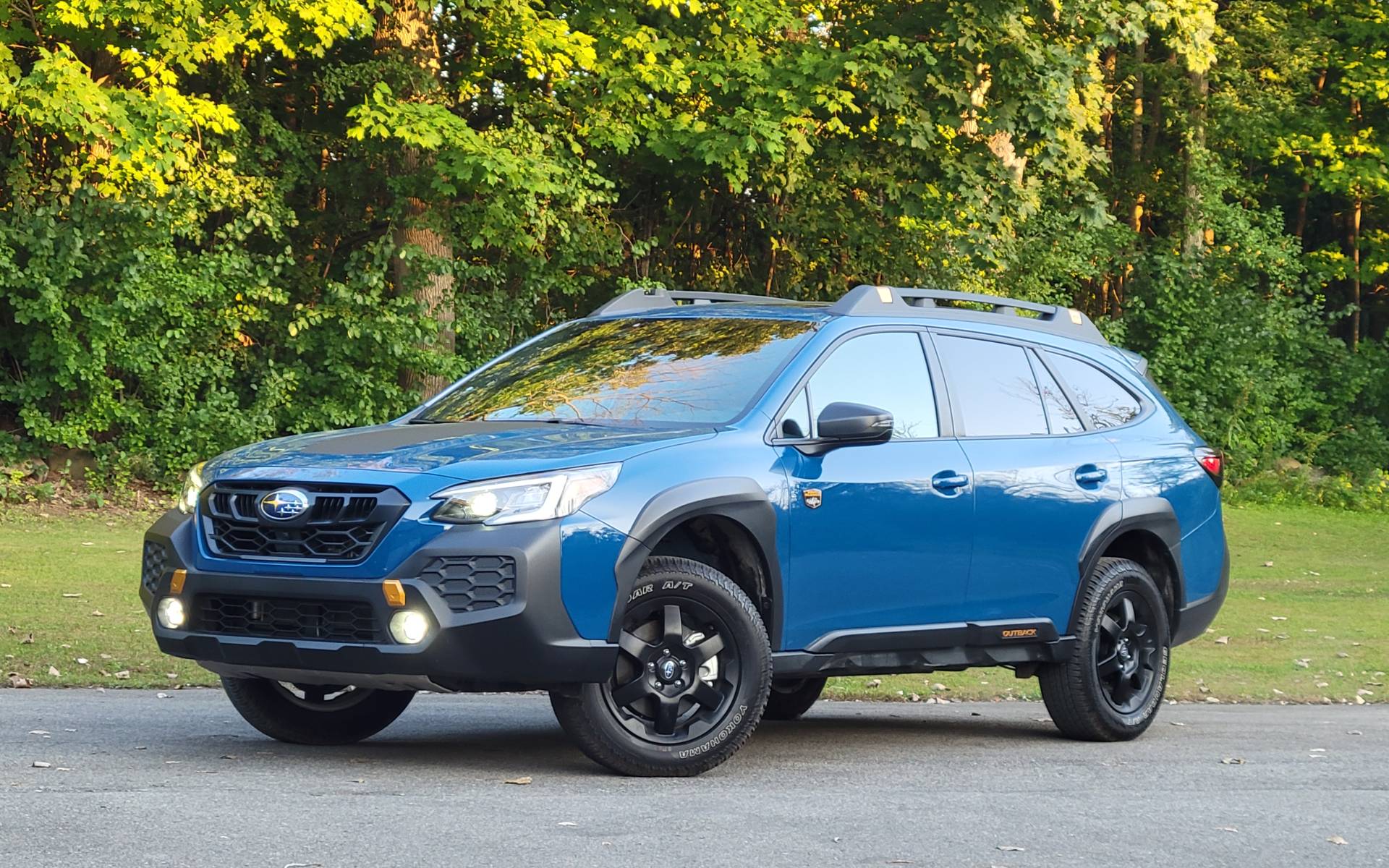
The powertrain options in recent Outbacks have proven increasingly reliable as Subaru has refined their engines and addressed historical weaknesses. The 2.5-liter naturally aspirated four-cylinder engine found in many Outbacks is known for good durability, particularly in models from 2013 onward when improved head gasket designs became standard.
The 3.6-liter six-cylinder engine available in many model years is particularly noteworthy for reliability, often exceeding 300,000 miles with proper maintenance.
The continuously variable transmissions used in recent Outbacks were initially concerning to some buyers, but these units have proven more durable than expected when fluid changes are performed on schedule, typically every 30,000 to 60,000 miles.
Maintenance for the Outback requires attention to several key areas to ensure longevity. Regular oil changes using quality synthetic oil are critical, particularly for turbocharged models.
Timing belt replacement at specified intervals is essential for models with belt-driven engines, while newer chain-driven engines require less frequent service.
Transmission fluid changes, often overlooked by owners who believe CVTs are “lifetime fill,” are crucial for longevity. Common issues in older models include head gasket failures and wheel bearing replacements, but these concerns have been largely addressed in recent generations.
The rust protection is generally good, though undercoating in harsh climates can extend the vehicle’s life. Owner satisfaction at high mileages is strong among those who maintain their Outbacks properly, with many reporting that their vehicle still feels tight and drives well past 200,000 or 300,000 miles.
7. Chevrolet Tahoe/Suburban
The Chevrolet Tahoe and its extended-length sibling, the Suburban, have established impressive reputations for longevity, with countless examples serving as family haulers, work trucks, and emergency vehicles well past 300,000 miles.
These full-size, body-on-frame SUVs represent American engineering at its most practical, prioritizing capability, spaciousness, and durability over fuel efficiency or cutting-edge technology.
The Tahoe and Suburban’s ability to remain reliable workhorses over hundreds of thousands of miles has made them favorites among families who need serious hauling and towing capability, as well as fleet operators who demand vehicles that can withstand punishing duty cycles.
The foundation of the Tahoe and Suburban’s longevity is their robust body-on-frame construction, shared with the Chevrolet Silverado pickup truck. This traditional truck architecture provides exceptional strength and durability, allowing these SUVs to handle heavy loads and tough conditions without structural fatigue.
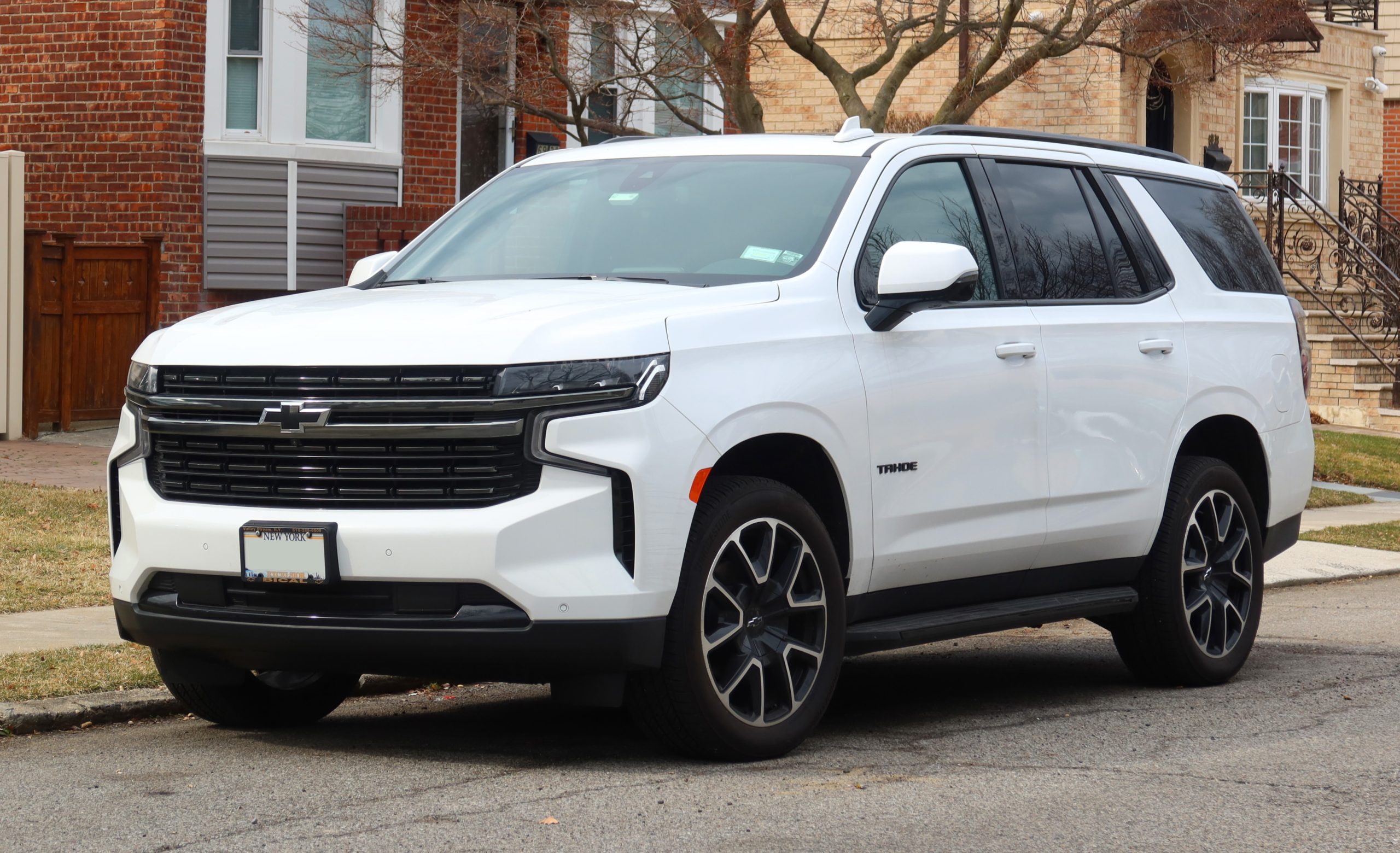
The ladder frame is built to withstand decades of use, maintaining rigidity and integrity even after hundreds of thousands of miles. The solid rear axle in many configurations, particularly in four-wheel-drive models, is virtually indestructible and far more durable than the independent rear suspensions found in many competitors.
This rugged construction means that even as wear items are replaced over time, the fundamental structure remains sound. The active fuel management system, which deactivates cylinders for fuel economy, can occasionally cause issues with excessive oil consumption in some engines, but this is well-documented and manageable.
Rust protection is adequate, though owners in harsh climates benefit from undercoating and regular washing. Owner satisfaction at high mileages remains strong, particularly among those who need the capability and space these SUVs provide, with many owners reporting their Tahoe or Suburban still feels solid and capable at 250,000 or 300,000 miles, continuing to handle family duties and towing tasks without complaint.
8. GMC Yukon/Yukon XL
The GMC Yukon and Yukon XL are essentially upscale variants of the Chevrolet Tahoe and Suburban, offering the same legendary durability and longevity wrapped in a more refined package with additional features and premium touches.
These full-size SUVs have proven their ability to reach and exceed 300,000 miles while maintaining the comfort, capability, and reliability that owners depend on for family transportation, towing, and road trips.
The Yukon’s reputation for longevity, combined with GMC’s focus on premium features and professional-grade durability, creates an SUV that satisfies owners throughout its extended lifespan.
Sharing the same robust body-on-frame architecture as their Chevrolet counterparts, the Yukon and Yukon XL benefit from decades of refinement in GM’s full-size truck platform.
The ladder frame construction provides exceptional structural integrity that maintains its rigidity and strength through hundreds of thousands of miles of service.
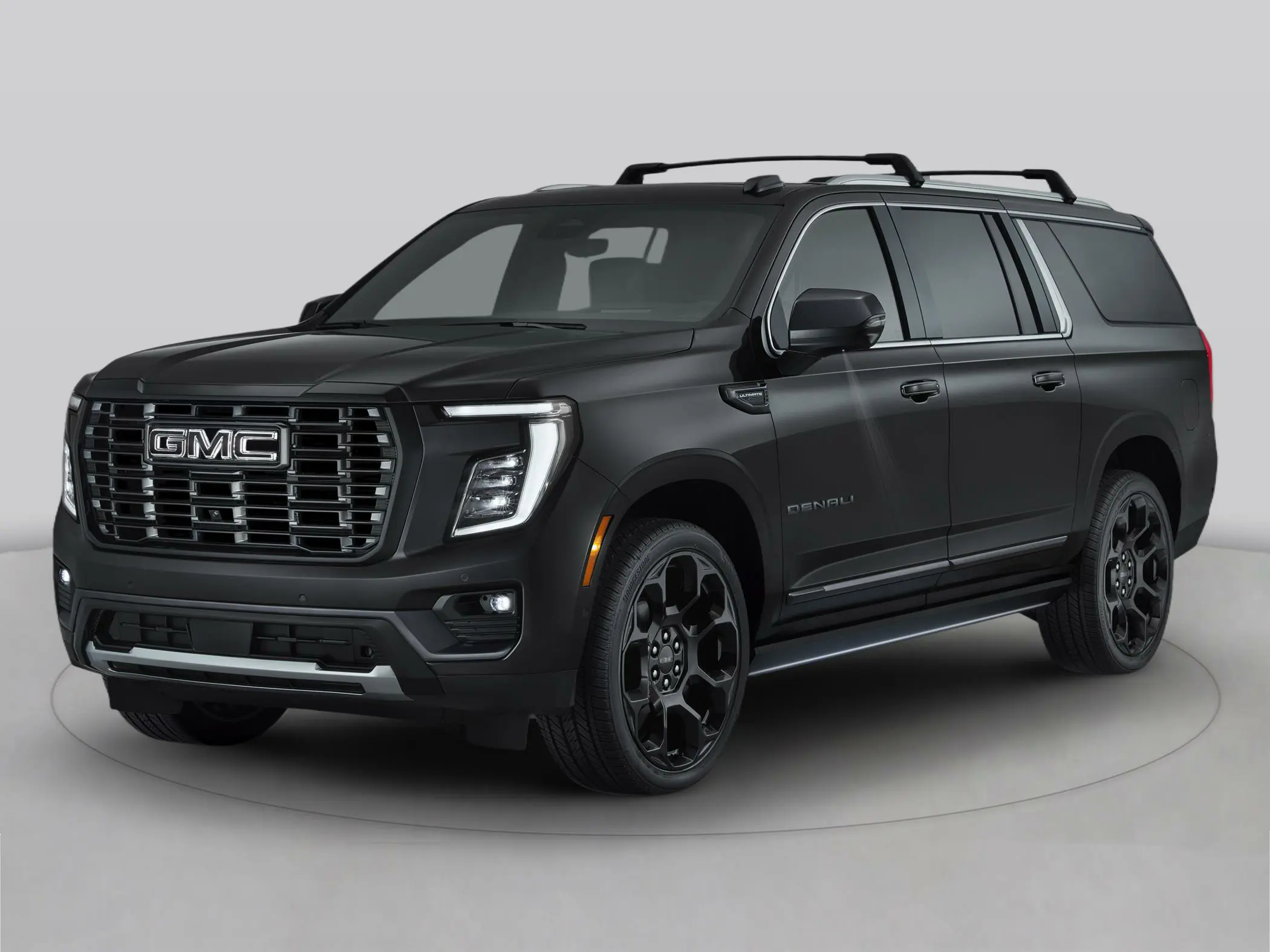
This solid foundation allows the Yukon to handle heavy towing, full passenger loads, and demanding driving conditions without the structural fatigue that plagues many unibody crossovers.
The suspension components, whether the solid rear axle in many configurations or the independent rear suspension in newer Denali models, are engineered for durability and maintain their ride quality characteristics well into high mileage.
Common maintenance items include routine suspension work, brake services, and cooling system attention. The active fuel management system requires proper oil selection to avoid consumption issues in some engines. Rust protection is adequate but benefits from additional undercoating in harsh climates.
The Yukon community is active and supportive, with owners sharing maintenance tips and solutions online. Owner satisfaction at high mileages remains strong, particularly among Denali owners who appreciate the combination of luxury and durability.
Many Yukon owners report their vehicle still feels solid and refined at 200,000 or 300,000 miles, continuing to provide comfortable, capable transportation for their families while maintaining the premium feel that drew them to the GMC brand initially.
9. Ford Expedition
The Ford Expedition has evolved significantly over its production history, transforming from a comfortable but reliability-challenged SUV in its early generations to a genuinely durable, long-lasting vehicle in recent iterations.
Modern Expeditions, particularly those from the 2015 model year forward, have proven capable of reaching and exceeding 300,000 miles when properly maintained, joining the ranks of truly long-lived full-size SUVs.
The Expedition’s combination of powerful turbocharged engines, aluminum body construction, and refined interior make it a compelling choice for families seeking a vehicle that will serve them reliably for years to come.
The current-generation Expedition, introduced for the 2018 model year, represents a significant leap forward in quality and durability for Ford’s full-size SUV.
Built on an updated version of Ford’s proven truck platform, the Expedition features a fully boxed frame that provides exceptional strength and rigidity.
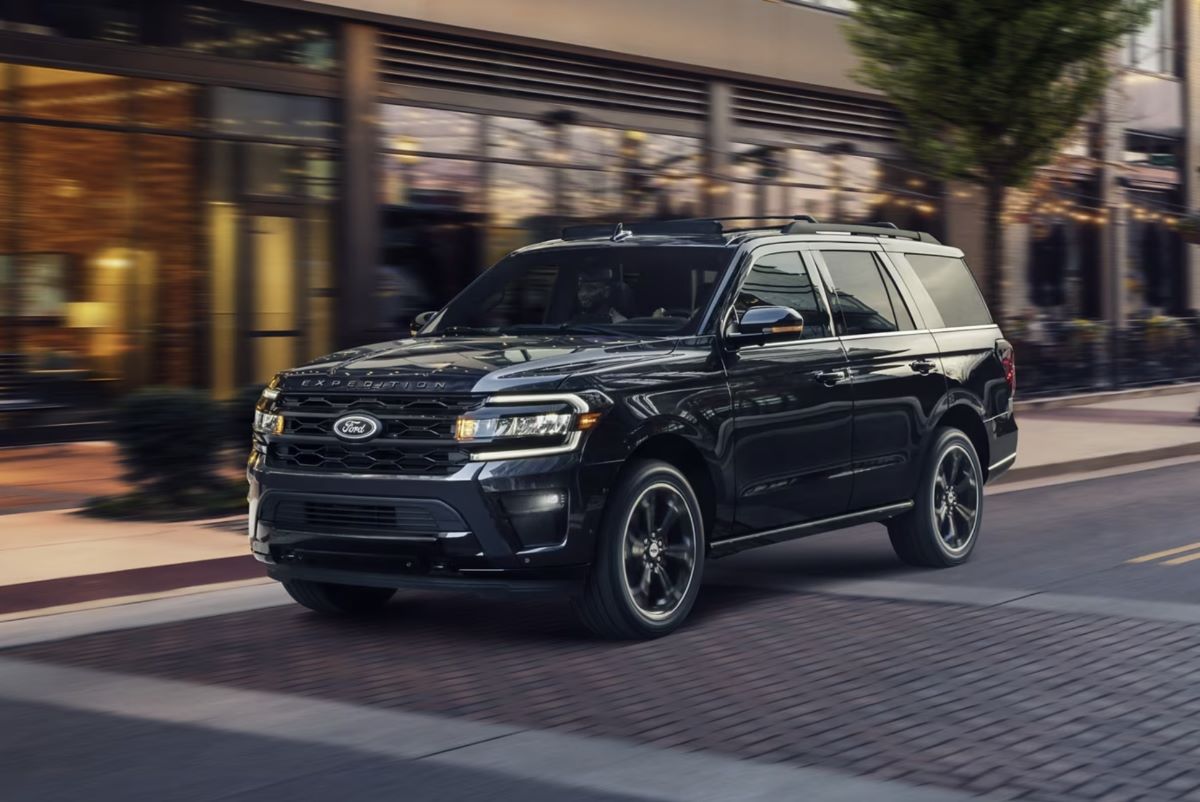
The switch to aluminum body panels, borrowed from the F-150 pickup truck, reduces weight while maintaining durability and offering superior corrosion resistance compared to traditional steel construction.
This aluminum construction has proven remarkably durable in F-150 applications, and the Expedition benefits from these lessons learned, showing excellent resistance to rust and body damage even in harsh climates.
The Expedition community has grown more positive about long-term reliability in recent years as the current generation racks up miles. Owners report that properly maintained examples feel solid and drive well even at high mileages, with the aluminum construction resisting the rust and corrosion that plagued earlier generations.
The turbocharged powertrain provides impressive performance throughout the vehicle’s life, and the refined interior maintains its upscale feel with proper care.
Owner satisfaction at high mileages is strong, particularly among those who maintain their vehicles diligently and address any issues promptly, with many reporting their Expedition continues serving as a reliable family hauler well past 200,000 miles.
10. Toyota Highlander
The Toyota Highlander has established itself as one of the most reliable three-row crossover SUVs available, consistently reaching and exceeding 300,000 miles while providing comfortable, efficient family transportation.
Since its introduction in 2001, the Highlander has prioritized practicality, reliability, and value over flashy features or aggressive performance, creating a formula that has resonated with families seeking a vehicle they can depend on for decades.
The Highlander’s unibody construction offers better fuel economy than body-on-frame competitors while maintaining the durability and longevity that Toyota is famous for.
The Highlander’s construction quality is exceptional, with a rigid unibody structure that resists the flexing and stress that causes squeaks, rattles, and premature wear in lesser vehicles.
Toyota’s attention to detail in the manufacturing process results in tight panel gaps, solid door closures, and a sense of quality that persists throughout the vehicle’s lifespan.
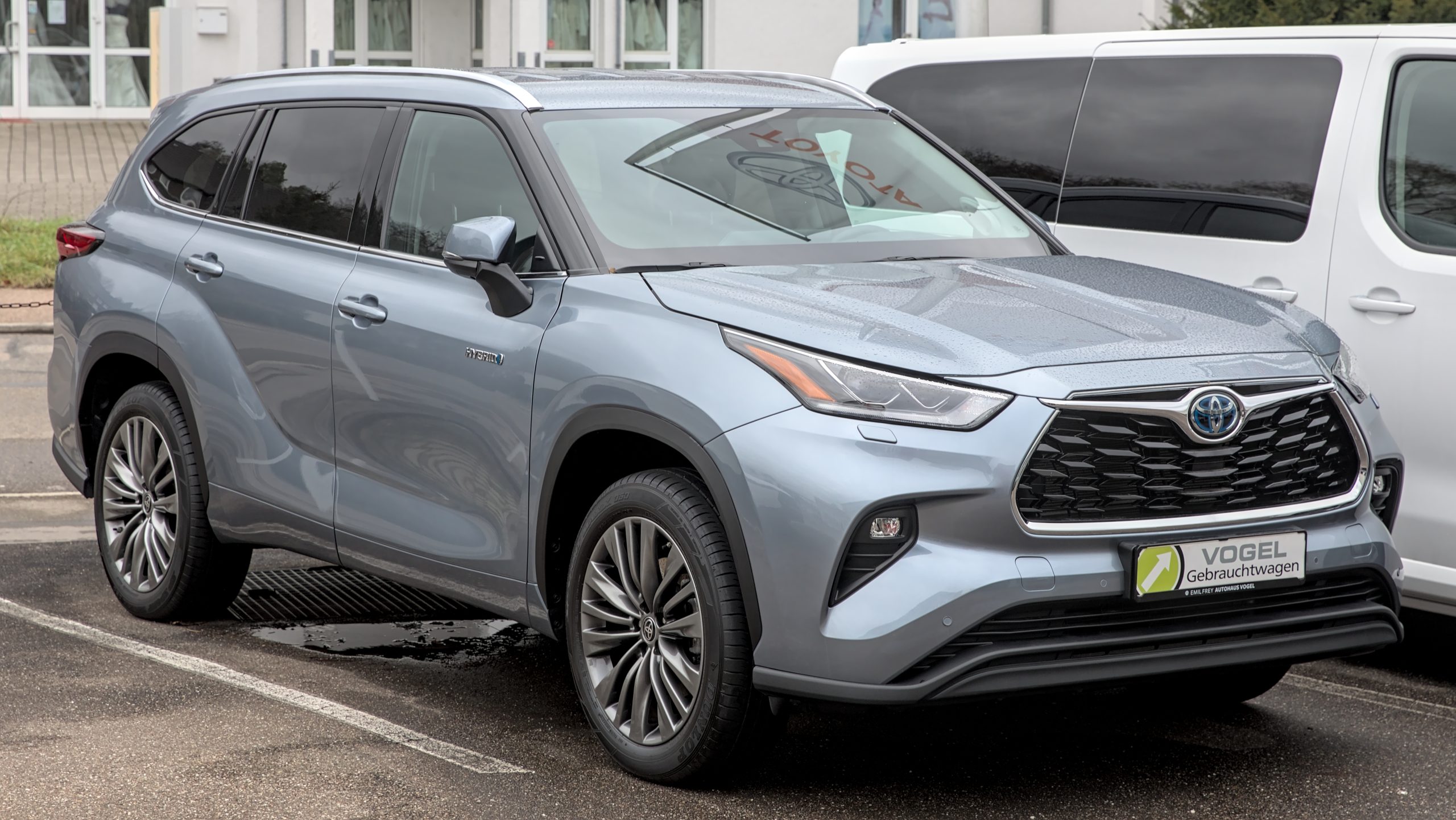
The rust protection is excellent, particularly in models from the second generation onward, with thorough undercoating and careful design that minimizes corrosion even in harsh climates with road salt.
This structural integrity means that high-mileage Highlanders maintain their solid, tight feel long after competitors would feel loose and worn out.
The hybrid system in hybrid models requires virtually no maintenance beyond standard services, with Toyota’s hybrid batteries proving remarkably durable and often lasting the life of the vehicle.
Common maintenance items include routine suspension work and brake services, but major mechanical failures are rare. The Highlander community is large and supportive, with extensive online resources helping owners maintain their vehicles.
Owner satisfaction remains exceptionally high at extreme mileages, with many owners reporting their Highlander still feels solid and refined at 250,000 or 300,000 miles, continuing to serve as a reliable family vehicle that handles daily commutes, road trips, and carpools without complaint.
11. Lexus RX
The Lexus RX represents the luxury segment’s answer to long-term reliability, offering premium materials, sophisticated technology, and refined driving dynamics while maintaining Toyota’s legendary durability.
Since its introduction in 1998 as one of the first luxury crossover SUVs, the RX has set the standard for combining comfort and longevity, with countless examples reaching and exceeding 300,000 miles while still providing the smooth, quiet, luxurious experience that Lexus is famous for.
The RX proves that luxury and reliability can coexist when engineering excellence and quality control are prioritized. Built on platforms shared with the Toyota Highlander, the RX benefits from Toyota’s proven engineering while adding Lexus-specific refinements.
The unibody construction is exceptionally rigid and well-damped, with extensive sound deadening that creates a remarkably quiet cabin. This structural quality persists over time, with high-mileage RX models maintaining their solid, refined feel long after luxury competitors from European brands would feel worn and rattly.
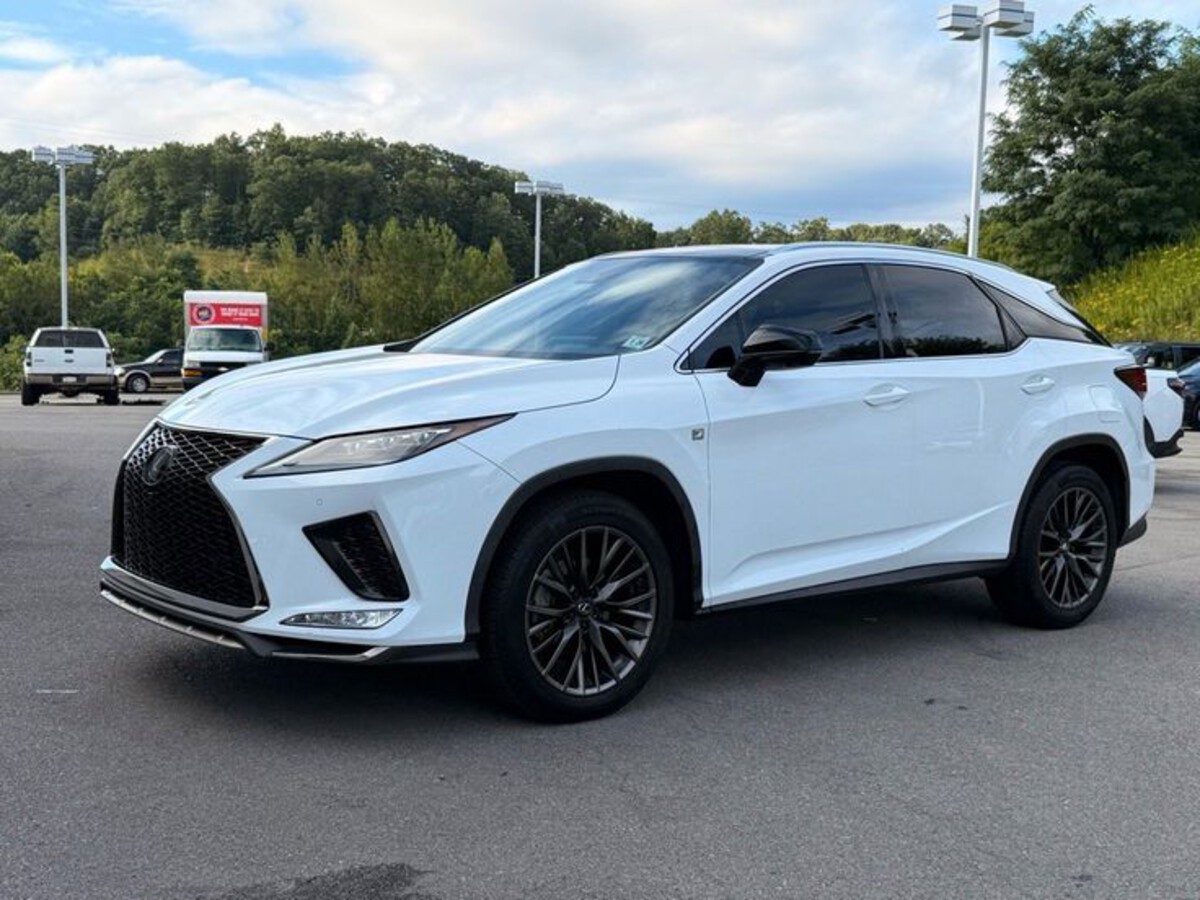
The build quality is exceptional, with meticulous attention to detail in assembly resulting in vehicles that simply don’t develop the squeaks, creaks, and minor annoyances that plague many luxury vehicles as they age.
The corrosion protection is excellent, with thorough rust-proofing that keeps the vehicle looking good even after years of service in harsh climates.
Owner satisfaction with high-mileage RX models remains exceptionally high, with owners consistently praising the vehicle’s continued refinement, reliability, and comfort. Many report that their RX still feels nearly new at 200,000 or 300,000 miles, with smooth, quiet operation and a solid, tight feel that rivals vehicles a fraction of its age.
The combination of luxury, reliability, and longevity makes the RX one of the best choices for buyers seeking a premium SUV that will provide decades of satisfying ownership.
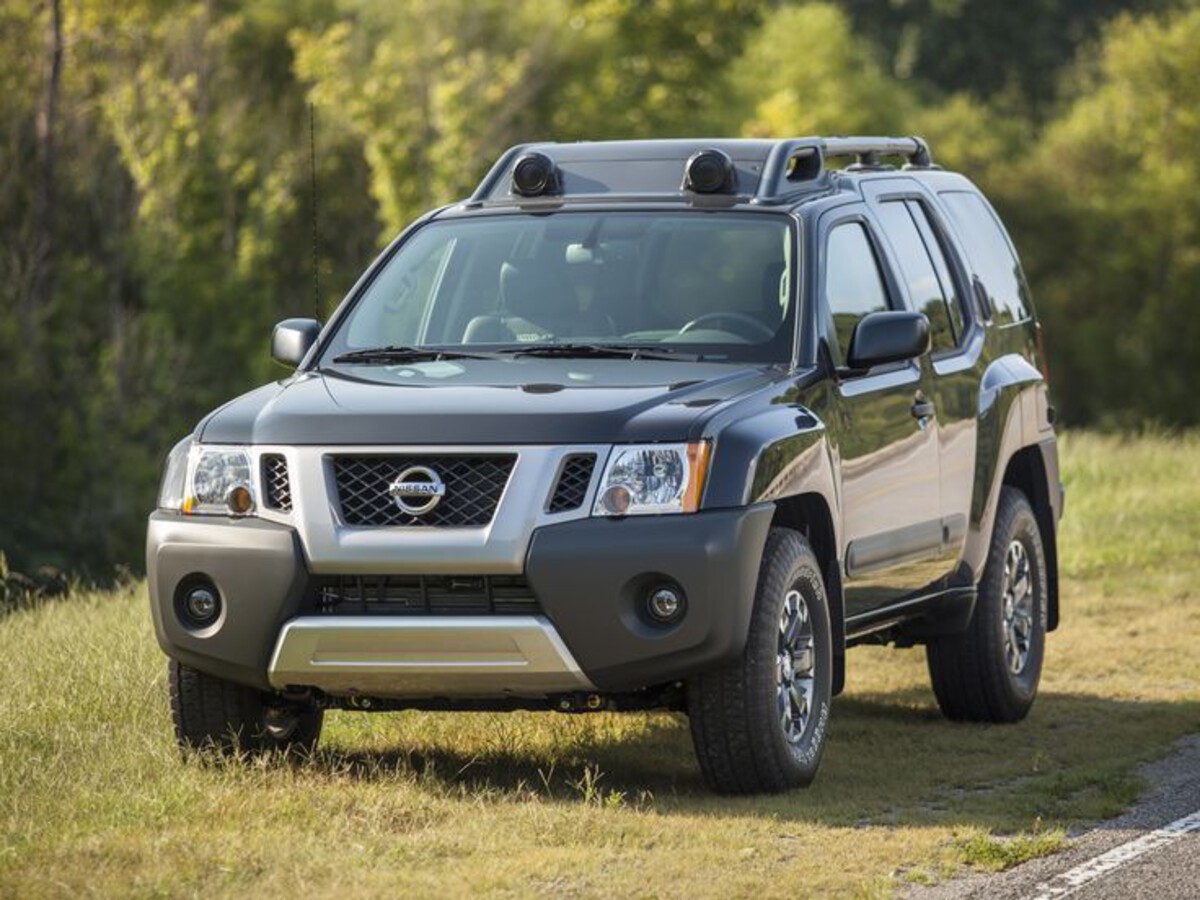
12. Nissan Xterra
The Nissan Xterra, though discontinued after the 2015 model year, has developed a strong reputation for durability and longevity among owners who appreciate its truck-based construction and off-road capability.
Built on the same platform as the Nissan Frontier pickup truck, the Xterra represents an increasingly rare breed of true truck-based SUVs designed for rugged use rather than suburban commuting.
While not as refined or fuel-efficient as modern unibody crossovers, the Xterra’s robust construction and proven mechanical components have allowed countless examples to reach and exceed 300,000 miles while still providing capable, reliable transportation.
The Xterra’s body-on-frame construction provides the foundation for its impressive longevity. The fully boxed frame, shared with the Frontier pickup, is built to withstand serious off-road use and heavy loads, which means it handles typical street driving with ease.
This robust structure maintains its integrity over hundreds of thousands of miles, resisting the flexing and fatigue that can compromise lesser vehicles.
The rust protection is adequate, though owners in harsh climates benefit from additional undercoating and regular washing to prevent corrosion.
The solid rear axle, standard across all Xterras, is virtually indestructible and far more durable than the independent rear suspensions found in crossover competitors.
Maintenance for the Xterra is straightforward and relatively affordable. Regular oil changes, timely fluid services, and attention to routine items like brakes and tires keep an Xterra running reliably.
The timing chain requires no regular replacement, unlike belt-driven engines, reducing long-term maintenance costs. Common issues include the secondary timing chain tensioner, which can require replacement, and the transmission cooler potentially developing leaks where it connects to the radiator, though these are well-documented and manageable.
The four-wheel-drive system benefits from regular differential fluid changes. Rust prevention is important, particularly for the frame and undercarriage.
The Xterra community is passionate and supportive, with extensive online resources, forums, and local clubs dedicated to helping owners maintain and modify their vehicles. Parts availability remains good despite production ending, with many components shared across Nissan’s truck lineup.
Owner satisfaction at high mileages remains strong among enthusiasts who appreciate the Xterra’s capability and durability, with many reporting their vehicles still feel solid and capable at 250,000 or 300,000 miles, continuing to handle both daily driving duties and weekend adventures with the rugged reliability that made the Xterra a cult favorite among those who prioritize capability over comfort.
Also Read: 5 Trucks That Outlive Their Owners vs 5 That Retire Early
