
In an era where planned obsolescence seems to dominate the automotive industry, certain vehicles stand as monuments to engineering excellence and manufacturing quality that transcends generations.
These remarkable automobiles don’t just survive they thrive, continuing to serve their owners faithfully long after their contemporaries have been reduced to scrap metal.
The concept of automotive longevity encompasses far more than simple durability; it represents a perfect storm of thoughtful design, quality materials, meticulous engineering, and often, a passionate community of owners who refuse to let these mechanical marvels fade into obscurity.
The vehicles featured in this comprehensive list share common traits that separate them from the forgettable masses. They were built during periods when manufacturers prioritized longevity over quarterly profits, when engineers were given the freedom to over-build rather than merely meet minimum standards.
Many of these cars feature simple, proven mechanical designs that favor reliability over complexity, making them easier to maintain and repair even decades after production ceased.
Their parts were manufactured with tighter tolerances, their engines designed with generous safety margins, and their bodies constructed from materials that could withstand the relentless assault of time and elements.
This list celebrates fifteen automotive legends that have demonstrated an almost supernatural ability to outlast their rivals. Each represents a different approach to longevity, from stripped-down simplicity to over-engineered complexity, from utilitarian workhorses to comfortable cruisers. Yet they all share one undeniable quality: the ability to keep going when everything else has given up.
These are the cars that prove that with the right combination of engineering, quality, and care, an automobile isn’t just transportation it’s a lifetime companion that can literally outlive its owner and continue serving the next generation with unwavering dedication.
1. Toyota Land Cruiser (1951-Present)
The Toyota Land Cruiser stands as perhaps the ultimate testament to automotive longevity, with countless examples worldwide exceeding 300,000 miles and many surpassing half a million miles with nothing more than routine maintenance.
Originally developed in 1951 as Japan’s answer to the military Jeep, the Land Cruiser has evolved through multiple generations while maintaining an unwavering commitment to durability and reliability that borders on the legendary.
In developing nations and conflict zones around the world, the Land Cruiser has become synonymous with indestructibility, earning a reputation as the vehicle that simply refuses to die.
The secret to the Land Cruiser’s extraordinary longevity lies in Toyota’s philosophy of over-engineering every component. Where competitors might use a part rated for 100,000 miles, Toyota installs one designed for 200,000 miles or more.
The engines, whether the bulletproof inline-six models of decades past or the modern V8 variants, are built with massive tolerances and conservative tuning that prioritizes longevity over peak performance.
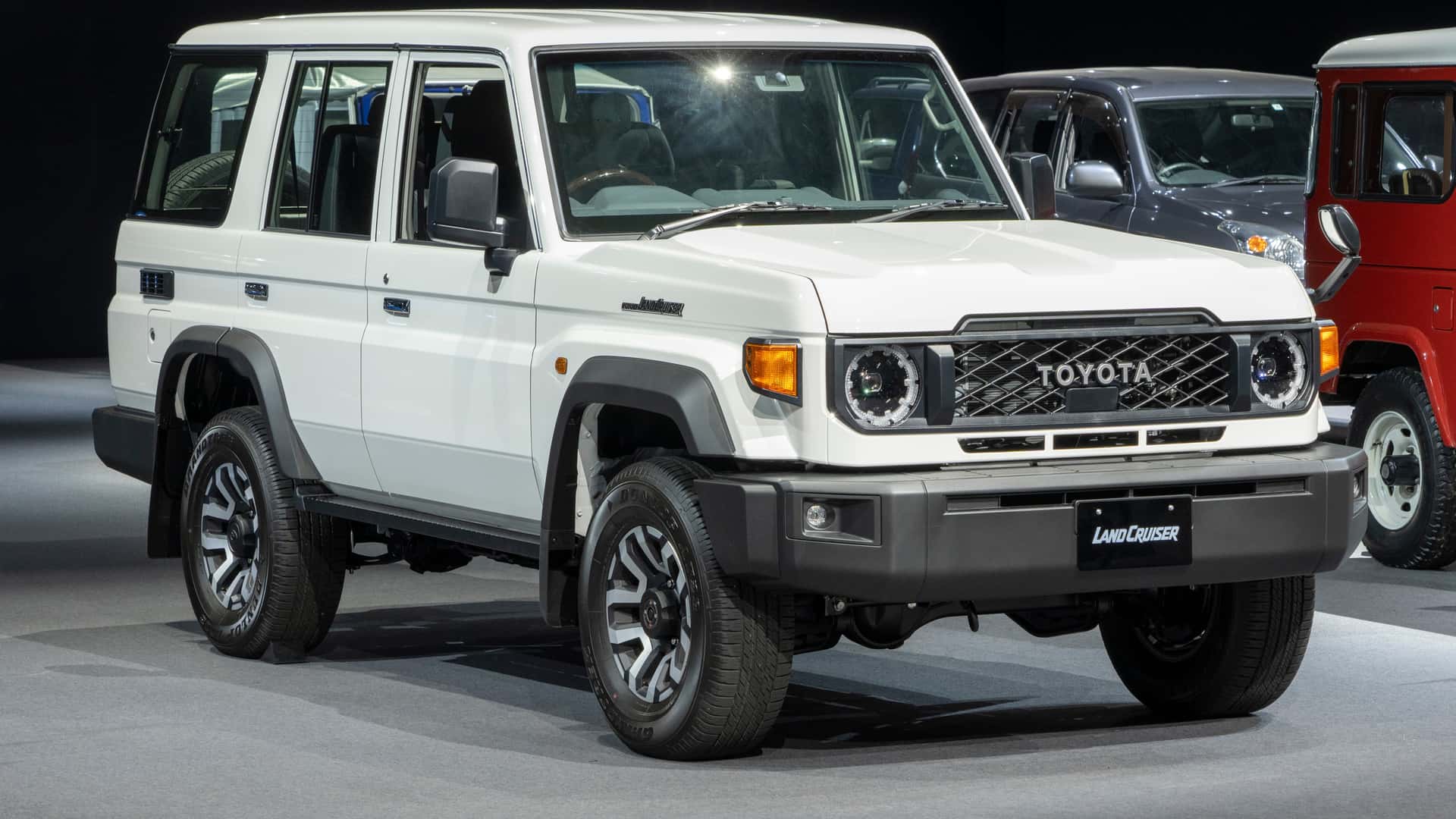
The chassis and body are constructed using thicker steel than most rivals, with extensive rustproofing and undercoating applied at the factory a practice that has helped countless Land Cruisers survive in harsh, salt-heavy environments where other vehicles corrode into oblivion.
Perhaps most importantly, the Land Cruiser benefits from extraordinary parts availability and a global network of mechanics familiar with its systems.
Because the vehicle has been sold continuously for over seven decades with relatively gradual evolution rather than revolutionary changes, many parts interchange between generations, and mechanics in even the most remote corners of the world have experience maintaining them.
In countries like Australia, where Land Cruisers regularly traverse thousands of miles of unpaved outback roads, it’s not uncommon to find examples from the 1980s and 1990s still serving as primary vehicles for rural families, accumulating mileage that would be unthinkable for most modern SUVs.
The United Nations and various NGOs have long favored Land Cruisers for their operations in challenging environments, knowing that these vehicles will continue running when everything else has failed, making them not just reliable transportation but potentially life-saving tools in emergency situations where vehicle failure isn’t merely inconvenient it’s potentially fatal.
2. Mercedes-Benz W123 (1976-1985)
The Mercedes-Benz W123 represents the pinnacle of over-engineered German automotive excellence, a vehicle so thoroughly and thoughtfully constructed that examples with over a million miles on the original drivetrain aren’t just possible they’re remarkably common.
Produced from 1976 to 1985, the W123 came in sedan, coupe, and wagon configurations, with diesel engines being particularly legendary for their longevity.
These cars were built during an era when Mercedes-Benz operated under a philosophy that every vehicle should be capable of serving as a reliable taxi for decades, and they engineered accordingly, creating what many consider the most durable passenger car ever mass-produced.
The W123’s legendary durability stems from Mercedes-Benz’s meticulous attention to every detail of construction and materials selection.
The body panels were made from thick, high-quality steel with extensive rustproofing measures, including galvanized panels in critical areas and thick undercoating applied at the factory.
The paint process involved multiple layers of primer, color, and clear coat, applied in controlled conditions that ensured exceptional adhesion and longevity.
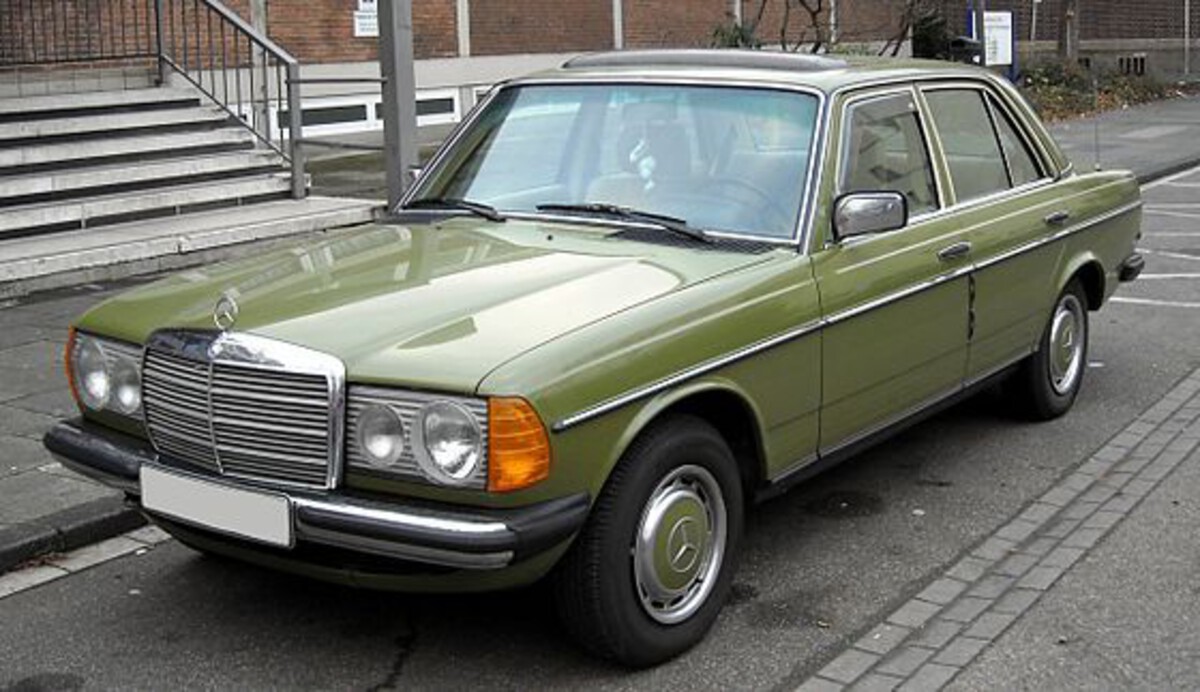
Even the chrome trim pieces were triple-plated to resist corrosion, a level of attention to detail that modern manufacturers would consider economically irrational but which has allowed these cars to maintain their appearance decades after production.
Inside, the W123 featured materials and construction methods that prioritized durability above all else. The seats used thick, high-quality leather or durable cloth coverings over robust frames and springs designed to maintain their shape and comfort for decades.
The dashboard was constructed from solid, thick plastics that, while not featuring the soft-touch materials modern buyers expect, resist cracking and fading far better than modern alternatives.
The switchgear, sourced from Bosch and other premium suppliers, was designed to endure hundreds of thousands of actuations without failure. In countries like Greece, Lebanon, and various African nations, W123 Mercedes remain ubiquitous as taxis and family cars, with many examples having accumulated mileage that exceeds one million kilometers while still serving as daily drivers.
Enthusiast communities worldwide keep these cars running, with parts still readily available either as new old stock or from specialized manufacturers who continue producing components specifically for these beloved vehicles, ensuring that the W123 will likely continue serving owners for many more decades to come.
3. Volvo 240 Series (1974-1993)
The Volvo 240 series embodies Swedish engineering pragmatism at its finest, representing a design philosophy that prioritized safety, durability, and practicality over stylistic flourishes or cutting-edge technology.
Produced for nearly two decades with remarkably few changes, the 240 became legendary for its ability to accumulate astronomical mileage while requiring nothing more than routine maintenance and occasional repairs.
These boxy sedans and wagons were engineered with such robust simplicity that they became the default choice for buyers who valued longevity above all else, creating a devoted following that persists decades after production ended.
The foundation of the 240’s extraordinary longevity lies in its conservative, proven mechanical components and over-built construction.
The chassis utilized thick steel members welded together in a structure that prioritized strength and rigidity, with extensive rustproofing and undercoating applied at the factory to combat corrosion.
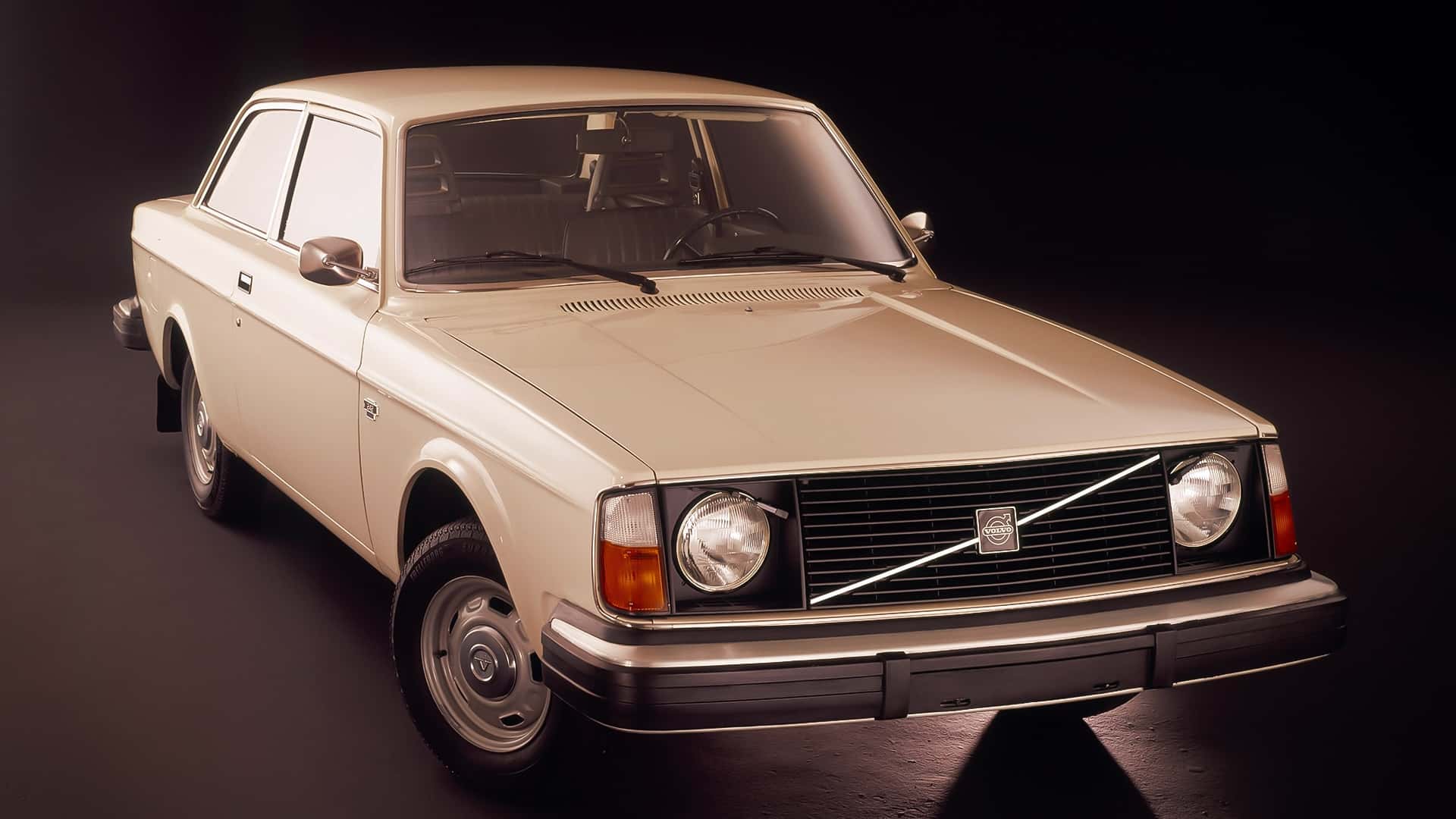
Volvo’s commitment to safety meant that the body structure included numerous reinforcements and crumple zones, which inadvertently contributed to the vehicle’s structural durability.
The body panels themselves, while not galvanized like some premium competitors, were manufactured from high-quality steel with sufficient thickness to resist minor impacts and dents that would damage thinner modern panels.
The 240’s electrical system, while simpler than modern vehicles, used high-quality components and logical, accessible wiring that made troubleshooting and repairs straightforward for even amateur mechanics.
In Scandinavia and North America, 240s with over 300,000 miles remain common sights on roads, with many enthusiasts proudly displaying their odometers showing mileage that would be considered end-of-life for most vehicles.
The availability of both new old stock and reproduction parts, combined with a vast knowledge base within the enthusiast community, ensures that the Volvo 240 will continue serving as reliable transportation for decades to come, cementing its status as one of the most durable passenger cars ever produced.
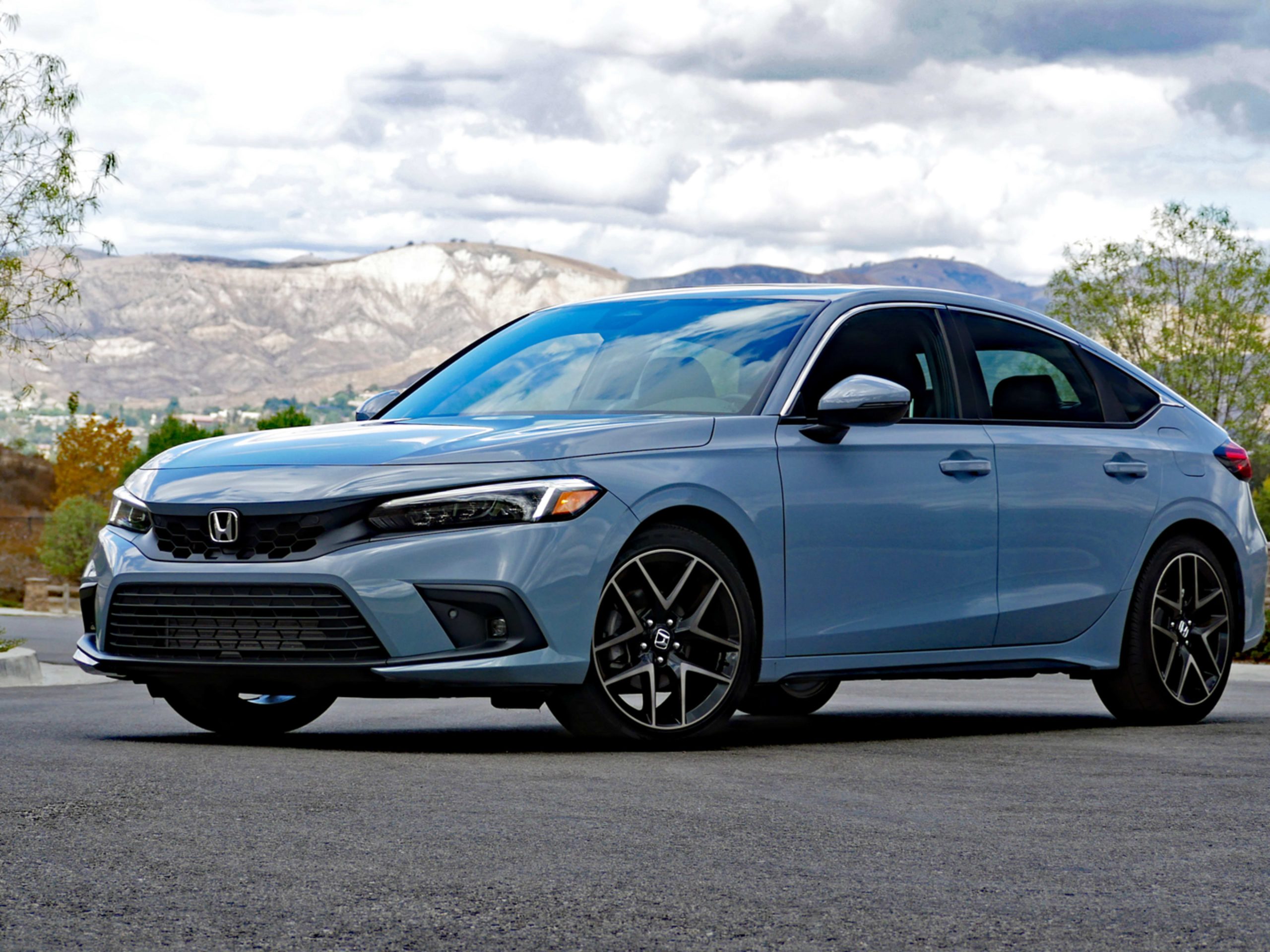
4. Honda Civic (1972-Present, particularly 1988-2000 models)
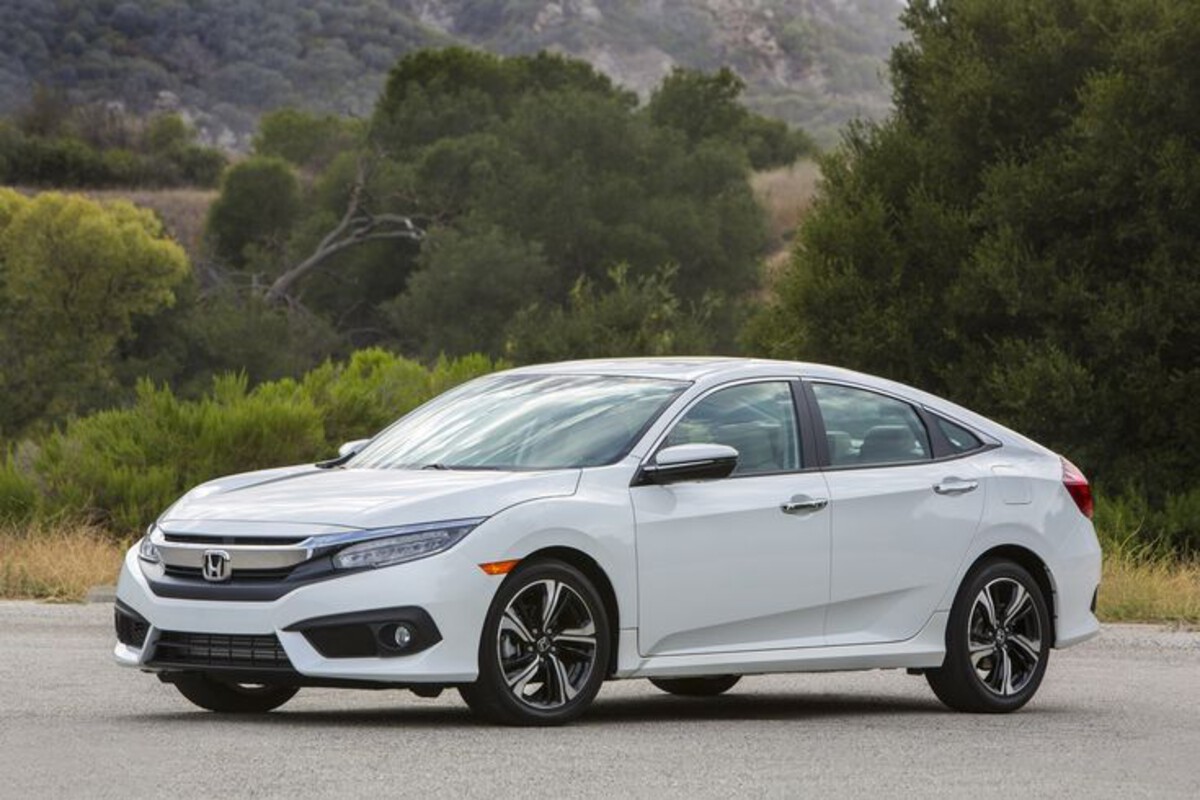
The Honda Civic, particularly models produced during the 1988-2000 period, represents Japanese engineering efficiency refined to near-perfection, creating vehicles that routinely achieve extraordinary longevity despite their modest size and relatively simple construction.
While newer Civics remain reliable by modern standards, the fourth through sixth generation models have achieved legendary status among enthusiasts and practical car owners alike for their ability to accumulate hundreds of thousands of miles while requiring minimal repairs beyond routine maintenance.
These unpretentious compact cars prove that longevity doesn’t require luxury-brand engineering or expensive materials just thoughtful design and quality manufacturing.
The secret to the Civic’s remarkable durability lies in Honda’s philosophy of maximizing efficiency and reliability through precise engineering rather than over-building.
The engines available during this golden era, including the legendary D-series four-cylinder engines, were designed with exceptional attention to detail, featuring precisely machined components that operated with minimal friction and wear.
These engines used Honda’s VTEC variable valve timing technology in many applications, a system that, despite its complexity, proved remarkably reliable due to Honda’s meticulous engineering and quality control.
The engines were designed to run smoothly at high RPMs without excessive stress, with robust connecting rods, perfectly balanced crankshafts, and cylinder heads designed for optimal cooling and longevity.
The manual transmissions offered in these Civics were particularly noteworthy, featuring precise, robust synchromesh mechanisms and gear sets that could endure hundreds of thousands of shifts without significant wear.
Perhaps most importantly, these Civics benefited from Honda’s exceptional manufacturing quality control, with tight tolerances and consistent assembly quality that ensured every vehicle leaving the factory met exacting standards.
In regions with extreme climates, from frozen Canadian winters to humid Southeast Asian conditions, these Civics have proven their mettle, continuing to serve as reliable daily drivers long after reaching mileage that would send most vehicles to the scrapyard.
The combination of efficient engineering, quality materials, and simple, robust mechanical designs has created vehicles that can literally last a lifetime with proper maintenance, making the Civic from this era one of the most practical expressions of automotive longevity ever achieved.
Also Read: 12 New Subaru SUVs That Stay Strong After Years
5. Toyota Corolla (1966-Present, particularly 1983-2002 models)
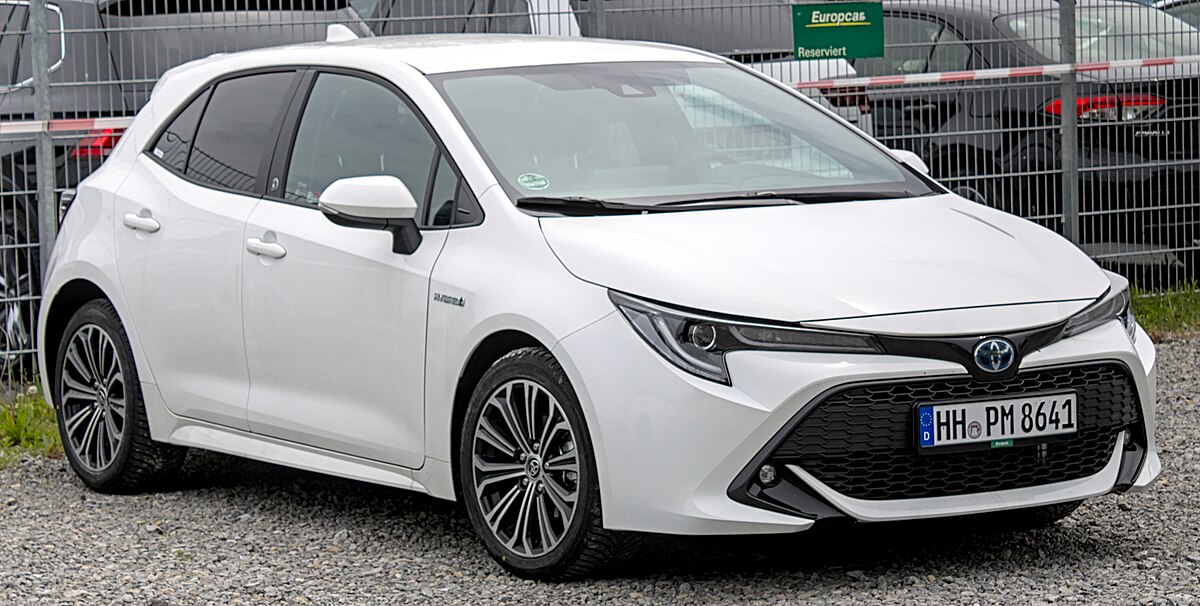
The Toyota Corolla stands as the best-selling automobile nameplate in history, with over 50 million units produced since 1966, and a significant factor in that success is the vehicle’s legendary reliability and longevity.
While modern Corollas continue Toyota’s tradition of dependability, the E80 through E110 generations produced between 1983 and 2002 have achieved almost mythical status for their ability to continue running under circumstances that would destroy lesser vehicles.
These unassuming compact sedans embody Toyota’s manufacturing philosophy at its finest, proving that thoughtful engineering, quality control, and conservative design can create vehicles that outlast their expected service lives by decades.
The mechanical foundation of these Corollas relied on proven, durable powertrains that prioritized reliability above performance or efficiency.
The various four-cylinder engines offered during this period, including the 4A-FE, 7A-FE, and 1ZZ-FE engines, featured simple designs with minimal complexity, using proven technologies like multi-point fuel injection and overhead camshafts without venturing into problematic territory with unproven innovations.
These engines were designed with generous tolerances and conservative tuning that ensured they operated well within their stress limits during normal driving, contributing to their ability to accumulate hundreds of thousands of miles before requiring major repairs.
The cylinder blocks were manufactured from high-quality cast iron or aluminum with thick walls that resisted wear, while the cylinder heads featured robust valve trains with hydraulic lifters that required no adjustment throughout their service lives.
The timing chains or belts used in these engines, when maintained according to Toyota’s recommended intervals, posed minimal risk of catastrophic failure, with many engines exceeding 300,000 miles on their original internal components.
The electrical systems in these Corollas employed simple, logical wiring with high-quality connectors and components that minimized electrical gremlins, contributing to the vehicle’s reputation for starting and running reliably regardless of conditions.
In developing nations worldwide, Corollas from this era continue serving as taxis, family cars, and commercial vehicles, accumulating mileage that staggers the imagination while requiring nothing more than routine maintenance and occasional repairs of wear items.
The global availability of parts, both genuine Toyota components and high-quality aftermarket alternatives, ensures that these vehicles can continue serving for decades to come, with many examples likely to outlive their original owners and continue serving subsequent generations, cementing the Corolla’s status as one of the most durable and practical vehicles ever mass-produced.
6. Jeep Wrangler/CJ Series (1945-Present)
The Jeep Wrangler and its predecessors, the CJ (Civilian Jeep) series, represent an unbroken lineage of automotive durability stretching back to World War II, embodying a design philosophy that prioritizes simplicity, repairability, and rugged capability above comfort or sophistication.
The Wrangler’s legendary longevity stems not from luxurious materials or advanced engineering, but from straightforward mechanical designs, body-on-frame construction, and a modular approach that makes repairs and modifications accessible even to amateur mechanics.
These vehicles have proven their mettle in every conceivable environment, from desert warfare to Arctic exploration, establishing a reputation for indestructibility that few vehicles can match.
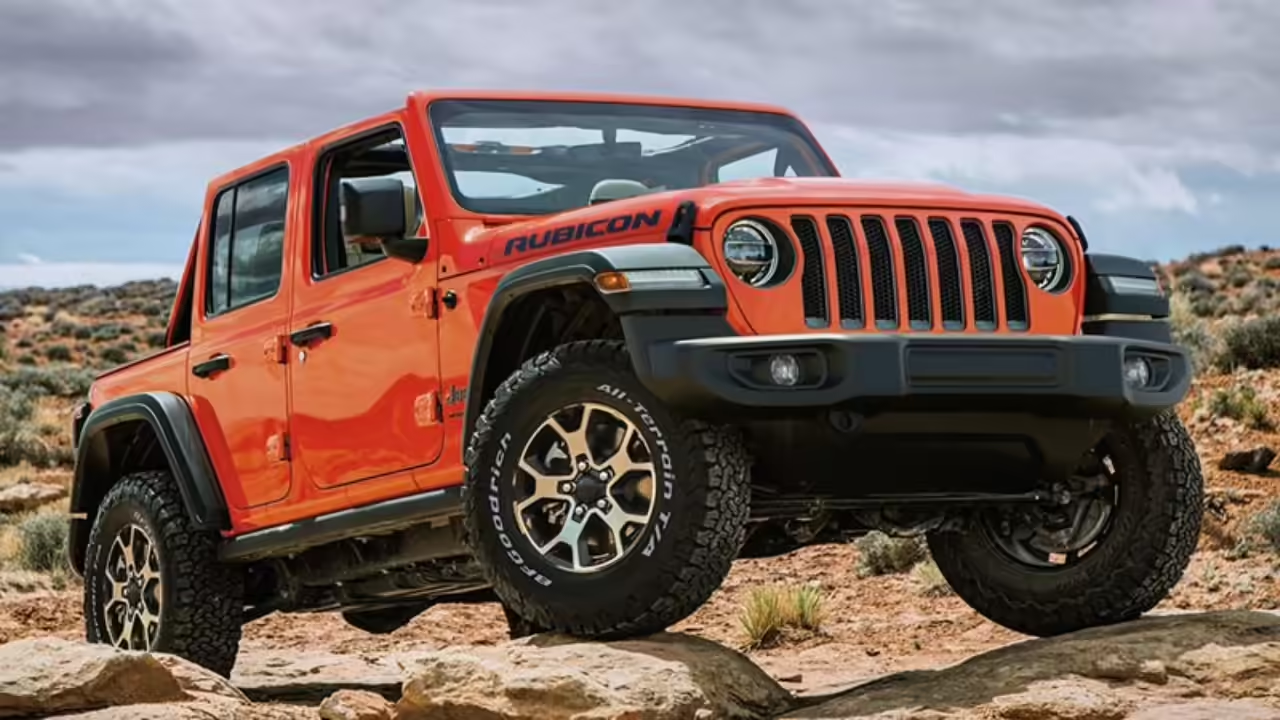
The foundation of the Wrangler’s durability lies in its body-on-frame construction, a design approach that separates the body from the structural chassis, allowing the vehicle to flex and twist over rough terrain without compromising structural integrity.
The ladder frame chassis consists of heavy-gauge steel rails that can withstand extreme stresses and impacts that would destroy unibody vehicles, and because the body sits atop this frame on rubber bushings, the relatively thin steel body panels can flex and even sustain damage without affecting the vehicle’s drivability.
7. Subaru Legacy/Outback (1989-2009)
The Subaru Legacy and its more adventurous sibling, the Outback, represent Japanese engineering ingenuity applied to all-weather capability and durability, creating vehicles that routinely exceed 200,000 miles while providing reliable transportation in some of the harshest climates on Earth.
While Subarus have occasionally struggled with specific issues like head gasket failures in certain engine variants, the durability and longevity of these vehicles, particularly when those known issues are addressed, has created a devoted following among owners who value the combination of all-wheel drive capability, practical design, and remarkable staying power.
These vehicles have become particularly legendary in snow-belt regions where their combination of capability and reliability makes them indispensable.
The cornerstone of the Legacy and Outback’s longevity is Subaru’s horizontally-opposed “boxer” engine design, which places the pistons in a flat configuration that lowers the vehicle’s center of gravity while providing excellent balance and smooth operation.
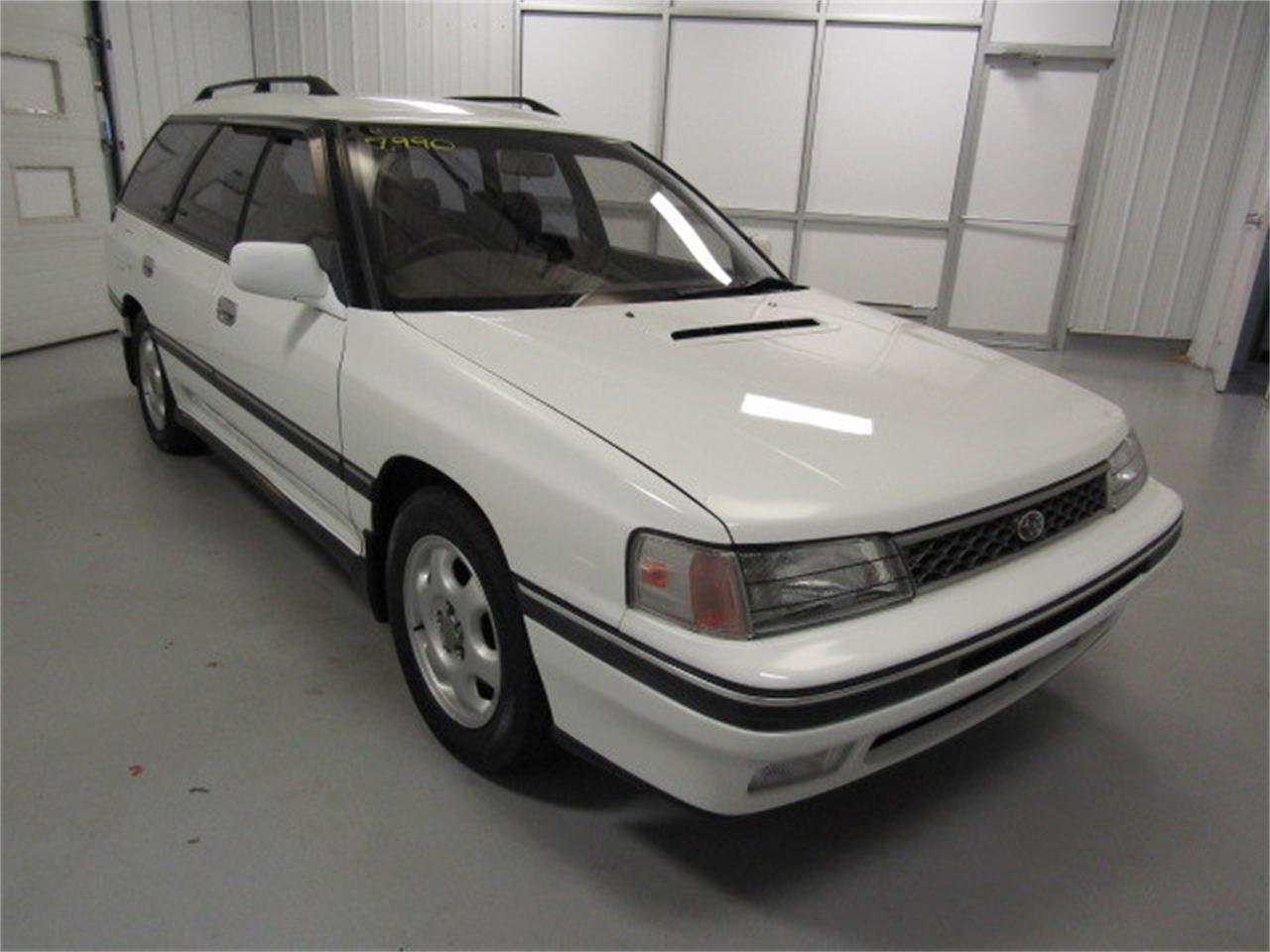
The EJ-series engines used in these vehicles from 1989 through 2009, while occasionally prone to head gasket issues in certain years (particularly non-turbo 2.5-liter variants from the late 1990s through mid-2000s), were fundamentally robust designs capable of providing hundreds of thousands of miles of service when properly maintained and when known issues were addressed.
The strong enthusiast community and excellent parts availability, both from Subaru and the robust aftermarket, ensures that these vehicles can continue serving for decades, with many owners reporting that their well-maintained Subarus feel nearly as solid and reliable at 200,000 miles as they did when new, testament to the fundamental quality of their construction and design.
8. Ford F-Series (1948-Present, particularly 1980-1996 models)
The Ford F-Series pickup trucks represent America’s best-selling vehicle for over four decades, and a significant factor in that dominance is the legendary durability of certain model years, particularly the seventh through ninth generation trucks produced between 1980 and 1996.
These workhorses embody the principle that simple, robust engineering paired with heavy-duty construction creates vehicles capable of serving faithfully for decades under conditions that would destroy lesser trucks.
The F-Series from this era has become legendary among farmers, contractors, and truck enthusiasts for its ability to accumulate astronomical mileage while continuing to perform demanding work with minimal complaints.
The foundation of these trucks’ longevity lies in their body-on-frame construction using heavy-gauge steel ladder frames designed to handle substantial loads and stresses without flexing or fatiguing.
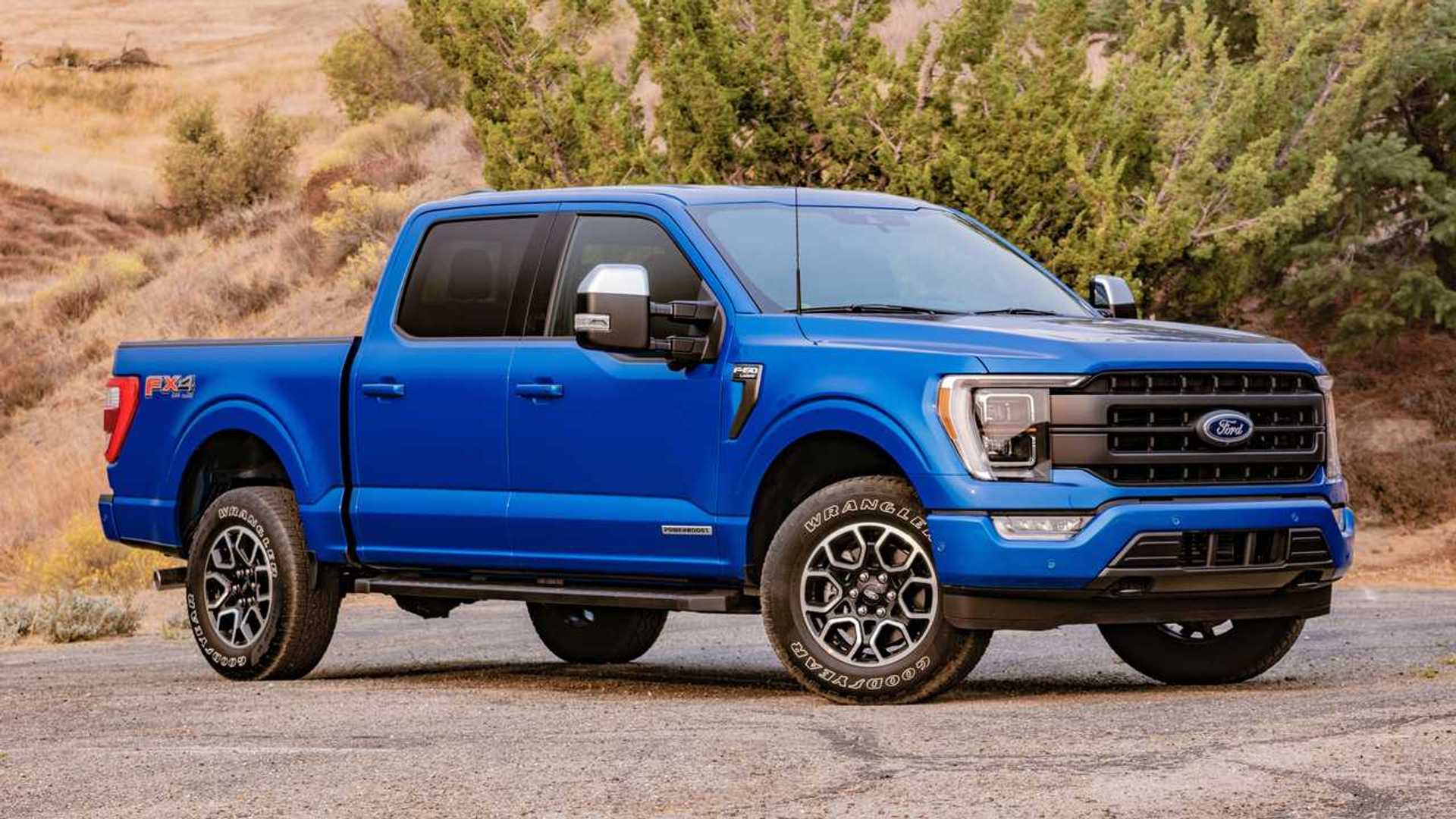
Unlike modern trucks with increasingly complex frame designs incorporating aluminum and advanced materials, these F-Series trucks used straightforward C-channel steel frames that, while heavy, provided exceptional durability and were easily repairable when damaged.
The bodies, while prone to rust in salt-belt regions without proper maintenance, used thick steel panels that could withstand the bumps, scrapes, and impacts inherent to truck use without suffering catastrophic damage.
Inside, these trucks featured honest, durable materials with simple designs that prioritized functionality, using thick plastics, robust cloth or vinyl seating, and straightforward controls that operated reliably for decades.
In rural America, these F-Series trucks continue serving as daily drivers and work vehicles, with many examples showing odometers reading well into six figures while still performing the demanding tasks for which they were designed, proving that thoughtful engineering and robust construction can create vehicles that truly last for generations.
9. Lexus LS400 (1989-2000)
The Lexus LS400 represents Toyota’s audacious entry into the luxury car market, creating a vehicle that not only matched European luxury sedans in comfort and refinement but surpassed them dramatically in reliability and longevity.
The first-generation LS400, produced from 1989 to 1994, and the improved second generation from 1995 to 2000, have achieved legendary status for their ability to provide hundreds of thousands of miles of trouble-free luxury transportation while requiring minimal repairs beyond routine maintenance.
These vehicles proved that luxury and longevity weren’t mutually exclusive, establishing Lexus as the benchmark for reliable premium vehicles and creating a devoted following among owners who value dependability as highly as comfort.
The mechanical foundation of the LS400’s legendary durability lies in its magnificent 1UZ-FE V8 engine, a four-liter powerplant that represents one of the finest examples of engine engineering ever achieved.
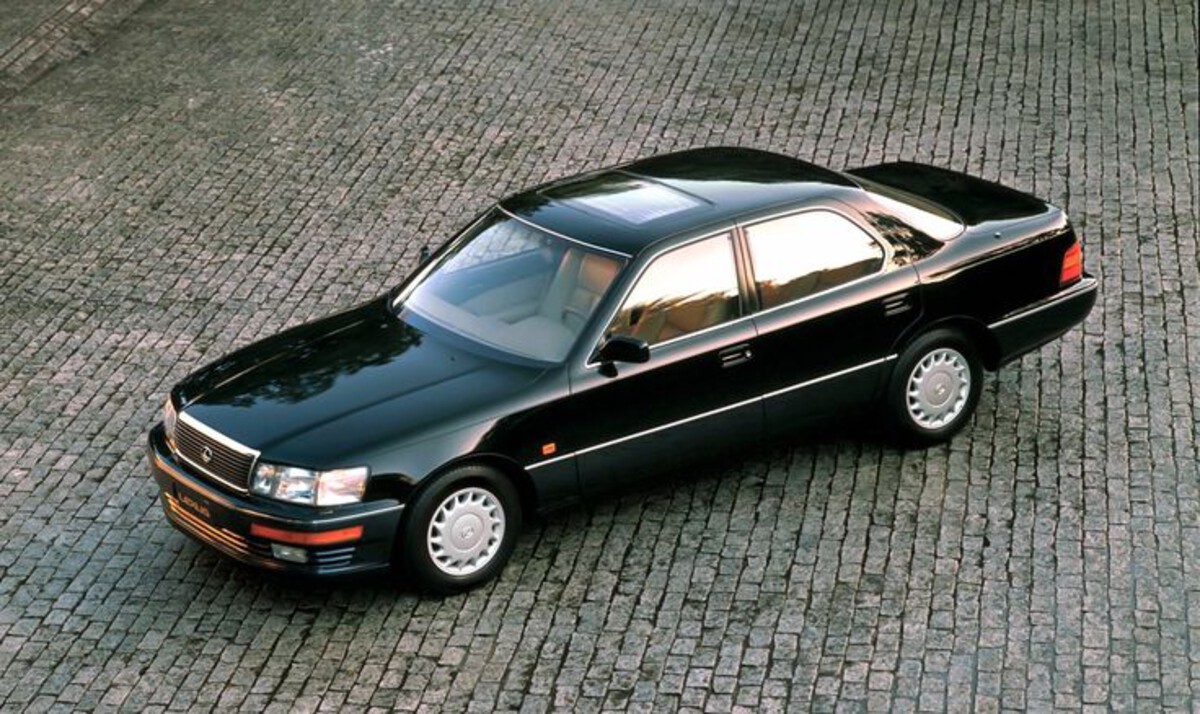
This all-aluminum, dual-overhead-cam, 32-valve engine was designed with such meticulous attention to detail and manufactured with such exceptional precision that examples routinely exceed 300,000 miles without requiring major internal work.
The suspension system used double wishbones at all four corners with high-quality bushings and components that, while eventually requiring replacement, maintained excellent ride quality and handling through extremely high mileages.
In affluent areas worldwide, LS400s from the 1990s remain common sights, still providing their owners with quiet, comfortable, reliable luxury transportation while accumulating mileage that would have sent European competitors to the scrapyard decades ago, proving that Toyota’s engineering excellence could create vehicles that combined luxury with legendary longevity.
10. Volkswagen Beetle (1938-2003, particularly 1960-1979 models)
The Volkswagen Beetle represents one of automotive history’s most successful and enduring designs, with production spanning an astonishing 65 years across multiple continents and countless variations on the original Ferdinand Porsche design.
The air-cooled Beetles produced during the 1960s and 1970s, before increasing complexity compromised the original design’s elegant simplicity, have achieved legendary status for their ability to continue running under circumstances that would defeat vastly more sophisticated vehicles.
These quirky economy cars embodied a design philosophy that prioritized simplicity, accessibility, and robust construction over comfort or performance, creating vehicles that could literally be maintained and repaired by their owners using basic tools and minimal mechanical knowledge.
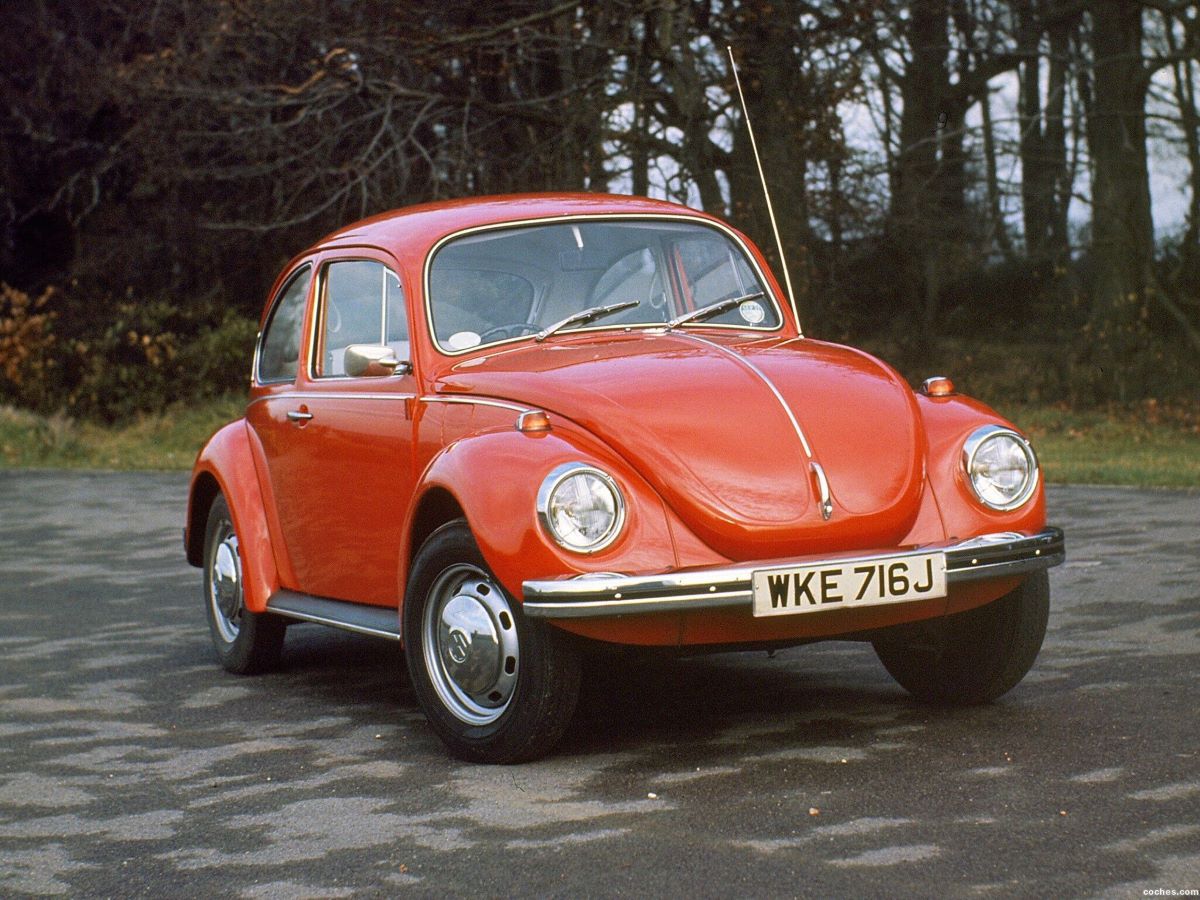
The genius of the Beetle’s design lies in its remarkable simplicity, with an air-cooled flat four engine mounted in the rear, a simple four-speed manual transmission, and a chassis design that employed a steel backbone frame with bolt-on body panels.
The air-cooled engine, while generating modest power and requiring regular valve adjustments, possessed an elegant simplicity that made it nearly indestructible when properly maintained.
The global availability of parts, with countless companies producing everything from complete engines to trim pieces, ensures that Beetles can continue serving indefinitely, and the vast knowledge base within the enthusiast community means that information about maintaining and repairing these vehicles remains widely accessible, making the Beetle not just a car but a cultural phenomenon that has proven its ability to outlast virtually everything else on the road.
11. Toyota Tacoma (1995-Present, particularly 1995-2004 models)
The Toyota Tacoma represents Toyota’s engineering excellence applied to the compact pickup truck segment, creating vehicles that have achieved legendary status for their ability to withstand extreme abuse while accumulating astronomical mileage.
The first-generation Tacomas, produced from 1995 to 2004, have become particularly legendary among truck enthusiasts and practical buyers alike for their combination of reliability, capability, and longevity that allows them to outlast domestic competitors by wide margins.
These trucks embody Toyota’s philosophy of conservative engineering, quality manufacturing, and meticulous attention to detail, creating vehicles that routinely exceed 300,000 miles while still providing dependable service.
The mechanical foundation of the Tacoma’s durability lies in its proven powertrains, with the 2.7-liter inline-four and 3.4-liter V6 engines being particularly notable for their longevity.
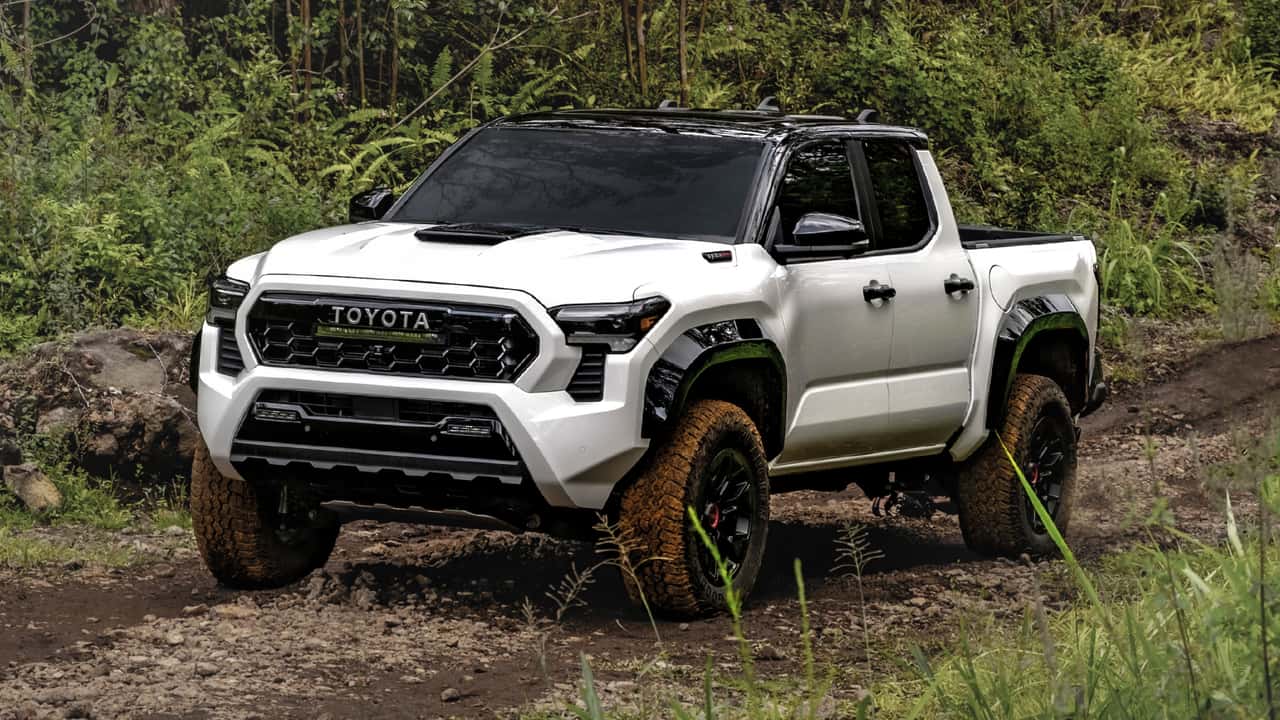
The 3RZ-FE 2.7-liter four-cylinder engine featured a simple, robust design with an iron block, aluminum head, and conservative tuning that ensured it operated well within its capabilities even when working hard.
This engine, while not providing thrilling performance, routinely exceeded 300,000 miles without requiring major internal work, with many examples continuing to run smoothly at mileages that would be considered end-of-life for most engines.
The electrical systems employed high-quality components and logical wiring that minimized electrical problems, with the relatively simple electronic systems reducing potential failure points compared to more complex modern vehicles.
In regions worldwide, particularly in areas with poor roads or challenging conditions, first-generation Tacomas remain highly sought-after vehicles, commanding remarkably high resale values even with extremely high mileage, testament to their reputation for reliability and longevity that allows them to outlast competitors by decades.
12. Mazda MX-5 Miata (1989-Present, particularly 1990-2005 models)
The Mazda MX-5 Miata represents Japanese engineering applied to pure driving pleasure, creating a lightweight sports car that defies conventional wisdom by combining engaging performance with exceptional reliability and longevity.
The first two generations, known internally as NA (1989-1997) and NB (1998-2005), have achieved legendary status not just for their driving dynamics but for their remarkable ability to provide hundreds of thousands of miles of trouble-free motoring while retaining their characteristic charm.
These affordable roadsters prove that sports cars needn’t be fragile or temperamental, establishing a new paradigm for reliable performance vehicles that owners can enjoy for decades without fear of catastrophic failures.
The heart of the Miata’s exceptional longevity lies in its brilliant simplicity and Mazda’s commitment to proven, reliable technology over cutting-edge innovation.
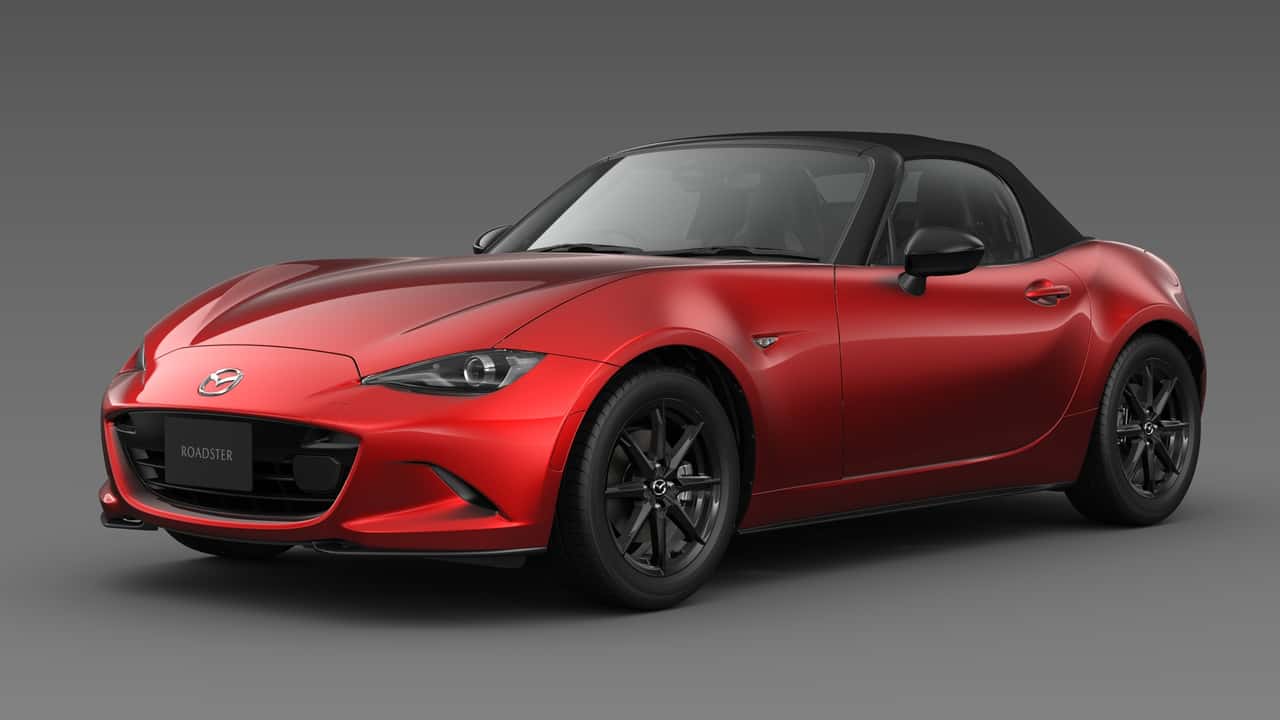
The 1.6-liter and 1.8-liter four-cylinder engines used in these early Miatas featured straightforward designs with aluminum blocks, aluminum heads, and dual overhead camshafts with simple timing belt drives.
These engines, while not producing tire-shredding power, were designed with generous safety margins and conservative tuning that ensured they operated smoothly and reliably through hundreds of thousands of miles.
Track-day enthusiasts and canyon carvers worldwide continue using high-mileage early Miatas, with many examples showing odometers reading well over 200,000 miles while still providing the engaging driving experience that made them famous, proving that sports cars can indeed provide decades of reliable entertainment when designed with intelligence and built with quality.
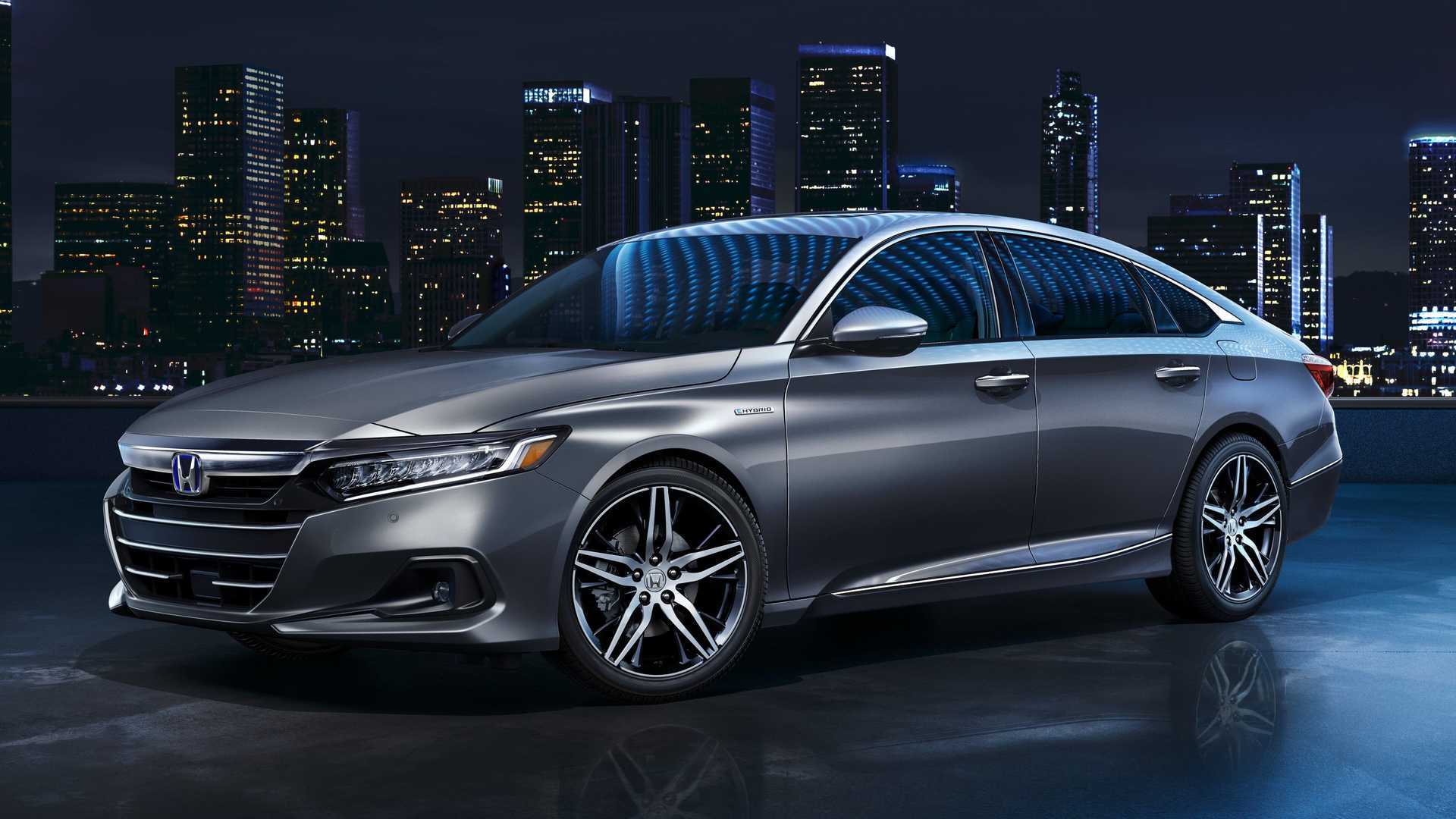
13. Honda Accord (1976-Present, particularly 1990-2002 models)
The Honda Accord represents the evolution of the Japanese family sedan into a vehicle that sets benchmarks for reliability, refinement, and longevity while providing engaging driving dynamics uncommon in the segment.
The fourth through sixth generations, produced between 1990 and 2002, have achieved particular distinction for their ability to accumulate extraordinary mileage while requiring minimal repairs beyond routine maintenance, creating devoted owners who often purchase multiple Accords throughout their lives after experiencing the remarkable durability of these vehicles.
These mid-size sedans embody Honda’s engineering philosophy at its peak, combining efficiency, quality, and thoughtful design to create vehicles that genuinely can last for decades of daily use.
The mechanical foundation of these Accords’ legendary reliability lies in Honda’s exceptional four-cylinder and V6 engines, which represent some of the finest powerplants ever produced for family sedans.
The F-series and later H-series four-cylinder engines featured aluminum blocks with iron cylinder sleeves, aluminum heads with dual overhead camshafts, and Honda’s sophisticated VTEC variable valve timing technology that provided excellent performance while maintaining remarkable reliability.
These engines were designed with meticulous attention to detail, featuring precisely balanced rotating assemblies, excellent oiling systems, and robust valve trains that required no adjustment throughout their service lives.
The climate control systems, power windows, and other electrical accessories used robust components that continued operating smoothly through extreme mileages, avoiding the expensive repairs common in competitors. In communities worldwide, Accords from this era remain ubiquitous, continuing to serve as reliable family transportation while accumulating mileage that would be considered impressive for any vehicle.
The strong resale values commanded by these high-mileage Accords, far exceeding those of competitors with similar mileage, reflects buyers’ understanding that a well-maintained Accord from this era still has substantial service life remaining even at 200,000 miles or more, testament to the exceptional engineering and quality that went into these vehicles’ creation and the reality that they can genuinely outlast their rivals by decades.
14. GMC/Chevrolet Suburban (1935-Present, particularly 1988-1999 models)
The Chevrolet Suburban and its GMC twin represent the longest continuously-produced automobile nameplate in history, with production dating back to 1935, and certain generations have achieved legendary status for their ability to provide decades of reliable service while hauling families, equipment, and trailers across millions of miles.
The GMT400 generation produced from 1988 to 1999 has become particularly legendary for its combination of capability, durability, and longevity, with countless examples continuing to serve faithfully with mileage well into six figures.
These massive SUVs embody American truck engineering at its finest, using body-on-frame construction, proven drivetrains, and straightforward mechanical designs to create vehicles capable of outlasting multiple smaller vehicles while continuing to perform demanding tasks.
The foundation of these Suburbans’ exceptional longevity lies in their heavy-duty truck-based construction, sharing platforms, components, and engineering with the concurrent C/K series pickup trucks.
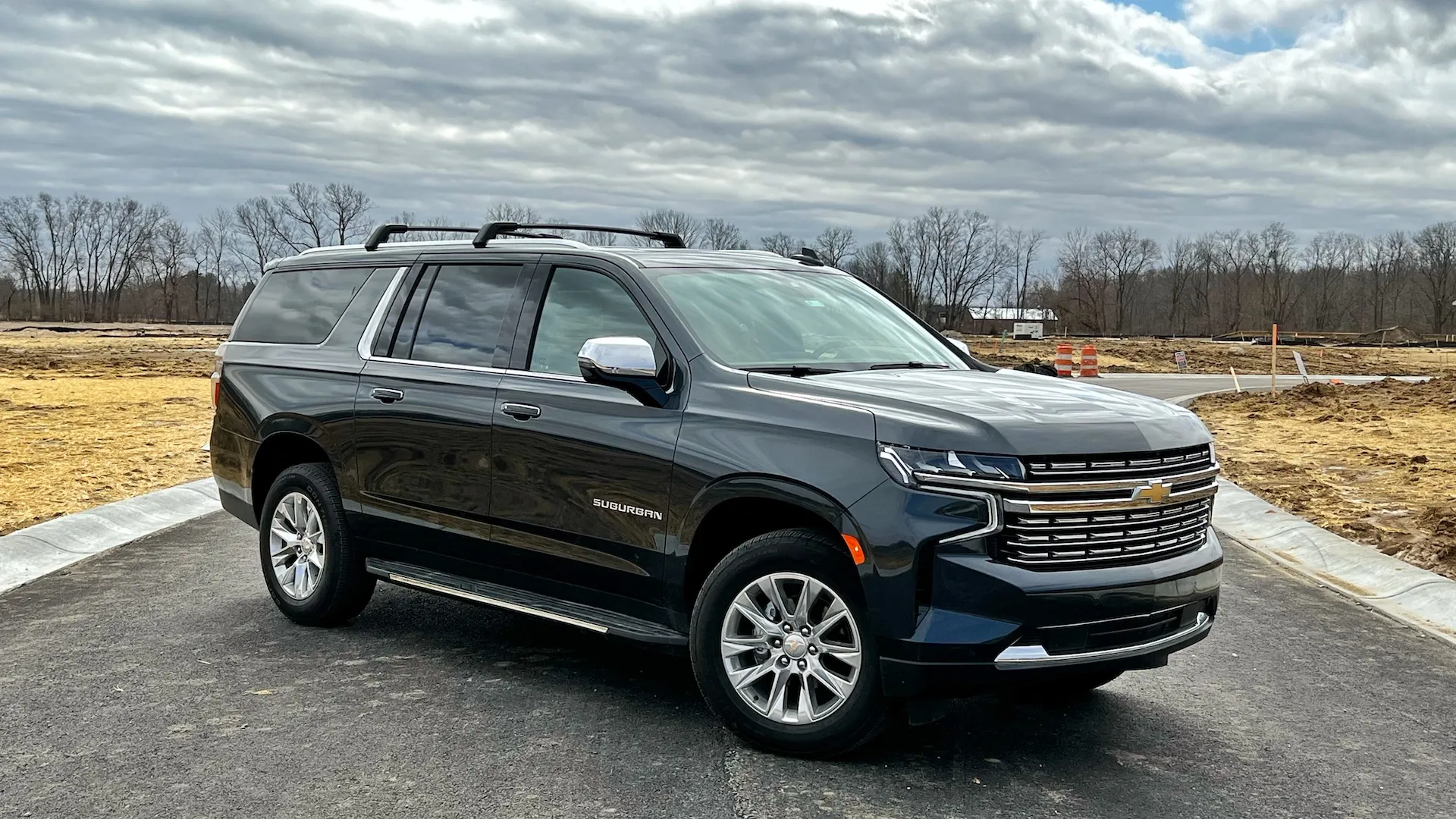
The ladder frame chassis employed heavy-gauge steel rails designed to handle substantial loads and towing duties without flexing or fatiguing, creating a structural foundation that could easily support hundreds of thousands of miles of service.
The climate control systems used robust components capable of heating and cooling the massive interior volume reliably for hundreds of thousands of miles.
In rural America and suburban families worldwide, GMT400 Suburbans continue serving as family haulers, towing vehicles, and work trucks, with many examples showing odometers reading well past 300,000 miles while still performing the demanding tasks for which they were designed, proving that when properly engineered and built with quality, even massive, complex vehicles can outlast their rivals by decades while providing unmatched versatility and capability.
15. Nissan Patrol (1951-Present, particularly 1980-1997 models)
The Nissan Patrol represents Japan’s answer to the Toyota Land Cruiser, creating a vehicle that matches and sometimes exceeds its legendary rival in durability and capability while remaining somewhat more affordable and accessible.
The Y60 and Y61 generations, produced from 1987 to 2010, have achieved particular distinction for their remarkable longevity and capability, with countless examples worldwide continuing to serve in some of the planet’s harshest environments long after reaching mileages that would relegate lesser vehicles to the scrapyard.
These robust SUVs embody Nissan’s engineering excellence applied to off-road capability and durability, creating vehicles that have become legendary in regions where reliability isn’t a convenience but a necessity for survival.
The mechanical foundation of the Patrol’s exceptional durability lies in its proven powertrains, with the legendary inline-six and later V8 diesel engines being particularly notable for their longevity.
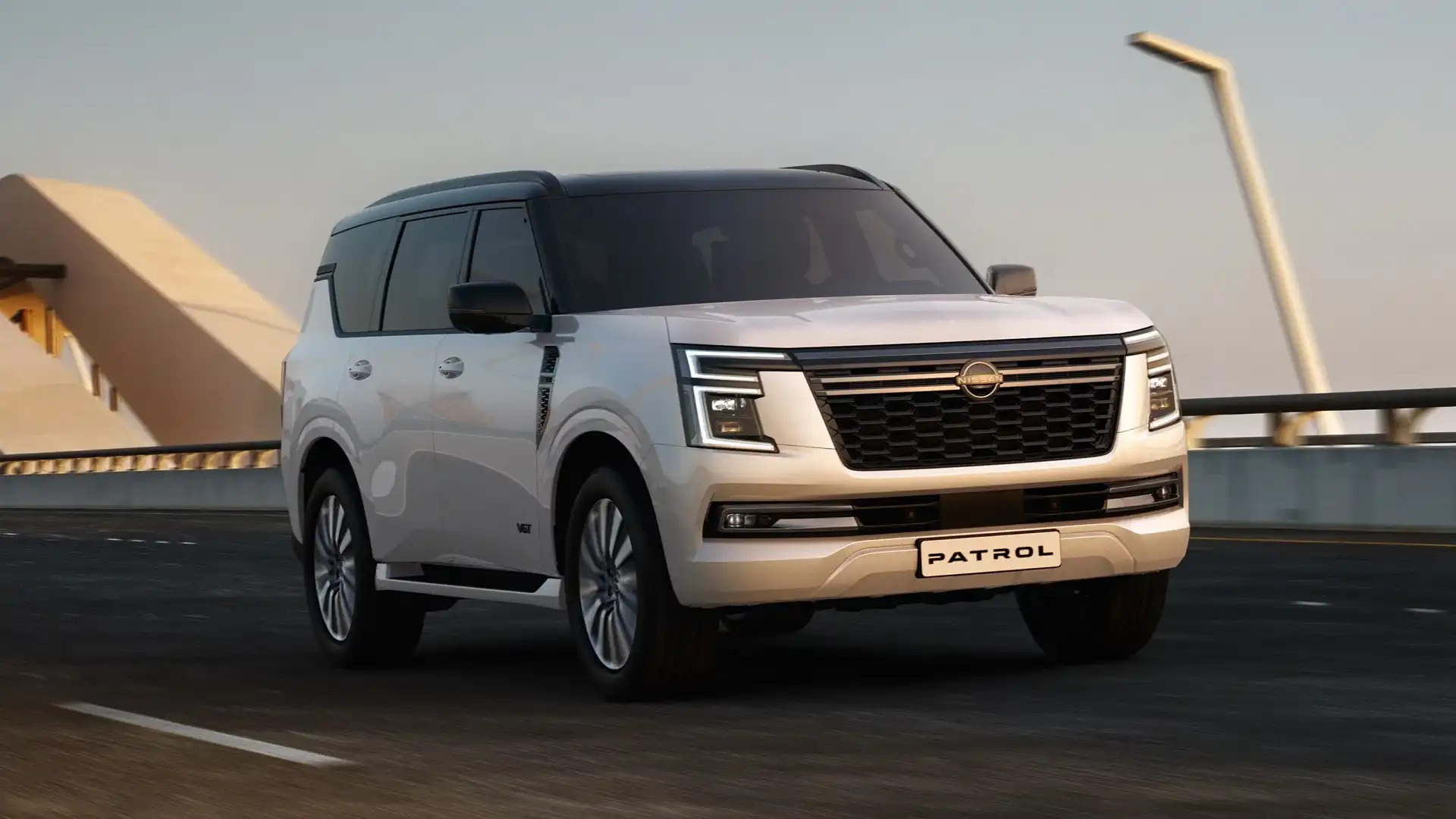
The TB42 4.2-liter inline-six petrol engine and its fuel-injected TB45 and TB48 variants featured simple, robust designs with cast-iron blocks and heads, straightforward pushrod or overhead-cam valve trains, and conservative tuning that ensured they operated reliably under extreme conditions.
The United Nations and various aid organizations have used Patrols extensively in challenging environments, trusting these vehicles to continue operating when everything else has failed.
The strong aftermarket support and excellent parts availability, even for decades-old models, ensure that Patrols can continue serving indefinitely, with enthusiast communities worldwide maintaining and restoring these legendary vehicles, ensuring that they’ll continue outlasting their rivals for decades to come, cementing the Patrol’s status as one of the most durable and capable SUVs ever created.
Also Read: 12 SUVs That Keep Owners Happy Past 300k
