
The SUV market has undergone a dramatic transformation over the past decade, making premium quality and advanced features accessible to budget-conscious consumers.
Today’s entry-level SUVs rival vehicles that cost tens of thousands of dollars more, offering sophisticated technology, impressive safety ratings, comfortable interiors, and reliable powertrains that were once the exclusive domain of luxury brands.
This democratization of quality means that buyers no longer need to compromise on essential features or long-term reliability when shopping at the lower end of the price spectrum.
The automotive industry’s shift toward SUVs has created intense competition among manufacturers, forcing brands to innovate and improve their offerings at every price point.
Entry-level models now feature advanced driver assistance systems, modern infotainment platforms with smartphone integration, comfortable seating for five or more passengers, and impressive cargo space that rivals larger vehicles.
Many manufacturers have invested heavily in platform engineering and manufacturing efficiency, allowing them to deliver exceptional value without sacrificing the core qualities that make vehicles desirable and dependable.
Quality in today’s entry-level SUV segment extends far beyond just meeting minimum standards. It encompasses structural integrity, paint durability, interior material selection, and electronic reliability.
Modern manufacturing techniques, including laser welding and precision robotics, ensure that even affordable models maintain tight tolerances and superior construction quality.
Additionally, these vehicles often share mechanical components and engineering principles with more expensive counterparts, meaning you’re getting proven technology and designs that have been tested and refined across multiple platforms.
Whether you’re a first-time SUV buyer seeking practical daily transportation or a value-conscious shopper looking to maximize your automotive budget, this guide presents ten outstanding options that prove quality doesn’t require a luxury price tag.
These vehicles deliver the space, comfort, safety, and performance that modern drivers expect while maintaining price points that remain genuinely accessible to average consumers.
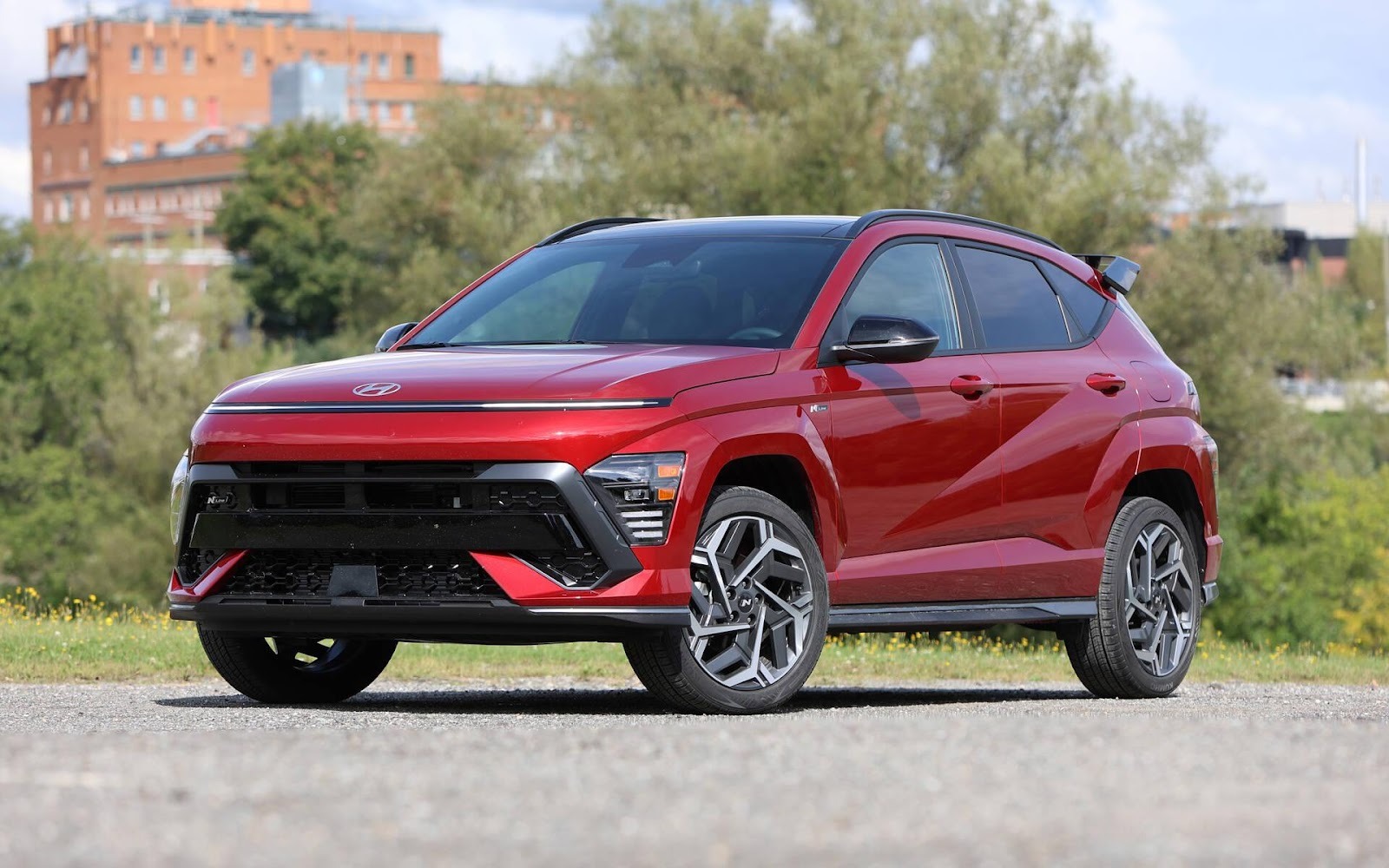
1. Hyundai Kona
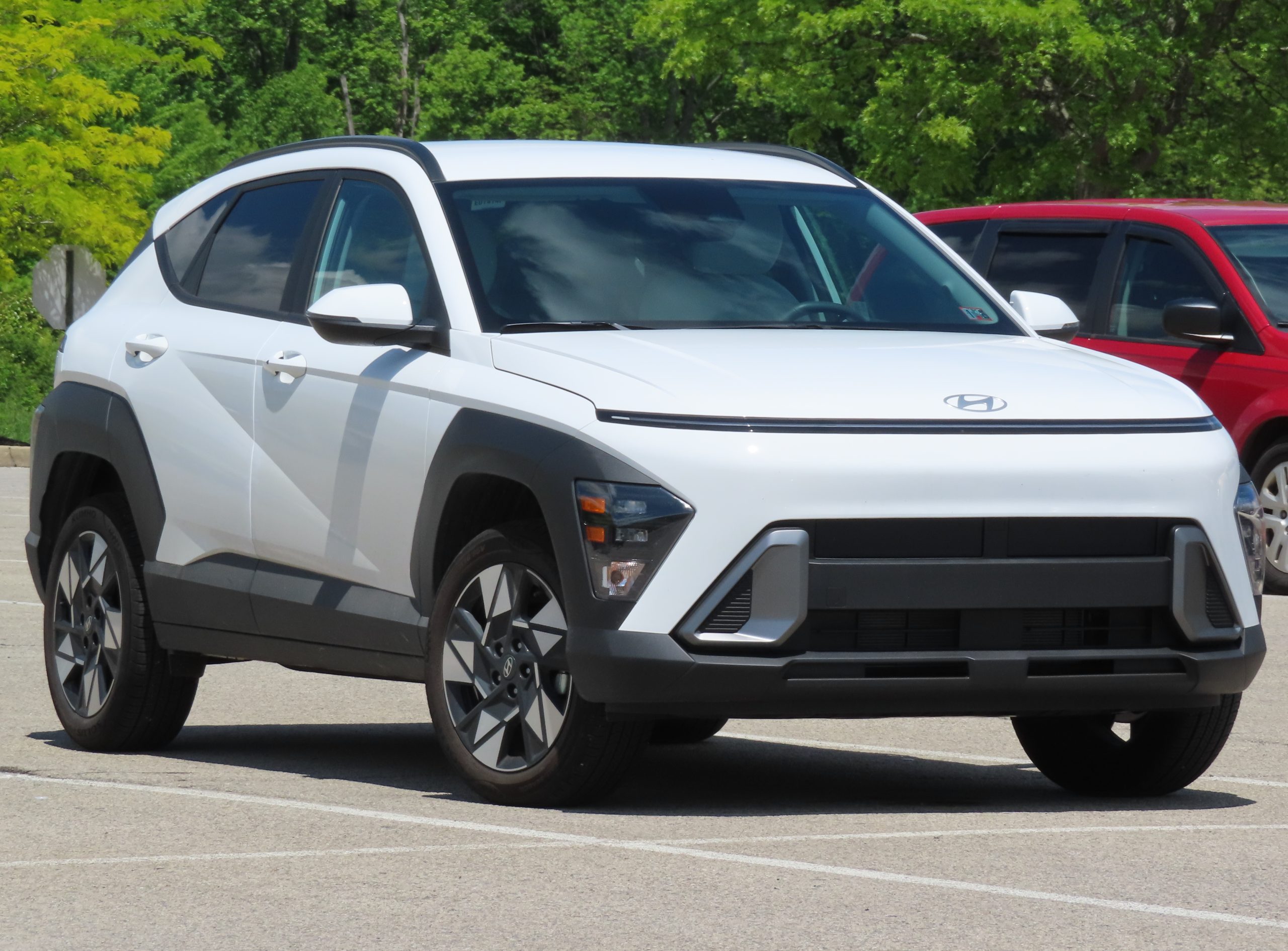
The Hyundai Kona has established itself as one of the most compelling subcompact SUV offerings in the entry-level market, combining affordable pricing with surprising sophistication and reliability that challenges vehicles costing significantly more.
This Korean manufacturer has successfully disrupted the automotive world by delivering vehicles that exceed expectations in nearly every measurable category, from build quality to technological sophistication to long-term dependability.
The Kona’s compact dimensions make it absolutely perfect for urban environments where tight parking and congested streets demand maneuverability, while simultaneously maintaining sufficient interior space and versatility for comfortable daily driving, weekend adventures, and genuine family transportation needs.
Hyundai’s commitment to quality craftsmanship is evident throughout the Kona’s comprehensive design and construction, demonstrating an engineering philosophy that refuses to compromise despite the vehicle’s accessible price point.
The platform utilizes high-strength steel positioned in critical structural areas, providing exceptional rigidity that translates directly to safer crash performance, reduced road noise infiltration inside the cabin, and enhanced vehicle durability through years of ownership.
The body panels are precisely formed using advanced manufacturing techniques and painted with sophisticated multi-layer processes including primer, base coat, and clear coat systems that provide excellent durability and remarkable resistance to chipping, fading, and corrosion even when exposed to harsh environmental conditions.
Even entry-level trims feature quality materials and meticulous attention to detail throughout the cabin that suggest a substantially more expensive vehicle.
Soft-touch plastics replace hard materials in frequently contacted areas including the steering wheel, dashboard, and door panels, creating an environment that feels premium rather than bargain-basement.
Thoughtful ergonomic design throughout the interior ensures that controls are intuitively positioned, seat support adequately accommodates extended driving sessions, and the cabin layout reflects careful consideration of practical ownership requirements rather than cost-cutting measures.
The Kona’s engine options carefully balance performance with exceptional efficiency, offering both turbocharged and naturally aspirated choices that deliver respectable fuel economy without requiring expensive premium gasoline.
The turbocharged option provides surprising enthusiasm while maintaining acceptable fuel consumption, appealing to drivers seeking engaging performance, while the naturally aspirated engine prioritizes maximum efficiency and straightforward reliability for economy-focused buyers.
The transmission systems, whether traditional automatics or continuously variable units, have proven remarkably reliable in actual customer ownership with millions of miles accumulated across multiple model years, demonstrating durability and smooth operation.
Hyundai’s industry-leading warranty program, which includes a ten-year or 100,000-mile powertrain warranty on new purchases along with comprehensive coverage on other components, provides exceptional peace of mind and reflects genuine manufacturer confidence in component durability and long-term reliability.
This warranty commitment significantly reduces ownership anxiety for budget-conscious buyers concerned about unexpected repair expenses during the critical early ownership years.
Interior comfort in the Kona genuinely exceeds what the modest price point would suggest, featuring supportive seating that reduces fatigue during extended driving, excellent visibility through large windows, and a generous glass area that enhances safety awareness, and climate controls that function reliably and responsively throughout varying seasons.
The cargo area, while modest due to the vehicle’s compact proportions, provides surprising versatility through fold-flat rear seats that dramatically expand carrying capacity and intelligent storage solutions positioned throughout the cabin for organizing belongings efficiently.
Long-term ownership feedback from actual Kona owners consistently indicates high satisfaction with their vehicles, with owners specifically praising exceptional reliability despite affordable pricing, remarkably low maintenance costs compared to competitor offerings, strong resale values that protect initial investments, and impressive real-world fuel economy that frequently exceeds manufacturer estimates.
Kona owners report that the vehicle delivers daily usability and dependability that justifies the purchase decision repeatedly throughout extended ownership.
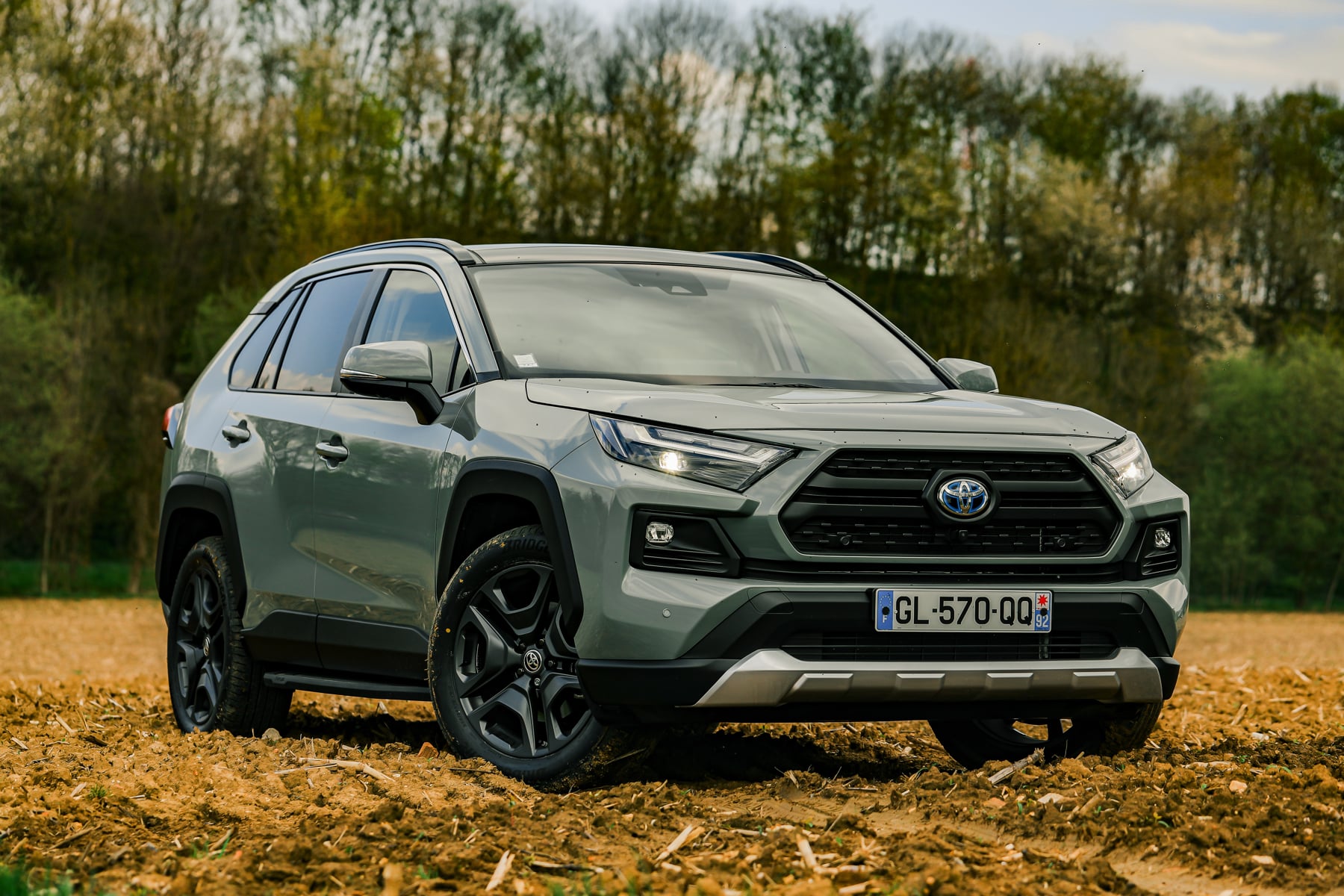
2. Toyota RAV4
The Toyota RAV4 represents the gold standard in entry-level SUV reliability and value retention, a position it has maintained for over two decades through consistent execution and incremental improvements.
Toyota’s engineering philosophy of building vehicles that last demonstrates itself in RAV4 ownership, with countless examples of these vehicles exceeding 200,000 miles with minimal issues beyond routine maintenance.
The RAV4’s reputation for dependability transcends market segments and has become almost proverbial among automotive enthusiasts and practical-minded consumers alike.
Toyota’s manufacturing processes emphasize quality control at every production stage, employing rigorous testing protocols that ensure each vehicle meets exacting standards before leaving the factory.
The RAV4’s body construction combines steel and high-strength materials strategically positioned to optimize safety, durability, and weight efficiency.
Paint application involves multiple layers including primer, base coat, and clear coat systems that resist fading, chipping, and environmental degradation through years of exposure to varying weather conditions.
The RAV4’s engine family has achieved legendary status for reliability and longevity, with straightforward designs that prioritize proven engineering over complexity.
The four-cylinder engines utilized across the lineup deliver sufficient power for daily driving while maintaining exceptional fuel efficiency that protects owner budgets across ownership lifespans.
The transmission options, whether eight-speed automatics or continuously variable units, demonstrate the reliability synonymous with Toyota’s name, requiring minimal intervention beyond fluid changes.
Toyota’s hybrid RAV4 option provides an outstanding pathway to reduced fuel consumption without sacrificing practicality or long-term dependability.
The hybrid system integrates smoothly with the vehicle’s performance, offering superior real-world fuel economy that justifies the modest price premium through operational savings over ownership.
The hybrid battery and drive components have demonstrated exceptional durability, with many owners reporting minimal degradation even after substantial mileage.
Safety technology in the Toyota RAV4 includes the Toyota Safety Sense suite, featuring adaptive cruise control, lane departure alert, automatic emergency braking, and lane maintenance assistance.
These systems operate reliably and intuitively, enhancing driver confidence without creating frustration through excessive false alerts or complicated operation.
The physical safety structure has consistently earned top ratings from crash test organizations, reflecting Toyota’s commitment to protective engineering.
Interior quality in the RAV4 emphasizes durability and functionality over flashy aesthetics, resulting in cabins that age gracefully and resist wear from daily use.
The cargo area provides practical utility with intuitive storage solutions, and the seating accommodates five adults comfortably. Infotainment systems, while not cutting-edge in design, operate reliably and integrate smartphone compatibility through Apple CarPlay and Android Auto for essential connectivity.
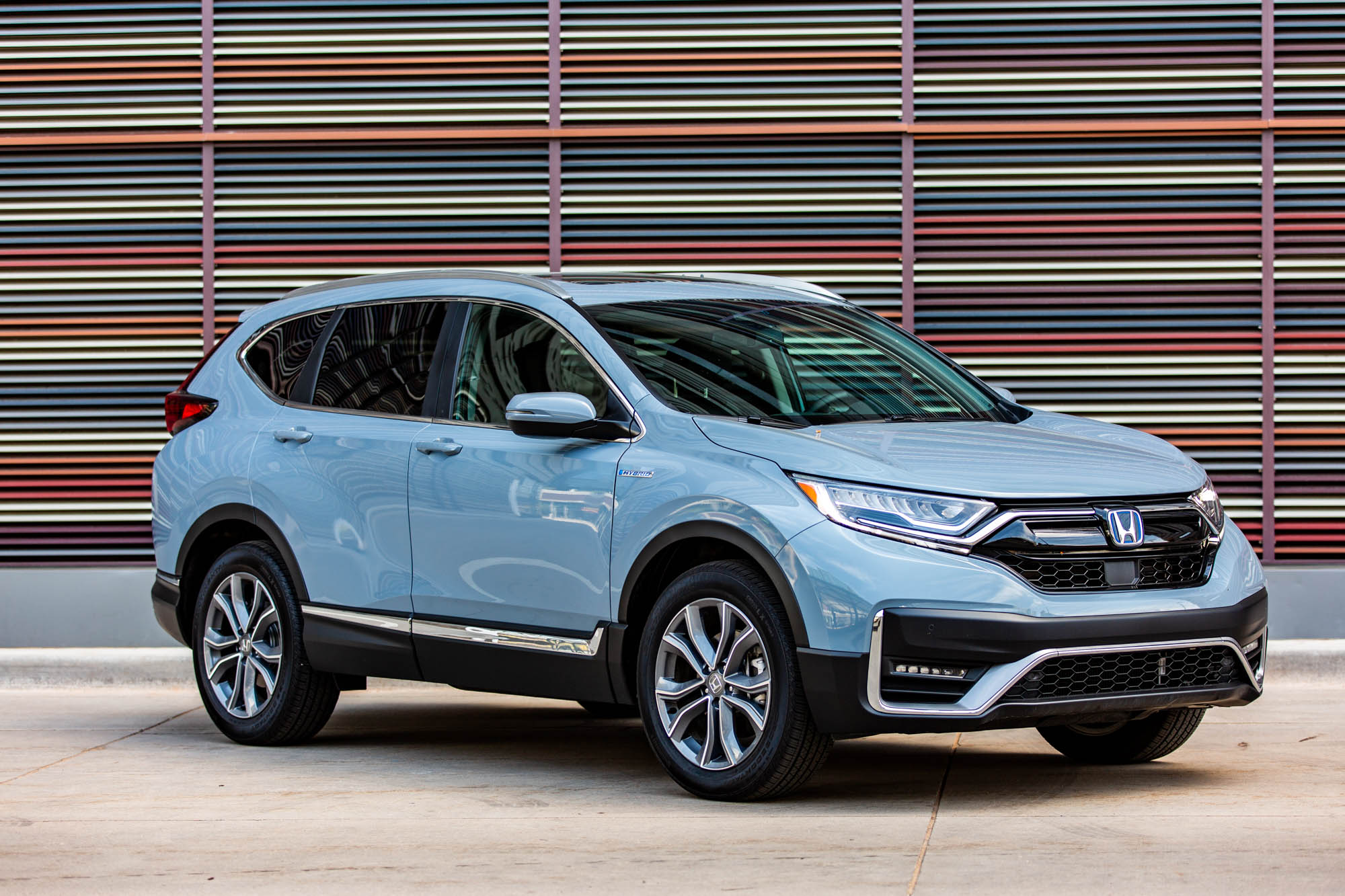
3. Honda CR-V
The Honda CR-V has established itself as the perennial competitor to the Toyota RAV4, offering nearly equivalent reliability paired with a slightly sportier driving experience and refined interior appointments.
Honda’s engineering approach to the CR-V emphasizes responsive handling and precise steering that make daily driving more engaging while maintaining the practicality essential to the compact SUV category.
The CR-V’s longevity in the marketplace, now spanning multiple decades, testifies to Honda’s success in delivering vehicles that balance performance and reliability.
Honda’s manufacturing reputation rivals Toyota’s in terms of precision and quality control, with assembly processes that ensure consistent build quality across production runs.
The CR-V’s unibody construction combines traditional steel with strategic high-strength materials that optimize structural rigidity and crash protection while managing weight effectively.
The paint application process involves thorough surface preparation and multi-layer coating systems that provide excellent protection against environmental hazards, including salt air, acid rain, and UV radiation.
The CR-V’s powertrain options include naturally aspirated and turbocharged engines that deliver smooth performance characteristics and proven reliability.
Honda’s transmissions, whether traditional automatics or continuously variable designs, operate responsively and demonstrate exceptional durability in long-term ownership scenarios.
The engines require only routine maintenance including oil changes and fluid replacements, with few expensive components demanding premature attention based on real-world owner reports.
Honda’s commitment to user-friendly interior design manifests throughout the CR-V, with intuitive controls, comfortable seating, and excellent visibility that reduce driving fatigue and enhance safety.
The cargo area, while slightly smaller than some competitors, provides intelligent storage solutions including under-floor compartments and flexible seating configurations.
Dashboard design emphasizes functionality, with logical button placement and clear gauge displays that prioritize information accessibility over trendy aesthetics.
Safety features in the CR-V include Honda Sensing, which integrates adaptive cruise control, lane keeping assistance, collision mitigation, and road departure mitigation.
These systems operate smoothly and transparently, protecting without distracting the driver through excessive alerts or complicated functionality.
The CR-V has consistently earned superior crash test ratings, reflecting Honda’s rigorous approach to protective structure design and safety system integration.
The CR-V’s fuel efficiency, while not matching hybrid alternatives, remains competitive within the segment through aerodynamic design and efficient powertrain engineering.
Real-world fuel economy consistently aligns with manufacturer estimates, providing buyers with realistic expectations and transparent performance data.
Maintenance costs remain reasonable throughout ownership, with parts availability and service competency widely available through Honda dealerships and independent service centers.
4. Mazda CX-5
The Mazda CX-5 distinguishes itself within the entry-level SUV segment through its emphasis on driving dynamics and premium interior presentation, proving that affordable vehicles need not sacrifice driving pleasure or aesthetic appeal.
Mazda’s “Zoom-Zoom” philosophy translates into responsive steering, capable suspension tuning, and precise throttle response that make the CX-5 genuinely enjoyable on winding roads rather than merely functional.
The brand’s commitment to driver engagement has cultivated a loyal following among consumers who refuse to sacrifice enjoyment at the altar of affordability.
Mazda’s manufacturing processes reflect Japanese precision engineering traditions, with attention to detail that rivals more expensive competitors.
The CX-5’s body construction utilizes high-strength steel strategically positioned to optimize safety and structural rigidity while maintaining reasonable weight.
Paint application involves sophisticated multi-layer processes that provide excellent color depth, gloss retention, and protection against environmental degradation, ensuring long-term aesthetic appeal through years of outdoor exposure.
The CX-5’s Skyactiv engine technology delivers an impressive combination of power and efficiency through advanced fuel injection timing, variable valve controls, and optimized combustion chamber design.
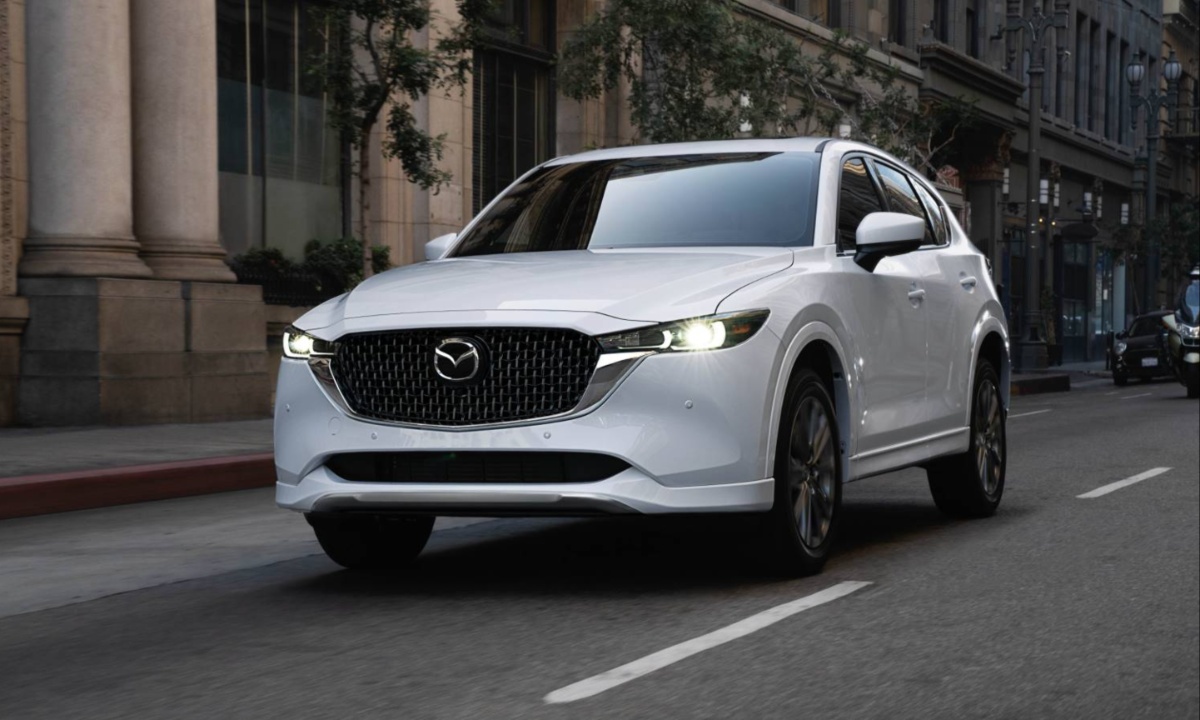
The engines operate smoothly across the RPM range and require only conventional maintenance, avoiding the complexity and expense of some competing technologies.
The transmission systems, whether traditional automatics or manual options on specific markets, demonstrate solid reliability with smooth shifting characteristics and straightforward operation.
Mazda’s interior design philosophy embraces premium material selection and thoughtful ergonomic planning, creating cabins that feel substantially more sophisticated than price points would suggest.
Soft-touch materials, real stitching, and quality fabric selections replace hard plastics commonly found in budget competitors, improving both tactile quality and visual appeal.
The dashboard design emphasizes driver involvement, with controls logically arranged and infotainment systems positioned for easy reach and intuitive operation without extensive training.
The CX-5’s safety features include i-Activsense technology, providing adaptive headlights, lane departure warning, automatic emergency braking, and collision mitigation.
These systems integrate seamlessly with the driving experience and operate reliably without excessive false alerts. The vehicle’s protective structure has consistently earned top safety ratings from crash test organizations, reflecting Mazda’s commitment to engineering-based safety.
Fuel efficiency in the CX-5 remains respectable despite the emphasis on driving engagement, with real-world economy comparable to similarly-sized competitors.
The cargo area provides practical utility with versatile storage configurations and generous ground clearance for loading items without excessive bending.
Long-term ownership reports consistently praise Mazda’s CX-5 for reliability, affordability of maintenance, and strong resale values that protect buyer investments.
Also Read: 10 Proven Used Cars That Are More Reliable Than New Ones
5. Hyundai Tucson
The Hyundai Tucson occupies the compact crossover segment where Hyundai has invested heavily in competitive positioning and continuous improvement, resulting in a vehicle that challenges established Japanese competitors directly.
Tucson’s design language reflects modern aesthetic principles with flowing lines and sophisticated detailing that conveys premium positioning despite modest pricing.
Hyundai’s commitment to value extends through every aspect of the Tucson, from initial purchase price through long-term ownership costs and resale potential.
Hyundai’s manufacturing standards have evolved dramatically over recent years, with Korean factories achieving quality levels that rival traditional Japanese manufacturers.
The Tucson’s body construction employs high-strength steel in strategic locations, providing structural integrity and crash protection while optimizing weight distribution.
Paint processes involve multi-stage applications with UV protection and environmental resistance, ensuring color vibrancy and protection against fading and corrosion throughout extended ownership.
The Tucson’s powertrain options include naturally aspirated and turbocharged engines that deliver adequate power while maintaining reasonable fuel economy.
Hyundai’s transmission systems operate smoothly and demonstrate solid reliability, with fluid changes and minor maintenance representing the extent of typical ownership expenses.
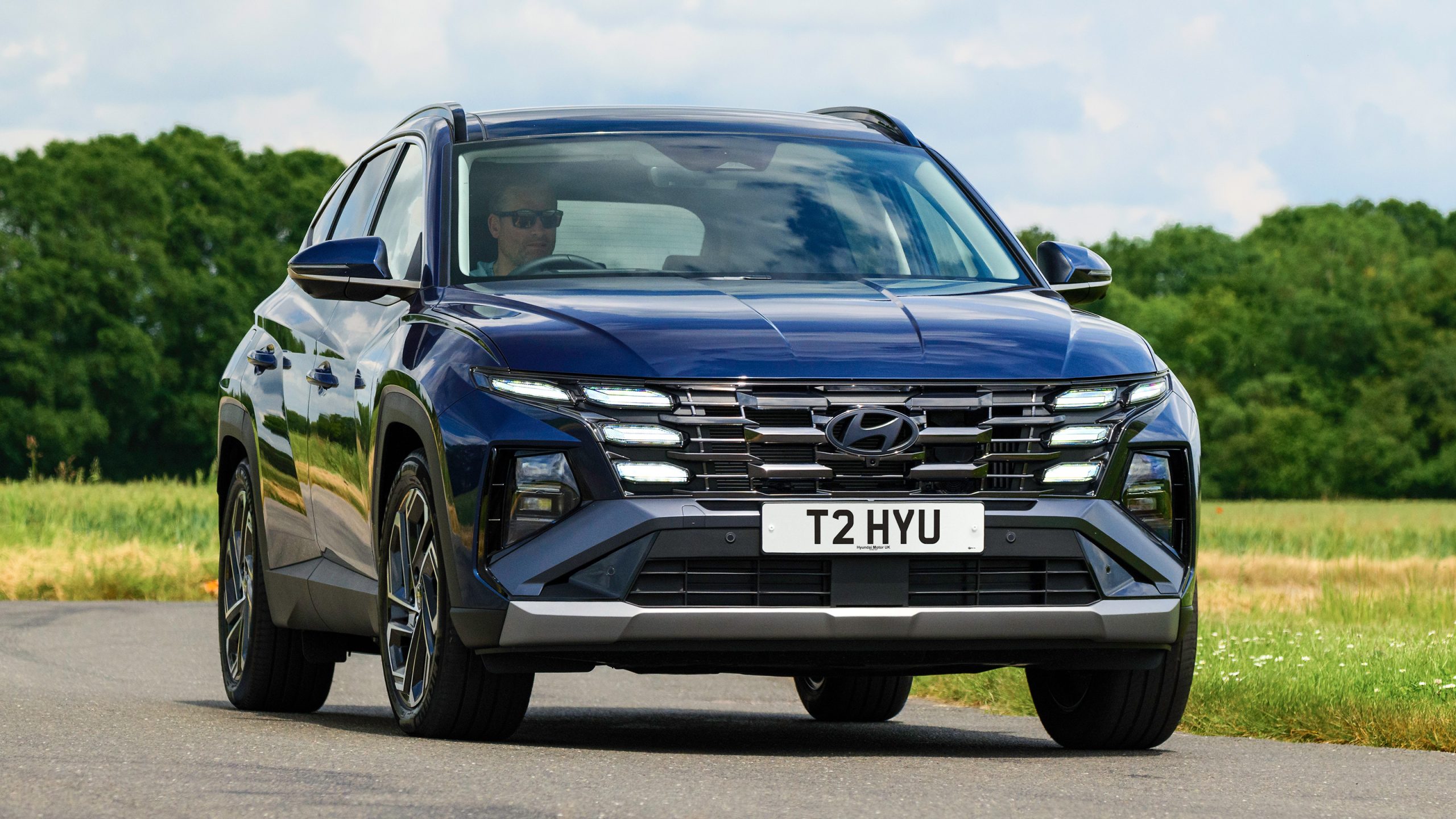
The engines are straightforward in design, avoiding complexity that might require expensive repairs while maintaining sufficient performance for daily driving and highway travel.
Interior quality in the Tucson reflects Hyundai’s determination to compete directly with established manufacturers, featuring soft-touch materials, ergonomic seating, and intuitive controls that create welcoming cabin environments.
The infotainment systems have improved substantially, now offering responsive touchscreen displays with smartphone integration through Apple CarPlay and Android Auto.
Climate controls operate efficiently and reliably, providing comfortable temperature management across seasons without excessive noise or vibration.
Hyundai’s Smarter Safety suite includes forward collision avoidance, lane keeping assistance, lane change assistance, and automatic emergency braking capabilities that protect occupants through modern technology.
These systems operate transparently during normal driving while providing active intervention when necessary. The Tucson’s protective structure has earned good crash test ratings, reflecting attention to safety engineering principles throughout vehicle development.
The Tucson’s cargo flexibility, enhanced by fold-flat rear seats and clever storage solutions, accommodates varying transportation needs from daily commuting to weekend adventures.
The raised seating position provides excellent visibility that enhances safety through better situational awareness. Warranty coverage through Hyundai’s comprehensive programs provides peace of mind, with generous protection extending across the critical early ownership years.
6. Kia Seltos
The Kia Seltos represents Kia’s successful entry into the ultra-compact SUV segment, positioning itself as an even more affordable option than traditional compact crossovers while maintaining adequate space and functionality.
The Seltos’ styling reflects Kia’s modern design language with distinctive details that convey quality and intentional engineering despite the vehicle’s accessible price point.
Kia’s ownership structure under the Hyundai Motor Group provides access to proven engineering platforms and manufacturing expertise that translates into surprising reliability and durability.
Kia’s manufacturing processes, benefiting from Hyundai Motor Group resources and expertise, deliver quality levels that exceed expectations for ultra-budget vehicles.
The Seltos’ body construction utilizes appropriate materials and joining techniques that provide adequate structural rigidity and protection while optimizing for the vehicle’s intended market segment.
Paint application involves multi-layer processes that provide reasonable protection against environmental degradation, ensuring acceptable aesthetic maintenance through typical ownership periods.
The Seltos’ four-cylinder engine delivers sufficient power for urban and suburban driving while maintaining exceptional fuel economy that protects owner budgets through operating costs.
The transmission systems operate smoothly with modern efficiency, and the engines require only conventional maintenance including regular oil changes and fluid top-ups. The straightforward design philosophy minimizes complexity and potential failure points, contributing to solid long-term reliability.
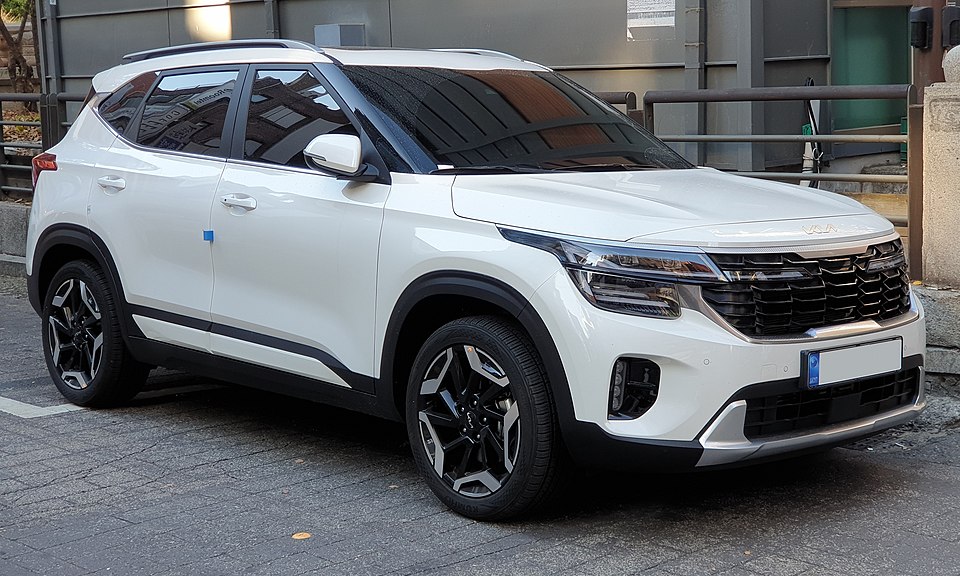
Interior design in the Seltos emphasizes functionality and practicality rather than luxury pretension, creating honest cabins that serve owners’ needs effectively.
Materials selection reflects budget consciousness without feeling cheap or obviously inferior, with durable plastics and comfortable fabric that resist wear from typical use.
The infotainment systems, while not cutting-edge, operate intuitively and integrate smartphone connectivity for essential navigation and entertainment.
Safety features in the Seltos include forward collision warning, automatic emergency braking, lane keeping assistance, and blind spot detection on appropriate trims.
These technologies operate reliably and provide meaningful protection enhancements compared to older vehicles at similar price points. The Seltos’ protective structure has earned acceptable crash ratings, providing occupant protection appropriate for the vehicle’s intended use.
The Seltos’ compact dimensions make it exceptionally maneuverable in urban environments, while maintaining sufficient cargo space through clever design and fold-flat seating configurations.
The raised seating position provides good visibility, and the modest curb weight contributes to fuel efficiency without sacrificing structural durability. Kia’s warranty coverage provides protection comparable to sibling brand Hyundai, offering buyers confidence in their purchase decisions.
7. Toyota CH-R
The Toyota CH-R carved out a distinctly memorable niche within the competitive compact SUV marketplace through its bold, unconventional styling and unwavering emphasis on fuel efficiency, successfully attracting buyers seeking something visually distinctive and attention-grabbing without accepting excessive price premiums or compromising practical transportation needs.
The CH-R’s design language reflects Toyota’s willingness to take calculated aesthetic risks and embrace creative design expression, resulting in a vehicle that genuinely stands out prominently in crowded parking lots while simultaneously maintaining excellent practical functionality and everyday usability.
Toyota’s comprehensive engineering approach to the CH-R prioritizes economy and legendary reliability, building vehicles that effectively serve budget-conscious owners through both purchase price affordability and remarkably low operational efficiency costs.
Toyota’s rigorous manufacturing standards applied throughout CH-R production ensure exceptional consistency throughout production runs, with precision assembly processes that deliver impressively tight tolerances and notably solid build quality throughout the vehicle.
The CH-R’s body construction strategically employs high-strength steel positioned specifically for optimal crash protection and structural rigidity, while deliberately avoiding unnecessary weight that would unnecessarily penalize fuel economy and increase operational costs.
Paint processes involve sophisticated multi-layer applications including primer, base coat, and clear coat systems with comprehensive environmental resistance, providing genuine protection against oxidation, UV damage, salt air corrosion, and other environmental hazards throughout extended ownership periods.
The CH-R’s engine lineup strategically emphasizes exceptional efficiency and economy, offering four-cylinder options that deliver adequate power for daily driving scenarios while simultaneously achieving remarkable fuel economy that protects owner budgets.
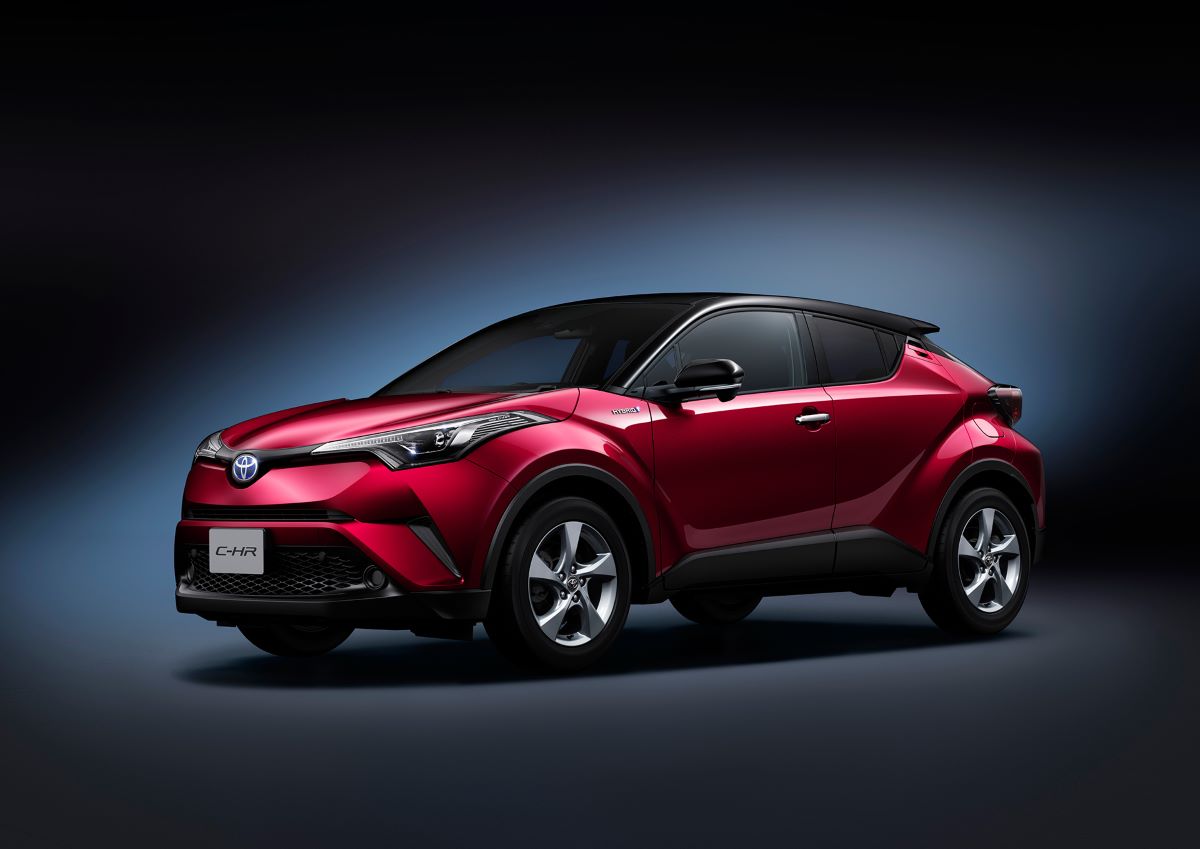
The engines operate with impressive smoothness and proven reliability, featuring straightforward designs that effectively simplify maintenance procedures and dramatically reduce long-term repair costs compared to more complex competitors.
Transmission systems, whether traditional automatics or continuously variable designs, provide smooth operation characteristics and demonstrated durability through millions of cumulative miles in actual owner hands.
Toyota’s hybrid CH-R option provides an exceptional pathway to dramatically reduced fuel consumption and operational costs, with real-world economy that frequently exceeds combined EPA estimates by meaningful margins.
The hybrid system integrates seamlessly with the CH-R’s driving experience, providing adequate acceleration and performance for daily driving without sacrificing practicality or requiring lifestyle compromises.
The hybrid components have demonstrated remarkable durability through extended ownership, with battery systems maintaining adequate capacity and performance through extended ownership and high mileage scenarios.
Interior quality in the CH-R reflects Toyota’s distinctive philosophy of building functional cabins that deliberately prioritize usability and practicality over flashy aesthetics and unnecessary luxury pretension.
Controls are logically arranged for intuitive operation, infotainment systems operate reliably with smartphone integration through Apple CarPlay and Android Auto, and seating provides adequate comfort for daily commuting and longer journeys without excessive fatigue.
Climate systems operate efficiently and responsively without excessive complexity or troublesome failure modes that plague competing vehicles.
Safety technology includes comprehensive Toyota Safety Sense implementation with adaptive cruise control, lane departure warning, and automatic emergency braking capabilities.
These systems operate transparently and reliably, providing meaningful protection enhancements without creating distraction through excessive alerts.
The CH-R’s protective structure has consistently earned good crash test ratings, reflecting Toyota’s commitment to occupant safety through engineering-based design philosophy.
Long-term ownership data indicates that CH-R owners experience excellent reliability, reasonable maintenance costs, and strong resale value retention that protects initial investments.
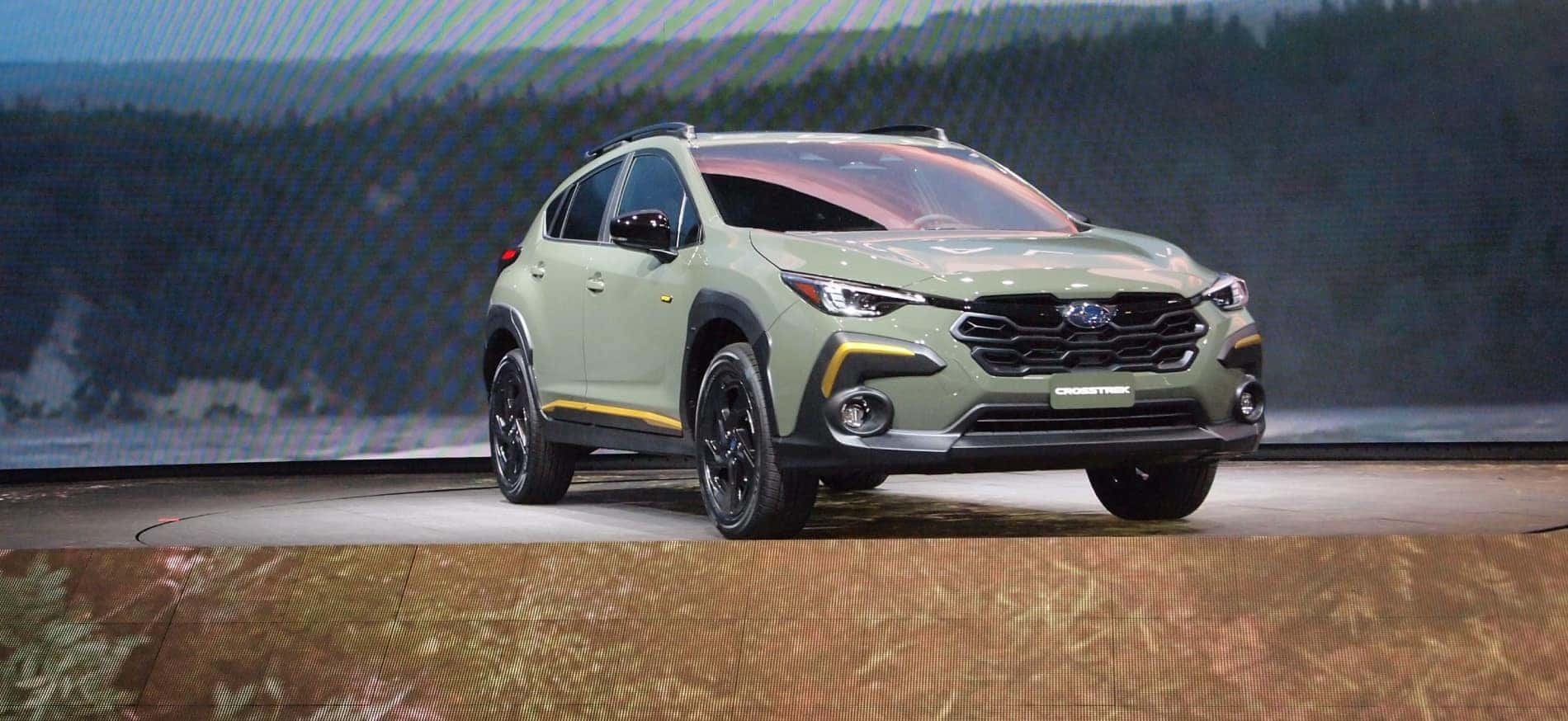
8. Subaru Crosstrek
The Subaru Crosstrek has established and maintained a fiercely loyal and dedicated following by combining standard all-wheel drive equipment across every trim level with practical design philosophy and legendary Subaru reliability, appealing especially to buyers living in regions experiencing varied weather conditions, mountain driving, or unpredictable seasonal changes.
Subaru’s distinctive manufacturing philosophy, which consistently emphasizes durability, long-term ownership satisfaction, and real-world dependability over trendy features, translates into vehicles that remain dependable through extended mileage accumulation and genuinely challenging driving conditions.
The Crosstrek’s standard all-wheel drive capability provides meaningful security and exceptional traction advantages without requiring specialty upkeep, expensive maintenance procedures, or excessive operating costs.
Subaru’s distinctive manufacturing processes reflect careful attention to structural integrity and demonstrated long-term durability, with production standards and quality control measures that rival more expensive competitors.
The Crosstrek’s body construction strategically employs high-strength steel with deliberate bracing positioned throughout the structure, providing exceptional rigidity and comprehensive crash protection while simultaneously optimizing weight distribution.
Paint application involves environmentally resistant multi-layer processes that protect against fading, chipping, and corrosion through years of exposure to varying seasonal conditions, salt air, UV radiation, and other environmental hazards.
The Crosstrek’s four-cylinder engine delivers adequate power for daily driving scenarios while maintaining reasonable fuel economy despite the inherent efficiency penalties associated with all-wheel drive transmission losses.
The engine operates smoothly and reliably, featuring proven design principles that have established Subaru’s outstanding reputation for exceptional longevity and dependability.
Maintenance is notably straightforward and remains affordable throughout ownership, with conventional fluid changes and routine service representing the extent of typical ownership requirements.
The Crosstrek’s standard all-wheel drive system continuously distributes power across all four wheels, providing meaningful traction and stability advantages that genuinely enhance safety in snow, rain, mud, and mixed surface conditions without requiring driver intervention or specialty maintenance procedures.
The system operates transparently during normal driving situations, improving available grip without demanding excessive fuel consumption or causing obvious engagement or disengagement that might create distraction.
Interior quality in the Crosstrek reflects Subaru’s comprehensive commitment to practical design and ergonomic efficiency, with controls logically arranged and materials deliberately selected for durability rather than flashy aesthetics or unnecessary luxury features.
Seating provides adequate comfort for daily commuting and longer excursions, and cargo space accommodates typical weekend needs through fold-flat rear seat configurations that dramatically expand versatility.
Infotainment systems integrate smartphone connectivity through Apple CarPlay and Android Auto, operating intuitively without excessive complexity that might frustrate users.
Safety features include Eyesight Driver Assist Technology, providing adaptive cruise control, pre-collision warning systems, and automatic braking intervention.
This system operates reliably and provides meaningful protection benefits compared to competing vehicles. The Crosstrek’s protective structure has consistently earned top safety ratings from crash test organizations, reflecting Subaru’s engineering-based approach to comprehensive occupant protection throughout the vehicle.
Owners frequently report that the combination of standard all-wheel drive, proven reliability, and practical design creates a vehicle perfectly suited for active lifestyles and varying weather conditions, making the Crosstrek an exceptional value proposition for buyers prioritizing capability and dependability.
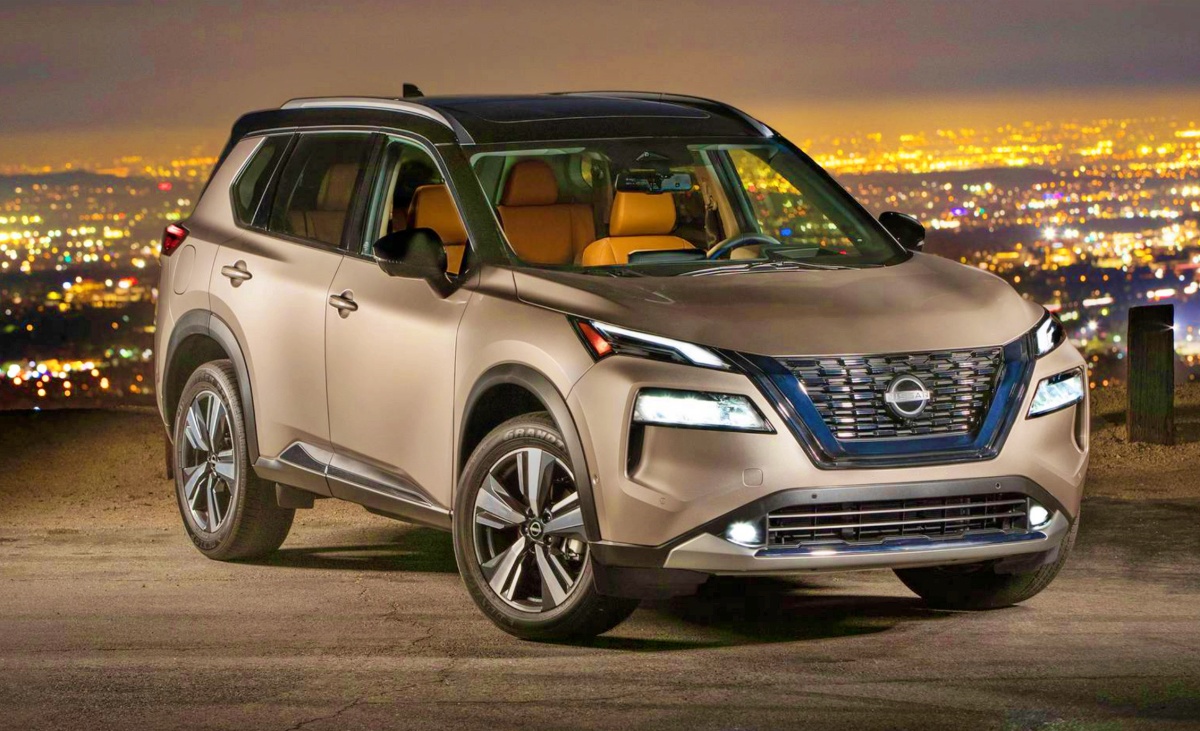
9. Nissan Rogue
The Nissan Rogue represents Nissan’s mainstream entry into the compact crossover market, offering a balance of practicality, comfort, and value that appeals to broad consumer demographics.
Nissan’s manufacturing expertise, developed through decades of automobile production, delivers vehicles with adequate quality and reliability for typical ownership scenarios.
The Rogue’s spacious interior and comfortable seating provide accommodations that rival larger vehicles, making efficient use of the compact platform.
Nissan’s manufacturing processes deliver quality consistent with market position, with assembly standards that ensure adequate durability and build quality.
The Rogue’s body construction utilizes appropriate materials and joining techniques that provide structural integrity and crash protection suitable for the vehicle’s intended market.
Paint application involves multi-layer processes that provide acceptable environmental protection, though less sophisticated than premium competitors.
The Rogue’s engine lineup emphasizes straightforward reliability and adequate performance rather than pushing technological boundaries.
The four-cylinder engines operate smoothly and deliver sufficient power for daily driving, with proven designs that minimize complexity and failure potential.
Transmission systems operate reliably with smooth shifting and adequate efficiency, requiring conventional maintenance throughout ownership.
Interior design in the Rogue prioritizes spaciousness and comfort, with generous seating positions and excellent visibility that reduce driving fatigue on extended journeys.
Dashboard layout emphasizes functionality with logical control arrangement and clear gauge presentations. Materials selection reflects budget consciousness with durable plastics and comfortable seating surfaces, creating honest cabins that serve practical ownership needs effectively.
Safety features include forward collision warning, automatic emergency braking, and lane keeping assistance on appropriate trims. These systems provide meaningful protection benefits compared to older vehicles, though operation and integration may feel less refined than premium competitors.
The Rogue’s protective structure has earned acceptable crash ratings appropriate for the vehicle’s market positioning. The Rogue’s cargo versatility through fold-flat seating and clever storage solutions accommodates varying transportation needs from daily commuting to weekend recreation.
Fuel efficiency remains respectable for the vehicle’s size, with reasonable real-world economy supporting budget-conscious operation.
Warranty coverage provides standard protection, and parts availability through Nissan’s dealer network ensures accessible maintenance and repairs throughout ownership.
10. Chevrolet Equinox
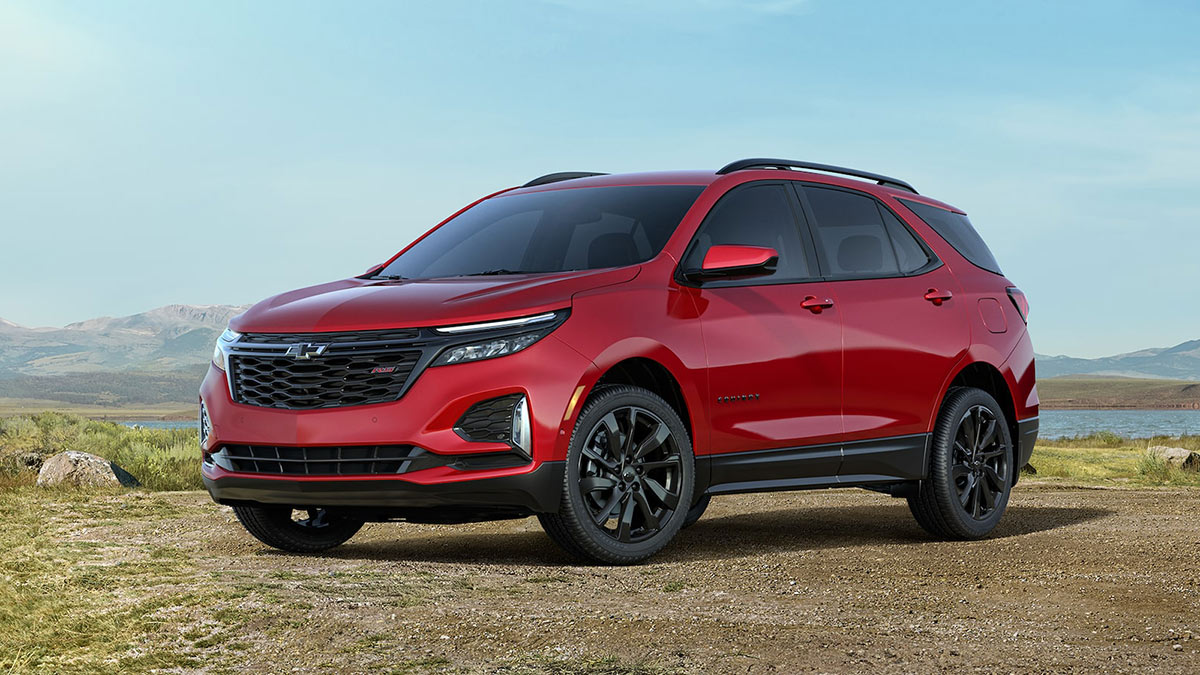
The Chevrolet Equinox completes this list as General Motors’ mainstream compact crossover offering, providing American manufacturing expertise and a traditional automotive approach to practical family transportation.
General Motors’ manufacturing capabilities, developed through extensive automotive production experience, deliver vehicles with appropriate quality and reliability for typical ownership scenarios.
The Equinox’s spacious interior and comfortable accommodations provide practical space for families while maintaining reasonable fuel efficiency for the segment.
General Motors’ manufacturing processes emphasize consistency and quality control, with assembly standards that deliver adequate durability throughout typical ownership.
The Equinox’s body construction utilizes welded steel and strategic high-strength materials that provide structural protection and crash safety appropriate for the vehicle’s market segment.
Paint application involves multi-layer processes that provide acceptable environmental protection and aesthetic durability through extended ownership periods.
The Equinox’s turbocharged engines offer power efficiency advantages, with smaller displacement compensated through forced induction that provides adequate performance for daily driving.
The engines operate reliably with modern fuel injection and emission control systems, requiring conventional maintenance throughout ownership. Transmission systems operate smoothly with appropriate efficiency, and the powertrain delivers solid durability for typical use patterns.
Interior design in the Equinox emphasizes spaciousness and practical utility, with comfortable seating for five occupants and generous cargo space through fold-flat rear seat configurations.
Dashboard layout prioritizes user-friendly control access and clear instrument visibility, with infotainment systems offering smartphone integration and navigation capability. Climate systems operate efficiently, providing comfortable temperature management without excessive complexity.
The Equinox’s fuel efficiency, enhanced through efficient turbocharged engines and aerodynamic design, provides reasonable operational economy for the vehicle’s size and capability.
Warranty coverage provides standard General Motors protection, with extensive dealer networks ensuring accessible service and maintenance throughout ownership. The Equinox represents a solid mainstream choice for buyers seeking reliable American-built transportation at accessible price points.
