
When it comes to purchasing a vehicle, the sticker price is just the beginning of your financial commitment. The true cost of car ownership reveals itself over years of maintenance, repairs, and unexpected breakdowns.
Smart buyers look beyond the showroom appeal and consider long-term reliability a factor that can mean the difference between thousands of dollars saved or spent at the mechanic’s shop.
Reliability isn’t just about avoiding inconvenience; it’s about financial prudence. A dependable car keeps more money in your pocket by requiring fewer trips to the service center, needing less frequent part replacements, and maintaining its value better over time.
While every vehicle requires routine maintenance like oil changes and tire rotations, truly reliable cars distinguish themselves by their ability to rack up miles without major mechanical issues, expensive component failures, or mysterious electrical gremlins that drain your wallet.
The automotive industry has evolved dramatically, and today’s most reliable vehicles represent engineering excellence combined with quality manufacturing.
Japanese automakers have long dominated reliability rankings, but manufacturers from various countries have stepped up their game, producing vehicles that can easily surpass 200,000 miles with proper care.
These reliable workhorses share common characteristics: robust engines that tolerate imperfect maintenance schedules, transmissions that shift smoothly for hundreds of thousands of miles, and build quality that resists the ravages of time and weather.
In this comprehensive guide, we’ll explore twelve remarkably reliable cars that have proven themselves in the real world. These aren’t exotic vehicles or stripped-down economy boxes they’re practical, accessible cars that everyday drivers can purchase and maintain without breaking the bank.
From compact sedans perfect for commuters to versatile SUVs ideal for families, this list covers various segments to match different needs and lifestyles.
Each vehicle featured here has earned its reputation through years of consistent performance, low maintenance costs, and owner satisfaction.
Let’s examine what makes each model special, from engineering innovations to smart design choices that enhance durability. You’ll discover which specific years to target, what maintenance tasks to prioritize, and why these particular models have become favorites among budget-conscious drivers who value dependability above all else.
Whether you’re shopping for your first car, replacing an aging vehicle, or simply curious about which cars deliver the best value over time, this guide will help you make an informed decision that your future self and your wallet will thank you for.
1. Toyota Corolla
The Toyota Corolla stands as an automotive icon of reliability, with a reputation so sterling that it’s practically become synonymous with dependable transportation. Since its introduction in 1966, the Corolla has evolved through twelve generations, consistently delivering trouble-free ownership that has made it one of the best-selling cars in history.
This compact sedan’s ability to run seemingly forever with minimal maintenance has created legions of loyal owners who often drive their Corollas well past 300,000 miles.
What makes the Corolla particularly exceptional is Toyota’s conservative engineering approach. Rather than chasing cutting-edge technology that might prove unreliable, Toyota perfects proven designs and manufactures them to exacting standards.
The Corolla’s engines are famously understressed, meaning they operate well within their capabilities, which dramatically reduces wear and tear.
The 1.8-liter four-cylinder engine found in many models is so robust that proper oil changes and timing belt replacements are often the only major maintenance required for the first 150,000 miles.
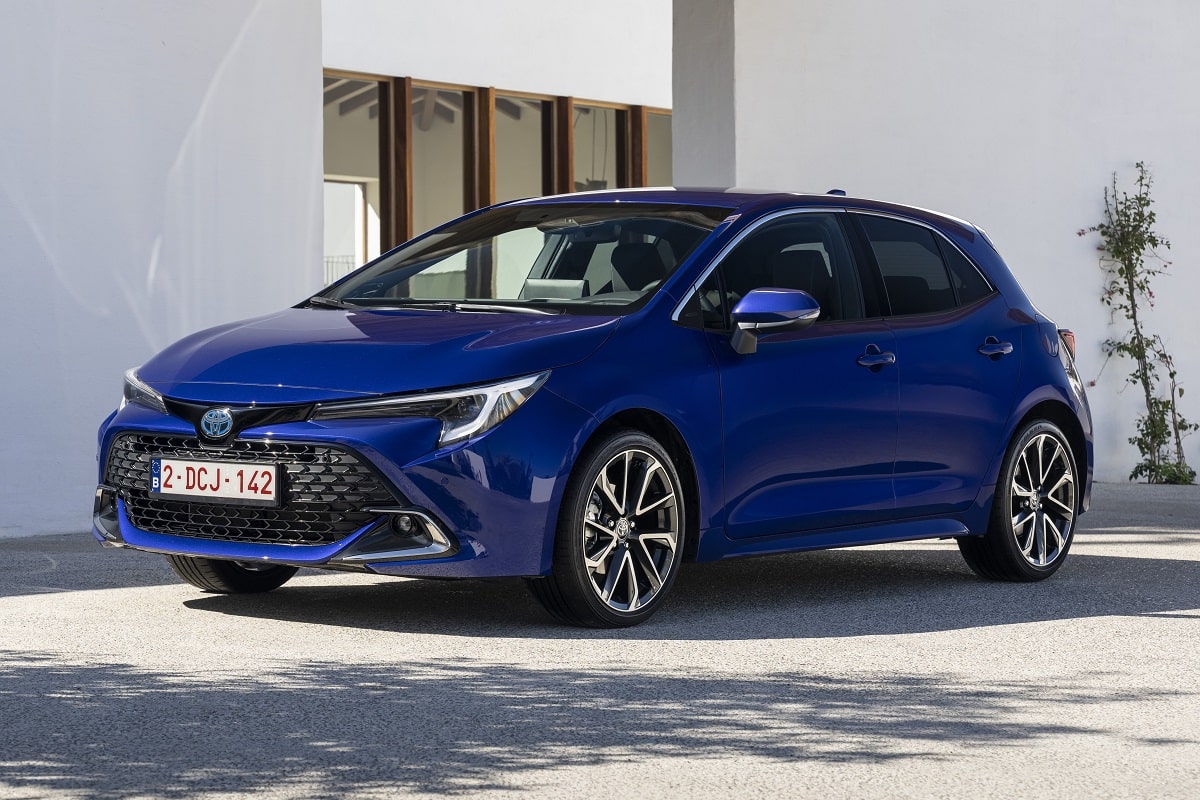
Maintenance costs for the Corolla average around $350 annually, which is approximately $500 less than the industry average for compact cars.
Brake jobs, when needed, are inexpensive due to widely available parts and simple disc brake systems. The Corolla’s suspension components are built to last, and owners frequently report going 100,000 miles before needing struts or other suspension work.
Transmission problems are remarkably rare whether equipped with a manual, traditional automatic, or CVT (in newer models), Corolla transmissions typically outlast the rest of the vehicle with nothing more than fluid changes.
Perhaps the Corolla’s greatest strength is its simplicity. There’s no complicated all-wheel-drive system to maintain, no turbocharged engine with additional failure points, and no exotic materials requiring specialized service.
Any competent mechanic can work on a Corolla, and parts availability is universal and affordable. This accessibility means you’re never held hostage by dealer-only repairs or impossible-to-find components.
The Corolla proves that automotive excellence doesn’t require complexity just thoughtful engineering and quality manufacturing that creates a car capable of delivering hundreds of thousands of miles of virtually trouble-free transportation.
2. Honda Civic
The Honda Civic has earned its place among automotive royalty through decades of exceptional reliability, engaging driving dynamics, and owner satisfaction that borders on cult-like devotion.
While the Toyota Corolla might be the sensible choice, the Civic adds a dash of driving enjoyment without sacrificing the dependability that makes it a maintenance bargain.
Honda’s engineering philosophy of building high-revving, efficient engines that love to be driven hard has created powertrains that thrive on use rather than deteriorate from it.
Honda’s VTEC engine technology, found in most Civics, represents one of the most reliable engine designs ever mass-produced. These engines regularly exceed 300,000 miles with minimal issues beyond routine maintenance.
The secret lies in Honda’s meticulous attention to metallurgy and tight manufacturing tolerances. Oil consumption, a plague for some manufacturers, is virtually nonexistent in well-maintained Civic engines.
The timing chain design in most modern Civics eliminates the need for timing belt replacements, saving owners around $800-1,000 in maintenance costs compared to timing belt-equipped vehicles.
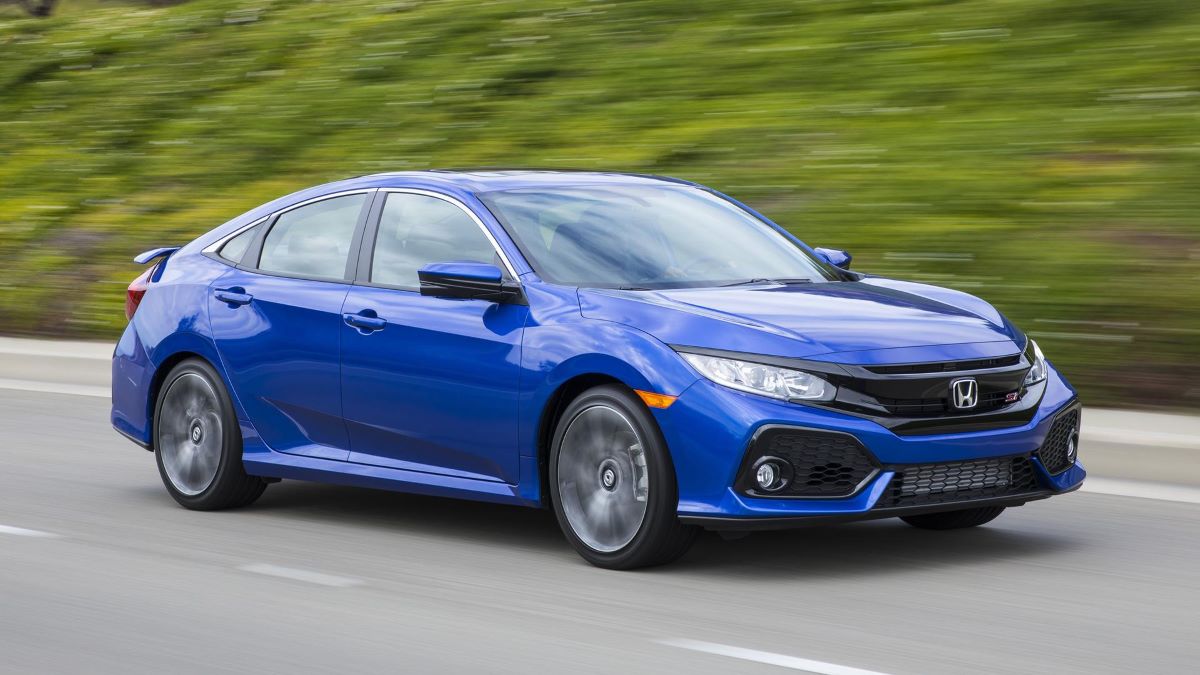
Annual maintenance costs for a Civic average approximately $368, which is below the compact car average despite the Civic’s sportier nature.
The manual transmissions are nearly bulletproof, with clutches lasting 100,000 miles or more even with enthusiastic driving. Honda’s automatic transmissions, particularly in models from 2006 onward, are exceptionally reliable after the company addressed earlier issues.
The CVT transmissions in recent models have proven durable, contrary to CVT reliability concerns in other brands. For those concerned about winter driving, the Civic’s front-wheel-drive system with available winter tires provides confident traction without the complexity and maintenance requirements of all-wheel-drive systems.
The fuel efficiency, often exceeding 35 mpg combined, means ongoing operational savings complement the low maintenance costs.
The Civic proves that reliability and driving enjoyment aren’t mutually exclusive, delivering both in a package that respects your budget and rewards you with engaging transportation that simply refuses to break down.
3. Mazda MX-5 Miata
The Mazda MX-5 Miata occupies a unique position in the automotive world a sports car that defies the stereotype of expensive, temperamental performance vehicles.
Since its introduction in 1989, the Miata has proven that pure driving joy and bulletproof reliability can coexist in an affordable package.
This lightweight roadster has become the best-selling two-seat sports car in history not just because it’s fun to drive, but because it delivers that fun without punishing owners with crippling maintenance bills.
The Miata’s reliability stems from Mazda’s brilliant philosophy: keep it simple, keep it light, and engineer it properly. The naturally aspirated four-cylinder engines that have powered every generation of Miata are masterclasses in reliability.
These engines don’t rely on turbochargers or complex valve timing systems that can fail; instead, they use proven technology executed flawlessly.
Owners routinely report trouble-free operation past 200,000 miles with nothing more than oil changes, spark plugs, and occasional valve adjustments. Engine failures are so rare that they make news in Miata communities when they occur.
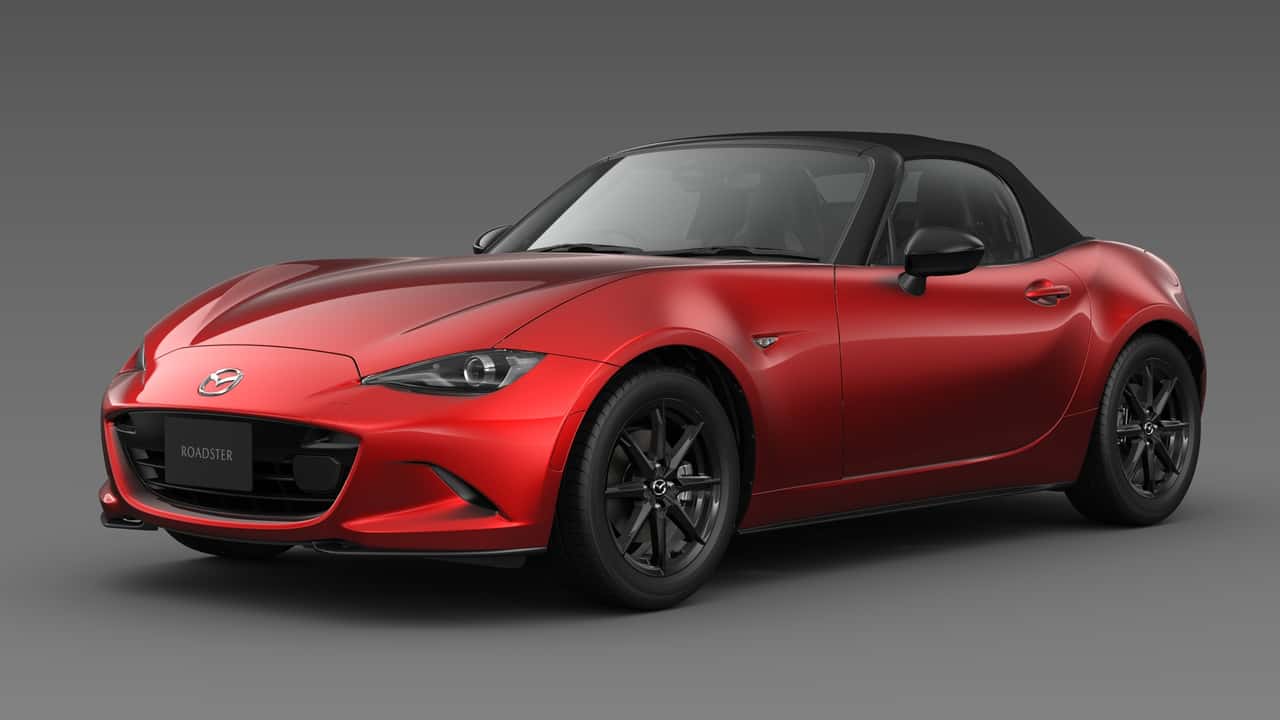
Maintenance costs for the Miata are remarkably low for a sports car, averaging around $430 annually far less than competitors like the BMW Z4 or Porsche Boxster, which can cost $1,000+ annually to maintain.
The Miata’s manual transmission, which most buyers choose, is virtually indestructible. Clutches last 80,000-100,000 miles even with track use, and transmission failures are nearly nonexistent. The rear-wheel-drive layout uses a simple, reliable differential that requires only periodic fluid changes to last the life of the vehicle.
The Miata proves that reliability isn’t just for boring transportation. This engaging roadster delivers genuine sports car thrills while costing less to maintain than many pedestrian sedans.
Its simple, well-executed design means fewer things can break, and when maintenance is needed, the costs remain manageable.
For those who want driving excitement without the financial anxiety that typically accompanies sports car ownership, the Miata stands alone as a vehicle that truly delivers the best of both worlds pure automotive joy with Honda Civic-like reliability and affordability.
4. Lexus ES
The Lexus ES represents the pinnacle of reliable luxury, offering refinement and comfort that rivals vehicles costing twice as much while delivering Toyota-grade dependability that makes it one of the most cost-effective luxury cars to own long-term.
This front-wheel-drive sedan has been the backbone of Lexus’s lineup since 1989, attracting buyers who appreciate understated elegance and prioritize reliability over badge prestige.
While German luxury competitors depreciate rapidly and require expensive maintenance, the ES holds its value and rewards owners with years of trouble-free operation.
At its core, the ES shares its fundamental architecture with the Toyota Avalon and Camry, which means it benefits from Toyota’s most proven, reliable components.
The 3.5-liter V6 engine found in most ES models is a legendary powerplant that combines smooth power delivery with exceptional longevity.
This engine regularly surpasses 300,000 miles with proper maintenance, suffering none of the timing chain, carbon buildup, or turbocharger issues that plague German luxury engines.
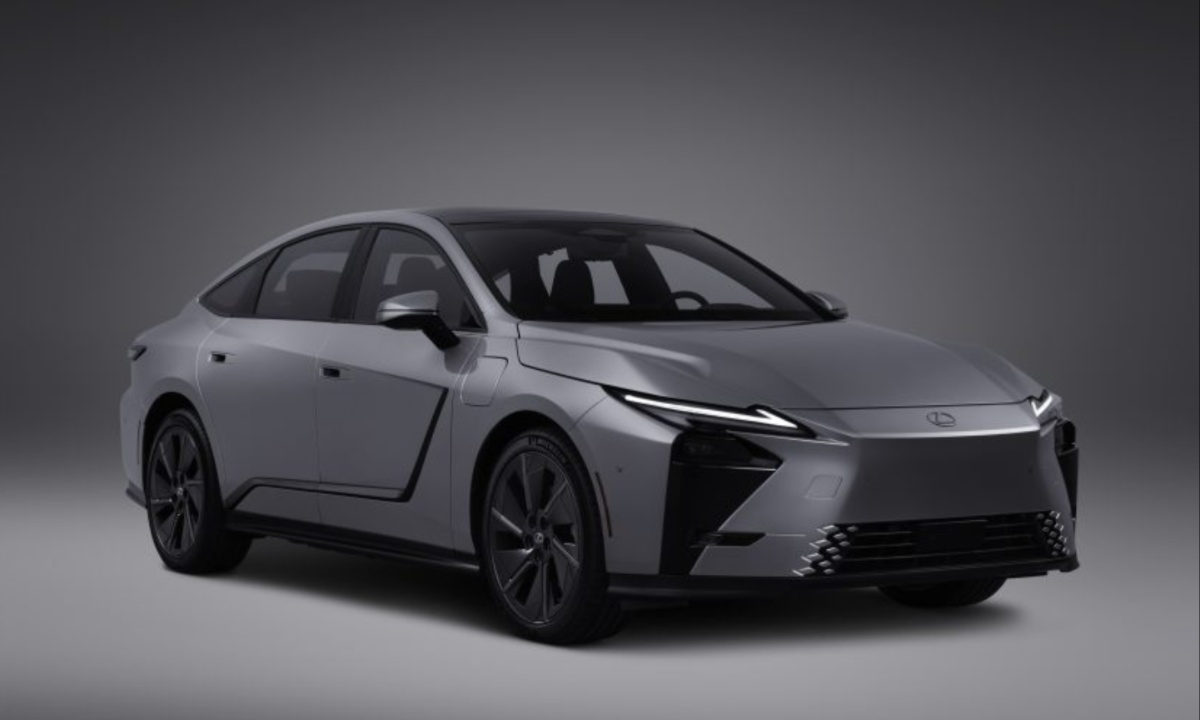
The hybrid ES models add Toyota’s proven hybrid system, which has demonstrated remarkable reliability across millions of vehicles and actually reduces brake wear through regenerative braking.
Annual maintenance costs for the ES average around $470 exceptional for a luxury vehicle and comparable to mainstream sedans. Compare this to a BMW 5 Series at $1,000+ annually or a Mercedes E-Class at $900+, and the ES’s value proposition becomes crystal clear.
Brake jobs cost a fraction of what German cars demand because the ES uses standard parts rather than exotic, oversized components. Transmission service is straightforward and infrequent, with the eight-speed automatic used in recent models proving exceptionally reliable.
The ES proves that luxury and reliability aren’t mutually exclusive. This refined sedan delivers comfort, quietness, and features that satisfy luxury expectations while operating costs remain manageable.
For those who want a premium driving experience without the financial anxiety of German luxury car ownership, the ES stands as the smart choice a vehicle that respects both your desire for quality and your budget for the long haul.
Also Read: 10 Durable Cars With the Fewest Warranty Claims
5. Honda CR-V
The Honda CR-V has redefined what buyers should expect from a compact SUV, delivering exceptional reliability, practicality, and efficiency in a package that has made it America’s best-selling SUV for years.
Since its introduction in 1997, the CR-V has proven that family transportation doesn’t require compromise owners can have the space and versatility of an SUV without the maintenance headaches and fuel consumption traditionally associated with utility vehicles.
This practical crossover represents Honda engineering at its finest, applying the same reliability principles that made the Civic legendary to a more spacious, family-friendly format.
The CR-V’s powertrain reliability is exceptional. The 2.4-liter four-cylinder engine used in millions of CR-Vs from 2002-2016 has proven nearly indestructible, regularly exceeding 250,000 miles with minimal issues.
The 1.5-liter turbocharged engine introduced in 2017 represented a departure from Honda’s naturally aspirated tradition, but it has generally proven reliable despite some early oil dilution concerns that Honda addressed through software updates and extended warranties.
The available hybrid system in recent models adds Toyota-proven hybrid technology licensed by Honda, delivering excellent reliability along with impressive fuel economy.
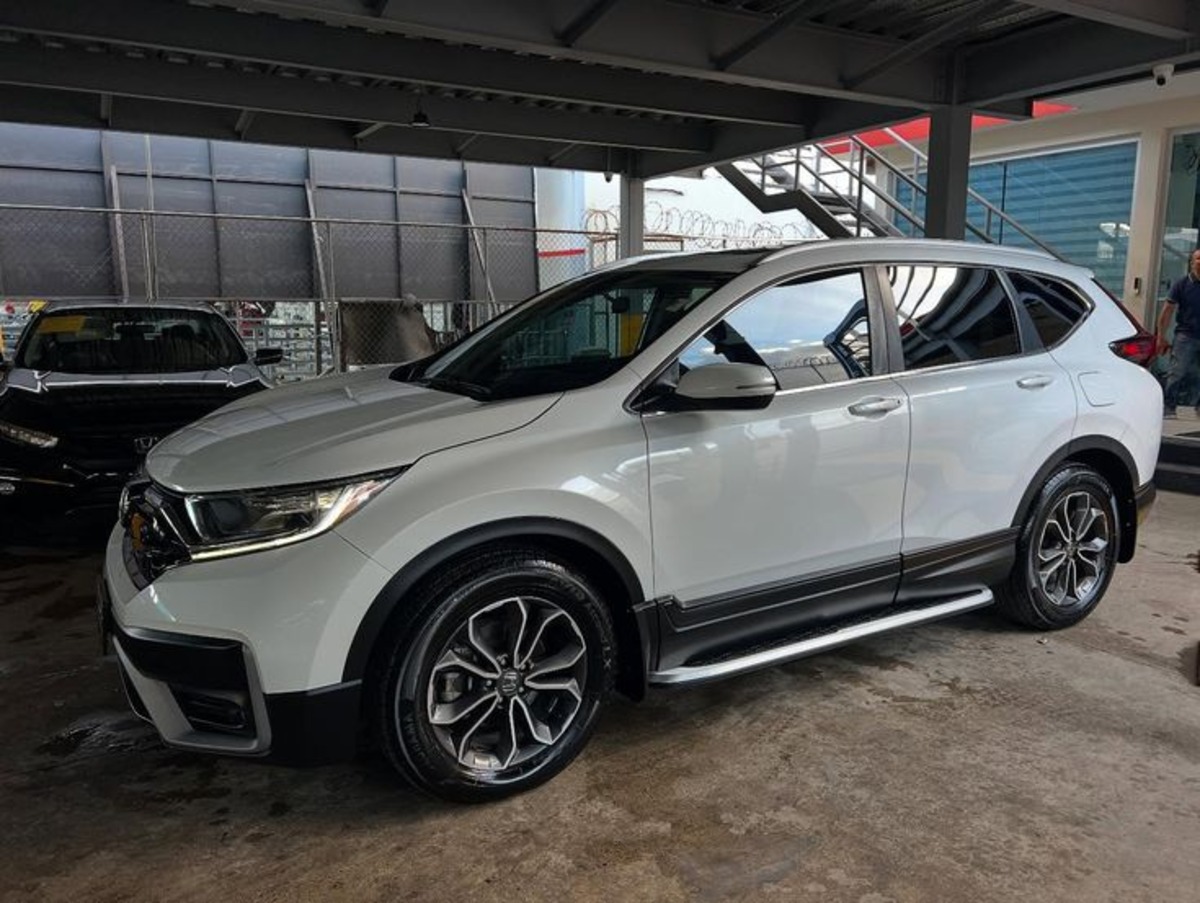
Annual maintenance costs for the CR-V average approximately $407, which is remarkable for an SUV and actually less than many sedans.
The CR-V’s real-time all-wheel-drive system is brilliantly simple it requires no routine maintenance beyond occasionally checking the rear differential fluid.
This stands in stark contrast to more complex all-wheel-drive systems that demand frequent fluid changes and suffer expensive failures. When engaged, the system provides confident traction; when not needed, it essentially disconnects to improve fuel efficiency and reduce wear.
The CR-V’s rust resistance in harsh climates is noteworthy. The underbody protection and paint quality help these SUVs resist the corrosion that shortens lives in salt-belt states. Proper undercarriage washing during winter months extends longevity even further.
The CR-V proves that family SUVs can deliver hundreds of thousands of miles of reliable service without the punishing maintenance costs associated with larger, more complex SUVs, making it the smart choice for budget-conscious families who refuse to compromise on space or dependability.
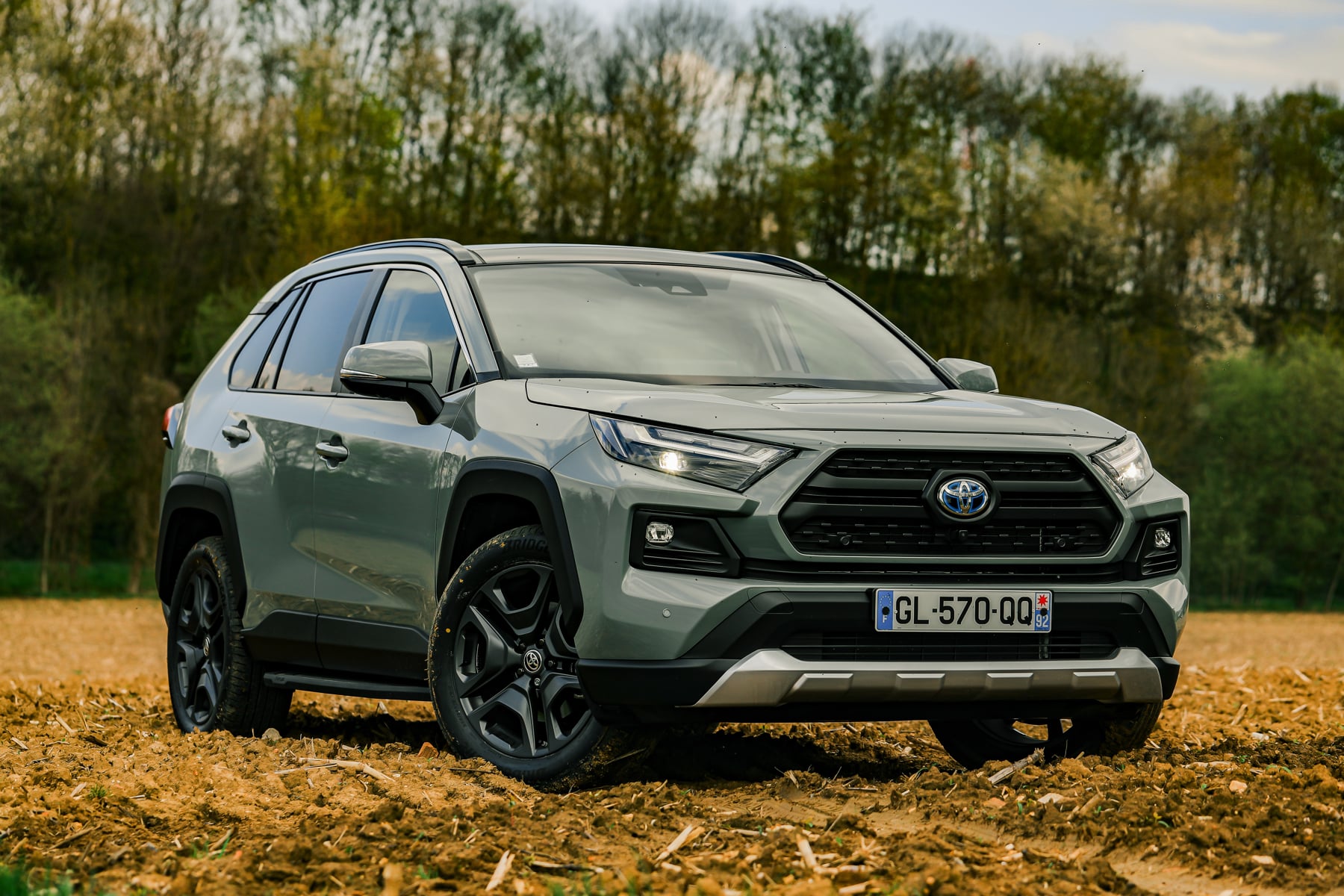
6. Toyota RAV4
The Toyota RAV4 stands as one of the automotive world’s most successful stories, pioneering the compact crossover segment and maintaining its position as a reliability leader through decades of evolution.
This versatile SUV combines Toyota’s legendary dependability with practical design that makes it ideal for everything from daily commuting to weekend adventures.
The RAV4’s reputation for running seemingly forever has made it a favorite among buyers who prioritize long-term value over trendy features or aggressive styling.
Toyota’s engineering conservatism shines brightest in the RAV4. Rather than chasing horsepower wars or technology trends that might compromise reliability, Toyota perfects proven components and manufactures them to exacting standards.
The result is an SUV that owners drive to 200,000 miles and beyond with minimal drama. The 2.5-liter four-cylinder engine found in recent RAV4s is understressed and highly reliable, while the available V6 in earlier generations proved equally durable.
The hybrid RAV4, introduced in 2016, adds Toyota’s battle-tested hybrid system that actually reduces maintenance requirements by decreasing engine run time and virtually eliminating brake wear through regenerative braking.
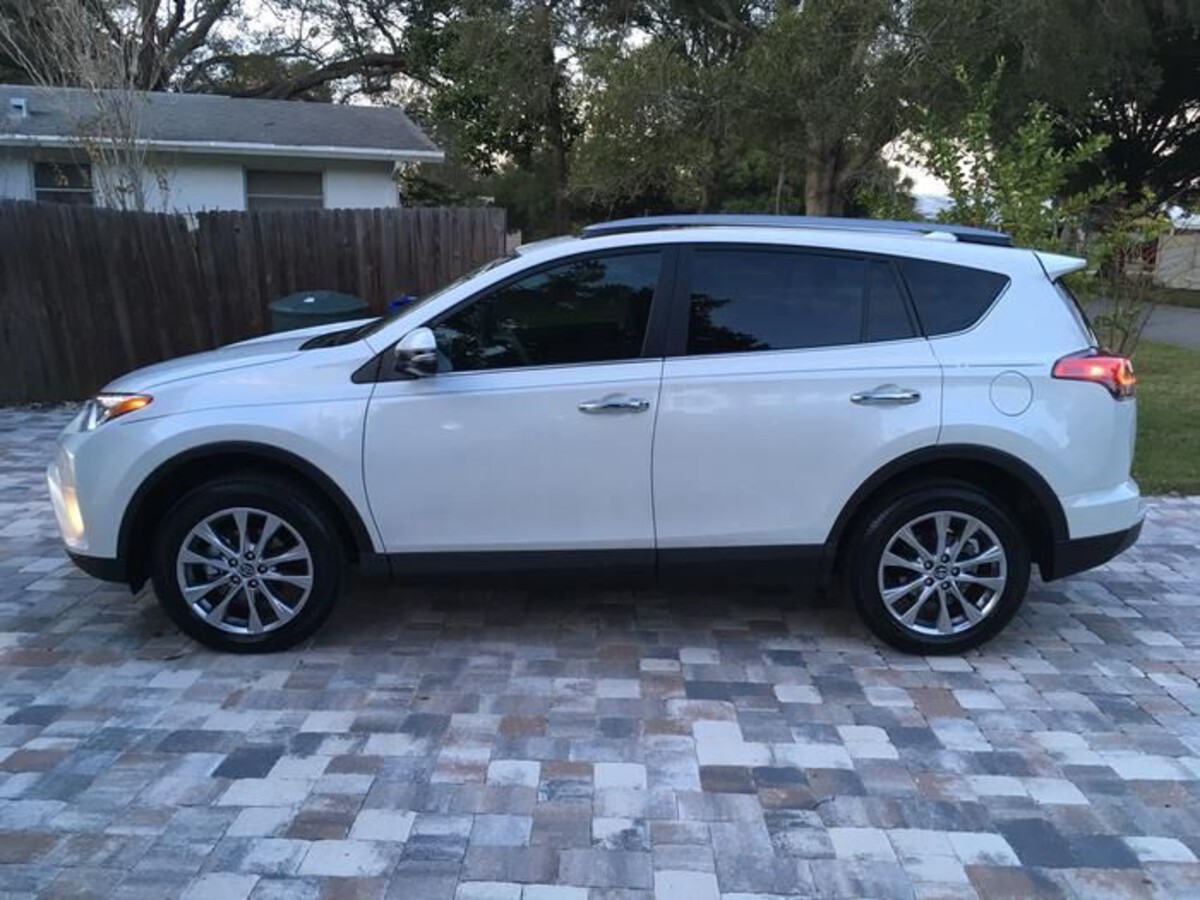
Maintenance costs for the RAV4 average around $429 annually exceptional for an SUV and significantly below the compact SUV category average.
The all-wheel-drive system requires minimal maintenance, typically just a differential fluid change every 30,000-50,000 miles depending on usage.
This simplicity contrasts sharply with complex AWD systems in competitors that require frequent service and suffer expensive failures.
The RAV4’s transmission, whether conventional automatic or electronic CVT in newer models, delivers reliable service with nothing more than fluid changes according to the maintenance schedule.
From a generational standpoint, the third generation (2006-2012) offers excellent used value with proven reliability. The fourth generation (2013-2018) brought more refinement and available safety technology.
The fifth generation (2019-present) represents Toyota’s most advanced RAV4, with bold styling and comprehensive technology while maintaining the reliability heritage.
The RAV4 Prime plug-in hybrid offers remarkable performance and efficiency while leveraging Toyota’s reliable hybrid foundation. For those seeking a reliable, practical SUV that will deliver years of trouble-free service while holding its value, the RAV4 represents one of the smartest purchases in the automotive market.
7. Mazda3
The Mazda3 represents a compelling combination of driving engagement, build quality, and reliability that punches well above its compact car class.
Since its introduction in 2003, the Mazda3 has attracted buyers who refuse to settle for transportation appliances, instead demanding vehicles that deliver genuine driving pleasure alongside dependable operation.
Mazda’s “Jinba Ittai” philosophy creating harmony between car and driver results in a compact sedan or hatchback that feels more expensive than its price suggests while maintaining ownership costs that respect your budget.
The Mazda3’s engineering emphasizes balance and quality over raw specifications. The Skyactiv-G engines found in recent models achieve impressive fuel efficiency without turbochargers or complex technologies that can fail.
These naturally aspirated four-cylinder engines are highly reliable, with the 2.0-liter and 2.5-liter variants both delivering hundreds of thousands of miles of service with proper maintenance.
The absence of direct injection in many models eliminates carbon buildup concerns that plague some competitors, while the engines’ conservative tuning ensures components operate well within their stress limits.
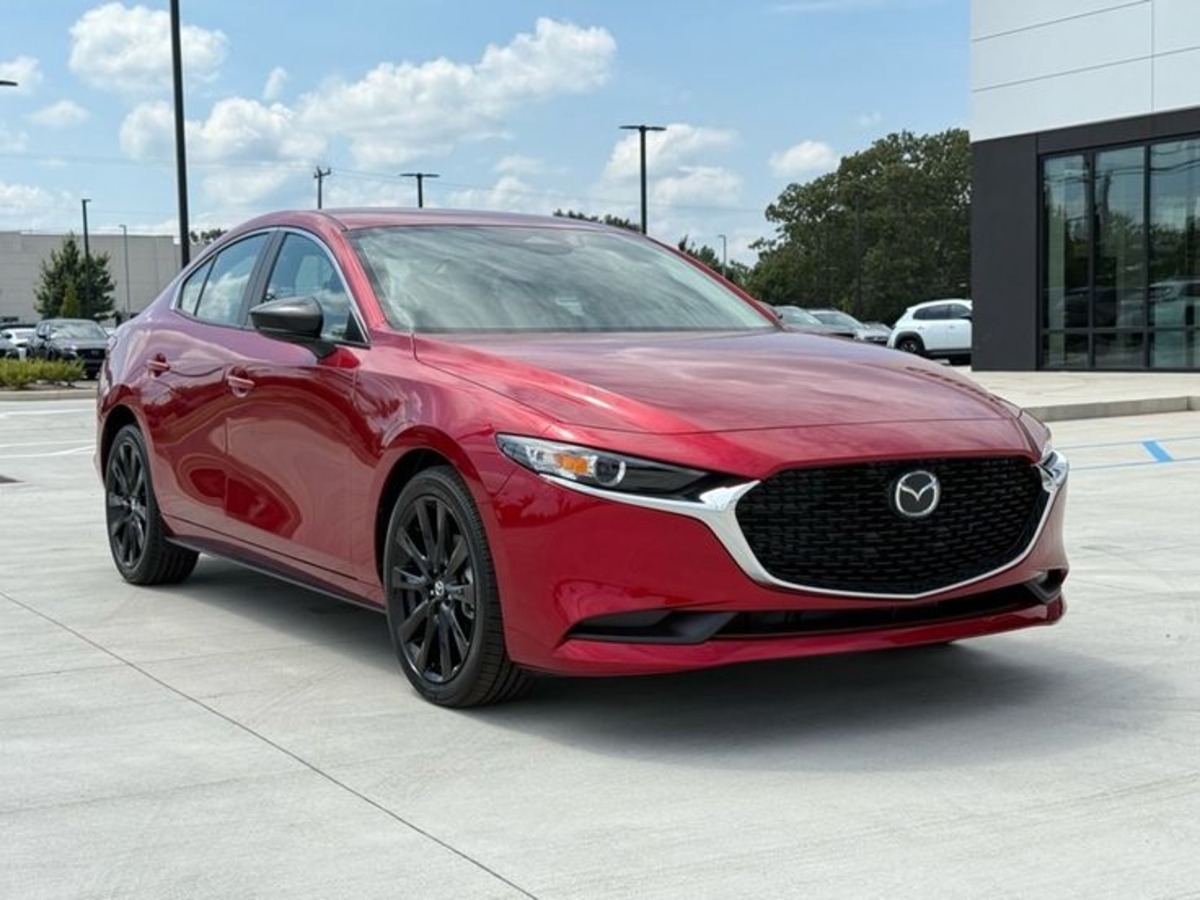
Annual maintenance costs for the Mazda3 average approximately $433, which is competitive with the segment leaders and far below premium brands that occupy similar market positions.
The six-speed automatic transmission used in many Mazda3s is exceptionally reliable, with smooth operation that persists for the life of the vehicle.
Manual transmission models offer even greater reliability and the engaging driving experience enthusiasts crave, with clutches lasting 80,000+ miles even with spirited driving.
The third-generation Mazda3 (2014-2018) represents exceptional value in the used market, offering mature styling and proven reliability.
The fourth-generation (2019-present) raised the Mazda3 to near-premium status with stunning design and even higher quality, though slightly more complex technology. Both generations deliver the reliable, engaging transportation that makes Mazda ownership rewarding.
The Mazda3 proves you don’t have to choose between driving enjoyment and reliability with thoughtful engineering and quality manufacturing, you can have both in an affordable package that respects your enthusiasm and your budget.
8. Subaru Outback
The Subaru Outback has carved out a unique niche as the vehicle of choice for active lifestyles, combining car-like driving dynamics with SUV capability and legendary all-wheel-drive performance.
Since its introduction in 1994, the Outback has proven that practical versatility and reliability can coexist, creating fierce loyalty among owners who appreciate a vehicle that handles anything from highway commutes to mountain trails without breaking down.
The Outback’s reputation for lasting 200,000+ miles is well-earned, though it requires slightly more attention than some competitors.
Subaru’s boxer engine design distinguishes the Outback from every competitor. The horizontally opposed engine layout lowers the center of gravity for better handling while providing inherent balance that reduces vibration.
The 2.5-liter four-cylinder engine found in most Outbacks is generally reliable, though earlier versions (pre-2013) had head gasket issues that Subaru largely resolved in later models.
The 3.6-liter six-cylinder offered in some models is exceptionally smooth and reliable, representing the pinnacle of Subaru’s boxer engine development.
Timing belt replacement every 105,000 miles is a significant maintenance item, costing $800-1,200, but it’s predictable and prevents catastrophic engine damage.
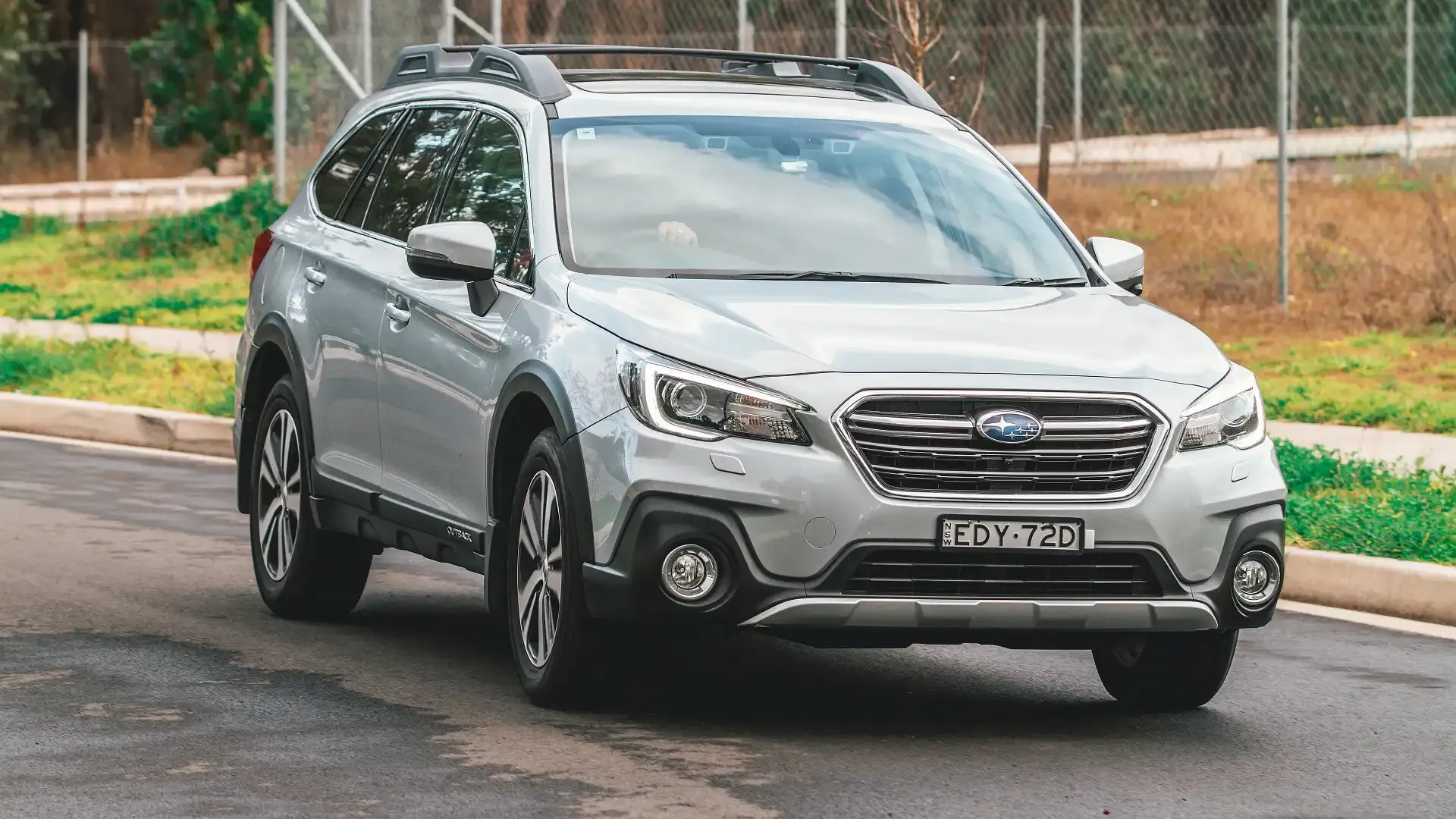
Annual maintenance costs for the Outback average around $607, which is higher than some competitors but remains reasonable considering the standard all-wheel-drive system.
Subaru’s symmetrical all-wheel drive is always active, providing confidence in all weather conditions, but it does require regular differential fluid changes to maintain reliability.
The sixth generation (2020-present) brings modern technology and refined capability while maintaining the Outback’s adventure-ready character.
The Outback proves that capability and reliability can coexist, delivering a vehicle that handles whatever you throw at it while remaining dependable enough to reach 200,000+ miles with proper care making it the perfect choice for those whose idea of weekend relaxation involves dirt roads, not dealership waiting rooms.
9. Toyota Camry
The Toyota Camry represents the automotive establishment a midsize sedan so thoroughly engineered for reliability and owner satisfaction that it’s become America’s best-selling car for years.
Since its 1982 introduction, the Camry has evolved from economy transportation to a refined, comfortable family sedan that delivers premium features without premium maintenance costs.
This is the car that automotive journalists love to dismiss as boring while owners quietly drive them to 300,000 miles without drama, spending their savings on things more interesting than car repairs.
The Camry’s powertrain reliability is legendary. The 2.5-liter four-cylinder engine found in most models is a masterpiece of durability, featuring a timing chain that eliminates belt replacement concerns and conservative tuning that ensures components operate well below their stress limits. The available V6 engines are equally impressive, delivering smooth power for hundreds of thousands of miles.
The hybrid Camry adds Toyota’s proven hybrid system, which not only improves fuel economy but actually reduces maintenance by decreasing engine run time and virtually eliminating brake wear through regenerative braking. Oil changes and occasional spark plug replacements are often the only engine maintenance required for the first 150,000 miles.
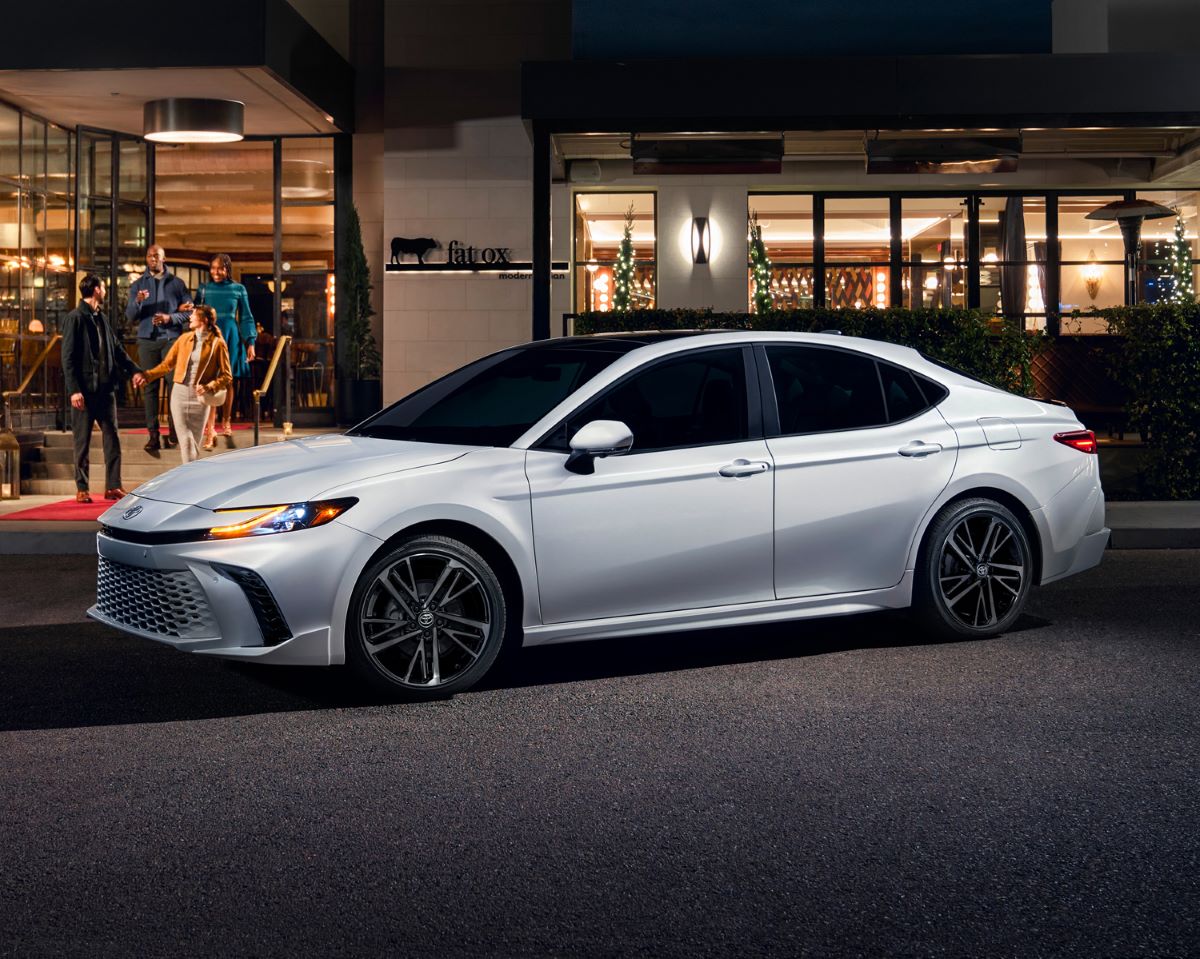
Annual maintenance costs for the Camry average approximately $388, which is remarkable for a midsize sedan and substantially below the segment average.
The eight-speed automatic transmission delivers smooth operation for the vehicle’s lifetime with nothing more than fluid changes. Transmission failures are so rare in Camrys that they’re newsworthy events in owner forums.
The hybrid’s electronically controlled CVT operates even more reliably, with no belts or clutches to wear out just planetary gears managed by electronics that Toyota has perfected over millions of hybrid vehicles.
The Camry starts every morning, runs smoothly all day, and parks every evening without requiring attention beyond routine maintenance. This invisible reliability allows owners to focus on life rather than car troubles, which is precisely what transportation should provide.
The Camry proves that automotive excellence doesn’t require excitement just thoughtful engineering, quality manufacturing, and a commitment to owner satisfaction that creates vehicles capable of delivering decades of worry-free service while saving thousands in maintenance costs compared to less reliable alternatives.
10. Honda Accord
The Honda Accord stands as one of the automotive industry’s most respected nameplates, earning its reputation through decades of delivering refined transportation that balances driving engagement, comfort, and exceptional reliability.
Since 1976, the Accord has evolved from a compact economy car to a midsize sedan that competes with premium brands in features and quality while maintaining Honda’s legendary dependability.
This is the car that repeatedly wins comparison tests and owner satisfaction surveys because it excels at everything while failing at nothing a balanced achievement that makes it one of the smartest long-term automotive investments available.
The Accord’s engine lineup demonstrates Honda’s engineering excellence. The naturally aspirated four-cylinder engines found in most Accords are renowned for their smooth operation, willing power delivery, and incredible longevity.
These engines regularly exceed 250,000 miles with minimal issues beyond routine maintenance. The available V6 engines, particularly the 3.5-liter found in 2008-2017 models, represent the pinnacle of Honda’s VTEC technology smooth, powerful, and remarkably reliable.
Recent Accords introduced turbocharged engines, which have generally proven reliable, though they represent more complex technology than Honda’s traditional naturally aspirated designs.
The hybrid Accord, available in various generations, combines Honda’s reliable four-cylinder with hybrid technology that has proven durable across millions of miles.
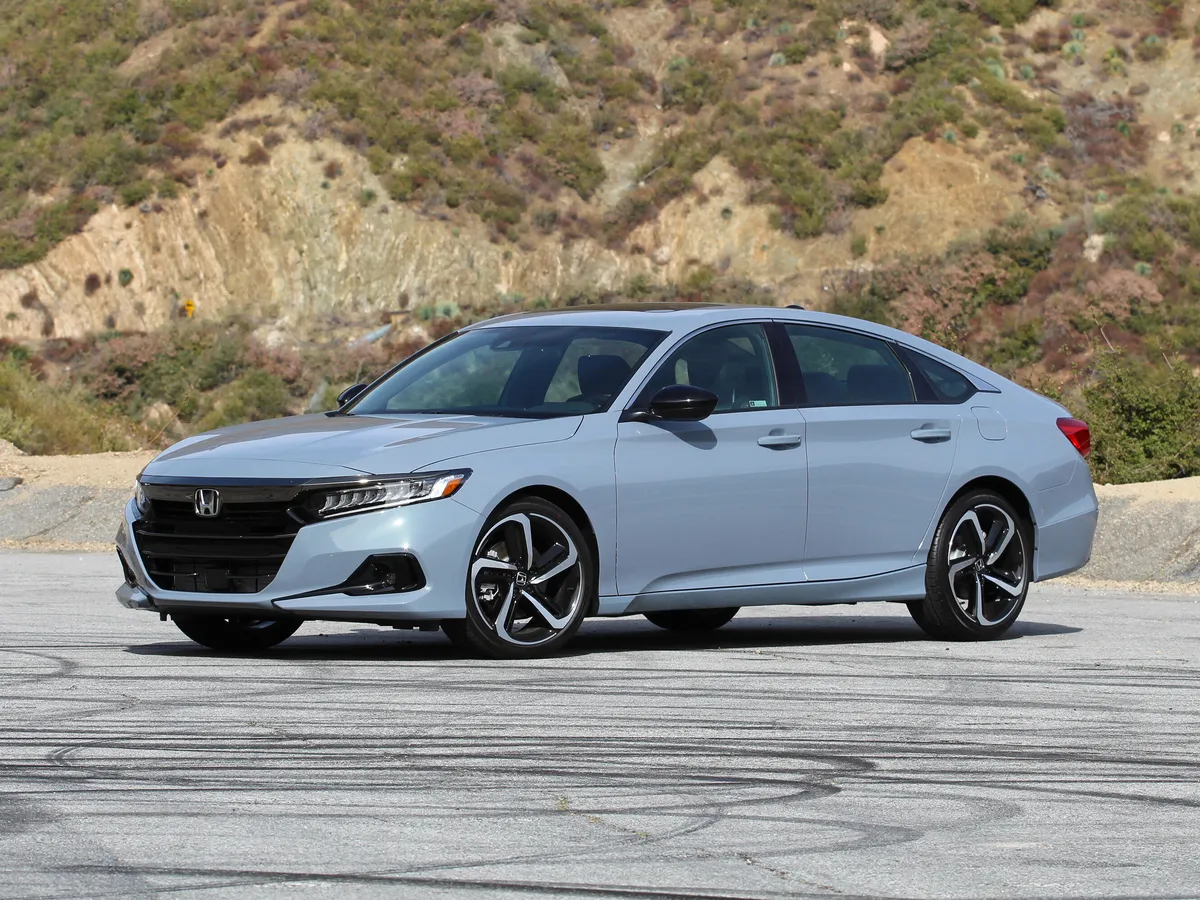
Annual maintenance costs for the Accord average approximately $400, which is below the midsize sedan average despite the Accord’s more premium positioning.
The six-speed manual transmission offered on some models is virtually bulletproof, providing engaging driving dynamics for those who prefer three pedals.
The automatic transmissions and CVTs used in various generations are generally reliable, with the notable exception of certain 2013-2017 V6 models that experienced transmission issues a rare blemish on Honda’s otherwise stellar transmission record.
Honda extended warranties for affected vehicles, and most issues were resolved through software updates or replacements. This efficiency means lower operational costs complement the already-low maintenance expenses.
The Accord holds its resale value exceptionally well, meaning the total cost of ownership purchase price minus resale value plus maintenance costs ranks among the lowest in the midsize sedan segment.
For those seeking a refined, reliable sedan that delivers comfort, technology, and driving satisfaction while respecting their budget through years of ownership, the Honda Accord represents one of the automotive market’s smartest purchases a vehicle that simply does everything well while asking very little in return beyond routine maintenance and occasional gasoline.
11. Toyota Tacoma
The Toyota Tacoma dominates the midsize truck segment not through raw capability or luxury features, but through legendary reliability that has made it the truck of choice for buyers who need their vehicle to work, not sit in repair shops.
Since its introduction in 1995, the Tacoma has built a reputation for indestructibility that borders on mythical these are the trucks that get driven to 300,000+ miles, then sold for remarkable resale values to buyers seeking proven durability.
The Tacoma’s ability to withstand abuse while delivering decades of reliable service has created fierce owner loyalty and made it the default choice for everyone from construction workers to weekend adventurers.
The Tacoma’s powertrain reliability forms the foundation of its reputation. The 2.7-liter four-cylinder engine, available through 2015, is extraordinarily reliable if somewhat underpowered for serious truck work.
The 3.5-liter V6 introduced in 2016 provides better performance while maintaining Toyota’s reliability standards. The 4.0-liter V6 used in 2005-2015 models is legendary for durability, regularly exceeding 300,000 miles with minimal issues beyond timing belt replacements every 90,000-100,000 miles.
These engines tolerate abuse, missed maintenance, and harsh operating conditions better than competitors, starting reliably in extreme cold and running smoothly in extreme heat.
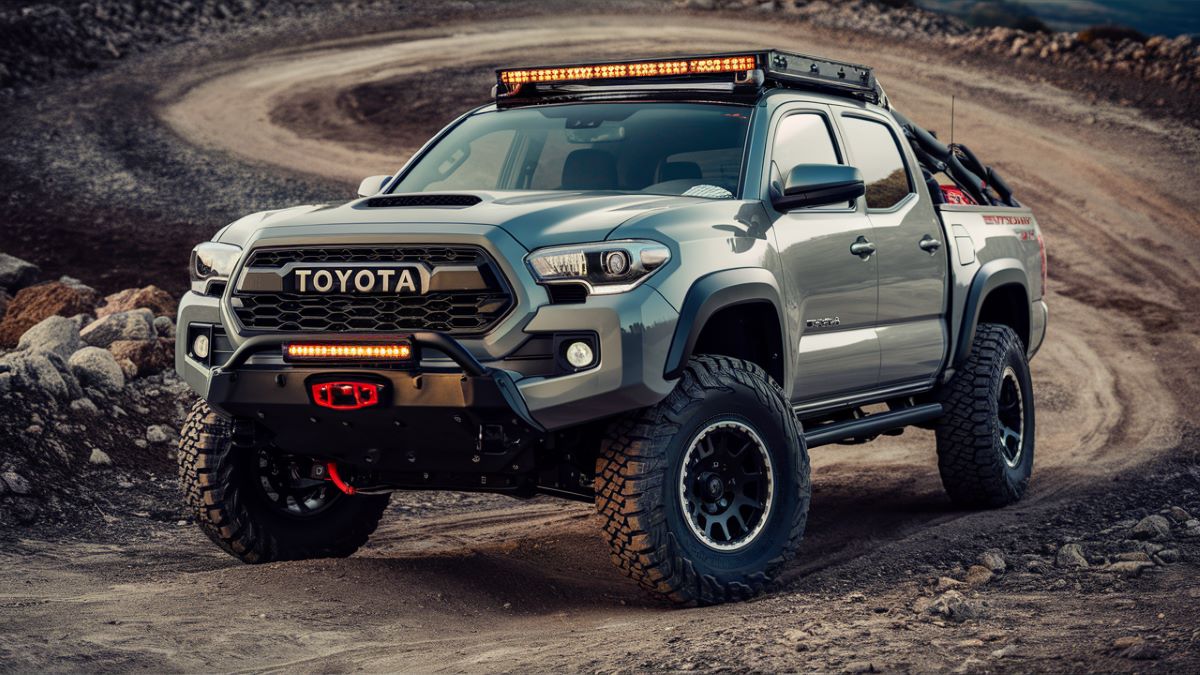
Annual maintenance costs for the Tacoma average around $478, which is reasonable for a truck and substantially below full-size truck averages.
The six-speed manual transmission offered on many models is virtually indestructible, with clutches lasting 100,000+ miles even with off-road use and heavy loads. The six-speed automatic transmission is highly reliable, requiring only fluid changes to deliver lifetime service.
The available four-wheel-drive system is straightforward and durable, using proven technology that requires minimal maintenance beyond differential fluid changes.
The electronically controlled transfer case is reliable and easy to use, seamlessly switching between two-wheel and four-wheel drive modes.
The Tacoma proves that trucks can be reliable, practical tools that don’t require constant maintenance or expensive repairs. Whether used for construction work, weekend trail adventures, or daily commuting, the Tacoma delivers dependable service while holding its value better than virtually any competitor.
12. Lexus RX
The Lexus RX represents the pinnacle of reliable luxury SUV ownership, combining premium refinement, comprehensive features, and Toyota-grade dependability in a package that has defined the luxury crossover segment since its 1998 introduction.
This midsize luxury SUV has become the best-selling luxury vehicle in America not through aggressive marketing or cutting-edge technology, but through delivering refined, trouble-free ownership that respects both your desire for quality and your aversion to expensive repair bills.
While German luxury SUV competitors depreciate catastrophically and punish owners with four-figure annual maintenance costs, the RX holds its value and rewards owners with years of worry-free operation.
The RX’s mechanical foundation leverages Toyota’s most proven components, sharing its platform with the reliable Toyota Highlander.
The 3.5-liter V6 engine found in most RX models is a legendary powerplant that combines smooth, refined power delivery with exceptional longevity.
This engine regularly surpasses 250,000 miles with proper maintenance, suffering none of the turbocharger failures, timing chain problems, or carbon buildup issues that plague German luxury engines.
The RX hybrid models add Toyota’s proven hybrid system, which has demonstrated remarkable reliability across millions of vehicles worldwide.
The hybrid system not only improves fuel economy but also reduces maintenance costs by decreasing brake wear through regenerative braking and reducing engine stress through electric motor assistance.
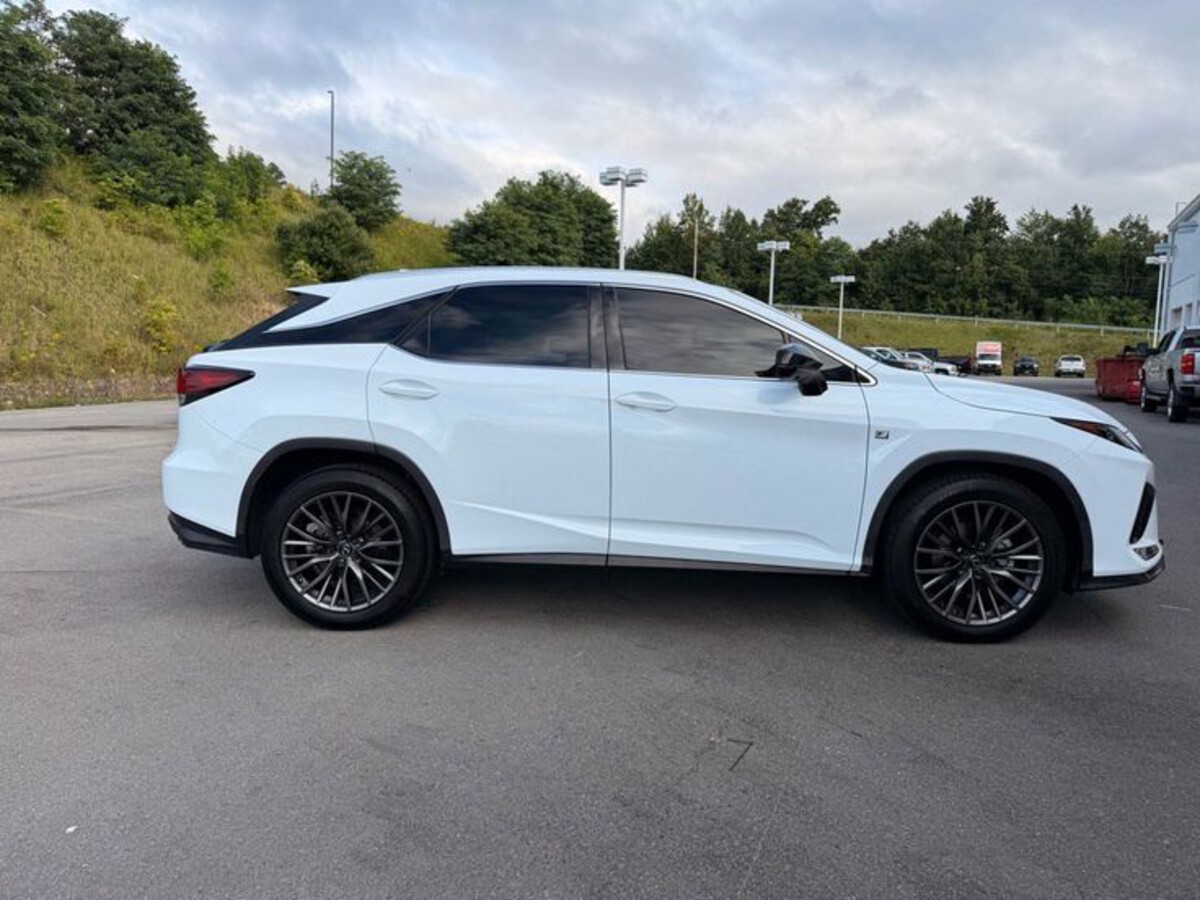
Annual maintenance costs for the RX average around $550 exceptional for a luxury SUV and comparable to mainstream vehicles. Compare this to a BMW X5 at $1,200+ annually, a Mercedes GLE at $1,000+, or an Audi Q7 at $1,100+, and the RX’s value proposition becomes undeniable.
Brake jobs cost a fraction of what German SUVs demand because the RX uses standard parts rather than exotic, oversized components.
Transmission service is straightforward and infrequent, with the eight-speed automatic used in recent models proving exceptionally reliable. The available all-wheel-drive system is simple and durable, requiring only occasional differential fluid changes to maintain reliable operation.
The RX proves that luxury and reliability aren’t contradictory goals. This refined SUV delivers comfort, quietness, features, and prestige that satisfy luxury expectations while operating costs remain manageable, often lower than mainstream competitors.
The exceptional resale value means the total cost of ownership is remarkably low when considering the high selling price that RX models command in the used market.
Also Read: 12 SUVs That Handle Better Than Sedans
