
The automotive industry has undergone a remarkable transformation over the past five years, witnessing innovations that have fundamentally altered how we perceive different vehicle segments.
From the electrification revolution to groundbreaking advancements in autonomous driving technology, manufacturers have pushed boundaries and challenged conventions in ways that seemed unimaginable just a decade ago.
These changes haven’t merely been incremental improvements they represent paradigm shifts that have forced competitors to completely rethink their strategies and consumers to reconsider their expectations.
It’s not simply about sales figures or flashy marketing campaigns. A segment-redefining vehicle introduces innovations that become the new baseline for its class, forcing every competitor to adapt or risk obsolescence.
These are the cars that make other manufacturers return to their drawing boards, that change consumer expectations permanently, and that set new standards for performance, efficiency, technology, or value.
They’re the vehicles that make us say, even though the answer often involves years of research, billions in investment, and a willingness to take risks that most companies avoid.
The twelve vehicles we’ll explore represent the best of this transformative era. They span multiple segments from compact EVs to full-size trucks, from affordable family transportation to luxury performance vehicles.
Some succeeded by making advanced technology accessible to mainstream buyers, while others redefined what’s possible at the premium end of the market.
What unites them is their profound impact: each fundamentally changed expectations within their respective segments, proving that great automotive design isn’t about following trends it’s about creating them. These are the cars that didn’t just compete in their segments; they rewrote the rules entirely.
1. Tesla Model Y (2020-Present)
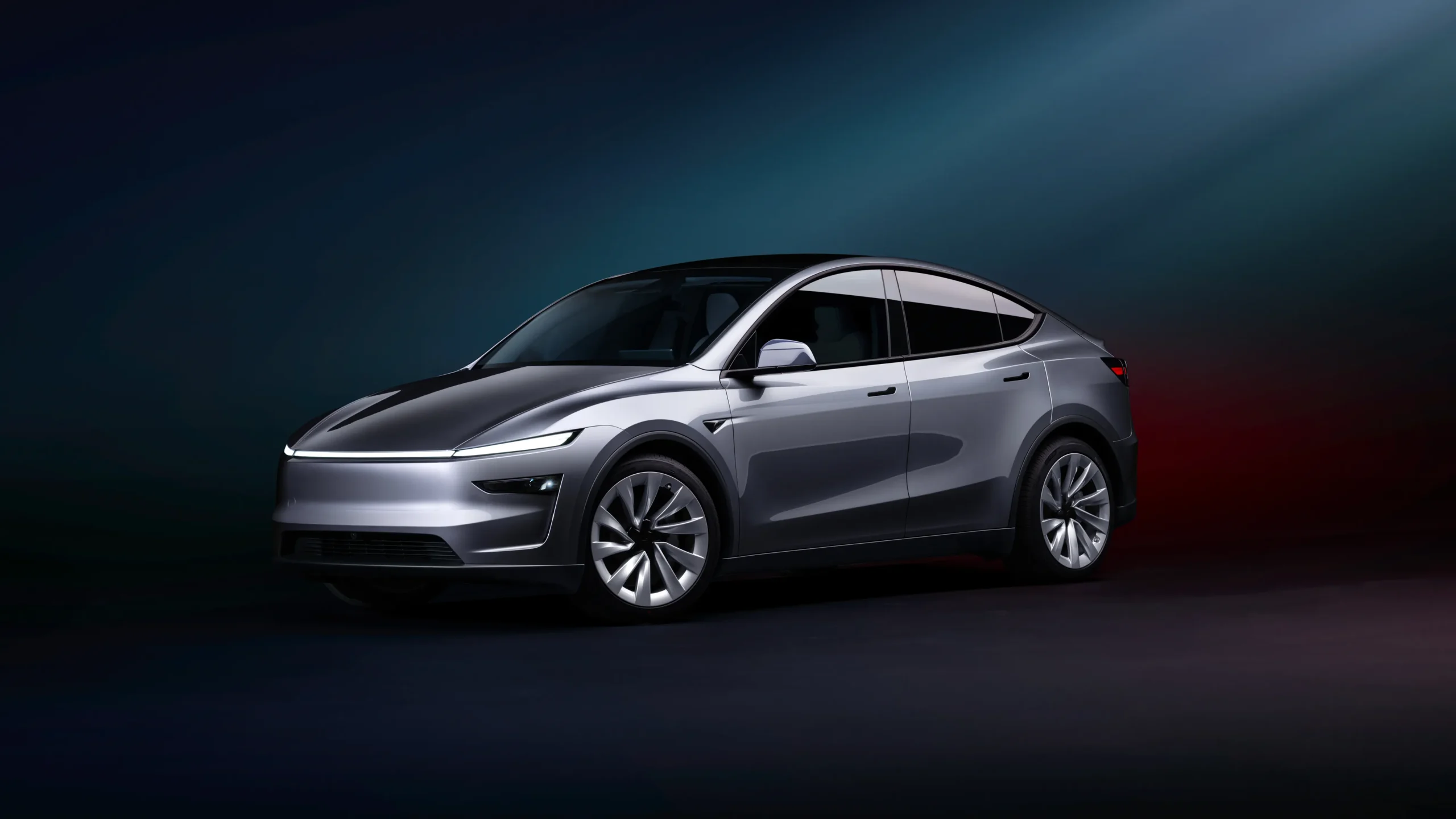
The Tesla Model Y might look like a slightly taller Model 3 at first glance, but its impact on the compact crossover segment has been nothing short of revolutionary.
Launched in early 2020, the Model Y quickly became not just Tesla’s best-selling vehicle, but one of the world’s most popular cars period a remarkable achievement for a fully electric vehicle in a segment traditionally dominated by gasoline-powered competitors like the Toyota RAV4 and Honda CR-V.
What makes the Model Y segment-defining isn’t just its electric powertrain, though that’s certainly significant. It’s the complete reimagining of what a family crossover can be.
The Model Y proved that electric vehicles don’t require compromises in practicality or convenience. With up to 330 miles of range in the Long Range variant, it eliminated range anxiety for the vast majority of daily driving scenarios.
The expansive glass roof creates an airy, open cabin feel that traditional crossovers can’t match, while the minimalist interior design centered around a 15-inch touchscreen represents a complete departure from button-laden conventional dashboards.
Performance is another area where the Model Y redefined expectations. Even the base rear-wheel-drive model offers sprightly acceleration that puts it ahead of many sportier conventional crossovers.
The Performance variant, meanwhile, delivers a 0-60 mph time of just 3.5 seconds supercar territory in a practical family vehicle. This combination of everyday usability and thrilling performance created a new paradigm: why should buyers choose between practicality and excitement when they could have both?
Tesla’s Supercharger network has been equally transformative. While other manufacturers struggled with charging infrastructure, Tesla built a comprehensive, reliable fast-charging network that made long-distance travel practical.
This infrastructure advantage gave the Model Y a compelling edge that transcended the vehicle itself, creating an ecosystem that competitors couldn’t easily replicate.
The vehicle’s impact extends beyond the automotive industry. By making electric vehicles desirable and practical for mainstream consumers, the Model Y has accelerated the broader transition away from fossil fuels.
It transformed EVs from niche products for early adopters into vehicles that ordinary families genuinely prefer over conventional alternatives. This shift in consumer perception may ultimately be the Model Y’s most lasting contribution proving that the future of transportation isn’t just electric, it’s better.
2. Ford F-150 Lightning (2022-Present)
When Ford announced an electric version of America’s best-selling vehicle, skeptics questioned whether truck buyers, traditionally among the most conservative consumers would embrace electrification.
The F-150 Lightning didn’t just answer those doubts; it obliterated them, redefining what a pickup truck can be and proving that electrification could enhance rather than compromise the capabilities that truck owners value most.
The Lightning’s genius lies in Ford’s recognition that truck buyers don’t want revolution they want their trucks to do everything they already do, just better.
The Lightning looks unmistakably like an F-150, maintaining the familiar design language that has made the truck an American icon. This wasn’t conservatism; it was strategic brilliance. By preserving the familiar exterior, Ford signaled that this was still a “real” truck, just with a better powertrain.
Where the Lightning truly innovates is in reimagining what truck capability means for the 21st century. The dual-motor setup delivers 563 horsepower and 775 lb-ft of torque in the Extended Range battery version, enabling a 0-60 mph time of around 4 seconds making it the quickest F-150 ever produced.
Yet this performance comes with practical advantages: the instant torque delivery makes towing smoother and more controlled than conventional trucks, with less gear-hunting and more predictable power delivery.
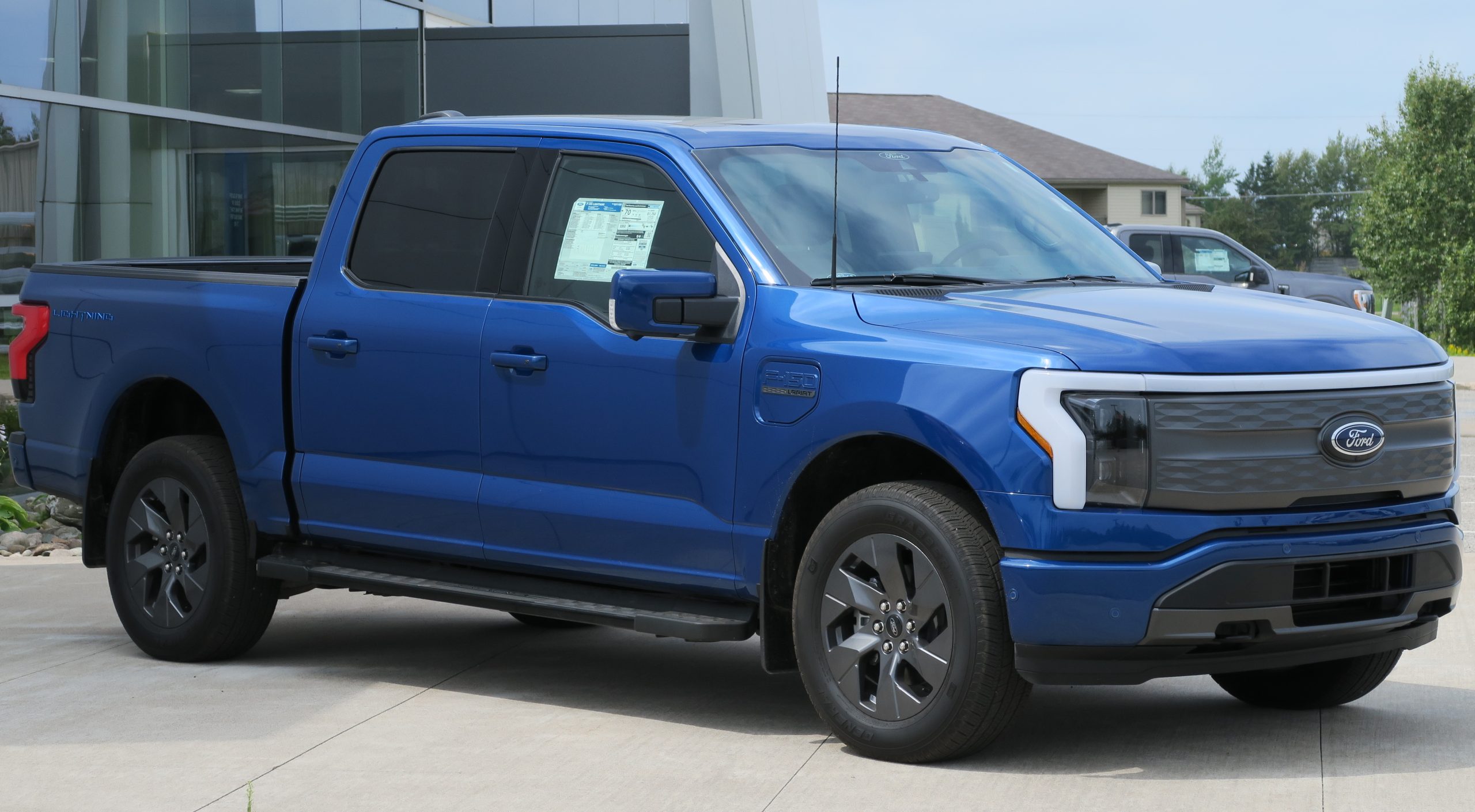
The Lightning’s most revolutionary feature might be its onboard power system. With up to 9.6 kW of exportable power through the Pro Power Onboard system, the Lightning can function as a mobile generator, powering construction sites, camping setups, or tailgate parties without the noise, fumes, or maintenance of a traditional generator.
Even more impressively, with the optional Intelligent Backup Power system, the Lightning can power an entire home during outages for up to three days transforming the truck from a vehicle into a mobile energy storage system.
This capability speaks to a broader reimagining of vehicles’ role in our lives. The Lightning isn’t just transportation; it’s infrastructure. During extreme weather events, when grid power fails, the Lightning becomes a critical backup system. This utility transcends traditional automotive metrics, offering value that no gasoline truck can match.
The front trunk or “frunk” represents another clever use of packaging advantages. With 14.1 cubic feet of weatherproof, lockable storage space, plus four electrical outlets and two USB chargers, it’s perfect for securing valuables or keeping groceries from sliding around.
The drain plug even allows it to be used as a cooler a touch that shows Ford truly understood their customers. Perhaps most significantly, the F-150 Lightning proved that heartland America truck country was ready for electrification when it came in the right package.
By respecting what truck buyers value while demonstrating electric’s advantages, Ford created a bridge between the automotive past and future, showing that progress doesn’t require abandoning tradition.
3. Rivian R1T (2021-Present)
The Rivian R1T arrived as the automotive industry’s first clean-sheet electric pickup truck, and it didn’t just enter the segment it created an entirely new subcategory.
This wasn’t a conversion of an existing platform or a me-too response to Tesla; it was a ground-up reimagining of what a pickup truck could be for the adventure-focused buyer, blending genuine off-road capability with cutting-edge technology and thoughtful design in ways that established manufacturers hadn’t considered.
Rivian’s approach started with the “skateboard” platform a flat battery pack integrated into the floor with motors at each wheel.
This architecture provided advantages that conventional trucks couldn’t match: a low center of gravity for better handling, near-perfect weight distribution, and the ability to independently control each wheel’s power delivery.
The result is a truck that handles more like a sports sedan than a traditional body-on-frame pickup, yet retains genuine off-road capability. The R1T’s quad-motor setup (in top trims) enables unprecedented control in challenging terrain.
Tank Turn allows the vehicle to rotate nearly in place by spinning left and right wheels in opposite directions a party trick that’s also genuinely useful in tight trail situations.
The adjustable air suspension provides up to 15 inches of ground clearance and enables the truck to wade through over three feet of water, exceeding most dedicated off-road vehicles.
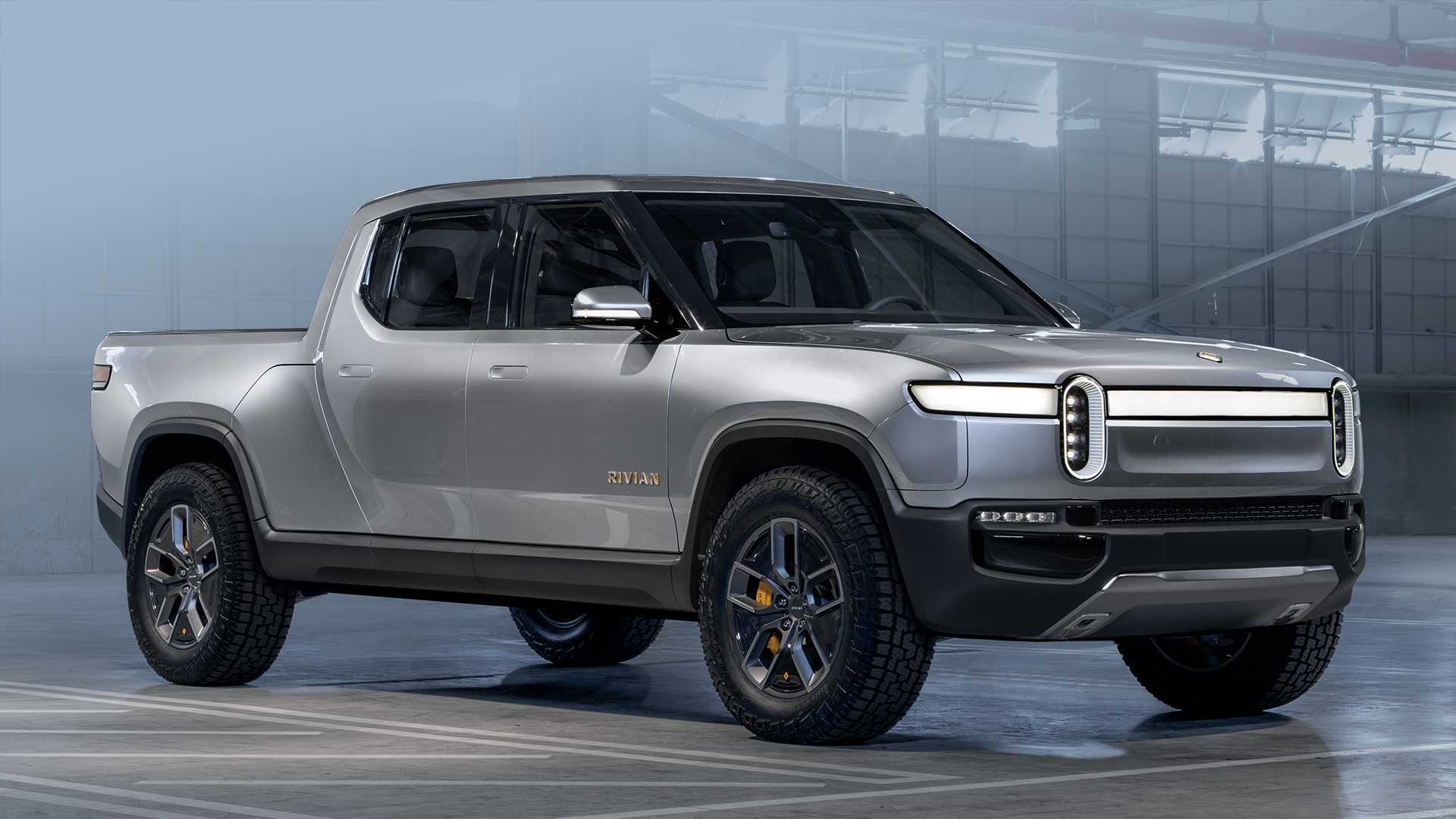
Where Rivian truly differentiated the R1T was in thoughtful design details that show an obsessive focus on user experience. The gear tunnel a lockable storage compartment that runs the width of the vehicle between the cab and bed provides over 11 cubic feet of secure storage space.
It’s perfect for keeping recovery gear, camping equipment, or dirty items separate from the cab. The optional camp kitchen, which slides out from the gear tunnel with a two-burner induction cooktop and storage, exemplifies Rivian’s adventure-focused design philosophy.
The R1T’s bed, while shorter than full-size trucks at 4.5 feet, cleverly addresses this limitation. The midgate folds down, allowing items up to 8 feet long to extend into the cab area.
The bed also includes integrated air compressor, 110V outlets, and lockable storage tunnels along the sides features that required aftermarket solutions on conventional trucks.
The R1T’s influence is already visible. Legacy manufacturers studying the R1T’s design and features are incorporating similar elements into their electric truck programs.
The gear tunnel concept, adventure-focused features, and emphasis on user experience are becoming benchmarks against which other electric trucks are measured.
By proving that an electric truck could be a serious adventure vehicle not just a work truck or daily driver Rivian expanded the possibilities for the entire segment.
4. Lucid Air (2021-Present)
The Lucid Air arrived with a bold mission: to out-Tesla Tesla in the luxury electric sedan segment. While ambitious, Lucid has largely succeeded, creating a vehicle that pushes the boundaries of electric vehicle efficiency, range, performance, and luxury in ways that forced the entire industry to recalibrate what’s possible with current battery technology.
At the heart of the Air’s achievement is its unprecedented efficiency. The Air Dream Edition Range achieved an EPA-estimated 516 miles on a single charge the longest range of any production electric vehicle.
This wasn’t accomplished through simply installing a massive battery; the Air’s excellence stems from holistic engineering efficiency.
The in-house developed electric motors are remarkably compact yet powerful, the aerodynamics are exceptional with a drag coefficient of just 0.197, and the battery management systems squeeze every possible mile from the battery pack.
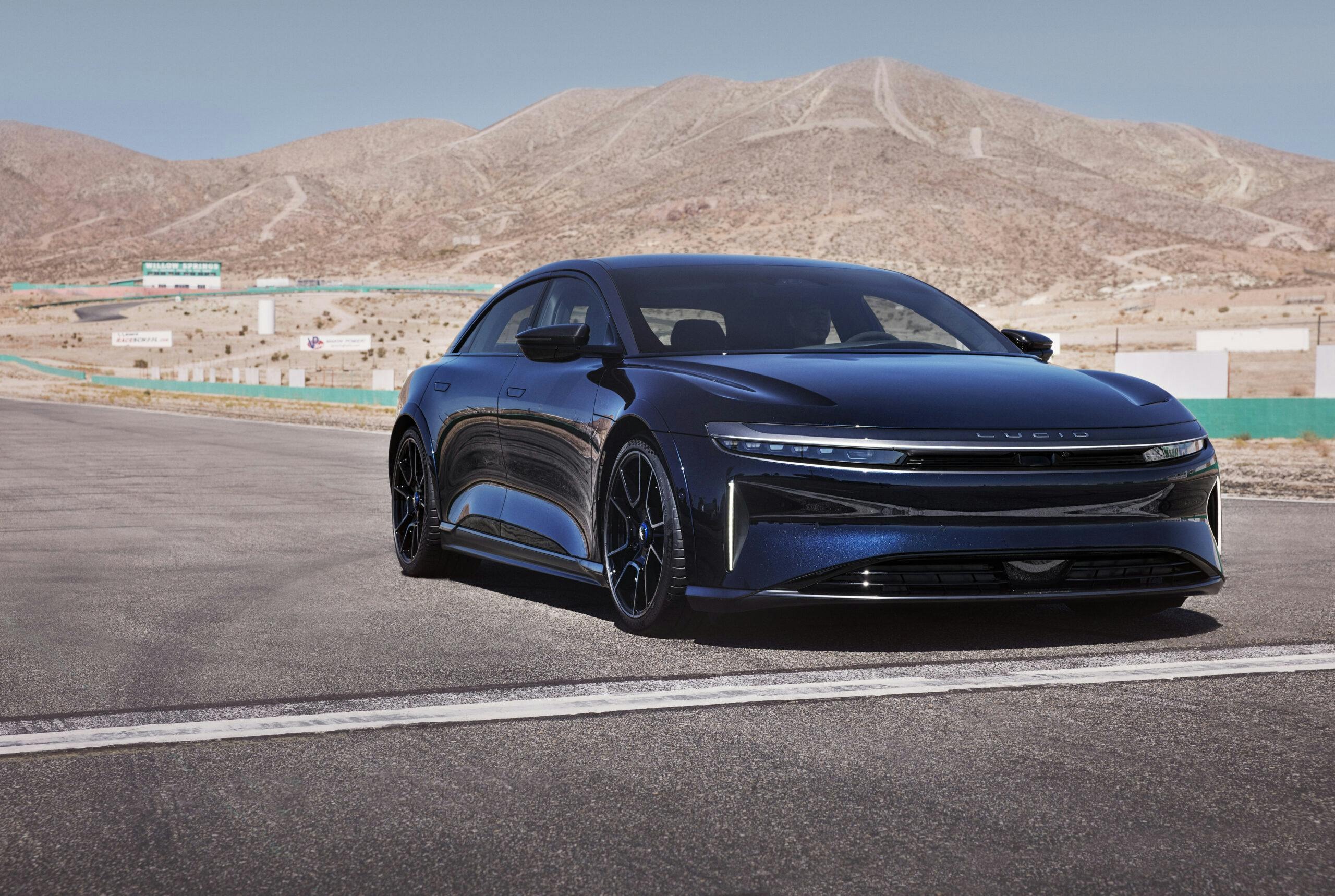
This efficiency advantage has profound implications beyond just range. It means faster charging (the Air can add up to 300 miles of range in just 20 minutes under ideal conditions), less battery degradation over time, and better real-world performance in various conditions.
Lucid demonstrated that efficiency often dismissed as boring is actually the foundation of electric vehicle excellence. The Air’s performance credentials are equally impressive.
The Air Sapphire variant produces an astonishing 1,234 horsepower, rocketing from 0-60 mph in just 1.89 seconds making it one of the quickest production cars ever built.
Yet the Air isn’t just a straight-line missile; it handles with surprising agility for a large luxury sedan, with precise steering and impressive body control despite its substantial weight. Perhaps most significantly, the Air proved that there’s room for new players in the luxury segment.
Tesla had shown that startups could build compelling EVs, but many questioned whether a newcomer could truly compete at the luxury level where established brands like Mercedes-Benz, BMW, and Audi had decades of expertise.
Also Read: 10 Used SUVs That Still Compete With New Models
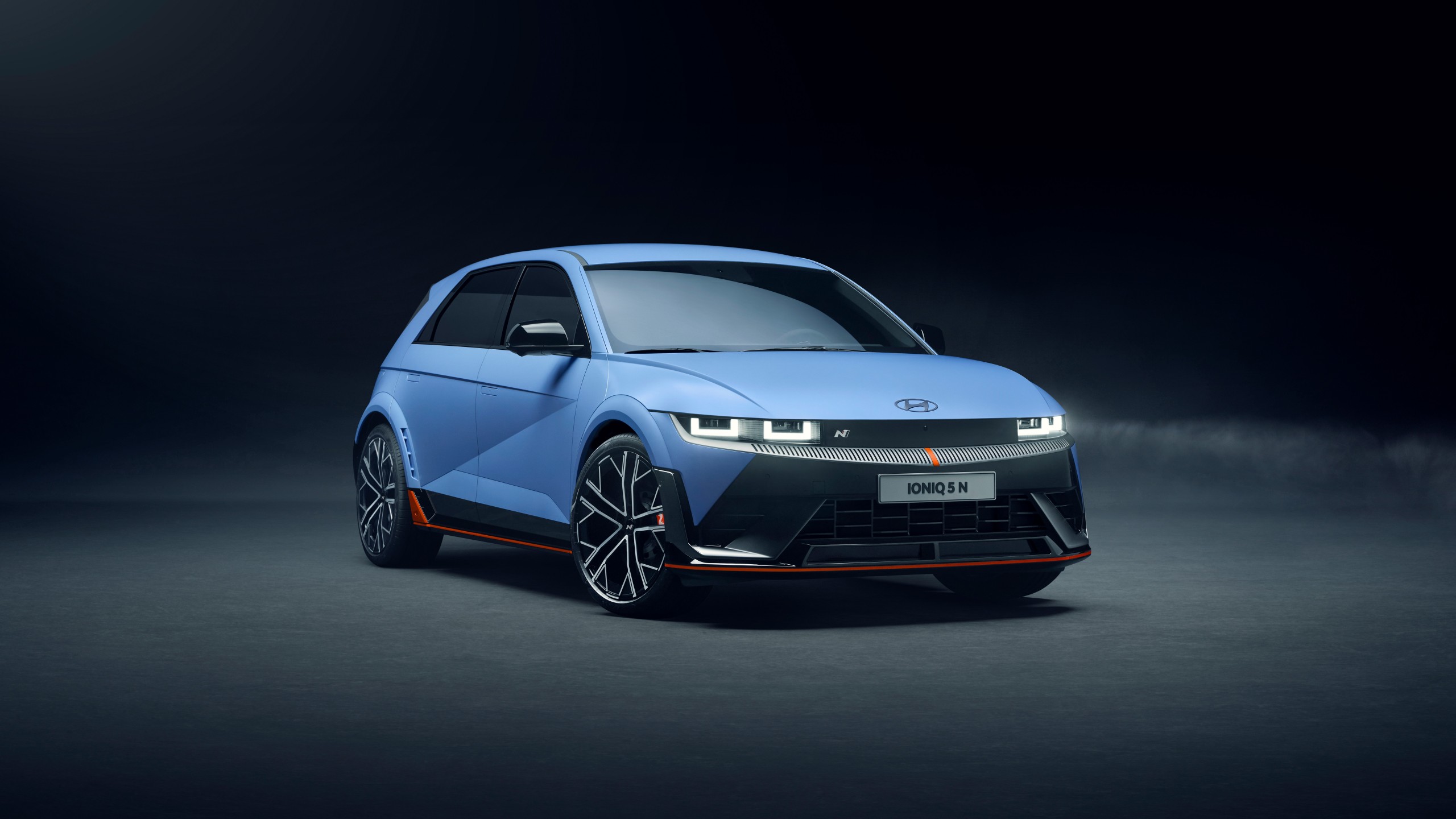
5. Hyundai Ioniq 5 (2022-Present)
The Hyundai Ioniq 5 represents a watershed moment for mainstream electric vehicles, proving that innovative design, compelling technology, and accessible pricing aren’t mutually exclusive.
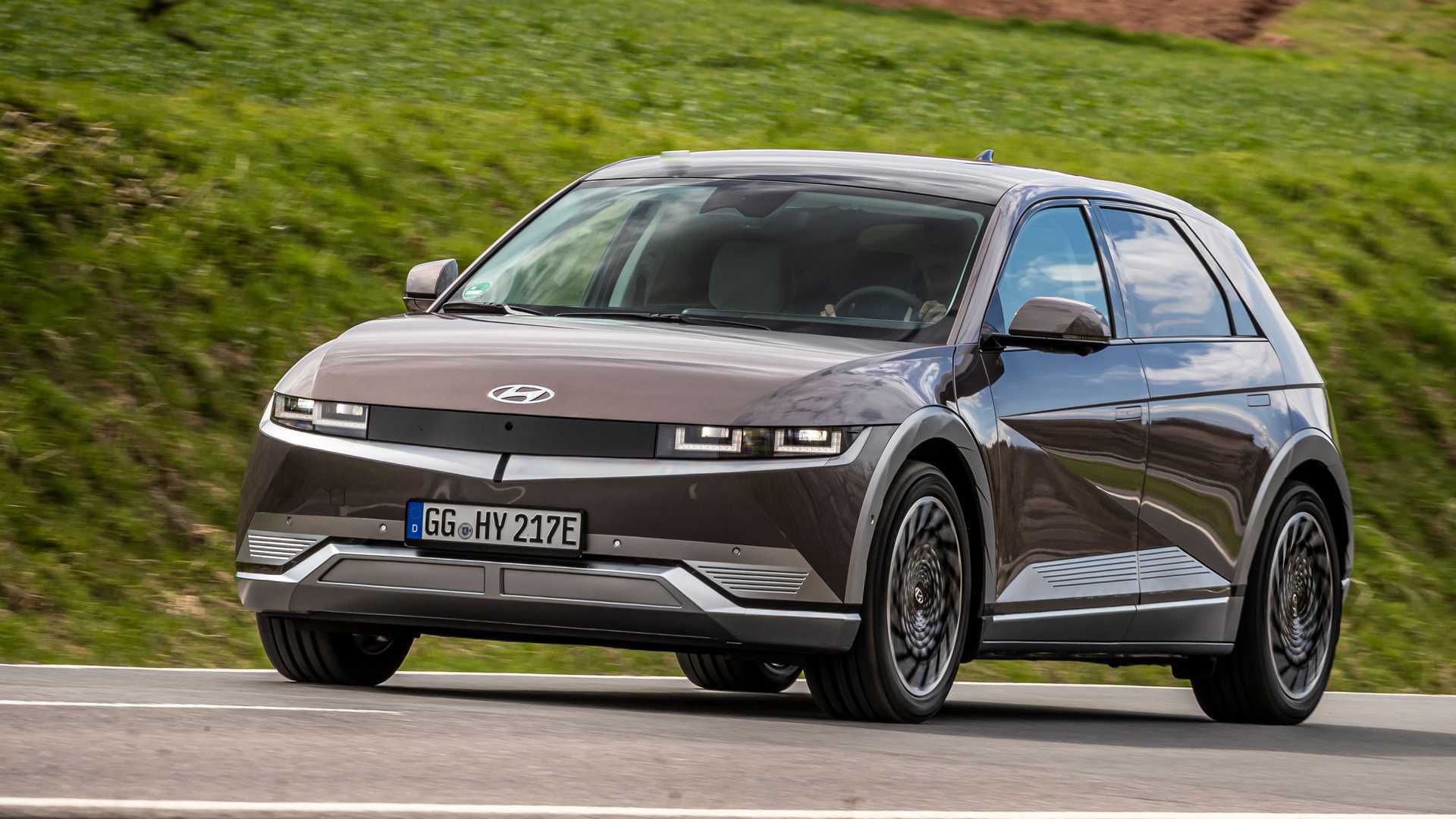
Built on Hyundai’s dedicated E-GMP electric vehicle platform, the Ioniq 5 redefined expectations for what sub-luxury EVs could deliver, forcing competitors to dramatically raise their game while introducing design language that challenged conventional automotive aesthetics.
The Ioniq 5’s design is polarizing in the best way. Drawing inspiration from the 1970s Pony, Hyundai’s first production car, the Ioniq 5 features crisp, angular lines and distinctive pixelated lighting elements that make it instantly recognizable.
In a segment where many vehicles look generically crossover-shaped, the Ioniq 5 stands out, demonstrating that affordable doesn’t mean anonymous. The design also serves function: the boxy shape maximizes interior space while the clean surfaces and active grille enhance aerodynamic efficiency.
The interior represents an even more dramatic departure from convention. Rather than facing backward-looking criticism for minimalism, Hyundai created a lounge-like environment that feels more like modern furniture design than traditional automotive interiors.
The flat floor, enabled by the skateboard platform, creates surprising spaciousness. The front seats can recline nearly flat, transforming the cabin into a relaxation space while charging a feature that seems gimmicky until you experience its comfort during a road trip charging stop.
The sliding center console is another thoughtful innovation. It can move up to 5.5 inches forward or backward, allowing drivers and passengers to optimize interior space based on their needs.
This flexibility, combined with the spacious interior dimensions that exceed many vehicles with larger exterior footprints, demonstrates how electric vehicle architecture enables interior packaging innovations impossible with conventional powertrains.
The Ioniq 5’s success forced other mainstream manufacturers to accelerate and improve their EV programs. Volkswagen, Nissan, Chevrolet, and others realized that competitive electric vehicles required more than just adequate range and sensible packaging they needed innovative design, thoughtful features, and genuine desirability. The Ioniq 5 raised the bar for the entire segment.
6. Porsche Taycan (2020-Present)
When Porsche, the legendary sports car manufacturer, announced their first fully electric vehicle, enthusiasts worldwide held their breath.
Could a car without an engine truly be a Porsche? The Taycan answered with an emphatic yes, redefining what electric performance vehicles could be while proving that electrification and driving passion aren’t contradictory they’re complementary.
The Taycan’s most significant achievement was demonstrating that electric vehicles could deliver the driving dynamics, build quality, and emotional engagement that Porsche enthusiasts demand.
This wasn’t simply about straight-line acceleration where electric vehicles inherently excel but about the complete driving experience: steering feel, chassis balance, brake pedal consistency, and that intangible quality that makes a car feel special.
Porsche’s engineering excellence is evident throughout the Taycan. The two-speed transmission on the rear axle unique among electric vehicles provides both explosive acceleration and efficient high-speed cruising.
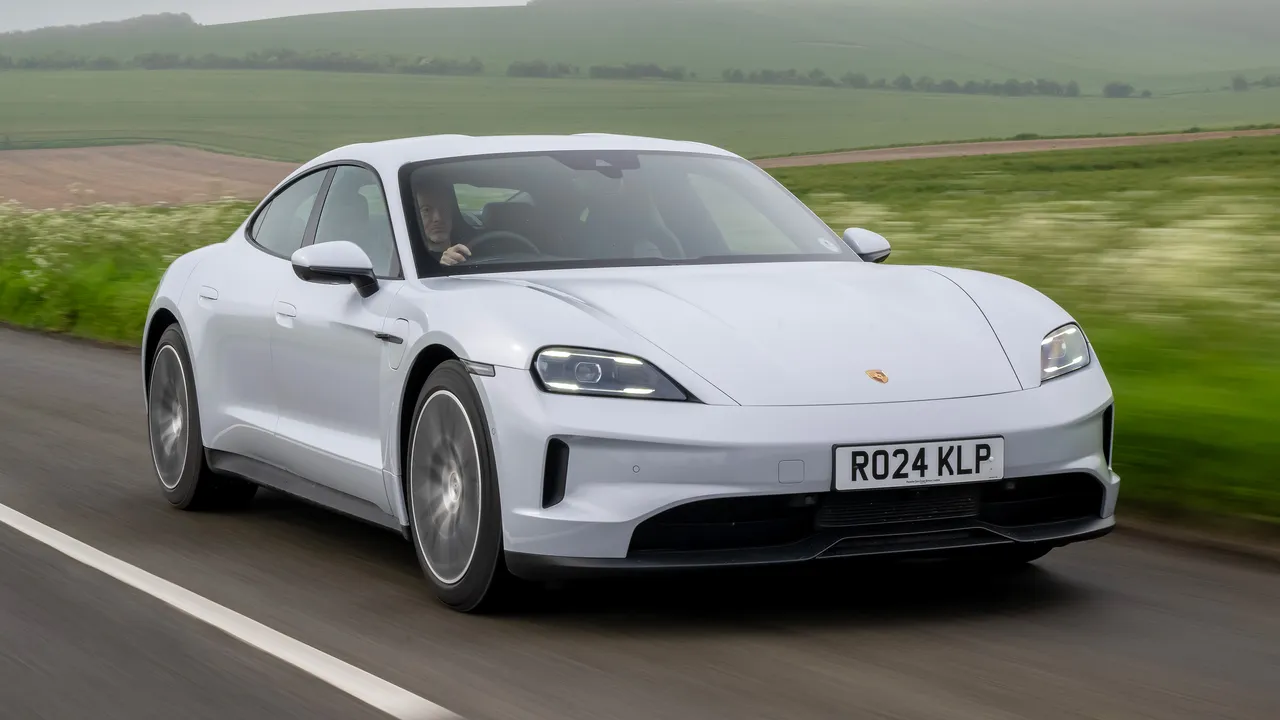
The sophisticated adaptive air suspension, rear-axle steering, and torque vectoring create handling characteristics that rival Porsche’s best gas-powered sports sedans. The Taycan doesn’t just perform well for an EV it performs well, period.
The 800-volt electrical architecture later adopted by Hyundai and others was pioneering when the Taycan launched. This higher voltage enables faster charging while allowing smaller, lighter electrical components.
The Taycan can charge from 5% to 80% in just 22.5 minutes with a 270-kW charger, making it practical for long-distance travel without excessive charging stops.
Sustainable performance is another area where the Taycan excels. Unlike some EVs that deliver impressive initial acceleration but fade quickly during repeated hard use, the Taycan offers repeatable performance.
The sophisticated thermal management systems keep the battery and motors at optimal temperatures, allowing consistent lap times during track sessions a capability that matters to enthusiasts even if they rarely exploit it.
The Taycan also succeeded commercially beyond Porsche’s expectations. It became Porsche’s fourth best-selling model, attracting both traditional Porsche customers and new buyers drawn by the electric powertrain.
This success proved that performance-oriented buyers would embrace electrification when execution matched their expectations, fundamentally changing assumptions about the performance vehicle market’s future.
7. Kia EV6 (2022-Present)
The Kia EV6 arrived as the fraternal twin to the Hyundai Ioniq 5, sharing the E-GMP platform while carving its own distinct identity. What makes the EV6 particularly significant is how it raised Kia’s brand positioning, transforming perceptions of the Korean manufacturer from value-oriented alternative to genuine premium contender.
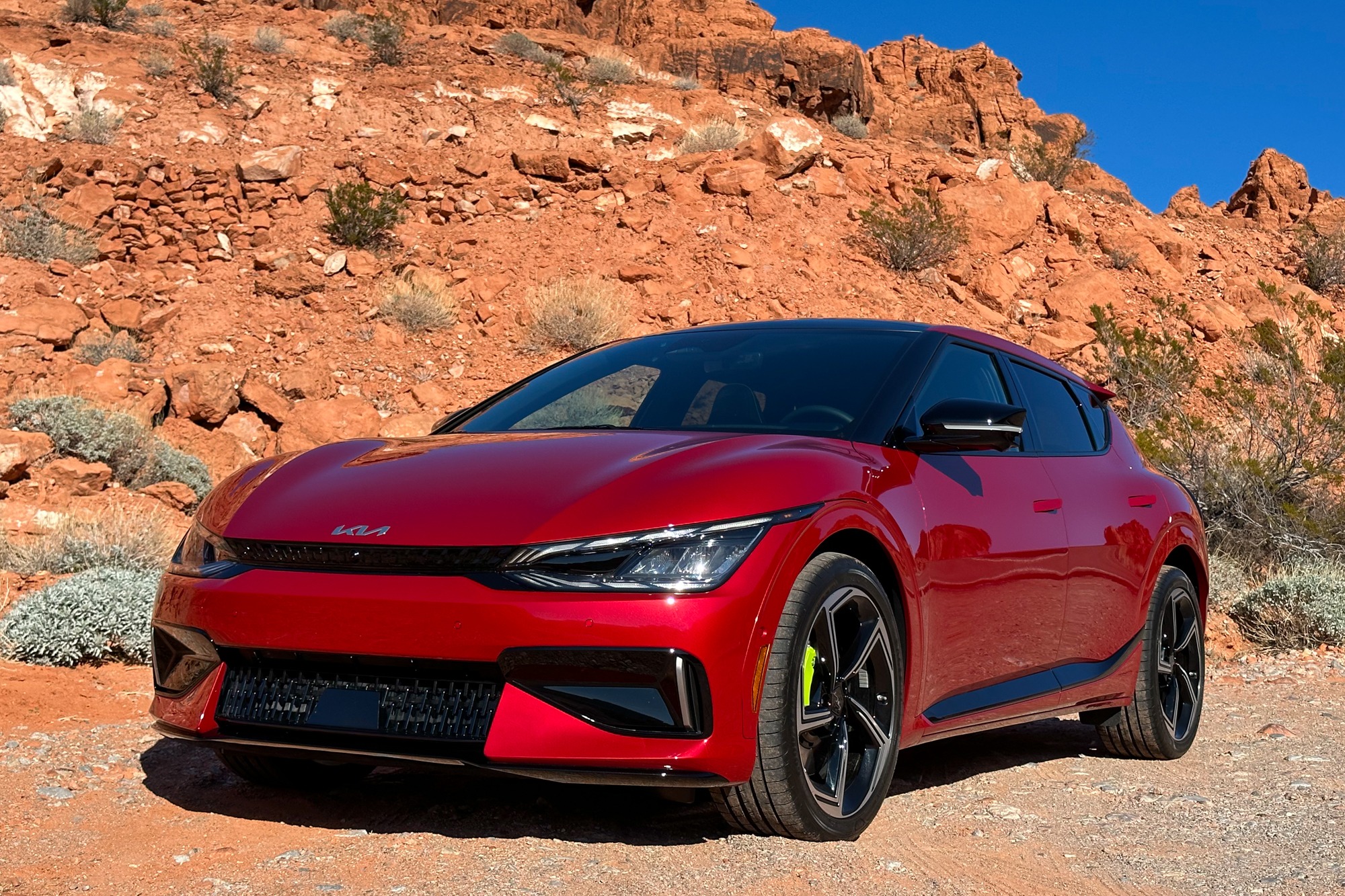
The EV6 didn’t just redefine Kia’s segment; it redefined Kia itself. Design-wise, the EV6 takes a sportier, more aggressive approach than its Hyundai sibling.
The crossover coupe proportions, dramatic lighting elements including the distinctive “Star Map” LED daytime running lights, and crisp character lines create road presence that rivals vehicles from premium manufacturers.
This visual impact is crucial it signals immediately that the EV6 isn’t competing on price alone but on desirability and design sophistication.
The EV6’s performance credentials, particularly in GT trim, are genuinely impressive. With 576 horsepower, the EV6 GT sprints from 0-60 mph in just 3.4 seconds, matching dedicated sports cars.
The electronic limited-slip differential and sophisticated torque vectoring create handling dynamics that are genuinely engaging this isn’t just straight-line speed but a well-sorted performance vehicle that rewards skilled driving.
Like the Ioniq 5, the EV6 benefits from 800-volt architecture enabling rapid charging. The shared platform advantages mean the EV6 also offers excellent real-world charging speeds, though Kia’s implementation and tuning create slightly different driving characteristics.
The EV6 feels more dynamic and sporting in its responses, appealing to drivers who prioritize engagement over serenity. Interior quality represents a significant step forward for Kia.
The curved dual-screen setup spanning 12 inches each for instrument cluster and infotainment provides a high-tech feel, while material quality throughout the cabin is legitimately impressive.
Kia hasn’t simply used acceptable materials; they’ve used genuinely nice ones, with available features like augmented reality head-up display and premium Meridian sound system rivaling luxury brands. Perhaps most significantly, the EV6 showed that brand heritage in internal combustion engines wasn’t necessary for EV success.
Kia’s relative lack of sports car pedigree or luxury vehicle history didn’t handicap the EV6 if anything, it freed designers and engineers to think differently, without preconceptions about what a Kia should be. This liberation created something genuinely fresh and exciting.
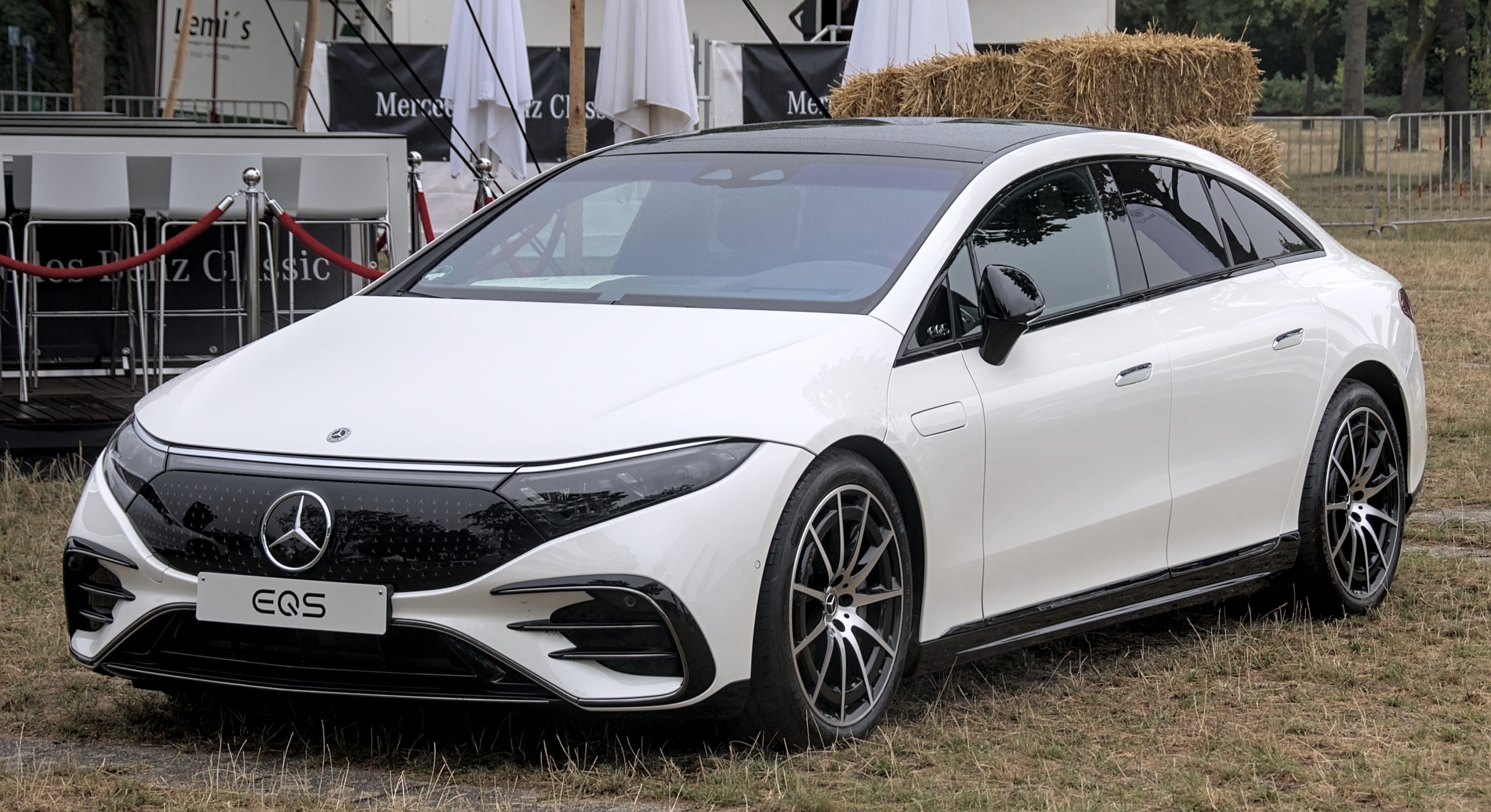
8. Mercedes-Benz EQS (2022-Present)
The Mercedes-Benz EQS represents traditional luxury manufacturers’ response to the EV revolution, demonstrating that century-old brands could embrace electrification while preserving and even enhancing the luxury, refinement, and technological sophistication that their customers expect.
The EQS didn’t just compete with Tesla; it redefined what electric luxury could mean. The EQS’s design philosophy represents a clean break from conventional Mercedes aesthetics.
The smooth, aerodynamic form prioritizes efficiency over traditional luxury sedan proportions, achieving a drag coefficient of just 0.20 among the lowest of any production vehicle.
While initially polarizing, the design is purposeful: every curve and surface contributes to maximizing range and efficiency while creating a distinctly futuristic presence.
The interior is where the EQS truly showcases Mercedes’ luxury credentials. The MBUX Hyperscreen a curved 56-inch glass panel spanning the entire dashboard width integrates three screens into a seamless interface that’s both visually stunning and functionally impressive.
The system learns user preferences, anticipates needs, and provides information with remarkable intuitiveness. This isn’t technology for technology’s sake; it’s carefully considered integration that enhances the luxury experience.
Sound insulation and refinement reach exceptional levels. Mercedes engineered the EQS to be one of the quietest production vehicles ever made, with acoustic glass, extensive sound deadening, and sophisticated active noise cancellation creating a serene cabin environment.
The optional Burmester 4D Surround Sound system with speakers in the seats that transmit sound through vibrations provides an immersive audio experience that rivals dedicated listening rooms.
Executive rear seating, particularly in EQS with the extended wheelbase, rivals the best business-class airline seats. Massage functions, heating, ventilation, extensive adjustment, and optional entertainment screens provide rear passengers with exceptional comfort.
The EQS reminds chauffeur-driven executives that electric sedans can deliver the dignity and comfort they expect from flagship luxury vehicles.
The EQS’s impact on the luxury segment has been significant. It proved that traditional luxury manufacturers could transition to electric powertrains while preserving their brand identities and value propositions.
The EQS didn’t try to mimic Tesla; it offered a distinctly Mercedes experience powered by electrons rather than gasoline, showing that different approaches to luxury EVs could coexist and thrive.
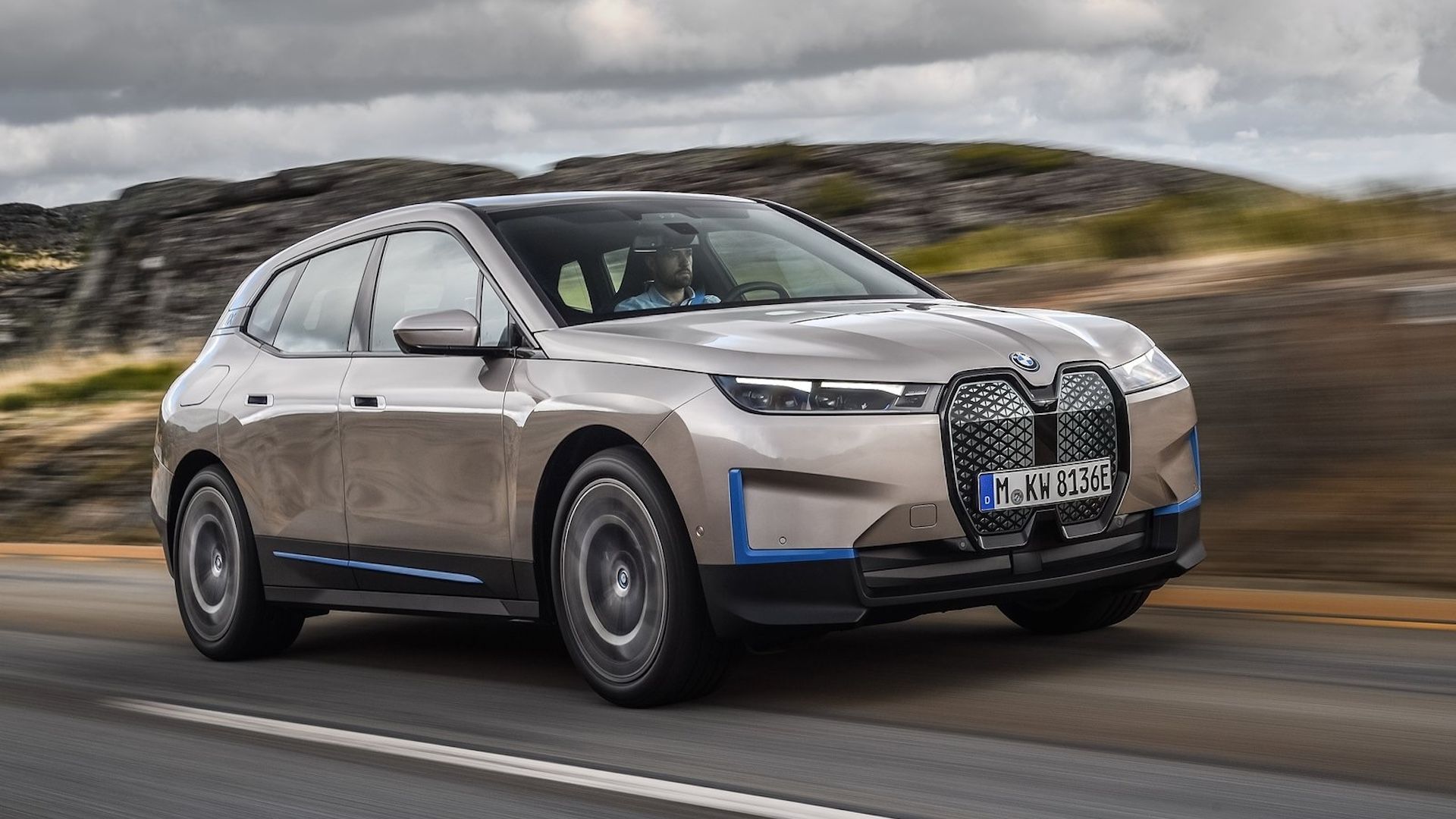
9. BMW iX (2022-Present)
The BMW iX represents the German manufacturer’s most ambitious electric vehicle to date, combining BMW’s renowned driving dynamics with cutting-edge technology and sustainable luxury.
As BMW’s technological flagship, the iX redefines what premium electric SUVs can deliver, challenging assumptions about what an electric BMW should be while pioneering innovations that will influence the brand’s future.
The iX’s exterior design polarized observers, particularly the massive kidney grille now a closed panel rather than functional air intake. BMW defended the controversial design as necessary to house sensors and emphasize brand identity.
Regardless of aesthetic opinions, the iX’s presence is undeniable, and the design serves aerodynamic efficiency with a drag coefficient of 0.25 impressive for a substantial SUV.
Powertrain performance delivers the dynamic character BMW enthusiasts expect. The xDrive50 variant produces 516 horsepower, propelling the SUV from 0-60 mph in 4.6 seconds.
Yet performance isn’t just about straight-line speed; the iX’s low center of gravity (battery placement), balanced weight distribution, and sophisticated chassis dynamics create handling that’s genuinely engaging for a 5,500-pound vehicle.
The iX’s range is competitive, with the xDrive50 achieving up to 324 miles EPA-estimated. More importantly, real-world efficiency often exceeds expectations thanks to sophisticated thermal management and efficient powertrains.
Charging at up to 195 kW means 10% to 80% charges take approximately 35 minutes acceptable if not class-leading. Interior luxury and sustainability represent the iX’s most significant achievements.
BMW sourced sustainable materials extensively: recycled plastics, FSC-certified wood, olive-tanned leather alternatives, and recycled fishnets in carpeting demonstrate that luxury need not compromise environmental responsibility.
The materials don’t just feel acceptable; they’re genuinely premium, proving sustainability and luxury aren’t contradictory. The iX proved that electric SUVs could deliver the complete BMW experience not just adequate transportation with a blue-and-white badge.
It maintains BMW’s ultimate driving machine ethos while embracing electrification’s possibilities, showing that brand identity can evolve without being abandoned.
This balance between heritage and innovation provides a blueprint for how legacy manufacturers can transition to electric futures while maintaining the characteristics that made them successful.
10. Chevrolet Silverado EV (2024-Present)
General Motors’ entry into the electric pickup truck segment with the Silverado EV represents a full-size American manufacturer’s serious commitment to electrification, bringing scale, capability, and innovation to the most important vehicle segment in the American market.
While Ford beat Chevrolet to market with the F-150 Lightning, the Silverado EV’s distinct approach and impressive specifications have redefined what full-size electric trucks can deliver.
Built on GM’s Ultium platform their dedicated EV architecture the Silverado EV benefits from ground-up electric design rather than adaptation of existing trucks.
This foundation enables the massive 24-module battery pack to integrate into the frame, providing structural benefits while delivering enormous capacity.
The result is staggering: up to 440 miles of estimated range in certain configurations, leading the electric pickup segment and eliminating range anxiety for most users.
The Silverado EV’s capability credentials are formidable. Maximum towing capacity reaches 10,000 pounds, while payload capacity hits 1,300 pounds competitive with many gas-powered trucks.
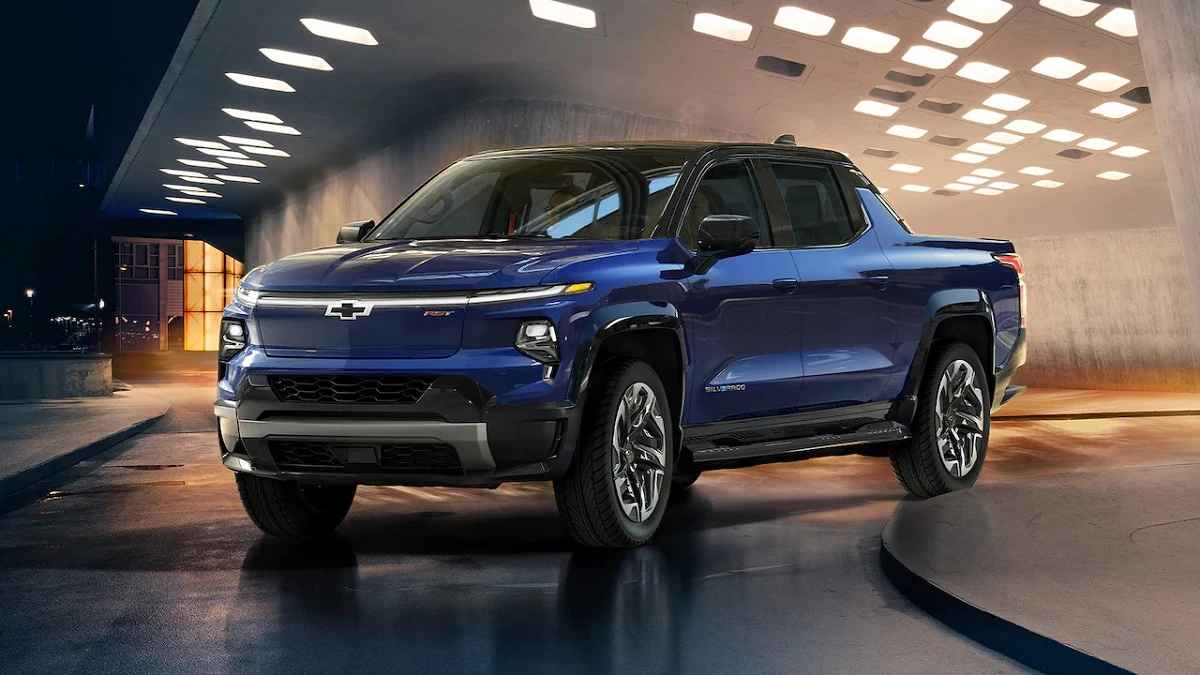
The available 754 horsepower from the tri-motor setup provides effortless acceleration and towing performance, with instant torque delivery making trailer pulling smoother and more controlled than conventional trucks.
The wide-open power delivery full torque available immediately transforms the towing experience. Innovations unique to the Silverado EV demonstrate thoughtful engineering.
The Multi-Flex midgate reviving a feature from the now-classic Avalanche allows the rear wall of the cab to fold down, extending the bed length from six feet to nearly nine feet.
This flexibility addresses one of electric trucks’ traditional compromises: shorter beds due to cab and battery packaging requirements.
With the midgate open and tailgate down, the Silverado EV can accommodate sheets of plywood or long lumber that would require conventional trucks with eight-foot beds.
The eTrunk (Chevrolet’s term for the front trunk) provides weatherproof storage and includes a 120V outlet plus USB ports. While not as large as the F-150 Lightning’s frunk, it’s thoughtfully designed with drainage capability and enough space for securing valuables or keeping temperature-sensitive items out of the truck bed.
For fleet operators who represent enormous purchasing volume the Silverado EV offers compelling economics. Lower fuel costs, reduced maintenance requirements, and potential utility incentives create total cost of ownership advantages that can overcome higher purchase prices.
GM’s emphasis on serving commercial and government fleets with the WT model demonstrates strategic thinking about how electric truck adoption will actually scale.
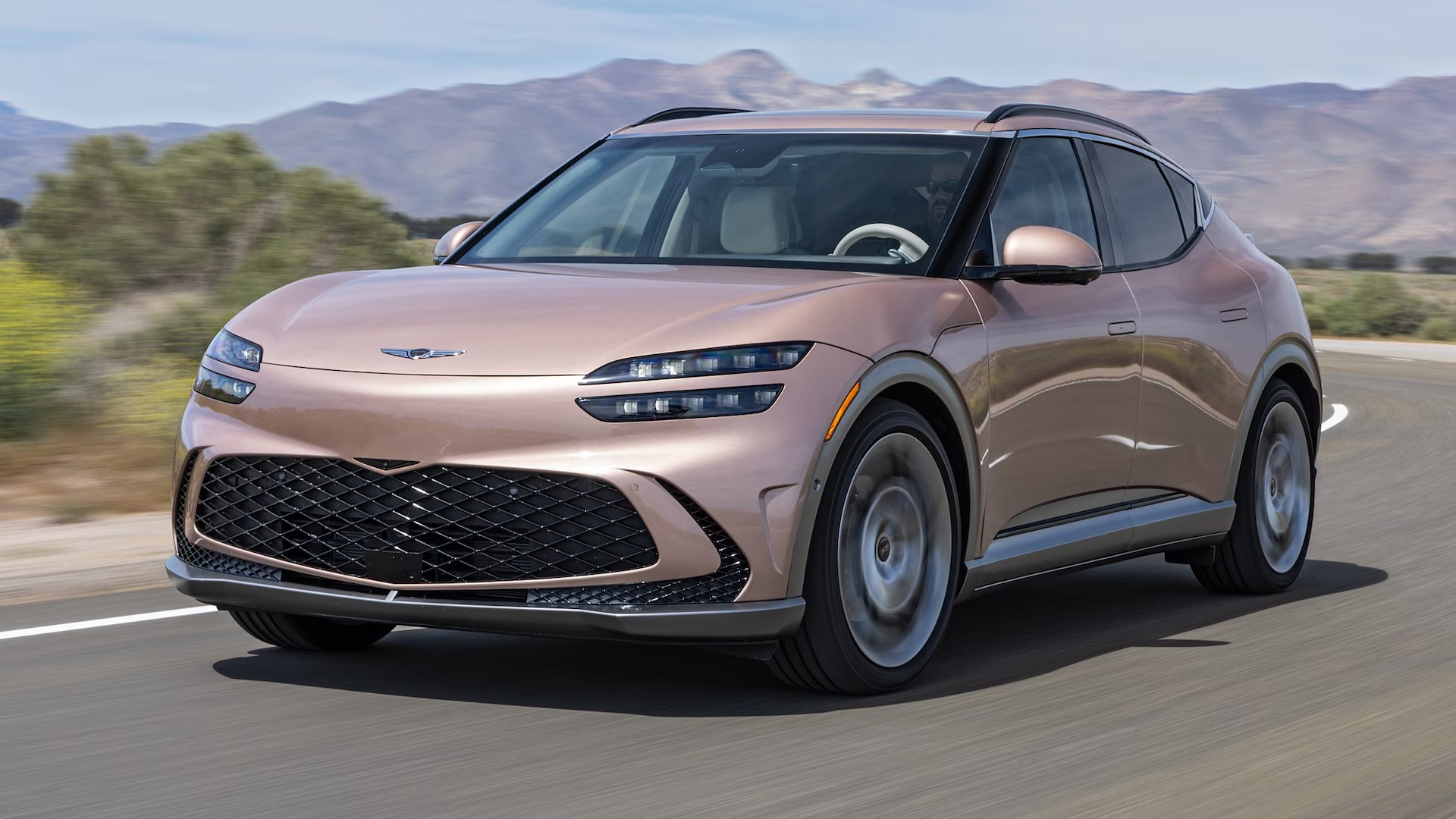
11. Genesis GV60 (2023-Present)
The Genesis GV60 represents Hyundai’s luxury brand confidently entering the electric vehicle space with a design-forward, technology-rich crossover that demonstrates electric vehicles can deliver emotional appeal and luxury refinement typically associated with established premium brands.
As Genesis’s first dedicated electric vehicle, the GV60 redefines expectations for what emerging luxury brands can achieve while establishing Genesis’s electrified identity.
Design is where the GV60 immediately distinguishes itself. Rather than the angular approach of its Hyundai Ioniq 5 platform mate, the GV60 embraces flowing, organic surfaces and distinctive lighting elements including the quad-lamp design that recalls Genesis’s heritage while looking distinctly futuristic.
The athletic proportions and short overhangs create visual dynamism that conventional crossovers struggle to match. This isn’t simply a nice-looking vehicle; it’s a statement that Genesis can craft desirable, emotionally compelling designs without decades of Italian coachbuilding heritage.
The interior pushes luxury boundaries for the segment. Crystal Sphere, a rotating orb that reveals the gear selector when the vehicle starts, exemplifies Genesis’s willingness to embrace theatrical design elements that create memorable experiences.
Critics might dismiss such features as gimmicky, but they create emotional connections and brand differentiation crucial for luxury brands establishing identity.
Material quality throughout the cabin meets or exceeds expectations for the price point. Available nappa leather, metal trim elements, and thoughtful surface treatments demonstrate Genesis’s understanding that luxury is experienced through touch as much as sight.
The 12.3-inch dual curved display integrates instrument cluster and infotainment in a clean, modern interface that feels premium without overwhelming users.
Performance, particularly in the Sport Prestige and Sport Advanced trims with all-wheel drive, is genuinely impressive. The dual-motor setup produces 429 horsepower, enabling 0-60 mph acceleration in 4.0 seconds sports car territory.
Without legacy powertrains to defend or traditional luxury customers to placate, new entrants can experiment with bold designs and innovative features that established brands might hesitate to pursue. This freedom allows fresh thinking that can ultimately benefit consumers through increased competition and innovation.
12. Toyota bZ4X (2023-Present)
The Toyota bZ4X carries enormous significance not for revolutionary technology or groundbreaking design, but for what it represents: the world’s largest automaker renowned for reliability and conservative engineering fully committing to battery electric vehicles.
When Toyota creates a dedicated EV platform and launches a mainstream electric crossover, it signals that EVs have transitioned from niche alternative to automotive mainstream.
Toyota’s deliberate approach to the bZ4X reflects the company’s engineering philosophy. Rather than pursuing maximum range, quickest charging, or bleeding-edge technology, Toyota prioritized reliability, longevity, and real-world usability.
The battery thermal management system, developed to maximize battery lifespan, aims to retain 90% of capacity after 10 years addressing one of consumers’ primary EV concerns.
This conservative, reliability-focused approach is quintessentially Toyota. The bZ4X’s platform e-TNGA, developed jointly with Subaru represents Toyota’s dedicated electric vehicle architecture.
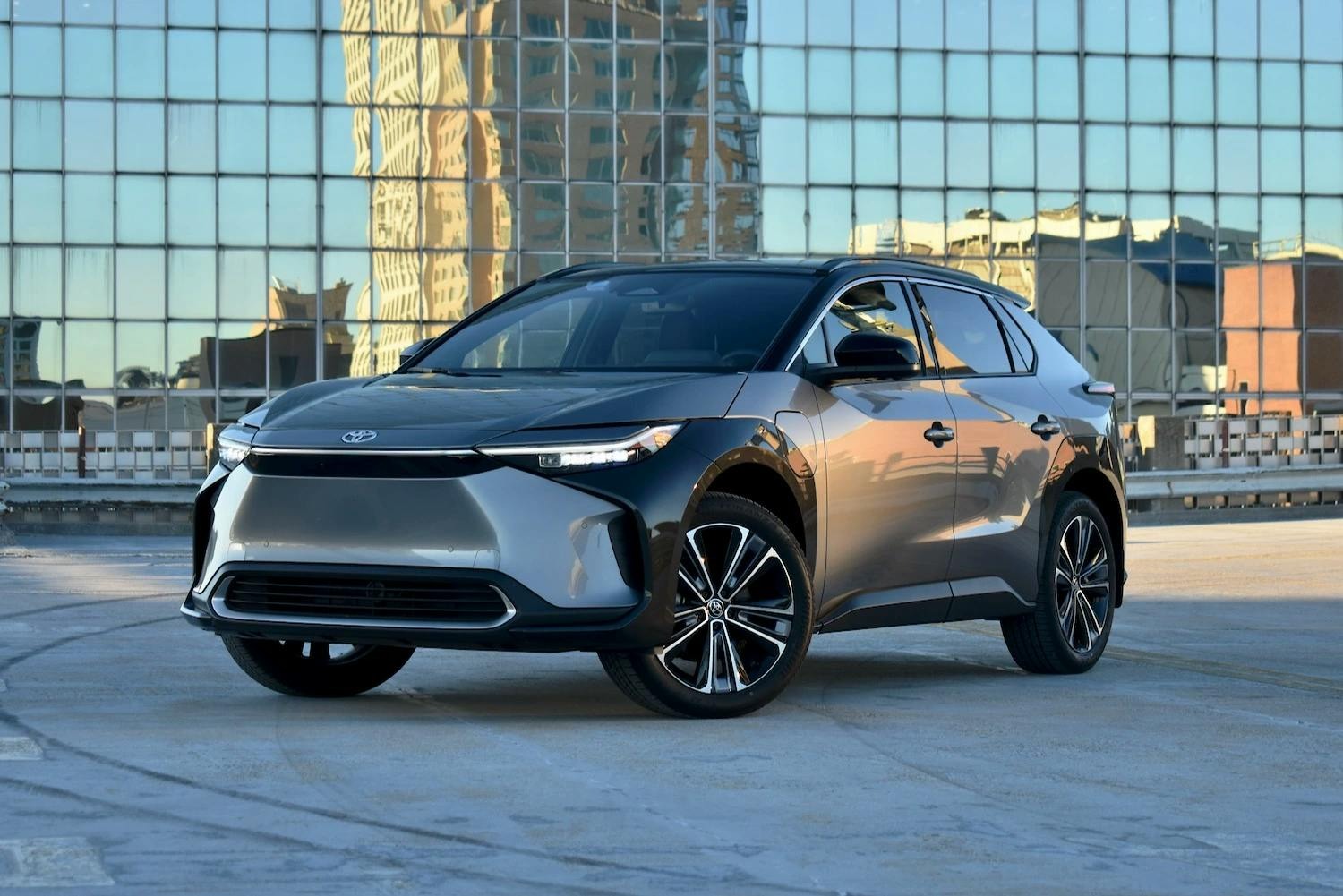
The low-mounted battery pack provides a low center of gravity that benefits handling, while the flat floor creates impressive interior spaciousness despite relatively compact exterior dimensions.
All-wheel-drive variants, using Subaru’s expertise, deliver capable traction in adverse conditions important for buyers in northern climates.
Interior design emphasizes usability and practicality over flashy technology. The yoke-style steering wheel option (available with One Motion Grip Toyota’s steer-by-wire system) generated controversy, though Toyota also offers conventional round steering wheels.
The 12.3-inch touchscreen integrates Apple CarPlay and Android Auto recognition that consumers want familiar interfaces rather than proprietary systems requiring learning curves.
The bZ4X also represents Toyota’s learning vehicle. Like any first-generation product, it has areas for improvement.
However, Toyota’s track record of iterative refinement suggests future generations will address current limitations while building on the solid foundation. The bZ4X establishes Toyota’s electric vehicle competency, creating the platform for continuous improvement.
Also Read: 10 Proven Used Cars That Are More Reliable Than New Ones
