
In the automotive world, there’s an unfortunate irony that plagues certain vehicles: the engine runs beautifully for hundreds of thousands of miles, but the transmission gives up long before the rest of the car is ready to retire.
This phenomenon has frustrated countless car owners who’ve invested in what they believed would be reliable transportation, only to face expensive transmission rebuilds or replacements while the engine still purrs like new.
Transmissions are complex mechanical systems that endure tremendous stress during every drive. They manage power delivery from the engine to the wheels, constantly shifting gears, managing hydraulic pressure, and dealing with heat and friction.
When a transmission fails prematurely, it’s often due to design flaws, inadequate cooling systems, poor quality control, or the use of subpar materials to cut manufacturing costs. Sometimes, it’s a combination of all these factors.
The financial impact of transmission failure can be devastating. A complete transmission replacement or rebuild can cost anywhere from $3,000 to $8,000 or more, depending on the vehicle.
For many owners, this expense exceeds the car’s remaining value, forcing them to make the difficult decision between a costly repair and purchasing another vehicle altogether. This is particularly frustrating when the rest of the car remains in excellent condition.
What makes this situation even more problematic is that many of these transmission issues are well-documented and persistent across multiple model years.
Manufacturers have sometimes been slow to address these problems, leaving consumers to bear the financial burden. Class-action lawsuits have been filed against several automakers over transmission defects, highlighting the widespread nature of these issues and the significant impact on vehicle owners.
The vehicles on this list represent some of the most notorious examples of cars where the transmission became the weak link in an otherwise functional vehicle.
These aren’t necessarily bad cars many have excellent engines, comfortable interiors, and desirable features. However, their transmission problems have become so prevalent and well-documented that they’ve earned a reputation for unreliability in this critical component.
This list examines ten vehicles that have become infamous for transmission problems that appear long before the engine shows signs of serious wear.
From domestic brands to foreign manufacturers, from economy cars to luxury vehicles, transmission problems don’t discriminate. We’ll explore what makes each vehicle’s transmission particularly problematic, the symptoms owners should watch for, and the typical costs associated with repair or replacement.
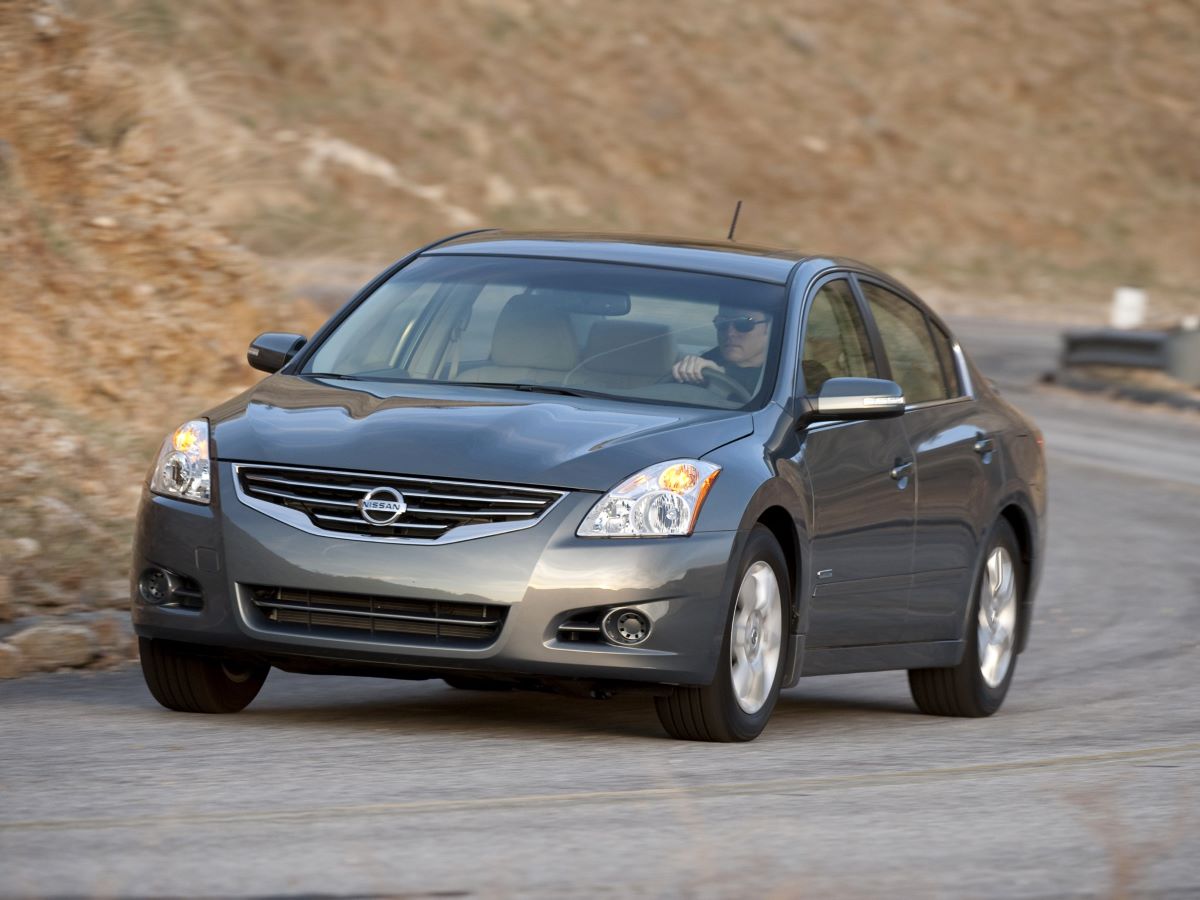
1. Nissan Altima (2007-2012)
The Nissan Altima from the 2007 to 2012 model years has earned an unfortunate reputation as one of the most problematic vehicles when it comes to transmission reliability.
Specifically, the models equipped with the CVT (Continuously Variable Transmission) have become notorious for premature failure, often leaving owners with repair bills that exceed the vehicle’s value.
What makes this situation particularly frustrating is that the Altima’s engine whether the four-cylinder or V6 variant typically remains reliable and capable of lasting well over 200,000 miles with proper maintenance.
The primary issue with these Altima transmissions centers around the CVT design that Nissan implemented during this generation. Unlike traditional automatic transmissions with fixed gear ratios, CVTs use a belt and pulley system to provide seamless acceleration.
However, Nissan’s early CVT iterations suffered from numerous design flaws that led to catastrophic failures. Owners frequently report symptoms beginning around 60,000 to 100,000 miles, though some have experienced failures even earlier.
Common symptoms include shuddering during acceleration, particularly when merging onto highways or climbing hills. Many drivers describe a sensation of the car “jerking” or “lurching” forward unpredictably.
Others report strange whining or grinding noises emanating from the transmission area, or the vehicle hesitating when accelerating from a stop.
In severe cases, the transmission may slip out of gear entirely, fail to engage, or cause the vehicle to lose power suddenly while driving a dangerous situation that has led to numerous complaints to the National Highway Traffic Safety Administration.
The root causes of these failures are multifaceted. The CVT fluid deteriorates more quickly than Nissan initially anticipated, leading to increased friction and heat within the transmission.
The transmission cooler proves inadequate for managing temperatures during regular driving, particularly in hot climates or stop-and-go traffic.
Internal components, including the belt, pulleys, and valve body, wear prematurely due to design inadequacies and material quality issues. The transmission control module software also contains bugs that can cause erratic shifting behavior and contribute to mechanical wear.
Nissan has faced significant backlash over these transmission problems, including multiple class-action lawsuits. The company extended warranties on certain model years and implemented a settlement program for some affected owners, but many drivers still found themselves paying thousands of dollars out of pocket.
A replacement CVT can cost between $3,500 and $5,000 when purchased from Nissan, with labor adding another $1,500 to $2,000. Some owners have opted for remanufactured transmissions to save money, but these often come with shorter warranties and uncertain reliability.
What makes the Altima’s transmission problems particularly notable is the contrast with the vehicle’s dependability. The QR25DE four-cylinder engine and VQ35DE V6 are both known for exceptional longevity when properly maintained. The suspension, brakes, and electrical systems typically hold up well over time.
The interior materials show minimal wear, and rust is rarely an issue. Essentially, everything except the transmission can easily last 200,000 miles or more, making the CVT failure all the more frustrating for owners who otherwise enjoy their vehicles.
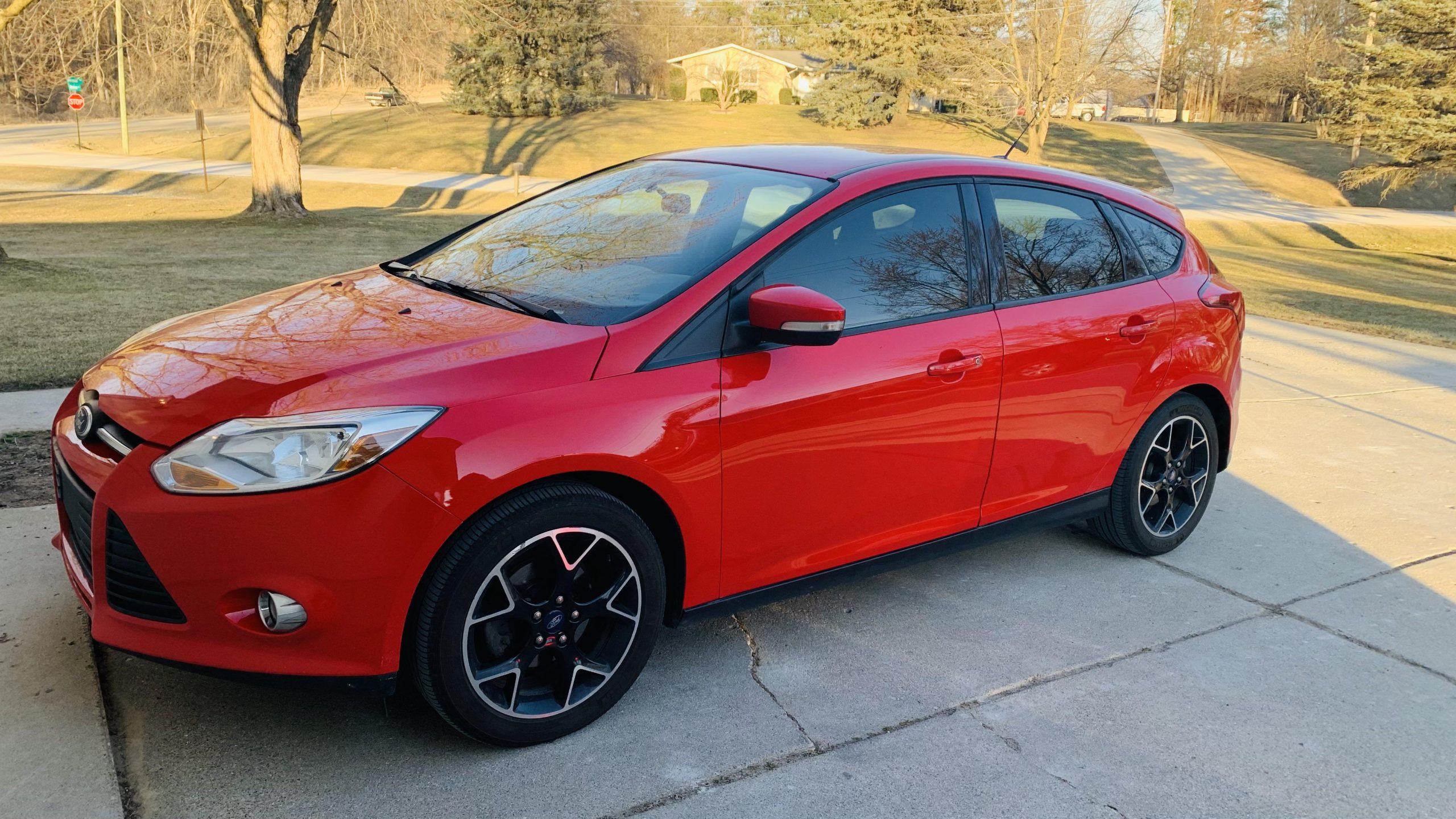
2. Ford Focus (2012-2016)
The Ford Focus equipped with the PowerShift dual-clutch automatic transmission represents one of the most significant transmission debacles in modern automotive history.
From 2012 to 2016, Ford installed this problematic transmission in both the Focus and Fiesta, leading to thousands of complaints, multiple investigations by federal regulators, and eventually a massive class-action lawsuit settlement.
The PowerShift transmission issues have become so widespread and severe that they’ve significantly damaged Ford’s reputation for reliability.
The PowerShift is a dual-clutch automated manual transmission, a technology that works beautifully in performance cars but proved disastrous in Ford’s implementation for economy vehicles.
The system uses two separate clutches one for odd gears and one for even gears—allowing for theoretically quick, seamless shifts. However, Ford’s execution suffered from fundamental design flaws and inadequate quality control that led to premature clutch wear and transmission control module failures.
Owners report problems beginning remarkably early, sometimes within the first 10,000 miles of ownership. The most common complaints include severe shuddering or vibration during low-speed acceleration, particularly from a stop.
The transmission hesitates unpredictably when pulling away from traffic lights or stop signs, creating dangerous situations when attempting to merge into traffic.
Many drivers describe the sensation as similar to learning to drive a manual transmission jerky, unpredictable, and embarrassing in traffic. Other symptoms include grinding or rattling noises, difficulty shifting into reverse, and the transmission slipping out of gear unexpectedly.
The technical root of these problems lies primarily in the clutch mechanism. The dual-clutch system relies on precise engagement and disengagement, but Ford’s implementation caused accelerated wear on the clutch material.
The transmission control module software proved inadequate for managing clutch engagement smoothly, particularly in stop-and-go traffic conditions.
Additionally, the clutch actuators the mechanisms responsible for engaging and disengaging the clutches frequently fail, leading to complete loss of transmission function.
Ford has issued numerous Technical Service Bulletins and software updates attempting to address the problems, but these fixes have proven largely ineffective at solving the underlying mechanical issues.
The company extended warranties on the clutch and transmission control module for certain model years, providing some relief to owners. However, many drivers have experienced repeated failures even after repairs, requiring multiple clutch replacements within the vehicle’s lifespan.
The financial impact on Focus owners has been substantial. Clutch replacement typically costs $1,500 to $2,500, and many owners have required multiple replacements.
Transmission control module replacement adds another $1,000 to $1,500. Complete transmission replacement, when necessary, can exceed $4,000.
For a car that initially sold for $16,000 to $20,000, these repair costs represent a significant percentage of the vehicle’s original value and often exceed what the car is worth by the time these problems manifest.
Despite the transmission nightmares, the rest of the Focus remains a competent vehicle. The 2.0-liter four-cylinder engine delivers adequate power and reasonable fuel economy while proving reliable over time.
The chassis offers engaging handling characteristics, and the interior, while basic, holds up well. Many owners genuinely enjoy their Focus except for the transmission, making the situation even more frustrating.
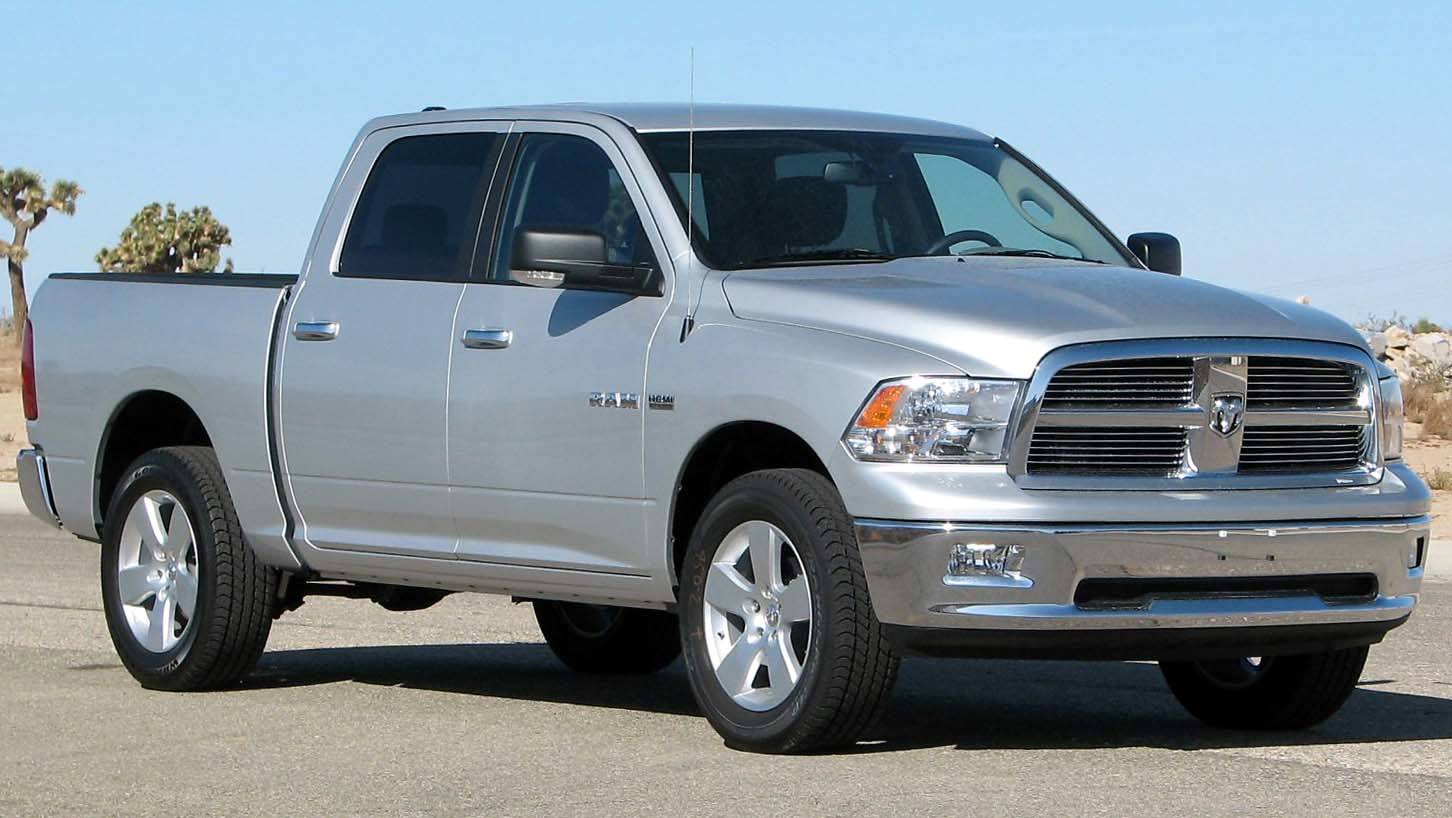
3. Dodge RAM 1500 (2009-2015)
The Dodge RAM 1500 pickup trucks from 2009 to 2015 equipped with the 68RFE six-speed automatic transmission have developed a notorious reputation for transmission problems that often surface well before the truck’s rugged HEMI V8 engine shows any signs of weakness.
These trucks, designed for heavy-duty work and towing, ironically suffer from a transmission that can’t handle the demands that the rest of the truck handles with ease.
For owners who depend on their RAM trucks for work or recreational towing, transmission failure isn’t just an inconvenience it’s a serious disruption to their livelihood or lifestyle.
The 68RFE transmission was designed to handle the torque from RAM’s 5.7-liter and 6.7-liter engines while managing heavy loads. However, the execution fell short of the design goals.
The transmission suffers from multiple failure points that manifest in various symptoms depending on which component fails first. Owners commonly report harsh or delayed shifting, particularly between second and third gears.
The truck may shift erratically, holding gears too long or shifting unexpectedly. Some drivers experience a noticeable “clunk” or “bang” when the transmission shifts, especially during deceleration or when downshifting.
One of the most concerning issues involves the torque converter, which frequently fails prematurely. When the torque converter begins failing, drivers notice shuddering or vibration at highway speeds, typically between 45 and 65 mph.
This shudder may come and go depending on load and speed, making it difficult to diagnose initially. The torque converter lockup clutch wears out prematurely, causing slippage that generates excessive heat.
As temperatures rise, transmission fluid breaks down more quickly, accelerating wear throughout the entire transmission system. The valve body the brain of the transmission that controls hydraulic pressure and directs fluid to engage different gears also proves problematic in these RAMs.
The valve body contains numerous small passages, solenoids, and check balls that control shift quality and timing. When these components wear or become clogged with debris from degraded fluid or worn clutch material, shift quality deteriorates rapidly.
Owners may experience delayed engagement when shifting from park to drive or reverse, or the transmission may seem to “hunt” between gears on the highway.
The cost of repairing or replacing the 68RFE transmission is substantial. A complete rebuild typically ranges from $2,800 to $4,500, depending on which components need replacement.
A remanufactured transmission costs between $3,500 and $5,000, while a new unit from the dealer can exceed $6,500 before installation labor. For truck owners who depend on their vehicle for business, the downtime for repairs compounds the financial impact.
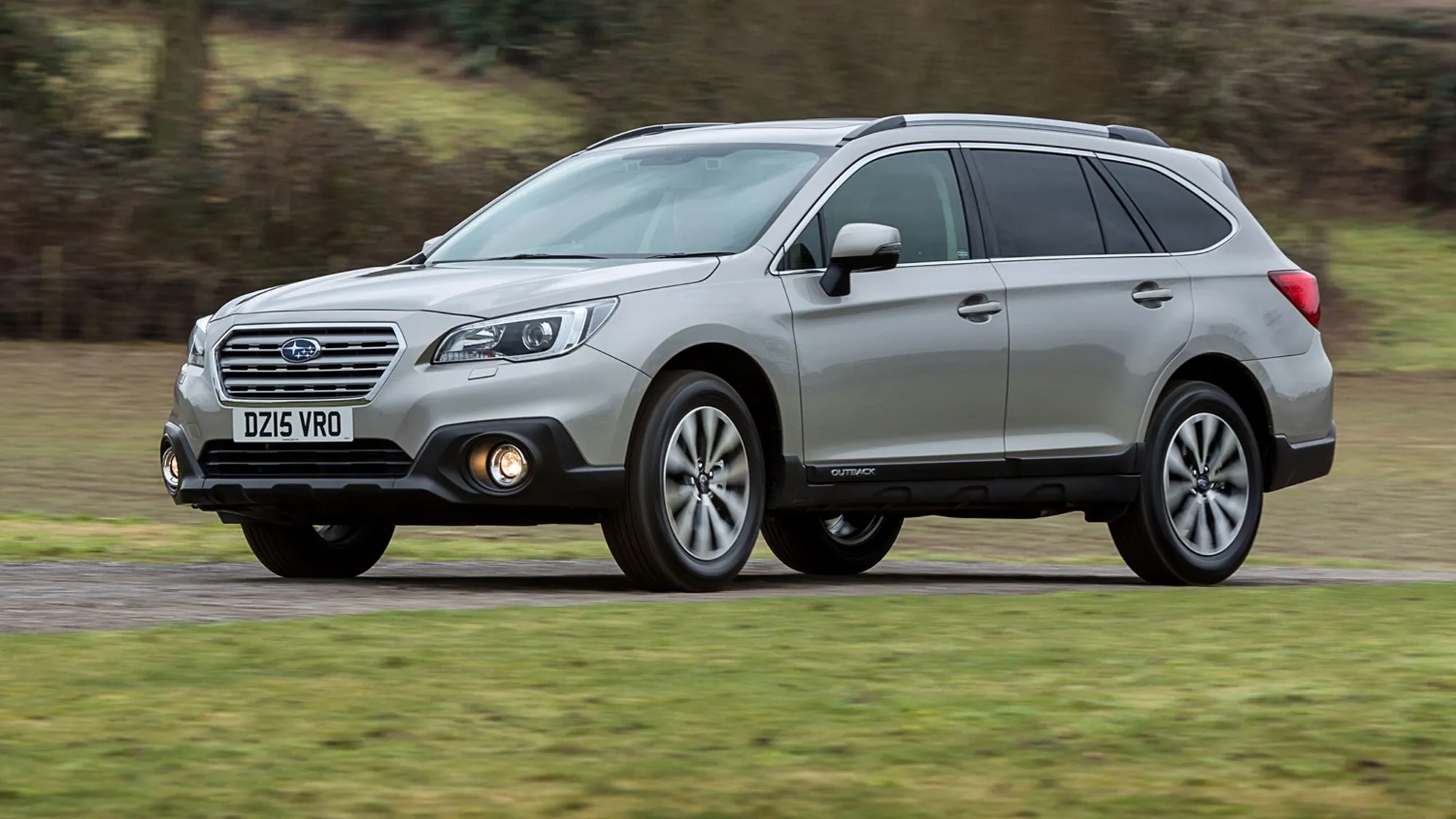
4. Subaru Outback (2010-2015)
The Subaru Outback has long been cherished by outdoors enthusiasts and families seeking a versatile, all-weather vehicle with excellent ground clearance and standard all-wheel drive.
However, the 2010 to 2015 model years have developed a troubling reputation for premature CVT transmission failures that stand in stark contrast to the reliability of Subaru’s famous boxer engines.
These transmissions often fail well before the engine shows any significant wear, leaving owners frustrated with an otherwise beloved vehicle.
Subaru’s CVT implementation during this period suffered from design and manufacturing defects that led to widespread failures. The company marketed the CVT as a fuel-efficient alternative to traditional automatic transmissions, promising smooth power delivery and improved gas mileage.
While the system worked as advertised when new, longevity proved to be a significant issue. Many owners report CVT problems beginning between 50,000 and 100,000 miles, though some unfortunate drivers have experienced failures even earlier.
The symptoms of CVT failure in these Outbacks vary but follow predictable patterns. Early warning signs include a shuddering sensation during acceleration, particularly when accelerating moderately from cruising speeds.
The vehicle may hesitate or surge unexpectedly, making smooth acceleration nearly impossible. Some owners describe the sensation as the transmission “searching” for the right ratio, creating an unpleasant jerking motion.
As the problem progresses, drivers may notice whining, humming, or grinding noises coming from the transmission, especially during acceleration or when climbing hills.
In more severe cases, the CVT may fail to engage properly when shifted into drive or reverse, causing dangerous delays when attempting to move the vehicle.
Some Outbacks have experienced sudden loss of power while driving, with the transmission effectively going into neutral unexpectedly.
This particularly dangerous condition has led to numerous complaints filed with the National Highway Traffic Safety Administration, as losing power on a highway or in busy traffic creates obvious safety hazards.
What makes the Outback’s transmission problems particularly disappointing is that the rest of the vehicle typically ages gracefully. Subaru’s 2.5-liter and 3.6-liter boxer engines are known for longevity when properly maintained, often exceeding 200,000 miles without major issues.
The symmetrical all-wheel-drive system remains robust, the suspension handles rough roads well, and rust protection has improved significantly over earlier generations. Many Outback owners are deeply attached to their vehicles and would happily keep them for many more years if not for the CVT problems.
Also Read: 10 Sports Cars That Will Be Future Legends
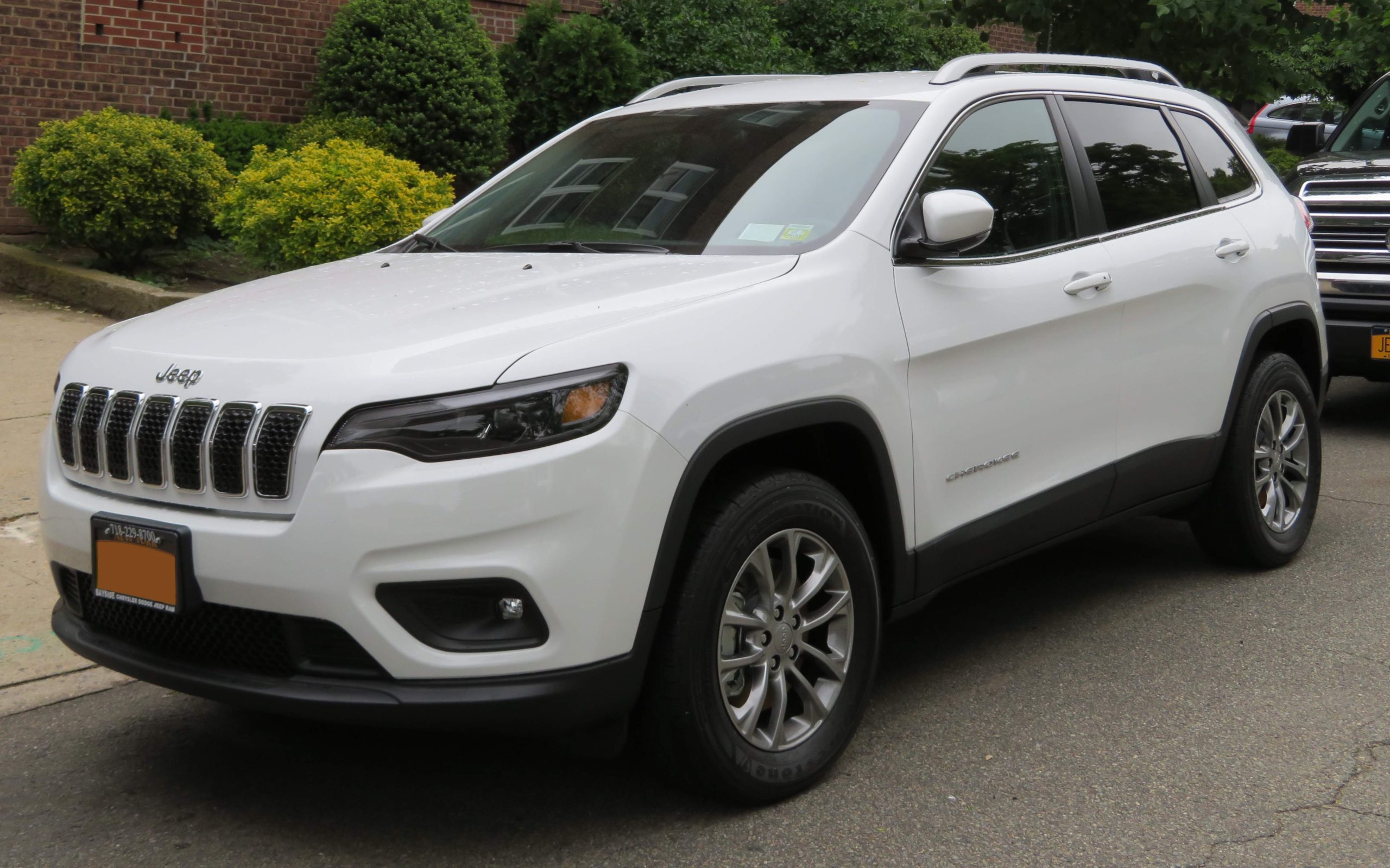
5. Jeep Cherokee (2014-2019)
The Jeep Cherokee’s reintroduction for the 2014 model year marked a significant redesign for the iconic nameplate, but it also introduced one of the most problematic transmissions in recent automotive history.
The nine-speed automatic transmission, designated as the 948TE, has plagued these Cherokees with frustrating reliability issues that have severely tarnished the vehicle’s reputation.
While Jeep’s legendary four-cylinder and V6 engines continue performing admirably for hundreds of thousands of miles, the transmission often fails far earlier, leaving owners stranded and frustrated.
The nine-speed automatic was a joint development between ZF and Chrysler, intended to improve fuel efficiency by providing more gear ratios for the engine to operate at optimal efficiency.
The transmission’s computer struggles to determine which of the nine gears is appropriate for any given driving situation, resulting in constant hunting between gears, hesitation during acceleration, and rough, jerky shifts that make the vehicle uncomfortable and sometimes unsafe to drive.
Owners report numerous symptoms that manifest even on brand-new vehicles, suggesting fundamental design flaws rather than wear-related failures.
The most common complaint involves severe hesitation when accelerating from a stop, particularly when attempting to merge into traffic or go through the intersections.
The transmission may pause for several seconds before engaging, leaving drivers vulnerable in traffic situations. When the transmission finally does engage, it often does so abruptly, causing the vehicle to lurch forward unpredictably. This behavior has led to numerous near-accidents and tremendous frustration for Cherokee owners.
Rough shifting plagues these vehicles throughout the gear range. The transmission may shift harshly, causing noticeable jolts felt throughout the vehicle.
It frequently shifts at inappropriate times, downshifting unexpectedly on the highway or upshifting too early during acceleration, bogging down the engine.
Some drivers report the transmission getting “stuck” in a particular gear, refusing to shift up or down appropriately. Others experience random shifting patterns that make predictable, smooth driving nearly impossible.
Jeep’s response to these widespread problems has been inconsistent. The company has issued numerous Technical Service Bulletins and extended the powertrain warranty on some model years.
However, many owners still find themselves paying for repairs or enduring chronic problems that never get fully resolved. The frustration is compounded by the fact that dealer service departments often struggle to diagnose or fix these issues, leaving owners feeling helpless.
The cost of addressing nine-speed transmission problems varies depending on the nature of the failure. Software updates are typically free under warranty, but they rarely solve the problems permanently.
Solenoid pack replacement costs $800 to $1,500. Complete transmission replacement runs $4,000 to $6,000, an enormous expense for a vehicle designed to last many years. The unpredictability of these transmissions makes the Cherokee a risky proposition in the used car market.
6. Chevrolet Equinox (2010-2017)
The Chevrolet Equinox emerged as a popular choice in the competitive compact SUV segment, offering families a practical, affordable crossover with decent space and fuel economy.
However, the 2010 to 2017 model years equipped with the six-speed automatic transmission have developed a concerning pattern of transmission failures that often occur well before the vehicle’s four-cylinder or V6 engine shows serious wear.
This mismatch between transmission and engine longevity has left many Equinox owners facing expensive repairs on vehicles they expected to provide reliable transportation for many years.
The six-speed automatic transmission in these Equinox models suffers from several design and manufacturing defects that manifest in various ways. One of the most common issues involves the torque converter clutch, which frequently fails prematurely.
Owners typically first notice a shuddering sensation when accelerating lightly, particularly between 30 and 50 mph. This shudder may initially be subtle, dismissed as road conditions or suspension issues, but it progressively worsens.
Eventually, the shuddering becomes severe enough that passengers notice and comment on it. As the torque converter problem progresses, additional symptoms emerge. The transmission may slip occasionally, with the engine RPMs rising without a corresponding increase in vehicle speed.
This slippage generates excessive heat within the transmission, accelerating wear on other components. Some owners report burning smells emanating from the transmission area after highway driving or stop-and-go traffic.
The transmission fluid may darken prematurely and develop a burnt odor, indicating overheating and component degradation. Another prevalent problem involves harsh or delayed shifting.
The transmission may hang in gear too long before shifting, or it may shift abruptly, causing a noticeable jolt through the vehicle. Some Equinox owners report difficulty shifting from park to drive or reverse, with the transmission resisting engagement or clunking loudly when finally engaging.
These symptoms often indicate problems with the valve body or transmission control module, both of which have proven problematic in these vehicles. The financial burden of transmission problems in these Equinox models can be substantial.
Torque converter replacement typically costs $1,800 to $2,500. Valve body replacement adds $1,200 to $2,000. Complete transmission rebuild or replacement ranges from $3,000 to $4,500, depending on whether a rebuilt or remanufactured unit is used.
For many owners whose vehicles are worth $8,000 to $12,000, these repair costs represent a significant portion of the car’s value. What frustrates Equinox owners most is that the rest of the vehicle typically remains reliable.
The 2.4-liter four-cylinder and 3.6-liter V6 engines deliver good performance and fuel economy while lasting well over 150,000 miles with proper maintenance. The suspension, brakes, electrical systems, and interior components generally hold up well over time.
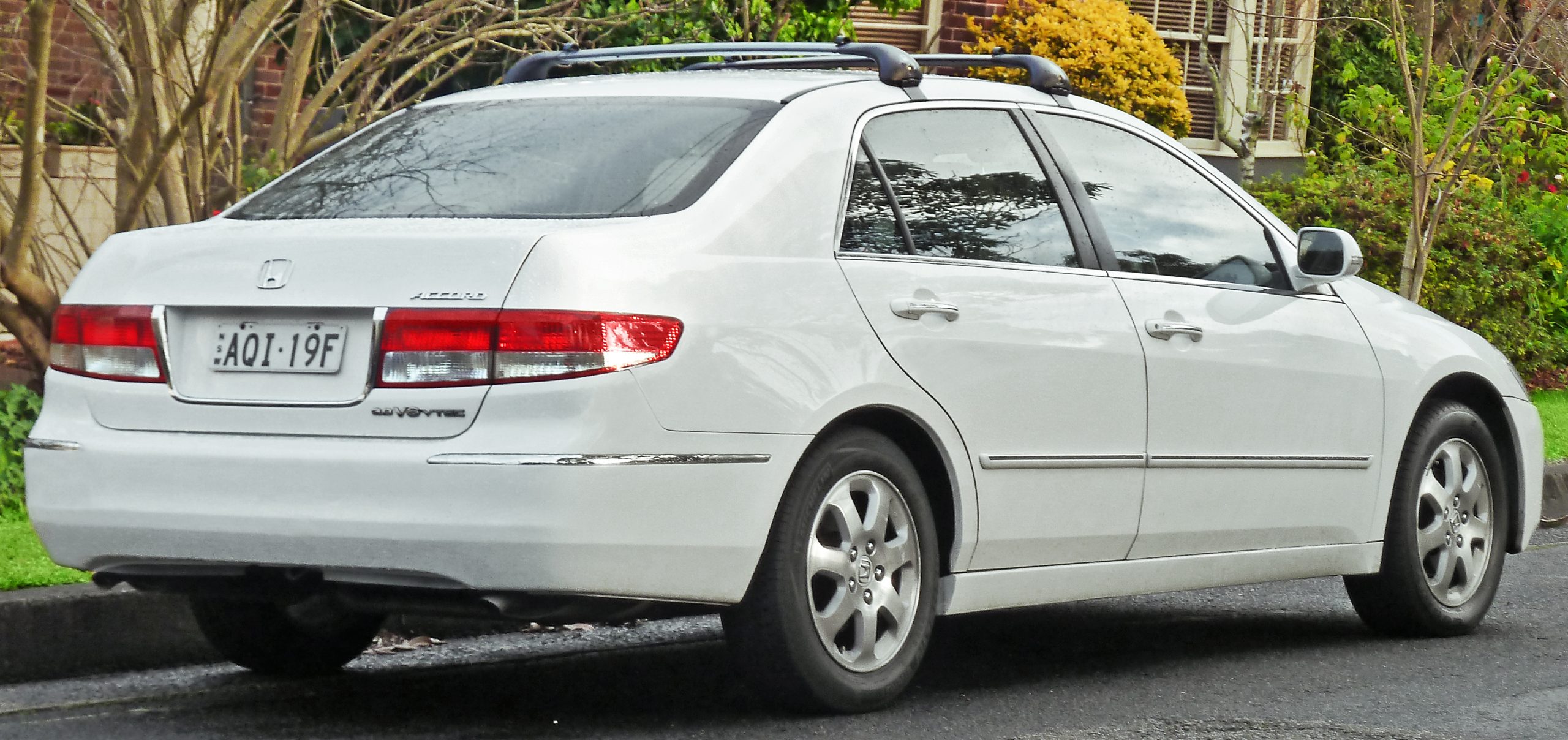
7. Honda Accord V6 (2003-2007)
Honda has long enjoyed a sterling reputation for reliability, making the transmission problems that plagued the V6-equipped Honda Accord from 2003 to 2007 particularly shocking to owners and industry observers.
These Accords featured Honda’s excellent 3.0-liter V6 engine, which delivered smooth, powerful performance and typically lasted well over 200,000 miles.
However, the five-speed automatic transmission paired with this engine developed such severe problems that it became one of the most expensive reliability issues Honda has faced in modern times.
The transmission issues primarily affected automatic V6 models, though some four-cylinder automatic Accords from these years also experienced problems.
The failures typically occurred between 60,000 and 120,000 miles, though some unfortunate owners experienced catastrophic transmission failure even earlier.
What made these failures particularly frustrating was their sudden, often complete nature. Unlike some transmissions that show gradual decline with warning symptoms, many Accord transmissions simply failed catastrophically with little or no warning.
When symptoms did appear before complete failure, they included rough or harsh shifting, particularly during the 2-3 shift. Some owners reported slipping, with the engine revving without corresponding vehicle acceleration.
The transmission might hesitate when shifting or fall out of gear unexpectedly. Others experienced grinding or whining noises from the transmission area. In many cases, however, the first indication of a problem was the transmission simply refusing to engage or move the vehicle.
The technical root of these transmission problems lies in several design and manufacturing defects. The transmission fluid pump proved inadequate for managing hydraulic pressure, particularly when the transmission fluid heated up. This pressure loss led to clutch slippage and rapid wear.
The second and third gear clutch packs were particularly prone to premature failure, wearing out long before the rest of the transmission showed significant degradation.
The transmission bearings also suffered from early wear, with metal particles contaminating the fluid and accelerating damage to other components.
Making matters worse, Honda used a transmission design that shared components across multiple models but didn’t adequately strengthen critical parts to handle the V6’s increased torque.
The transmission that worked reasonably well behind the four-cylinder engine simply couldn’t withstand the stress of the more powerful V6 over time.
This engineering oversight led to widespread failures across the Accord V6 lineup and similar problems in V6-equipped Odyssey minivans and Pilot SUVs from the same era.
The transmission problems created a dilemma for owners. Should they repair the transmission, knowing the rest of the car would likely last another 100,000 miles or more? Or should they cut their losses and sell the vehicle as-is, taking a significant financial hit? Many owners who loved their Accord’s comfort, performance, and reliability felt betrayed by Honda’s quality control failure and hesitant response.
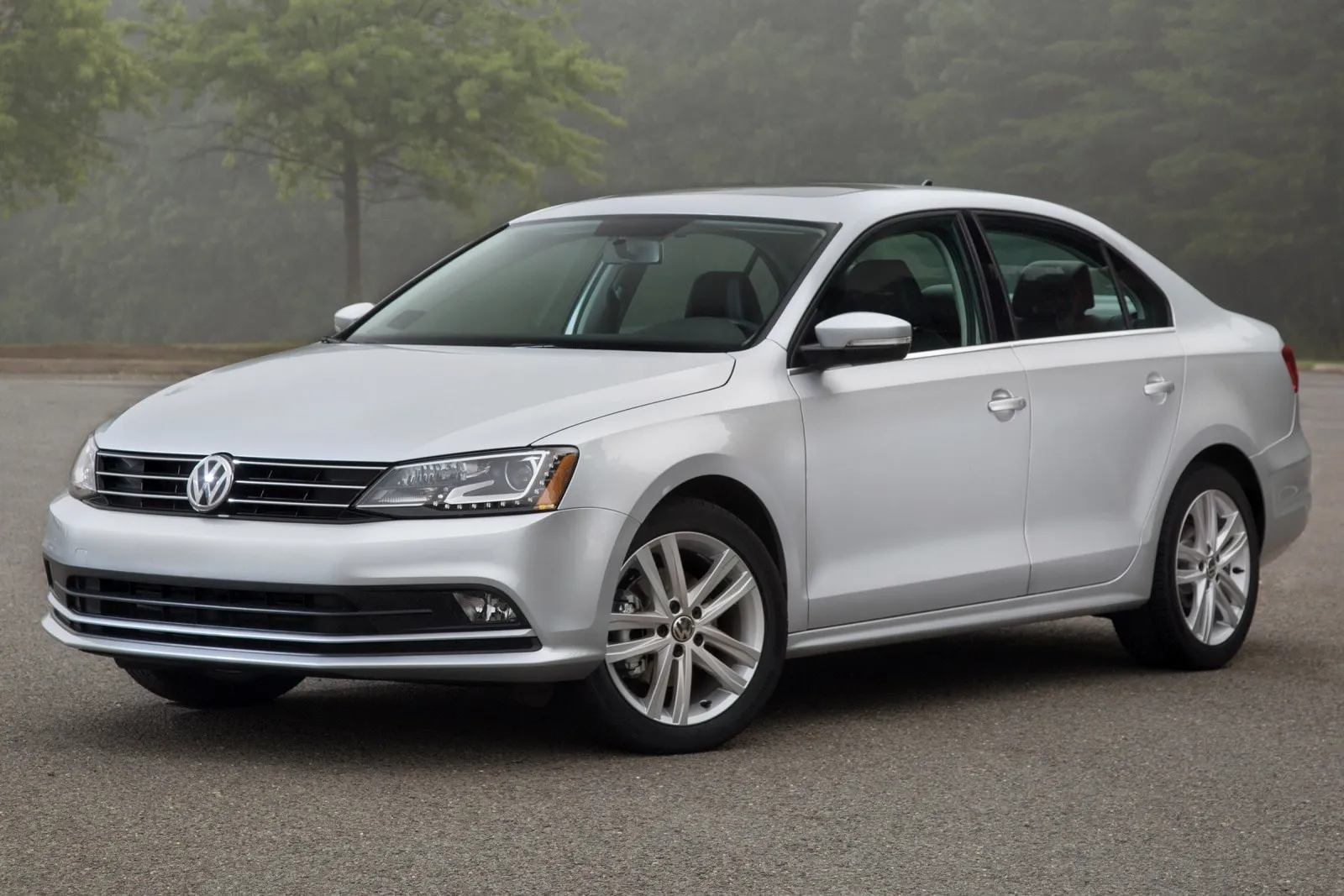
8. Volkswagen Jetta (2011-2016)
Volkswagen has positioned itself as offering German engineering and European refinement at accessible prices, but the Jetta from 2011 to 2016 equipped with the dual-clutch DSG (Direct Shift Gearbox) transmission has seriously undermined that promise.
While Volkswagen’s turbocharged four-cylinder engines deliver excellent performance and fuel economy, the DSG transmission has proven problematic, with failures occurring far earlier than owners expect from a German-engineered vehicle.
These transmission issues have led to numerous complaints, investigations, and significant repair costs for Jetta owners. The DSG is a dual-clutch automated manual transmission, similar in concept to Ford’s PowerShift but with different engineering.
The system uses two separate clutches and can theoretically provide lightning-fast shifts while maintaining power delivery during gear changes.
When functioning properly, the DSG offers an engaging driving experience with crisp shifts and good fuel economy. However, Volkswagen’s implementation has suffered from multiple failure points that have plagued Jetta owners.
The most common problems involve the mechatronic unit, a complex assembly that combines mechanical, hydraulic, and electronic components to control transmission operation.
This unit contains solenoids, sensors, and a hydraulic valve body, all controlled by an electronic control module. When the mechatronic unit begins failing, symptoms vary widely.
Some owners experience harsh or jerky shifts, particularly during low-speed driving or when coming to a stop. Others report delayed engagement when shifting from park to drive or reverse, with the transmission taking several seconds to respond.
The financial impact of DSG problems can be severe. Mechatronic unit replacement costs $2,500 to $4,000 including labor. Clutch replacement runs $2,000 to $3,000. Complete DSG transmission replacement exceeds $5,000, and dealer prices can reach $7,000 or more.
These repair costs are particularly painful given that many affected Jettas are relatively recent models that owners expected to last many years without major expenses. What makes these transmission problems especially frustrating for Jetta owners is the otherwise impressive nature of the vehicle.
The turbocharged 1.8-liter and 2.0-liter engines provide excellent performance with good fuel economy and have proven reliable when properly maintained. The chassis offers European-inspired handling characteristics that make the Jetta more engaging to drive than many competitors.
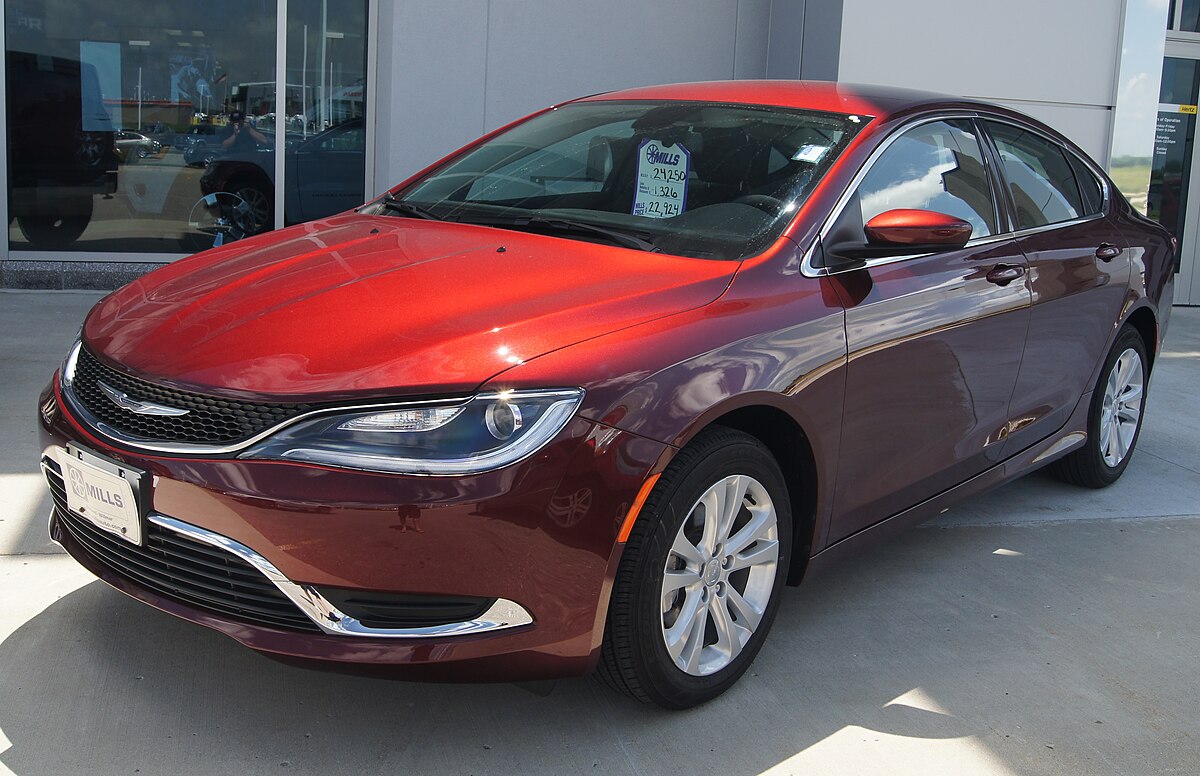
9. Chrysler 200 (2015-2017)
The Chrysler 200 represented an ambitious attempt by FCA (now Stellantis) to compete in the highly competitive midsize sedan market with a stylish, feature-rich vehicle.
The second-generation 200, produced from 2015 to 2017, featured modern styling, a comfortable interior, and a choice of capable engines.
Unfortunately, the nine-speed automatic transmission that came standard on most models proved so problematic that it overshadowed the vehicle’s positive attributes and ultimately contributed to the model’s discontinuation after just three model years.
The 200’s nine-speed transmission is the same 948TE unit used in the Jeep Cherokee, and it suffers from identical problems. This transmission was intended to improve fuel efficiency by keeping the engine in its optimal operating range across a wide variety of driving conditions.
However, the execution proved deeply flawed, with the transmission’s computer unable to manage nine gear ratios effectively. The result is a frustrating, sometimes dangerous driving experience that has left 200 owners disappointed and angry.
The most commonly reported problem involves severe hesitation during acceleration, particularly when pulling away from stops. Drivers attempting to merge into traffic or go through the intersections often experience delays of several seconds before the transmission engages and the vehicle begins moving.
When power finally arrives, it comes abruptly, causing the car to lurch forward unpredictably. This behavior creates dangerous situations and has led to numerous close calls reported to safety regulators.
Rough, jerky shifting characterizes the 200’s transmission behavior throughout all gears. The transmission constantly hunts between ratios, shifting up and down repeatedly as it struggles to find the appropriate gear.
On the highway, the 200 may downshift unexpectedly when encountering slight inclines, causing the engine to rev loudly. During gentle acceleration, the transmission may upshift prematurely, bogging down the engine and requiring a downshift to maintain momentum.
This constant indecision creates a frustrating, uncomfortable driving experience. Some 200 owners report the transmission getting “stuck” in particular gears, refusing to shift up or down appropriately.
Others experience random shifting patterns that defy logic downshifting during steady-speed cruising or upshifting during acceleration.
The transmission may also exhibit different behavior depending on ambient temperature, driving style, or seemingly random factors, making the problems difficult to predict or reproduce consistently during dealer service visits.
Repair costs for nine-speed transmission problems vary widely. Software updates are typically free under warranty, but mechanical repairs are expensive. Solenoid replacement costs $800 to $1,500.
Torque converter replacement runs $1,800 to $2,500. Complete transmission replacement exceeds $4,000 and can reach $6,000 at dealerships.
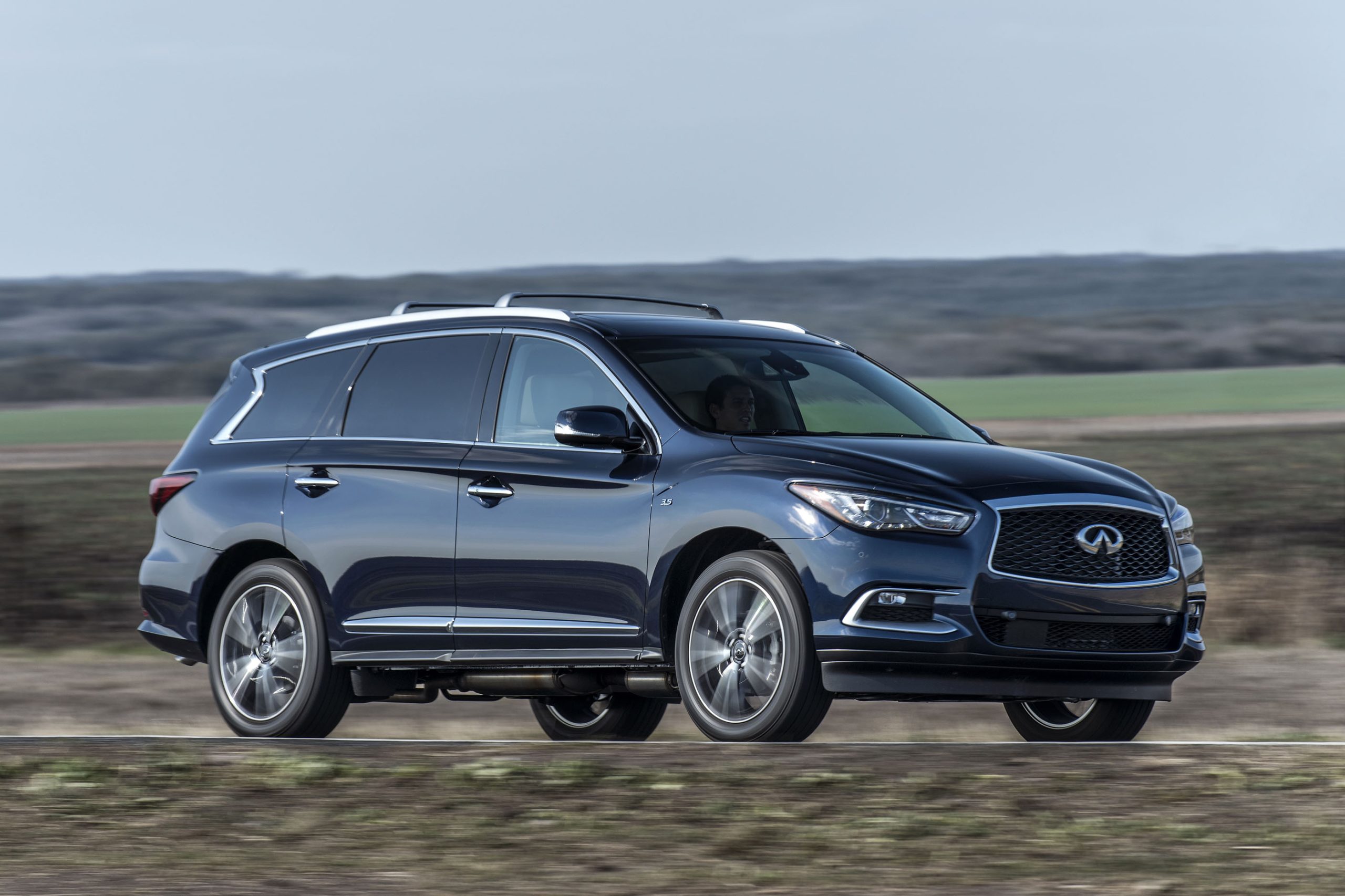
10. Infiniti QX60 (2013-2016)
The Infiniti QX60 luxury crossover, previously known as the JX35, represents Nissan’s upscale brand’s entry into the three-row luxury SUV segment. With premium materials, advanced technology, and Infiniti’s reputation for refinement, the QX60 attracted affluent families seeking a comfortable, feature-rich vehicle.
However, models from 2013 to 2016 equipped with Nissan’s CVT transmission have developed significant reliability issues that seem particularly inappropriate for a luxury vehicle priced in the $40,000 to $50,000 range. While the 3.5-liter V6 engine typically performs flawlessly for many years, the CVT often fails prematurely.
The CVT in the QX60 shares fundamental design elements with the problematic transmissions found in Nissan Altimas and Pathfinders from similar years.
However, the added weight and power demands of the luxury crossover seem to accelerate transmission wear beyond what’s seen in lighter vehicles.
The QX60 weighs approximately 4,400 pounds and is frequently used for towing and highway cruising conditions that stress CVTs significantly.
This combination of factors has led to transmission failures that often occur between 60,000 and 120,000 miles, though some owners report problems appearing even earlier.
Early symptoms typically begin with shuddering or jerking during acceleration, particularly when merging onto highways or passing other vehicles.
The sensation feels as though the vehicle is struggling to find the right gear ratio, creating an unpleasant vibration that passengers easily notice.
As a luxury vehicle, the QX60 is expected to provide smooth, refined acceleration, making these symptoms particularly jarring and disappointing to owners who paid premium prices for their vehicles.
The QX60’s transmission saga serves as a cautionary tale about the risks of cost-cutting and inadequate testing, even in luxury vehicles.
Nissan’s decision to use CVT technology across much of its lineup, from economy cars to luxury SUVs, proved shortsighted when fundamental design weaknesses became apparent.
The company’s reluctance to fully acknowledge problems and provide comprehensive solutions has cost it customer goodwill and market reputation. For Infiniti specifically, competing in the luxury segment means customers expect and deserve better reliability and support than what the QX60’s CVT situation has delivered.
