
The ride-share industry has fundamentally transformed urban transportation, creating unprecedented opportunities for drivers to build sustainable income streams.
Whether you’re driving for Uber, Lyft, or other platforms, your vehicle isn’t just transportation, it’s your business asset, your office, and your primary revenue generator.
In 2025, choosing the right car for ride-share work has become more critical than ever, as drivers face rising fuel costs, increasing maintenance expenses, and the constant wear and tear that comes with logging hundreds of miles daily.
Reaching the 300,000-mile milestone isn’t just about durability; it’s about maximizing your return on investment. Every mile your vehicle survives beyond the average lifespan directly translates to increased profitability. Consider this: if your car costs $25,000 and lasts 150,000 miles, your cost per mile is approximately 17 cents.
But if that same vehicle reaches 300,000 miles, your cost per mile drops to just 8.3 cents a dramatic difference that can mean tens of thousands of dollars in additional earnings over your driving career.
The vehicles featured in this comprehensive guide have been selected based on rigorous criteria that matter most to professional drivers.
We’ve analyzed real-world reliability data, owner testimonials, mechanical durability, fuel efficiency, maintenance costs, passenger comfort, and resale value.
These aren’t just cars that might last they’re proven workhorses with documented track records of exceeding 300,000 miles when properly maintained.
This guide cuts through marketing hype and anecdotal advice to present ten vehicles that have genuinely proven themselves in the demanding world of ride-share driving. Each has demonstrated the ability to not just survive but thrive through 300,000 miles and beyond.
Whether you’re a new driver making your first vehicle purchase or a veteran looking to upgrade, these recommendations represent the smartest investments you can make in your ride-share business in 2025.
1. Toyota Camry Hybrid
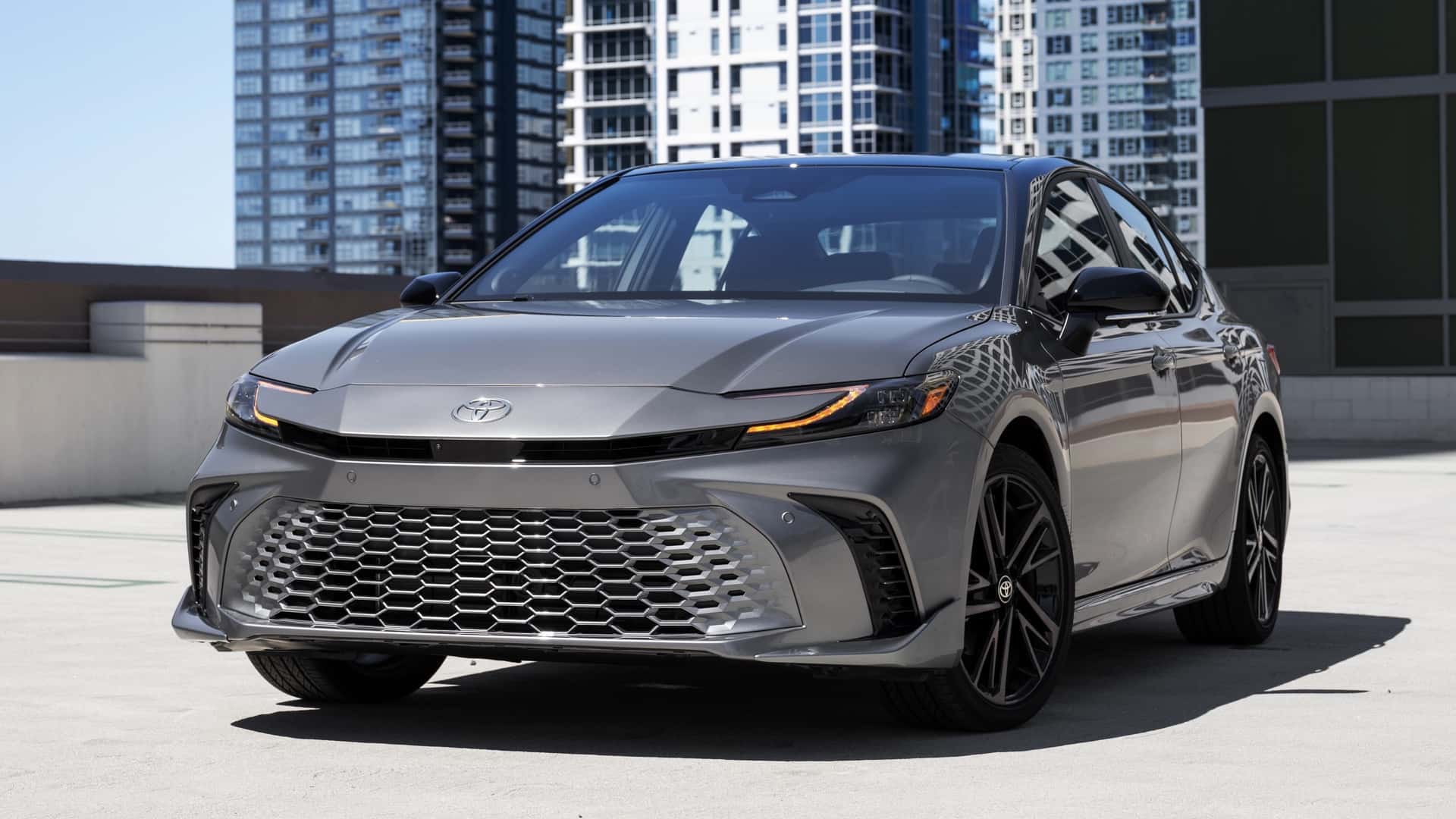
The Toyota Camry Hybrid stands as the gold standard for ride-share drivers, and in 2025, its reputation as the ultimate high-mileage workhorse remains unshaken.
This isn’t mere speculation or marketing it’s supported by countless real-world examples of Camry Hybrids exceeding 300,000, 400,000, and even 500,000 miles with proper maintenance.
The combination of Toyota’s legendary reliability engineering and hybrid efficiency creates a vehicle that seems purpose-built for the demands of professional driving.
At the heart of the Camry Hybrid’s durability lies its sophisticated yet proven hybrid powertrain. The 2.5-liter four-cylinder engine works in concert with electric motors to produce 208 horsepower while achieving an impressive EPA-estimated 51 mpg in the city and 53 mpg on the highway.
For ride-share drivers, these fuel economy figures translate directly to bottom-line savings. If you’re driving 30,000 miles annually a conservative estimate for full-time drivers, the Camry Hybrid’s efficiency can save you over $1,500 per year compared to a conventional midsize sedan, assuming average fuel prices.
Multiply that over a 300,000-mile lifespan, and you’re looking at $15,000 or more in fuel savings alone. Toyota’s hybrid system has matured over two decades of development, with the battery technology proving remarkably durable.
While early hybrid skeptics worried about expensive battery replacements, real-world data has shown that Camry Hybrid batteries routinely last well beyond 200,000 miles.
Many drivers report original batteries still performing adequately at 300,000 miles, though some opt for replacement as a preventive measure.
Even when replacement becomes necessary, costs have decreased significantly, typically ranging from $2,000 to $3,000 a reasonable investment considering the vehicle’s value and remaining lifespan.
Maintenance costs for the Camry Hybrid remain remarkably low for a vehicle capable of such high mileage. The regenerative braking system significantly extends brake pad and rotor life, often lasting twice as long as conventional vehicles.
The continuously variable transmission (CVT) requires minimal maintenance and lacks the complex gearing of traditional transmissions that often fail at high mileage.
Oil changes follow Toyota’s recommended intervals, and the four-cylinder engine’s straightforward design means repairs, when needed, are neither complex nor prohibitively expensive.
Passenger comfort in the Camry Hybrid meets the expectations of modern ride-share customers. The cabin offers generous space for four adults, with adequate legroom in the rear seats that matters greatly for customer satisfaction and ratings.
The ride quality strikes an excellent balance between comfort and handling, isolating passengers from road imperfections while maintaining driver confidence.
The 2025 models feature standard Toyota Safety Sense, including adaptive cruise control, lane departure warning, and automatic emergency braking features that not only enhance safety but also reduce driver fatigue during long shifts.
The vehicle’s reputation for reliability isn’t just about avoiding major failures it’s about predictability. Ride-share drivers need to trust their vehicle will start every morning and complete every shift without drama.
The Camry Hybrid delivers this peace of mind consistently. Many drivers report only routine maintenance through their first 150,000 miles, with nothing more serious than tires, brakes, and fluids. This reliability translates directly to income security you can’t earn money when your car is in the shop.
2. Honda Accord Hybrid
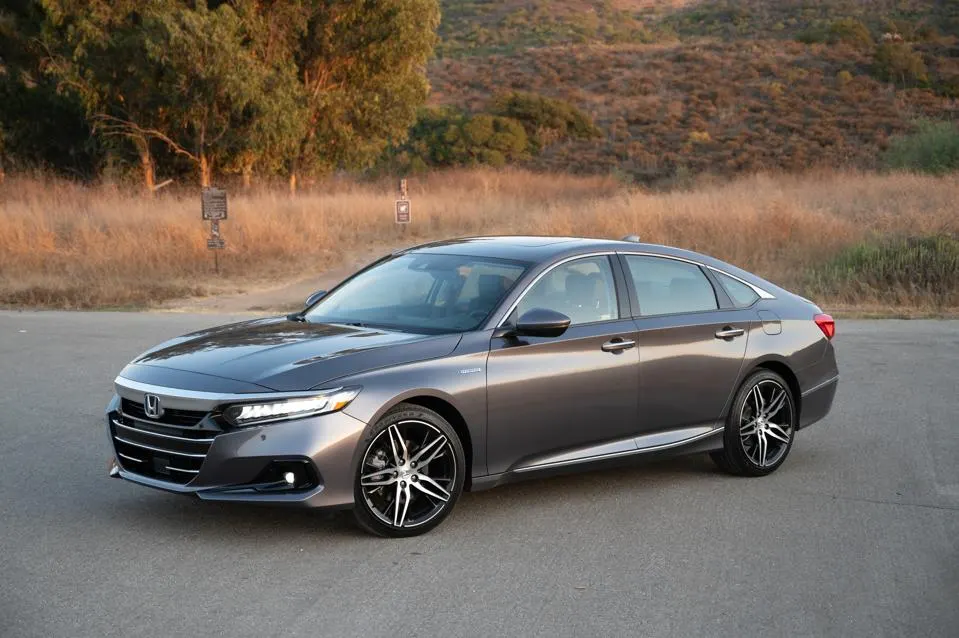
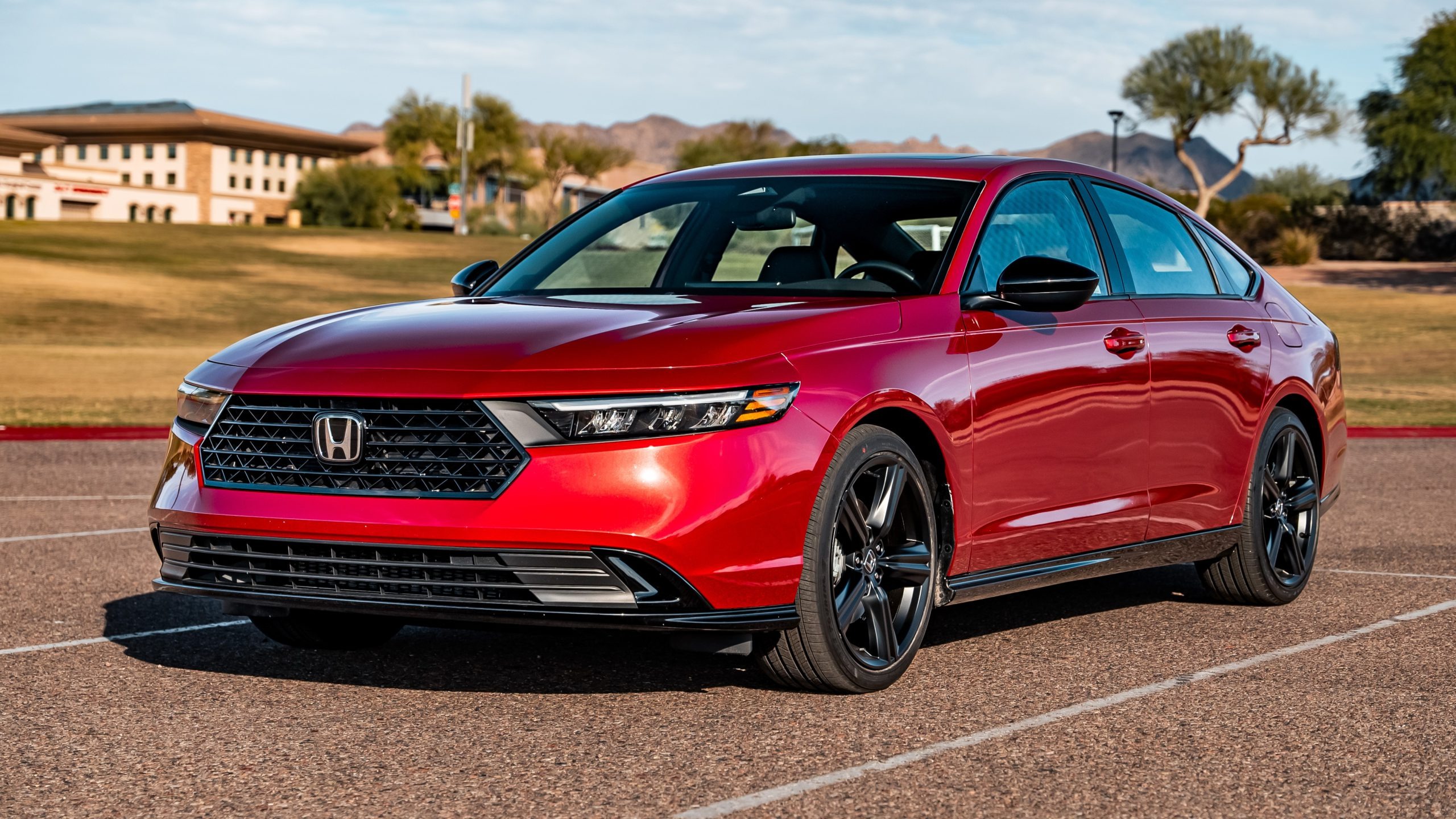
The Honda Accord Hybrid represents a compelling alternative to the Camry Hybrid, offering a slightly more upscale experience while maintaining the exceptional durability and efficiency that high-mileage drivers demand.
Honda’s engineering philosophy emphasizes building vehicles that feel refined at 200,000 miles as they did at 20,000 miles, and the Accord Hybrid exemplifies this commitment.
For ride-share drivers seeking a vehicle that impresses passengers while delivering rock-solid reliability, the Accord Hybrid deserves serious consideration.
Honda’s two-motor hybrid system distinguishes itself through its sophisticated engineering and impressive power delivery. The 2.0-liter four-cylinder engine combines with electric motors to produce 204 horsepower, with EPA estimates of 51 mpg city and 44 mpg highway.
While the highway figure trails the Camry Hybrid slightly, real-world testing shows the Accord Hybrid often exceeds EPA estimates, particularly in mixed driving conditions typical of ride-share work.
The power delivery feels more linear and engaging than many competitors, which matters during long driving shifts when responsiveness reduces fatigue.
Honda’s reputation for building engines that refuse to quit is well-deserved, and the Accord Hybrid continues this tradition. The Atkinson-cycle engine is specifically designed for efficiency and longevity, with reduced friction and stress compared to conventional engines.
Honda hybrid batteries have proven exceptionally durable, with many examples exceeding 250,000 miles on original battery packs. The company’s warranty coverage 8 years/100,000 miles on hybrid components provides additional peace of mind, though most drivers will find the batteries outlast this coverage period significantly.
From a maintenance perspective, the Accord Hybrid shares many advantages with other hybrid vehicles while adding Honda’s characteristic ease of service.
Brake wear is minimal thanks to regenerative braking, and the transmission requires little more than periodic fluid changes. Honda’s engines are renowned for their simplicity and accessibility mechanics appreciate how straightforward repairs are when they’re eventually needed.
This accessibility translates to lower labor costs compared to some competitors with more cramped engine bays or complex component layouts. The Accord Hybrid’s interior represents a significant selling point for passenger satisfaction.
The cabin feels distinctly more upscale than most competitors, with excellent materials, intuitive controls, and thoughtful details throughout. Rear seat space is genuinely generous, often drawing compliments from passengers.
The seats themselves offer excellent support for long driving shifts, with the driver’s seat providing an adjustment range that accommodates various body types comfortably. Climate control works efficiently and quietly, important for maintaining passenger comfort during summer heat or winter cold.
Technology integration in the Accord Hybrid is comprehensive and user-friendly. The touchscreen infotainment system responds quickly and includes wireless Apple CarPlay and Android Auto in recent models.
The digital instrument cluster provides clear information without distraction, and the heads-up display available on higher trims helps drivers keep their eyes on the road.
Honda Sensing safety suite comes standard, including adaptive cruise control that works smoothly in stop-and-go traffic a genuine fatigue reducer for drivers working urban areas.
The Accord Hybrid’s resale value rivals the Camry Hybrid, holding strong even with high mileage. This reflects market recognition of Honda’s reliability reputation and the Accord’s broad appeal. For ride-share drivers, strong resale value means lower effective ownership costs and better options when it’s time to upgrade or exit the business.
3. Toyota Prius
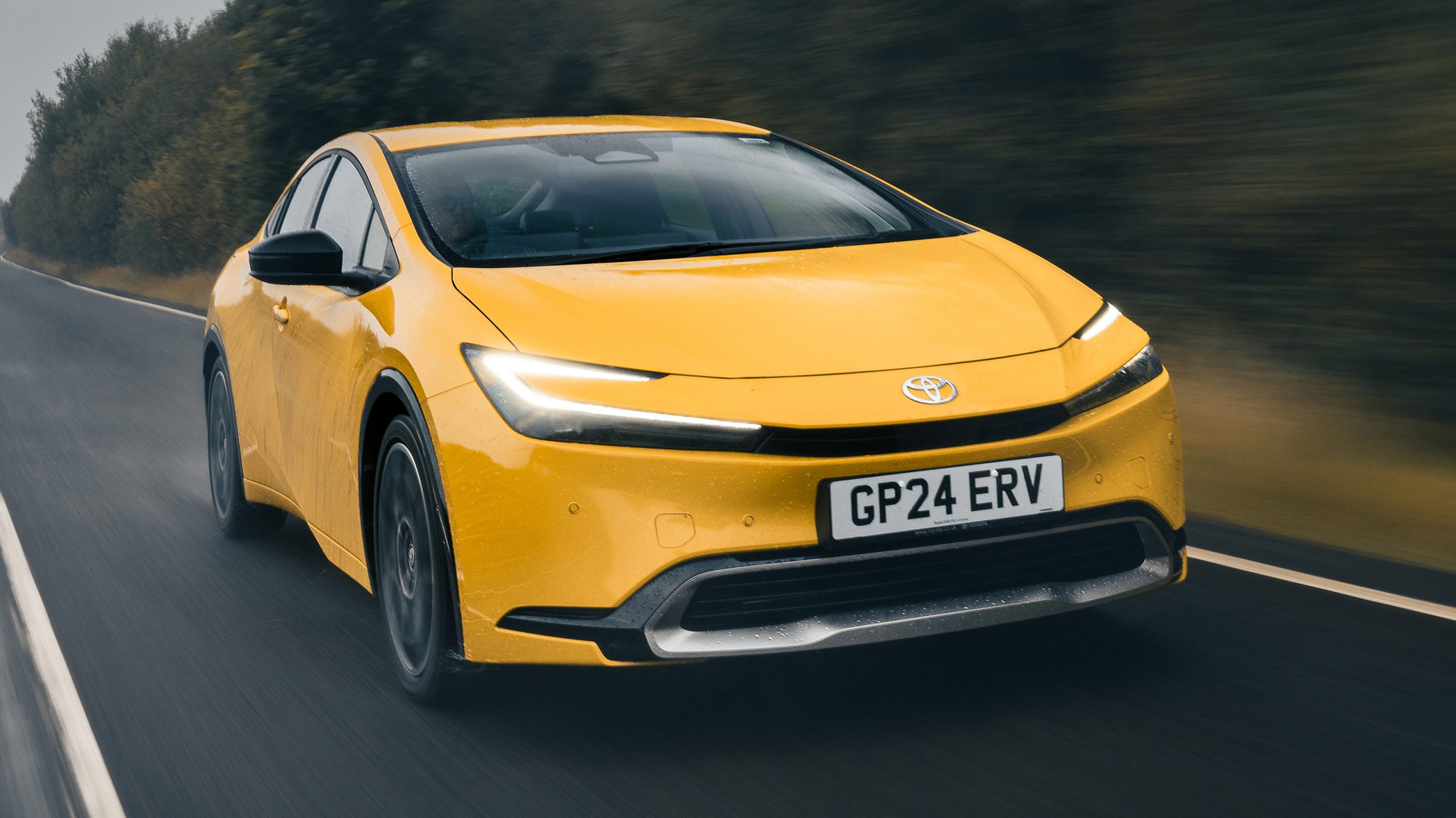
The Toyota Prius pioneered hybrid technology for mainstream consumers and remains one of the most proven ultra-high-mileage vehicles ever produced.
While its distinctive styling might not appeal to everyone, its ability to deliver exceptional fuel economy while routinely exceeding 300,000 miles makes it an outstanding choice for cost-conscious ride-share drivers.
The Prius has literally written the book on hybrid durability, with documented examples surpassing 600,000 miles and even approaching one million miles in extreme cases.
Fuel economy is where the Prius truly dominates. With EPA estimates of 54 mpg city and 50 mpg highway, it consistently ranks among the most efficient gasoline-powered vehicles available.
For ride-share drivers, this efficiency represents a massive competitive advantage. The fuel savings compared to a conventional sedan can exceed $2,000 annually for high-mileage drivers.
Over a 300,000-mile service life, this translates to $20,000 or more in savings enough to purchase another vehicle outright. When every cent counts in the competitive ride-share market, the Prius’s efficiency directly impacts your profitability.
The Prius’s hybrid system is essentially a refined, perfected version of the technology that debuted over two decades ago. Toyota has had more time than any competitor to identify and eliminate weaknesses, resulting in a powertrain of remarkable durability. The battery technology, while not as advanced as some newer systems, has proven itself through millions of real-world miles.
Battery degradation occurs gradually and predictably, and many Prius owners report minimal impact on fuel economy even after 250,000 miles.
When replacement eventually becomes necessary, the costs have decreased substantially, and third-party remanufactured options offer budget-friendly alternatives.
Maintenance requirements for the Prius are minimal and predictable. The engine operates in a lower-stress environment than conventional vehicles, spending significant time shut off while the electric motor handles propulsion. This reduced operating time correlates with extended engine life.
The planetary gear transmission is mechanically simple with fewer wear points than conventional transmissions. Brake maintenance costs are dramatically lower than conventional vehicles some owners report original brake pads lasting over 150,000 miles. Oil changes follow standard intervals, and the four-cylinder engine is straightforward to service.
Interior space in the Prius deserves acknowledgment. Despite its relatively compact exterior dimensions, the cabin offers surprising room for passengers.
The high roofline creates excellent headroom, and rear seat legroom accommodates adults comfortably for typical ride-share trips. The hatchback design provides excellent cargo versatility, with generous space for luggage that exceeds most sedans.
This practicality enhances passenger satisfaction and can influence ratings positively. Resale value for the Prius remains strong, particularly for well-maintained examples.
The vehicle’s reputation for reliability and efficiency ensures consistent demand in the used market. Even high-mileage examples command respect because buyers understand the Prius’s capability for extended service. This strong resale value reduces total ownership costs and provides flexibility when it’s time to upgrade.
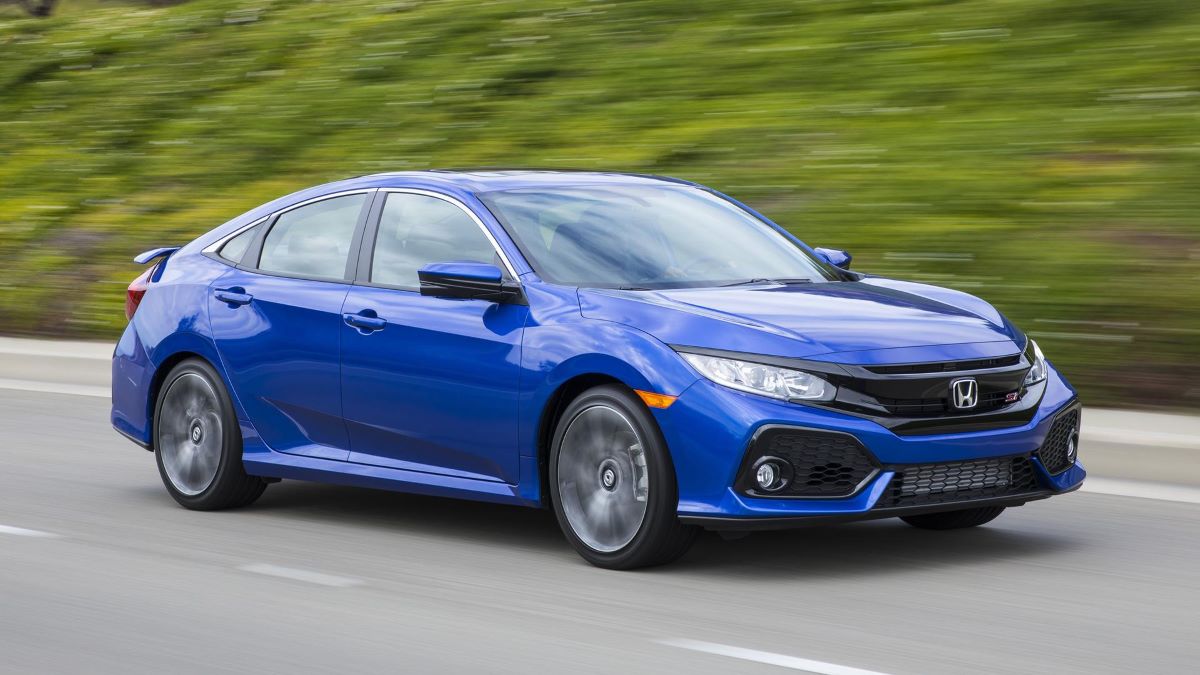
4. Honda Civic
The Honda Civic has earned its reputation as one of the most reliable, longest-lasting vehicles ever produced. For ride-share drivers seeking a more compact, maneuverable option without sacrificing durability, the Civic represents an excellent choice.
Countless examples exist of Civics exceeding 300,000, 400,000, and even 500,000 miles with nothing more than routine maintenance and predictable wear item replacement.
Honda’s engineering excellence and commitment to building vehicles that last make the Civic a smart investment for professional drivers.
The Civic’s engine options provide flexibility for different driving styles and priorities. The base 2.0-liter four-cylinder produces 158 horsepower and delivers EPA estimates around 33 mpg combined respectable if not spectacular.
The turbocharged 1.5-liter four-cylinder available in higher trims produces 180 horsepower while achieving approximately 36 mpg combined.
For maximum efficiency, the Civic Hybrid reintroduced in recent model years delivers impressive fuel economy approaching 50 mpg combined, positioning it as a serious competitor to the Prius for efficiency-focused drivers.
Honda’s four-cylinder engines are legendary for their longevity. The engineering focuses on simplicity, efficiency, and durability rather than maximum power output.
This conservative approach pays dividends in extended service life. The engines feature Honda’s characteristic high-quality internal components, precise manufacturing tolerances, and effective lubrication systems.
Regular oil changes and basic maintenance are typically all that’s required to see these engines through hundreds of thousands of miles. When repairs are eventually needed, the straightforward design keeps costs reasonable.
The continuously variable transmission (CVT) used in most Civics has improved dramatically from early iterations. While CVTs in some brands have reliability concerns, Honda’s versions have proven durable with proper maintenance—primarily regular fluid changes.
The CVT provides smooth, efficient operation that suits ride-share driving well, eliminating gear hunting in traffic and delivering linear acceleration.
Some drivers prefer the traditional feel of Honda’s optional manual transmission, though this choice sacrifices some efficiency and limits vehicle appeal if you eventually sell.
Maintenance costs for the Civic remain impressively low throughout its life. The compact dimensions and efficient packaging mean tire costs are lower than larger vehicles, yet tire life remains competitive. Brake service is straightforward and affordable, with parts widely available
The suspension uses proven components that last well and are inexpensive to replace when needed. Honda’s reputation means independent mechanics are comfortable servicing Civics, providing alternatives to potentially more expensive dealer service.
Interior quality in the Civic has improved substantially in recent generations. The cabin feels upscale with quality materials, intuitive controls, and thoughtful design details.
While rear seat space is adequate rather than generous, it’s sufficient for typical ride-share trips. Most passengers don’t complain about the rear accommodations for journeys under 30 minutes the typical ride-share trip length. The seats provide good support for drivers during long shifts, with comfortable bolstering and adjustment range.
Technology integration keeps the Civic competitive with larger vehicles. Standard Apple CarPlay and Android Auto ensure seamless smartphone integration for navigation and ride-share apps.
Honda Sensing safety suite is standard across the lineup, including adaptive cruise control, lane keeping assist, and collision mitigation braking. These features enhance safety while reducing driver fatigue valuable benefits during marathon driving shifts.
Real-world reliability data for the Civic is extensive and overwhelmingly positive. It consistently ranks among the most reliable vehicles in consumer surveys, and owner forums are filled with high-mileage success stories.
The Civic benefits from decades of refinement and Honda’s obsessive attention to quality control. Parts availability is excellent, and the large number of Civics on the road means mechanics have extensive experience maintaining and repairing them.
Also Read: 12 Cars That Redefined Their Segment in the Last 5 Years
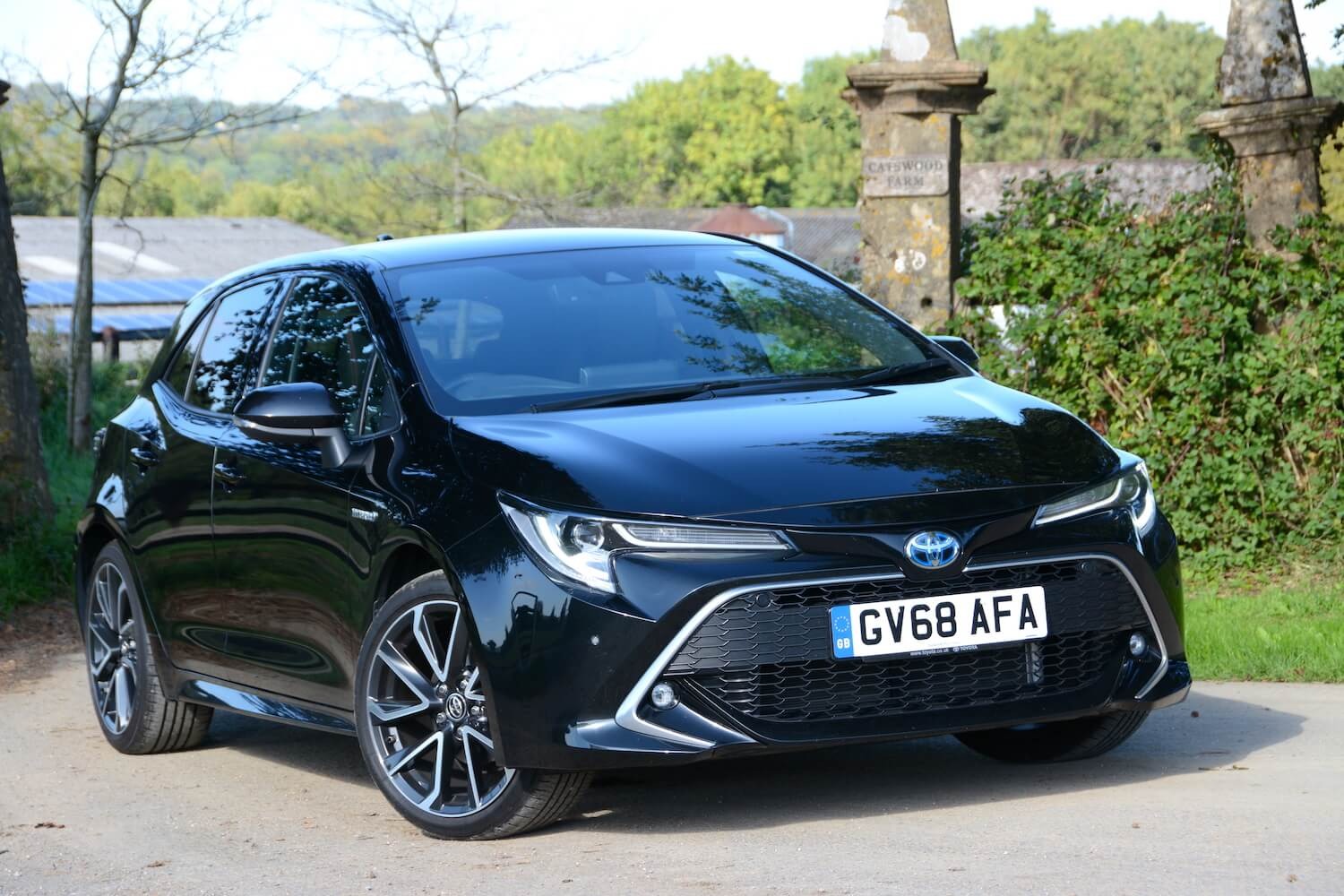
5. Toyota Corolla Hybrid
The Toyota Corolla Hybrid combines the compact dimensions and affordability of America’s best-selling car with hybrid efficiency that approaches the larger Camry Hybrid.
For ride-share drivers seeking maximum fuel economy in a smaller, more maneuverable package, the Corolla Hybrid deserves serious consideration.
It leverages Toyota’s mature hybrid technology in an accessible, affordable platform that has proven capable of extreme high-mileage service.
The Corolla Hybrid’s powertrain mirrors the larger Prius in many respects, utilizing a 1.8-liter four-cylinder engine combined with electric motors to produce 121 horsepower.
While power output is modest, it’s adequate for the vehicle’s mission and weight. The real story is efficiency: EPA estimates of 53 mpg city and 52 mpg highway place it among the most fuel-efficient vehicles available.
For ride-share drivers, this efficiency translates directly to a competitive advantage. The fuel savings compared to a conventional compact sedan can exceed $1,500 annually for high-mileage drivers a significant amount that compounds over years of operation.
Toyota’s hybrid system in the Corolla uses proven technology with decades of real-world validation. The battery pack is essentially the same design that has demonstrated remarkable durability in millions of Prius and Camry Hybrid applications.
Battery degradation is gradual and predictable, with minimal impact on performance or efficiency through the first 200,000 miles. The hybrid components carry Toyota’s standard 8-year/100,000-mile warranty, though real-world durability typically extends far beyond this coverage period.
Maintenance requirements mirror other Toyota hybrids minimal and predictable. The engine operates in a low-stress environment, spending significant time shut off while electric motors handle propulsion.
This reduced operating time correlates with extended engine life and longer intervals between major services. The electronically controlled continuously variable transmission (eCVT) is mechanically simple, lacking the complex gearing and clutch packs that cause failures in conventional transmissions.
Brake wear is dramatically reduced through regenerative braking, with many owners reporting brake pads lasting well over 100,000 miles.
The Corolla Hybrid’s affordability deserves emphasis. Its purchase price typically undercuts larger hybrids by several thousand dollars, yet it delivers comparable fuel economy and reliability.
For drivers entering ride-share work with limited capital, the lower acquisition cost makes the Corolla Hybrid accessible. The vehicle pays for itself more quickly through fuel savings, allowing drivers to reach profitability sooner.
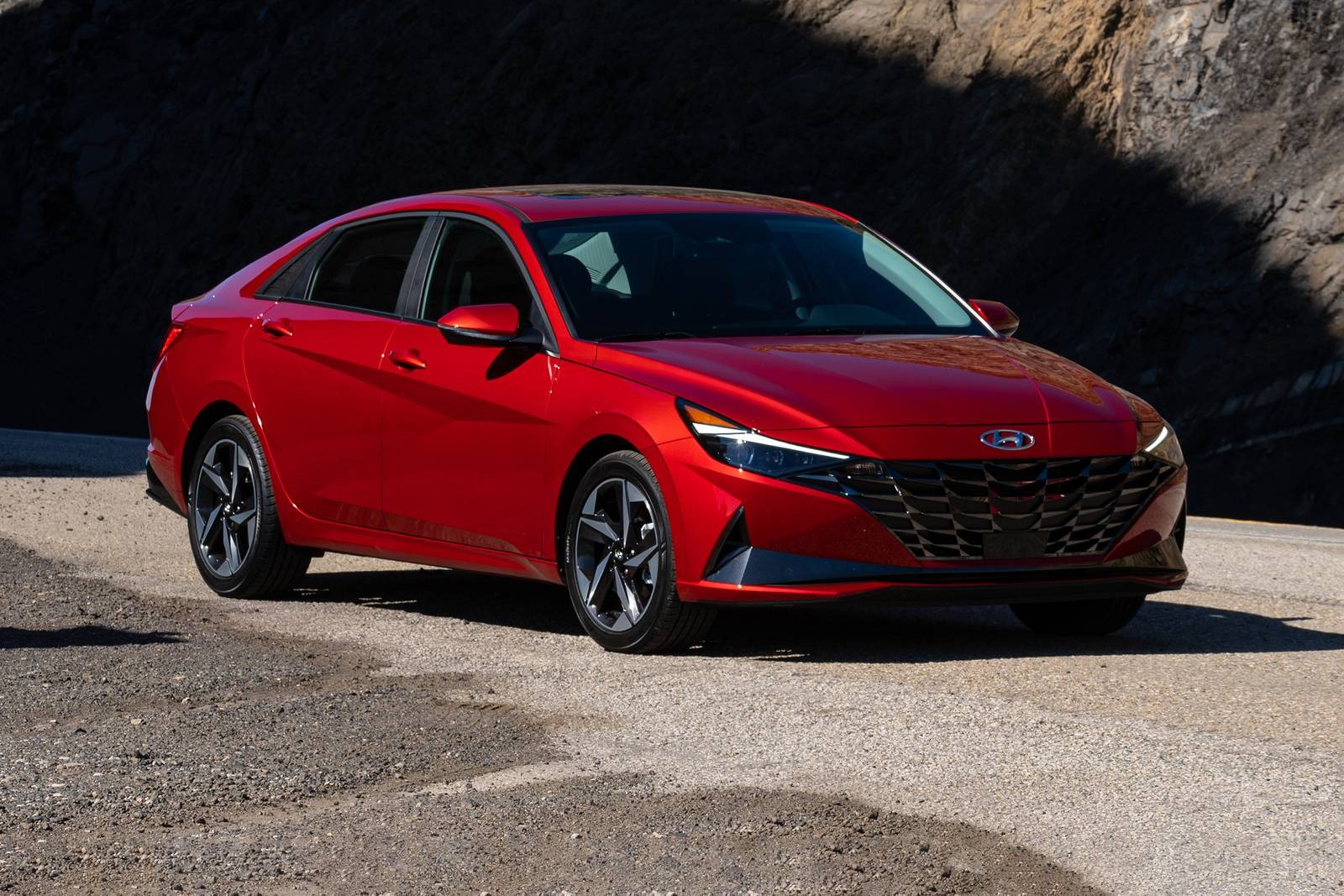
6. Hyundai Elantra Hybrid
The Hyundai Elantra Hybrid represents an intriguing value proposition for ride-share drivers, combining impressive fuel economy, modern technology, and Hyundai’s industry-leading warranty coverage.
While Hyundai lacks Toyota and Honda’s decades-long reputation for building vehicles that routinely exceed 300,000 miles, recent model years have demonstrated significant improvements in quality and durability.
The Elantra Hybrid deserves consideration, particularly for drivers who value comprehensive warranty protection during the critical early years of vehicle operation.
Hyundai’s hybrid powertrain uses a 1.6-liter four-cylinder engine combined with an electric motor to produce 139 horsepower. Performance is adequate if not thrilling, but the real attraction is efficiency: EPA estimates of 53 mpg city and 56 mpg highway actually exceed the Toyota Camry Hybrid.
Real-world fuel economy typically matches or exceeds these estimates, providing ride-share drivers with excellent operating economy.
The fuel savings compared to conventional compact sedans can exceed $1,800 annually for high-mileage drivers—a substantial amount that directly impacts profitability.
The warranty coverage is the Elantra Hybrid’s secret weapon. Hyundai’s standard coverage includes 5 years/60,000 miles bumper-to-bumper and 10 years/100,000 miles powertrain protection—far more generous than most competitors.
The hybrid system components receive additional coverage: lifetime warranty on the hybrid battery for the original owner. This comprehensive protection provides enormous peace of mind during the period when most drivers are most financially vulnerable.
If major repairs are needed during the warranty period, Hyundai covers them a significant advantage over competitors where you’d be paying out of pocket.
The Elantra Hybrid’s interior impresses with upscale materials and thoughtful design that belie its affordable price point. The cabin feels significantly more premium than previous-generation Hyundai products, reflecting the company’s commitment to improving quality and competitiveness.
Front seats provide good support for long driving shifts, with comfortable bolstering and adequate adjustment range. Rear seat space is generous for the compact class, with legroom that approaches some midsize sedans.
Passengers consistently comment favorably on interior comfort and space important for maintaining high ratings. Resale value is likely to trail Toyota and Honda products, reflecting market perceptions about long-term reliability.
However, the lower acquisition cost may offset this disadvantage. The total cost of ownership calculation depends on individual circumstances, risk tolerance, and how long you plan to operate the vehicle.
For drivers planning to use the vehicle only through the warranty period before upgrading, the Elantra Hybrid represents excellent value.
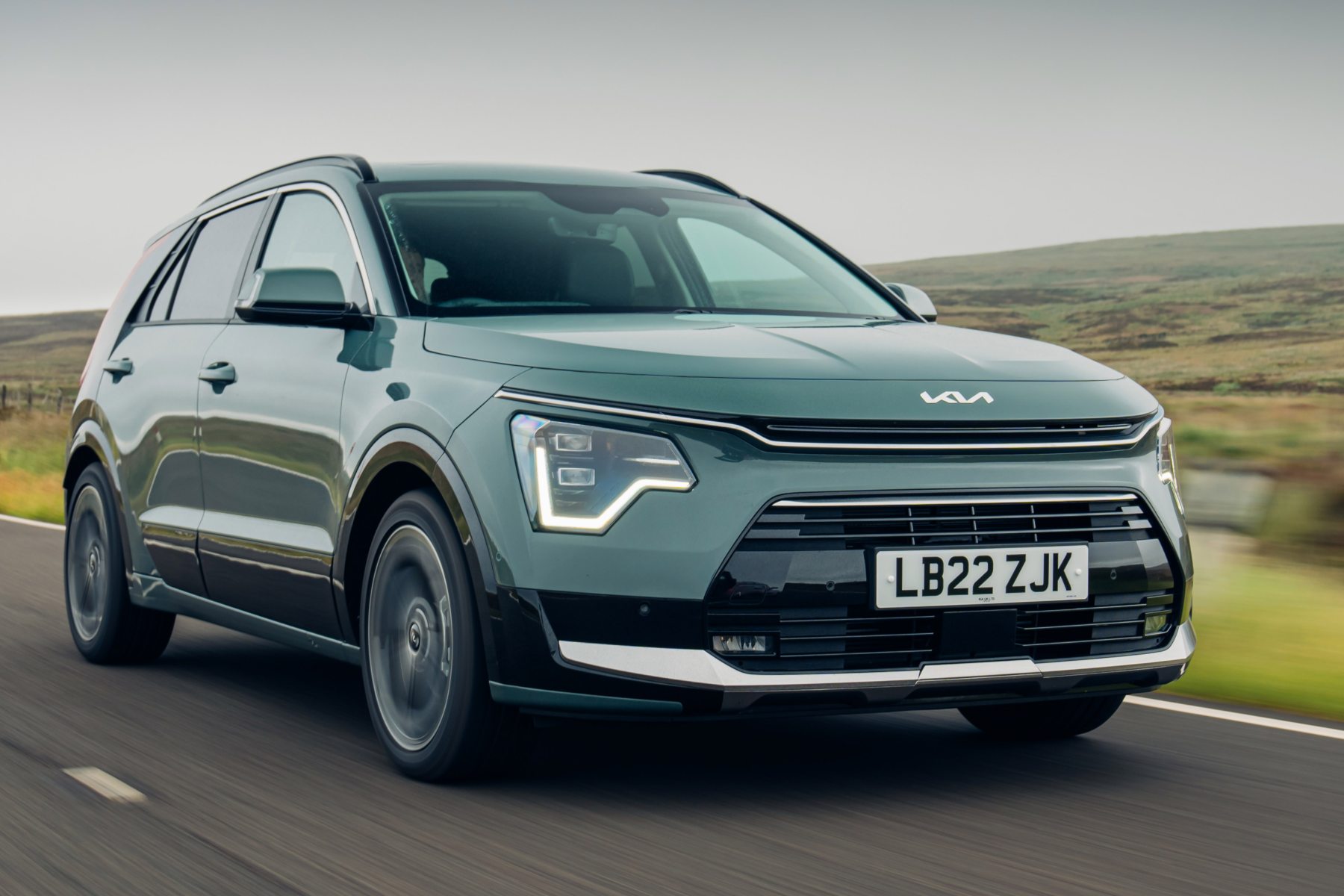
7. Kia Niro Hybrid
The Kia Niro Hybrid offers ride-share drivers a compelling alternative to traditional sedans, combining crossover versatility with hybrid efficiency in a package that’s proven reasonably durable.
While Kia shares Hyundai’s relative newcomer status in the ultra-high-mileage reliability conversation, the Niro has accumulated enough real-world examples to demonstrate it can serve competently in demanding ride-share applications.
Its crossover design provides practical advantages that some drivers will find valuable enough to justify choosing it over more proven sedan alternatives.
The Niro Hybrid’s powertrain utilizes a 1.6-liter four-cylinder engine combined with an electric motor to produce 139 horsepower modest but adequate for the vehicle’s mission.
EPA fuel economy estimates of 53 mpg city and 45 mpg highway place it among the most efficient crossovers available, though it trails sedan competitors slightly.
For ride-share drivers, the fuel economy remains excellent and translates to meaningful operating cost savings. The crossover configuration’s increased weight and aerodynamic drag prevent it from matching sedan efficiency, but the difference is modest enough that drivers valuing the crossover’s other advantages will find the trade-off acceptable.
The Niro’s crossover design may appeal particularly to drivers working in areas where customers prefer larger vehicles or where weather conditions favor higher ground clearance.
While the Niro isn’t all-wheel drive (front-wheel drive only), the additional ride height provides psychological comfort for passengers and practical advantages in areas with poor road maintenance.
The versatile cargo area makes the Niro suitable for drivers who occasionally handle airport runs or passengers with substantial luggage.
8. Mazda3
The Mazda3 represents an unconventional choice for ride-share drivers, prioritizing driving engagement and upscale design over maximum fuel efficiency and proven ultra-high-mileage durability.
However, Mazda has quietly built a reputation for engineering vehicles that last significantly longer than their sporty character might suggest.
For drivers who spend eight to twelve hours daily behind the wheel and value a vehicle that remains engaging and enjoyable to drive through hundreds of thousands of miles, the Mazda3 deserves consideration despite not being the obvious choice.
The Mazda3’s engine options include a 2.5-liter four-cylinder producing 186 horsepower or a turbocharged 2.5-liter generating 250 horsepower in premium trims.
For ride-share work, the naturally aspirated engine makes the most sense, balancing adequate performance with reasonable efficiency.
EPA fuel economy estimates hover around 28 mpg city and 36 mpg highway respectable for a conventional engine but trailing hybrid competitors significantly.
The fuel economy disadvantage translates to higher operating costs, potentially $800-1,200 annually compared to hybrid alternatives. Drivers must weigh this increased cost against the Mazda3’s other attributes.
Mazda’s engineering philosophy emphasizes building vehicles that feel premium and drive engagingly throughout their lifespan. The company’s SKYACTIV technology focuses on efficiency, responsiveness, and durability through careful engineering rather than electrification.
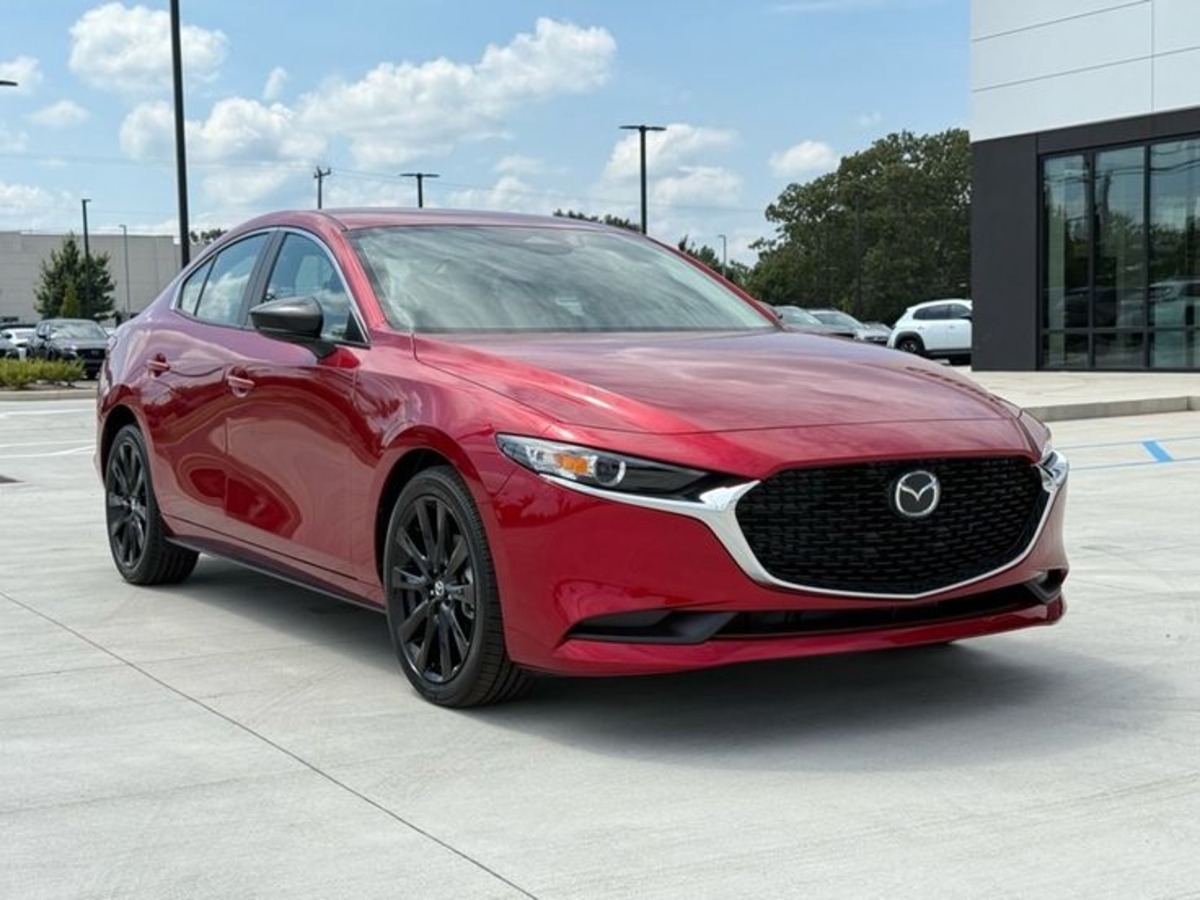
The engines are designed for longevity, with robust internal components and conservative tuning that prioritizes reliability over maximum power.
Real-world examples of Mazda3 sedans exceeding 300,000 miles exist, though they’re less common than Toyota and Honda examples reflecting lower sales volumes rather than necessarily indicating inferior durability.
The six-speed automatic transmission used in most Mazda3 models has proven reliable with proper maintenance. Unlike continuously variable transmissions that some drivers find less engaging, the conventional automatic provides positive shift feel and predictable behavior.
Maintenance requirements are straightforward: regular fluid changes and basic service keep the transmission operating smoothly through high mileage.
The manual transmission option, while appealing to driving enthusiasts, is impractical for ride-share work given the constant shifting in urban traffic.
Resale value for the Mazda3 is competitive, reflecting its premium positioning and quality reputation. Well-maintained examples hold value reasonably well, though they don’t quite match Honda or Toyota.
The smaller sales volumes mean fewer used examples compete in the market, which can support pricing. The premium interior quality remains evident even in higher-mileage examples, helping maintain appeal to used buyers.
9. Nissan Sentra
The Nissan Sentra represents a value-oriented choice for ride-share drivers prioritizing affordability and practicality over premium features or exceptional fuel economy.
While Nissan’s reputation has suffered in recent years due to questionable CVT reliability in some models, the Sentra has emerged as a surprisingly competent platform that can serve adequately in ride-share applications.
Recent redesigns have addressed many previous weaknesses, creating a vehicle that deserves consideration despite lingering concerns about Nissan’s quality trajectory.
The Sentra’s 2.0-liter four-cylinder engine produces 149 horsepower, adequate if not exciting. Performance is sufficient for ride-share work, though the engine works harder than more powerful competitors when fully loaded or merging onto highways.
EPA fuel economy estimates of 29 mpg city and 39 mpg highway are respectable for a conventional compact sedan, though they trail hybrid competitors by substantial margins.
The fuel economy disadvantage translates to approximately $1,000-1,500 in additional annual fuel costs compared to hybrid alternatives a significant amount for high-mileage drivers.
The continuously variable transmission (CVT) in the Sentra has been a source of controversy and concern. Earlier Nissan CVTs developed poor reputations for premature failure, sometimes occurring well before 100,000 miles and requiring expensive replacement.
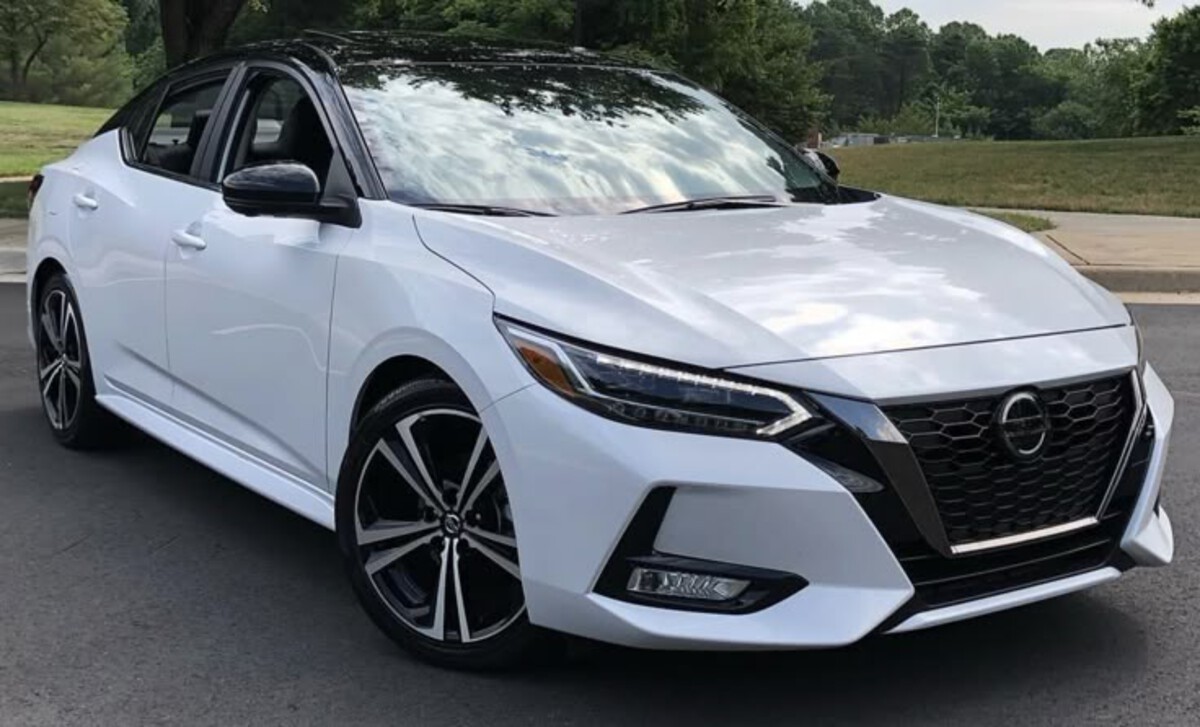
However, Nissan has implemented improvements in recent model years, and the current-generation Sentra uses an updated CVT design that early reports suggest is more durable.
The company extended CVT warranty coverage to 10 years/120,000 miles for many models, acknowledging previous issues and providing some peace of mind. Proper maintenance particularly regular CVT fluid changes is absolutely critical for longevity.
The question of whether the Sentra can reliably reach 300,000 miles hinges largely on CVT durability. If the transmission survives, the rest of the vehicle should prove capable of high-mileage service.
he four-cylinder engine is conventional and straightforward, using proven technology that should last with proper maintenance. Suspension components are basic but adequate, and replacement costs are reasonable.
The practical concern is whether drivers can trust the CVT to survive the full journey to ultra-high mileage, given Nissan’s inconsistent track record.
Resale value for the Sentra trails segment leaders significantly, reflecting market perceptions about Nissan reliability and the brand’s current struggles.
This weak resale value means the lower acquisition cost advantage partially erodes when you eventually sell or trade the vehicle. For drivers planning to operate the vehicle through ultra-high mileage rather than selling it earlier, resale value becomes less critical than operating costs and durability.
The total cost of ownership calculation depends heavily on whether the vehicle survives to high mileage without expensive repairs a genuine uncertainty with the Sentra.
10. Chevrolet Malibu
The Chevrolet Malibu rounds out our list as an American-brand alternative offering generous interior space and comfortable accommodations at an affordable price point.
While General Motors products haven’t historically enjoyed the ultra-high-mileage reputation of Japanese competitors, the Malibu has proven reasonably durable in real-world applications, and numerous examples exist of Malibus exceeding 200,000-250,000 miles with proper maintenance.
Reaching 300,000 miles is less common but documented, making the Malibu a viable if unconventional choice for ride-share drivers prioritizing space and comfort.
The Malibu’s 1.5-liter turbocharged four-cylinder engine produces 160 horsepower adequate for typical ride-share work though not particularly inspiring.
The turbocharger provides reasonable midrange torque that helps the vehicle feel more responsive than the modest horsepower figure suggests.
EPA fuel economy estimates of 29 mpg city and 36 mpg highway are respectable but trail both hybrid competitors and some conventional alternatives significantly.
The fuel economy disadvantage translates to approximately $1,200-1,600 in additional annual costs compared to hybrid options a meaningful amount for high-mileage professional drivers.
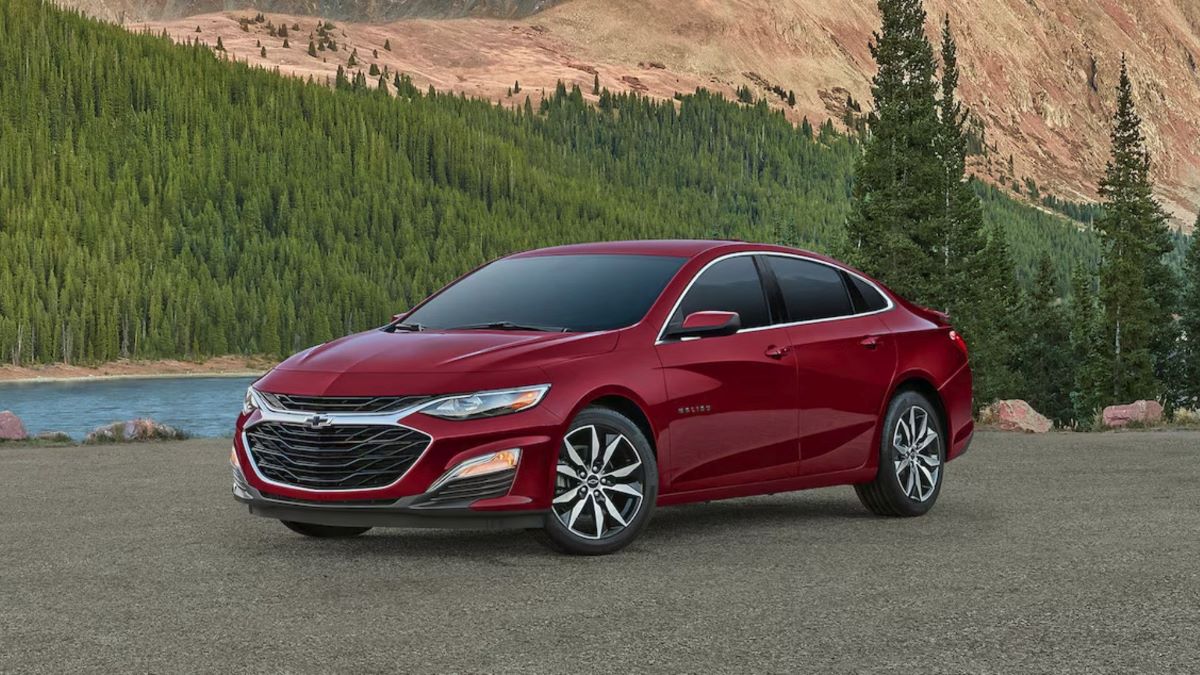
The continuously variable transmission (CVT) in most Malibus has proven reasonably reliable, though not without concerns. GM’s CVT design differs from Nissan’s troubled units, and real-world durability appears better.
However, CVTs in general remain less proven for ultra-high-mileage applications than conventional automatic transmissions. Proper maintenance particularly regular fluid changes is critical for longevity.
The CVT provides smooth operation that suits ride-share work well, eliminating gear hunting in traffic and delivering linear acceleration that passengers find comfortable.
Interior space is where the Malibu truly excels. The midsize platform provides genuinely generous room for passengers, with rear seat legroom that exceeds many competitors.
Taller passengers can sit comfortably, and the spacious feel contributes to positive passenger ratings. The trunk is large and accessible, easily accommodating luggage for airport runs or passengers with substantial belongings.
For drivers working markets where passenger comfort significantly influences ratings and tips, the Malibu’s spaciousness represents a genuine competitive advantage.
Resale value for the Malibu trails Japanese competitors significantly, with depreciation curves that are steeper than segment leaders. This weak resale value means the acquisition cost advantage partially erodes over time.
However, for drivers planning to operate the vehicle through ultra-high mileage rather than selling it prematurely, resale value becomes less critical than operating costs and durability.
The total cost of ownership calculation is less favorable than Toyota or Honda alternatives, but the Malibu may still make economic sense for drivers who can purchase it at a significant discount.
Also Read: 10 Cars That Outlast Their Transmissions
