
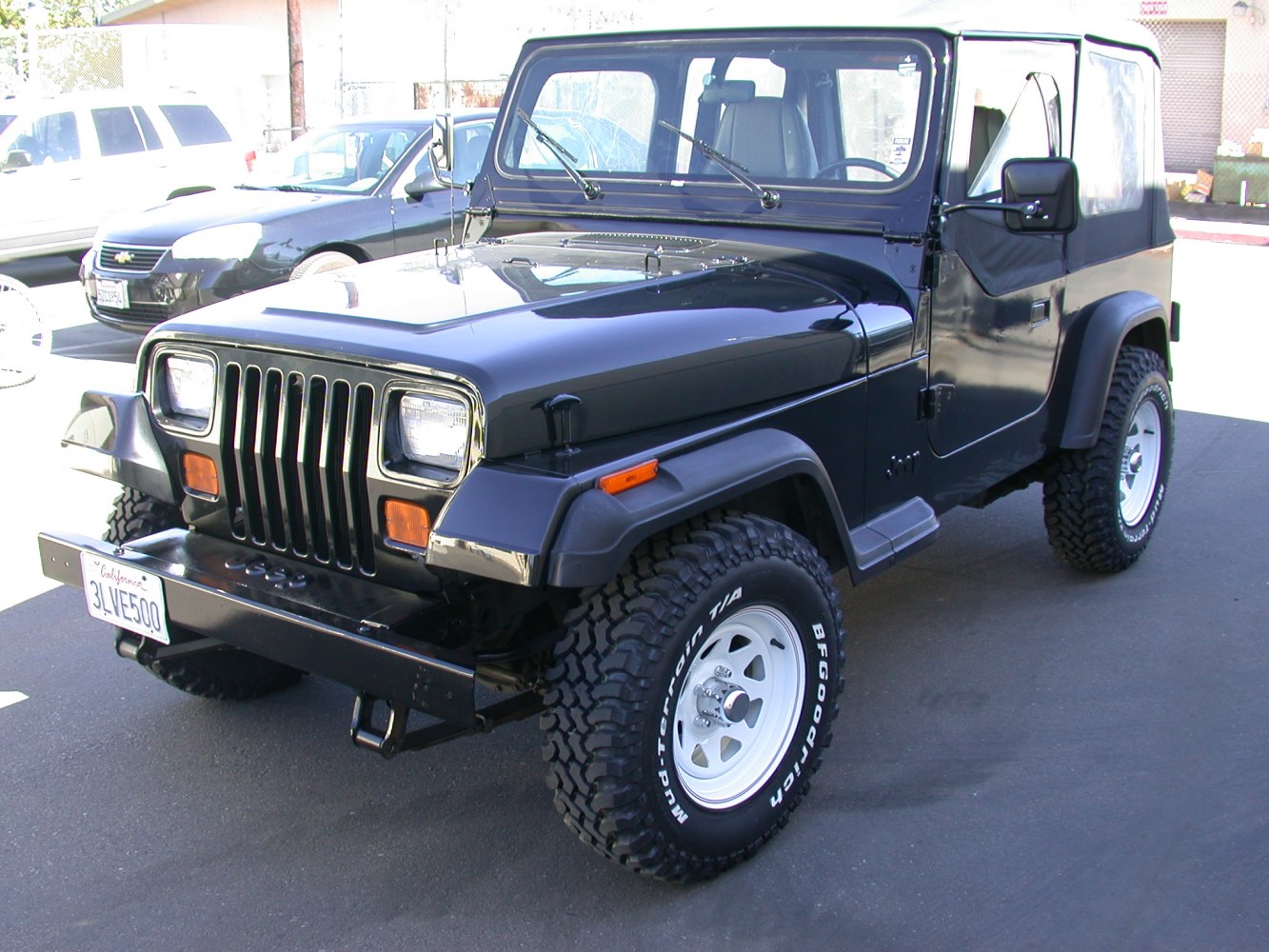
When it comes to vehicles that combine rugged capability with legendary durability, few brands capture the imagination quite like Jeep.
For decades, Jeep has built a reputation on creating vehicles that can handle punishment both on and off the road, developing a loyal following of enthusiasts who swear by their reliability and longevity.
However, not all Jeep models are created equal, and some have proven themselves far more durable and maintenance-friendly than others over the years.
The beauty of owning a Jeep isn’t just in its ability to tackle challenging terrain or turn heads on city streets it’s in the remarkable potential for these vehicles to last well beyond their expected lifespan with proper care and some strategic modifications.
Unlike many modern vehicles that require specialized tools and dealer-level diagnostics for even basic maintenance, many Jeep models are refreshingly straightforward to work on, making them ideal candidates for owners who want to take longevity into their own hands.
The concept of “simple mods” is key here. We’re not talking about expensive engine swaps, complex transmission overhauls, or modifications that require welding expertise and a fully equipped shop.
Instead, we’re focusing on practical, accessible upgrades and preventive measures that address known weak points, enhance reliability, and extend the service life of these vehicles.
These modifications typically involve upgrading components that are prone to wear, protecting vulnerable systems from the elements, and replacing factory parts with more robust alternatives all while maintaining the character and capability that make Jeeps special.
Whether you’re considering purchasing a used Jeep with high mileage, looking to extend the life of your current vehicle, or simply want to ensure your investment provides decades of reliable service, understanding which models offer the best longevity potential and which modifications deliver the most value is crucial.
From the iconic Wrangler to capable Grand Cherokees and everything in between, these ten Jeep models represent the best combinations of durability, simplicity, and modification-friendly design in the brand’s history.
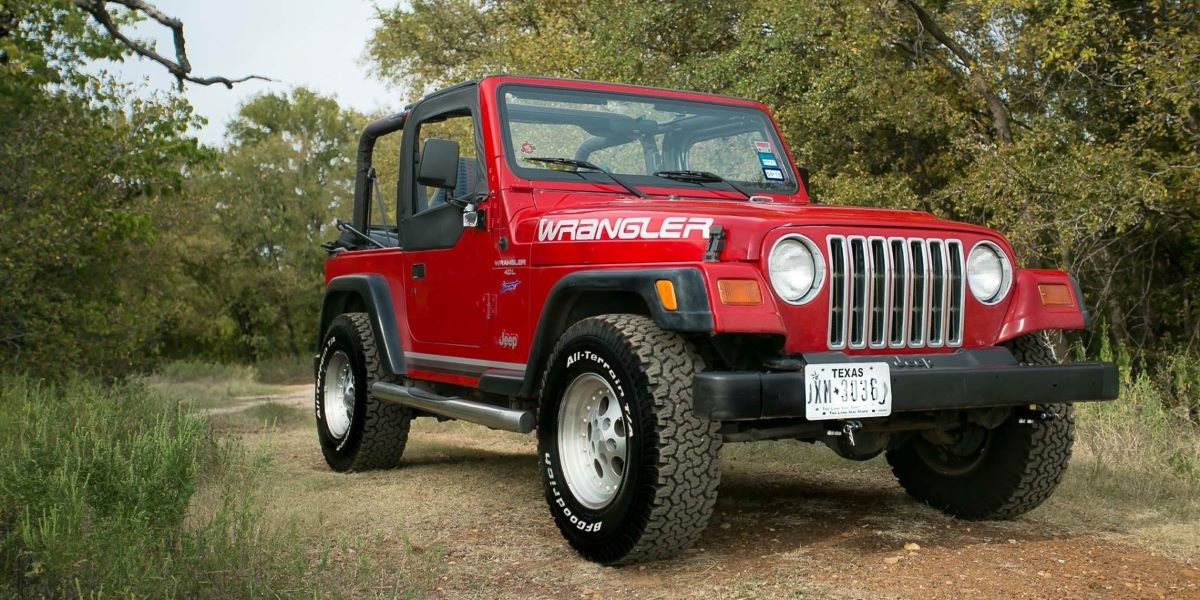
1. Jeep Wrangler TJ (1997-2006)
The Wrangler TJ holds a special place in Jeep history as perhaps the most beloved generation among enthusiasts, and for good reason.
This model successfully bridged the gap between the classic CJ heritage and modern reliability, introducing coil spring suspension for vastly improved on-road manners while retaining the bulletproof inline-six engine that had made previous Jeeps legendary.
The TJ represents an ideal balance of simplicity and capability, with straightforward mechanics that make it exceptionally maintenance-friendly and modification-ready.
At the heart of the TJ’s longevity is the 4.0-liter inline-six PowerTech engine, an evolution of the AMC-designed straight-six that had been powering Jeeps since the 1980s.
This engine is nearly indestructible when properly maintained, regularly achieving 200,000 miles or more with nothing more than routine oil changes and basic upkeep.
The simple overhead valve design means fewer components to fail, and the cast-iron block provides exceptional durability. However, the TJ isn’t without its weak points, which is where smart modifications come into play.
The most critical modification for TJ longevity involves addressing the frame’s vulnerability to rust. The frame was not adequately rust-proofed from the factory, particularly in areas where the body mounts contact the frame, allowing moisture to become trapped.
A comprehensive rust prevention strategy should include thoroughly cleaning the frame, treating any surface rust with a rust converter, and applying a quality undercoating or spray-on bedliner to the entire underside.
Pay special attention to the frame rail sections behind the rear wheels and near the gas tank, as these areas are particularly prone to rust-through. This single modification can add decades to your TJ’s life, especially in salt-belt states.
Another simple but essential upgrade involves the cooling system. While the 4.0-liter engine is robust, it does run warm, and the factory radiator can struggle during demanding off-road situations or towing.
Upgrading to a higher-capacity aluminum radiator and installing a dual electric fan setup provides better cooling performance and eliminates the parasitic power loss from the mechanical fan.
This modification is straightforward, typically requiring no welding or cutting, and dramatically reduces the risk of overheating-related engine damage.
Additionally, replacing the factory thermostat housing with an upgraded aluminum unit eliminates a common failure point where the plastic housing can crack and cause coolant leaks.
Finally, protecting the TJ’s vulnerable soft top and interior from the elements preserves the vehicle’s condition and comfort. Treating the soft top with UV protectant regularly prevents premature deterioration, while installing better door seals reduces water intrusion.
For models with carpet, removing it entirely and coating the floor with spray-on bedliner or installing rubberized flooring makes the interior virtually indestructible and dramatically easier to clean.
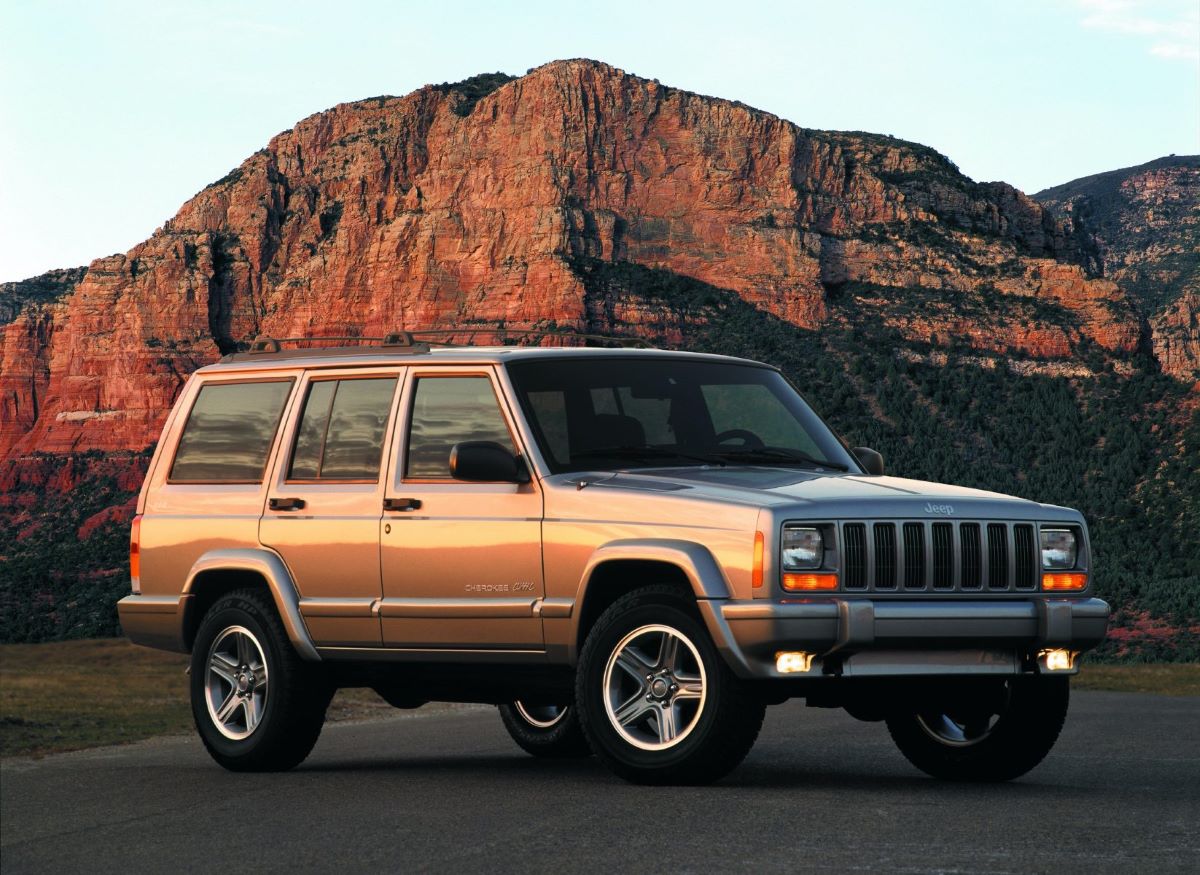
2. Jeep Cherokee XJ (1984-2001)
The Cherokee XJ revolutionized the SUV market when it debuted and remains one of the most reliable and longest-lasting vehicles Jeep has ever produced.
Its unibody construction was innovative for its time, and the simple, rugged mechanicals underneath that pioneering structure have proven capable of astronomical mileage figures when properly maintained.
The XJ’s combination of compact dimensions, excellent off-road capability, and remarkable reliability has created a devoted following, with many examples still serving daily driver duties with 300,000 miles or more on the odometer.
Like the TJ Wrangler, the XJ’s greatest asset is the 4.0-liter inline-six engine, which was optional in earlier models and standard in later years.
This powerplant is the heart of the XJ’s legendary durability, capable of absorbing neglect and continuing to run that would destroy lesser engines.
The key to maximizing this engine’s life is religious oil change intervals every 3,000 miles with quality conventional oil or 5,000 miles with synthetic. The 4.0’s lifters can develop ticking if oil changes are neglected, but this rarely leads to catastrophic failure.
A simple modification that dramatically improves lubrication is installing an aftermarket oil filter adapter that relocates the filter to a more accessible location and allows for a larger filter with better filtration capacity.
The XJ’s primary vulnerability is rust, particularly in the rear quarters where the unibody structure can rot from the inside out. The most important preventive modification involves thorough rust prevention and treatment.
Remove the rear bumper and carefully inspect the frame rails if surface rust is present, treat it immediately with rust converter and seal it with undercoating.
Drill drain holes in the rocker panels and lower body sections to allow trapped moisture to escape, then treat the interior surfaces with a cavity wax or oil-based rust preventive.
This modification is tedious but essential, as structural rust is the number one reason XJs are eventually scrapped despite having perfectly functional drivetrains.
Protecting the XJ’s interior from water intrusion is crucial for longevity. The windshield gasket commonly leaks on older models, allowing water to saturate the carpet and rust the floor pans from above.
Resealing the windshield with modern urethane adhesive is straightforward and prevents this damage. Similarly, ensure the cowl drains are clear and flowing properly, as blocked drains can flood the interior and cause extensive water damage to carpets, insulation, and electronics.
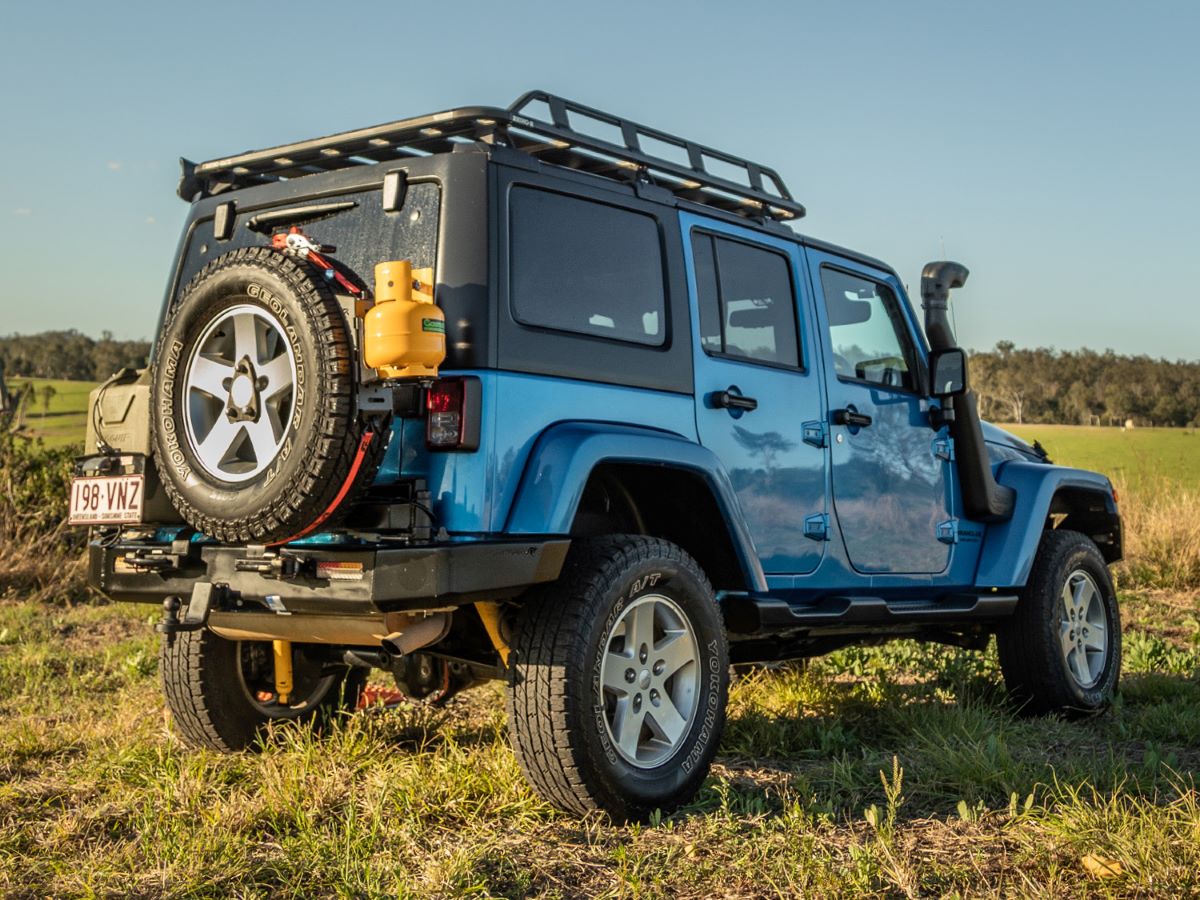
3. Jeep Wrangler JK (2007-2018)
The JK generation Wrangler represented a significant evolution from the TJ, offering modern amenities and safety features while retaining the classic Wrangler DNA.
Available as both a two-door and the revolutionary four-door Unlimited model, the JK broadened Wrangler’s appeal while maintaining the off-road capability and modification potential that enthusiasts demand.
With proper attention to known weak points and strategic modifications, the JK proves to be a highly durable platform capable of serving reliably for hundreds of thousands of miles.
The JK’s 3.6-liter Pentastar V6 engine, introduced in 2012, is generally reliable and significantly more powerful than the previous 3.8-liter unit it replaced. However, this engine has some specific needs for maximum longevity.
The most critical modification involves addressing the cylinder head issue that affected earlier Pentastar engines. While Chrysler issued a warranty extension for this problem, installing an aftermarket oil catch can system prevents oil vapor from contaminating the intake system and potentially contributing to valve deposit buildup.
This simple modification involves plumbing a small canister into the PCV system to collect oil mist before it re-enters the intake, requiring no permanent modifications and taking just a couple hours to install.
The JK’s cooling system is generally adequate for stock applications, but if you’ve added larger tires or plan to do serious off-roading, upgrading to a more robust radiator is wise.
The factory radiator uses plastic end tanks that can crack over time, particularly after repeated heating and cooling cycles. Replacing it with an all-aluminum radiator with welded or crimped metal end tanks eliminates this failure point.
Additionally, the JK’s coolant overflow bottle is positioned where it’s vulnerable to damage from off-road obstacles, relocating it higher in the engine bay and using steel braided hoses protects this critical component.
Upgrading the JK’s differential covers is both a practical modification and insurance against costly repairs. The factory stamped steel covers are thin and easily damaged by rocks during off-road use.
Replacing them with heavy-duty cast aluminum covers that hold more gear oil and feature integrated magnetic drain plugs makes fluid changes easier while protecting the differentials from impact damage.
Speaking of gear oil, regular changes every 30,000 to 50,000 miles dramatically extend differential life, particularly if you’ve installed larger tires that increase stress on the drivetrain.
4. Jeep Grand Cherokee WJ (1999-2004)
The Grand Cherokee WJ generation often gets overlooked in discussions of reliable Jeeps, but this is unjustified. With the right engine and some preventive modifications, the WJ proves to be an exceptionally durable platform that combines genuine off-road capability with comfortable on-road manners.
The key is choosing a model equipped with the 4.0-liter inline-six engine rather than the V8 options, as this powerplant brings the legendary reliability that made the XJ Cherokee famous to the more refined Grand Cherokee platform.
The 4.0-liter WJ benefits from the same engine modifications discussed for the XJ and TJ, primarily regular oil changes and maintaining the cooling system.
However, the WJ’s greater weight and more complex systems require additional attention to ensure longevity. The most critical modification involves upgrading the transmission cooling, as the automatic transmission must work harder in the heavier Grand Cherokee.
Installing a large auxiliary transmission cooler with its own electric fan provides significant insurance against transmission failure. Position this cooler in front of the radiator with adequate airflow, and ensure it’s plumbed correctly using the proper fittings and high-quality hoses.
The WJ’s front suspension uses a sophisticated independent design that provides excellent ride quality but requires maintenance attention.
The upper and lower ball joints wear over time and should be inspected regularly and replaced with quality aftermarket units when worn. The tie rod ends and drag link similarly need periodic replacement.
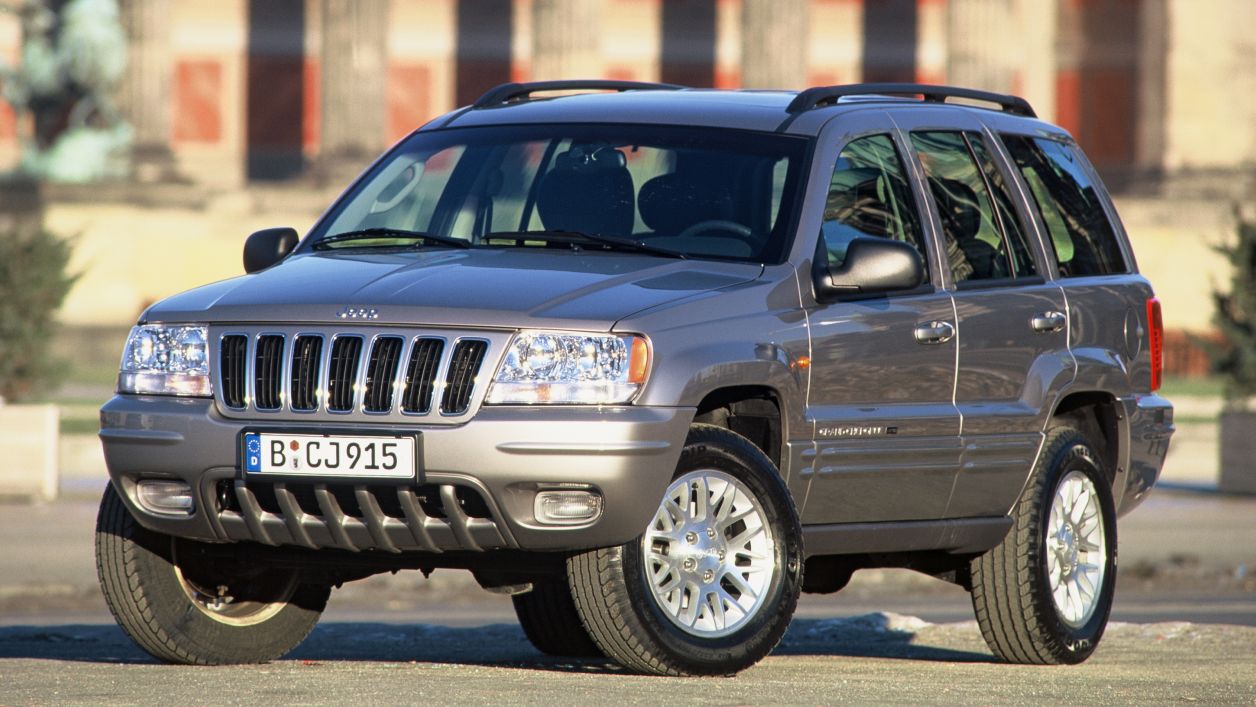
Using premium sealed or greaseable ball joints and tie rod ends provides better longevity than economy parts. Additionally, the front differential is integrated into the suspension in a way that makes it vulnerable to impact damage installing an aftermarket skid plate provides crucial protection if you plan any off-road use.
Rust prevention is just as crucial for the WJ as any other Jeep, despite its more refined nature. The frame and body mounts are susceptible to corrosion, and the rear quarter panels can trap moisture and rust from the inside out.
Regular undercoating application and treating the inside of body panels with cavity wax prevent this deterioration. The WJ’s rear liftgate has drain channels that commonly clog, allowing water to pool and rust the lower section regularly cleaning these drains and ensuring proper water flow prevents expensive body damage.
The WJ’s fuel system can develop issues as mileage accumulates, particularly with the fuel pump and sending unit. Installing an aftermarket fuel pressure regulator provides more consistent fuel pressure and reduces stress on the pump, extending its service life.
Regularly using quality fuel with proper detergent additives keeps the fuel injectors clean and functioning properly. The fuel filter should be changed every 30,000 miles, even though Chrysler didn’t specify regular replacement intervals.
Also Read: 10 Nissan Models That Quietly Deliver Long Service
5. Jeep Wrangler YJ (1987-1995)
The YJ Wrangler holds the distinction of being the first Wrangler model, replacing the beloved CJ series, and while it was initially controversial for its square headlights, it has proven to be one of the most durable and modification-friendly Jeeps ever built.
The YJ represents peak simplicity in Jeep design, straightforward mechanicals, minimal electronics, and rugged construction that responds well to proper maintenance and strategic upgrades.
Many YJs continue serving as reliable daily drivers and off-road vehicles with 200,000 miles or more, a testament to their fundamental durability.
The YJ’s greatest asset for longevity is its simplicity. Models equipped with the 4.2-liter inline-six or the later 4.0-liter engine share the basic durability that makes these powerplants legendary.
The 4.2-liter is an even simpler design, using a carburetor rather than fuel injection in most years, making it extraordinarily easy to maintain and repair.
However, the 4.0-liter models (1991-1995) are generally preferred for their better fuel economy and more refined operation. Regardless of engine, regular oil changes remain the critical foundation of longevity, along with maintaining the cooling system and addressing any leaks promptly.
The YJ’s frame, like other Jeeps of this era, is highly susceptible to rust, making comprehensive rust prevention the single most important modification for longevity.
The frame uses a boxed design in the rear section that traps moisture and rust from the inside out, particularly in the rear corners and spring hangers.
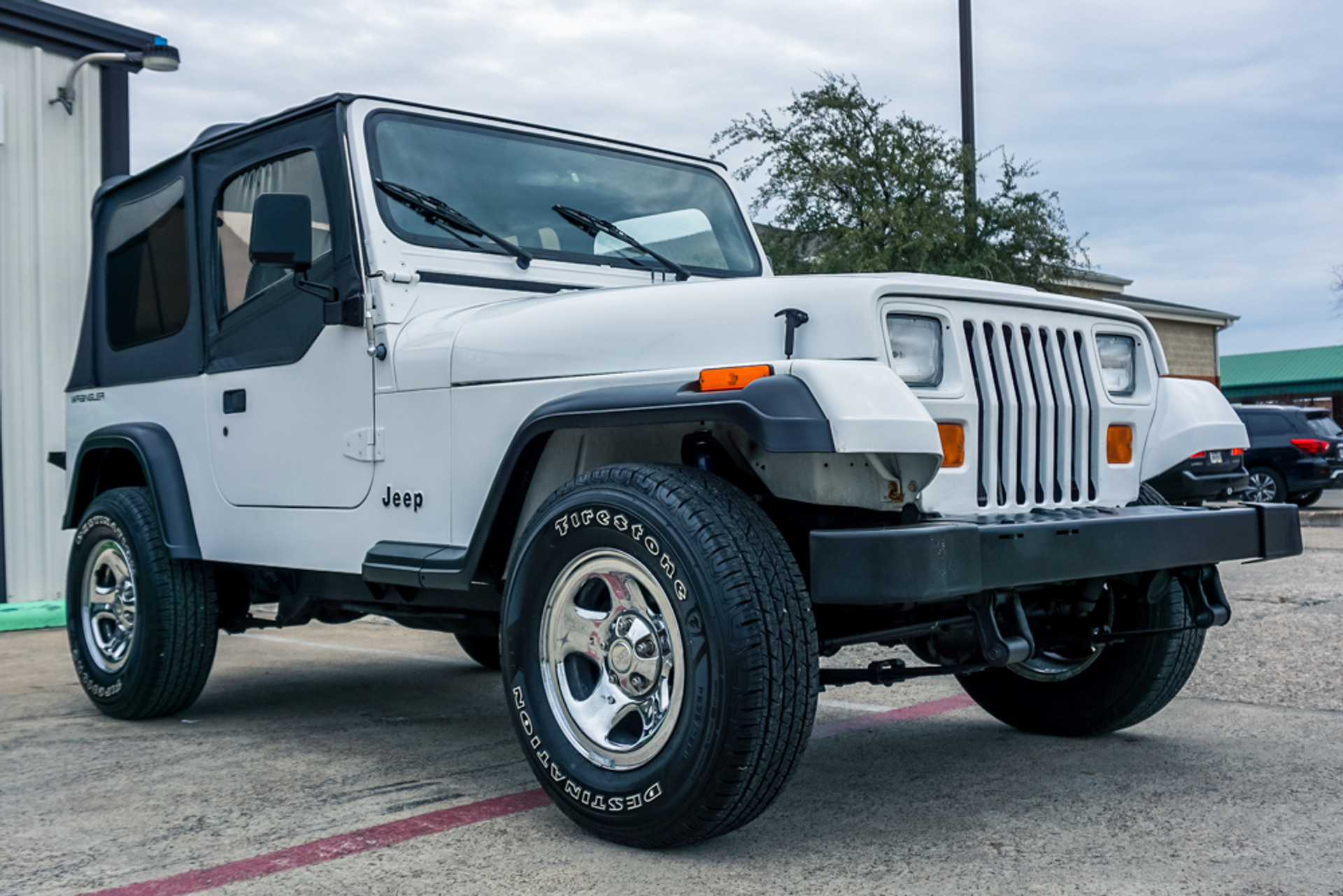
Addressing this requires drilling access holes to treat the interior of the frame rails with rust preventive, then sealing everything with quality undercoating.
The body mounts are another critical area where moisture trapped between the body and frame accelerates corrosion, so removing the body (if practical) or at least removing body mount bolts and treating these areas prevents structural damage.
The YJ’s leaf spring suspension is simple and durable, but the springs themselves fatigue over time, leading to sagging and reduced ride quality.
Replacing worn springs with quality aftermarket units restores proper ride height and handling. The leaf spring bushings should be upgraded to polyurethane for longer life and better control.
The front and rear shackles commonly rust and should be replaced with heavy-duty units, while the spring hangers themselves should be carefully inspected for rust these are structural components, and failure can be dangerous.
The YJ’s electrical system is refreshingly simple, with minimal electronics to cause problems. However, age takes its toll on wiring and connections.
The most important electrical modification is installing a headlight relay harness, which dramatically improves headlight brightness while reducing stress on the aging headlight switch.
Clean all ground connections and treat them with dielectric grease to prevent corrosion. Upgrade the alternator to a higher-output unit if you’ve added accessories, and consider installing an auxiliary fuse panel for any additional electrical loads to avoid overtaxing the factory wiring.
6. Jeep Grand Cherokee ZJ (1993-1998)
The ZJ Grand Cherokee was Jeep’s first “luxury” SUV, and while it brought refinement and comfort to the brand, it also maintained surprising durability and capability.
Like the later WJ, the ZJ’s longevity depends heavily on choosing the right engine and performing preventive maintenance. Models equipped with the 4.0-liter inline-six are the best choice for reliability, avoiding the complexity and potential issues of the V8 options.
With proper care and some strategic modifications, the ZJ provides hundreds of thousands of miles of comfortable, capable service. The foundation of ZJ longevity is the same as any 4.0-liter Jeep: religious oil changes, maintaining the cooling system, and addressing leaks promptly.
The ZJ’s cooling system is adequate for normal use but benefits from upgrading to a high-capacity radiator, particularly if used for towing.
The factory radiator uses plastic end tanks that crack with age replacing it with an all-aluminum unit eliminates this failure point. Installing a heavy-duty electric fan setup improves cooling while reducing parasitic power loss from the engine-driven mechanical fan.
The ZJ’s transmission cooling is critical for longevity, especially on automatic models. The factory cooler integrated into the radiator is marginal at best and becomes completely inadequate if the Jeep is used for towing or loaded heavily.
Installing a large auxiliary transmission cooler with adequate airflow extends transmission life dramatically. Position the cooler where it receives good airflow but is protected from road debris, and use high-quality hoses and fittings to prevent leaks.
Regular transmission fluid and filter changes every 30,000 miles, rather than waiting for the factory’s extended intervals, further ensure transmission longevity.
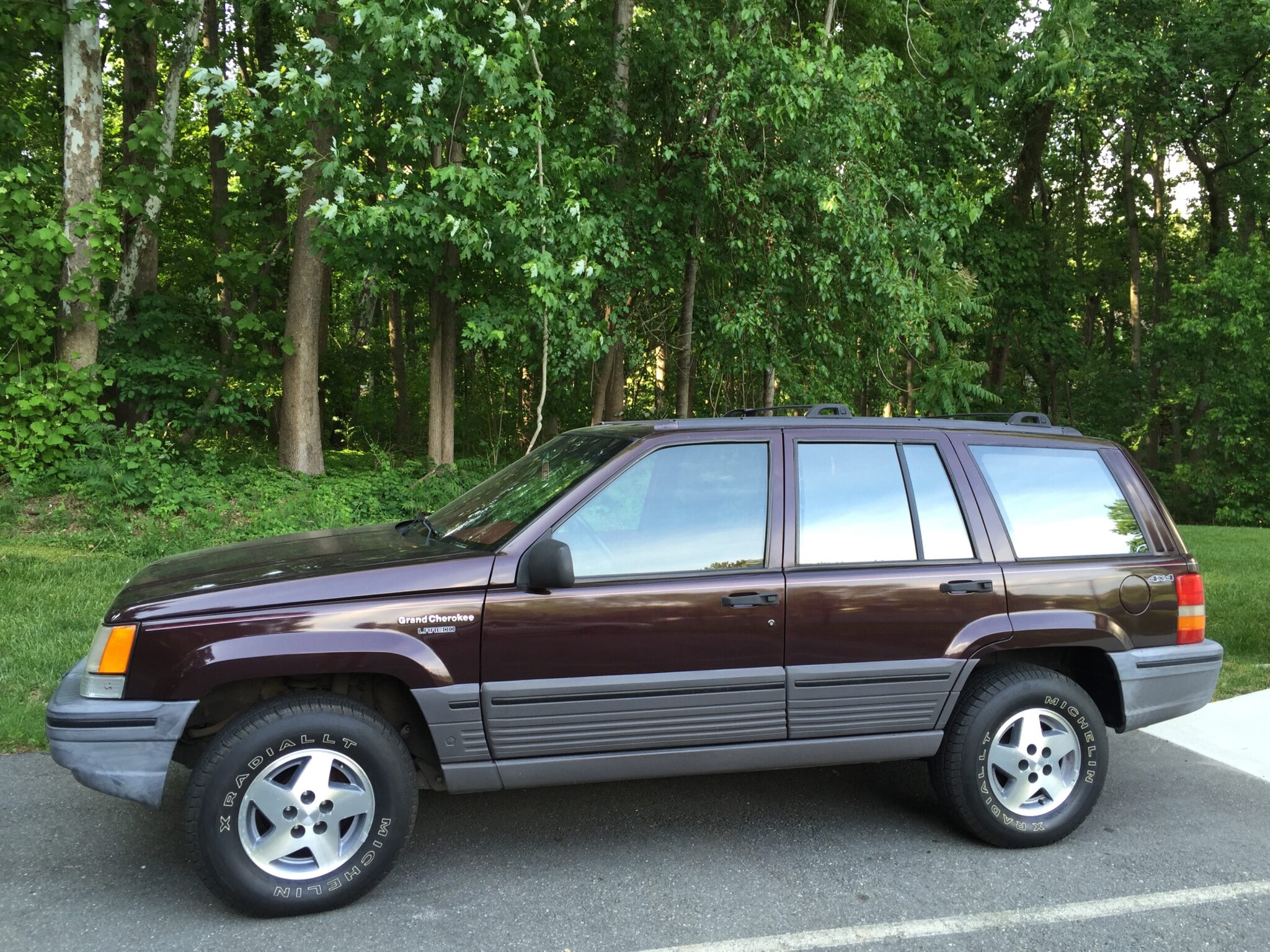
Rust is the ZJ’s biggest enemy, particularly in the rear quarter panels and liftgate area. The lower quarter panels trap moisture and rust from the inside out, eventually leading to structural failure if left untreated.
Prevention requires treating these areas with cavity wax or oil-based rust preventive, accessing the interior of panels through existing access holes or carefully drilling new ones.
The frame, while more robust than earlier Jeeps, still benefits from comprehensive undercoating. The rear spring hangers and frame sections near the fuel tank require particular attention, as these areas are prone to rust-through.
The ZJ’s front suspension uses a sophisticated design that provides excellent ride quality but requires maintenance. Ball joints, tie rod ends, and control arm bushings wear over time and should be replaced with quality parts when needed.
Using greaseable ball joints allows regular lubrication, extending service life significantly. The ZJ’s steering box is generally robust but develops play with age rebuilding or replacing it restores proper steering feel and reduces wear on related components.
The ZJ’s brake system requires attention as mileage accumulates. The ABS system, while advanced for its time, can develop problems with wheel speed sensors and the ABS pump.
Regular brake fluid flushes every two years prevent moisture accumulation that can damage the expensive ABS components. Upgrading to stainless steel braided brake lines improves pedal feel while eliminating the failure point of aging rubber hoses. The rear drum brakes should be inspected regularly and adjusted as needed to maintain proper operation.
7. Jeep Comanche MJ (1986-1992)
The Comanche pickup truck is essentially an XJ Cherokee with a truck bed, sharing that platform’s legendary durability while adding the utility of a pickup.
The Comanche has developed a devoted following among Jeep enthusiasts who appreciate its unique combination of capability, practicality, and reliability.
Like the XJ, the Comanche equipped with the 4.0-liter inline-six (available from 1987 onward) offers exceptional longevity potential, and examples with 300,000 miles or more remain common.
The Comanche’s pickup configuration does create some unique considerations for modifications and maintenance. The foundation of Comanche longevity mirrors the XJ Cherokee: the bulletproof 4.0-liter inline-six engine and simple, rugged mechanicals.
All the modifications discussed for the XJ apply equally to the Comanche religious oil changes, maintaining the cooling system, upgrading the radiator and adding auxiliary transmission cooling, and addressing electrical gremlins through proper ground connections and relay harnesses.
The Comanche’s lighter rear end (with no rear seat passengers or cargo area) actually reduces stress on the drivetrain compared to a loaded XJ, potentially extending component life.
However, the Comanche’s unibody construction with a separate bed creates unique rust vulnerabilities. The bed mounts and the cab corners are particularly prone to rust, as moisture becomes trapped between mounting surfaces.
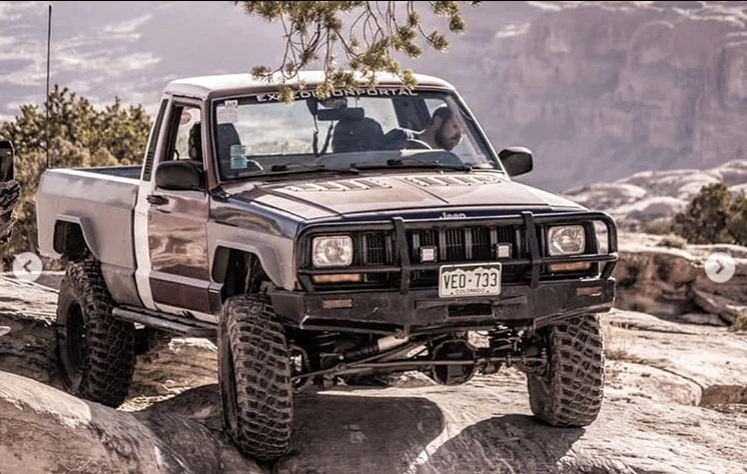
The most critical modification involves thoroughly treating these areas with rust preventive. Remove the bed if possible to access and treat the frame rails underneath this area is hidden and prone to serious rust that can compromise structural integrity.
The cab corners should be carefully inspected and any rust treated aggressively, as these areas are structural and failure can affect door fit and body integrity.
The Comanche’s bed itself requires attention to prevent rust. Water collects in the bed and promotes rust from the inside, particularly along the bed floor seams and stake pocket mounts.
Coating the bed with spray-on bedliner or truck bed coating not only protects against cargo damage but also seals the metal against moisture.
Drilling drain holes in the stake pockets allows trapped water to escape. The front bed panel, where it meets the cab, commonly develops rust keeping this area clean and treating it with rust preventive prevents deterioration.
Like the XJ, the Comanche’s steering system benefits from upgrading to heavy-duty tie rod and drag link components. The steering box develops play over time and should be rebuilt or replaced when slack develops.
A quality steering stabilizer reduces shock loads on steering components, though it should complement properly maintained linkage rather than mask worn parts.
The front ball joints and wheel bearings require regular inspection and replacement when worn using quality parts rather than economy replacements provides much better longevity.
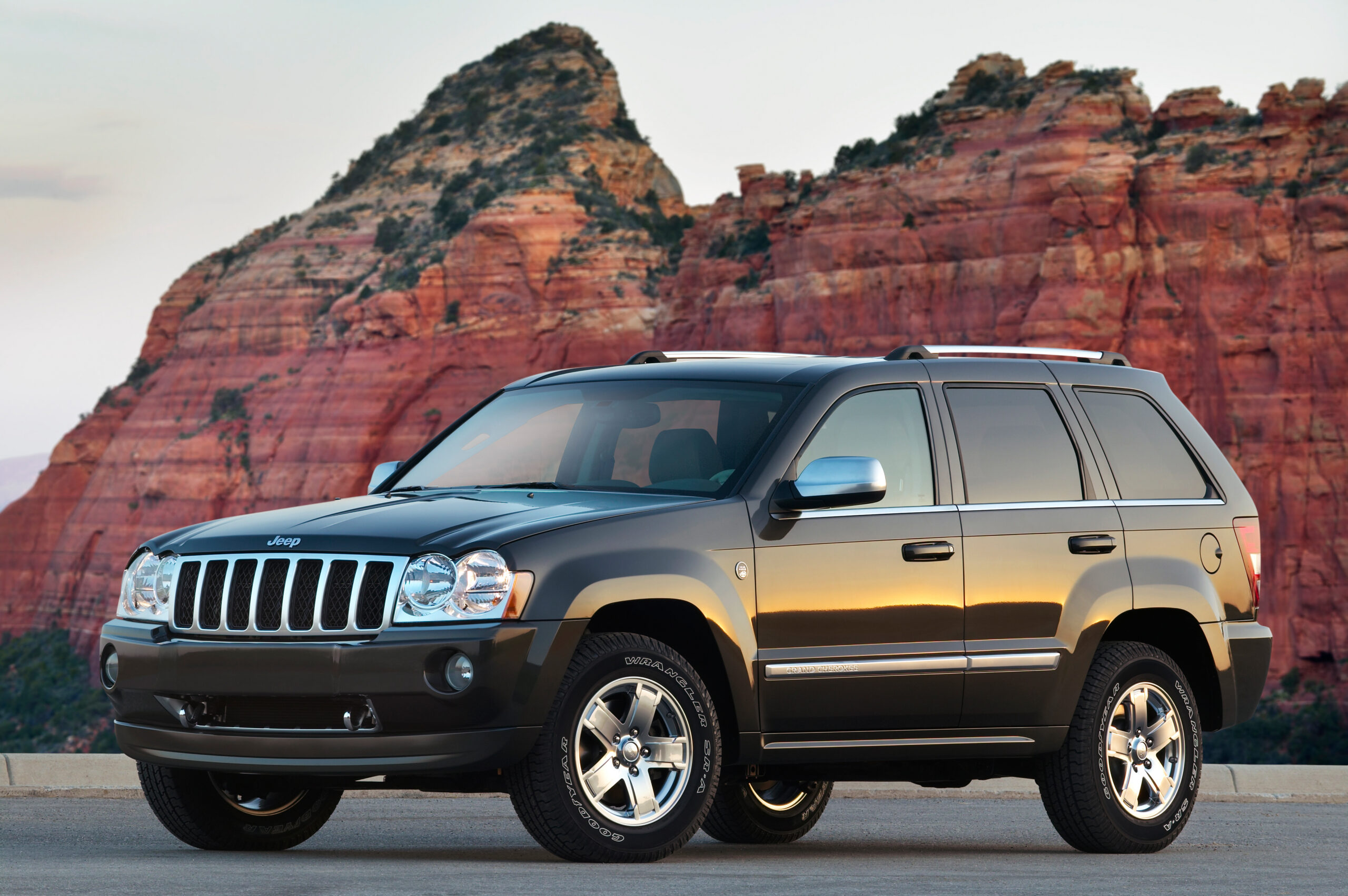
8. Jeep Grand Cherokee WK (2005-2010)
The WK Grand Cherokee represents a significant evolution in refinement and capability, and while it’s more complex than earlier Grand Cherokees, it offers impressive longevity potential with the right engine choice and preventive modifications.
The key is selecting a model with the 3.7-liter V6 or, even better, one of the later examples with the 3.6-liter Pentastar V6. While the HEMI V8 models are powerful and appealing, they’re more complex and potentially expensive to maintain. The more modest V6 models provide a better balance of reliability, efficiency, and longevity.
The 3.7-liter engine is generally reliable but requires regular maintenance to achieve high mileage. Oil changes should be performed every 5,000 miles with quality synthetic oil, and the cooling system requires attention to prevent overheating issues.
The factory radiator and water pump should be considered maintenance items replacing them preventively around 100,000 miles prevents catastrophic overheating that can damage the engine.
Installing an upgraded aluminum radiator with metal end tanks eliminates the failure point of plastic end tank cracking. The coolant overflow reservoir is also prone to cracking and should be replaced with a heavy-duty aftermarket unit.
The WK’s transmission is a sophisticated five-speed automatic that requires proper maintenance for longevity. The most critical modification is adding a larger auxiliary transmission cooler, as the factory cooling is marginal for towing or hot climate operation.
Install a large cooler with its own electric fan, positioned to receive good airflow while being protected from road debris. Regular transmission fluid and filter changes every 30,000 miles, using the correct ATF+4 fluid, dramatically extend transmission life.
Installing an aftermarket transmission temperature gauge allows monitoring and catching problems before catastrophic failure occurs.
Rust prevention is important even for the more modern WK, particularly in salt-belt states. The frame and suspension components benefit from regular undercoating application.
The rear liftgate has drain channels that commonly clog, allowing water to pool and rust the lower section regularly cleaning these drains prevents body damage.
The exhaust hangers and heat shields commonly rust and break, leading to annoying rattles replacing them with stainless steel units eliminates this issue.
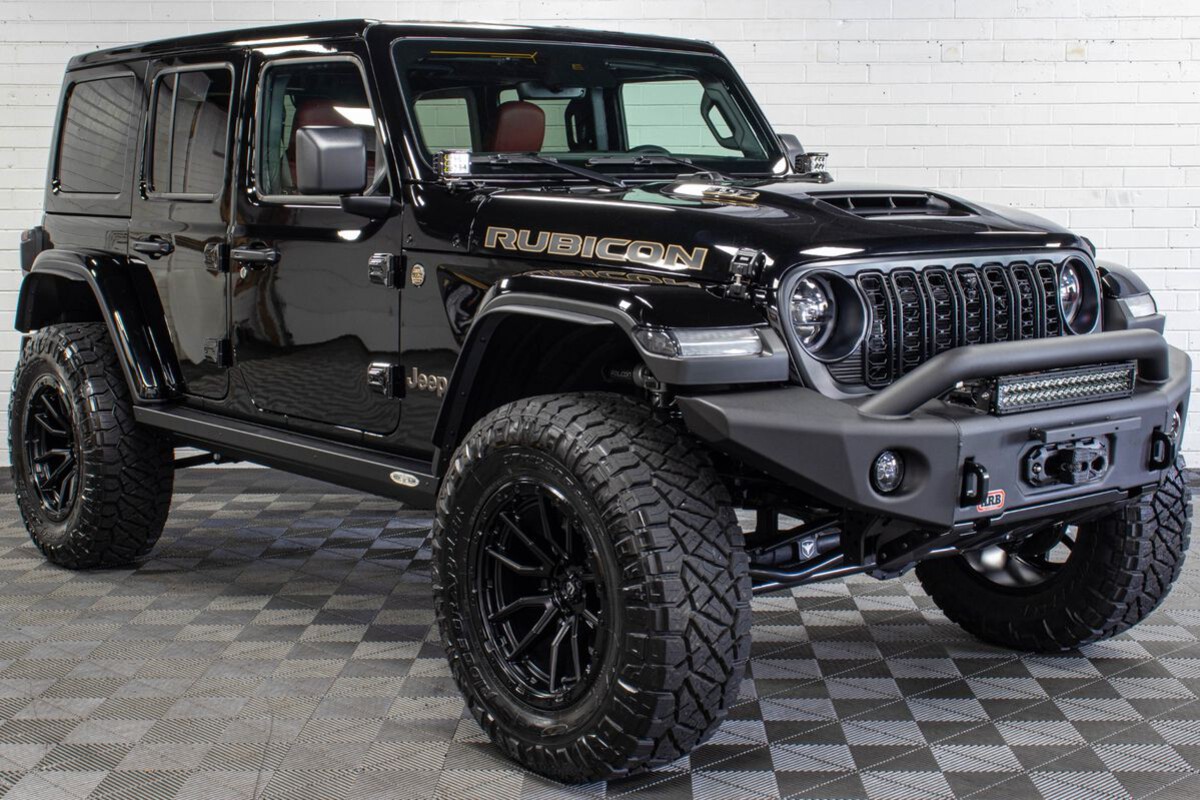
9. Jeep Wrangler JL (2018-Present)
The JL Wrangler represents the latest evolution of the iconic platform, combining modern technology and safety features with traditional Wrangler capability and character.
While the JL is relatively new and long-term reliability data is still accumulating, certain strategic modifications can help ensure these vehicles provide decades of service.
The JL benefits from modern engineering and materials that make it more resistant to rust and mechanical issues than older Wranglers, but it’s not without areas that benefit from preventive attention.
The JL’s 3.6-liter Pentastar V6 engine is an updated version of the JK’s powerplant, addressing many of the earlier issues while providing more power and better efficiency.
The most important modification for engine longevity remains installing an oil catch can system to prevent oil vapor from contaminating the intake system.
This is particularly important if you frequently idle the engine or take many short trips where the engine doesn’t fully warm up. The catch can should be installed in the PCV system and emptied regularly a simple maintenance task that prevents carbon buildup on intake valves that can lead to rough running and reduced power over time.
The JL’s cooling system is more robust than earlier Wranglers, but it still benefits from upgrades if you plan serious off-road use or live in hot climates.
The factory radiator is adequate for stock configurations, but installing a higher-capacity aluminum radiator provides insurance against overheating during demanding conditions.
The JL’s turbo four-cylinder engine option (available from 2020) requires particularly careful cooling system maintenance, as turbochargers generate significant heat. For turbo models, ensuring the intercooler is clean and unobstructed is crucial for longevity.
One of the most important modifications for JL longevity involves protecting the vehicle’s sophisticated electronic systems. The JL uses extensive networking between multiple computer modules, and these systems are vulnerable to both moisture and voltage spikes.
Installing a quality battery with proper cold cranking amps and replacing it preventively before it fails prevents voltage fluctuations that can damage electronics.
Using a battery tender when the vehicle sits for extended periods prevents deep discharge that can damage the electrical system. Treating all electrical connectors with dielectric grease, particularly those exposed to the elements, prevents corrosion that can cause intermittent electronic issues.
The JL’s differential covers should be upgraded to heavy-duty cast aluminum units that provide better protection and hold more gear oil.
This is particularly important if you’ve installed larger tires or plan serious off-road use. Regular differential fluid changes every 30,000 to 50,000 miles using quality gear oil with the proper additives keep the differentials functioning properly.
For models with electronic locking differentials, ensuring the actuators are protected from water and debris prevents expensive electronic failures.
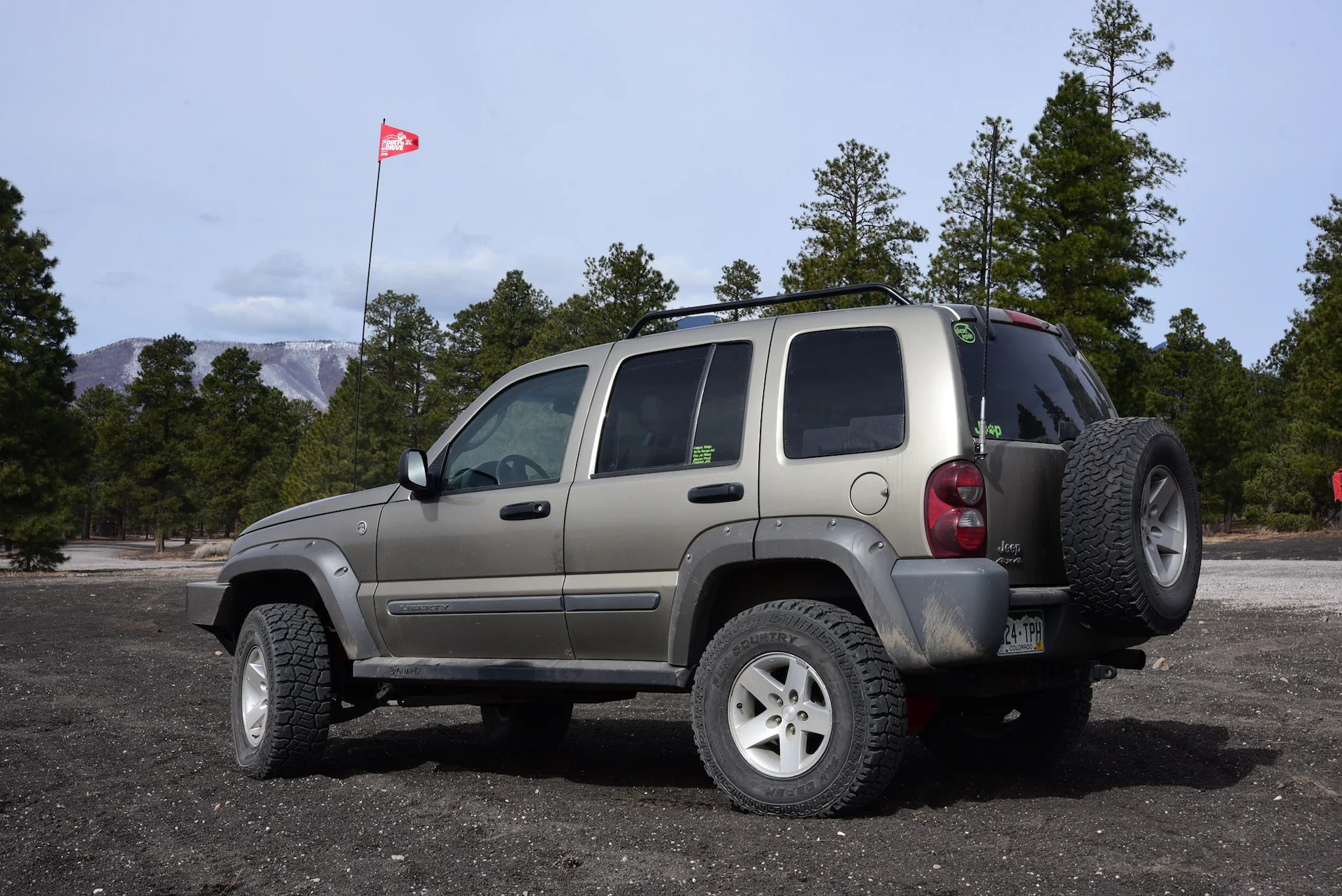
10. Jeep Liberty KJ (2002-2007)
The Liberty KJ often gets overlooked in discussions of reliable Jeeps, but models equipped with the 3.7-liter V6 offer solid longevity potential when properly maintained and strategically modified.
The Liberty represented Jeep’s replacement for the beloved Cherokee XJ, and while it never achieved the XJ’s legendary status, it provides a practical combination of capability, comfort, and reliability.
The key to Liberty longevity lies in understanding its specific vulnerabilities and addressing them proactively through maintenance and modifications.
The 3.7-liter V6 engine is generally reliable and straightforward to maintain, sharing many components with other Chrysler products of the era.
The foundation of longevity is regular oil changes every 5,000 miles using quality oil this engine is more sensitive to oil quality and change intervals than the older inline-six engines.
The cooling system requires attention, as the factory radiator uses plastic end tanks that crack with age. Upgrading to an all-aluminum radiator eliminates this failure point and provides better cooling performance.
The water pump is a wear item that should be replaced preventively around 100,000 miles, along with the thermostat and coolant hoses.
One of the Liberty’s most critical vulnerabilities is the rear lower control arms, which have a reputation for bending or breaking under stress. This is particularly problematic if you frequently load the vehicle heavily or use it for off-road driving.
The most important modification for Liberty longevity is replacing the factory rear lower control arms with heavy-duty aftermarket units, preferably adjustable models that allow proper alignment after installation.
This modification should be considered preventive maintenance rather than an optional upgrade the factory arms are simply inadequate for long-term durability.
The Liberty’s transmission, whether manual or automatic, requires proper maintenance for longevity. The automatic transmission benefits significantly from installing an auxiliary transmission cooler and performing fluid and filter changes every 30,000 miles rather than following the extended factory intervals.
Use only the correct ATF+4 fluid, as using incorrect fluid can damage the transmission. The manual transmission is generally robust but appreciates fresh gear oil every 50,000 miles. The transfer case should receive fresh fluid every 30,000 to 50,000 miles using the correct lubricant.
The Liberty’s brake system requires attention as mileage accumulates, particularly the rear drum brakes, which can develop problems if not regularly maintained.
The parking brake cables commonly seize, leading to dragging rear brakes and premature wear. Regularly exercising the parking brake and lubricating the cables prevents this issue.
The brake fluid should be flushed every two years to prevent moisture contamination that can damage the ABS system. Upgrading to stainless steel braided brake lines improves pedal feel while eliminating the failure point of aging rubber hoses.
Also Read: 10 Best Cars For Ride-share Drivers in 2025 To Hit 300,000 Miles
