
The electric vehicle revolution has transformed the automotive world, but beneath the sleek exteriors and impressive acceleration figures lies a critical component that determines long-term reliability, performance, and safety: thermal management.
As EVs become increasingly mainstream, the ability to maintain optimal battery temperatures across varying climates and usage patterns has emerged as a defining characteristic that separates exceptional vehicles from merely adequate ones.
Thermal management isn’t just about keeping batteries cool it’s a sophisticated orchestration of heating, cooling, and temperature regulation that preserves battery health, maintains consistent performance, and ensures safety across the vehicle’s lifespan.
The lithium-ion batteries that power modern electric vehicles operate within a relatively narrow temperature range for optimal performance and longevity.
Too cold, and the battery’s ability to accept and deliver charge diminishes dramatically, reducing range and performance. Too hot, and the chemical processes within the battery cells accelerate degradation, permanently reducing capacity and potentially creating safety hazards.
This delicate balance requires sophisticated thermal management systems that can adapt to everything from subzero Arctic winters to scorching desert summers, from aggressive track driving to extended highway cruising.
This comprehensive analysis examines twelve electric vehicles that have distinguished themselves through exceptional thermal management systems proven over time.
These vehicles represent various segments, price points, and manufacturers, but share a common thread: robust, reliable temperature regulation that maintains performance and preserves battery health across diverse conditions and extended ownership periods.
From luxury sedans to practical crossovers, from established automakers to innovative startups, these vehicles demonstrate that effective thermal management is achievable across the EV spectrum and essential for long-term satisfaction.
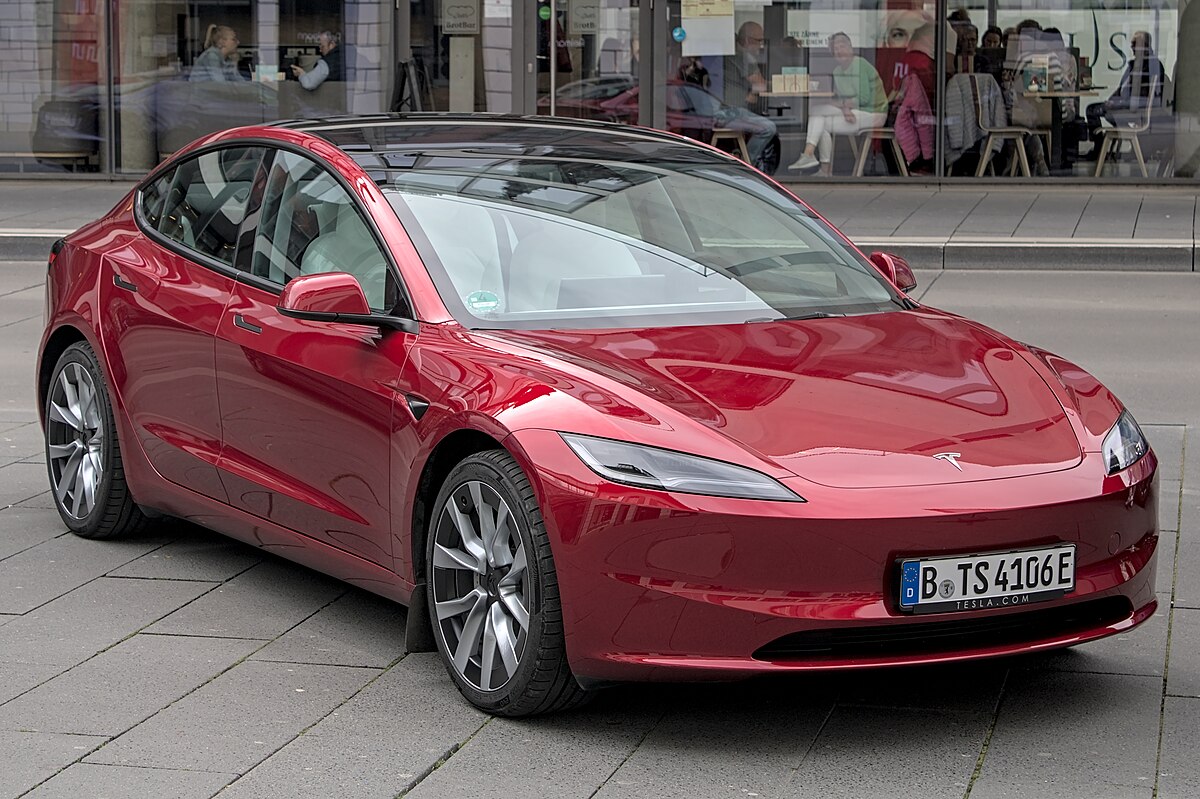
1. Tesla Model 3/Model Y
Tesla’s approach to thermal management represents one of the most refined systems in the industry, developed through years of real-world data collection from millions of vehicles across every climate imaginable.
The Model 3 and Model Y share fundamentally similar thermal architectures that have proven exceptionally reliable across hundreds of thousands of vehicles worldwide, with many high-mileage examples demonstrating minimal battery degradation even after extensive use.
At the heart of Tesla’s system is a sophisticated liquid cooling loop that maintains battery temperatures within an optimal range regardless of external conditions or driving intensity.
Unlike simpler systems that merely react to temperature changes, Tesla’s thermal management actively anticipates needs based on driving patterns, navigation data, and ambient conditions.
When you enter a destination into the navigation system that includes a Supercharger stop, the battery automatically begins preconditioning warming or cooling to the ideal temperature for fast charging long before arrival. This not only maximizes charging speeds but also minimizes thermal stress on the battery cells.
The system employs a heat pump in newer models, which dramatically improves cold-weather efficiency by scavenging waste heat from the drive units and even extracting heat from ambient air down to remarkably low temperatures.
In practice, this translates to 15-20% better range in winter conditions compared to resistive heating alone. The heat pump works bidirectionally, also providing highly efficient cabin cooling in summer while managing battery temperatures simultaneously.
The system’s reliability also manifests in consistent charging performance over time. While some EVs experience progressively slower charging speeds as batteries age, Tesla’s thermal management maintains relatively consistent fast-charging curves even on older, higher-mileage vehicles.
The battery preconditioning feature ensures cells reach optimal temperature before high-power charging begins, reducing thermal shock and maintaining long-term battery health.
Tesla continuously improves thermal management through over-the-air software updates, refining algorithms based on fleet-wide data.
Updates have introduced features like cabin overheat protection improvements, more efficient preconditioning algorithms, and enhanced cold-weather range optimization.
This means a five-year-old Tesla benefits from thermal management improvements developed for newer vehicles, ensuring reliability improvements extend across the entire fleet rather than being limited to the latest model year.
2. Chevrolet Bolt EV/EUV
The Chevrolet Bolt represents one of the most extensively tested thermal management systems in the affordable EV segment, with the original 2017 models now accumulating substantial real-world mileage data that validates General Motors’ engineering approach.
While the Bolt has faced challenges, including a battery recall related to manufacturing defects rather than thermal management failures, the vehicles with replacement battery packs have demonstrated exceptional longevity and minimal degradation when the thermal system functions as designed.
GM engineers designed the Bolt’s thermal management system with a focus on simplicity and reliability rather than maximum performance.
The liquid cooling system circulates coolant through aluminum cooling plates integrated into the battery pack structure, maintaining relatively even temperatures across all cell modules.
Unlike more complex systems with multiple thermal zones, the Bolt employs a straightforward approach that has proven remarkably durable and requires minimal maintenance over extended ownership periods.
The system prioritizes gradual, gentle temperature management rather than aggressive heating or cooling. This conservative approach means the Bolt may take longer to precondition batteries in extreme cold or to cool after spirited driving compared to more performance-oriented EVs, but it significantly reduces thermal stress on battery cells over time.
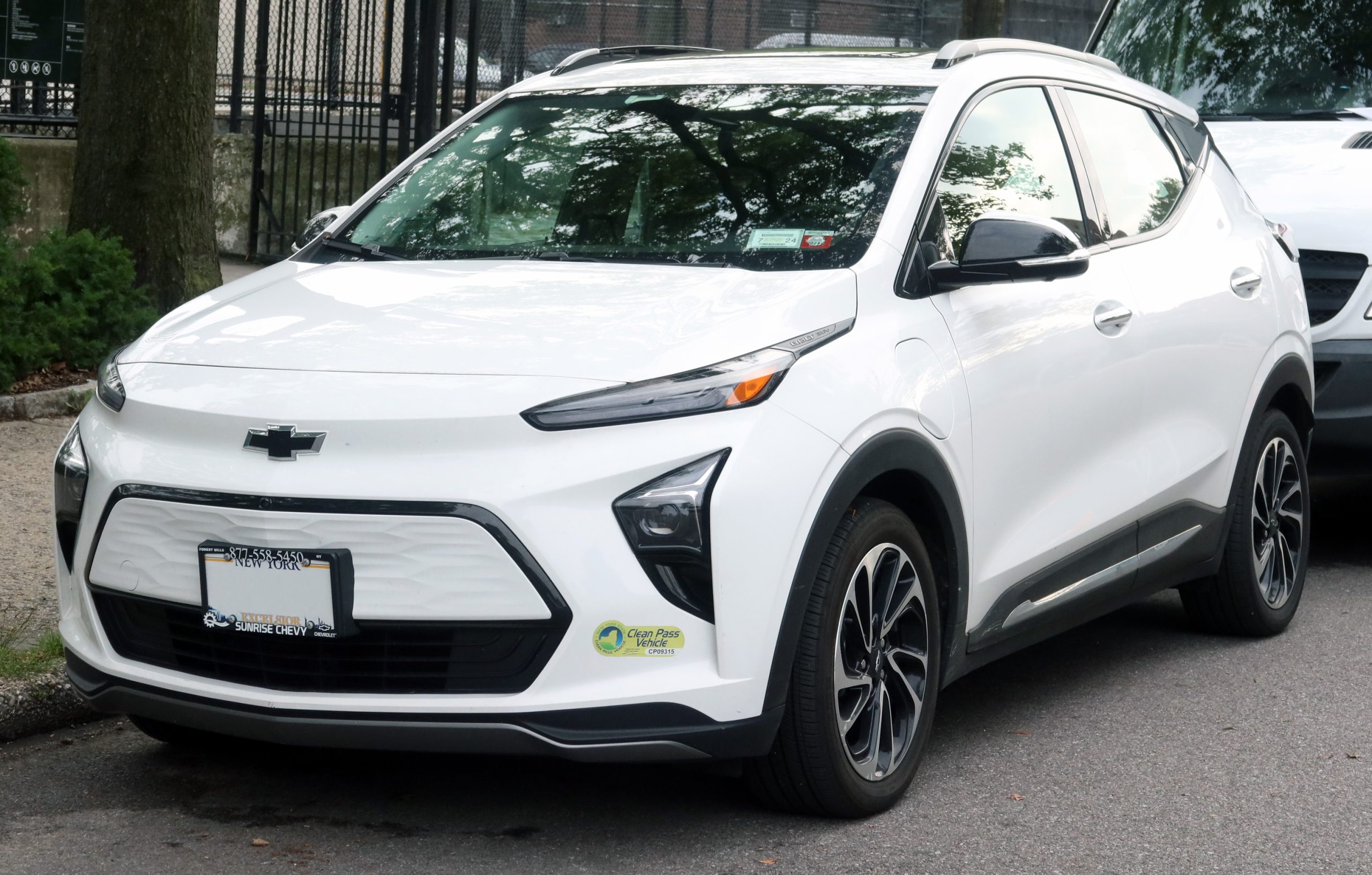
Bolt owners in various climates report that even after five or six years and 100,000+ miles, their vehicles retain 85-90% of original battery capacity, which aligns with or exceeds industry averages for this vehicle class and price point.
One of the Bolt’s thermal management strengths lies in its cold-weather capability. While many early-generation EVs struggled dramatically in freezing temperatures, the Bolt incorporates battery heating that activates automatically when temperatures drop, ensuring the pack never becomes excessively cold.
The system can heat the battery using both grid power while plugged in and using energy from the battery itself when driving. This prevents the severe range loss and charging limitations that plague EVs with inadequate cold-weather thermal management.
The battery replacement program, while initially concerning to owners, has provided an unusual opportunity to observe thermal management performance with fresh battery packs in older vehicles.
Bolts that received replacement batteries have demonstrated that the original thermal management system continues performing effectively even as vehicle age increases, suggesting that the cooling and heating components themselves prove durable over extended periods. This speaks to GM’s focus on long-term reliability in thermal system component selection and design.
3. Audi e-tron/Q8 e-tron
Audi’s e-tron represents the luxury automaker’s first dedicated electric vehicle platform, and the company’s engineers prioritized thermal management with the same attention to detail typically reserved for powertrain refinement in their combustion vehicles.
The result is one of the most sophisticated and reliable thermal systems available, capable of maintaining optimal battery performance across extreme temperature ranges while preserving the premium ownership experience Audi customers expect.
The e-tron’s liquid cooling system features an extensive network of cooling channels integrated throughout the battery pack, ensuring remarkably uniform temperature distribution across all cell modules.
This attention to thermal consistency prevents hot spots that can accelerate localized degradation and ensures that every cell operates within the optimal temperature window.
The system employs a dedicated cooling circuit for the battery separate from the drive unit and cabin climate control, allowing independent management of each thermal zone without compromise.
Audi engineers designed the thermal management system to support sustained high-power operation, whether during extended Autobahn cruising, repeated launch control accelerations, or continuous towing at highway speeds.
The generous cooling capacity means the e-tron rarely requires power limitations due to thermal constraints, maintaining consistent performance even under demanding conditions that would force competing vehicles into reduced power modes.
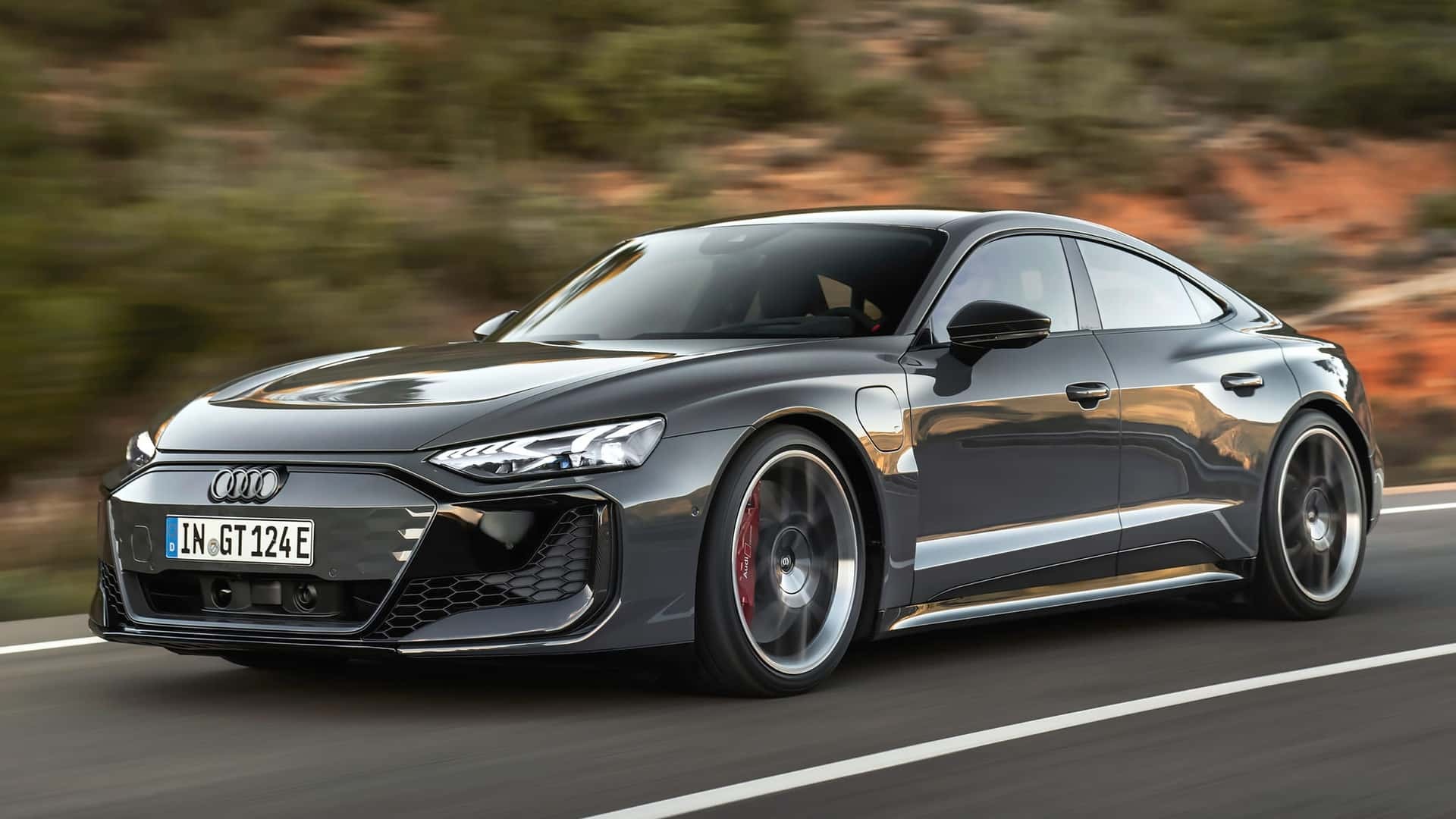
This capability has proven reliable over time, with high-mileage e-trons demonstrating minimal performance degradation even after years of spirited driving.bThe cold-weather capability of the e-tron’s thermal system stands out particularly in markets with harsh winters.
The comprehensive battery heating system can warm the pack quickly using either grid power while charging or waste heat from the drive units while driving.
Audi’s implementation includes intelligent preconditioning that learns ownership patterns and automatically warms the battery before typical departure times, ensuring optimal range and performance without requiring owner intervention.
The system can maintain battery temperature even during extended periods of inactivity in freezing conditions, preventing the deep cold soaking that damages batteries in less sophisticated EVs.
Audi’s commitment to thermal management reliability extends to component quality and redundancy. The system employs automotive-grade components designed for extended service life, and the design includes failsafes that protect the battery even if individual thermal management components fail.
This approach reflects Audi’s focus on long-term reliability rather than merely meeting initial performance specifications, ensuring that thermal management remains effective throughout the ownership experience rather than degrading as the vehicle ages.
4. Porsche Taycan
The Porsche Taycan’s thermal management system represents the pinnacle of performance-oriented battery temperature control, designed to support the repeated high-power demands of track driving while maintaining the reliability expected of a Porsche.
The system’s sophistication enables the Taycan to deliver consistent performance lap after lap, setting it apart from competing performance EVs that quickly overheat and limit power during sustained aggressive driving.
Porsche engineers developed the Taycan’s thermal architecture around the vehicle’s 800-volt electrical system, which reduces current flow for equivalent power levels compared to 400-volt systems.
Lower current generates less resistive heating in conductors and power electronics, reducing the thermal burden. However, the battery cells themselves still generate significant heat during high-power discharge and charging, necessitating an exceptionally capable cooling system to manage thermal loads during performance driving and ultra-fast charging.
The liquid cooling system features multiple independent cooling circuits that can operate simultaneously, each optimized for specific components.
The battery pack cooling circuit employs cooling channels with significantly greater surface area than typical EV designs, maximizing heat transfer from cells to coolant.
High-capacity heat exchangers and powerful coolant pumps ensure the system can dissipate heat rapidly even during sustained maximum power operation.
This robust thermal capacity means the Taycan maintains full performance during track sessions that would force most EVs into significantly reduced power modes to protect battery temperatures.
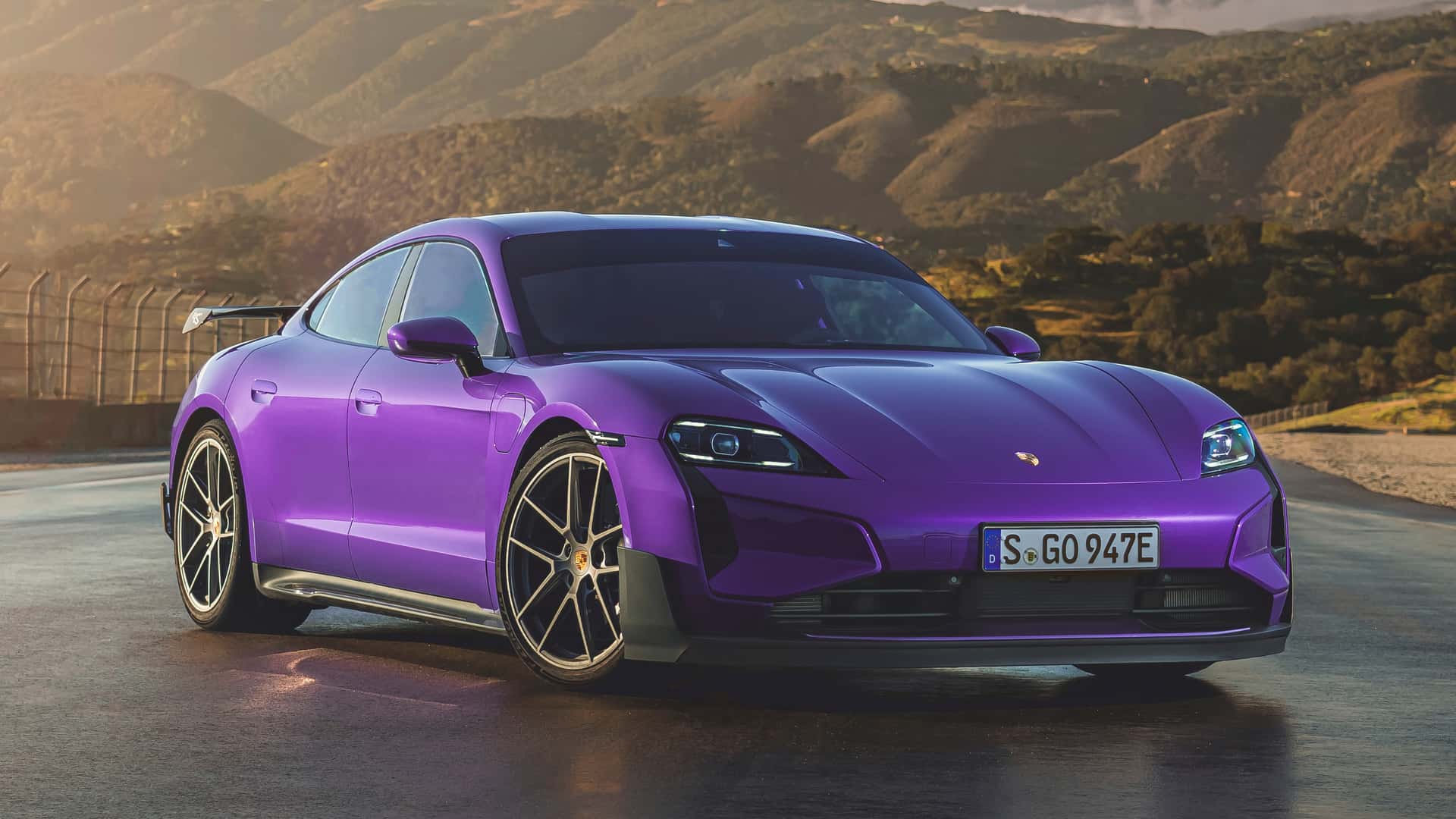
Real-world testing by automotive journalists and racing enthusiasts has validated the Taycan’s thermal management reliability. Multiple publications have conducted repeated acceleration runs and track sessions without encountering thermal limitations, a feat unmatched by most competing performance EVs.
Owners who regularly attend track days report that their Taycans deliver consistent lap times throughout extended sessions without performance degradation, and high-mileage examples that have experienced numerous track days show minimal battery degradation beyond normal wear.
The Taycan’s fast-charging capability depends heavily on effective thermal management, as the vehicle can accept charging speeds exceeding 250kW under optimal conditions.
The battery preconditioning system ensures cells reach the ideal temperature window before initiating high-power charging, maximizing charging speed while minimizing thermal stress.
The cooling system manages heat generation during the charging process, allowing the Taycan to maintain high charging speeds longer than most EVs, which typically throttle charging power as battery temperatures rise.
The system’s reliability over time has proven exemplary, with early Taycan adopters reporting trouble-free operation of thermal management components even after several years and tens of thousands of miles.
The automotive-grade components, robust design, and Porsche’s rigorous validation testing ensure that the thermal system maintains effectiveness throughout the warranty period and beyond, providing confidence for performance-oriented buyers concerned about long-term reliability.
Also Read: 12 Cars That Redefined Their Segment in the Last 5 Years
5. Hyundai Ioniq 5/Kia EV6
Hyundai Motor Group’s E-GMP platform, which underpins both the Ioniq 5 and Kia EV6, features one of the most advanced thermal management systems in the mid-price EV segment.
The platform’s sophisticated approach to battery temperature control enables class-leading fast-charging performance while maintaining excellent long-term reliability, positioning these vehicles as standout choices for buyers prioritizing both capability and durability.
The E-GMP platform employs a comprehensive liquid cooling system with significant cooling capacity designed to support sustained high-power operation.
The battery pack features integrated cooling plates with optimized channel designs that promote even coolant distribution across all cell modules, preventing temperature gradients that can cause uneven degradation.
The system’s cooling capacity far exceeds what’s necessary for normal driving, providing substantial headroom for demanding use cases, including repeated fast charging and extended highway driving in hot climates.
One of the platform’s most impressive capabilities is sustained fast-charging performance. Both the Ioniq 5 and EV6 can charge at peak rates exceeding 230kW when conditions are optimal, and the thermal management system maintains these high charging speeds longer than most competing vehicles.
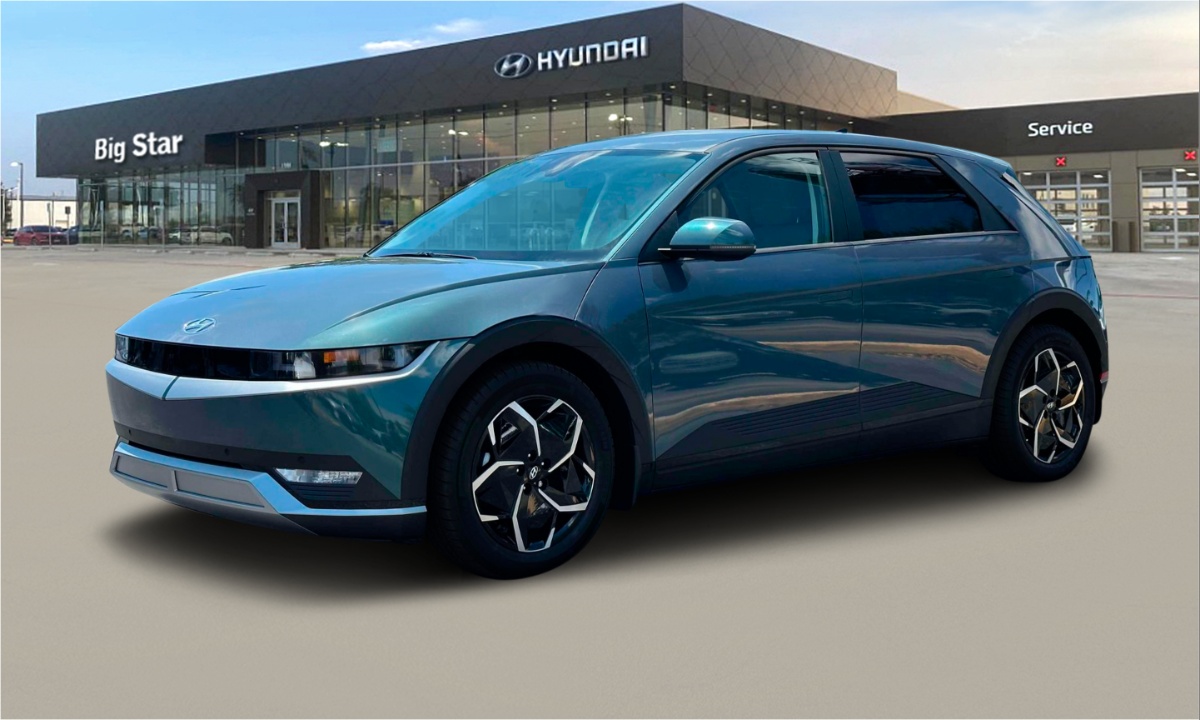
The preconditioning feature automatically warms the battery when navigation to a fast charger is active, ensuring optimal charging temperatures upon arrival.
Owners report that the thermal management maintains consistent fast-charging performance even after years of ownership and regular fast-charging usage, indicating minimal degradation in thermal system capability over time.
Long-term battery health data from Ioniq 5 and EV6 owners shows encouraging trends, with many vehicles retaining 95% or more of original capacity after 30,000-50,000 miles.
While comprehensive long-term data remains limited given the vehicles’ relatively recent introduction, early indicators suggest that the sophisticated thermal management contributes to excellent battery longevity.
The system’s ability to maintain optimal temperatures during both normal operation and fast charging appears to minimize the thermal stress that accelerates degradation in competing vehicles.
Hyundai Motor Group continues refining the thermal management through software updates, improving efficiency algorithms and preconditioning strategies based on real-world fleet data.
This commitment to ongoing improvement means that early E-GMP vehicles benefit from optimizations developed for newer models, ensuring that thermal management performance improves rather than degrades over the ownership period.
6. Ford Mustang Mach-E
Ford’s entry into the electric crossover segment brought with it a thermal management system developed through collaboration with proven EV technology partners and refined through extensive real-world validation.
The Mustang Mach-E’s thermal architecture balances performance capability with long-term reliability, employing lessons learned from both Ford’s electrification efforts and established EV manufacturers’ experiences to create a system that has proven dependable across diverse conditions.
The Mach-E employs a liquid-cooled battery system with dedicated cooling plates that maintain relatively consistent temperatures across the battery pack.
Ford engineers prioritized thermal system redundancy and failsafe operation, incorporating multiple temperature sensors and control strategies that protect battery health even if individual components fail or operate suboptimally.
This defensive approach to thermal management design means the system tends toward conservative cooling and heating rather than risking battery damage through inadequate temperature control.
Ford’s thermal management strategy emphasizes gradual, controlled temperature changes rather than aggressive heating or cooling.
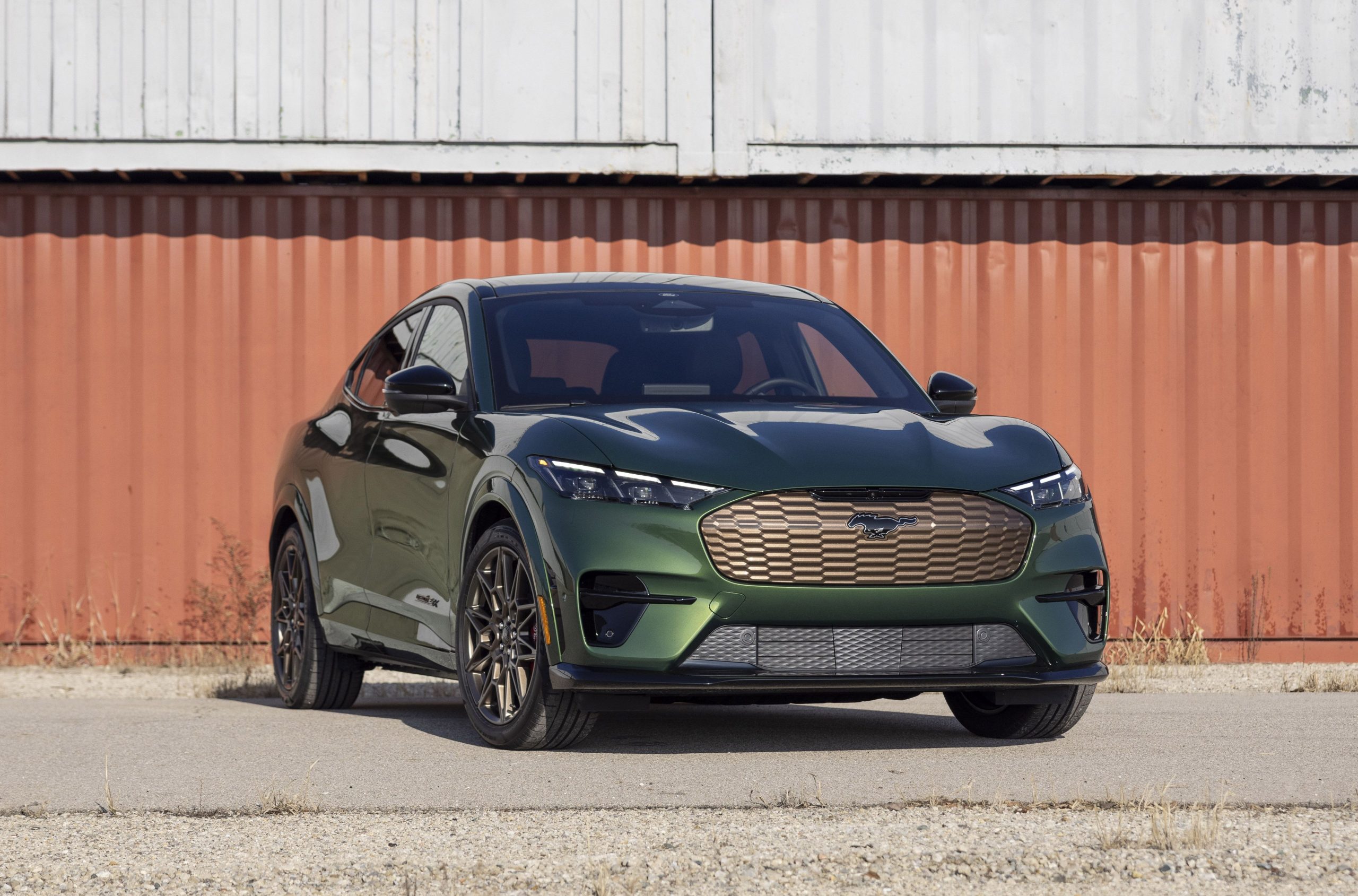
This gentler approach requires longer preconditioning times compared to some competitors, but significantly reduces thermal stress on battery cells during temperature transitions.
Mach-E owners report that the battery preconditioning feature, when activated before cold-weather driving or fast charging, effectively prepares the pack for optimal performance without the dramatic temperature swings that can accelerate degradation over time.
The inclusion of a heat pump in certain Mach-E configurations substantially improves cold-weather efficiency and range. The heat pump system scavenges waste heat from drive units and power electronics while also extracting heat from ambient air, dramatically reducing the energy required for cabin heating compared to resistive heating alone.
Real-world testing by owners and automotive journalists confirms that heat pump-equipped Mach-Es maintain significantly better winter range than models relying on resistive heating, with some documenting 15-20% better efficiency in freezing conditions.
The Mach-E’s thermal system has proven reliable across the diverse conditions experienced by Ford’s broad customer base, from the intense heat of Arizona summers to the brutal cold of Michigan winters.
Ford’s extensive validation testing and conservative approach to thermal management have resulted in relatively few thermal-related issues or failures despite tens of thousands of vehicles operating across challenging environments.
7. Rivian R1T/R1S
Rivian’s adventure-focused electric vehicles feature thermal management systems engineered to withstand extreme conditions while maintaining the reliability essential for remote exploration.
The R1T truck and R1S SUV share sophisticated thermal architectures designed to support everything from desert off-roading to subzero mountain expeditions, with redundancy and robust design prioritized throughout the development process to ensure dependability when far from charging infrastructure or service centers.
The quad-motor configurations available on Rivian vehicles present unique thermal challenges, as each motor generates heat that must be managed along with battery thermal loads.
Rivian engineers developed an integrated thermal management system that coordinates cooling and heating across all major components, using shared coolant loops and heat exchangers to maximize efficiency while maintaining independent control of each thermal zone.
This sophisticated approach enables the system to route waste heat where it’s beneficial, such as warming the battery pack in cold conditions using heat from the drive motors, reducing energy consumption while maintaining optimal temperatures throughout the vehicle.
Rivian’s battery pack thermal management employs extensive liquid cooling channels with significant overcapacity relative to typical road driving demands.
This robust design ensures the system can manage heat generated during extended off-road driving, where low speeds and high torque demands generate substantial heat in both motors and battery.
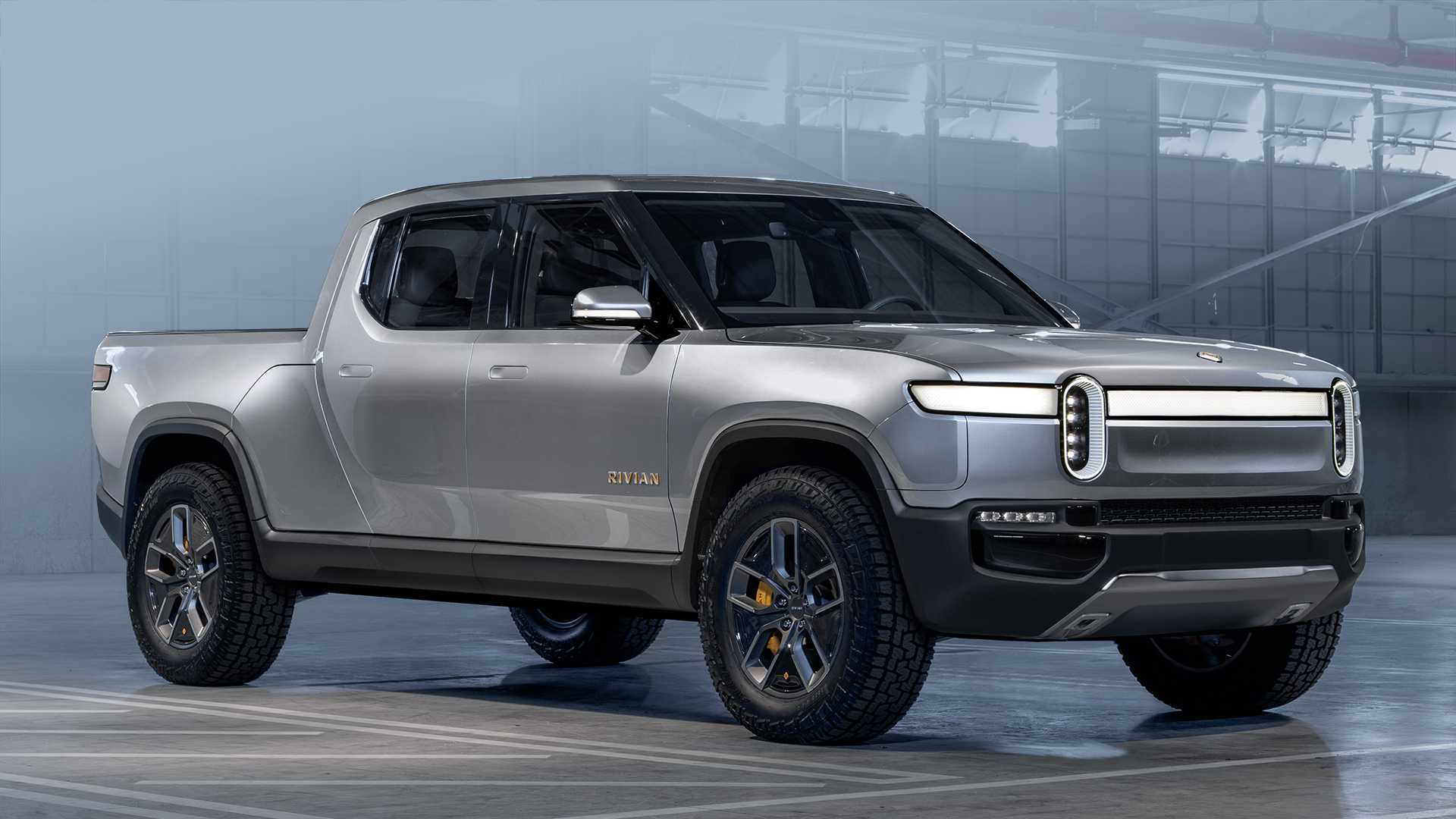
Off-road enthusiasts report that Rivian vehicles maintain full power capability during extended trail driving sessions that would overheat less capable EVs, and the thermal management system proves reliable even when subjected to the dust, water, and mechanical stress inherent to serious off-roading.
The cold-weather capability of Rivian’s thermal system stands out as particularly impressive, reflecting the company’s Colorado headquarters and the testing conducted in mountain environments.
The comprehensive battery heating system can warm the pack effectively using waste heat from motors and power electronics, with supplemental resistive heating available when needed.
The system can maintain battery temperature even during extended periods parked in severe cold, and the preconditioning features ensure the vehicle is ready for departure with optimal range even after overnight cold soaking in subzero temperatures.
The thermal system’s reliability extends to components and build quality, with relatively few reported failures of thermal management hardware despite Rivian vehicles often being operated in harsh conditions that would stress less robust designs.
The company’s focus on durability and redundancy in thermal system design appears to deliver the dependability essential for adventure-oriented vehicles that may venture far from service infrastructure.
8. BMW iX/i4
BMW’s transition to dedicated electric platforms has brought sophisticated thermal management systems that reflect decades of engineering expertise in managing complex automotive systems.
The iX SUV and i4 sedan employ comprehensive liquid cooling architectures that maintain optimal battery temperatures across the full spectrum of operating conditions while delivering the refined driving experience BMW customers expect.
BMW engineers integrated the thermal management system deeply with the vehicle’s power management and predictive driving systems.
The navigation system automatically activates battery preconditioning when a charging stop or performance demand is anticipated, ensuring optimal temperatures for fast charging or spirited driving.
The predictive approach extends to using GPS elevation data and traffic information to anticipate thermal loads, allowing the system to proactively adjust cooling or heating before temperatures deviate from optimal ranges rather than merely reacting to temperature changes after they occur.
The iX in particular features an exceptionally sophisticated heat pump system that maximizes efficiency across diverse conditions. The system can source heat from numerous locations including waste heat from drive units and power electronics, recovered energy from regenerative braking, and ambient air down to surprisingly low temperatures.
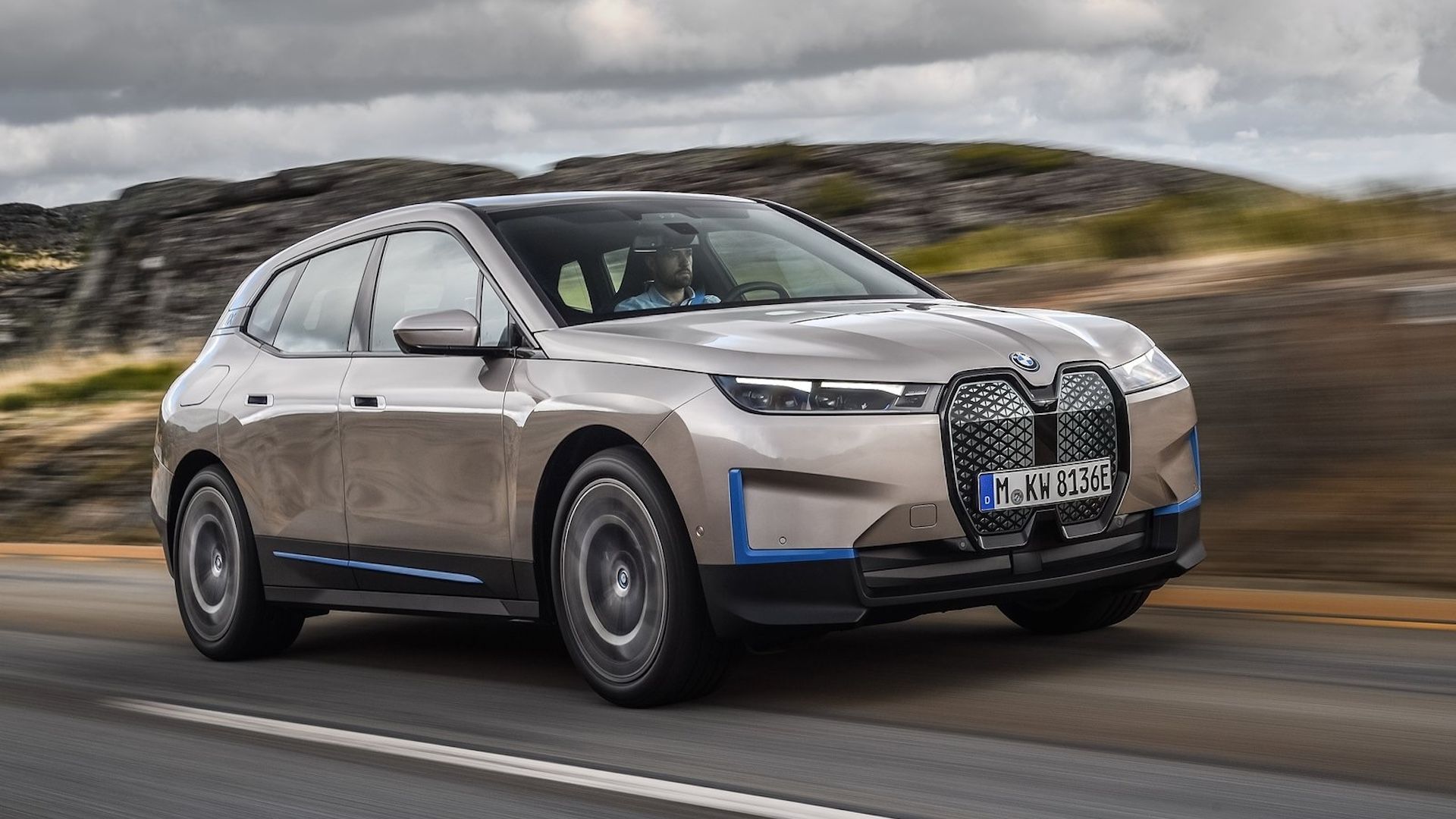
BMW’s implementation includes innovative heat recovery strategies that capture thermal energy that would be wasted in simpler systems, routing it to warm the cabin or battery pack as appropriate.
Real-world testing demonstrates that the heat pump can reduce cold-weather energy consumption by 30% or more compared to resistive heating, substantially extending winter range and reducing the stress of cold-weather driving.
BMW’s thermal management approach prioritizes consistency and predictability, ensuring the driving experience remains refined regardless of ambient temperature or previous driving intensity.
The generous thermal capacity means the systems rarely encounter scenarios requiring dramatic temperature corrections or emergency cooling, instead maintaining steady-state operation within narrow temperature windows.
This consistent thermal environment benefits both battery longevity and performance predictability, as drivers can expect similar acceleration and efficiency regardless of recent vehicle use or environmental conditions.
BMW continues refining thermal management through over-the-air updates, improving efficiency algorithms and preconditioning strategies based on fleet-wide data.
The company’s commitment to ongoing optimization means that thermal system performance improves rather than degrades over ownership, with early vehicles receiving updates that incorporate lessons learned from newer models and real-world operation across diverse climates and use cases.
9. Mercedes-Benz EQS/EQE
Mercedes-Benz’s flagship electric sedan, the EQS, and its smaller sibling, the EQE, feature thermal management systems befitting the brand’s luxury positioning and reputation for engineering excellence.
The sophisticated thermal architectures maintain optimal battery temperatures while prioritizing efficiency, refinement, and the whisper-quiet cabin environment Mercedes customers demand, all while proving reliable through extensive real-world validation.
The EQS employs one of the most comprehensive thermal management systems available, with multiple independent cooling circuits that can operate simultaneously or be interconnected as thermal demands dictate.
The battery pack cooling system features extensive coolant channels that promote remarkably even temperature distribution across all cell modules, preventing the localized hot spots that accelerate degradation.
High-capacity heat exchangers and precisely controlled coolant pumps ensure the system can dissipate heat rapidly when needed while operating nearly silently during normal driving, maintaining the serene cabin environment essential to the luxury experience.
Mercedes engineers developed an advanced heat pump system that dramatically reduces cold-weather energy consumption while maintaining interior comfort.
The system employs sophisticated refrigerant management and heat exchanger designs that extract useful heat from sources that competing systems ignore, including minimal temperature differentials in ambient air and waste heat from power electronics.
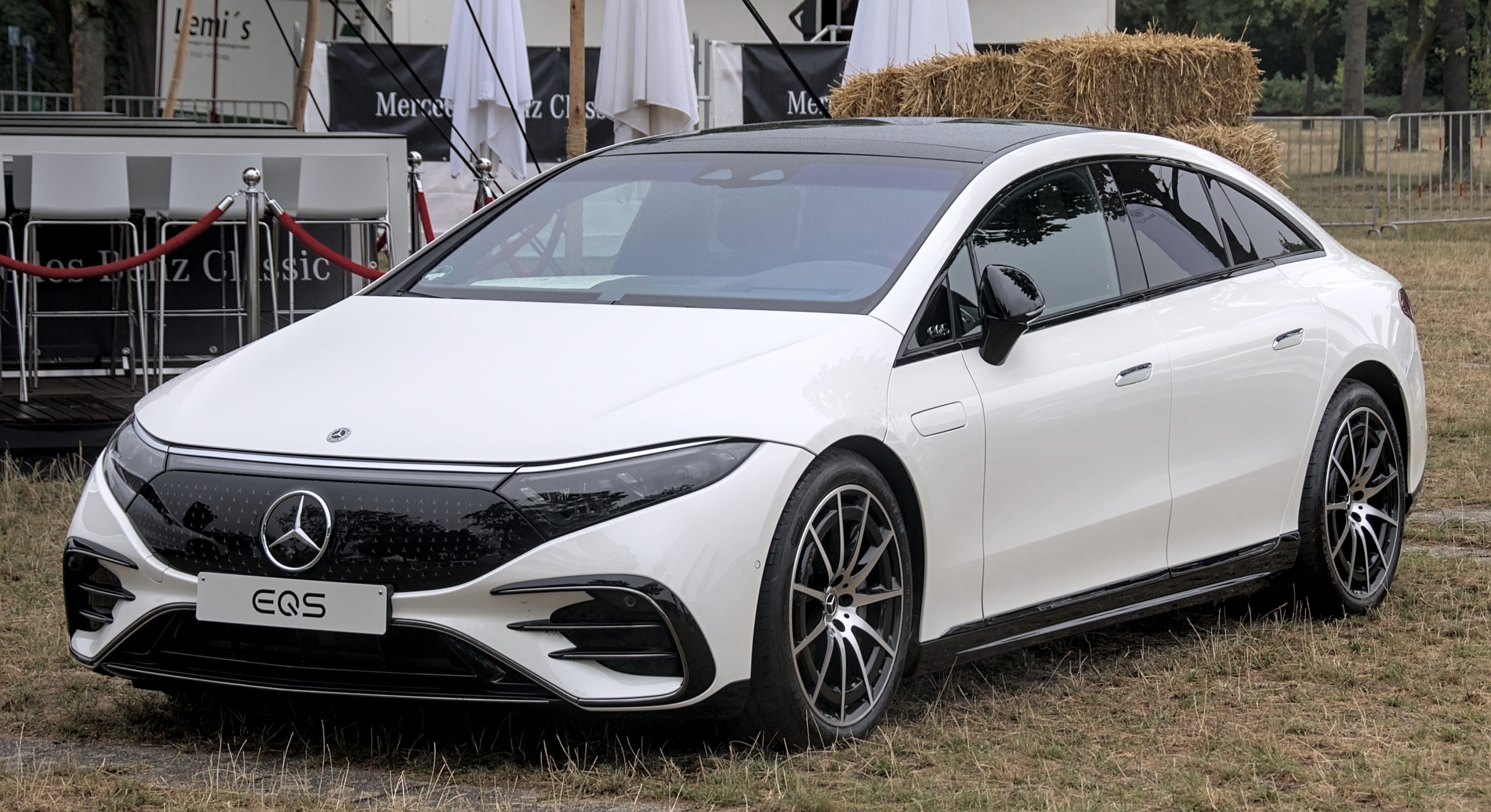
The heat pump can operate effectively at ambient temperatures well below freezing, maintaining efficient cabin heating and battery warming without the substantial range penalty associated with resistive heating.
EQS and EQE owners in cold climates report winter range that significantly exceeds EPA estimates adjusted for temperature, suggesting the thermal management system outperforms the conservative efficiency figures used for rating purposes.
The thermal system’s sophistication extends to predictive thermal management that anticipates needs based on navigation route, traffic conditions, and historical usage patterns.
When a fast-charging stop is entered in the navigation system, the vehicle automatically begins conditioning the battery to optimal temperature long before arrival, timing the temperature ramp to minimize energy consumption while ensuring peak charging speeds.
Similarly, the system can precondition the cabin before departure time using grid power while plugged in, ensuring comfort without consuming battery charge. These intelligent features reduce the mental burden of EV ownership while maximizing efficiency and convenience.
The thermal management systems receive regular over-the-air updates that refine efficiency algorithms, improve preconditioning strategies, and enhance user experience features.
Mercedes’ ability to continuously improve thermal management through software updates ensures that early vehicles benefit from optimizations developed through real-world fleet data, maintaining competitive thermal performance even as newer vehicles with enhanced systems enter the market.
10. Nissan Ariya
Nissan’s return to the electric crossover segment with the Ariya brought thermal management lessons learned from over a decade of LEAF production and the thermal challenges that plagued early generations of that pioneering EV.
The Ariya’s comprehensive liquid cooling system represents a dramatic evolution from the passive air cooling of early LEAFs, employing sophisticated thermal management that has proven reliable while addressing the shortcomings that limited the LEAF’s appeal in warm climates and high-performance scenarios.
The Ariya’s liquid cooling system employs integrated cooling plates throughout the battery pack, maintaining consistent temperatures across all cell modules.
Nissan engineers designed the thermal architecture with particular attention to warm-climate reliability, recognizing that inadequate cooling in early LEAFs led to accelerated battery degradation in hot regions.
The generous cooling capacity ensures the Ariya can manage heat effectively even during extended highway driving in desert conditions or repeated fast charging sessions in summer heat, conditions that would challenge less capable thermal systems.
Nissan’s thermal management approach prioritizes gradual temperature changes and preventive cooling rather than allowing batteries to reach raised temperatures before initiating cooling.
This conservative strategy means the system operates cooling pumps and fans more frequently than some competing vehicles, but it maintains battery temperatures well within optimal ranges even under demanding conditions.
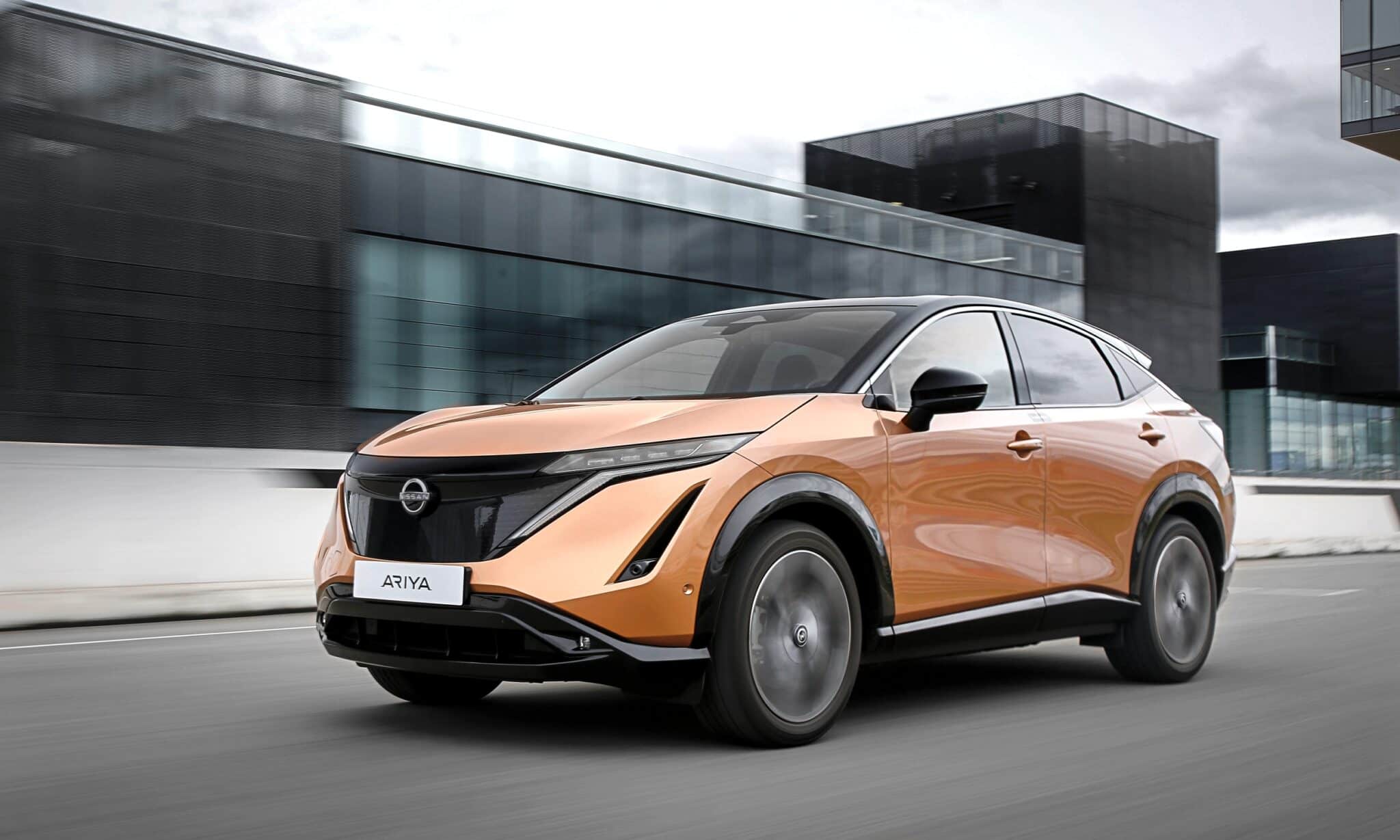
Ariya owners in warm climates report minimal battery degradation compared to their experiences with passively cooled LEAFs, validating Nissan’s decision to implement comprehensive liquid cooling despite the added cost and complexity.
The cold-weather capability of the Ariya’s thermal system proves adequate for most climates, with battery heating that can warm the pack using either grid power while charging or battery energy while driving.
The system includes preconditioning features that can warm the battery before departure or before fast charging to optimize performance and charging speeds.
While the Ariya’s cold-weather performance doesn’t quite match the most sophisticated heat pump systems available in competing vehicles, the thermal management proves sufficient for typical winter driving in temperate regions, and Nissan offers a heat pump as an option in markets where severe winter conditions are common.
The Ariya receives periodic software updates that can refine thermal management strategies, though Nissan’s approach to over-the-air updates has been more conservative than some competitors.
Nevertheless, the company has demonstrated a willingness to improve thermal management through updates when real-world operation reveals optimization opportunities, ensuring the system continues performing effectively as the vehicle ages.
11. Volkswagen ID.4
Volkswagen’s ID.4 represents the automotive giant’s mainstream electric crossover offering, bringing thermal management technology developed for the broader MEB platform to the crucial North American market.
The ID.4’s thermal system balances capability with cost-effectiveness, employing liquid cooling and intelligent thermal management that has proven reliable across diverse climates while maintaining the affordability essential to mainstream EV adoption.
The MEB platform’s liquid cooling system features integrated cooling plates that maintain battery temperatures within acceptable ranges across normal operating conditions.
Volkswagen engineers prioritized thermal system efficiency and simplicity, developing an architecture that provides adequate cooling capacity for typical use cases without the complexity and cost of the most sophisticated systems available in luxury EVs.
This pragmatic approach has proven effective in real-world operation, with ID.4 owners reporting consistent performance across varied climates and minimal thermal-related issues despite the vehicle’s mainstream positioning and price point.
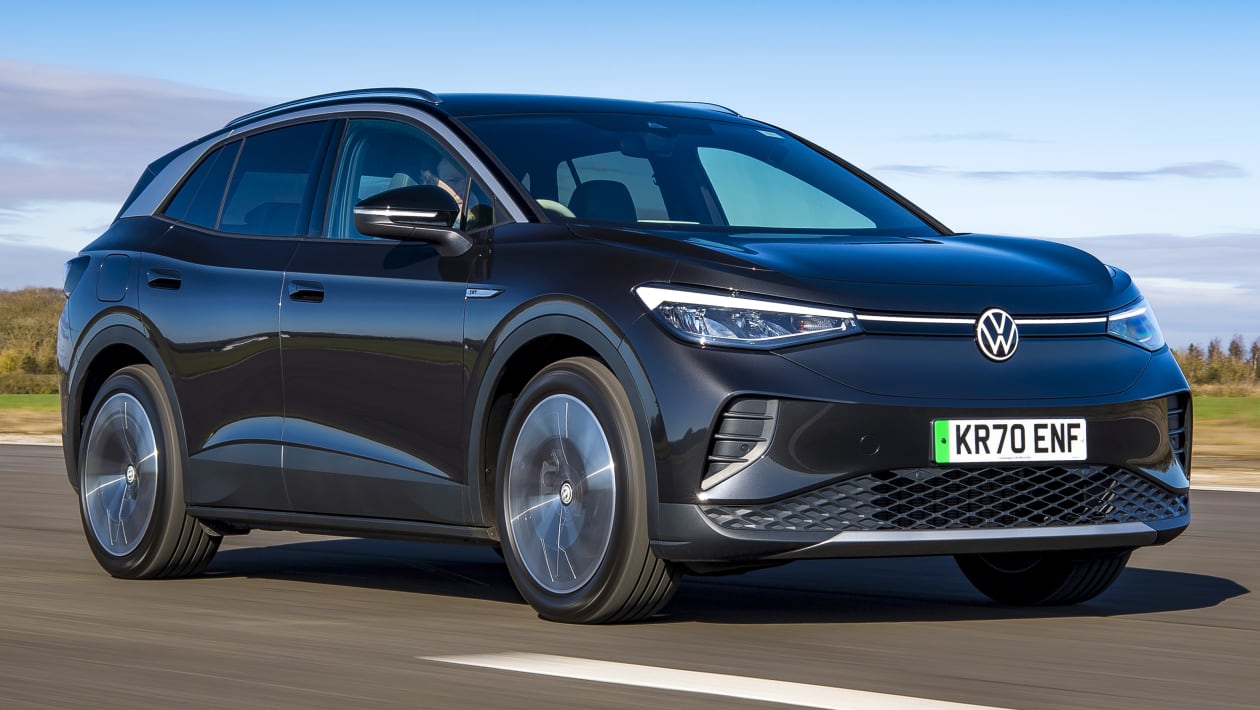
Volkswagen’s thermal management strategy emphasizes prevention rather than intervention, maintaining battery temperatures proactively rather than allowing significant temperature deviations before initiating cooling or heating.
The system operates cooling pumps and thermal management components at moderate levels continuously rather than cycling between off states and maximum cooling, reducing thermal stress on battery cells while maintaining quieter, smoother operation.
This approach sacrifices some potential efficiency in ideal conditions but proves more effective at maintaining consistent battery temperatures across diverse scenarios.
The ID.4’s thermal system has proven reliable across the diverse conditions encountered by Volkswagen’s broad customer base, from southern heat to northern cold.
The component quality and system design reflect Volkswagen’s extensive automotive manufacturing experience, with thermal management hardware designed for extended service life and minimal maintenance requirements.
The relatively few thermal-related issues reported by ID.4 owners suggest that Volkswagen’s pragmatic approach to thermal management delivers the reliability essential to mainstream EV acceptance.
12. Polestar 2
Polestar’s first mass-production vehicle brings Volvo engineering heritage and performance aspirations to the competitive premium compact segment, with thermal management systems that balance sporting capability with the reliability and efficiency expected from Scandinavian engineering.
The Polestar 2’s comprehensive liquid cooling architecture maintains optimal battery temperatures across diverse conditions while supporting the performance driving dynamics that differentiate the vehicle from more pedestrian electric competitors.
The Polestar 2 employs a sophisticated liquid cooling system developed in partnership with parent company Geely’s extensive EV engineering resources.
The battery pack features integrated cooling plates with optimized coolant channel designs that promote even temperature distribution across all cell modules.
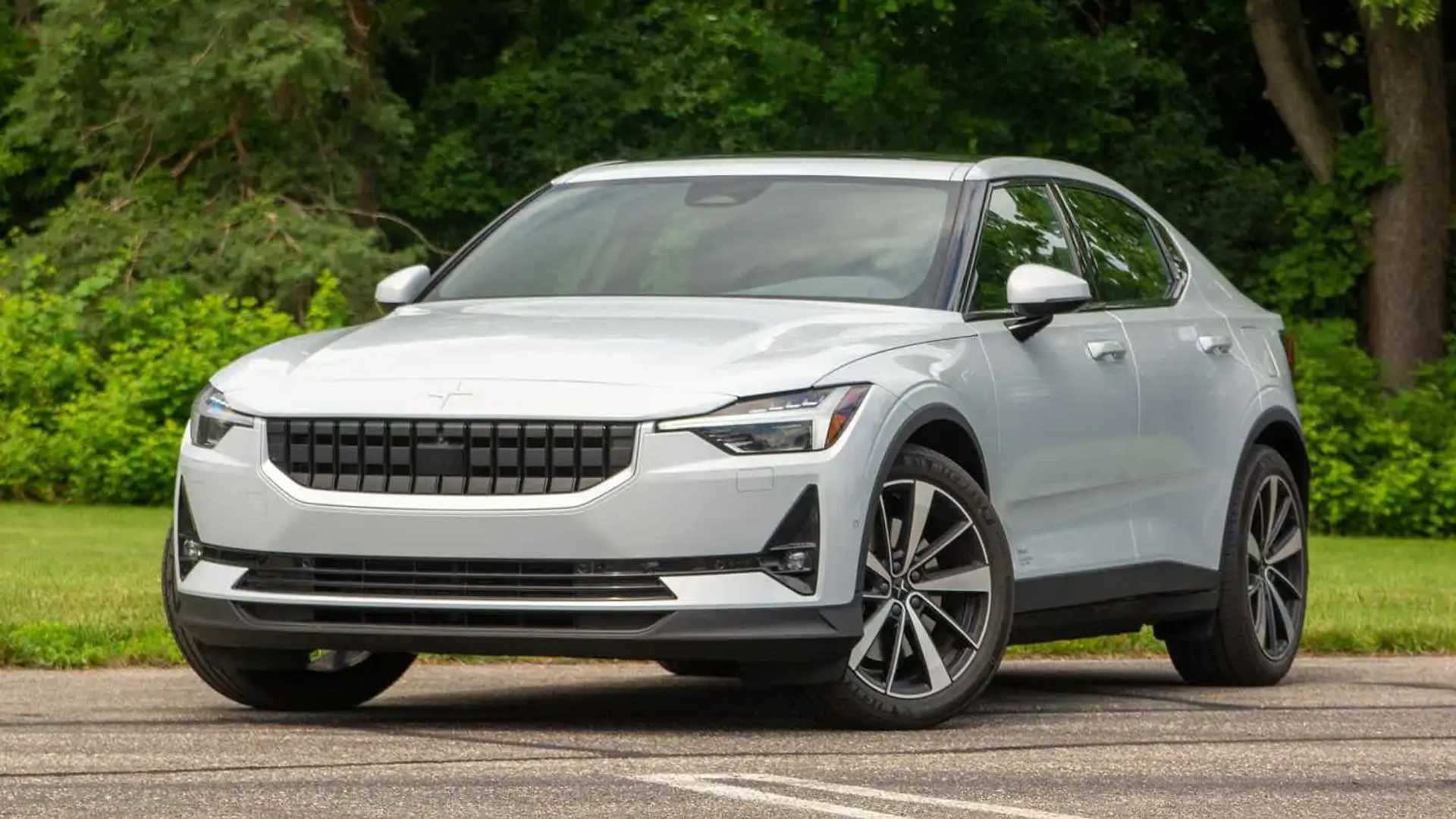
The thermal system’s generous cooling capacity enables sustained performance driving without the power limitations that affect many EVs during spirited driving, and the robust design proves reliable even when subjected to the repeated acceleration and regenerative braking cycles that generate substantial heat.
The sophisticated integration of thermal management with other vehicle systems exemplifies Polestar’s holistic approach to EV engineering.
The thermal system communicates seamlessly with the navigation system, charge scheduling features, and power management algorithms to optimize efficiency while maintaining optimal battery temperatures.
This integrated approach ensures that thermal management operates as an intelligent, adaptive system rather than merely reacting to temperature changes, maximizing both immediate performance and long-term battery health.
Also Read: 10 Cars That Outlast Their Transmissions
