
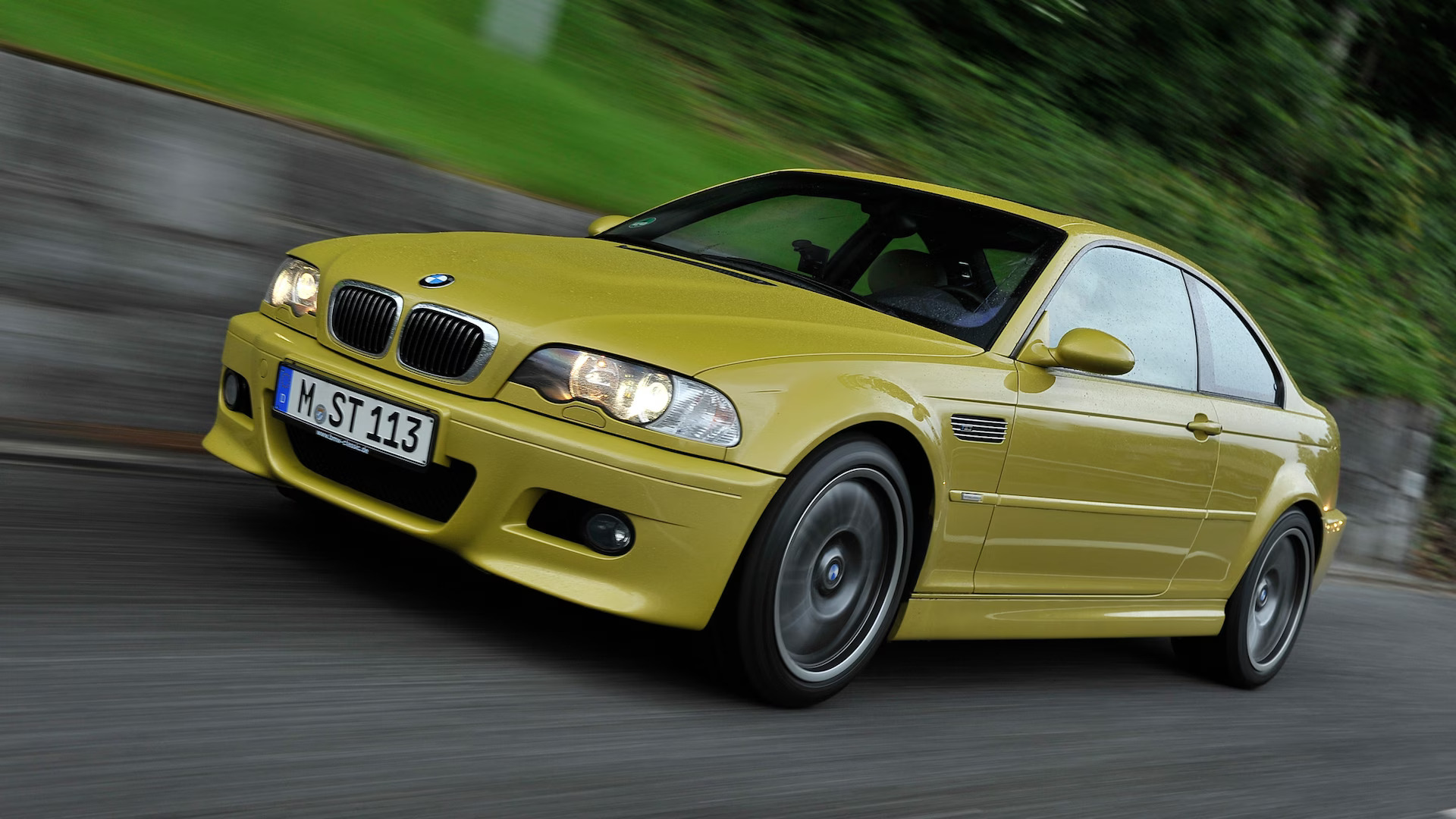
BMW has long stood at the pinnacle of automotive engineering, representing the perfect combination of performance, luxury, and driving dynamics.
The Bavarian manufacturer’s motto, “The Ultimate Driving Machine,” isn’t just marketing speak it’s a promise that has been delivered across decades of innovation and refinement.
However, BMW’s reputation for reliability has been a subject of considerable debate among automotive enthusiasts and practical car buyers alike. While some swear by their BMWs’ longevity and dependability, others have horror stories of expensive repairs and frequent visits to the service center.
The truth about BMW reliability lies somewhere in the middle, and more importantly, it depends heavily on which model you choose and how you approach the purchase.
Not all BMWs are created equal when it comes to long-term dependability. Some models have proven themselves as remarkably robust machines that can easily surpass 200,000 miles with proper maintenance, while others are plagued with known issues that can turn ownership into a financial nightmare.
In this comprehensive guide, we’ll explore ten BMW models that have earned reputations for reliability within the brand’s lineup.
These are the cars that knowledgeable enthusiasts seek out, the models that mechanics respect, and the vehicles that have proven themselves capable of delivering the BMW experience without breaking the bank in repair costs.
From iconic sedans to versatile SUVs, these models represent the best that BMW has to offer for buyers who prioritize dependability alongside performance and luxury.
Whether you’re a first-time BMW buyer or a returning enthusiast, understanding these proven performers will help you make an informed decision and enjoy the ultimate driving machine for years to come.
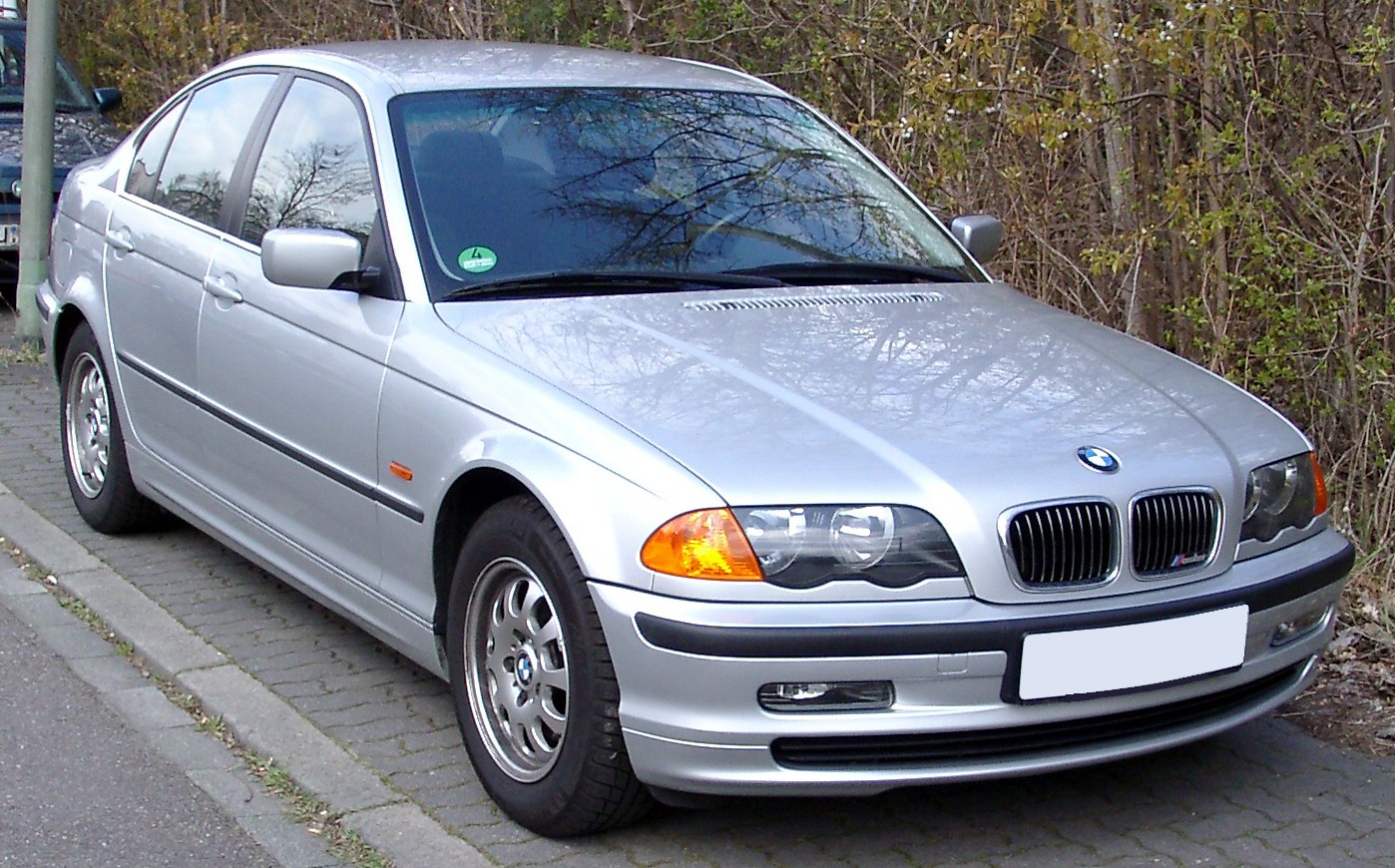
1. BMW E46 3 Series (1999-2006)
The E46 generation 3 Series is widely considered one of the best BMWs ever produced, and for good reason. This model represents the sweet spot in BMW’s evolution modern enough to offer contemporary comfort and safety features, yet simple enough to avoid the electronic complexity that plagues newer models.
The E46 is particularly beloved for its near-perfect chassis balance, responsive steering, and engaging driving dynamics that embody everything BMW stands for.
When it comes to reliability, the E46 shines brightest with the naturally aspirated inline-six engines, particularly the M54 found in the 325i and 330i models.
This 2.5-liter and 3.0-liter engine family is legendary for its smooth power delivery, excellent fuel economy for its performance level, and remarkable durability.
Many M54-equipped E46s have sailed past 200,000 miles with nothing more than routine maintenance. The engine features an all-aluminum block with cast-iron cylinder liners and a timing chain rather than a belt, eliminating one major maintenance concern.
However, buying an E46 right means being aware of common issues and ensuring they’ve been addressed. The cooling system is the Achilles’ heel of these cars the plastic components deteriorate over time, and failure to replace the radiator, expansion tank, and water pump preventatively can lead to catastrophic engine overheating.
Smart buyers either verify these components have been recently replaced or budget for doing so immediately after purchase. The DISA valve, which controls intake manifold length, is another common failure point that’s relatively inexpensive to fix.
Window regulators are known to fail, and the rear subframe mounting points can crack on higher-mileage examples, though this is more common in pre-2003 models.
When shopping for an E46, prioritize maintenance records above all else. These cars respond extremely well to proper care and can be nightmares if neglected.
Look for vehicles with comprehensive service histories showing regular oil changes, cooling system maintenance, and suspension work as needed.
The 2003-2006 models are generally preferred as they incorporated fixes for the subframe issue and other early problems. Avoid the 318i with its four-cylinder engine if you want the true BMW experience the inline-six is what makes these cars special.
With proper care and the right example, an E46 can provide hundreds of thousands of miles of driving pleasure while maintaining that perfect balance of analog feel and modern capability that’s increasingly rare in today’s automotive world.
2. BMW E39 5 Series (1997-2003)
The E39 5 Series is often hailed as the greatest sedan BMW ever built, and its reputation for reliability when properly maintained backs up that claim.
This generation represents the pinnacle of traditional BMW engineering before the brand began adding layers of electronic complexity.
The E39 offers a sublime combination of comfort, performance, handling prowess, and timeless design that still looks contemporary more than two decades after its debut.
The most reliable E39 is unquestionably the 540i with the M62 V8 engine, particularly from 2001-2003 when the M62TU (Technical Update) was introduced.
While BMW V8s have a mixed reputation, the later M62TU engines with updated timing chain guides are quite dependable. The 528i and 530i models with the M52 and M54 inline-six engines are also excellent choices, offering better fuel economy and fewer potential issues than the V8.
These inline-sixes are among BMW’s most reliable powerplants ever, capable of extraordinary mileage when maintained properly. The smooth, torquey power delivery and wonderful sound make them a joy to live with daily.

Like the E46, the E39’s cooling system requires attention. The plastic radiator, expansion tank, and water pump are wear items that should be replaced as preventative maintenance every 60,000-80,000 miles.
This isn’t a weakness specific to the E39 it’s a characteristic of BMW engines from this era that owners must accept and plan for. The good news is that replacement parts are readily available and affordable, especially from quality aftermarket suppliers.
Performing this maintenance is straightforward enough for DIY enthusiasts, and even professional labor costs are reasonable. One of the E39’s greatest strengths is its mechanical simplicity compared to newer BMWs.
There’s no overly complex iDrive system, no electronic parking brake to malfunction, and fewer sensors and control modules to fail. This makes the E39 more predictable and less expensive to maintain long-term.
The interior materials are high-quality and age well, though the headliner may need replacement on high-mileage examples. With proper maintenance, particularly the cooling system and VANOS components, an E39 can easily reach 300,000 miles.
Many enthusiasts consider this the last truly great BMW sedan a car that prioritizes driving dynamics and engineering excellence over technology gimmicks, making it not only reliable when bought right but also timelessly enjoyable to own and drive.
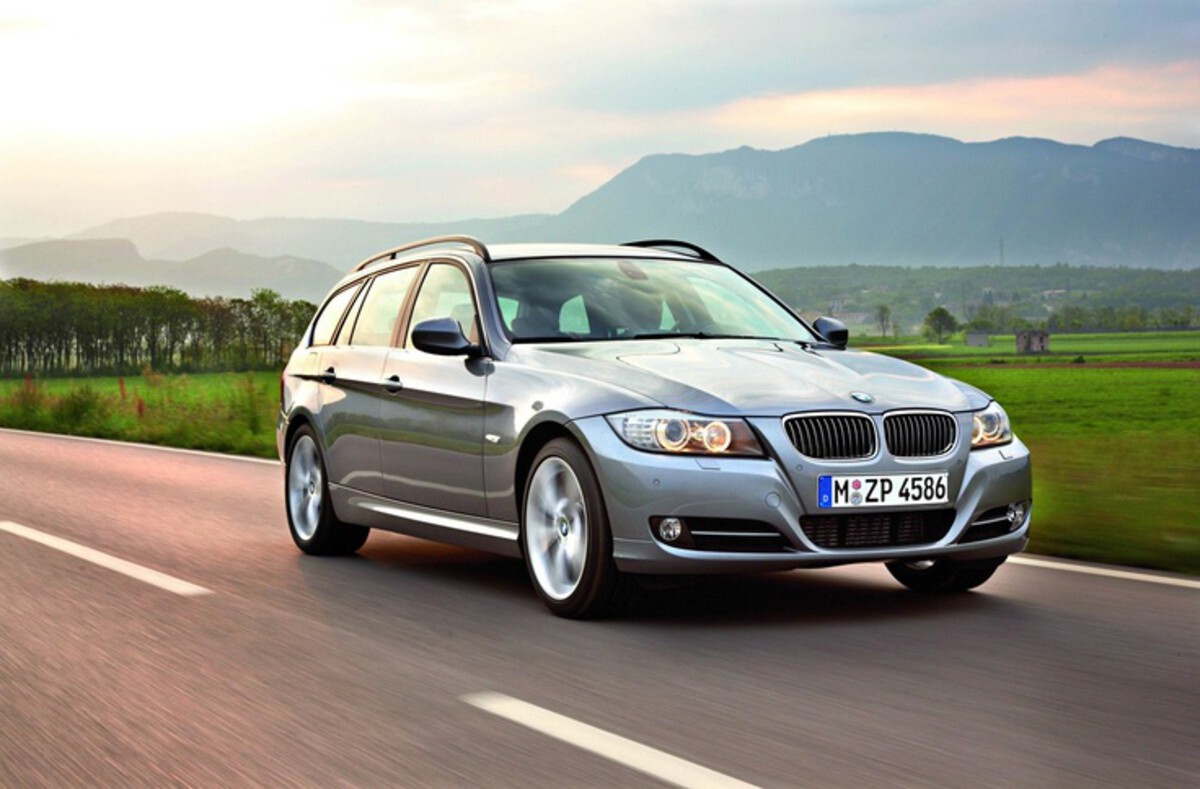
3. BMW E90 3 Series (2006-2011)
The E90 generation 3 Series represents BMW’s transition into the modern era while maintaining the core characteristics that made the brand legendary.
While not without its issues, the E90 can be extremely reliable when you choose the right engine and avoid problematic model years.
This generation introduced more sophisticated technology, improved safety features, and refined driving dynamics while retaining the balanced, engaging character that defines the 3 Series.
The most reliable E90 is the 328i from 2007-2011, equipped with the N52 naturally aspirated inline-six engine. The N52 is an evolution of the bulletproof M54 engine from the E46, featuring magnesium-aluminum composite construction that makes it incredibly lightweight yet durable.
This engine uses a timing chain, has no turbochargers to fail, and delivers smooth, linear power with excellent fuel economy. Many N52-equipped cars have exceeded 200,000 miles with only routine maintenance.
The N52 represents BMW’s last naturally aspirated inline-six before the switch to turbocharged engines, and it’s considered one of their most reliable powerplants.
What you want to avoid in the E90 is the N54 twin-turbocharged engine found in early 335i models. While powerful and beloved by tuning enthusiasts, the N54 has documented issues with high-pressure fuel pumps, wastegate rattle, fuel injectors, and carbon buildup on intake valves.
These issues can be managed, but they make the N54-powered cars significantly more expensive to maintain. The later N55 single-turbo engine that replaced the N54 is more reliable, but still doesn’t match the N52 for long-term dependability.
Common issues with the E90 include water pump failure BMW switched to electric water pumps in this generation, and they have a limited lifespan of around 60,000-80,000 miles.
Fortunately, they usually give warning signs before failing completely, such as coolant leaks or dashboard warning lights. The valve cover and oil filter housing gaskets are known to leak on higher-mileage examples, but these are relatively minor repairs.
Some E90s experience issues with the VANOS solenoids, though this is less common on the N52 than on turbocharged engines. The E90’s electronics are more complex than previous generations, which introduces more potential failure points.
The iDrive system can occasionally glitch, window regulators fail regularly, and various sensors may need replacement over time. However, these are generally minor annoyances rather than major reliability concerns.
The six-speed manual transmission is rock-solid, while the six-speed automatic transmission is generally reliable with regular fluid changes something BMW incorrectly labeled as “lifetime fill” but should be changed every 50,000 miles.
When shopping for an E90, prioritize 2007 and later models as they have fewer early production issues. The 328i offers the best balance of performance, fuel economy, and reliability.
If you must have more power, the 2011 335is with the N54 or 2010-2011 335i with the N55 engine are better choices than earlier 335i models, though maintenance costs will still be higher.
Check for service records showing regular oil changes, water pump replacement, and transmission fluid services. Inspect for oil leaks around the valve cover and oil filter housing.
The E90 with the N52 engine offers modern amenities and safety features while maintaining BMW’s driving character and proven reliability, making it an excellent choice for buyers seeking a dependable daily driver with genuine sports sedan capabilities. These cars still feel contemporary today and can provide many more years of service when properly maintained.
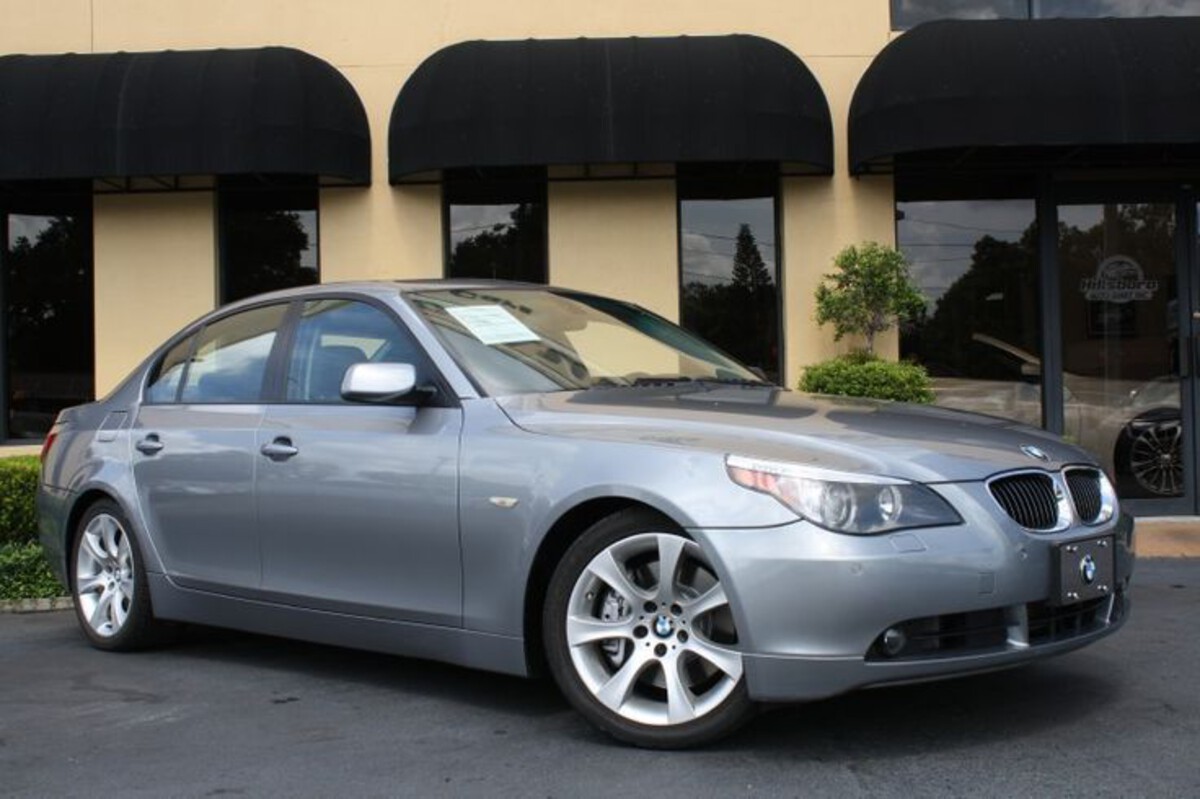
4. BMW E60 5 Series (2004-2010)
The E60 5 Series was controversial when launched due to its radical Chris Bangle-designed styling, but time has been kind to its distinctive appearance, and more importantly, certain examples have proven themselves as reliable long-term propositions.
This generation marked a significant technological leap for BMW, introducing advanced electronics, improved safety systems, and more powerful engines. The key to E60 reliability is choosing the right powertrain and being prepared for the more complex nature of the car compared to its E39 predecessor.
The most reliable E60 is the 2007-2010 528i with the N52 naturally aspirated inline-six engine. This same engine that powers the reliable E90 328i delivers adequate performance in the larger 5 Series body while maintaining excellent fuel economy and proven durability.
The N52’s magnesium-aluminum construction, timing chain instead of belt, and lack of turbochargers eliminate several major potential failure points.
These engines regularly exceed 200,000 miles with proper maintenance, primarily requiring only oil changes, spark plugs, ignition coils, and the inevitable water pump replacement.
The 530i and 550i models offer more performance but come with increased complexity and potential issues. Early E60 models (2004-2005) should generally be avoided as they suffered from various teething problems that were resolved in later years.
The 2006 refresh improved many aspects of the car, and the 2007-2010 models are the sweet spot for reliability. The iDrive system was also significantly improved in 2007, becoming more intuitive and less prone to glitches.
Common E60 issues include the electric water pump like all BMWs from this era, plan on replacing it every 60,000-80,000 miles. The valve cover gasket and oil filter housing gasket will eventually leak on high-mileage examples, requiring replacement.
The air conditioning system can develop leaks over time, and repairs can be expensive due to the complexity of accessing components. The run-flat tires that came standard are expensive to replace and provide a harsh ride; many owners switch to conventional tires with a spare or tire repair kit.
One area where the E60 differs from earlier BMWs is the increased complexity of electronics. There are more sensors, modules, and systems that can potentially fail.
However, this is balanced by improved diagnostics problems can usually be identified quickly with a proper scan tool. The automatic transmission in most E60s is the ZF 6HP, an excellent unit that’s reliable with regular fluid changes. Avoid cars with the SMG transmission (sequential manual) as these are problematic and expensive to repair.
The E60 528i represents an excellent value proposition for buyers seeking a reliable luxury sedan with strong performance, comfortable accommodations for five adults, and that special BMW driving character.
While more complex than an E39, it’s not dramatically less reliable when properly maintained, and it offers significantly more advanced safety features, improved fuel economy, and modern conveniences.
These cars have depreciated considerably, making them affordable to purchase, but ensure you budget for maintenance and choose an example with comprehensive service records.
A well-maintained E60 528i can provide many years of dependable service while delivering the comfort and performance expected from a BMW 5 Series.
Also Read: 10 Best Cars For Ride-share Drivers in 2025 To Hit 300,000 Miles
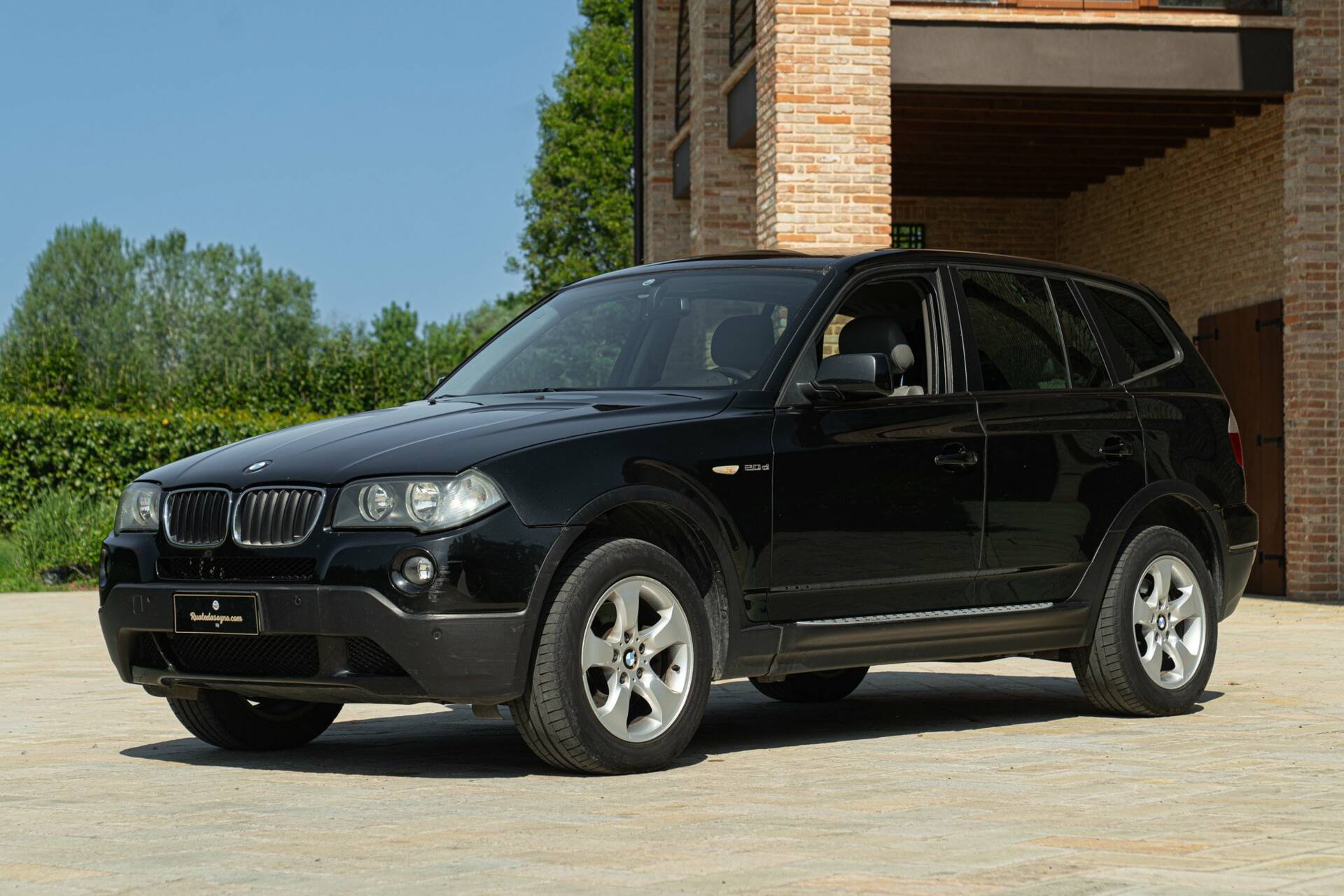
5. BMW E83 X3 (2004-2010)
The first-generation X3 is often overlooked in discussions of reliable BMWs, but the E83 platform has proven itself as one of BMW’s most dependable offerings, particularly in later model years.
Built on a modified E46 3 Series platform, the E83 X3 shares many components with that proven sedan, giving it a reliability advantage over BMW’s more complex SUV offerings.
The E83 provides genuine BMW driving dynamics in a practical SUV package, with proper rear-wheel drive proportions and available all-wheel drive for all-weather capability.
The most reliable E83 is the 2007-2010 X3 3.0si with the N52 inline-six engine. This naturally aspirated engine delivers smooth power, excellent reliability, and reasonable fuel economy for an SUV of this size.
The N52’s proven track record in the E90 and E60 translates perfectly to the X3 application. Earlier E83 models used the M54 engine, which is also reliable, but the 2007 refresh brought improvements throughout the vehicle that make later models the better choice.
The N52-equipped X3s offer adequate power for the vehicle’s weight and maintain BMW’s characteristic smoothness and refinement.
What makes the E83 particularly reliable is its mechanical simplicity compared to later BMW SUVs. The xDrive all-wheel drive system in these vehicles is robust and trouble-free, consisting primarily of mechanical components with minimal electronic intervention.
The transfer case and differentials are sealed units that require no maintenance under normal circumstances. The suspension uses proven BMW components with excellent durability control arms, ball joints, and bushings will eventually need replacement, but this is normal wear and parts are affordable.
Common E83 issues mirror those of other BMWs from this era. The electric water pump should be replaced preventatively around 80,000 miles to avoid being stranded.
The valve cover gasket will eventually leak, and the oil filter housing gasket may seep on higher-mileage examples. Some E83s experience issues with the transfer case actuator motor, which can cause warning lights and potentially affect all-wheel drive functionality, but this is a relatively straightforward repair.
The panoramic sunroof, if equipped, can have drain tube issues that lead to water leaks checking and cleaning these drains periodically prevents problems.
The automatic transmission in the E83 is typically the GM 5L40E in earlier models or the ZF 6HP in later ones. Both are generally reliable with proper maintenance, though the ZF is the superior transmission.
Regular fluid changes are essential despite BMW’s “lifetime fill” claims changing the transmission fluid every 50,000 miles significantly extends transmission life.
The manual transmission in some E83 models is virtually bulletproof, though manual examples are quite rare in the North American market.
When shopping for an E83 X3, focus on 2007-2010 models with the N52 engine and preferably the xDrive all-wheel drive system. These later models incorporated numerous improvements and resolved early production issues.
Check for maintenance records showing regular oil changes, water pump replacement, and any suspension work. Inspect for oil leaks around the valve cover and oil filter housing.
A well-maintained E83 X3 3.0si can easily exceed 200,000 miles while providing comfortable, engaging transportation for families or individuals who need more space than a sedan offers but don’t want to sacrifice driving enjoyment.
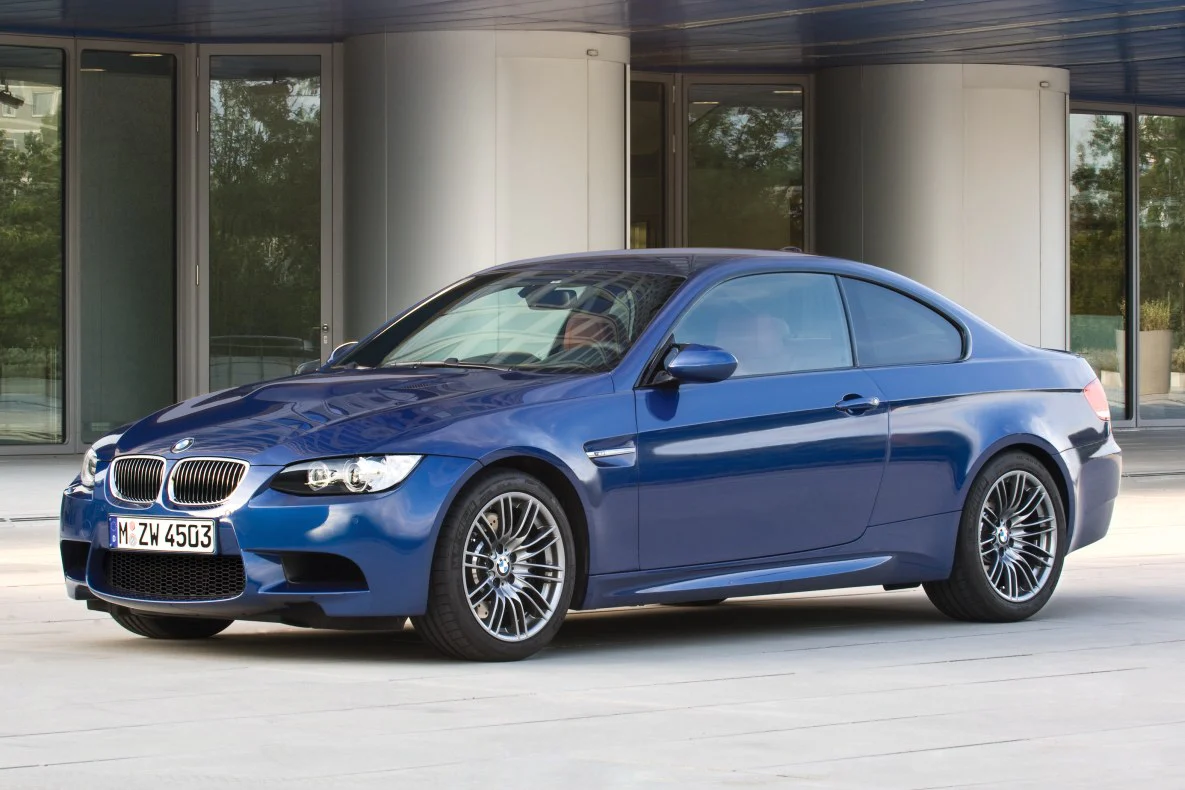
6. BMW E92 3 Series Coupe (2007-2013)
The E92 3 Series Coupe represents BMW’s sport coupe formula refined to near-perfection, combining beautiful styling, excellent driving dynamics, and surprising reliability when equipped with the right engine.
This generation maintained BMW’s focus on balanced handling and driver engagement while adding modern technology and improved refinement.
The E92 is essentially the coupe version of the E90 sedan but with enhanced structural rigidity and slightly sportier tuning that makes it particularly appealing to driving enthusiasts.
The reliability star of the E92 lineup is the 328i Coupe with the N52 naturally aspirated inline-six engine. This engine’s proven dependability in various BMW applications makes it the smart choice for buyers prioritizing reliability.
The N52 delivers smooth, linear power with a wonderful soundtrack and maintains excellent fuel economy for a sport coupe. The timing chain design eliminates belt replacement concerns, and the lack of turbochargers removes significant complexity and potential failure points.
These engines are known for lasting well beyond 200,000 miles with nothing more than routine maintenance and the occasional ignition coil or valve cover gasket replacement.
While the 335i with the N54 or N55 twin-turbo engines offers significantly more power, these models come with increased maintenance costs and more frequent repairs.
The N54, in particular, has well-documented issues with high-pressure fuel pumps, wastegate rattle, and carbon buildup that require expensive walnut blasting services to clean.
If you absolutely must have the extra power, the 2011-2013 335i with the N55 single-turbo engine is more reliable than the earlier N54, but still doesn’t match the N52 for long-term dependability and cost of ownership.
Common issues in the E92 are similar to other BMWs from this era. The electric water pump typically needs replacement between 60,000 and 80,000 miles this is a predictable maintenance item that should be budgeted for.
The valve cover gasket and oil filter housing gasket will eventually develop leaks on higher-mileage examples. Some E92s experience issues with the VANOS solenoids, though this is less common on the N52 than turbocharged engines.
The exhaust DISA valve can fail, causing rough idle and check engine lights, but replacement is straightforward and relatively inexpensive.
The E92 328i Coupe offers an outstanding ownership experience for enthusiasts who want a beautiful, engaging sports coupe that won’t break the bank in maintenance costs.
The styling has aged exceptionally well, the driving dynamics are superb with excellent balance and feedback, and the N52 engine provides adequate performance with proven reliability.
These cars deliver the genuine BMW driving experience in a more focused, stylish package than the sedan. With proper maintenance, particularly attention to the cooling system and regular oil changes, an E92 328i can provide hundreds of thousands of miles of driving pleasure.
It represents one of the last BMWs built before the complete switch to turbocharging, making it a special machine for those who appreciate naturally aspirated engines and traditional BMW engineering excellence.
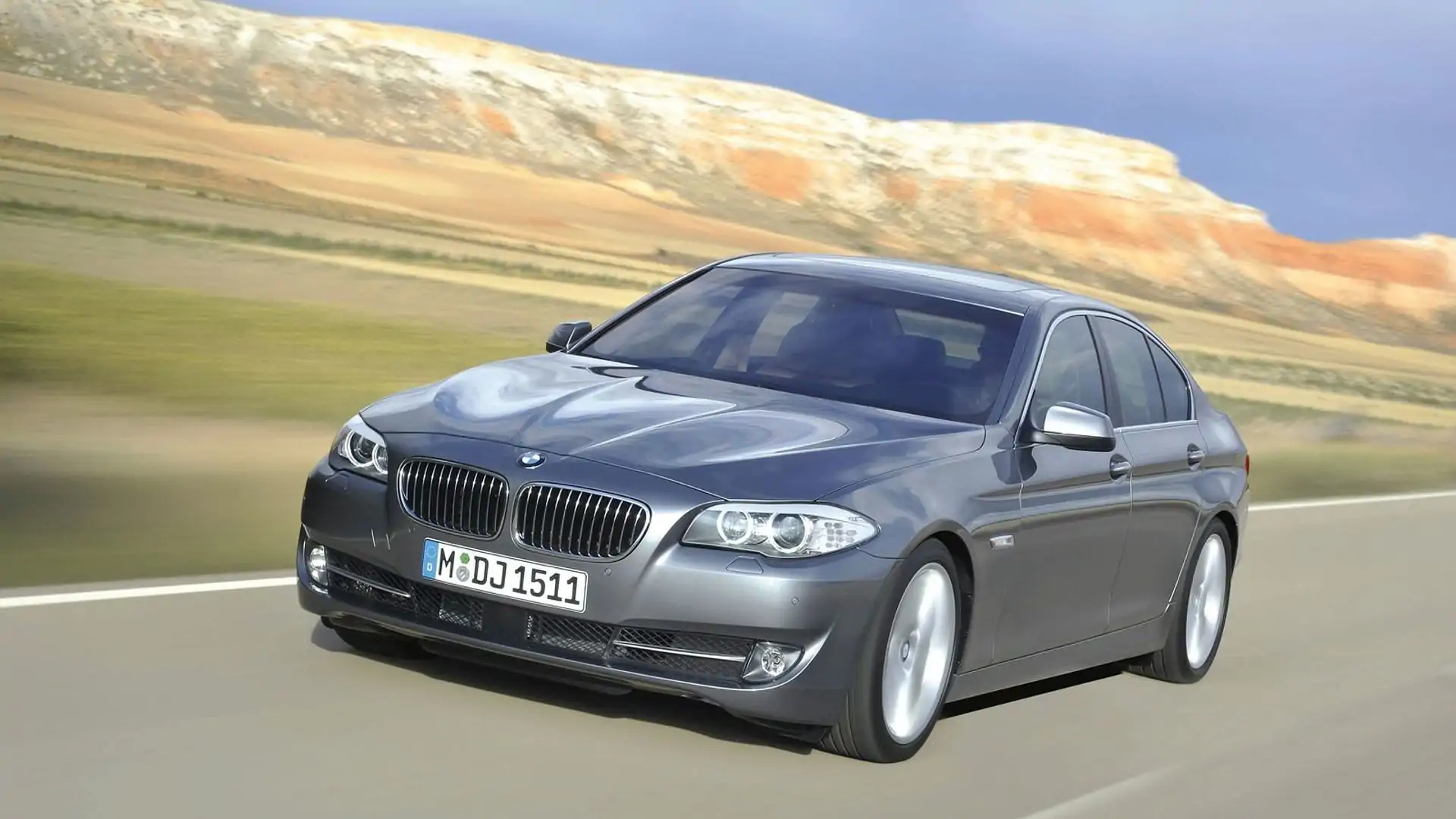
7. BMW F10 5 Series (2011-2016)
The F10 5 Series initially had a mixed reputation for reliability, but the later models with specific powertrains have proven themselves as dependable luxury sedans.
This generation brought significant technological advancement, improved efficiency, and enhanced safety features while maintaining BMW’s commitment to driving dynamics. The key to F10 reliability is choosing later model years and avoiding certain problematic engines and features.
The most reliable F10 is the 2013-2016 528i with the N20 turbocharged four-cylinder engine. While this might seem counterintuitive given concerns about BMW turbo engines, the later N20 units with updated timing chain components are quite reliable.
More importantly, the alternative the N55 inline-six in the 535i had various issues in the F10 application. The N20 delivers excellent fuel economy, adequate power for the 5 Series chassis, and reasonable maintenance costs when properly cared for.
The 2013+ models incorporated fixes for early N20 timing chain issues, making them significantly more reliable than 2011-2012 examples.
What makes the later F10 528i particularly appealing is that BMW had resolved most early production issues by 2013. The ZF 8-speed automatic transmission is excellent smooth, responsive, and reliable with proper fluid changes.
The chassis is refined and comfortable while still offering engaging driving dynamics. The interior quality is superb with high-grade materials throughout, and the iDrive system reached maturity with intuitive operation and fewer glitches than earlier versions.
Common F10 issues include oil leaks from the oil filter housing gasket on higher-mileage examples this is a relatively minor repair that’s fairly common across BMW’s turbocharged engines.
Some F10s experience issues with the electric power steering system, which can require expensive repairs if the steering rack fails. The air conditioning system can develop leaks over time.
The 8-speed automatic transmission is generally reliable but absolutely requires fluid changes every 50,000 miles despite misleading “lifetime” fill claims from BMW. Neglecting transmission maintenance can lead to rough shifting and eventual transmission failure.
One area where the F10 demands attention is electronics. This generation has significantly more electronic systems than previous 5 Series, which means more potential failure points.
However, when issues occur, the excellent diagnostics can usually identify problems quickly. Common electronic gremlins include parking sensor failures, camera malfunctions, and occasional glitches with driver assistance features.
These are generally minor annoyances rather than major reliability concerns, but they do require proper diagnostic equipment to resolve.
With proper maintenance, particularly regular oil changes and transmission fluid services, a 2013+ F10 528i can provide many years of dependable luxury sedan transportation while delivering the comfort, performance, and prestige expected from a BMW 5 Series.
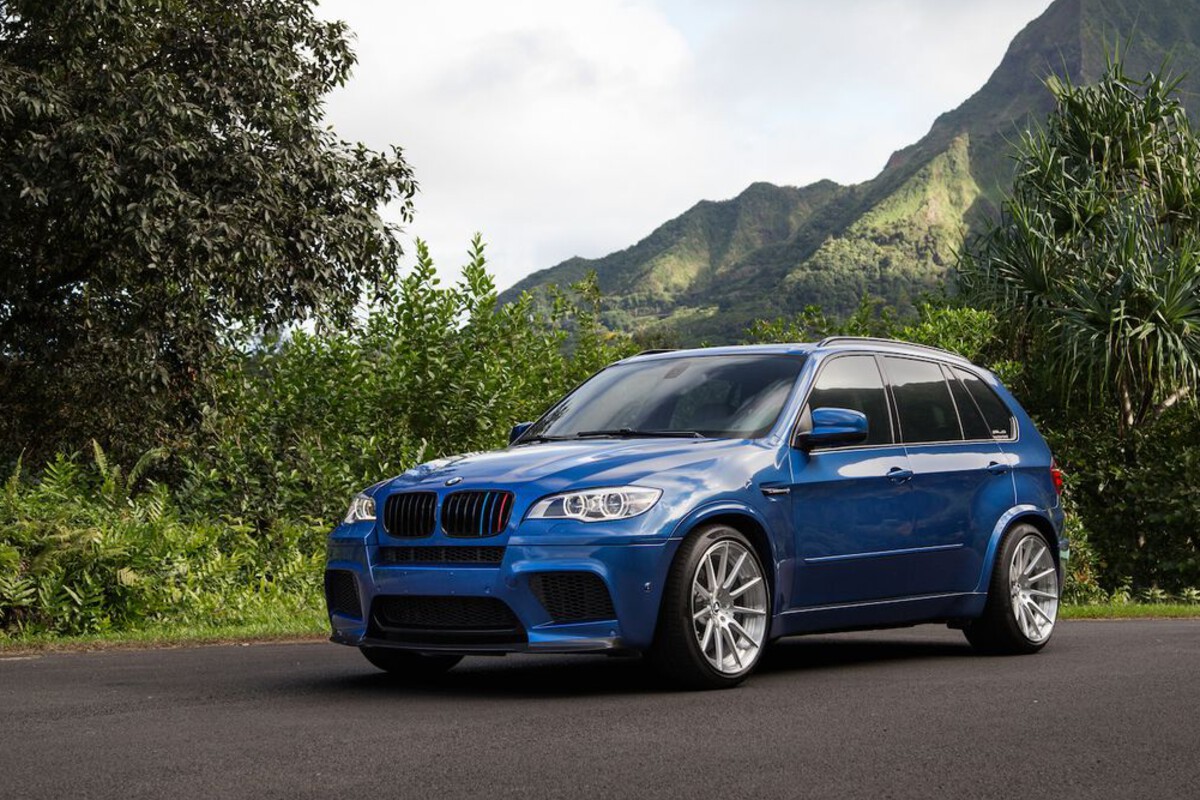
8. BMW E70 X5 (2007-2013)
The second-generation X5 evolved from a niche product into BMW’s mainstream luxury SUV, and certain examples have proven surprisingly reliable for vehicles in this segment.
The E70 combined traditional BMW driving dynamics with SUV practicality, offering three-row seating options, strong towing capacity, and available all-wheel drive.
When equipped with the right engine and properly maintained, the E70 X5 can be a dependable family hauler that doesn’t sacrifice the driving engagement BMW is known for.
The most reliable E70 is the 2011-2013 X5 xDrive35i with the N55 single-turbo inline-six engine. While turbocharged engines generally raise reliability concerns, the N55 in later E70 models is significantly more dependable than earlier powertrains.
BMW had resolved most early issues by 2011, and the N55 offers an excellent balance of power, efficiency, and reliability for a luxury SUV of this size.
This engine delivers smooth, torquey power that’s perfect for the X5’s substantial weight while maintaining respectable fuel economy for the segment.
What to avoid in the E70 is the early V8 models and the first-year 2007 models with various teething problems. The N63 V8 engine, while powerful, has documented issues with timing chains, valve stem seals, and oil consumption that make it expensive to maintain.
The diesel models offer excellent fuel economy but can have expensive emissions system issues. Stick with the 2011-2013 xDrive35i for the best reliability and ownership experience.
The xDrive all-wheel drive system in the E70 is robust and generally trouble-free, requiring no regular maintenance under normal conditions.
The ZF 8-speed automatic transmission is excellent, providing smooth operation and impressive efficiency. However, like all transmissions, it requires regular fluid changes despite BMW’s lifetime fill claims servicing the transmission every 50,000 miles significantly extends its life and maintains smooth shifting.
The transfer case is sealed and typically maintenance-free, though some high-mileage examples may develop actuator issues. The E70 X5 xDrive35i offers an excellent combination of luxury, practicality, and driving dynamics that’s rare in the three-row SUV segment.
While more complex than smaller BMWs, the later models with the N55 engine are reliable enough for confident ownership when properly maintained.
These vehicles have depreciated significantly from their original prices, making them accessible to a wider range of buyers. Maintenance costs are higher than a sedan due to the vehicle’s size and complexity, but reasonable compared to other luxury SUVs.
With proper care, particularly attention to cooling system maintenance and regular fluid changes, a 2011-2013 E70 X5 can provide reliable family transportation with genuine BMW character and capability.
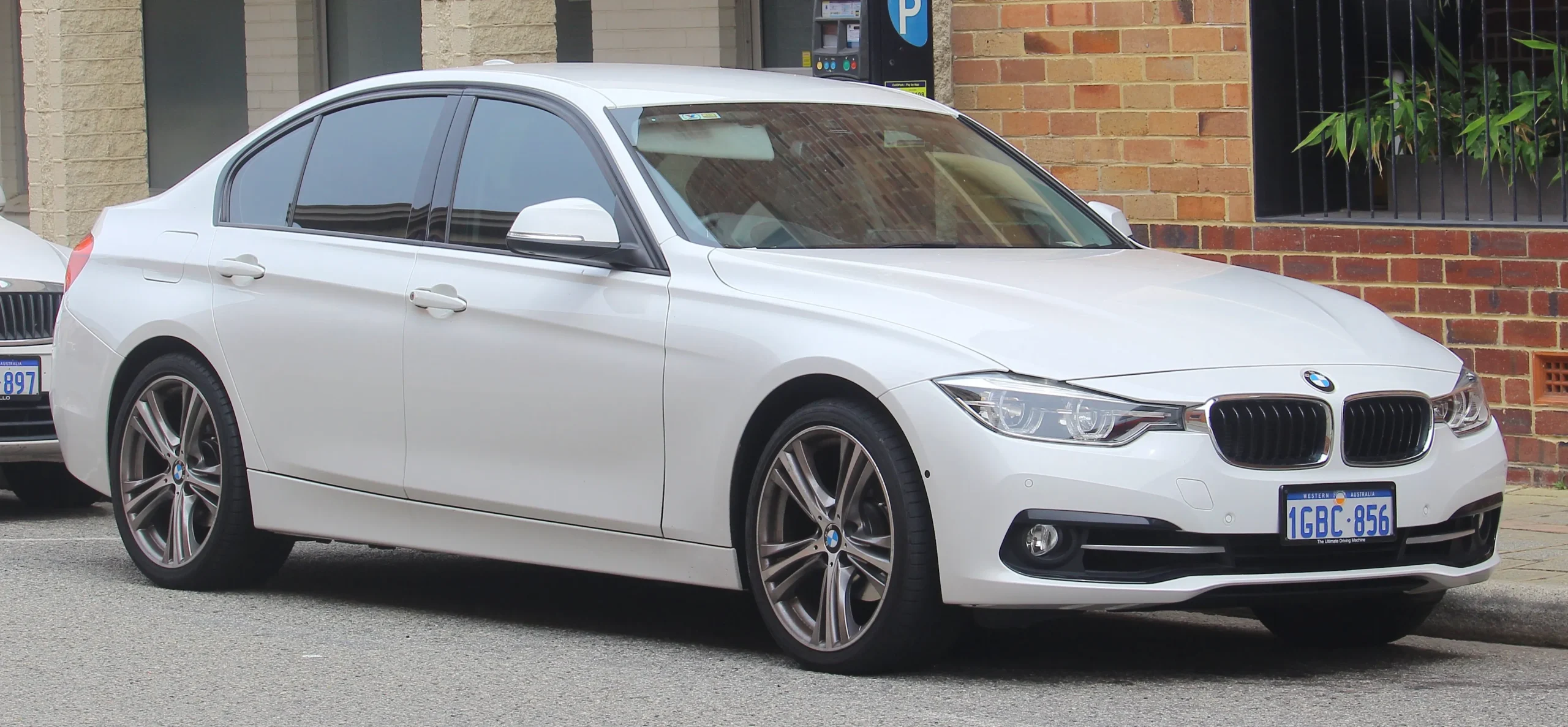
9. BMW F30 3 Series (2012-2019)
The F30 generation 3 Series marked a significant evolution of BMW’s core sports sedan, introducing modern technology, improved efficiency, and enhanced refinement while maintaining the driving dynamics that define the nameplate.
While the F30 moved slightly upmarket with increased size and luxury, it remained true to the 3 Series formula of balanced handling, rear-wheel drive engagement, and driver-focused design.
Certain F30 models have proven themselves as reliable daily drivers that deliver the BMW experience with reasonable ownership costs.
The most reliable F30 is the 2015-2019 320i with the B46 turbocharged four-cylinder engine, or the 2016-2019 330i with the B48 engine.
These “B-series” engines represent a significant improvement over the earlier N20 engines used in 2012-2015 models. BMW redesigned these powertrains from the ground up, addressing timing chain issues and improving reliability.
The B46 and B48 engines deliver smooth power, excellent fuel economy, and have proven quite dependable in the years since their introduction. The timing chain components are far more robust than in the N20, eliminating the primary concern with earlier F30 models.
The F30 320i and 330i offer an excellent ownership experience for buyers seeking a modern, reliable sports sedan with contemporary technology.
While turbocharged engines always require more attention than naturally aspirated units, the later B-series engines have proven dependable when properly maintained.
With proper care, particularly regular oil changes, cooling system attention, and transmission fluid services, a 2016-2019 F30 can provide many years of reliable transportation while delivering the driving pleasure BMW is known for. These represent some of the most modern BMWs that can be confidently recommended for reliability-conscious buyers.
10. BMW F15 X5 (2014-2018)
The third-generation X5 represented BMW’s most refined and technologically advanced SUV offering, combining luxury, performance, and surprising reliability when equipped with the right powertrain.
The F15 grew slightly in size compared to its E70 predecessor, offering more interior space and cargo capacity while maintaining the driving dynamics that distinguish BMW SUVs from their competitors.
This generation introduced significant technological advancement, including advanced driver assistance systems, improved efficiency, and enhanced connectivity.
The most reliable F15 is the 2016-2018 X5 xDrive35i with the N55 inline-six turbocharged engine. By 2016, BMW had thoroughly refined the N55 engine and resolved early issues that plagued initial versions.
This engine delivers strong, smooth power with excellent torque characteristics perfect for the X5’s substantial weight. The single turbocharger design is inherently more reliable than twin-turbo configurations, with fewer components to potentially fail.
The N55 has proven quite dependable in various BMW applications when properly maintained, and in the F15 chassis it provides an excellent balance of performance and efficiency.
What makes the 2016-2018 models particularly desirable is the mid-cycle refinement BMW implemented. The interior materials were upgraded, the iDrive system received improvements, and various minor issues from early production were resolved.
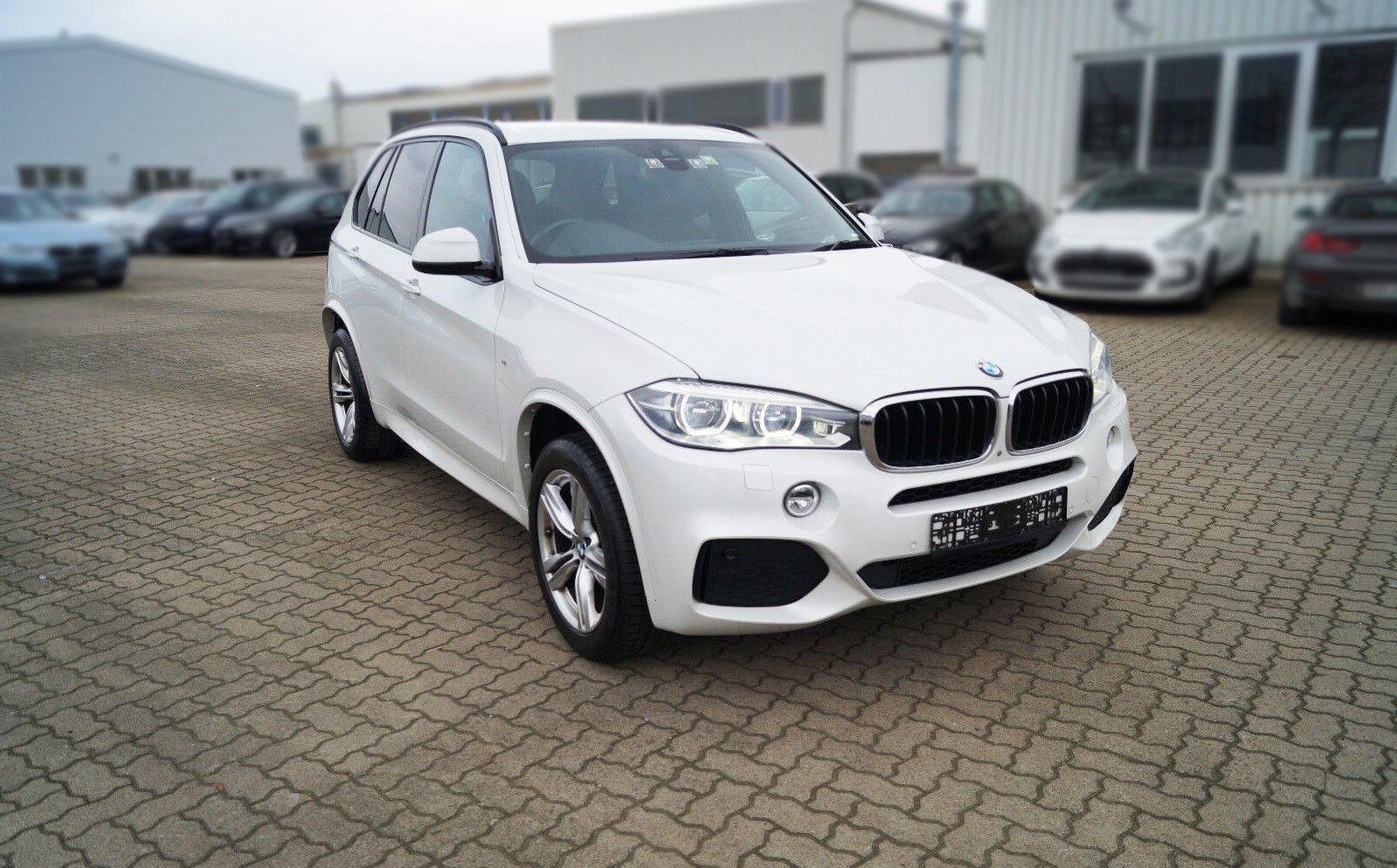
These later models represent BMW’s X5 formula fully matured, offering exceptional build quality, advanced technology, and proven mechanical reliability.
The driving dynamics are impressive for a vehicle of this size, with precise steering, controlled body motions, and surprising agility that makes the X5 enjoyable to drive rather than merely utilitarian.
Common F15 issues include the typical BMW concerns with cooling system components the electric water pump should be monitored and replaced preventatively, typically around 80,000-100,000 miles.
The oil filter housing gasket can develop leaks on higher-mileage examples, requiring replacement. Some F15s experience issues with the air conditioning system, particularly refrigerant leaks that can be expensive to diagnose and repair due to the complexity of the system.
The panoramic sunroof, if equipped, requires regular drain cleaning to prevent water intrusion into the cabin. Maintenance costs are significant due to the vehicle’s size, complexity, and premium nature, but reasonable compared to competitors in the luxury SUV segment.
With proper care, particularly attention to cooling system maintenance, regular oil changes with quality synthetic oil, and transmission fluid services, a 2016-2018 F15 X5 can provide many years of dependable family transportation while delivering the comfort, capability, and prestige expected from BMW’s flagship SUV.
These represent some of the most refined and reliable modern BMW SUVs available, offering an excellent ownership experience for families who refuse to compromise on driving dynamics even in a three-row utility vehicle.
Also Read: 10 Nissan Models That Quietly Deliver Long Service
