
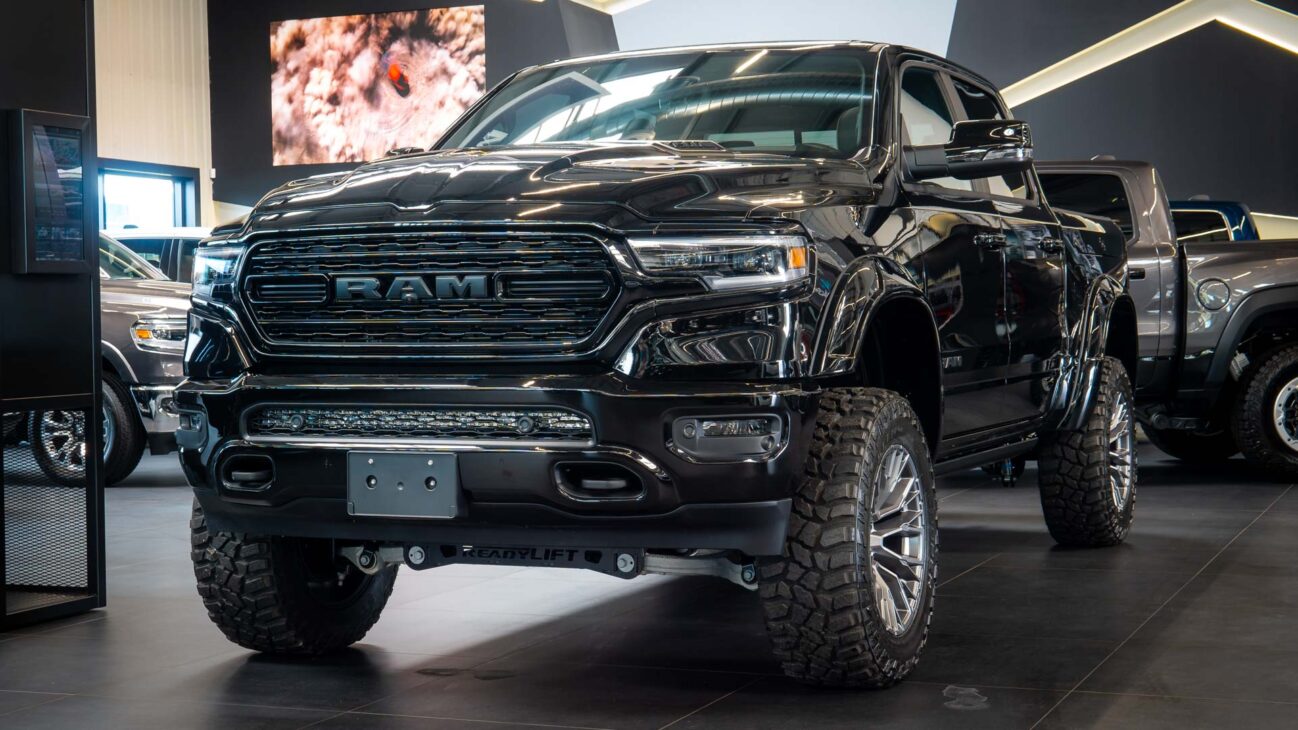
The pickup truck has evolved from a simple utilitarian vehicle into a sophisticated machine that serves multiple roles in modern life.
Whether it’s hauling construction materials to a job site, towing a boat to the lake, carrying a family’s camping gear into the wilderness, or serving as a reliable daily driver, today’s trucks are expected to perform flawlessly under diverse and demanding conditions.
Yet, beneath the polished exteriors, powerful engines, and advanced technology lies a critical component system that often goes unnoticed until it fails: the truck bed hardware.
This seemingly mundane collection of bolts, brackets, hinges, and fasteners represents the backbone of a truck’s cargo-carrying capability, and the quality of these components can mean the difference between decades of reliable service and premature, costly failure.
The battle between corrosion-proof bed hardware and hardware that’s prone to seizing and snapping isn’t merely a technical debate it’s a fundamental question about vehicle design philosophy, owner satisfaction, and long-term value.
When manufacturers choose to invest in corrosion-resistant materials and protective coatings for bed hardware, they’re making a statement about their commitment to quality and customer care.
Conversely, when cost-cutting measures result in inferior hardware that corrodes, seizes, and ultimately fails, truck owners face frustration, safety concerns, and unexpected repair bills that can run into thousands of dollars.
This comparison becomes particularly significant when we consider where and how trucks are used.
Coastal regions with salt-laden air, northern states where roads are treated with corrosive de-icing chemicals, agricultural areas with exposure to fertilizers and animal waste, and industrial sites with chemical exposure all present extreme challenges to bed hardware.
In these environments, the quality of fasteners, hinges, and mounting brackets is tested daily, and the difference between premium corrosion-proof hardware and standard components becomes dramatically apparent within just a few years of ownership.
The implications extend beyond individual inconvenience. Failed bed hardware can render a truck’s cargo area partially or completely unusable, potentially affecting a business owner’s ability to work, a contractor’s ability to meet deadlines, or a family’s ability to use their vehicle as intended.
Safety concerns arise when tailgates fail unexpectedly or when corroded bed mounts compromise the structural integrity of the cargo area.
The environmental impact of prematurely discarded trucks or the resources required to manufacture and ship replacement parts also deserve consideration in our increasingly sustainability-conscious world.
This comprehensive analysis examines ten trucks five equipped with corrosion-proof bed hardware and five with hardware prone to seizing and snapping to illuminate the real-world consequences of this critical design choice and help consumers make informed decisions about their next truck purchase.
5 Trucks with Corrosion-Proof Bed Hardware
These exceptionally engineered vehicles feature cargo bed components manufactured from stainless steel or heavily zinc-plated hardware, robust tie-down anchors utilizing corrosion-resistant alloys, and tailgate mechanisms with sealed bearings and protected pivot points that resist environmental degradation throughout decades of exposure to moisture, road salt, and chemical contaminants.
Their thoughtful engineering includes bed rail cleats with through-bolted mounting systems using anti-seize compound at installation, tailgate latches featuring stainless pins and bushings that maintain smooth operation despite constant weather exposure, and bedliner attachment points with captured nuts preventing rotation and corrosion welding to mounting surfaces.
From coastal environments with salt-laden air to agricultural duty exposing hardware to corrosive fertilizers and livestock waste, these remarkable bed components continue functioning smoothly without developing seized fasteners, snapped bolts, or frozen mechanisms.
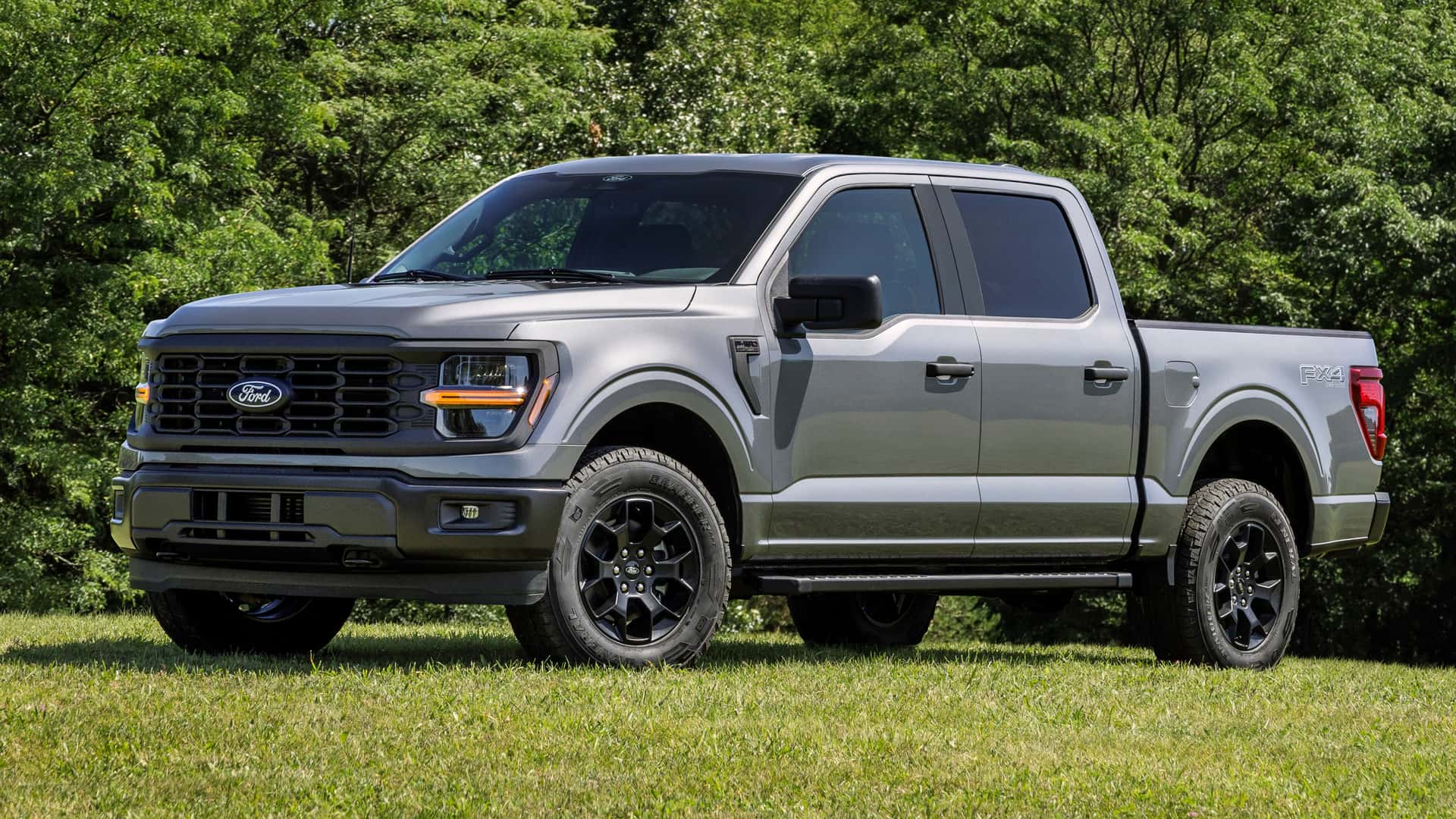
1. 2024 Ford F-150 with Aluminum Body and Stainless Steel Hardware
The Ford F-150’s transition to an aluminum body in 2015 represented one of the most significant changes in pickup truck history, but the often-overlooked aspect of this transformation was Ford’s commitment to matching this advanced material choice with equally sophisticated bed hardware.
The current generation F-150 features extensively engineered corrosion-proof hardware throughout its cargo area, with stainless steel bolts, brackets, and fasteners that are specifically designed to resist the galvanic corrosion that can occur when dissimilar metals come into contact.
Ford’s engineering team recognized that simply bolting steel hardware to an aluminum bed would create a recipe for accelerated corrosion through galvanic reaction.
To prevent this, they implemented a multi-layered approach that includes stainless steel primary fasteners, specialized isolation washers, and protective coatings at every junction point.
The tailgate hinges, which endure constant stress from opening and closing cycles while being exposed to road spray and environmental contaminants, are constructed from corrosion-resistant alloys that maintain their smooth operation even after years of use.
The bed stake pockets, tie-down points, and utility track mounting hardware all receive similar corrosion-protection treatment, ensuring that accessories can be added, removed, and repositioned throughout the truck’s lifespan without encountering seized fasteners.
In real-world testing across diverse climates from the salt-laden coastal environments of Florida to the harsh winter conditions of Michigan where road salt application is heavy the F-150’s bed hardware has demonstrated remarkable resilience.
Owners report that even after five to seven years of regular use, the bed bolts remain removable without specialized tools or penetrating oils, the tailgate operates smoothly without the grinding resistance that characterizes corroded hinges, and the tie-down points maintain their structural integrity without the stress cracking that occurs when corrosion weakens metal from within.
This attention to hardware quality extends the practical usability of the truck bed far beyond the typical lifespan of vehicles with standard hardware, maintaining the vehicle’s utility value and contributing to stronger resale prices in the used truck market.
The financial implications become clear when considering that professional bed replacement or restoration can cost between $3,000 and $6,000, while individual hardware components when they can be removed at all from a corroded bed might cost $20 to $100 each, with labor charges potentially exceeding parts costs when extraction requires cutting and drilling.
F-150 owners avoid these expenses while maintaining full use of their truck’s capabilities, representing a significant return on the premium that buyers pay for a well-engineered vehicle.
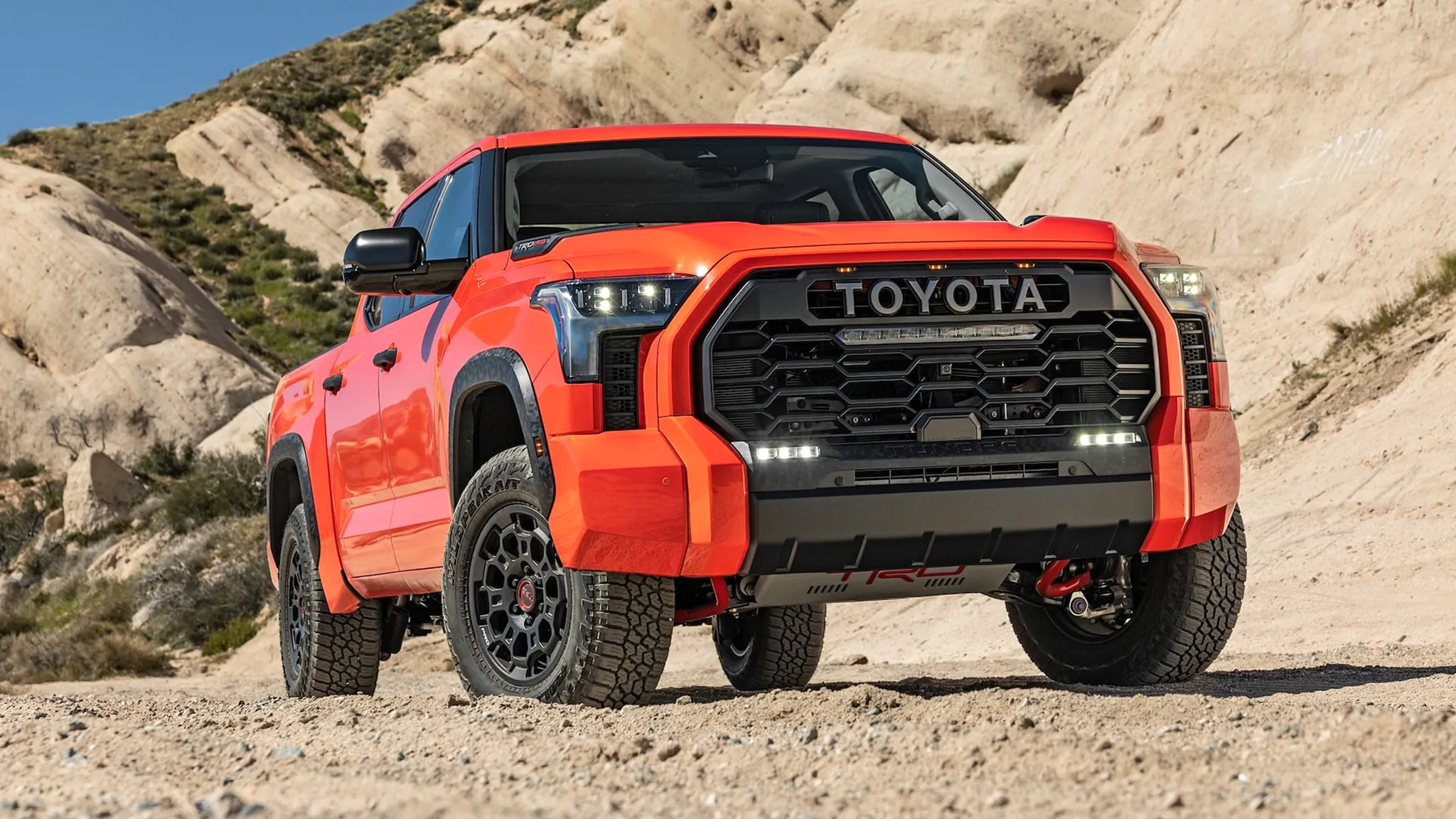
2. 2024 Toyota Tundra with Marine-Grade Fasteners
Toyota’s approach to the Tundra’s bed hardware reflects the company’s reputation for building vehicles that maintain functionality in the harshest conditions.
The Japanese automaker employs marine-grade stainless steel fasteners throughout the Tundra’s cargo area the same classification of hardware used in boat construction and other applications where saltwater exposure is constant and catastrophic failure is unacceptable.
This specification means that every bolt, nut, and washer in the bed area meets stringent corrosion resistance standards that far exceed typical automotive-grade hardware.
The Tundra’s bed hardware system includes several innovative features that distinguish it from competitors. The tailgate assembly incorporates self-lubricating bushings within the hinge mechanism, reducing metal-to-metal contact that accelerates wear and corrosion.
The bed mounting bolts feature a specialized coating process that creates a barrier against moisture intrusion, while their design includes features that prevent water accumulation in threaded areas where corrosion typically initiates.
Toyota’s engineers also implemented a drainage design philosophy throughout the bed structure, ensuring that water doesn’t pool around hardware mounting points a common failure mode in trucks where bed design inadvertently creates moisture traps.
Owners who use their Tundras in demanding commercial applications, world professionals who regularly transport wet soil and corrosive fertilizers, construction workers whose trucks are exposed to concrete dust and chemical cleaners, and fishing guides whose vehicles endure constant salt air exposure report that the bed hardware performs as new even after high-mileage, high-stress use.
The ability to remove and reinstall bed accessories, adjust tie-down positions, or perform maintenance without encountering seized fasteners represents not just convenience but economic value, as it eliminates the need for time-consuming extraction procedures or professional intervention.
The Tundra’s corrosion-proof hardware also contributes to the vehicle’s legendary reliability reputation.
When a truck’s fundamental structural components the hardware that holds the bed to the frame and secures critical mounting points remain functional and intact over decades of use, the entire vehicle benefits from enhanced longevity.
This translates to Toyota’s strong presence in high-mileage truck rankings, where Tundras regularly appear among vehicles still on the road after 200,000 or even 300,000 miles.
The bed hardware’s durability ensures that these high-mileage trucks retain their practical utility rather than becoming garage decorations with rusted, unusable cargo areas.
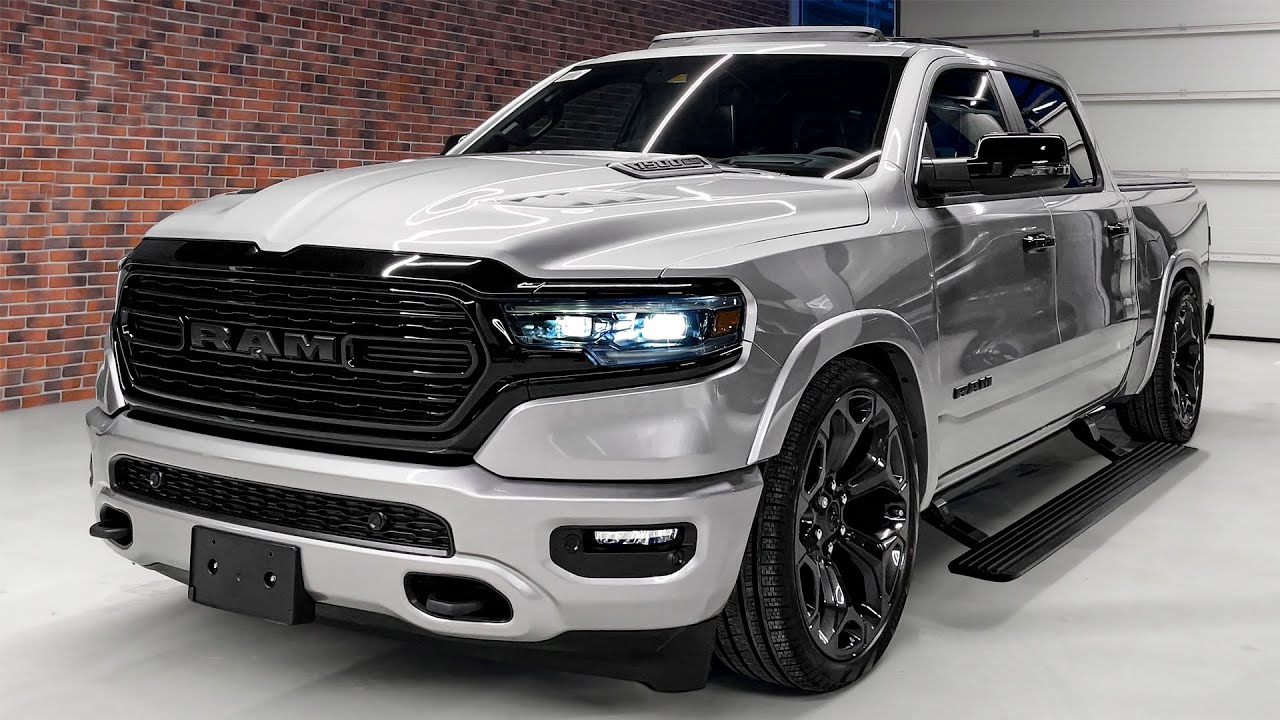
3. 2024 Ram 1500 with RamBox Storage and Protected Hardware
The Ram 1500 distinguishes itself with the RamBox cargo management system, an innovative feature that integrates weatherproof storage bins into the bed rails.
This design required Ram’s engineers to develop sophisticated hardware solutions that would maintain functionality despite constant exposure to moisture, road chemicals, and temperature extremes.
The result is a comprehensive corrosion-protection strategy that benefits not just the RamBox system but the entire bed structure. Ram employs what they term a “total corrosion protection” approach, which begins with heavily galvanized steel components as the foundation.
Over this, they apply multiple protective coatings, including e-coat (electrophoretic coating) that reaches into every crevice and threaded area, followed by additional sealants at critical junction points.
The RamBox hinges and locking mechanisms, which must operate reliably despite being essentially outdoor hardware exposed to all weather conditions, receive special attention with stainless steel pins, corrosion-resistant latch mechanisms, and sealed bearing assemblies that prevent moisture intrusion.
The bed mounting hardware on the Ram 1500 incorporates isolation technology that prevents the galvanic corrosion common when steel components contact aluminum or when dissimilar metals are joined in the presence of an electrolyte (like salt-contaminated water).
Each mounting point includes carefully engineered washers and bushings that electrically isolate components while maintaining structural strength.
This attention to detail extends to the tailgate hardware, where Ram uses stainless steel cables with protective sheathing rather than exposed chains, and hinge assemblies that feature sealed, pre-lubricated bearings rather than simple pin-and-bushing designs that require regular maintenance.
Real-world durability reports from Ram 1500 owners validate the effectiveness of this approach.
Trucks operated in severe corrosion environments including coastal commercial fishing operations, winter-state snow removal services, and agricultural applications involving regular exposure to fertilizer chemicals demonstrate minimal hardware degradation even after years of service.
The RamBox lids continue to open and close smoothly, the drainage systems remain unclogged by corrosion products, and the bed mounting bolts can be removed for service or accessory installation without the torch-and-grinder approach necessary with inferior hardware.
This maintained functionality preserves the truck’s versatility and work capability throughout its ownership cycle, ensuring that the investment in a premium truck continues to pay dividends year after year.
4. 2024 GMC Sierra AT4X with Extreme Environment Hardware Package
The GMC Sierra AT4X represents the pinnacle of off-road capability in GM’s truck lineup, and the engineers responsible for this variant understood that extreme terrain capability means nothing if the truck’s bed hardware fails under the stress of backcountry adventures.
The AT4X receives a specialized extreme environment hardware package that goes beyond standard Sierra specifications, incorporating lessons learned from military vehicle design and harsh-environment industrial applications.
Every fastener in the AT4X bed area receives a proprietary multi-layer coating process that includes zinc-nickel plating, a conversion coating, and a final seal coat.
This triple-protection strategy creates a barrier system where even if the outer layer is compromised through impact or abrasion, underlying protection layers prevent corrosion from reaching the base metal.
The bed-to-frame mounting bolts are oversized compared to standard models and manufactured from high-strength corrosion-resistant alloy steel, providing both the structural capability to handle severe off-road impacts and the corrosion resistance to maintain that strength over time.
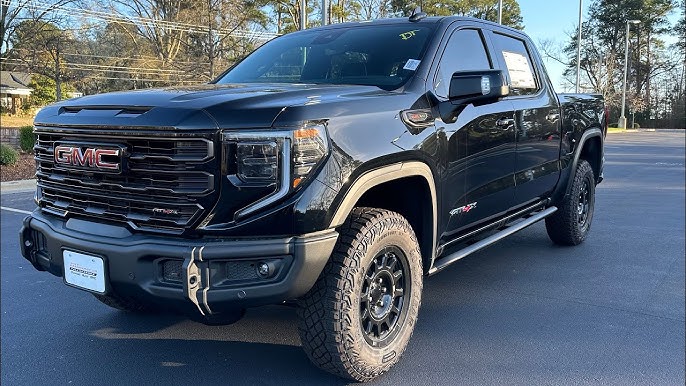
The Sierra AT4X’s tailgate hardware exemplifies the attention to detail in this package. The hinge assemblies feature sealed cartridge bearings that prevent mud, dust, and water intrusion common failures in off-road applications where creek crossings and muddy trails are routine.
The latch mechanism incorporates stainless steel striker plates and pawls with a self-cleaning design that prevents debris accumulation, ensuring the tailgate remains securely closed even when the mechanism is covered in dried mud or trail dust.
The bed tie-down system uses forged stainless steel hooks with working load limits that exceed many competitors while maintaining full corrosion resistance, allowing adventurers to secure loads with confidence regardless of weather exposure.
Owners who push their AT4X trucks to the limits rock crawlers who subject their vehicles to extreme articulation and impact loads, overlanders who spend weeks in remote areas with exposure to desert sand, mountain snow, and coastal fog, hunters who traverse wet forests and field roads report that the bed hardware maintains like-new operation despite treatment that would destroy lesser trucks.
The ability to rely on every tie-down point, every mounting bolt, and every hinge remaining functional when miles from assistance isn’t just convenient; it’s a safety requirement.
GMC’s investment in extreme environment hardware ensures that the AT4X’s capability isn’t compromised by premature hardware failure, maintaining the truck’s adventure-ready status throughout its ownership cycle.
Also Read: 6 EVs That Keep Cabin Heat Strong At Low SOC vs 6 That Taper Uncomfortably
5. 2024 Chevrolet Silverado HD with Commercial-Grade Bed Hardware
The Heavy Duty Silverado targets professional users whose livelihoods depend on their trucks’ daily performance, and Chevrolet’s engineers recognize that commercial operators cannot afford downtime due to corroded, seized, or failed bed hardware.
The Silverado HD receives commercial-grade bed hardware that meets or exceeds specifications used in medium-duty trucks and commercial equipment, representing a significant upgrade over light-duty truck standards.
The bed floor attachment system exemplifies this commercial approach. Rather than simple bolts threading into captured nuts, the Silverado HD uses Grade 8 corrosion-resistant fasteners with lock washers and thread-locking compounds that maintain secure attachment through years of heavy loading, vibration, and environmental exposure.
The stake pocket reinforcements are constructed from stainless steel rather than painted steel, ensuring that frequently used tie-down points don’t become weakened by corrosion that could lead to catastrophic load failure.
The fifth-wheel and gooseneck mounting provisions include stainless steel reinforcement plates and all-stainless hardware, recognizing that these high-stress attachment points must remain structurally sound throughout the truck’s working life.
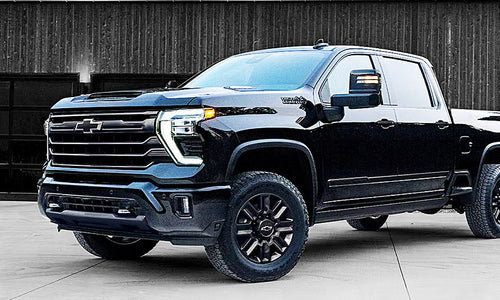
Chevrolet’s focus on commercial durability extends to serviceability considerations. The bed hardware is designed for removal and reinstallation without special tools, acknowledging that commercial operators often need to swap beds, install specialized equipment, or perform maintenance in field conditions without access to fully-equipped shops.
The thread designs resist cross-threading, the head styles accommodate standard socket sizes, and the torque specifications are achievable with common hand tools rather than requiring expensive precision equipment.
This practical approach recognizes that hardware, no matter how corrosion-resistant, becomes useless if it cannot be serviced when necessary. Fleet operators and commercial users report exceptional longevity from Silverado HD bed hardware.
Landscaping companies whose trucks are loaded daily with wet soil, mulch, and fertilizer; construction businesses whose vehicles transport abrasive concrete, rebar, and equipment; agricultural operations where trucks are exposed to fertilizer chemicals and animal waste all report that the Silverado HD’s bed hardware remains functional and serviceable after years of demanding use that would leave lesser trucks with seized, broken, or corroded hardware requiring expensive replacement.
This durability translates directly to lower total cost of ownership, reduced unexpected downtime, and maintained resale value, making the Silverado HD’s hardware investment a sound business decision rather than merely an engineering preference.
5 Trucks with Hardware Prone to Seizing and Snapping
These problematic vehicles suffer from cargo bed hardware manufactured from mild steel with inadequate corrosion protection, tie-down anchors using dissimilar metals creating galvanic corrosion, and tailgate mechanisms with exposed pivot points that rust solid within years of normal environmental exposure and render components completely inoperable without destructive removal methods.
Their flawed engineering includes bed rail cleats with thin zinc plating that wears through quickly, tailgate latch pins that corrode and bind preventing proper closure, and mounting bolts that rust into captive nuts making removal impossible without drilling out entire assemblies and damaging surrounding bed structure.
From routine exposure to road salt creating rust buildup to moisture trapped in poorly sealed mounting points accelerating corrosion, these troublesome bed components become permanently seized.
1. 2015 Nissan Titan with Standard Carbon Steel Hardware
The first-generation Nissan Titan, particularly models produced in the mid-2010s, illustrates the consequences of cost-optimization decisions that prioritize initial manufacturing expenses over long-term durability.
These trucks employed standard carbon steel fasteners throughout the bed area, with only basic paint or light zinc plating as corrosion protection.
This specification might seem adequate in a laboratory or during the truck’s first few years in benign climates, but real-world exposure quickly reveals the inadequacy of this approach.
Titan owners in corrosion-prone environments, the Rust Belt states, coastal regions, areas with heavy industrial pollution, and agricultural zones began reporting significant hardware deterioration within just three to five years of ownership.
The bed mounting bolts, which secure the cargo box to the frame rails, showed surface rust initially, but this quickly progressed to deep pitting that compromised thread integrity.
Owners attempting to remove these bolts for bed replacement, accessory installation, or frame repair discovered that the fasteners had seized so completely that standard hand tools couldn’t break them free.
The application of penetrating oils proved ineffective, and attempts at extraction frequently resulted in broken bolt heads, leaving shanks embedded in the frame that required drilling and re-tapping a time-consuming and expensive repair procedure.
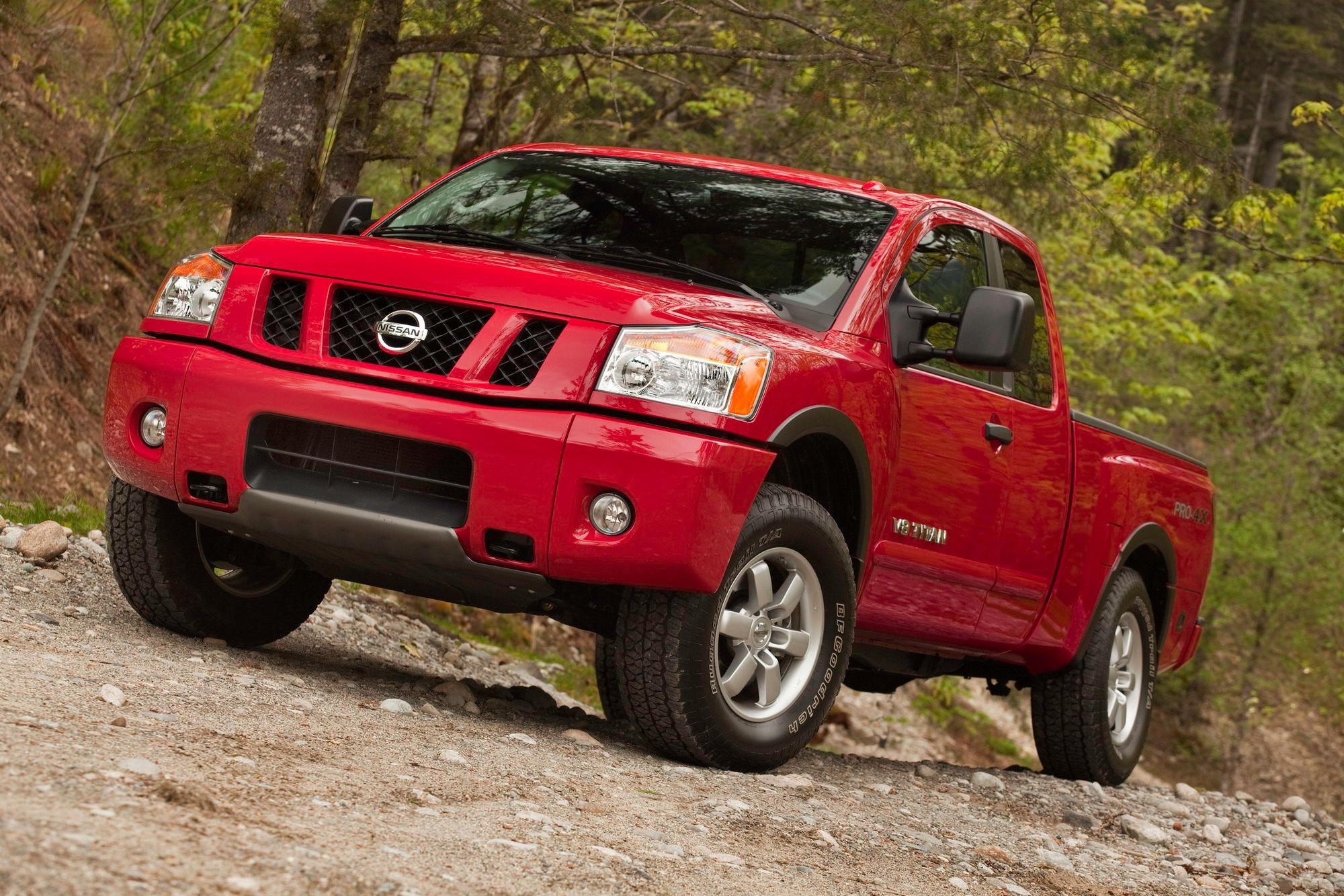
The tailgate hardware demonstrated even more dramatic failure modes. The hinge pins, manufactured from unprotected mild steel, corroded from the outside in while galvanic action from dissimilar metal contact accelerated degradation from within.
Owners reported progressively worsening tailgate operation, starting with increased effort required to open and close, progressing to grinding noises and resistance, and ultimately culminating in complete seizure or catastrophic hinge failure where the pin snapped under normal operating loads.
Replacement required not just new hinge pins but often new hinge brackets, as the corrosion process damaged the mounting points beyond repair.
The cost for professional tailgate hinge restoration ranged from $400 to $800, including parts and labor, for a repair that should never have been necessary on a relatively young truck.
The stake pocket hardware and bed-mounted tie-down points showed similar deterioration patterns. The threaded inserts that accept tie-down loops corroded to the point where owners reported that inserted hooks seized in place and couldn’t be removed, or the threads stripped when attempting to install tie-downs because corrosion had weakened the metal structure.
The utility of the truck bed its fundamental purpose became compromised as reliable cargo securing became problematic or impossible.
The financial impact extended beyond direct repair costs to include reduced vehicle utility, decreased resale value, and the frustration of owning a truck that appeared serviceable but lacked functional cargo-securing capability.
2. 2016 Chevrolet Silverado 1500 Base Model with Economy Hardware Package
While Chevrolet’s Heavy Duty models receive commercial-grade hardware as previously discussed, the base-level 1500 models from this era employed a significantly different hardware specification driven by price-point competitiveness.
These economy-trim trucks used standard-grade fasteners with minimal corrosion protection, creating a dramatic quality difference within the same brand’s product line that confused and frustrated customers who expected consistent Chevrolet quality across the range.
The bed floor mounting bolts on these base-model Silverados became notorious among owners and independent repair shops for premature failure.
The combination of standard carbon steel construction, inadequate protective coating, and a bed design that allowed water and road spray to directly contact the fasteners created a perfect environment for aggressive corrosion.
Owners in northern states where calcium chloride and sodium chloride road treatments are applied liberally during winter months reported that within three to four years, the bed mounting bolts showed significant corrosion, and by year six or seven, removal without damage became virtually impossible.
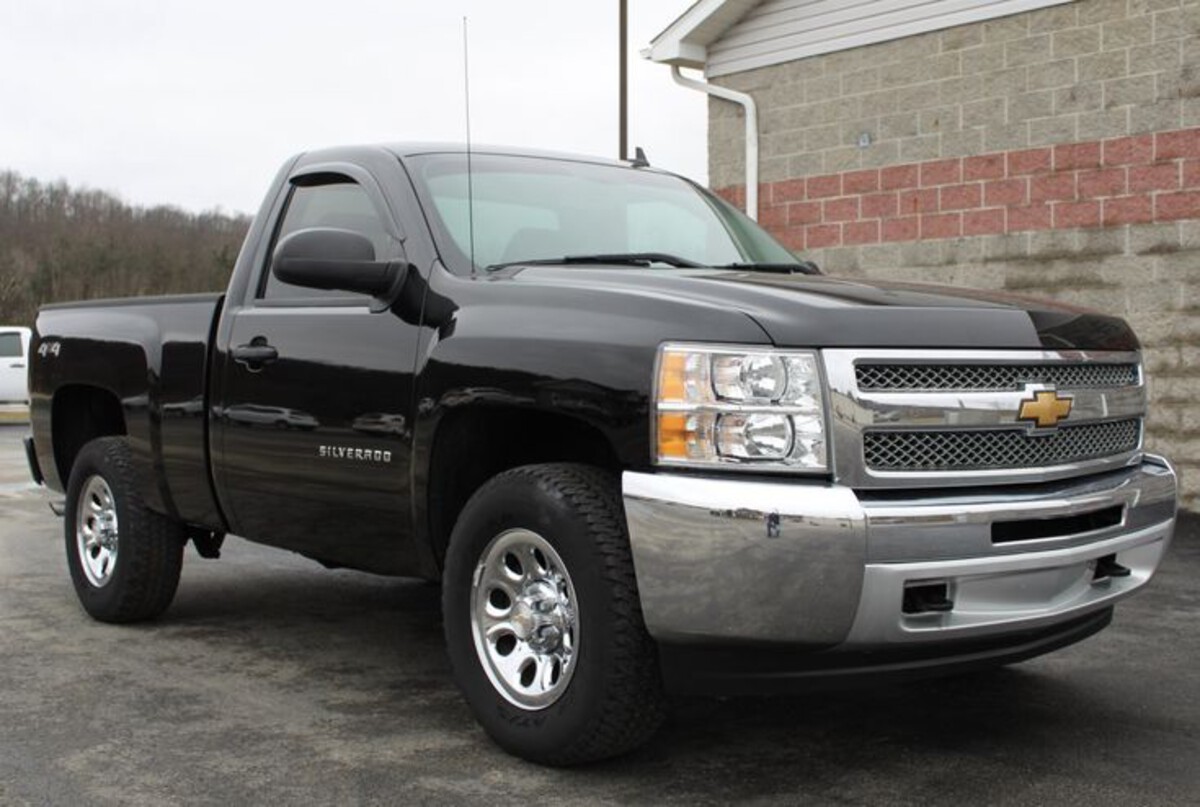
The practical consequences manifested in multiple scenarios. Owners wanting to install spray-in bedliners a popular aftermarket upgrade that requires temporary bed removal, discovered that extracting the bed mounting bolts would likely result in broken fasteners and frame damage, increasing the cost of a straightforward installation by hundreds of dollars.
Accident repairs requiring bed removal or realignment faced similar challenges, with body shops reporting that seized hardware added significant labor time and expense to what should have been routine procedures.
Frame rust repair, an increasingly necessary service for trucks in corrosion-prone regions, became prohibitively expensive when seized bed bolts complicated or prevented bed removal without destructive techniques.
The tailgate cables on these base-model trucks presented additional problems. Rather than using stainless steel or properly protected carbon steel, the chains employed low-cost plated mild steel that corroded rapidly.
The combination of road spray from the rear wheels, salt accumulation, and the constant flexing from tailgate operation accelerated corrosion.
Owners reported rusty chains within two to three years, and chain failure where the links corroded through and separated, allowing the tailgate to fall open unexpectedly or drop off entirely became common by year five to seven.
Beyond the obvious safety hazards of a falling tailgate, this failure mode could result in lost cargo, damage to following vehicles, and liability concerns. Replacement chains cost $50 to $150 per set plus installation, a repair that quality hardware would have eliminated.
The bed side rail hardware, including stake pocket reinforcements and side-mounted tie-down anchors, suffered similar fates.
Owners who regularly used their trucks for work purposes, contractors, landscapers, and small business operators found that the bed hardware degraded faster than the vehicle’s other components, creating a situation where an otherwise capable truck had a functionally compromised cargo area.
The reputation damage from these hardware failures affected not just individual owner satisfaction but also tarnished perceptions of the entire brand’s quality and durability commitment.
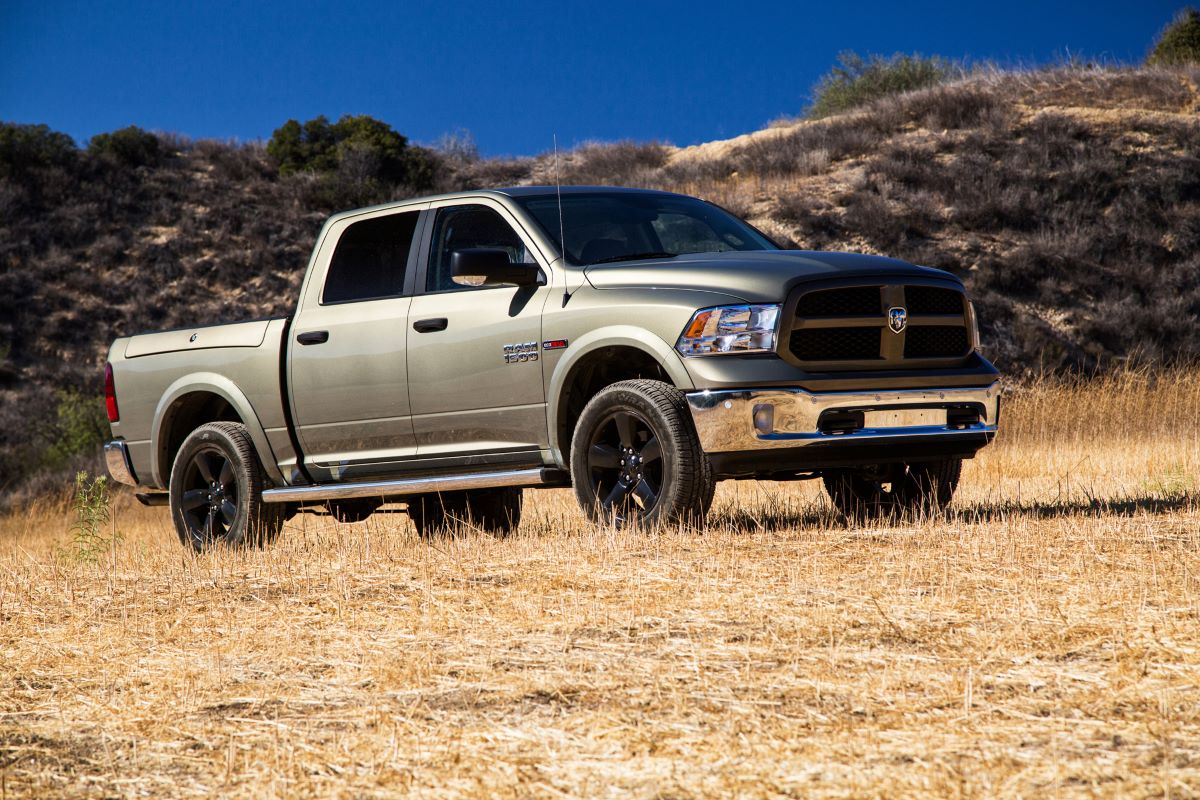
3. 2014 Ram 1500 with Recalled Tailgate Hardware
The 2014 Ram 1500 provides a particularly instructive case study in how hardware quality issues can escalate from customer complaints to safety recalls.
While Ram’s newer models employ sophisticated corrosion protection as previously discussed, this earlier generation used tailgate hinge hardware that proved inadequate for real-world conditions.
The hinges employed a design that combined dissimilar metals without proper isolation or corrosion protection, creating galvanic cells that accelerated corrosion at a rate that surprised even the engineers who specified the components.
The failure mode followed a predictable but dangerous pattern. Surface corrosion appeared within the first two to three years, often dismissed by owners as cosmetic deterioration that wouldn’t affect function.
However, the corrosion progressed internally within the hinge assemblies, weakening the structural components while leaving external appearance relatively unchanged.
Owners began reporting sudden tailgate failures where the hinges gave way without warning, allowing the tailgate to fall open while driving or, in more dangerous scenarios, causing the tailgate to detach completely from the truck.
The National Highway Traffic Safety Administration (NHTSA) received numerous complaints of tailgates falling onto roadways, creating hazards for following traffic and prompting an official investigation.
The resulting recall campaign required Ram to replace tailgate hinges on hundreds of thousands of vehicles, at substantial cost to the manufacturer and significant inconvenience to owners.
The recall procedure involved installing redesigned hinge assemblies with improved corrosion protection, but many affected trucks had already sustained secondary damage from the failing original hardware.
Corroded hinges had damaged the mounting points on both the bed side panels and the tailgate itself, requiring additional repairs beyond the simple hinge replacement.
Owners whose trucks had sustained this secondary damage faced situations where the recall repair didn’t fully restore functionality, necessitating additional out-of-pocket repairs.
The economic impact extended beyond direct repair costs. Affected trucks saw decreased resale values, as potential buyers became aware of the hardware issues and discounted their purchase offers accordingly.
Owners who had purchased these trucks expecting Ram’s reputation for durability, felt betrayed by the quality shortcut that led to the recall.
The situation illustrates how seemingly minor cost savings using inferior hardware specifications saved perhaps $20 to $30 per vehicle during manufacturing, created enormous downstream costs in warranty repairs, recall expenses, reputation damage, and customer satisfaction problems that likely exceeded the original savings by several orders of magnitude.
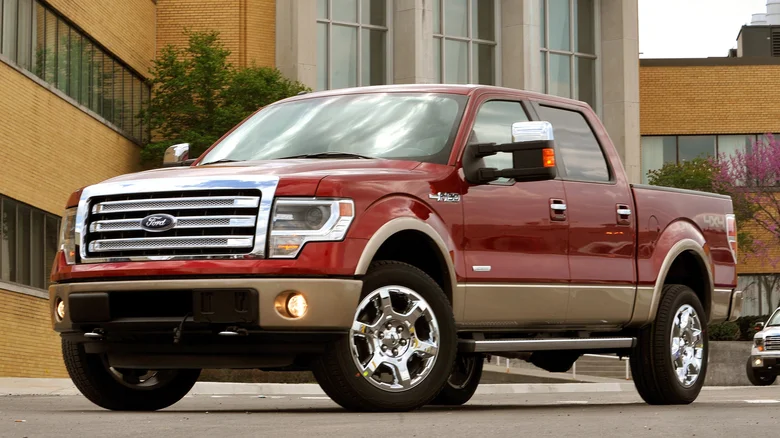
4. 2013 Ford F-150 with Steel Bed and Inadequate Hardware Protection
The 2013 F-150, produced before Ford’s transition to aluminum bodies, represents an interesting counterpoint to the corrosion-resistant hardware found in newer F-150s.
These steel-bed trucks employed conventional carbon steel fasteners with standard automotive-grade coatings that proved inadequate for the harsh environments many trucks encounter.
While Ford would later recognize the importance of hardware quality in their aluminum-bodied trucks, this earlier generation suffered from specification decisions that prioritized cost over longevity.
The bed mounting bolts on these trucks became particularly problematic in the five-to-eight-year ownership timeframe. The fasteners themselves corroded, but an additional problem emerged from the bed design, which created moisture traps at several mounting locations.
Water and road spray accumulated in pockets around the bolts, creating persistent wet conditions that accelerated corrosion. Owners reported that the rear-most bed mounting bolts those closest to the tailgate and most exposed to road spray failed first, progressing forward along the frame as the truck aged.
Removal attempts frequently resulted in twisted-off bolt heads, leaving shanks embedded in the frame that required extraction by drilling.
The implications for repair and modification became severe. Owners wanting to perform common upgrades like installing fifth-wheel or gooseneck hitches, which require bed removal for proper installation, faced unexpected costs when bed bolt extraction proved difficult or impossible.
Repair shops quoted $1,000 to $2,000 in additional labor for bed bolt extraction, drilling, re-tapping, and installation of oversize fasteners expenses that often exceeded the cost of the hitch installation itself.
Some owners abandoned the upgrade entirely, unable or unwilling to invest in the extraction work necessary to access the frame for proper hitch mounting.
The bed floor itself presented additional problems. The bed-to-floor attachment bolts, which secure wooden or composite floor supports in some configurations, corroded and seized.
When the floor supports inevitably deteriorated and required replacement a normal maintenance item on working trucks removal of the old supports became impossible without destructive methods.
Owners reported having to cut supports apart, drill out seized fasteners, and fabricate new mounting solutions, transforming a straightforward floor replacement into an extensive fabrication project.
The tie-down hardware showed similar deterioration patterns, with threaded anchors seizing or stripping due to corrosion damage.
The stake pockets, frequently used by commercial operators for securing ladder racks and cargo restraints, corroded to the point where inserted stakes seized in place or, conversely, where the pockets became so deteriorated that they no longer provided secure mounting.
These functional compromises reduced the truck’s utility and work capability, forcing owners to develop workarounds for cargo securing rather than being able to rely on the factory-provided tie-down system.
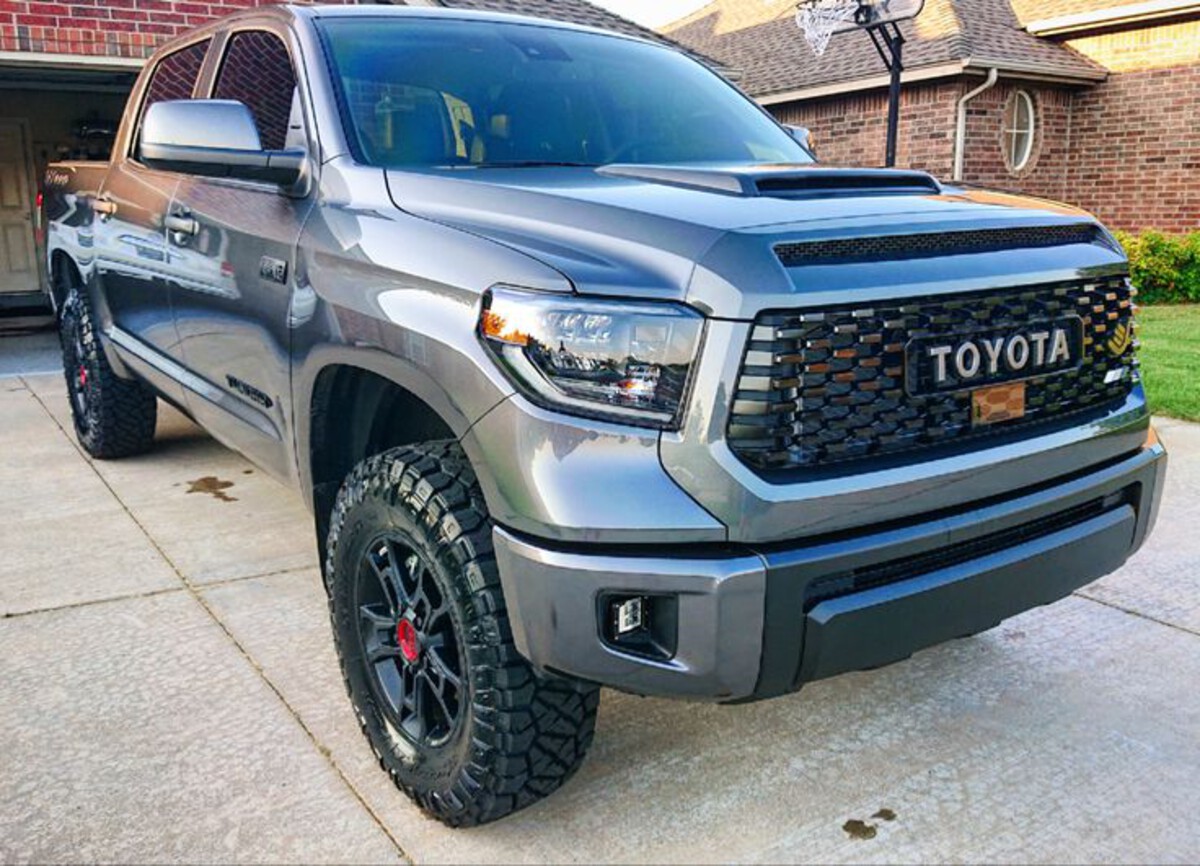
5. 2015 Toyota Tundra Base Model with Cost-Reduced Hardware
While Toyota’s newer Tundras employ marine-grade hardware as discussed earlier, the base-model Tundras from this 2015 timeframe used a significantly downgraded hardware specification as a cost-reduction measure.
This decision created a quality inconsistency within Toyota’s lineup that contradicted the brand’s reputation for uniform excellence and caught many buyers by surprise, as they expected consistent Toyota quality regardless of trim level.
The bed mounting hardware on these base models employed standard-grade fasteners with zinc plating as the sole corrosion protection.
This specification might have been adequate in dry, temperate climates, but proved woefully insufficient in environments with road salt exposure, coastal salt air, or high humidity.
Owners in the Northeast, Pacific Northwest coastal areas, and the Southeast began reporting bed bolt corrosion within four to five years, with seizure problems emerging by year six to eight.
The corrosion pattern was particularly aggressive because the zinc plating provided initial protection but, once compromised by stone chips or other abrasion, offered no barrier to rapid corrosion progression.
The tailgate hardware on these base-model Tundras demonstrated similar cost-cutting compromises. Rather than the sealed, self-lubricating hinges found in higher trim levels and later model years, these trucks used simple pin-and-bushing designs with minimal corrosion protection.
The constant opening and closing of the tailgate, combined with exposure to road spray and environmental moisture, created conditions where the pins corroded and seized within their bushings.
Owners reported increasingly stiff tailgate operation, progressing to complete seizure where the tailgate couldn’t be opened without extraordinary force, or catastrophic failure where corroded pins snapped under normal operating loads.
The practical impacts affected both personal and commercial users. Contractors who purchased base-model Tundras to save money on initial purchase price found that the hardware failures created ongoing expense and frustration that eliminated the initial savings.
Homeowners who bought Tundras based on Toyota’s reliability reputation felt deceived when hardware problems emerged years before they expected any significant vehicle issues.
The resale market reflected these problems, with base-model Tundras from this era commanding lower prices than equivalent higher-trim models not just because of feature differences but because of awareness about the hardware quality issues.
The situation prompted Toyota to revise their hardware specifications in subsequent model years, returning to uniform high-quality fasteners across all trim levels. However, owners of the affected trucks were left managing the consequences of the cost-reduction experiment.
Some invested in preventive hardware replacement, proactively installing stainless steel or otherwise upgraded fasteners before corrosion progressed to the seizure stage.
Others dealt with problems as they arose, facing unexpected repair bills and reduced vehicle utility. The episode serves as a cautionary tale about the long-term consequences of cost optimization decisions that compromise fundamental component quality, particularly for manufacturers whose brand reputation is built on exceptional durability and reliability.
Also Read: 8 Platforms With Wheel Bearings That Last vs 8 That Hum Before 80k
