
Wheel bearings are among the most critical yet underappreciated components in any vehicle’s suspension system.
These precision-engineered assemblies allow your wheels to rotate smoothly with minimal friction, supporting the entire weight of your vehicle while enduring constant rotational forces, lateral loads during cornering, and the relentless impact of road imperfections.
The difference between a well-engineered wheel bearing system and a problematic one can mean the difference between carefree driving and costly repairs, between silent operation and the telltale humming that signals impending failure.
Wheel bearing longevity has become a defining characteristic that separates automotive platforms built with genuine engineering excellence from those compromised by cost-cutting or inadequate design.
While most manufacturers claim their vehicles are built to last, the real-world performance of wheel bearings tells a more honest story. Some platforms routinely see their original bearings last 150,000, 200,000, or even 300,000 miles with nothing more than routine maintenance.
Others begin to develop the characteristic humming, grinding, or growling noise well before reaching 80,000 miles, forcing owners into expensive repairs and raising questions about the build quality.
The reasons behind these dramatic differences are multifaceted and revealing. Superior platforms typically feature high-quality sealed bearing units with robust sealing systems that effectively keep contaminants out while retaining critical lubrication.
They employ proper load distribution through well-designed suspension geometry, use premium materials in bearing construction, and maintain tight manufacturing tolerances.
These vehicles often come from manufacturers with strong engineering cultures and comprehensive testing protocols that catch potential weaknesses before they reach consumers.
For consumers, understanding which platforms excel in wheel bearing longevity and which struggle provides valuable insight into vehicle quality and long-term ownership costs.
Wheel bearings aren’t just about noise; failed bearings can affect vehicle handling, increase fuel consumption, and in extreme cases, pose serious safety risks.
This comprehensive analysis examines sixteen platforms, eight that have earned reputations for exceptional bearing durability and eight notorious for premature bearing failure, helping you make informed decisions whether you’re buying new, shopping used, or simply trying to understand what to expect from your current vehicle.
8 Platforms with Wheel Bearings That Last
These exceptionally engineered vehicles feature hub assemblies utilizing premium sealed bearing units with robust tapered roller or ball bearing designs, generous grease capacity, and effective sealing systems that exclude water and contaminants while retaining lubrication throughout extended service intervals.
Their thoughtful engineering includes bearing assemblies properly sized for vehicle weight and load capacity, suspension geometries that minimize side-loading forces on hub units, and quality control processes ensuring proper preload settings that prevent premature wear from excessive play or binding conditions.
From harsh winter roads covered in corrosive salt to rough pavement transmitting constant shock loads through wheel assemblies, these remarkable bearings continue rotating smoothly without developing the characteristic humming noise, excessive play, or heat generation that indicates imminent failure.
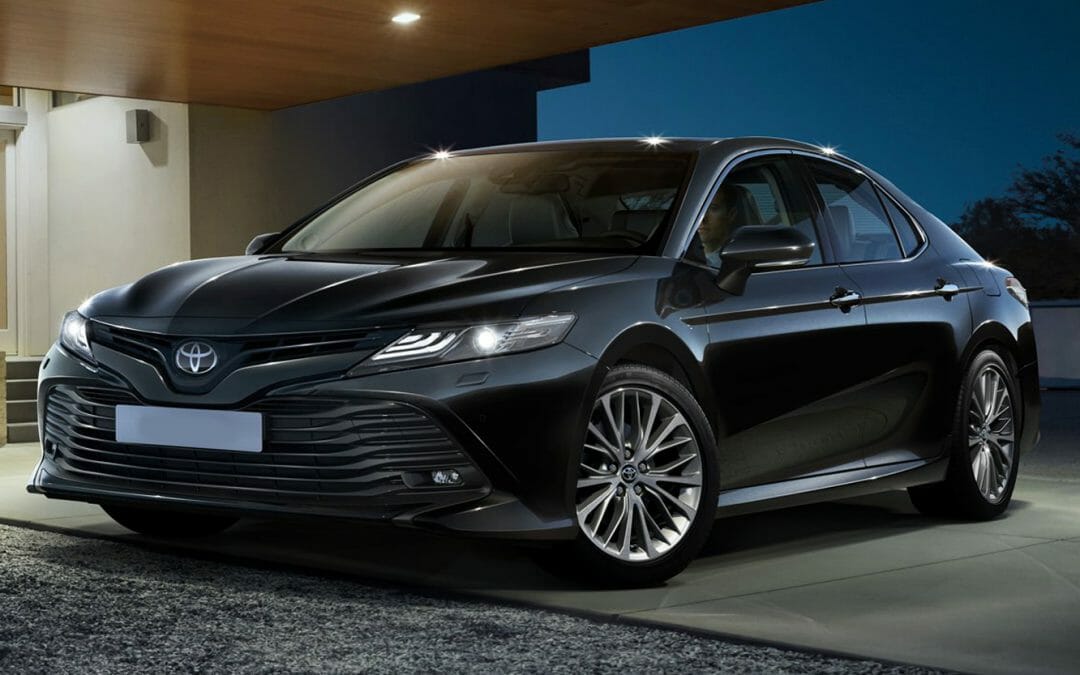
1. Toyota Camry/Avalon (XV70/XX50 Platform)
The Toyota Camry and Avalon, built on Toyota’s robust K platform and later TNGA-K architecture, have established themselves as benchmarks for wheel bearing longevity.
Owners routinely report original wheel bearings remaining whisper-quiet well past 150,000 miles, with many examples exceeding 200,000 miles without requiring bearing replacement.
This exceptional durability stems from Toyota’s conservative engineering philosophy and relentless focus on long-term reliability over short-term cost savings.
Toyota’s wheel bearing assemblies on these platforms feature premium sealed bearing units with multiple sealing lips that effectively exclude water, salt, and contaminants even in harsh winter climates.
The bearing design incorporates high-grade steel with precise heat treatment processes that optimize hardness and resistance to wear.
Toyota’s manufacturing tolerances are exceptionally tight, ensuring proper fitment that prevents the micro-movements and fretting that can lead to premature failure in lesser designs.
The suspension geometry on these platforms distributes loads evenly across the bearing assembly, avoiding the stress concentrations that plague some competitors.
Toyota engineers conducted extensive testing under extreme conditions from the salt-laden roads of northern climates to the punishing heat of desert environments to validate bearing performance across the vehicle’s expected lifecycle.
The hub assemblies themselves are robustly constructed, providing stable mounting that prevents deflection under load.
Quality control throughout the supply chain contributes significantly to this reliability. Toyota maintains strict vendor qualification processes and incoming inspection protocols that catch defective components before assembly.
The company’s famous production system emphasizes building quality into every step rather than inspecting problems out later, resulting in consistently excellent components.
The Camry and Avalon’s wheel bearing success reflects Toyota’s broader engineering culture that prioritizes longevity and customer satisfaction over maximizing profit margins on individual components.
While competitors might specify bearings adequate for 100,000 miles and call it sufficient, Toyota engineers for significantly longer service life, understanding that reliability builds brand loyalty worth far more than the incremental cost savings from cheaper bearings.
Maintenance requirements are minimal; these bearings are sealed units requiring no periodic lubrication. The robust sealing systems protect internal components so effectively that even vehicles in severe-duty applications like taxi service or northern winter climates maintain quiet operation for extraordinary mileages.
When bearing replacement eventually becomes necessary, it’s typically due to external damage from road debris or collision rather than normal wear.
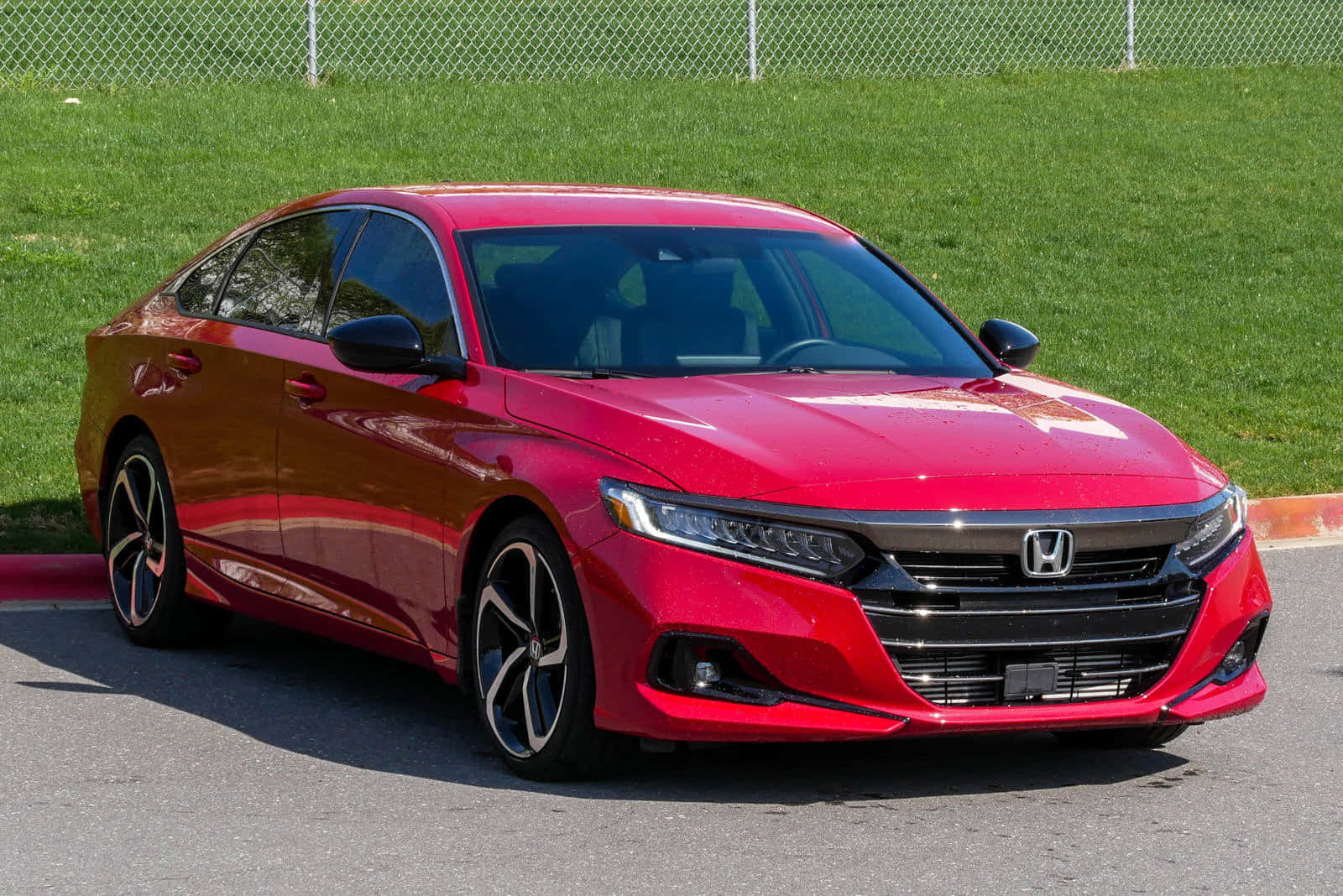
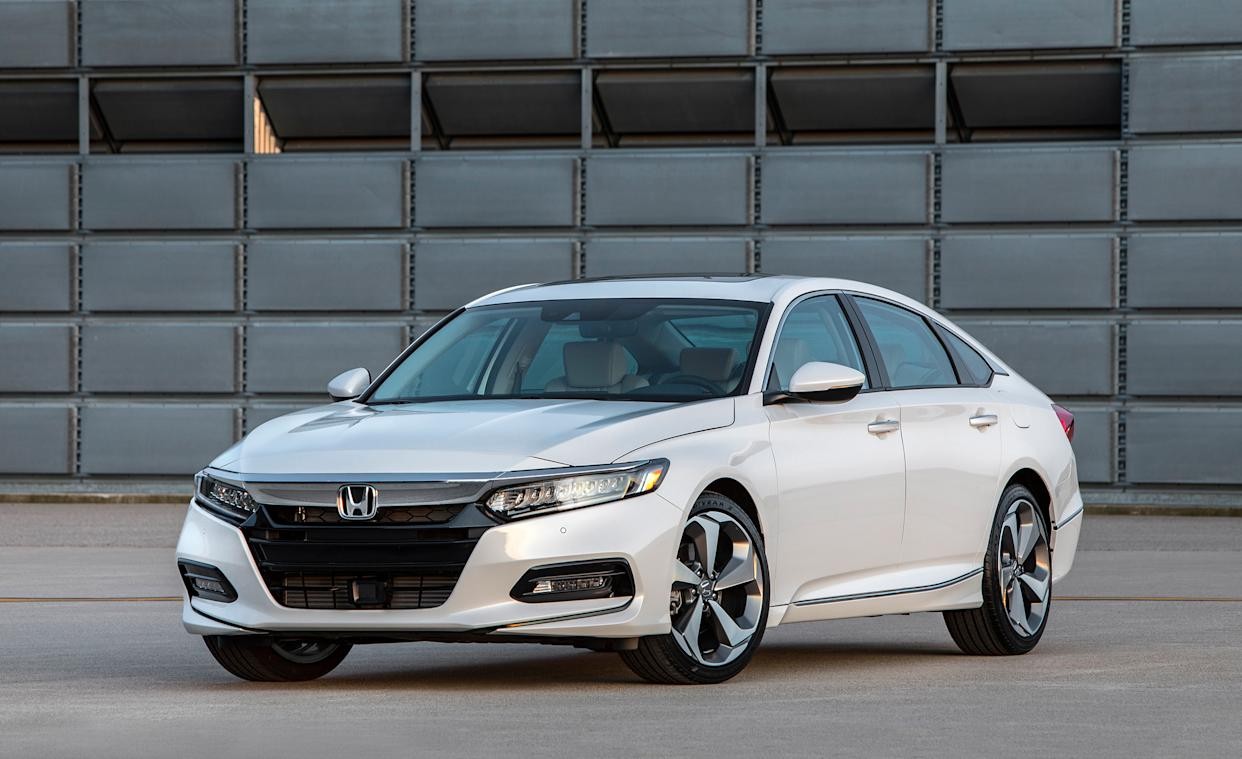
2. Honda Accord/CR-V (Tenth Generation Platform)
Honda’s tenth-generation Accord and contemporary CR-V exemplify the engineering excellence that has made Honda synonymous with reliability.
The wheel bearing assemblies on these platforms demonstrate exceptional longevity, with owners regularly reporting trouble-free operation past 175,000 miles.
Honda’s approach combines precision manufacturing, premium materials, and thoughtful design integration that protects bearings from the environmental factors that typically lead to premature failure.
Honda employs high-quality tapered roller bearing designs in sealed hub assemblies that provide superior load-carrying capacity compared to ball bearing alternatives.
The tapered roller configuration distributes loads more evenly across the bearing surfaces, reducing stress concentrations and extending service life.
The sealed assembly incorporates advanced elastomeric seals with multiple sealing surfaces that maintain effectiveness even as components experience thermal expansion and contraction through temperature cycles.
The bearing materials themselves represent the upper tier of what’s available in automotive applications. Honda specifies premium bearing steels with optimized carbon content and alloying elements that provide excellent fatigue resistance and dimensional stability.
Heat treatment processes are carefully controlled to achieve the ideal balance of surface hardness for wear resistance and core toughness to resist crack propagation.
Honda’s manufacturing processes maintain extremely tight tolerances on critical dimensions. The bearing bores in the hub assemblies and the outer diameter of the bearing races are held to specifications measured in micrometers, ensuring perfect fitment without excessive clearance that could allow movement or interference that could cause binding.
This precision extends to the roundness and concentricity of all rotating elements, minimizing vibration and uneven wear patterns. The suspension design on these platforms contributes to bearing longevity through geometry that minimizes side loads and moments that stress bearings.
Honda engineers optimized the suspension pickup points, control arm lengths, and steering axis inclination to ensure forces transmitted to the wheel bearings remain primarily in the radial direction, where the bearings are strongest.
This attention to load path optimization pays dividends in component longevity throughout the suspension system. Honda’s global testing program subjects vehicles to millions of miles of proving ground and real-world evaluation before production begins.
This includes specific durability testing focused on wheel bearings, where vehicles traverse obstacle courses, endure extended high-speed running, and experience thermal cycling designed to accelerate any potential failure modes. Only designs that pass these rigorous tests reach production.
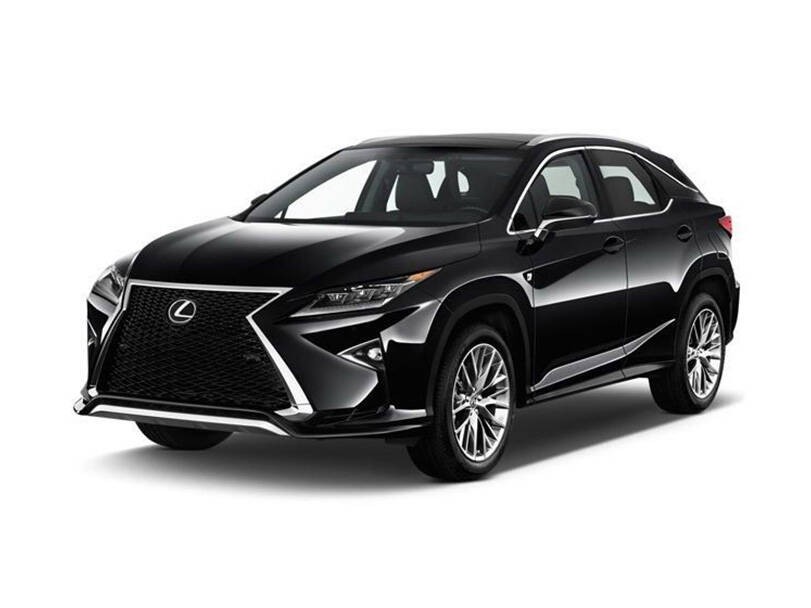
3. Lexus ES/RX (AL/AL20 Platform)
Lexus vehicles, representing Toyota’s luxury division, take wheel bearing durability to an even higher standard than their Toyota counterparts.
The ES sedan and RX crossover feature wheel bearing assemblies engineered for virtually silent operation throughout extraordinarily long service lives, with many owners reporting original bearings remaining perfect past 200,000 miles.
This exceptional performance reflects Lexus’s obsessive attention to NVH (noise, vibration, and harshness) refinement and the premium quality standards expected in luxury vehicles.
The wheel bearing assemblies in Lexus vehicles feature enhanced sealing systems beyond what’s found in mainstream Toyota products.
Multiple sealing elements with different materials and geometries work together to exclude contaminants while retaining lubrication.
The innermost seals are designed for primary contamination exclusion, while secondary seals provide backup protection. Tertiary labyrinth seals create tortuous paths that prevent moisture intrusion even during pressure washing or deep water crossings.
Lexus specifies premium synthetic greases with advanced additive packages formulated specifically for long-life bearing applications.
These lubricants maintain their viscosity and protective properties across extreme temperature ranges and resist oxidation and degradation even after decades of service.
The grease quantities are precisely controlled during assembly to ensure optimal lubrication without over-packing, which could cause excessive internal friction and heat generation.
The manufacturing environment for Lexus components operates under cleanroom-like conditions that minimize particulate contamination during assembly.
Bearing assemblies are packaged immediately after production in protective containers that maintain cleanliness until final vehicle assembly.
This attention to contamination control eliminates one of the primary causes of premature bearing failure: debris embedded during manufacturing.
The refinement testing that Lexus conducts specifically targets bearing noise as an unacceptable defect. Development vehicles are evaluated by sensitivity panels trained assessors who can detect noise and vibration anomalies imperceptible to typical drivers.
Any bearing design that shows even the slightest tendency toward noise development over the test program is rejected and redesigned. This uncompromising approach ensures Lexus owners enjoy silent operation throughout the vehicle’s lifetime.
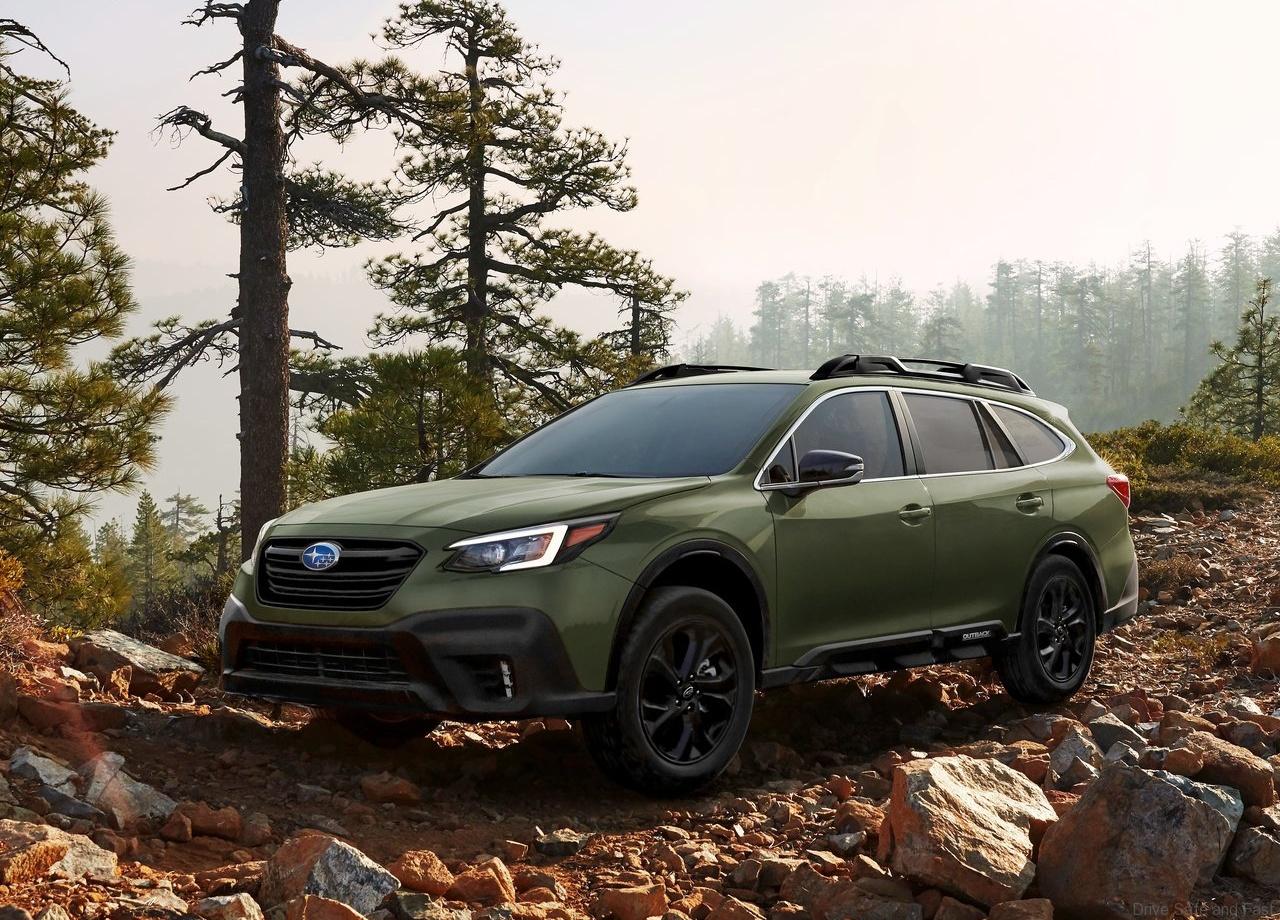
4. Subaru Outback/Legacy (Sixth Generation)
Subaru’s sixth-generation Outback and Legacy mark a significant achievement in wheel bearing durability for the brand, which has not always been known for bearing longevity.
These recent platforms feature substantially improved bearing assemblies that are demonstrating excellent longevity, with many owners reporting quiet operation past 150,000 miles without issues.
Subaru learned from previous generation weaknesses and implemented comprehensive improvements that have transformed these models into reliability standouts.
The improved bearing performance begins with upgraded sealing designs that address moisture intrusion issues that plagued earlier Subaru models.
The new bearing assemblies feature reinforced seals with enhanced lip designs that maintain contact pressure even as components wear.
The seal materials are upgraded formulations with better resistance to ozone, UV exposure, and the harsh chemicals found in road treatments.
These improvements are particularly important for Subaru’s customer base, which includes many drivers in northern climates with severe winter conditions.
Subaru increased the bearing size specifications on these platforms, providing greater load-carrying capacity and improved heat dissipation.
The larger bearings operate at lower unit pressures, reducing wear rates and extending service life. The increased thermal mass helps prevent temperature spikes during demanding driving conditions like mountain descents with heavy braking or towing applications, where brake heat can conduct into wheel bearings.
The hub assemblies themselves received substantial strengthening to reduce deflection under load. Previous generation Subarus sometimes experienced hub flexing that allowed bearing misalignment and uneven loading.
The new designs feature increased wall thickness in critical areas and optimized reinforcement ribs that maintain bearing alignment even under maximum cornering loads. This structural improvement eliminates a major contributor to premature bearing wear.
The improvement in wheel bearing performance on these Subaru platforms demonstrates how manufacturers can successfully address historical weak points through dedicated engineering effort.
Subaru’s investment in bearing system improvements reflects the company’s commitment to matching the reliability expectations of core competitors like Toyota and Honda, essential for maintaining customer loyalty in a competitive market segment.
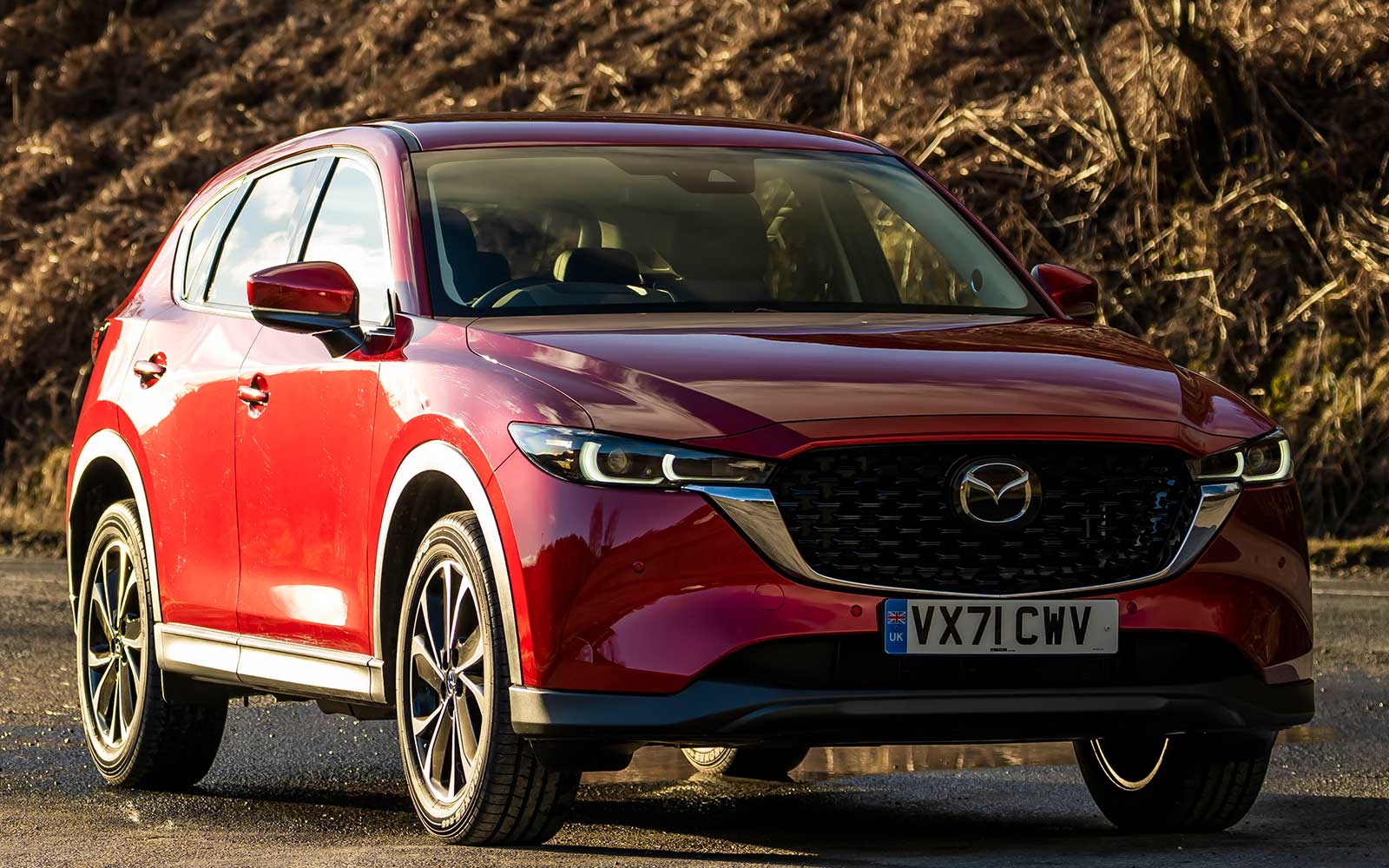
5. Mazda CX-5/Mazda6 (Third/Third Generation)
Mazda’s current-generation CX-5 and Mazda6 models, built on the company’s SkyActiv platform architecture, showcase exceptional wheel bearing durability that rivals or exceeds competitors despite Mazda’s relatively smaller size and engineering resources.
Owners consistently report quiet wheel bearing operation past 140,000 miles, with many vehicles exceeding 180,000 miles on original bearings.
This achievement reflects Mazda’s engineering philosophy of doing more with less through intelligent design rather than simply throwing expensive solutions at problems.
Mazda’s wheel bearing assemblies feature optimized internal geometry that maximizes contact area between rolling elements and races.
This design approach distributes loads more evenly, reducing peak stresses that can lead to fatigue failures. Computer modeling and finite element analysis allowed Mazda engineers to refine bearing profiles to achieve near-ideal pressure distributions across the entire operating range of speeds and loads the vehicle experiences.
The materials Mazda specifies for bearing components are carefully selected for the specific application. Rather than using one-size-fits-all bearing steels, Mazda employs different materials optimized for the front bearings (which carry more weight and experience more braking heat) versus rear bearings.
This tailored approach ensures each bearing is optimized for its specific duty cycle without over-engineering and adding unnecessary cost.
Mazda’s testing program for wheel bearings includes specific evaluations on the rough roads and harsh conditions common in markets worldwide.
Vehicles undergo extended testing in northern Europe’s winter conditions, the punishing heat of Middle Eastern deserts, and the rough roads of developing markets.
This comprehensive validation ensures bearing assemblies can withstand the full spectrum of conditions owners might encounter, regardless of where they drive.
Also Read: 10 Automatic Transmissions That Rarely Need A Rebuild
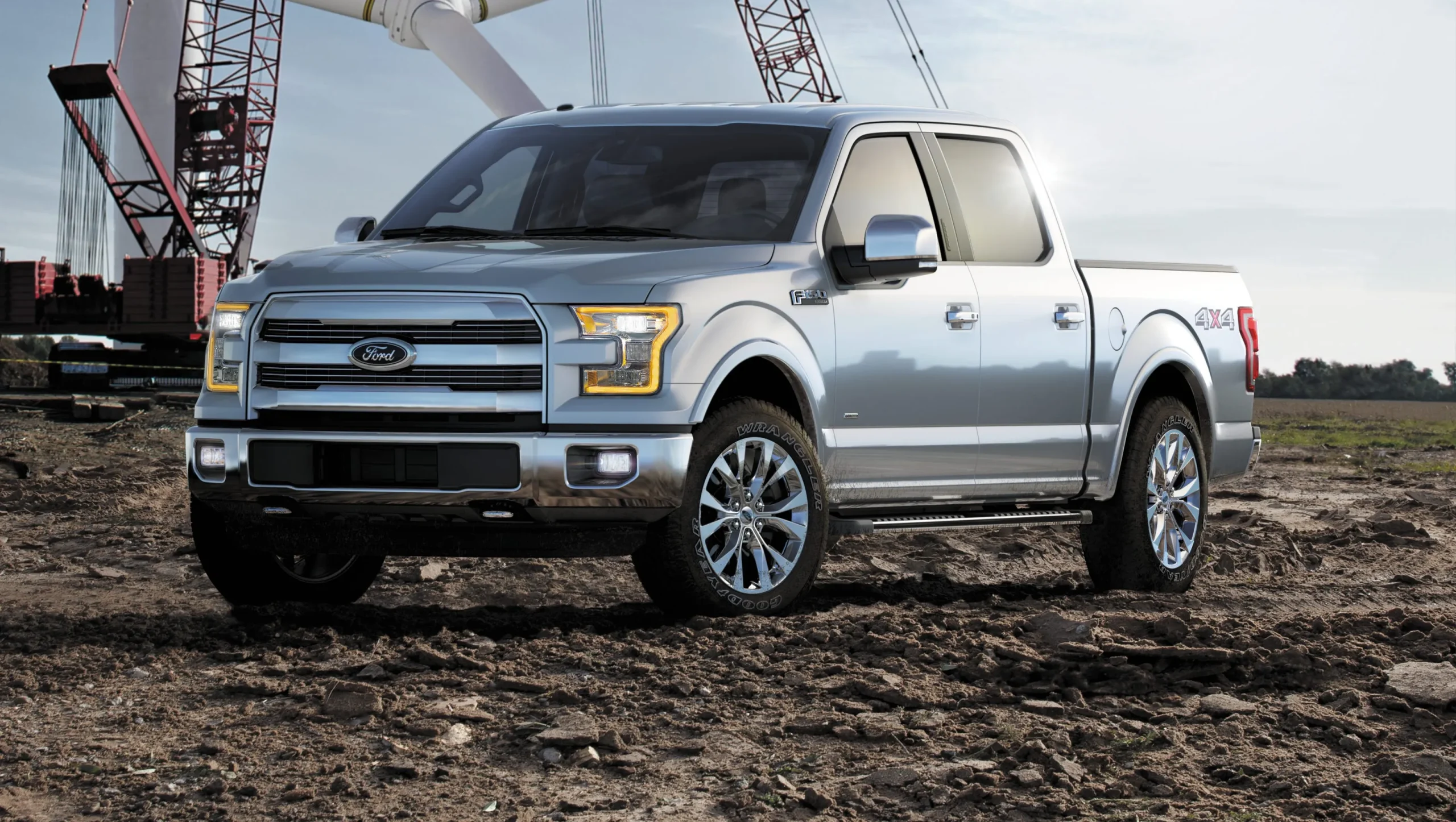
6. Ford F-150 (2015-2024, Thirteenth/Fourteenth Generation)
The Ford F-150 stands as America’s best-selling vehicle, and the modern aluminum-bodied generations demonstrate impressive wheel bearing durability despite operating under challenging conditions.
Full-size pickup trucks place extraordinary demands on wheel bearings heavy curb weights approaching 5,000 pounds, payload capacities adding thousands of pounds more, frequent towing, and rough-road operation all stress these components.
Despite these challenges, the thirteenth and fourteenth-generation F-150 consistently delivers wheel bearing life exceeding 100,000 miles, with many examples reaching 150,000 miles or more even under harsh working conditions.
Ford’s wheel bearing design for the modern F-150 reflects decades of refinement and extensive real-world testing. The bearing assemblies feature robust construction with large-diameter bearings that provide ample load capacity for the truck’s capabilities.
Ford engineers conducted extensive durability testing that included fully loaded towing over rough roads, simulating the harsh conditions work trucks often face.
This testing informed bearing specifications that ensure adequate safety margins even when the truck operates at maximum capability.
The bearings also incorporate advanced sealing technology that protects against the water, mud, and dust that trucks frequently encounter on construction sites or off-road trails.
Owner satisfaction data and reliability surveys support the F-150’s wheel bearing reliability. While earlier F-150 generations experienced some bearing issues, the modern aluminum-bodied trucks have largely resolved these problems.
Owner forums show that F-150 drivers generally don’t worry about wheel bearings, focusing instead on routine maintenance items like oil changes and brake service.
Independent mechanics report that F-150 bearing replacement is typically a high-mileage maintenance item rather than a premature failure, a testament to the engineering improvements Ford has implemented in its most important product.
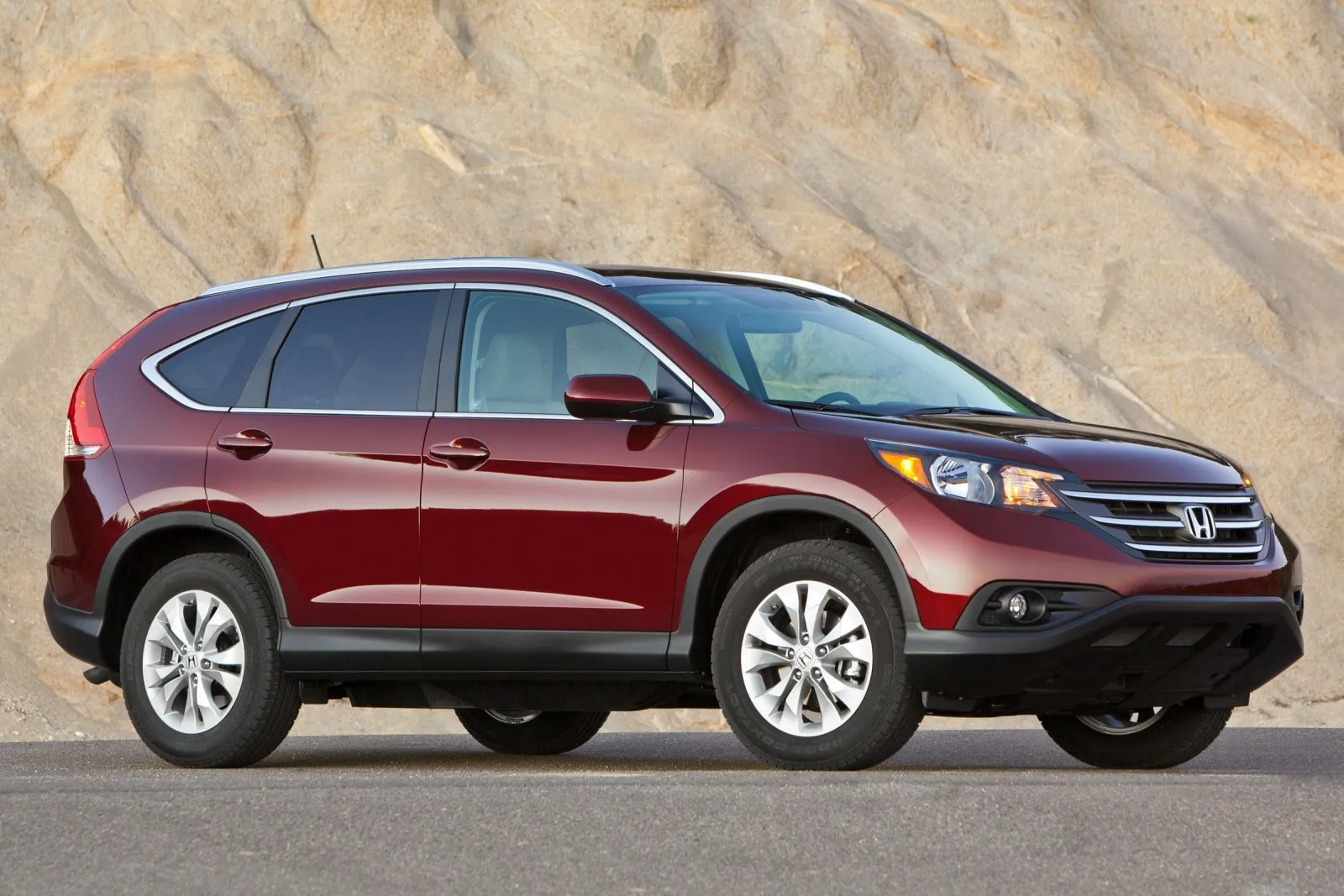
7. Honda CR-V (2012-2023)
The Honda CR-V has dominated the compact SUV segment for years, combining practicality, efficiency, and Honda’s renowned reliability.
Wheel bearing durability exemplifies the engineering quality that has made the CR-V a perennial best-seller, with the platform consistently delivering bearing life exceeding 150,000 miles.
The fourth through sixth-generation CR-V models employ sealed bearing assemblies that benefit from Honda’s precision manufacturing expertise and conservative design approach, resulting in components that simply don’t fail under normal operating conditions.
Honda’s wheel bearing design for the CR-V incorporates lessons learned from decades of suspension engineering across the company’s product line.
The bearing assemblies feature precisely manufactured races and rolling elements with surface finishes that minimize friction and wear.
The bearings undergo careful selection and quality control, with dimensional tolerances measured to ensure proper fit and function. Honda’s heat treatment processes create optimal hardness characteristics hard enough for wear resistance but with sufficient toughness to resist cracking under shock loads.
These manufacturing quality measures add modest cost but deliver measurably superior durability compared to bearings manufactured to less stringent standards.
The sealing systems in CR-V wheel bearings provide exceptional protection against contamination. Honda engineers developed multi-stage sealing designs that incorporate primary and secondary seals with different characteristics optimized for various contaminants.
The primary seal effectively excludes water and large particles, while the secondary seal provides backup protection and helps retain lubrication.
The seal materials resist degradation from heat, ozone, and chemical exposure, maintaining their effectiveness throughout the bearing’s service life.
This sealing quality proves crucial for the CR-V’s popularity in all climates, from the salt-belt states where winter road treatments challenge bearing durability to hot southern regions where heat accelerates seal aging.
This invisible reliability, where components simply perform their function year after year without attention, represents the pinnacle of engineering achievement and contributes significantly to the CR-V’s reputation as a vehicle you can drive without worry.
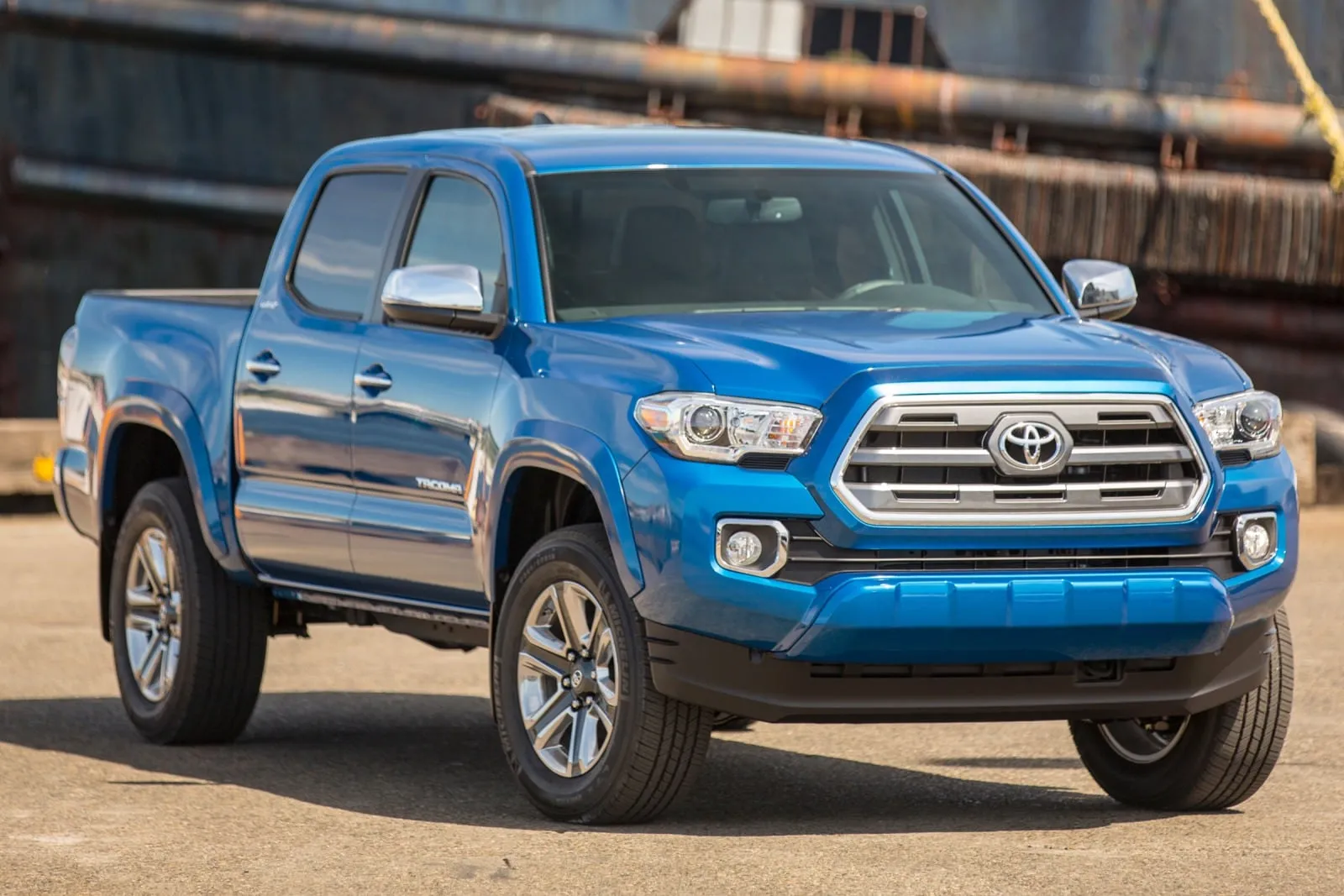
8. Toyota Tacoma (2016-2024, Third Generation)
The Toyota Tacoma has earned legendary status for reliability and off-road capability, and its wheel bearing performance exemplifies the over-engineering that Toyota applies to vehicles expected to endure harsh conditions.
Despite regular exposure to mud, water, dust, and the shock loads from off-road operation, the third-generation Tacoma consistently delivers wheel bearing life exceeding 150,000 miles.
Many examples reach 200,000 miles or more on original bearings even when used for serious off-road recreation or work truck duty, a testament to Toyota’s commitment to building components that withstand real-world abuse.
Toyota’s wheel bearing design for the Tacoma reflects the company’s understanding that many buyers will push these trucks beyond typical on-road operation.
The bearing assemblies feature robust construction with large-diameter bearings providing significant load capacity reserves. The bearings are sized not just for the truck’s curb weight but for the payload and towing capacity buyers might regularly utilize, plus additional margins for the shock loads from off-road impacts.
This conservative sizing means the bearings operate well below their maximum stress limits during normal driving, dramatically extending service life.
The sealing systems in Tacoma wheel bearings deserve special recognition. Toyota engineers developed particularly robust sealing designs that protect against water submersion, mud immersion, and dust infiltration the trifecta of contaminants that challenge off-road vehicles.
The seals incorporate multiple sealing stages with different geometries and materials, creating redundant protection that maintains effectiveness even when the outer seals experience damage from rock strikes or brush contact.
The external bearing surfaces also receive corrosion-resistant coatings that prevent rust formation even when the truck regularly operates in water or salt environments.
While Toyota doesn’t design the Tacoma specifically for extreme modifications, the inherent quality and robustness of the bearing assemblies provides enough durability margin to tolerate significant abuse.
This real-world performance under harsh conditions confirms that the Tacoma’s wheel bearings represent genuine engineering excellence rather than merely adequate components that function only under ideal conditions.
8 Platforms That Hum Before 80k
These problematic vehicles suffer from hub assemblies featuring undersized bearings inadequate for vehicle weight, inferior sealing systems allowing water contamination, and manufacturing defects creating improper preload conditions that accelerate wear and generate premature failures well before typical replacement intervals.
Their flawed engineering includes bearing units with insufficient grease fill from factory assembly, seal designs that fail allowing road salt and moisture to destroy bearing surfaces, and all-wheel-drive systems creating additional side loads that stress marginally sized components beyond design limits.
From front bearings developing loud humming noises during highway driving to rear assemblies creating vibration felt through the chassis, these troublesome hub units frequently create expensive failures.
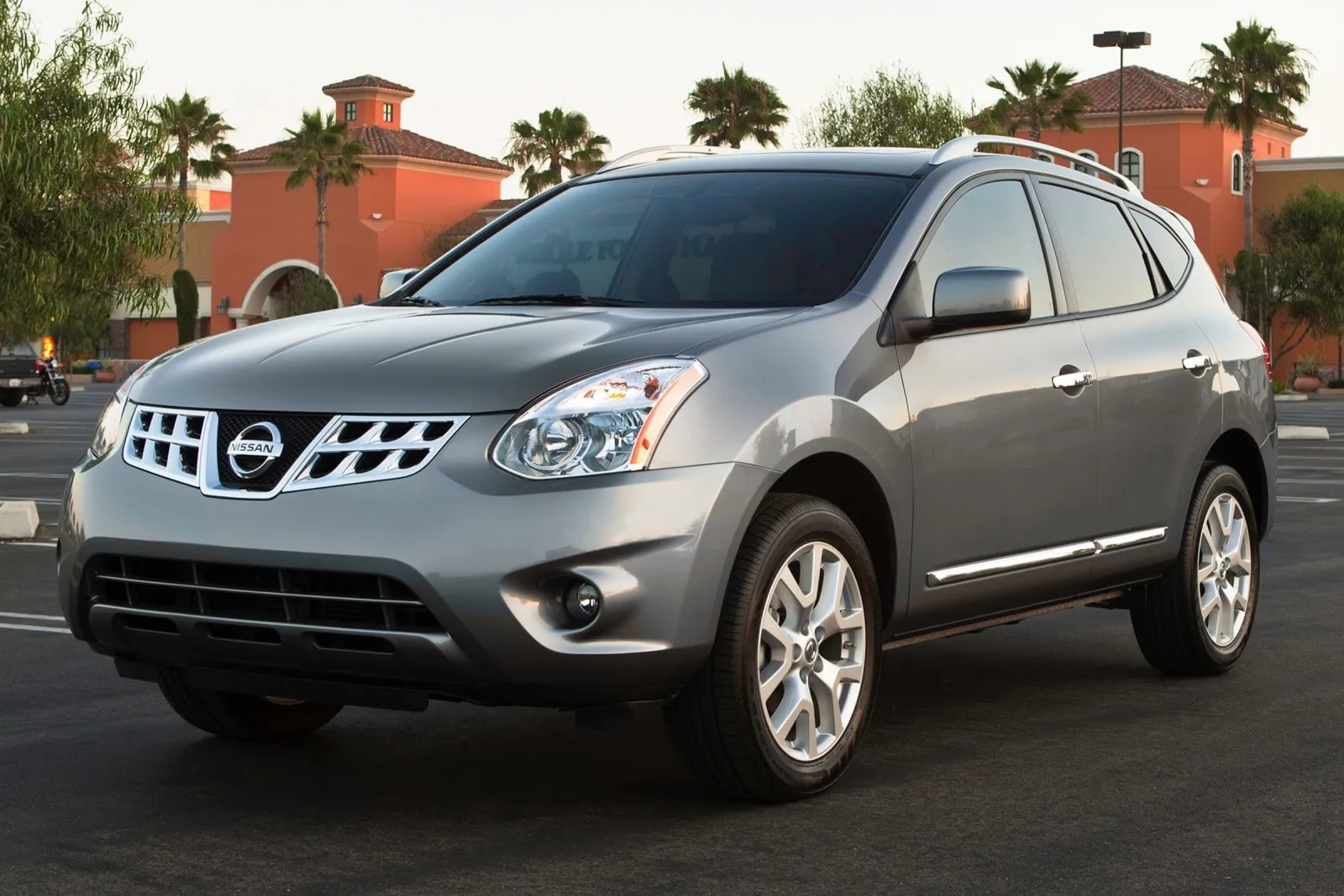
1. Nissan Rogue (2014-2020, Second Generation)
The Nissan Rogue has achieved strong sales success in the competitive compact SUV segment, but wheel bearing durability represents a significant weakness that has generated extensive owner complaints.
The second-generation Rogue, particularly models from 2014 through 2017, developed a notorious reputation for premature wheel bearing failure, with many owners reporting the characteristic humming noise before 50,000 miles and some experiencing failures as early as 30,000 miles.
The problem affects both front and rear bearings, though front bearing failures appear more common, likely due to the additional loads from steering and engine weight.
The Rogue’s wheel bearing problems appear to stem from multiple design and quality issues. Investigation of failed bearings reveals inadequate sealing as a primary culprit water and contaminants penetrate the bearing assemblies, washing away lubrication and accelerating wear.
The bearing seals appear insufficient for real-world conditions, particularly in regions with wet winters or where road salt is commonly used.
Once water infiltrates the bearing, corrosion rapidly develops on the precision-machined surfaces, creating pits and rough spots that generate noise and accelerate wear.
The problem compounds itself as wear creates additional heat and vibration, further degrading the remaining lubrication and accelerating failure.
The financial impact on Rogue owners has been substantial. Wheel bearing replacement typically costs $300-500 per wheel at independent shops and significantly more at dealerships.
Owners experiencing multiple bearing failures face thousands of dollars in repair costs, often on vehicles still carrying loan balances. The bearing problems have damaged the Rogue’s reputation and resale values prospective used car buyers research the bearing issues and either avoid Rogues or demand price concessions to compensate for expected repair costs.
For a vehicle positioned as affordable family transportation, the premature bearing failures represent a serious reliability shortcoming that significantly impacts ownership satisfaction.
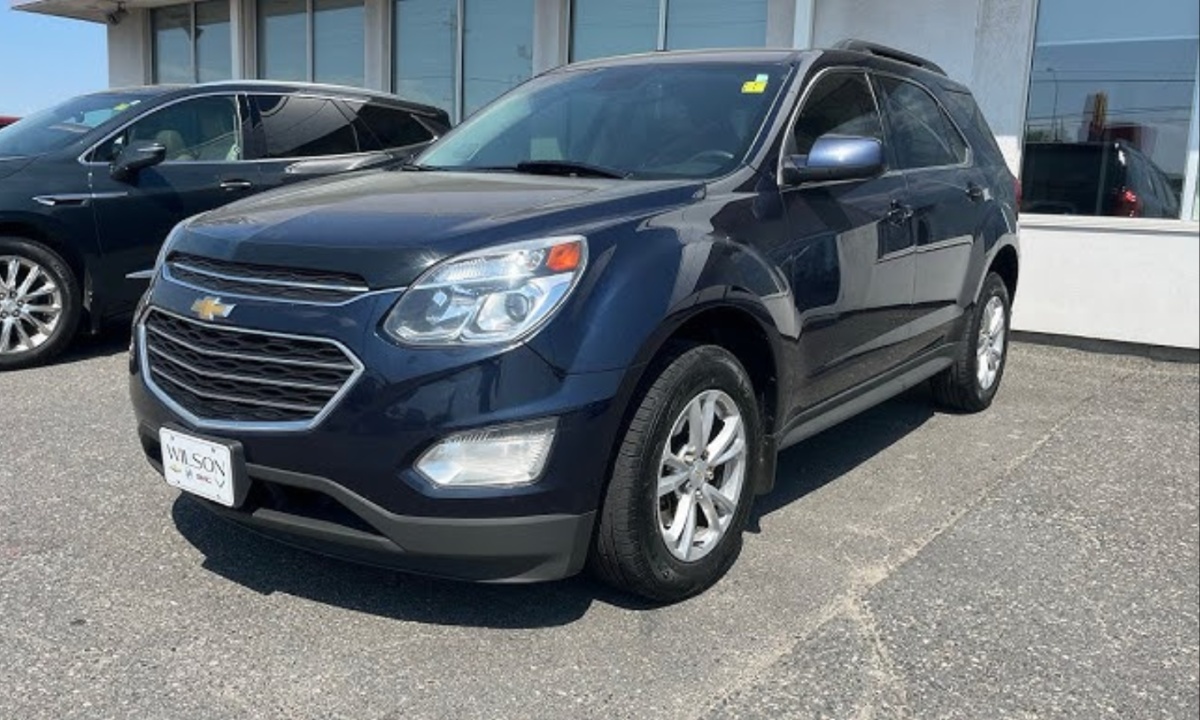
2. Chevrolet Equinox (2010-2017, Second Generation)
The second-generation Chevrolet Equinox enjoyed strong sales during its production run, but persistent wheel bearing problems have tarnished the model’s reputation.
Owners report premature bearing failures across the entire model range, with many experiencing the telltale humming or grinding noise before 60,000 miles and some noting problems as early as 40,000 miles.
The issue affects both front and rear bearings, with multiple failures on the same vehicle being common owners who replace one failing bearing often find themselves replacing additional bearings within 20,000 to 30,000 miles.
General Motors issued multiple technical service bulletins addressing Equinox wheel bearing concerns, tacitly acknowledging the problems while stopping short of issuing recalls or widespread warranty extensions.
Investigation into the bearing failures reveals several contributing factors. The bearing assemblies suffer from inadequate sealing that allows water and road salt to contaminate the internal bearing components.
GM’s bearing design incorporates seals that appear sufficient in laboratory testing but fail to provide adequate protection under real-world conditions, particularly in regions where road salt is heavily used. Once contaminants penetrate the bearing, accelerated wear occurs rapidly.
The Equinox bearing problems also reflect cost-cutting measures implemented during the vehicle’s development. The bearing assemblies themselves are smaller and lighter than those used in comparable vehicles from Toyota or Honda, likely chosen to reduce manufacturing costs and improve fuel economy figures.
While adequate for ideal operating conditions, these smaller bearings operate closer to their maximum stress limits under normal loaded operation, reducing durability margins.
The reduced bearing sizes also generate more heat during operation, particularly when the vehicle carries passengers and cargo or operates in sustained highway driving, further accelerating wear and degrading lubrication.
These bearing problems have significantly impacted the Equinox’s reliability ratings and resale values, with consumer publications specifically citing wheel bearing issues when advising buyers to avoid this generation.
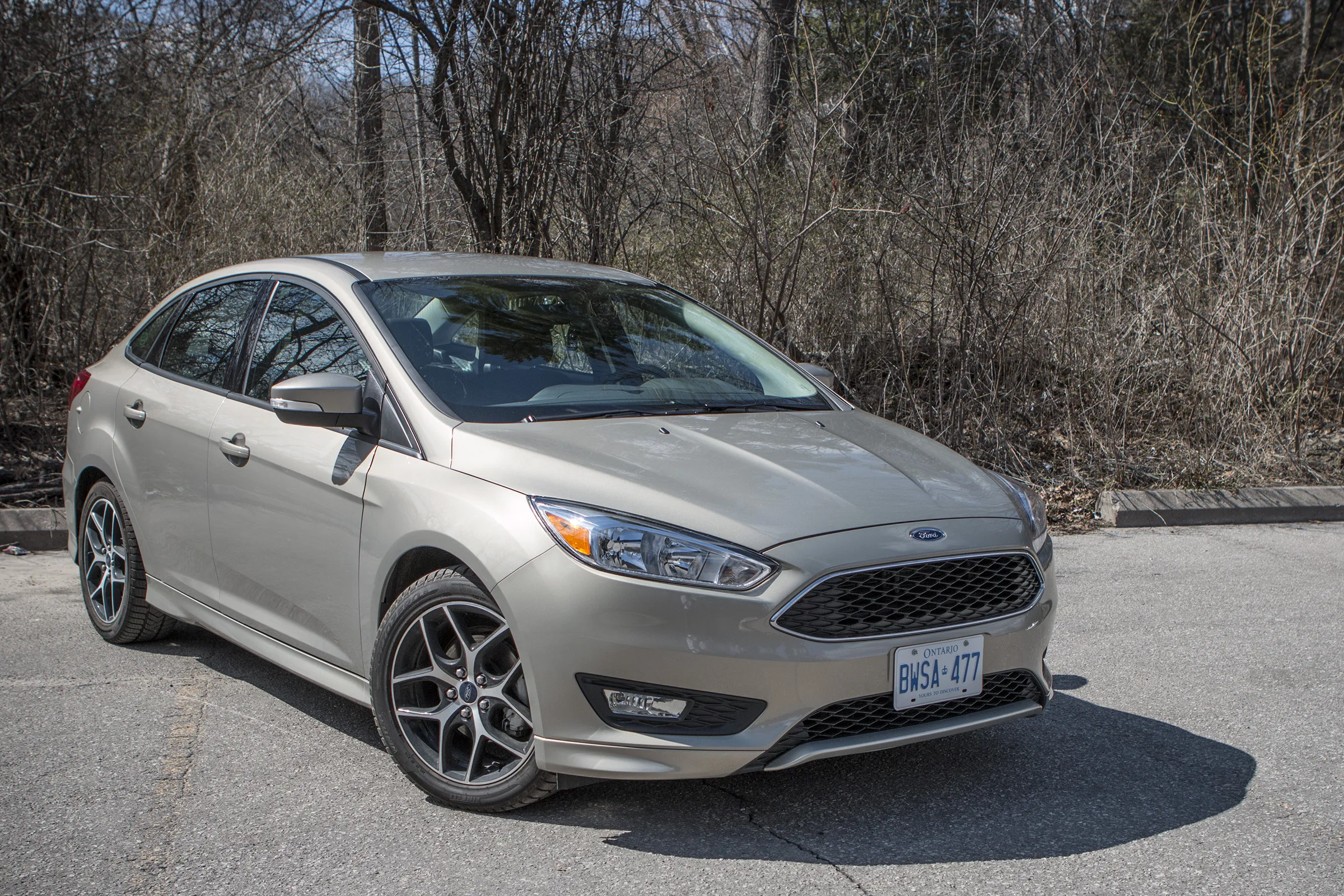
3. Ford Focus (2012-2018)
The third-generation Ford Focus has become infamous for its troublesome dual-clutch automatic transmission, but wheel bearing reliability issues also plague the platform, particularly earlier model years.
Owners report premature wheel bearing failures with the characteristic grinding or humming noise developing before 70,000 miles, and many cases occurring around 50,000 miles.
The problem affects both front and rear bearings, though front bearing failures appear more prevalent. The wheel bearing issues add to the Focus’s growing list of reliability problems, contributing to poor owner satisfaction and weak resale values.
Ford’s wheel bearing problems on the Focus appear to result from both design compromises and quality control issues. The bearing assemblies utilize relatively small bearing sizes chosen to reduce weight and rotational friction for improved fuel economy numbers that proved more important to Ford’s engineering team than durability margins.
These smaller bearings operate under higher stress levels during normal driving, generating more heat and experiencing faster wear than larger, more robust designs.
The compact bearing packaging also makes sealing more challenging, and the Focus’s bearing seals prove inadequate for excluding water and contaminants in real-world conditions.
Prospective buyers avoid the platform when they can, and those who do purchase used Focus models demand significant price discounts to compensate for expected problems.
For owners still paying off loans on depreciated vehicles, the combination of declining values and mounting repair costs creates frustrating underwater loan situations.
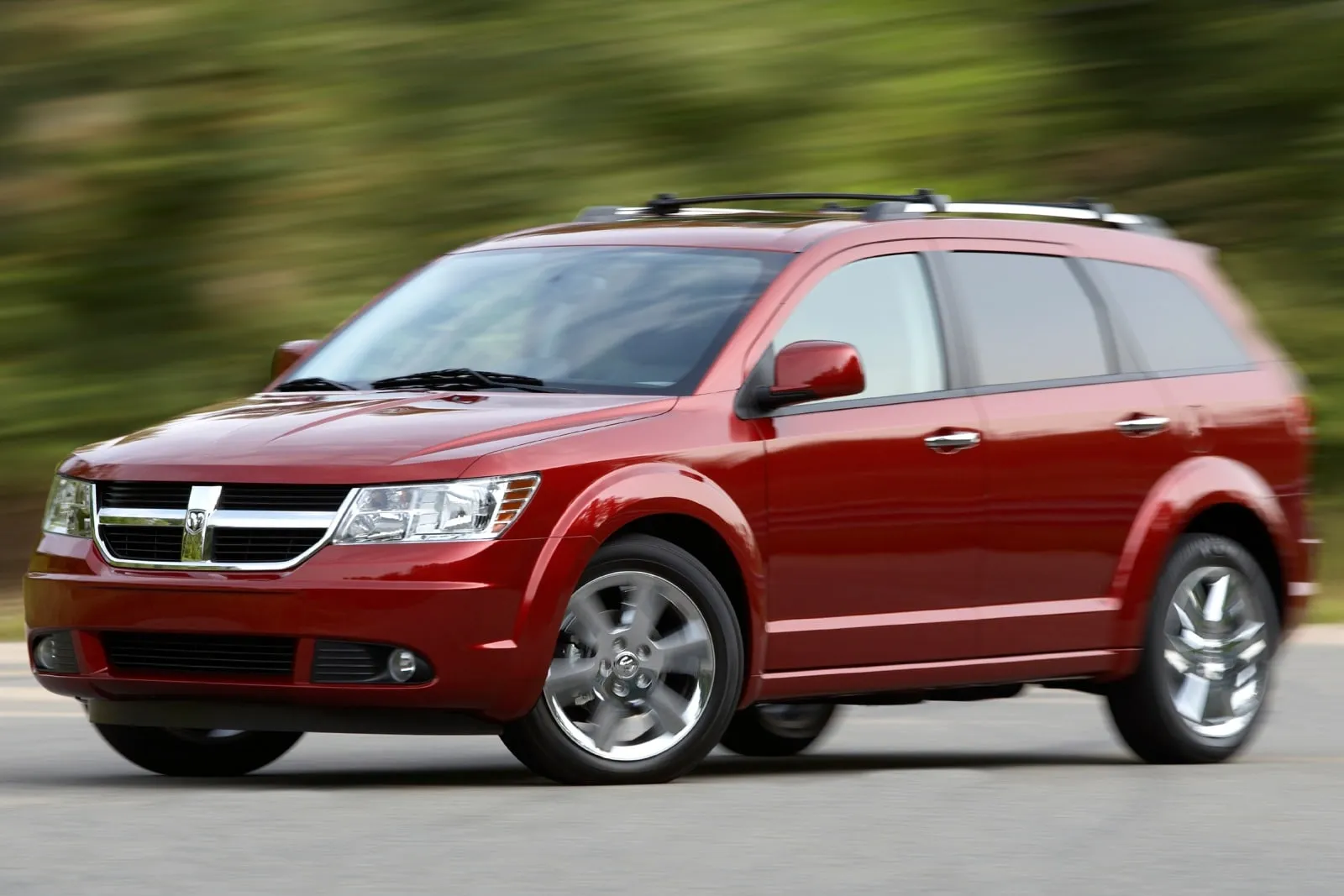
4. Dodge Journey (2009-2020)
The Dodge Journey served as Chrysler’s entry in the mid-size crossover segment throughout its long production run, but cost-cutting and dated engineering compromised reliability across multiple systems, including wheel bearings.
Journey owners frequently report premature bearing failures with the characteristic humming noise developing before 70,000 miles, and many failures occur significantly earlier.
The problem affects vehicles across the entire production run, indicating systemic design inadequacies rather than isolated production problems.
Consumer Reports and J.D. Power reliability data consistently rank the Journey poorly, with wheel bearing issues contributing to its dismal reliability scores.
The Journey’s wheel bearing problems stem primarily from inadequate design for the vehicle’s weight and intended use. The Journey represents a relatively heavy vehicle approaching 4,500 pounds fully loaded yet the bearing assemblies appear undersized for this weight, particularly when combined with typical family loading of passengers and cargo.
The bearings operate under high stress levels that accelerate wear and generate excessive heat. The bearing seals, already challenged by the high operating temperatures, prove inadequate for excluding water and road contaminants.
Salt-belt vehicles experience particularly short bearing life as contaminated water rapidly degrades bearing surfaces. The ownership experience for Journey buyers troubled by wheel bearing issues has been poor.
Fiat Chrysler Automobiles (now Stellantis) provided limited support for bearing problems, generally considering them wear items outside warranty coverage.
Consumer advocacy groups and automotive journalists specifically warn buyers to avoid the Journey, with wheel bearing durability cited among the multiple reasons to shop elsewhere in the crowded crossover segment.
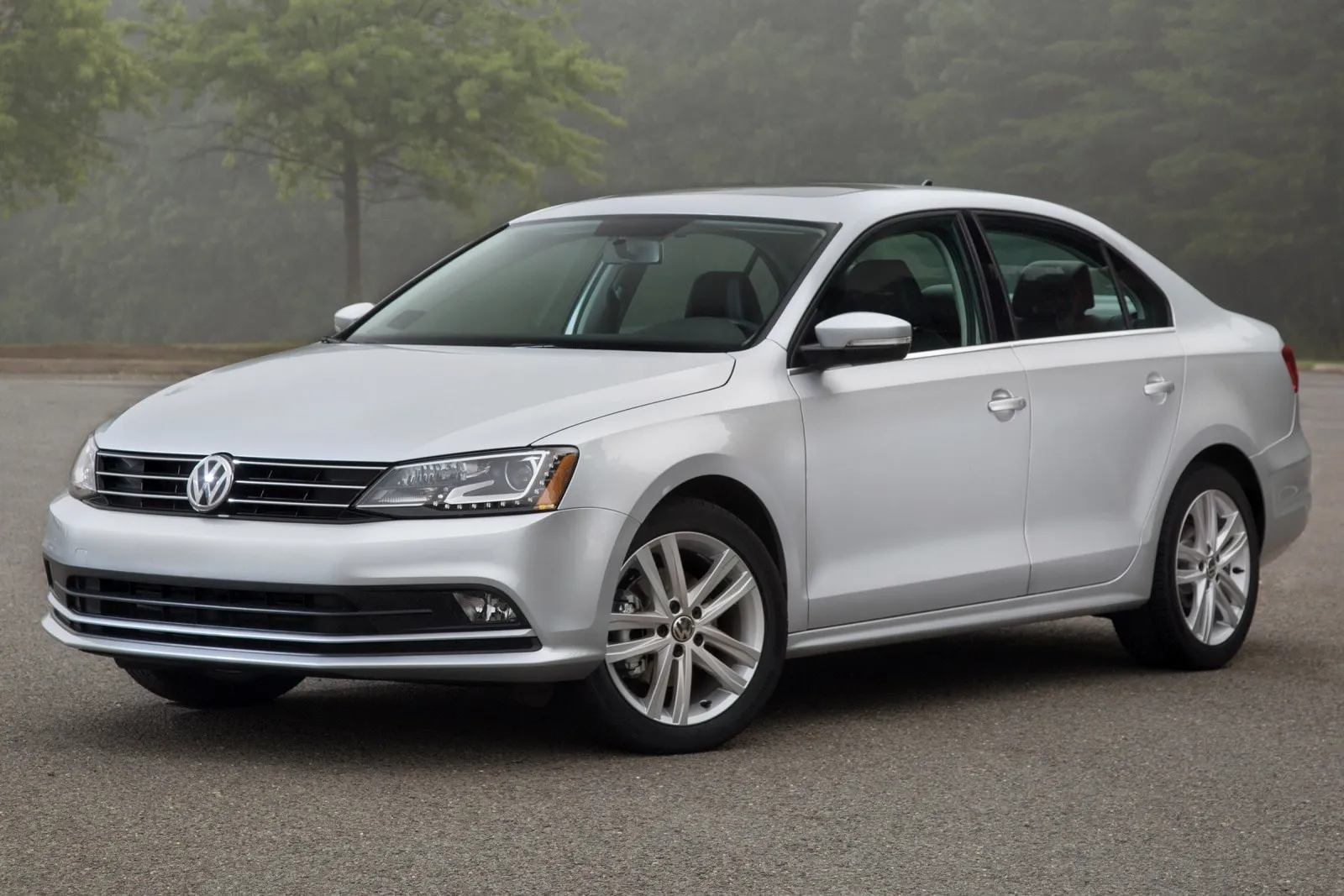
5. Volkswagen Jetta (2011-2018, Sixth Generation)
The sixth-generation Volkswagen Jetta represented a significant departure from previous models, with Volkswagen deliberately reducing manufacturing costs to offer more competitive pricing in the North American market.
Unfortunately, this cost-reduction strategy compromised reliability across multiple systems, with wheel bearings proving particularly problematic.
Jetta owners report premature bearing failures with humming or grinding noises developing before 70,000 miles, with many cases occurring around 50,000-60,000 miles.
The problem affects primarily the rear bearings, though front bearing failures also occur with concerning frequency. The bearing issues contribute to the sixth-generation Jetta’s poor reliability reputation and weak resale values.
Volkswagen’s wheel bearing problems on this Jetta generation appear directly linked to the cost-reduction initiatives that guided the vehicle’s development.
The bearing assemblies utilize smaller, lighter designs compared to the previous Jetta generation, chosen specifically to reduce manufacturing costs and improve fuel economy figures.
These cost-optimized bearings provide less durability margin, operating under higher stress levels during normal driving. The bearing seals also reflect cost-cutting, with simpler designs that prove less effective at excluding water and contaminants compared to more robust multi-lip seals used by Japanese competitors.
The financial and satisfaction impact on Jetta owners has been substantial. Wheel bearing replacement typically costs $300-500 per wheel at independent shops, with Volkswagen dealership charges often exceeding $600.
Many owners experience multiple bearing failures, with replacement bearings sometimes providing no better service life than the originals.
The bearing problems, combined with various electrical issues, transmission concerns, and interior quality complaints, have severely damaged the sixth-generation Jetta’s reputation.
Consumer Reports dropped the Jetta from its recommended list, specifically citing reliability concern,s including wheel bearing failures. Resale values suffered accordingly, with used Jettas of this generation commanding significantly lower prices than comparable Honda Civics or Toyota Corollas.
For owners who purchased Jettas attracted by lower initial pricing, the combination of declining values and mounting repair costs has created buyer’s remorse.
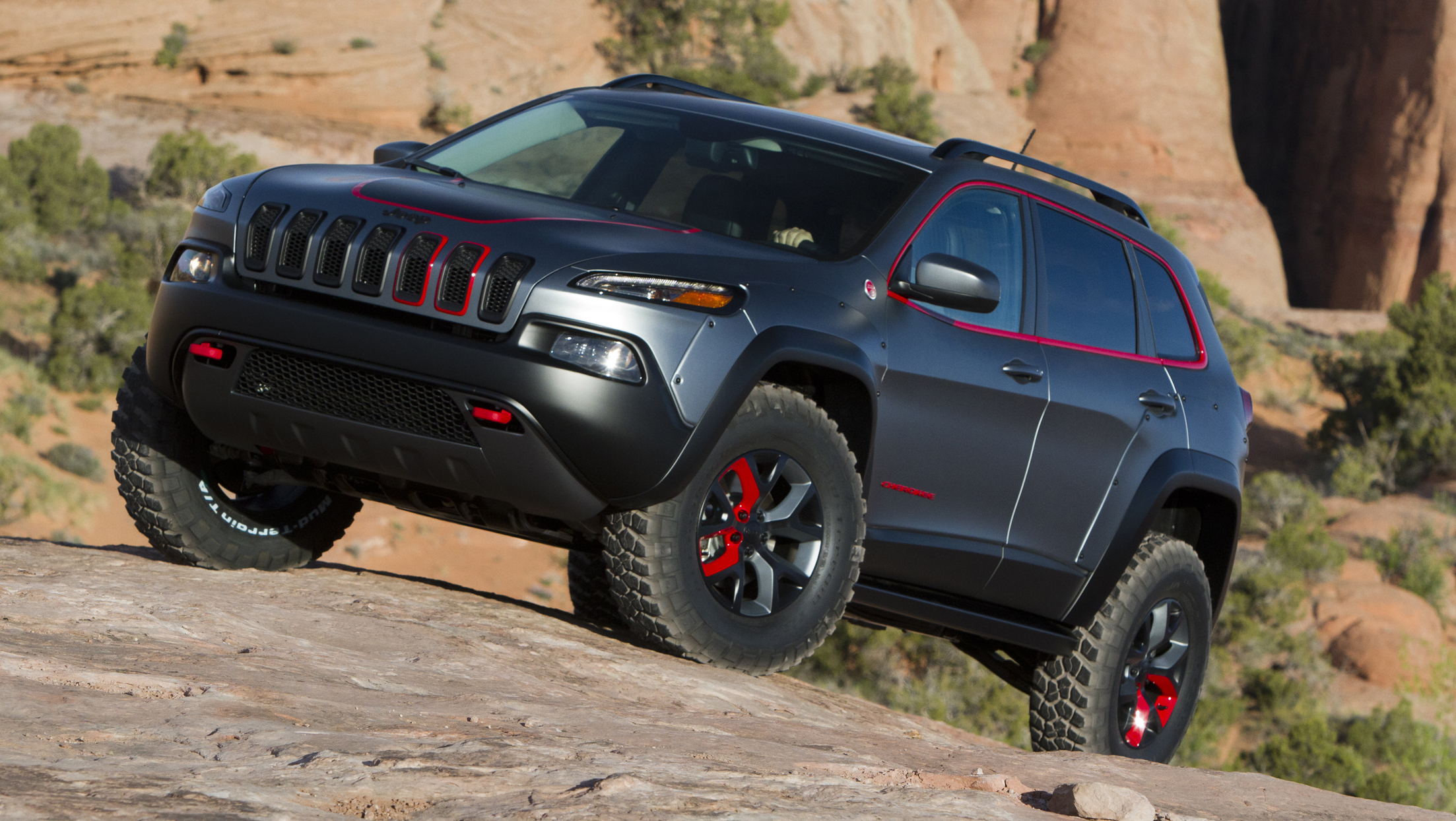
6. Jeep Cherokee (2014-2023, KL Generation)
The Jeep Cherokee KL represented a controversial redesign when introduced in 2014, with its unconventional styling and car-based platform departing from traditional Jeep designs.
Beyond styling debates, the Cherokee has developed concerning reliability issues across multiple systems, with wheel bearings proving particularly troublesome.
Cherokee owners report premature bearing failures with the characteristic humming or growling noise developing before 70,000 miles, with many cases occurring around 50,000 miles or earlier.
The problem affects both front and rear bearings across multiple model years, indicating systemic design issues rather than isolated production problems.
Jeep’s response to Cherokee wheel bearing problems has been limited and inconsistent. While the company issued technical service bulletins addressing bearing noise concerns, widespread recalls or warranty extensions have not been implemented.
Many owners report difficulty obtaining warranty coverage for bearing problems, with dealers claiming noise is “normal” or that excessive play must develop before replacement.
This approach forces owners to continue driving on degraded bearings while noise worsens, potentially allowing additional damage to suspension components or creating safety concerns.
The bearing problems, combined with transmission issues and various electrical concerns, have significantly damaged the Cherokee’s reliability reputation.
Consumer Reports rates the Cherokee below average for reliability, specifically citing wheel bearing issues. Resale values have suffered accordingly, with the Cherokee commanding lower prices than competing vehicles from Honda, Toyota, or Mazda.
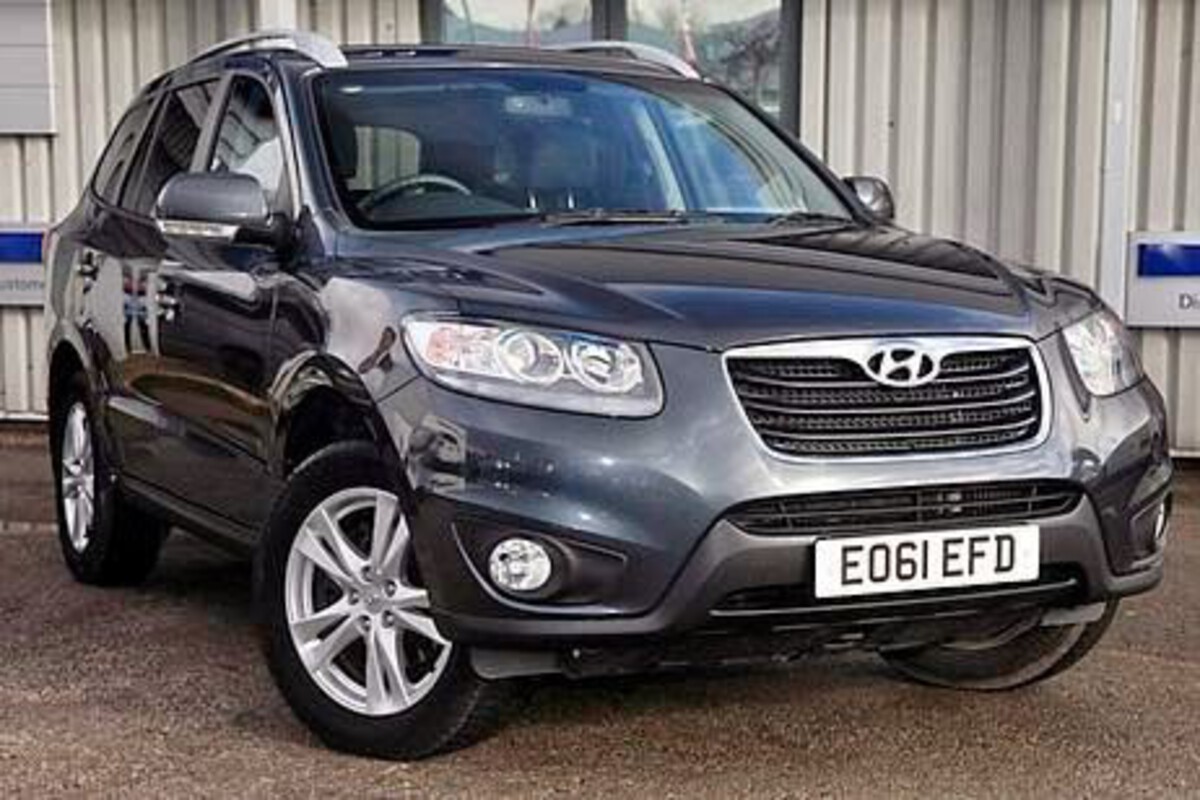
7. Hyundai Santa Fe (2013-2018, Third Generation)
The third-generation Hyundai Santa Fe represented the brand’s continued push upmarket in the mid-size SUV segment, offering attractive styling, good warranty coverage, and competitive pricing.
However, wheel bearing reliability emerged as a significant problem area that undermined the vehicle’s value proposition. Santa Fe owners report premature bearing failures with humming or grinding noises developing before 70,000 miles, with many cases occurring around 50,000-60,000 miles.
The problem affects both front and rear bearings, though front bearing failures appear slightly more common, likely due to additional loads from engine weight and steering forces.
The Santa Fe’s wheel bearing problems reflect Hyundai’s aggressive expansion during this period, with the company prioritizing rapid growth and cost competitiveness, potentially at the expense of thorough engineering validation.
The bearing assemblies appear adequate for moderate use under ideal conditions but lack sufficient durability margins for real-world operation, particularly when vehicles regularly carry passengers and cargo or operate in challenging climates.
The bearings generate excessive heat under load, accelerating lubrication degradation and wear. The sealing systems prove inadequate for excluding water and contaminants, particularly problematic in regions where road salt is heavily used during winter months.
Hyundai’s response to Santa Fe wheel bearing problems has been mixed. The company’s generous warranty coverage 10 years/100,000 miles on the powertrain does not typically cover wheel bearings, which are considered suspension components with shorter warranty periods.
Many owners experience bearing failures just outside the basic warranty period, leaving them responsible for repair costs despite the premature nature of the failures.
Some dealers have provided goodwill assistance for bearing replacements on low-mileage vehicles, but this support appears inconsistent and dependent on individual dealer policies rather than corporate directives.
The bearing problems, combined with engine issues affecting some Santa Fe models, have moderated the brand’s reliability improvements and affected resale values.
Consumer advocacy organizations note the bearing problems when evaluating Santa Fe reliability, tempering otherwise positive assessments of the vehicle.
Prospective used car buyers research the bearing issues and factor potential repair costs into their purchasing decisions, suppressing used Santa Fe values compared to more reliable competitors.
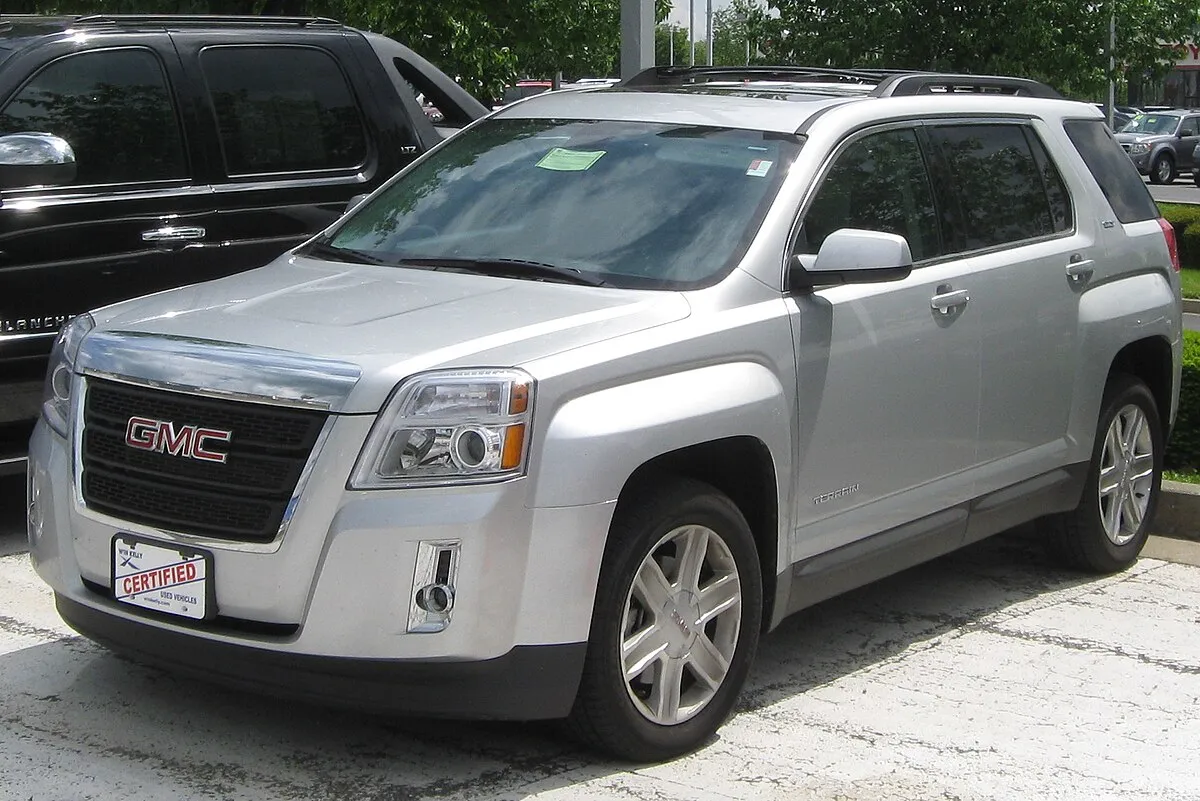
8. GMC Terrain (2010-2017, First Generation)
The GMC Terrain shared its platform with the Chevrolet Equinox and inherited many of that vehicle’s problems, including troublesome wheel bearings.
Terrain owners report premature bearing failures at mileages similar to those affecting the Equinox humming or grinding noises developing before 70,000 miles with many cases occurring around 50,000 miles or earlier.
The problem affects both front and rear bearings, with multiple bearing failures on the same vehicle being distressingly common. The bearing issues significantly impact the Terrain’s reliability reputation and ownership satisfaction, creating unexpected expense for buyers who chose GMC’s supposed premium positioning over Chevrolet.
The Terrain’s wheel bearing problems stem from the same design inadequacies affecting the Equinox platform. General Motors utilized bearing assemblies that appear undersized for the vehicle’s weight and intended use, chosen to reduce manufacturing costs and minimize rotational friction for improved fuel economy figures.
These smaller bearings operate under higher stress levels, generating more heat and experiencing accelerated wear. The sealing systems prove inadequate for real-world conditions, allowing water and road salt to contaminate bearing internals and cause rapid degradation. The problem manifests particularly severely in harsh-climate regions where road salt application is heavy.
Quality control issues compound the design problems. Some Terrain production runs experience significantly higher bearing failure rates than others, suggesting defective bearing batches or assembly problems affecting specific production periods.
Owners report varying experiences with bearing longevity even on identically specified vehicles, indicating inconsistent component quality.
Some vehicles develop bearing noise on both sides simultaneously or in rapid succession, suggesting common causes such as defective components from the same production batch or installation errors at the assembly plant.
Consumer Reports and J.D. Power reliability ratings for the Terrain cite wheel bearing issues among multiple concerns that earn the vehicle below-average reliability scores.
For buyers who chose the Terrain expecting GMC’s professional-grade marketing to translate into superior reliability compared to Chevrolet, the bearing problems identical to those affecting the Equinox demonstrate that badge engineering cannot overcome fundamental platform shortcomings.
The first-generation Terrain serves as a cautionary example of how cost-cutting and inadequate engineering validation can create reliability problems that damage brand reputations and ownership satisfaction.
Also Read: 6 EVs That Keep Cabin Heat Strong At Low SOC vs 6 That Taper Uncomfortably
