

Winter can be brutal on your vehicle, and one of the most overlooked casualties of freezing temperatures is the power liftgate system.
When temperatures plummet, the hydraulic fluid in liftgate struts thickens, motors strain against frozen mechanisms, and electronic sensors can malfunction, leaving you wrestling with a stubborn tailgate in subzero conditions.
For SUV owners in cold climates, a reliable liftgate isn’t just a convenience it’s a necessity when you’re loading groceries, sports equipment, or luggage while battling freezing winds and icy parking lots.
The power liftgate has become a standard feature on modern SUVs, promising effortless access to cargo areas with the push of a button or a wave of your foot. However, not all liftgate systems are created equal.
Some manufacturers have engineered robust systems with cold-weather testing protocols, heavy-duty struts rated for extreme temperatures, and motors sealed against moisture infiltration.
These vehicles continue to perform flawlessly through countless freeze-thaw cycles, providing years of trouble-free operation even in the harshest winter conditions.
On the flip side, certain SUV models have earned notorious reputations among mechanics and frustrated owners for liftgate failures during winter months.
Common complaints include struts that lose pressure and fail to hold the liftgate open, motors that burn out from overwork in cold temperatures, sensors that freeze and cause erratic operation, and electrical connections that corrode from salt and moisture exposure.
These failures often occur at the worst possible times when you’re already late, your hands are full, or you’re in a snow-covered parking lot miles from help.
The difference often comes down to engineering philosophy and quality control. Manufacturers who prioritize cold-weather durability use gas struts with nitrogen charges that remain stable in extreme cold, rather than cheaper hydraulic alternatives.
When these failures become recurring issues, the total cost of ownership skyrockets. In this comprehensive guide, we’ll examine six SUVs with exemplary liftgate reliability in winter conditions, followed by six models that have documented patterns of cold-weather liftgate failures, helping you make an informed decision for your next SUV purchase.
6 SUVs with Reliable Winter Liftgates
These exceptionally engineered vehicles feature liftgate assemblies with robust gas struts properly sized for door weight, power actuator motors with adequate torque reserves, and latch mechanisms utilizing corrosion-resistant materials that maintain reliable operation despite extreme temperature fluctuations and constant exposure to road salt and moisture throughout winter conditions.
Their thoughtful engineering includes strut mounting points with reinforced brackets preventing metal fatigue, electric motors with sealed housings protecting internal components from water intrusion, and hinges featuring grease-packed bushings that resist binding even when temperatures plunge below freezing and lubrication viscosity increases dramatically.
From subzero mornings where frozen components challenge mechanical systems to heavy snow accumulation adding weight that stresses lifting mechanisms, these remarkable liftgates continue operating smoothly without developing sagging, slow operation, or complete failure requiring manual closure and expensive component replacement.
1. Toyota 4Runner (2010-Present)
The Toyota 4Runner stands as a testament to automotive durability, and its liftgate system exemplifies the truck’s legendary reliability.
Unlike many competitors that have transitioned to complex power liftgate mechanisms, Toyota has maintained a relatively straightforward design for the 4Runner’s rear access, with power liftgate options that prioritize function over flash.
The struts used in the 4Runner are commercial-grade gas springs manufactured to withstand extreme temperature variations, from desert heat to Arctic cold.
Toyota’s engineering approach for the 4Runner focuses on over-engineering components rather than meeting minimum specifications.
The liftgate struts are rated for significantly more cycles than the average owner will experience over the vehicle’s lifetime, and the gas charge within these struts uses a special formulation that maintains consistent pressure across a temperature range from -40°F to 140°F. This means that whether you’re in Fairbanks, Alaska, or Phoenix, Arizona, the liftgate operates with the same smooth, controlled motion.

The power liftgate motor, available on higher trims, is sealed in a weather-resistant housing with multiple rubber gaskets that prevent moisture infiltration. Toyota uses marine-grade electrical connections with dielectric grease pre-applied at the factory, significantly reducing the risk of corrosion from road salt exposure.
The control module for the liftgate system is positioned high in the rear quarter panel, away from areas where slush and snow accumulate, further protecting the electronics from water damage.
Owners in snow belt states consistently report that their 4Runner liftgates continue functioning flawlessly after a decade or more of winter exposure. The manual release mechanisms remain accessible and functional, unlike some vehicles where frozen linkages make emergency manual operation nearly impossible.
The glass hatch feature, available on all 4Runners, provides quick access to the cargo area without opening the entire liftgate a practical design that reduces the number of full liftgate cycles and extends component life.
Maintenance requirements for the 4Runner’s liftgate system are minimal. Toyota recommends periodic lubrication of hinges and latches with a silicone-based lubricant, but many owners report never performing this maintenance and still experiencing trouble-free operation.
The simplicity of the system means there are fewer potential failure points, and when repairs are eventually needed, parts are widely available and relatively affordable compared to more complex European systems.
2. Lexus GX 460 (2010-Present)
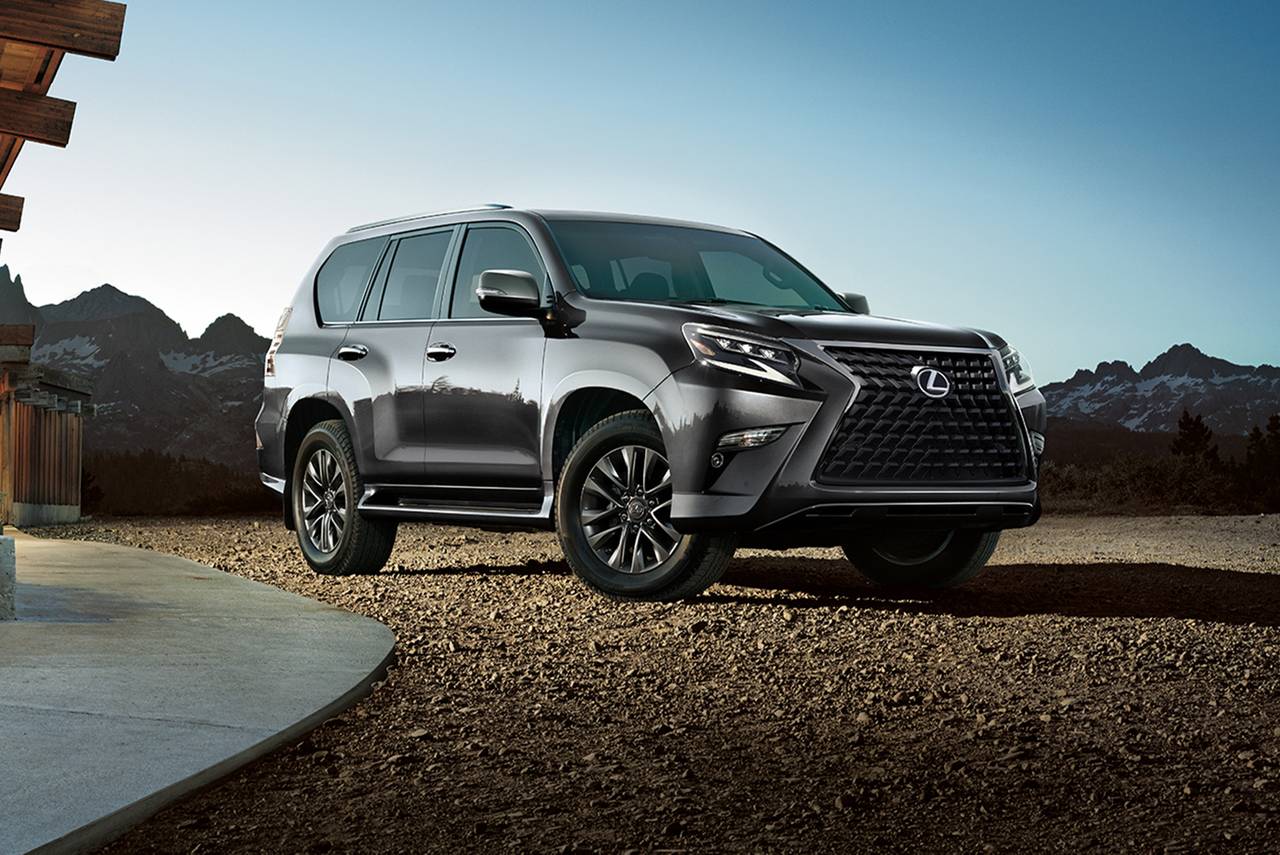
Sharing its platform with the Toyota 4Runner, the Lexus GX 460 takes liftgate reliability to an even higher level with luxury-grade components and additional sound dampening that also serves as thermal insulation.
The GX 460’s power liftgate system represents Lexus’s commitment to long-term durability, with components that are tested to perform flawlessly for at least 60,000 cycles, equivalent to opening and closing the liftgate three times daily for more than 50 years.
Lexus equips the GX 460 with premium nitrogen-charged struts that incorporate an internal piston design resistant to seal degradation in cold temperatures.
The strut housings are manufactured from corrosion-resistant steel with a specialized coating that prevents rust formation even when exposed to calcium chloride and magnesium chloride the aggressive deicing chemicals commonly used on winter roads.
The mounting points for these struts feature stainless steel brackets and Grade 8 fasteners that won’t corrode or loosen despite years of thermal cycling.
The power liftgate motor in the GX 460 is a brushless design that eliminates the carbon brush wear issues common in cheaper motors.
This motor type generates less heat during operation, reducing the thermal stress on internal components and extending service life.
The motor control algorithm includes soft-start and soft-stop programming that reduces mechanical shock to the entire liftgate assembly, minimizing wear on hinges, latches, and mounting points.
One particularly impressive feature of the GX 460’s liftgate system is its adaptive logic, which monitors motor current draw and automatically adjusts power delivery based on operating conditions.
If the system detects increased resistance such as when operating in extreme cold it increases torque output while monitoring for potential obstructions.
This prevents the motor from straining and burning out while still ensuring reliable operation. The system also includes thermal protection that prevents operation if internal temperatures exceed safe limits, protecting components from damage.
Lexus dealers report that liftgate-related service visits for the GX 460 are extremely rare, even in northern markets where vehicles regularly face winter conditions.
When issues do occur, they’re typically related to external damage from accidents rather than component failure due to cold weather or normal wear.
The comprehensive warranty coverage and Lexus’s reputation for standing behind their vehicles provide additional peace of mind for owners concerned about potential liftgate issues.
3. Honda Pilot (2016-Present)
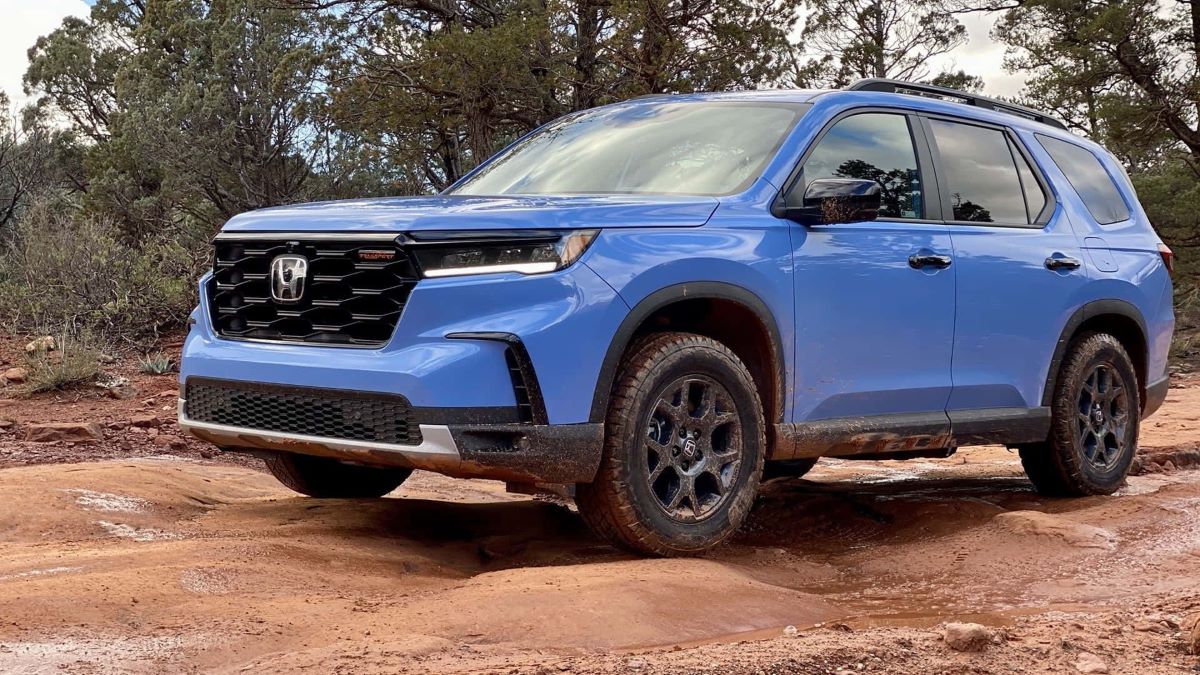
Honda’s engineering prowess shines through in the Pilot’s power liftgate system, which has proven remarkably reliable across multiple model years and various climate conditions.
The third-generation Pilot, introduced for the 2016 model year, features a completely redesigned liftgate mechanism that addressed minor issues from previous generations while incorporating lessons learned from Honda’s extensive cold-weather testing program in northern Canada and Alaska.
The Pilot’s liftgate struts use a dual-tube design that separates the gas charge from the hydraulic damping fluid, preventing the viscosity changes that plague single-tube designs in cold weather.
This technology, borrowed from Honda’s industrial equipment division, ensures consistent damping performance regardless of temperature.
The struts mount to the liftgate and body through reinforced attachment points that distribute stress across a wider area, preventing the fatigue cracks that can develop at mounting locations on lesser-designed vehicles.
Honda’s power liftgate motor is positioned centrally and low in the liftgate assembly, creating a balanced load distribution that reduces stress on hinges and struts.
The motor housing features a unique ventilation system that allows pressure equalization while preventing water and snow ingress—a common source of motor failures in other vehicles.
The drive mechanism uses a worm gear design that provides mechanical advantage, meaning the motor doesn’t have to work as hard, which extends its service life and reduces the likelihood of failure in cold conditions.
The Pilot’s liftgate control system includes sophisticated programming that distinguishes between intentional closing commands and accidental button presses, reducing unnecessary cycles that accelerate wear.
The hands-free liftgate access, available on higher trims, uses advanced sensors that are heated to prevent ice accumulation a detail that many competitors overlook.
These sensors are positioned in protected locations beneath the rear bumper where they’re less likely to be damaged by snow berms or parking curb impacts.
Consumer Reports data shows that Honda Pilot owners report significantly fewer liftgate problems than the average for the midsize SUV class.
The Pilot consistently scores above average in reliability ratings, and liftgate issues are notably absent from the common problems reported for this model.
Honda’s five-year/60,000-mile powertrain warranty covers the liftgate motor and associated electronics, though few owners ever need to utilize this coverage for liftgate-related issues.
4. Subaru Outback (2015-Present)
Subaru’s engineering teams have intimate knowledge of cold-weather operation, given the brand’s popularity in snow belt states and mountainous regions.
The Outback’s power liftgate system reflects this expertise, with components specifically selected and tested for reliable performance in harsh winter conditions.
Subaru’s Vermont-based technical center conducts extensive real-world testing on local roads during winter months, ensuring that liftgate systems can withstand the worst conditions American winters can deliver.
The Outback uses high-quality gas struts manufactured by Stabilus, a German company renowned for producing premium automotive gas springs.
These struts feature Teflon-coated piston rods that resist corrosion and maintain smooth operation even when exposed to salt spray and ice.
The gas charge formulation remains stable across Subaru’s rated temperature range of -30°F to 130°F, and the struts incorporate extended piston rods that provide better mechanical advantage, reducing the load on the power liftgate motor.

Subaru’s power liftgate motor is a compact, high-torque unit that mounts in a protected location within the liftgate frame. The motor uses sealed ball bearings rather than bushings, eliminating a common wear point that causes failures in cold weather.
The electrical connections use gold-plated terminals within sealed connectors, and all wiring in the liftgate area uses thick-wall insulation rated for extreme temperature flexibility. This attention to detail prevents the brittle wire insulation failures that plague many vehicles after several winters of service.
One innovative feature of the Outback’s liftgate system is the height memory function, which allows owners to set a maximum opening height. This feature not only prevents damage in low-clearance garages but also reduces the stress on struts and motors by limiting the travel distance.
The system includes obstacle detection that immediately stops and reverses the liftgate if it encounters resistance, protecting both the mechanism and preventing injury.
This safety feature remains functional even in extreme cold, unlike some competitors’ systems that become sluggish or non-responsive in freezing temperatures.
Subaru owners in northern climates consistently praise the Outback’s liftgate reliability, with many reporting trouble-free operation through ten or more winters of daily use.
The manual release mechanism is thoughtfully designed and easily accessible from inside the cargo area, providing a reliable backup even if electrical systems fail.
Subaru’s extensive dealer network and commitment to parts availability ensure that if repairs are ever needed, they can be completed quickly and affordably, though such repairs are rare for Outback liftgates.
Also Read: 5 Hondas That Stay Reliable at 200K and 5 That Fail Early
5. GMC Acadia (2017-Present)
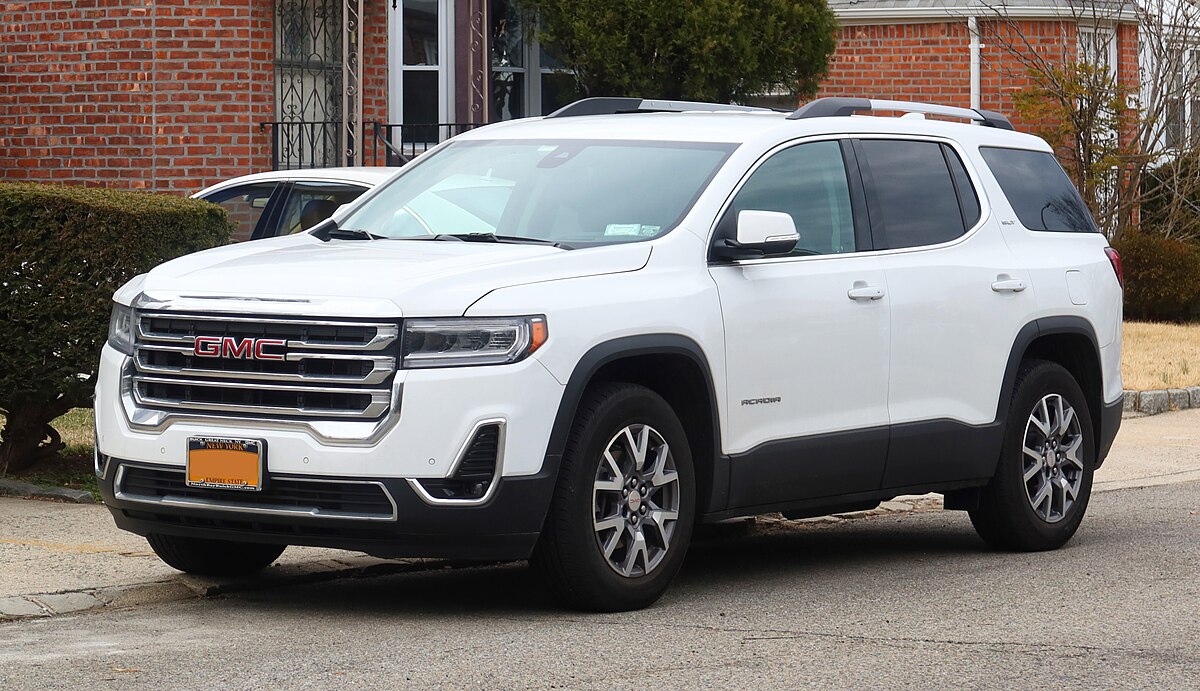
General Motors made significant improvements to liftgate reliability with the second-generation GMC Acadia, introduced for the 2017 model year.
After receiving feedback about liftgate issues with previous models, GM’s engineering team completely redesigned the power liftgate system with a focus on durability and cold-weather performance.
The result is a robust system that has proven reliable across diverse climate conditions, from the Gulf Coast to the Canadian border. The Acadia’s liftgate struts are heavy-duty units with hardened piston rods and multiple seal designs that prevent gas leakage even under extreme thermal stress.
GM specifications require these struts to maintain at least 90% of their initial force after 30,000 cycles in a test chamber cycled between -40°F and 140°F a more stringent requirement than many competitors impose.
The strut mounting brackets are reinforced steel stampings with threaded inserts rather than clip nuts, providing superior long-term durability and making replacement easier if ever necessary.
The power liftgate motor in the Acadia is a brushless permanent magnet design that generates high torque at low speeds, ideal for moving the liftgate’s considerable mass smoothly and reliably.
The motor controller includes advanced current monitoring that can detect developing problems before they cause complete failures, and diagnostic codes help technicians quickly identify issues during service visits.
The motor housing is sealed with a molded gasket and includes a moisture-permeable membrane that allows pressure equalization while blocking water and contaminant ingress.
GMC includes standard hands-free liftgate operation on most Acadia trims, and the system’s sensors are heated and positioned to shed snow and ice accumulation.
The kick sensor is recessed into the rear bumper design, protecting it from damage while maintaining reliable detection even when wearing winter boots.
The programmable liftgate height feature is particularly useful for owners with garages, and the system remembers settings even after battery disconnection, eliminating the need for reprogramming after maintenance.
Warranty data from GM dealers indicates that liftgate complaints for the 2017-and-newer Acadia are significantly lower than for the previous generation, and lower than the competitive set average.
When issues do occur, they’re typically covered under GM’s comprehensive warranty, and parts availability through the extensive GM dealer network ensures quick repairs.
The Acadia’s liftgate system represents a significant achievement in GM’s ongoing efforts to improve vehicle reliability and customer satisfaction.
6. Mazda CX-9 (2016-Present)
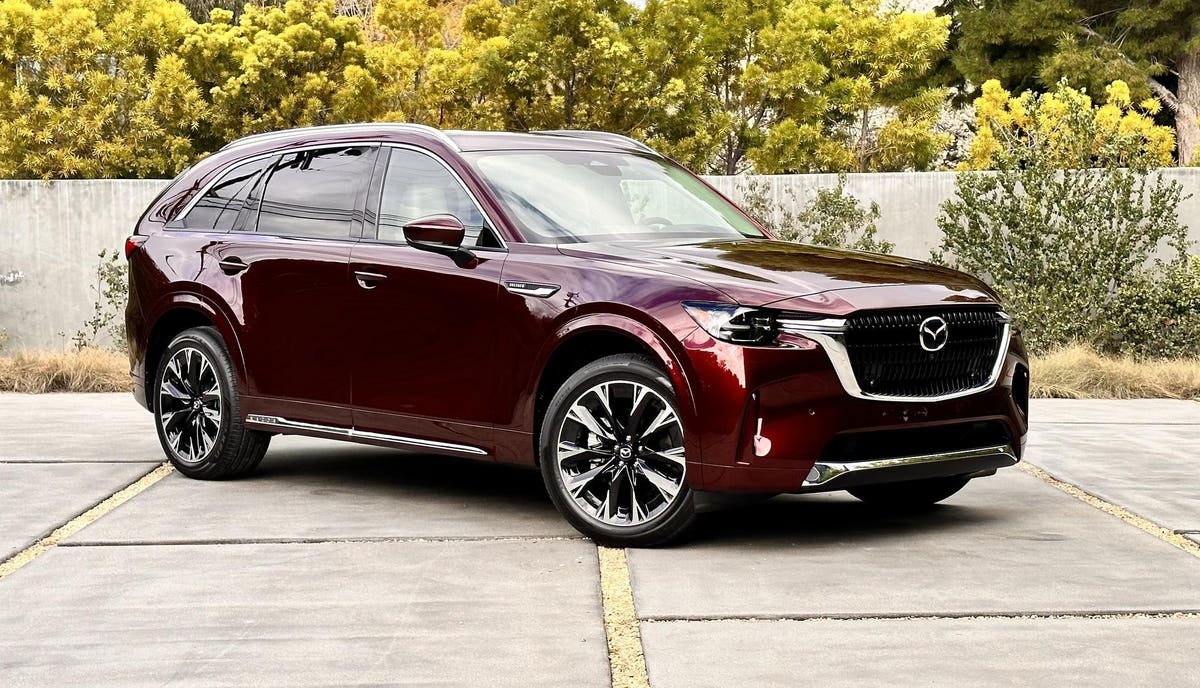
Mazda’s flagship three-row SUV, the CX-9, features a power liftgate system that exemplifies the brand’s obsessive attention to engineering excellence and long-term durability.
Mazda’s engineers applied their “Jinba Ittai” philosophy the unity between car and driver to every aspect of the CX-9, including the often-overlooked liftgate mechanism.
The result is a system that operates smoothly and reliably regardless of weather conditions, with a refined quality that makes it feel more substantial than the vehicle’s affordable price suggests.
The CX-9’s liftgate struts are precision-manufactured components that undergo individual testing before installation. Mazda’s quality control processes ensure that each strut meets force specifications within a narrow tolerance range, resulting in consistent operation and balanced loading on the power liftgate motor.
The struts use a special gas formulation developed in partnership with Japanese supplier Tenneco, optimized for stable performance across a wide temperature range while maintaining precise damping characteristics.
Mazda’s power liftgate motor is a sophisticated unit that incorporates a planetary gear reduction system, providing excellent mechanical advantage and reducing electrical current requirements.
Lower current draw means less heat generation and reduced stress on electrical connections and the motor’s internal components, directly contributing to improved reliability.
The motor control module uses intelligent programming that learns the liftgate’s operating characteristics over time, adjusting parameters to maintain consistent performance as components age.
The CX-9’s liftgate system includes thoughtful design touches that enhance both convenience and durability. The power liftgate button is positioned conveniently on the liftgate handle, allowing one-hand operation while carrying cargo.
The liftgate’s inner panel design includes built-in channels that direct water away from critical components, and the wiring harness routing avoids pinch points where flexing could cause wire breakage over time.
The latch mechanism uses stainless steel components and receives a specialized lubricant that remains fluid in extreme cold. Mazda owners consistently rate the CX-9 highly for reliability, and liftgate issues are notably absent from common complaint lists for this model.
The vehicle’s three-year/36,000-mile basic warranty and five-year/60,000-mile powertrain warranty provide coverage for liftgate components, though few owners report needing warranty repairs for liftgate issues.
Mazda’s commitment to using quality components and thorough testing ensures that the CX-9’s power liftgate will continue operating reliably for the vehicle’s entire service life, making it an excellent choice for buyers in cold climates.
6 SUVs with Problematic Winter Liftgates
These problematic vehicles suffer from liftgate assemblies featuring undersized gas struts that weaken rapidly, inadequate power motors that burn out from overwork, and poorly sealed electrical connections that corrode when exposed to winter moisture creating intermittent failures and complete system breakdowns with alarming frequency during cold-weather operation.
Their flawed engineering includes struts with insufficient gas charge that loses pressure prematurely leaving heavy liftgates unsupported, electric motors without thermal overload protection that overheat when struggling against cold-stiffened mechanisms, and latch assemblies with inadequate weathersealing allowing water intrusion that freezes solid preventing proper engagement and release.
From sagging liftgates requiring two-hand closure within 50,000 miles to complete motor failures during winter leaving owners struggling with heavy manual operation, these troublesome systems create expensive repairs constantly.
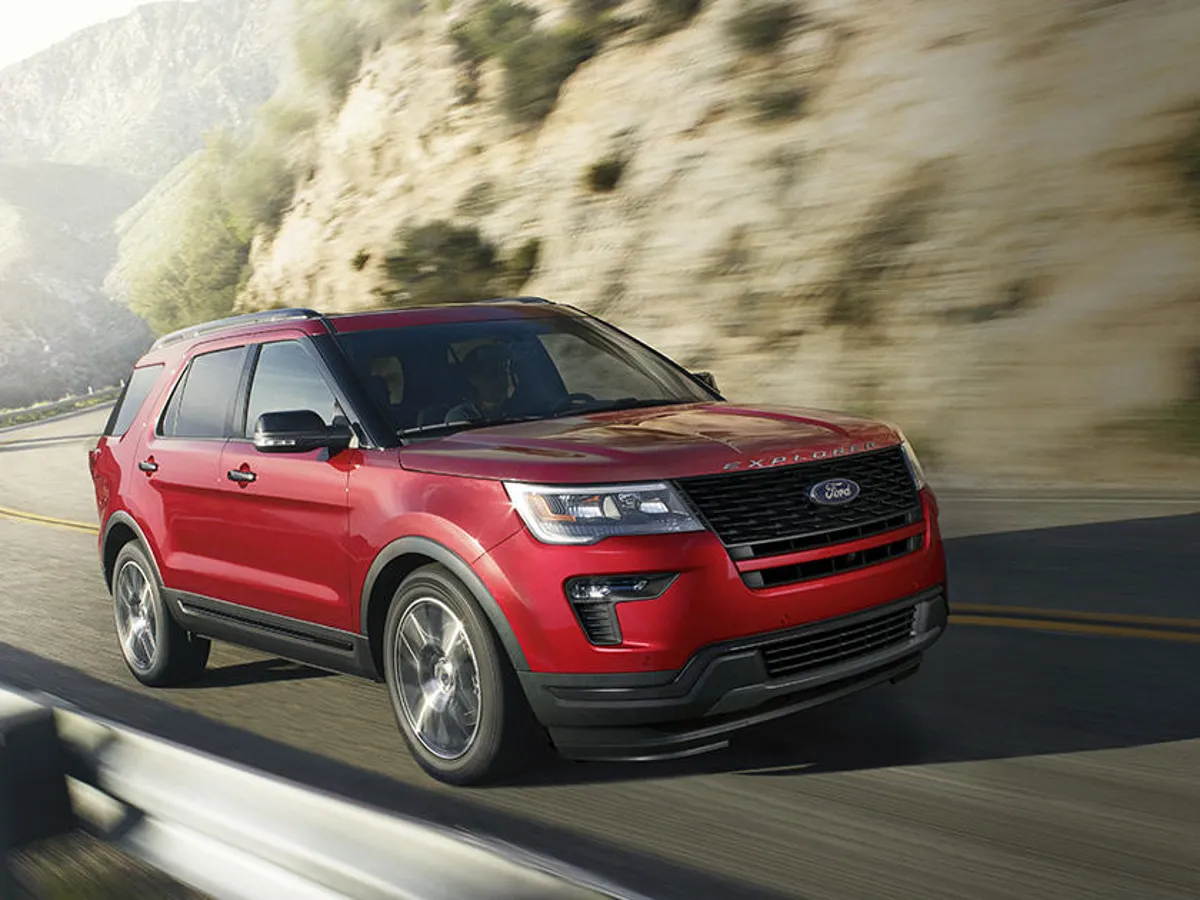
1. Ford Explorer (2011-2019)
The Ford Explorer’s power liftgate has been a persistent source of frustration for owners, particularly those in cold-weather regions. Multiple model years of the fifth-generation Explorer (2011-2019) have documented issues with liftgate struts failing prematurely, motors burning out, and electrical gremlins that cause erratic operation.
Online owner forums are filled with complaints about liftgates that won’t open in cold weather, fail to close completely, or stop working altogether after just a few winters of use.
The root cause of many Explorer liftgate problems stems from undersized struts that struggle to support the liftgate’s considerable weight, especially when cold weather increases fluid viscosity within the struts.
As the struts weaken, the power liftgate motor must work harder to lift and control the liftgate’s motion, leading to premature motor failure.
Ford used a small motor that was likely adequate when the struts were new and operating in moderate temperatures, but the combination of weakened struts and cold-weather operation creates a perfect storm for motor burnout.
Technical Service Bulletins issued by Ford acknowledge liftgate problems across multiple model years, including TSB 13-6-5 addressing liftgate motors that fail prematurely and TSB 14-0129 covering liftgate struts that lose pressure.
However, these bulletins typically apply only to vehicles still under warranty, leaving countless owners facing expensive out-of-pocket repairs.
Replacement costs for Explorer liftgate motors typically range from $600-$1,200 including labor, while strut replacement adds another $400-$700 to the bill.
The Explorer’s liftgate electrical system has also proven problematic, with corrosion developing at connector points despite Ford’s use of weather-pack style connectors.
Salt spray from winter roads finds its way into the liftgate area, and the lower mounting position of certain electrical components makes them vulnerable to slush accumulation. Corrosion leads to increased electrical resistance, causing motors to draw more current and overheat.
Some owners report intermittent liftgate operation that becomes progressively worse as corrosion advances, eventually requiring complete wiring harness replacement.
Ford attempted to address some liftgate issues with the 2020 redesign, but early reports suggest problems persist, though perhaps with less frequency.
Prospective buyers shopping for used Explorers should carefully test the power liftgate operation and factor potential repair costs into their purchase decisions.
Many owners have opted to simply use the manual release and operate the liftgate by hand, sacrificing the convenience of the power feature to avoid ongoing repair expenses.
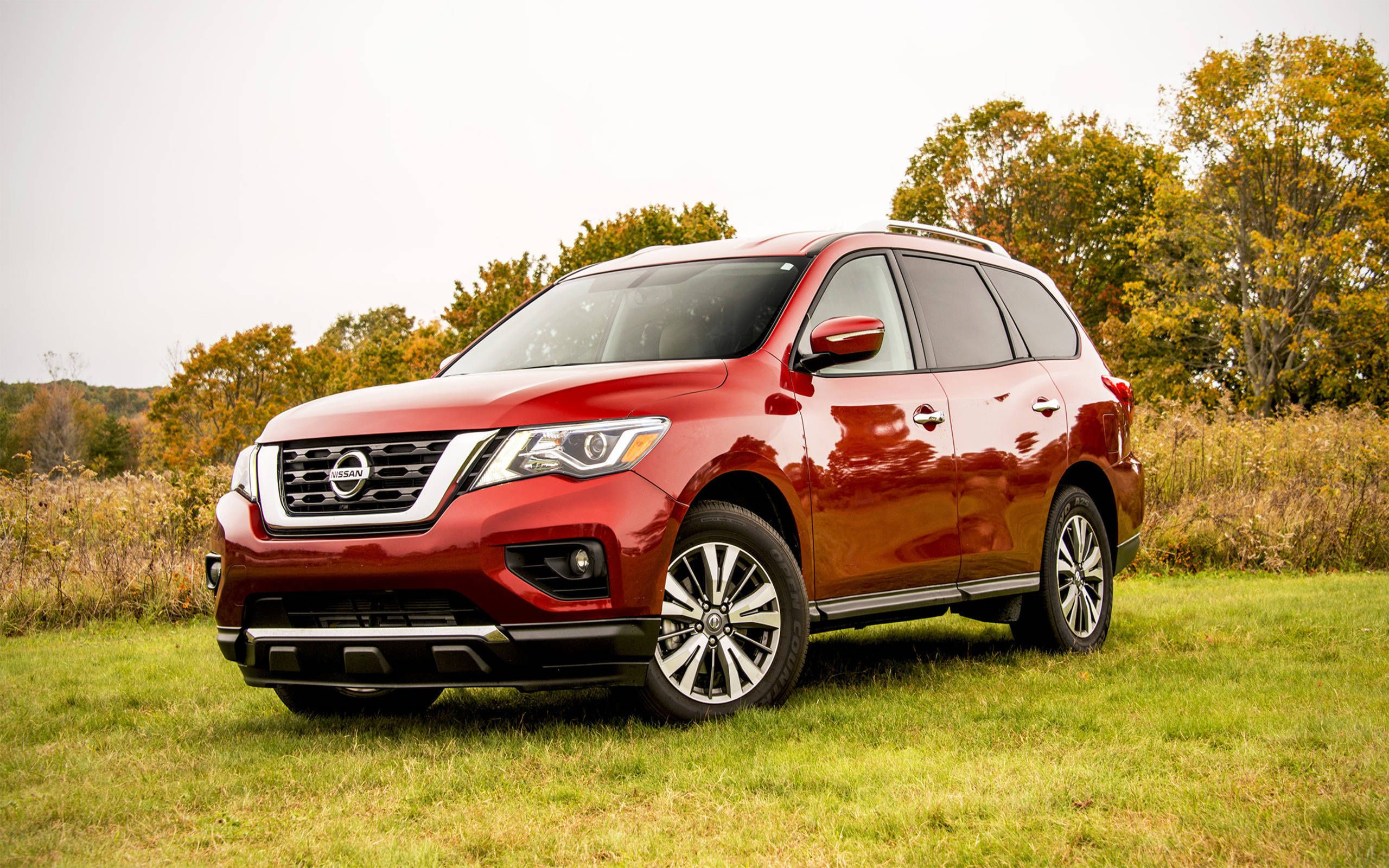
2. Nissan Pathfinder (2013-2020)
The fourth-generation Nissan Pathfinder’s transition from a rugged body-on-frame SUV to a more refined unibody crossover brought many improvements, but the power liftgate system was not among them.
Pathfinder owners, particularly in northern climates, consistently report liftgate problems that manifest during winter months and often recur even after repairs.
The issues range from struts that fail to hold the liftgate open, requiring drivers to prop it up with one hand while loading cargo, to complete motor failures that leave the liftgate inoperable.
Nissan’s choice of liftgate struts for the Pathfinder appears to have been driven more by cost considerations than durability requirements.
The struts use a single-tube design where the gas charge and damping fluid share the same chamber, making them particularly susceptible to performance degradation in cold weather.
As temperatures drop, the hydraulic fluid becomes more viscous, reducing damping effectiveness and causing the liftgate to either move too quickly or too slowly.
The gas charge pressure also varies with temperature, and the struts often lose pressure after several years of use, failing to provide adequate support.
The power liftgate motor in the Pathfinder is mounted in a location that makes it vulnerable to moisture accumulation and road spray.
The motor housing’s weather sealing is inadequate, allowing water and salt to infiltrate and corrode internal components. Many owners report that their liftgate motors fail completely during or shortly after winter, requiring replacement.
Nissan dealers typically charge $800-$1,500 for motor replacement, and some owners report needing multiple replacements over their vehicle’s ownership period a frustrating and expensive recurring problem.
Perhaps most troubling is Nissan’s apparent reluctance to acknowledge these widespread liftgate issues or extend warranty coverage for affected owners.
While some TSBs address software updates for liftgate operation, they don’t resolve the underlying hardware problems. Owners who experience liftgate failures outside the warranty period are left to shoulder the full repair costs, leading to considerable dissatisfaction with the brand.
Many Pathfinder owners report that their service advisors acknowledge liftgate problems as common issues but offer no solutions beyond costly repairs.
The liftgate problems have significantly impacted the Pathfinder’s reputation for reliability, with Consumer Reports and J.D. Power data showing below-average reliability ratings for affected model years.
Prospective buyers should be extremely cautious about purchasing used Pathfinders from this generation, particularly vehicles with higher mileage or those that have spent their lives in snow belt states.
Testing the liftgate operation extensively before purchase is essential, and buyers should factor in the likelihood of needing expensive liftgate repairs during ownership.
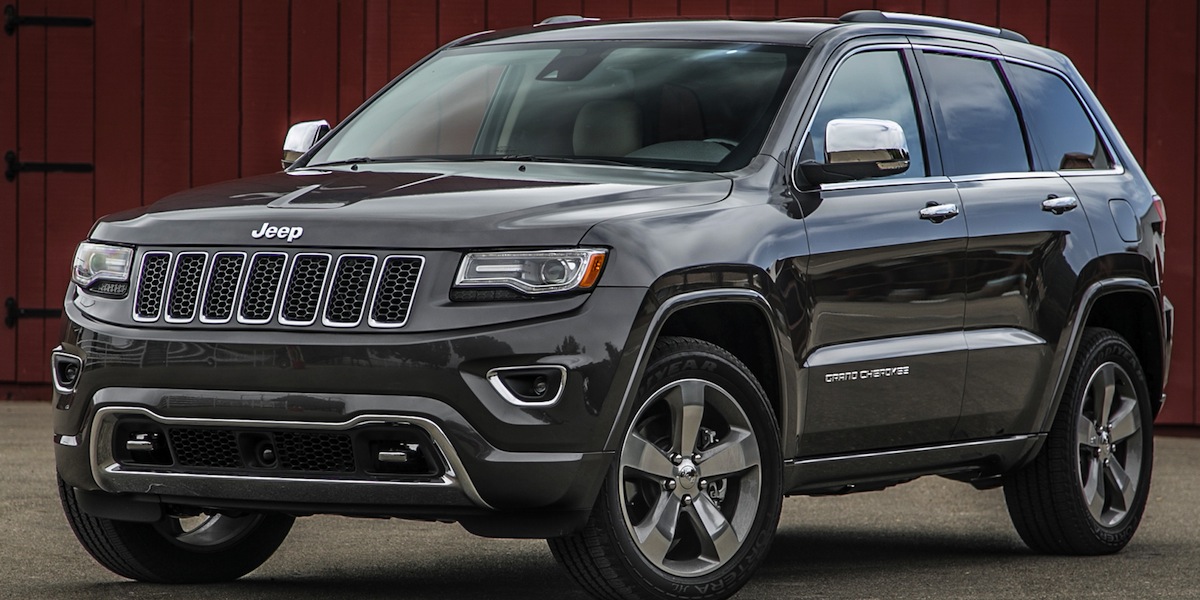
3. Jeep Grand Cherokee (2011-2021)
Jeep’s popular Grand Cherokee has earned a loyal following for its capable off-road performance and upscale interior, but its power liftgate system has proven to be a persistent weak point across multiple generations.
Owners consistently report strut failures, motor burnouts, and electrical issues that manifest during cold weather and often require expensive repairs.
The problems are so common that independent mechanics specializing in Chrysler products keep Grand Cherokee liftgate components in stock, knowing they’ll need them regularly.
The Grand Cherokee’s liftgate struts are a particular source of frustration, with many owners reporting failures within the first 3-5 years of ownership.
The struts lose pressure and fail to hold the liftgate open, creating a dangerous situation where the heavy liftgate can suddenly slam shut, potentially causing injury or property damage.
The problem is exacerbated in cold weather when the reduced gas pressure within the struts provides even less support. Some owners report that their liftgate operates marginally during summer months but becomes completely unreliable when winter arrives.
Jeep’s power liftgate motor has also proven problematic, with a design that seems inadequate for the Grand Cherokee’s large, heavy liftgate.
The motor struggles when operating in cold temperatures, drawing excessive current as it tries to overcome the increased resistance from cold-thickened lubricants and weakened struts.
This raised current draw generates heat, damaging the motor’s internal windings and eventually causing complete failure. Replacement costs typically range from $700-$1,400, and some unfortunate owners report needing multiple motor replacements over their vehicle’s life.
The electrical system controlling the Grand Cherokee’s liftgate has earned particular notoriety for erratic behavior and mysterious malfunctions. Owners report liftgates that open or close on their own, refuse to respond to commands, or work intermittently without any apparent pattern.
These issues often stem from corrosion at electrical connectors or failures in the liftgate control module, which is positioned in a location vulnerable to moisture accumulation.
Diagnosing electrical liftgate problems can be time-consuming and expensive, with some owners reporting repair bills exceeding $2,000 after multiple diagnostic sessions and component replacements.
Chrysler has issued several Technical Service Bulletins addressing Grand Cherokee liftgate problems, including TSB 08-030-14 for liftgate struts and TSB 08-039-15 for power liftgate motors, but these bulletins provide little consolation for owners whose vehicles are outside warranty coverage.
The recurring nature of these problems suggests fundamental design flaws rather than isolated manufacturing defects. Prospective Grand Cherokee buyers should carefully evaluate whether the power liftgate feature is worth the potential headaches, as many owners report wishing they had chosen a model with a manual liftgate instead.
4. Volkswagen Atlas (2018-2023)
Volkswagen’s entry into the three-row SUV market, the Atlas, has received praise for its spacious interior and solid driving dynamics, but the power liftgate has emerged as a significant reliability concern.
Despite being a relatively new model, the Atlas has already accumulated numerous complaints about liftgate malfunctions, with cold-weather operation proving particularly problematic.
The issues are troubling given the vehicle’s premium pricing and VW’s reputation for German engineering excellence. The Atlas’s liftgate struts appear to be inadequately specified for the liftgate’s size and weight.
Multiple owners report struts failing to hold the liftgate open after just one or two winters, with the problem becoming progressively worse as temperatures drop.
The struts seem to use a design more appropriate for a smaller vehicle, and they simply cannot maintain adequate force when cold weather affects the gas charge pressure and hydraulic fluid viscosity.
Unlike some manufacturers who over-engineer components for longevity, VW appears to have optimized for cost and initial performance rather than long-term durability in harsh conditions.
The power liftgate motor in the Atlas has proven to be another weak point, with premature failures reported across multiple model years.
The motor uses a brushed design that’s more susceptible to wear than brushless alternatives, and cold-weather operation accelerates this wear process.

As the brushes deteriorate, the motor becomes less efficient, drawing more current and generating more heat, eventually leading to complete failure.
The motor’s position within the liftgate assembly makes replacement labor-intensive, with typical repair costs ranging from $900-$1,600 at VW dealerships. What makes the Atlas liftgate problems particularly frustrating is Volkswagen’s inconsistent warranty support.
While some owners report having repairs covered under the vehicle’s limited warranty, others with identical problems have been denied coverage, with VW claiming the failures result from “customer abuse” or “normal wear” claims that seem questionable given the short time periods and low mileages at which failures occur.
The lack of consistent warranty support has damaged VW’s reputation among Atlas owners and potential buyers. The Atlas’s liftgate control software has also exhibited problems, with updates issued multiple times to address various operational quirks and malfunctions.
However, software updates cannot resolve hardware inadequacies, and many owners report that their liftgate problems persist despite dealer attempts to reprogram the system.
The hands-free liftgate sensor, in particular, has proven troublesome, failing to detect kick gestures reliably or triggering false activations.
In winter conditions, ice and snow accumulation around the sensor exacerbate these problems, rendering the hands-free feature virtually unusable when you’d most appreciate its convenience.
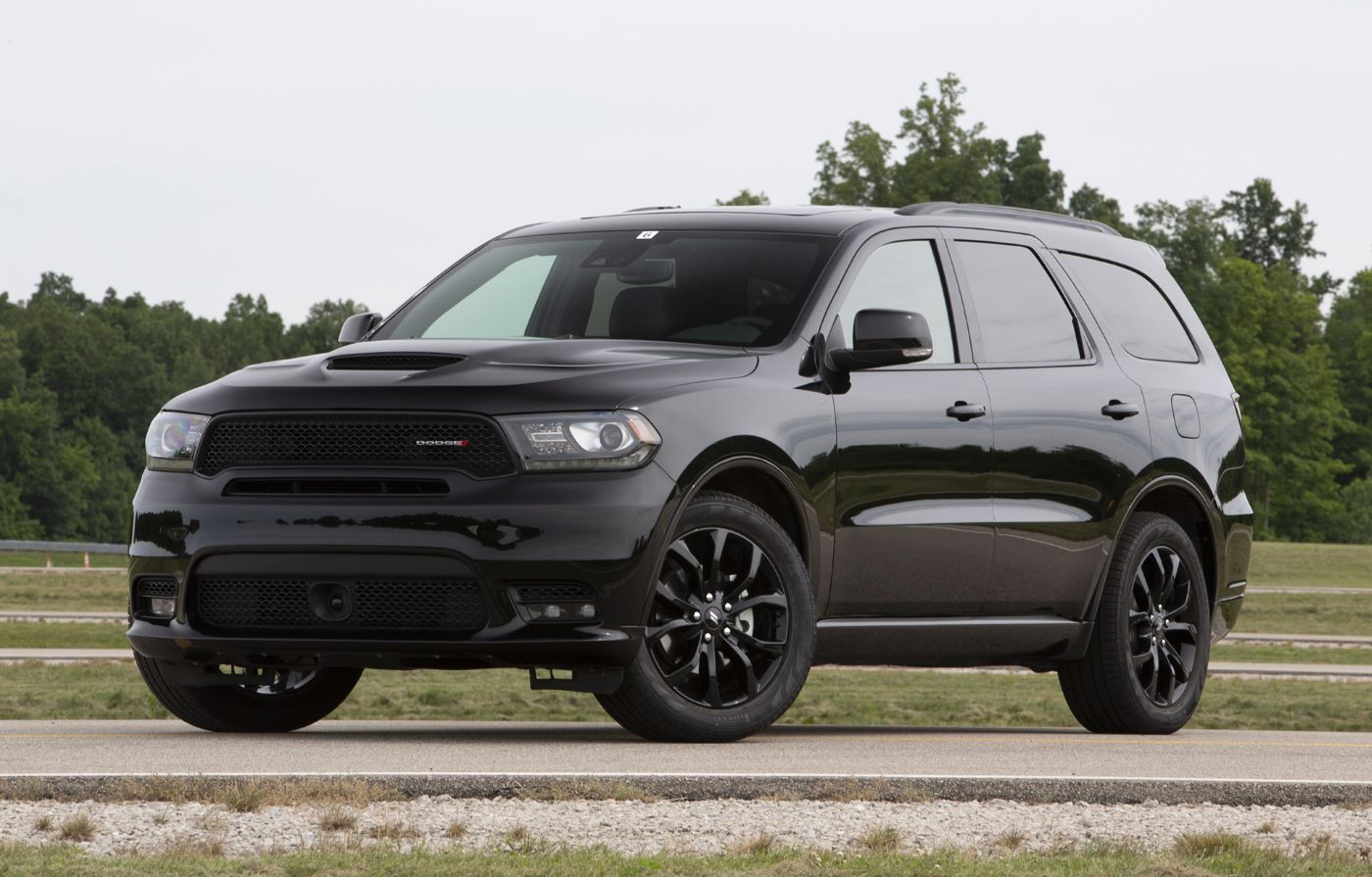
5. Dodge Durango (2011-2023)
The Dodge Durango shares its platform and many components with the Jeep Grand Cherokee, and unfortunately, this includes similarly problematic liftgate systems.
Durango owners report a familiar litany of complaints: struts that fail prematurely, motors that burn out during cold weather, and electrical gremlins that cause unpredictable operation.
The problems span multiple model years and trim levels, suggesting systemic design or quality issues rather than isolated incidents. Durango liftgate struts typically begin showing weakness within 3-4 years of ownership, with complete failure often occurring during the vehicle’s fifth or sixth winter.
The struts lose their gas charge gradually, and owners often don’t realize there’s a problem until the liftgate suddenly won’t stay open or begins descending unexpectedly while loading cargo.
The heavy liftgate poses a genuine safety hazard when the struts fail, and several owners report near-misses where the descending liftgate nearly struck children or pets.
Replacement struts are relatively affordable at $300-500 per pair, but many owners report needing multiple replacements over the vehicle’s life.
The power liftgate motor failure rate in the Durango is alarmingly high, with problems typically emerging during or after winter months.
The motor design appears identical or very similar to the unit used in the Grand Cherokee, sharing the same inadequacies when faced with cold-weather operation and weakened struts.
Dodge dealers report frequent motor replacements, and independent mechanics familiar with the Durango keep motors in stock due to demand. Replacement costs mirror those for the Grand Cherokee, typically falling in the $700-$1,400 range including parts and labor.
Electrical issues plague the Durango’s liftgate system, with control module failures and wiring harness problems creating intermittent malfunctions that are difficult and expensive to diagnose.
The liftgate may work perfectly for days or weeks, then suddenly refuse to operate or behave erratically. These problems often worsen during winter when moisture and road salt accelerate corrosion at electrical connections.
Some owners report that dealership service departments have replaced multiple components struts, motors, wiring harnesses, and control modules without permanently resolving the issues, resulting in repair bills totaling several thousand dollars.
Dodge’s response to the widespread liftgate problems has been disappointing, with the company generally refusing to extend warranty coverage or acknowledge that the issues stem from design deficiencies.
Technical Service Bulletins address some specific problems, but they provide little help for the many owners whose vehicles fall outside warranty periods when problems emerge.
The Durango’s liftgate reliability issues have significantly impacted customer satisfaction ratings and resale values, with many prospective buyers specifically avoiding models equipped with the power liftgate option.
6. Chevrolet Traverse (2009-2017)
The first and second generations of the Chevrolet Traverse have earned notoriety for power liftgate problems that leave owners frustrated and facing expensive repair bills.
The issues are particularly common in cold-weather states, where winter conditions expose the liftgate system’s inadequacies. Traverse owners report that liftgate problems often begin subtly, the liftgate opens or closes slightly slower than usual then progress to complete failure over the course of several months or years.
The Traverse’s liftgate struts have proven to be inadequately designed for the vehicle’s large, heavy liftgate, particularly when operating in cold temperatures.
Many owners report strut failures within the first 50,000 miles, with the problem manifesting as a liftgate that won’t stay open or requires manual assistance to close.
The struts appear to use economy-grade components that sacrifice longevity for low initial cost, a decision that seems shortsighted given the premium pricing of upper-trim Traverse models.
Cold weather accelerates strut degradation, with owners in northern climates reporting failures much earlier than those in temperate regions.
The power liftgate motor in the 2009-2017 Traverse generations is a particularly weak component that fails with alarming frequency. The motor design seems inadequate for the liftgate’s weight and the mechanical resistance encountered during cold-weather operation.

As ambient temperatures drop, the motor must work harder to move the liftgate, drawing excessive current and generating heat that damages internal components.
Many owners report motor failures occurring during their second or third winter of ownership, with replacement costs ranging from $600-$1,300, depending on the dealership and whether they use OEM or aftermarket parts.
What makes Traverse liftgate problems particularly expensive is that failures rarely occur in isolation. Weak struts cause the motor to work harder, accelerating motor failure.
When the motor fails, owners often replace only the motor, leaving the weakened struts in place. These weakened struts then cause the new motor to fail prematurely, creating a cycle of recurring repairs.
Savvy mechanics recommend replacing both struts and the motor simultaneously when addressing liftgate problems, but this comprehensive repair can cost $1,500-$2,000, a bitter pill for owners of vehicles that may have less than 100,000 miles.
Chevrolet issued several Technical Service Bulletins addressing Traverse liftgate problems, and the 2018 redesign incorporated improvements intended to address reliability concerns.
However, early reports suggest that third-generation Traverse models still experience liftgate issues at rates higher than competitors.
The persistent problems have damaged the Traverse’s reputation and contributed to lower-than-average reliability ratings from Consumer Reports and J.D. Power.
Prospective buyers shopping for used Traverse models should carefully inspect the liftgate operation and consider budgeting for potential repairs, as the likelihood of needing liftgate service during ownership is unfortunately quite high.
Also Read: 8 Compact Cars That Hold Alignment For Years vs 8 That Constantly Need Tweaks
